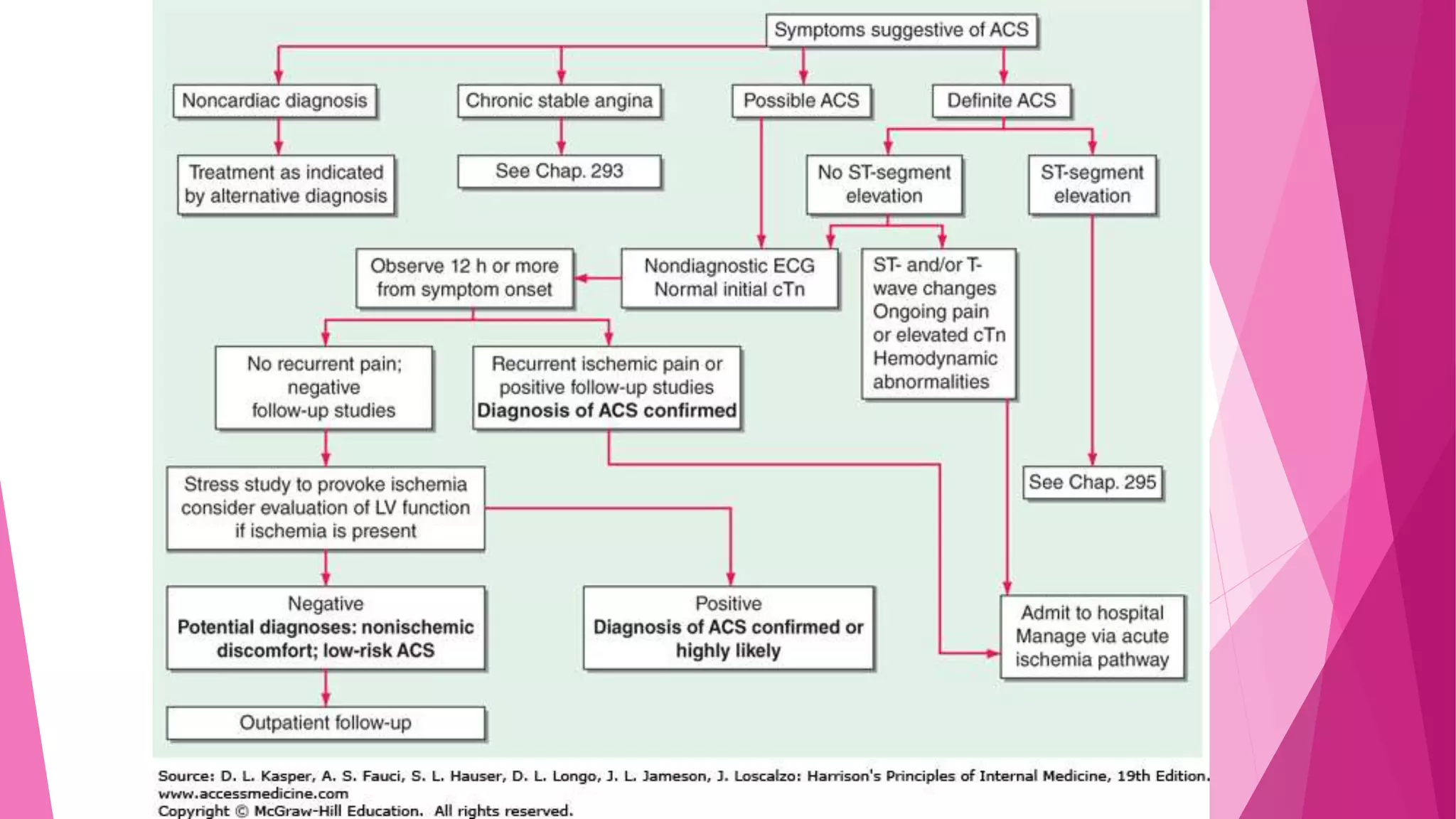
ACUTE
CORONARY
SYNDROME
(ACS)
NUR FARRA NAJWA BINTI ABDUL AZIM
082015100035
LEARNING OBJECTIVES
BY THE END OF SEMINAR STUDENT SHOULD BE ABLE TO :
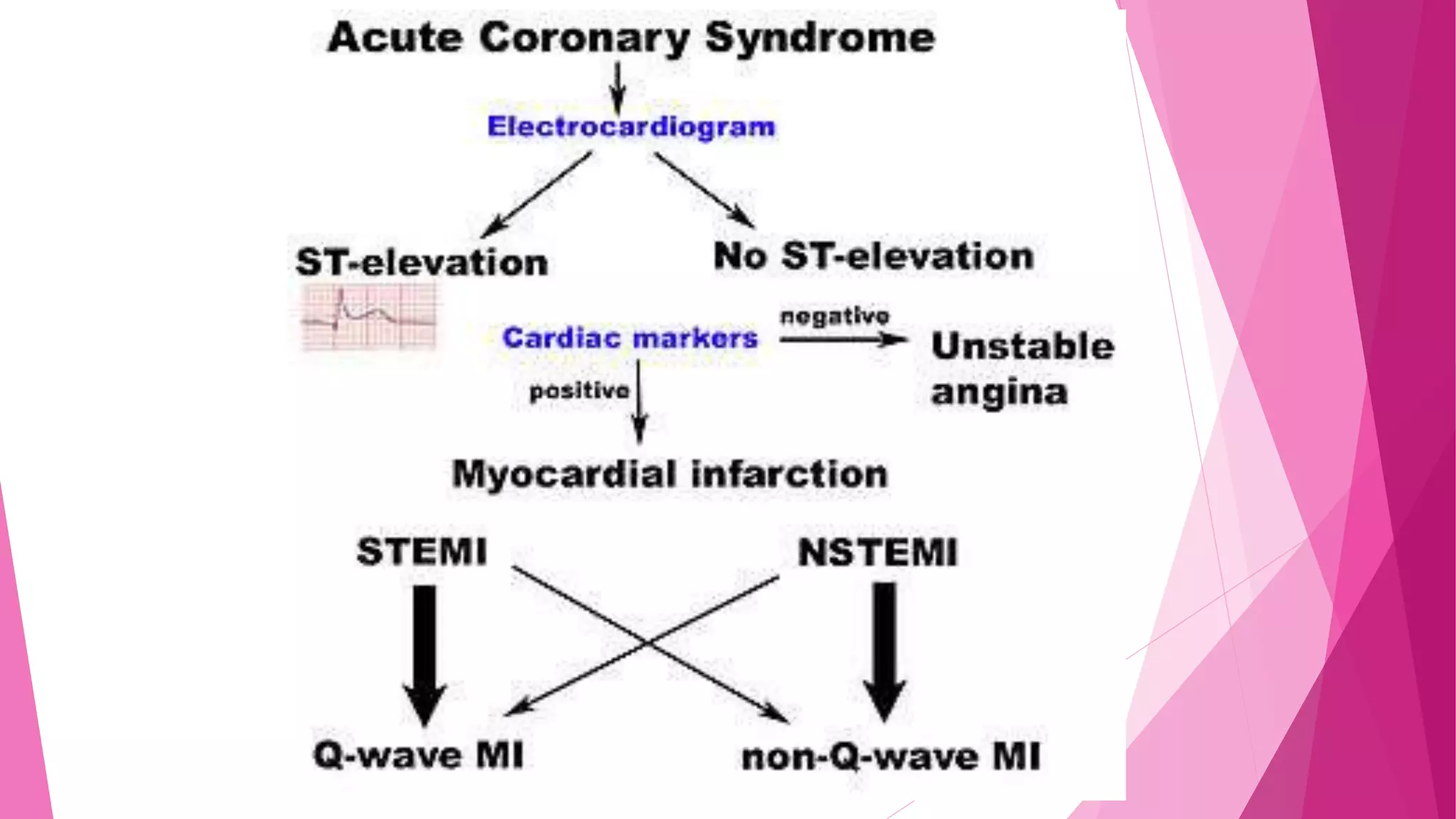
 UNDERSTAND WHAT IS ACUTE CORONARY SYDNROME (ACS) AND NON ST-
SEGMENT ELEVATION ACUTE CORONARY SYDNROME (NSTE-ACS)
 DISCUSS THE UNSTABLE ANGINA ( UA) AND NON ST-ELEVATION MYOCARDIAL
(NSTEMI)
 CLINICAL PRESENTATION
 DIAGNOSTIC CRITERIA
 LABORATORY INVESTIGATION
 MANAGEMENT
INTRODUCTION
ISCHEMIC
HEART
DISEASES
CHRONIC
ARTERY
DISEASES
ACUTE
CORONARY
SYNDROME
CONT.
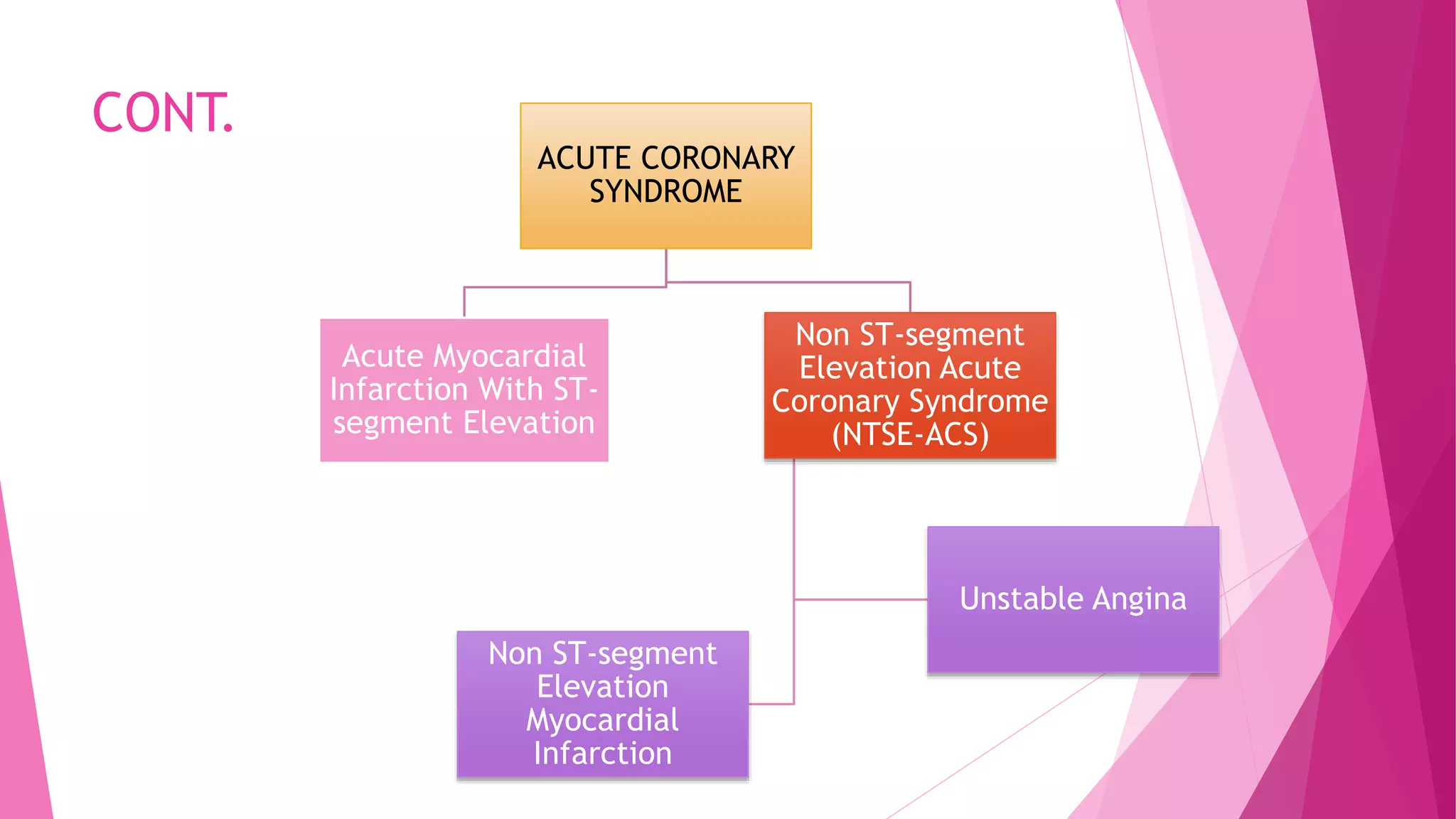
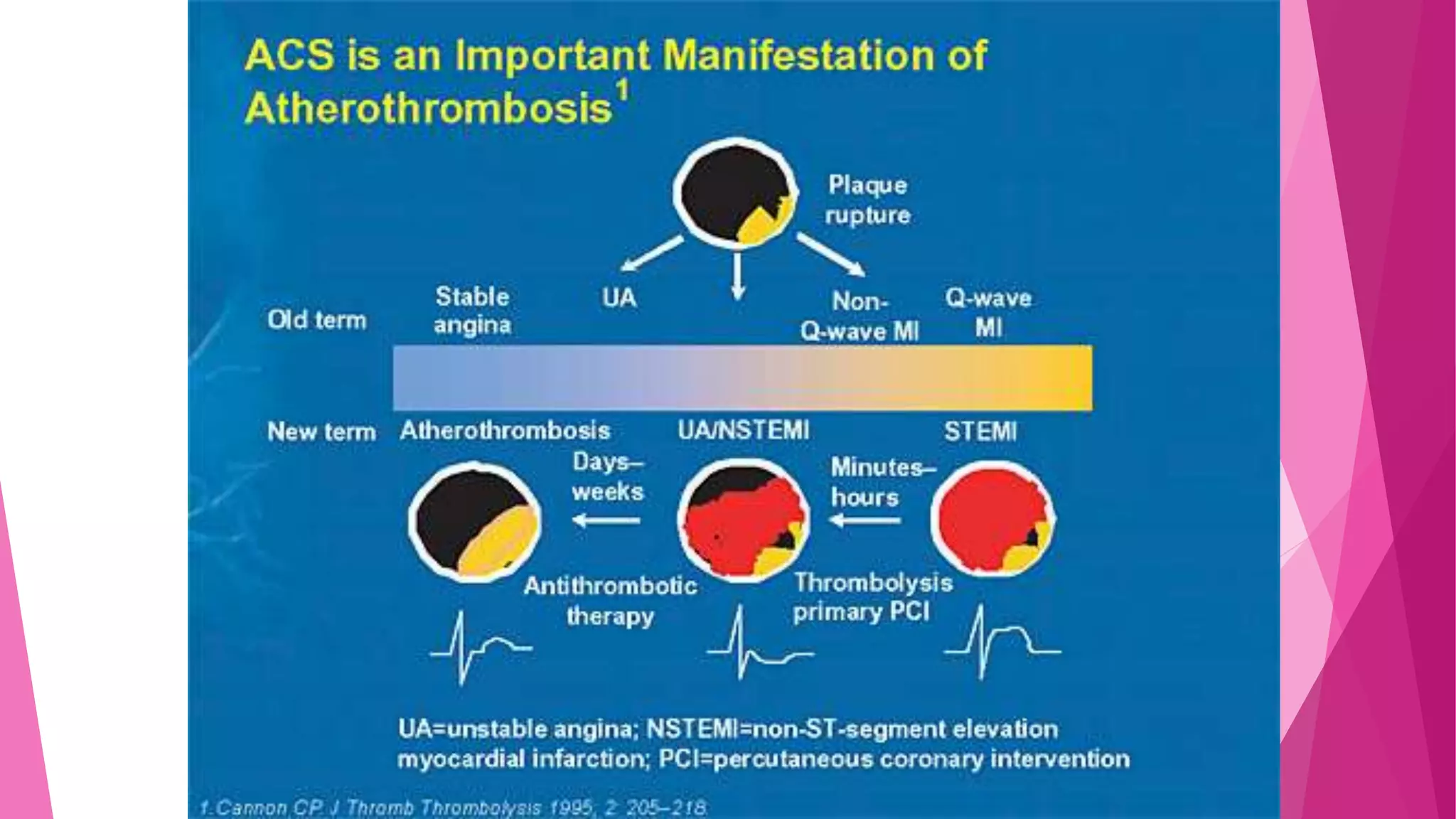
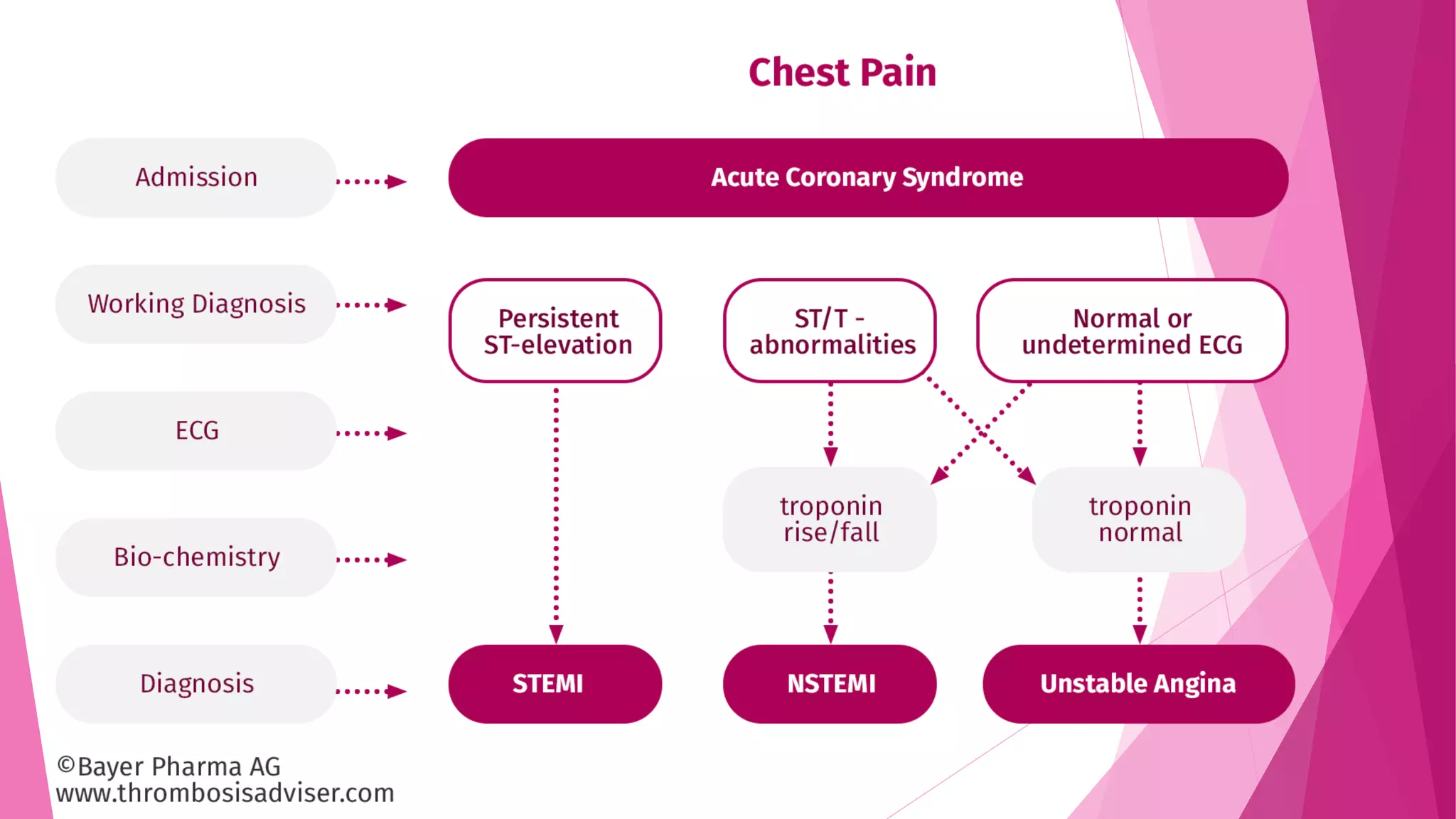
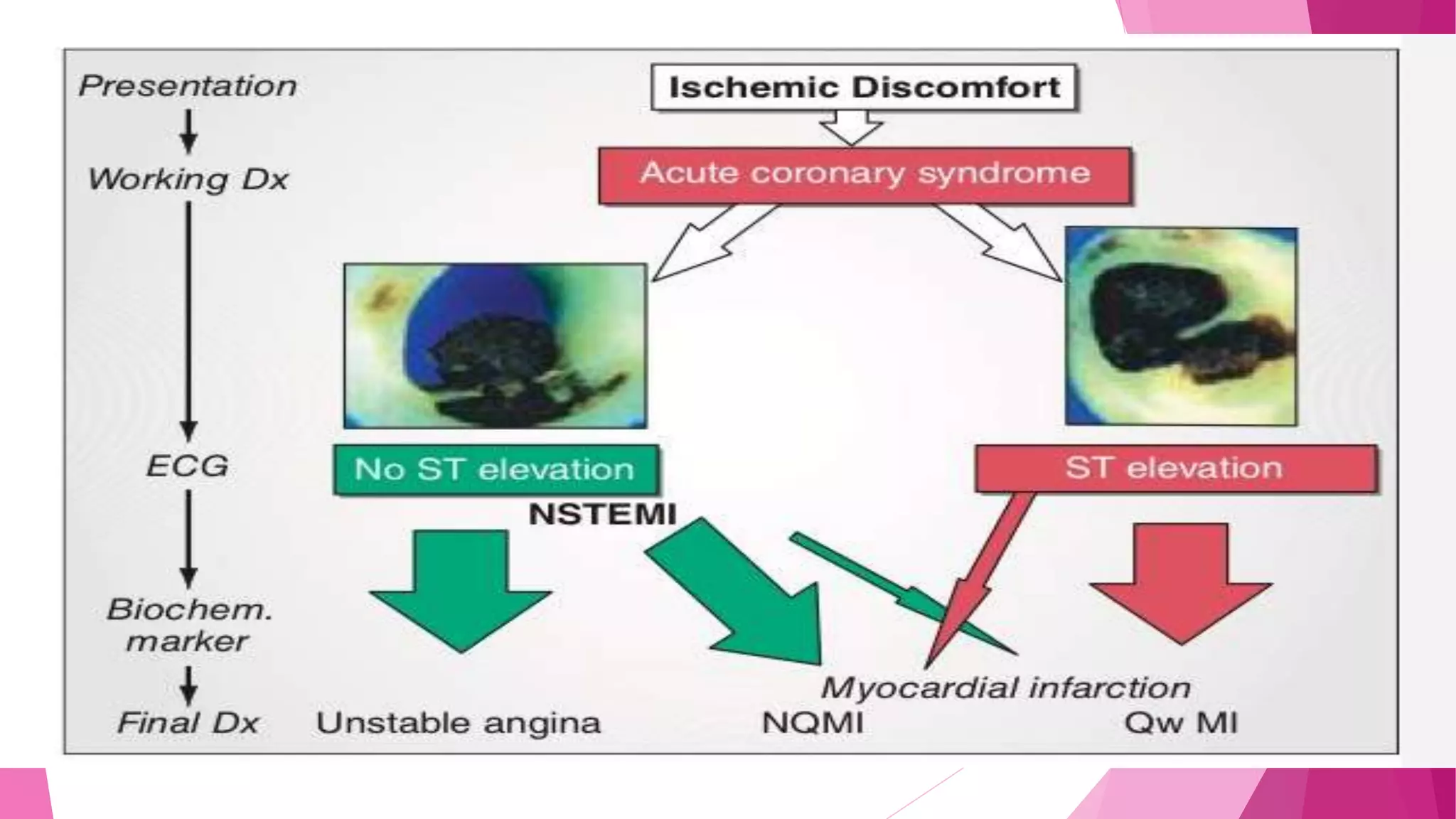
ACUTE CORONARY
SYNDROME
Acute Myocardial
Infarction With ST-
segment Elevation
Non ST-segment
Elevation Acute
Coronary Syndrome
(NTSE-ACS)
Unstable Angina
Non ST-segment
Elevation
Myocardial
Infarction
PATHOPHYSIOLOGY
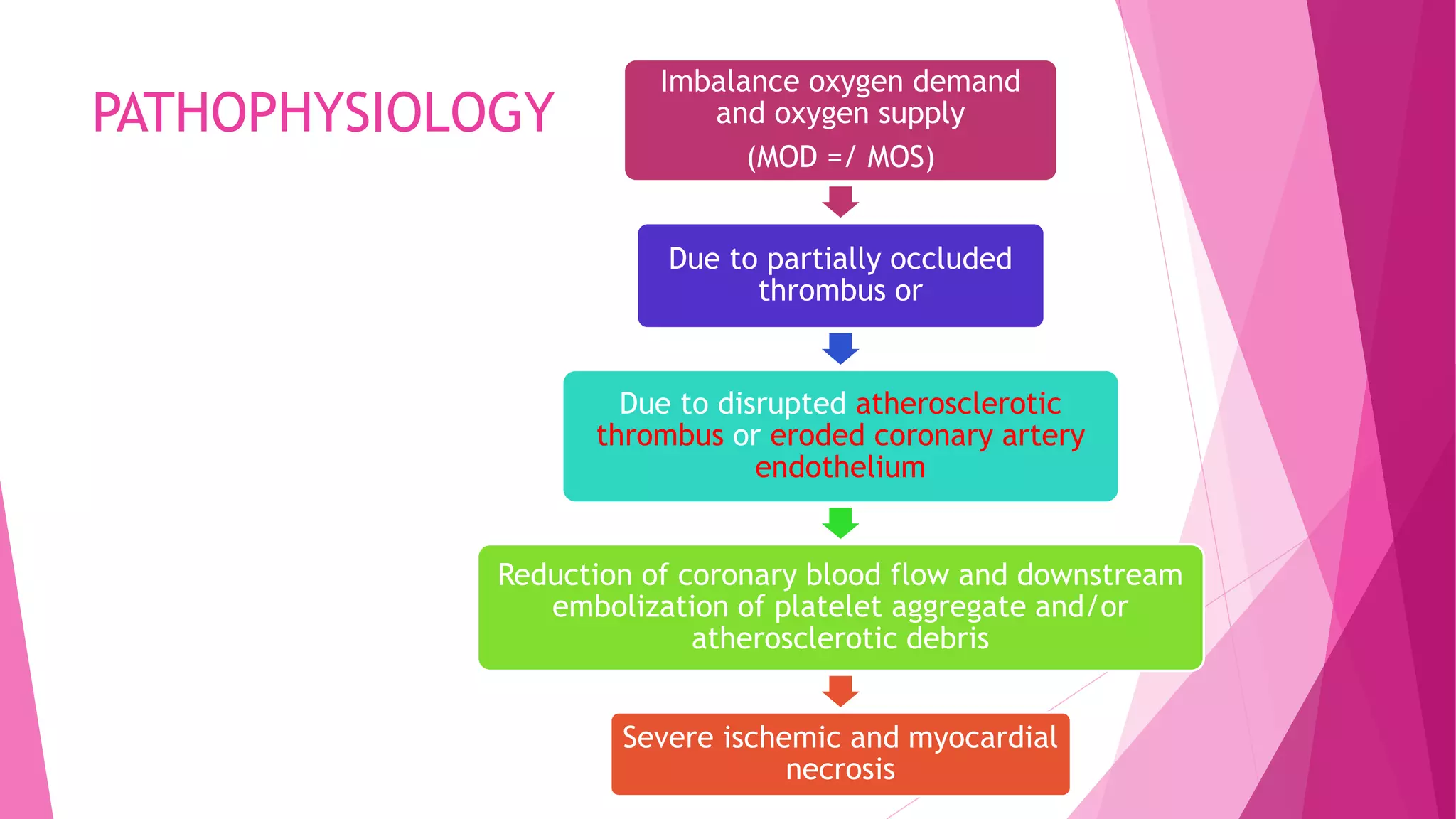
Imbalance oxygen demand
and oxygen supply
(MOD =/ MOS)
Due to partially occluded
thrombus or
Due to disrupted atherosclerotic
thrombus or eroded coronary artery
endothelium
Reduction of coronary blood flow and downstream
embolization of platelet aggregate and/or
atherosclerotic debris
Severe ischemic and myocardial
necrosis
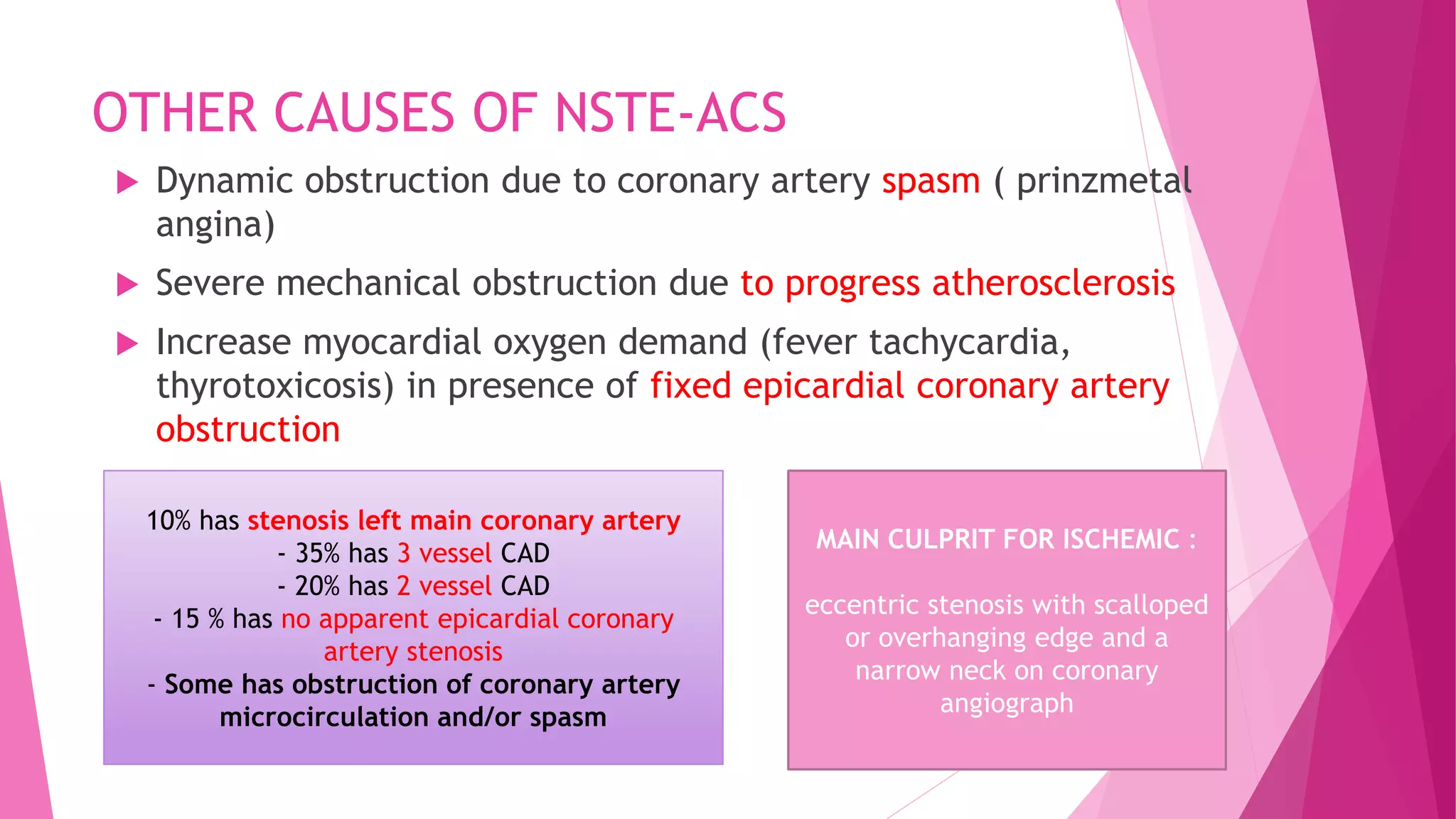
OTHER CAUSES OF NSTE-ACS
 Dynamic obstruction due to coronary artery spasm ( prinzmetal
angina)
 Severe mechanical obstruction due to progress atherosclerosis
 Increase myocardial oxygen demand (fever tachycardia,
thyrotoxicosis) in presence of fixed epicardial coronary artery
obstruction
10% has stenosis left main coronary artery
- 35% has 3 vessel CAD
- 20% has 2 vessel CAD
- 15 % has no apparent epicardial coronary
artery stenosis
- Some has obstruction of coronary artery
microcirculation and/or spasm
MAIN CULPRIT FOR ISCHEMIC :
eccentric stenosis with scalloped
or overhanging edge and a
narrow neck on coronary
angiograph
CLINICAL PRESENTATION
 Chest discomfort
 Severe
 Has at least one of three features
 Diagnosis of NSTEMI is establish if
patient present with clinical
feature and evidence of
myocardial necrosis
 Elevated level of biomarker of
cardiac necrosis
- Occur at rest (or on
minimal exertion)
-Last > 10 min
Relatively recent
onset ( within prior 2
weeks)
Occur with cresendo
pattern
( more severe,
frequemt, prolonged)
than previous episode
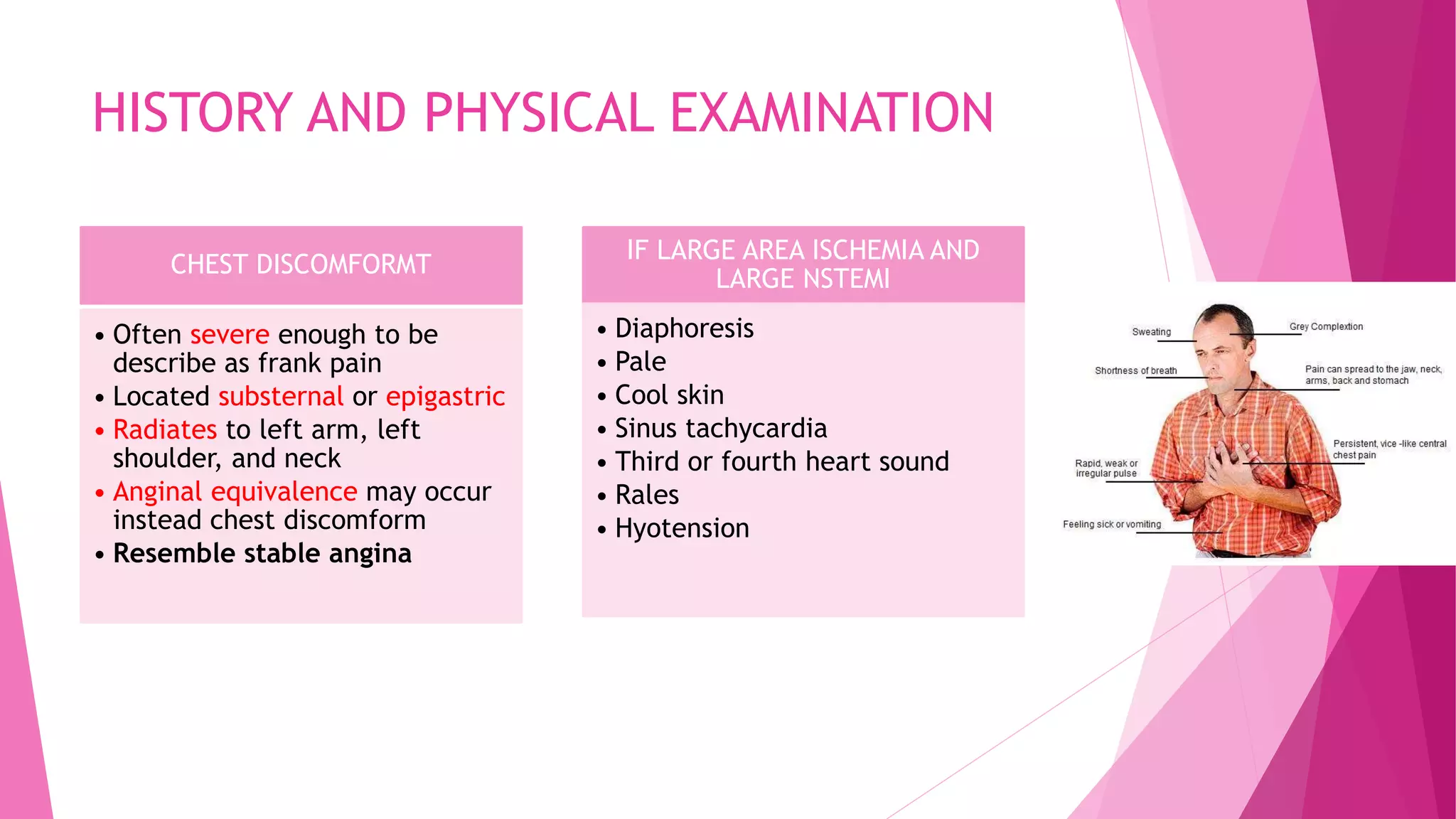
HISTORY AND PHYSICAL EXAMINATION
CHEST DISCOMFORMT
• Often severe enough to be
describe as frank pain
• Located substernal or epigastric
• Radiates to left arm, left
shoulder, and neck
• Anginal equivalence may occur
instead chest discomform
• Resemble stable angina
IF LARGE AREA ISCHEMIA AND
LARGE NSTEMI
• Diaphoresis
• Pale
• Cool skin
• Sinus tachycardia
• Third or fourth heart sound
• Rales
• Hyotension
ECG
 20 -25 % patient has ST- segment depression
 Transient in patient without biomarker increase for evidence of
myocardial necrosis
 Persistent for severel day in STEMI
 T wave changes
 Common but less specific sign of ischemia
 Unless deep and new T-wave inversion
CARDIAC BIOMARKER
 Patient with STEMI elevated biomarker
 Troponin T troponin I (TnT, TnI)
 Specific and sensitve
 Preferred for myocardial necrosis
 Ck-MB isoform
 Less sensitive alternative
Distinguish patient
with STEMI AND UA
Temporal rise and fall of this plasma
concentration marker and has a
directlv relationship between
elevation and mortality
CKMB TIME
RISE 4-6 HR
PEAK 12 HR
DIASSAP]REA 48-72 HR
TROP T AND TROP I TIME
RISE 4-6 HR
REMAIN ELEVATED 2 WEEKS
Cont.
 Patient
 without clear clinical history of myocardial ischemia
 Minor elevation of cardiac troponin (cTn)
 Can be caused by
 heart failure
 Myocarditis
 Pulmonary embolism
Thus, in patient in unclear history, without persistent rise of
biomarker are not diagnostic of ACS
DIAGOSTIC EVAUTAION
 In addition to clinical examinatiom
 ECG
 Cardiac biomarker
 Stress testing
 CCTA
 Goals
 Recognize or exclude MI
 Detect rest ischemia
 Signify coronary artery obstruction
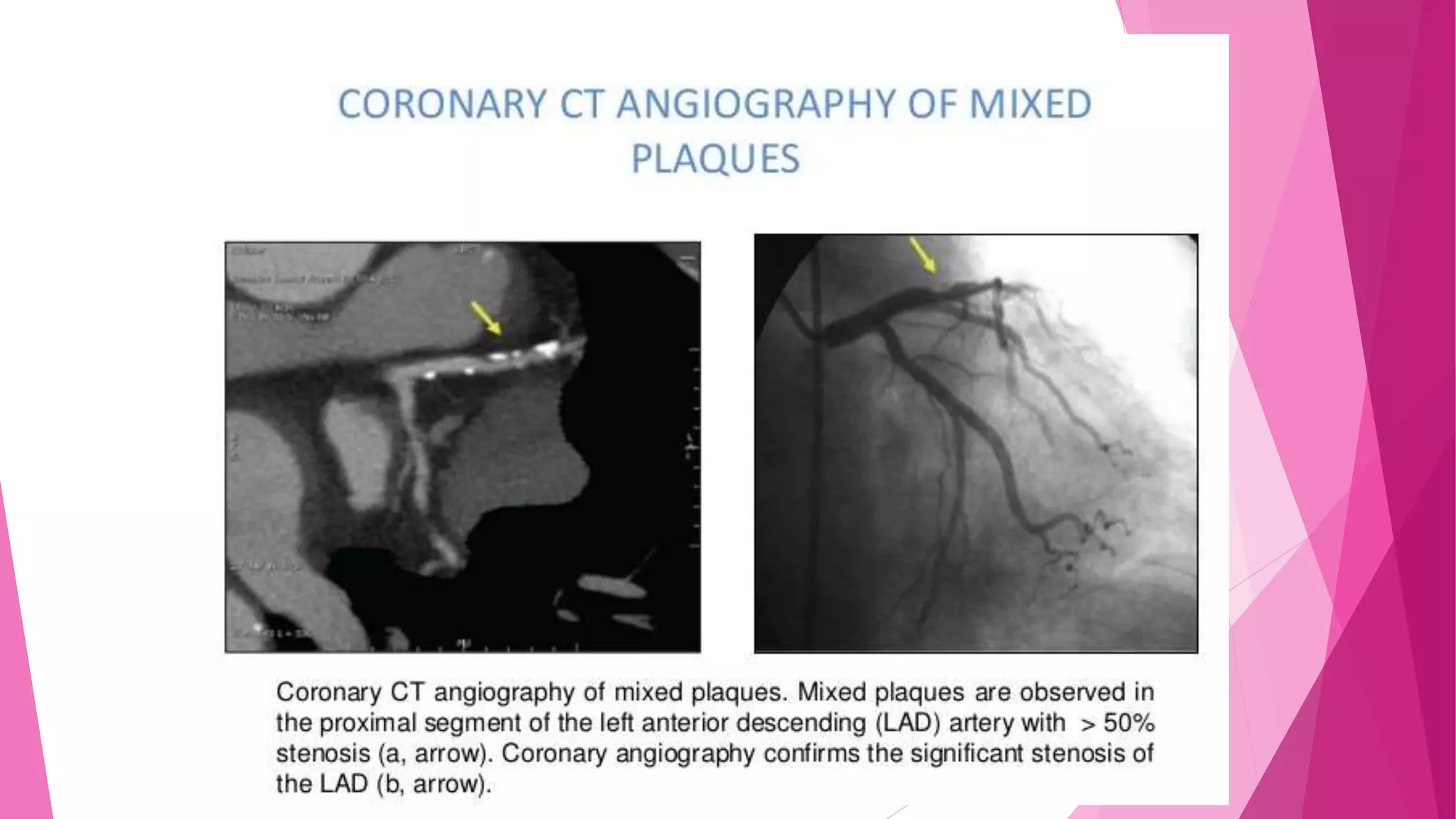
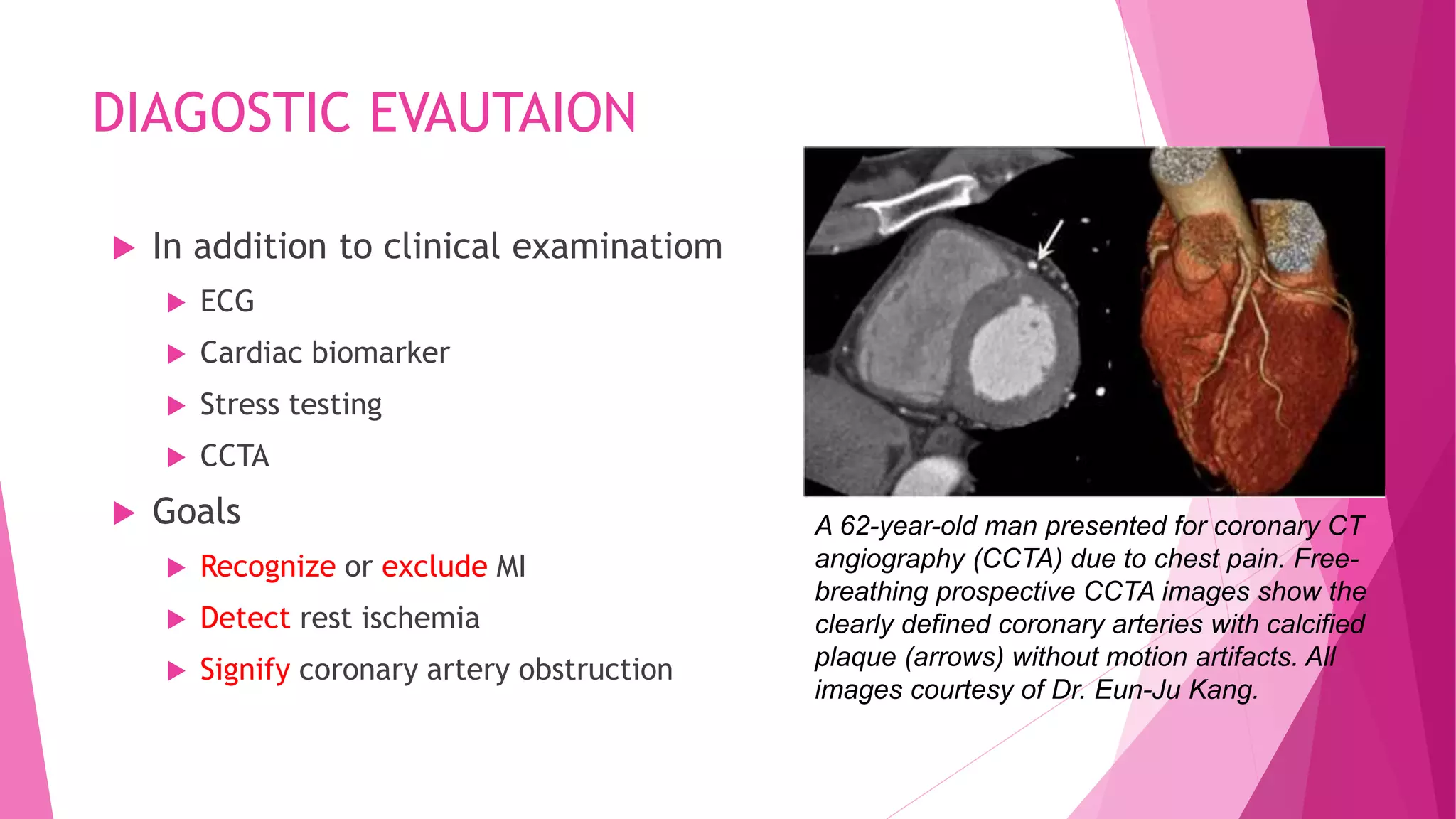
A 62-year-old man presented for coronary CT
angiography (CCTA) due to chest pain. Free-
breathing prospective CCTA images show the
clearly defined coronary arteries with calcified
plaque (arrows) without motion artifacts. All
images courtesy of Dr. Eun-Ju Kang.
Cont .
 Patient with low likelihood of ischemia
 managed in emergency department based clinical pathway (chest pain
unit)
 Requires
 Clinial monitoring of recurrent ischemic discomfort.
 Continous monitoring of ECG and cardiac biomarkers
- Obtained at baseline
- After 4-6 hour
- After 12 hour
Cont.
 New
 Cardiac biomarker elevation
 ECG changes (ST elevation)
 If
 Pain free
 Negative marker
Proceed stress testing
= determine ischemia present
CCTA
=coronary luminal obstruction
Admitted to
hospital
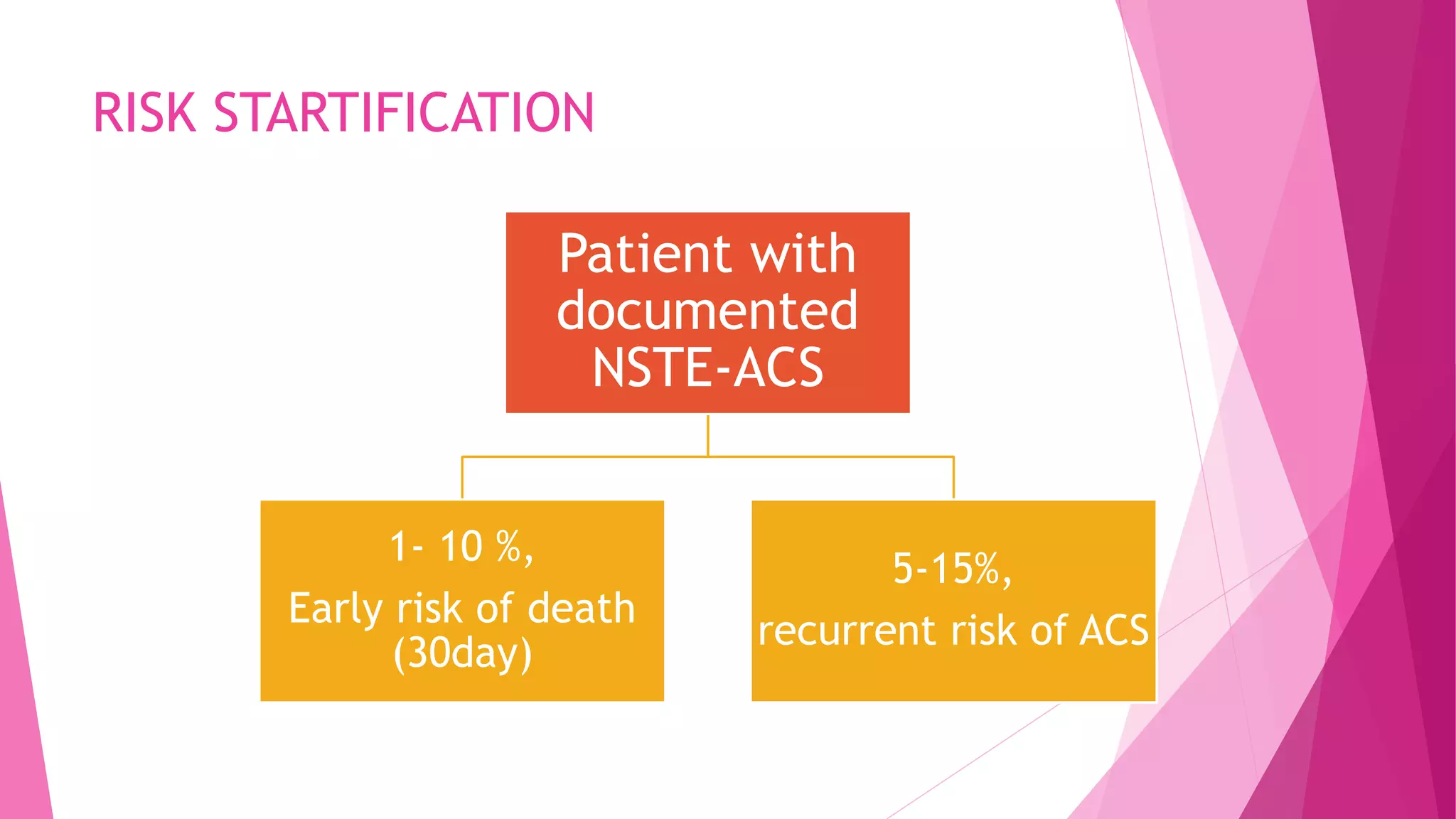
RISK STARTIFICATION
Patient with
documented
NSTE-ACS
1- 10 %,
Early risk of death
(30day)
5-15%,
recurrent risk of ACS
Cont.
 Risk assessment by Thrombolysis In Myocardial Infarction Trial (TIMI) ,
which include seven independent risk factor.
 The present of abnormally elevated cTn very important
 Extent of myocardial damage
 Other risk include
 Diabetes mellitus
 Renal dysfunction
 Elevated level of Brain Natriutic Peptide
and C-Reactive protein
Patient with ACS without elevation of cTn are
considered to develop unstable angina and
have more favourable prognosis than those
with cTn elevation (STEMI)
Early risk assesmen tuseful in
=predict the risk of recurremt cardiac
event
= identify a patient who will derives an
benfit from early invasive strategy
TREATMENT
 Patients should
 placed at bed rest
 continuous ECG monitoring (ST-segment deviation and cardiac
arrhythmias)
 Ambulation is permitted if the patient shows no recurrence of ischemia
(symptoms or ECG changes) and does not develop an elevation of a bio-
marker of necrosis for 12–24 h.
 Medical therapy involves simultaneous
 anti-ischemic
 antithrombotic treatments
 consideration of coronary revascularization
ANTI ISCHEMIC TREATMENT
 Provide relief and prevention of recurrence of chest pain
 Initial treatment should include
 bed rest
 nitrates
 beta adrenergic blockers,
 and inhaled oxygen in the presence of hypoxemia
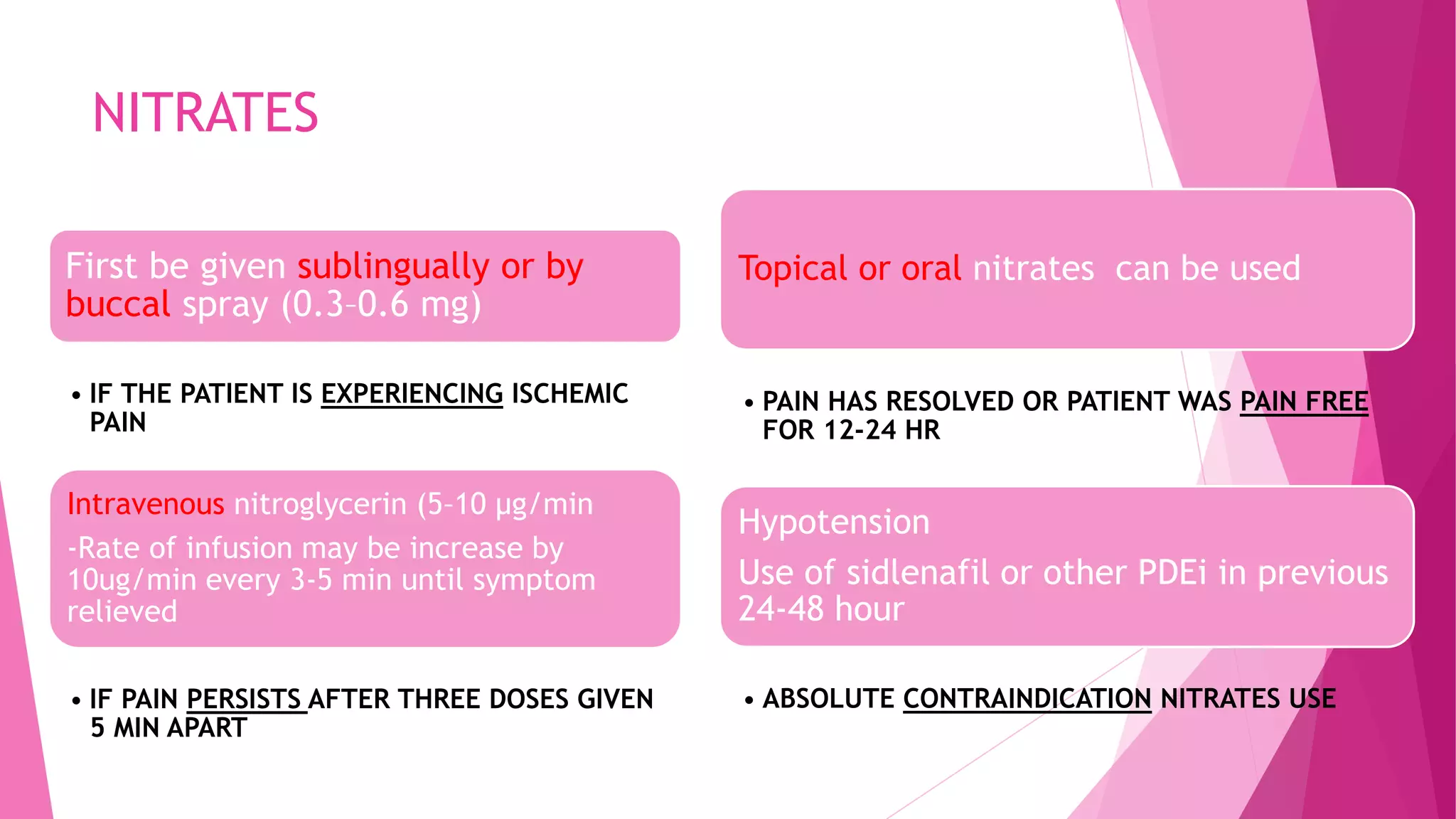
NITRATES
First be given sublingually or by
buccal spray (0.3–0.6 mg)
• IF THE PATIENT IS EXPERIENCING ISCHEMIC
PAIN
Intravenous nitroglycerin (5–10 μg/min
-Rate of infusion may be increase by
10ug/min every 3-5 min until symptom
relieved
• IF PAIN PERSISTS AFTER THREE DOSES GIVEN
5 MIN APART
Topical or oral nitrates can be used
• PAIN HAS RESOLVED OR PATIENT WAS PAIN FREE
FOR 12-24 HR
Hypotension
Use of sidlenafil or other PDEi in previous
24-48 hour
• ABSOLUTE CONTRAINDICATION NITRATES USE
• Started by the intravenous route
• Targeted to heart rate of 50–60 beats/min
Patients with severe ischemia, but this is
contraindicated in the presence of heart
failure.
• Heart rate–slowing calcium channel blockers
• Verapamil or diltiazem
For patients who have persistent symptoms or
ECG signs of ischemia after treatment with
full-dose nitrates and beta blockers and in
patients with contraindi-cations to either class
of these agents
• Angiotensin-converting enzyme (ACE) inhibitors
• Angiotensin receptor blockersAdditional medical therapy
• Early administration of hmg-coa reductase
inhibitors (statins), such as atorvastatin 80 mg/D
• Prior to percutaneous coronary intervention (PCI)
To reduce complications of the
procedure and recurrences of ACS
BETA ADRENERGIC BLOCKERS AND OTHER
AGENTS
ANTITHROMBOTIC THERAPY
 This is the second major corner-stone of treatment.
 There are two components of antithrombotic therapy:
 ANTIPLATELET DRUGS AND
 ANTICOAGULANTS
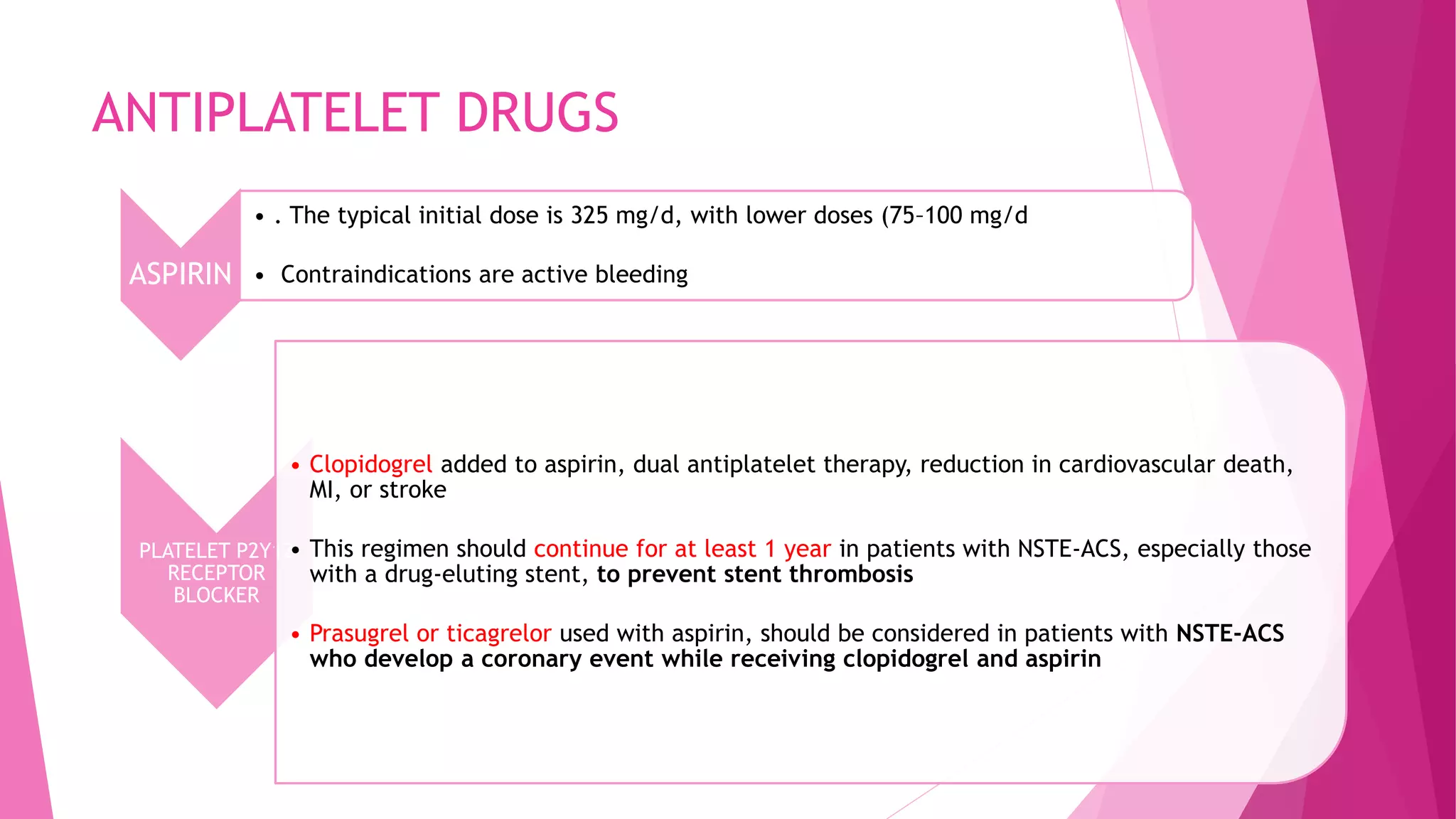
ANTIPLATELET DRUGS
ASPIRIN
• . The typical initial dose is 325 mg/d, with lower doses (75–100 mg/d
• Contraindications are active bleeding
PLATELET P2Y12
RECEPTOR
BLOCKER
• Clopidogrel added to aspirin, dual antiplatelet therapy, reduction in cardiovascular death,
MI, or stroke
• This regimen should continue for at least 1 year in patients with NSTE-ACS, especially those
with a drug-eluting stent, to prevent stent thrombosis
• Prasugrel or ticagrelor used with aspirin, should be considered in patients with NSTE-ACS
who develop a coronary event while receiving clopidogrel and aspirin
ANTICOAGULANTS
• Long the mainstay of therapyUNFRAC-TIONATED
HEPARIN (UFH)
• Which has been shown to be superior to UFH in reducing
recurrent cardiac events, especially in patients managed
by a conservative strategy but with some increase in
bleeding
THE LOW-MOLECULAR-
WEIGHT HEPARIN (LMWH),
ENOXAPARIN
• Causes less bleeding and is used just
prior to and/or during PCI
BIVALIRUDIN, A DIRECT
THROMBIN INHIBITOR
• Have a lower risk of major bleedingINDIRECT FACTOR Xa
INHIBITOR, FONDAPARINUX
INVASIVE VERSUS CONSERVATIVE
STRATEGY
 Benefit of an early invasive strategy in high-risk patients
 Patients with multiple clinical risk factors,
 ST-segment deviation,
 And/or positive biomarkers
 In this strategy, following treatment with
 Anti-ischemic and antithrombotic agents, coronary arteriography is carried
out within ~48 h of presentation
 Followed by coronary revascularization (PCI or coronary artery bypass
grafting)
 In low-risk patients, the outcomes from an invasive strategy are
similar to those obtained from a conservative strategy.
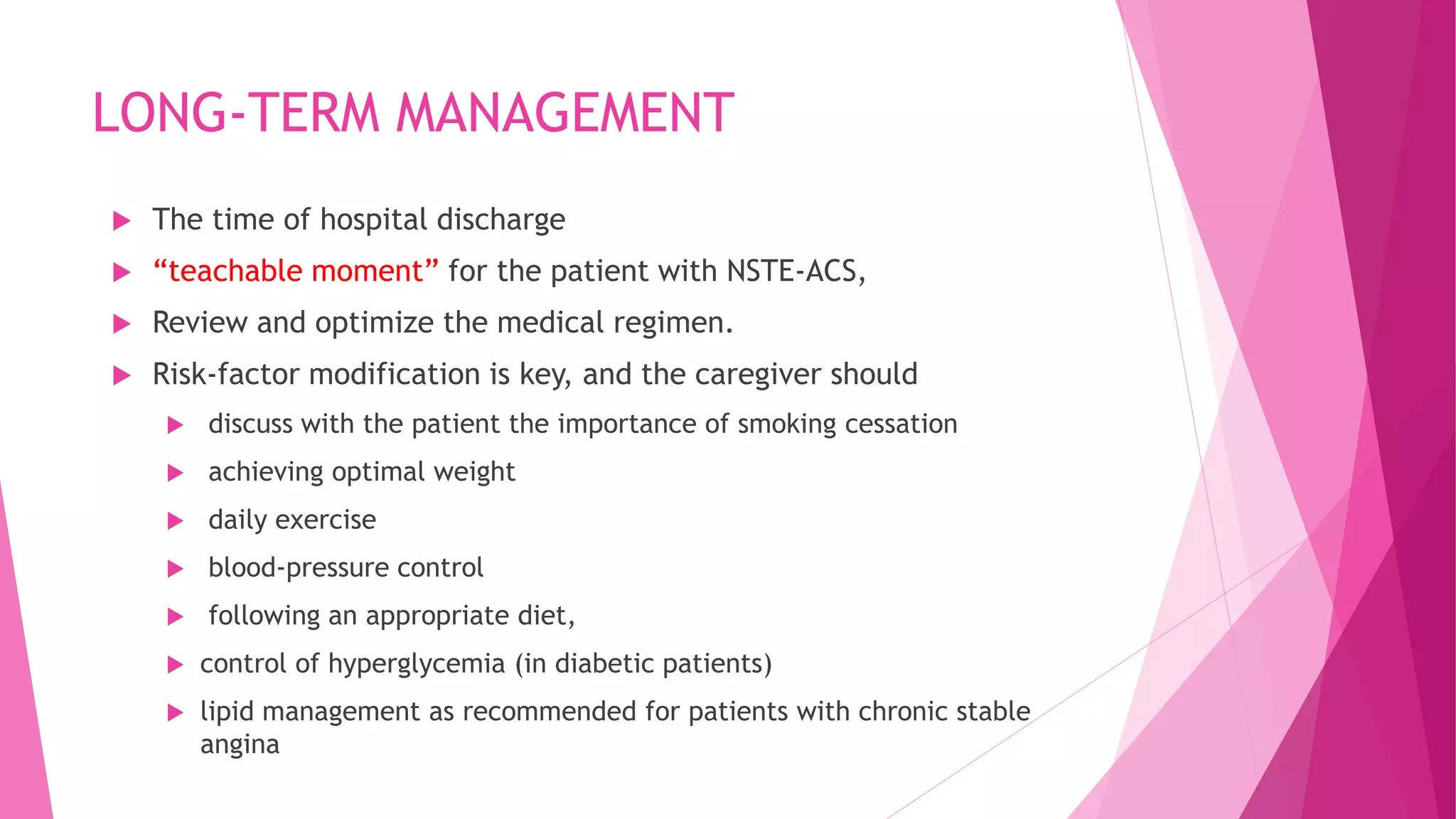
LONG-TERM MANAGEMENT
 The time of hospital discharge
 “teachable moment” for the patient with NSTE-ACS,
 Review and optimize the medical regimen.
 Risk-factor modification is key, and the caregiver should
 discuss with the patient the importance of smoking cessation
 achieving optimal weight
 daily exercise
 blood-pressure control
 following an appropriate diet,
 control of hyperglycemia (in diabetic patients)
 lipid management as recommended for patients with chronic stable
angina
Cont.
 There is evidence benefits with long term therapy of 5 clases of drug that act at different
component of the atherothrombotic process
 Beta blockler
 Statin
 ACEI
 ARB
Anti-platelet now recommended to be the combination of low-dose
(75–100 mg/d) aspirin and a P2Y12 inhibitor (clopidogrel, prasugrel,
or ticagrelor) for 1 year, with aspirin continued thereafter, prevents
or reduces the sever-ity of any thrombosis that would occur if a
plaque were to rupture
PREPARED BY :
NUR IZZATUL NAJWA, 036
ACUTE CORONARY
SYNDROME
(STEMI)
LEARNING OBJECTIVES
 DEFINE STEMI
 ENUMERATE THE CLINICAL FEATURES
 UNDERSTAND THE COMPLICATIONS
 KNOW THE INVESTIGATIONS
 KNOW THE MANAGEMENTS
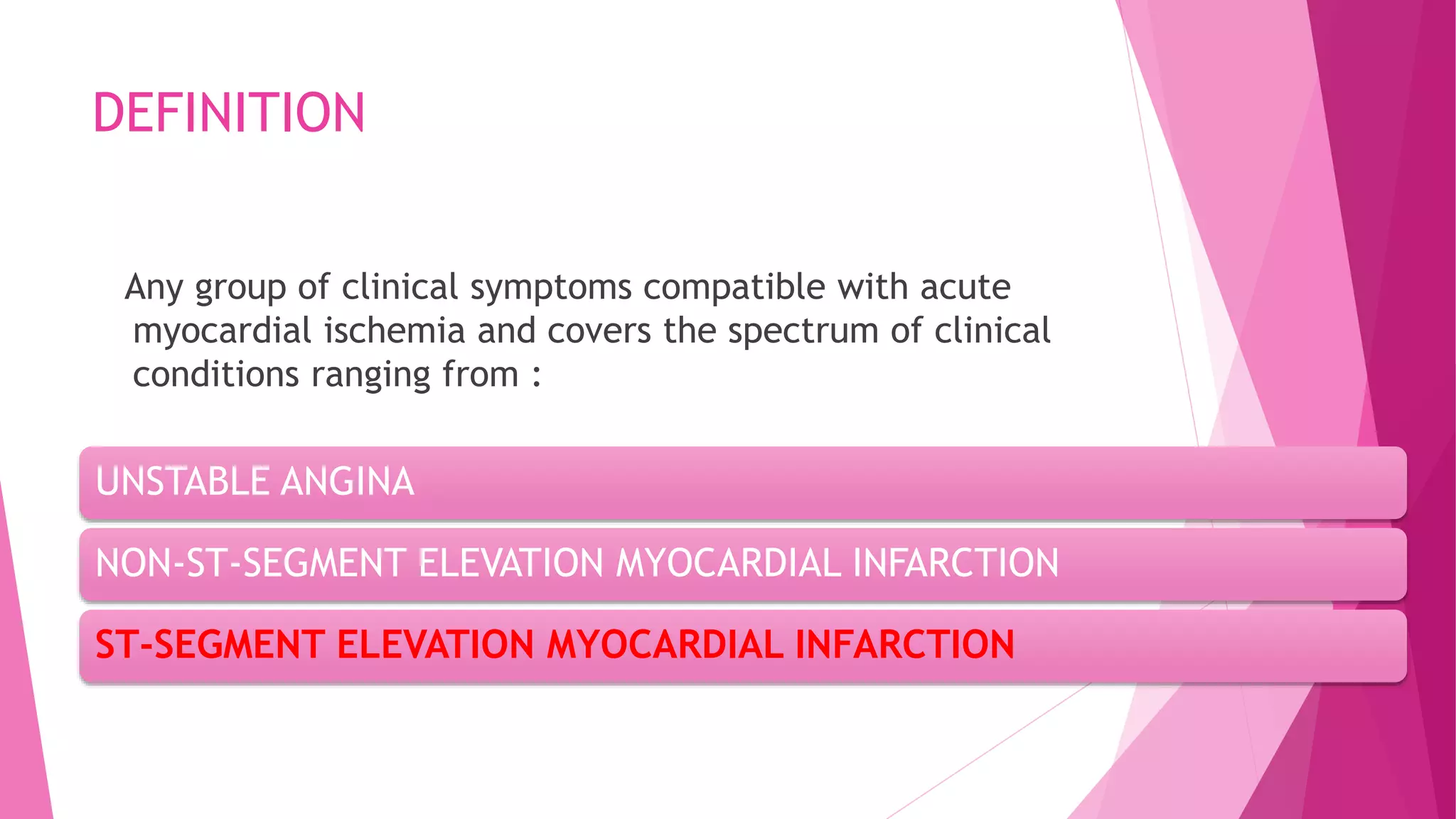
DEFINITION
Any group of clinical symptoms compatible with acute
myocardial ischemia and covers the spectrum of clinical
conditions ranging from :
UNSTABLE ANGINA
NON-ST-SEGMENT ELEVATION MYOCARDIAL INFARCTION
ST-SEGMENT ELEVATION MYOCARDIAL INFARCTION
STEMI
 Definition of STEMI – New ST elevation at the J point in
two contiguous leads of >1 mm in all leads in absence of
left ventricular hypertrophy or left bundle branch block,
other than leads V2-V3 – For leads V2-V3 the following cut
points apply: ≥2 mm in men ≥40 years, ≥1.5 mm in
women.
 STEMI is a life-threatening, time-sensitive emergency that
must be diagnosed and treated promptly
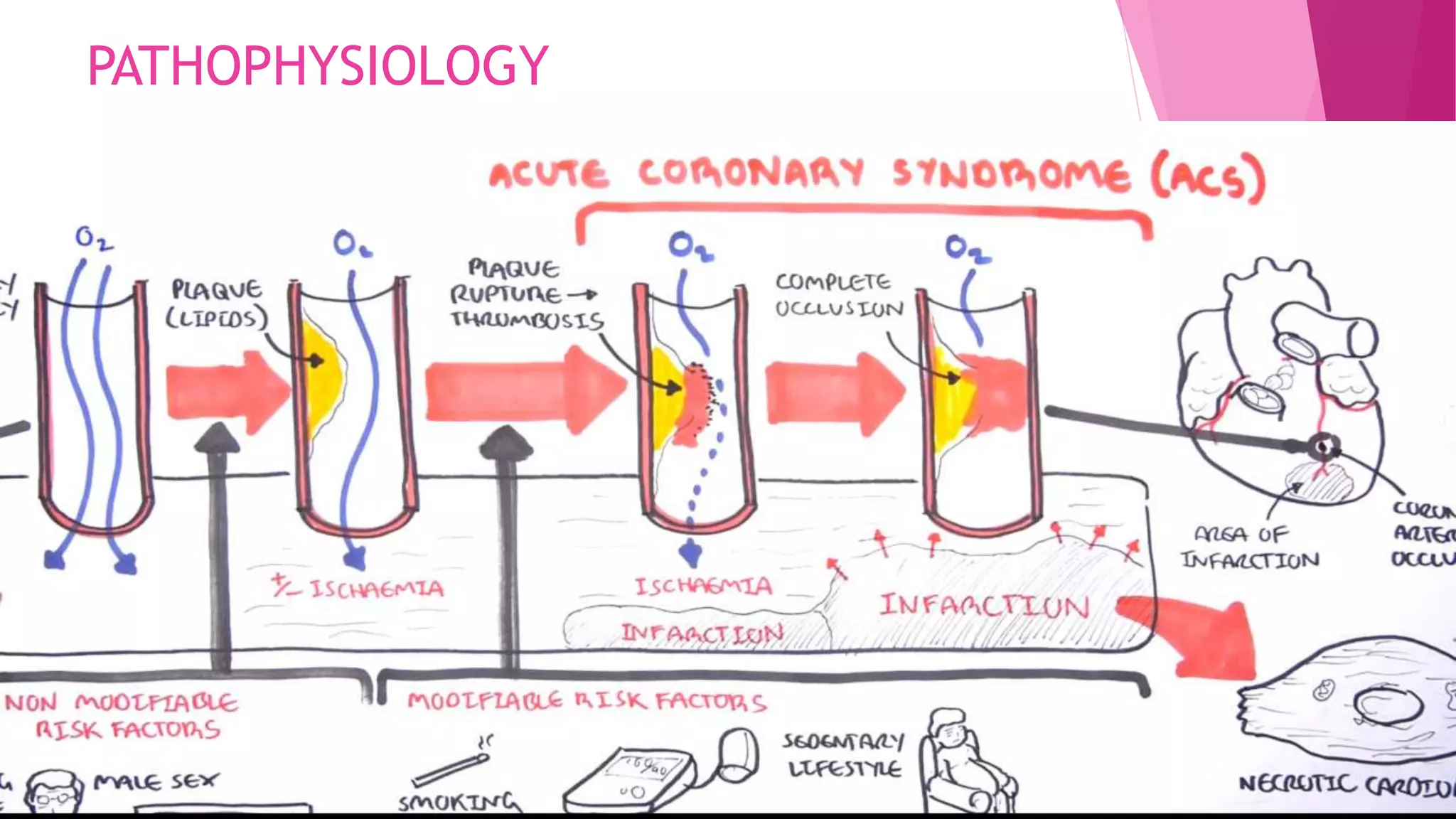
PATHOPHYSIOLOGY
 Role of acute plaque rupture
CLINICAL FEATURES
SYMPTOMS
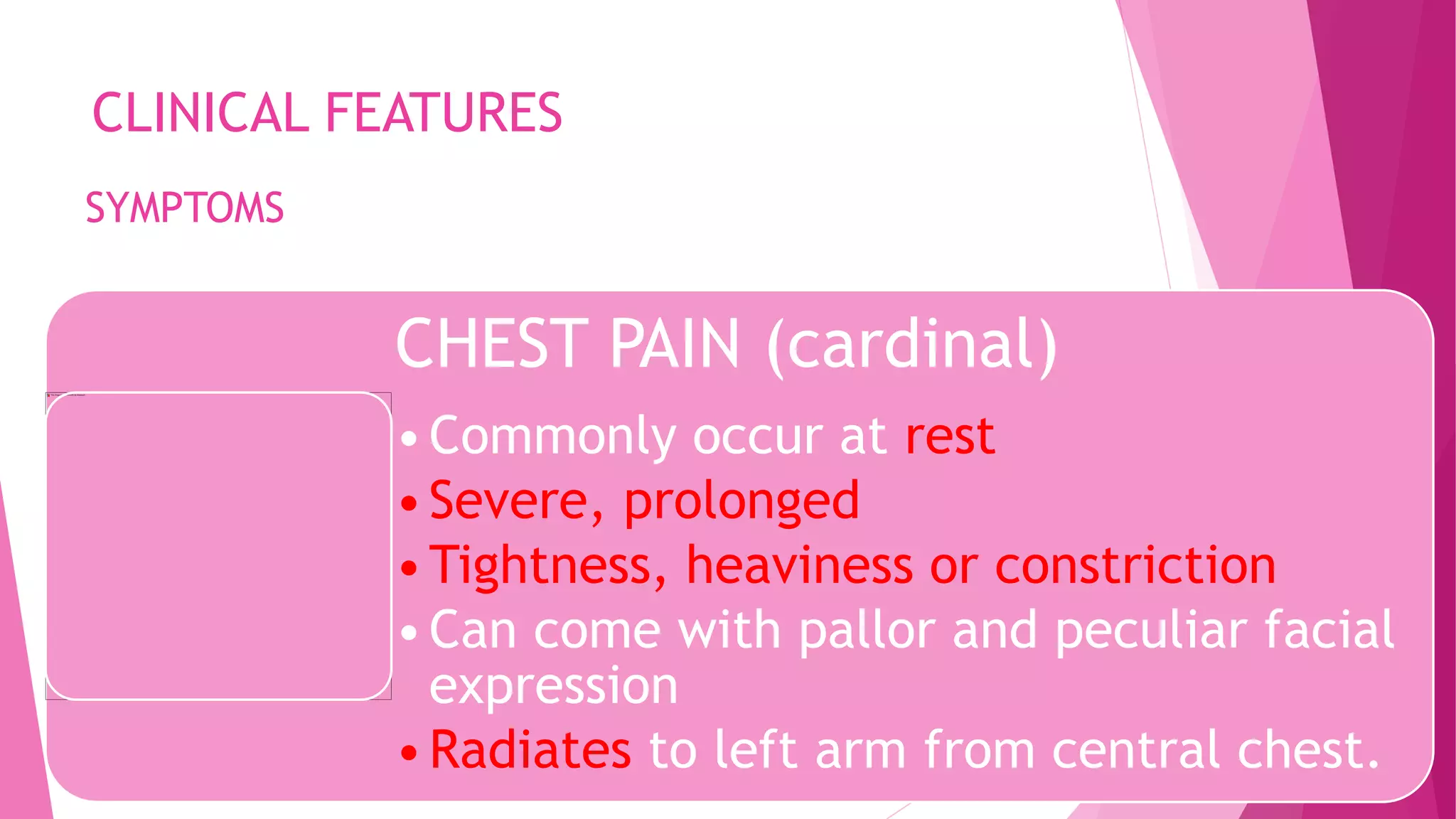
CHEST PAIN (cardinal)
•Commonly occur at rest
•Severe, prolonged
•Tightness, heaviness or constriction
•Can come with pallor and peculiar facial
expression
•Radiates to left arm from central chest.
BREATHLESSNESS
SYNCOPE
VOMITING
FATIGUE
 Signs of sympathetic activation
 Pallor
 Sweating
 Tachycardia
 Signs of impaired myocardial function
 Hypotension, oliguria, cold peripheries
 Narrow pulse pressure
 Raised jvp
 Third heart sound
 Diffuse apical impulse
 Lung crepitations
 Signs of vagal activation
 Vomiting
 Bradycardia
 Sign of tissue damage
 Fever
 Signs of complication
 Mitral regurgitation
 pericaritis
PHYSICAL SIGNS
COMPLICATION
 EARLY
 ARRTYHMIA
 CARDIOGENIC SHOCK
 ACUTE HEART FAILURE
 CARDIAC TAMPIONADE
 RUPTURE OF
INTERVENTRICULAR SEPTUM
 PERICARDITIS
 PULMONARY EDEMA
 LATE
 DRESSLERS SYNDROME
 CHRONIC HEART FAILURE
INVESTIGATION
ELECTROCARDIOGRAM
 Should be done and interpreted within 10
minutes of arrival
 12 lead ECG ;
3 Standard limb lead (I, II, III)
3 Augmented limb lead (aVR, aVL, aVF)
6 precordial limb lead (V1 – V6)
ELECTROCARDIOGRAM
ELECTROCARDIOGRAM
 New ST elevation at the J point in two anatomical contiguous leads of >1mm in all leads in
absence of left ventricular hypertrophy or left budle branch block, other than leads V2-V3 – For
leads V2-V3 (precordial lead) the following cut points apply: ≥2 mm in men ≥40 years, ≥1,5 mm in
women.
 In early MI, T waves become tall ( hyperacute myocardial infarction), transient and last for few
hours only.
 Q wave formation
ECG AND LOCATION OF MI
SHOWS ST ELEVATION BUT NOT STEMI !
Electrolyte abnormalities
Left bundle branch block
Aneurysm of left ventricle
Ventricular hypertrophy
Arrhythmia disease (Brugada syndrome,
ventricular tachycardia)
Takotsubo/Treatment (iatrogenic pericarditis)
Injury (MI or cardiac contusion)
Osborne waves (hypothermia or hypocalcemia)
Non-atherosclerotic (vasospasm or Prinzmetal’s
angina
CARDIAC MARKER
CARDIAC MARKER
PROPERTIES OF CARDIAC MARKER
ECHOCARDIOGRAM (ECHO)
 To detect the presence or
absence of wall motion
abnormalities and value of
ejection fraction
LATE ENHANCEMENT MAGNETIC
RESONANCE IMAGING ( MRI )
 The most accurate method for diagnosing MI or
nonischemic cardiomyopathies, quantifying the scar,
assessing viability and evaluating thrombus
 Hyperenchancement is seen as bright area of tissue
against background of dark normal myocardium
 Gadolinium is administered, images obtained after 10
mins
OTHERS
 Leukocytosis with a peak on 1st day
 Raised ESR that remain for some days
 Elevated C- reactive protein
 Chest radiography
 Heart size usually normal
 Enlargement cardiac shadow indicate previous myocardial damage or pericardial
effusion
 Evidence of pulmonary edema
 Radionuclide scanning
 Shows site of necrosis and extent of impairment of ventricular function (lack of
sensitivity and specificity)
Initial management (prehospital care)
Recognition of symptoms by pt and seek for medical attention.
Rapid deployment of emergency medical team capable of performing
resuscitative maneuvers, including defibrillation.
Transport patient to hospital facility accompanied by physicians/paramedics
skilled in providing cardiac life support/manage arrhythmias.
Implementation of reperfusion therapy.
Management in emergency department
Control of cardiac discomfort.
Reperfusion therapy. This may involve transfer of pt from non-PCI
capable hospital to PCI capable hospital within 120 minutes.
Aspirin, B-blocker, t-PA. No heparin.
Supplementary O2 therapy (<94%)
Control of discomfort
Sublingual nitroglycerine up to 3 doses of 0.4mg at 5 minutes interval.
Morphine in small dose (2-4mg) every 5 minutes.
Beta-blocker if pt do not have:
• - Sign of heart failure, evidence of low-output state, increased risk of cardiogenic shock, and
other contraindication to B-blockade.
If discomfort return with further ischemia (ST-segment/T-wave shift), IV
nitroglycerine should be considered.
Limitation of infarct size
1. PRIMARY PERCUTANEOUS CORONARY
INTERVENTION (PCI)
- Usually angioplasty.
- Applicable to pt with
contraindication to fibrinolytics.
- Preferred when diagnosis is in
doubt, cardiogenic shock is
present, bleeding risk increased,
or symptoms has been present at
least 2-3 hours when clot is more
mature and harder to lyse.
Limitation of infarct size (cont.)
2. FIBRINOLYSIS
- Should be initiated within 30 min of presentation.
- Tissue plasminogen activator (t-PA), streptokinase, tenecteplase
(TNK), reteplase (rPA).
- t-PA – 15mg bolus followed by 50mg IV over 30 min, 35mg next 60
min.
- Streptokinase – 1.5 million units (MU) IV over 1 hr.
- rPA – 10 MU bolus over 2-3 min, followed by 2nd 10 MU bolus after
30 min.
- TNK – IV bolus 0.53mg/kg over 10 seconds.
Limitation of infarct size (cont.)
3. Coronary Artery Bypass Graft (CABG)
 When PCI fails to prevent further
ischemia, CABG is considered.
 Great saphenous vein from the leg is
taken and grafted from aorta or its
major branch to relevant obstructed
coronary artery to immediately restore
blood flow.
Pharmacotherapy
1. ANTITHROMBOTIC AGENTS
 Use of antiplatelet and anticoagulant
agents to maintain patency of infarct-
related artery and reduce tendency of
thrombosis.
 Aspirin as antiplatelet
 P2Y12 ADP receptor inhibitor (Clopidogrel)
to prevent activation and aggregation of
platelet.
 Glycoprotein IIb/IIIa receptor inhibitor to
prevent thrombotic complication during
PCI.
 Heparin (unfractionated and low
molecular weight)
2. BETA-ADRENOCEPTOR BLOCKERS
 Unless contraindicated (heart failure
or severely compromised LV function,
heart block, orthostatic hypotension,
or a history of asthma)
 Reduce myocardial oxygen demand
and prevent tendency of ischemia.
Pharmacotherapy (cont.)
3. INHIBITION OF RENIN-ANGIOTENSIN-
ALDOSTERONE SYSTEM
 Maximum benefit seen in high-risk pt. (those who
are elderly or who have an anterior infarction, a
prior infarction, and/or globally depressed LV
function)
 The mechanism involves a reduction in
ventricular remodeling after infarction with a
subsequent reduction in the risk of CHF.
 A multidrug regimen for inhibiting the
reninangiotensin-aldosterone system has been
shown to reduce both heart failure–related and
sudden cardiac death–related cardiovascular
mortality after STEMI.
4. OTHER AGENTS
 IV Nitroglycerine (5-10 µg/min initial
dose, up to 200 µg/min) for the 1st 24-
48 hours after onset of infarction
shows favourable effect on ischemic
process and ventricular remodelling.
 Usage of calcium antagonist have
failed to establish a favourable result,
so it is not recommended.
Hospital phase management
1. Monitoring cardiac rhythm and hemodynamic.
2. Limit movement of pt for 1st 3 days.
3. Diet – pt to receive nothing or clear liquid by mouth in 1st 4-12 hrs. Controlled diet are
given.
4. Bowel Management – diet rich in bulk, and stool softener are given to offset the effect
of narcotics used in treatment.
5. Sedation, because pt need to sleep – Diazepam (5mg), Oxazepam (15-30mg), or
Lorazepam (0.5-2mg) 3-4 times a day. Additional dose may be given at night for
better sleep.
Complications and their management
1. VENTRICULAR DYSFUNCTION
 Soon after STEMI, LV begins to dilate (Ventricular remodelling) as a result of expansion
of infarct.
 Overall chamber enlargement that occurs is related to the size and location of the
infarct, causing more marked hemodynamic impairment, more frequent heart failure,
and a poorer prognosis.
 Progressive dilation and its clinical consequences may be ameliorated by therapy with
ACE inhibitors and other vasodilators (e.g., nitrates)
Complications and their management
(cont.)
2. HEMODYNAMIC ASSESSMENT
 Pump failure is now the primary cause of in-hospital death from STEMI.
 Positioning of a balloon flotation (Swan-Ganz) catheter in the pulmonary artery
permits monitoring of LV filling pressure; this technique is useful in patients who
exhibit hypotension and/or clinical evidence of CHF.
 Cardiac output can also be determined with a pulmonary artery catheter. With the
addition of intra-arterial pressure monitoring, systemic vascular resistance can be
calculated as a guide to adjusting vasopressor and vasodilator therapy.
Complications and their management
(cont.)
3. HYPOVOLEMIA
 May be secondary to previous diuretic use, to reduced fluid intake
during the early stages of the illness, and/or to vomiting associated
with pain or medications.
 Hypovolemia should be identified and corrected in patients with STEMI
and hypotension before more vigorous forms of therapy are begun.
 Optimal LV filling or pulmonary artery wedge pressure (generally ~20
mmHg) is reached by cautious fluid administration during careful
monitoring of oxygenation and cardiac output.
SUMMARY

Acute coronary syndrome (acs)

  • 1.
    ACUTE CORONARY SYNDROME (ACS) NUR FARRA NAJWABINTI ABDUL AZIM 082015100035
  • 2.
    LEARNING OBJECTIVES BY THEEND OF SEMINAR STUDENT SHOULD BE ABLE TO :  UNDERSTAND WHAT IS ACUTE CORONARY SYDNROME (ACS) AND NON ST- SEGMENT ELEVATION ACUTE CORONARY SYDNROME (NSTE-ACS)  DISCUSS THE UNSTABLE ANGINA ( UA) AND NON ST-ELEVATION MYOCARDIAL (NSTEMI)  CLINICAL PRESENTATION  DIAGNOSTIC CRITERIA  LABORATORY INVESTIGATION  MANAGEMENT
  • 5.
  • 6.
    CONT. ACUTE CORONARY SYNDROME Acute Myocardial InfarctionWith ST- segment Elevation Non ST-segment Elevation Acute Coronary Syndrome (NTSE-ACS) Unstable Angina Non ST-segment Elevation Myocardial Infarction
  • 8.
    PATHOPHYSIOLOGY Imbalance oxygen demand andoxygen supply (MOD =/ MOS) Due to partially occluded thrombus or Due to disrupted atherosclerotic thrombus or eroded coronary artery endothelium Reduction of coronary blood flow and downstream embolization of platelet aggregate and/or atherosclerotic debris Severe ischemic and myocardial necrosis
  • 11.
    OTHER CAUSES OFNSTE-ACS  Dynamic obstruction due to coronary artery spasm ( prinzmetal angina)  Severe mechanical obstruction due to progress atherosclerosis  Increase myocardial oxygen demand (fever tachycardia, thyrotoxicosis) in presence of fixed epicardial coronary artery obstruction 10% has stenosis left main coronary artery - 35% has 3 vessel CAD - 20% has 2 vessel CAD - 15 % has no apparent epicardial coronary artery stenosis - Some has obstruction of coronary artery microcirculation and/or spasm MAIN CULPRIT FOR ISCHEMIC : eccentric stenosis with scalloped or overhanging edge and a narrow neck on coronary angiograph
  • 14.
    CLINICAL PRESENTATION  Chestdiscomfort  Severe  Has at least one of three features  Diagnosis of NSTEMI is establish if patient present with clinical feature and evidence of myocardial necrosis  Elevated level of biomarker of cardiac necrosis - Occur at rest (or on minimal exertion) -Last > 10 min Relatively recent onset ( within prior 2 weeks) Occur with cresendo pattern ( more severe, frequemt, prolonged) than previous episode
  • 15.
    HISTORY AND PHYSICALEXAMINATION CHEST DISCOMFORMT • Often severe enough to be describe as frank pain • Located substernal or epigastric • Radiates to left arm, left shoulder, and neck • Anginal equivalence may occur instead chest discomform • Resemble stable angina IF LARGE AREA ISCHEMIA AND LARGE NSTEMI • Diaphoresis • Pale • Cool skin • Sinus tachycardia • Third or fourth heart sound • Rales • Hyotension
  • 16.
    ECG  20 -25% patient has ST- segment depression  Transient in patient without biomarker increase for evidence of myocardial necrosis  Persistent for severel day in STEMI  T wave changes  Common but less specific sign of ischemia  Unless deep and new T-wave inversion
  • 19.
    CARDIAC BIOMARKER  Patientwith STEMI elevated biomarker  Troponin T troponin I (TnT, TnI)  Specific and sensitve  Preferred for myocardial necrosis  Ck-MB isoform  Less sensitive alternative Distinguish patient with STEMI AND UA Temporal rise and fall of this plasma concentration marker and has a directlv relationship between elevation and mortality
  • 20.
    CKMB TIME RISE 4-6HR PEAK 12 HR DIASSAP]REA 48-72 HR TROP T AND TROP I TIME RISE 4-6 HR REMAIN ELEVATED 2 WEEKS
  • 21.
    Cont.  Patient  withoutclear clinical history of myocardial ischemia  Minor elevation of cardiac troponin (cTn)  Can be caused by  heart failure  Myocarditis  Pulmonary embolism Thus, in patient in unclear history, without persistent rise of biomarker are not diagnostic of ACS
  • 22.
    DIAGOSTIC EVAUTAION  Inaddition to clinical examinatiom  ECG  Cardiac biomarker  Stress testing  CCTA  Goals  Recognize or exclude MI  Detect rest ischemia  Signify coronary artery obstruction A 62-year-old man presented for coronary CT angiography (CCTA) due to chest pain. Free- breathing prospective CCTA images show the clearly defined coronary arteries with calcified plaque (arrows) without motion artifacts. All images courtesy of Dr. Eun-Ju Kang.
  • 23.
    Cont .  Patientwith low likelihood of ischemia  managed in emergency department based clinical pathway (chest pain unit)  Requires  Clinial monitoring of recurrent ischemic discomfort.  Continous monitoring of ECG and cardiac biomarkers - Obtained at baseline - After 4-6 hour - After 12 hour
  • 24.
    Cont.  New  Cardiacbiomarker elevation  ECG changes (ST elevation)  If  Pain free  Negative marker Proceed stress testing = determine ischemia present CCTA =coronary luminal obstruction Admitted to hospital
  • 25.
    RISK STARTIFICATION Patient with documented NSTE-ACS 1-10 %, Early risk of death (30day) 5-15%, recurrent risk of ACS
  • 26.
    Cont.  Risk assessmentby Thrombolysis In Myocardial Infarction Trial (TIMI) , which include seven independent risk factor.  The present of abnormally elevated cTn very important  Extent of myocardial damage  Other risk include  Diabetes mellitus  Renal dysfunction  Elevated level of Brain Natriutic Peptide and C-Reactive protein Patient with ACS without elevation of cTn are considered to develop unstable angina and have more favourable prognosis than those with cTn elevation (STEMI) Early risk assesmen tuseful in =predict the risk of recurremt cardiac event = identify a patient who will derives an benfit from early invasive strategy
  • 28.
    TREATMENT  Patients should placed at bed rest  continuous ECG monitoring (ST-segment deviation and cardiac arrhythmias)  Ambulation is permitted if the patient shows no recurrence of ischemia (symptoms or ECG changes) and does not develop an elevation of a bio- marker of necrosis for 12–24 h.  Medical therapy involves simultaneous  anti-ischemic  antithrombotic treatments  consideration of coronary revascularization
  • 29.
    ANTI ISCHEMIC TREATMENT Provide relief and prevention of recurrence of chest pain  Initial treatment should include  bed rest  nitrates  beta adrenergic blockers,  and inhaled oxygen in the presence of hypoxemia
  • 30.
    NITRATES First be givensublingually or by buccal spray (0.3–0.6 mg) • IF THE PATIENT IS EXPERIENCING ISCHEMIC PAIN Intravenous nitroglycerin (5–10 μg/min -Rate of infusion may be increase by 10ug/min every 3-5 min until symptom relieved • IF PAIN PERSISTS AFTER THREE DOSES GIVEN 5 MIN APART Topical or oral nitrates can be used • PAIN HAS RESOLVED OR PATIENT WAS PAIN FREE FOR 12-24 HR Hypotension Use of sidlenafil or other PDEi in previous 24-48 hour • ABSOLUTE CONTRAINDICATION NITRATES USE
  • 31.
    • Started bythe intravenous route • Targeted to heart rate of 50–60 beats/min Patients with severe ischemia, but this is contraindicated in the presence of heart failure. • Heart rate–slowing calcium channel blockers • Verapamil or diltiazem For patients who have persistent symptoms or ECG signs of ischemia after treatment with full-dose nitrates and beta blockers and in patients with contraindi-cations to either class of these agents • Angiotensin-converting enzyme (ACE) inhibitors • Angiotensin receptor blockersAdditional medical therapy • Early administration of hmg-coa reductase inhibitors (statins), such as atorvastatin 80 mg/D • Prior to percutaneous coronary intervention (PCI) To reduce complications of the procedure and recurrences of ACS BETA ADRENERGIC BLOCKERS AND OTHER AGENTS
  • 32.
    ANTITHROMBOTIC THERAPY  Thisis the second major corner-stone of treatment.  There are two components of antithrombotic therapy:  ANTIPLATELET DRUGS AND  ANTICOAGULANTS
  • 33.
    ANTIPLATELET DRUGS ASPIRIN • .The typical initial dose is 325 mg/d, with lower doses (75–100 mg/d • Contraindications are active bleeding PLATELET P2Y12 RECEPTOR BLOCKER • Clopidogrel added to aspirin, dual antiplatelet therapy, reduction in cardiovascular death, MI, or stroke • This regimen should continue for at least 1 year in patients with NSTE-ACS, especially those with a drug-eluting stent, to prevent stent thrombosis • Prasugrel or ticagrelor used with aspirin, should be considered in patients with NSTE-ACS who develop a coronary event while receiving clopidogrel and aspirin
  • 34.
    ANTICOAGULANTS • Long themainstay of therapyUNFRAC-TIONATED HEPARIN (UFH) • Which has been shown to be superior to UFH in reducing recurrent cardiac events, especially in patients managed by a conservative strategy but with some increase in bleeding THE LOW-MOLECULAR- WEIGHT HEPARIN (LMWH), ENOXAPARIN • Causes less bleeding and is used just prior to and/or during PCI BIVALIRUDIN, A DIRECT THROMBIN INHIBITOR • Have a lower risk of major bleedingINDIRECT FACTOR Xa INHIBITOR, FONDAPARINUX
  • 35.
    INVASIVE VERSUS CONSERVATIVE STRATEGY Benefit of an early invasive strategy in high-risk patients  Patients with multiple clinical risk factors,  ST-segment deviation,  And/or positive biomarkers  In this strategy, following treatment with  Anti-ischemic and antithrombotic agents, coronary arteriography is carried out within ~48 h of presentation  Followed by coronary revascularization (PCI or coronary artery bypass grafting)  In low-risk patients, the outcomes from an invasive strategy are similar to those obtained from a conservative strategy.
  • 36.
    LONG-TERM MANAGEMENT  Thetime of hospital discharge  “teachable moment” for the patient with NSTE-ACS,  Review and optimize the medical regimen.  Risk-factor modification is key, and the caregiver should  discuss with the patient the importance of smoking cessation  achieving optimal weight  daily exercise  blood-pressure control  following an appropriate diet,  control of hyperglycemia (in diabetic patients)  lipid management as recommended for patients with chronic stable angina
  • 37.
    Cont.  There isevidence benefits with long term therapy of 5 clases of drug that act at different component of the atherothrombotic process  Beta blockler  Statin  ACEI  ARB Anti-platelet now recommended to be the combination of low-dose (75–100 mg/d) aspirin and a P2Y12 inhibitor (clopidogrel, prasugrel, or ticagrelor) for 1 year, with aspirin continued thereafter, prevents or reduces the sever-ity of any thrombosis that would occur if a plaque were to rupture
  • 40.
    PREPARED BY : NURIZZATUL NAJWA, 036 ACUTE CORONARY SYNDROME (STEMI)
  • 41.
    LEARNING OBJECTIVES  DEFINESTEMI  ENUMERATE THE CLINICAL FEATURES  UNDERSTAND THE COMPLICATIONS  KNOW THE INVESTIGATIONS  KNOW THE MANAGEMENTS
  • 42.
    DEFINITION Any group ofclinical symptoms compatible with acute myocardial ischemia and covers the spectrum of clinical conditions ranging from : UNSTABLE ANGINA NON-ST-SEGMENT ELEVATION MYOCARDIAL INFARCTION ST-SEGMENT ELEVATION MYOCARDIAL INFARCTION
  • 44.
    STEMI  Definition ofSTEMI – New ST elevation at the J point in two contiguous leads of >1 mm in all leads in absence of left ventricular hypertrophy or left bundle branch block, other than leads V2-V3 – For leads V2-V3 the following cut points apply: ≥2 mm in men ≥40 years, ≥1.5 mm in women.  STEMI is a life-threatening, time-sensitive emergency that must be diagnosed and treated promptly
  • 45.
    PATHOPHYSIOLOGY  Role ofacute plaque rupture
  • 47.
    CLINICAL FEATURES SYMPTOMS CHEST PAIN(cardinal) •Commonly occur at rest •Severe, prolonged •Tightness, heaviness or constriction •Can come with pallor and peculiar facial expression •Radiates to left arm from central chest.
  • 48.
  • 49.
     Signs ofsympathetic activation  Pallor  Sweating  Tachycardia  Signs of impaired myocardial function  Hypotension, oliguria, cold peripheries  Narrow pulse pressure  Raised jvp  Third heart sound  Diffuse apical impulse  Lung crepitations  Signs of vagal activation  Vomiting  Bradycardia  Sign of tissue damage  Fever  Signs of complication  Mitral regurgitation  pericaritis PHYSICAL SIGNS
  • 50.
    COMPLICATION  EARLY  ARRTYHMIA CARDIOGENIC SHOCK  ACUTE HEART FAILURE  CARDIAC TAMPIONADE  RUPTURE OF INTERVENTRICULAR SEPTUM  PERICARDITIS  PULMONARY EDEMA  LATE  DRESSLERS SYNDROME  CHRONIC HEART FAILURE
  • 52.
  • 53.
    ELECTROCARDIOGRAM  Should bedone and interpreted within 10 minutes of arrival  12 lead ECG ; 3 Standard limb lead (I, II, III) 3 Augmented limb lead (aVR, aVL, aVF) 6 precordial limb lead (V1 – V6)
  • 54.
  • 55.
    ELECTROCARDIOGRAM  New STelevation at the J point in two anatomical contiguous leads of >1mm in all leads in absence of left ventricular hypertrophy or left budle branch block, other than leads V2-V3 – For leads V2-V3 (precordial lead) the following cut points apply: ≥2 mm in men ≥40 years, ≥1,5 mm in women.  In early MI, T waves become tall ( hyperacute myocardial infarction), transient and last for few hours only.  Q wave formation
  • 57.
  • 59.
    SHOWS ST ELEVATIONBUT NOT STEMI ! Electrolyte abnormalities Left bundle branch block Aneurysm of left ventricle Ventricular hypertrophy Arrhythmia disease (Brugada syndrome, ventricular tachycardia) Takotsubo/Treatment (iatrogenic pericarditis) Injury (MI or cardiac contusion) Osborne waves (hypothermia or hypocalcemia) Non-atherosclerotic (vasospasm or Prinzmetal’s angina
  • 60.
  • 61.
  • 62.
  • 63.
    ECHOCARDIOGRAM (ECHO)  Todetect the presence or absence of wall motion abnormalities and value of ejection fraction
  • 64.
    LATE ENHANCEMENT MAGNETIC RESONANCEIMAGING ( MRI )  The most accurate method for diagnosing MI or nonischemic cardiomyopathies, quantifying the scar, assessing viability and evaluating thrombus  Hyperenchancement is seen as bright area of tissue against background of dark normal myocardium  Gadolinium is administered, images obtained after 10 mins
  • 66.
    OTHERS  Leukocytosis witha peak on 1st day  Raised ESR that remain for some days  Elevated C- reactive protein  Chest radiography  Heart size usually normal  Enlargement cardiac shadow indicate previous myocardial damage or pericardial effusion  Evidence of pulmonary edema  Radionuclide scanning  Shows site of necrosis and extent of impairment of ventricular function (lack of sensitivity and specificity)
  • 67.
    Initial management (prehospitalcare) Recognition of symptoms by pt and seek for medical attention. Rapid deployment of emergency medical team capable of performing resuscitative maneuvers, including defibrillation. Transport patient to hospital facility accompanied by physicians/paramedics skilled in providing cardiac life support/manage arrhythmias. Implementation of reperfusion therapy.
  • 68.
    Management in emergencydepartment Control of cardiac discomfort. Reperfusion therapy. This may involve transfer of pt from non-PCI capable hospital to PCI capable hospital within 120 minutes. Aspirin, B-blocker, t-PA. No heparin. Supplementary O2 therapy (<94%)
  • 69.
    Control of discomfort Sublingualnitroglycerine up to 3 doses of 0.4mg at 5 minutes interval. Morphine in small dose (2-4mg) every 5 minutes. Beta-blocker if pt do not have: • - Sign of heart failure, evidence of low-output state, increased risk of cardiogenic shock, and other contraindication to B-blockade. If discomfort return with further ischemia (ST-segment/T-wave shift), IV nitroglycerine should be considered.
  • 72.
    Limitation of infarctsize 1. PRIMARY PERCUTANEOUS CORONARY INTERVENTION (PCI) - Usually angioplasty. - Applicable to pt with contraindication to fibrinolytics. - Preferred when diagnosis is in doubt, cardiogenic shock is present, bleeding risk increased, or symptoms has been present at least 2-3 hours when clot is more mature and harder to lyse.
  • 73.
    Limitation of infarctsize (cont.) 2. FIBRINOLYSIS - Should be initiated within 30 min of presentation. - Tissue plasminogen activator (t-PA), streptokinase, tenecteplase (TNK), reteplase (rPA). - t-PA – 15mg bolus followed by 50mg IV over 30 min, 35mg next 60 min. - Streptokinase – 1.5 million units (MU) IV over 1 hr. - rPA – 10 MU bolus over 2-3 min, followed by 2nd 10 MU bolus after 30 min. - TNK – IV bolus 0.53mg/kg over 10 seconds.
  • 74.
    Limitation of infarctsize (cont.) 3. Coronary Artery Bypass Graft (CABG)  When PCI fails to prevent further ischemia, CABG is considered.  Great saphenous vein from the leg is taken and grafted from aorta or its major branch to relevant obstructed coronary artery to immediately restore blood flow.
  • 75.
    Pharmacotherapy 1. ANTITHROMBOTIC AGENTS Use of antiplatelet and anticoagulant agents to maintain patency of infarct- related artery and reduce tendency of thrombosis.  Aspirin as antiplatelet  P2Y12 ADP receptor inhibitor (Clopidogrel) to prevent activation and aggregation of platelet.  Glycoprotein IIb/IIIa receptor inhibitor to prevent thrombotic complication during PCI.  Heparin (unfractionated and low molecular weight) 2. BETA-ADRENOCEPTOR BLOCKERS  Unless contraindicated (heart failure or severely compromised LV function, heart block, orthostatic hypotension, or a history of asthma)  Reduce myocardial oxygen demand and prevent tendency of ischemia.
  • 76.
    Pharmacotherapy (cont.) 3. INHIBITIONOF RENIN-ANGIOTENSIN- ALDOSTERONE SYSTEM  Maximum benefit seen in high-risk pt. (those who are elderly or who have an anterior infarction, a prior infarction, and/or globally depressed LV function)  The mechanism involves a reduction in ventricular remodeling after infarction with a subsequent reduction in the risk of CHF.  A multidrug regimen for inhibiting the reninangiotensin-aldosterone system has been shown to reduce both heart failure–related and sudden cardiac death–related cardiovascular mortality after STEMI. 4. OTHER AGENTS  IV Nitroglycerine (5-10 µg/min initial dose, up to 200 µg/min) for the 1st 24- 48 hours after onset of infarction shows favourable effect on ischemic process and ventricular remodelling.  Usage of calcium antagonist have failed to establish a favourable result, so it is not recommended.
  • 78.
    Hospital phase management 1.Monitoring cardiac rhythm and hemodynamic. 2. Limit movement of pt for 1st 3 days. 3. Diet – pt to receive nothing or clear liquid by mouth in 1st 4-12 hrs. Controlled diet are given. 4. Bowel Management – diet rich in bulk, and stool softener are given to offset the effect of narcotics used in treatment. 5. Sedation, because pt need to sleep – Diazepam (5mg), Oxazepam (15-30mg), or Lorazepam (0.5-2mg) 3-4 times a day. Additional dose may be given at night for better sleep.
  • 79.
    Complications and theirmanagement 1. VENTRICULAR DYSFUNCTION  Soon after STEMI, LV begins to dilate (Ventricular remodelling) as a result of expansion of infarct.  Overall chamber enlargement that occurs is related to the size and location of the infarct, causing more marked hemodynamic impairment, more frequent heart failure, and a poorer prognosis.  Progressive dilation and its clinical consequences may be ameliorated by therapy with ACE inhibitors and other vasodilators (e.g., nitrates)
  • 80.
    Complications and theirmanagement (cont.) 2. HEMODYNAMIC ASSESSMENT  Pump failure is now the primary cause of in-hospital death from STEMI.  Positioning of a balloon flotation (Swan-Ganz) catheter in the pulmonary artery permits monitoring of LV filling pressure; this technique is useful in patients who exhibit hypotension and/or clinical evidence of CHF.  Cardiac output can also be determined with a pulmonary artery catheter. With the addition of intra-arterial pressure monitoring, systemic vascular resistance can be calculated as a guide to adjusting vasopressor and vasodilator therapy.
  • 81.
    Complications and theirmanagement (cont.) 3. HYPOVOLEMIA  May be secondary to previous diuretic use, to reduced fluid intake during the early stages of the illness, and/or to vomiting associated with pain or medications.  Hypovolemia should be identified and corrected in patients with STEMI and hypotension before more vigorous forms of therapy are begun.  Optimal LV filling or pulmonary artery wedge pressure (generally ~20 mmHg) is reached by cautious fluid administration during careful monitoring of oxygenation and cardiac output.
  • 82.