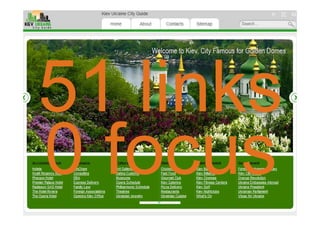
Users, experiences, and beyond


                Eric Reiss
                 @elreiss
               UX Ukraine
         February 26, 2011
             Kyiv, Ukraine
us·er
                  noun
  1: a person who makes use of a thing;
someone who uses or employs something

  2: a person who uses something or
    someone selfishly or unethically

      3: a person who takes drugs
ex·per·i·ence
                noun
1: having been affected by or learned
through observation or participation

 2: the length of such participation
Eric’s 1st Law of UX:

If a site does not solve your
user’s problems, it will not
solve your company’s either.
So, let’s start with the user
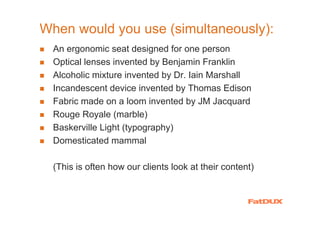
When would you use (simultaneously):
  An ergonomic seat designed for one person
  Optical lenses invented by Benjamin Franklin
  Alcoholic mixture invented by Dr. Iain Marshall
  Incandescent device invented by Thomas Edison
  Fabric made on a loom invented by JM Jacquard
  Rouge Royale (marble)
  Baskerville Light (typography)
  Domesticated mammal

  (This is often how our clients look at their content)
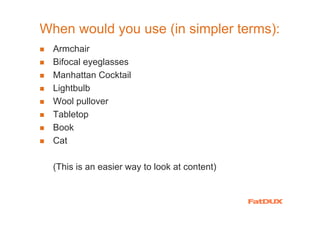
When would you use (in simpler terms):
  Armchair
  Bifocal eyeglasses
  Manhattan Cocktail
  Lightbulb
  Wool pullover
  Tabletop
  Book
  Cat

  (This is an easier way to look at content)
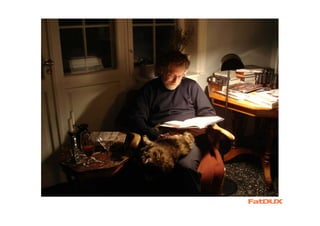
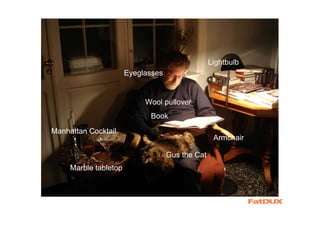
Lightbulb
                       Eyeglasses


                            Wool pullover
                             Book
Manhattan Cocktail
                                                   Armchair

                                    Gus the Cat
     Marble tabletop
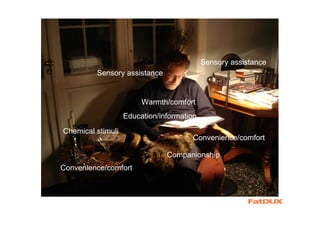
Sensory assistance
         Sensory assistance


                        Warmth/comfort
                   Education/information
Chemical stimuli
                                      Convenience/comfort

                               Companionship
Convenience/comfort
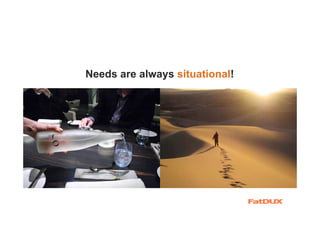
Needs are always situational!
What is the situation for your users?
Historically, we looked at physical needs...
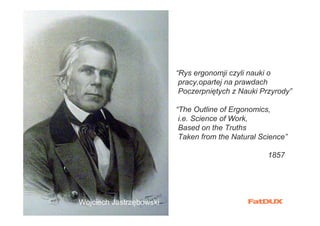
“Rys ergonomji czyli nauki o
                          pracy,opartej na prawdach
                          Poczerpniętych z Nauki Przyrody”

                         “The Outline of Ergonomics,
                          i.e. Science of Work,
                          Based on the Truths
                          Taken from the Natural Science”

                                                   1857


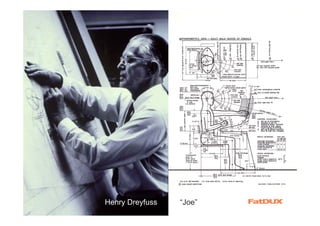
       Henry Dreyfuss
Wojciech Jastrzębowski
Henry Dreyfuss
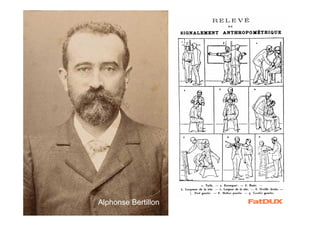
    Alphonse Bertillon
Wojciech Jastrzębowski
Henry Dreyfuss   “Joe”
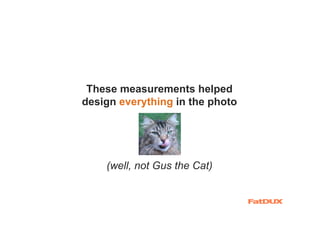
These measurements helped
design everything in the photo


    (well, not Gus the Cat)
“Cognitive ergonomics”
  “Neuroergonomics”
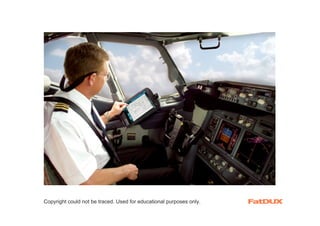
Copyright could not be traced. Used for educational purposes only.
A thought...

If ergonomics, anthropometrics,
   and human factors deal with
    physical requirements, is it
      possible to map similar
    requirements for cognitive
            functions?
The Ergonomics of Need

“Moving from three dimensions to five”
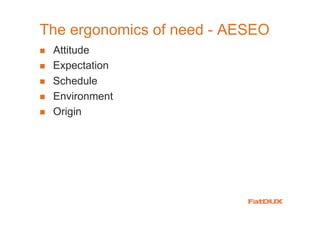
The ergonomics of need - AESEO
 Attitude
  a
 Expectation
 Schedule
 Environment
 Origin
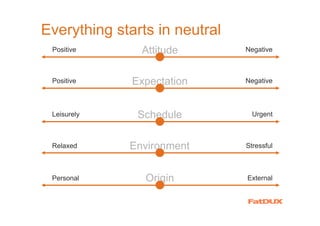
Everything starts in neutral
 Positive      Attitude        Negative


 Positive     Expectation      Negative


 Leisurely     Schedule          Urgent


 Relaxed     Environment       Stressful


 Personal       Origin         External
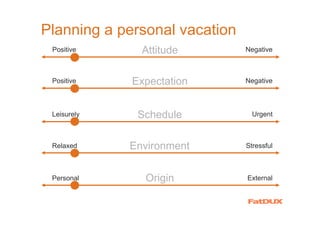
Planning a personal vacation
 Positive      Attitude        Negative


 Positive    Expectation       Negative


 Leisurely    Schedule           Urgent


 Relaxed     Environment       Stressful


 Personal      Origin          External
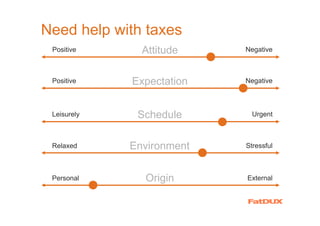
Need help with taxes
 Positive      Attitude    Negative


 Positive    Expectation   Negative


 Leisurely    Schedule       Urgent


 Relaxed     Environment   Stressful


 Personal      Origin      External
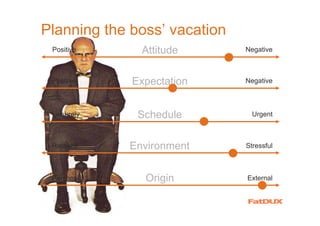
Planning the boss’ vacation
 Positive      Attitude       Negative


 Positive    Expectation      Negative


 Leisurely    Schedule          Urgent


 Relaxed     Environment      Stressful


 Personal      Origin         External
An introduction to experience design
ex·per·i·ence
                noun
1: having been affected by or learned
through observation or participation

 2: the length of such participation
Eric’s 2nd Law of UX:

User experience is the sum of
a series of interactions between
people, devices, and events.
Eric’s 3rd Law of UX:

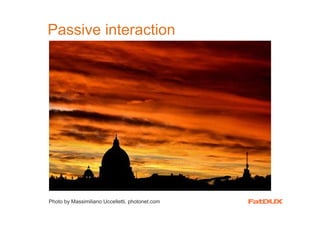
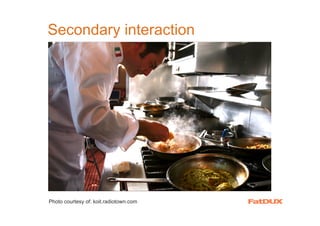
There are three types of interaction:
active, passive and secondary
Eric’s 4th Law of UX:

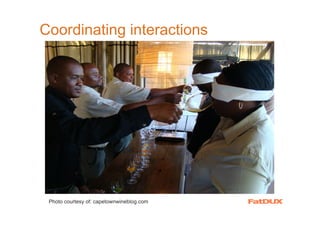
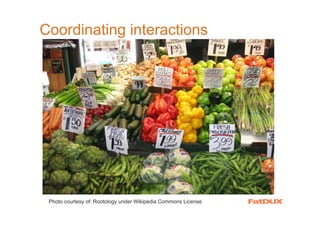
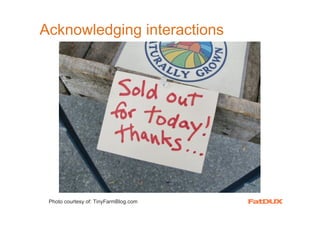
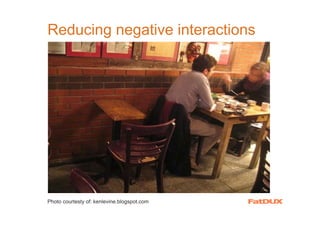
UX design represents the conscious
act of coordinating interactions,
acknowledging interactions, and
reducing negative interactions.
Three types of interaction:
  Active (things we control)
  Passive (things we don’t control)
  Secondary (things that have indirect influence)
Three types of interaction:
  Those we can control
  Those over which we have no control
  Those that affect the experience indirectly
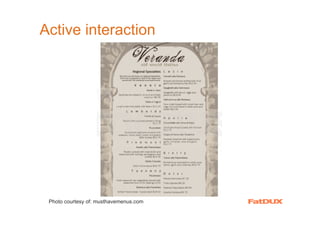
Active interaction


 Photo courtesy of: musthavemenus.com
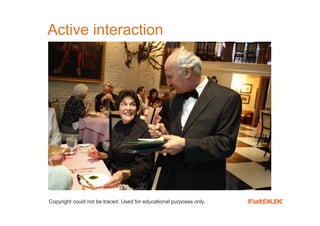
Active interaction


Copyright could not be traced. Used for educational purposes only.
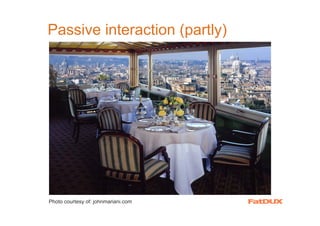
Passive interaction (partly)


Photo courtesy of: johnmariani.com
Passive interaction


Photo by Massimiliano Uccelletti, photonet.com
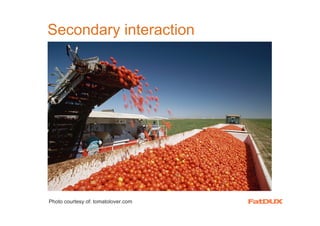
Secondary interaction


Photo courtesy of: koit.radiotown.com
Secondary interaction


Photo courtesy of: tomatolover.com
UX design combines all three activites
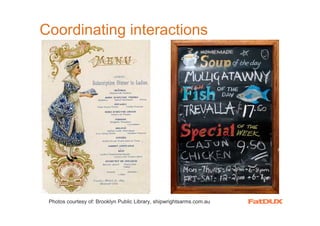
  Coordinating interactions that we can control
  Acknowledging interactions beyond our control
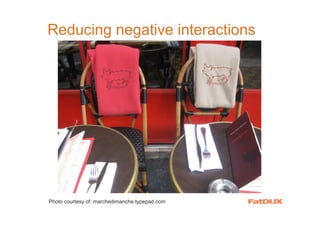
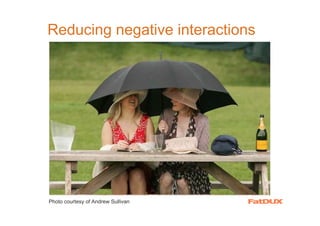
  Reducing negative interactions
Coordinating interactions


 Photos courtesy of: Brooklyn Public Library, shipwrightsarms.com.au
Coordinating interactions


 Photo courtesy of: capetownwineblog.com
Coordinating interactions


 Photo courtesy of: Rootology under Wikipedia Commons License
Acknowledging interactions


 Photo courtesy of: TinyFarmBlog.com
Reducing negative interactions


Photo courtesty of: kenlevine.blogspot.com
Reducing negative interactions


Photo courtesy of: marchedimanche.typepad.com
Reducing negative interactions


Photo courtesy of Andrew Sullivan
Enhancing experience through context
Demographics
 Define groups
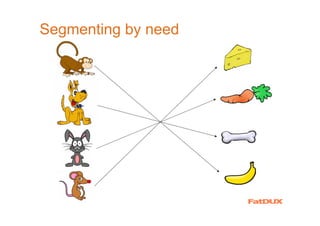
 Segment according to needs
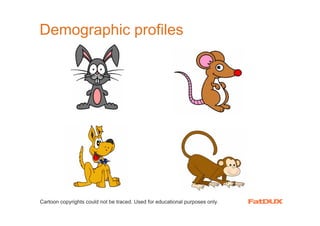
Demographic profiles


Cartoon copyrights could not be traced. Used for educational purposes only.
Segmenting by need
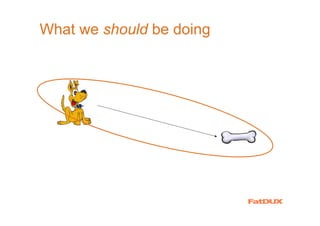
What we should be doing
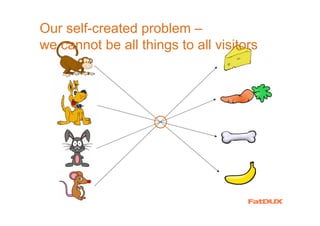
Our self-created problem –
we cannot be all things to all visitors
An introduction to personalization
Personalization
 Anticipating needs
 Eliminating the irrelevant
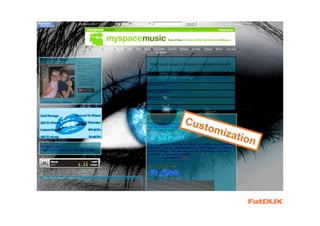
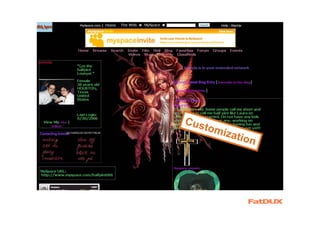
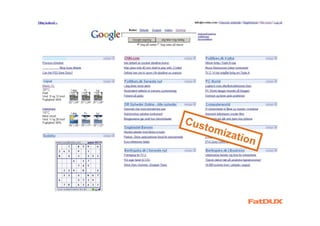
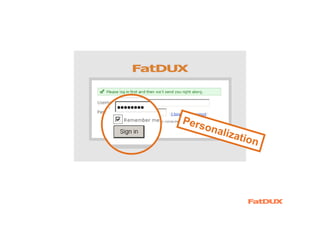
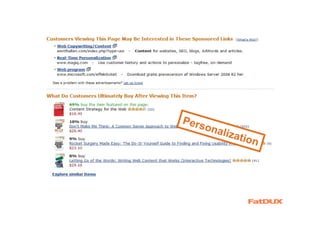
 NOT the same as customization
   Customization is what YOU do to a site
   Personalization is what the SITE does for you
Cus
    tom
       izati
            on
Cus
    tom
       izati
            on
Cus
    tom
       izati
            on
Pers
     o   naliz
               a   tion
Pers
     o   naliz
               a   tion
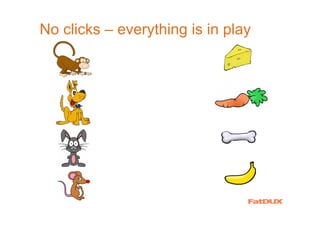
No clicks – everything is in play
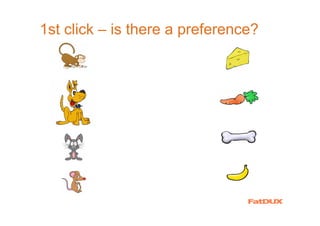
1st click – is there a preference?
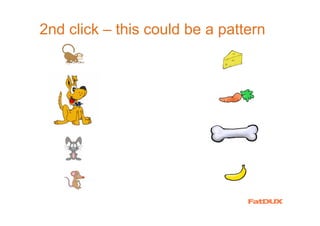
2nd click – this could be a pattern
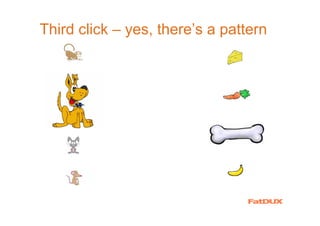
Third click – yes, there’s a pattern
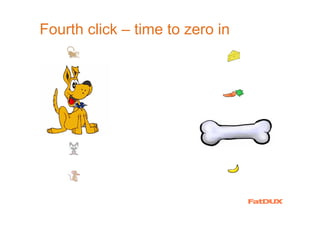
Fourth click – time to zero in
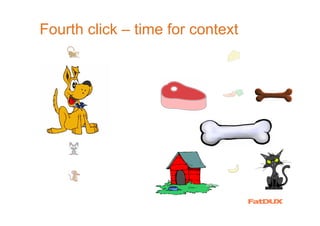
Fourth click – time for context
And what comes next…
     Big Mac
     Large shake
     ???
     Fries


Photo copyright: McDonalds Corporation, Inc.
Restricted use for educational purposes only.
So in summary…
 Personal dialogue
 Contextual relevance
 Added value

 Provides better service
 Keeps customers happy
 Helps you make money
Our new contex-is-the-kingdom mantra:

“Do you want fries with that?”
Eric Reiss can (usually) be found at:
The FatDUX Group ApS
Strandøre 15
2100 Copenhagen
Denmark

Office: (+45) 39 29 67 77
Mobil: (+45) 20 12 88 44
Twitter: @elreiss
info@fatdux.com
www.fatdux.com

Users, Experience, and beyond