Bioenergetics. Emotion.
bodily tension
• A system of alternative psychotherapy based on the belief that
emotional healing can be aided through resolution of bodily tension.
How do actors get emotional?
• Part 2 Acting Out the Scene
• Let the scene's emotions guide you. When acting, it's important to
lose yourself in a scene to an extent. ...
• Incorporate humor. ...
• Play the opposite. ...
• Stick to one overarching emotion. ...
• Keep your voice in control. ...
• Focus on your character's needs.
• Emotional / Subjective Acting. Definition. actors play their parts in
such a way that they actually weep, suffer, or struggle emotionally;
they become their parts. Term. Technical / Objective Acting.Feb 22,
2008
How do you act?
• Part 1 Pinpointing Character Traits
• Come up with a background for your character. A lot of actors might tell you to come up
with a secret that only you know that drives your character. ...
• Ask yourself why. Knowing what is driving your character will make everything fall into
place. ...
• Study your lines. ...
• Write in your script.
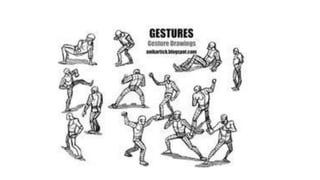
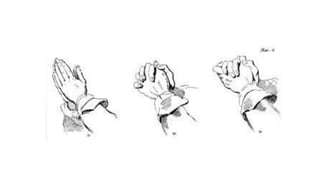
• A definition of body language. Body language is communication by
movement or position, particularly facial expressions, gestures and
the relative positions of a speaker and listener. ...
• This is because the listener doesn't see the facial expressions or body
language which would convey the mood of the speaker.
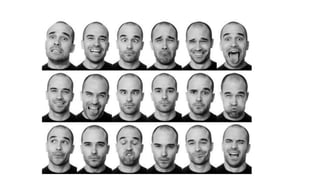
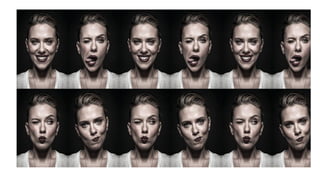
• Facial expressions are important in drama. They can convey
emotions, develop the story and communicate the feelings and
thoughts of the characters to the audience. Actors may use any
combination of facial expression, gestures, movement and props to
create the effect they want.
• Unlike regular pro-longed facial expressions, it is difficult to fake a
microexpression. There are seven universal microexpressions: disgust,
anger, fear, sadness, happiness, surprise, and contempt. They often
occur as fast as 1/15 to 1/25 of a second. The face is the best
indicator of a person's emotions.
Biogenetic acting emotion

Biogenetic acting emotion

  • 1.
  • 2.
    • A systemof alternative psychotherapy based on the belief that emotional healing can be aided through resolution of bodily tension.
  • 3.
    How do actorsget emotional? • Part 2 Acting Out the Scene • Let the scene's emotions guide you. When acting, it's important to lose yourself in a scene to an extent. ... • Incorporate humor. ... • Play the opposite. ... • Stick to one overarching emotion. ... • Keep your voice in control. ... • Focus on your character's needs.
  • 4.
    • Emotional /Subjective Acting. Definition. actors play their parts in such a way that they actually weep, suffer, or struggle emotionally; they become their parts. Term. Technical / Objective Acting.Feb 22, 2008
  • 5.
    How do youact? • Part 1 Pinpointing Character Traits • Come up with a background for your character. A lot of actors might tell you to come up with a secret that only you know that drives your character. ... • Ask yourself why. Knowing what is driving your character will make everything fall into place. ... • Study your lines. ... • Write in your script.
  • 6.
    • A definitionof body language. Body language is communication by movement or position, particularly facial expressions, gestures and the relative positions of a speaker and listener. ... • This is because the listener doesn't see the facial expressions or body language which would convey the mood of the speaker.
  • 12.
    • Facial expressionsare important in drama. They can convey emotions, develop the story and communicate the feelings and thoughts of the characters to the audience. Actors may use any combination of facial expression, gestures, movement and props to create the effect they want.
  • 14.
    • Unlike regularpro-longed facial expressions, it is difficult to fake a microexpression. There are seven universal microexpressions: disgust, anger, fear, sadness, happiness, surprise, and contempt. They often occur as fast as 1/15 to 1/25 of a second. The face is the best indicator of a person's emotions.