CLOUD COMPUTING
ARCHITECTURE
Under the Guidence : Mrs.N.Ruba
Name of the Student : N.Monisha, S.Mahalakshmi,
S.Kiruba
Register Number : CB17S 250394
Subject code : 16SMBECA 2:1
Class : III BCA-”A”
Batch : 2017-2020
Year : 2019 - 2020
UNIT-II
CLOUD COMPUTING ARCHITECTURE
CONTENT
Cloud Computing Technology
Cloud Architecture
Cloud Modeling and Design
Foundation Grid
Cloud and Virtualization
Virtualization and Cloud Computing.
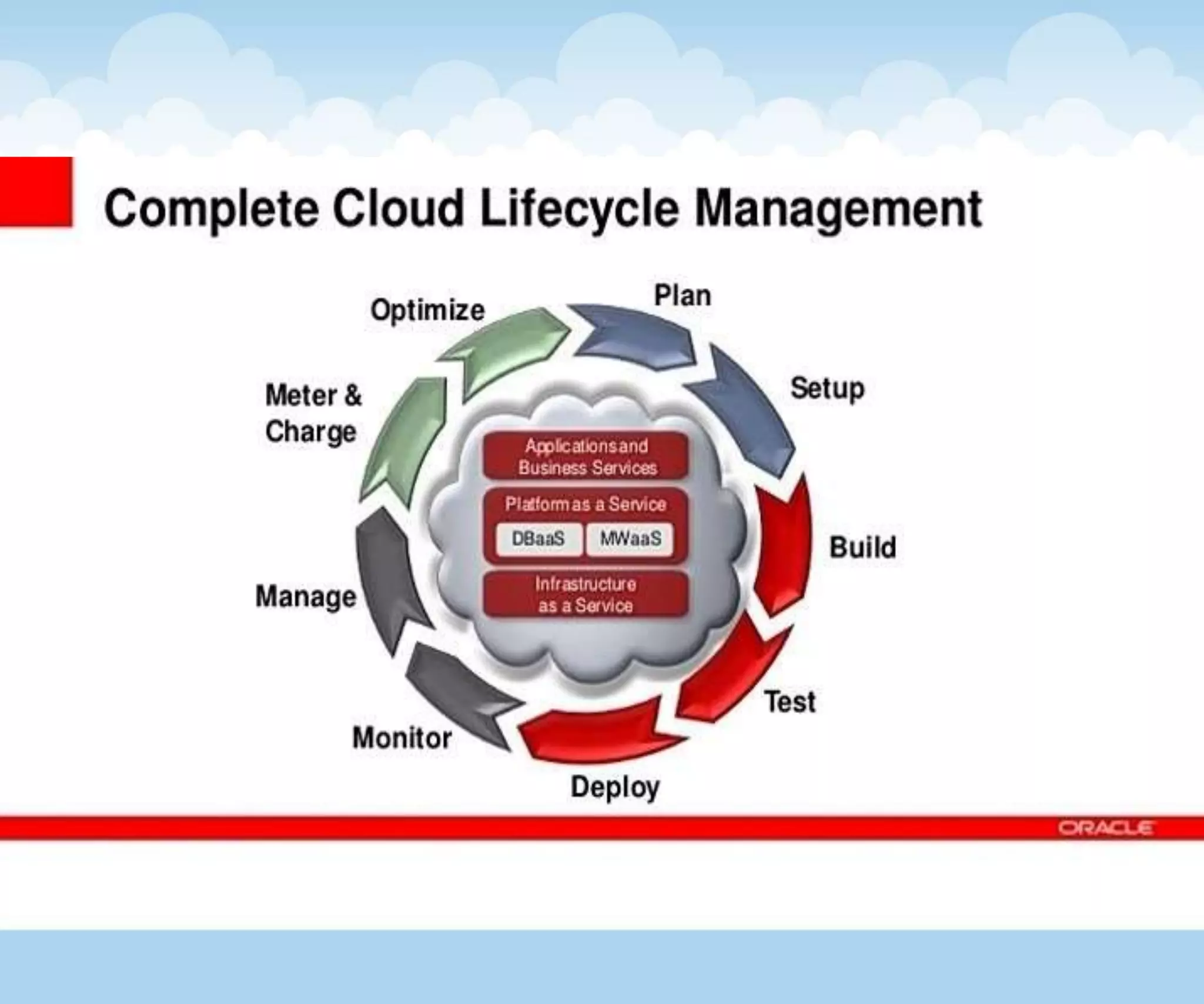
Cloud Lifecycle Model
The Cloud Life Cycle (CDLC) is the repeated life cycle
model for growth deployment and delivery of cloud.
 Requirement and Analysis
 Architect
 Implementation and Integration
 Quality Assurance and Verification
 Deploy, Testing and Improvement
 Monitor, Migrate and Audit
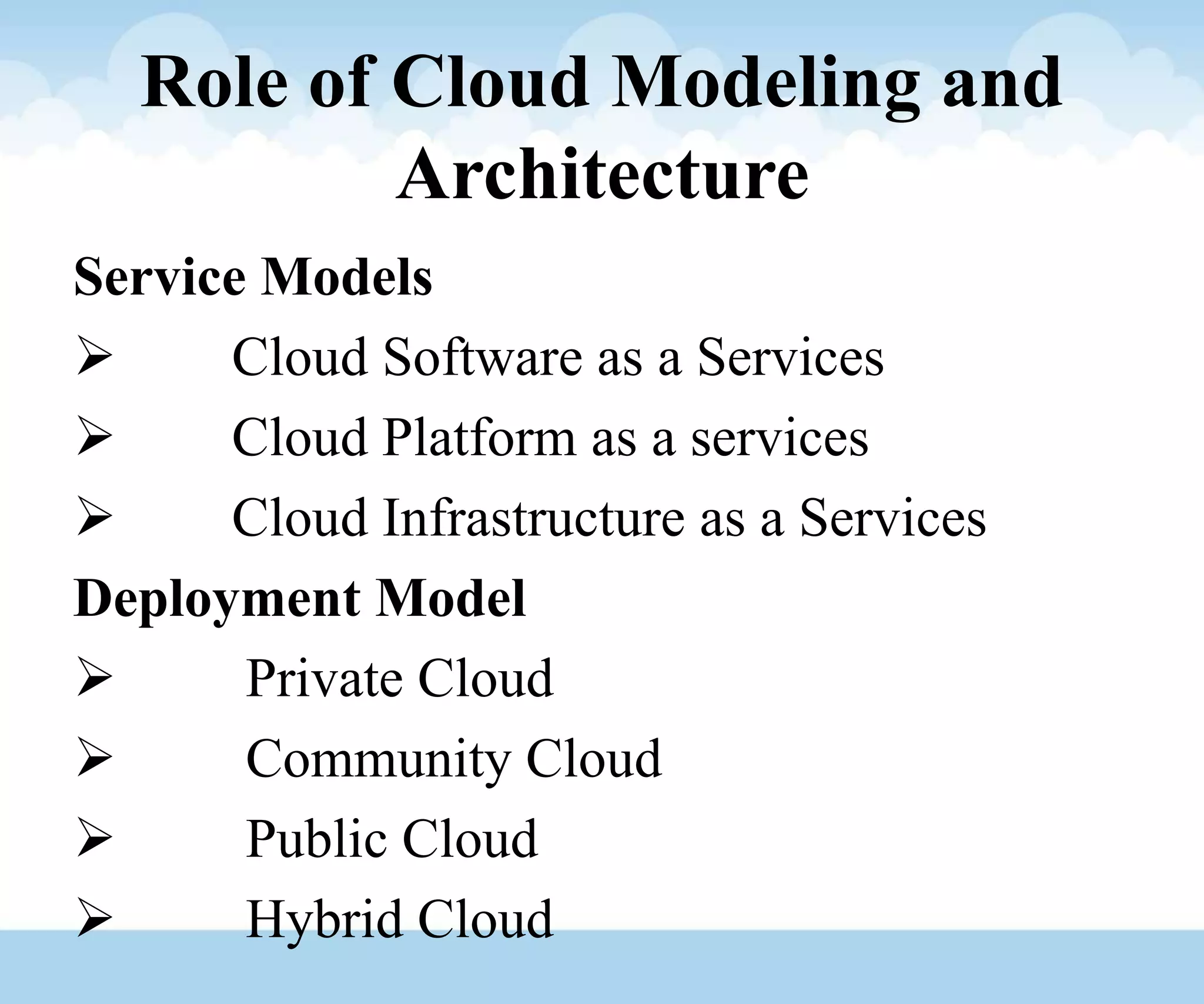
Role of Cloud Modeling and
Architecture
Service Models
 Cloud Software as a Services
 Cloud Platform as a services
 Cloud Infrastructure as a Services
Deployment Model
 Private Cloud
 Community Cloud
 Public Cloud
 Hybrid Cloud
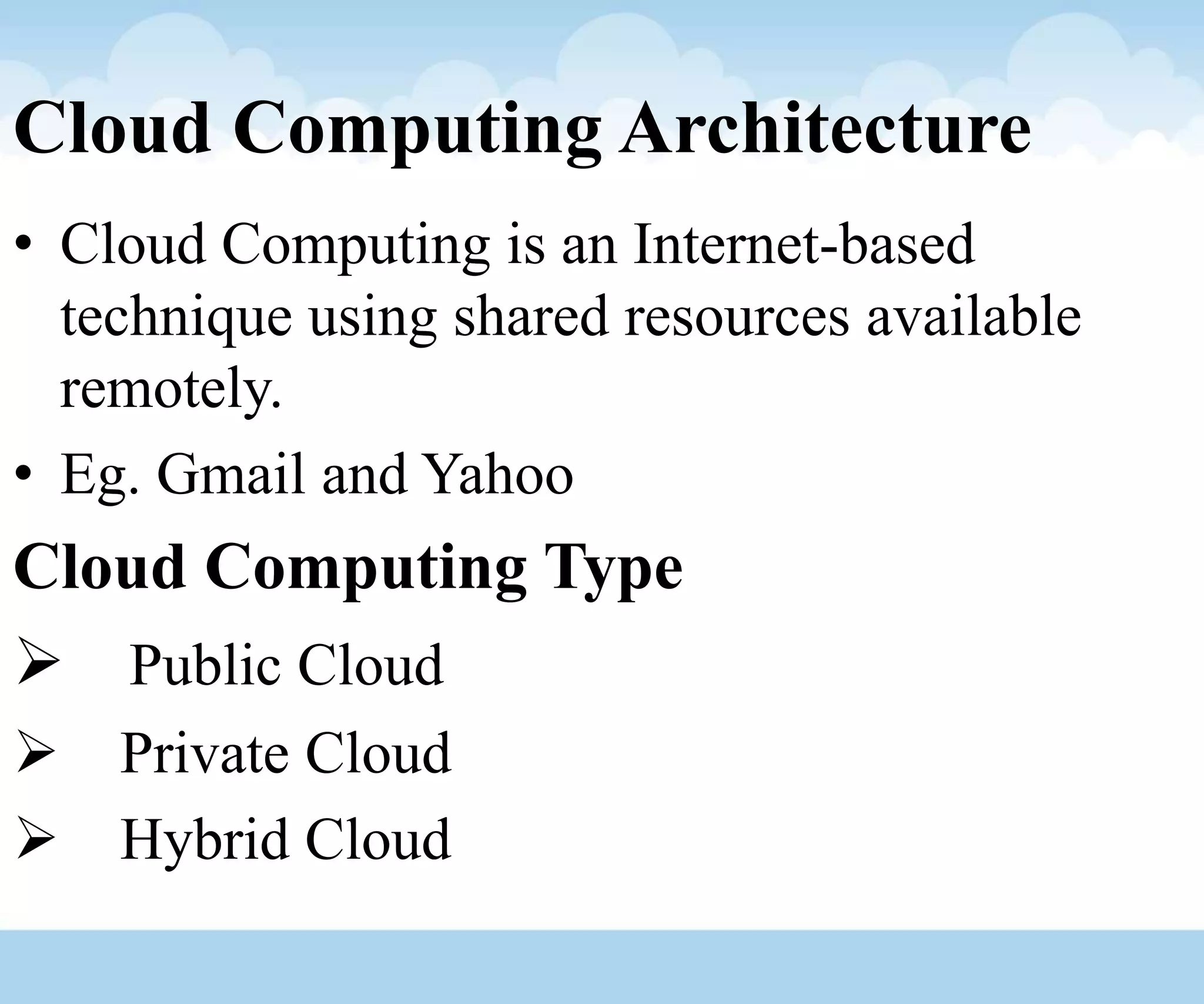
Cloud Computing Architecture
• Cloud Computing is an Internet-based
technique using shared resources available
remotely.
• Eg. Gmail and Yahoo
Cloud Computing Type
 Public Cloud
 Private Cloud
 Hybrid Cloud
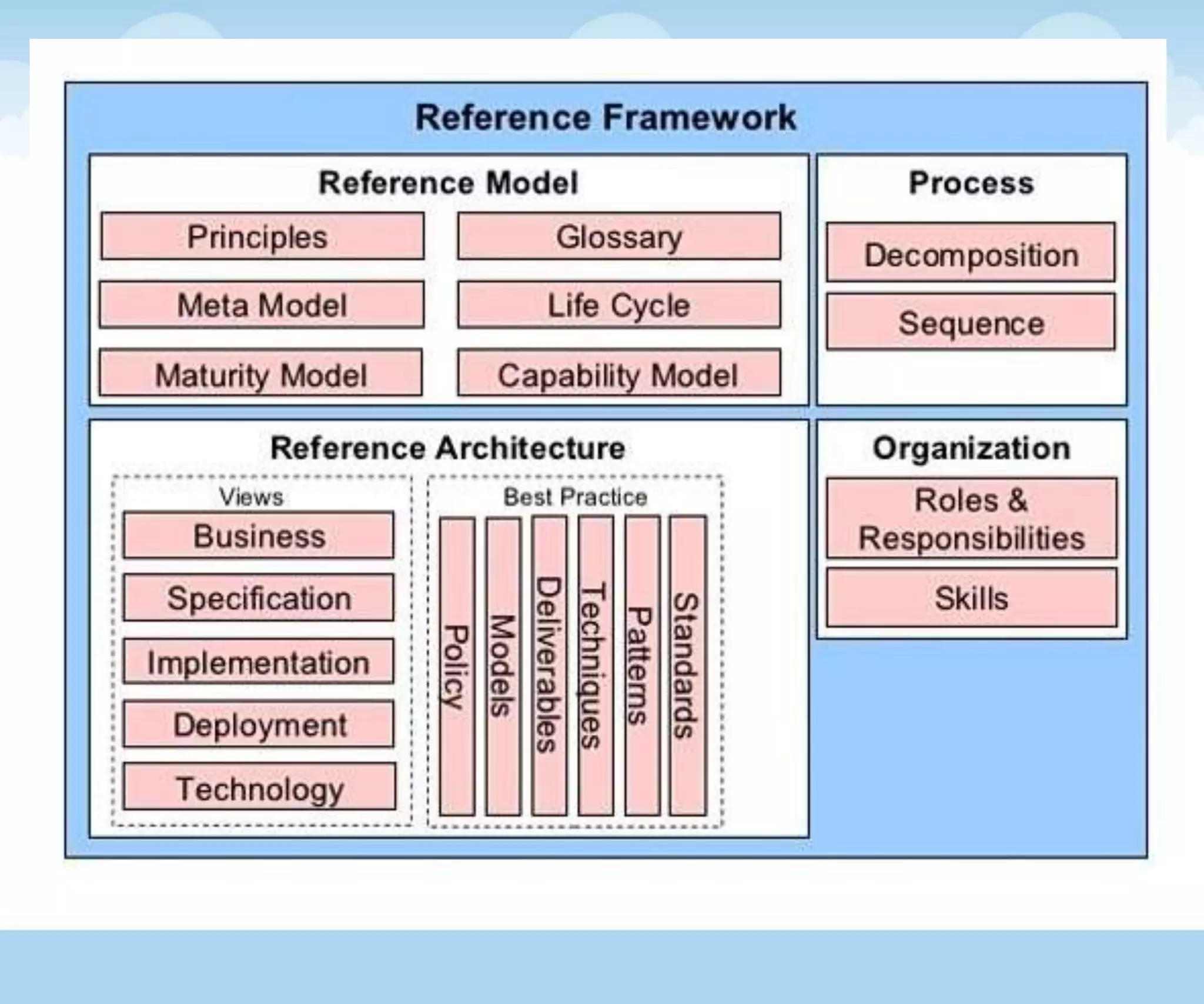
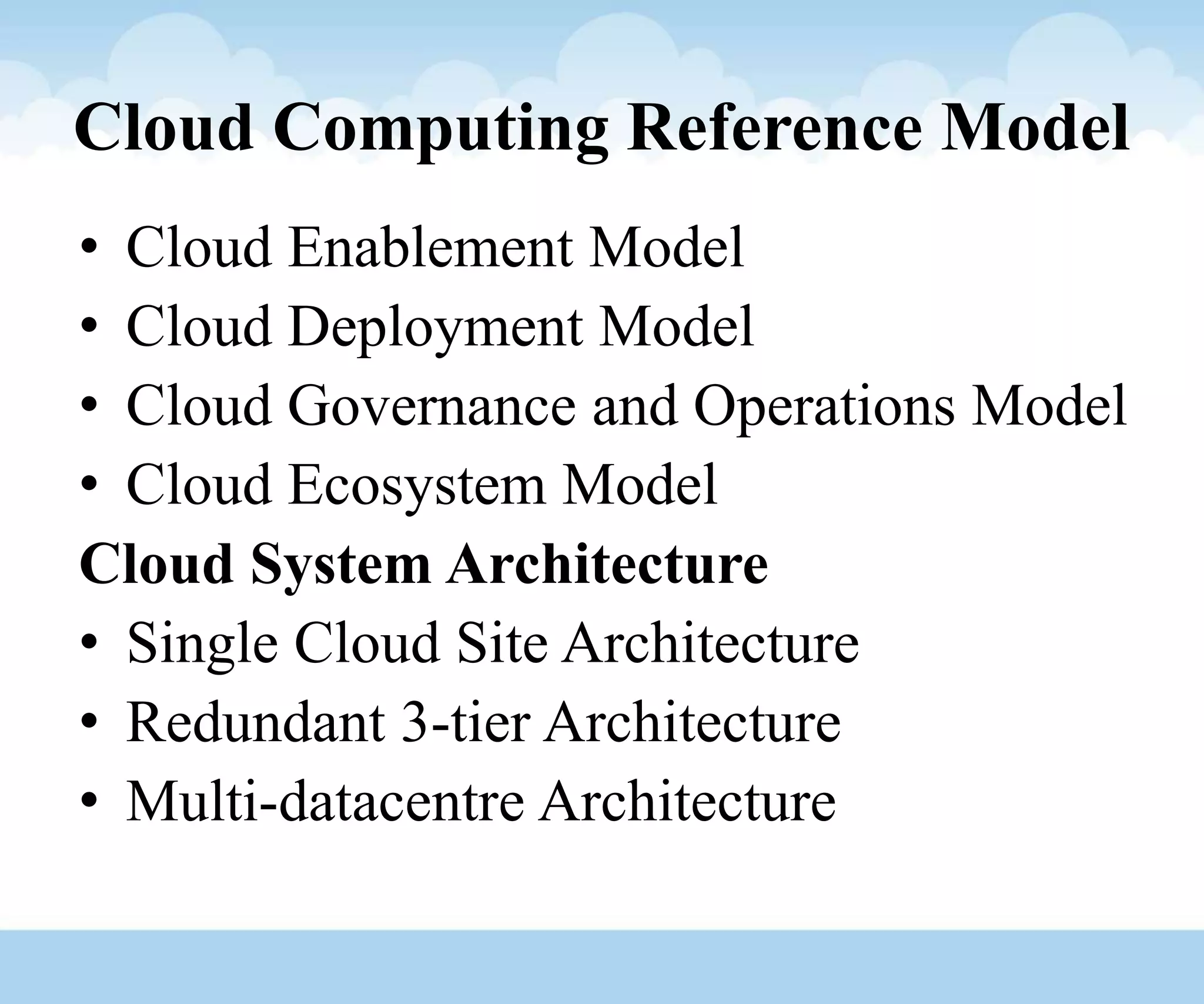
Cloud Computing Reference Model
• Cloud Enablement Model
• Cloud Deployment Model
• Cloud Governance and Operations Model
• Cloud Ecosystem Model
Cloud System Architecture
• Single Cloud Site Architecture
• Redundant 3-tier Architecture
• Multi-datacentre Architecture
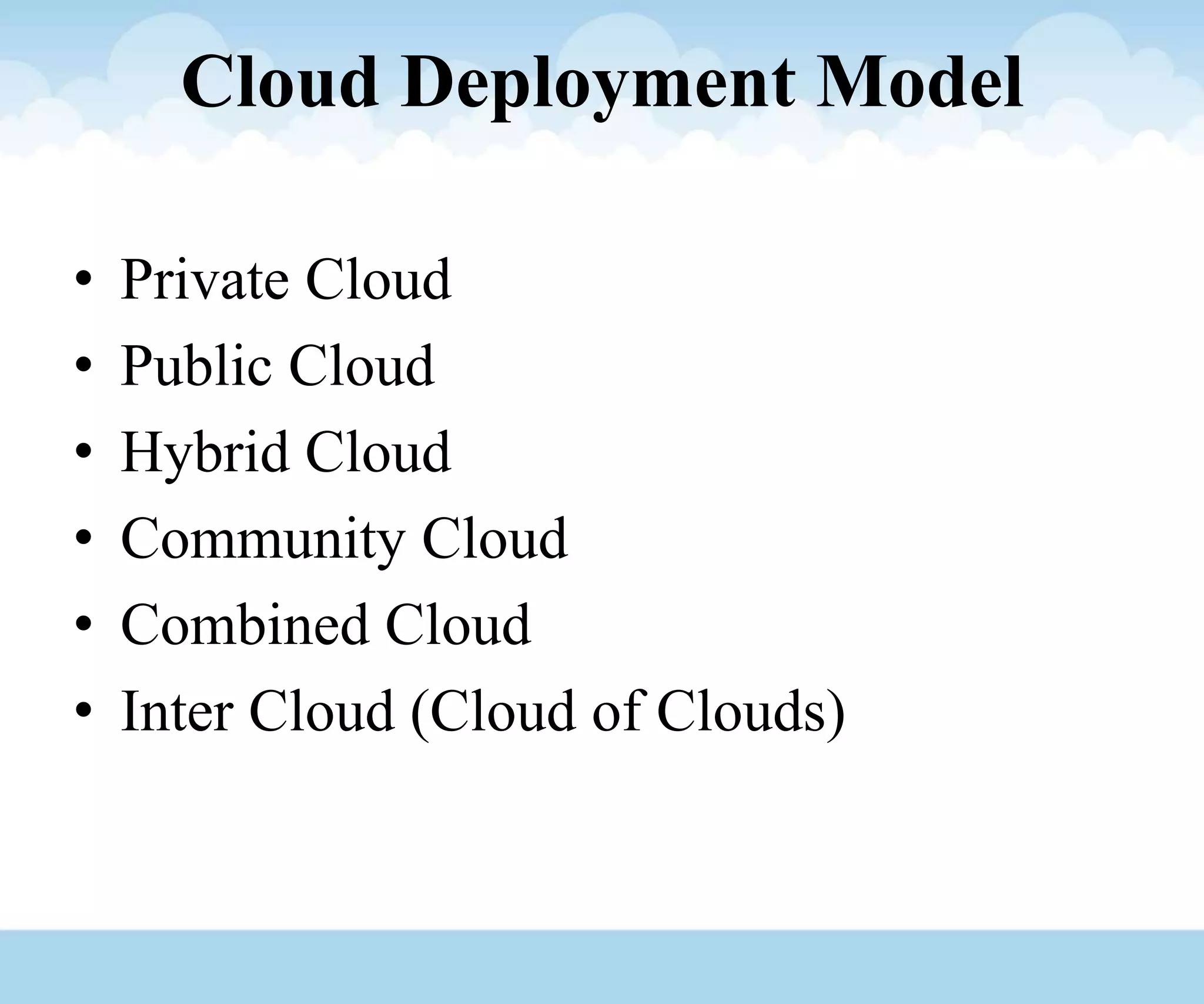
Cloud Deployment Model
• Private Cloud
• Public Cloud
• Hybrid Cloud
• Community Cloud
• Combined Cloud
• Inter Cloud (Cloud of Clouds)
Cloud Ecosystem Model
• Cloud ecosystem is a term, which defines
the complexity of the system in terms of its
interdependent components that work
together to enable cloud services.
Cloud Agent
Cloud Outlook
Big Data Cloud
Business Cloud
Mobile Cloud
Gamification Cloud
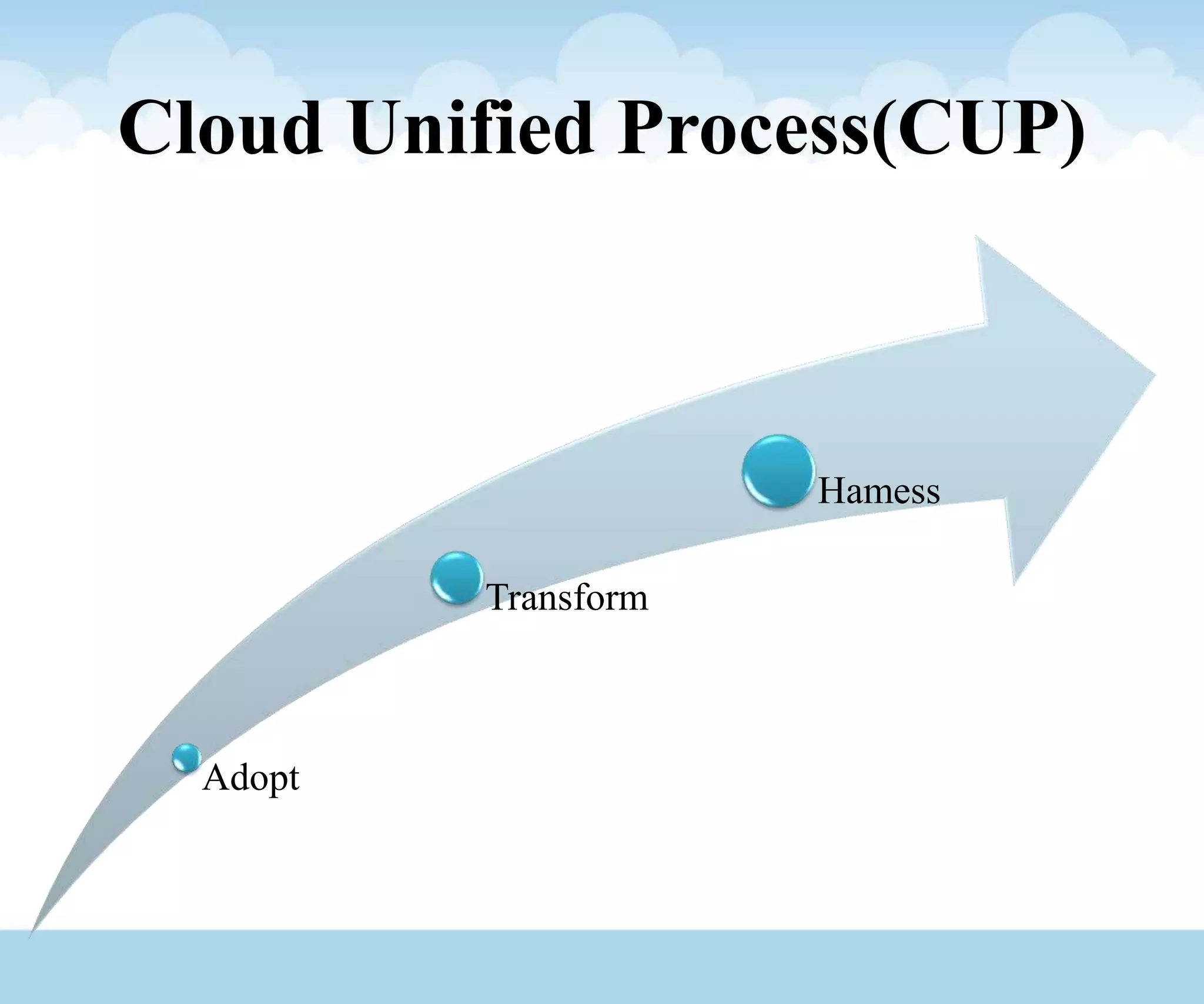
Cloud Unified Process(CUP)
Adopt
Transform
Hamess
REASON FOR THE USAGE OF
LOW CLOUD COMPUTING
Cloud Availability
Cloud security
Erosion of data integrity
Data replication and consistency issues
Potential loss of privacy
Lack of auditing and logging visibility
Potential for regulatory violations.
Definition of Virtualization
• ‘Virtualization’ is a methodology for
dividing the computer resources to more
one execution environment by applying
more concepts like partitioning, time-
sharing, machine simulation and
emulation.
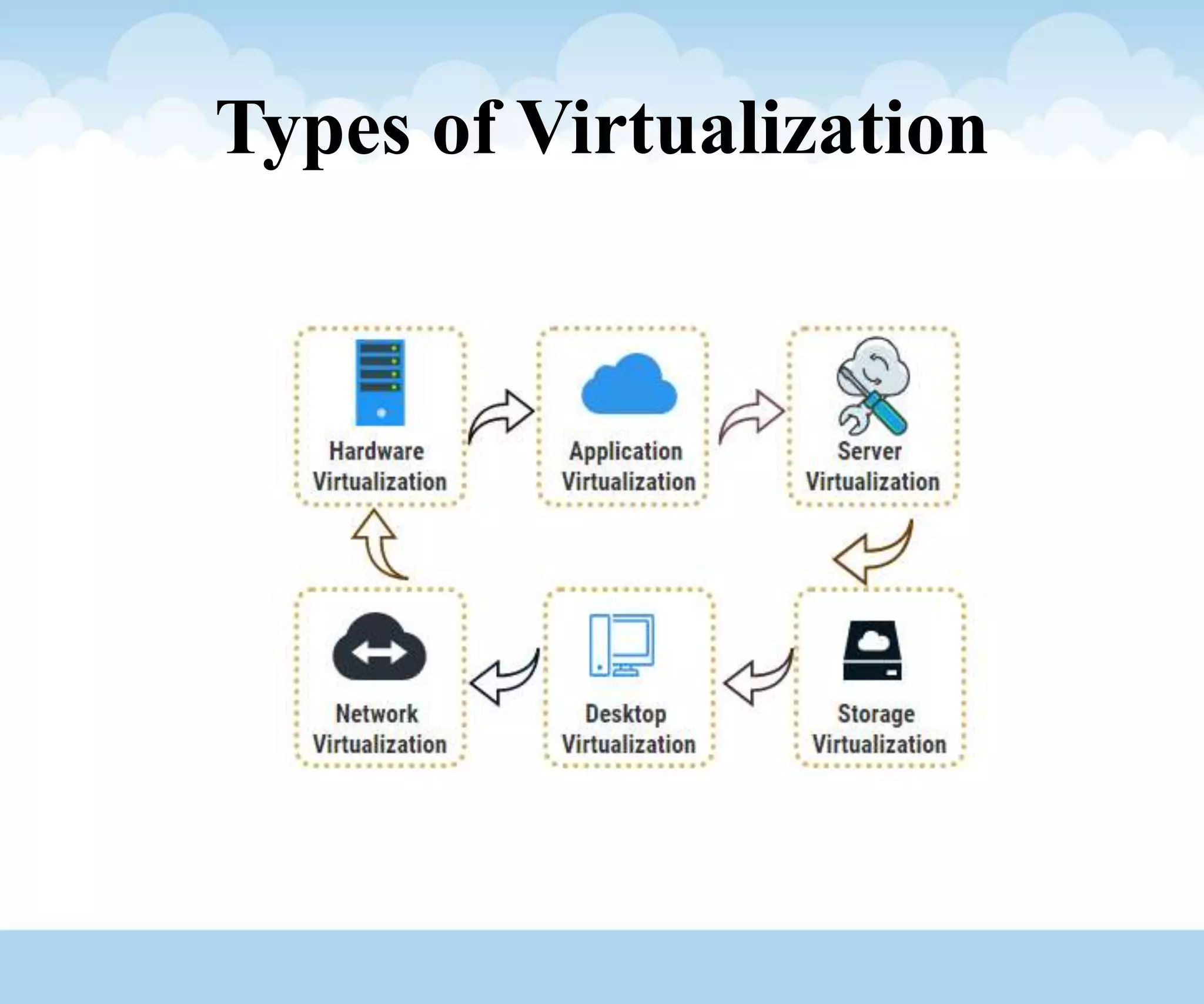
Types of Virtualization
Server Virtualization: It is a kind of virtualization ,
used for masking of server resources , which
includes number of physical servers , processors and
operating Systems.
Network Virtualization: It is a method where
network resources are combine based on available
bandwidth.
Storage Virtualization: In this Virtualization , where
a pool of physical storage from different network of
storage devices appear as single storage device
Desktop Virtualization:
It supports various computing such as utility and
dynamic , testing development and security.
Hardware Virtualization:
It is the abstraction of computing resources from
the software that uses cloud resources. It
involves embedding virtual software into server
hardware components
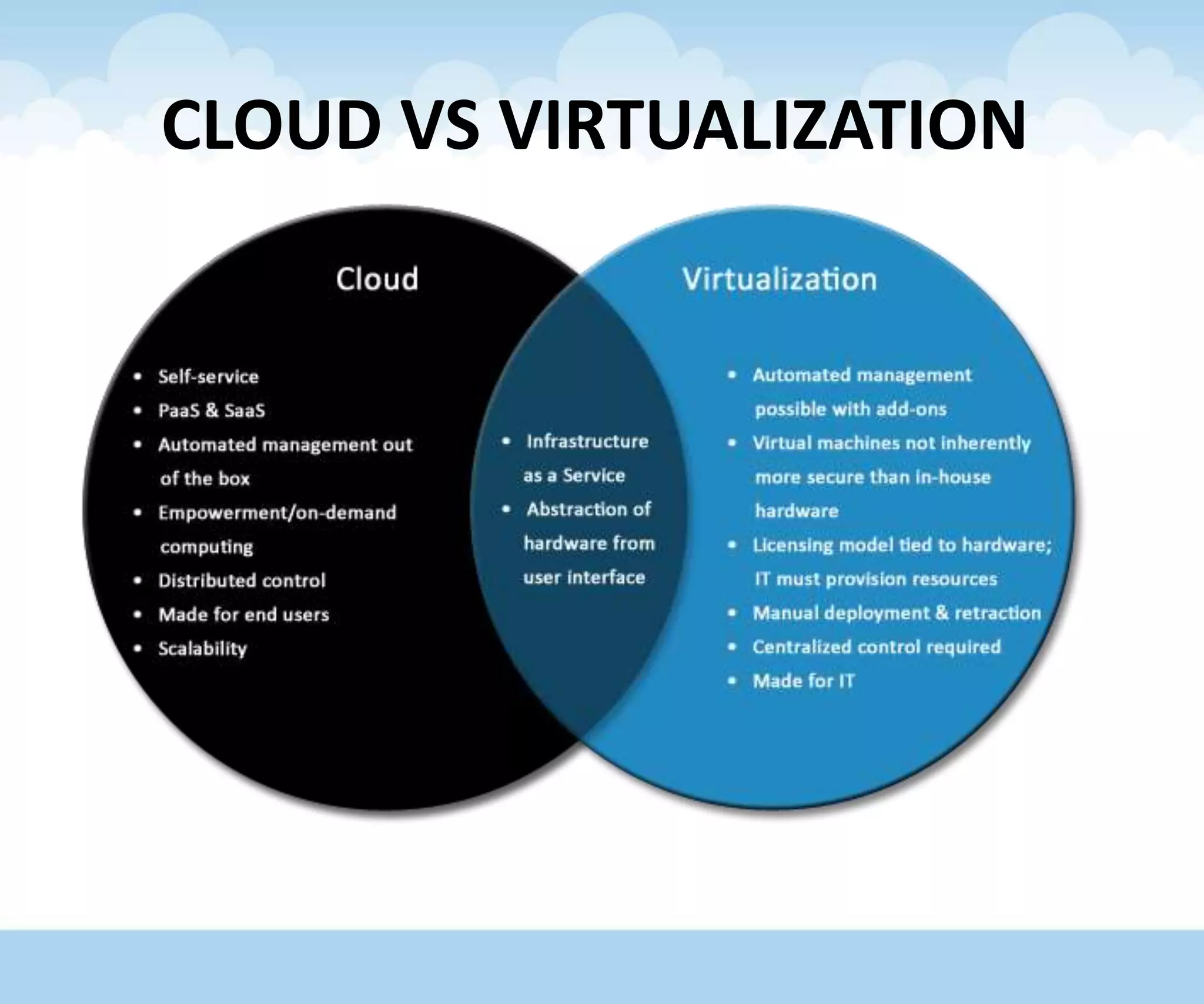
CLOUD VS VIRTUALIZATION
Virtualization In Grid
• The main focal point in grid computing
lies in secure resource sharing in
accessing computers, software and data in
a dynamic atmosphere, sharing of those
resources has to be fine-tuned and
handled in a highly controlled manner.
Virtualization In Cloud
• Virtualization is a tool for system
administrators, which has many technical
uses than a cloud. Virtualization allows
IT organization to perform multiple
operations using a single physical
hardware.
Virtual infrastructures
• The internet provides services such as
research, mining, e-mail and maps.
• Provides an environment where non-
trusted application can be run.
• Adopts isolation techniques.
• Allows dynamics deployment of
application.
• Applied optimization in os.
• Manages as a single services.

Unit 2 -Cloud Computing Architecture

  • 1.
    CLOUD COMPUTING ARCHITECTURE Under theGuidence : Mrs.N.Ruba Name of the Student : N.Monisha, S.Mahalakshmi, S.Kiruba Register Number : CB17S 250394 Subject code : 16SMBECA 2:1 Class : III BCA-”A” Batch : 2017-2020 Year : 2019 - 2020
  • 2.
  • 3.
    CONTENT Cloud Computing Technology CloudArchitecture Cloud Modeling and Design Foundation Grid Cloud and Virtualization Virtualization and Cloud Computing.
  • 4.
    Cloud Lifecycle Model TheCloud Life Cycle (CDLC) is the repeated life cycle model for growth deployment and delivery of cloud.  Requirement and Analysis  Architect  Implementation and Integration  Quality Assurance and Verification  Deploy, Testing and Improvement  Monitor, Migrate and Audit
  • 7.
    Role of CloudModeling and Architecture Service Models  Cloud Software as a Services  Cloud Platform as a services  Cloud Infrastructure as a Services Deployment Model  Private Cloud  Community Cloud  Public Cloud  Hybrid Cloud
  • 8.
    Cloud Computing Architecture •Cloud Computing is an Internet-based technique using shared resources available remotely. • Eg. Gmail and Yahoo Cloud Computing Type  Public Cloud  Private Cloud  Hybrid Cloud
  • 9.
    Cloud Computing ReferenceModel • Cloud Enablement Model • Cloud Deployment Model • Cloud Governance and Operations Model • Cloud Ecosystem Model Cloud System Architecture • Single Cloud Site Architecture • Redundant 3-tier Architecture • Multi-datacentre Architecture
  • 10.
    Cloud Deployment Model •Private Cloud • Public Cloud • Hybrid Cloud • Community Cloud • Combined Cloud • Inter Cloud (Cloud of Clouds)
  • 11.
    Cloud Ecosystem Model •Cloud ecosystem is a term, which defines the complexity of the system in terms of its interdependent components that work together to enable cloud services.
  • 12.
    Cloud Agent Cloud Outlook BigData Cloud Business Cloud Mobile Cloud Gamification Cloud
  • 13.
  • 14.
    REASON FOR THEUSAGE OF LOW CLOUD COMPUTING Cloud Availability Cloud security Erosion of data integrity Data replication and consistency issues Potential loss of privacy Lack of auditing and logging visibility Potential for regulatory violations.
  • 15.
    Definition of Virtualization •‘Virtualization’ is a methodology for dividing the computer resources to more one execution environment by applying more concepts like partitioning, time- sharing, machine simulation and emulation.
  • 16.
  • 17.
    Server Virtualization: Itis a kind of virtualization , used for masking of server resources , which includes number of physical servers , processors and operating Systems. Network Virtualization: It is a method where network resources are combine based on available bandwidth. Storage Virtualization: In this Virtualization , where a pool of physical storage from different network of storage devices appear as single storage device
  • 18.
    Desktop Virtualization: It supportsvarious computing such as utility and dynamic , testing development and security. Hardware Virtualization: It is the abstraction of computing resources from the software that uses cloud resources. It involves embedding virtual software into server hardware components
  • 19.
  • 21.
    Virtualization In Grid •The main focal point in grid computing lies in secure resource sharing in accessing computers, software and data in a dynamic atmosphere, sharing of those resources has to be fine-tuned and handled in a highly controlled manner.
  • 22.
    Virtualization In Cloud •Virtualization is a tool for system administrators, which has many technical uses than a cloud. Virtualization allows IT organization to perform multiple operations using a single physical hardware.
  • 23.
    Virtual infrastructures • Theinternet provides services such as research, mining, e-mail and maps. • Provides an environment where non- trusted application can be run. • Adopts isolation techniques. • Allows dynamics deployment of application. • Applied optimization in os. • Manages as a single services.