Late Adulthood 
A Look at Variations and Theories 
of Late Adulthood
Defining Late Adulthood 
 Census Categories 
 65-74; 75-84; 85-100; 100+ 
 Quality of Life 
 Optimal aging 
 Normal aging 
 Impaired aging
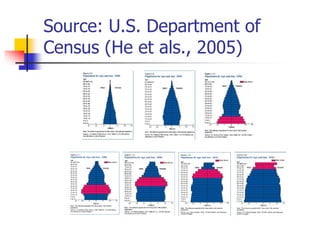
Age Structures in Society 
Population Pyramids
Source: U.S. Department of 
Census (He et als., 2005)
Unhappy Birthday 
Stereotypes of Late Adulthood
Test Your Knowledge
 There are about 10 million people aged 
65 and older living in the United States. 
 True 
 False 
 False. There are about 38.9 million people 
65+
 About half of those over 65 are in 
nursing homes. 
 True 
 False 
 False. Of those 38.9 million, only 1.6 
million live in nursing homes.
 The number of people with Alzheimer’s 
disease is expected to increase by 
2030. 
 True 
 False 
 True. As more people enter late 
adulthood, cases of Alzheimer’s disease will 
increase.
 About half of people over 70 have 
hearing loss. 
 True 
 False 
 False. About a third experience hearing 
loss. Rates go to almost half for people 
over 85.
Theories of Aging 
 Integrity vs. Despair 
 Disengagement Theory 
 Activity Theory 
 Continuity Theory
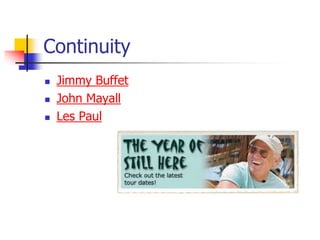
Continuity 
 Jimmy Buffet 
 John Mayall 
 Les Paul
Variations in Aging
Health 
 Most report good health 
 Most report being “very satisfied” with 
their life 
 1.6 million of the 38.9 million over 65 
are in nursing homes 
 But 85+ on increase
Average Life Expectancy 
 In 1900, 47.3 
 In 2007: 
 White females 80.4 
 Black females 76.8 
 White males 75.4 
 Black males 70 (historic racism)
Primary and Secondary Aging 
 Primary Aging-inevitable changes 
associated with age 
 Secondary Aging-changes caused by 
illness or disease 
 The importance of making the 
distinction
Primary Aging 
 Skin and Hair 
 Height and Weight 
 Body Fat 
 Eye Problems 
 8% of those over 75 
 Hearing Loss 
 Almost ½ of those 
over 80 
 ‘elderspeak’
Secondary Aging 
 Arthritis 
 Hypertension 
 Heart Disease and 
Stroke 
 Diabetes 
 Cancer 
 Osteoporosis 
 Alzheimer’s Disease
Why Do We Age? 
 Cell life 
 Hayflick limit 
 telomeres 
 Free Radical Theory 
 Protein Crosslinking 
 DNA damage from pollutants 
 Decline in immune system
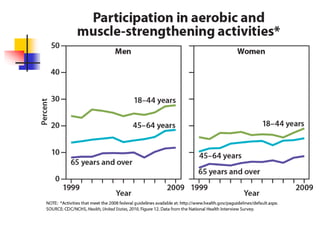
Late Adulthood and Exercise
How Aging Affects Memory 
 Sensory Register 
 Working Memory 
 Long-term Memory 
 Keeping the brain healthy
Cognitive Changes in Late 
Adulthood 
A Look At Normal and Disease 
Related Changes
Abnormal Loss of 
Cognitive Functioning 
 Organic/Disease Related 
 Dementia 
 Alzheimer’s Disease 
 Multi-infarct dementia (MID) 
 Nonorganic/Preventable Causes 
 Depression (suicide rates high) 
 Alcoholism 
 Mixing Medications/Overmedication 
 Poor Nutrition 
 Delirium?
Psychosocial Development 
in Late Adulthood 
A Look At Family Life, Friendship, 
and Work in Late Adulthood
Productivity in Late 
Adulthood 
 Work 
 Education (Elderhostel) 
 Volunteerism (more informal than 
formal); virtual volunteering 
 Political activism (high)
Relationships 
 Marriage 
 Widowhood 
 Divorce 
 Never Married 
 Cohabitation (SAGE) 
 Friendships (socioemotional selectivity 
theory) 
 Residence/Neighbors
Types of Grandparents 
 Remote (30 percent) 
 Companionate (55 percent) 
 Involved (15 percent)
Frail Elderly 
 Number expected to increase 
 Most cared for by friends or relatives 
 Caregiver is typically either spouse, daughter, 
or daughter-in-law
Frail Elderly in Nursing 
Homes 
 Nursing homes and basic needs 
 Quality of life is often poor 
 Residents lack independence 
 “Infantilization” 
 Psychological/social needs not met
Elderly Abuse 
 Financial abuse 
 Neglect 
 Granny dumping (100,000-200,000 
annually)

Lifespan Psychology Module 10 Late Adulthood

  • 1.
    Late Adulthood ALook at Variations and Theories of Late Adulthood
  • 2.
    Defining Late Adulthood  Census Categories  65-74; 75-84; 85-100; 100+  Quality of Life  Optimal aging  Normal aging  Impaired aging
  • 3.
    Age Structures inSociety Population Pyramids
  • 4.
    Source: U.S. Departmentof Census (He et als., 2005)
  • 5.
  • 6.
  • 7.
     There areabout 10 million people aged 65 and older living in the United States.  True  False  False. There are about 38.9 million people 65+
  • 8.
     About halfof those over 65 are in nursing homes.  True  False  False. Of those 38.9 million, only 1.6 million live in nursing homes.
  • 9.
     The numberof people with Alzheimer’s disease is expected to increase by 2030.  True  False  True. As more people enter late adulthood, cases of Alzheimer’s disease will increase.
  • 10.
     About halfof people over 70 have hearing loss.  True  False  False. About a third experience hearing loss. Rates go to almost half for people over 85.
  • 11.
    Theories of Aging  Integrity vs. Despair  Disengagement Theory  Activity Theory  Continuity Theory
  • 12.
    Continuity  JimmyBuffet  John Mayall  Les Paul
  • 13.
  • 14.
    Health  Mostreport good health  Most report being “very satisfied” with their life  1.6 million of the 38.9 million over 65 are in nursing homes  But 85+ on increase
  • 15.
    Average Life Expectancy  In 1900, 47.3  In 2007:  White females 80.4  Black females 76.8  White males 75.4  Black males 70 (historic racism)
  • 16.
    Primary and SecondaryAging  Primary Aging-inevitable changes associated with age  Secondary Aging-changes caused by illness or disease  The importance of making the distinction
  • 17.
    Primary Aging Skin and Hair  Height and Weight  Body Fat  Eye Problems  8% of those over 75  Hearing Loss  Almost ½ of those over 80  ‘elderspeak’
  • 18.
    Secondary Aging Arthritis  Hypertension  Heart Disease and Stroke  Diabetes  Cancer  Osteoporosis  Alzheimer’s Disease
  • 19.
    Why Do WeAge?  Cell life  Hayflick limit  telomeres  Free Radical Theory  Protein Crosslinking  DNA damage from pollutants  Decline in immune system
  • 20.
  • 21.
    How Aging AffectsMemory  Sensory Register  Working Memory  Long-term Memory  Keeping the brain healthy
  • 22.
    Cognitive Changes inLate Adulthood A Look At Normal and Disease Related Changes
  • 23.
    Abnormal Loss of Cognitive Functioning  Organic/Disease Related  Dementia  Alzheimer’s Disease  Multi-infarct dementia (MID)  Nonorganic/Preventable Causes  Depression (suicide rates high)  Alcoholism  Mixing Medications/Overmedication  Poor Nutrition  Delirium?
  • 24.
    Psychosocial Development inLate Adulthood A Look At Family Life, Friendship, and Work in Late Adulthood
  • 25.
    Productivity in Late Adulthood  Work  Education (Elderhostel)  Volunteerism (more informal than formal); virtual volunteering  Political activism (high)
  • 26.
    Relationships  Marriage  Widowhood  Divorce  Never Married  Cohabitation (SAGE)  Friendships (socioemotional selectivity theory)  Residence/Neighbors
  • 27.
    Types of Grandparents  Remote (30 percent)  Companionate (55 percent)  Involved (15 percent)
  • 28.
    Frail Elderly Number expected to increase  Most cared for by friends or relatives  Caregiver is typically either spouse, daughter, or daughter-in-law
  • 29.
    Frail Elderly inNursing Homes  Nursing homes and basic needs  Quality of life is often poor  Residents lack independence  “Infantilization”  Psychological/social needs not met
  • 30.
    Elderly Abuse Financial abuse  Neglect  Granny dumping (100,000-200,000 annually)