
Rapid Techniques for
Mapping Experiences
It’s The Journey And The Destination
@JimKalbach
Jim.Kalbach@Gmail.com
@JimKalbach
• Core Concepts of Mapping Experiences
• Process for a Rapid Mapping Effort
• Q&A
AGENDA
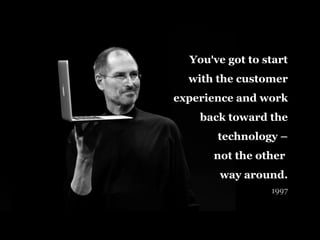
You've got to start
with the customer
experience and work
back toward the
technology –
not the other
way around.
1997
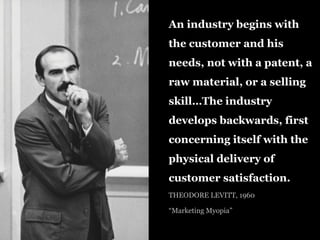
An industry begins with
the customer and his
needs, not with a patent, a
raw material, or a selling
skill…The industry
develops backwards, first
concerning itself with the
physical delivery of
customer satisfaction.
THEODORE LEVITT, 1960
“Marketing Myopia”
$
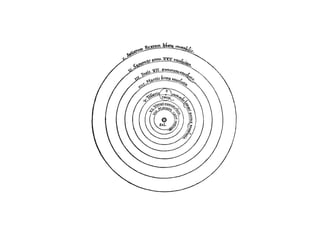
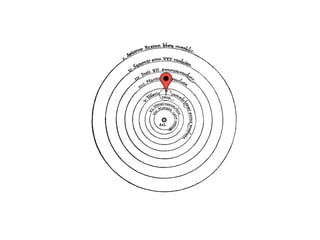
Successful strategy requires a
reversal in thinking: start with
the experience and figure out
how to create value from there.
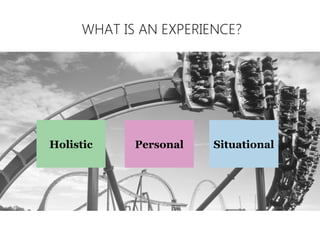
What is an experience
WHAT IS AN EXPERIENCE?
Holistic Personal Situational
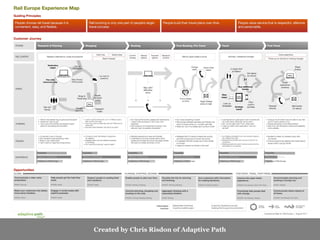
Created by Chris Risdon of Adaptive Path
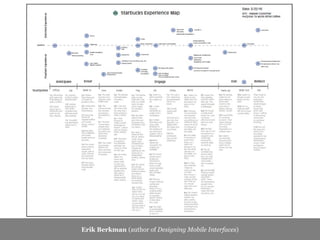
Erik Berkman (author of Designing Mobile Interfaces)
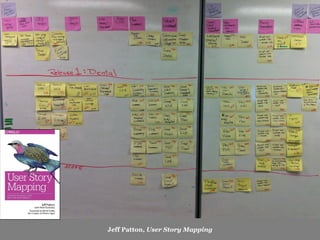
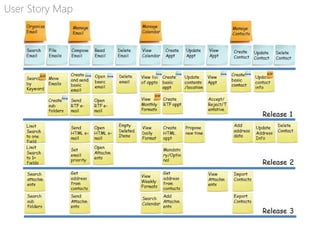
Jeff Patton, User Story Mapping
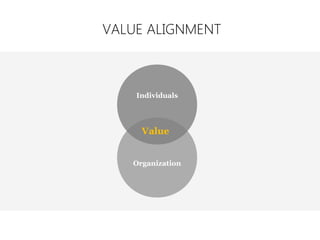
Individuals
Organization
Value
VALUE ALIGNMENT
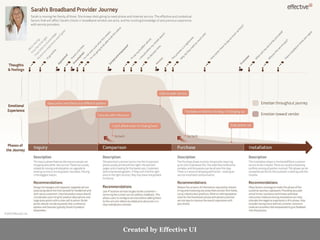
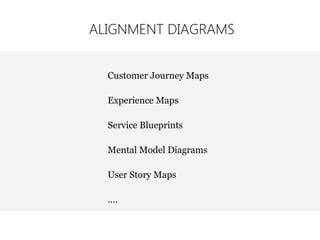
Customer Journey Maps
Experience Maps
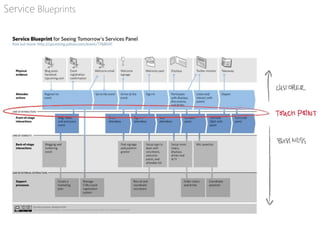
Service Blueprints
Mental Model Diagrams
User Story Maps
….
ALIGNMENT DIAGRAMS
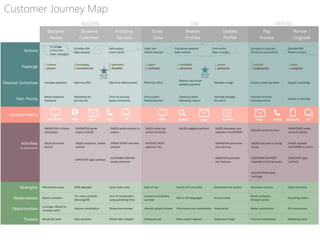
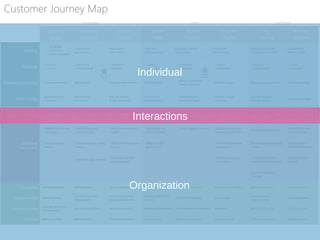
Customer Journey Map
Individual
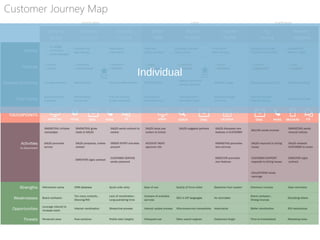
Customer Journey Map
Individual
Organization
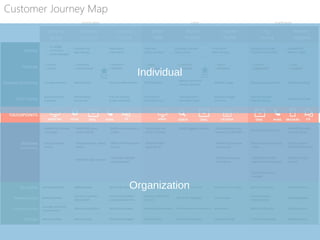
Customer Journey Map
Individual
Organization
Interactions
Customer Journey Map
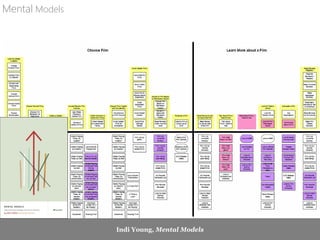
Mental Models
Indi Young, Mental Models
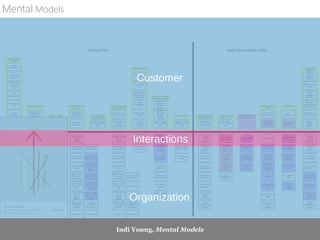
Mental Models
Customer
Organization
Interactions
Indi Young, Mental Models
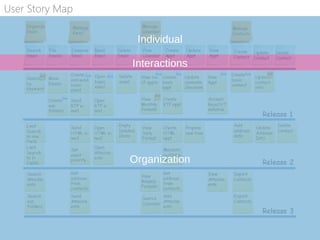
User Story Map
Individual
Organization
Interactions
User Story Map
“Diagrams are compelling
documents that invite
engagement by others.”
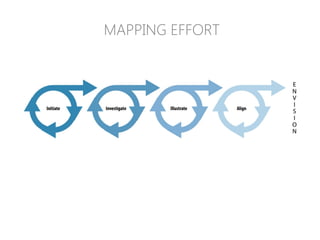
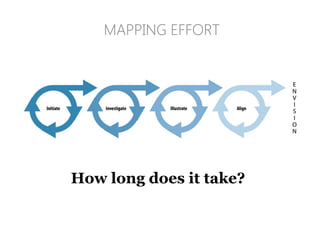
MAPPING EFFORT
MAPPING EFFORT
How long does it take?
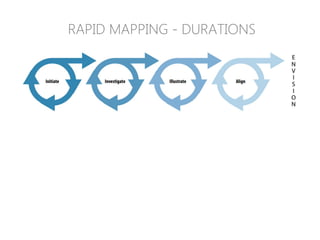
1. INITIATE
Ensure the effort is relevant to the organization
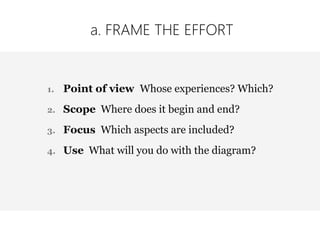
1. Point of view Whose experiences? Which?
2. Scope Where does it begin and end?
3. Focus Which aspects are included?
4. Use What will you do with the diagram?
a. FRAME THE EFFORT
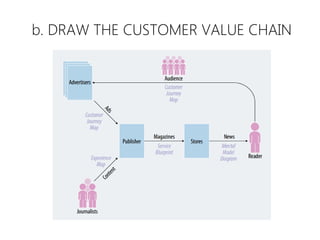
b. DRAW THE CUSTOMER VALUE CHAIN
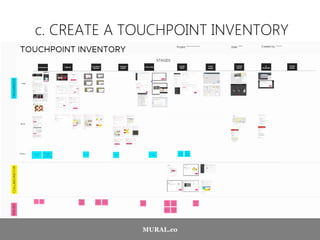
c. CREATE A TOUCHPOINT INVENTORY
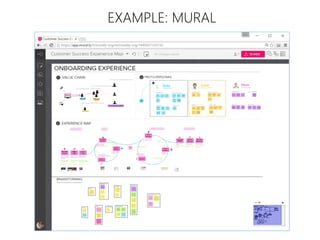
MURAL.co
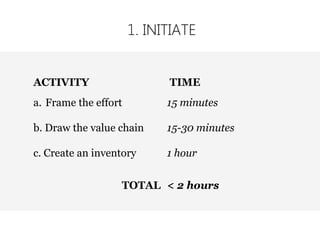
1. INITIATE
ACTIVITY TIME
a. Frame the effort 15 minutes
b. Draw the value chain 15-30 minutes
c. Create an inventory 1 hour
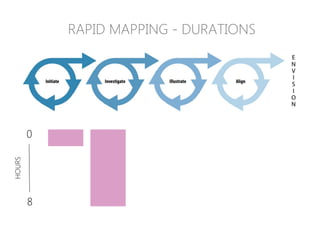
TOTAL < 2 hours
2. INVESTIGATE
Ground the experience in reality
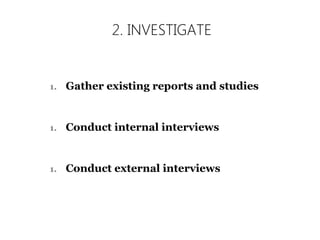
1. Gather existing reports and studies
1. Conduct internal interviews
1. Conduct external interviews
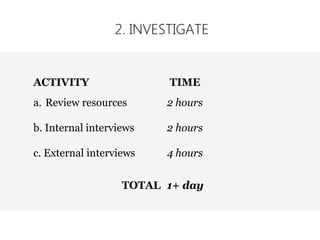
2. INVESTIGATE
2. INVESTIGATE
ACTIVITY TIME
a. Review resources 2 hours
b. Internal interviews 2 hours
c. External interviews 4 hours
TOTAL 1+ day
3. ILLUSTRATE
Visualize the experience for a common understanding
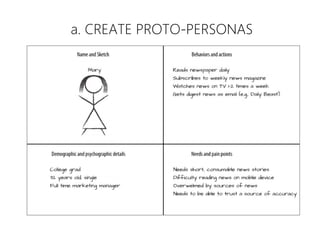
a. CREATE PROTO-PERSONAS
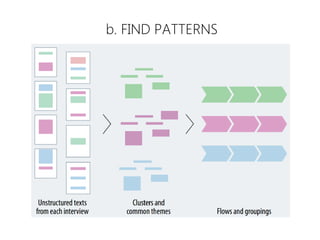
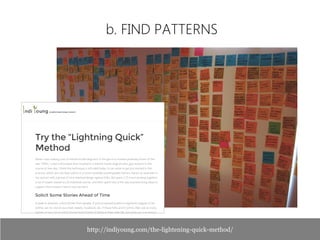
b. FIND PATTERNS
b. FIND PATTERNS
http://indiyoung.com/the-lightening-quick-method/
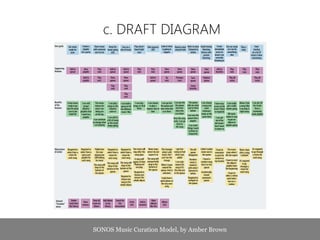
c. DRAFT DIAGRAM
SONOS Music Curation Model, by Amber Brown
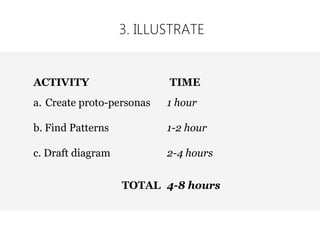
3. ILLUSTRATE
ACTIVITY TIME
a. Create proto-personas 1 hour
b. Find Patterns 1-2 hour
c. Draft diagram 2-4 hours
TOTAL 4-8 hours
4. ALIGN & ENVISION
Work together to innovate
“The objective is not just
to create a diagram, but to
develop solutions
together as a team.”
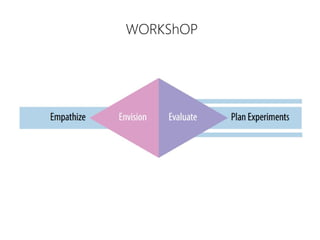
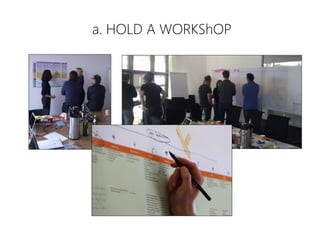
a. HOLD A WORKShOP
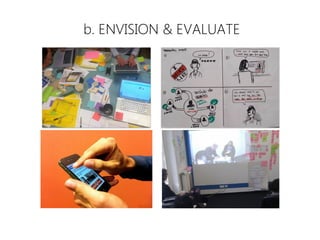
b. ENVISION & EVALUATE
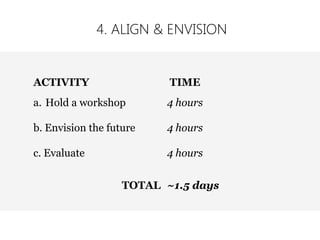
4. ALIGN & ENVISION
ACTIVITY TIME
a. Hold a workshop 4 hours
b. Envision the future 4 hours
c. Evaluate 4 hours
TOTAL ~1.5 days
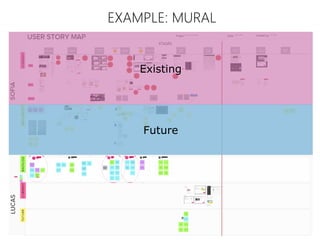
EXAMPLE: MURAL
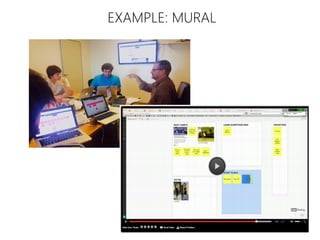
EXAMPLE: MURAL
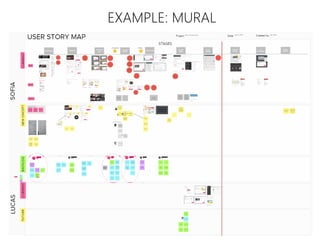
EXAMPLE: MURAL
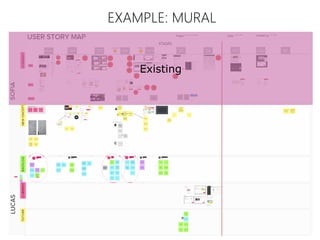
Existing
EXAMPLE: MURAL
Existing
Future
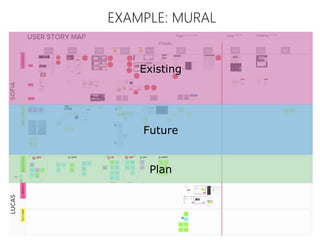
EXAMPLE: MURAL
Existing
Future
Plan
EXAMPLE: MURAL
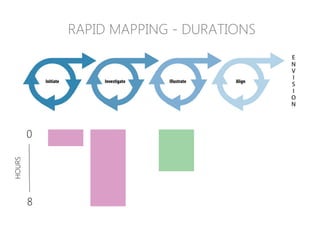
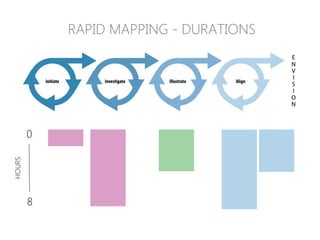
RAPID MAPPING - DURATIONS
0
8
HOURS
RAPID MAPPING - DURATIONS
0
8
HOURS
RAPID MAPPING - DURATIONS
0
8
HOURS
“[Mapping] will add
context to your project and
highlight opportunities
you may have otherwise
missed.”
DESIGN SPRINTS
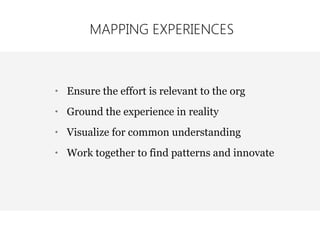
• Ensure the effort is relevant to the org
• Ground the experience in reality
• Visualize for common understanding
• Work together to find patterns and innovate
MAPPING EXPERIENCES
Danke schön!
@JimKalbach
Jim.Kalbach@Gmail.com
www.experiencinginformation.com
WORKShOP
“Creating a diagram is not the
ultimate goal. Rather, it is a
means to engage others in your
organization in a discourse. ”
Created by Effective UI
Service Blueprints

Rapid Techniques for Mapping Experiences