Openness, Data and a  Sustainable Future of Education David Wiley, PhD Department of Instructional Psychology & Technology Brigham Young University
Download These Slides http://slideshare.net/opencontent/


http://www.flickr.com/photos/gls-conference/4687537285/
If the  Book  Didn’t Change Schools Can the computer? Can the internet? Can the LMS?
Openness, Then Data A brief thought experiment…
 
Openness… In Education? Let’s begin by defining terms
Open,  adj . Describes educational artifacts
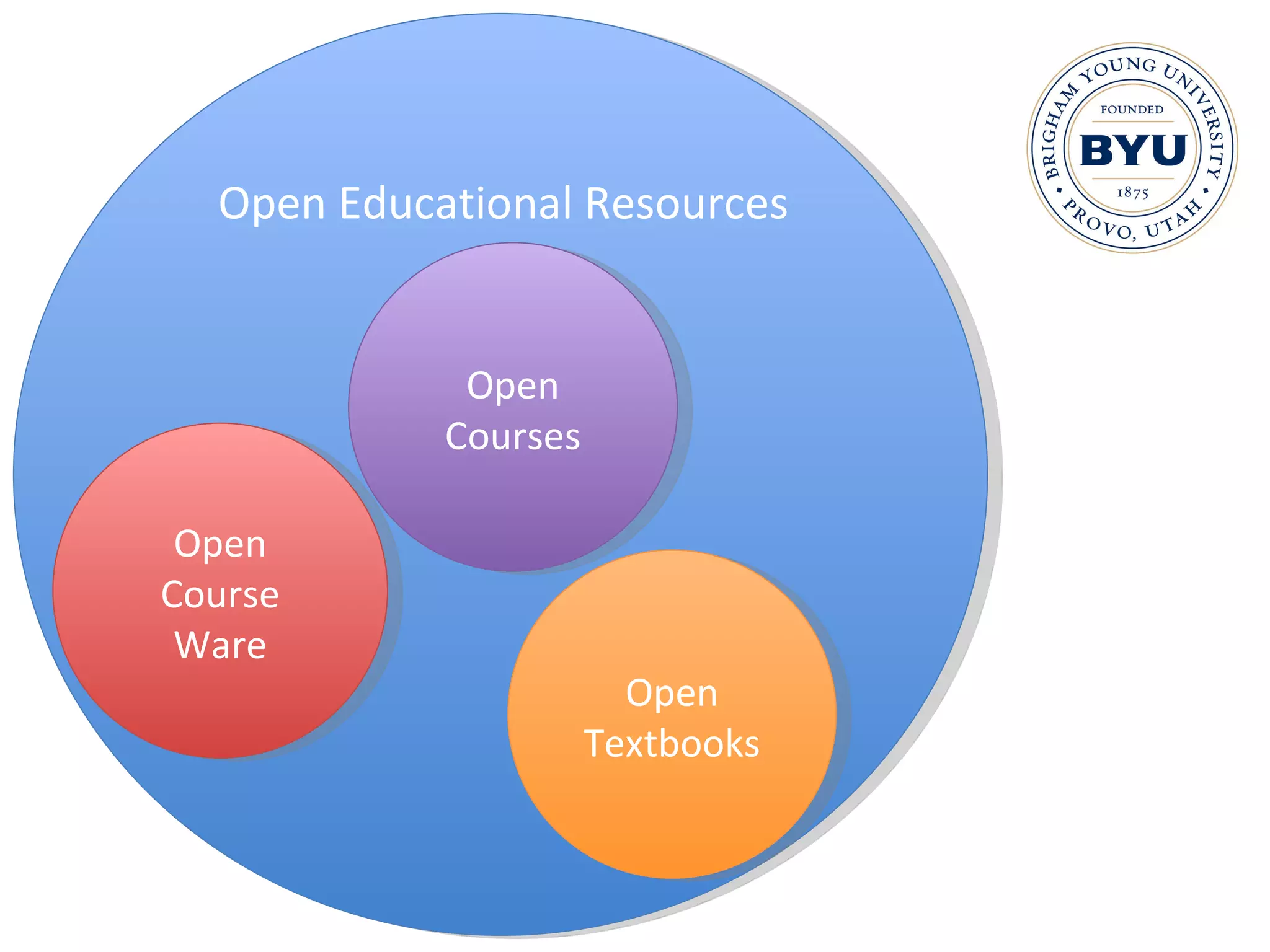
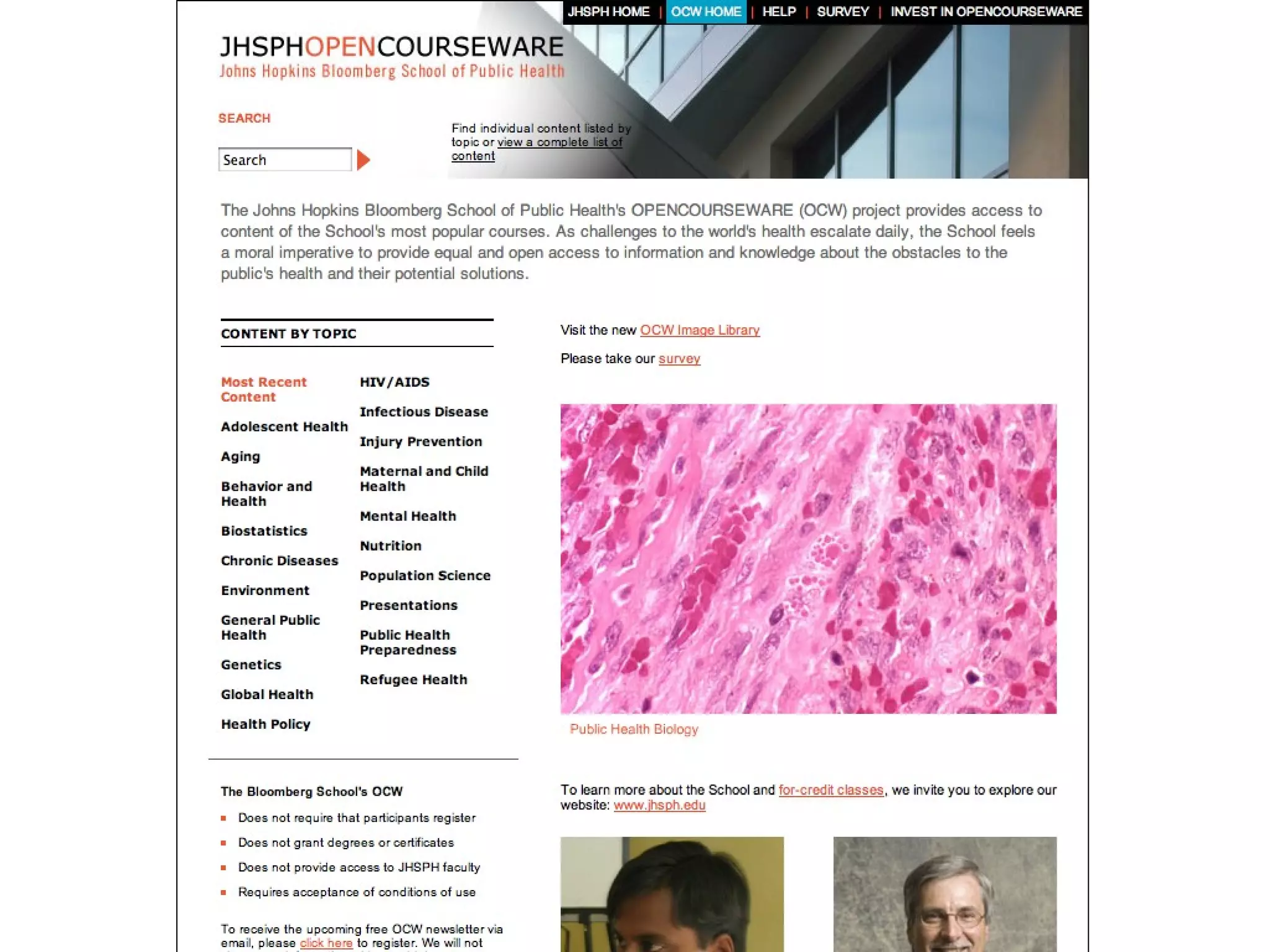
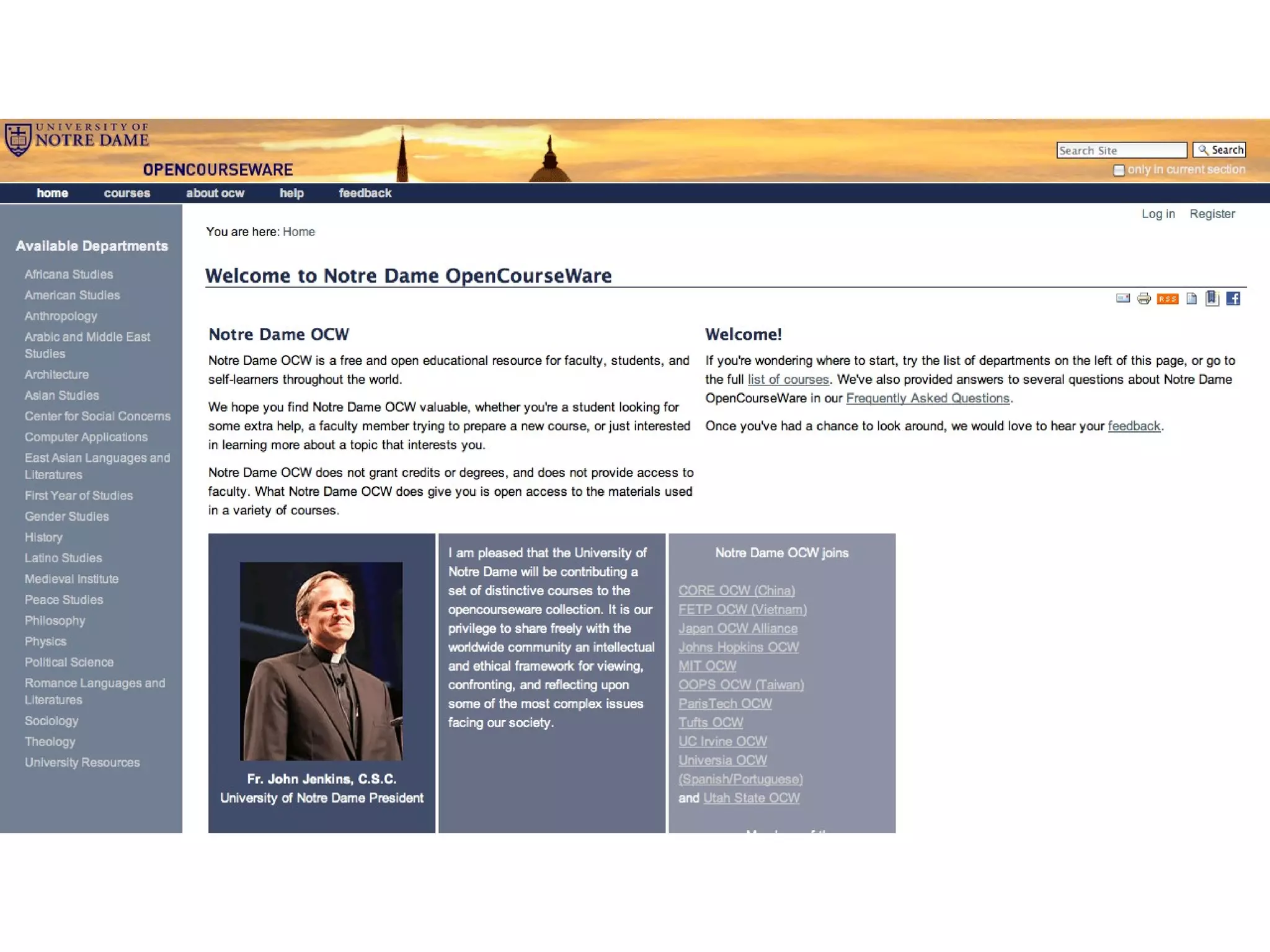
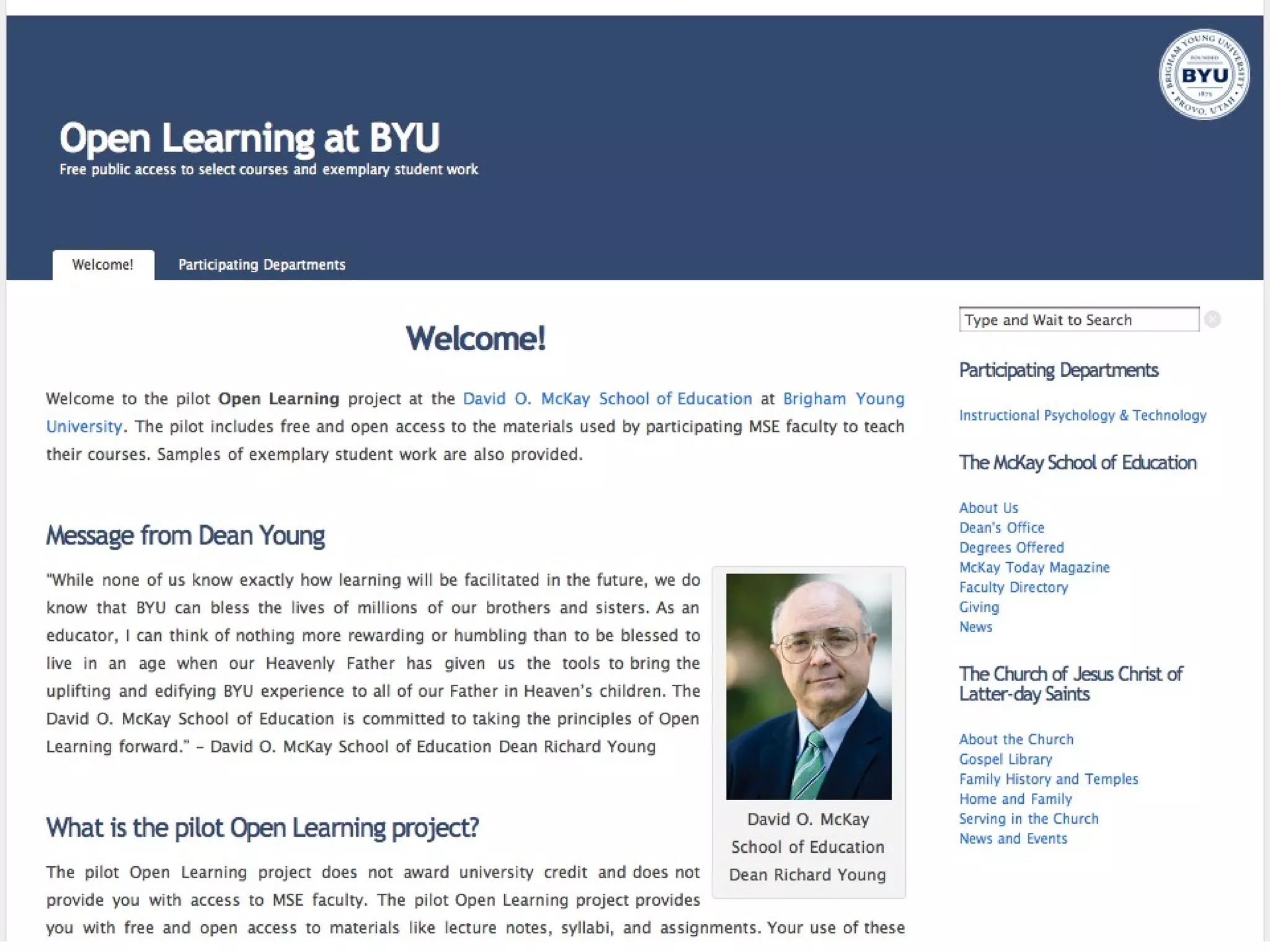
Open Textbooks Open Educational Resources Open Courseware (Open Source Software)
Open,  adj . Teaching materials freely shared with permissions to engage in the “4R” activities
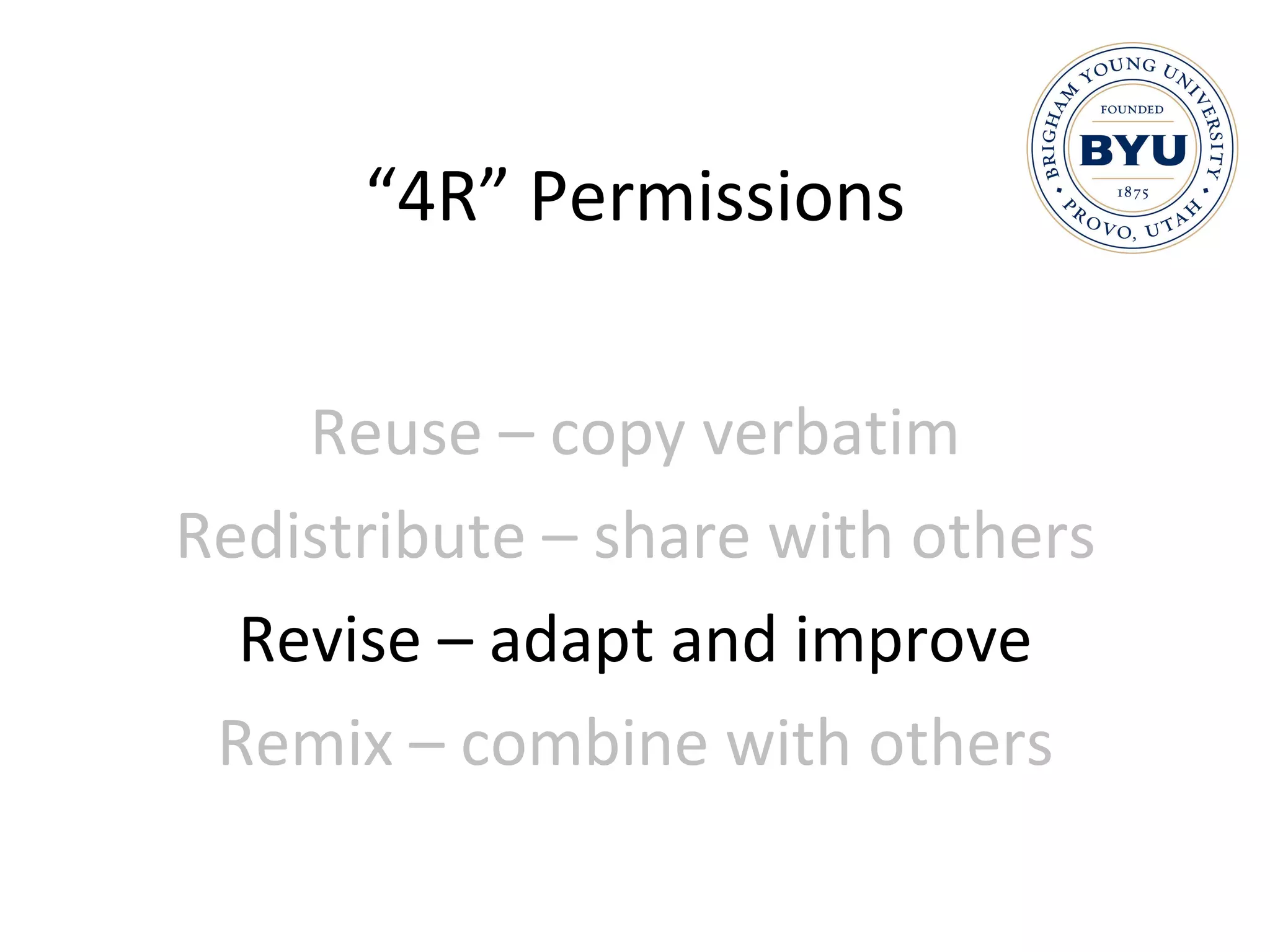
The 4Rs Reuse – copy verbatim Redistribute – share with others Revise – adapt and improve Remix – combine with others
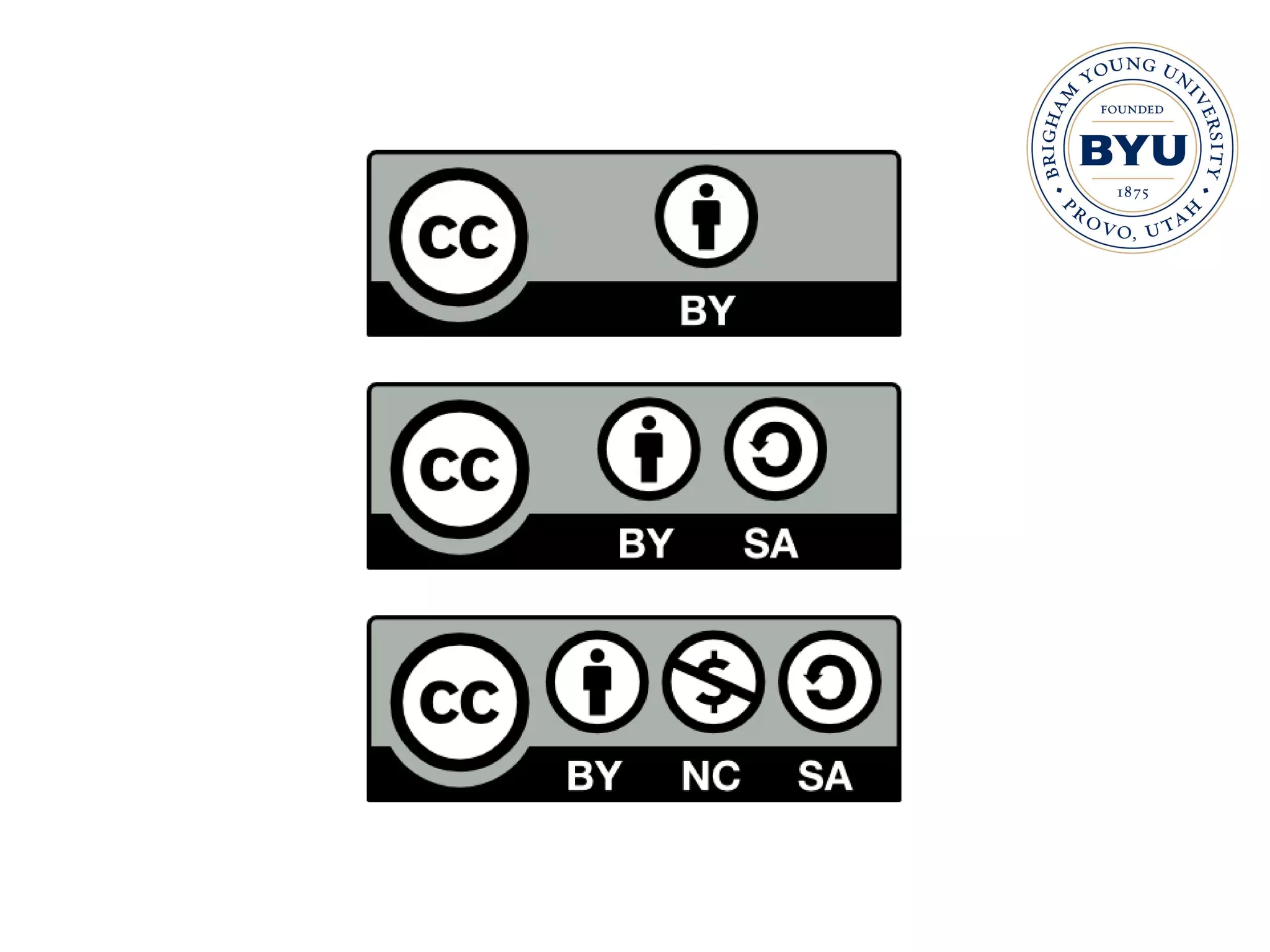
Communicate 4Rs Permissions Since this overrides default copyright, you must use a copyright license
Offers easy to use 4R’s licenses


While Nouns Differ… The operationalizing actions are the same
Open,  adj . Generous, sharing, giving
Open,  adj . Providing (1) access and (2) local control
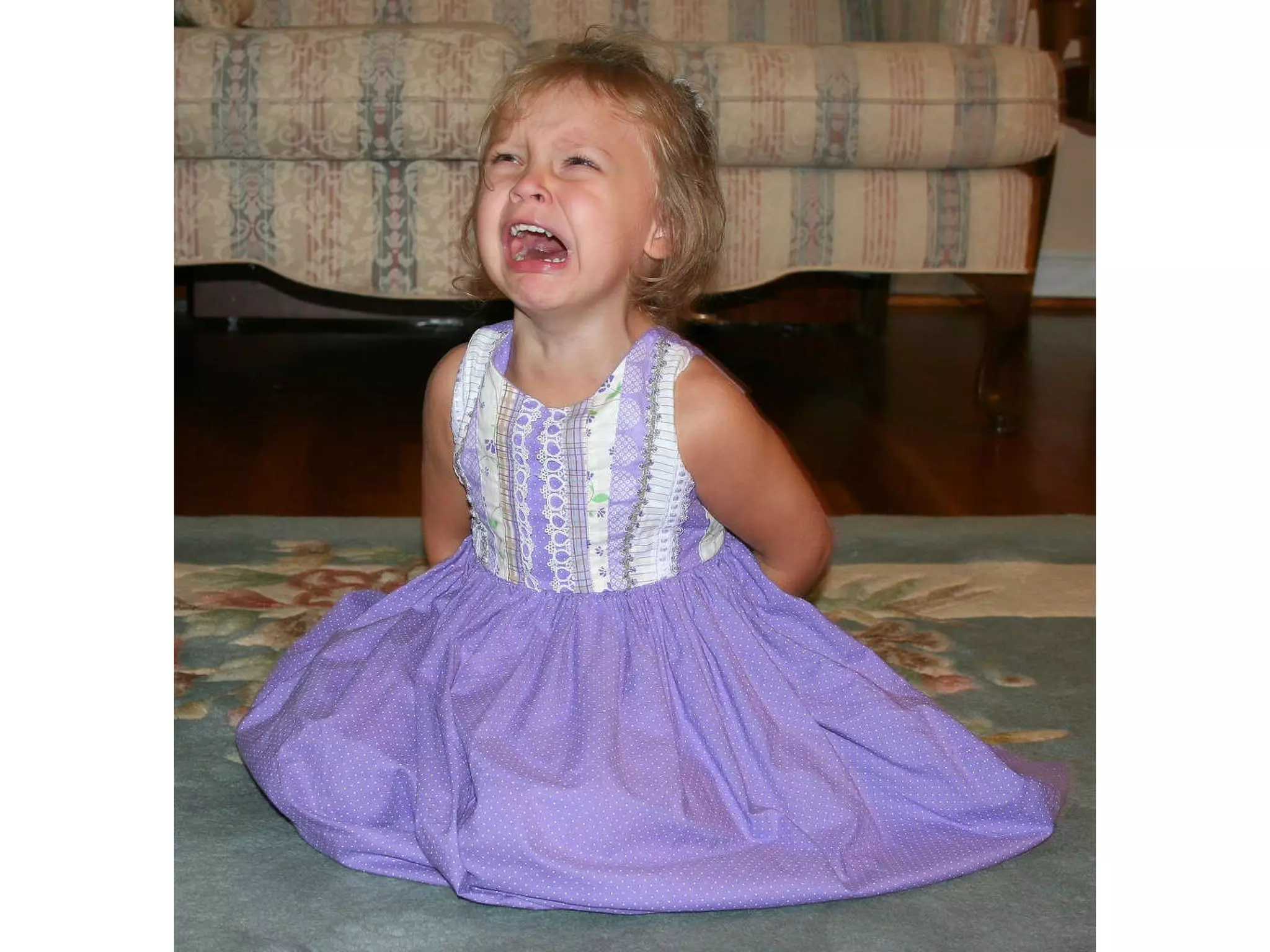
Your Inner Two-year Old Overcoming the impulse to scream “ Mine!”
Law and Policy “Enable” Us To shout “Mine!” ever more loudly, convulse ever more uncontrollably, and hit each other with ever larger toys
Society’s Siren Song “ Be selfish. Keep it to yourself.  Sue your neighbor.  It’s legal. It’s ok.”
Education Is Not Immune This kind of thinking is accepted
Role of Openness in Education? A terrible, insidious question
Openness is the only means  of doing education.
If There Is No Sharing… There is no education
Education,  n . A relationship of sharing
Successful Educators Share most thoroughly  with the most students
Expertise Is Nonrivalrous Can be given without being given away
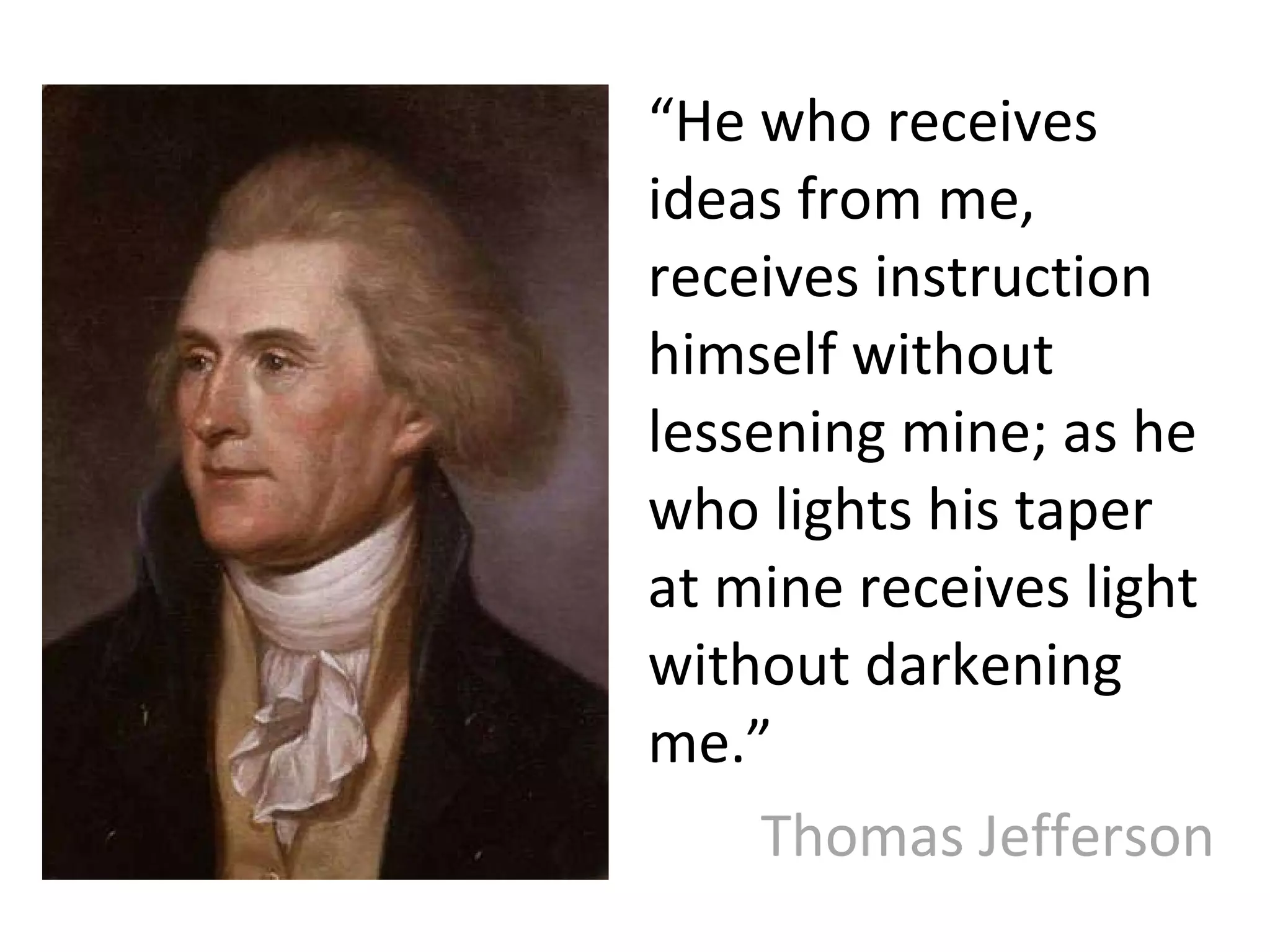
“ He who receives ideas from me, receives instruction himself without lessening mine; as he who lights his taper at mine receives light without darkening me.” Thomas Jefferson
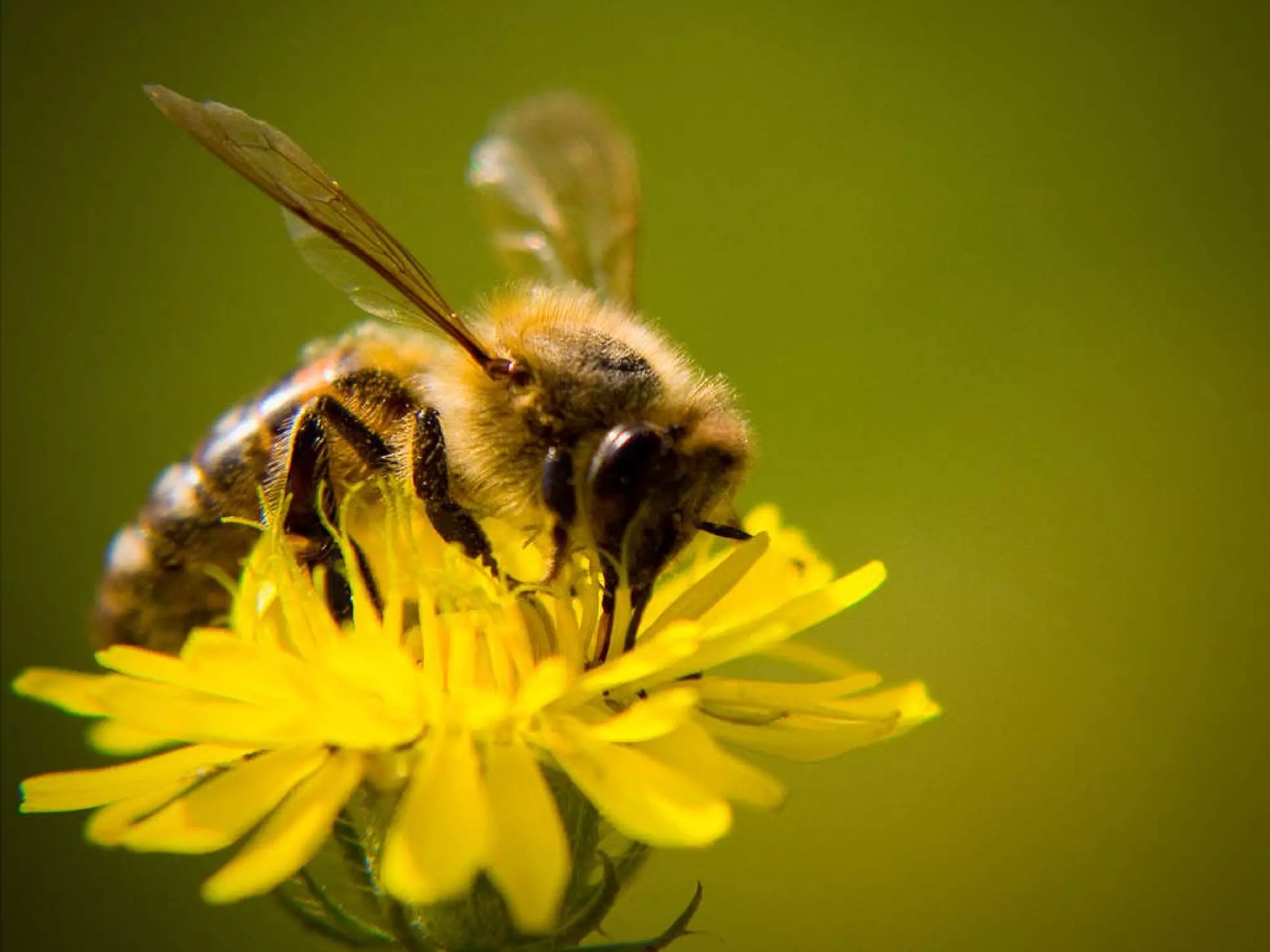
Teachers Would Be Like Bees! They could only teach once
Expressions Are Different To give a book you must give it away
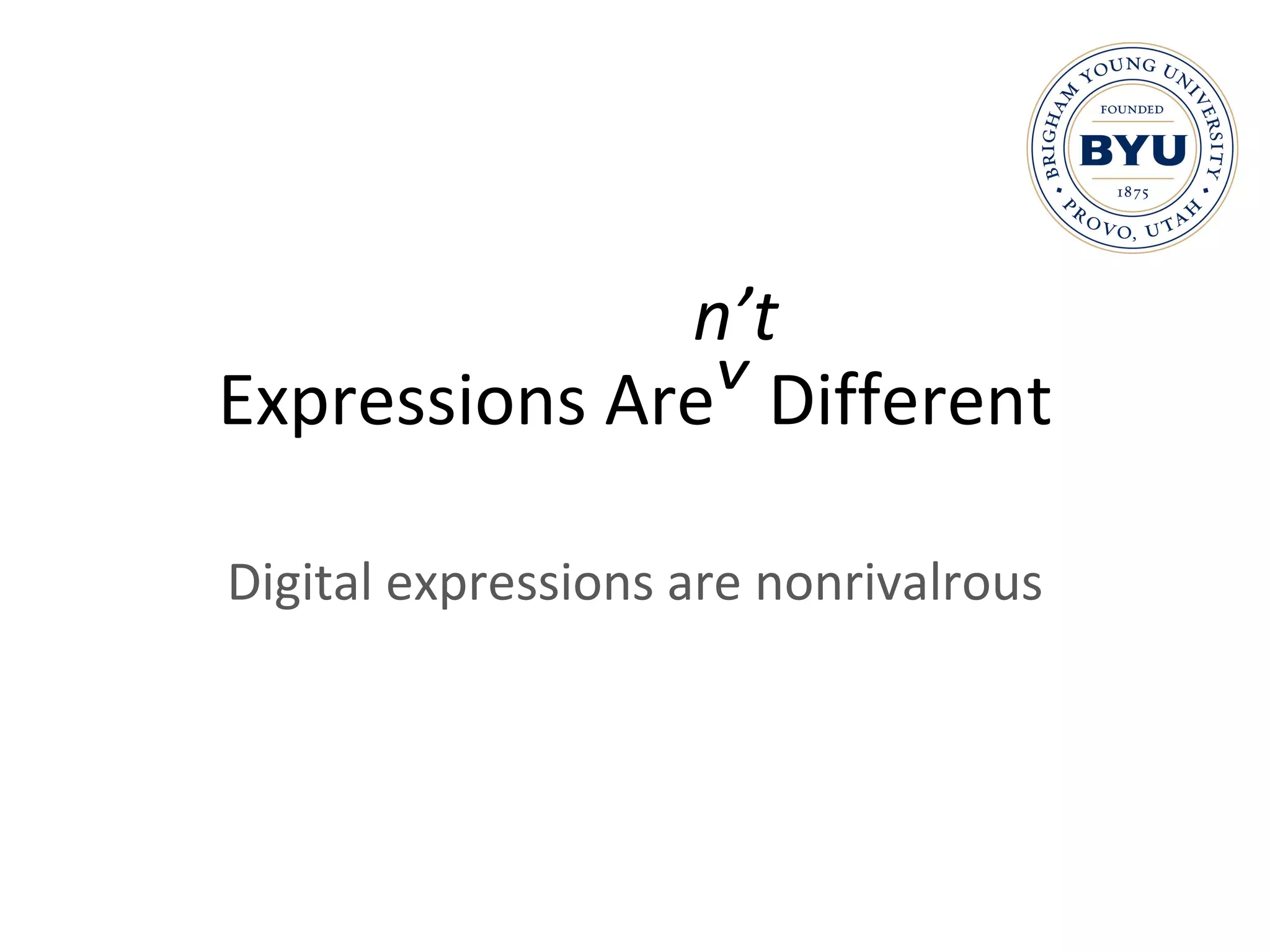
Expressions Are  Different Digital expressions are nonrivalrous n’t ^
E.g., Online Book We can all read simultaneously
An Indescribable Advance The first time in human history
Expertise and Its Expressions Give without giving away
Unprecedented Capacity We can share as never before
Unprecedented Capacity We can  educate  as never before
What Are We Doing? This increased capacity is a  stewardship
Open Educational Resources Open Course Ware Open Courses Open Textbooks
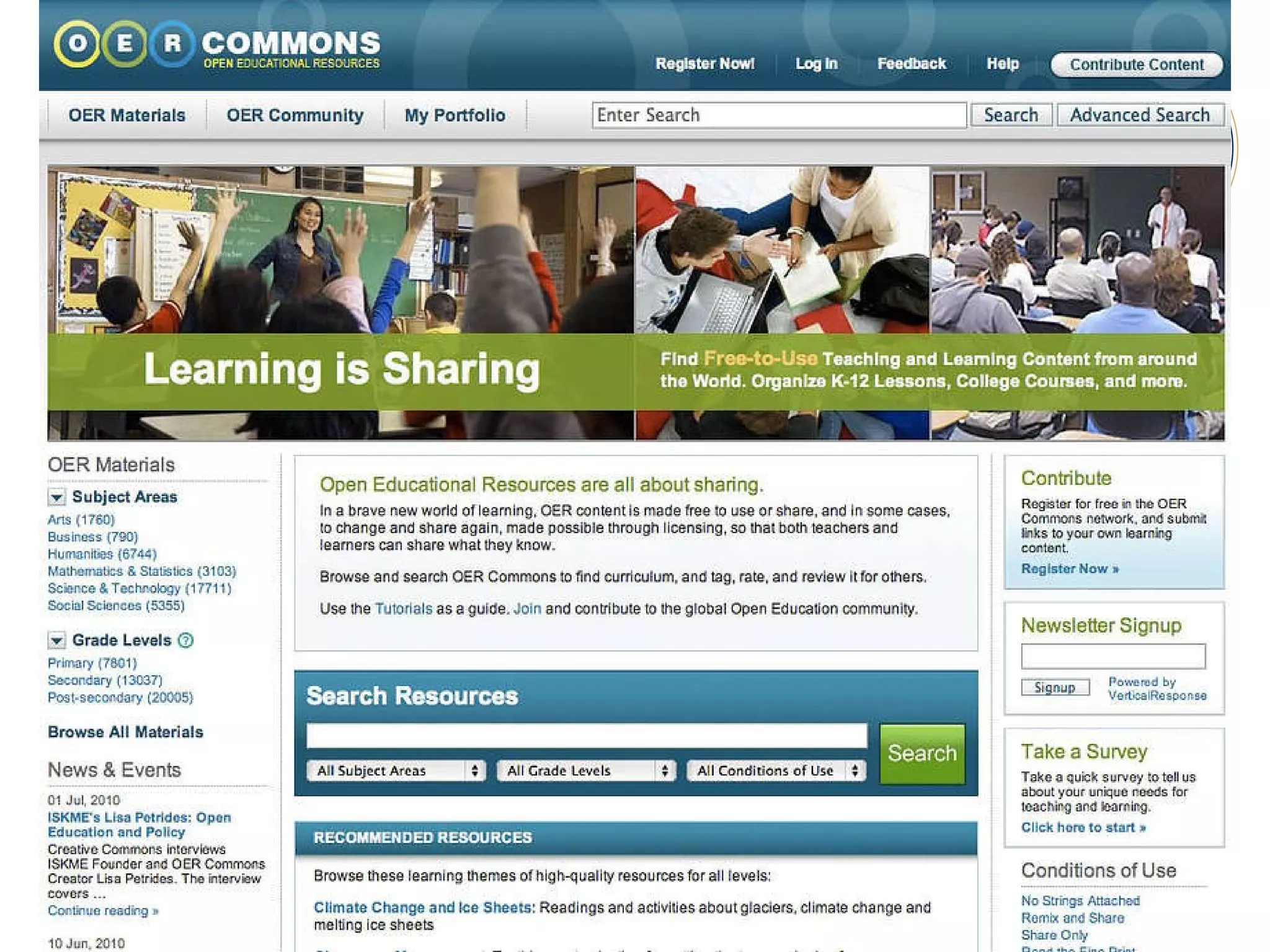
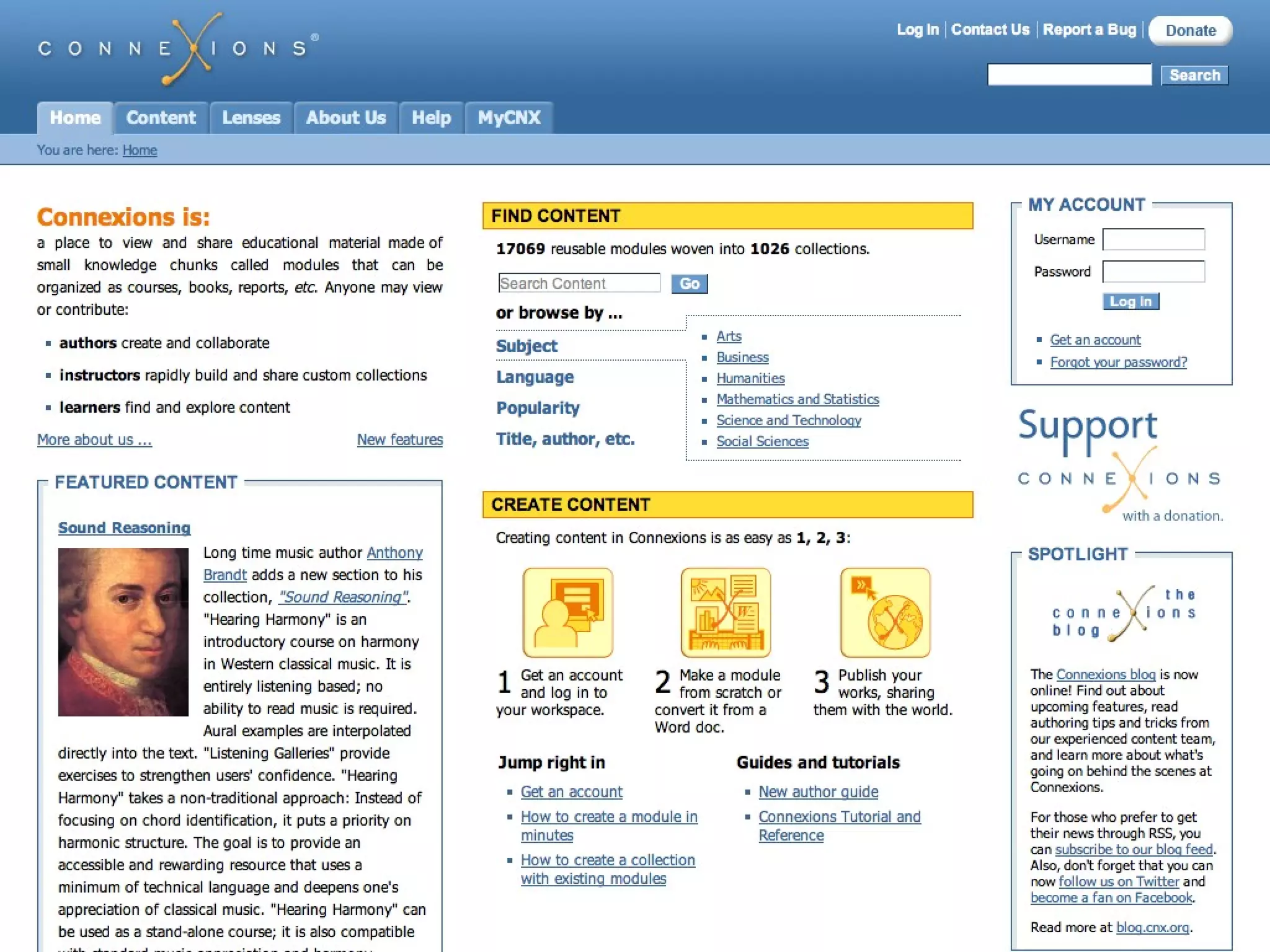
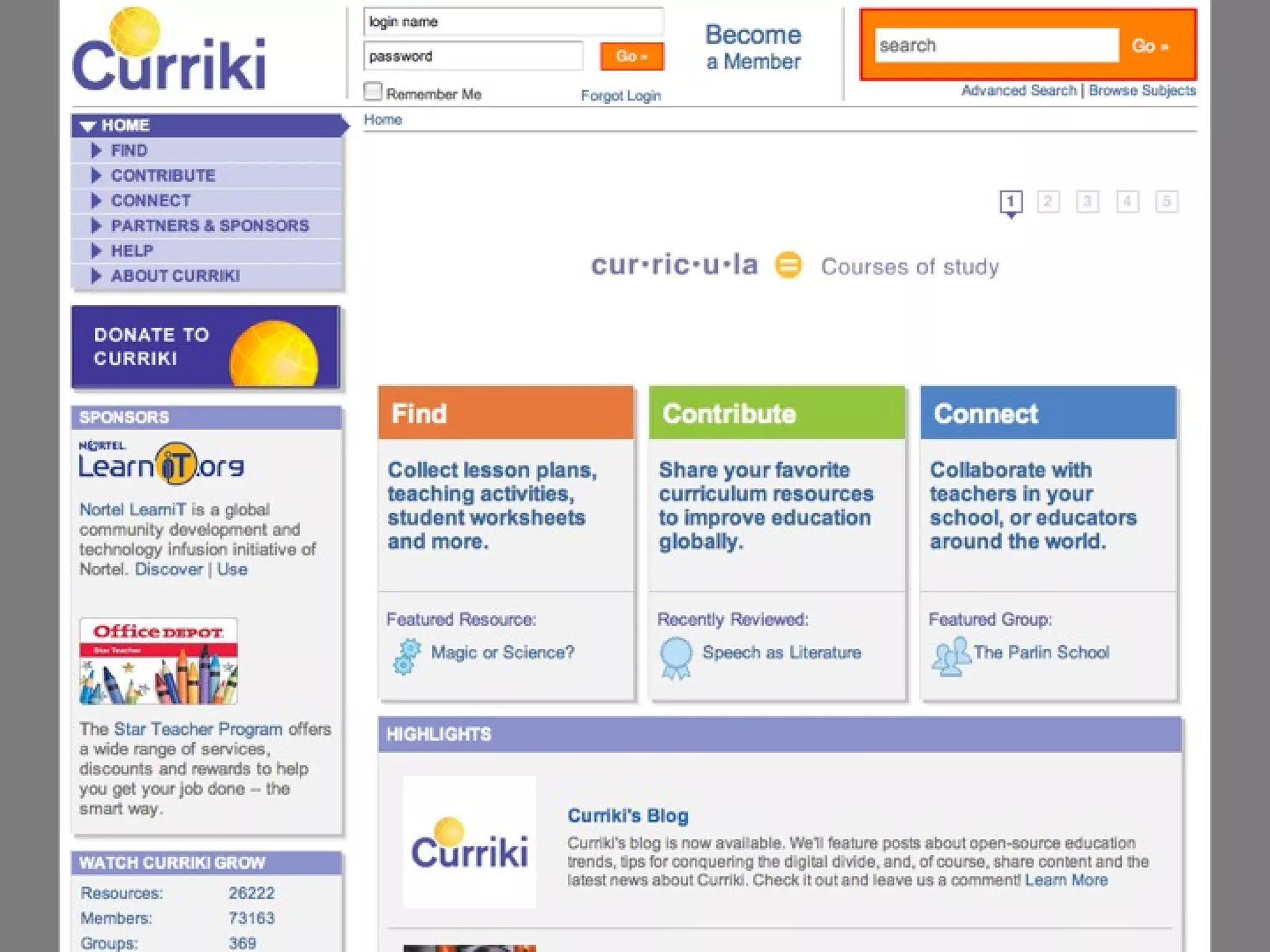
Repository Examples


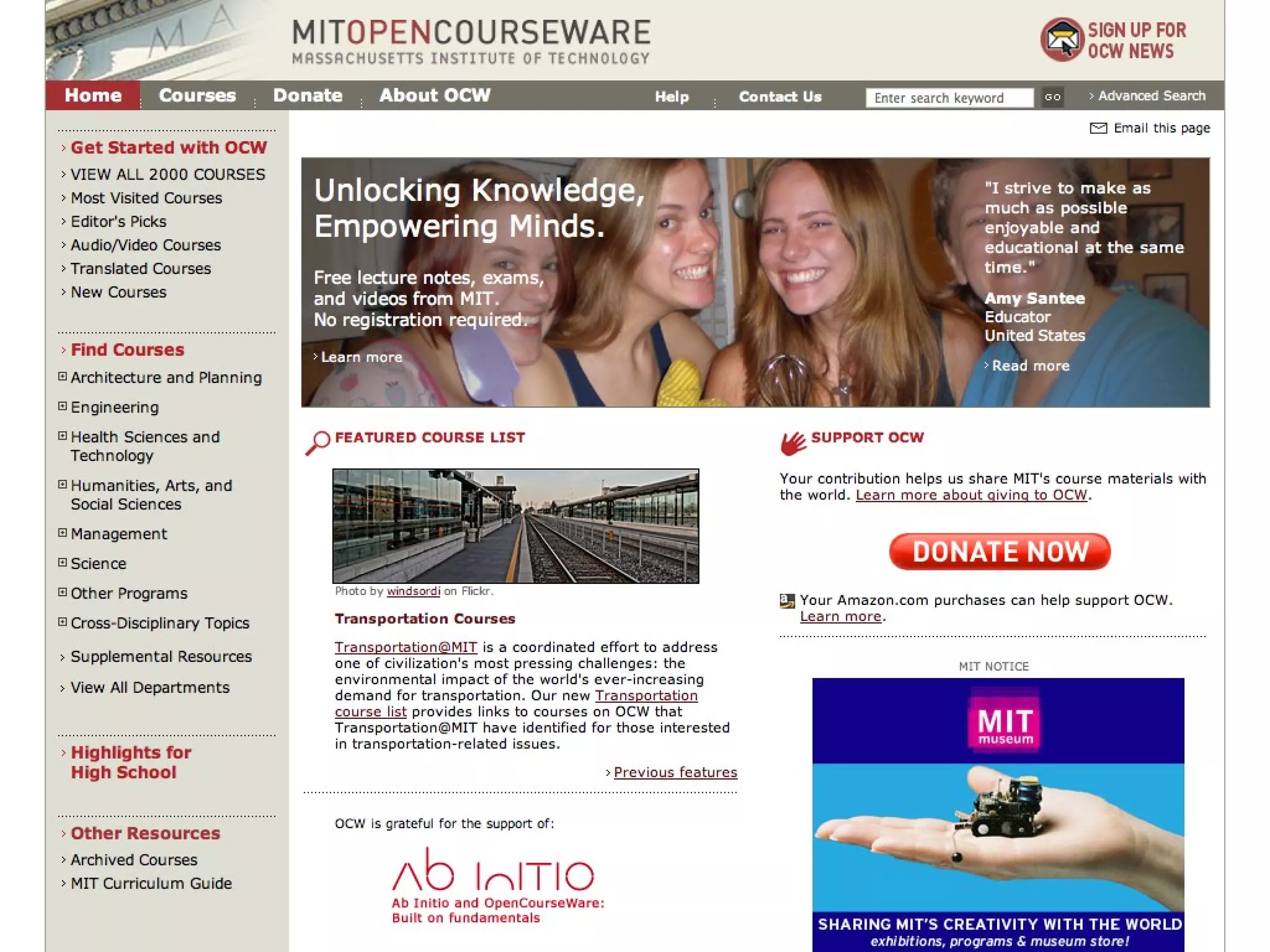
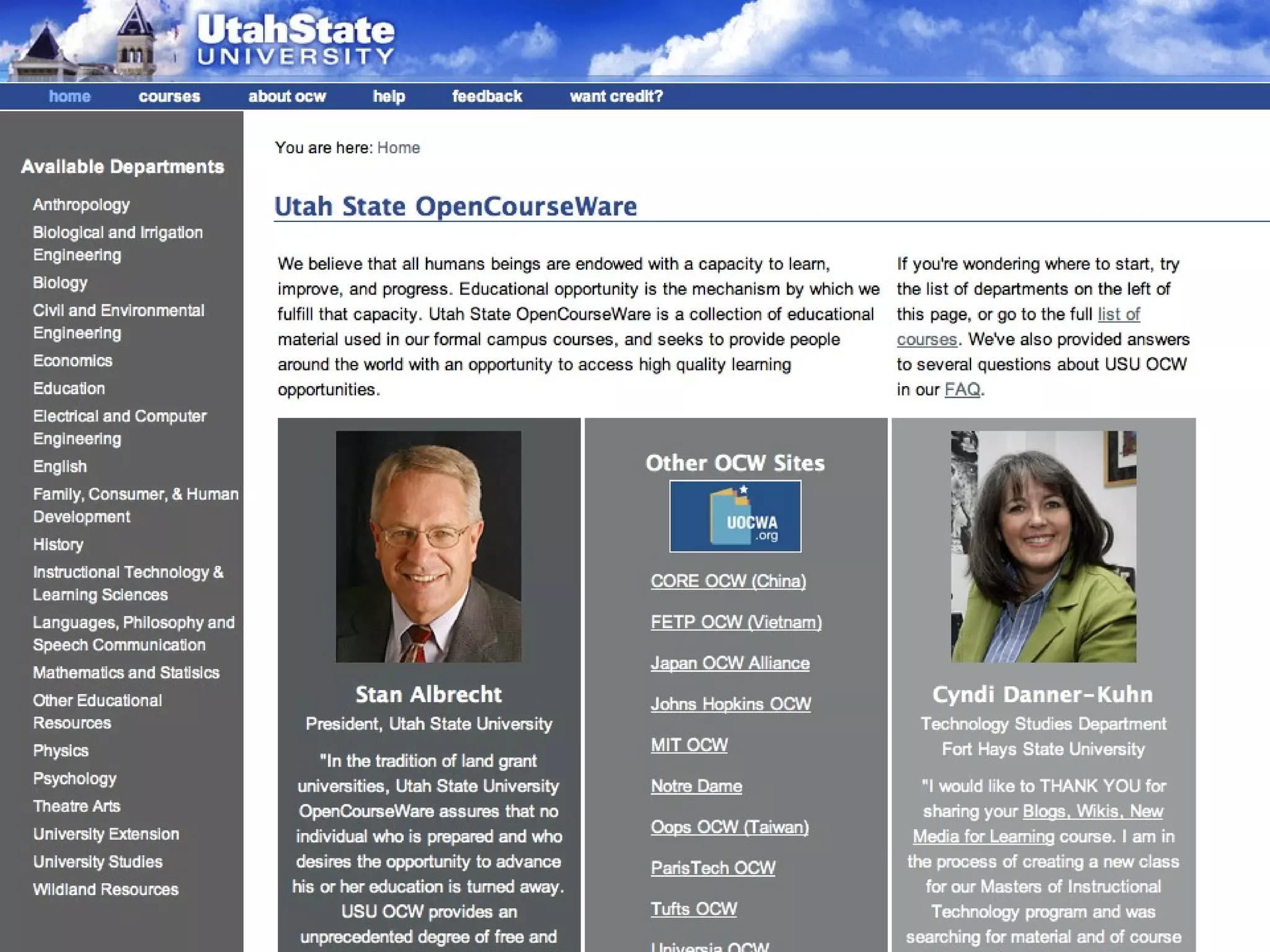
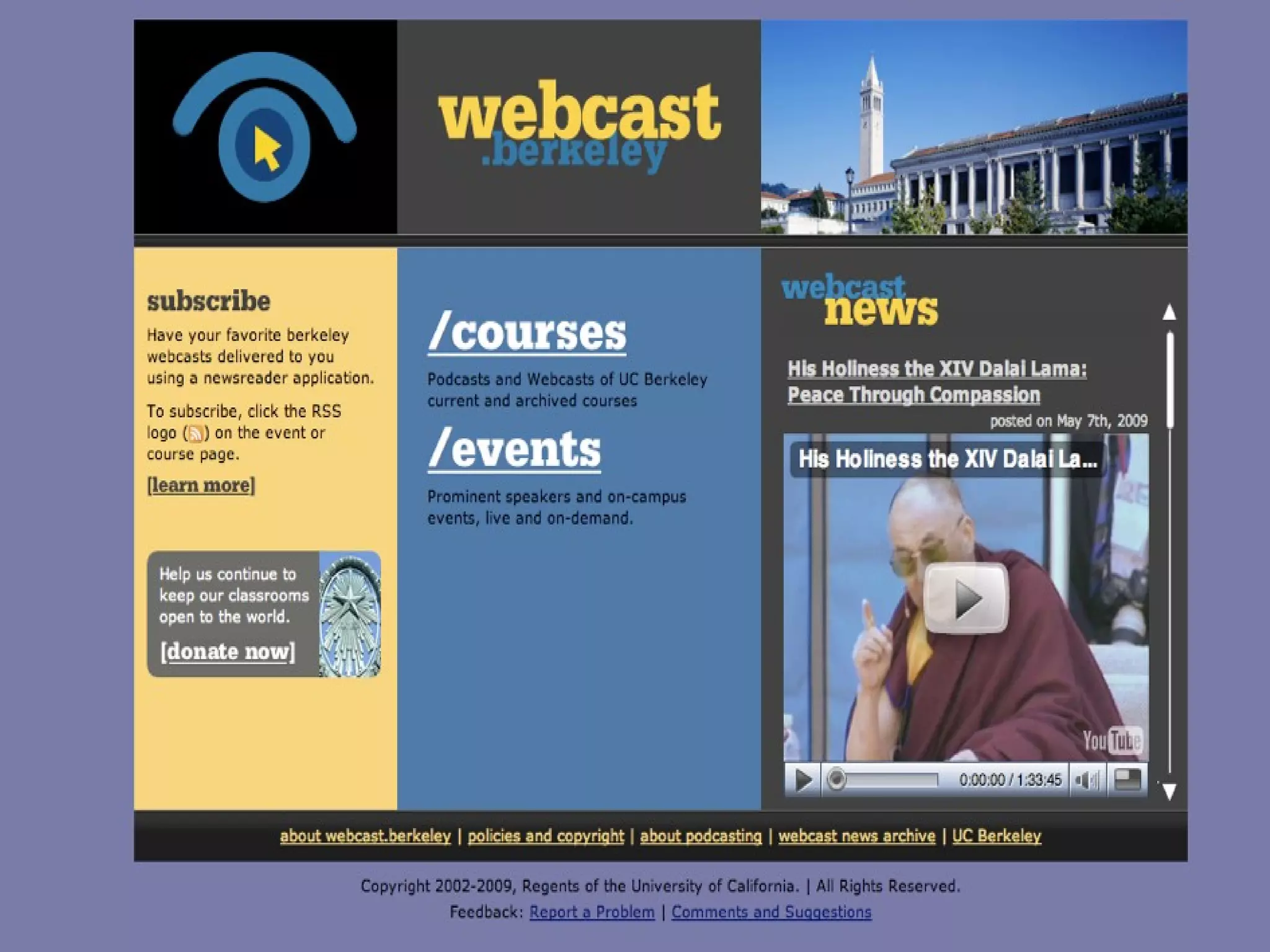
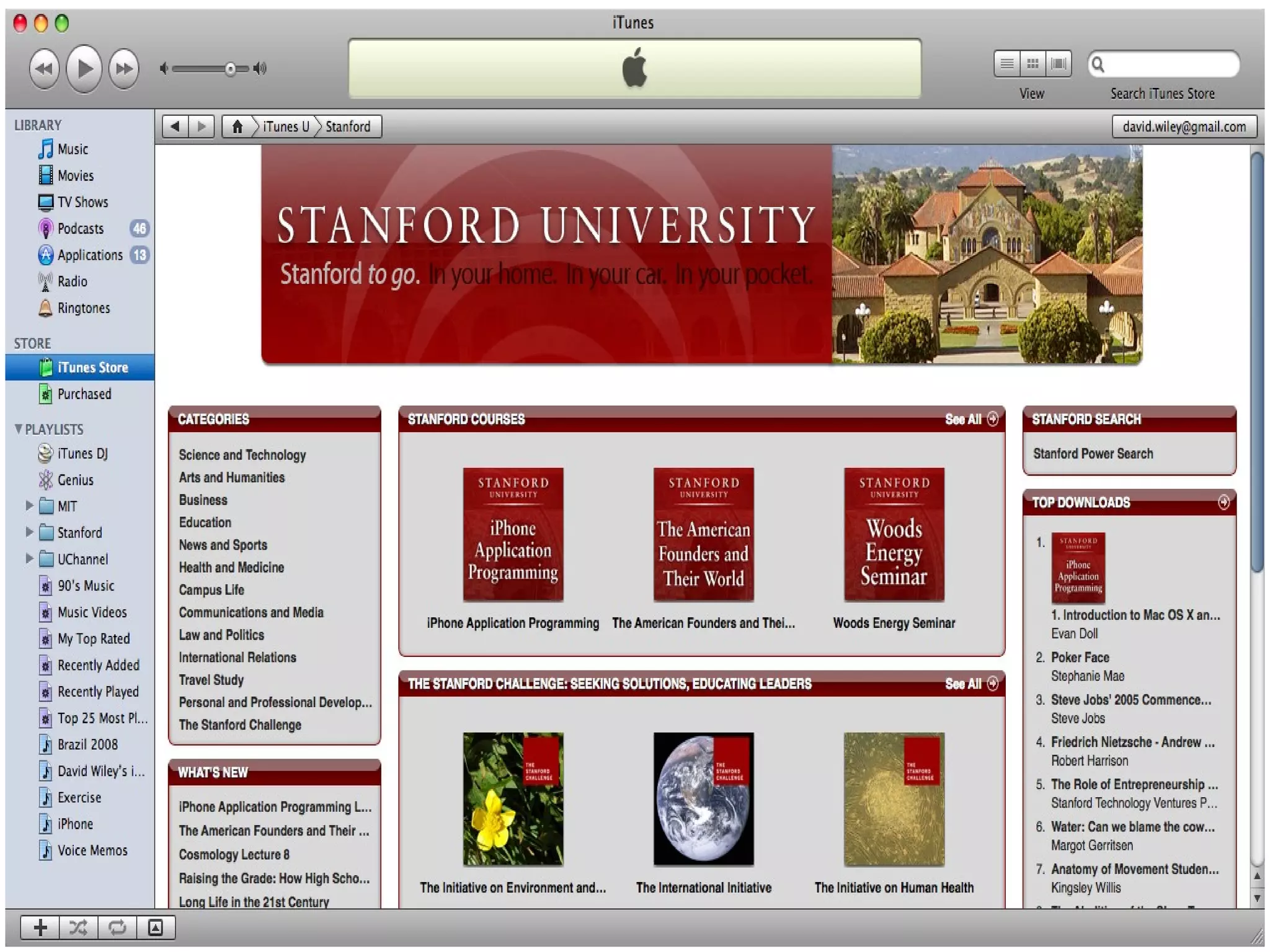
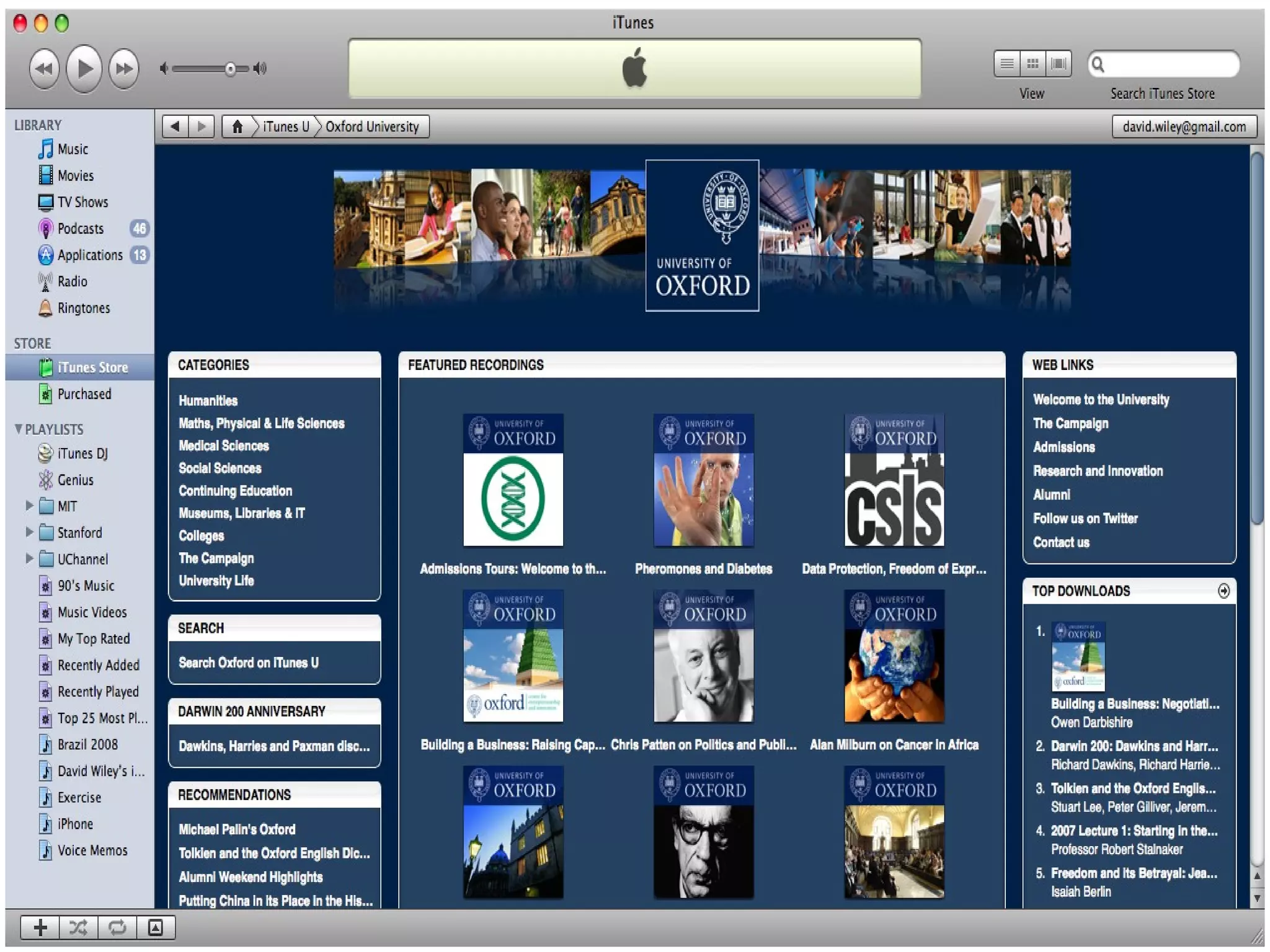
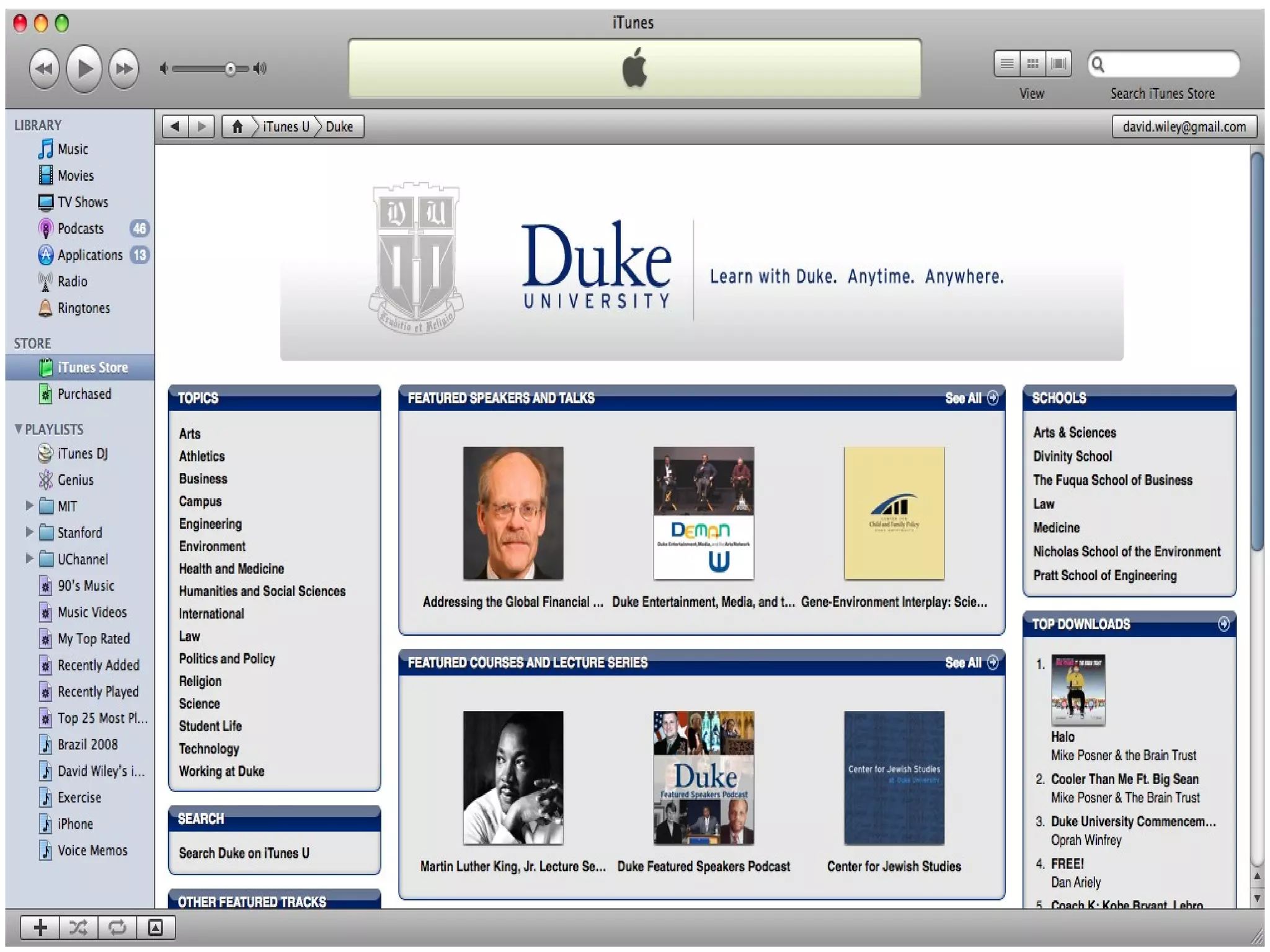
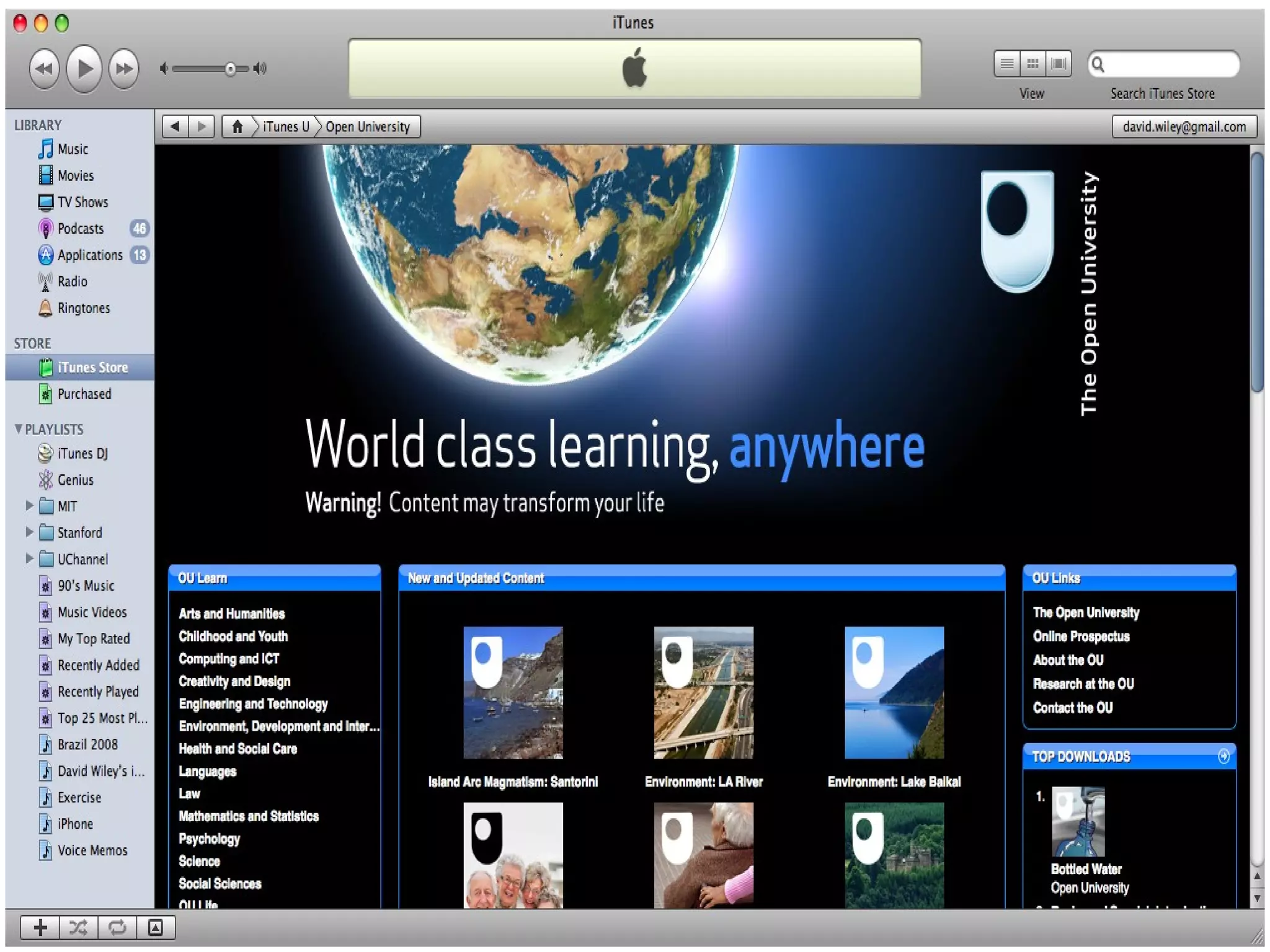
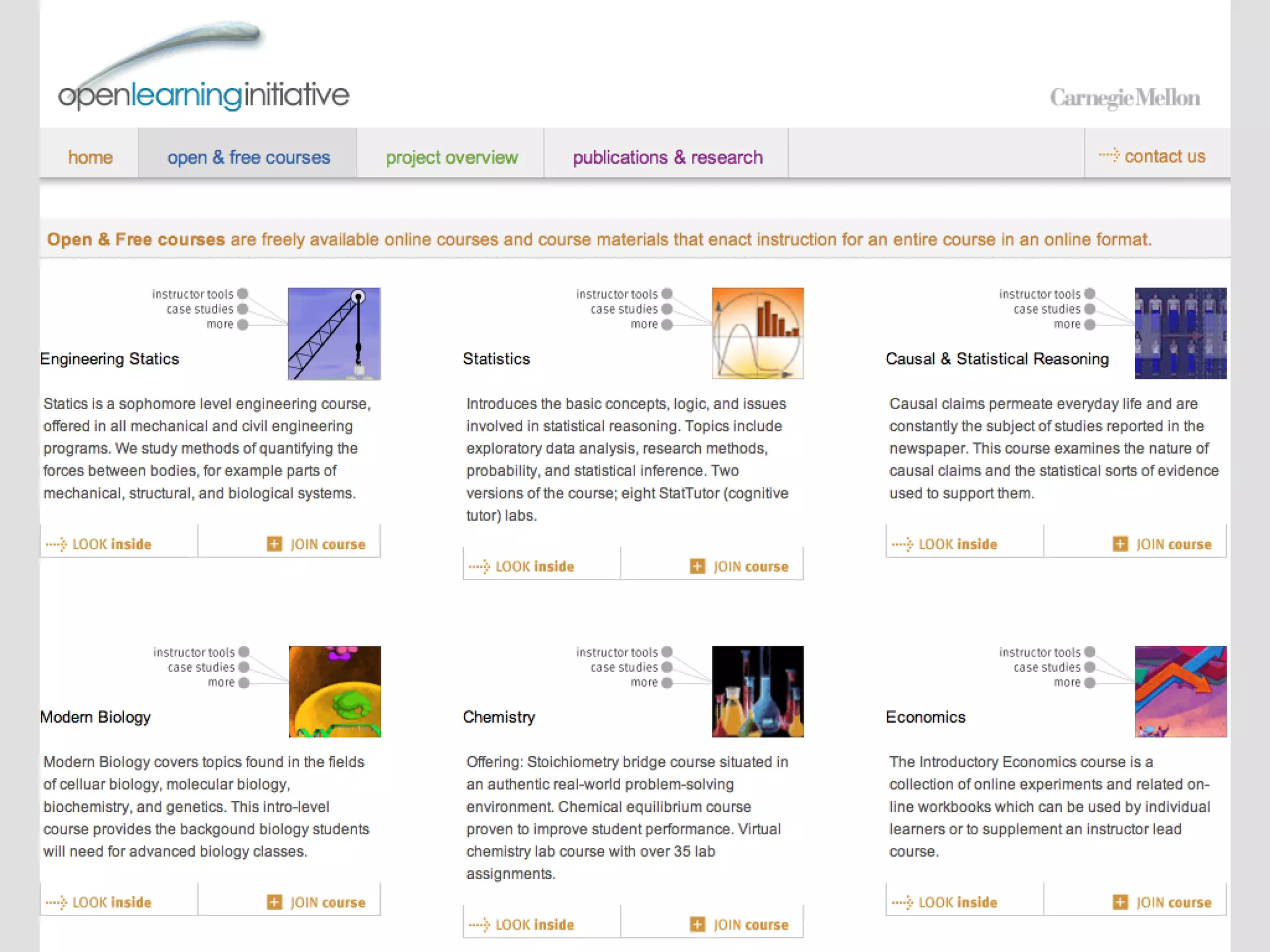
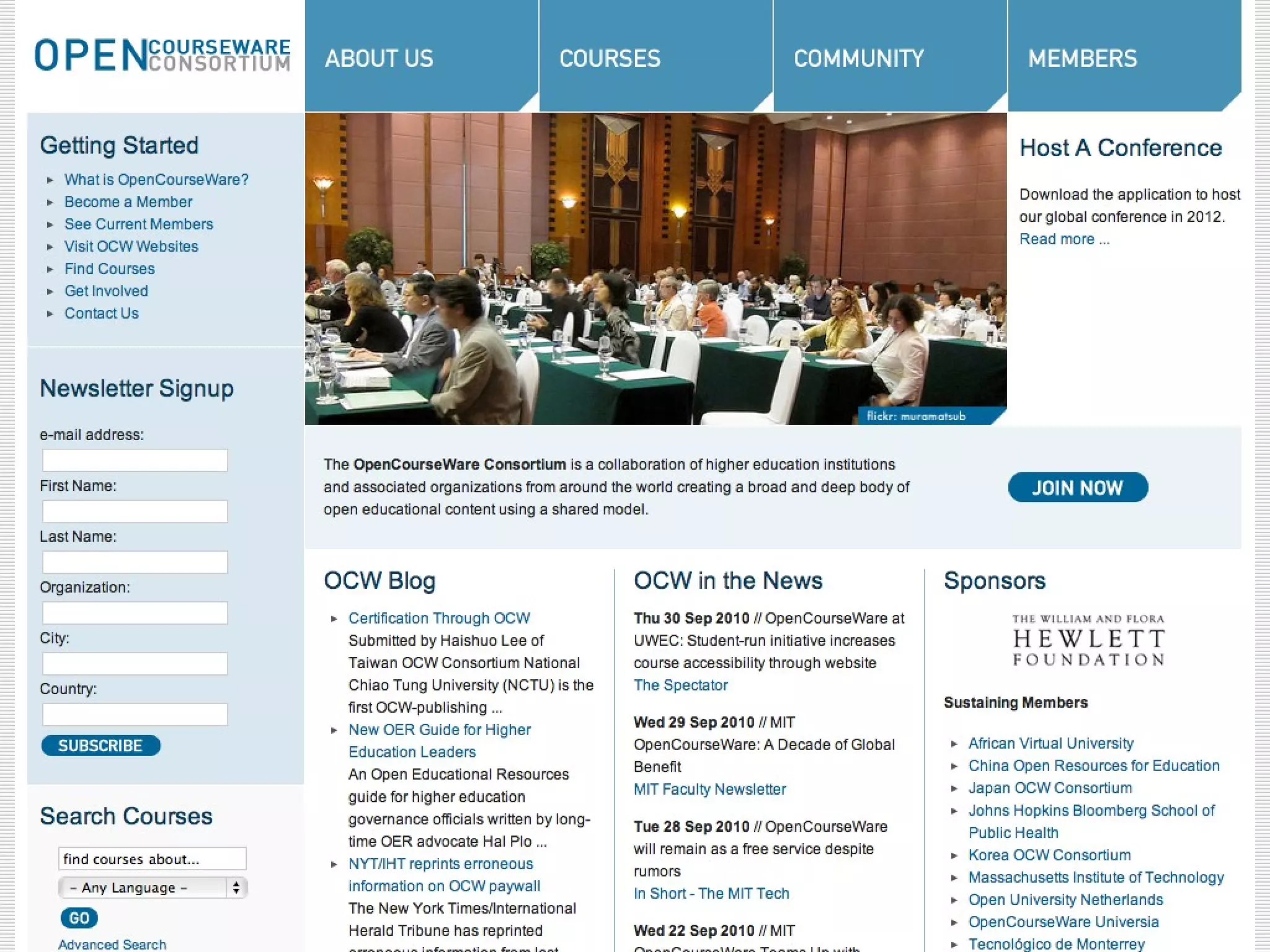
OpenCourseWare Examples


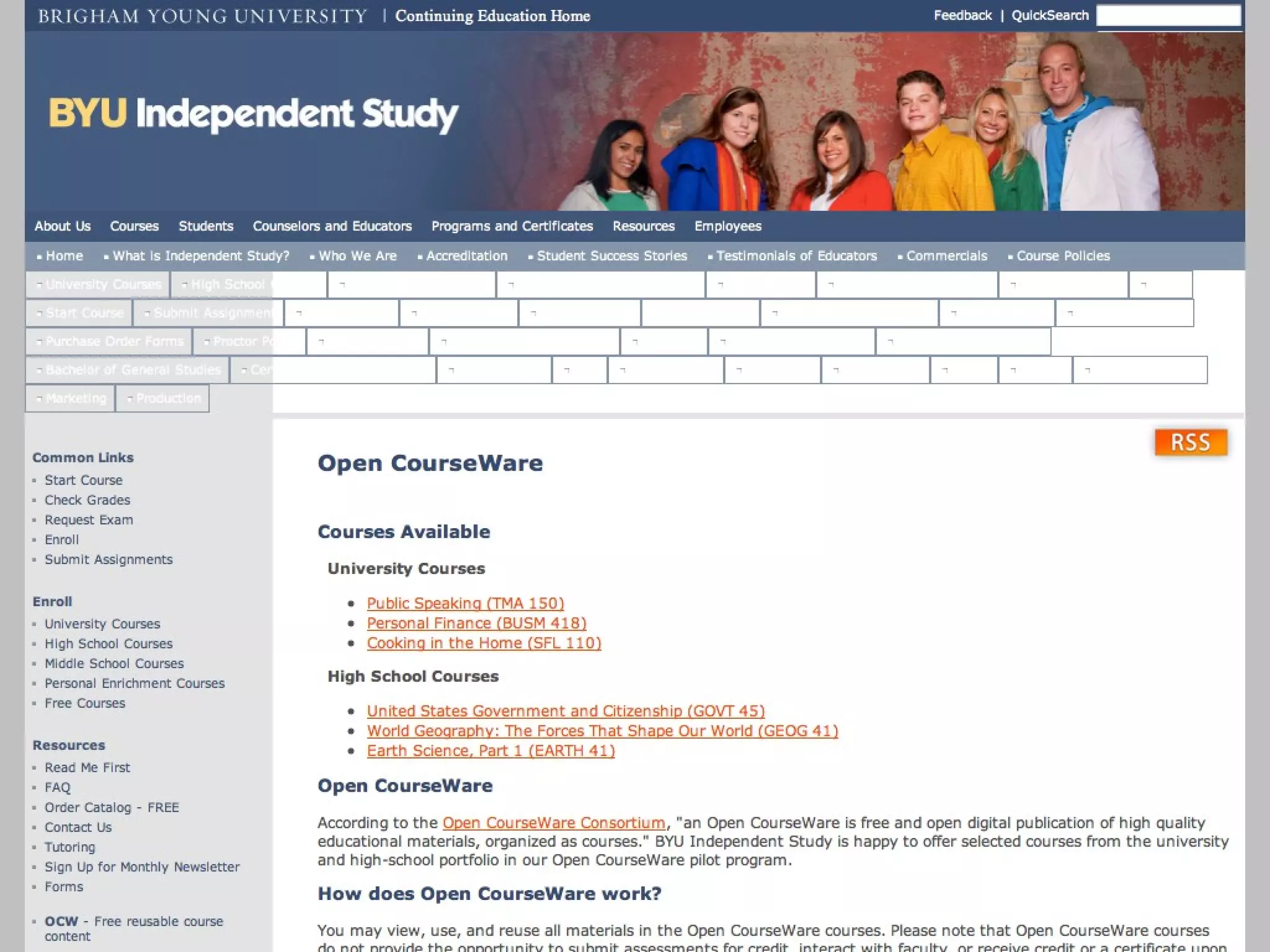
Open Courses Examples


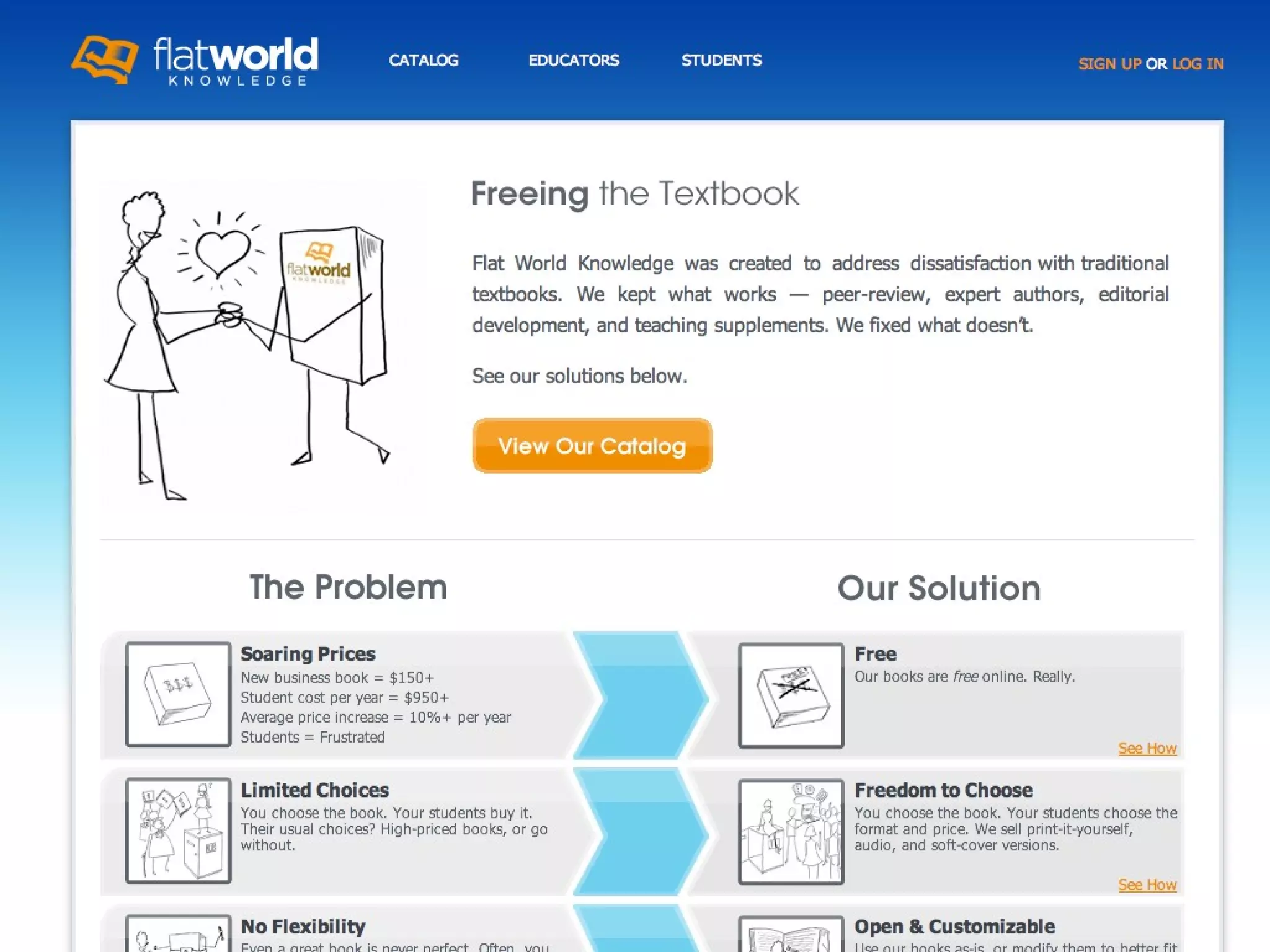
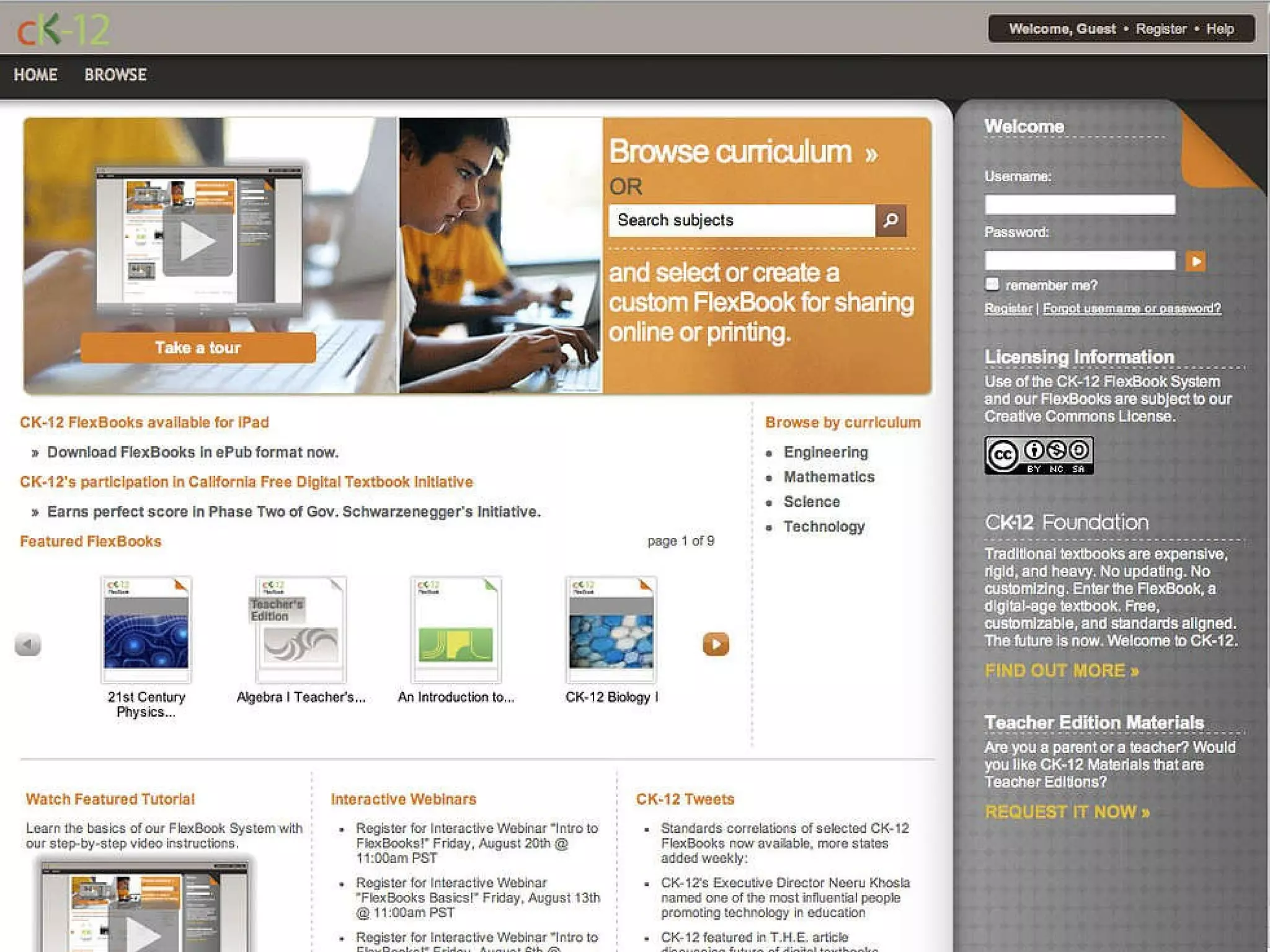
Open Textbook Examples
 
 
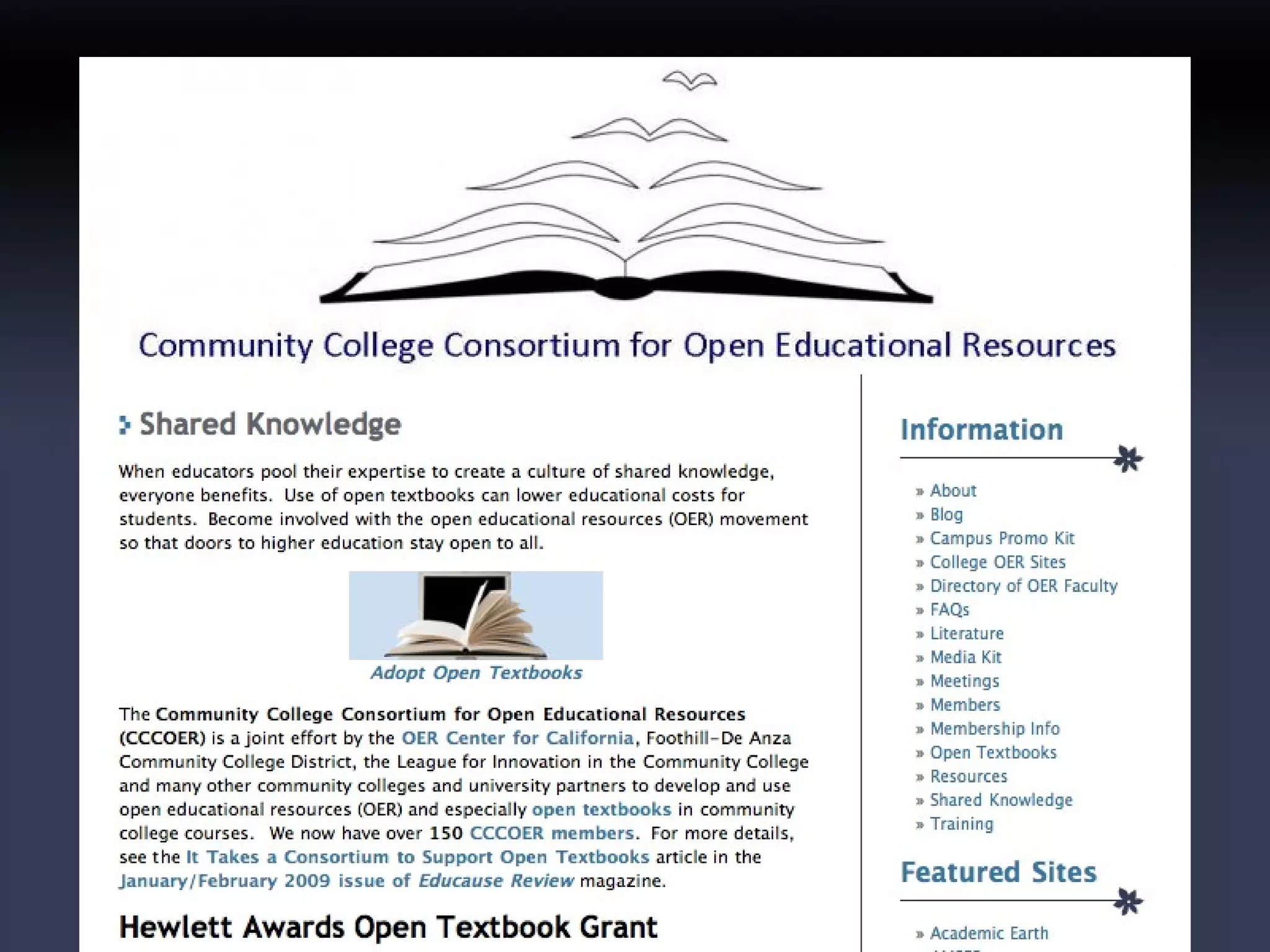
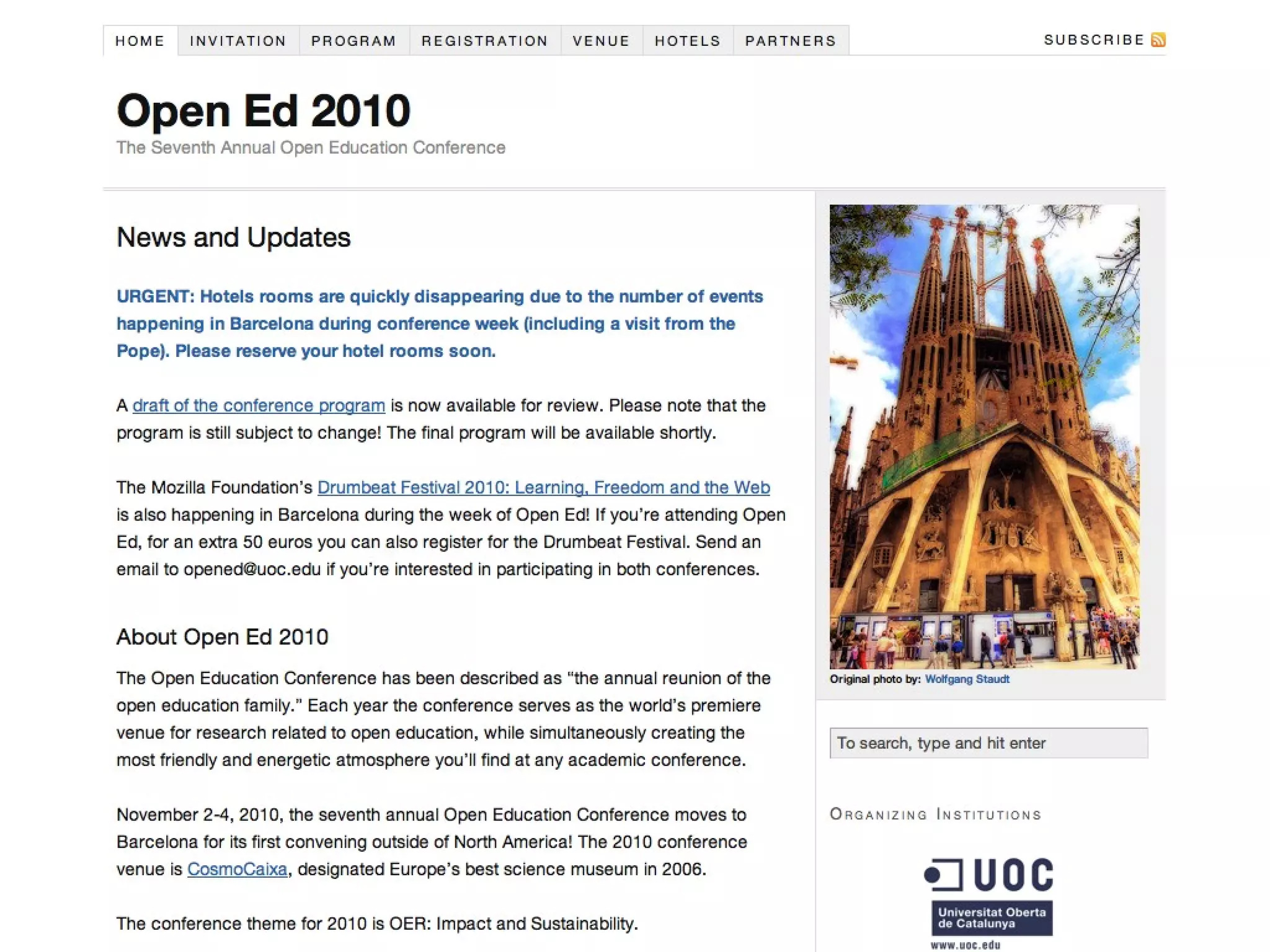
Organizations


Now, On to Data But first a brief joke


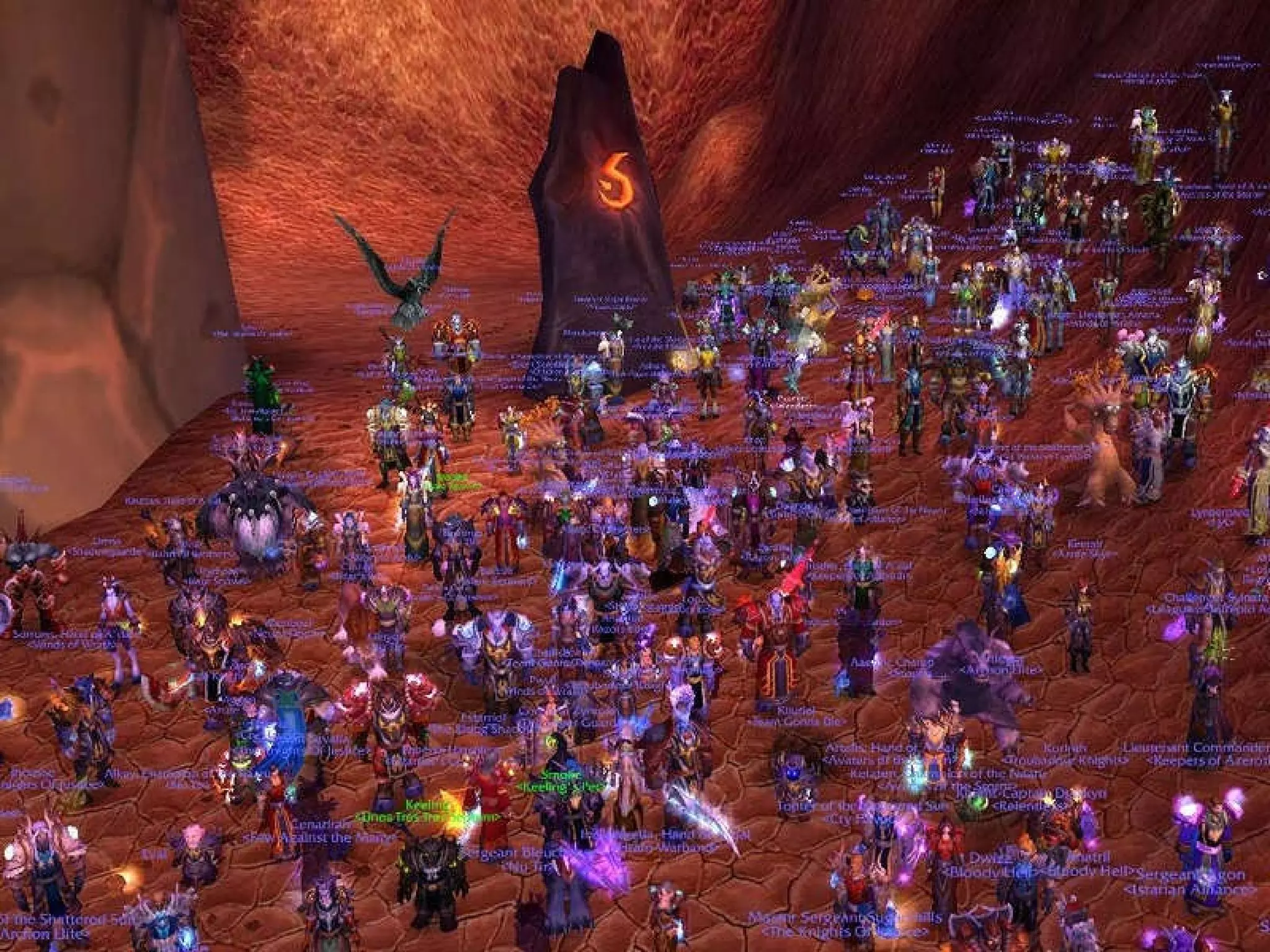
Each  and  Every  Interaction Recorded and stored for analysis to improve quality of service / experience
Continuous Improvement Process (CIP)
If Only We Could Get It… Education could engage in continuous quality improvement, too!


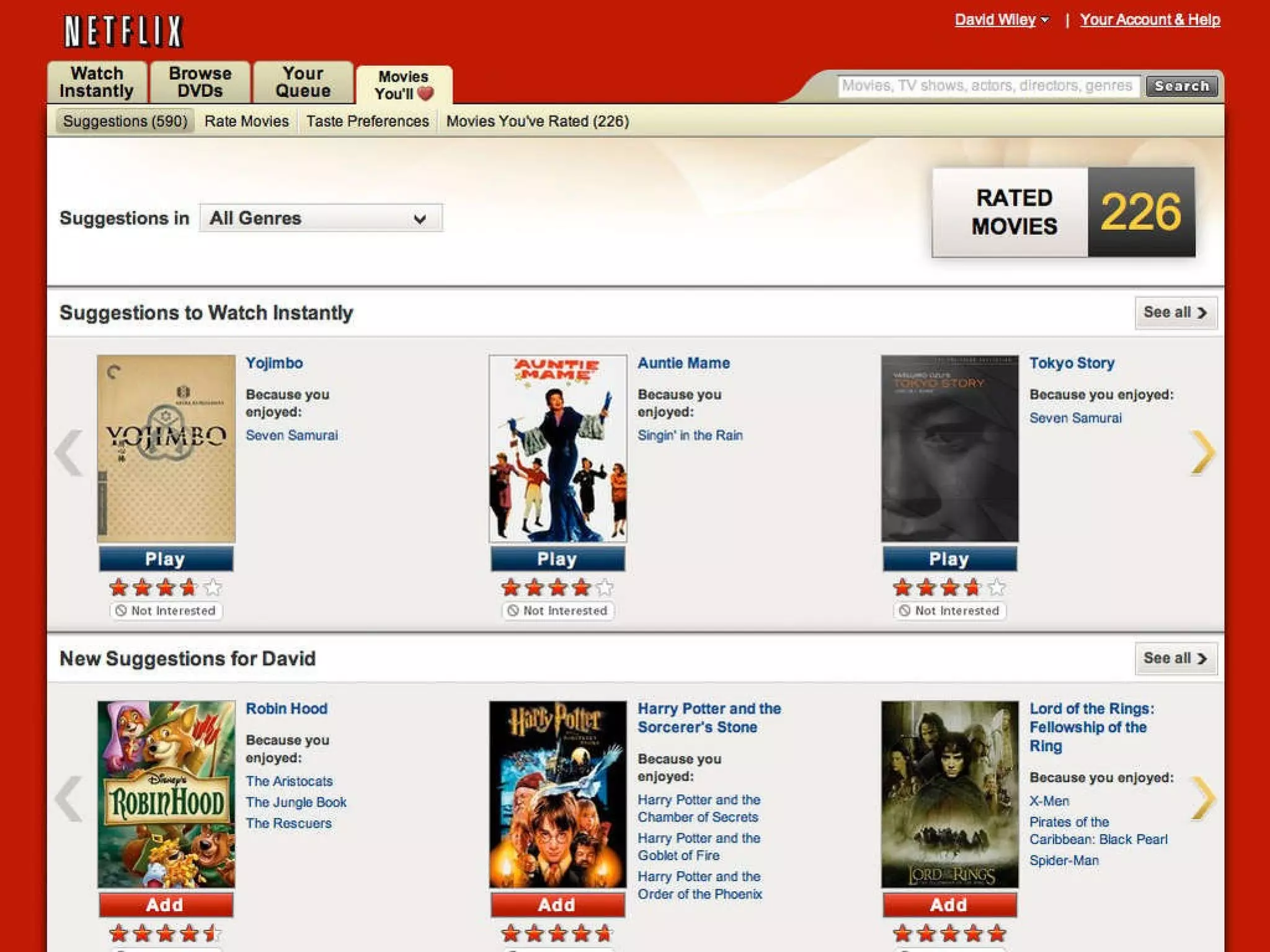
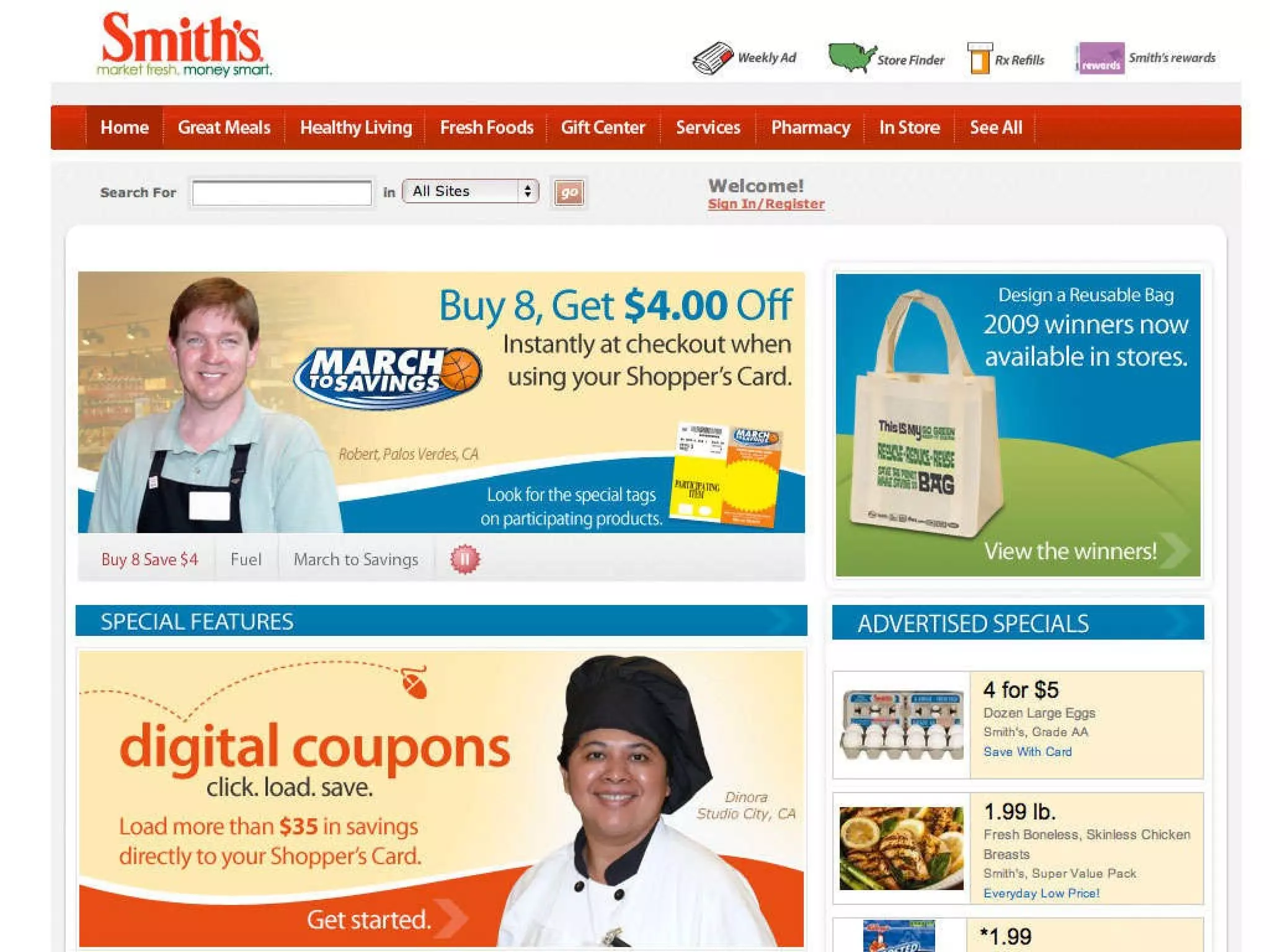
Even the Grocer! Almost every industry (1) gathers and  (2) uses data more effectively than we do
Data Alone Don’t Enable CIP You need Openness + Data
A Concrete Example Why you need BOTH Openness + Data to CIP
 
Bloom’s 2 Sigma Challenge Bloom, 1984
One-to-One Tutoring And other methods compared to  30 students in the classroom
Average  Tutored Student +2sd In other words, the average student is capable of much more
Tutoring is Expensive So we teach class instead!
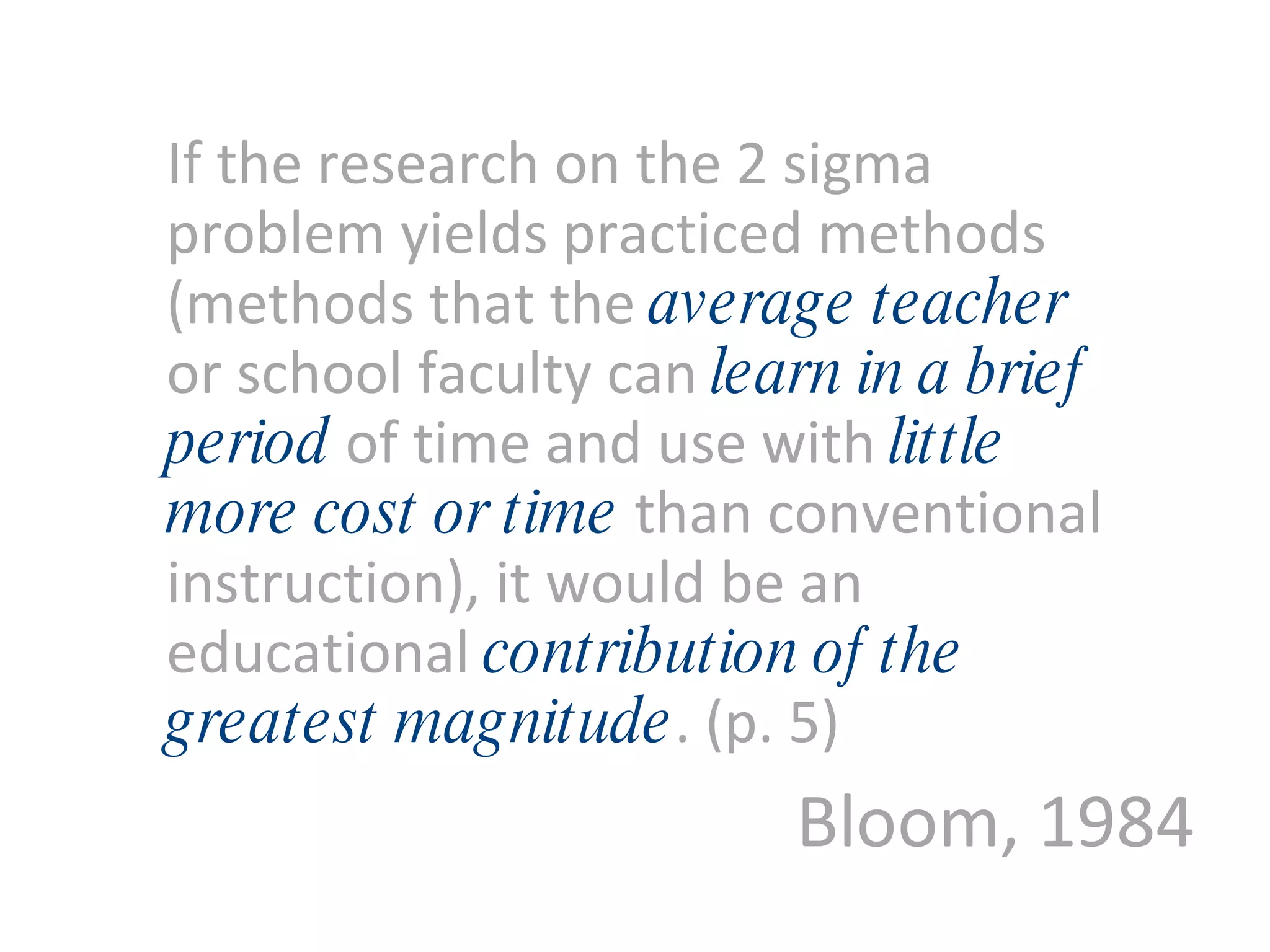
Bloom, 1984 If the research on the 2 sigma problem yields practiced methods (methods that the  average teacher   or school faculty can  learn in a brief period   of time and use with   little more cost or time   than conventional instruction), it would be an educational   contribution of the greatest magnitude . (p. 5)
To Tutor Or Not to Tutor? That is the (false) question
“ Intelligent” Tutors Have different scalability problems Dehumanize learning
“ Strategic Tutoring” What if we could do one-on-one tutoring just-in-time and just-on-topic?
Would Require Lots of Data Where can we get it all?
Would Require New Model Institutional commitment
 
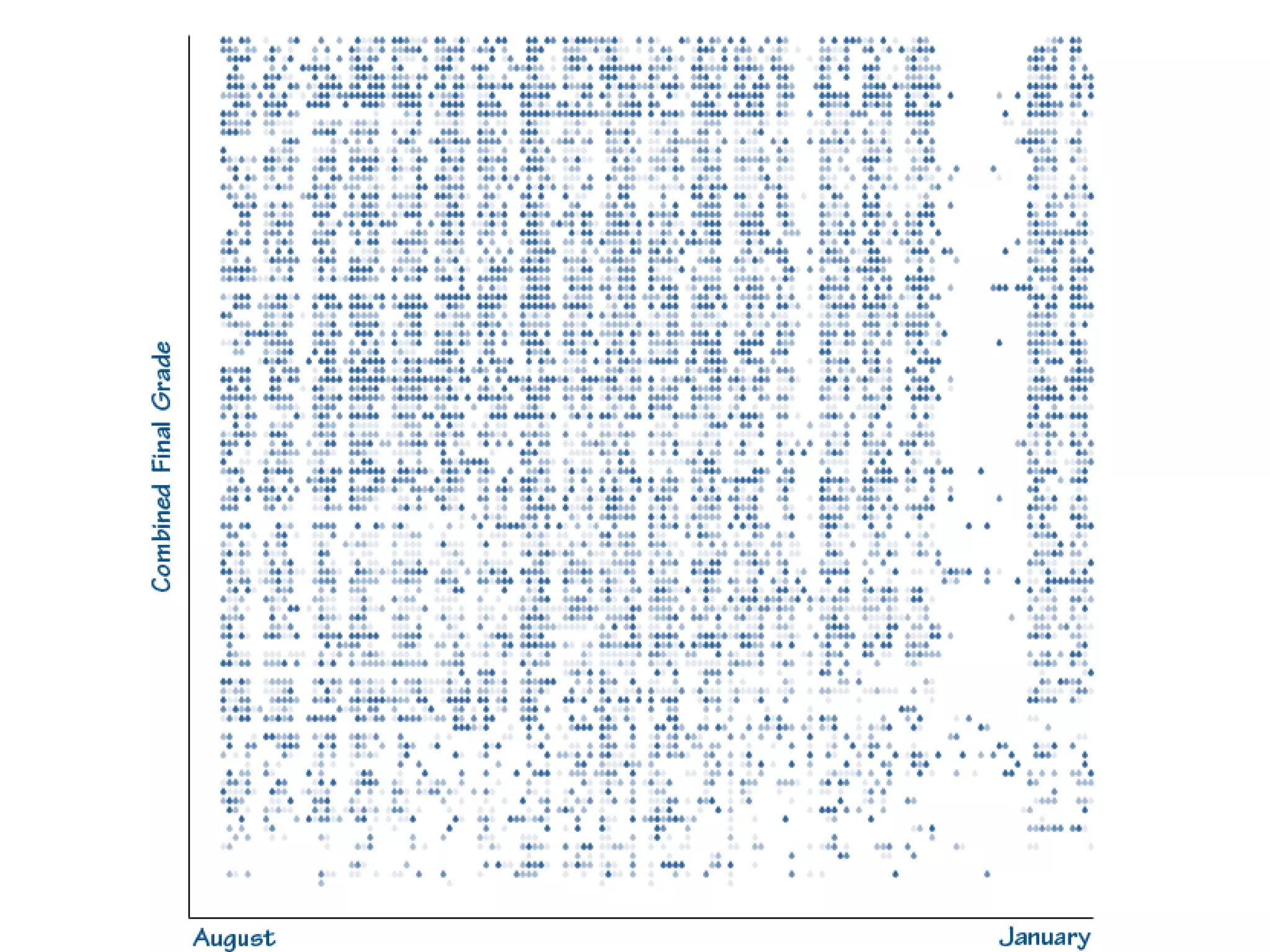
What Kind of Data? When  they logged in, read, and worked How long  they logged in, read, and worked Pathway  information, Item-by-item  analytics , &c.
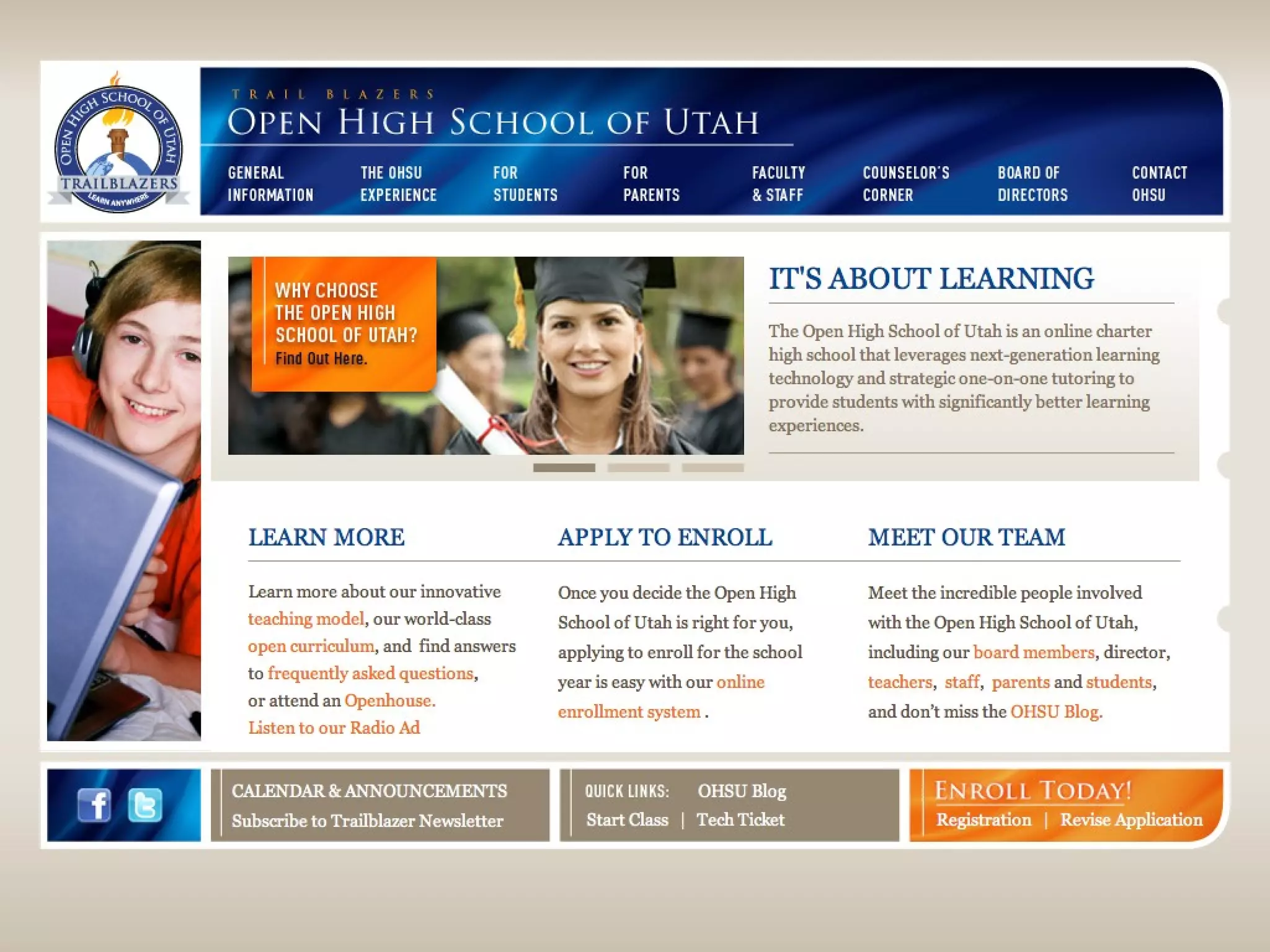
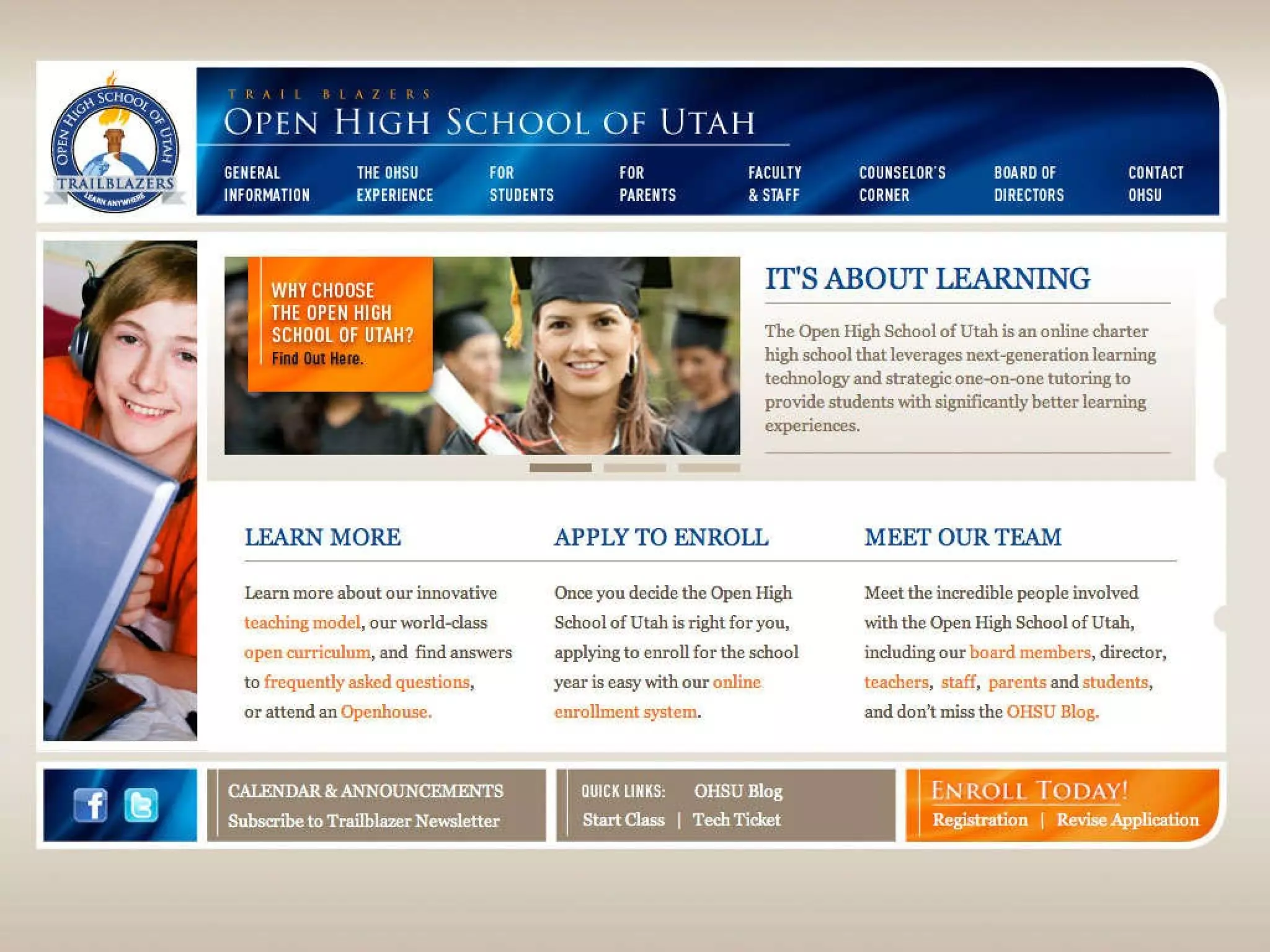
OHSU Teaching Model Online curriculum teaches as much as possible, teachers do proactive “strategic tutoring”
Teacher Becomes Tutor Has the curriculum replaced the teacher? As broadcast machinery, yes.
Are You Even  Allowed  to CIP? Data aren’t sufficient – you need permission
Open Educational Resources Give OHSU the permissions it needs to engage in continuous improvement
“ 4R” Permissions Reuse – copy verbatim Redistribute – share with others Revise – adapt and improve Remix – combine with others
OHSU Charter Requires OER Founders’ way of “burning the ships” and fully committing to CIP
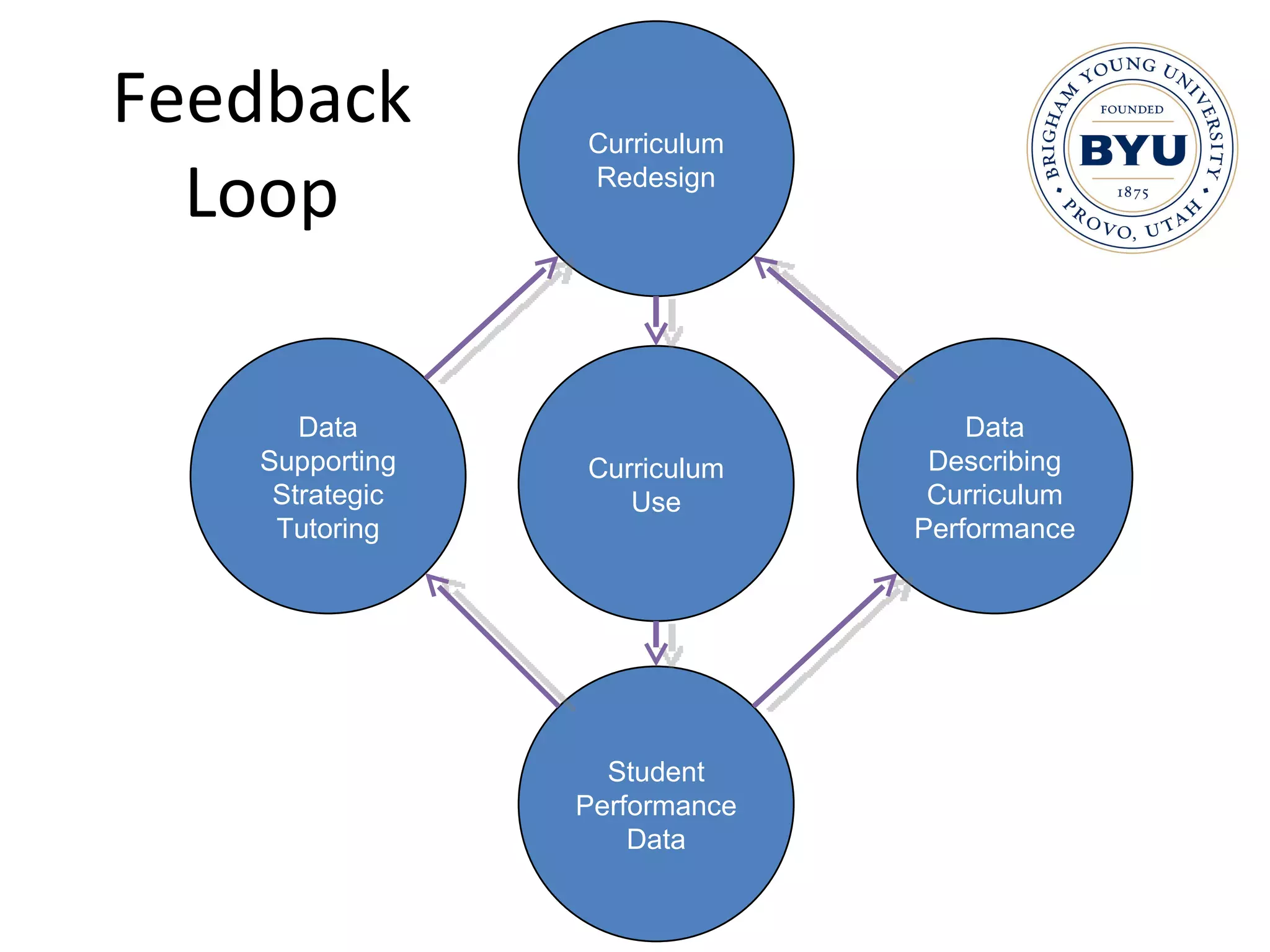
Conjoint CIP Student learning and curriculum effectiveness grow simultaneously
Feedback Loop Curriculum Use Curriculum Redesign Student Performance Data Data Describing Curriculum Performance Data Supporting Strategic Tutoring
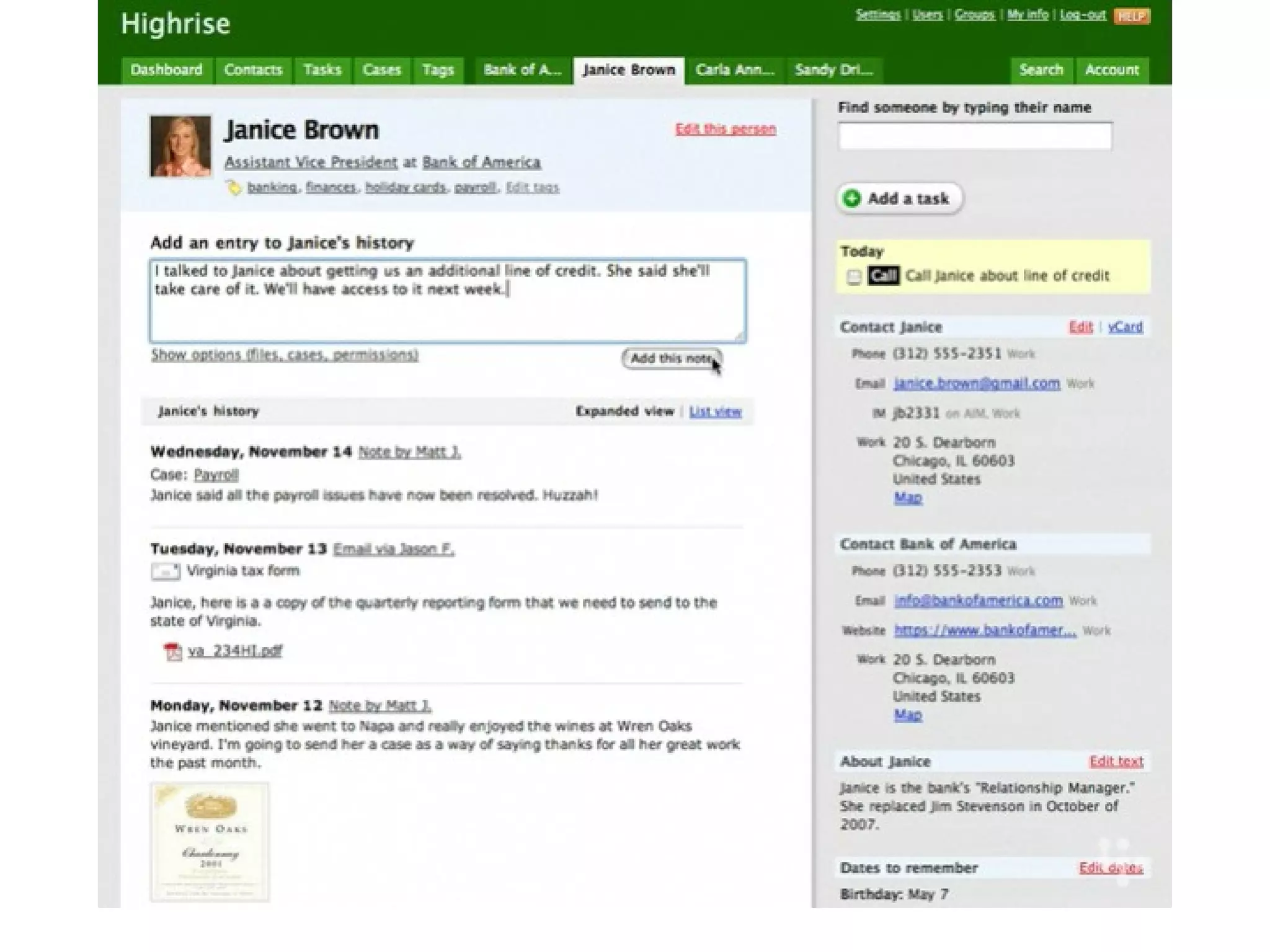
But Tutoring Data are Out-of-Band! Using customer relationship management (CRM) tools
 
Visualizing Educational Data Creating new visualization techniques to support teaching and learning
 
Openness + Data Are Required For Continuous Improvement Processes
Openness + Data Are Required For us to stay competitive and relevant in a changing post-secondary ecosystem
If the  Book  Didn’t Change Schools Can openness? Can data? Can openness + data?
 
Reconsider Your Stewardship Please – for yourself, your institution, and your students
Thank You! [email_address] http://davidwiley.org/

Educause 2010 - Openness, Data, and a Sustainable Future for Education

Editor's Notes

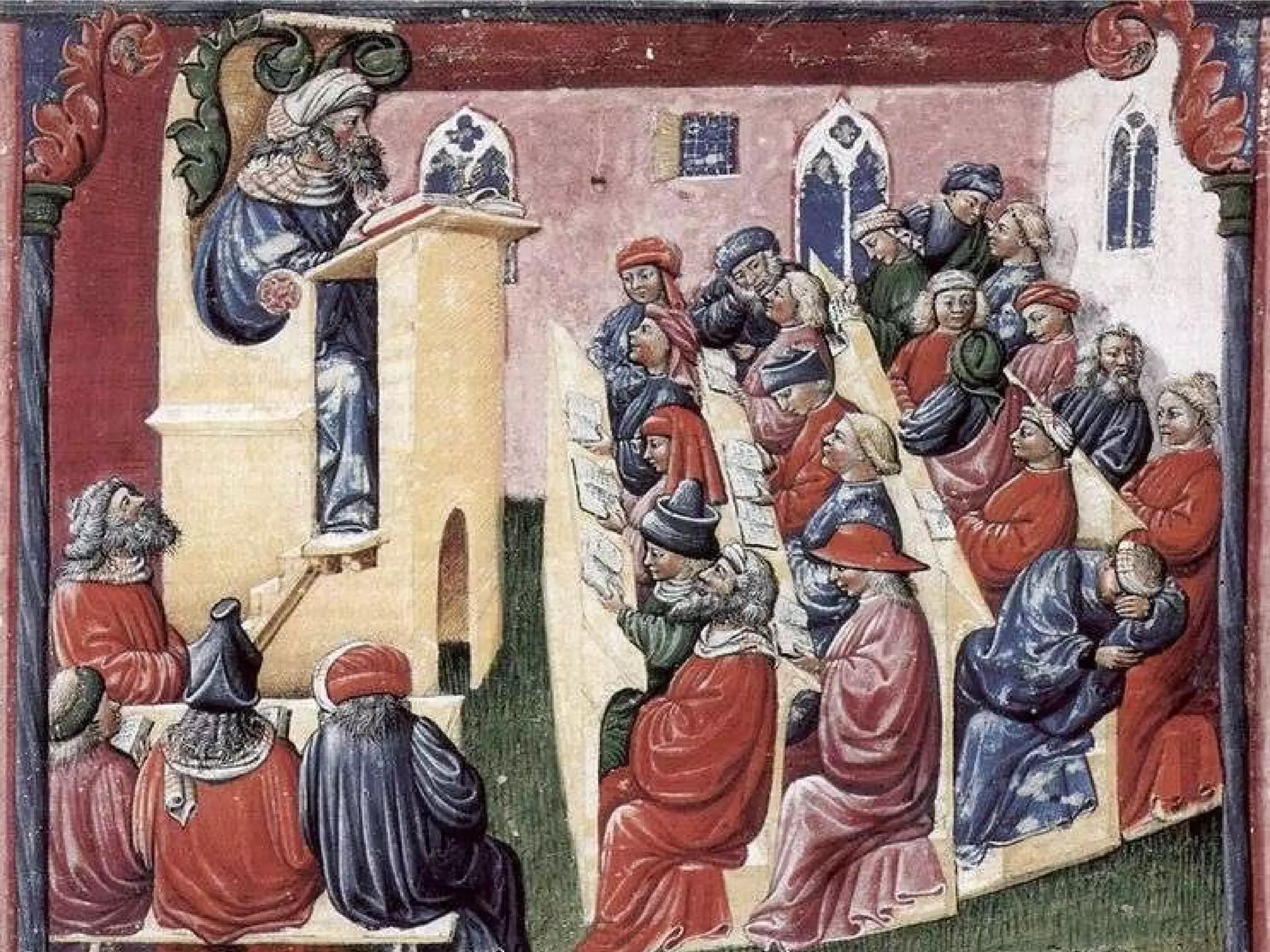
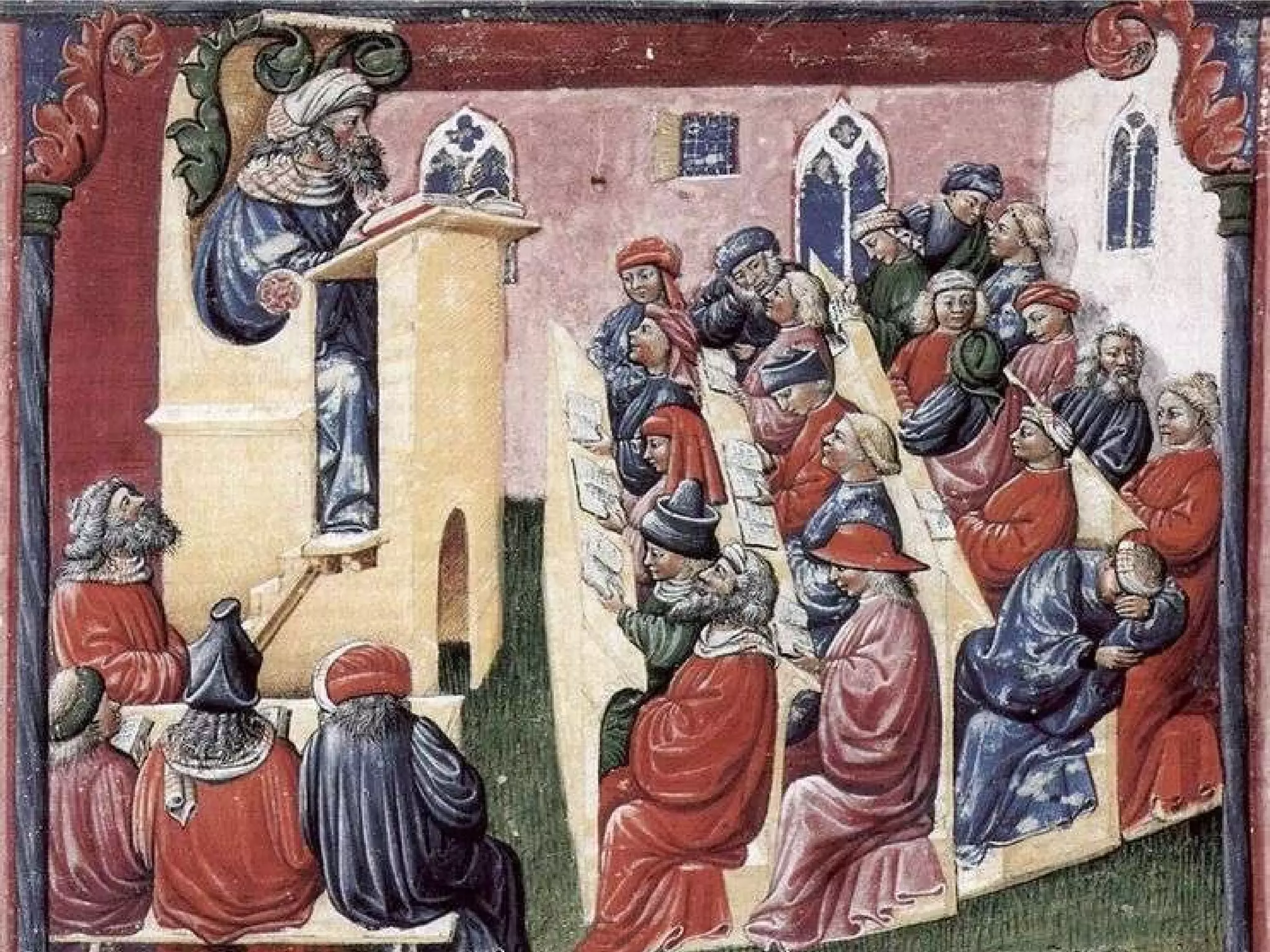
  • #4 As paper became more affordable, dictations became the common form in early universities, and students hand wrote their own copies of texts.
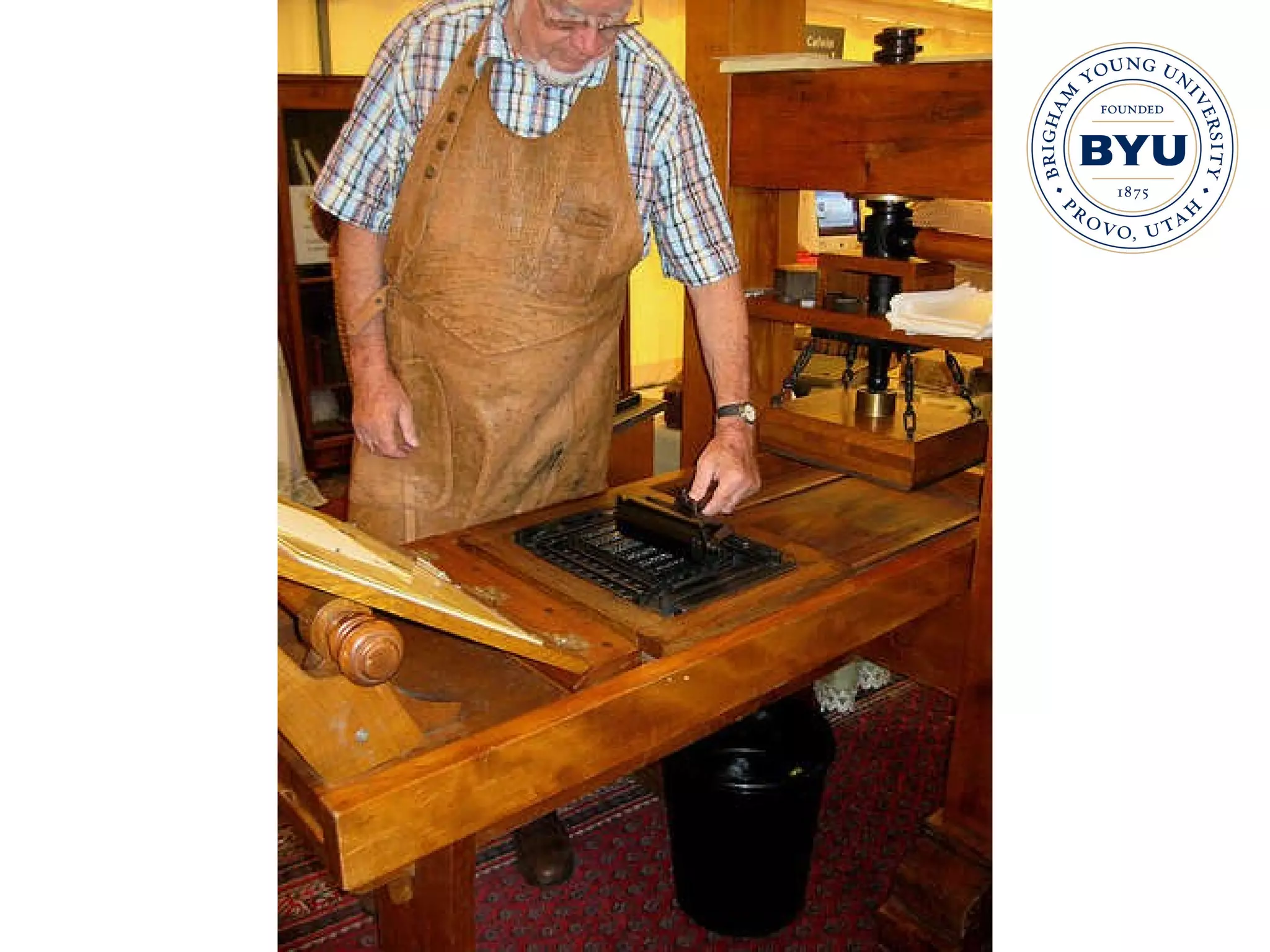
  • #5 CC By-NC-SA Photo from http://www.flickr.com/photos/nelsray/3760100376/in/photostream/
  • #6 With the “lecture text” we get wide margins, so that faculty can now dictate their annotations to students. Though universities temporarily ban dictations, students demand them and they continue.
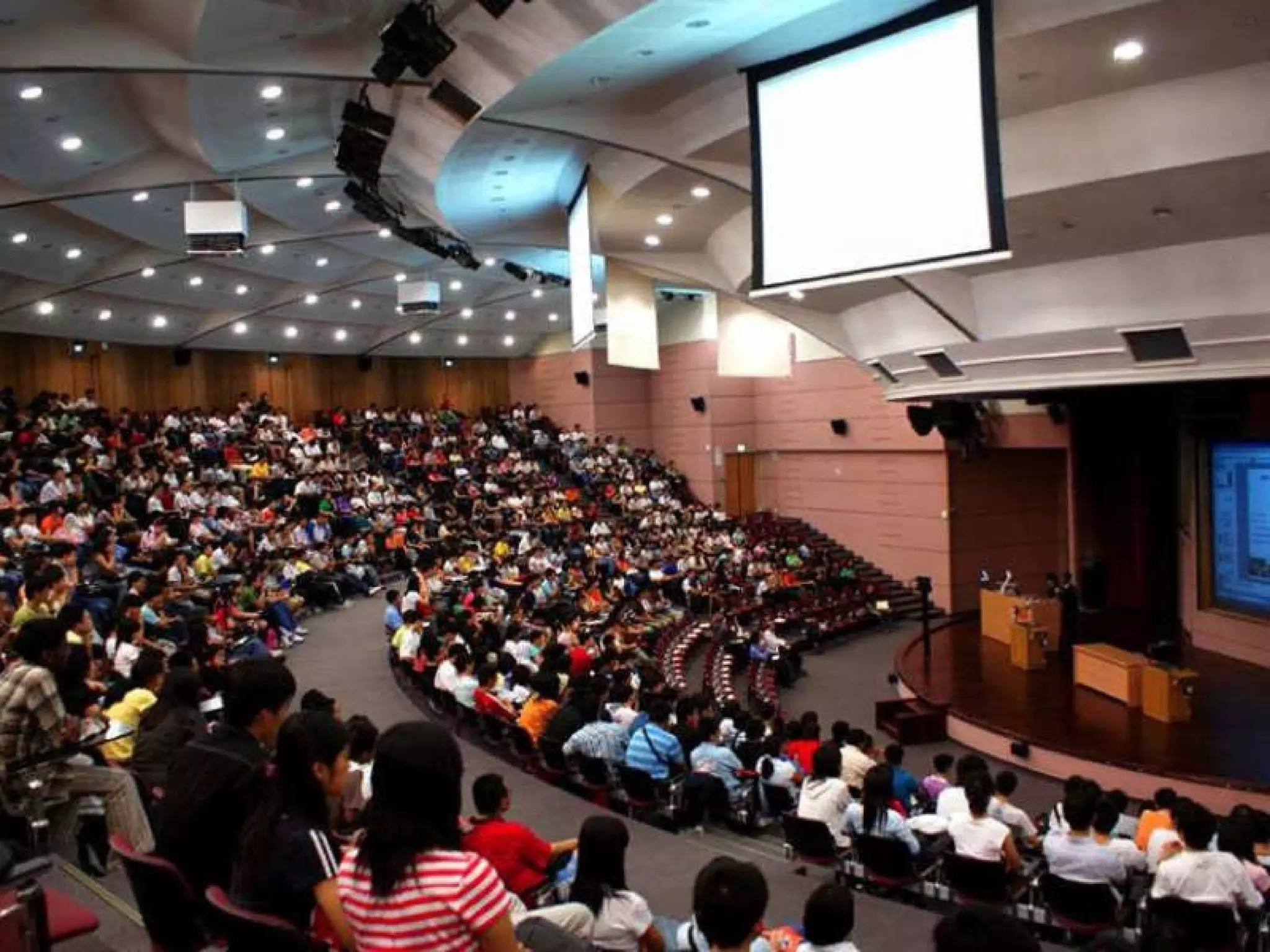
  • #7 And this is still our primary mode of instruction, 3000 years later.
  • #15 Allan Collins talked about customization, learner control, production – technology enables these, but the law does not allow them.
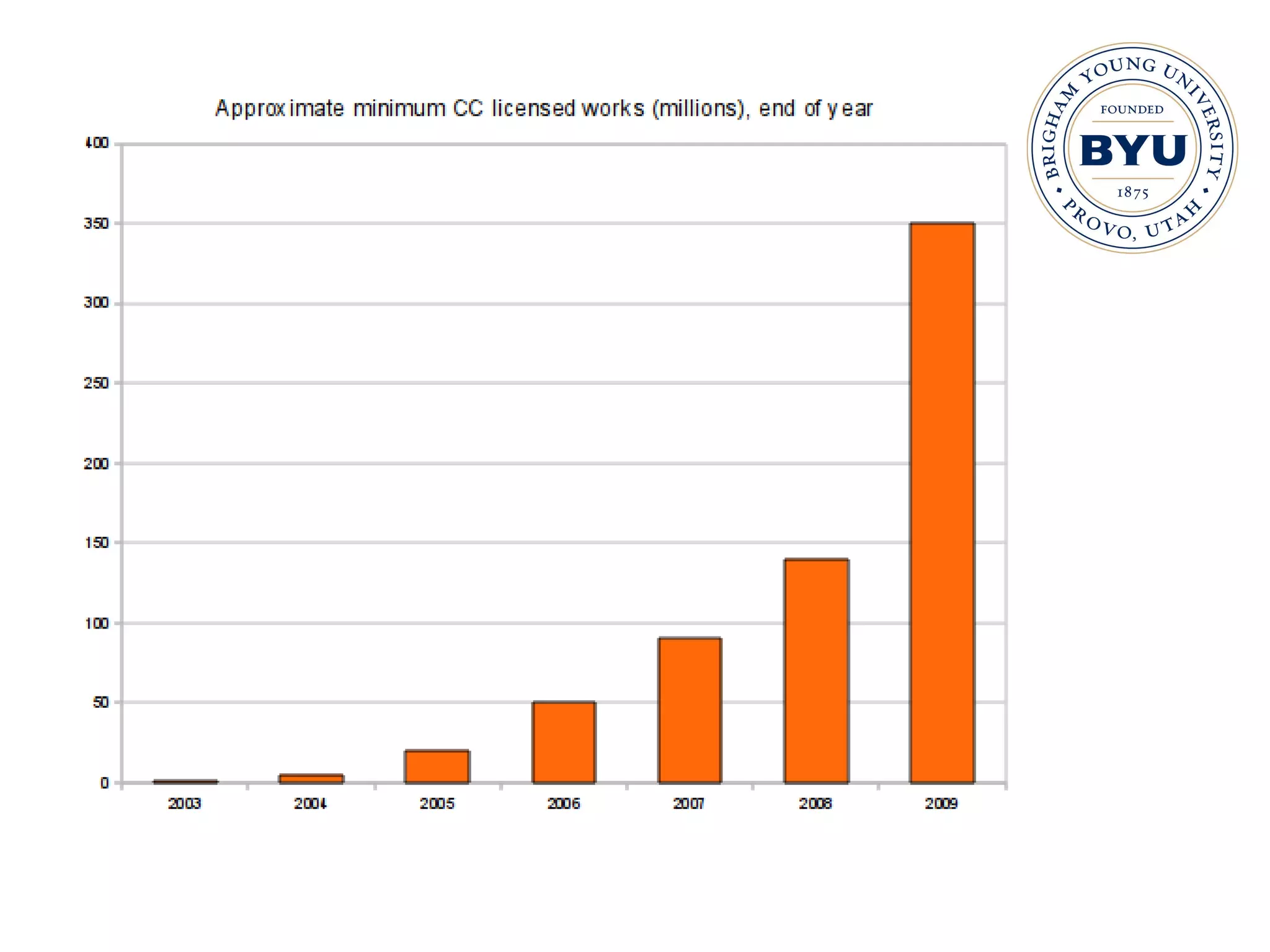
  • #19 http://wiki.creativecommons.org/File:Metrics_Updated.png
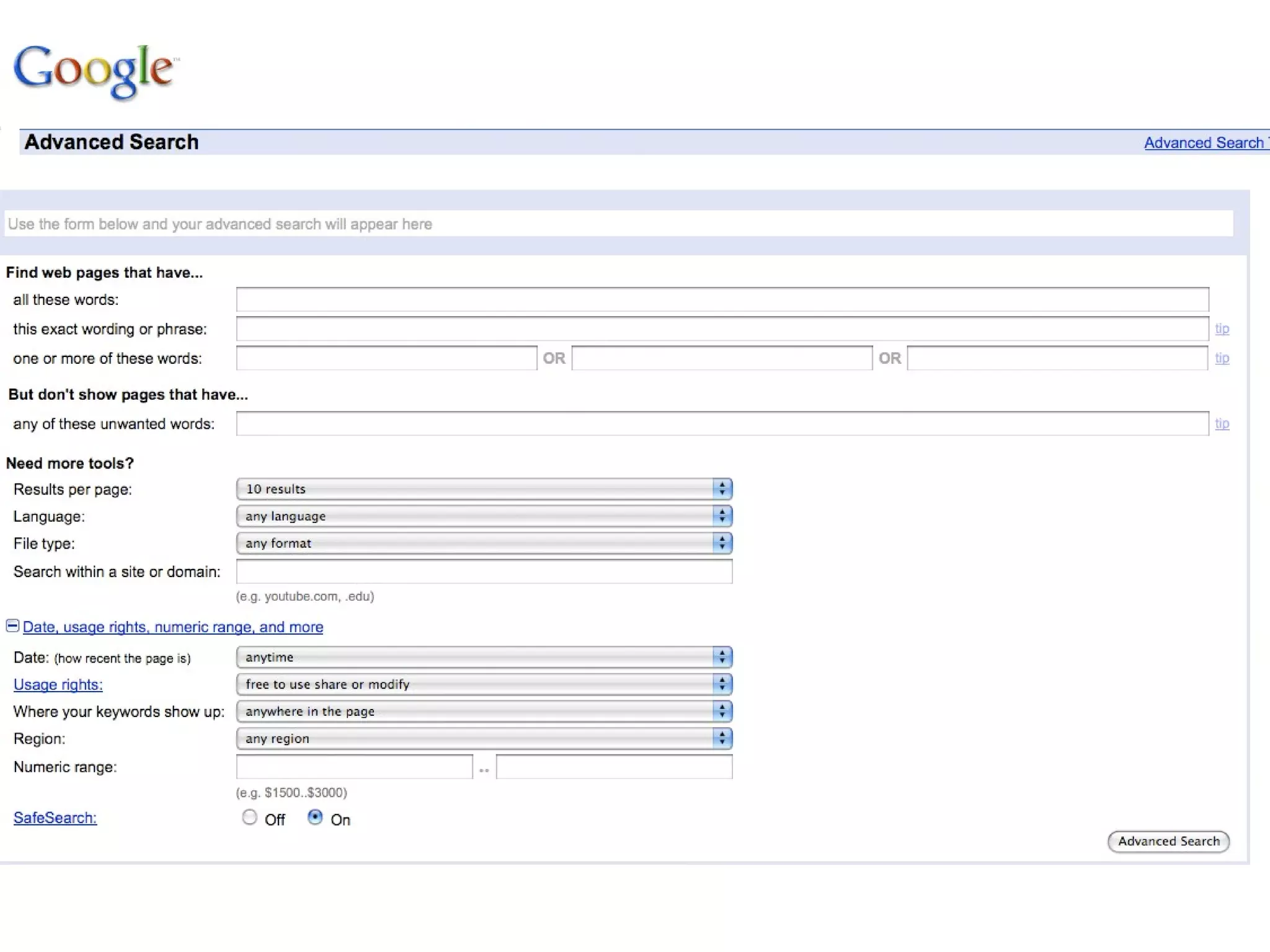
  • #20 http://google.com/
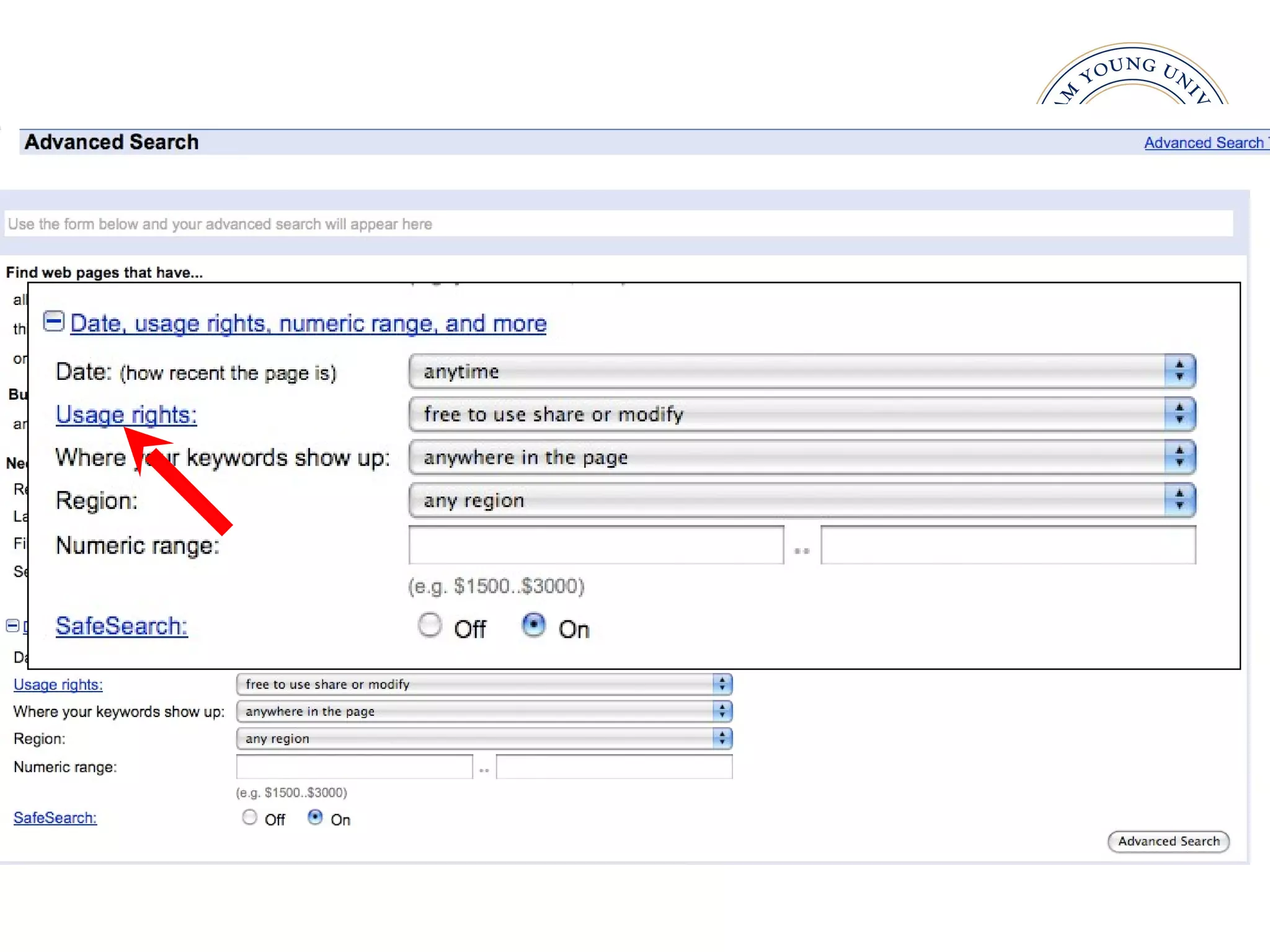
  • #21 http://google.com/
  • #25 CC By-SA Photo from http://www.flickr.com/photos/majorvols/2772682741/
  • #28 What’s your university’s IP policy with regard to sharing curriculum materials or research products?
  • #35 Public domain photo from http://en.wikipedia.org/wiki/File:T_Jefferson_by_Charles_Willson_Peale_1791_2.jpg
  • #36 CC By Photo from http://www.flickr.com/photos/bogdansuditu/2892806613/
  • #38 CC By Photo by David Wiley
  • #48 http://oercommons.org/
  • #49 http://cnx.org/
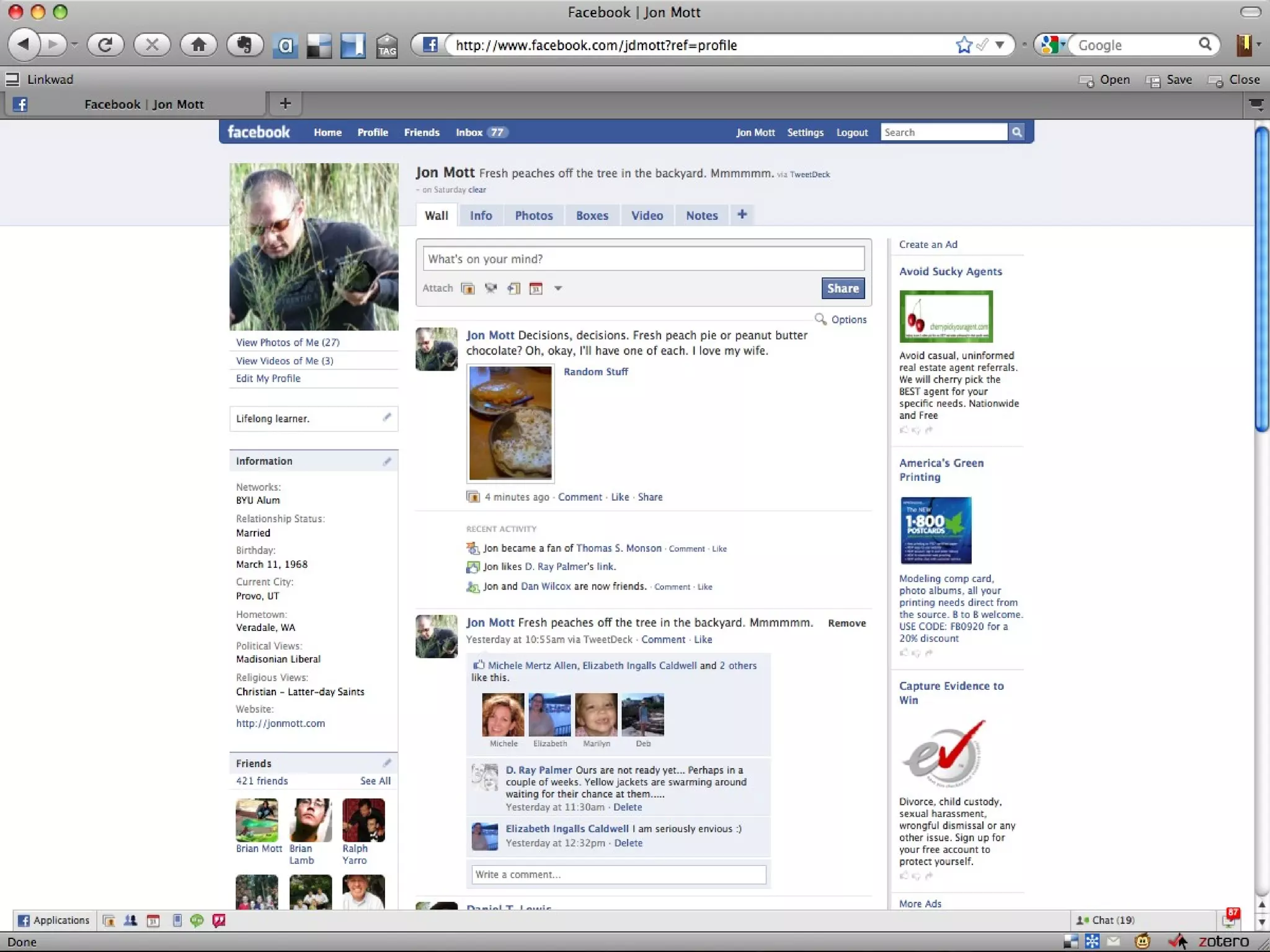
  • #74 Image courtesy of Jon Mott
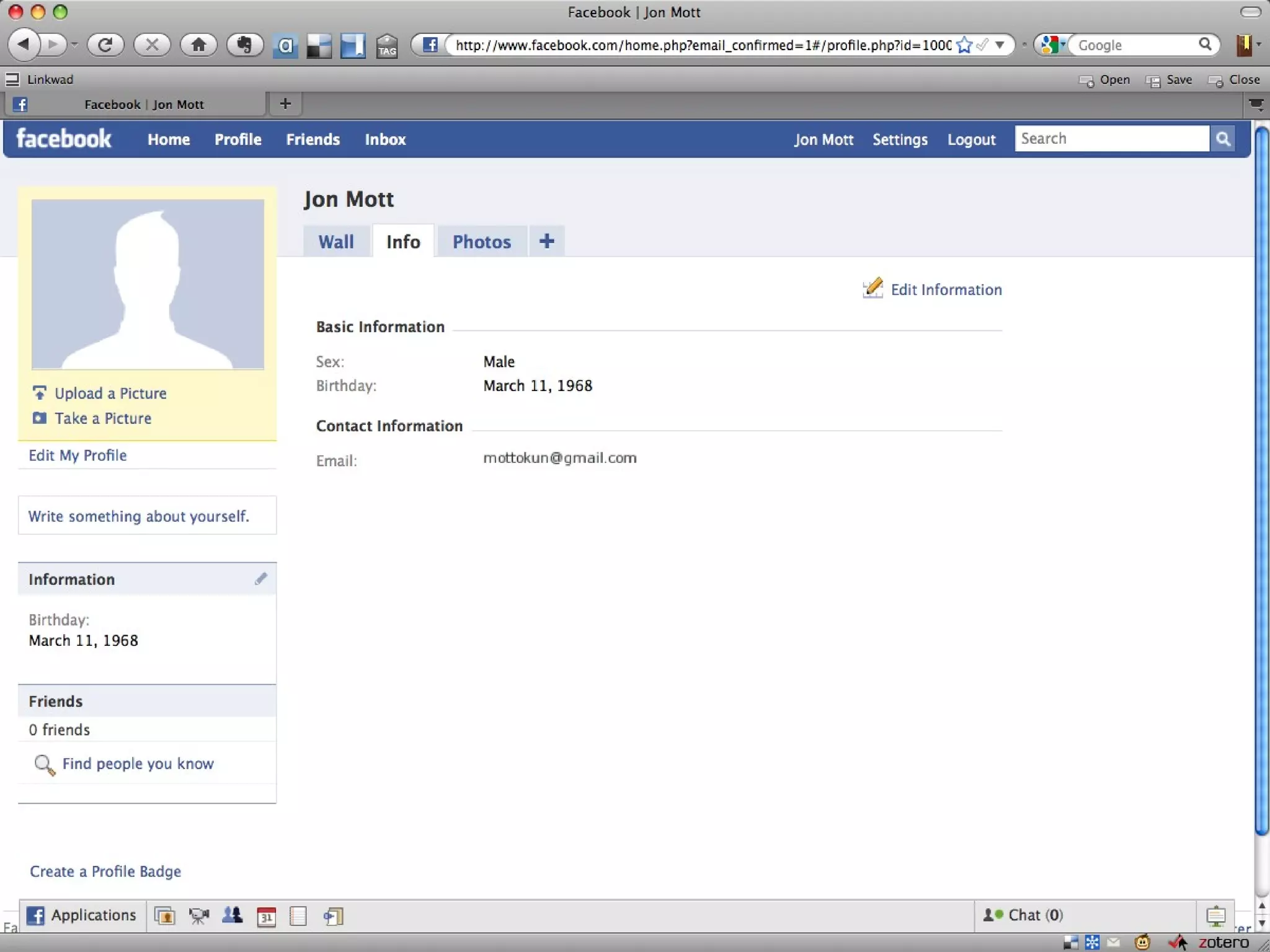
  • #75 Image courtesy of Jon Mott
  • #118 http://romerocanyon.com/wp-content/uploads/2010/08/Smokey-Bear-Only-You-Posters.jpg