Julonda Slay
 EDUC 7102
 Storyboard
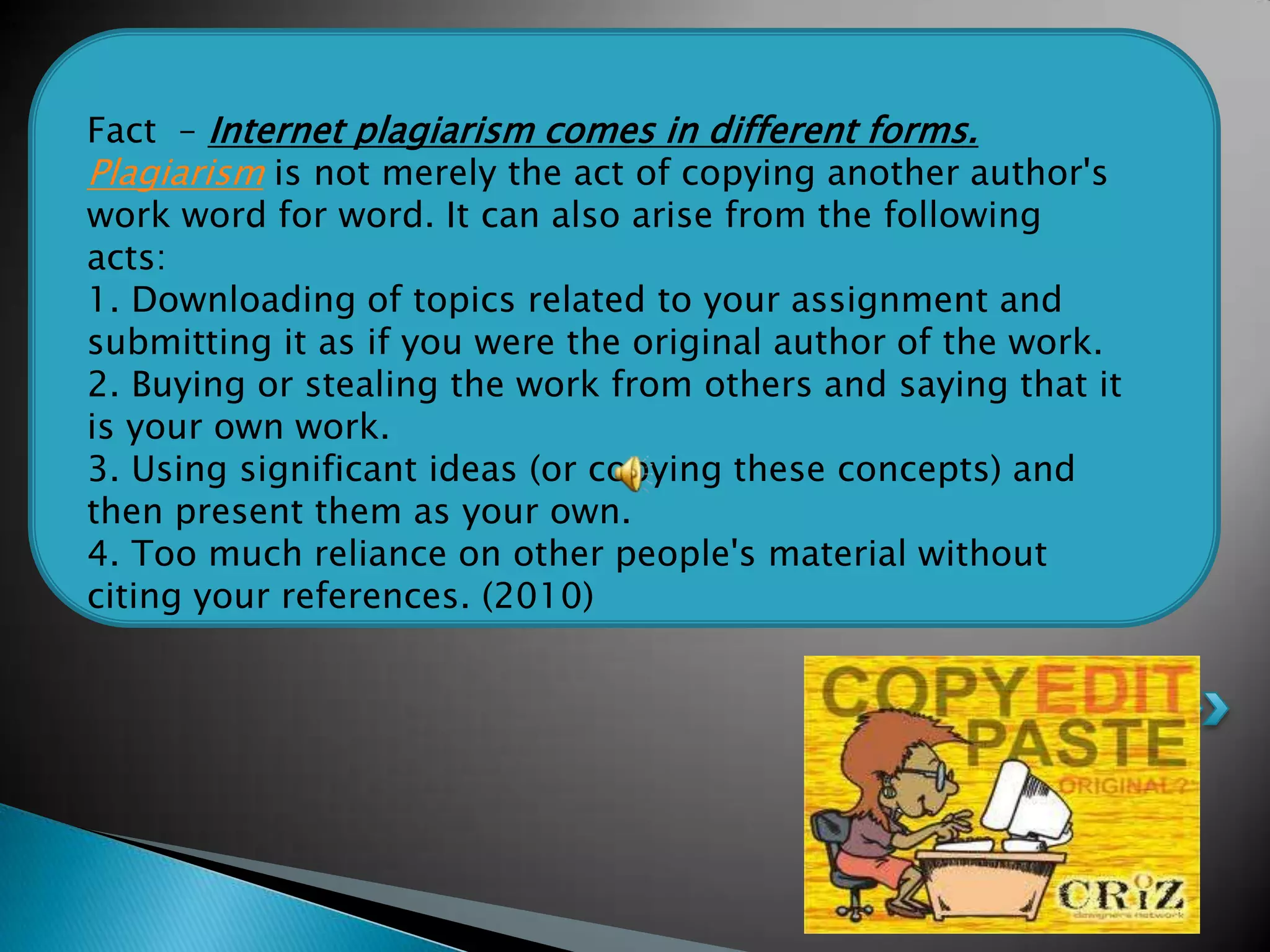
Fact – Internet plagiarism comes in different forms.
Plagiarism is not merely the act of copying another author's
work word for word. It can also arise from the following
acts:
1. Downloading of topics related to your assignment and
submitting it as if you were the original author of the work.
2. Buying or stealing the work from others and saying that it
is your own work.
3. Using significant ideas (or copying these concepts) and
then present them as your own.
4. Too much reliance on other people's material without
citing your references. (2010)
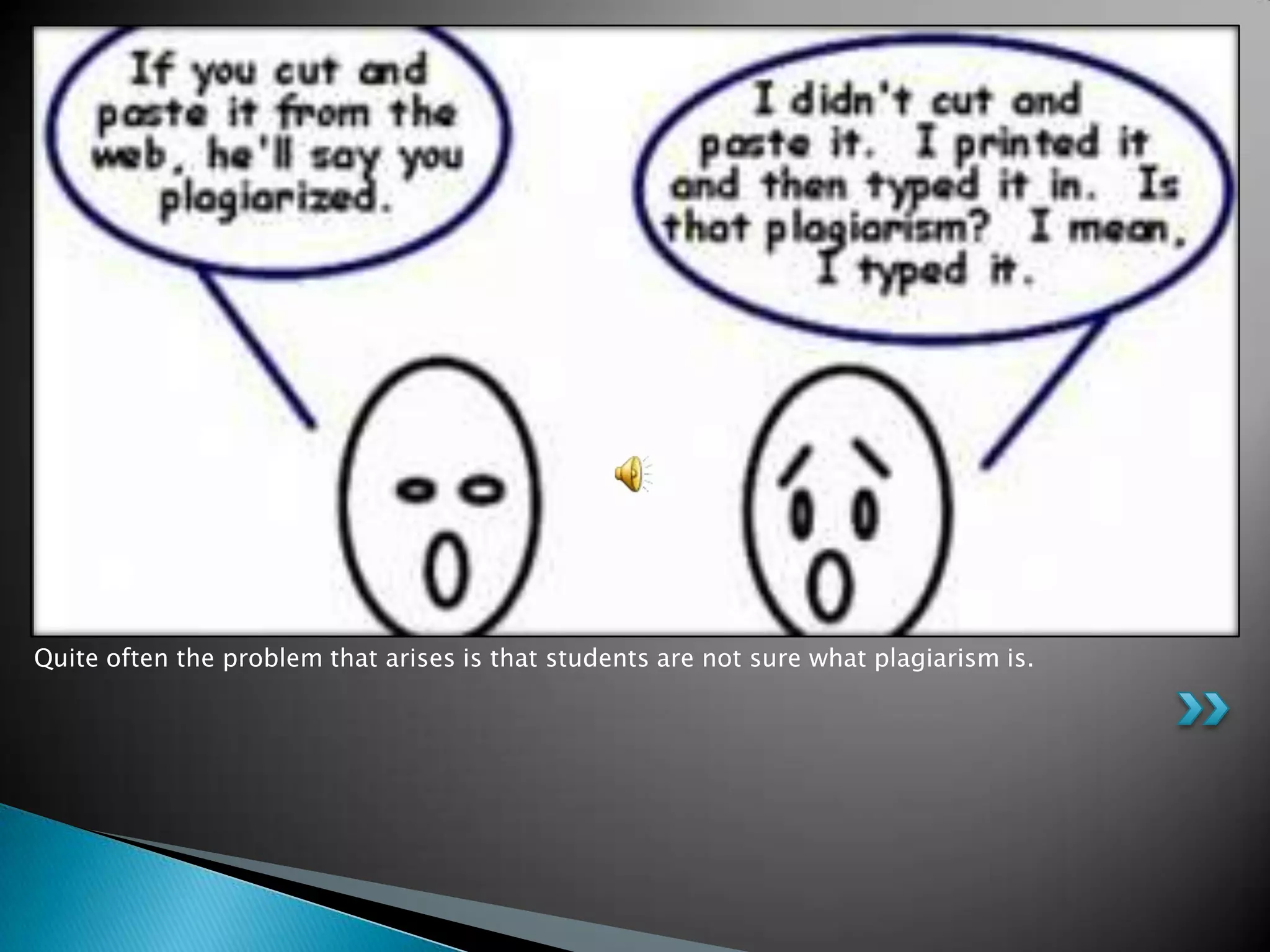
Quite often the problem that arises is that students are not sure what plagiarism is.
In a recent article about college students and plagiarism, a director
noticed that more cases of plagiarism was occuring, and she
assumed that this would be the year where more cases would
arrive. The following paragraph was taken from the article:

        Ms. Mitrano said plagiarism has not been a topic that
colleges addressed institutionally—unlike issues such as student
drinking and campus downloading, which are discouraged during
orientation sessions and other campuswide forums. Other than
buying tools that help professors check for plagiarized papers, she
said, colleges have largely left it up to individual professors to
teach students the expectations regarding original work. ―A lot of
students are plagiarizing because they think no one is talking
about it,‖ the administrator said. (Young, 2010)

http://chronicle.com/blogs/wir
edcampus/should-colleges-do-
more-to-teach-students-
about-plagiarism/26250
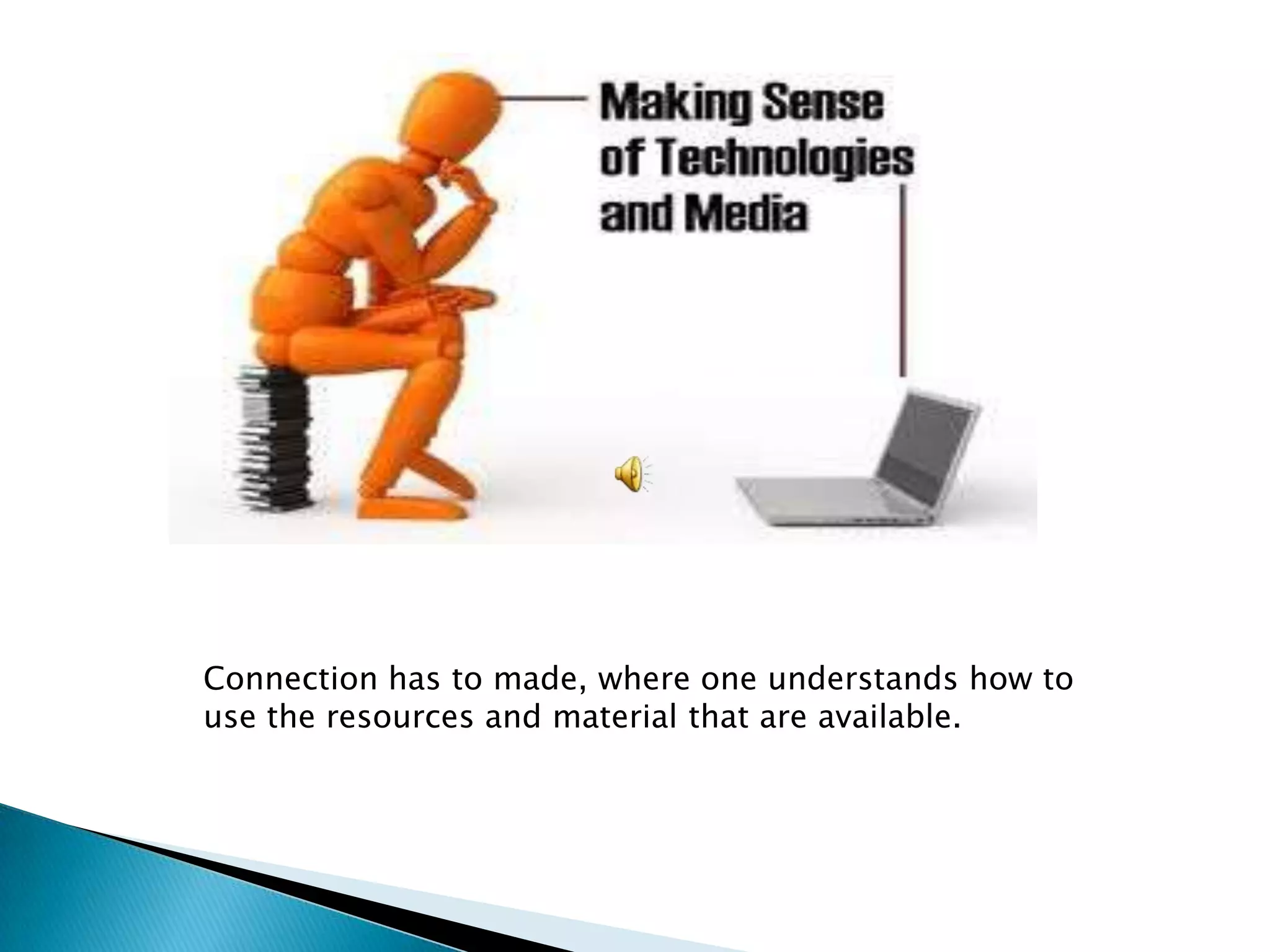
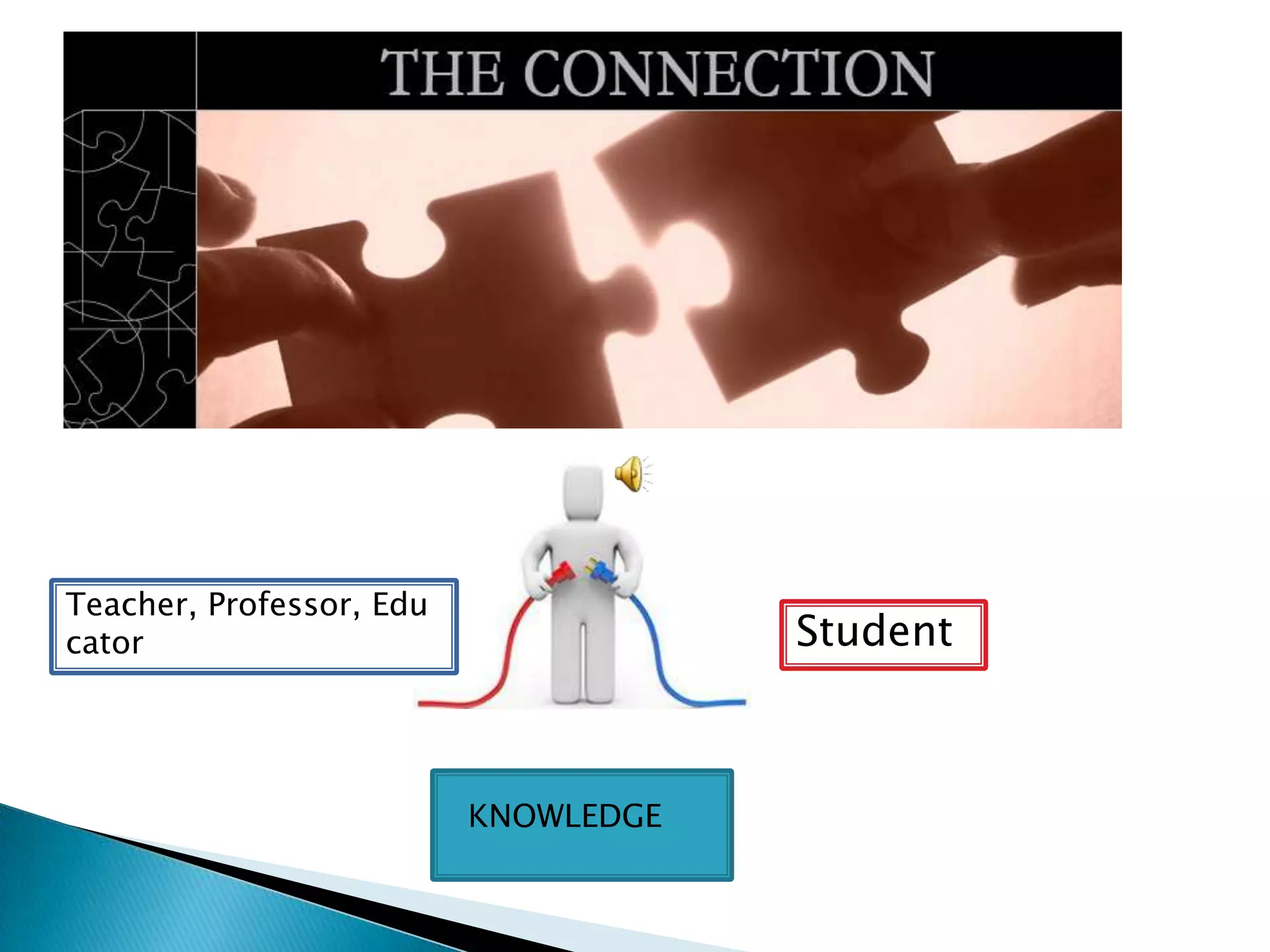
Connection has to made, where one understands how to
use the resources and material that are available.
Teacher, Professor, Edu
cator                                 Student


                          KNOWLEDGE
Resources

1. 3 Important Facts about Internet Plagiarism,. ND. Retrieved
   on 1/5/2012.
2. Young, J., (April, 2010). Should Colleges Do More to Teach
   Students About Plagiarism? The Chronicle

Understanding plagiarism

  • 1.
    Julonda Slay EDUC7102 Storyboard
  • 3.
    Fact – Internetplagiarism comes in different forms. Plagiarism is not merely the act of copying another author's work word for word. It can also arise from the following acts: 1. Downloading of topics related to your assignment and submitting it as if you were the original author of the work. 2. Buying or stealing the work from others and saying that it is your own work. 3. Using significant ideas (or copying these concepts) and then present them as your own. 4. Too much reliance on other people's material without citing your references. (2010)
  • 4.
    Quite often theproblem that arises is that students are not sure what plagiarism is.
  • 5.
    In a recentarticle about college students and plagiarism, a director noticed that more cases of plagiarism was occuring, and she assumed that this would be the year where more cases would arrive. The following paragraph was taken from the article: Ms. Mitrano said plagiarism has not been a topic that colleges addressed institutionally—unlike issues such as student drinking and campus downloading, which are discouraged during orientation sessions and other campuswide forums. Other than buying tools that help professors check for plagiarized papers, she said, colleges have largely left it up to individual professors to teach students the expectations regarding original work. ―A lot of students are plagiarizing because they think no one is talking about it,‖ the administrator said. (Young, 2010) http://chronicle.com/blogs/wir edcampus/should-colleges-do- more-to-teach-students- about-plagiarism/26250
  • 8.
    Connection has tomade, where one understands how to use the resources and material that are available.
  • 9.
  • 11.
    Resources 1. 3 ImportantFacts about Internet Plagiarism,. ND. Retrieved on 1/5/2012. 2. Young, J., (April, 2010). Should Colleges Do More to Teach Students About Plagiarism? The Chronicle

Editor's Notes

  • #2 The hardest thing about Plagiarism is actually understanding it and knowing the measures to take to avoid it from happening.
  • #3 Plagiarism can be defined in many different ways, but to sum it up, it is when you take work or words and use them in papers or in speeches and you do not site where you have gotten the sources or information from. It is stealing and their can be major consequences from it. Many students have been expelled in such cases and many have failed as a result of it. The first part in avoiding plagiarism is to first understand what it is.