Training slides on anaemia Dr. B. K. Iyer
Blood A fluid connective tissue In an average healthy adult, the volume of blood is one-eleventh of the body weight, or between 4.5 and 6 liters
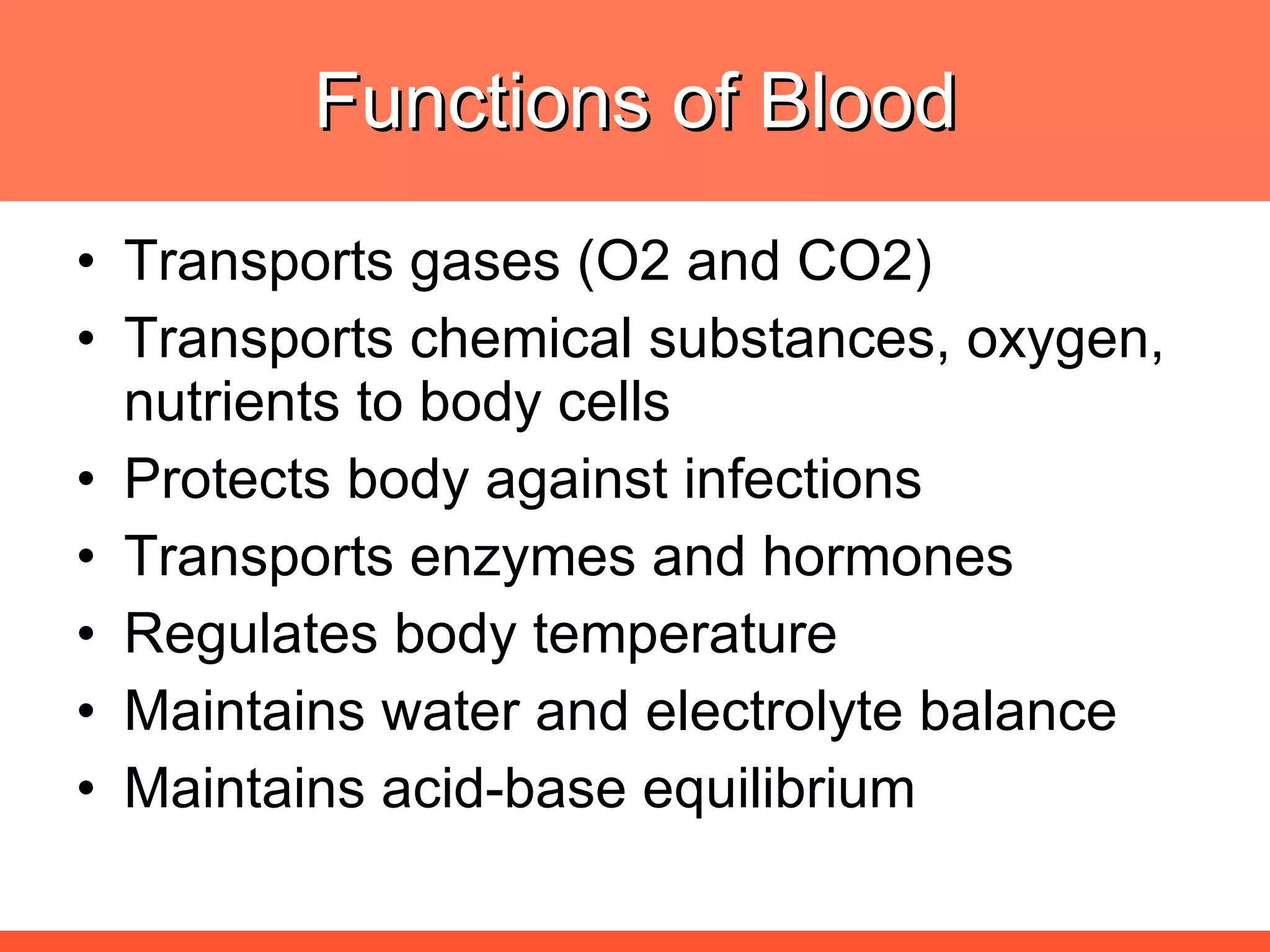
Functions of Blood Transports gases (O2 and CO2) Transports chemical substances, oxygen, nutrients to body cells Protects body against infections Transports enzymes and hormones Regulates body temperature Maintains water and electrolyte balance Maintains acid-base equilibrium
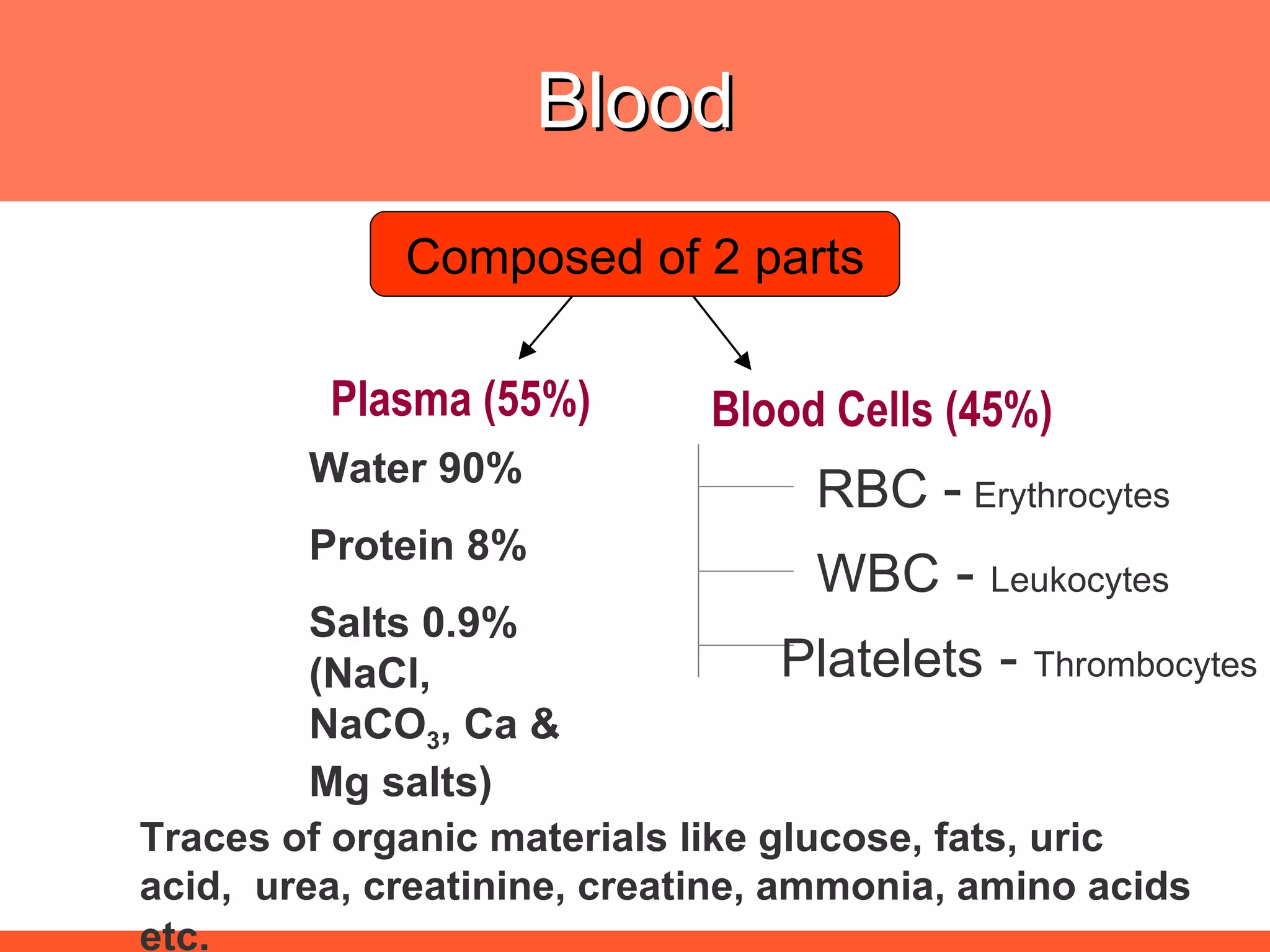
Blood Blood Cells (45%) Plasma (55%) Water 90% Protein 8% Salts 0.9% (NaCl, NaCO 3 , Ca & Mg salts) RBC  -   Erythrocytes WBC  -  Leukocytes Platelets  -  Thrombocytes Traces of organic materials like glucose, fats, uric acid,  urea, creatinine, creatine, ammonia, amino acids etc . Composed of 2 parts
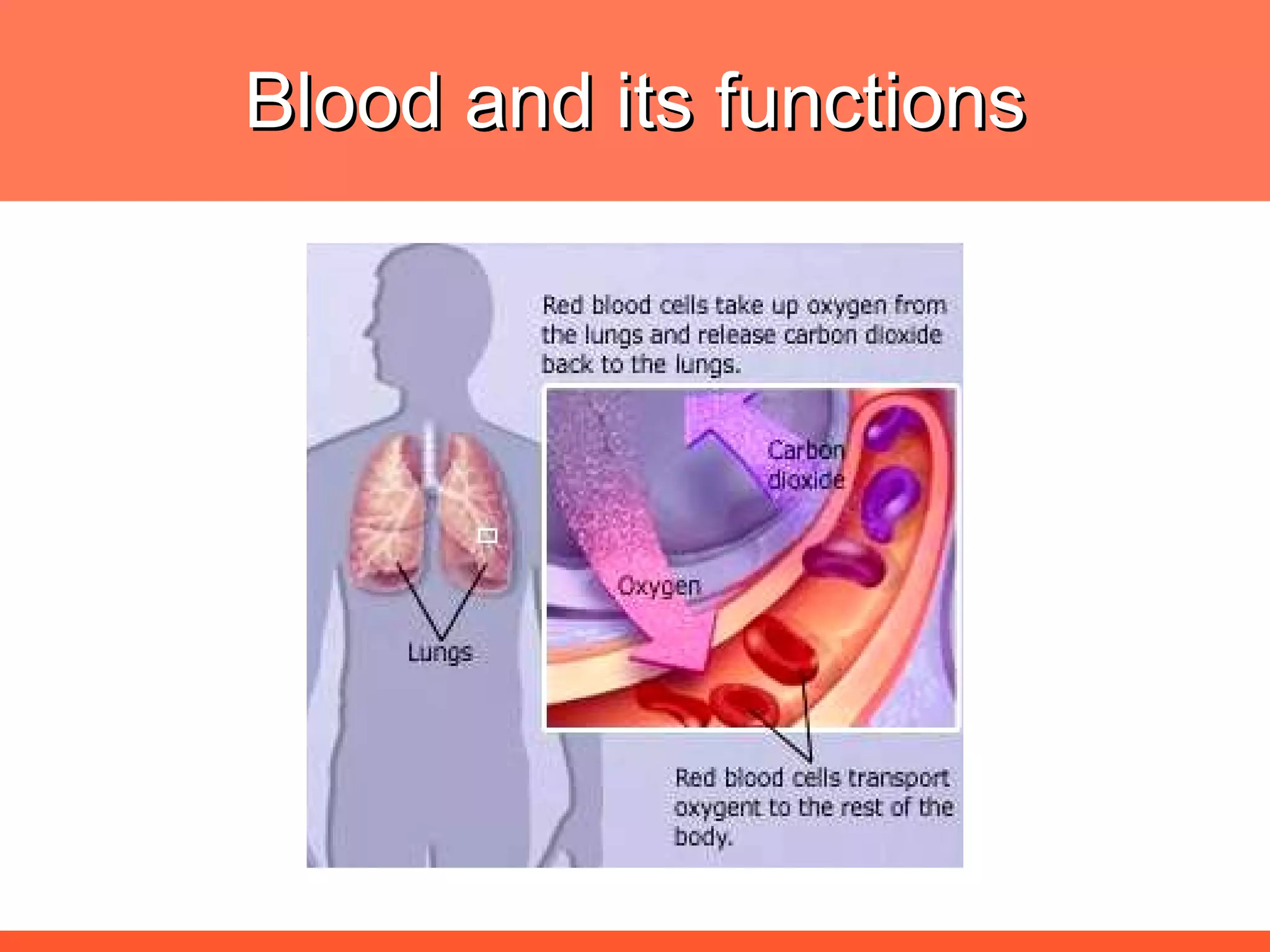
Blood and its functions
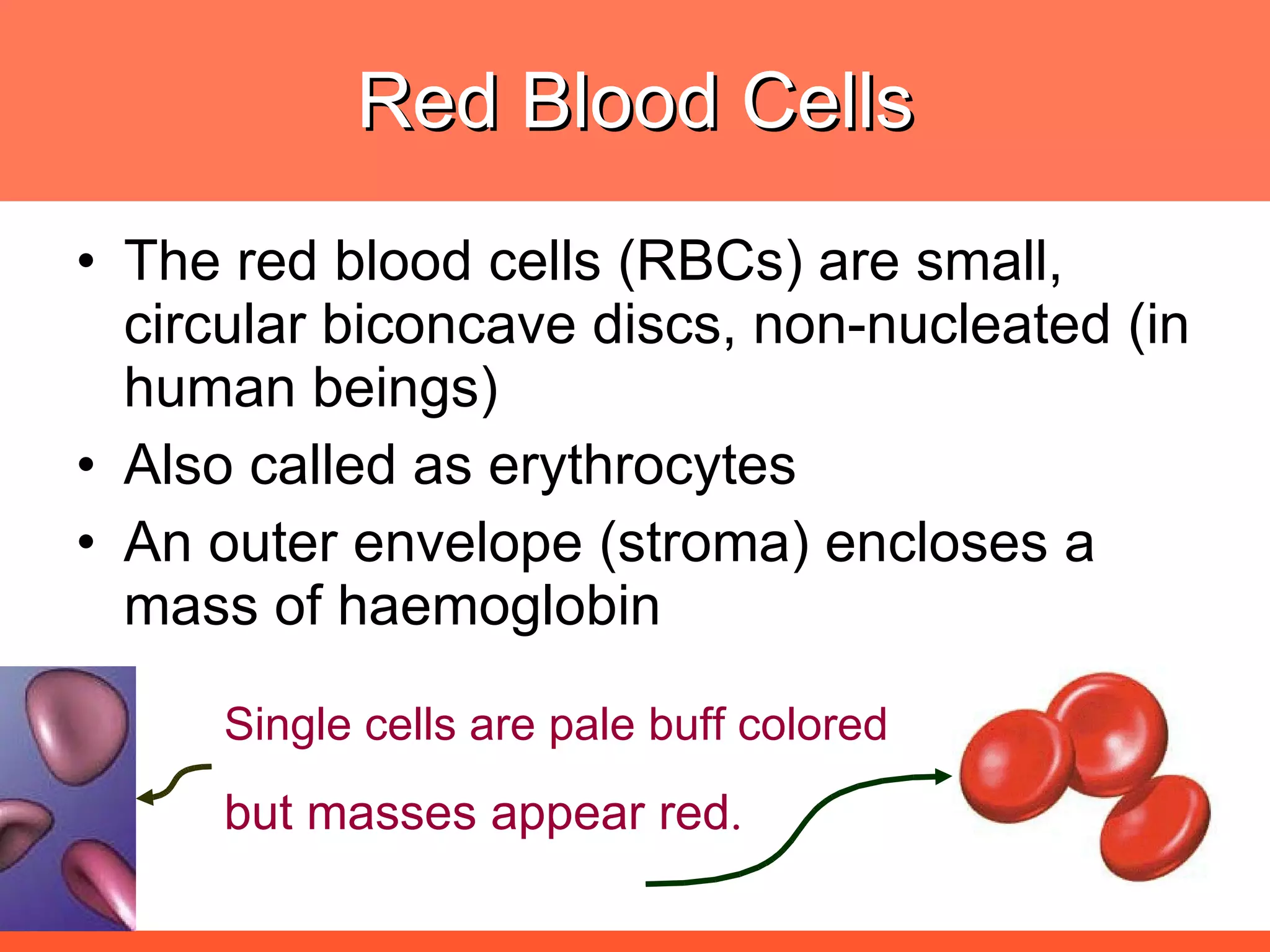
Red Blood Cells The red blood cells (RBCs) are small, circular biconcave discs, non-nucleated (in human beings) Also called as erythrocytes An outer envelope (stroma) encloses a mass of haemoglobin Single cells are pale buff colored but masses appear red .
The normal RBC count in human beings:  5 million/cubic mm of blood. Average life: 120 days. After this period, they are disintegrated in spleen and destroyed in liver.
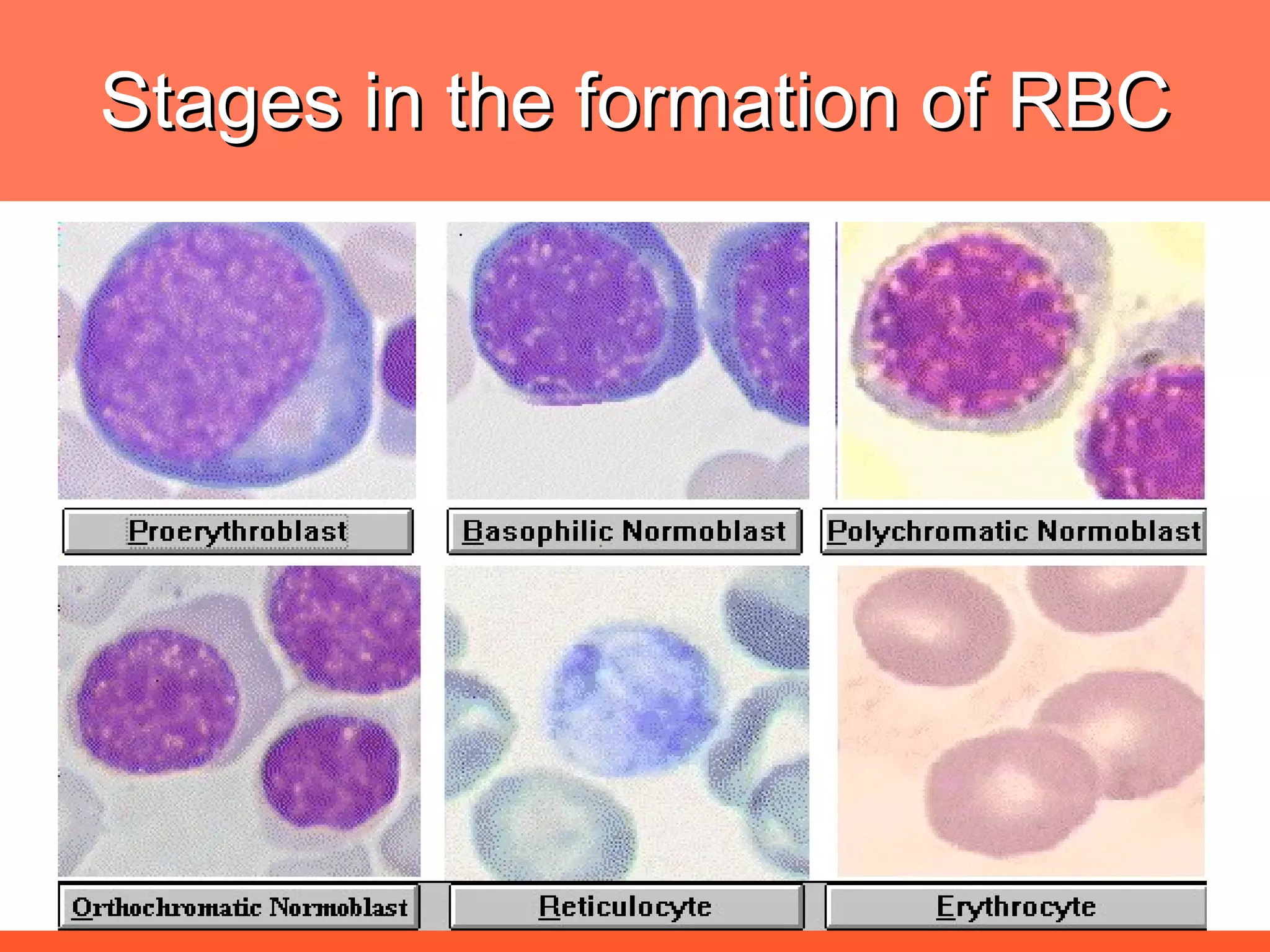
Stages in the formation of RBC
Haemoglobin A complex iron rich protein that has an affinity for O2 forming oxyhaemoglobin Amount of Hb: 15 g per 100 ml This amount is usually called 100% Consists of 2 parts: globin-a simple protein 96% and haem-an iron containing pigment 4% Normal Hb values: 13-14 g / 100 ml for males and 11-12 g / 100 ml for females
Anemia A condition in which there is a reduction in the number of RBCs a reduction in haemoglobin (Hb) a reduction in the volume of packed RBC/100 ml of blood In Iron Deficiency Anemia, the amount of Hb is diminished. In severe cases it may fall below 30% (5g / 100 ml). Patients have symptoms like breathlessness because of O2 deficiency.
Iron deficiency anemia (IDA) Occurs because of a lack of the mineral iron in the body. The bone marrow (in the center of the bone) needs iron to make hemoglobin. Without adequate iron, the body cannot produce enough hemoglobin for red blood cells.
The total iron content in the body The amount of iron present in the body varies with the body size, age and sex of the individual.    2 g to 5 g in average adult   4 g average in the adult male    2.5 g average in the adult female
Iron Deficiency Anemia: Causes An iron-poor diet especially in infants, children, teens and vegetarians The metabolic demands of pregnancy and breastfeeding  Menstruation Digestive conditions such as Crohn's disease which result in insufficient absorption of iron in the body Blood loss  – post surgery / cancers
What are the causes of Anemia? Decreased iron intake  Decreased iron absorption Decreased Vitamin B12, Folic acid & Protein Decreased RBC production Faulty RBC production Destruction of RBC by free radicals Increased demand of RBC as in pregnancy Blood loss Note - Decreased iron intake & increased demand of RBC as in pregnancy are the most common cause of Anemia
Symptoms Fatigue Shortness of breath (because of O2 deficiency) An inability to exercise Iron deficiency may produce its own symptoms,  such as pica (craving for non foods such as ice, dirt or pure starch),tongue irritation (glossitis), and cracks at the sides of  the mouth (cheilosis) and in  the fingernails, which have a spoonlike deformity .
How does IDA develop? Iron deficiency anemia usually develops gradually, in stages.Symptoms develop in the later stages. Stage 1  Iron loss exceeds intake, depleting iron reserves, primarily in bone marrow. Blood levels of ferritin (a protein that stores iron) progressively decrease.
Stage 2 Stage 2 Because depleted iron reserves can't meet the needs of developing red blood cells, fewer red blood cells are produced.
Stage 3 Stage 3 Anaemia begins to develop.  Early in this stage, the red blood cells appear normal, but there are fewer of them.  Hemoglobin levels and hematocrit are reduced.
Stage 4 Stage 4 The bone marrow tries to compensate for the lack of iron by  speeding up cell division and producing very small (microcytic) red blood cells, which are typical of iron deficiency anemia.
Stage 5 Stage 5 As iron deficiency and anemia progress, the symptoms of iron deficiency may develop and symptoms of anemia worsen.
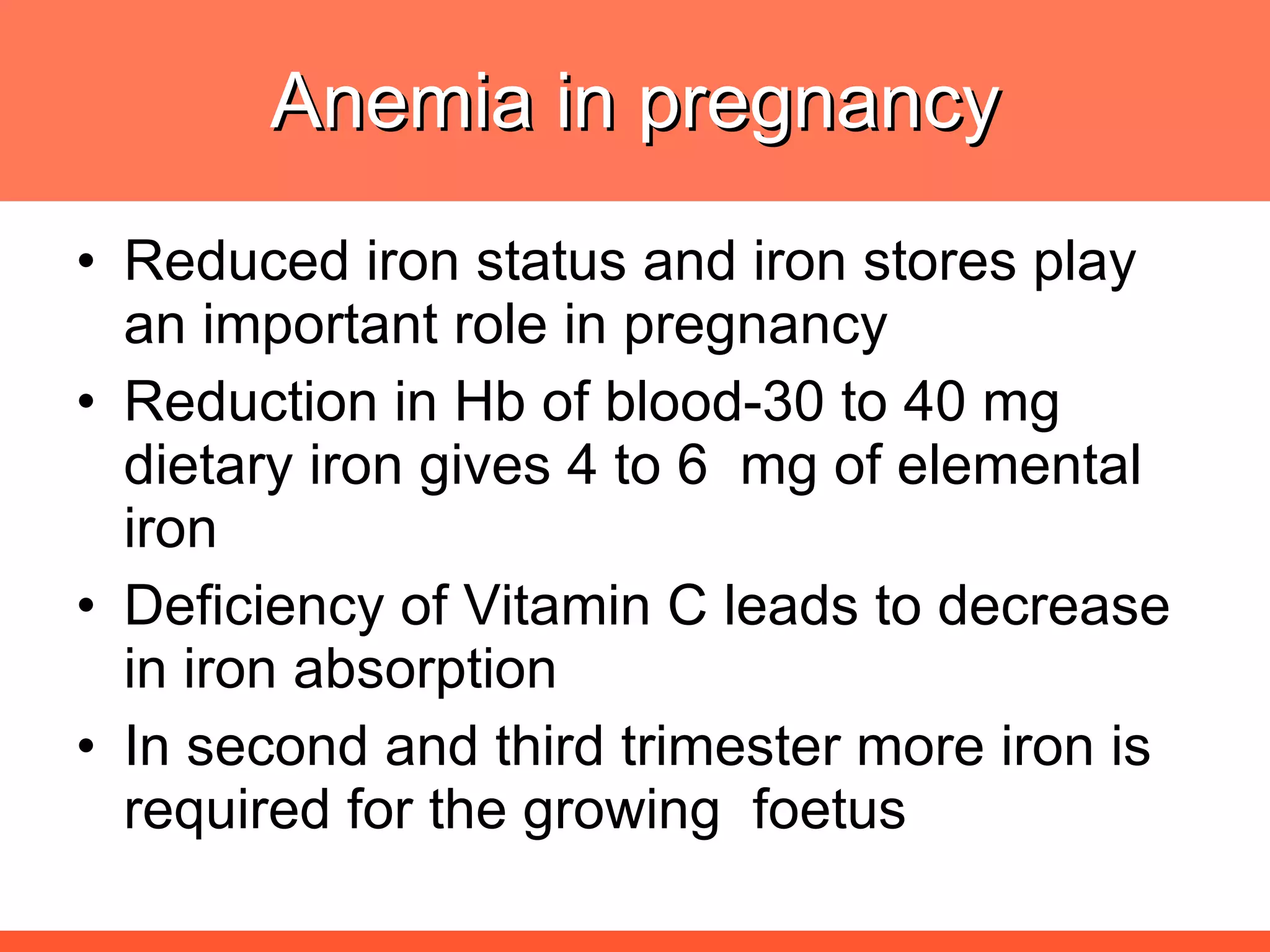
Anemia in pregnancy Reduced iron status and iron stores play an important role in pregnancy Reduction in Hb of blood-30 to 40 mg dietary iron gives 4 to 6  mg of elemental iron Deficiency of Vitamin C leads to decrease in iron absorption In second and third trimester more iron is required for the growing  foetus
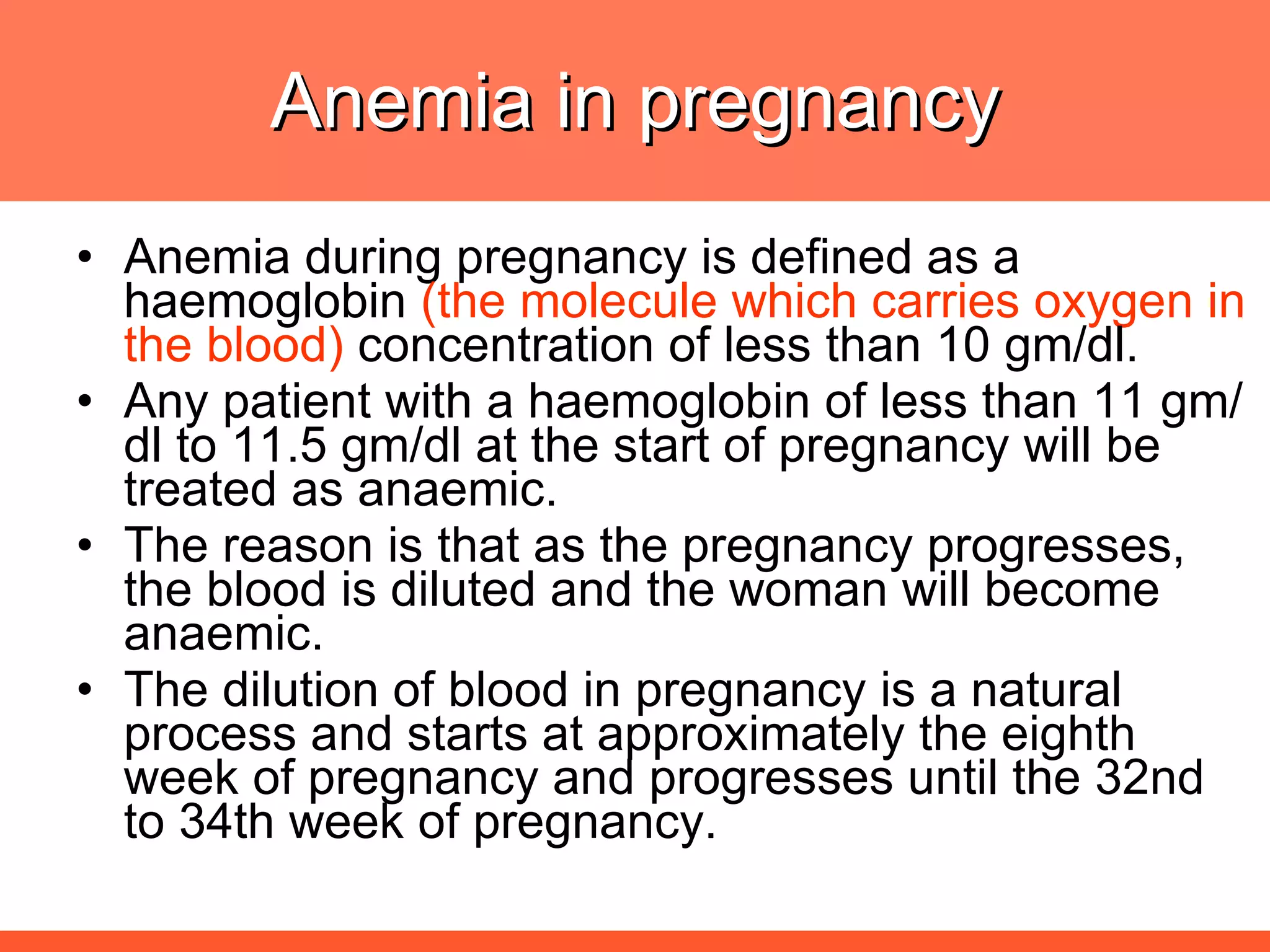
Anemia in pregnancy Anemia during pregnancy is defined as a haemoglobin  (the molecule which carries oxygen in the blood)  concentration of less than 10 gm/dl.  Any patient with a haemoglobin of less than 11 gm/dl to 11.5 gm/dl at the start of pregnancy will be treated as anaemic.  The reason is that as the pregnancy progresses, the blood is diluted and the woman will become anaemic. The dilution of blood in pregnancy is a natural process and starts at approximately the eighth week of pregnancy and progresses until the 32nd to 34th week of pregnancy.
What are the consequences of untreated anemia in pregnancy? Increased fatigue and decreased work performance Impaired thermoregulatory centre Cardiovascular stress Impaired resistance to infection Preterm labour Pre-eclampsia Maternal death
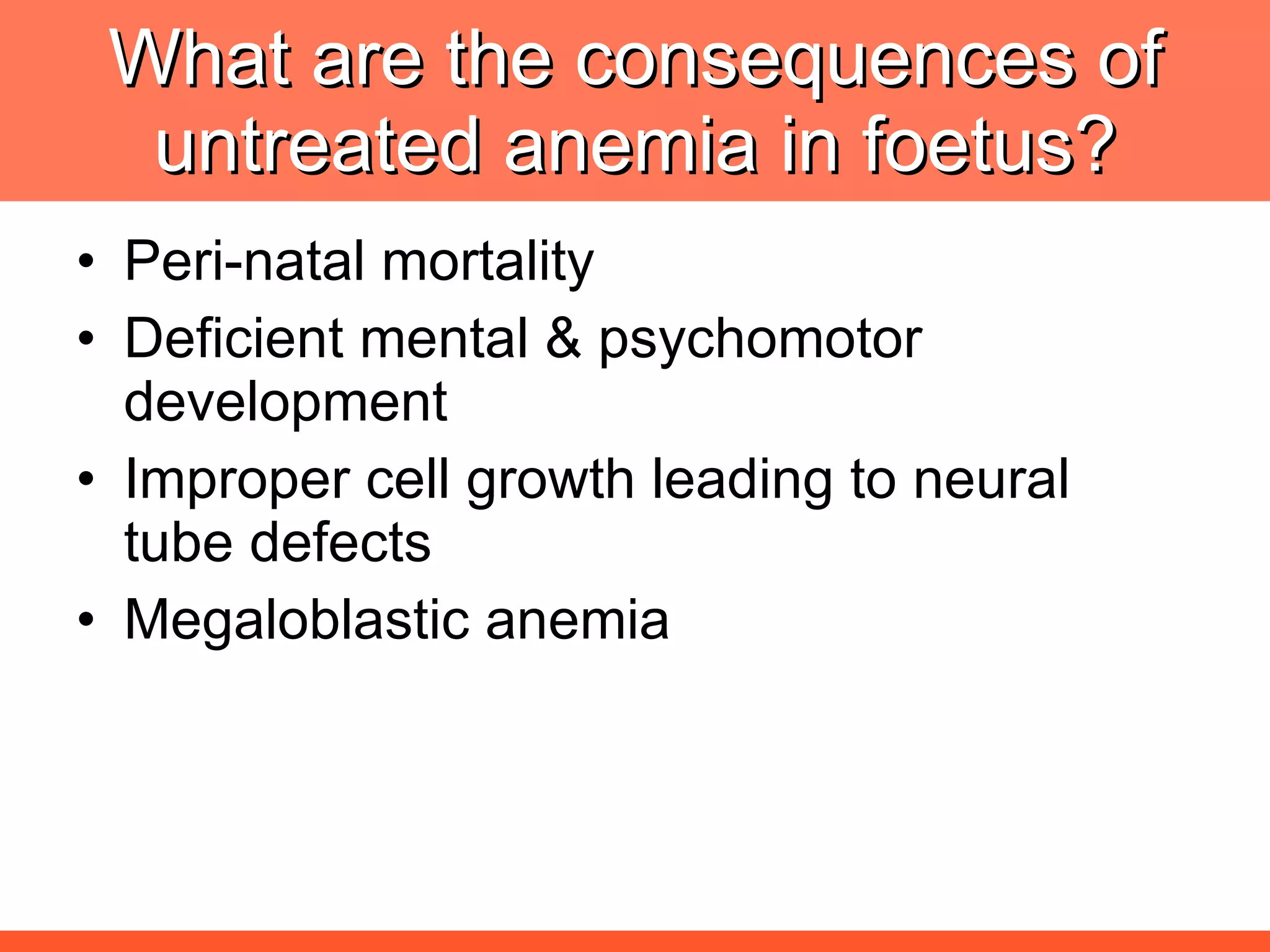
What are the consequences of untreated anemia in foetus? Peri-natal mortality Deficient mental & psychomotor development Improper cell growth leading to neural tube defects Megaloblastic anemia
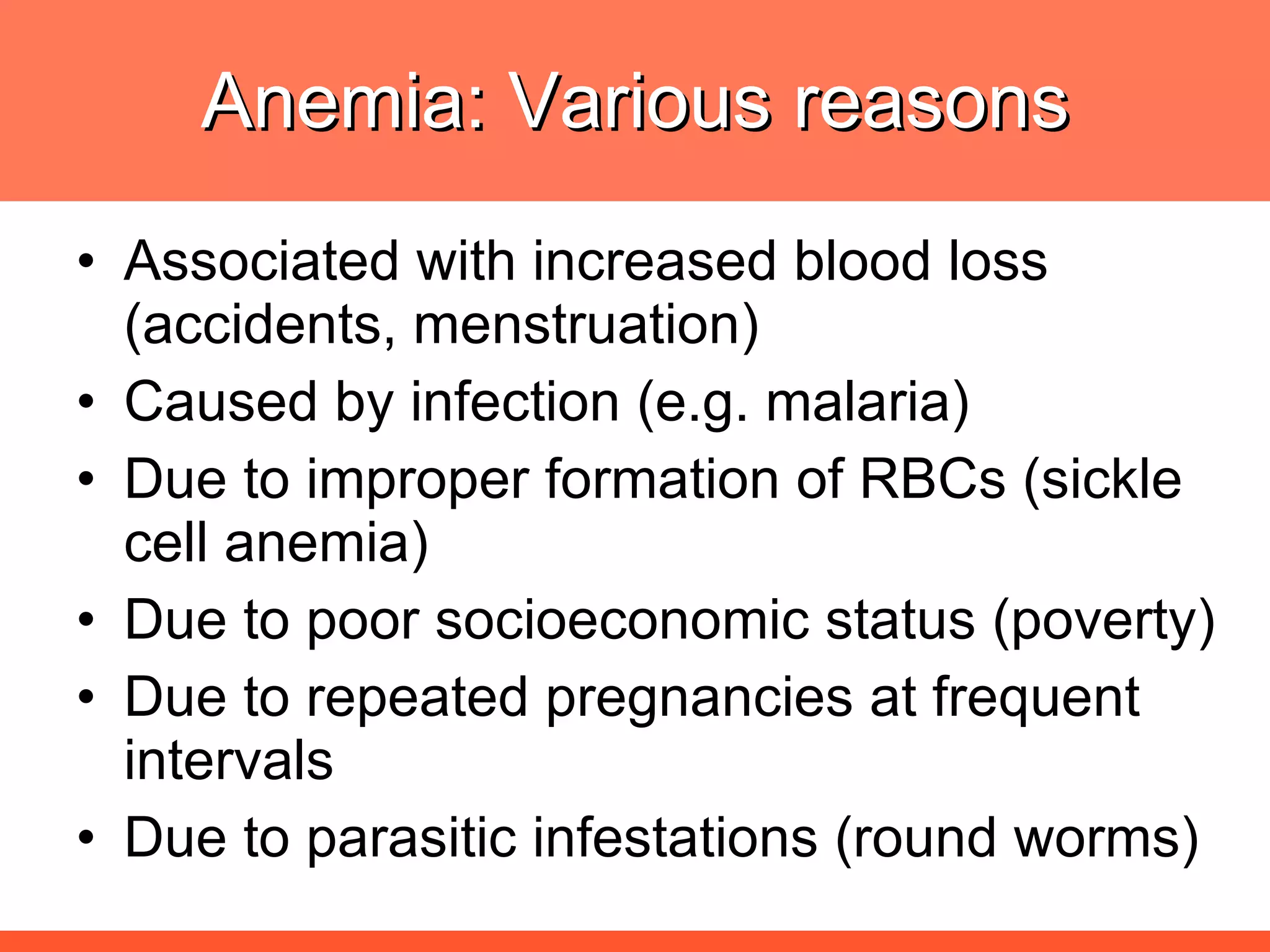
Anemia: Various reasons Associated with increased blood loss (accidents, menstruation) Caused by infection (e.g. malaria) Due to improper formation of RBCs (sickle cell anemia) Due to poor socioeconomic status (poverty) Due to repeated pregnancies at frequent intervals Due to parasitic infestations (round worms)
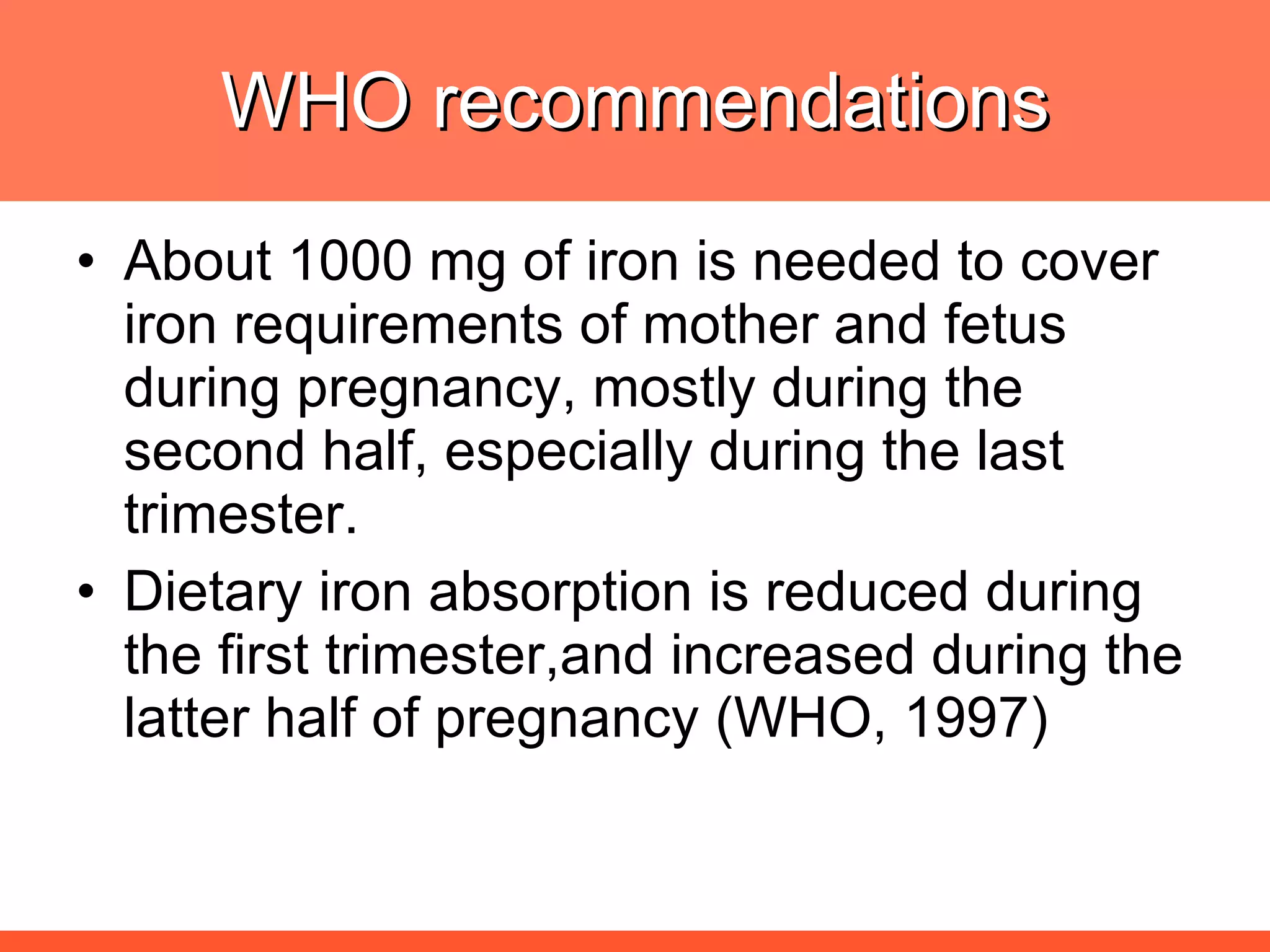
WHO recommendations About 1000 mg of iron is needed to cover iron requirements of mother and fetus during pregnancy, mostly during the second half, especially during the last trimester. Dietary iron absorption is reduced during the first trimester,and increased during the latter half of pregnancy (WHO, 1997)
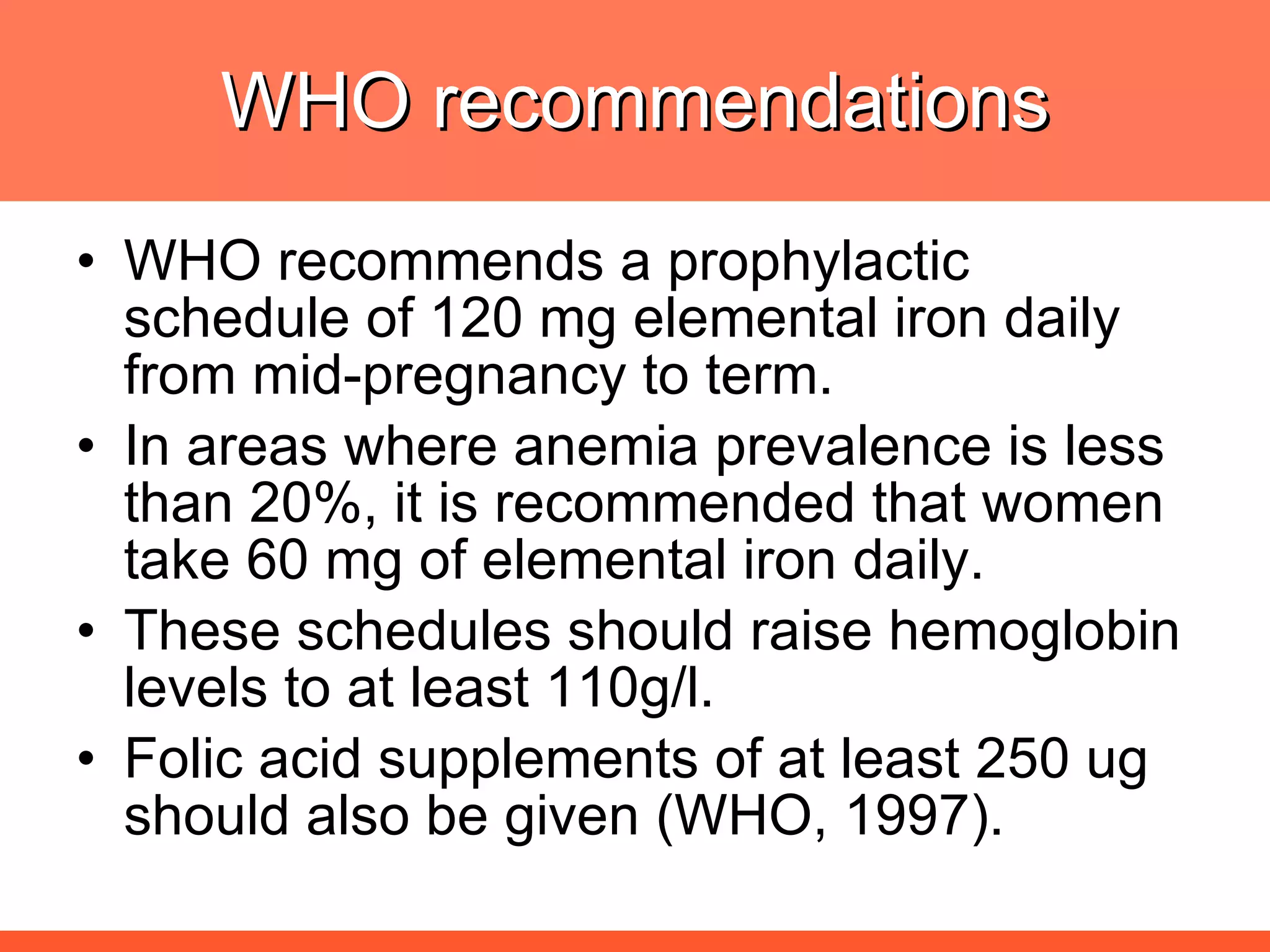
WHO recommendations WHO recommends a prophylactic schedule of 120 mg elemental iron daily from mid-pregnancy to term.  In areas where anemia prevalence is less than 20%, it is recommended that women take 60 mg of elemental iron daily. These schedules should raise hemoglobin levels to at least 110g/l. Folic acid supplements of at least 250 ug should also be given (WHO, 1997).
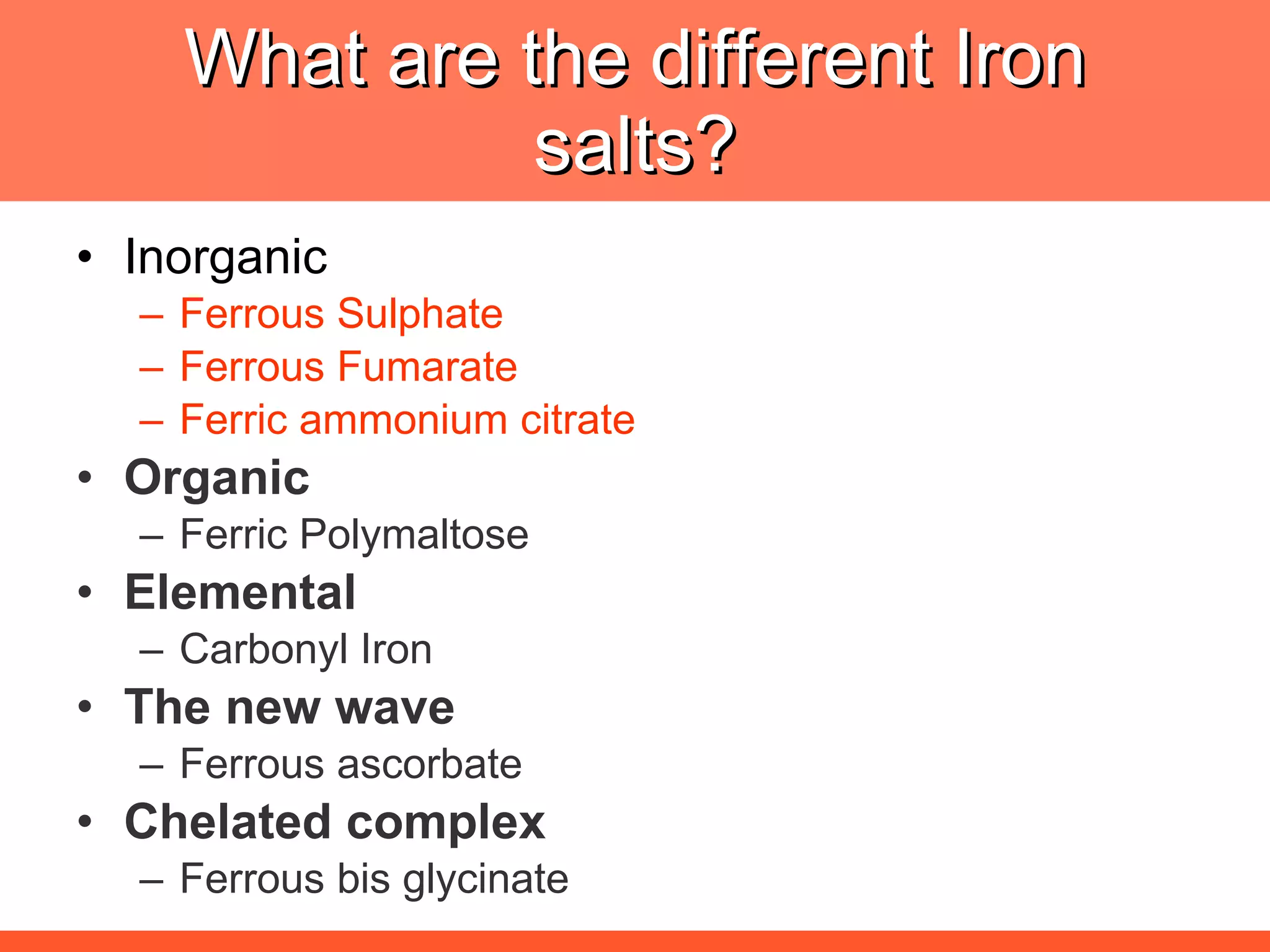
What are the different Iron salts? Inorganic Ferrous Sulphate Ferrous Fumarate Ferric ammonium citrate Organic Ferric Polymaltose Elemental Carbonyl Iron The new wave Ferrous ascorbate Chelated complex Ferrous bis glycinate
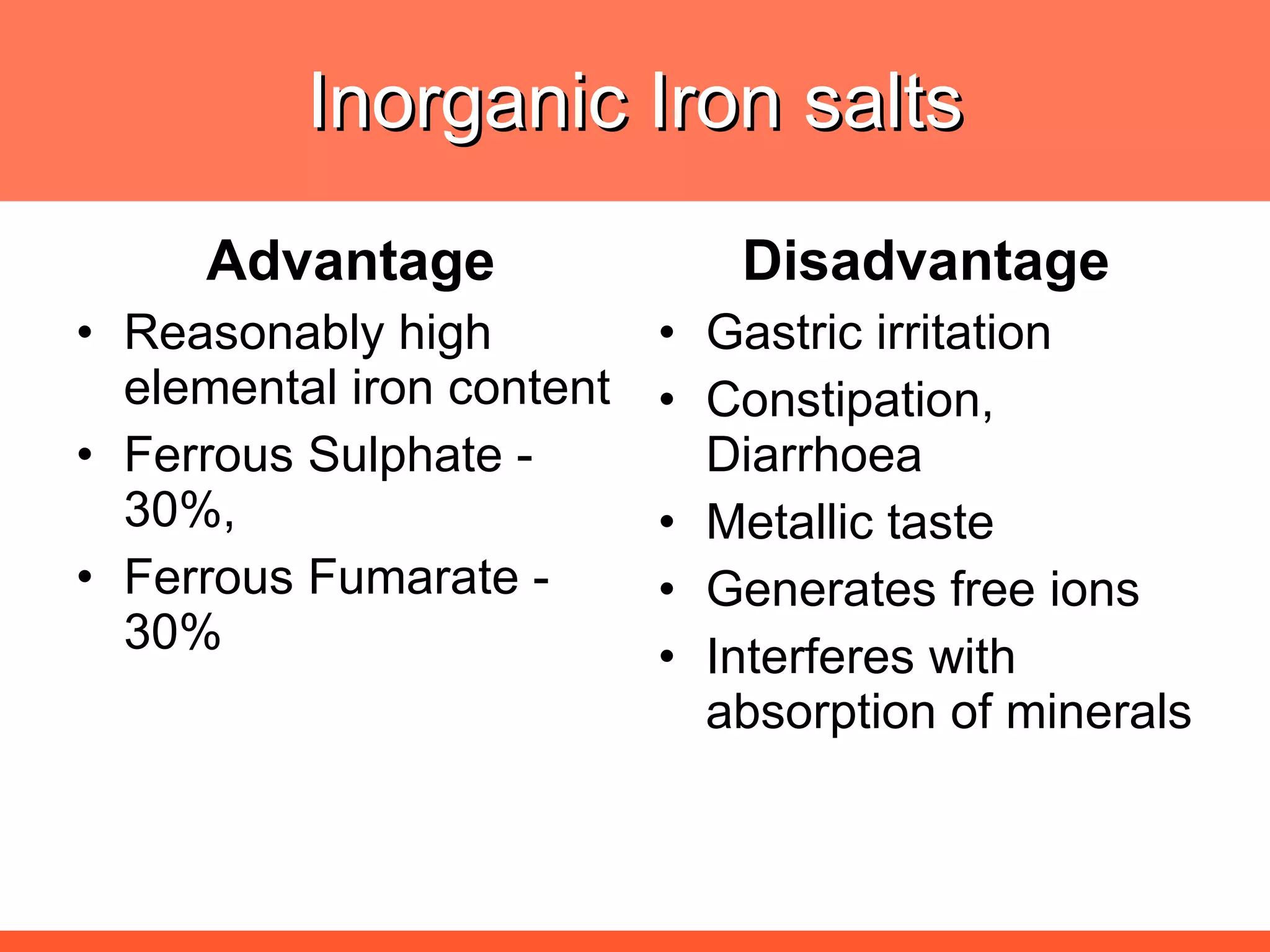
Inorganic Iron salts Advantage Reasonably high  elemental iron content Ferrous Sulphate - 30%,  Ferrous Fumarate - 30% Disadvantage Gastric irritation  Constipation, Diarrhoea Metallic taste Generates free ions Interferes with absorption of minerals
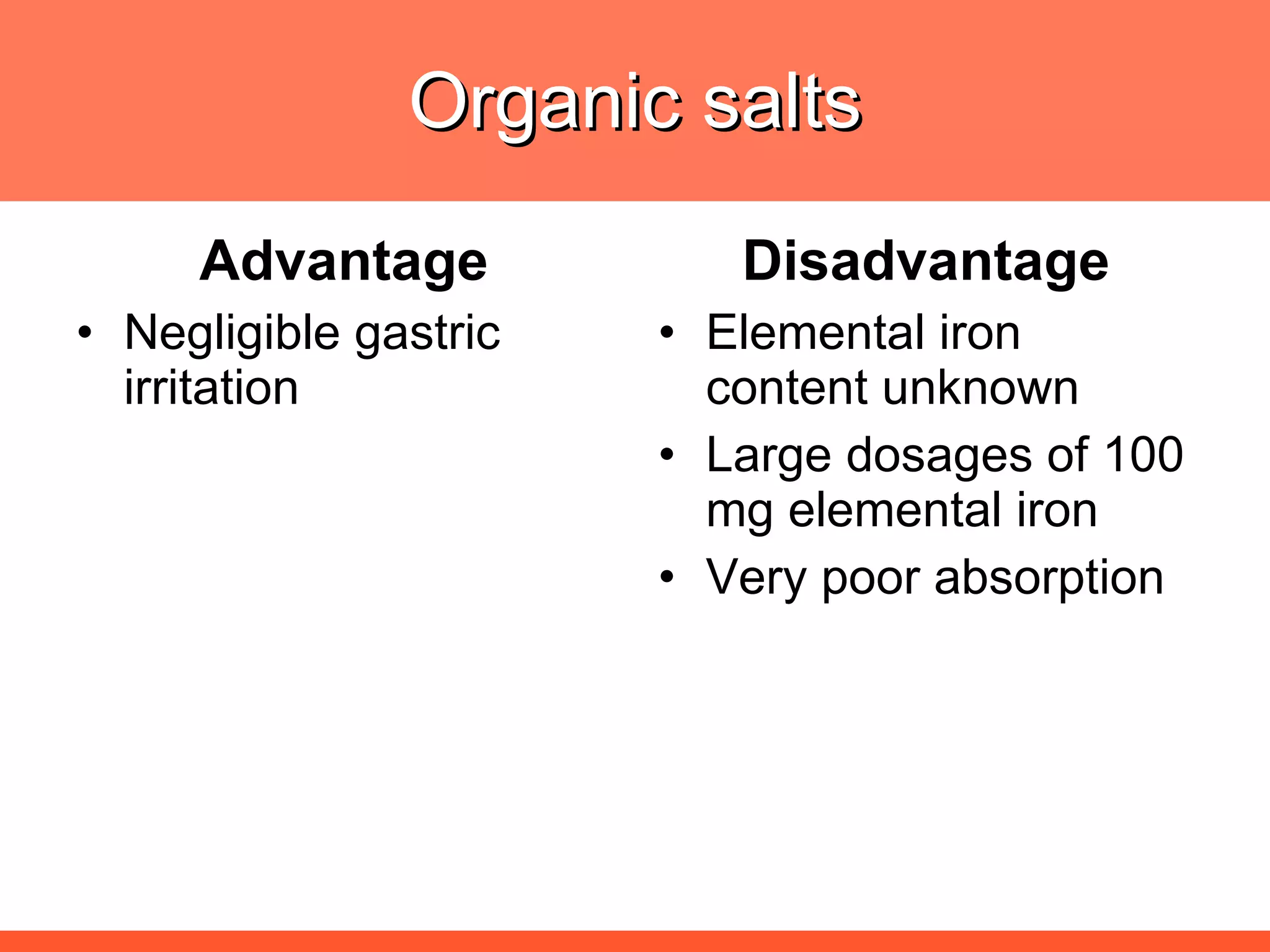
Organic salts Advantage Negligible gastric irritation Disadvantage Elemental iron content unknown Large dosages of 100 mg elemental iron Very poor absorption
Conventional iron preparations: Drawbacks Metallic taste Side effects like abdominal discomfort, bloating, fullness and occasional pain, constipation, nausea, heartburn, diarrhoea, headache, dizziness All this  leads to  patient non-compliance
Newer aspects of Iron supplementation Newer aspects of Iron supplementation
What is known about the problem of IDA? Treatment of IDA involves iron supplementation to take care of the iron deficiency. Any iron salt is good enough Iron may be supplemented with folic acid. But the big question is Is all the administred iron being absorbed or wasted?
What is not known about the problem of IDA? It is thus necessary to understand that adequately supplemented iron in IDA will not necessarily improve the IDA unless adequate attention is given to the bioavailability too and this is a fact often overlooked. To, understand the why and how of this problem; it is essential to understand iron transport and utilization Then, it will be clear why and how can this change the perspective of IDA management
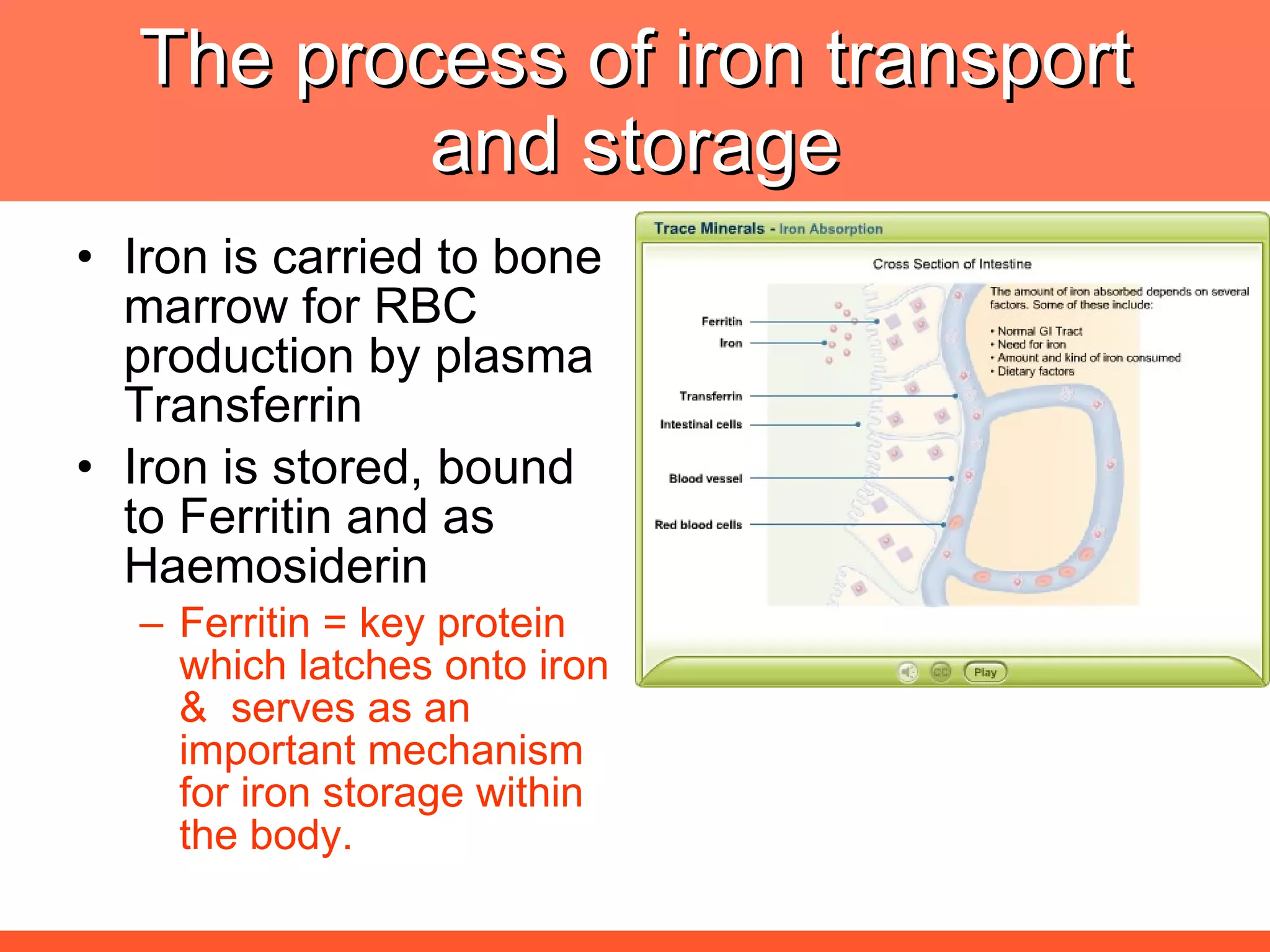
The process of iron transport and storage Iron is carried to bone marrow for RBC production by plasma Transferrin  Iron is stored, bound to Ferritin and as Haemosiderin Ferritin = key protein which latches onto iron &  serves as an important mechanism for iron storage within the body.
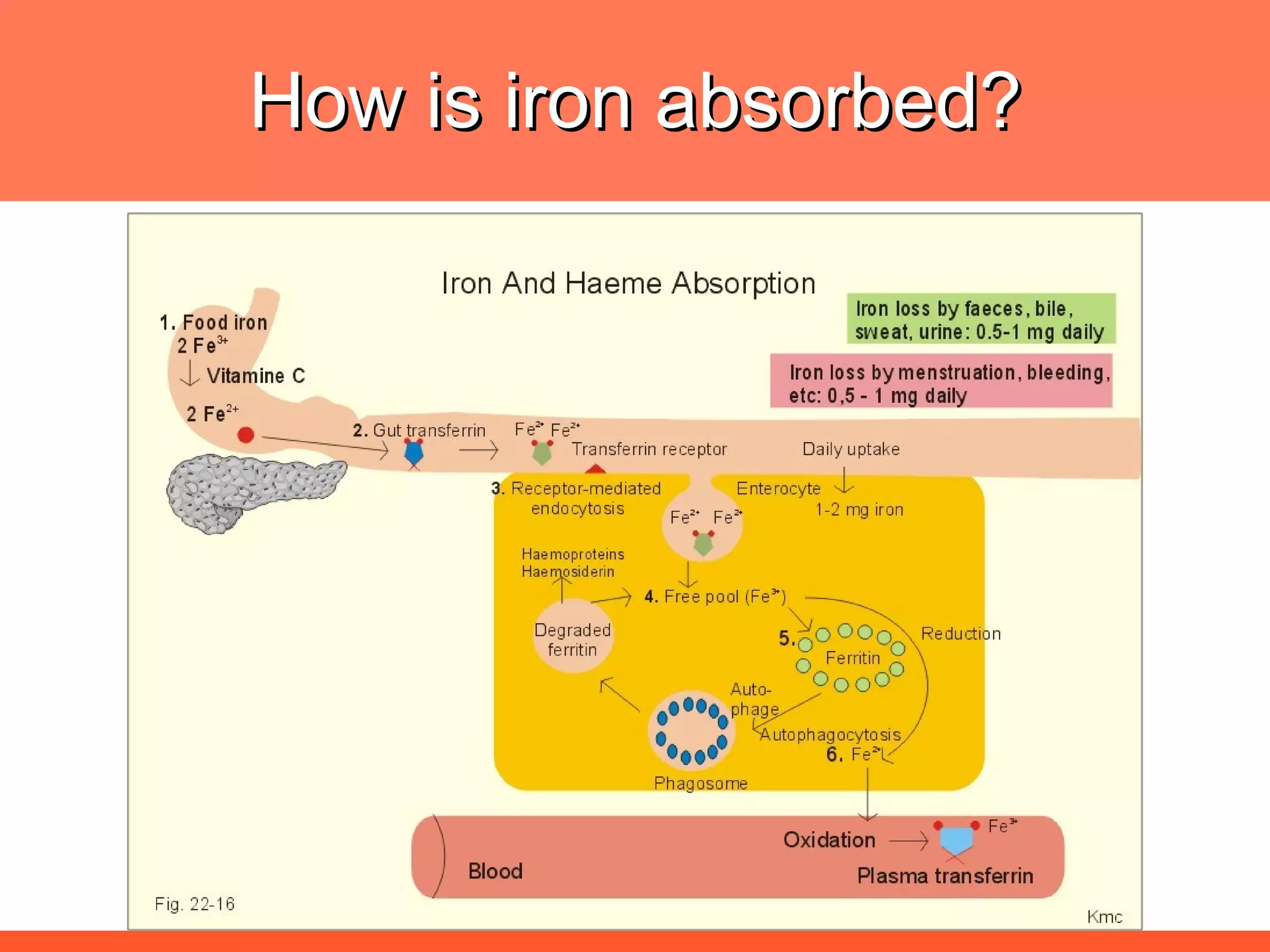
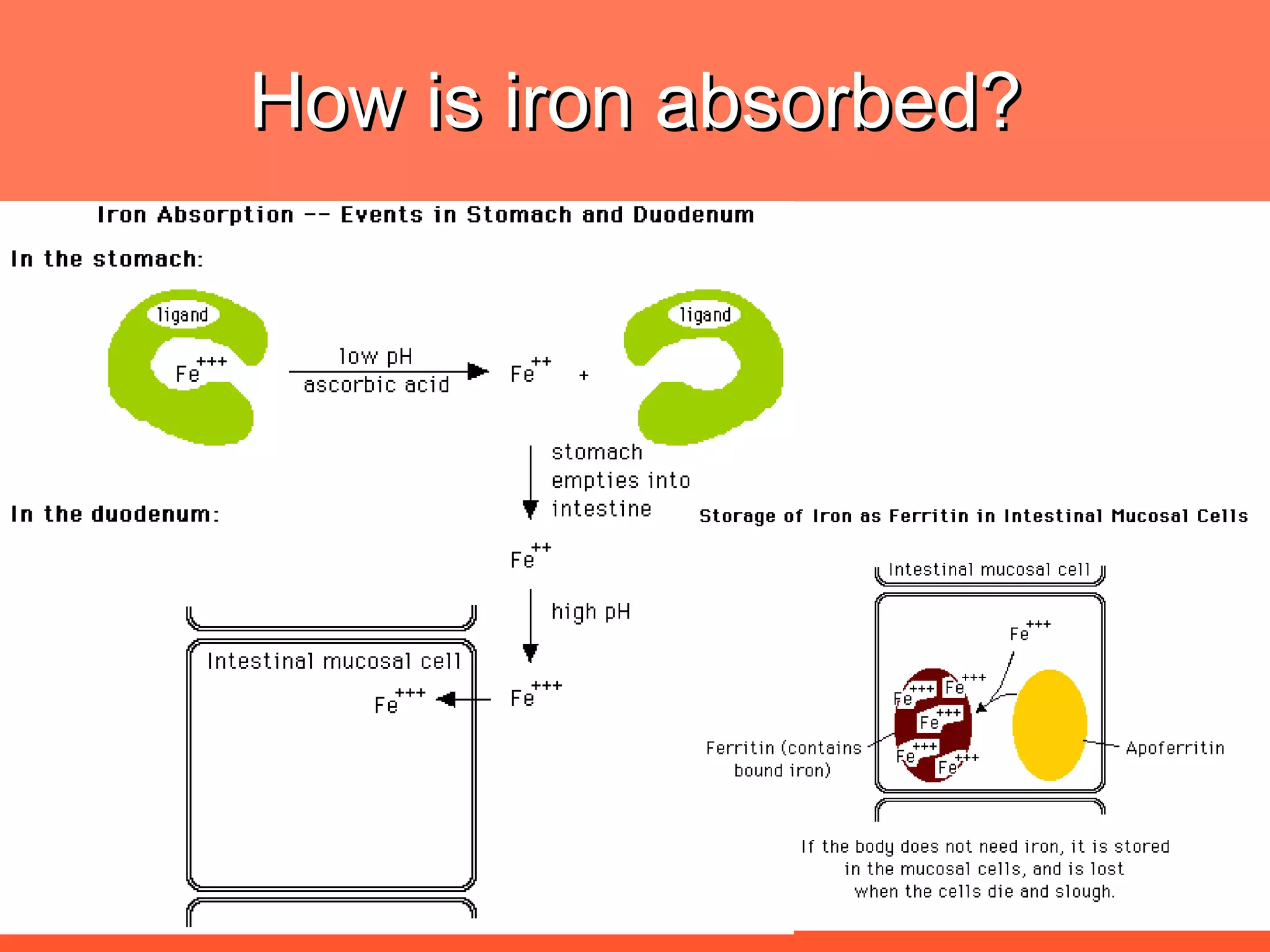
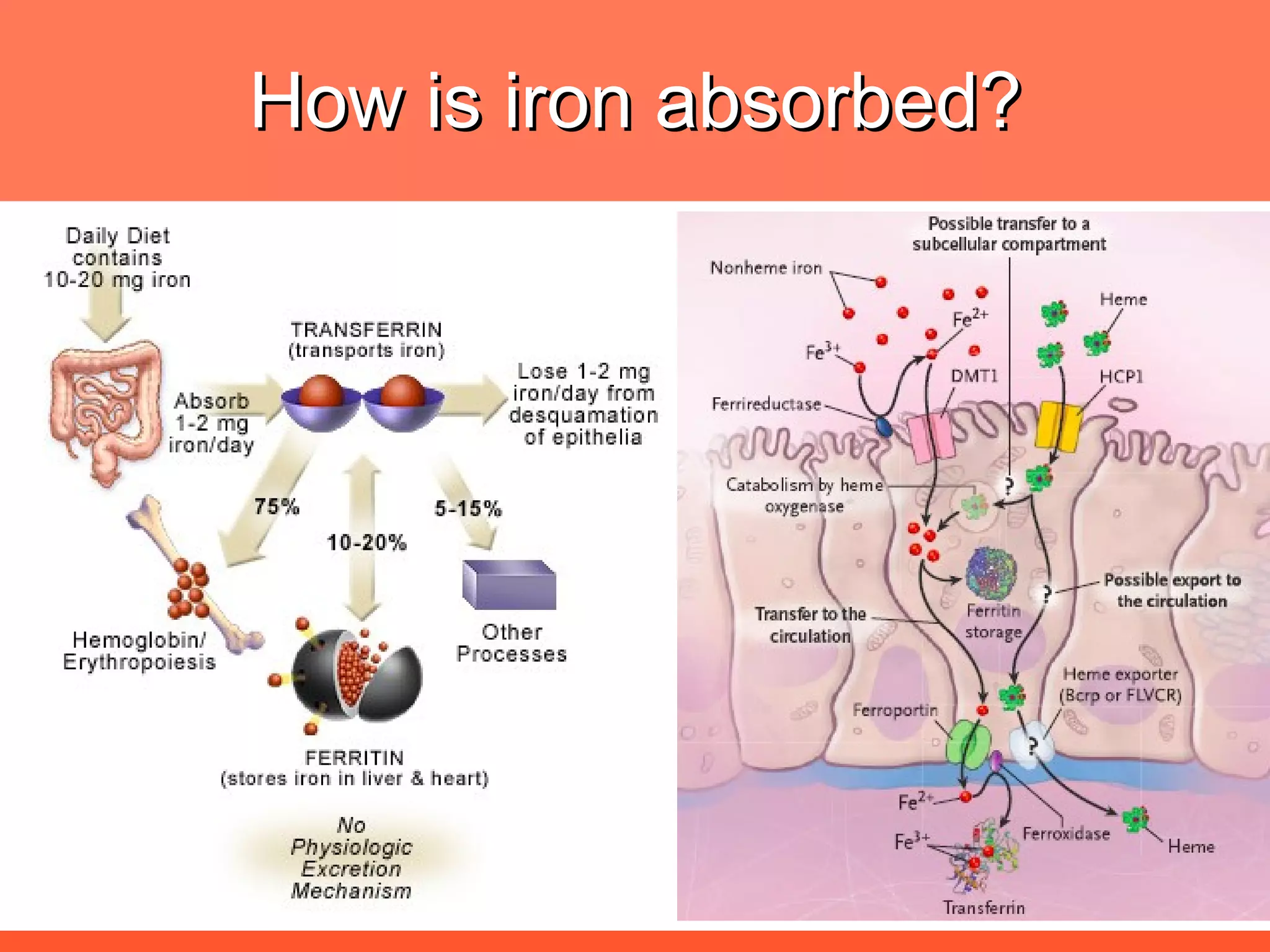
How is iron absorbed? Iron in diet is present in 3 forms  Ferrous form Ferric Form Heme form The first change occurs in the stomach and here ferric iron (III) is reduced to ferrous iron (II), favored by the low pH.  Reducing agents, such as ascorbic acid, assist this process In the alkaline environment of the duodenum,  Free iron (II) ions are oxidized to iron (III), which is taken up by the mucosal cells of the intestine Heme undergoes no change & is absorbed directly by the mucosal cells, within which the iron dissociates.
How is iron absorbed? In the alkaline environment of the duodenum,  Free iron (II) ions are taken up across the enteroctye epithelium by the brush border iron transporter divalent metal transporter 1 (DMT1) which, as its name suggests, transports iron in the ferrous form.  Heme undergoes no change & is absorbed directly by the mucosal cells and within the enterocyte, the iron dissociates.  Iron not transferred to the body for use are oxidized to ferric iron, and incorporated into the iron storage molecule ferritin
How is iron absorbed?
The process of iron utilization and influencing factors This transferred and transported iron is then used to synthesize our oxygen-carrying red pigment: haemoglobin, present inside RBCs. In the synthesis of haemoglobin, there are 2 important facts to be borne in mind : The structure and components of heamoglobin The factors influencing - The incorporation of haemoglobin into the RBCs, & The maturation of the RBCs
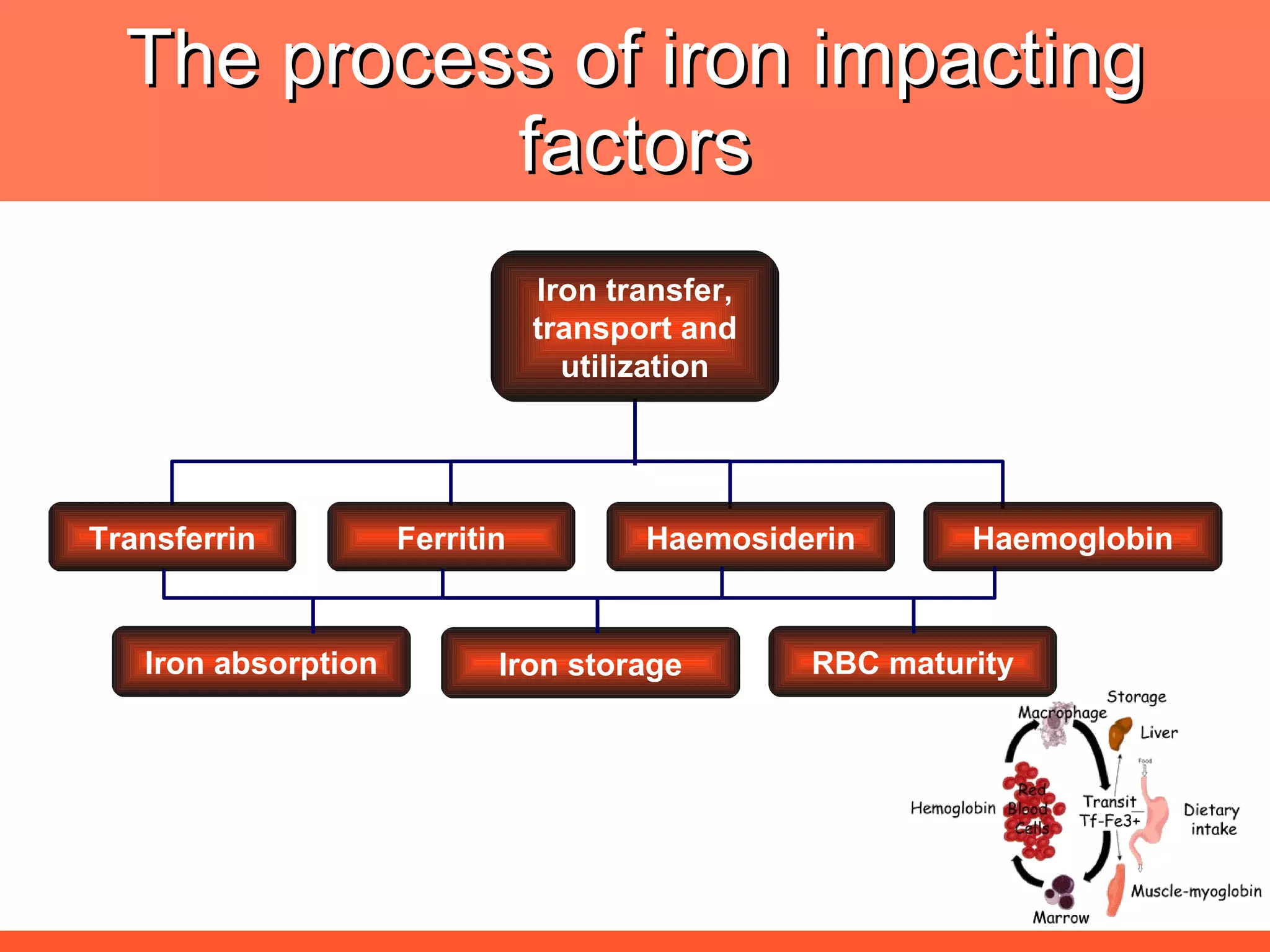
The process of iron impacting factors Transferrin Ferritin Haemoglobin Haemosiderin Iron absorption Iron storage RBC maturity Iron transfer, transport and utilization
The needs for efficient iron deficiency management Thus, an ideal approach in impacting [IDA] iron deficiency anaemia is one with multiple interventions that will affect: Efficient synthesis and functioning of the transport proteins Efficient synthesis of haemoglobin [Hb] Efficient maturation of the RBCs Efficient Hb synthesis demands in addition to iron; factors that affect iron transport/storage,  Hb synthesis & RBC maturity process
The different important messengers in iron metabolism Oxygen carriers in blood haemoglobin Oxygen storage Myoglobin Iron absorpber Apotransferrin Iron transporter in plasma Ferritin
Transferrin Protein of MW 77,000, synthesised in the liver. Each molecule binds can bind two Fe3+ molecules (oxidised) Usually about 30% saturated with Fe. Measured in blood as a marker of iron status  and is known as TIBC (total iron binding capacity).
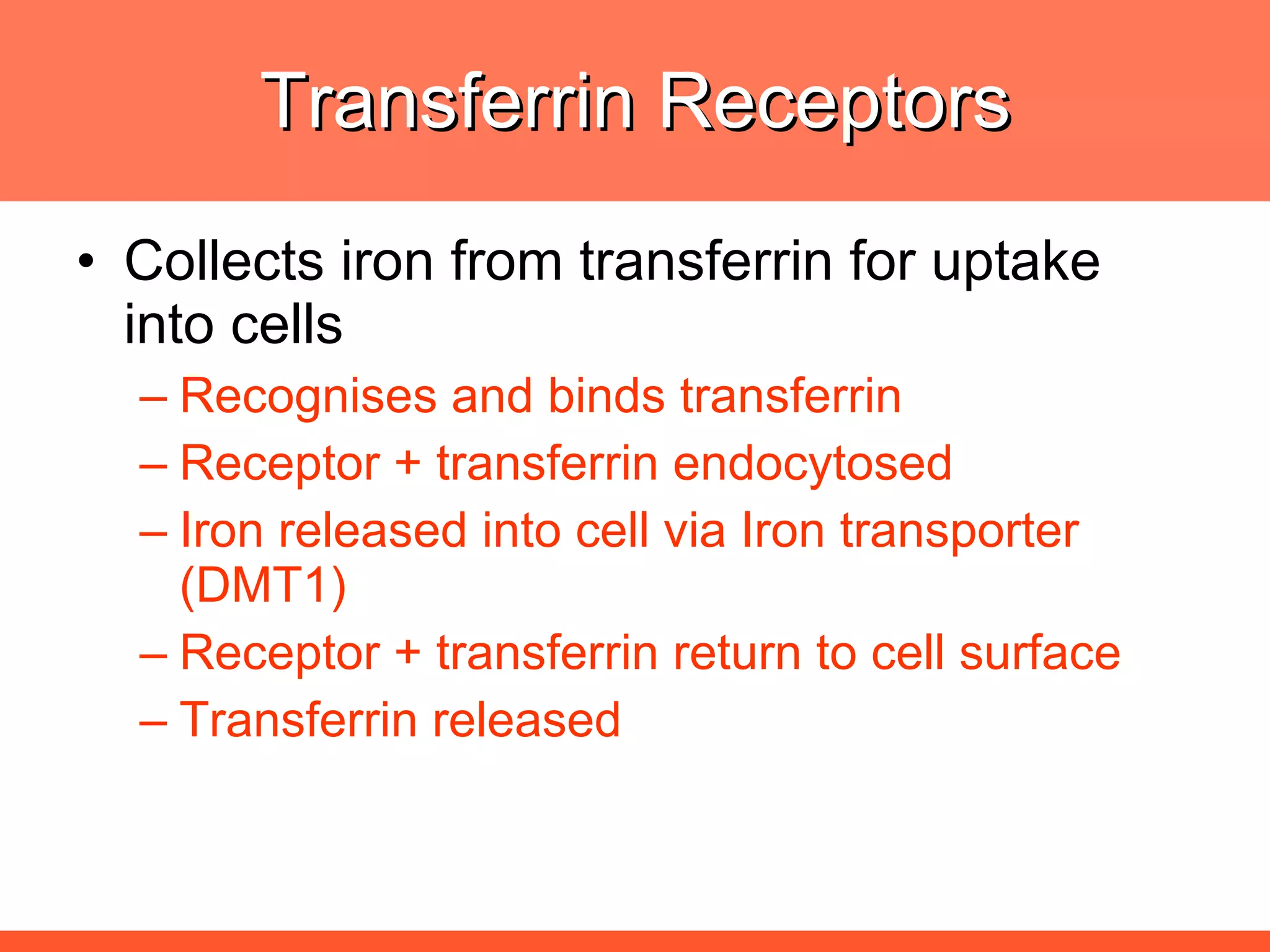
Transferrin Receptors Collects iron from transferrin for uptake into cells Recognises and binds transferrin Receptor + transferrin endocytosed Iron released into cell via Iron transporter (DMT1) Receptor + transferrin return to cell surface Transferrin released
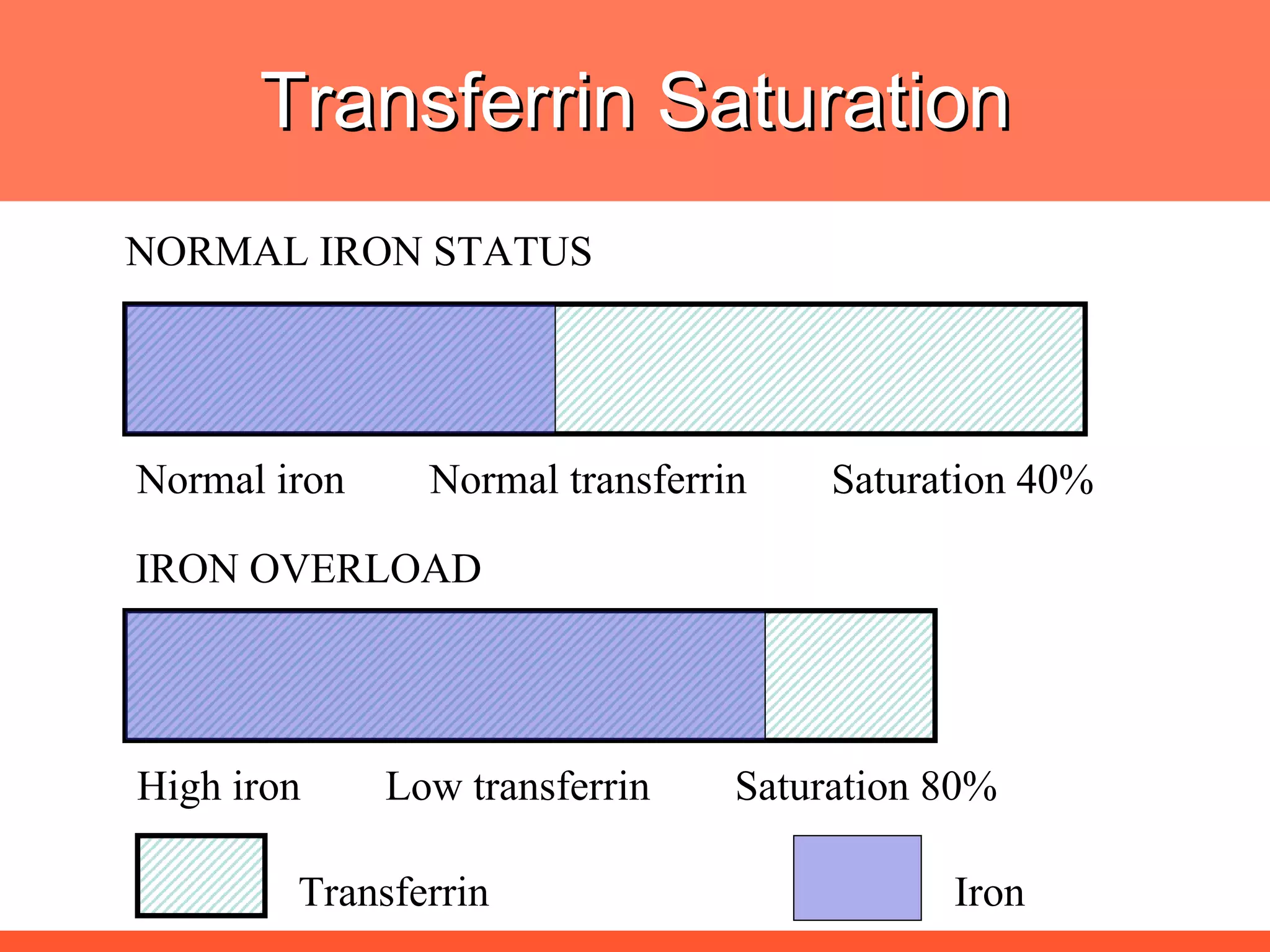
Transferrin Saturation Normal iron  Normal transferrin  Saturation 40% High iron  Low transferrin  Saturation 80% Transferrin Iron IRON OVERLOAD NORMAL IRON STATUS
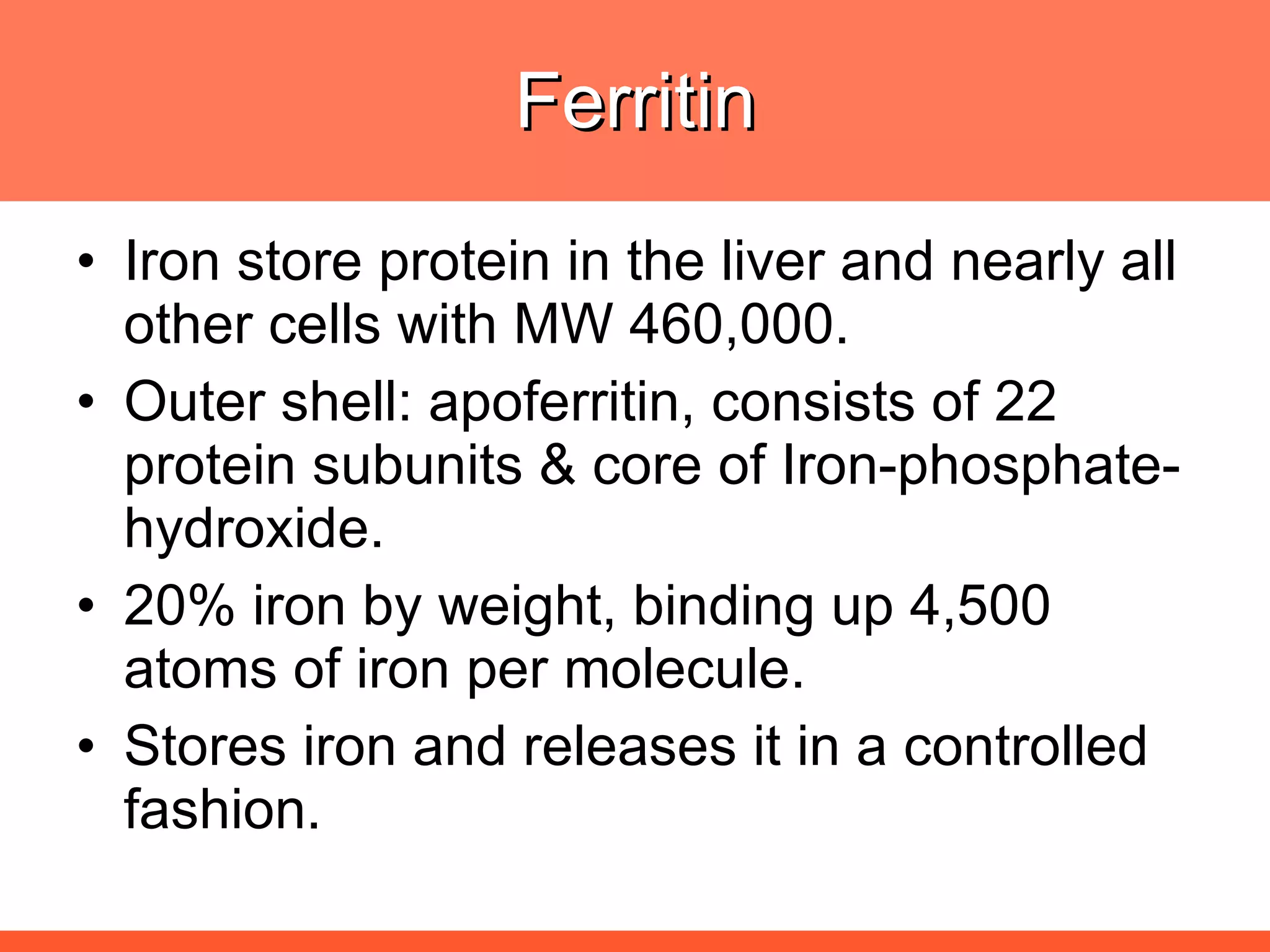
Ferritin Iron store protein in the liver and nearly all other cells with MW 460,000.  Outer shell: apoferritin, consists of 22 protein subunits & core of Iron-phosphate-hydroxide.  20% iron by weight, binding up 4,500 atoms of iron per molecule.  Stores iron and releases it in a controlled fashion.
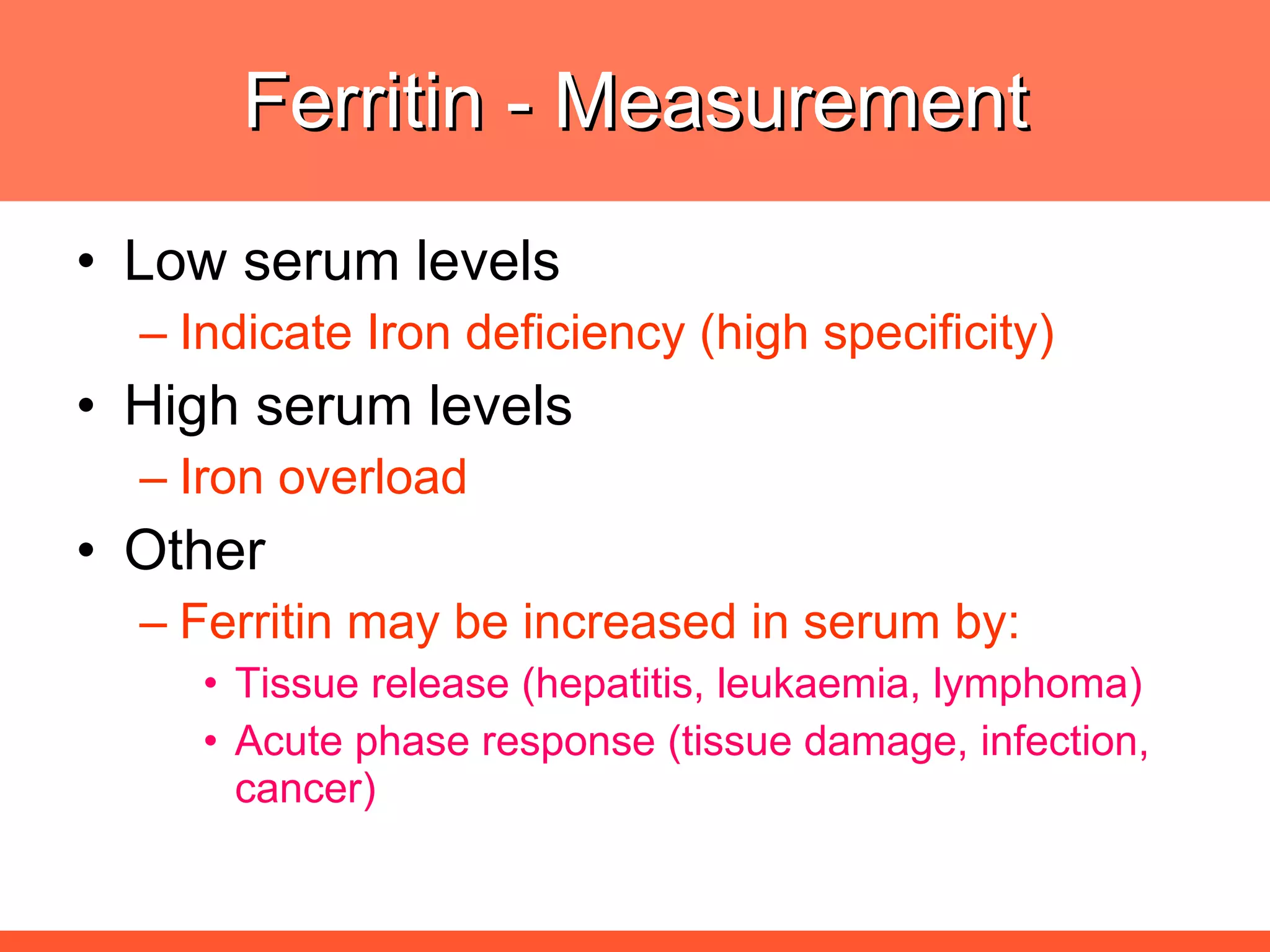
Ferritin - Measurement Low serum levels  Indicate Iron deficiency (high specificity) High serum levels Iron overload Other  Ferritin may be increased in serum by: Tissue release (hepatitis, leukaemia, lymphoma) Acute phase response (tissue damage, infection, cancer)
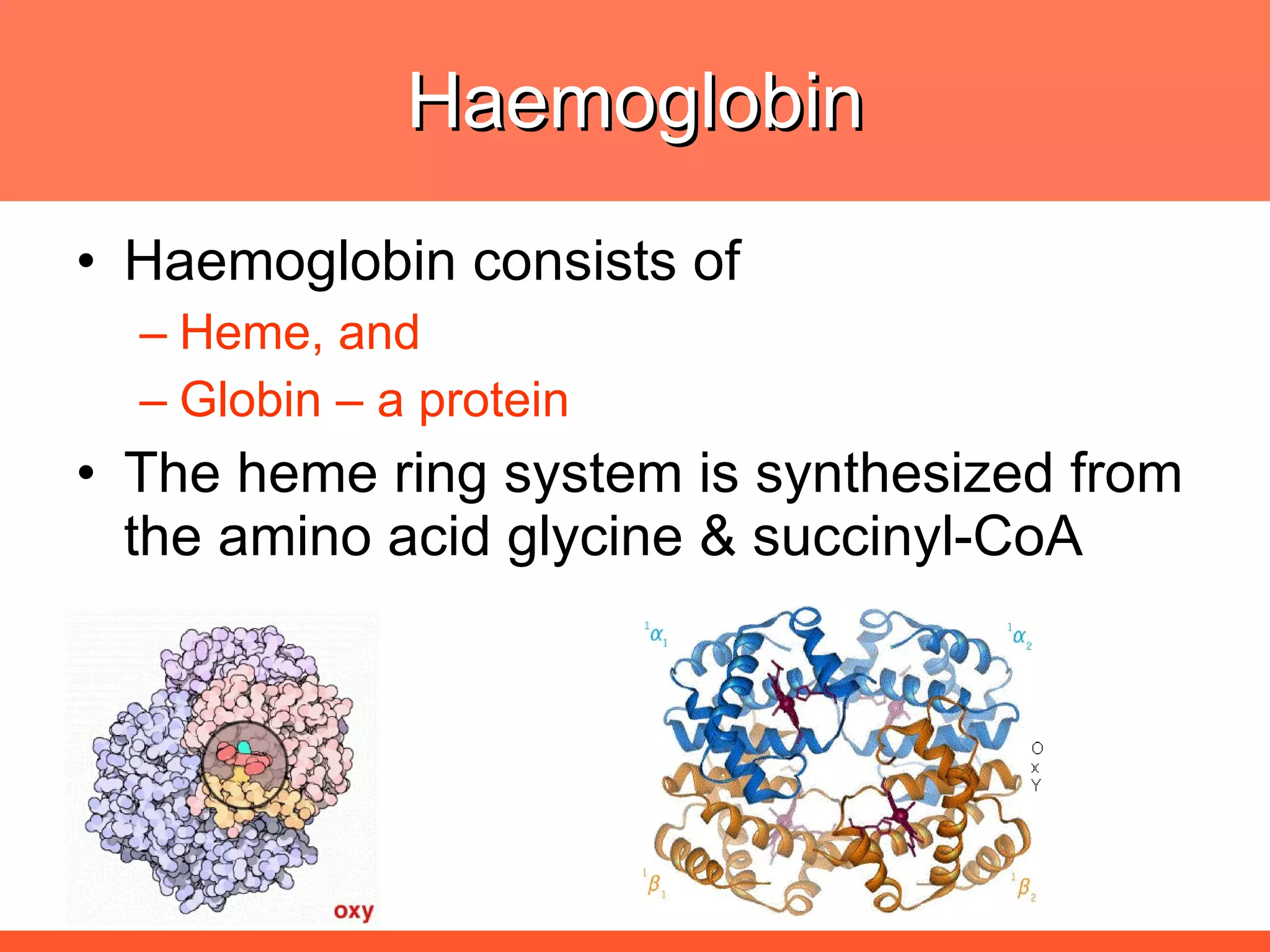
Haemoglobin Haemoglobin consists of  Heme, and  Globin – a protein The heme ring system is synthesized from the amino acid glycine & succinyl-CoA
The ideal supplements needed for needs for IDA therapy Thus, for efficient synthesis of Hb in IDA, there is a need to not only provide iron but also proteins, along with vitamin B6, B12, folic acid and the critical element zinc  Only when all these are provided for haemopoiesis, the deficiencies that affect iron transport & storage, Hb synthesis, RBC maturity can be countered effectively.
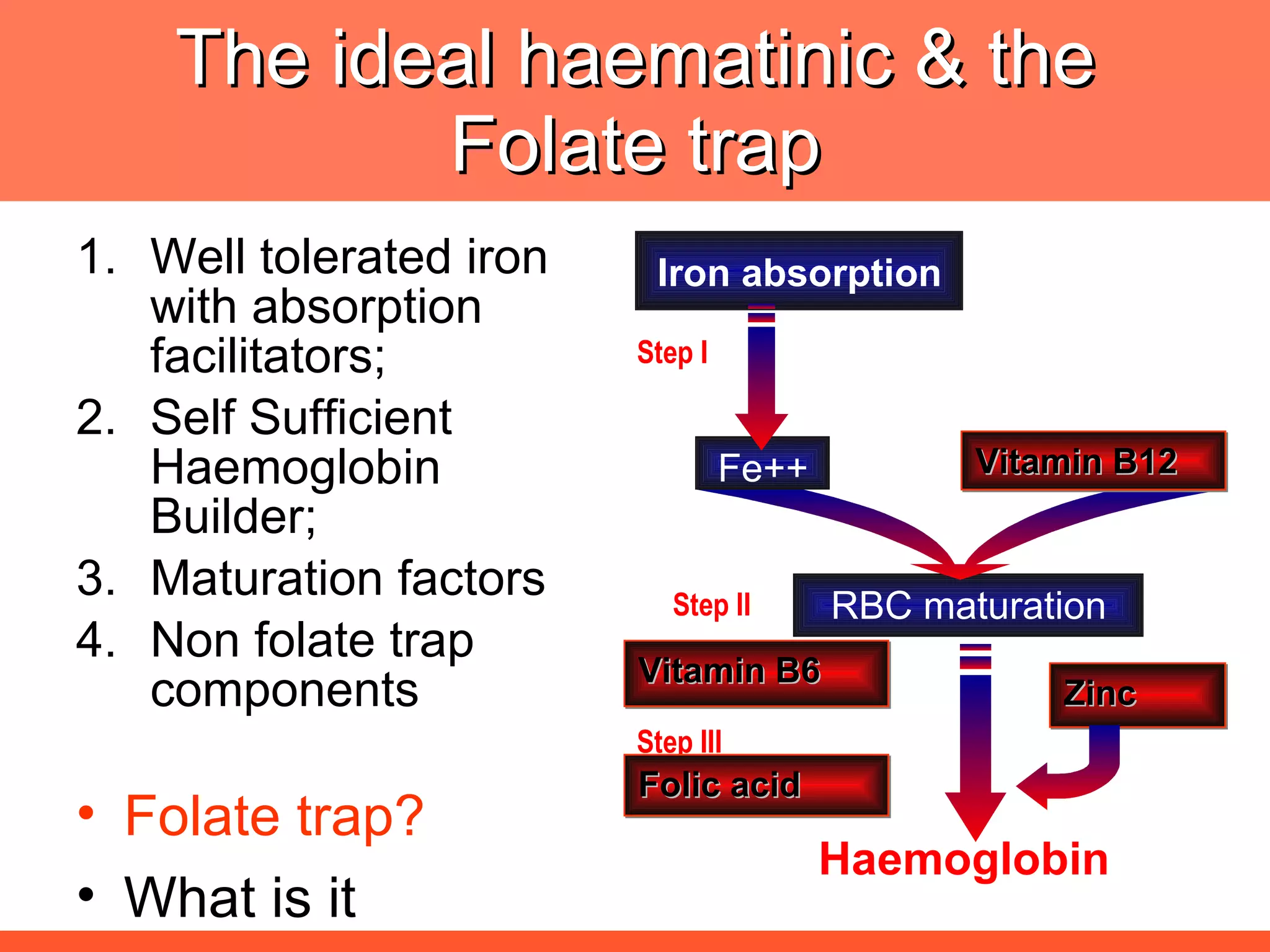
The ideal haematinic Well tolerated iron with absorption facilitators [Vit, C] and performance enhancers [protein]; Maturation factors [Vit B6, Vit. B12, Folic acid] Non folate trap components Self Sufficient Haemoglobin Builder; Folate trap? What is it
The ideal haematinic & the Folate trap Well tolerated iron with absorption facilitators; Self Sufficient Haemoglobin Builder; Maturation factors Non folate trap components  Folate trap? What is it RBC maturation Iron absorption Haemoglobin Fe++ Step I Step II Step III Vitamin B12 Folic acid Vitamin B6 Zinc

Anemia tech slides

  • 1.
    Training slides onanaemia Dr. B. K. Iyer
  • 2.
    Blood A fluidconnective tissue In an average healthy adult, the volume of blood is one-eleventh of the body weight, or between 4.5 and 6 liters
  • 3.
    Functions of BloodTransports gases (O2 and CO2) Transports chemical substances, oxygen, nutrients to body cells Protects body against infections Transports enzymes and hormones Regulates body temperature Maintains water and electrolyte balance Maintains acid-base equilibrium
  • 4.
    Blood Blood Cells(45%) Plasma (55%) Water 90% Protein 8% Salts 0.9% (NaCl, NaCO 3 , Ca & Mg salts) RBC - Erythrocytes WBC - Leukocytes Platelets - Thrombocytes Traces of organic materials like glucose, fats, uric acid, urea, creatinine, creatine, ammonia, amino acids etc . Composed of 2 parts
  • 5.
    Blood and itsfunctions
  • 6.
    Red Blood CellsThe red blood cells (RBCs) are small, circular biconcave discs, non-nucleated (in human beings) Also called as erythrocytes An outer envelope (stroma) encloses a mass of haemoglobin Single cells are pale buff colored but masses appear red .
  • 7.
    The normal RBCcount in human beings: 5 million/cubic mm of blood. Average life: 120 days. After this period, they are disintegrated in spleen and destroyed in liver.
  • 8.
    Stages in theformation of RBC
  • 9.
    Haemoglobin A complexiron rich protein that has an affinity for O2 forming oxyhaemoglobin Amount of Hb: 15 g per 100 ml This amount is usually called 100% Consists of 2 parts: globin-a simple protein 96% and haem-an iron containing pigment 4% Normal Hb values: 13-14 g / 100 ml for males and 11-12 g / 100 ml for females
  • 10.
    Anemia A conditionin which there is a reduction in the number of RBCs a reduction in haemoglobin (Hb) a reduction in the volume of packed RBC/100 ml of blood In Iron Deficiency Anemia, the amount of Hb is diminished. In severe cases it may fall below 30% (5g / 100 ml). Patients have symptoms like breathlessness because of O2 deficiency.
  • 11.
    Iron deficiency anemia(IDA) Occurs because of a lack of the mineral iron in the body. The bone marrow (in the center of the bone) needs iron to make hemoglobin. Without adequate iron, the body cannot produce enough hemoglobin for red blood cells.
  • 12.
    The total ironcontent in the body The amount of iron present in the body varies with the body size, age and sex of the individual. 2 g to 5 g in average adult 4 g average in the adult male 2.5 g average in the adult female
  • 13.
    Iron Deficiency Anemia:Causes An iron-poor diet especially in infants, children, teens and vegetarians The metabolic demands of pregnancy and breastfeeding Menstruation Digestive conditions such as Crohn's disease which result in insufficient absorption of iron in the body Blood loss – post surgery / cancers
  • 14.
    What are thecauses of Anemia? Decreased iron intake Decreased iron absorption Decreased Vitamin B12, Folic acid & Protein Decreased RBC production Faulty RBC production Destruction of RBC by free radicals Increased demand of RBC as in pregnancy Blood loss Note - Decreased iron intake & increased demand of RBC as in pregnancy are the most common cause of Anemia
  • 15.
    Symptoms Fatigue Shortnessof breath (because of O2 deficiency) An inability to exercise Iron deficiency may produce its own symptoms, such as pica (craving for non foods such as ice, dirt or pure starch),tongue irritation (glossitis), and cracks at the sides of the mouth (cheilosis) and in the fingernails, which have a spoonlike deformity .
  • 16.
    How does IDAdevelop? Iron deficiency anemia usually develops gradually, in stages.Symptoms develop in the later stages. Stage 1 Iron loss exceeds intake, depleting iron reserves, primarily in bone marrow. Blood levels of ferritin (a protein that stores iron) progressively decrease.
  • 17.
    Stage 2 Stage2 Because depleted iron reserves can't meet the needs of developing red blood cells, fewer red blood cells are produced.
  • 18.
    Stage 3 Stage3 Anaemia begins to develop. Early in this stage, the red blood cells appear normal, but there are fewer of them. Hemoglobin levels and hematocrit are reduced.
  • 19.
    Stage 4 Stage4 The bone marrow tries to compensate for the lack of iron by speeding up cell division and producing very small (microcytic) red blood cells, which are typical of iron deficiency anemia.
  • 20.
    Stage 5 Stage5 As iron deficiency and anemia progress, the symptoms of iron deficiency may develop and symptoms of anemia worsen.
  • 21.
    Anemia in pregnancyReduced iron status and iron stores play an important role in pregnancy Reduction in Hb of blood-30 to 40 mg dietary iron gives 4 to 6 mg of elemental iron Deficiency of Vitamin C leads to decrease in iron absorption In second and third trimester more iron is required for the growing foetus
  • 22.
    Anemia in pregnancyAnemia during pregnancy is defined as a haemoglobin (the molecule which carries oxygen in the blood) concentration of less than 10 gm/dl. Any patient with a haemoglobin of less than 11 gm/dl to 11.5 gm/dl at the start of pregnancy will be treated as anaemic. The reason is that as the pregnancy progresses, the blood is diluted and the woman will become anaemic. The dilution of blood in pregnancy is a natural process and starts at approximately the eighth week of pregnancy and progresses until the 32nd to 34th week of pregnancy.
  • 23.
    What are theconsequences of untreated anemia in pregnancy? Increased fatigue and decreased work performance Impaired thermoregulatory centre Cardiovascular stress Impaired resistance to infection Preterm labour Pre-eclampsia Maternal death
  • 24.
    What are theconsequences of untreated anemia in foetus? Peri-natal mortality Deficient mental & psychomotor development Improper cell growth leading to neural tube defects Megaloblastic anemia
  • 25.
    Anemia: Various reasonsAssociated with increased blood loss (accidents, menstruation) Caused by infection (e.g. malaria) Due to improper formation of RBCs (sickle cell anemia) Due to poor socioeconomic status (poverty) Due to repeated pregnancies at frequent intervals Due to parasitic infestations (round worms)
  • 26.
    WHO recommendations About1000 mg of iron is needed to cover iron requirements of mother and fetus during pregnancy, mostly during the second half, especially during the last trimester. Dietary iron absorption is reduced during the first trimester,and increased during the latter half of pregnancy (WHO, 1997)
  • 27.
    WHO recommendations WHOrecommends a prophylactic schedule of 120 mg elemental iron daily from mid-pregnancy to term. In areas where anemia prevalence is less than 20%, it is recommended that women take 60 mg of elemental iron daily. These schedules should raise hemoglobin levels to at least 110g/l. Folic acid supplements of at least 250 ug should also be given (WHO, 1997).
  • 28.
    What are thedifferent Iron salts? Inorganic Ferrous Sulphate Ferrous Fumarate Ferric ammonium citrate Organic Ferric Polymaltose Elemental Carbonyl Iron The new wave Ferrous ascorbate Chelated complex Ferrous bis glycinate
  • 29.
    Inorganic Iron saltsAdvantage Reasonably high elemental iron content Ferrous Sulphate - 30%, Ferrous Fumarate - 30% Disadvantage Gastric irritation Constipation, Diarrhoea Metallic taste Generates free ions Interferes with absorption of minerals
  • 30.
    Organic salts AdvantageNegligible gastric irritation Disadvantage Elemental iron content unknown Large dosages of 100 mg elemental iron Very poor absorption
  • 31.
    Conventional iron preparations:Drawbacks Metallic taste Side effects like abdominal discomfort, bloating, fullness and occasional pain, constipation, nausea, heartburn, diarrhoea, headache, dizziness All this leads to patient non-compliance
  • 32.
    Newer aspects ofIron supplementation Newer aspects of Iron supplementation
  • 33.
    What is knownabout the problem of IDA? Treatment of IDA involves iron supplementation to take care of the iron deficiency. Any iron salt is good enough Iron may be supplemented with folic acid. But the big question is Is all the administred iron being absorbed or wasted?
  • 34.
    What is notknown about the problem of IDA? It is thus necessary to understand that adequately supplemented iron in IDA will not necessarily improve the IDA unless adequate attention is given to the bioavailability too and this is a fact often overlooked. To, understand the why and how of this problem; it is essential to understand iron transport and utilization Then, it will be clear why and how can this change the perspective of IDA management
  • 35.
    The process ofiron transport and storage Iron is carried to bone marrow for RBC production by plasma Transferrin Iron is stored, bound to Ferritin and as Haemosiderin Ferritin = key protein which latches onto iron & serves as an important mechanism for iron storage within the body.
  • 36.
    How is ironabsorbed? Iron in diet is present in 3 forms Ferrous form Ferric Form Heme form The first change occurs in the stomach and here ferric iron (III) is reduced to ferrous iron (II), favored by the low pH. Reducing agents, such as ascorbic acid, assist this process In the alkaline environment of the duodenum, Free iron (II) ions are oxidized to iron (III), which is taken up by the mucosal cells of the intestine Heme undergoes no change & is absorbed directly by the mucosal cells, within which the iron dissociates.
  • 37.
    How is ironabsorbed? In the alkaline environment of the duodenum, Free iron (II) ions are taken up across the enteroctye epithelium by the brush border iron transporter divalent metal transporter 1 (DMT1) which, as its name suggests, transports iron in the ferrous form. Heme undergoes no change & is absorbed directly by the mucosal cells and within the enterocyte, the iron dissociates. Iron not transferred to the body for use are oxidized to ferric iron, and incorporated into the iron storage molecule ferritin
  • 38.
    How is ironabsorbed?
  • 39.
    How is ironabsorbed?
  • 40.
    How is ironabsorbed?
  • 41.
    The process ofiron utilization and influencing factors This transferred and transported iron is then used to synthesize our oxygen-carrying red pigment: haemoglobin, present inside RBCs. In the synthesis of haemoglobin, there are 2 important facts to be borne in mind : The structure and components of heamoglobin The factors influencing - The incorporation of haemoglobin into the RBCs, & The maturation of the RBCs
  • 42.
    The process ofiron impacting factors Transferrin Ferritin Haemoglobin Haemosiderin Iron absorption Iron storage RBC maturity Iron transfer, transport and utilization
  • 43.
    The needs forefficient iron deficiency management Thus, an ideal approach in impacting [IDA] iron deficiency anaemia is one with multiple interventions that will affect: Efficient synthesis and functioning of the transport proteins Efficient synthesis of haemoglobin [Hb] Efficient maturation of the RBCs Efficient Hb synthesis demands in addition to iron; factors that affect iron transport/storage, Hb synthesis & RBC maturity process
  • 44.
    The different importantmessengers in iron metabolism Oxygen carriers in blood haemoglobin Oxygen storage Myoglobin Iron absorpber Apotransferrin Iron transporter in plasma Ferritin
  • 45.
    Transferrin Protein ofMW 77,000, synthesised in the liver. Each molecule binds can bind two Fe3+ molecules (oxidised) Usually about 30% saturated with Fe. Measured in blood as a marker of iron status and is known as TIBC (total iron binding capacity).
  • 46.
    Transferrin Receptors Collectsiron from transferrin for uptake into cells Recognises and binds transferrin Receptor + transferrin endocytosed Iron released into cell via Iron transporter (DMT1) Receptor + transferrin return to cell surface Transferrin released
  • 47.
    Transferrin Saturation Normaliron Normal transferrin Saturation 40% High iron Low transferrin Saturation 80% Transferrin Iron IRON OVERLOAD NORMAL IRON STATUS
  • 48.
    Ferritin Iron storeprotein in the liver and nearly all other cells with MW 460,000. Outer shell: apoferritin, consists of 22 protein subunits & core of Iron-phosphate-hydroxide. 20% iron by weight, binding up 4,500 atoms of iron per molecule. Stores iron and releases it in a controlled fashion.
  • 49.
    Ferritin - MeasurementLow serum levels Indicate Iron deficiency (high specificity) High serum levels Iron overload Other Ferritin may be increased in serum by: Tissue release (hepatitis, leukaemia, lymphoma) Acute phase response (tissue damage, infection, cancer)
  • 50.
    Haemoglobin Haemoglobin consistsof Heme, and Globin – a protein The heme ring system is synthesized from the amino acid glycine & succinyl-CoA
  • 51.
    The ideal supplementsneeded for needs for IDA therapy Thus, for efficient synthesis of Hb in IDA, there is a need to not only provide iron but also proteins, along with vitamin B6, B12, folic acid and the critical element zinc Only when all these are provided for haemopoiesis, the deficiencies that affect iron transport & storage, Hb synthesis, RBC maturity can be countered effectively.
  • 52.
    The ideal haematinicWell tolerated iron with absorption facilitators [Vit, C] and performance enhancers [protein]; Maturation factors [Vit B6, Vit. B12, Folic acid] Non folate trap components Self Sufficient Haemoglobin Builder; Folate trap? What is it
  • 53.
    The ideal haematinic& the Folate trap Well tolerated iron with absorption facilitators; Self Sufficient Haemoglobin Builder; Maturation factors Non folate trap components Folate trap? What is it RBC maturation Iron absorption Haemoglobin Fe++ Step I Step II Step III Vitamin B12 Folic acid Vitamin B6 Zinc