Downloaded 23 times
![Universal Tools Ira David Socol – Michigan State University College of Education [email_address] http://speedchange.blogspot.com](https://image.slidesharecdn.com/freetech-universaltools-toolbelttheory-090617184024-phpapp02/75/Free-Tech-Universal-Tools-33-2048.jpg)

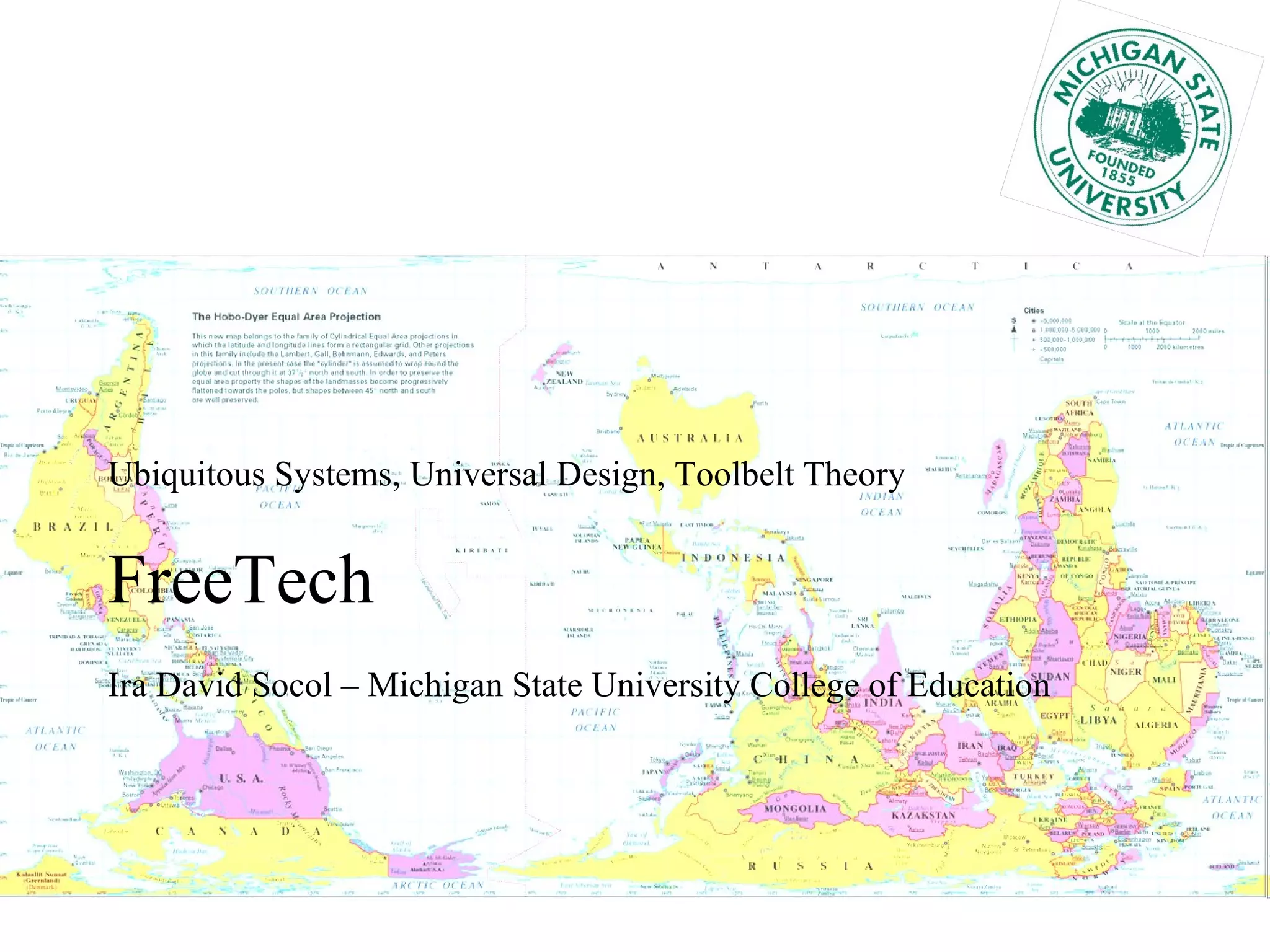
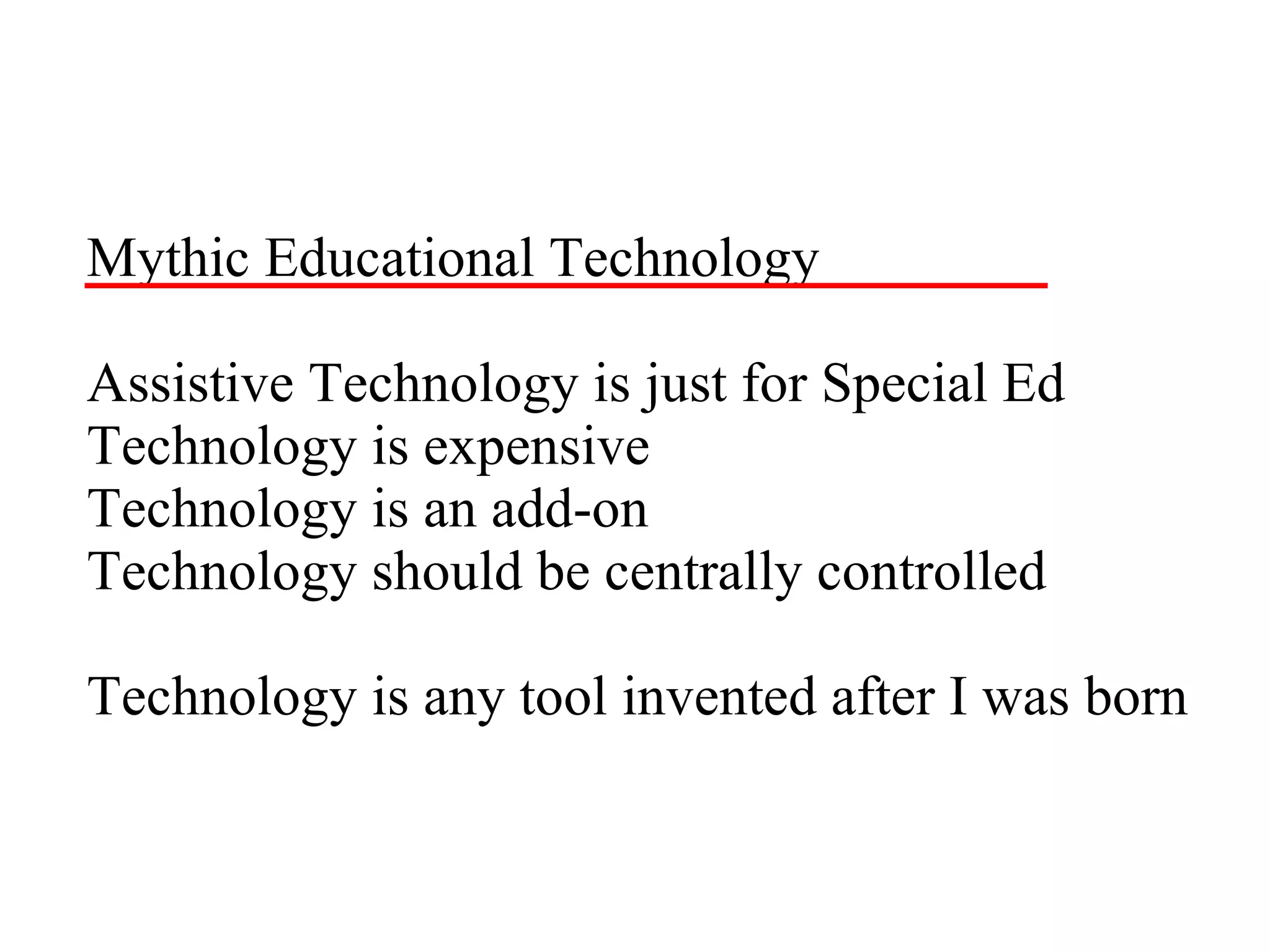
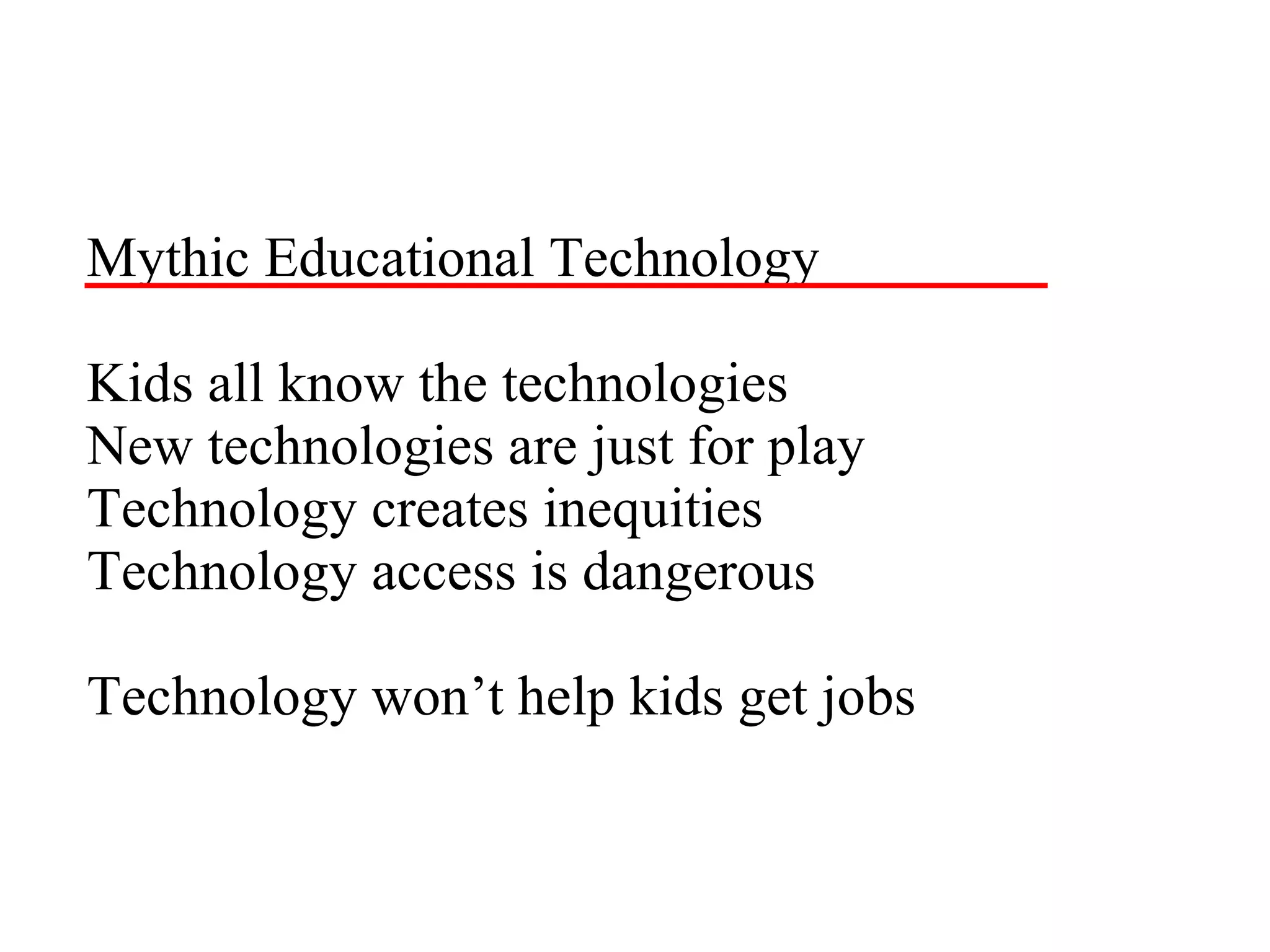
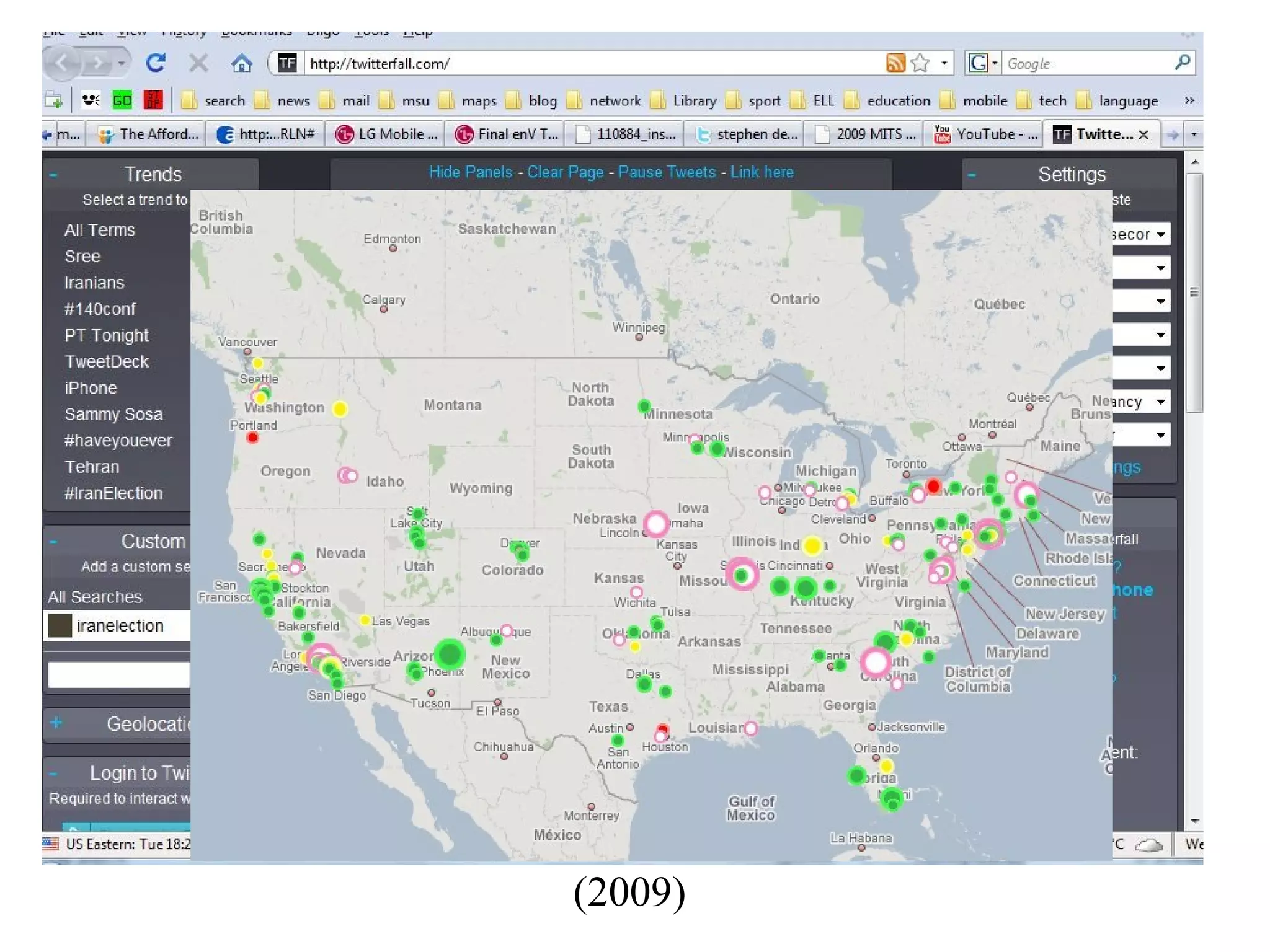
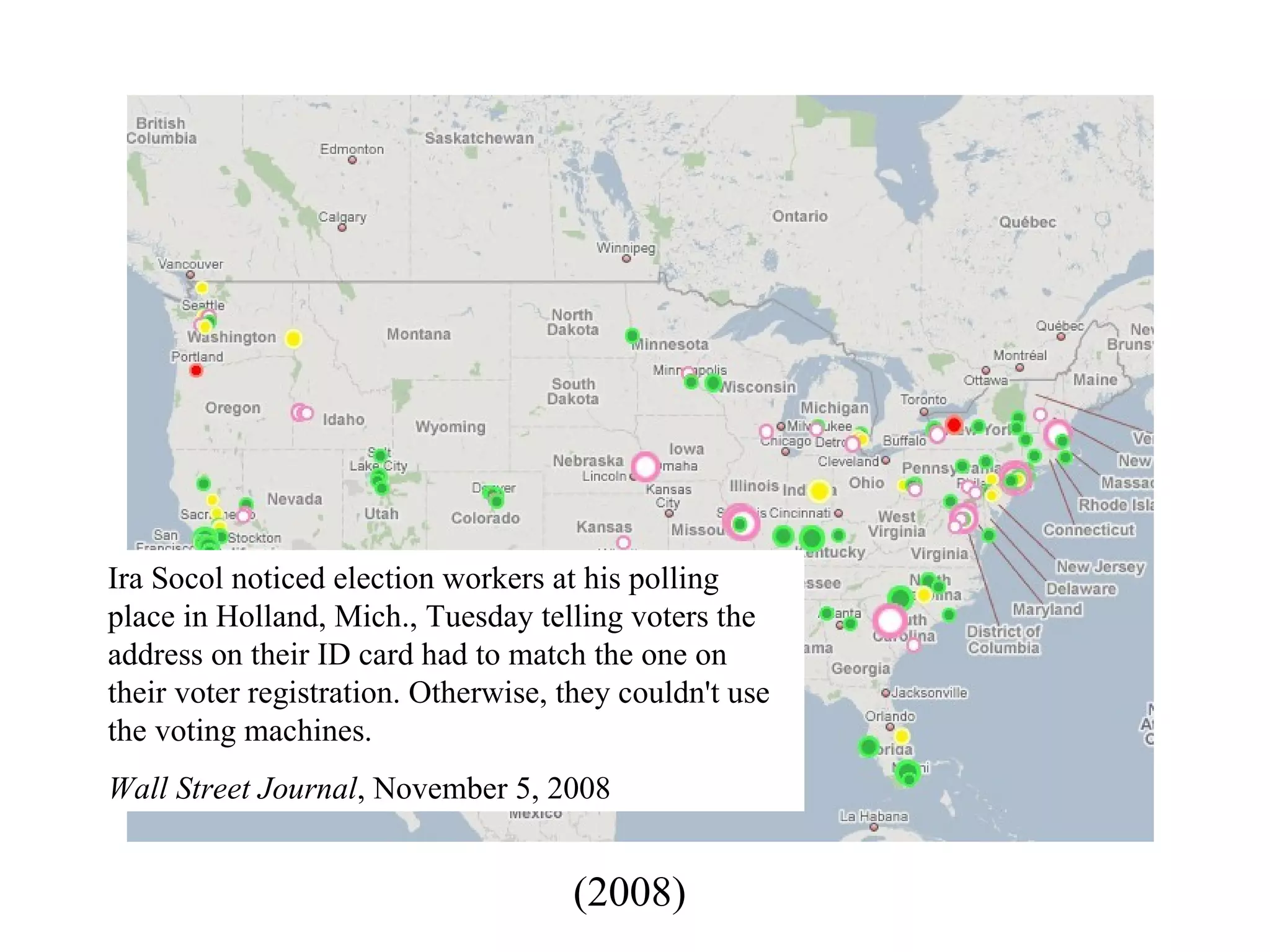
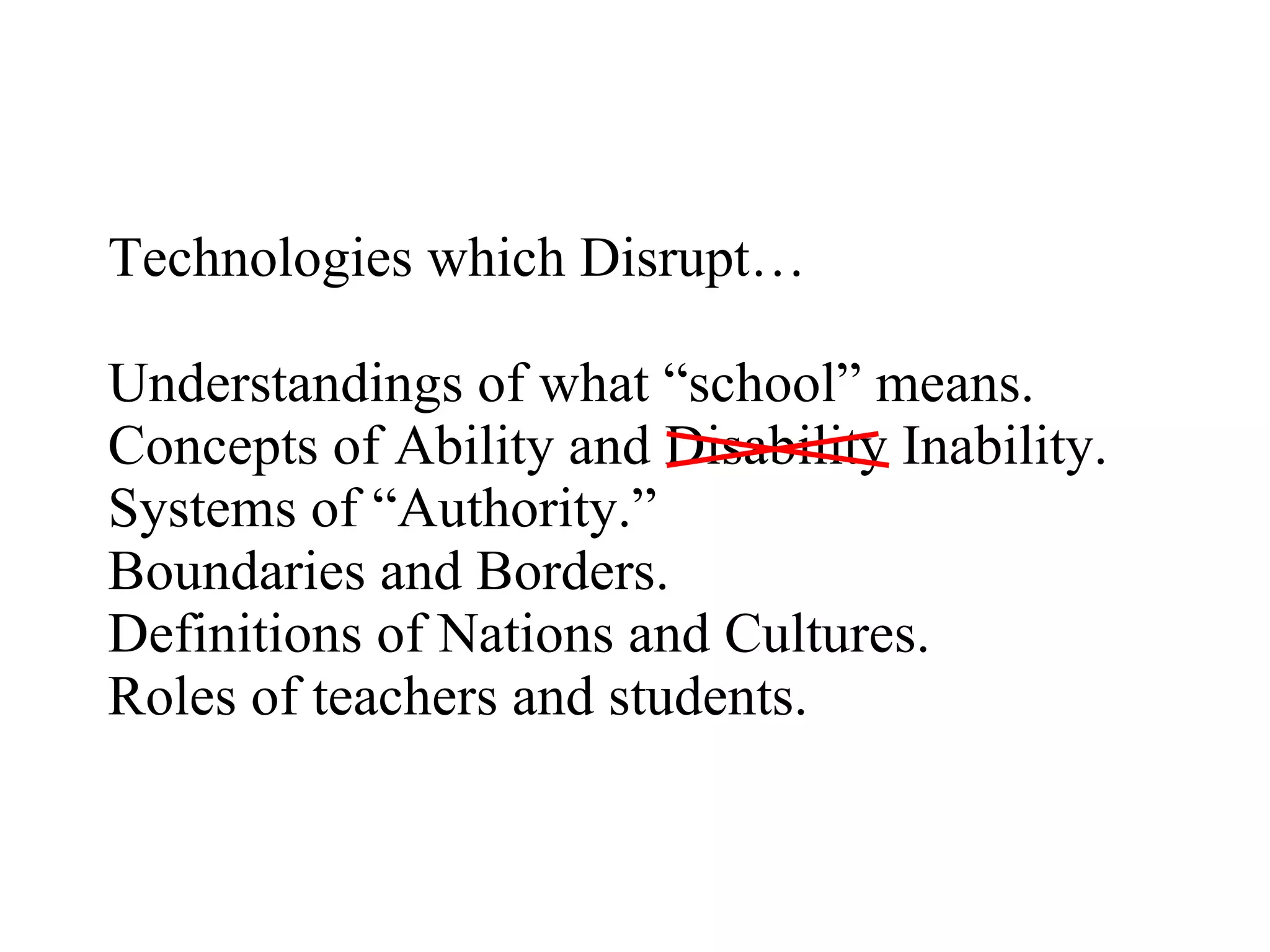
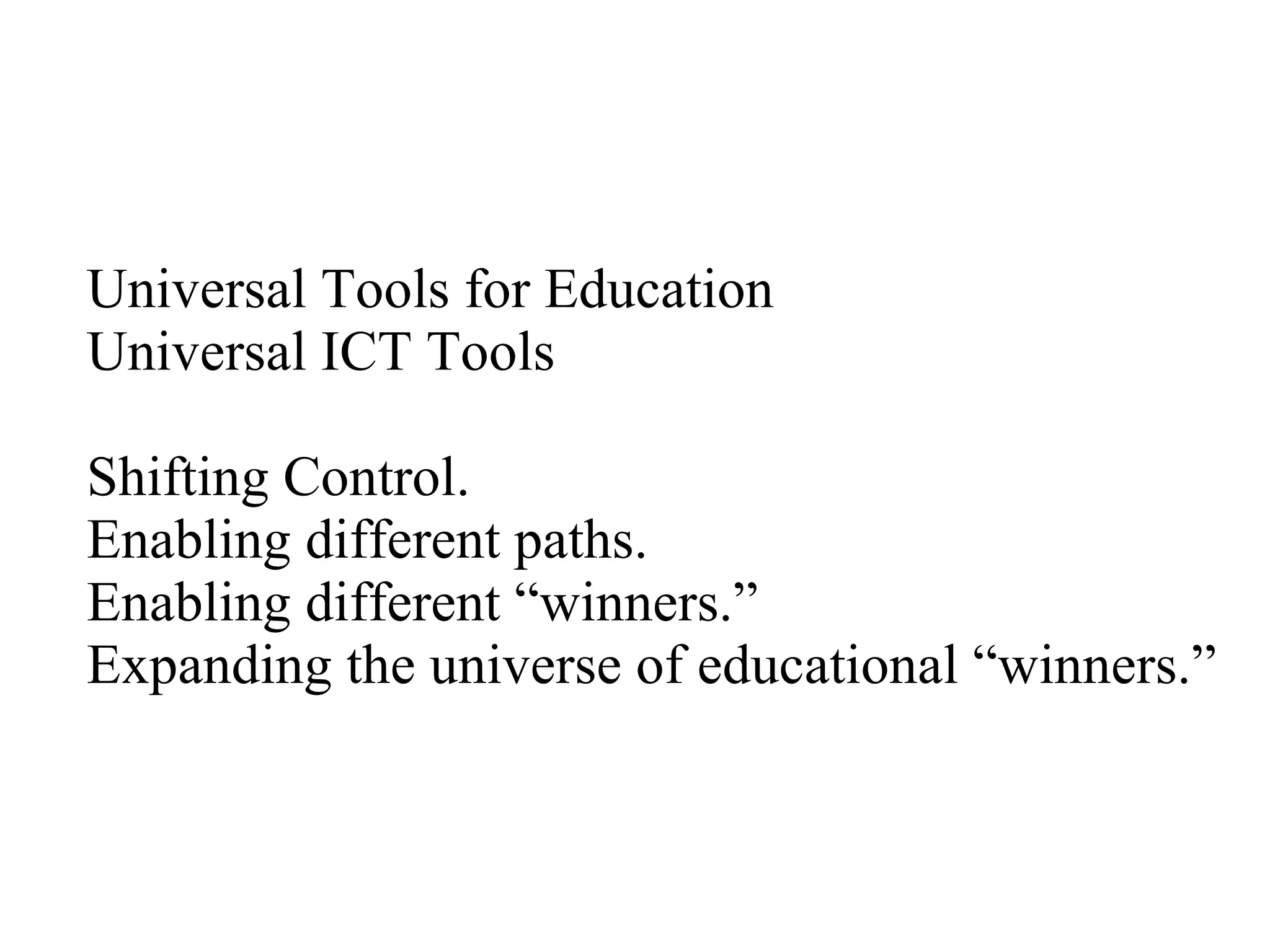
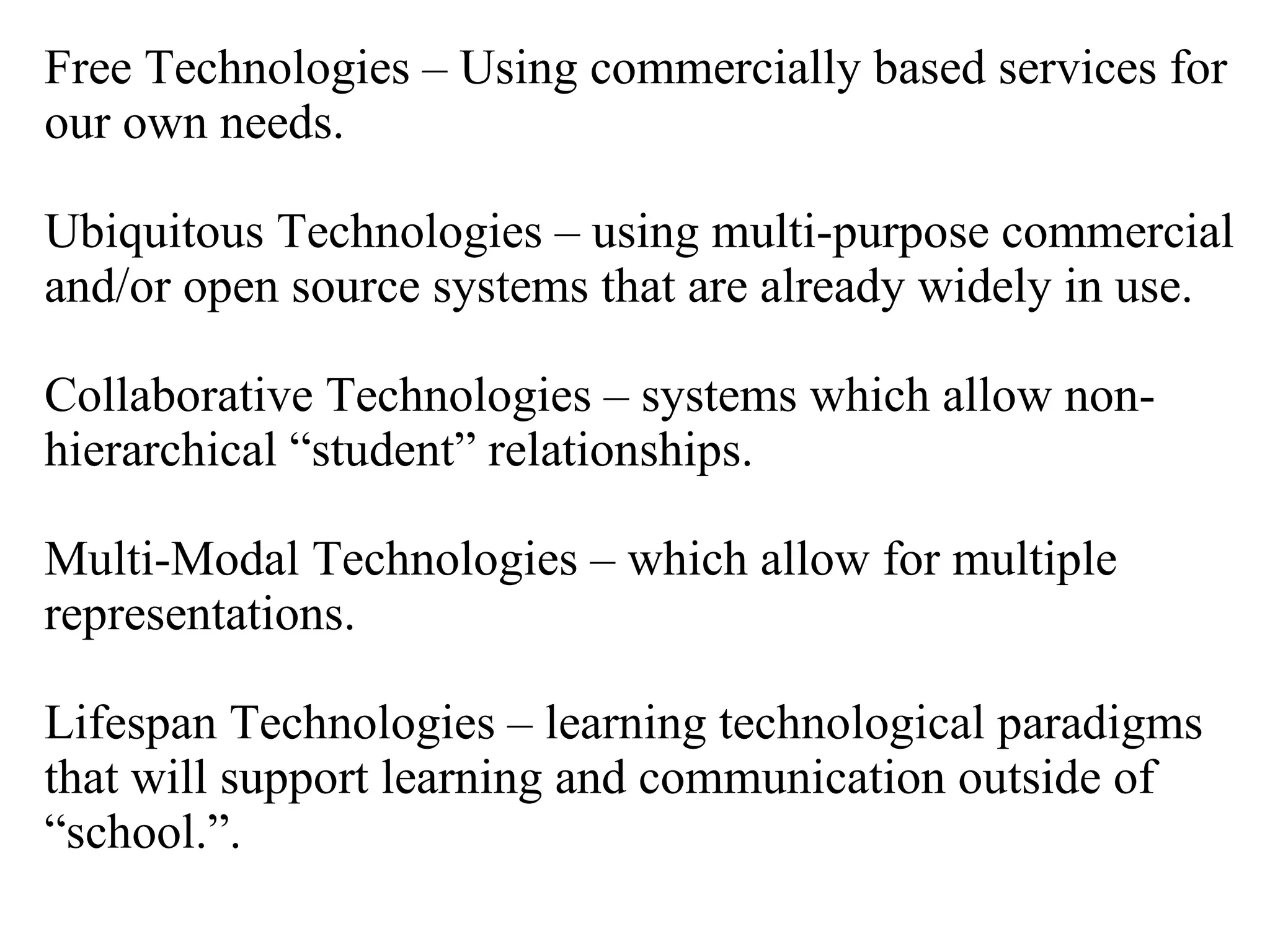
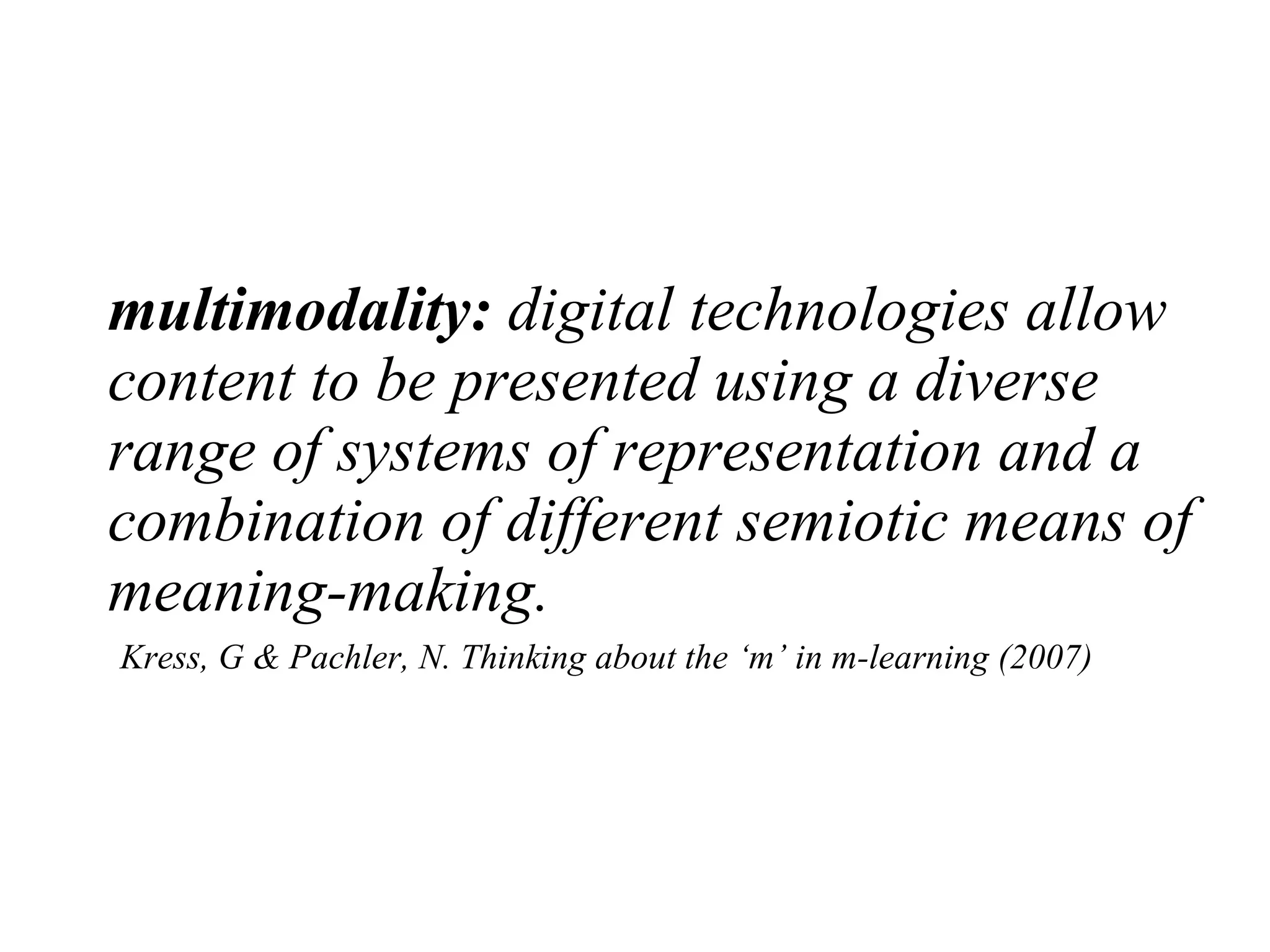
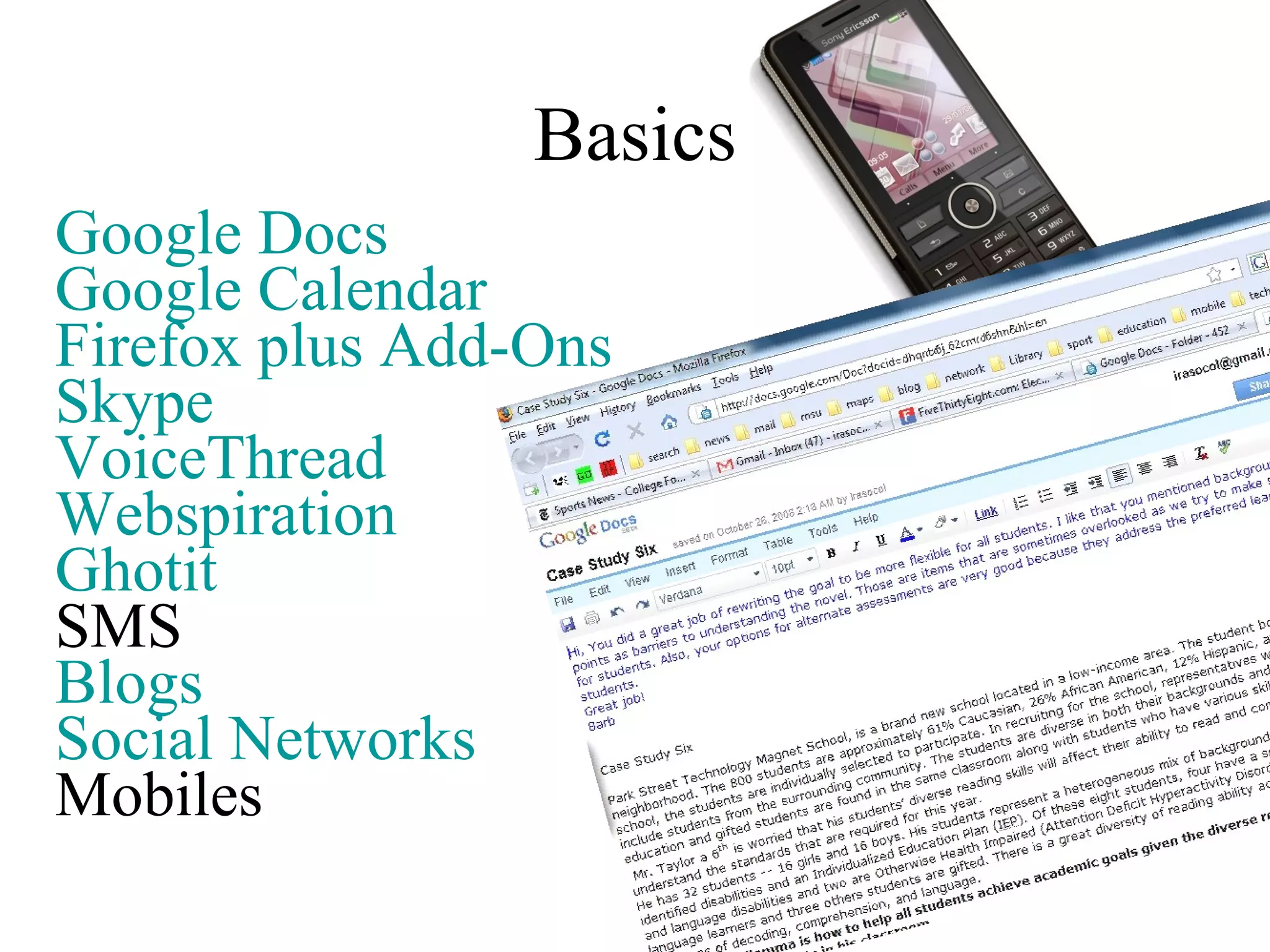
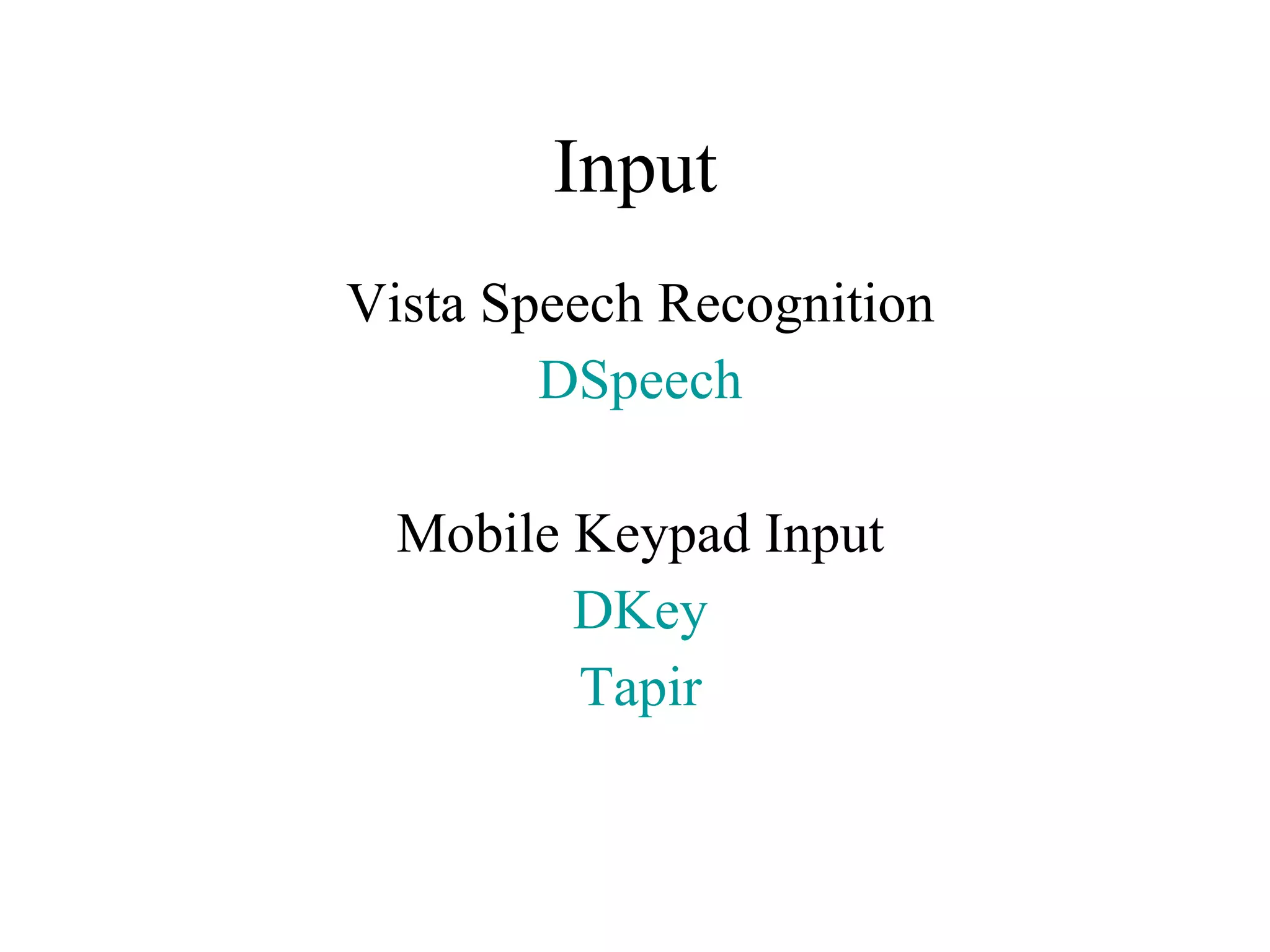
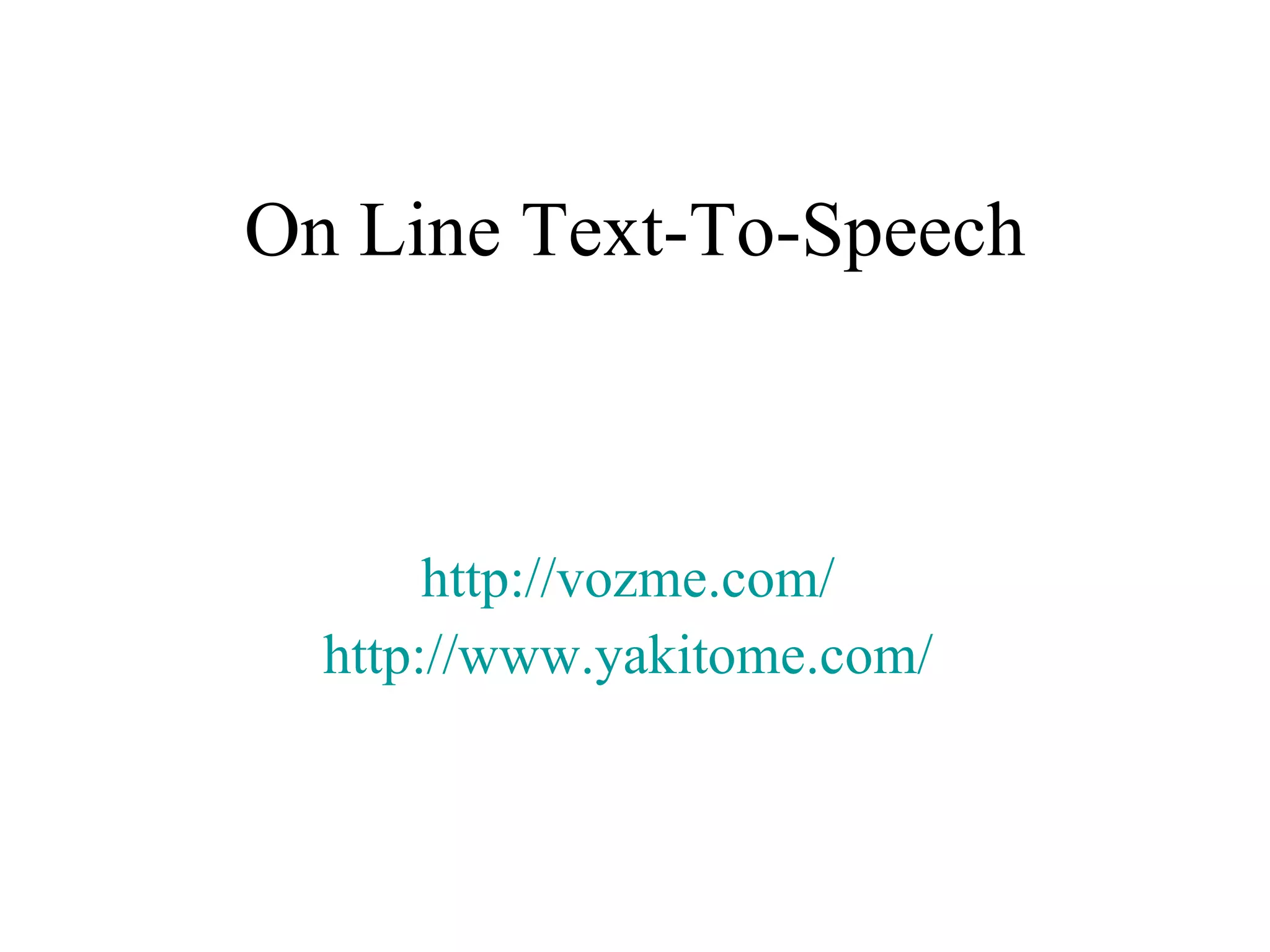
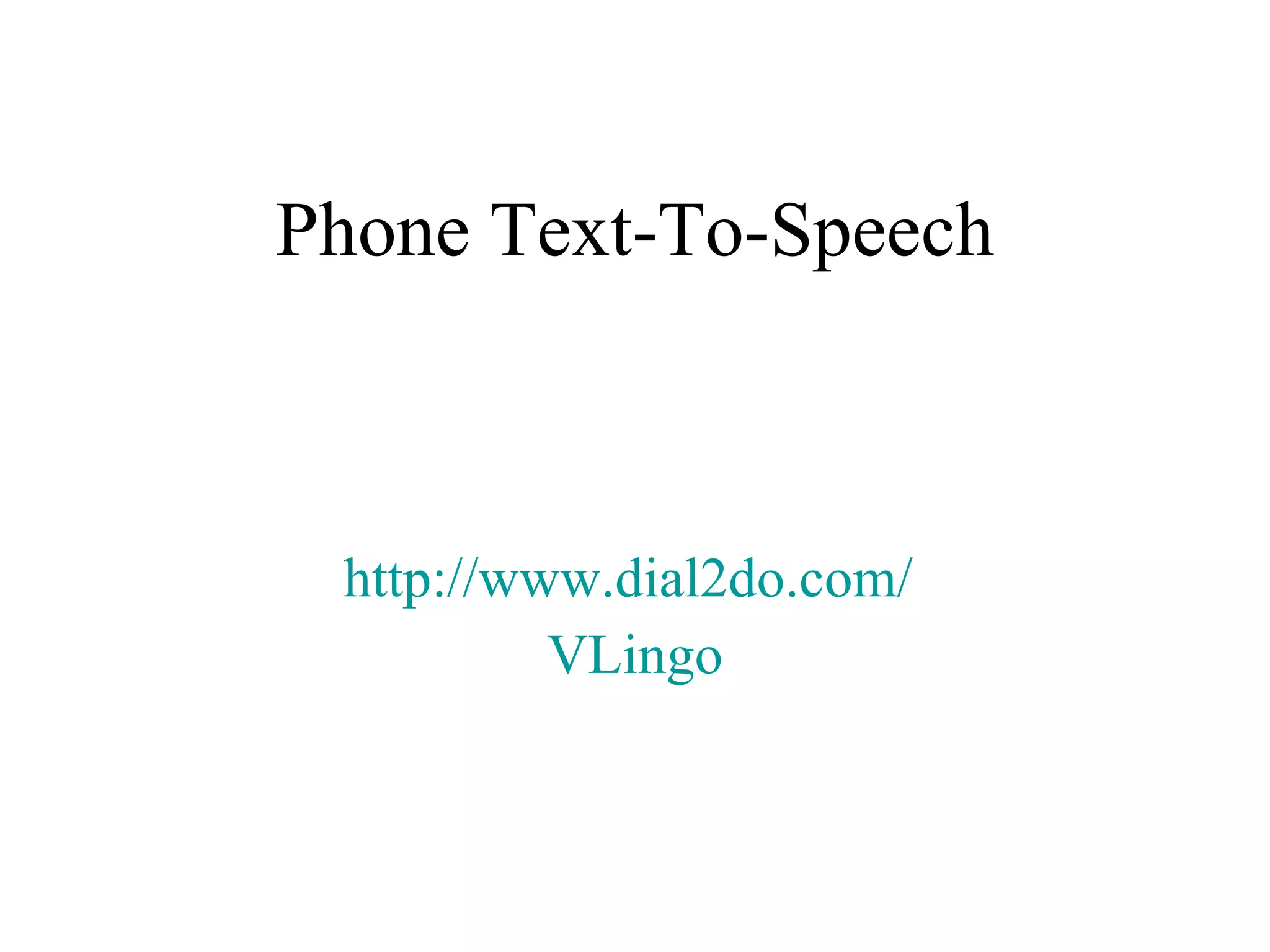
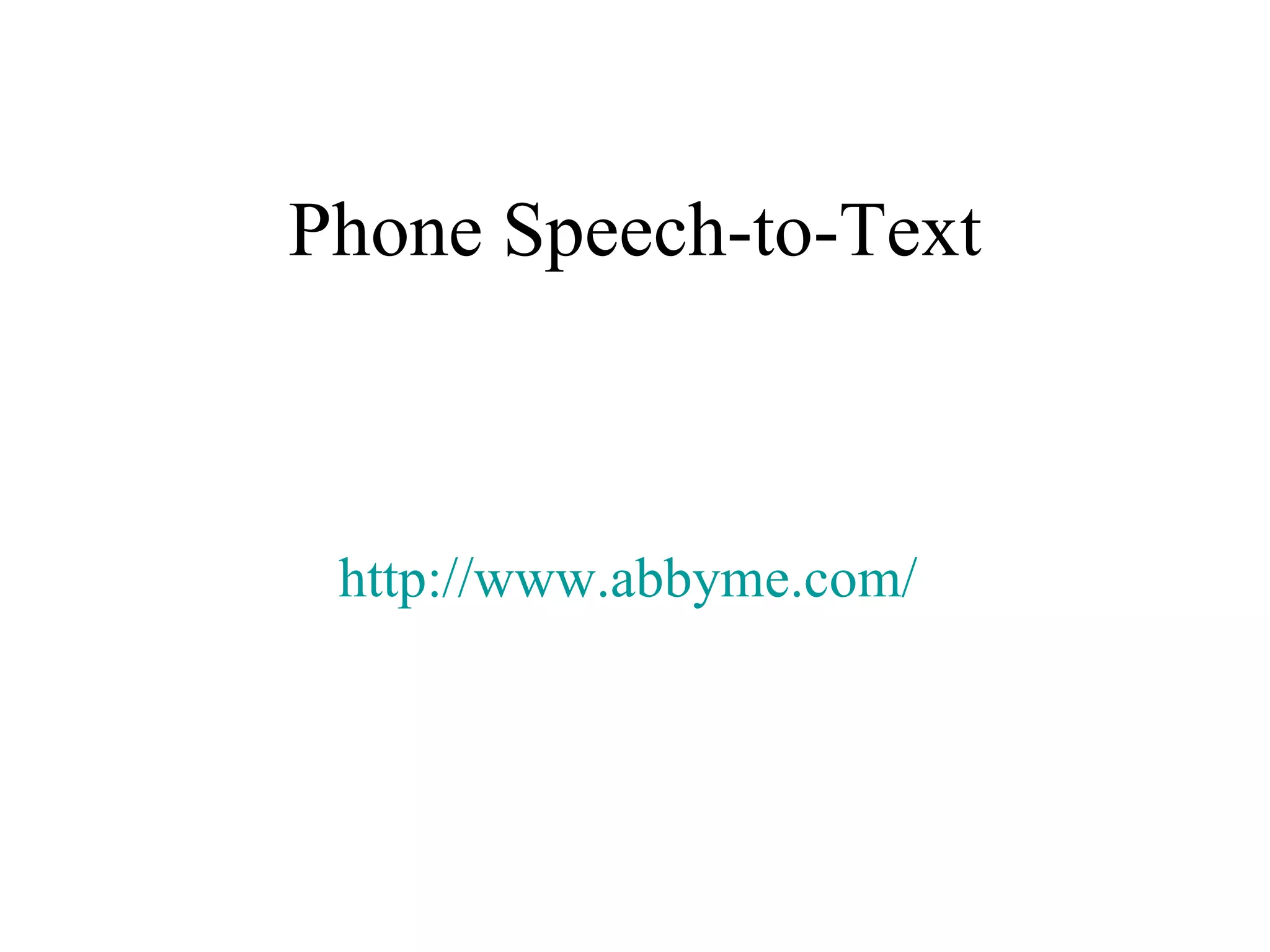
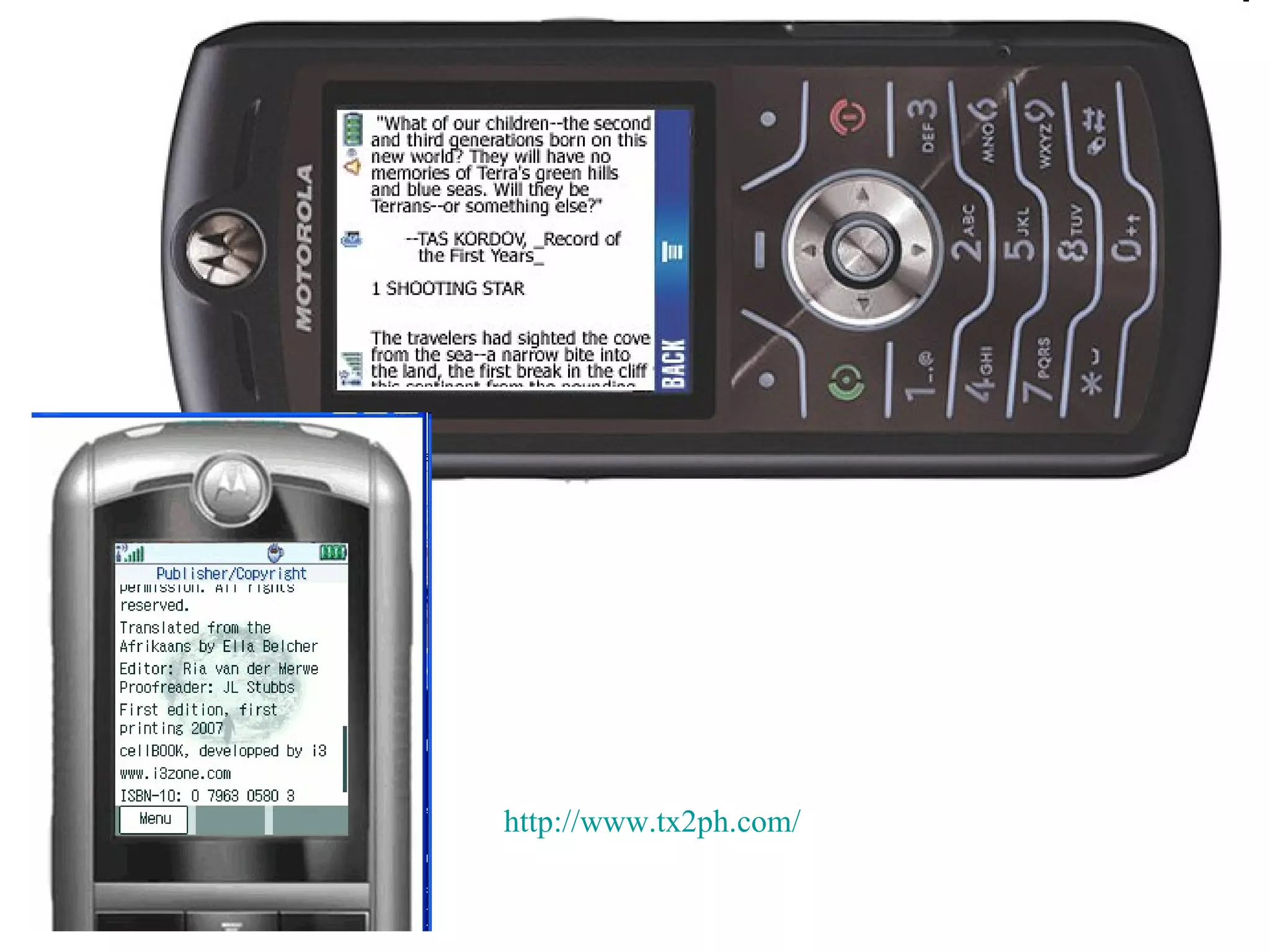
Ira David Socol argues that educational technology should be: 1) Ubiquitous and universal, using widely available tools like Google Docs, Skype, and mobile phones rather than specialized, expensive tools. 2) Student-centered rather than centrally controlled, allowing students flexible, collaborative learning across physical and digital spaces. 3) Inclusive of all students by being multi-modal and accommodating different abilities, communication styles, and pathways to participation.


