Carbon Dioxide Fertilization
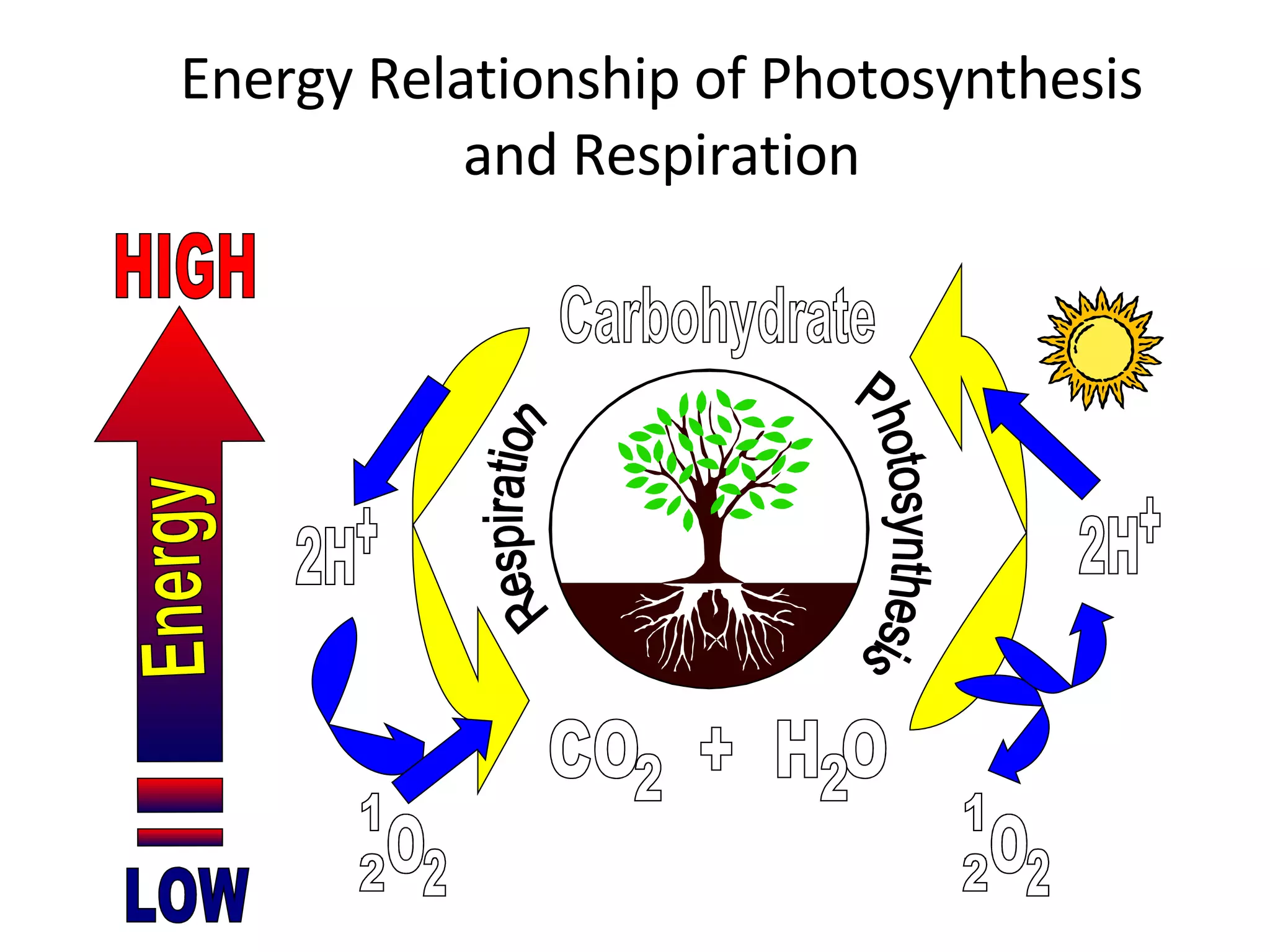
Energy Relationship of Photosynthesis and Respiration Carbohydrate Respiration Photosynthesis CO  +  H O 2 2 2 O 1_2 LOW HIGH Energy 2H + 2H + 2 O 1_2
C 3  - Photosynthesis
Carbon Dioxide and Plants Atmospheric CO 2  is the source of all carbon accumulation in plants C3 plants benefit significantly from increased CO 2  concentration in the greenhouse. Carbon Dioxide Fertilization is common practice in many ornamental and food crop commercial greenhouse operations
Effect of CO 2 Shifts the activity of RUBISCO in favor of the carboxylation reaction On average yields should increase by 33% with a doubling of CO 2 That average based on entire plant life cycle, but increases in growth result in juvenile and mature tissues when CO 2  levels are increased.
Carbon Dioxide Fertilization Normally present at about 300 ppm During daylight hours CO 2  may be rapidly depleted during crop production Depletion may be exacerbated during winter production when there is less ventilation
CO 2  Greenhouse Levels 1,000 ppm or more have shown to increase tomato yields economically However, you must adjust based on plant maturity and environmental conditions Bright, sunny weather 1000 ppm Cloudy weather 750 ppm Young plants 700 ppm During moderate ventilation 350-400 ppm Less needed as temperature and ventilation rates increase
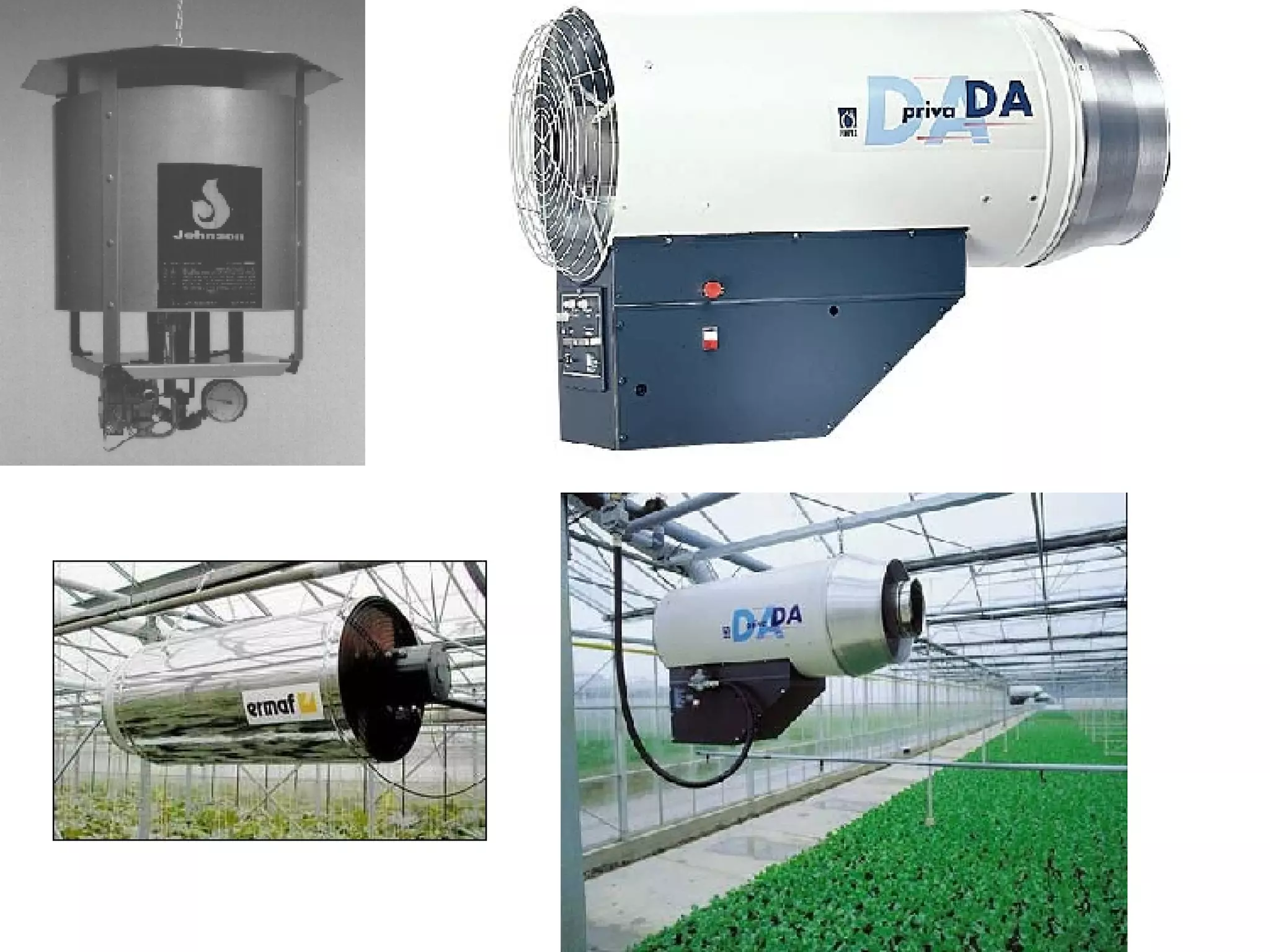
Producing CO 2  for Commercial Greenhouse Production Natural Gas Propane Flue gases from hot water boiler Compressed CO 2
 
 
Other Impacts Increased sugars (fruit crops) Reduced acid:sugar ratio (fruit crops) Taste improvement noticeable by consumers (fruit crops) Improved growth rates (fruit and ornamental) Shorter times to flowering for certain ornamental crops.
Impacts on Sustainable Design Heat and carbon dioxide are also released as part of the composting process Pilot tested at the New Alchemy Institute in Massachusetts. Potential for these system exists, but rare on a commercial scale.
Good Sources of Information http://www.ces.ncsu.edu/depts/hort/greenhouse_veg/gtp_pages/co2.html  Trembley and Gosselin. 1998. Effect of carbon dioxide and light. HortTechnology. 8(4). http://oregonstate.edu/Dept/NWREC/tomatogh.htm  http://www.ejpau.media.pl/series/volume4/issue2/horticulture/art-03.html  http://www.attra.org/attra-pub/ghveg.html

Carbon Dioxide Injection

  • 1.
  • 2.
    Energy Relationship ofPhotosynthesis and Respiration Carbohydrate Respiration Photosynthesis CO + H O 2 2 2 O 1_2 LOW HIGH Energy 2H + 2H + 2 O 1_2
  • 3.
    C 3 - Photosynthesis
  • 4.
    Carbon Dioxide andPlants Atmospheric CO 2 is the source of all carbon accumulation in plants C3 plants benefit significantly from increased CO 2 concentration in the greenhouse. Carbon Dioxide Fertilization is common practice in many ornamental and food crop commercial greenhouse operations
  • 5.
    Effect of CO2 Shifts the activity of RUBISCO in favor of the carboxylation reaction On average yields should increase by 33% with a doubling of CO 2 That average based on entire plant life cycle, but increases in growth result in juvenile and mature tissues when CO 2 levels are increased.
  • 6.
    Carbon Dioxide FertilizationNormally present at about 300 ppm During daylight hours CO 2 may be rapidly depleted during crop production Depletion may be exacerbated during winter production when there is less ventilation
  • 7.
    CO 2 Greenhouse Levels 1,000 ppm or more have shown to increase tomato yields economically However, you must adjust based on plant maturity and environmental conditions Bright, sunny weather 1000 ppm Cloudy weather 750 ppm Young plants 700 ppm During moderate ventilation 350-400 ppm Less needed as temperature and ventilation rates increase
  • 8.
    Producing CO 2 for Commercial Greenhouse Production Natural Gas Propane Flue gases from hot water boiler Compressed CO 2
  • 9.
  • 10.
  • 11.
    Other Impacts Increasedsugars (fruit crops) Reduced acid:sugar ratio (fruit crops) Taste improvement noticeable by consumers (fruit crops) Improved growth rates (fruit and ornamental) Shorter times to flowering for certain ornamental crops.
  • 12.
    Impacts on SustainableDesign Heat and carbon dioxide are also released as part of the composting process Pilot tested at the New Alchemy Institute in Massachusetts. Potential for these system exists, but rare on a commercial scale.
  • 13.
    Good Sources ofInformation http://www.ces.ncsu.edu/depts/hort/greenhouse_veg/gtp_pages/co2.html Trembley and Gosselin. 1998. Effect of carbon dioxide and light. HortTechnology. 8(4). http://oregonstate.edu/Dept/NWREC/tomatogh.htm http://www.ejpau.media.pl/series/volume4/issue2/horticulture/art-03.html http://www.attra.org/attra-pub/ghveg.html

Editor's Notes

  • #2 Carbon dioxide is an atmospheric gas composed of one carbon and two oxygen atoms. One of the best known of chemical compounds, it is frequently called by its formula: Carbon dioxide results from the combustion of organic matter if sufficient amounts of oxygen are present. It is also produced by various microorganisms from fermentation and cellular respiration. Plants utilize carbon dioxide during photosynthesis, using both the carbon and the oxygen to construct carbohydrates. In addition, plants also release oxygen to the atmosphere which is subsequently used for respiration by heterotrophic organisms, forming a cycle. It is present in the Earth's atmosphere at a low concentration and acts as a greenhouse gas. It is a major component of the carbon cycle. (wikipedia, 2005)