NCLA
       October 6, 2011

      Kathy Schaftlein
Center for Creative Leadership
Your Leadership Brand

     What is it?
Your Leadership Brand Image
 Pick an image that represents your current work
  situation or where you are in your career.
 Image portrays something about how you see yourself
  professionally as well as how you think others would
  see you.
Your Leadership Brand Image
 Share with a partner why you chose the image.
 What does the image “say” about you?
 Partner shares what they see in the image.
Your Leadership Brand Image
 How does what you see in the image connect with
  what you’re doing and how you’re connecting with
  others when doing your best work?
 Select three words that would be your brand tagline
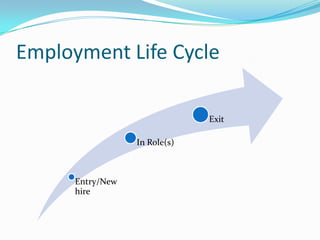
Employment Life Cycle

                               Exit

                  In Role(s)


      Entry/New
      hire
Selection Criteria
 Key competencies/skills for the role


 Fit with the company culture and group
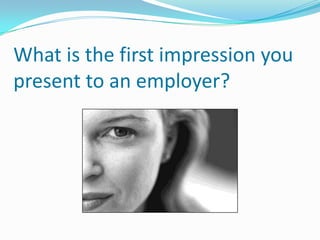
What is the first impression you
present to an employer?
Candidate “Brand Presence”
 Resume


 Interviews


 Background checks
What is the purpose of a Resume?
Resumes
 Clear and concise

 Check format if submitting online

 Accomplishments/results

 Relevant to the job for which you are applying

 Accurate updated information

 Spell check please!
Interviews
 Scheduling – voicemail message & email address

 Appearance or phone presence

 Demonstrate you did your homework

 What is your goal in obtaining this role?

 Show interest in the organization and the role

 Turn off your cell, bring a pen, make eye contact

 Post interview follow-up
Background Checks
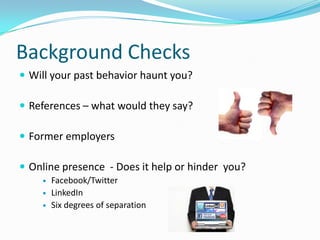
 Will your past behavior haunt you?

 References – what would they say?

 Former employers

 Online presence - Does it help or hinder you?
       Facebook/Twitter
       LinkedIn
       Six degrees of separation
Your Leadership Brand On the Job
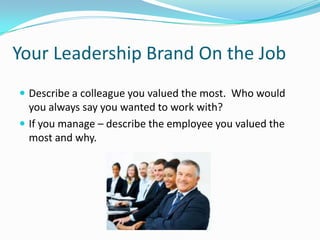
 Describe a colleague you valued the most. Who would
  you always say you wanted to work with?
 If you manage – describe the employee you valued the
  most and why.
Your Leadership Brand On the Job
 Performance


 Approach to the work


 Relationships


 Reviews
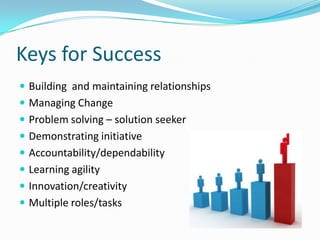
Keys for Success
 Building and maintaining relationships
 Managing Change
 Problem solving – solution seeker
 Demonstrating initiative
 Accountability/dependability
 Learning agility
 Innovation/creativity
 Multiple roles/tasks
Moving ahead
 Know your career goals
 Take on more responsibility
 Network-outside & inside your org.
 Informational interviews
 Act and look the part for the next role
 Build your professional reputation
Leaving/exit strategy
 What legacy do you want to leave?


 Current employers = future references


 Leave a positive lasting impression.
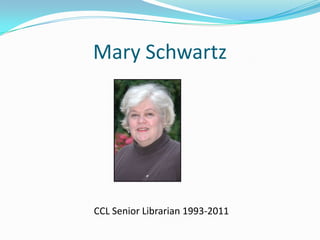
Mary Schwartz


CCL Senior Librarian 1993-2011

Your Leadership Brand

  • 1.
    NCLA October 6, 2011 Kathy Schaftlein Center for Creative Leadership
  • 2.
  • 3.
    Your Leadership BrandImage  Pick an image that represents your current work situation or where you are in your career.  Image portrays something about how you see yourself professionally as well as how you think others would see you.
  • 4.
    Your Leadership BrandImage  Share with a partner why you chose the image.  What does the image “say” about you?  Partner shares what they see in the image.
  • 5.
    Your Leadership BrandImage  How does what you see in the image connect with what you’re doing and how you’re connecting with others when doing your best work?  Select three words that would be your brand tagline
  • 6.
    Employment Life Cycle Exit In Role(s) Entry/New hire
  • 7.
    Selection Criteria  Keycompetencies/skills for the role  Fit with the company culture and group
  • 8.
    What is thefirst impression you present to an employer?
  • 9.
    Candidate “Brand Presence” Resume  Interviews  Background checks
  • 10.
    What is thepurpose of a Resume?
  • 11.
    Resumes  Clear andconcise  Check format if submitting online  Accomplishments/results  Relevant to the job for which you are applying  Accurate updated information  Spell check please!
  • 12.
    Interviews  Scheduling –voicemail message & email address  Appearance or phone presence  Demonstrate you did your homework  What is your goal in obtaining this role?  Show interest in the organization and the role  Turn off your cell, bring a pen, make eye contact  Post interview follow-up
  • 13.
    Background Checks  Willyour past behavior haunt you?  References – what would they say?  Former employers  Online presence - Does it help or hinder you?  Facebook/Twitter  LinkedIn  Six degrees of separation
  • 14.
    Your Leadership BrandOn the Job  Describe a colleague you valued the most. Who would you always say you wanted to work with?  If you manage – describe the employee you valued the most and why.
  • 15.
    Your Leadership BrandOn the Job  Performance  Approach to the work  Relationships  Reviews
  • 16.
    Keys for Success Building and maintaining relationships  Managing Change  Problem solving – solution seeker  Demonstrating initiative  Accountability/dependability  Learning agility  Innovation/creativity  Multiple roles/tasks
  • 17.
    Moving ahead  Knowyour career goals  Take on more responsibility  Network-outside & inside your org.  Informational interviews  Act and look the part for the next role  Build your professional reputation
  • 18.
    Leaving/exit strategy  Whatlegacy do you want to leave?  Current employers = future references  Leave a positive lasting impression.
  • 19.
    Mary Schwartz CCL SeniorLibrarian 1993-2011

Editor's Notes

  • #8 You carry your leadership brand with you throughout your professional life.
  • #9 Let’s start with entry into a new organization or role. You and the hiring manager are looking for a good match between the role requirements and the candidate. Also a part of the good match is the right fit in terms of the environment. Team based, hierarchical org, Let’s say you find a role you think is a good match for your skills and interests and the org is a good place for you to be. Now you apply for the role to find out more about the opportunity and the organization.
  • #11 This is your first opportunity to present yourself to a potential new employer or boss. All three of these tell a story about you. They should deliver a consistent message about you.
  • #13 How many of you have an updated resume right now? How often should you update it? When is a good time to update your resume? Does your resume accurately reflect your brand?Email address contact infoFont that can be easily readDon’t use company jargon
  • #14 Cell phone calls, eating, arriving late, angerVoicemail message
  • #16 Now you’ve landed that dream job and you are in role. Does this description match the leadership brand you created for yourself in the first activity?
  • #19 Why do you want this role?, have a game plan
  • #21 We miss her but she is a reminder to us of what leadership is all about.