Yoga Hygiene
Simplified
Johanna Koenig
Participant of IYTTC 2014 New York
www.yogalife.co.in
“Since body is the means to
duty, wealth, pleasure and
salvation, it should always be
protected with all one’s heart
by the student of Yoga.”
-Yoga Chintamani, II, 97
Ideals of Health Hygiene
 The common education system does not teach basic
human health and care to students, rather teaches
abstract information that cannot be used practically in
daily life
 Preventative health is not stressed enough, while
symptomic treatment is the focus
 Everyone should know the about the basic
physiological functioning of the human body
 Everyone should know about what to do in order to be
healthy
“In consequence, the study of personal hygiene still
remains neglected for all practical purposes, and the best
art and science of health yet awaits full recognition and
strict application.”
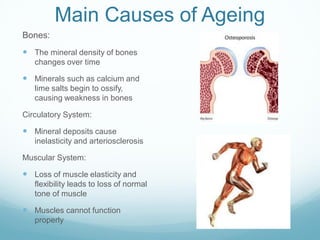
Main Causes of Ageing
Bones:
 The mineral density of bones
changes over time
 Minerals such as calcium and
lime salts begin to ossify,
causing weakness in bones
Circulatory System:
 Mineral deposits cause
inelasticity and arteriosclerosis
Muscular System:
 Loss of muscle elasticity and
flexibility leads to loss of normal
tone of muscle
 Muscles cannot function
properly
Yoga Way to Rejuvenation
 We are at the peak of our health when we are in our youth
 Over time, the wear and tear of everyday life takes a toll on our
bodies- disease and disorders arise from this
 If we practice yogic lifestyle, we can increase our vitality and youth
 Yogins believe in control of organic organs within our body; this
represents a control on the autonomic nervous system
 In 1926, Deshabandhu was able to control the beating of his heart
 An orientalist in Berlin was buried alive under several feet of
ground for a period of 8 days, and survived
Mala-Shuddhi
Mala-Shuddhi (purification) means: “ensuring healthy
organism is further supplemented by such vital body-
building methods- as scientifically to encourage proper
elimination and nutrition besides coordinating functional
harmony within the body”
 Yogins believe that it is possible to avoid old age and
retain use by continuously eliminating toxins from the
body
 Toxins are eliminated and flushed out of the body via
several methods
Care of Teeth and Mouth
“The importance of teeth in digestion is not sufficiently recognized. Many
cases of chronic indigestion arise from imperfect mastification due to
faulty dentition(58, Yogendra).”
Most Dangerous Dental Problems:
1. Dental cavities/caries:
Chemical and bacterial process that causes decay in teeth and gums
1. Pyorrhea (Rigg’s disease):
An infection cause by puss and bacteria, in some cases animal parasites
These and most dental problems can be avoided with proper dental and
yogic hygiene methods
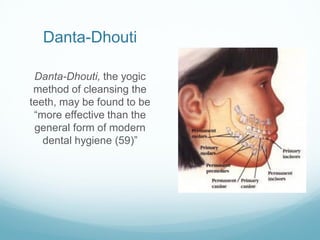
Danta-Dhouti
Danta-Dhouti, the yogic
method of cleansing the
teeth, may be found to be
“more effective than the
general form of modern
dental hygiene (59)”
Tooth Brushing
Conventional Way
 Conventional tooth brush tears
the gums and drives bacteria
into the gums and blood stream
 After being used several times,
it becomes very infected with
bacteria
 Infection will continue unless
properly disinfected after every
use
Yogic method
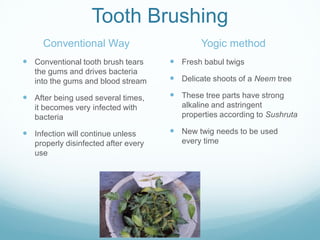
 Fresh babul twigs
 Delicate shoots of a Neem tree
 These tree parts have strong
alkaline and astringent
properties according to Sushruta
 New twig needs to be used
every time
Dentifrice/
Toothpaste
• Must have some emulsifying
properties to scrub away plaque
• Must have antimicrobial
properties
• Yogins prepare their own tooth
powder
• 10 % catechu, 80%
myrobalancs, and 10% turmeric
or alum
• This paste in addition to twig
brushing does a sufficient job in
cleaning impurities off of both
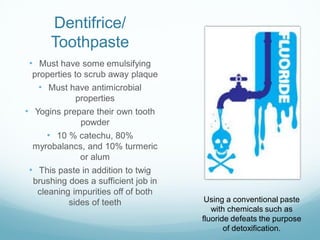
sides of teeth Using a conventional paste
with chemicals such as
fluoride defeats the purpose
of detoxification.
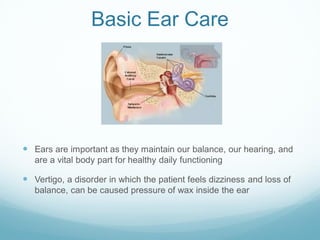
Basic Ear Care
 Ears are important as they maintain our balance, our hearing, and
are a vital body part for healthy daily functioning
 Vertigo, a disorder in which the patient feels dizziness and loss of
balance, can be caused pressure of wax inside the ear
KarnaRandhra Dhauti
 Is a natural process used to cleanse the ears daily
 Consists of purification of both of the ear canals
 One needs to irrigate the ears at certain intervals once
a week
 During the process, the index finger is slowly pushed in
and out, from side to side to ensure removal of ear
wax, dry skin cells, or dust
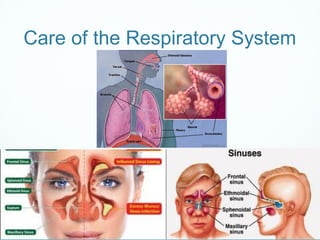
Care of the Respiratory System
“The practice of nasal cleansing purifies the air sinuses,
invigorates the brain, tones up the optic nerves and thus
improves sight (Pg75, Yogendra) .”
Diseases that can be avoided by
regular nasal hygiene:
 Tonsillitis
 Mumps
 Sinusitis
 Infantile
paralysis
 Measles
 Scarlet Fever
 Influenza
 Tuberculosis
 Rheumatism
Air Sinuses
 The care of the air sinuses directly relates to the care of the
greater respiratory system
 Infection of these passages can be avoided by using simple
disinfection methods
Kapalabhati :
Kapal- “skull” and “bhati”-illuminating
 Vatakrama kapalabhati- Pranayaman breathing technique in
which exhalation is active and inhalation is inactive
 Vyutkrama kapalabhati- Similar to Jalaneti, which involves taking
in water through nostrils and spitting it out
 Sheetkrama kapalabhati-Water is taken through the mouth and
then pushed out through nose
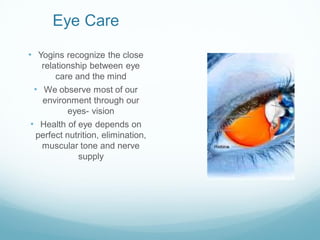
Eye Care
• Yogins recognize the close
relationship between eye
care and the mind
• We observe most of our
environment through our
eyes- vision
• Health of eye depends on
perfect nutrition, elimination,
muscular tone and nerve
supply
Alleviating Eye Strain
“Eyestrain occurs when your eyes get tired from intense
use, such as driving a car for extended periods, reading
or working at a computer.” 1
 Eyestrain is the most common misuse of eye
 Yogins use relaxation techniques such as closing eyes for 5-10
minutes to give eyes a rest to alleviate this issue
 Suggest gazing at moon, sun and stars to train eyes to focus on
long distances, reducing unecessary eye strain
1. http://www.mayoclinic.org/diseases-conditions/eyestrain/basics/definition/con-20032649
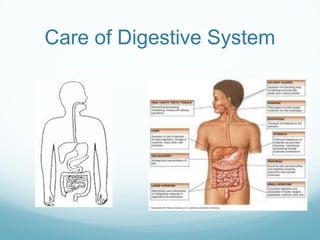
Care of Digestive System
 21 total digestive organs
 Food that enters mouth must travel a total
distance of 10 yards through alimentary canal
 Digestive organs that need daily attention are
stomach and the intestines
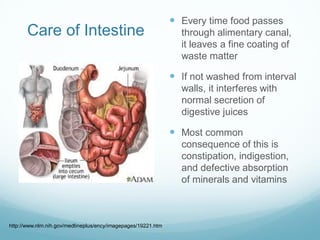
Care of Intestine
 Every time food passes
through alimentary canal,
it leaves a fine coating of
waste matter
 If not washed from interval
walls, it interferes with
normal secretion of
digestive juices
 Most common
consequence of this is
constipation, indigestion,
and defective absorption
of minerals and vitamins
http://www.nlm.nih.gov/medlineplus/ency/imagepages/19221.htm
Shanka Prankshalana- a method of flushing the entire
intestine out using warm salt water and asanas that
compress the abdomen
Vamandhouti (Autolavage)- a method in which one
drinks excess salt water at a time on an empty, then
stimulates gag reflex to induce vomiting
Vamandhouti clears excess acid out of stomach,
stimulating the production of new stomach acid
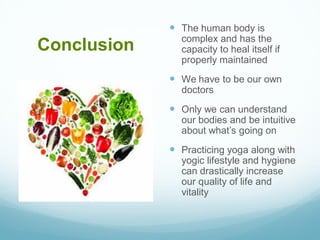
Conclusion
 The human body is
complex and has the
capacity to heal itself if
properly maintained
 We have to be our own
doctors
 Only we can understand
our bodies and be intuitive
about what’s going on
 Practicing yoga along with
yogic lifestyle and hygiene
can drastically increase
our quality of life and
vitality
Thank you!
Picture Sources
 http://www.faqs.org/health/Body-by-Design-V1/The-Muscular-System-Workings-how-the-
muscular-system-functions.html
 http://commons.wikimedia.org/wiki/File:Neem_tree,_branches_arrangement,_TamilNadu415.jpe
g
 http://www.freedrinkingwater.com/water-education/quality-water-fluoride.htm
 http://www.webmd.com/brain/picture-of-the-ear
 http://howikis.com/Use_Ginger_to_Improve_Your_Respiratory_System
 http://legacy.owensboro.kctcs.edu/gcaplan/anat2/notes/APIINotes4%20respiratory%20anatomy
.htm

Yoga for Teeth, Ear, Nose, Throat and over all hygeine

  • 1.
    Yoga Hygiene Simplified Johanna Koenig Participantof IYTTC 2014 New York www.yogalife.co.in
  • 2.
    “Since body isthe means to duty, wealth, pleasure and salvation, it should always be protected with all one’s heart by the student of Yoga.” -Yoga Chintamani, II, 97
  • 3.
    Ideals of HealthHygiene  The common education system does not teach basic human health and care to students, rather teaches abstract information that cannot be used practically in daily life  Preventative health is not stressed enough, while symptomic treatment is the focus  Everyone should know the about the basic physiological functioning of the human body  Everyone should know about what to do in order to be healthy
  • 4.
    “In consequence, thestudy of personal hygiene still remains neglected for all practical purposes, and the best art and science of health yet awaits full recognition and strict application.”
  • 6.
    Main Causes ofAgeing Bones:  The mineral density of bones changes over time  Minerals such as calcium and lime salts begin to ossify, causing weakness in bones Circulatory System:  Mineral deposits cause inelasticity and arteriosclerosis Muscular System:  Loss of muscle elasticity and flexibility leads to loss of normal tone of muscle  Muscles cannot function properly
  • 7.
    Yoga Way toRejuvenation  We are at the peak of our health when we are in our youth  Over time, the wear and tear of everyday life takes a toll on our bodies- disease and disorders arise from this  If we practice yogic lifestyle, we can increase our vitality and youth  Yogins believe in control of organic organs within our body; this represents a control on the autonomic nervous system  In 1926, Deshabandhu was able to control the beating of his heart  An orientalist in Berlin was buried alive under several feet of ground for a period of 8 days, and survived
  • 8.
    Mala-Shuddhi Mala-Shuddhi (purification) means:“ensuring healthy organism is further supplemented by such vital body- building methods- as scientifically to encourage proper elimination and nutrition besides coordinating functional harmony within the body”  Yogins believe that it is possible to avoid old age and retain use by continuously eliminating toxins from the body  Toxins are eliminated and flushed out of the body via several methods
  • 9.
    Care of Teethand Mouth “The importance of teeth in digestion is not sufficiently recognized. Many cases of chronic indigestion arise from imperfect mastification due to faulty dentition(58, Yogendra).” Most Dangerous Dental Problems: 1. Dental cavities/caries: Chemical and bacterial process that causes decay in teeth and gums 1. Pyorrhea (Rigg’s disease): An infection cause by puss and bacteria, in some cases animal parasites These and most dental problems can be avoided with proper dental and yogic hygiene methods
  • 10.
    Danta-Dhouti Danta-Dhouti, the yogic methodof cleansing the teeth, may be found to be “more effective than the general form of modern dental hygiene (59)”
  • 11.
    Tooth Brushing Conventional Way Conventional tooth brush tears the gums and drives bacteria into the gums and blood stream  After being used several times, it becomes very infected with bacteria  Infection will continue unless properly disinfected after every use Yogic method  Fresh babul twigs  Delicate shoots of a Neem tree  These tree parts have strong alkaline and astringent properties according to Sushruta  New twig needs to be used every time
  • 12.
    Dentifrice/ Toothpaste • Must havesome emulsifying properties to scrub away plaque • Must have antimicrobial properties • Yogins prepare their own tooth powder • 10 % catechu, 80% myrobalancs, and 10% turmeric or alum • This paste in addition to twig brushing does a sufficient job in cleaning impurities off of both sides of teeth Using a conventional paste with chemicals such as fluoride defeats the purpose of detoxification.
  • 13.
    Basic Ear Care Ears are important as they maintain our balance, our hearing, and are a vital body part for healthy daily functioning  Vertigo, a disorder in which the patient feels dizziness and loss of balance, can be caused pressure of wax inside the ear
  • 14.
    KarnaRandhra Dhauti  Isa natural process used to cleanse the ears daily  Consists of purification of both of the ear canals  One needs to irrigate the ears at certain intervals once a week  During the process, the index finger is slowly pushed in and out, from side to side to ensure removal of ear wax, dry skin cells, or dust
  • 15.
    Care of theRespiratory System
  • 16.
    “The practice ofnasal cleansing purifies the air sinuses, invigorates the brain, tones up the optic nerves and thus improves sight (Pg75, Yogendra) .”
  • 17.
    Diseases that canbe avoided by regular nasal hygiene:  Tonsillitis  Mumps  Sinusitis  Infantile paralysis  Measles  Scarlet Fever  Influenza  Tuberculosis  Rheumatism
  • 18.
    Air Sinuses  Thecare of the air sinuses directly relates to the care of the greater respiratory system  Infection of these passages can be avoided by using simple disinfection methods Kapalabhati : Kapal- “skull” and “bhati”-illuminating  Vatakrama kapalabhati- Pranayaman breathing technique in which exhalation is active and inhalation is inactive  Vyutkrama kapalabhati- Similar to Jalaneti, which involves taking in water through nostrils and spitting it out  Sheetkrama kapalabhati-Water is taken through the mouth and then pushed out through nose
  • 19.
    Eye Care • Yoginsrecognize the close relationship between eye care and the mind • We observe most of our environment through our eyes- vision • Health of eye depends on perfect nutrition, elimination, muscular tone and nerve supply
  • 20.
    Alleviating Eye Strain “Eyestrainoccurs when your eyes get tired from intense use, such as driving a car for extended periods, reading or working at a computer.” 1  Eyestrain is the most common misuse of eye  Yogins use relaxation techniques such as closing eyes for 5-10 minutes to give eyes a rest to alleviate this issue  Suggest gazing at moon, sun and stars to train eyes to focus on long distances, reducing unecessary eye strain 1. http://www.mayoclinic.org/diseases-conditions/eyestrain/basics/definition/con-20032649
  • 21.
  • 22.
     21 totaldigestive organs  Food that enters mouth must travel a total distance of 10 yards through alimentary canal  Digestive organs that need daily attention are stomach and the intestines
  • 23.
    Care of Intestine Every time food passes through alimentary canal, it leaves a fine coating of waste matter  If not washed from interval walls, it interferes with normal secretion of digestive juices  Most common consequence of this is constipation, indigestion, and defective absorption of minerals and vitamins http://www.nlm.nih.gov/medlineplus/ency/imagepages/19221.htm
  • 24.
    Shanka Prankshalana- amethod of flushing the entire intestine out using warm salt water and asanas that compress the abdomen Vamandhouti (Autolavage)- a method in which one drinks excess salt water at a time on an empty, then stimulates gag reflex to induce vomiting Vamandhouti clears excess acid out of stomach, stimulating the production of new stomach acid
  • 25.
    Conclusion  The humanbody is complex and has the capacity to heal itself if properly maintained  We have to be our own doctors  Only we can understand our bodies and be intuitive about what’s going on  Practicing yoga along with yogic lifestyle and hygiene can drastically increase our quality of life and vitality
  • 26.
  • 27.
    Picture Sources  http://www.faqs.org/health/Body-by-Design-V1/The-Muscular-System-Workings-how-the- muscular-system-functions.html http://commons.wikimedia.org/wiki/File:Neem_tree,_branches_arrangement,_TamilNadu415.jpe g  http://www.freedrinkingwater.com/water-education/quality-water-fluoride.htm  http://www.webmd.com/brain/picture-of-the-ear  http://howikis.com/Use_Ginger_to_Improve_Your_Respiratory_System  http://legacy.owensboro.kctcs.edu/gcaplan/anat2/notes/APIINotes4%20respiratory%20anatomy .htm