Open Source Repositories
and the Future of Fedora
David Wilcox, DuraSpace
@d_wilcox
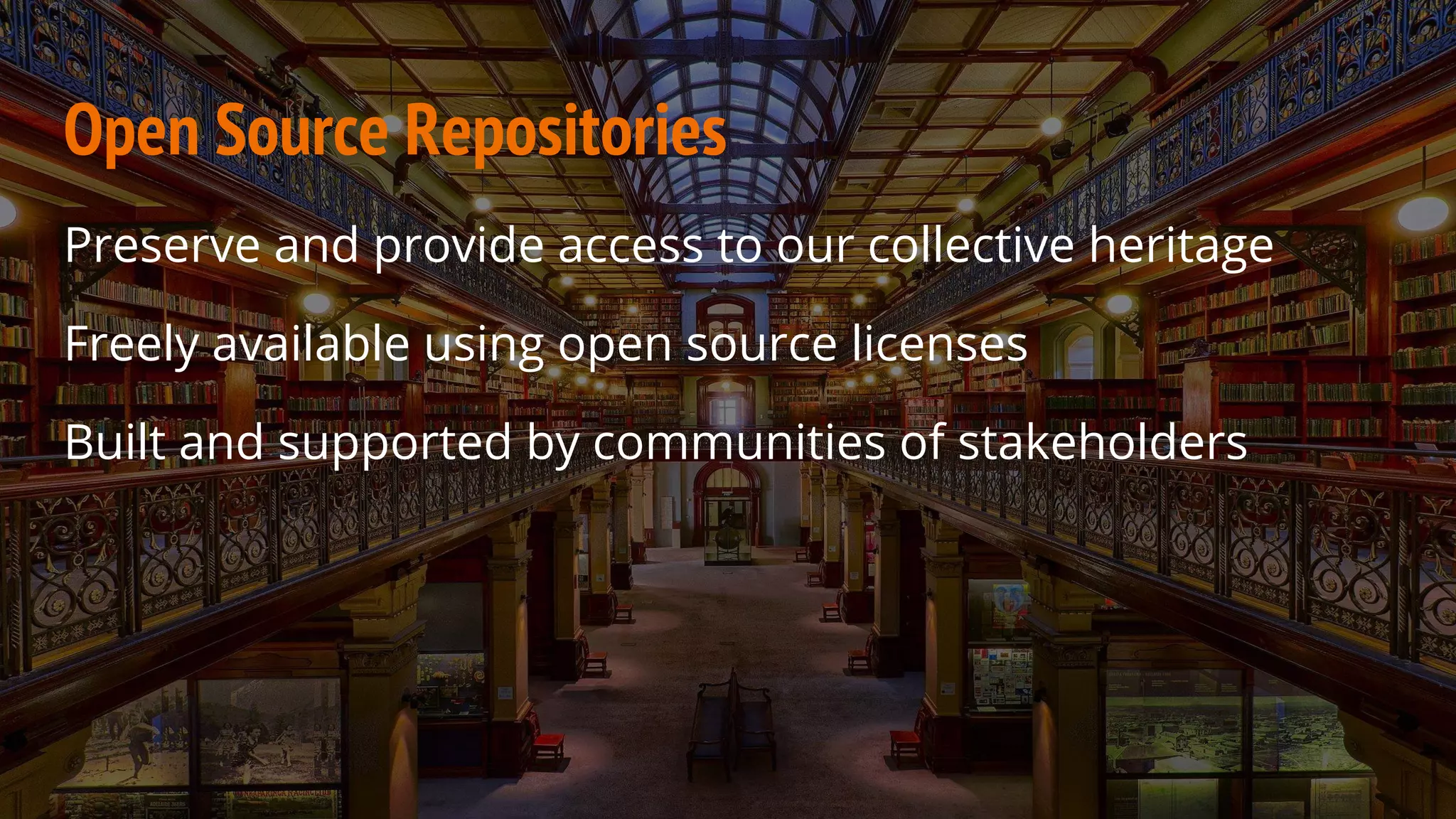
Open Source Repositories
Preserve and provide access to our collective heritage
Freely available using open source licenses
Built and supported by communities of stakeholders
Fedora Facts
Managed by DuraSpace (not-for-profit)
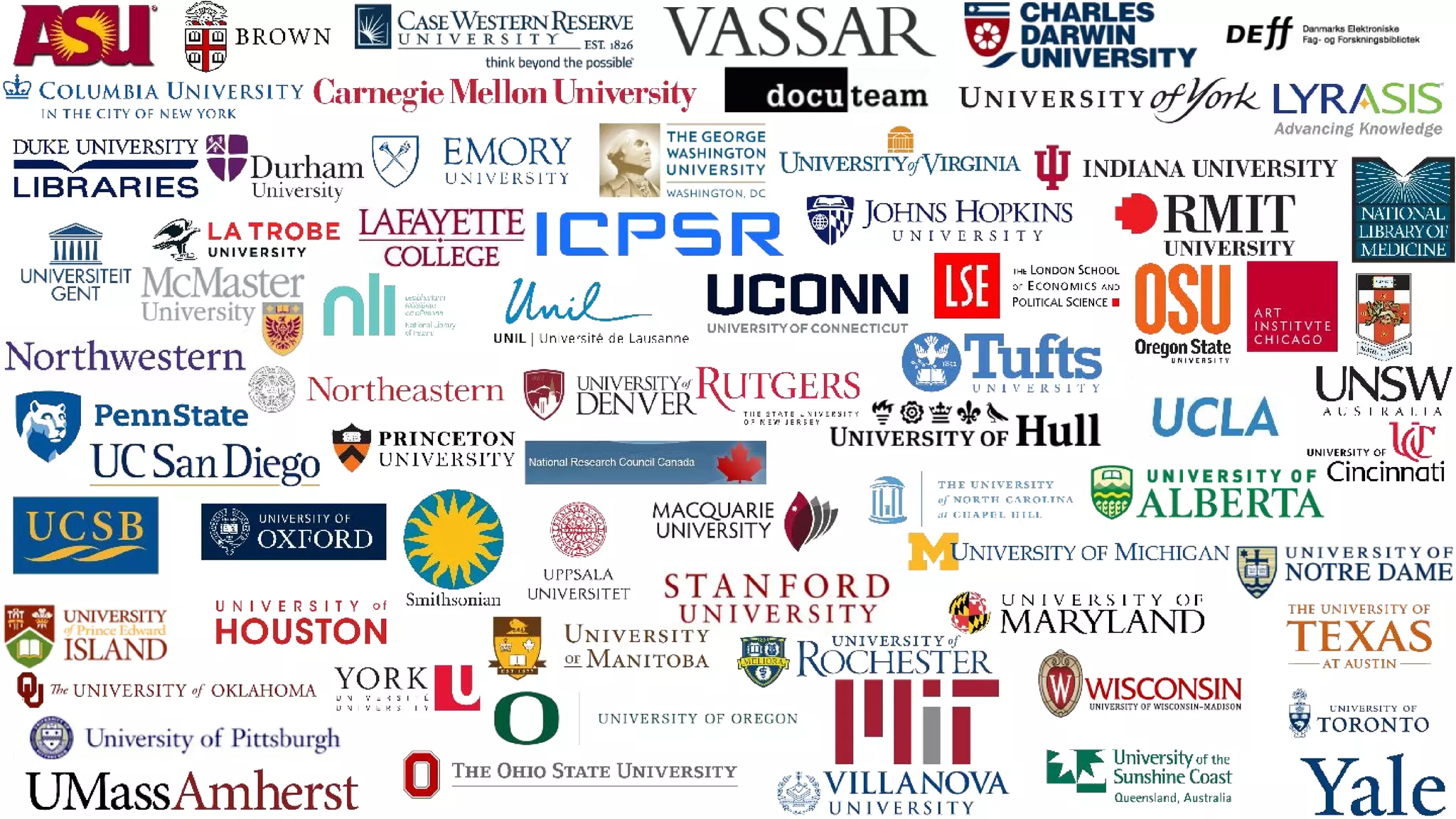
Funded by the community
Collaboratively developed by the community
Supported by 2 full-time staff members (not developers)
Flexible Extensible Durable Object Repository Architecture
Concept
Implementation
Community
Fedora...
Stores, preserves, and provides access to digital objects
Supports flexible and complex content models for objects
Supports complex semantic relationships between objects
inside and outside the repository using RDF
Supports millions of objects, both large and small
Interoperates with other applications and services
Why use Fedora?
Fedora is flexible: it can handle both simple and complex use cases
Content in Fedora is durable: Fedora supports long-term preservation
Fedora powers successful digital repository and DAM applications
Fedora is standards-based
Fedora is backed by a thriving community
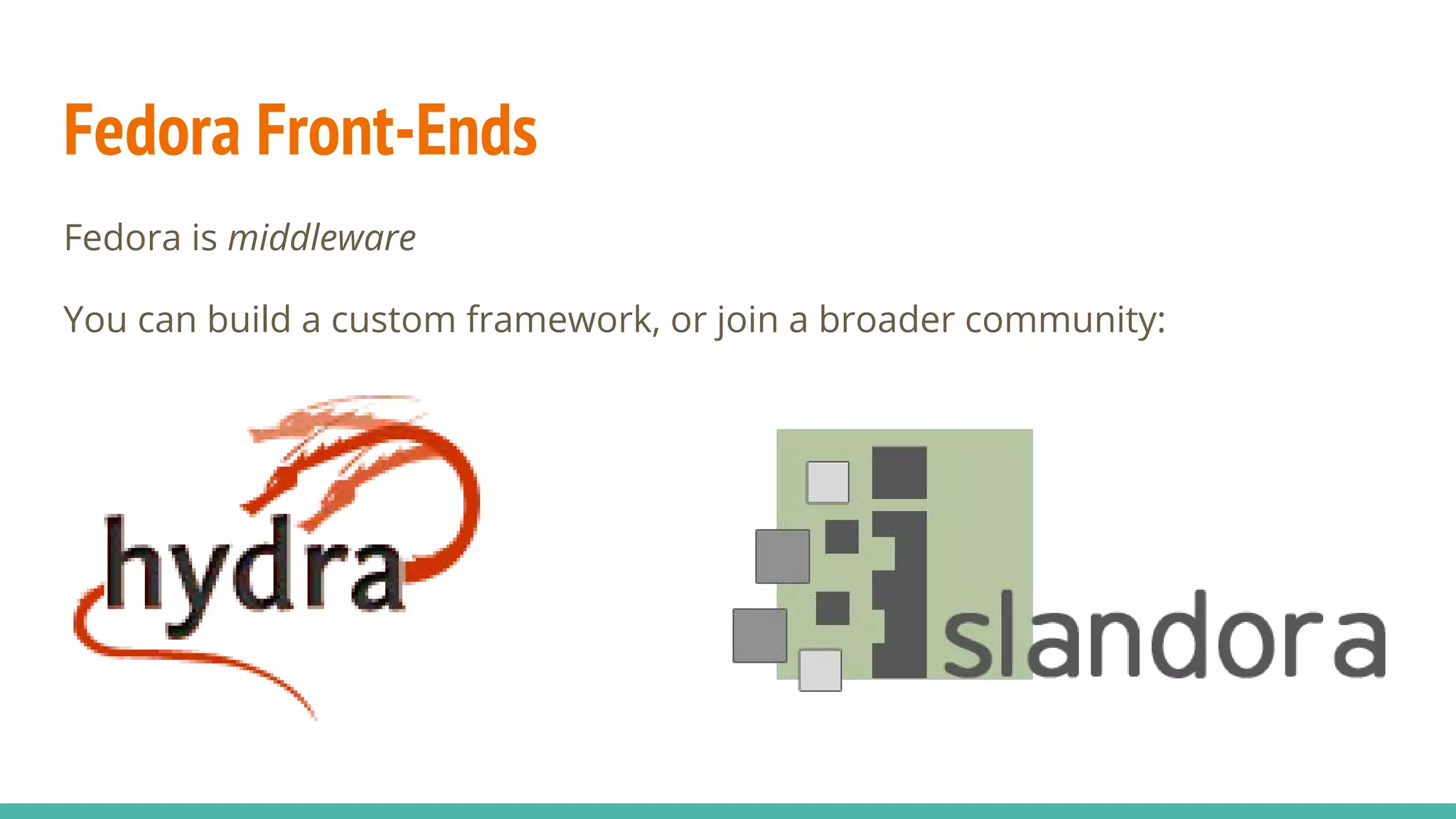
Fedora Front-Ends
Fedora is middleware
You can build a custom framework, or join a broader community:
Fedora Examples
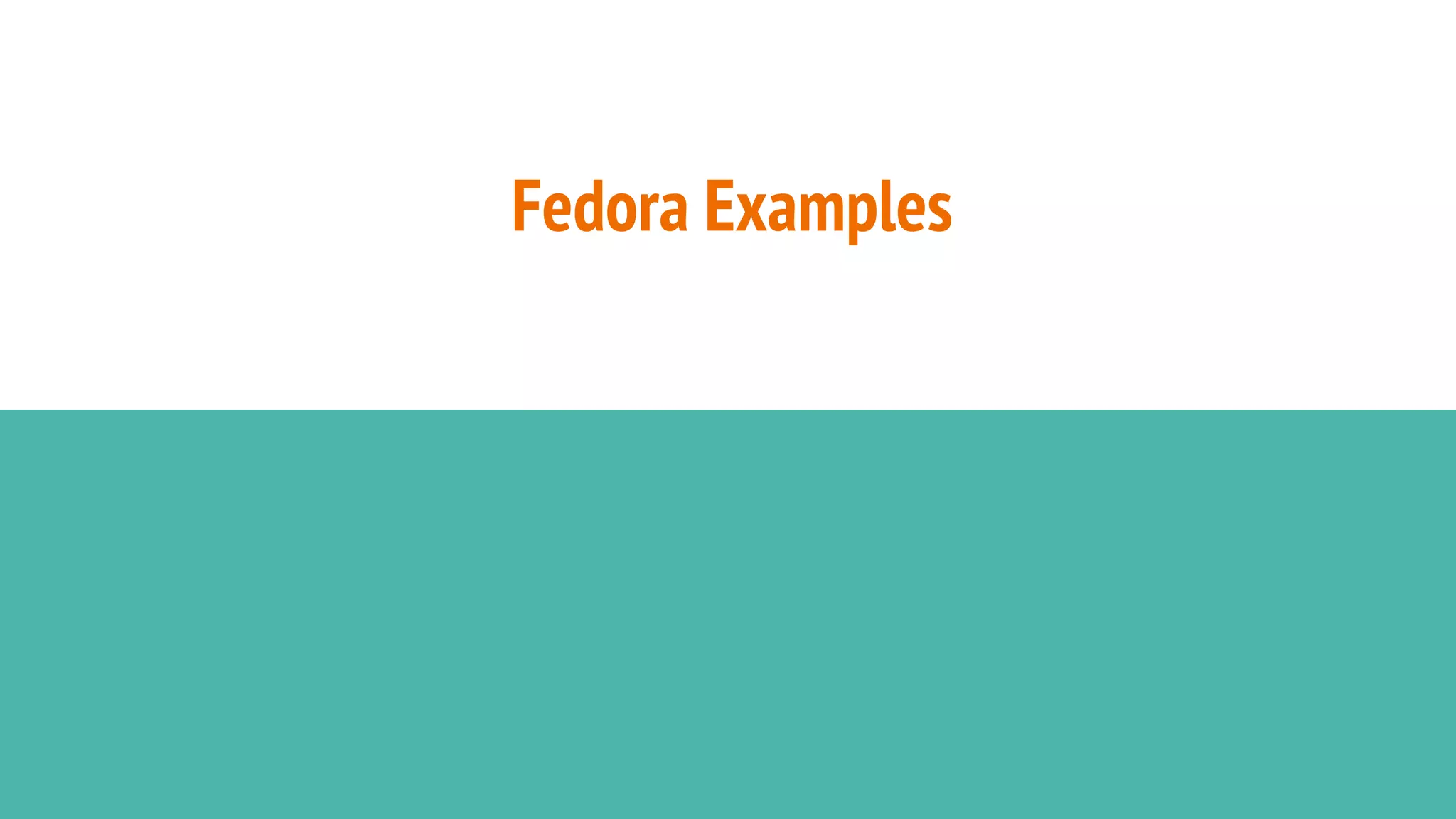
Institutional Repository
https://scholarsphere.psu.edu/
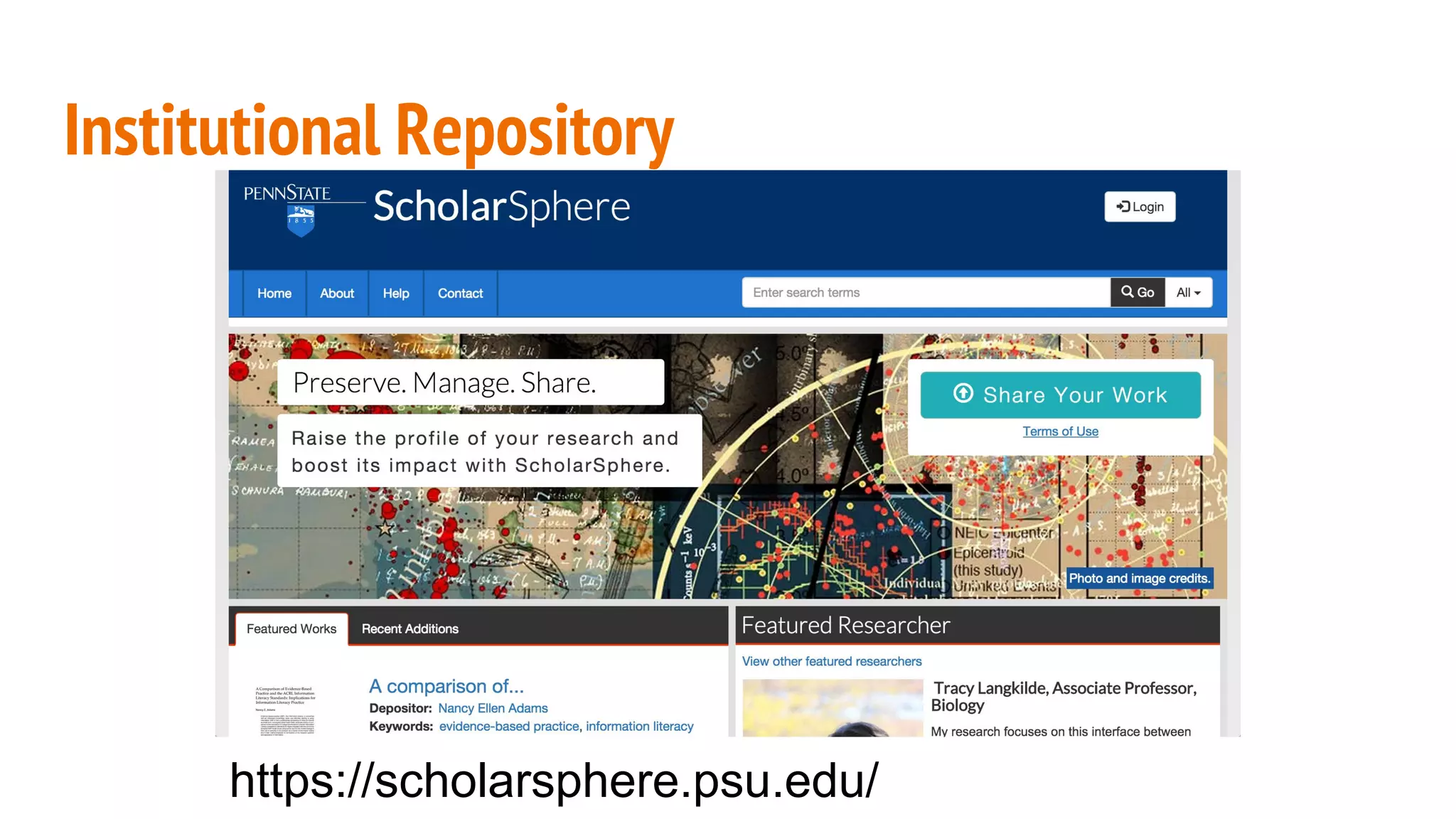
Research Data
https://era.library.ualberta.ca/
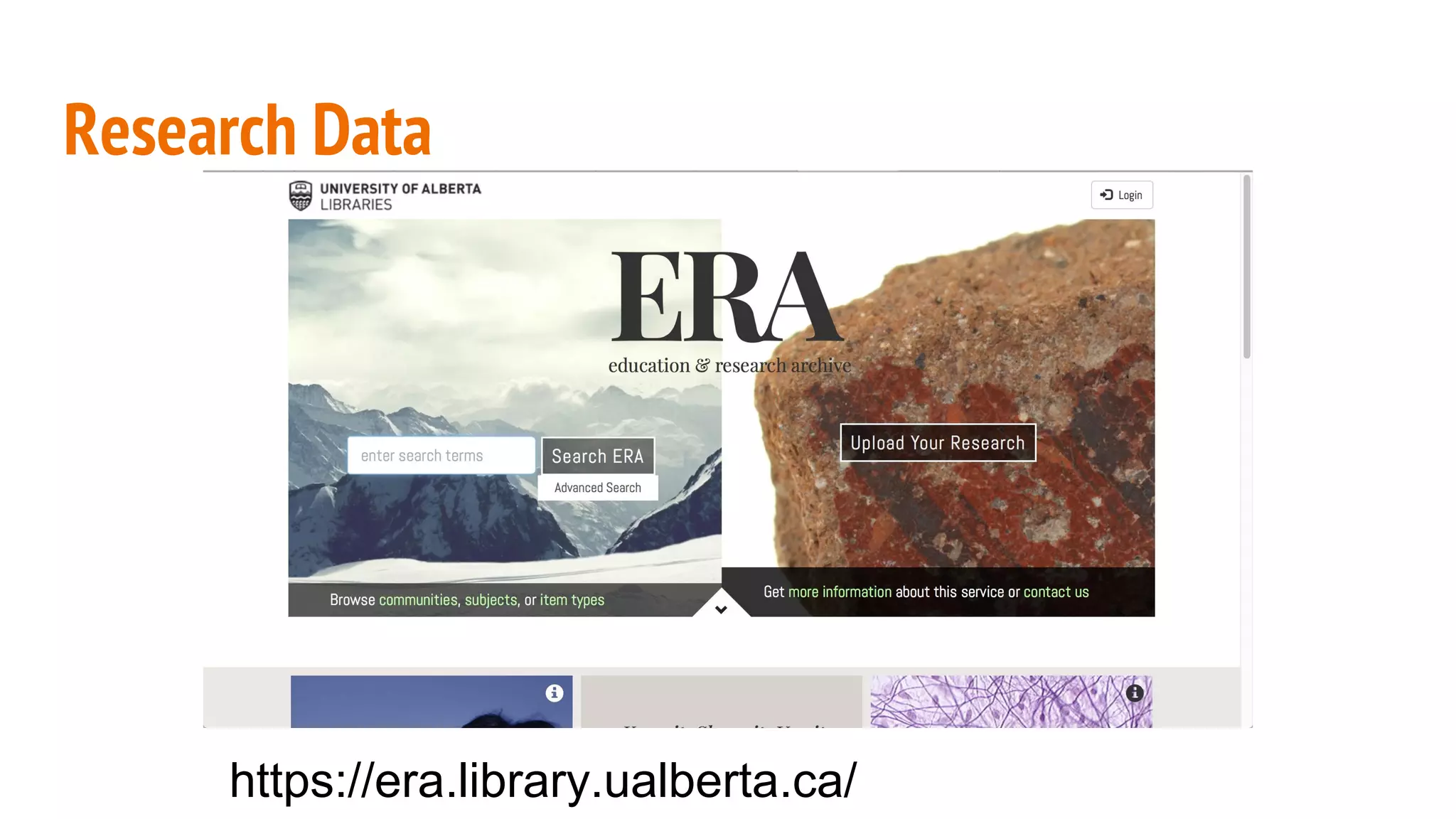
Manuscripts
https://archbishopsregisters.york.ac.uk
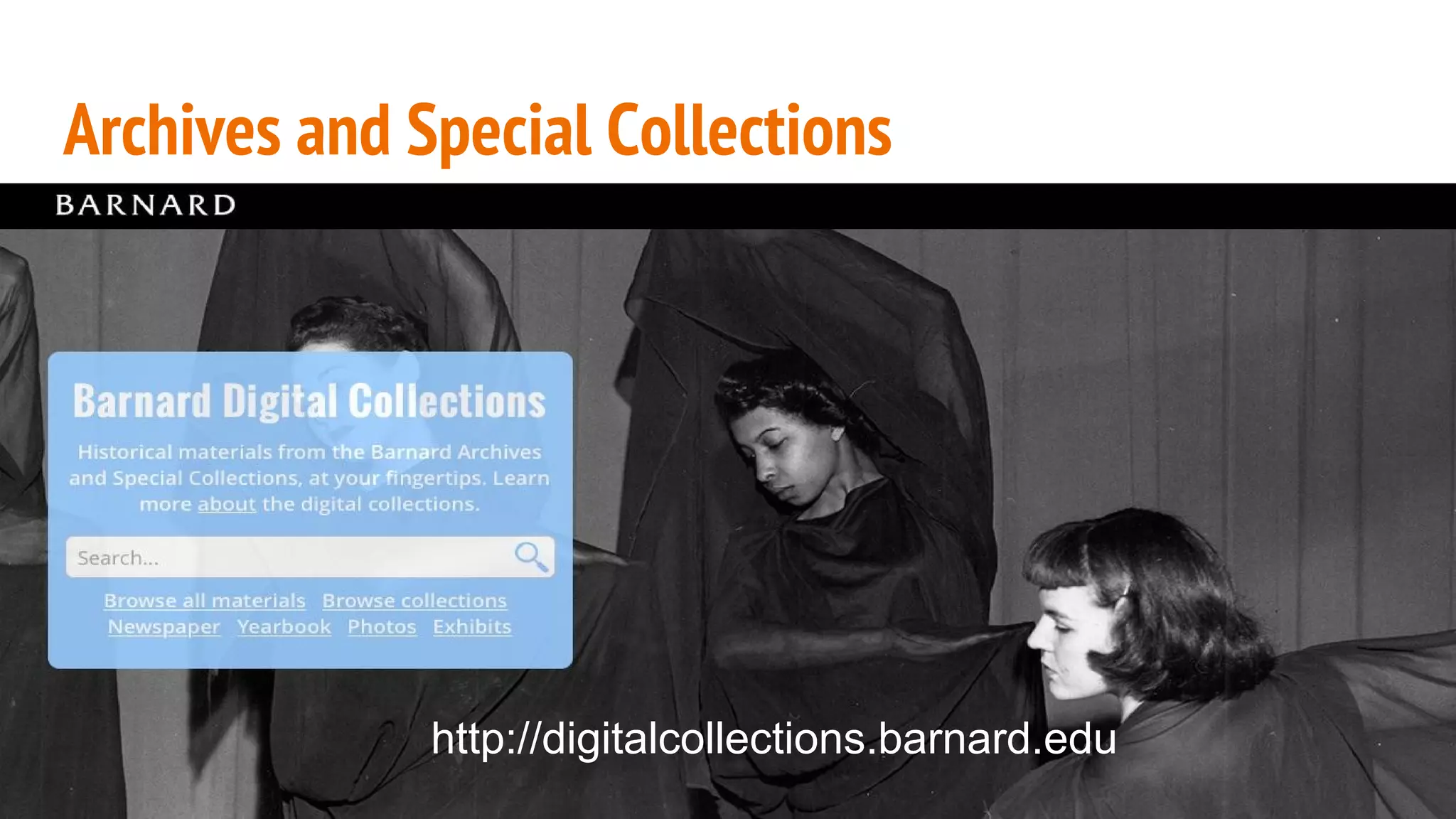
Archives and Special Collections
http://digitalcollections.barnard.edu
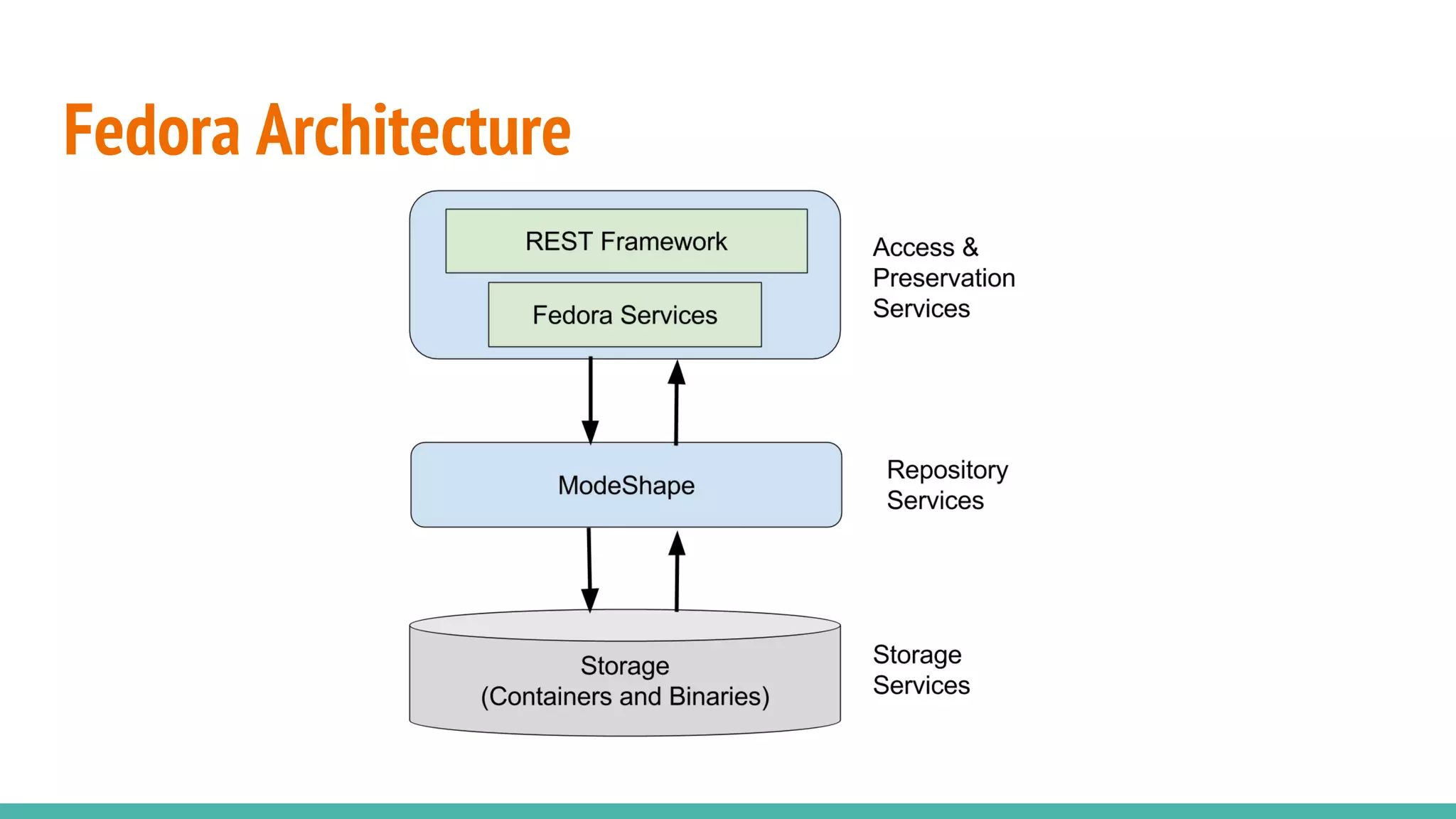
Fedora Architecture
Core Services and Standards
1. Create/Read/Update/Delete - Linked Data Platform
2. Versioning - Memento
3. Authorization - WebAC
4. Batch Operations
5. Fixity - http://tools.ietf.org/html/rfc3230#section-4.3.2
!. Messaging - Activity Streams 2.0
Extended Services
● Search (Solr, Elasticsearch)
● Triplestore (Fuseki, Blazegraph)
● Audit
● Import/export
● Reindexing
● Fixity
● OAI-PMH Provider
● SWORD Server
● Derivative generation
● Workflows
Examples of current extensions:
Community-Driven Design
New features are proposed by community members
Stakeholders gather to discuss requirements
Developed, tested, and verified by community stakeholders
Fedora 4 Workshops
Hosted throughout the year at conferences and events
3 day Fedora Camps are also available
Next camp in the UK
Following camp in North America in the Fall
Roadmap
Adopt semantic versioning
Focus on stability and ease of use
Support migrations to Fedora 4
Useful Links
Fedora 4 Wiki
● https://wiki.duraspace.org/display/FF
Mailing lists
● https://wiki.duraspace.org/display/FF/Mailing+Lists+etc
Contact
● dwilcox@duraspace.org
Attributions
“Mortlock Library” by runmonty, Flickr. https://www.flickr.com/photos/56001877@N04/9115370002
“P1050731” by PRORebecca Siegel, Flickr. https://www.flickr.com/photos/grongar/4965269481
“The workshop” by highlights6, Flickr. https://www.flickr.com/photos/highlights6/14699054200
“365-211” by Canned Muffins, Flickr. https://www.flickr.com/photos/cmuffins/5101164988

Wilcox - Open Source Repositories and the Future of Fedora

  • 1.
    Open Source Repositories andthe Future of Fedora David Wilcox, DuraSpace @d_wilcox
  • 2.
    Open Source Repositories Preserveand provide access to our collective heritage Freely available using open source licenses Built and supported by communities of stakeholders
  • 3.
    Fedora Facts Managed byDuraSpace (not-for-profit) Funded by the community Collaboratively developed by the community Supported by 2 full-time staff members (not developers)
  • 5.
    Flexible Extensible DurableObject Repository Architecture Concept Implementation Community
  • 6.
    Fedora... Stores, preserves, andprovides access to digital objects Supports flexible and complex content models for objects Supports complex semantic relationships between objects inside and outside the repository using RDF Supports millions of objects, both large and small Interoperates with other applications and services
  • 7.
    Why use Fedora? Fedorais flexible: it can handle both simple and complex use cases Content in Fedora is durable: Fedora supports long-term preservation Fedora powers successful digital repository and DAM applications Fedora is standards-based Fedora is backed by a thriving community
  • 8.
    Fedora Front-Ends Fedora ismiddleware You can build a custom framework, or join a broader community:
  • 9.
  • 10.
  • 11.
  • 12.
  • 13.
    Archives and SpecialCollections http://digitalcollections.barnard.edu
  • 14.
  • 15.
    Core Services andStandards 1. Create/Read/Update/Delete - Linked Data Platform 2. Versioning - Memento 3. Authorization - WebAC 4. Batch Operations 5. Fixity - http://tools.ietf.org/html/rfc3230#section-4.3.2 !. Messaging - Activity Streams 2.0
  • 16.
    Extended Services ● Search(Solr, Elasticsearch) ● Triplestore (Fuseki, Blazegraph) ● Audit ● Import/export ● Reindexing ● Fixity ● OAI-PMH Provider ● SWORD Server ● Derivative generation ● Workflows Examples of current extensions:
  • 17.
    Community-Driven Design New featuresare proposed by community members Stakeholders gather to discuss requirements Developed, tested, and verified by community stakeholders
  • 18.
    Fedora 4 Workshops Hostedthroughout the year at conferences and events 3 day Fedora Camps are also available Next camp in the UK Following camp in North America in the Fall
  • 19.
    Roadmap Adopt semantic versioning Focuson stability and ease of use Support migrations to Fedora 4
  • 20.
    Useful Links Fedora 4Wiki ● https://wiki.duraspace.org/display/FF Mailing lists ● https://wiki.duraspace.org/display/FF/Mailing+Lists+etc Contact ● dwilcox@duraspace.org
  • 21.
    Attributions “Mortlock Library” byrunmonty, Flickr. https://www.flickr.com/photos/56001877@N04/9115370002 “P1050731” by PRORebecca Siegel, Flickr. https://www.flickr.com/photos/grongar/4965269481 “The workshop” by highlights6, Flickr. https://www.flickr.com/photos/highlights6/14699054200 “365-211” by Canned Muffins, Flickr. https://www.flickr.com/photos/cmuffins/5101164988