Darwin College,
Cambridge, UK, 2017-10-05
WikiFactMine: Knowledge for Everyone
Peter Murray-Rust1,2
[1]University of Cambridge
[2]TheContentMine
pm286 AT cam DOT ac DOT uk
Let’s build a modern Open knowledgebase
which we, not megacorporations, control
(2x digital music industry!)
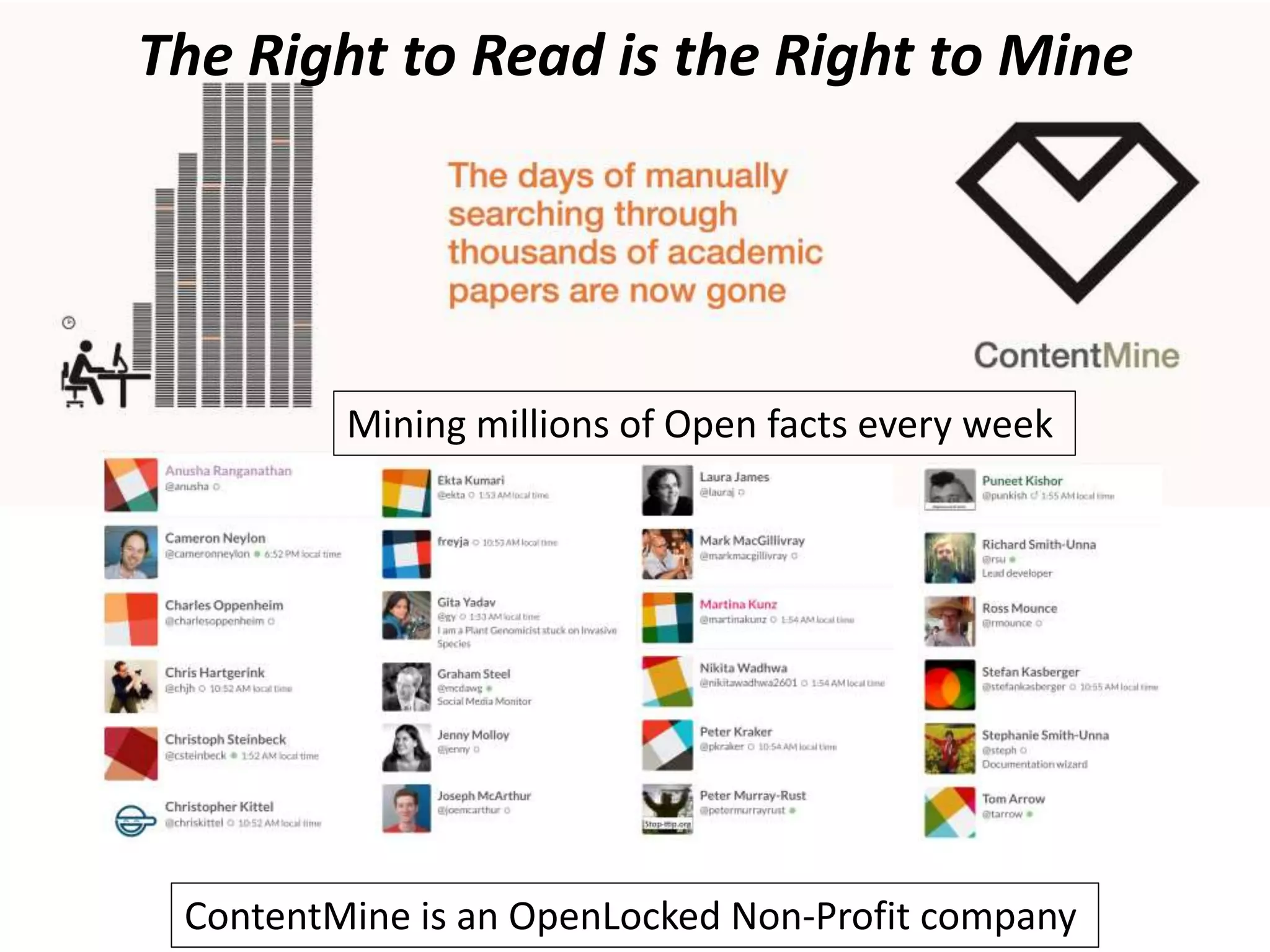
ContentMine is an OpenLocked Non-Profit company
Mining millions of Open facts every week
The Right to Read is the Right to Mine
Scholarly publishing is “Big Data”
[2] https://en.wikipedia.org/wiki/Mont_Blanc#/media/File:Mont_Blanc_depuis_Valmorel.jpg
• $500 Billion public research => 2.5 million articles /year ,
7000 /day
• Most is not Publicly readable and much is unused
• ContentMining (TDM) can liberate knowledge
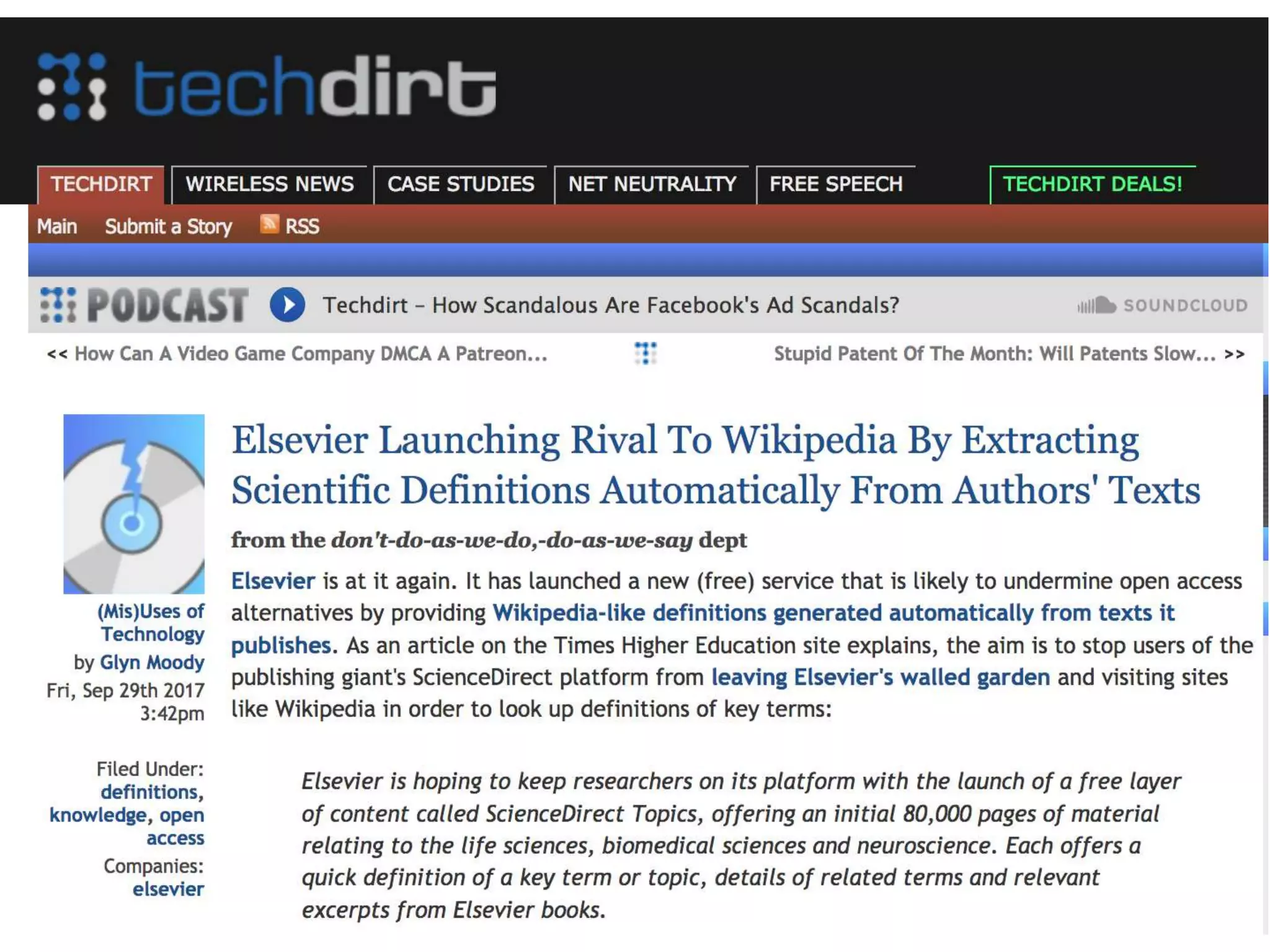
• Many mega-publishers fight ContentMining
[1] http://www.crossref.org/01company/crossref_indicators.html
1 year’s scholarly output!
BENEFITS OF CONTENT MINING
Hague Declaration 2015
• Addressing grand challenges such as climate change and global
epidemics
• Improving population health, wealth and development
• Creating new jobs and employment
• Exponentially increasing the speed and progress of science
through new insights and greater efficiency of research
• Increasing transparency of governments and their actions
• Fostering innovation and collaboration and boosting the impact
of open science
• Creating tools for education and research
• Providing new and richer cultural insights
• Speeding economic and social development in all parts of the
globe
ContentMine software can do this in a few minutes
Polly: “there were 10,000 abstracts and due
to time pressures, we split this between 6
researchers. It took about 2-3 days of work
(working only on this) to get through
~1,600 papers each. So, at a minimum this
equates to 12 days of full-time work (and
would normally be done over several weeks
under normal time pressures).”
http://www.nytimes.com/2015/04/08/opinion/yes-we-were-warned-about-
ebola.html
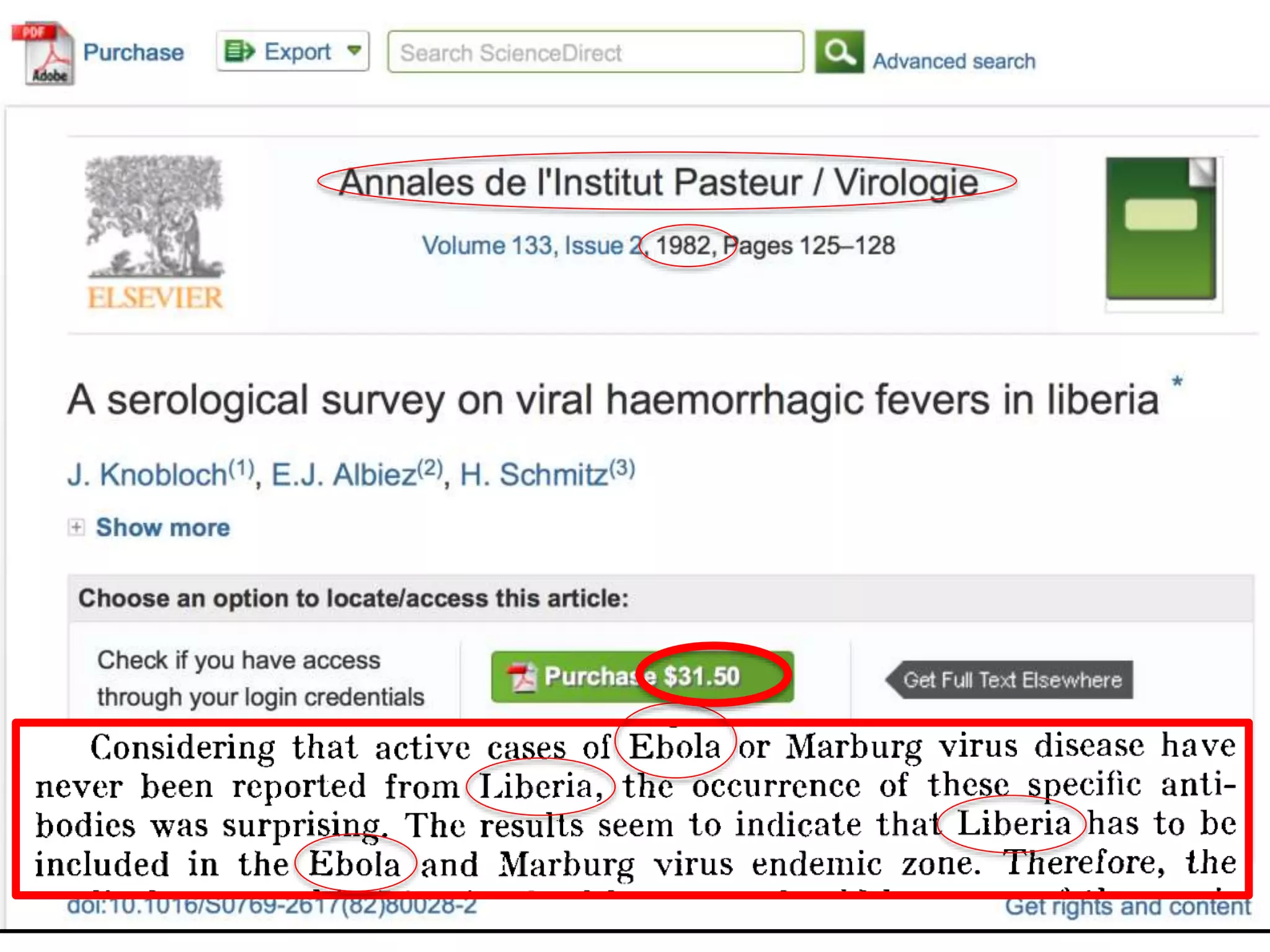
We were stunned recently when we stumbled across an article by European
researchers in Annals of Virology [1982]: “The results seem to indicate that
Liberia has to be included in the Ebola virus endemic zone.” In the future,
the authors asserted, “medical personnel in Liberian health centers should be
aware of the possibility that they may come across active cases and thus be
prepared to avoid nosocomial epidemics,” referring to hospital-acquired
infection.
Adage in public health: “The road to inaction is paved with research
papers.”
Bernice Dahn (chief medical officer of Liberia’s Ministry of Health)
Vera Mussah (director of county health services)
Cameron Nutt (Ebola response adviser to Partners in Health)
A System Failure of Scholarly Publishing
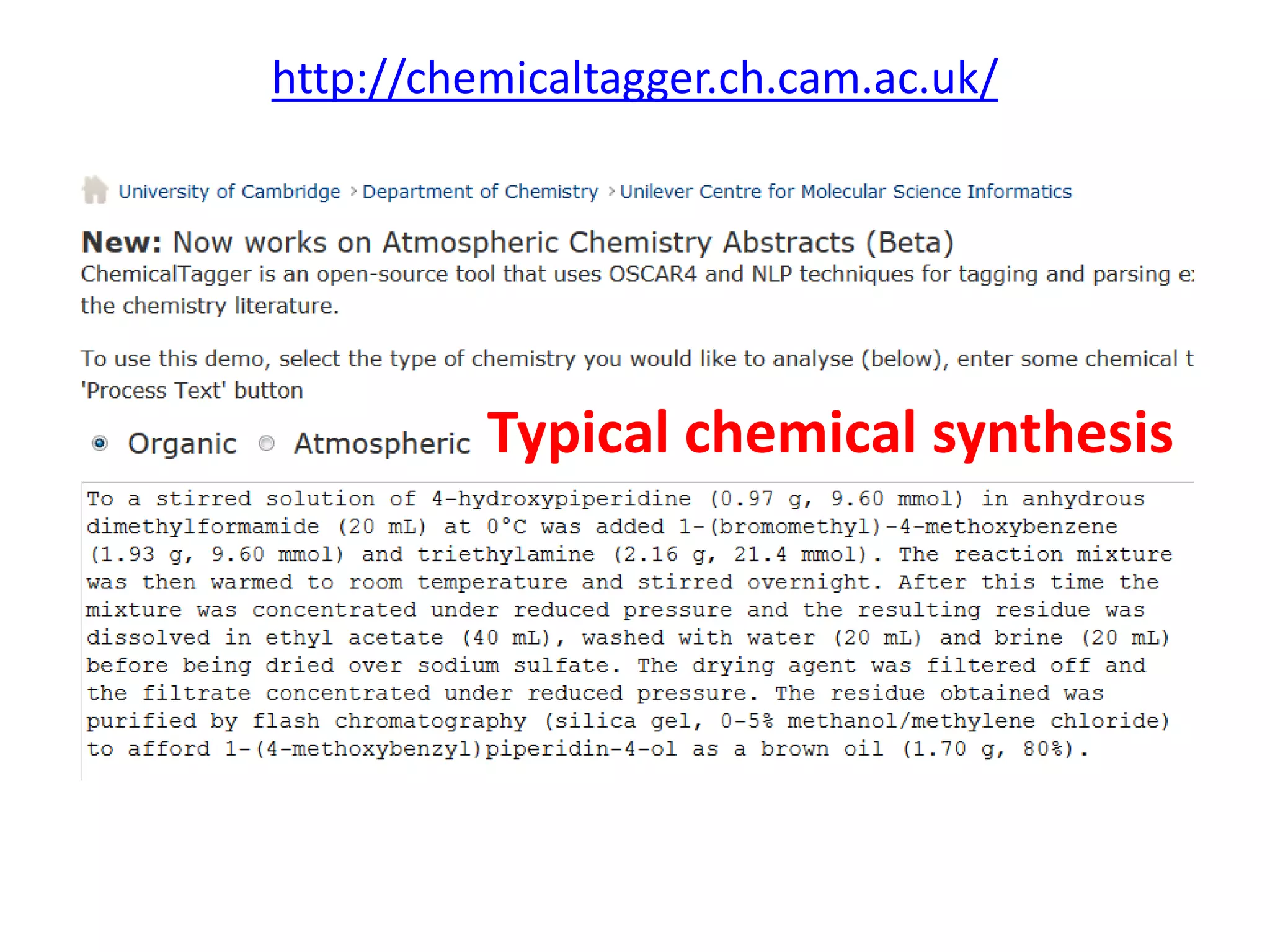
http://chemicaltagger.ch.cam.ac.uk/
• Typical
Typical chemical synthesis
Automatic semantic markup of chemistry
Could be used for analytical, crystallization, etc.
AMI https://bitbucket.org/petermr/xhtml2stm/wiki/Home
Example reaction scheme, taken from MDPI Metabolites 2012, 2, 100-133; page 8, CC-BY:
AMI reads the complete diagram,
recognizes the paths and
generates the molecules. Then
she creates a stop-fram animation
showing how the 12 reactions
lead into each other
CLICK HERE FOR ANIMATION
(may be browser dependent)
https://www.wikidata.org/wiki/Wikidata:WikiFactMine
ContentMine thanks the WikimediaFoundation for support
7 million articles, over 200 dictionaries
Some WikiFactMine dictionaries*
• 402 Galaxies
• 501 Aviation accidents and incidents
• 701 Sovereign states
• 703 soil types
* Compiled by Charles Matthews
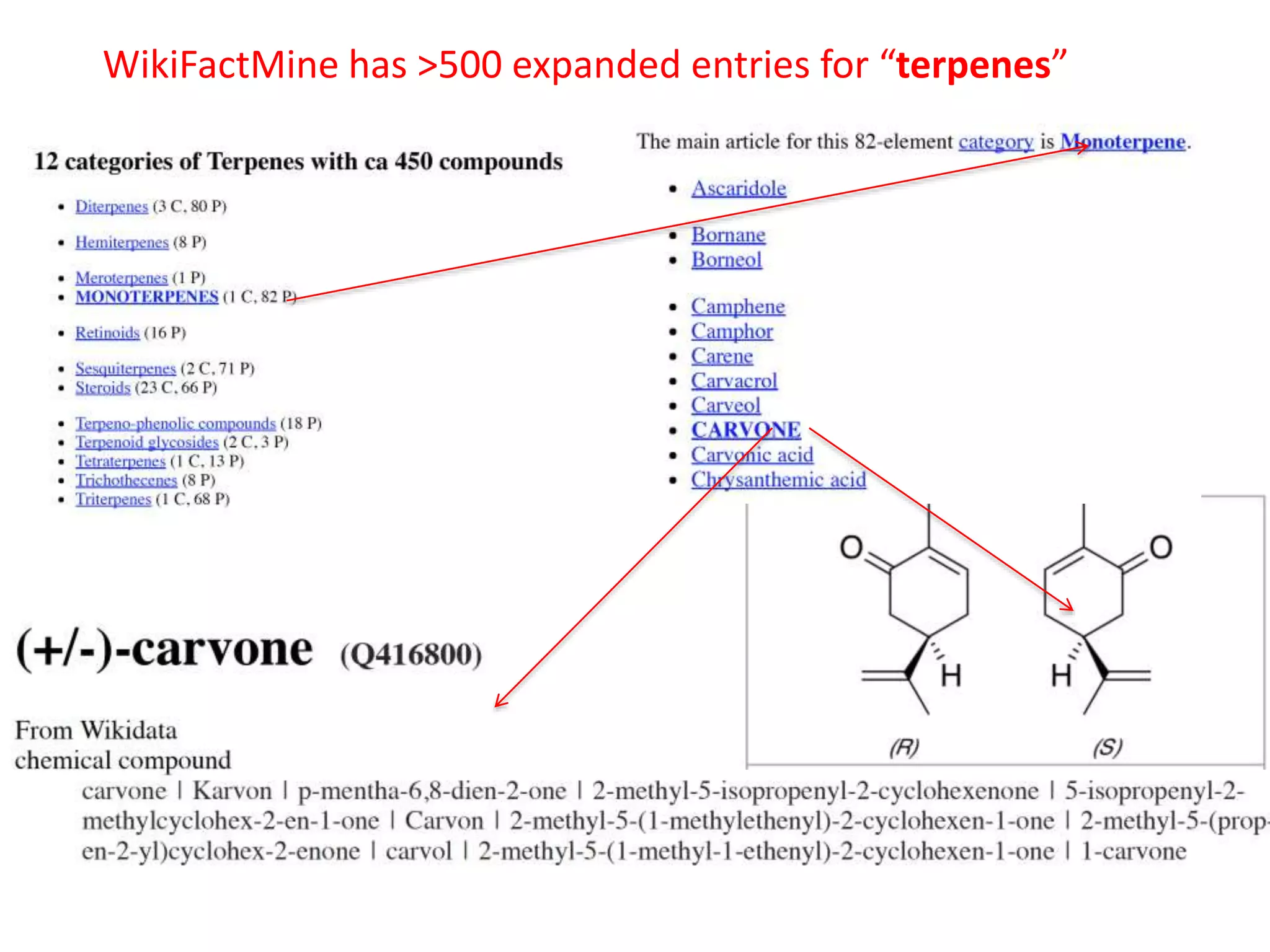
WikiFactMine has >500 expanded entries for “terpenes”
Search on publicly accessible papers on “Zika”
https://rawgit.com/ContentMine/amidemos/master/zika/full.dataTables.html
Infrastructure
• Interoperates with SciPy, R-OpenSci, GitHub …
• Fully Open (CC BY, Apache 2)
catalogue
getpapers
query
Daily
Crawl
EuPMC, arXiv
CORE , HAL,
(UNIV repos)
ToC
services
PDF HTML
DOC ePUB
TeX XML
PNG
EPS CSV
XLSURLs
DOIs
crawl
quickscrape
norma
Normalizer
Structurer
Semantic
Tagger
Text
Data
Figures
ami
UNIV
Repos
search
Lookup
CONTENT
MINING
Chem
Phylo
Trials
Crystal
Plants
COMMUNITY
plugins
Visualization
and Analysis
PloSONE, BMC,
peerJ… Nature, IEEE,
Elsevier…
Publisher Sites
scrapers
queries
taggers
abstract
methods
references
Captioned
Figures
Fig. 1
HTML tables
30, 000 pages/day
Semantic ScholarlyHTML
Facts
CONTENTMINE Complete OPEN Platform for Mining Scientific Literature
6 ContentMine Fellows for 6 months
Neo Christopher Chung
 Warsaw, Computational Biology
 Wants to find out geographic and temporal differences in the use of genomic software tools
Alexandra Bannach-Brown
 Edinburgh, Neuroscience
 Problem: huge body of works in animal studies about depressions. systematic review is the main
approach for getting insight.
 Wants: identify papers in systematic review of depressive behaviour in animals. What
drugs, what methods, what outcomes and signs/phenotypes. Use outcomes for document
clustering.
 and expedite scientific advances."
 Corpus: 70.000 Papers
Lars Willighagen
 15 years old NL
 Wants: extract data about conifers (relations to chemicals, height etc.)
 Outcome: database with webpage containing conifer properties
 Table Facts Visualiser DEMO
 Card DEMO
 Word Cloud
 „ I applied to this fellowship to learn new things and combine the ContentMine with two previous
projects I never got to finish, and I got really excited by the idea and the ContentMine at large.“
Julia Reda, Pirate MEP, running ContentMine
software to liberate science 2016-04-16
• Chris Hartgerink
Tilburg University (NL)
• Reproducible Science
• Extracting statistical information
• Helping authors check
reported results
• Detecting problematic study
results (e.g., clinical trials)
[1]
[1] STATCHECK from Chris Hartgerink
And now the main problem…
@Senficon (Julia Reda) :Text & Data mining in times of
#copyright maximalism:
"Elsevier stopped me doing my research"
http://onsnetwork.org/chartgerink/2015/11/16/elsevi
er-stopped-me-doing-my-research/ … #opencon #TDM
Elsevier stopped me doing my research
Chris Hartgerink
I am a statistician interested in detecting potentially problematic research such as data fabrication,
which results in unreliable findings and can harm policy-making, confound funding decisions, and
hampers research progress.
To this end, I am content mining results reported in the psychology literature. Content mining the
literature is a valuable avenue of investigating research questions with innovative methods. For
example, our research group has written an automated program to mine research papers for errors in
the reported results and found that 1/8 papers (of 30,000) contains at least one result that could
directly influence the substantive conclusion [1].
In new research, I am trying to extract test results, figures, tables, and other information reported in
papers throughout the majority of the psychology literature. As such, I need the research papers
published in psychology that I can mine for these data. To this end, I started ‘bulk’ downloading research
papers from, for instance, Sciencedirect. I was doing this for scholarly purposes and took into account
potential server load by limiting the amount of papers I downloaded per minute to 9. I had no intention
to redistribute the downloaded materials, had legal access to them because my university pays a
subscription, and I only wanted to extract facts from these papers.
Full disclosure, I downloaded approximately 30GB of data from Sciencedirect in approximately 10 days.
This boils down to a server load of 0.0021GB/[min], 0.125GB/h, 3GB/day.
Approximately two weeks after I started downloading psychology research papers, Elsevier notified my
university that this was a violation of the access contract, that this could be considered stealing of
content, and that they wanted it to stop. My librarian explicitly instructed me to stop downloading
(which I did immediately), otherwise Elsevier would cut all access to Sciencedirect for my university.
I am now not able to mine a substantial part of the literature, and because of this Elsevier is directly
hampering me in my research.
[1] Nuijten, M. B., Hartgerink, C. H. J., van Assen, M. A. L. M., Epskamp, S., & Wicherts, J. M. (2015). The
prevalence of statistical reporting errors in psychology (1985–2013). Behavior Research Methods, 1–22.
doi: 10.3758/s13428-015-0664-2
Chris Hartgerink’s blog post
http://onsnetwork.org/chartgerink/2016/02/23/wiley-also-stopped-my-doing-my-research/
Wiley also stopped me (Chris Hartgerink) doing my research
In November, I wrote about how Elsevier wanted me to stop downloading scientific articles for my research. Today, Wiley
also ordered me to stop downloading.
As a quick recapitulation: I am a statistician doing research into detecting
potentially problematic research such as data fabrication and
estimating how often it occurs. For this, I need to download many scientific articles, because my research
applies content mining methods that extract facts from them (e.g., test statistics). These facts serve as my data to answer my research
questions. If I cannot download these research articles, I cannot collect the data I need to do my research.
I was downloading psychology research articles from the Wiley library, with a maximum of 5 per minute. I did this using the tool quickscrape,
developed by the ContentMine organization. With this, I have downloaded approximately 18,680 research articles from the Wiley library,
which I was downloading solely for research purposes.
Wiley noticed my downloading and notified my university library that they detected a compromised proxy, which they
had immediately restricted. They called it “illegally downloading copyrighted content
licensed by your institution”. However, at no point was there any investigation into whether my user credentials were
actually compromised (they were not). Whether I had legitimate reasons to download these articles was never discussed.
The original email from Wiley is available here.
As a result of Wiley denying me to download these research articles, I cannot collect data from
another one of the big publishers, alongside Elsevier. Wiley is more strict than Elsevier by immediately condemning the
downloading as illegal, whereas Elsevier offers an (inadequate) API with additional terms of use (while legitimate access
has already been obtained). I am really confused about what the publisher’s stance on content mining is, because Sage
and Springer seemingly allow it; I have downloaded 150,210 research articles from Springer
and 12,971 from Sage and they never complained about it.
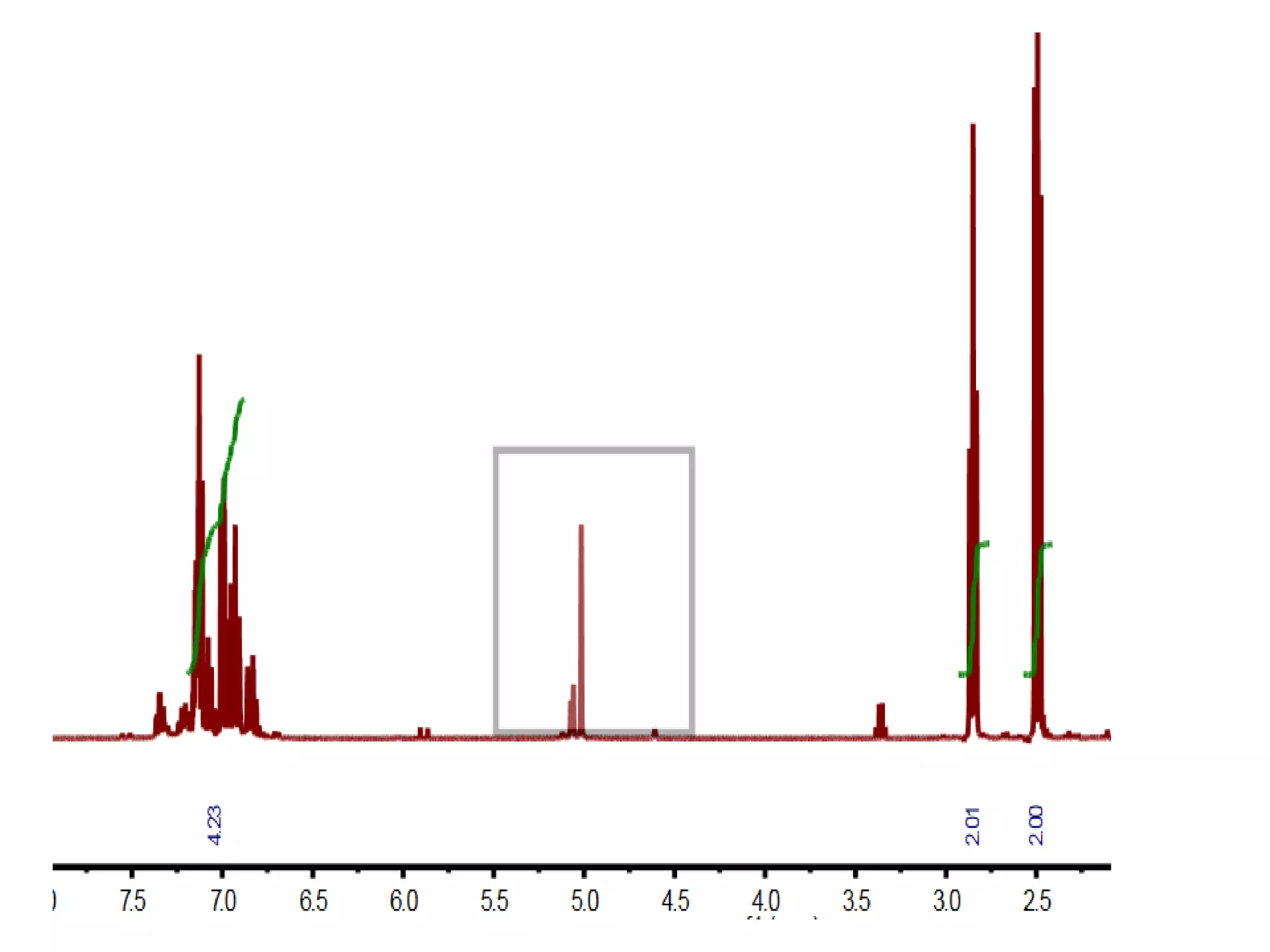
C) What’s the problem with this spectrum?
Org. Lett., 2011, 13 (15), pp 4084–4087
Original thanks to ChemBark
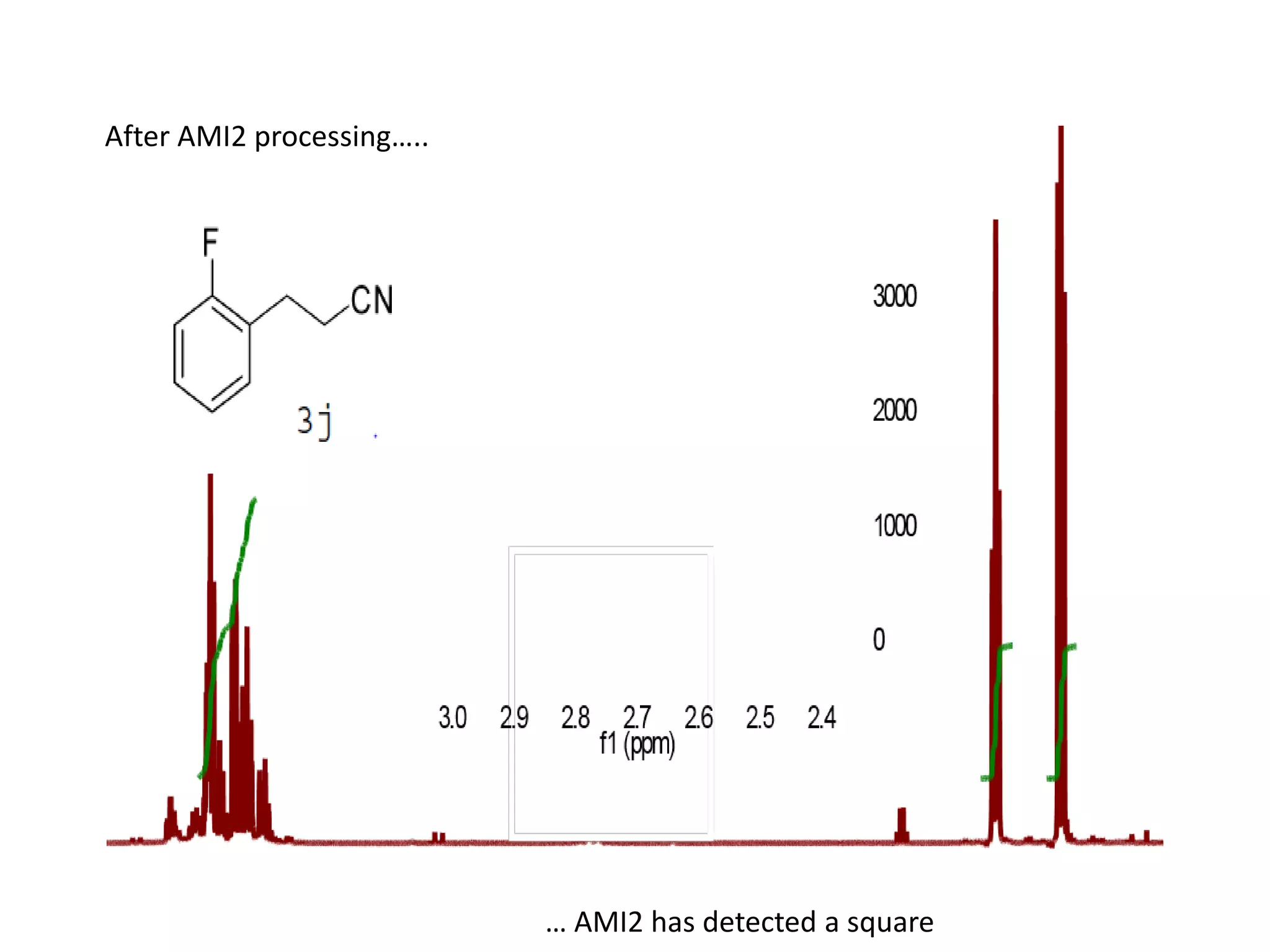
After AMI2 processing…..
… AMI2 has detected a square
http://contentmine.org
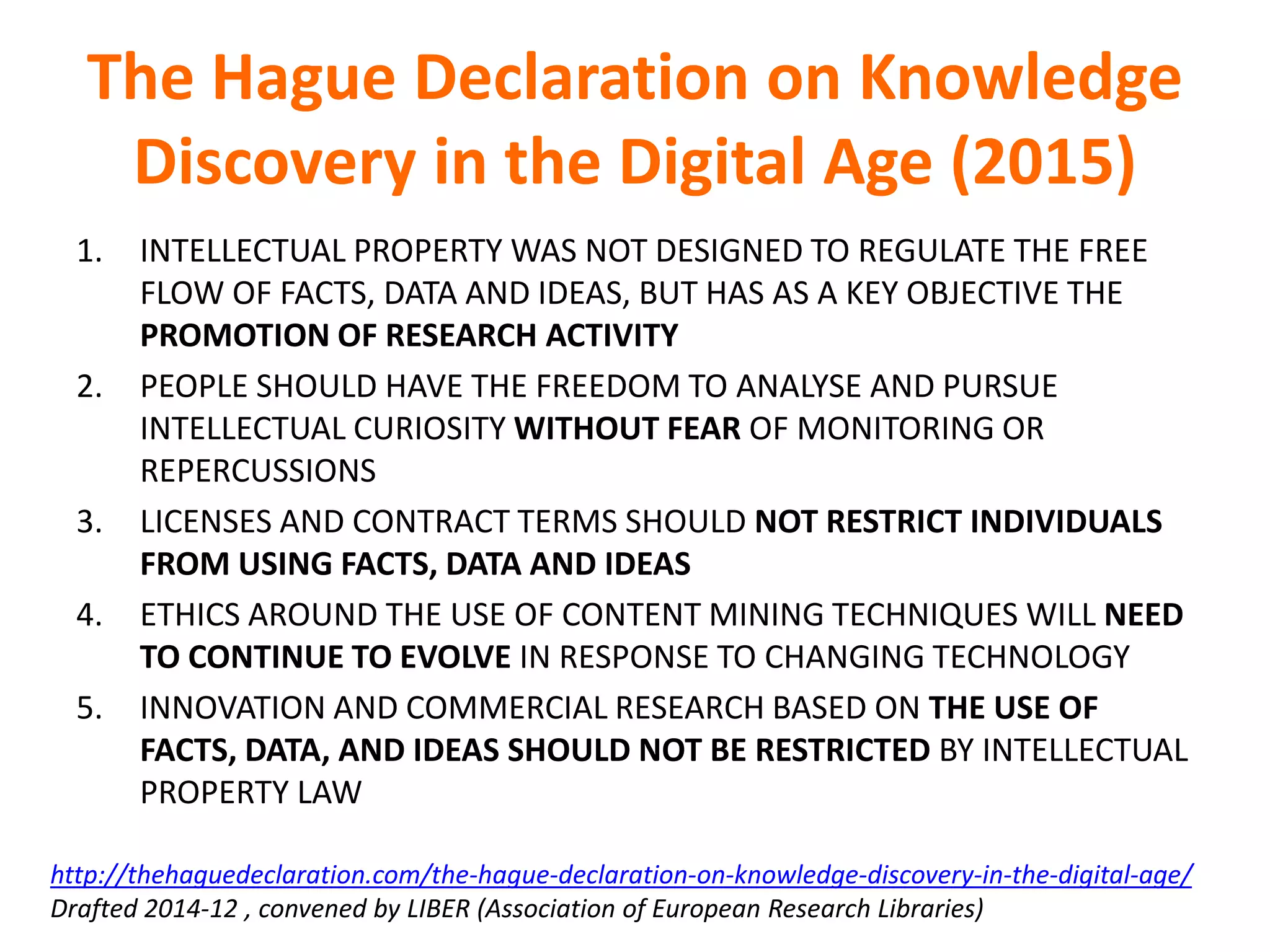
The Hague Declaration on Knowledge
Discovery in the Digital Age (2015)
1. INTELLECTUAL PROPERTY WAS NOT DESIGNED TO REGULATE THE FREE
FLOW OF FACTS, DATA AND IDEAS, BUT HAS AS A KEY OBJECTIVE THE
PROMOTION OF RESEARCH ACTIVITY
2. PEOPLE SHOULD HAVE THE FREEDOM TO ANALYSE AND PURSUE
INTELLECTUAL CURIOSITY WITHOUT FEAR OF MONITORING OR
REPERCUSSIONS
3. LICENSES AND CONTRACT TERMS SHOULD NOT RESTRICT INDIVIDUALS
FROM USING FACTS, DATA AND IDEAS
4. ETHICS AROUND THE USE OF CONTENT MINING TECHNIQUES WILL NEED
TO CONTINUE TO EVOLVE IN RESPONSE TO CHANGING TECHNOLOGY
5. INNOVATION AND COMMERCIAL RESEARCH BASED ON THE USE OF
FACTS, DATA, AND IDEAS SHOULD NOT BE RESTRICTED BY INTELLECTUAL
PROPERTY LAW
http://thehaguedeclaration.com/the-hague-declaration-on-knowledge-discovery-in-the-digital-age/
Drafted 2014-12 , convened by LIBER (Association of European Research Libraries)
WE pay for scholarly
publications that WE
can’t read
[1] The Military-Industrial-Academic complex (1961)
(Dwight D Eisenhower, US President)
Publishers Academia
Glory+?
$$, MS
review
Taxpayer
Student
Researcher
$$ $$
in-kind
The Publisher-Academic complex[1]
What UK and Europe must do
• ACTIVELY encourage Mining and researchers
• INVEST in tools, resources, training
• ENCOURAGE cooperative publishers
• PROTECT researchers from aggressive publishers
• Need ACTIONS, not WORDS or it will be too late
http://contentmine.org
Prof. Ian Hargreaves (2011): "David Cameron's
exam question”: "Could it be true that laws
designed more than three centuries ago with the
express purpose of creating economic incentives
for innovation by protecting creators' rights are
today obstructing innovation and economic
growth?”
“yes. We have found that the UK's intellectual
property framework, especially with regard to
copyright, is falling behind what is needed.” "Digital
Opportunity" by Prof Ian Hargreaves - http://www.ipo.gov.uk/ipreview.htm. Licensed under CC BY 3.0 via Wikipedia -
https://en.wikipedia.org/wiki/File:Digital_Opportunity.jpg#/media/File:Digital_Opportunity.jpg
http://www.lisboncouncil.net/publication/publication/134-text-and-data-mining-for-research-and-innovation-.html
Asian and U.S. scholars continue to show a huge interest in text and data mining
as measured by academic research on the topic. And Europe’s position is falling
relative to the rest of the world.
Legal clarity also matters. Some countries apply the “fair-use” doctrine, which
allows “exceptions” to existing copyright law, including for text and data mining.
Israel, the Republic of Korea, Singapore, Taiwan and the U.S. are in this group.
Others have created a new copyright “exception” for text and data mining – Japan,
for instance, which adopted a blanket text-and-data-mining exception in 2009, and
more recently the United Kingdom, where text and data mining was declared fully
legal for non-commercial research purposes in 2014. Some researchers worry that
the UK exception does not go far enough; others report that British researchers are
now at an advantage over their continental counterparts.
the Middle East is now the world’s fourth largest region for research on text and
data mining, led by Iran and Turkey.
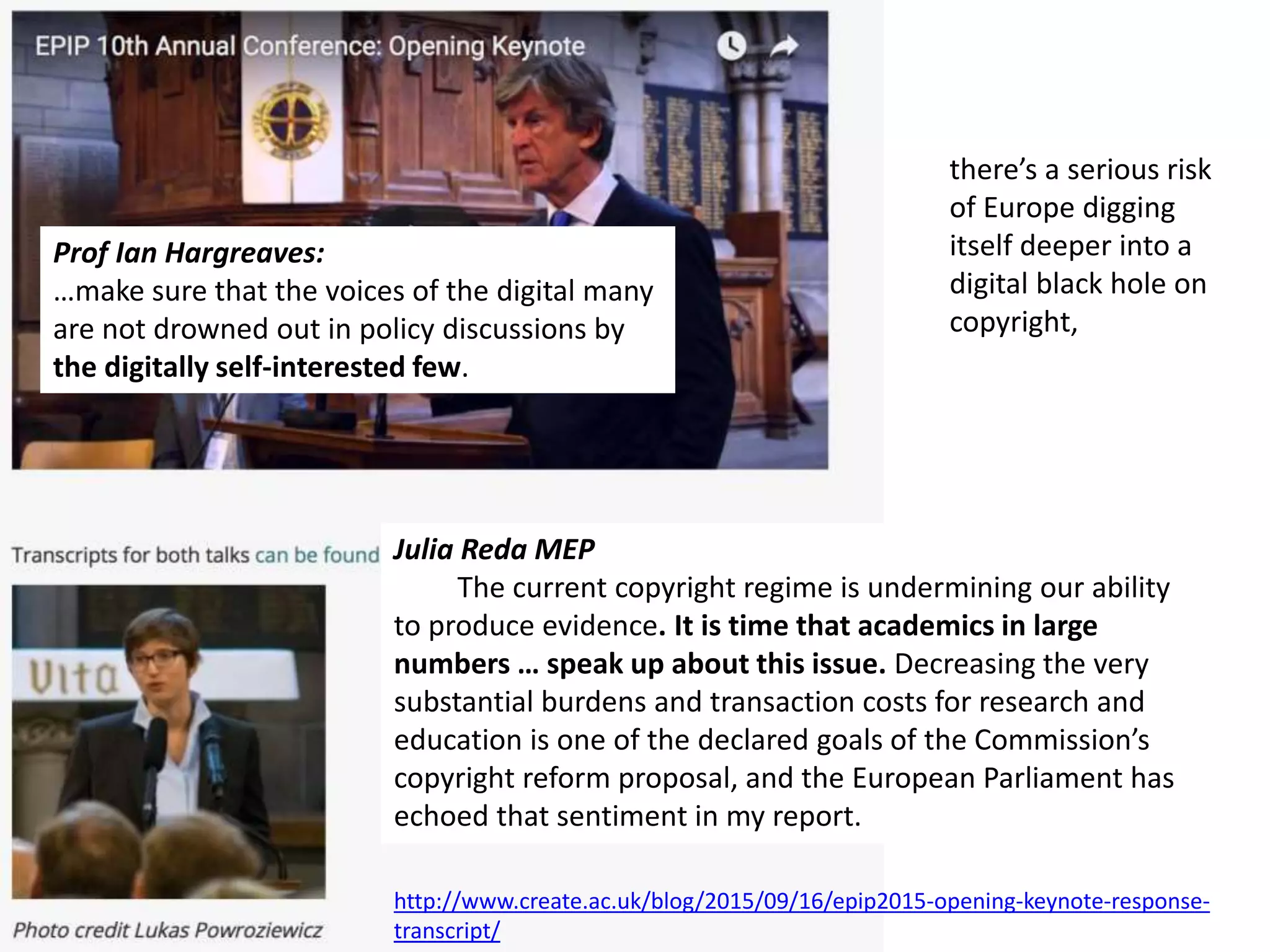
Julia Reda MEP
Julia Reda MEP
The current copyright regime is undermining our ability
to produce evidence. It is time that academics in large
numbers … speak up about this issue. Decreasing the very
substantial burdens and transaction costs for research and
education is one of the declared goals of the Commission’s
copyright reform proposal, and the European Parliament has
echoed that sentiment in my report.
Prof Ian Hargreaves:
…make sure that the voices of the digital many
are not drowned out in policy discussions by
the digitally self-interested few.
http://www.create.ac.uk/blog/2015/09/16/epip2015-opening-keynote-response-
transcript/
there’s a serious risk
of Europe digging
itself deeper into a
digital black hole on
copyright,
Copyright Problems
• By default Copyright forbids everything until proved
otherwise.
• Clear answers are often only available when you defend
yourself in court
• Language is not precise.
– “non-commercial”
– “fair redistribution”
– “public interest research organization”
• Scientific Researchers using mining live in a constant state
of Fear-Uncertainty-Doubt.
• Legal reform is a necessary but not sufficient solution.
What Europe, UK must do
• ACTIVELY ENCOURAGE Mining and researchers
• INVEST in people, tools, resources, training
• ENCOURAGE cooperative publishers
• PROTECT researchers from other publishers
What ContentMine does
• Advocacy (Hague declaration, H2020 FutureTDM)
• Community (esp citizens/young researchers)
• Tools (scrapers, parsers, dictionaries, Wikimedia)

WikiFactMine: Science for Everyone

  • 1.
    Darwin College, Cambridge, UK,2017-10-05 WikiFactMine: Knowledge for Everyone Peter Murray-Rust1,2 [1]University of Cambridge [2]TheContentMine pm286 AT cam DOT ac DOT uk Let’s build a modern Open knowledgebase which we, not megacorporations, control
  • 3.
    (2x digital musicindustry!) ContentMine is an OpenLocked Non-Profit company Mining millions of Open facts every week The Right to Read is the Right to Mine
  • 4.
    Scholarly publishing is“Big Data” [2] https://en.wikipedia.org/wiki/Mont_Blanc#/media/File:Mont_Blanc_depuis_Valmorel.jpg • $500 Billion public research => 2.5 million articles /year , 7000 /day • Most is not Publicly readable and much is unused • ContentMining (TDM) can liberate knowledge • Many mega-publishers fight ContentMining [1] http://www.crossref.org/01company/crossref_indicators.html 1 year’s scholarly output!
  • 5.
    BENEFITS OF CONTENTMINING Hague Declaration 2015 • Addressing grand challenges such as climate change and global epidemics • Improving population health, wealth and development • Creating new jobs and employment • Exponentially increasing the speed and progress of science through new insights and greater efficiency of research • Increasing transparency of governments and their actions • Fostering innovation and collaboration and boosting the impact of open science • Creating tools for education and research • Providing new and richer cultural insights • Speeding economic and social development in all parts of the globe
  • 6.
    ContentMine software cando this in a few minutes Polly: “there were 10,000 abstracts and due to time pressures, we split this between 6 researchers. It took about 2-3 days of work (working only on this) to get through ~1,600 papers each. So, at a minimum this equates to 12 days of full-time work (and would normally be done over several weeks under normal time pressures).”
  • 8.
    http://www.nytimes.com/2015/04/08/opinion/yes-we-were-warned-about- ebola.html We were stunnedrecently when we stumbled across an article by European researchers in Annals of Virology [1982]: “The results seem to indicate that Liberia has to be included in the Ebola virus endemic zone.” In the future, the authors asserted, “medical personnel in Liberian health centers should be aware of the possibility that they may come across active cases and thus be prepared to avoid nosocomial epidemics,” referring to hospital-acquired infection. Adage in public health: “The road to inaction is paved with research papers.” Bernice Dahn (chief medical officer of Liberia’s Ministry of Health) Vera Mussah (director of county health services) Cameron Nutt (Ebola response adviser to Partners in Health) A System Failure of Scholarly Publishing
  • 9.
  • 10.
    Automatic semantic markupof chemistry Could be used for analytical, crystallization, etc.
  • 11.
    AMI https://bitbucket.org/petermr/xhtml2stm/wiki/Home Example reactionscheme, taken from MDPI Metabolites 2012, 2, 100-133; page 8, CC-BY: AMI reads the complete diagram, recognizes the paths and generates the molecules. Then she creates a stop-fram animation showing how the 12 reactions lead into each other CLICK HERE FOR ANIMATION (may be browser dependent)
  • 12.
    https://www.wikidata.org/wiki/Wikidata:WikiFactMine ContentMine thanks theWikimediaFoundation for support 7 million articles, over 200 dictionaries
  • 13.
    Some WikiFactMine dictionaries* •402 Galaxies • 501 Aviation accidents and incidents • 701 Sovereign states • 703 soil types * Compiled by Charles Matthews
  • 14.
    WikiFactMine has >500expanded entries for “terpenes”
  • 15.
    Search on publiclyaccessible papers on “Zika” https://rawgit.com/ContentMine/amidemos/master/zika/full.dataTables.html
  • 17.
    Infrastructure • Interoperates withSciPy, R-OpenSci, GitHub … • Fully Open (CC BY, Apache 2)
  • 18.
    catalogue getpapers query Daily Crawl EuPMC, arXiv CORE ,HAL, (UNIV repos) ToC services PDF HTML DOC ePUB TeX XML PNG EPS CSV XLSURLs DOIs crawl quickscrape norma Normalizer Structurer Semantic Tagger Text Data Figures ami UNIV Repos search Lookup CONTENT MINING Chem Phylo Trials Crystal Plants COMMUNITY plugins Visualization and Analysis PloSONE, BMC, peerJ… Nature, IEEE, Elsevier… Publisher Sites scrapers queries taggers abstract methods references Captioned Figures Fig. 1 HTML tables 30, 000 pages/day Semantic ScholarlyHTML Facts CONTENTMINE Complete OPEN Platform for Mining Scientific Literature
  • 19.
  • 20.
    Neo Christopher Chung Warsaw, Computational Biology  Wants to find out geographic and temporal differences in the use of genomic software tools
  • 21.
    Alexandra Bannach-Brown  Edinburgh,Neuroscience  Problem: huge body of works in animal studies about depressions. systematic review is the main approach for getting insight.  Wants: identify papers in systematic review of depressive behaviour in animals. What drugs, what methods, what outcomes and signs/phenotypes. Use outcomes for document clustering.  and expedite scientific advances."  Corpus: 70.000 Papers
  • 22.
    Lars Willighagen  15years old NL  Wants: extract data about conifers (relations to chemicals, height etc.)  Outcome: database with webpage containing conifer properties  Table Facts Visualiser DEMO  Card DEMO  Word Cloud  „ I applied to this fellowship to learn new things and combine the ContentMine with two previous projects I never got to finish, and I got really excited by the idea and the ContentMine at large.“
  • 23.
    Julia Reda, PirateMEP, running ContentMine software to liberate science 2016-04-16
  • 24.
    • Chris Hartgerink TilburgUniversity (NL) • Reproducible Science • Extracting statistical information • Helping authors check reported results • Detecting problematic study results (e.g., clinical trials)
  • 25.
    [1] [1] STATCHECK fromChris Hartgerink
  • 26.
    And now themain problem…
  • 27.
    @Senficon (Julia Reda):Text & Data mining in times of #copyright maximalism: "Elsevier stopped me doing my research" http://onsnetwork.org/chartgerink/2015/11/16/elsevi er-stopped-me-doing-my-research/ … #opencon #TDM Elsevier stopped me doing my research Chris Hartgerink
  • 28.
    I am astatistician interested in detecting potentially problematic research such as data fabrication, which results in unreliable findings and can harm policy-making, confound funding decisions, and hampers research progress. To this end, I am content mining results reported in the psychology literature. Content mining the literature is a valuable avenue of investigating research questions with innovative methods. For example, our research group has written an automated program to mine research papers for errors in the reported results and found that 1/8 papers (of 30,000) contains at least one result that could directly influence the substantive conclusion [1]. In new research, I am trying to extract test results, figures, tables, and other information reported in papers throughout the majority of the psychology literature. As such, I need the research papers published in psychology that I can mine for these data. To this end, I started ‘bulk’ downloading research papers from, for instance, Sciencedirect. I was doing this for scholarly purposes and took into account potential server load by limiting the amount of papers I downloaded per minute to 9. I had no intention to redistribute the downloaded materials, had legal access to them because my university pays a subscription, and I only wanted to extract facts from these papers. Full disclosure, I downloaded approximately 30GB of data from Sciencedirect in approximately 10 days. This boils down to a server load of 0.0021GB/[min], 0.125GB/h, 3GB/day. Approximately two weeks after I started downloading psychology research papers, Elsevier notified my university that this was a violation of the access contract, that this could be considered stealing of content, and that they wanted it to stop. My librarian explicitly instructed me to stop downloading (which I did immediately), otherwise Elsevier would cut all access to Sciencedirect for my university. I am now not able to mine a substantial part of the literature, and because of this Elsevier is directly hampering me in my research. [1] Nuijten, M. B., Hartgerink, C. H. J., van Assen, M. A. L. M., Epskamp, S., & Wicherts, J. M. (2015). The prevalence of statistical reporting errors in psychology (1985–2013). Behavior Research Methods, 1–22. doi: 10.3758/s13428-015-0664-2 Chris Hartgerink’s blog post
  • 29.
    http://onsnetwork.org/chartgerink/2016/02/23/wiley-also-stopped-my-doing-my-research/ Wiley also stoppedme (Chris Hartgerink) doing my research In November, I wrote about how Elsevier wanted me to stop downloading scientific articles for my research. Today, Wiley also ordered me to stop downloading. As a quick recapitulation: I am a statistician doing research into detecting potentially problematic research such as data fabrication and estimating how often it occurs. For this, I need to download many scientific articles, because my research applies content mining methods that extract facts from them (e.g., test statistics). These facts serve as my data to answer my research questions. If I cannot download these research articles, I cannot collect the data I need to do my research. I was downloading psychology research articles from the Wiley library, with a maximum of 5 per minute. I did this using the tool quickscrape, developed by the ContentMine organization. With this, I have downloaded approximately 18,680 research articles from the Wiley library, which I was downloading solely for research purposes. Wiley noticed my downloading and notified my university library that they detected a compromised proxy, which they had immediately restricted. They called it “illegally downloading copyrighted content licensed by your institution”. However, at no point was there any investigation into whether my user credentials were actually compromised (they were not). Whether I had legitimate reasons to download these articles was never discussed. The original email from Wiley is available here. As a result of Wiley denying me to download these research articles, I cannot collect data from another one of the big publishers, alongside Elsevier. Wiley is more strict than Elsevier by immediately condemning the downloading as illegal, whereas Elsevier offers an (inadequate) API with additional terms of use (while legitimate access has already been obtained). I am really confused about what the publisher’s stance on content mining is, because Sage and Springer seemingly allow it; I have downloaded 150,210 research articles from Springer and 12,971 from Sage and they never complained about it.
  • 30.
    C) What’s theproblem with this spectrum? Org. Lett., 2011, 13 (15), pp 4084–4087 Original thanks to ChemBark
  • 31.
    After AMI2 processing….. …AMI2 has detected a square
  • 33.
  • 34.
    The Hague Declarationon Knowledge Discovery in the Digital Age (2015) 1. INTELLECTUAL PROPERTY WAS NOT DESIGNED TO REGULATE THE FREE FLOW OF FACTS, DATA AND IDEAS, BUT HAS AS A KEY OBJECTIVE THE PROMOTION OF RESEARCH ACTIVITY 2. PEOPLE SHOULD HAVE THE FREEDOM TO ANALYSE AND PURSUE INTELLECTUAL CURIOSITY WITHOUT FEAR OF MONITORING OR REPERCUSSIONS 3. LICENSES AND CONTRACT TERMS SHOULD NOT RESTRICT INDIVIDUALS FROM USING FACTS, DATA AND IDEAS 4. ETHICS AROUND THE USE OF CONTENT MINING TECHNIQUES WILL NEED TO CONTINUE TO EVOLVE IN RESPONSE TO CHANGING TECHNOLOGY 5. INNOVATION AND COMMERCIAL RESEARCH BASED ON THE USE OF FACTS, DATA, AND IDEAS SHOULD NOT BE RESTRICTED BY INTELLECTUAL PROPERTY LAW http://thehaguedeclaration.com/the-hague-declaration-on-knowledge-discovery-in-the-digital-age/ Drafted 2014-12 , convened by LIBER (Association of European Research Libraries)
  • 36.
    WE pay forscholarly publications that WE can’t read [1] The Military-Industrial-Academic complex (1961) (Dwight D Eisenhower, US President) Publishers Academia Glory+? $$, MS review Taxpayer Student Researcher $$ $$ in-kind The Publisher-Academic complex[1]
  • 37.
    What UK andEurope must do • ACTIVELY encourage Mining and researchers • INVEST in tools, resources, training • ENCOURAGE cooperative publishers • PROTECT researchers from aggressive publishers • Need ACTIONS, not WORDS or it will be too late http://contentmine.org
  • 38.
    Prof. Ian Hargreaves(2011): "David Cameron's exam question”: "Could it be true that laws designed more than three centuries ago with the express purpose of creating economic incentives for innovation by protecting creators' rights are today obstructing innovation and economic growth?” “yes. We have found that the UK's intellectual property framework, especially with regard to copyright, is falling behind what is needed.” "Digital Opportunity" by Prof Ian Hargreaves - http://www.ipo.gov.uk/ipreview.htm. Licensed under CC BY 3.0 via Wikipedia - https://en.wikipedia.org/wiki/File:Digital_Opportunity.jpg#/media/File:Digital_Opportunity.jpg
  • 39.
    http://www.lisboncouncil.net/publication/publication/134-text-and-data-mining-for-research-and-innovation-.html Asian and U.S.scholars continue to show a huge interest in text and data mining as measured by academic research on the topic. And Europe’s position is falling relative to the rest of the world. Legal clarity also matters. Some countries apply the “fair-use” doctrine, which allows “exceptions” to existing copyright law, including for text and data mining. Israel, the Republic of Korea, Singapore, Taiwan and the U.S. are in this group. Others have created a new copyright “exception” for text and data mining – Japan, for instance, which adopted a blanket text-and-data-mining exception in 2009, and more recently the United Kingdom, where text and data mining was declared fully legal for non-commercial research purposes in 2014. Some researchers worry that the UK exception does not go far enough; others report that British researchers are now at an advantage over their continental counterparts. the Middle East is now the world’s fourth largest region for research on text and data mining, led by Iran and Turkey.
  • 40.
    Julia Reda MEP JuliaReda MEP The current copyright regime is undermining our ability to produce evidence. It is time that academics in large numbers … speak up about this issue. Decreasing the very substantial burdens and transaction costs for research and education is one of the declared goals of the Commission’s copyright reform proposal, and the European Parliament has echoed that sentiment in my report. Prof Ian Hargreaves: …make sure that the voices of the digital many are not drowned out in policy discussions by the digitally self-interested few. http://www.create.ac.uk/blog/2015/09/16/epip2015-opening-keynote-response- transcript/ there’s a serious risk of Europe digging itself deeper into a digital black hole on copyright,
  • 41.
    Copyright Problems • Bydefault Copyright forbids everything until proved otherwise. • Clear answers are often only available when you defend yourself in court • Language is not precise. – “non-commercial” – “fair redistribution” – “public interest research organization” • Scientific Researchers using mining live in a constant state of Fear-Uncertainty-Doubt. • Legal reform is a necessary but not sufficient solution.
  • 42.
    What Europe, UKmust do • ACTIVELY ENCOURAGE Mining and researchers • INVEST in people, tools, resources, training • ENCOURAGE cooperative publishers • PROTECT researchers from other publishers What ContentMine does • Advocacy (Hague declaration, H2020 FutureTDM) • Community (esp citizens/young researchers) • Tools (scrapers, parsers, dictionaries, Wikimedia)