Securing Industrial Control Systems
Kevin Wheeler, CISSP, CISA
2
Evolving Threat Landscape1
Industrial Control Systems2
Emerging Industrial Control System Threats3
Securing Industrial Control Systems4
Agenda
Questions and Discussion5
Evolving Threat Landscape
5
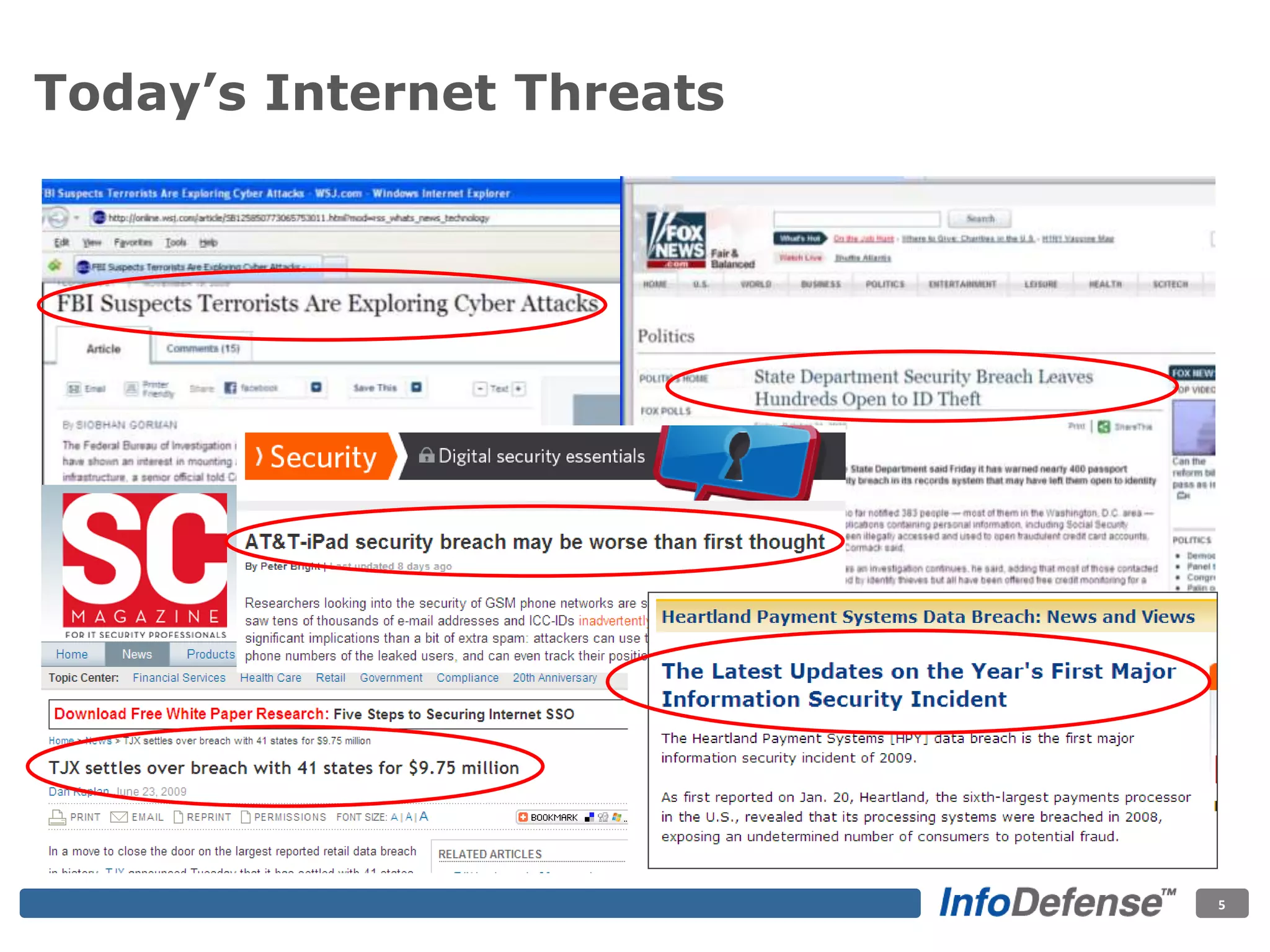
Today’s Internet Threats
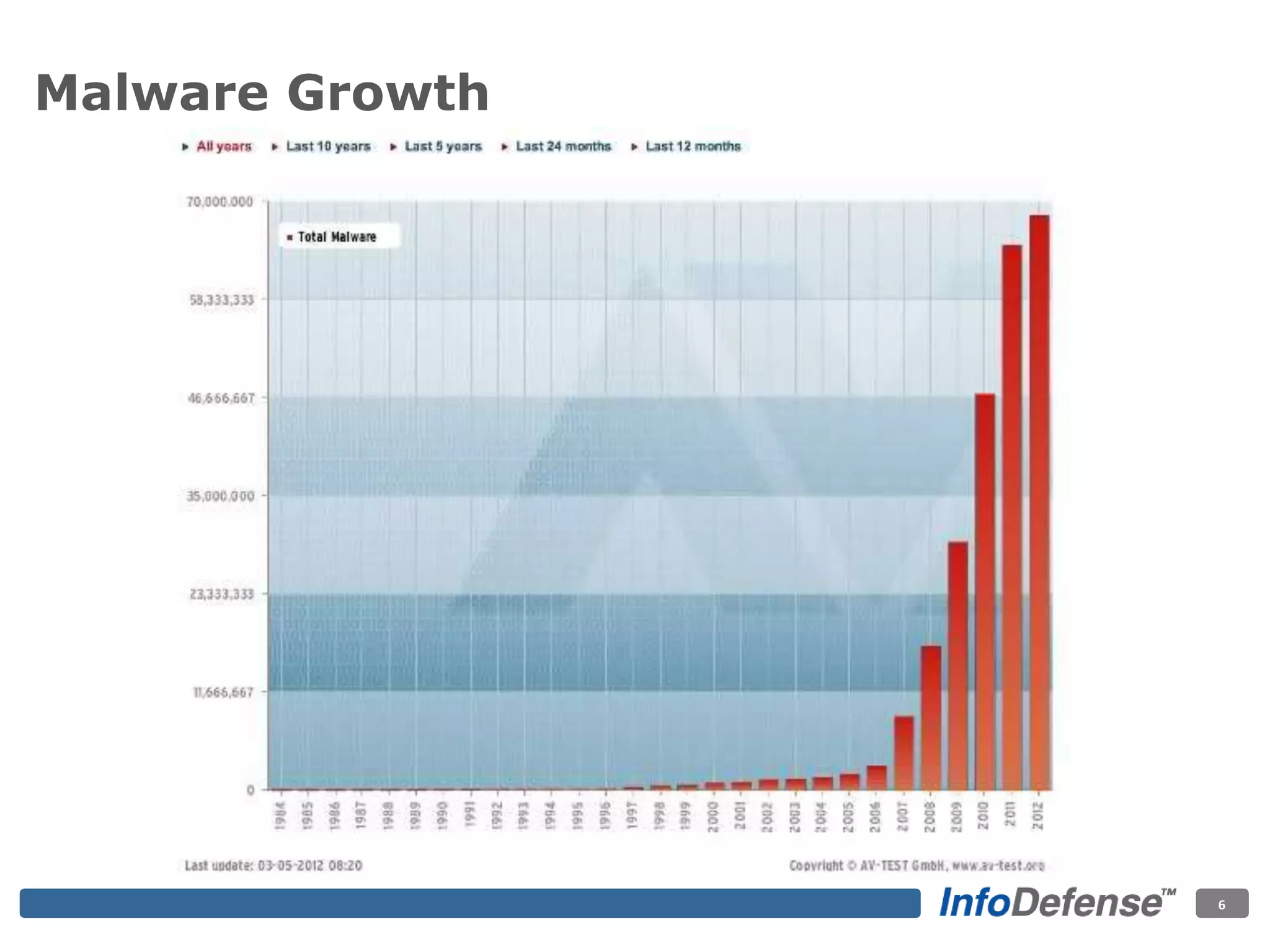
In 2007
1,431
variants per day
Malware Growth
6
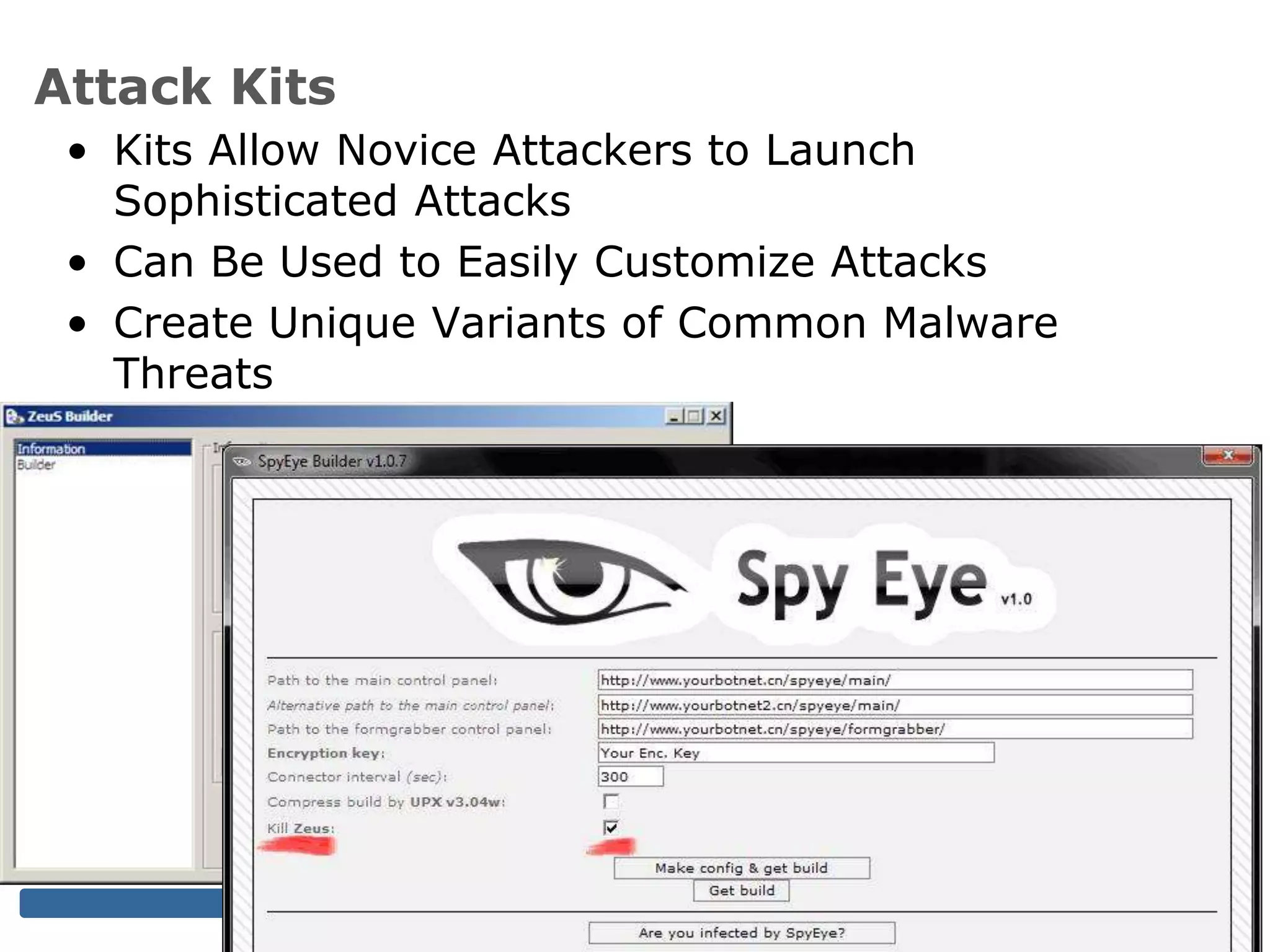
• Kits Allow Novice Attackers to Launch
Sophisticated Attacks
• Can Be Used to Easily Customize Attacks
• Create Unique Variants of Common Malware
Threats
7
Attack Kits
8
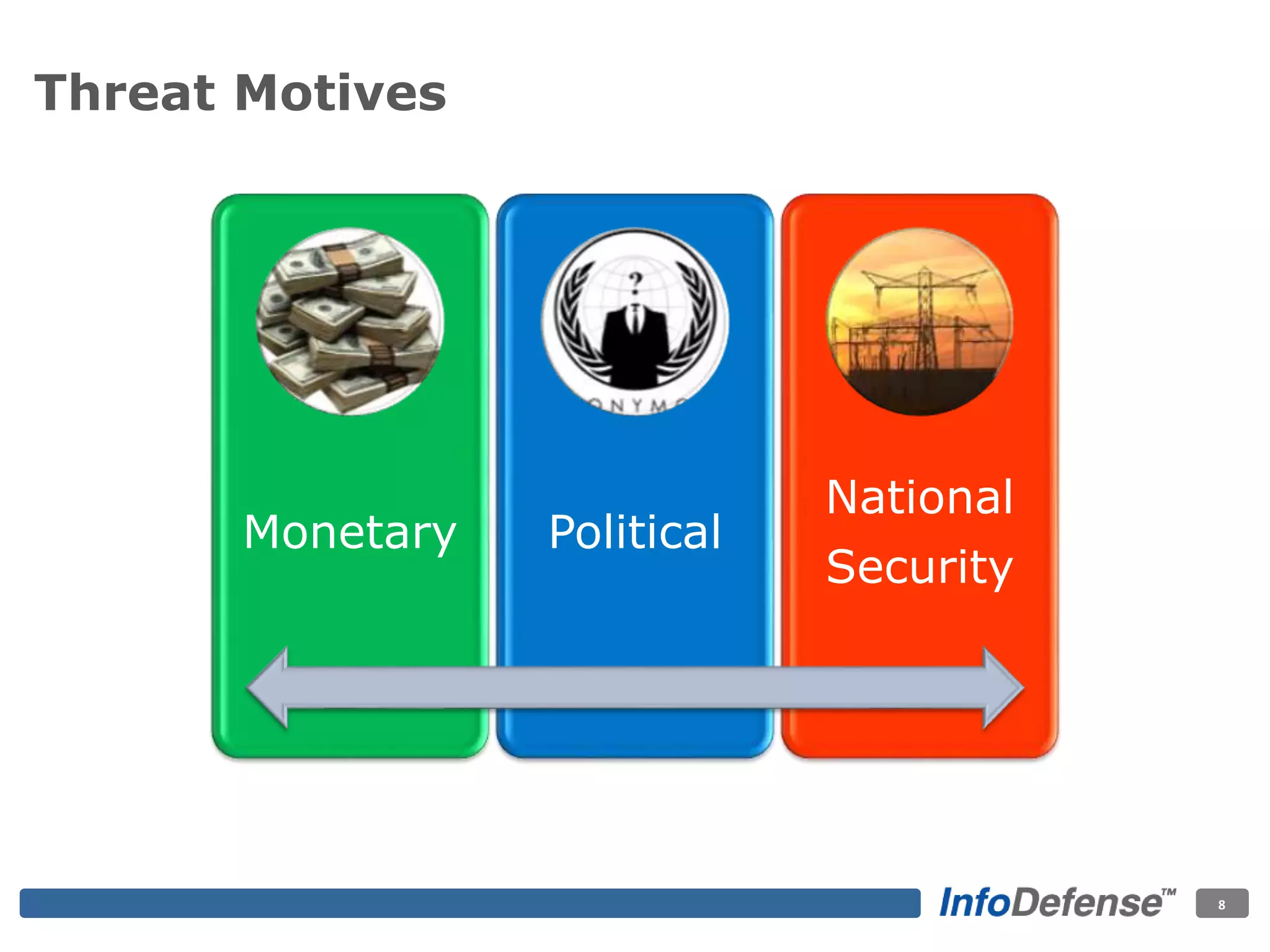
Threat Motives
8
Monetary Political
National
Security
Industrial Control Systems
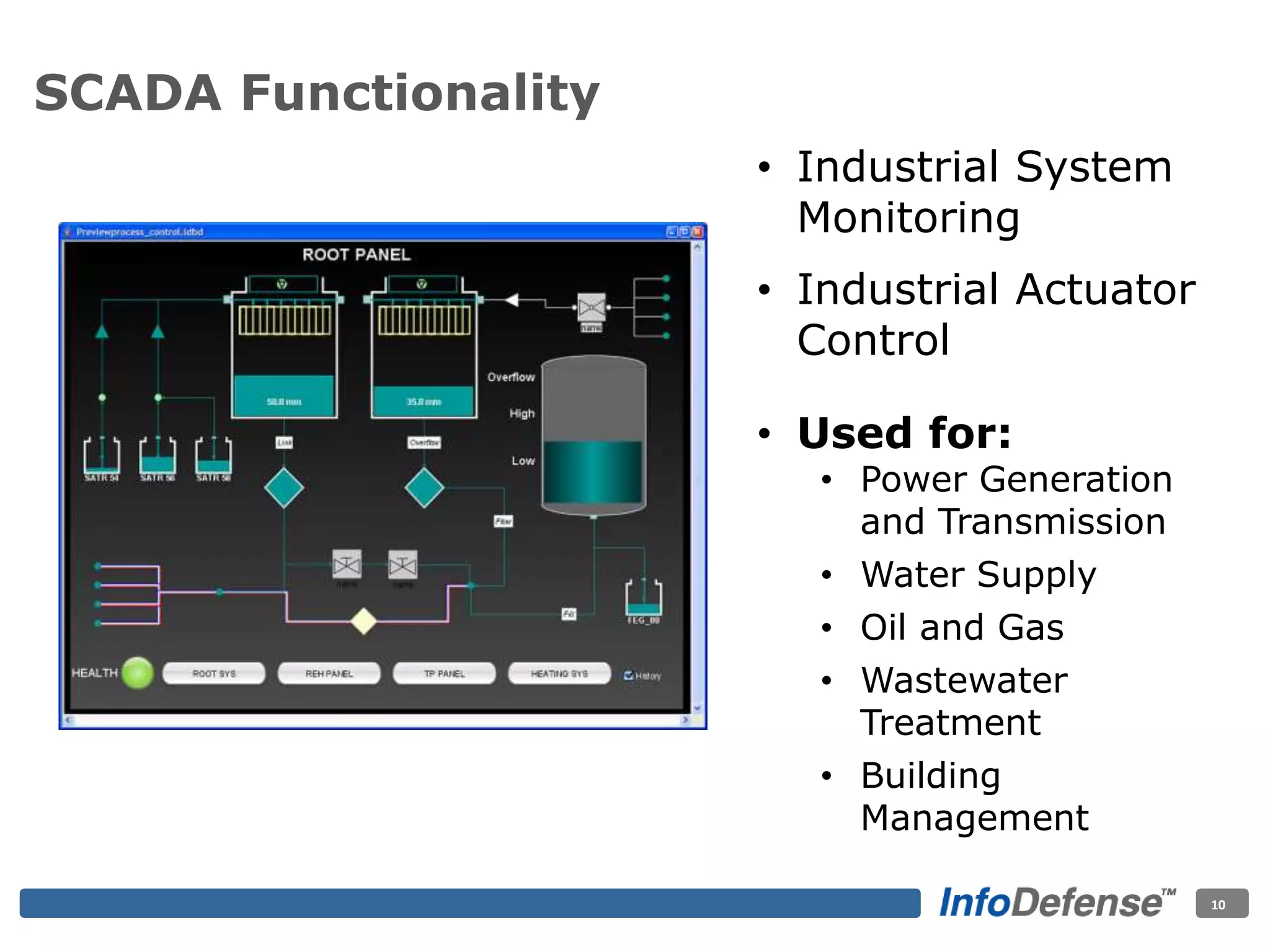
SCADA Functionality
• Industrial System
Monitoring
• Industrial Actuator
Control
• Used for:
• Power Generation
and Transmission
• Water Supply
• Oil and Gas
• Wastewater
Treatment
• Building
Management
10
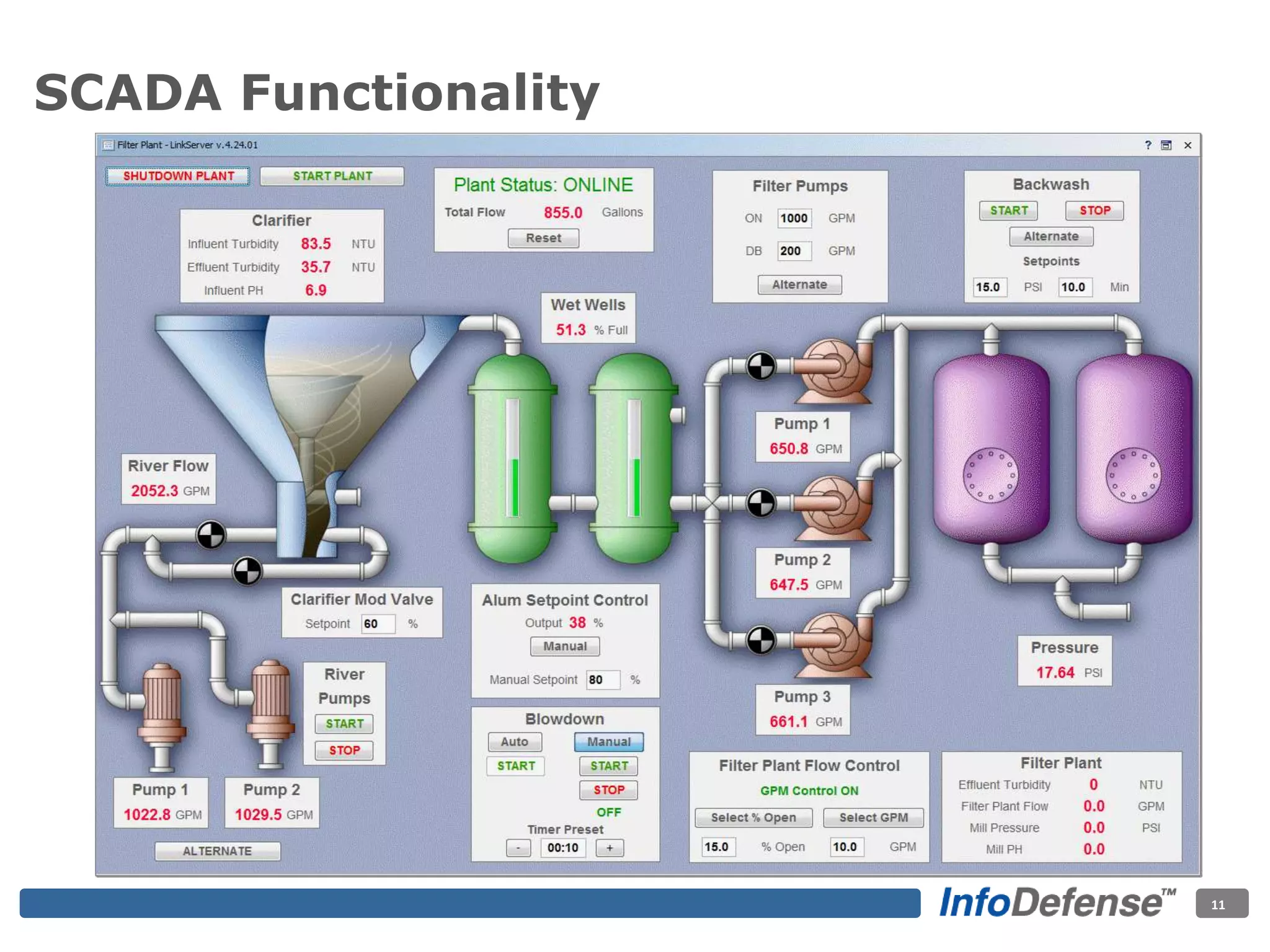
SCADA Functionality
11
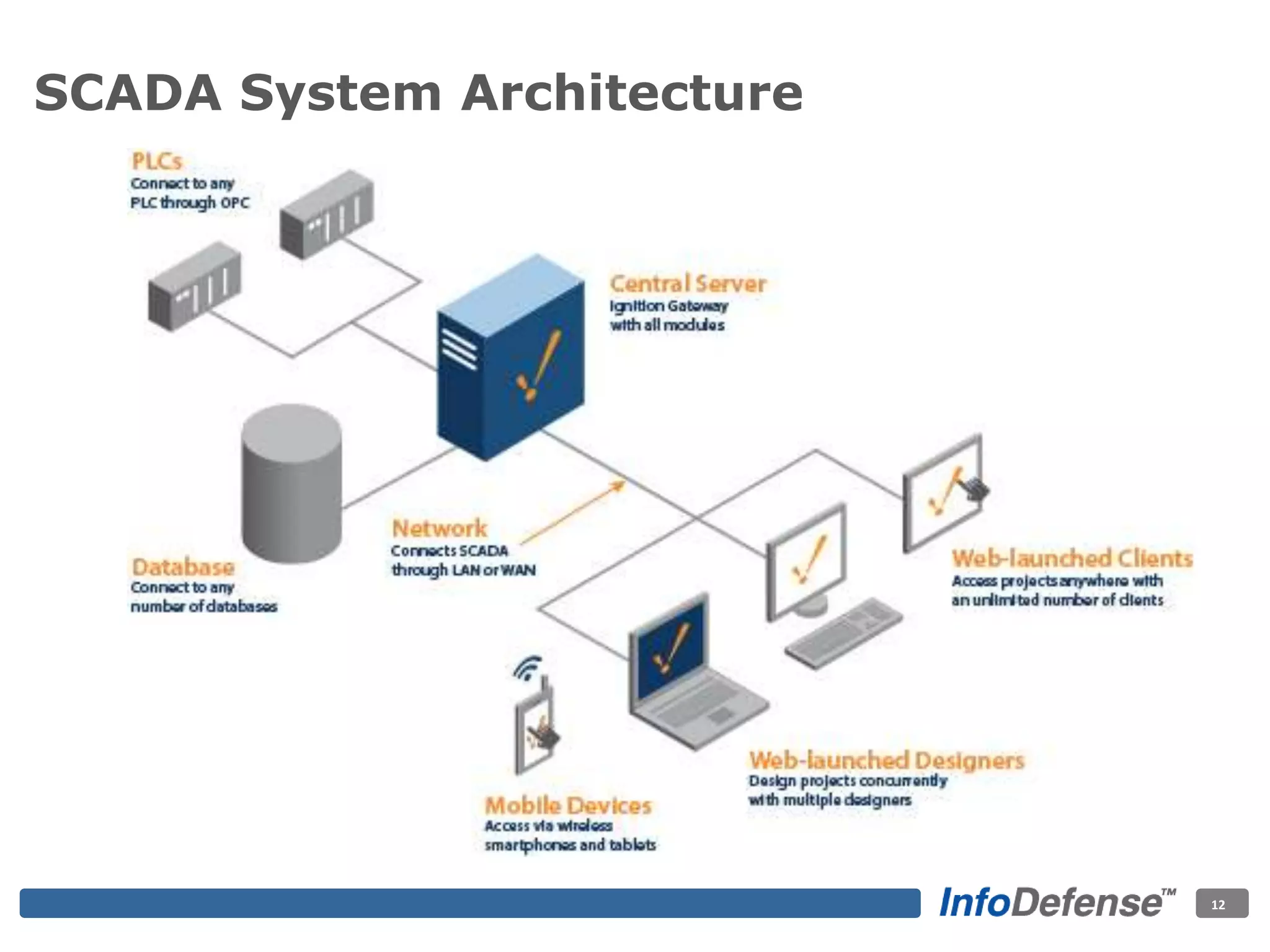
SCADA System Architecture
12
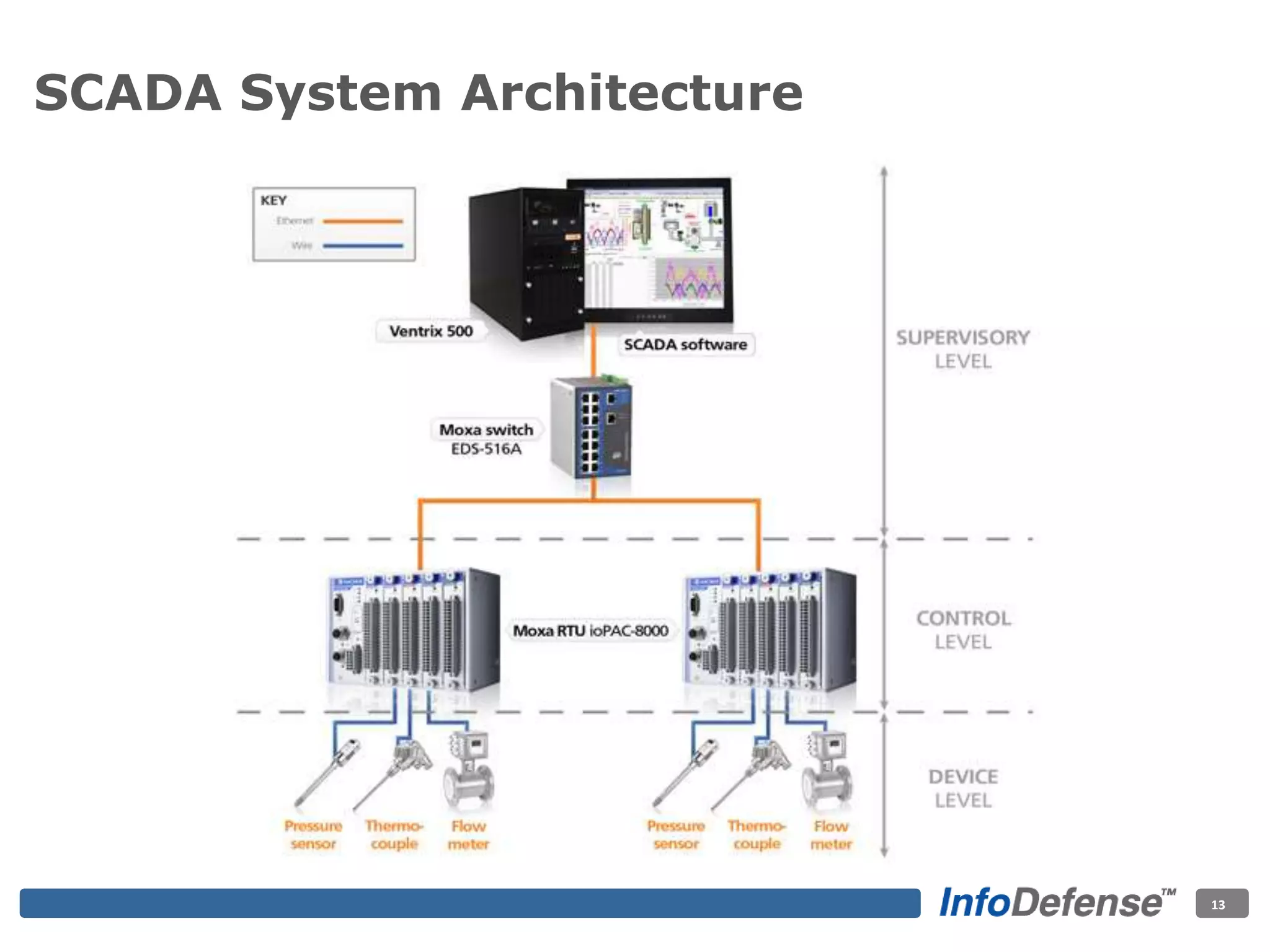
SCADA System Architecture
13
Evolving Industrial Control System
Threats
15
Industrial Control System Threats
• Nation-state Threats are Increasing
• Cyber-Terrorism Has Become More
Prevalent
• SCADA Remains Inherently Insecure
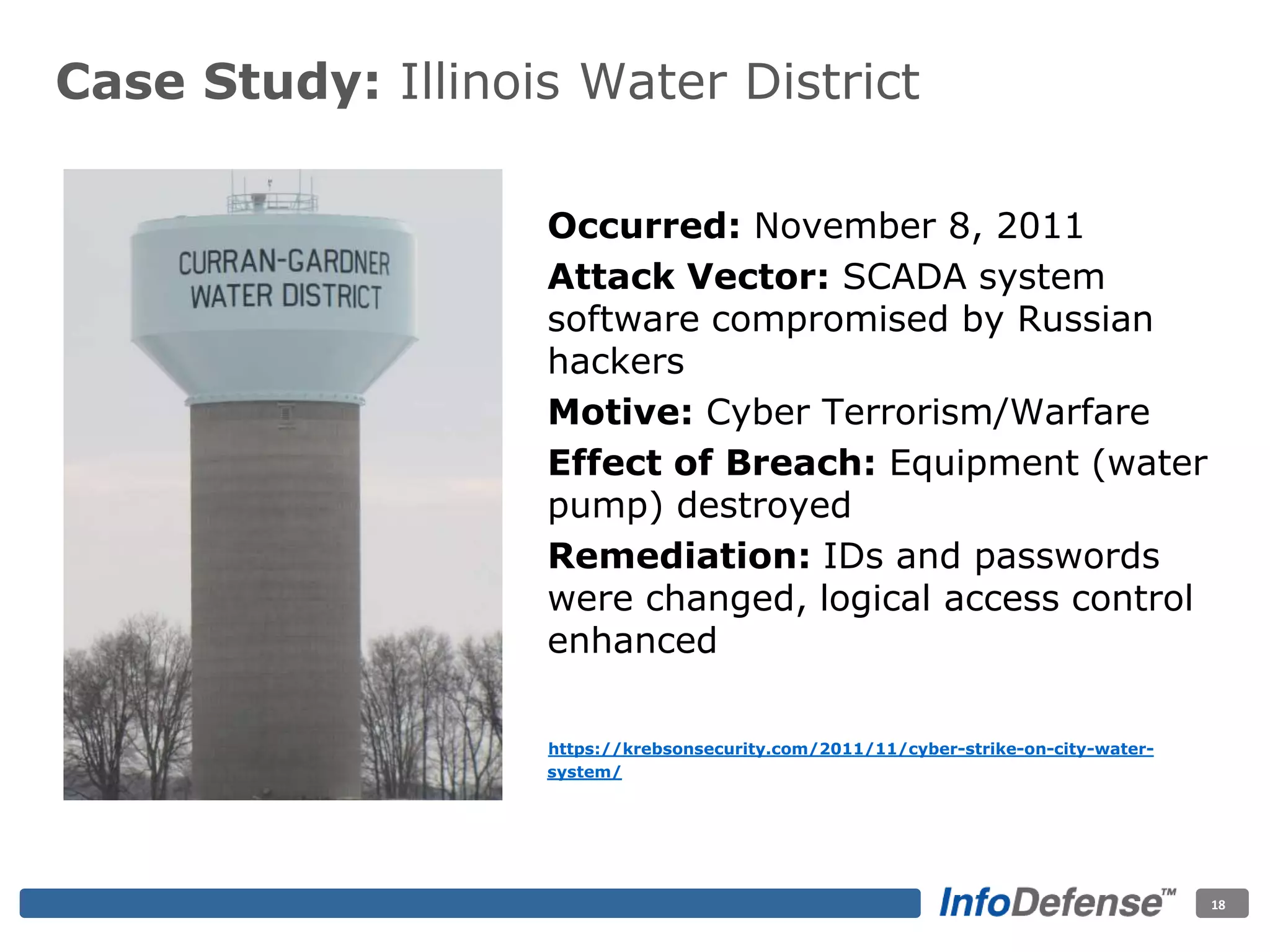
Case Study: Illinois Water District
Occurred: November 8, 2011
Attack Vector: SCADA system
software compromised by Russian
hackers
Motive: Cyber Terrorism/Warfare
Effect of Breach: Equipment (water
pump) destroyed
Remediation: IDs and passwords
were changed, logical access control
enhanced
https://krebsonsecurity.com/2011/11/cyber-strike-on-city-water-
system/
18
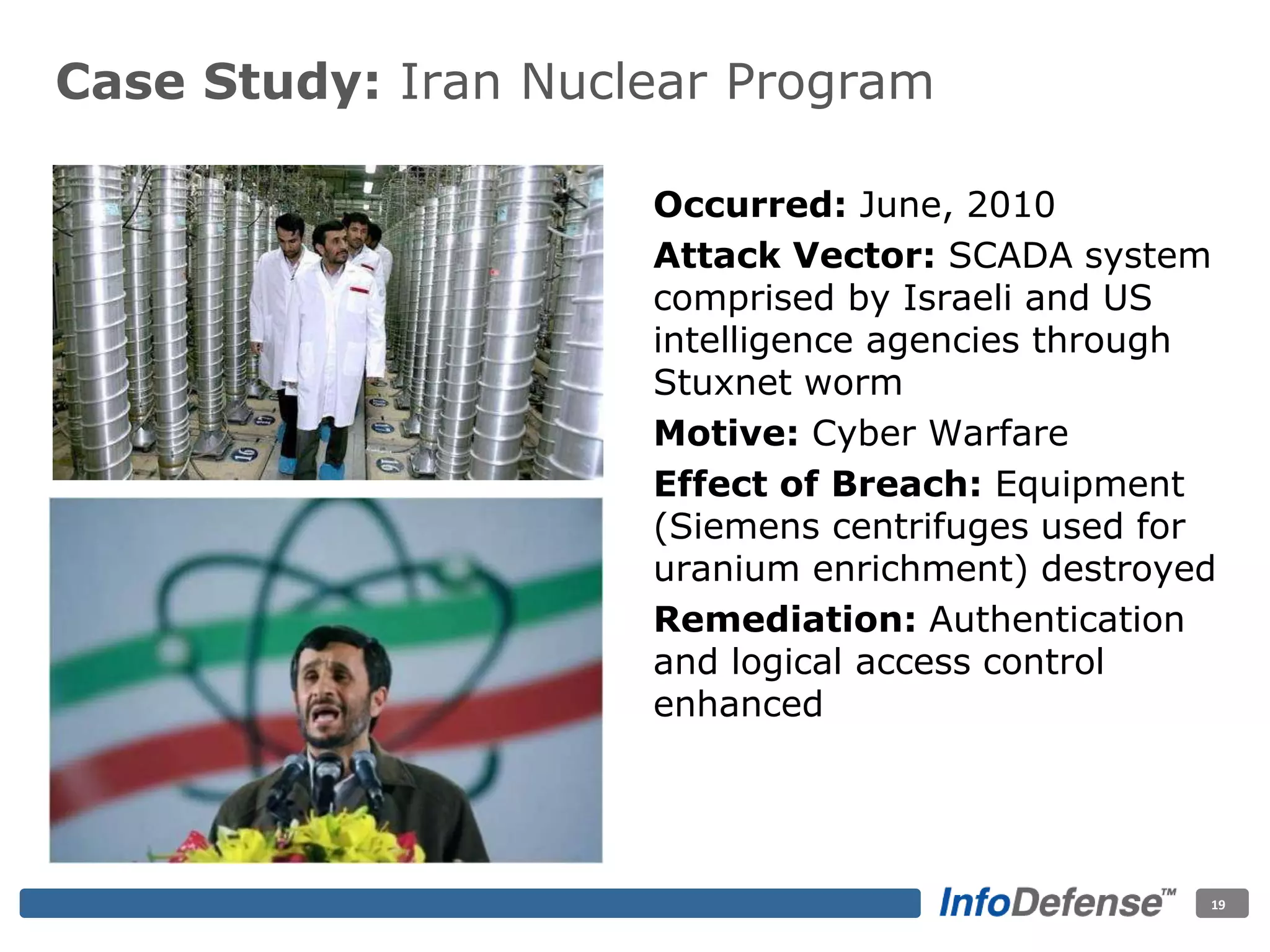
Case Study: Iran Nuclear Program
Occurred: June, 2010
Attack Vector: SCADA system
comprised by Israeli and US
intelligence agencies through
Stuxnet worm
Motive: Cyber Warfare
Effect of Breach: Equipment
(Siemens centrifuges used for
uranium enrichment) destroyed
Remediation: Authentication
and logical access control
enhanced
19
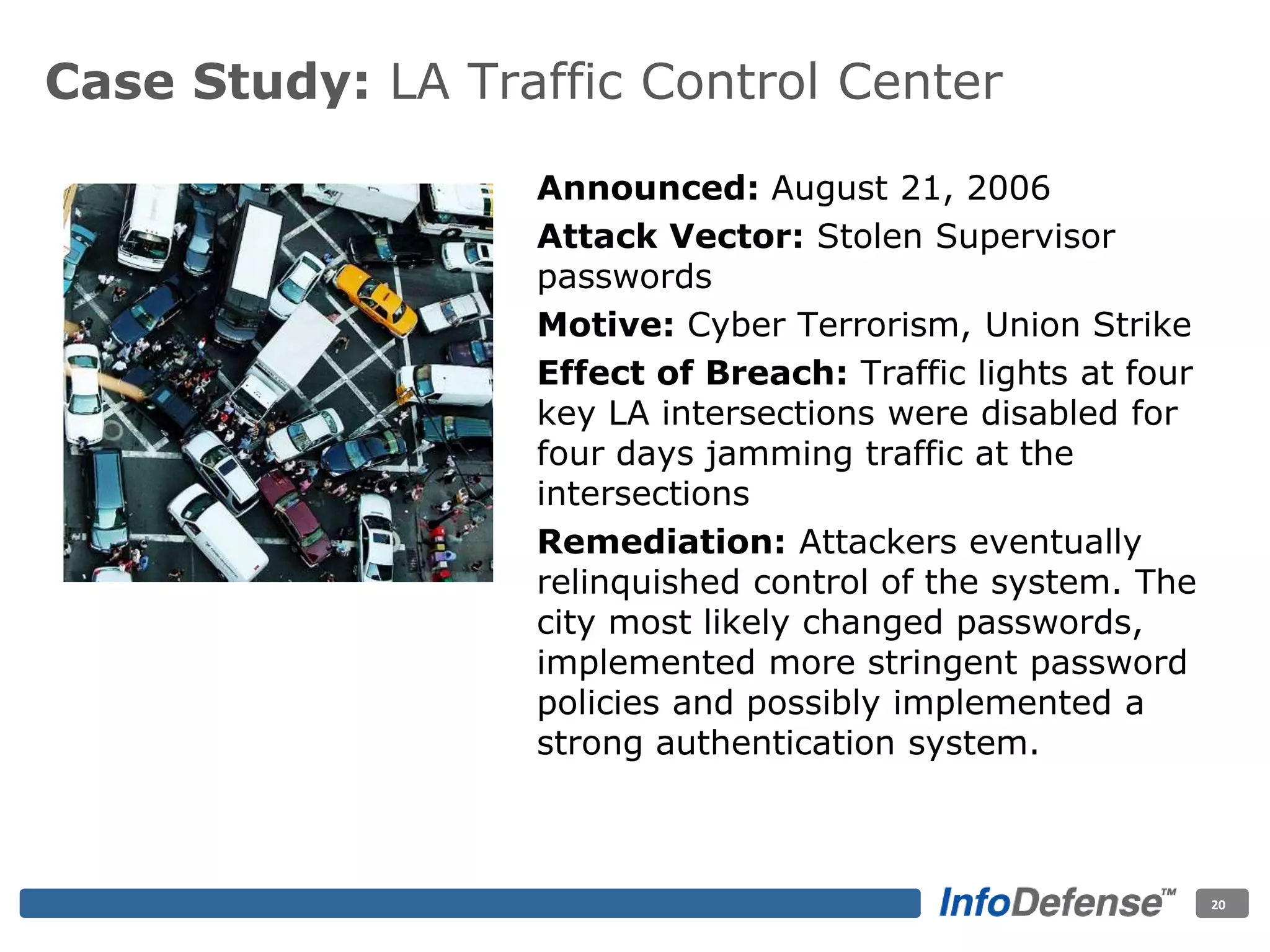
Case Study: LA Traffic Control Center
Announced: August 21, 2006
Attack Vector: Stolen Supervisor
passwords
Motive: Cyber Terrorism, Union Strike
Effect of Breach: Traffic lights at four
key LA intersections were disabled for
four days jamming traffic at the
intersections
Remediation: Attackers eventually
relinquished control of the system. The
city most likely changed passwords,
implemented more stringent password
policies and possibly implemented a
strong authentication system.
20
Securing Industrial Control Systems
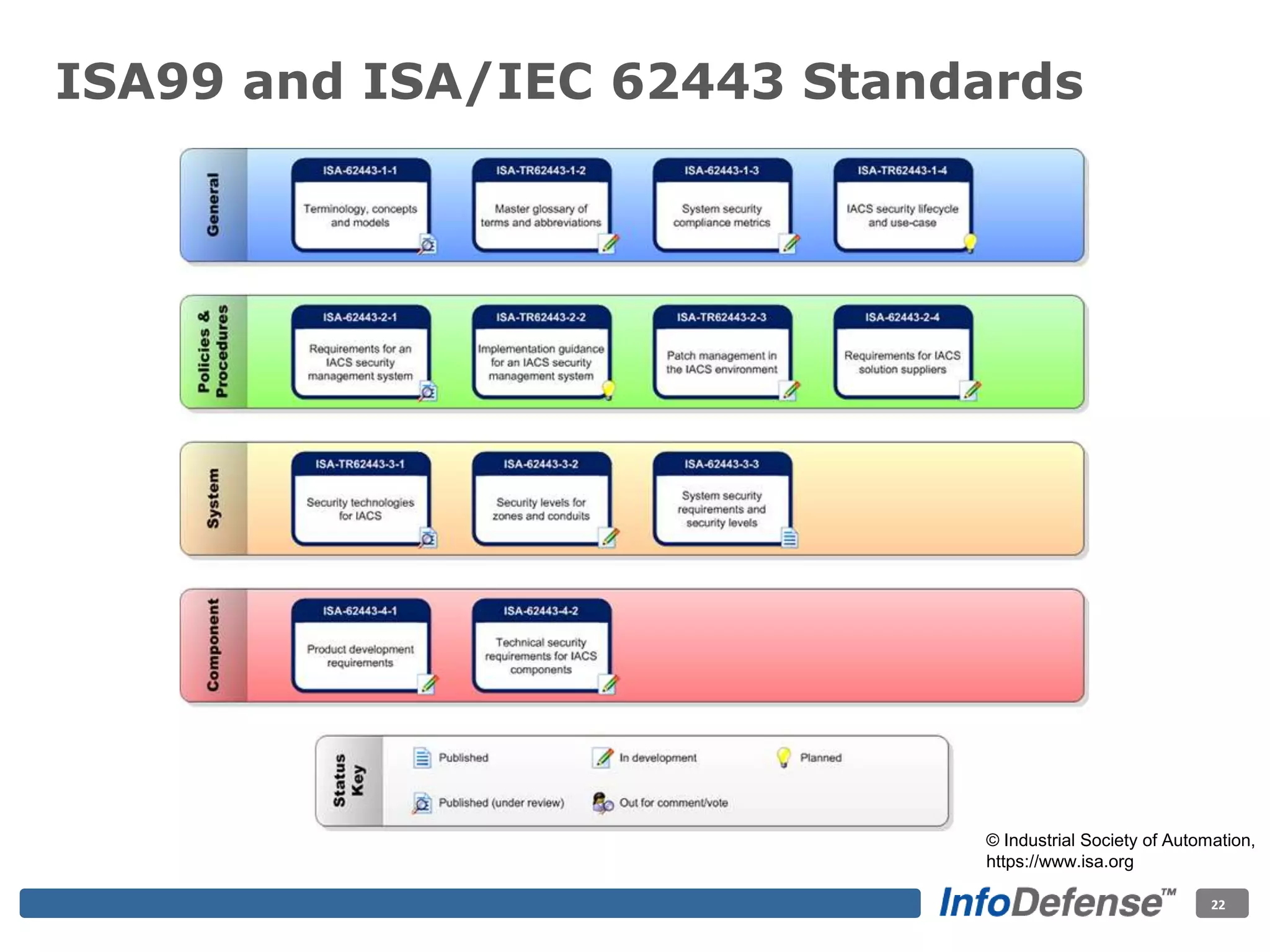
ISA99 and ISA/IEC 62443 Standards
© Industrial Society of Automation,
https://www.isa.org
22
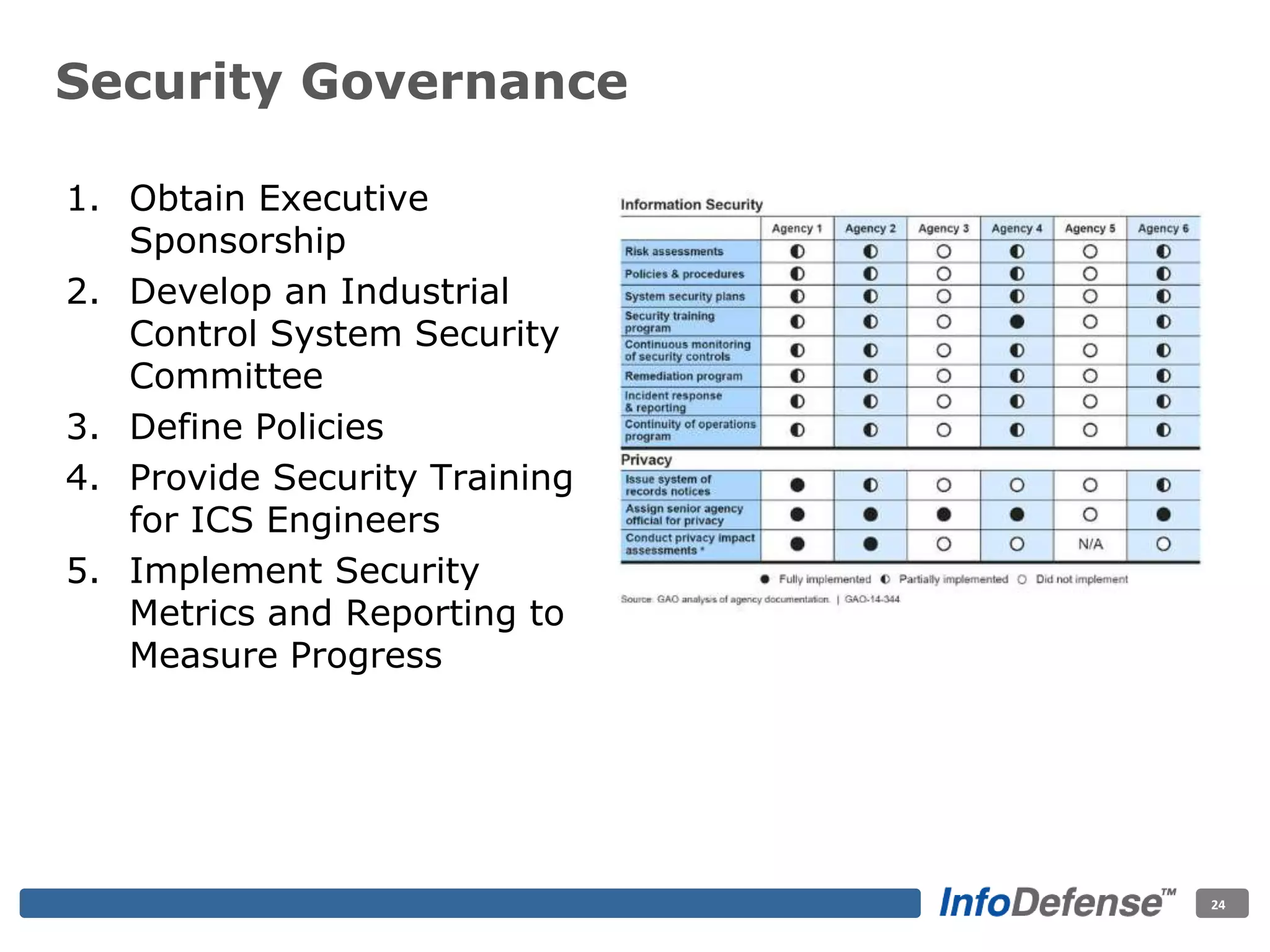
Security Governance
1. Obtain Executive
Sponsorship
2. Develop an Industrial
Control System Security
Committee
3. Define Policies
4. Provide Security Training
for ICS Engineers
5. Implement Security
Metrics and Reporting to
Measure Progress
24
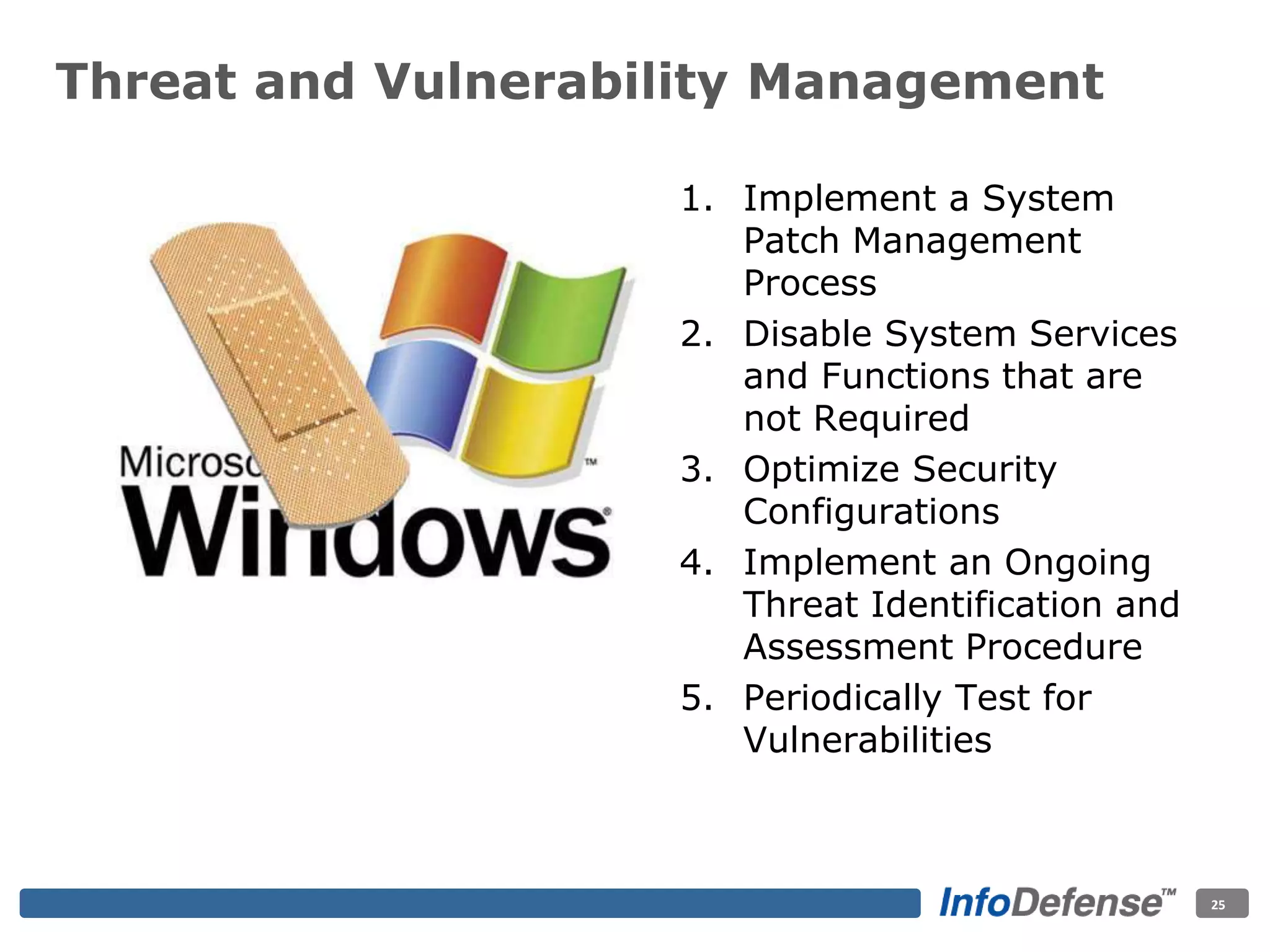
Threat and Vulnerability Management
1. Implement a System
Patch Management
Process
2. Disable System Services
and Functions that are
not Required
3. Optimize Security
Configurations
4. Implement an Ongoing
Threat Identification and
Assessment Procedure
5. Periodically Test for
Vulnerabilities
25
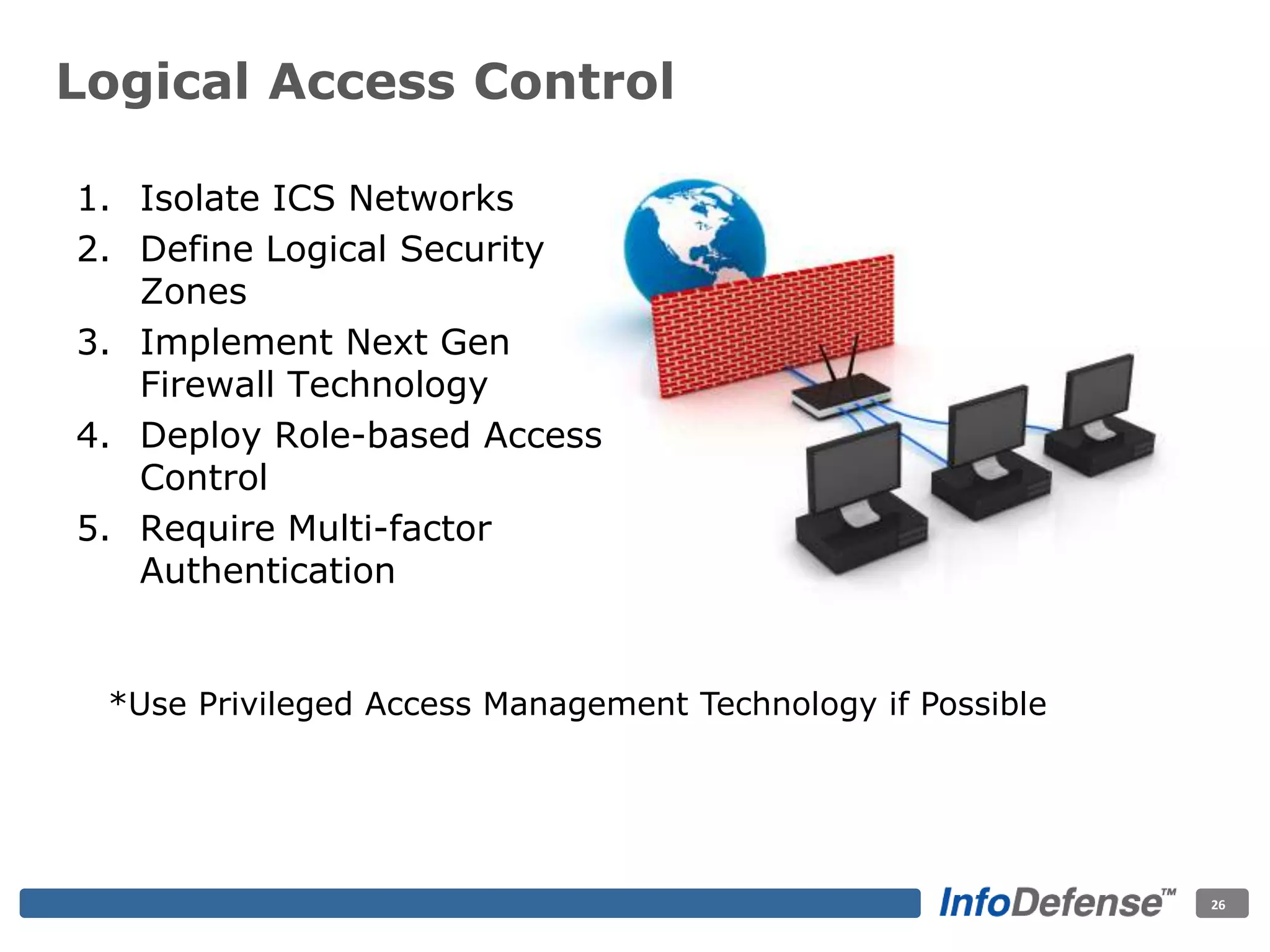
Logical Access Control
26
1. Isolate ICS Networks
2. Define Logical Security
Zones
3. Implement Next Gen
Firewall Technology
4. Deploy Role-based Access
Control
5. Require Multi-factor
Authentication
*Use Privileged Access Management Technology if Possible
1. Centralize Network Access to Supervisory Level Industrial
Control Systems Using Next Generation Firewall
Technology
2. Provide Centralized Authentication and Accounting
(Logging) for Industrial Control System Access
3. Isolate Industrial Control Network Access Using VPNs Over
Internal Networks and VLANS to the Supervisory Level
4. Harden SCADA Management Systems as Single Purpose
Devices
5. Monitor Supervisory Level Database Activity
6. Authenticate and Encrypt Dial-up and Wireless Access to
Out-of-band Control Level PLCs and RTUs
7. Physically Secure the Device Level at Facilities
26
Recommendations
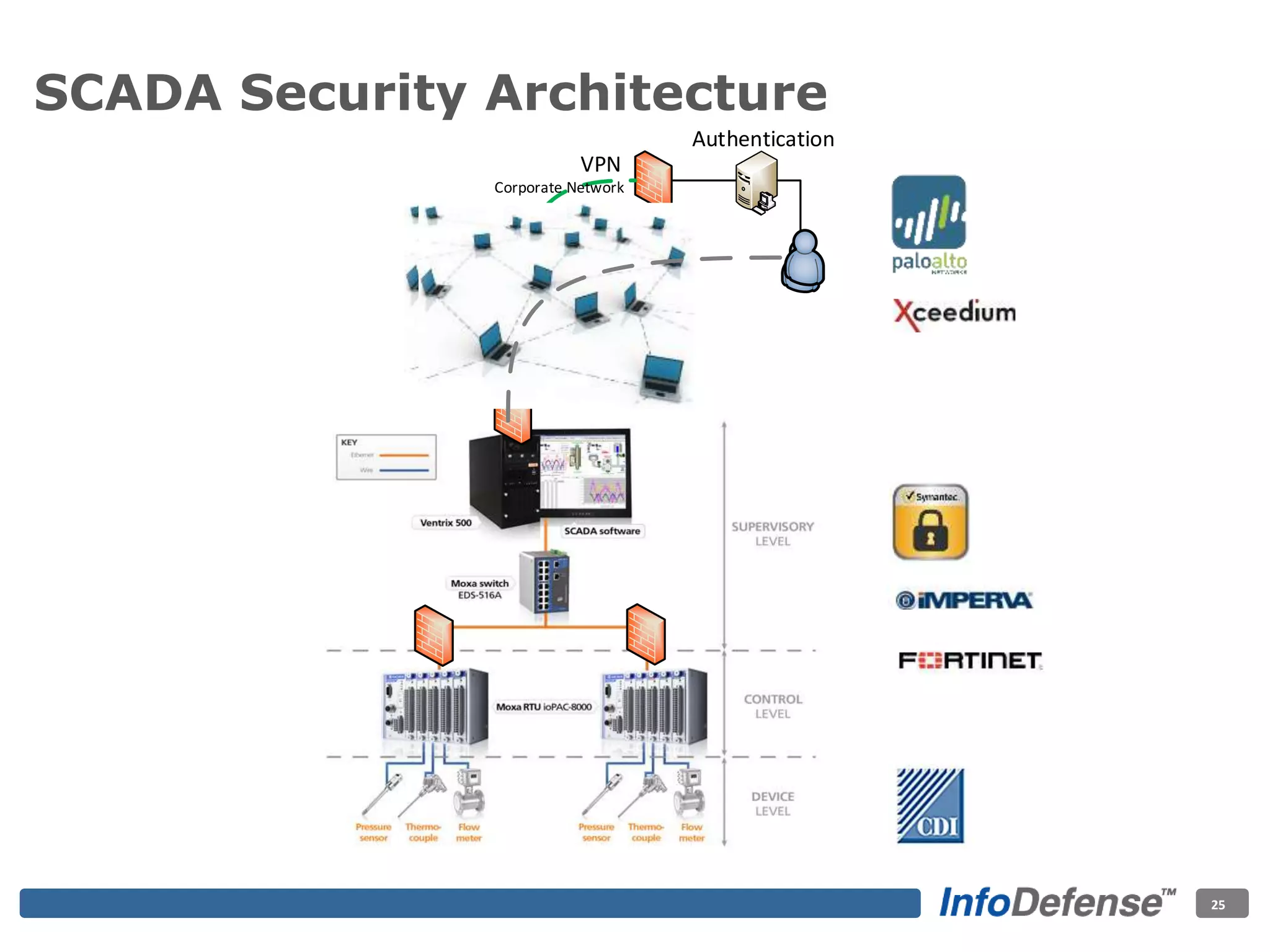
SCADA Security Architecture
25
VPN
Authentication
Corporate Network
Questions and Discussion
Kevin Wheeler, CISSP, CISA
(972) 992-3100 Ext 101
kevin.wheeler@infodefense.com

NTXISSACSC2 - Securing Industrial Control Systems by Kevin Wheeler

  • 1.
    Securing Industrial ControlSystems Kevin Wheeler, CISSP, CISA
  • 2.
    2 Evolving Threat Landscape1 IndustrialControl Systems2 Emerging Industrial Control System Threats3 Securing Industrial Control Systems4 Agenda Questions and Discussion5
  • 3.
  • 4.
  • 5.
    In 2007 1,431 variants perday Malware Growth 6
  • 6.
    • Kits AllowNovice Attackers to Launch Sophisticated Attacks • Can Be Used to Easily Customize Attacks • Create Unique Variants of Common Malware Threats 7 Attack Kits
  • 7.
  • 8.
  • 9.
    SCADA Functionality • IndustrialSystem Monitoring • Industrial Actuator Control • Used for: • Power Generation and Transmission • Water Supply • Oil and Gas • Wastewater Treatment • Building Management 10
  • 10.
  • 11.
  • 12.
  • 13.
  • 14.
    15 Industrial Control SystemThreats • Nation-state Threats are Increasing • Cyber-Terrorism Has Become More Prevalent • SCADA Remains Inherently Insecure
  • 15.
    Case Study: IllinoisWater District Occurred: November 8, 2011 Attack Vector: SCADA system software compromised by Russian hackers Motive: Cyber Terrorism/Warfare Effect of Breach: Equipment (water pump) destroyed Remediation: IDs and passwords were changed, logical access control enhanced https://krebsonsecurity.com/2011/11/cyber-strike-on-city-water- system/ 18
  • 16.
    Case Study: IranNuclear Program Occurred: June, 2010 Attack Vector: SCADA system comprised by Israeli and US intelligence agencies through Stuxnet worm Motive: Cyber Warfare Effect of Breach: Equipment (Siemens centrifuges used for uranium enrichment) destroyed Remediation: Authentication and logical access control enhanced 19
  • 17.
    Case Study: LATraffic Control Center Announced: August 21, 2006 Attack Vector: Stolen Supervisor passwords Motive: Cyber Terrorism, Union Strike Effect of Breach: Traffic lights at four key LA intersections were disabled for four days jamming traffic at the intersections Remediation: Attackers eventually relinquished control of the system. The city most likely changed passwords, implemented more stringent password policies and possibly implemented a strong authentication system. 20
  • 18.
  • 19.
    ISA99 and ISA/IEC62443 Standards © Industrial Society of Automation, https://www.isa.org 22
  • 20.
    Security Governance 1. ObtainExecutive Sponsorship 2. Develop an Industrial Control System Security Committee 3. Define Policies 4. Provide Security Training for ICS Engineers 5. Implement Security Metrics and Reporting to Measure Progress 24
  • 21.
    Threat and VulnerabilityManagement 1. Implement a System Patch Management Process 2. Disable System Services and Functions that are not Required 3. Optimize Security Configurations 4. Implement an Ongoing Threat Identification and Assessment Procedure 5. Periodically Test for Vulnerabilities 25
  • 22.
    Logical Access Control 26 1.Isolate ICS Networks 2. Define Logical Security Zones 3. Implement Next Gen Firewall Technology 4. Deploy Role-based Access Control 5. Require Multi-factor Authentication *Use Privileged Access Management Technology if Possible
  • 23.
    1. Centralize NetworkAccess to Supervisory Level Industrial Control Systems Using Next Generation Firewall Technology 2. Provide Centralized Authentication and Accounting (Logging) for Industrial Control System Access 3. Isolate Industrial Control Network Access Using VPNs Over Internal Networks and VLANS to the Supervisory Level 4. Harden SCADA Management Systems as Single Purpose Devices 5. Monitor Supervisory Level Database Activity 6. Authenticate and Encrypt Dial-up and Wireless Access to Out-of-band Control Level PLCs and RTUs 7. Physically Secure the Device Level at Facilities 26 Recommendations
  • 24.
  • 25.
    Questions and Discussion KevinWheeler, CISSP, CISA (972) 992-3100 Ext 101 kevin.wheeler@infodefense.com

Editor's Notes

  • #9 ***Update Statistics***