





Viral Hepatitis:
An Overview
By:
Abdulganiyu Kabiru
31st March, 2021
Introduction
2
Introduction
• Viral hepatitis is a systemic disease with primary inflammation of the liver
by one of the heterogeneous group of Hepatotropic viruses.
• Hepatotropic viruses are responsible for Hepatitis A (HAV), Hepatitis B
(HBV), Hepatitis C (HCV), delta hepatitis (HDV), Hepatitis E (HEV) and
possibly other species.
• Other viruses may present with symptoms of liver disease, but not
normally classified as hepatitis.
• Epstein-Barr virus
• Cytomegalovirus
• Herpes
• Yellow fever
• Lassa fever
• Protozoa, helminths and to a lesser extent, bacteria and fungi also cause
liver inflammation.
3
Introduction cont’d
• Acute Viral Hepatitis: Symptoms < 6 months
• Acute Hepatic Failure: Appearance of severe complications rapidly after the
initial signs of liver disease.
• Loss of hepatic function (80-90% of hepatocytes)
• Indicates severe liver injury
• Massive hepatic necrosis with impaired consciousness within 8 weeks on onset of
illness
• Chronic Hepatitis: Symptoms > 6 months
• Necrosis: Premature apoptosis of hepatocytes
• Fibrosis: Scarring
• Cirrhosis: loss of liver function due to long term damage
4
Introduction cont’d
• In most cases, acute viral infection is asymptomatic.
• Symptoms of Viral hepatitis include
• Fatigue
• Malaise
• Flu-like symptoms
• Anorexia
• Nausea and Vomiting
• Abdominal discomfort
• Jaundice
• Urticaria
• Dark-colored urine
5
Figure 1: Icteric sclera
Aim
The aim of this presentation is to identify and discuss the various types
of viral hepatitis, their clinical presentations, preventive measures and
available treatment regimens.
6
Scope
• Types of Viral Hepatitis
• Hepatitis A Virus
• Hepatitis B Virus
• Hepatitis C Virus
• Hepatitis D Virus
• Hepatitis E Virus
• Roles of Pharmacist in the management of Viral Hepatitis
7
Types of viral hepatitis
8
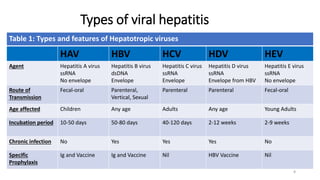
Table 1: Types and features of Hepatotropic viruses
HAV HBV HCV HDV HEV
Agent Hepatitis A virus
ssRNA
No envelope
Hepatitis B virus
dsDNA
Envelope
Hepatitis C virus
ssRNA
Envelope
Hepatitis D virus
ssRNA
Envelope from HBV
Hepatitis E virus
ssRNA
No envelope
Route of
Transmission
Fecal-oral Parenteral,
Vertical, Sexual
Parenteral Parenteral Fecal-oral
Age affected Children Any age Adults Any age Young Adults
Incubation period 10-50 days 50-80 days 40-120 days 2-12 weeks 2-9 weeks
Chronic infection No Yes Yes Yes No
Specific
Prophylaxis
Ig and Vaccine Ig and Vaccine Nil HBV Vaccine Nil
Hepatitis A Virus
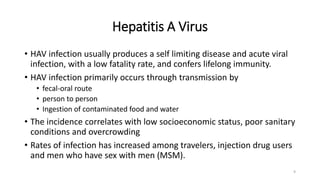
• HAV infection usually produces a self limiting disease and acute viral
infection, with a low fatality rate, and confers lifelong immunity.
• HAV infection primarily occurs through transmission by
• fecal-oral route
• person to person
• Ingestion of contaminated food and water
• The incidence correlates with low socioeconomic status, poor sanitary
conditions and overcrowding
• Rates of infection has increased among travelers, injection drug users
and men who have sex with men (MSM).
9
Hepatitis A Virus
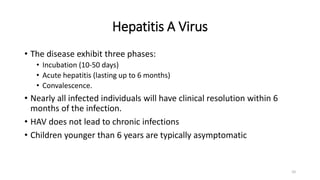
• The disease exhibit three phases:
• Incubation (10-50 days)
• Acute hepatitis (lasting up to 6 months)
• Convalescence.
• Nearly all infected individuals will have clinical resolution within 6
months of the infection.
• HAV does not lead to chronic infections
• Children younger than 6 years are typically asymptomatic
10
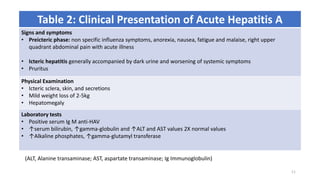
Table 2: Clinical Presentation of Acute Hepatitis A
Signs and symptoms
• Preicteric phase: non specific influenza symptoms, anorexia, nausea, fatigue and malaise, right upper
quadrant abdominal pain with acute illness
• Icteric hepatitis generally accompanied by dark urine and worsening of systemic symptoms
• Pruritus
Physical Examination
• Icteric sclera, skin, and secretions
• Mild weight loss of 2-5kg
• Hepatomegaly
Laboratory tests
• Positive serum Ig M anti-HAV
• ↑serum bilirubin, ↑gamma-globulin and ↑ALT and AST values 2X normal values
• ↑Alkaline phosphates, ↑gamma-glutamyl transferase
(ALT, Alanine transaminase; AST, aspartate transaminase; Ig Immunoglobulin)
11
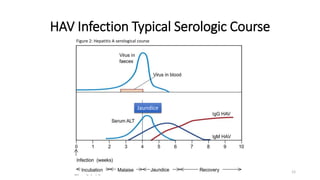
HAV Infection Typical Serologic Course
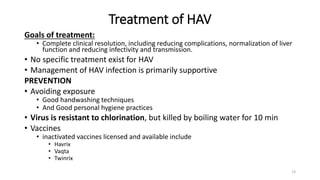
12
Figure 2: Hepatitis A serological course
Jaundice
Treatment of HAV
Goals of treatment:
• Complete clinical resolution, including reducing complications, normalization of liver
function and reducing infectivity and transmission.
• No specific treatment exist for HAV
• Management of HAV infection is primarily supportive
PREVENTION
• Avoiding exposure
• Good handwashing techniques
• And Good personal hygiene practices
• Virus is resistant to chlorination, but killed by boiling water for 10 min
• Vaccines
• inactivated vaccines licensed and available include
• Havrix
• Vaqta
• Twinrix
13
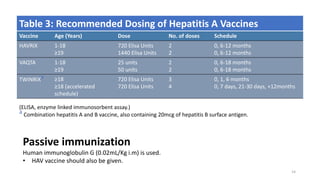
Table 3: Recommended Dosing of Hepatitis A Vaccines
Vaccine Age (Years) Dose No. of doses Schedule
HAVRIX 1-18
≥19
720 Elisa Units
1440 Elisa Units
2
2
0, 6-12 months
0, 6-12 months
VAQTA 1-18
≥19
25 units
50 units
2
2
0, 6-18 months
0, 6-18 months
TWINRIXa ≥18
≥18 (accelerated
schedule)
720 Elisa Units
720 Elisa Units
3
4
0, 1, 6 months
0, 7 days, 21-30 days, +12months
(ELISA, enzyme linked immunosorbent assay.)
a Combination hepatitis A and B vaccine, also containing 20mcg of hepatitis B surface antigen.
14
Passive immunization
Human immunoglobulin G (0.02mL/Kg i.m) is used.
• HAV vaccine should also be given.
Hepatitis B Virus
• HBV is the leading cause of chronic hepatitis, cirrhosis and
hepatocellular carcinoma (HCC)
• Transmission occurs:
• Sexually
• Parenterally
• Perinatally.
• HBV infection may develop complications of decompensated cirrhosis
within 5 years period.
• HBV is a risk factor for development of hepatocellular carcinoma.
15
Hepatitis B Virus Cont’d
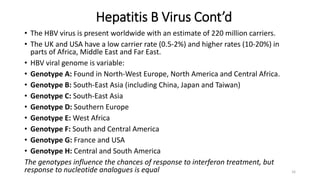
• The HBV virus is present worldwide with an estimate of 220 million carriers.
• The UK and USA have a low carrier rate (0.5-2%) and higher rates (10-20%) in
parts of Africa, Middle East and Far East.
• HBV viral genome is variable:
• Genotype A: Found in North-West Europe, North America and Central Africa.
• Genotype B: South-East Asia (including China, Japan and Taiwan)
• Genotype C: South-East Asia
• Genotype D: Southern Europe
• Genotype E: West Africa
• Genotype F: South and Central America
• Genotype G: France and USA
• Genotype H: Central and South America
The genotypes influence the chances of response to interferon treatment, but
response to nucleotide analogues is equal 16
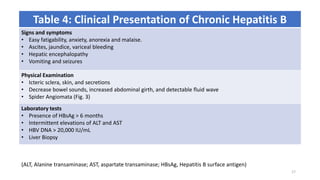
Table 4: Clinical Presentation of Chronic Hepatitis B
Signs and symptoms
• Easy fatigability, anxiety, anorexia and malaise.
• Ascites, jaundice, variceal bleeding
• Hepatic encephalopathy
• Vomiting and seizures
Physical Examination
• Icteric sclera, skin, and secretions
• Decrease bowel sounds, increased abdominal girth, and detectable fluid wave
• Spider Angiomata (Fig. 3)
Laboratory tests
• Presence of HBsAg > 6 months
• Intermittent elevations of ALT and AST
• HBV DNA > 20,000 IU/mL
• Liver Biopsy
(ALT, Alanine transaminase; AST, aspartate transaminase; HBsAg, Hepatitis B surface antigen)
17
Clinical Presentation of Chronic Hepatitis B cont’d
18
Fig. 2: Ascites Fig. 3: Spider Angiomata Fig. 4: Icterus
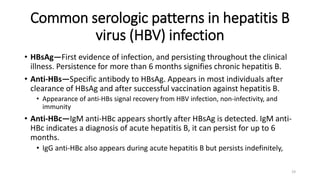
Common serologic patterns in hepatitis B
virus (HBV) infection
• HBsAg—First evidence of infection, and persisting throughout the clinical
illness. Persistence for more than 6 months signifies chronic hepatitis B.
• Anti-HBs—Specific antibody to HBsAg. Appears in most individuals after
clearance of HBsAg and after successful vaccination against hepatitis B.
• Appearance of anti-HBs signal recovery from HBV infection, non-infectivity, and
immunity
• Anti-HBc—IgM anti-HBc appears shortly after HBsAg is detected. IgM anti-
HBc indicates a diagnosis of acute hepatitis B, it can persist for up to 6
months.
• IgG anti-HBc also appears during acute hepatitis B but persists indefinitely,
19
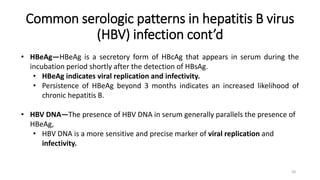
Common serologic patterns in hepatitis B virus
(HBV) infection cont’d
20
• HBeAg—HBeAg is a secretory form of HBcAg that appears in serum during the
incubation period shortly after the detection of HBsAg.
• HBeAg indicates viral replication and infectivity.
• Persistence of HBeAg beyond 3 months indicates an increased likelihood of
chronic hepatitis B.
• HBV DNA—The presence of HBV DNA in serum generally parallels the presence of
HBeAg,
• HBV DNA is a more sensitive and precise marker of viral replication and
infectivity.
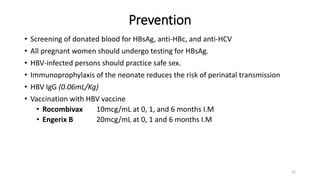
Prevention
• Screening of donated blood for HBsAg, anti-HBc, and anti-HCV
• All pregnant women should undergo testing for HBsAg.
• HBV-infected persons should practice safe sex.
• Immunoprophylaxis of the neonate reduces the risk of perinatal transmission
• HBV IgG (0.06mL/Kg)
• Vaccination with HBV vaccine
• Rocombivax 10mcg/mL at 0, 1, and 6 months I.M
• Engerix B 20mcg/mL at 0, 1 and 6 months I.M
21
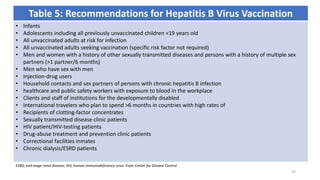
Table 5: Recommendations for Hepatitis B Virus Vaccination
• Infants
• Adolescents including all previously unvaccinated children <19 years old
• All unvaccinated adults at risk for infection
• All unvaccinated adults seeking vaccination (specific risk factor not required)
• Men and women with a history of other sexually transmitted diseases and persons with a history of multiple sex
partners (>1 partner/6 months)
• Men who have sex with men
• Injection-drug users
• Household contacts and sex partners of persons with chronic hepatitis B infection
• healthcare and public safety workers with exposure to blood in the workplace
• Clients and staff of institutions for the developmentally disabled
• International travelers who plan to spend >6 months in countries with high rates of
• Recipients of clotting-factor concentrates
• Sexually transmitted disease clinic patients
• HIV patient/HIV-testing patients
• Drug-abuse treatment and prevention clinic patients
• Correctional facilities inmates
• Chronic dialysis/ESRD patients
22
ESRD, end-stage renal disease; HIV, human immunodeficiency virus. From Center for Disease Control
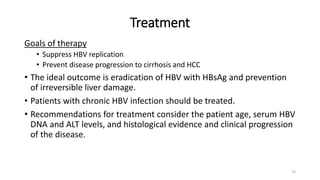
Treatment
Goals of therapy
• Suppress HBV replication
• Prevent disease progression to cirrhosis and HCC
• The ideal outcome is eradication of HBV with HBsAg and prevention
of irreversible liver damage.
• Patients with chronic HBV infection should be treated.
• Recommendations for treatment consider the patient age, serum HBV
DNA and ALT levels, and histological evidence and clinical progression
of the disease.
23
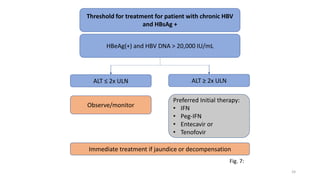
HBeAg(+) and HBV DNA > 20,000 IU/mL
ALT ≤ 2x ULN ALT ≥ 2x ULN
Observe/monitor
Preferred Initial therapy:
• IFN
• Peg-IFN
• Entecavir or
• Tenofovir
Immediate treatment if jaundice or decompensation
Threshold for treatment for patient with chronic HBV
and HBsAg +
24
Fig. 7:
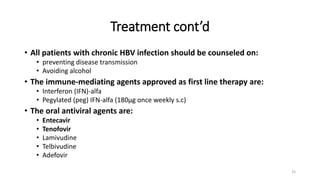
• All patients with chronic HBV infection should be counseled on:
• preventing disease transmission
• Avoiding alcohol
• The immune-mediating agents approved as first line therapy are:
• Interferon (IFN)-alfa
• Pegylated (peg) IFN-alfa (180µg once weekly s.c)
• The oral antiviral agents are:
• Entecavir
• Tenofovir
• Lamivudine
• Telbivudine
• Adefovir
Treatment cont’d
25
26
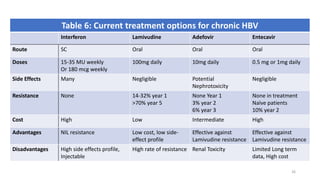
Table 6: Current treatment options for chronic HBV
Interferon Lamivudine Adefovir Entecavir
Route SC Oral Oral Oral
Doses 15-35 MU weekly
Or 180 mcg weekly
100mg daily 10mg daily 0.5 mg or 1mg daily
Side Effects Many Negligible Potential
Nephrotoxicity
Negligible
Resistance None 14-32% year 1
>70% year 5
None Year 1
3% year 2
6% year 3
None in treatment
Naïve patients
10% year 2
Cost High Low Intermediate High
Advantages NIL resistance Low cost, low side-
effect profile
Effective against
Lamivudine resistance
Effective against
Lamivudine resistance
Disadvantages High side effects profile,
Injectable
High rate of resistance Renal Toxicity Limited Long term
data, High cost
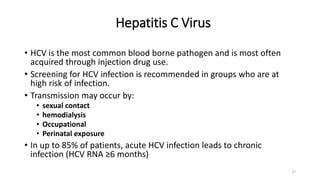
Hepatitis C Virus
• HCV is the most common blood borne pathogen and is most often
acquired through injection drug use.
• Screening for HCV infection is recommended in groups who are at
high risk of infection.
• Transmission may occur by:
• sexual contact
• hemodialysis
• Occupational
• Perinatal exposure
• In up to 85% of patients, acute HCV infection leads to chronic
infection (HCV RNA ≥6 months)
27
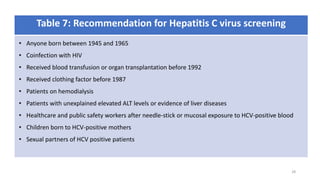
Table 7: Recommendation for Hepatitis C virus screening
• Anyone born between 1945 and 1965
• Coinfection with HIV
• Received blood transfusion or organ transplantation before 1992
• Received clothing factor before 1987
• Patients on hemodialysis
• Patients with unexplained elevated ALT levels or evidence of liver diseases
• Healthcare and public safety workers after needle-stick or mucosal exposure to HCV-positive blood
• Children born to HCV-positive mothers
• Sexual partners of HCV positive patients
28
Hepatitis C Virus cont’d
• Patients with acute HCV are often asymptomatic.
• One-third of adults will experience some mild and unspecific
symptoms, including:
• Persistent fatigue
• Right upper quadrant pain
• Nausea
• Poor appetite
• HCV cirrhosis poses a 30% risk of developing a end stage liver disease
over 10 years as well as hepatocellular carcinoma (1-2%)
29
HCV Genotypes
• HCV is generally unstable and has numerous genotypes and subtypes
• Six major genotypes has been defined with more than 50 subtypes
• The extensive variety of genotypes helps HCV resist the body immune
system and antiviral medications
• This make the development of preventive vaccine challenging
• Patients can be infected with more than one genotype
• Establishing the specific genotype is critical to effectively treat HCV.
30
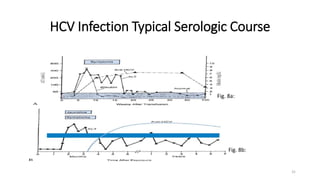
HCV Infection Typical Serologic Course
31
Fig. 8a:
Fig. 8b:
Treatment
Goals of treatment
• To eradicate HCV-infection, delay fibrosis progression, alleviate
symptoms, prevent complications, limit all-cause mortality and
eventually improve quality of life.
• There is no recommended treatment of acute HCV
• Urgent Treatment is recommended for patients with chronic hepatitis
• Specific Direct Acting Antivirals (DAAs) prescribed is determined by
genotype.
• Genotype 1 is more resistant to conventional treatment with dual
therapy with PEG-INF-alpha plus ribavirin
• Percentage of Sustained Virologic Response has expanded to 95%
with DAAs
32
Mechanism of Action of DAAs
33
Lipoproteins
Treatment cont’d
34
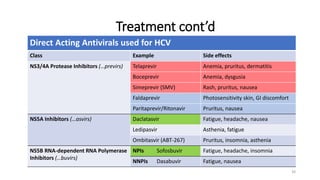
Direct Acting Antivirals used for HCV
Class Example Side effects
NS3/4A Protease Inhibitors (…previrs) Telaprevir Anemia, pruritus, dermatitis
Boceprevir Anemia, dysgusia
Simeprevir (SMV) Rash, pruritus, nausea
Faldaprevir Photosensitivity skin, GI discomfort
Paritaprevir/Ritonavir Pruritus, nausea
NS5A Inhibitors (…asvirs) Daclatasvir Fatigue, headache, nausea
Ledipasvir Asthenia, fatigue
Ombitasvir (ABT-267) Pruritus, insomnia, asthenia
NS5B RNA-dependent RNA Polymerase
Inhibitors (…buvirs)
NPIs Sofosbuvir Fatigue, headache, insomnia
NNPIs Dasabuvir Fatigue, nausea
35
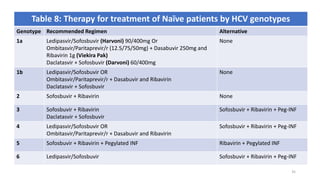
Table 8: Therapy for treatment of Naïve patients by HCV genotypes
Genotype Recommended Regimen Alternative
1a Ledipasvir/Sofosbuvir (Harvoni) 90/400mg Or
Ombitasvir/Paritaprevir/r (12.5/75/50mg) + Dasabuvir 250mg and
Ribavirin 1g (Viekira Pak)
Daclatasvir + Sofosbuvir (Darvoni) 60/400mg
None
1b Ledipasvir/Sofosbuvir OR
Ombitasvir/Paritaprevir/r + Dasabuvir and Ribavirin
Daclatasvir + Sofosbuvir
None
2 Sofosbuvir + Ribavirin None
3 Sofosbuvir + Ribavirin
Daclatasvir + Sofosbuvir
Sofosbuvir + Ribavirin + Peg-INF
4 Ledipasvir/Sofosbuvir OR
Ombitasvir/Paritaprevir/r + Dasabuvir and Ribavirin
Sofosbuvir + Ribavirin + Peg-INF
5 Sofosbuvir + Ribavirin + Pegylated INF Ribavirin + Pegylated INF
6 Ledipasvir/Sofosbuvir Sofosbuvir + Ribavirin + Peg-INF
Treatment cont’d
• Current guideline suggest a 12- or 24-week duration therapy
depending on GT and subtype
• The need for concomitant ribavirin use varies:
• Adherence to therapy is a crucial component especially among
genotype 1-infected patients
• All patients with chronic HCV infection should be vaccinated for HAV
and HBV
• No HCV vaccine is currently available
36
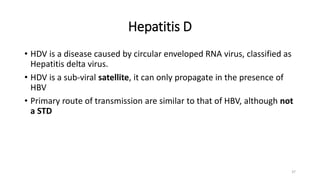
Hepatitis D
• HDV is a disease caused by circular enveloped RNA virus, classified as
Hepatitis delta virus.
• HDV is a sub-viral satellite, it can only propagate in the presence of
HBV
• Primary route of transmission are similar to that of HBV, although not
a STD
37
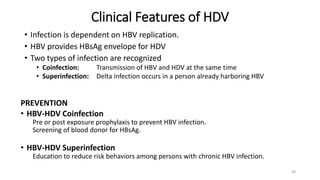
Clinical Features of HDV
• Infection is dependent on HBV replication.
• HBV provides HBsAg envelope for HDV
• Two types of infection are recognized
• Coinfection: Transmission of HBV and HDV at the same time
• Superinfection: Delta infection occurs in a person already harboring HBV
38
PREVENTION
• HBV-HDV Coinfection
Pre or post exposure prophylaxis to prevent HBV infection.
Screening of blood donor for HBsAg.
• HBV-HDV Superinfection
Education to reduce risk behaviors among persons with chronic HBV infection.
Hepatitis E
• Hepatitis E often cause acute and self-limiting infection with low
mortality rate.
• It bears a high risk of developing chronic hepatitis in
immunocompromised patients with substantial mortality rates.
• HEV occasionally develops into an acute, severe liver disease, and
fatal in about 2% of cases.
• The disease is more often severe in pregnant women and is
associated with fulminant hepatic failure.
39
Signs and Symptoms
• Acute Infections
• Short prodromal symptoms lasting from days to weeks and may include
jaundice, fatigue and nausea.
• Viral RNA become detectable in stool and blood
• Serum IgM and IgG antibodies against HEV appear before onset of clinical
symptoms
• Recovery leads to virus clearance from the blood.
• Recovery is also marked by disappearance of IgM and increase levels of IgG.
• Chronic Infections
• Liver fibrosis and cirrhosis in immunocompromised patients.
40
Prevention
41
• Sanitation:
• Avoiding water of unknown purity
• Avoiding uncooked shellfish
• Poorly prepared vegetables
The Role of the Pharmacist in the management of
Hepatitis.
• Because there is a significant potential for drug-drug and drug-disease
interactions that may impact the therapeutic outcome, pharmacists are at
the pivotal position to identify these interactions and make clinical
interventions accordingly.
• Pharmacists should conduct a thorough medication profile review to make
sure patient provides a comprehensive list of current medications,
including prescription and non-prescription medications.
• As front-line healthcare providers, pharmacists can act as patient identifier,
patient educator and patient advocate.
• Providing patients with pertinent information about their drug therapy,
including critical nature of patient adherence.
• Informing patients on proper administration of prescribed drug and any
possible adverse effects or drug interactions.
42
Conclusion
• Five viruses hepatitis A through E account for the majority of cases of acute
and chronic viral hepatitis.
• Chronic hepatitis is arbitrarily defined as the persistence of elevated serum
aminotransferase levels for 6 months or more.
• Complications of chronic hepatitis (predominantly cirrhosis and
hepatocellular carcinoma) account for the majority of morbidity and
mortality due to viral hepatitis.
• Effective vaccines are available for the prevention of hepatitis A, B, and D
infections.
• Safe and effective therapy is available for treatment of chronic hepatitis B
and C.
• Therefore it is important to screen individuals who are at high risk for
chronic viral hepatitis to provide them access to care, reduce
complications, and offer counseling to prevent transmission of infection
43
Recommendations
• Review of medications procured by the department to include at least
the pangenotypic DAAs and NRTIs
• Pharmacists should be diligent in providing up to date drug
information on the management of hepatitis.
44
Thank You.
45
References
• Koda-Kimble and Young’s: Viral Hepatitis, Applied Therapeutics the Clinical Use of Drugs 10th ED;
p1832
• Feather A, Randall D, Waterhouse M: Liver Disease, Kumar and Clark’s Clinical Medicine 10th ED
2021 p1284
• Wells BG, Schwinghammer TL, DiPiro JT, DiPiro CV; Viral Hepatitis: Pharmacotherapy Handbook
10th ED 2015 p341
• Kellerman RD, Rakel D.P. Hepatitis A, B, D and E, Conn’s Current Therapy 2019 p973
• Centers for Disease Control and Prevention (CDC). 2017—Outbreaks of hepatitis A in multiple
states among people who are homeless and people who use drugs.
https://www.cdc.gov/hepatitis/outbreaks/2017March-hepatitisA.htm
• Lemon SM et al. Type A viral hepatitis: a summary and update on the molecular virology,
epidemiology, pathogenesis and prevention. J Hepatol. 2018 Jan;68(1):167–84. [PMID: 28887164]
• Linder KA et al. JAMA patient page. Hepatitis A. JAMA. 2017 Dec 19;318(23):2393. [PMID:
29094153]
46

Viral hepatitis overview

  • 1.
  • 2.
  • 3.
    Introduction • Viral hepatitisis a systemic disease with primary inflammation of the liver by one of the heterogeneous group of Hepatotropic viruses. • Hepatotropic viruses are responsible for Hepatitis A (HAV), Hepatitis B (HBV), Hepatitis C (HCV), delta hepatitis (HDV), Hepatitis E (HEV) and possibly other species. • Other viruses may present with symptoms of liver disease, but not normally classified as hepatitis. • Epstein-Barr virus • Cytomegalovirus • Herpes • Yellow fever • Lassa fever • Protozoa, helminths and to a lesser extent, bacteria and fungi also cause liver inflammation. 3
  • 4.
    Introduction cont’d • AcuteViral Hepatitis: Symptoms < 6 months • Acute Hepatic Failure: Appearance of severe complications rapidly after the initial signs of liver disease. • Loss of hepatic function (80-90% of hepatocytes) • Indicates severe liver injury • Massive hepatic necrosis with impaired consciousness within 8 weeks on onset of illness • Chronic Hepatitis: Symptoms > 6 months • Necrosis: Premature apoptosis of hepatocytes • Fibrosis: Scarring • Cirrhosis: loss of liver function due to long term damage 4
  • 5.
    Introduction cont’d • Inmost cases, acute viral infection is asymptomatic. • Symptoms of Viral hepatitis include • Fatigue • Malaise • Flu-like symptoms • Anorexia • Nausea and Vomiting • Abdominal discomfort • Jaundice • Urticaria • Dark-colored urine 5 Figure 1: Icteric sclera
  • 6.
    Aim The aim ofthis presentation is to identify and discuss the various types of viral hepatitis, their clinical presentations, preventive measures and available treatment regimens. 6
  • 7.
    Scope • Types ofViral Hepatitis • Hepatitis A Virus • Hepatitis B Virus • Hepatitis C Virus • Hepatitis D Virus • Hepatitis E Virus • Roles of Pharmacist in the management of Viral Hepatitis 7
  • 8.
    Types of viralhepatitis 8 Table 1: Types and features of Hepatotropic viruses HAV HBV HCV HDV HEV Agent Hepatitis A virus ssRNA No envelope Hepatitis B virus dsDNA Envelope Hepatitis C virus ssRNA Envelope Hepatitis D virus ssRNA Envelope from HBV Hepatitis E virus ssRNA No envelope Route of Transmission Fecal-oral Parenteral, Vertical, Sexual Parenteral Parenteral Fecal-oral Age affected Children Any age Adults Any age Young Adults Incubation period 10-50 days 50-80 days 40-120 days 2-12 weeks 2-9 weeks Chronic infection No Yes Yes Yes No Specific Prophylaxis Ig and Vaccine Ig and Vaccine Nil HBV Vaccine Nil
  • 9.
    Hepatitis A Virus •HAV infection usually produces a self limiting disease and acute viral infection, with a low fatality rate, and confers lifelong immunity. • HAV infection primarily occurs through transmission by • fecal-oral route • person to person • Ingestion of contaminated food and water • The incidence correlates with low socioeconomic status, poor sanitary conditions and overcrowding • Rates of infection has increased among travelers, injection drug users and men who have sex with men (MSM). 9
  • 10.
    Hepatitis A Virus •The disease exhibit three phases: • Incubation (10-50 days) • Acute hepatitis (lasting up to 6 months) • Convalescence. • Nearly all infected individuals will have clinical resolution within 6 months of the infection. • HAV does not lead to chronic infections • Children younger than 6 years are typically asymptomatic 10
  • 11.
    Table 2: ClinicalPresentation of Acute Hepatitis A Signs and symptoms • Preicteric phase: non specific influenza symptoms, anorexia, nausea, fatigue and malaise, right upper quadrant abdominal pain with acute illness • Icteric hepatitis generally accompanied by dark urine and worsening of systemic symptoms • Pruritus Physical Examination • Icteric sclera, skin, and secretions • Mild weight loss of 2-5kg • Hepatomegaly Laboratory tests • Positive serum Ig M anti-HAV • ↑serum bilirubin, ↑gamma-globulin and ↑ALT and AST values 2X normal values • ↑Alkaline phosphates, ↑gamma-glutamyl transferase (ALT, Alanine transaminase; AST, aspartate transaminase; Ig Immunoglobulin) 11
  • 12.
    HAV Infection TypicalSerologic Course 12 Figure 2: Hepatitis A serological course Jaundice
  • 13.
    Treatment of HAV Goalsof treatment: • Complete clinical resolution, including reducing complications, normalization of liver function and reducing infectivity and transmission. • No specific treatment exist for HAV • Management of HAV infection is primarily supportive PREVENTION • Avoiding exposure • Good handwashing techniques • And Good personal hygiene practices • Virus is resistant to chlorination, but killed by boiling water for 10 min • Vaccines • inactivated vaccines licensed and available include • Havrix • Vaqta • Twinrix 13
  • 14.
    Table 3: RecommendedDosing of Hepatitis A Vaccines Vaccine Age (Years) Dose No. of doses Schedule HAVRIX 1-18 ≥19 720 Elisa Units 1440 Elisa Units 2 2 0, 6-12 months 0, 6-12 months VAQTA 1-18 ≥19 25 units 50 units 2 2 0, 6-18 months 0, 6-18 months TWINRIXa ≥18 ≥18 (accelerated schedule) 720 Elisa Units 720 Elisa Units 3 4 0, 1, 6 months 0, 7 days, 21-30 days, +12months (ELISA, enzyme linked immunosorbent assay.) a Combination hepatitis A and B vaccine, also containing 20mcg of hepatitis B surface antigen. 14 Passive immunization Human immunoglobulin G (0.02mL/Kg i.m) is used. • HAV vaccine should also be given.
  • 15.
    Hepatitis B Virus •HBV is the leading cause of chronic hepatitis, cirrhosis and hepatocellular carcinoma (HCC) • Transmission occurs: • Sexually • Parenterally • Perinatally. • HBV infection may develop complications of decompensated cirrhosis within 5 years period. • HBV is a risk factor for development of hepatocellular carcinoma. 15
  • 16.
    Hepatitis B VirusCont’d • The HBV virus is present worldwide with an estimate of 220 million carriers. • The UK and USA have a low carrier rate (0.5-2%) and higher rates (10-20%) in parts of Africa, Middle East and Far East. • HBV viral genome is variable: • Genotype A: Found in North-West Europe, North America and Central Africa. • Genotype B: South-East Asia (including China, Japan and Taiwan) • Genotype C: South-East Asia • Genotype D: Southern Europe • Genotype E: West Africa • Genotype F: South and Central America • Genotype G: France and USA • Genotype H: Central and South America The genotypes influence the chances of response to interferon treatment, but response to nucleotide analogues is equal 16
  • 17.
    Table 4: ClinicalPresentation of Chronic Hepatitis B Signs and symptoms • Easy fatigability, anxiety, anorexia and malaise. • Ascites, jaundice, variceal bleeding • Hepatic encephalopathy • Vomiting and seizures Physical Examination • Icteric sclera, skin, and secretions • Decrease bowel sounds, increased abdominal girth, and detectable fluid wave • Spider Angiomata (Fig. 3) Laboratory tests • Presence of HBsAg > 6 months • Intermittent elevations of ALT and AST • HBV DNA > 20,000 IU/mL • Liver Biopsy (ALT, Alanine transaminase; AST, aspartate transaminase; HBsAg, Hepatitis B surface antigen) 17
  • 18.
    Clinical Presentation ofChronic Hepatitis B cont’d 18 Fig. 2: Ascites Fig. 3: Spider Angiomata Fig. 4: Icterus
  • 19.
    Common serologic patternsin hepatitis B virus (HBV) infection • HBsAg—First evidence of infection, and persisting throughout the clinical illness. Persistence for more than 6 months signifies chronic hepatitis B. • Anti-HBs—Specific antibody to HBsAg. Appears in most individuals after clearance of HBsAg and after successful vaccination against hepatitis B. • Appearance of anti-HBs signal recovery from HBV infection, non-infectivity, and immunity • Anti-HBc—IgM anti-HBc appears shortly after HBsAg is detected. IgM anti- HBc indicates a diagnosis of acute hepatitis B, it can persist for up to 6 months. • IgG anti-HBc also appears during acute hepatitis B but persists indefinitely, 19
  • 20.
    Common serologic patternsin hepatitis B virus (HBV) infection cont’d 20 • HBeAg—HBeAg is a secretory form of HBcAg that appears in serum during the incubation period shortly after the detection of HBsAg. • HBeAg indicates viral replication and infectivity. • Persistence of HBeAg beyond 3 months indicates an increased likelihood of chronic hepatitis B. • HBV DNA—The presence of HBV DNA in serum generally parallels the presence of HBeAg, • HBV DNA is a more sensitive and precise marker of viral replication and infectivity.
  • 21.
    Prevention • Screening ofdonated blood for HBsAg, anti-HBc, and anti-HCV • All pregnant women should undergo testing for HBsAg. • HBV-infected persons should practice safe sex. • Immunoprophylaxis of the neonate reduces the risk of perinatal transmission • HBV IgG (0.06mL/Kg) • Vaccination with HBV vaccine • Rocombivax 10mcg/mL at 0, 1, and 6 months I.M • Engerix B 20mcg/mL at 0, 1 and 6 months I.M 21
  • 22.
    Table 5: Recommendationsfor Hepatitis B Virus Vaccination • Infants • Adolescents including all previously unvaccinated children <19 years old • All unvaccinated adults at risk for infection • All unvaccinated adults seeking vaccination (specific risk factor not required) • Men and women with a history of other sexually transmitted diseases and persons with a history of multiple sex partners (>1 partner/6 months) • Men who have sex with men • Injection-drug users • Household contacts and sex partners of persons with chronic hepatitis B infection • healthcare and public safety workers with exposure to blood in the workplace • Clients and staff of institutions for the developmentally disabled • International travelers who plan to spend >6 months in countries with high rates of • Recipients of clotting-factor concentrates • Sexually transmitted disease clinic patients • HIV patient/HIV-testing patients • Drug-abuse treatment and prevention clinic patients • Correctional facilities inmates • Chronic dialysis/ESRD patients 22 ESRD, end-stage renal disease; HIV, human immunodeficiency virus. From Center for Disease Control
  • 23.
    Treatment Goals of therapy •Suppress HBV replication • Prevent disease progression to cirrhosis and HCC • The ideal outcome is eradication of HBV with HBsAg and prevention of irreversible liver damage. • Patients with chronic HBV infection should be treated. • Recommendations for treatment consider the patient age, serum HBV DNA and ALT levels, and histological evidence and clinical progression of the disease. 23
  • 24.
    HBeAg(+) and HBVDNA > 20,000 IU/mL ALT ≤ 2x ULN ALT ≥ 2x ULN Observe/monitor Preferred Initial therapy: • IFN • Peg-IFN • Entecavir or • Tenofovir Immediate treatment if jaundice or decompensation Threshold for treatment for patient with chronic HBV and HBsAg + 24 Fig. 7:
  • 25.
    • All patientswith chronic HBV infection should be counseled on: • preventing disease transmission • Avoiding alcohol • The immune-mediating agents approved as first line therapy are: • Interferon (IFN)-alfa • Pegylated (peg) IFN-alfa (180µg once weekly s.c) • The oral antiviral agents are: • Entecavir • Tenofovir • Lamivudine • Telbivudine • Adefovir Treatment cont’d 25
  • 26.
    26 Table 6: Currenttreatment options for chronic HBV Interferon Lamivudine Adefovir Entecavir Route SC Oral Oral Oral Doses 15-35 MU weekly Or 180 mcg weekly 100mg daily 10mg daily 0.5 mg or 1mg daily Side Effects Many Negligible Potential Nephrotoxicity Negligible Resistance None 14-32% year 1 >70% year 5 None Year 1 3% year 2 6% year 3 None in treatment Naïve patients 10% year 2 Cost High Low Intermediate High Advantages NIL resistance Low cost, low side- effect profile Effective against Lamivudine resistance Effective against Lamivudine resistance Disadvantages High side effects profile, Injectable High rate of resistance Renal Toxicity Limited Long term data, High cost
  • 27.
    Hepatitis C Virus •HCV is the most common blood borne pathogen and is most often acquired through injection drug use. • Screening for HCV infection is recommended in groups who are at high risk of infection. • Transmission may occur by: • sexual contact • hemodialysis • Occupational • Perinatal exposure • In up to 85% of patients, acute HCV infection leads to chronic infection (HCV RNA ≥6 months) 27
  • 28.
    Table 7: Recommendationfor Hepatitis C virus screening • Anyone born between 1945 and 1965 • Coinfection with HIV • Received blood transfusion or organ transplantation before 1992 • Received clothing factor before 1987 • Patients on hemodialysis • Patients with unexplained elevated ALT levels or evidence of liver diseases • Healthcare and public safety workers after needle-stick or mucosal exposure to HCV-positive blood • Children born to HCV-positive mothers • Sexual partners of HCV positive patients 28
  • 29.
    Hepatitis C Viruscont’d • Patients with acute HCV are often asymptomatic. • One-third of adults will experience some mild and unspecific symptoms, including: • Persistent fatigue • Right upper quadrant pain • Nausea • Poor appetite • HCV cirrhosis poses a 30% risk of developing a end stage liver disease over 10 years as well as hepatocellular carcinoma (1-2%) 29
  • 30.
    HCV Genotypes • HCVis generally unstable and has numerous genotypes and subtypes • Six major genotypes has been defined with more than 50 subtypes • The extensive variety of genotypes helps HCV resist the body immune system and antiviral medications • This make the development of preventive vaccine challenging • Patients can be infected with more than one genotype • Establishing the specific genotype is critical to effectively treat HCV. 30
  • 31.
    HCV Infection TypicalSerologic Course 31 Fig. 8a: Fig. 8b:
  • 32.
    Treatment Goals of treatment •To eradicate HCV-infection, delay fibrosis progression, alleviate symptoms, prevent complications, limit all-cause mortality and eventually improve quality of life. • There is no recommended treatment of acute HCV • Urgent Treatment is recommended for patients with chronic hepatitis • Specific Direct Acting Antivirals (DAAs) prescribed is determined by genotype. • Genotype 1 is more resistant to conventional treatment with dual therapy with PEG-INF-alpha plus ribavirin • Percentage of Sustained Virologic Response has expanded to 95% with DAAs 32
  • 33.
    Mechanism of Actionof DAAs 33 Lipoproteins
  • 34.
    Treatment cont’d 34 Direct ActingAntivirals used for HCV Class Example Side effects NS3/4A Protease Inhibitors (…previrs) Telaprevir Anemia, pruritus, dermatitis Boceprevir Anemia, dysgusia Simeprevir (SMV) Rash, pruritus, nausea Faldaprevir Photosensitivity skin, GI discomfort Paritaprevir/Ritonavir Pruritus, nausea NS5A Inhibitors (…asvirs) Daclatasvir Fatigue, headache, nausea Ledipasvir Asthenia, fatigue Ombitasvir (ABT-267) Pruritus, insomnia, asthenia NS5B RNA-dependent RNA Polymerase Inhibitors (…buvirs) NPIs Sofosbuvir Fatigue, headache, insomnia NNPIs Dasabuvir Fatigue, nausea
  • 35.
    35 Table 8: Therapyfor treatment of Naïve patients by HCV genotypes Genotype Recommended Regimen Alternative 1a Ledipasvir/Sofosbuvir (Harvoni) 90/400mg Or Ombitasvir/Paritaprevir/r (12.5/75/50mg) + Dasabuvir 250mg and Ribavirin 1g (Viekira Pak) Daclatasvir + Sofosbuvir (Darvoni) 60/400mg None 1b Ledipasvir/Sofosbuvir OR Ombitasvir/Paritaprevir/r + Dasabuvir and Ribavirin Daclatasvir + Sofosbuvir None 2 Sofosbuvir + Ribavirin None 3 Sofosbuvir + Ribavirin Daclatasvir + Sofosbuvir Sofosbuvir + Ribavirin + Peg-INF 4 Ledipasvir/Sofosbuvir OR Ombitasvir/Paritaprevir/r + Dasabuvir and Ribavirin Sofosbuvir + Ribavirin + Peg-INF 5 Sofosbuvir + Ribavirin + Pegylated INF Ribavirin + Pegylated INF 6 Ledipasvir/Sofosbuvir Sofosbuvir + Ribavirin + Peg-INF
  • 36.
    Treatment cont’d • Currentguideline suggest a 12- or 24-week duration therapy depending on GT and subtype • The need for concomitant ribavirin use varies: • Adherence to therapy is a crucial component especially among genotype 1-infected patients • All patients with chronic HCV infection should be vaccinated for HAV and HBV • No HCV vaccine is currently available 36
  • 37.
    Hepatitis D • HDVis a disease caused by circular enveloped RNA virus, classified as Hepatitis delta virus. • HDV is a sub-viral satellite, it can only propagate in the presence of HBV • Primary route of transmission are similar to that of HBV, although not a STD 37
  • 38.
    Clinical Features ofHDV • Infection is dependent on HBV replication. • HBV provides HBsAg envelope for HDV • Two types of infection are recognized • Coinfection: Transmission of HBV and HDV at the same time • Superinfection: Delta infection occurs in a person already harboring HBV 38 PREVENTION • HBV-HDV Coinfection Pre or post exposure prophylaxis to prevent HBV infection. Screening of blood donor for HBsAg. • HBV-HDV Superinfection Education to reduce risk behaviors among persons with chronic HBV infection.
  • 39.
    Hepatitis E • HepatitisE often cause acute and self-limiting infection with low mortality rate. • It bears a high risk of developing chronic hepatitis in immunocompromised patients with substantial mortality rates. • HEV occasionally develops into an acute, severe liver disease, and fatal in about 2% of cases. • The disease is more often severe in pregnant women and is associated with fulminant hepatic failure. 39
  • 40.
    Signs and Symptoms •Acute Infections • Short prodromal symptoms lasting from days to weeks and may include jaundice, fatigue and nausea. • Viral RNA become detectable in stool and blood • Serum IgM and IgG antibodies against HEV appear before onset of clinical symptoms • Recovery leads to virus clearance from the blood. • Recovery is also marked by disappearance of IgM and increase levels of IgG. • Chronic Infections • Liver fibrosis and cirrhosis in immunocompromised patients. 40
  • 41.
    Prevention 41 • Sanitation: • Avoidingwater of unknown purity • Avoiding uncooked shellfish • Poorly prepared vegetables
  • 42.
    The Role ofthe Pharmacist in the management of Hepatitis. • Because there is a significant potential for drug-drug and drug-disease interactions that may impact the therapeutic outcome, pharmacists are at the pivotal position to identify these interactions and make clinical interventions accordingly. • Pharmacists should conduct a thorough medication profile review to make sure patient provides a comprehensive list of current medications, including prescription and non-prescription medications. • As front-line healthcare providers, pharmacists can act as patient identifier, patient educator and patient advocate. • Providing patients with pertinent information about their drug therapy, including critical nature of patient adherence. • Informing patients on proper administration of prescribed drug and any possible adverse effects or drug interactions. 42
  • 43.
    Conclusion • Five viruseshepatitis A through E account for the majority of cases of acute and chronic viral hepatitis. • Chronic hepatitis is arbitrarily defined as the persistence of elevated serum aminotransferase levels for 6 months or more. • Complications of chronic hepatitis (predominantly cirrhosis and hepatocellular carcinoma) account for the majority of morbidity and mortality due to viral hepatitis. • Effective vaccines are available for the prevention of hepatitis A, B, and D infections. • Safe and effective therapy is available for treatment of chronic hepatitis B and C. • Therefore it is important to screen individuals who are at high risk for chronic viral hepatitis to provide them access to care, reduce complications, and offer counseling to prevent transmission of infection 43
  • 44.
    Recommendations • Review ofmedications procured by the department to include at least the pangenotypic DAAs and NRTIs • Pharmacists should be diligent in providing up to date drug information on the management of hepatitis. 44
  • 45.
  • 46.
    References • Koda-Kimble andYoung’s: Viral Hepatitis, Applied Therapeutics the Clinical Use of Drugs 10th ED; p1832 • Feather A, Randall D, Waterhouse M: Liver Disease, Kumar and Clark’s Clinical Medicine 10th ED 2021 p1284 • Wells BG, Schwinghammer TL, DiPiro JT, DiPiro CV; Viral Hepatitis: Pharmacotherapy Handbook 10th ED 2015 p341 • Kellerman RD, Rakel D.P. Hepatitis A, B, D and E, Conn’s Current Therapy 2019 p973 • Centers for Disease Control and Prevention (CDC). 2017—Outbreaks of hepatitis A in multiple states among people who are homeless and people who use drugs. https://www.cdc.gov/hepatitis/outbreaks/2017March-hepatitisA.htm • Lemon SM et al. Type A viral hepatitis: a summary and update on the molecular virology, epidemiology, pathogenesis and prevention. J Hepatol. 2018 Jan;68(1):167–84. [PMID: 28887164] • Linder KA et al. JAMA patient page. Hepatitis A. JAMA. 2017 Dec 19;318(23):2393. [PMID: 29094153] 46