Violence - Violence everywhere ,
where we can interfere
Presented by: Mr. Divyashu Sharma
School Counsellor
INTRODUCTION
 What is abuse ?
 Developmental progression of Anti Social Behaviour.
 When children witness violence
 Violence between who
 Protecting your child from sexual abuse too
 5 warning signs of escalating behaviour for violence
 Responses for those warning signs you can practice
 Intervening approaches
 For Children
 For Parents
 Try FISTS
Does someone you live with or
someone in your family make you
afraid by threatening, yelling or
physically hurting you or your
child.
No one deserves to be hurt. We
want you and your child safe.
What is an abuse?
 Physical injury or Emotional, Mental or
Verbal abuse
 Fear of imminent serious physical injury
 Sexual abuse
 Coercive or controlling behavior
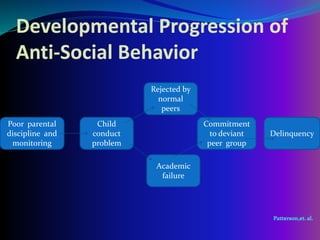
Developmental Progression of
Anti-Social Behavior
Poor parental
discipline and
monitoring
Child
conduct
problem
Rejected by
normal
peers
Academic
failure
Commitment
to deviant
peer group
Delinquency
When Children Witness Violence
 Children see, hear, and
remember more than
adults think they do.
 When children witness
violence at home, they
are often profoundly
affected by it.
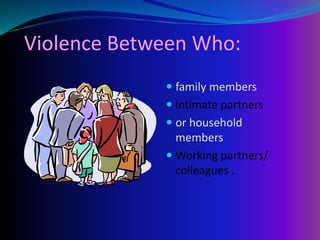
Violence Between Who:
 family members
 intimate partners
 or household
members
 Working partners/
colleagues .
Protecting Your Child from
Sexual Abuse
Rules that even young
children can be taught:
No secrets.
All body parts have names.
Adults should not touch certain parts of
your body.
Adults don’t need help with their bodies.
5 Warning Signs
1. Confusion
2. Frustration
3. Blame
4. Anger
5. Hostility
Warning Signs of Confusion
 The person appears
bewildered or
distracted.
 They are unsure or
uncertain of the next
course of action.
Responses to Confusion
1. Listen Attentively to the person
2. Ask clarifying questions
3. Give factual Information
Warning Signs of Frustration
1. The person is impatient and reactive
2. The person resists information you
are giving them
3. The person may try to bait you
Responses to Frustration
1. Move the person to a quiet
location
2. Reassure them, talk to them in
a calm voice
3. Attempt to clarify their
concerns
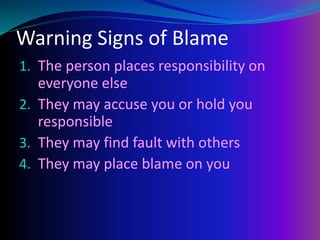
Warning Signs of Blame
1. The person places responsibility on
everyone else
2. They may accuse you or hold you
responsible
3. They may find fault with others
4. They may place blame on you
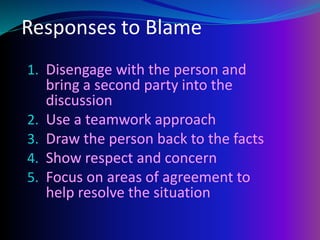
Responses to Blame
1. Disengage with the person and
bring a second party into the
discussion
2. Use a teamwork approach
3. Draw the person back to the facts
4. Show respect and concern
5. Focus on areas of agreement to
help resolve the situation
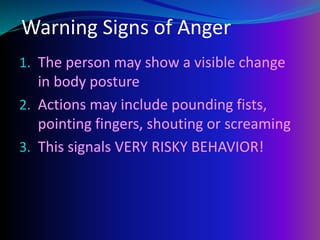
Warning Signs of Anger
1. The person may show a visible change
in body posture
2. Actions may include pounding fists,
pointing fingers, shouting or screaming
3. This signals VERY RISKY BEHAVIOR!
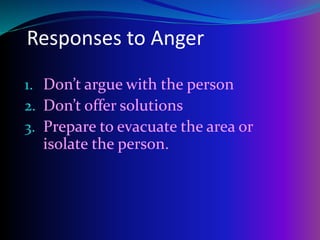
Responses to Anger
1. Don’t argue with the person
2. Don’t offer solutions
3. Prepare to evacuate the area or
isolate the person.
Warning Signs of Hostility
1. Physical actions or threats
appear imminent
2. There is immediate danger of
physical harm or property
damage
3. Out-of-control behavior signals
the person has crossed the line
Responses to Hostility
1. Disengage with the person
and evacuate the area
2. Attempt to isolate the
person if it can be done
safely
Intervening Approaches
•Screen for family violence and substance abuse
•Discuss discipline strategies (Time – Out )
•Child-centered play
•Ask about handguns in the home
•Parental role modeling
•Reduce TV viewing
•Raise Your Child with Praise.
Intervening Approaches :
Parents
•Understand child’s need to assume greater
responsibilities.
•Teach importance of anger management and
conflict resolution skills.
•Encourage children to engage in after-school
activities: sports, music, theater, and recreational
and community projects.
Intervening Approaches :
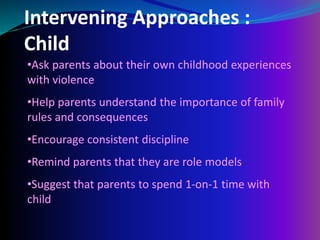
Child
•Ask parents about their own childhood experiences
with violence
•Help parents understand the importance of family
rules and consequences
•Encourage consistent discipline
•Remind parents that they are role models
•Suggest that parents to spend 1-on-1 time with
child
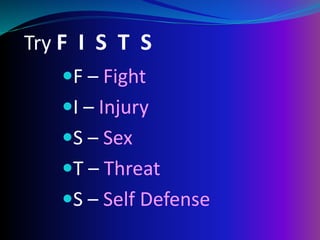
Try F I S T S
F – Fight
I – Injury
S – Sex
T – Threat
S – Self Defense
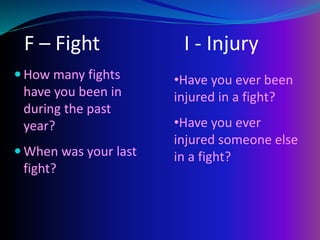
F – Fight I - Injury
 How many fights
have you been in
during the past
year?
 When was your last
fight?
•Have you ever been
injured in a fight?
•Have you ever
injured someone else
in a fight?
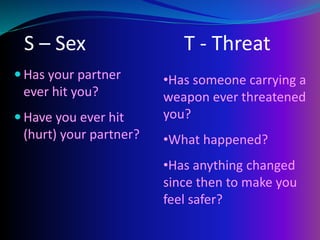
S – Sex T - Threat
 Has your partner
ever hit you?
 Have you ever hit
(hurt) your partner?
•Has someone carrying a
weapon ever threatened
you?
•What happened?
•Has anything changed
since then to make you
feel safer?
S – Self Defense
 What do you do if
someone tries to pick a
fight with you?
 Have you ever carried a
weapon in self-
defense?
Asking Saves
Kids
Encourage
yourself to ASK
Violence

Violence

  • 1.
    Violence - Violenceeverywhere , where we can interfere Presented by: Mr. Divyashu Sharma School Counsellor
  • 2.
    INTRODUCTION  What isabuse ?  Developmental progression of Anti Social Behaviour.  When children witness violence  Violence between who  Protecting your child from sexual abuse too  5 warning signs of escalating behaviour for violence  Responses for those warning signs you can practice  Intervening approaches  For Children  For Parents  Try FISTS
  • 3.
    Does someone youlive with or someone in your family make you afraid by threatening, yelling or physically hurting you or your child. No one deserves to be hurt. We want you and your child safe.
  • 4.
    What is anabuse?  Physical injury or Emotional, Mental or Verbal abuse  Fear of imminent serious physical injury  Sexual abuse  Coercive or controlling behavior
  • 5.
    Developmental Progression of Anti-SocialBehavior Poor parental discipline and monitoring Child conduct problem Rejected by normal peers Academic failure Commitment to deviant peer group Delinquency
  • 6.
    When Children WitnessViolence  Children see, hear, and remember more than adults think they do.  When children witness violence at home, they are often profoundly affected by it.
  • 7.
    Violence Between Who: family members  intimate partners  or household members  Working partners/ colleagues .
  • 8.
    Protecting Your Childfrom Sexual Abuse Rules that even young children can be taught: No secrets. All body parts have names. Adults should not touch certain parts of your body. Adults don’t need help with their bodies.
  • 9.
    5 Warning Signs 1.Confusion 2. Frustration 3. Blame 4. Anger 5. Hostility
  • 10.
    Warning Signs ofConfusion  The person appears bewildered or distracted.  They are unsure or uncertain of the next course of action.
  • 11.
    Responses to Confusion 1.Listen Attentively to the person 2. Ask clarifying questions 3. Give factual Information
  • 12.
    Warning Signs ofFrustration 1. The person is impatient and reactive 2. The person resists information you are giving them 3. The person may try to bait you
  • 13.
    Responses to Frustration 1.Move the person to a quiet location 2. Reassure them, talk to them in a calm voice 3. Attempt to clarify their concerns
  • 14.
    Warning Signs ofBlame 1. The person places responsibility on everyone else 2. They may accuse you or hold you responsible 3. They may find fault with others 4. They may place blame on you
  • 15.
    Responses to Blame 1.Disengage with the person and bring a second party into the discussion 2. Use a teamwork approach 3. Draw the person back to the facts 4. Show respect and concern 5. Focus on areas of agreement to help resolve the situation
  • 16.
    Warning Signs ofAnger 1. The person may show a visible change in body posture 2. Actions may include pounding fists, pointing fingers, shouting or screaming 3. This signals VERY RISKY BEHAVIOR!
  • 17.
    Responses to Anger 1.Don’t argue with the person 2. Don’t offer solutions 3. Prepare to evacuate the area or isolate the person.
  • 18.
    Warning Signs ofHostility 1. Physical actions or threats appear imminent 2. There is immediate danger of physical harm or property damage 3. Out-of-control behavior signals the person has crossed the line
  • 19.
    Responses to Hostility 1.Disengage with the person and evacuate the area 2. Attempt to isolate the person if it can be done safely
  • 20.
    Intervening Approaches •Screen forfamily violence and substance abuse •Discuss discipline strategies (Time – Out ) •Child-centered play •Ask about handguns in the home •Parental role modeling •Reduce TV viewing •Raise Your Child with Praise.
  • 21.
    Intervening Approaches : Parents •Understandchild’s need to assume greater responsibilities. •Teach importance of anger management and conflict resolution skills. •Encourage children to engage in after-school activities: sports, music, theater, and recreational and community projects.
  • 22.
    Intervening Approaches : Child •Askparents about their own childhood experiences with violence •Help parents understand the importance of family rules and consequences •Encourage consistent discipline •Remind parents that they are role models •Suggest that parents to spend 1-on-1 time with child
  • 23.
    Try F IS T S F – Fight I – Injury S – Sex T – Threat S – Self Defense
  • 24.
    F – FightI - Injury  How many fights have you been in during the past year?  When was your last fight? •Have you ever been injured in a fight? •Have you ever injured someone else in a fight?
  • 25.
    S – SexT - Threat  Has your partner ever hit you?  Have you ever hit (hurt) your partner? •Has someone carrying a weapon ever threatened you? •What happened? •Has anything changed since then to make you feel safer?
  • 26.
    S – SelfDefense  What do you do if someone tries to pick a fight with you?  Have you ever carried a weapon in self- defense?
  • 27.