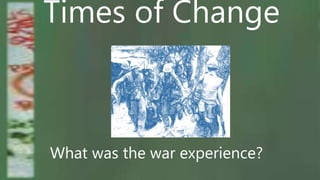
Times of Change
Disciplinary Literacy and Inquiry
Reflection
 What is my personal goal for today? How can having a positive
attitude help?
 How am I integrating the new standards into my teaching? Will that
make a difference in how I teach? Why or why not?
 Why is it important for my students to understand history? How can I
get them engaged and excited to learn more?
 What excites me about history? How can I incorporate that passion
into my teaching?
Disciplinary Literacy
The Three Big Shifts in Literacy for Social Studies,
Science, and Technical Subjects:
 Building knowledge through reading content-rich
nonfiction
 Reading, writing, and speaking grounded in evidence from
text
 Regular practice with complex text and its academic
vocabulary
Meeting the Standards
US History
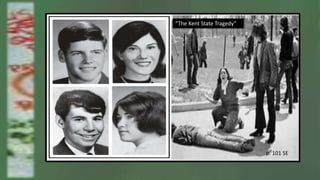
 SSUSH21 Analyze U.S. international and domestic policies including their
influences on technological advancements and social changes during the
Kennedy and Johnson administrations.
 SSUSH22 Analyze U.S. international and domestic policies including their
influences on technological advancements and social changes during the
Nixon, Ford, and Carter administrations.
Meeting the Standards
World History
 SSWH20 Demonstrate an understanding of the global social, economic, and
political impact of the Cold War and decolonization from 1945 to 1989.
 SSWH21 Examine change and continuity in the world since the 1960s.
Guidelines for Establishing a Classroom
for Inquiry
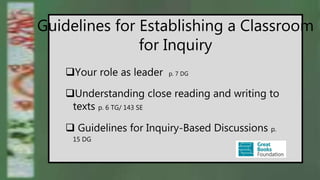
Your role as leader p. 7 DG
Understanding close reading and writing to
texts p. 6 TG/ 143 SE
 Guidelines for Inquiry-Based Discussions p.
15 DG
Engaging and Motivating
Your Students
 Make It Meaningful.
 Foster a Sense of Competence. ...
 Provide Autonomy Support. ...
 Embrace Collaborative Learning. ...
 Establish Positive Teacher-Student Relationships. ...
 Promote Mastery Orientations.
Golden Rules for Engaging Students in Learning Activities
By Nicolás Pino-James, PhD
December 8, 2014 Updated December 11, 2015
Times of Change
Vietnam and the 60s
Examining Change
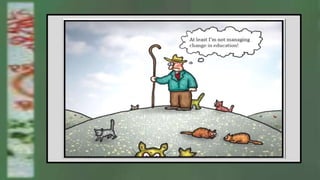
What is change?
How does change affect your life?
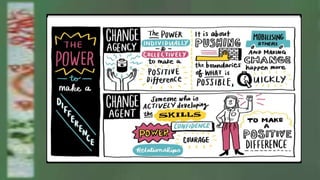
What are change agencies, and who
can be a change agent?
Is change good or bad?
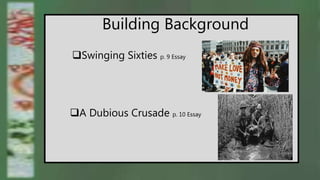
Building Background
Swinging Sixties p. 9 Essay
A Dubious Crusade p. 10 Essay
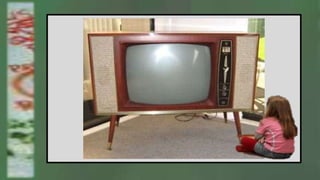
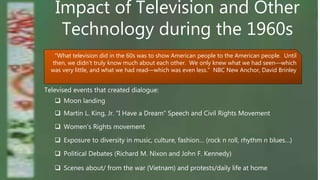
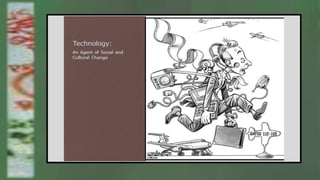
Impact of Television and Other
Technology during the 1960s
“What television did in the 60s was to show American people to the American people. Until
then, we didn’t truly know much about each other. We only knew what we had seen—which
was very little, and what we had read—which was even less.” NBC New Anchor, David Brinley
Televised events that created dialogue:
 Moon landing
 Women’s Rights movement
 Martin L. King, Jr. “I Have a Dream” Speech and Civil Rights Movement
 Political Debates (Richard M. Nixon and John F. Kennedy)
 Exposure to diversity in music, culture, fashion… (rock n roll, rhythm n blues…)
 Scenes about/ from the war (Vietnam) and protests/daily life at home
The
Lottery
On the Rainy River p. 33 Short Story
Times of Change
What was the war experience?
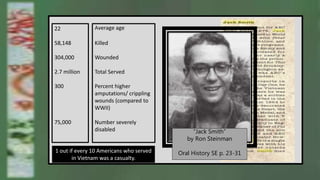
22
58,148
304,000
2.7 million
300
75,000
“Jack Smith”
by Ron Steinman
Oral History SE p. 23-31
Average age
Killed
Wounded
Total Served
Percent higher
amputations/ crippling
wounds (compared to
WWII)
Number severely
disabled
1 out if every 10 Americans who served
in Vietnam was a casualty.
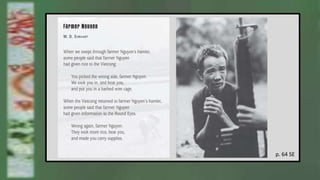
p. 64 SE
Times of Change
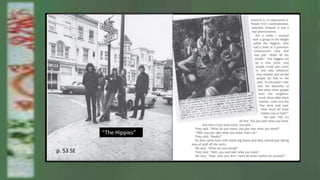
What was happening back home?
p. 53 SE
“The Hippies”
p. 101 SE
“The Kent State Tragedy”
Writing using Textual Evidence
Times of Change
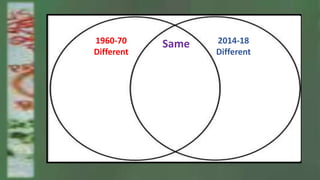
1960-70
Different
2014-18
Different
Same
Times of Change
Kim Moore
moore4knowledge@gmail.com
678-323-5500

Vietnam War Era

  • 1.
    Times of Change DisciplinaryLiteracy and Inquiry
  • 2.
    Reflection  What ismy personal goal for today? How can having a positive attitude help?  How am I integrating the new standards into my teaching? Will that make a difference in how I teach? Why or why not?  Why is it important for my students to understand history? How can I get them engaged and excited to learn more?  What excites me about history? How can I incorporate that passion into my teaching?
  • 3.
    Disciplinary Literacy The ThreeBig Shifts in Literacy for Social Studies, Science, and Technical Subjects:  Building knowledge through reading content-rich nonfiction  Reading, writing, and speaking grounded in evidence from text  Regular practice with complex text and its academic vocabulary
  • 4.
    Meeting the Standards USHistory  SSUSH21 Analyze U.S. international and domestic policies including their influences on technological advancements and social changes during the Kennedy and Johnson administrations.  SSUSH22 Analyze U.S. international and domestic policies including their influences on technological advancements and social changes during the Nixon, Ford, and Carter administrations.
  • 5.
    Meeting the Standards WorldHistory  SSWH20 Demonstrate an understanding of the global social, economic, and political impact of the Cold War and decolonization from 1945 to 1989.  SSWH21 Examine change and continuity in the world since the 1960s.
  • 7.
    Guidelines for Establishinga Classroom for Inquiry Your role as leader p. 7 DG Understanding close reading and writing to texts p. 6 TG/ 143 SE  Guidelines for Inquiry-Based Discussions p. 15 DG
  • 8.
    Engaging and Motivating YourStudents  Make It Meaningful.  Foster a Sense of Competence. ...  Provide Autonomy Support. ...  Embrace Collaborative Learning. ...  Establish Positive Teacher-Student Relationships. ...  Promote Mastery Orientations. Golden Rules for Engaging Students in Learning Activities By Nicolás Pino-James, PhD December 8, 2014 Updated December 11, 2015
  • 9.
  • 10.
    Examining Change What ischange? How does change affect your life? What are change agencies, and who can be a change agent? Is change good or bad?
  • 13.
    Building Background Swinging Sixtiesp. 9 Essay A Dubious Crusade p. 10 Essay
  • 15.
    Impact of Televisionand Other Technology during the 1960s “What television did in the 60s was to show American people to the American people. Until then, we didn’t truly know much about each other. We only knew what we had seen—which was very little, and what we had read—which was even less.” NBC New Anchor, David Brinley Televised events that created dialogue:  Moon landing  Women’s Rights movement  Martin L. King, Jr. “I Have a Dream” Speech and Civil Rights Movement  Political Debates (Richard M. Nixon and John F. Kennedy)  Exposure to diversity in music, culture, fashion… (rock n roll, rhythm n blues…)  Scenes about/ from the war (Vietnam) and protests/daily life at home
  • 16.
    The Lottery On the RainyRiver p. 33 Short Story
  • 17.
    Times of Change Whatwas the war experience?
  • 18.
    22 58,148 304,000 2.7 million 300 75,000 “Jack Smith” byRon Steinman Oral History SE p. 23-31 Average age Killed Wounded Total Served Percent higher amputations/ crippling wounds (compared to WWII) Number severely disabled 1 out if every 10 Americans who served in Vietnam was a casualty.
  • 19.
  • 20.
    Times of Change Whatwas happening back home?
  • 21.
    p. 53 SE “TheHippies”
  • 22.
    p. 101 SE “TheKent State Tragedy”
  • 23.
    Writing using TextualEvidence Times of Change
  • 25.
  • 26.
    Times of Change KimMoore moore4knowledge@gmail.com 678-323-5500

Editor's Notes

  • #4 WSIL? Why Should I Listen?
  • #14 Have participants write reactions to each slide in photo/ music PPs. Talk about participants reaction to photos. Discuss lyrics to each song afterwards. Ballad of the Green Berets p. 16 SE Fortunate Son (handout) Compare and contrast what was happening at home to what was happening in Vietnam. How did each influence the other?
  • #15 9 out of every ten American households had a tv by 1960—randomly ask participants to come to the front (10 total). Ask participants what type of stats would represent the number of televisions in US homes as of 1960? Hand 9 of them pictures of an old television set with US map. For 2013—Ask for guesses regarding percentages world-wideWorld-wide in developed countries—approximately 96% have at least 1 tv 69% in developing countries 2 more people come up to represent developed and developing countries
  • #17 Lottery Drawing to choose soldiers and those left at home (12 soldiers) Watch video of drawing Read sections of On the Rainy River p. 33m
  • #19 Average age of soldier— 22 One out of every 10 Americans who served in Vietnam was a casualty. 58,148 were killed and 304,000 wounded out of 2.7 million who served. Although the percent that died is similar to other wars, amputations or crippling wounds were 300 percent higher than in World War II. 75,000 Vietnam veterans are severely disabled. If 10% (1 of 10) was a casualty, then they are including both killed and wounded as a casualty.  Actual percentage based on below numbers is: 13.41% total casualties … 2.15% deaths 11.26% wounded   Class of 30: .6 of a person dead 3.37 persons wounded