


Ventilator Management In
Complex Congenital Heart
Disease: A Case-Based Overview
Natasha Lavin, B.S., R.R.T.-N.P.S., C.P.F.T.
Geoffrey L. Bird, M.D., M.S.I.S., F.A.A.P.
CHOP Respiratory Care Conference
October 2013
Nothing to disclose
Not even tired jokes about
disclosures
Under Pressure
• You have a fresh post-op patient who just
got back after a Fontan procedure.
• All was going well for the OR team, until
efforts to open up and augment the distal
branch PAs were followed by blood in the
ET Tube. A decent amount of blood
actually.
• CT Anesthesia and the Surgeon head
back to the OR for the transplant who’s on
the table for organs on the way in by
helicopter.
Under Pressure
• The Attending has gone to catch a few zzzz’s.
It is apparent she is not the lite sleeper you
were hoping and is not answering her pages
so it is up to you and the Fellow to manage
the patient.
• Coags have been sent and FFP and platelets
are on the way from blood bank.
• The patient is coughing and desating and
trying to reach for his blood filled ET tube.
Anyone seen this scenario?
• Plan “A”: The Critical Care fellow, who just
took care of six bad pulmonary hemorrhages
in the PICU last month insists this patient is
bleeding to death and CLEARLY needs more
“P’s!”
• In addition to Platelets, Plasma, Packed
cells, he asks for Paralysis, higher PIP, and
more PEEP.
• Plan “B”: You suggest different “P’s:” Power
wean and pull the tube
•
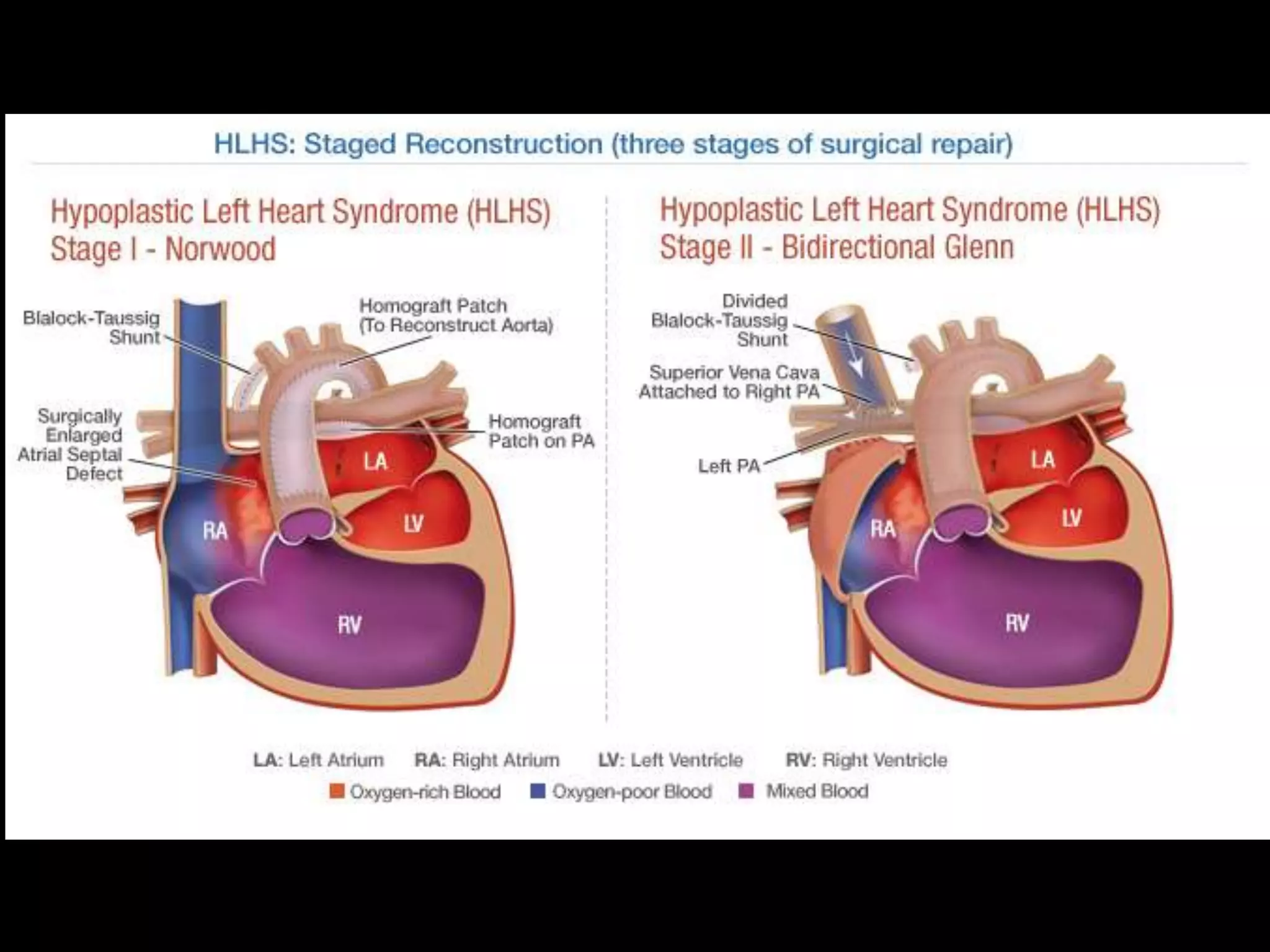
Oh Crap, which one is the Fontan
Procedure again?
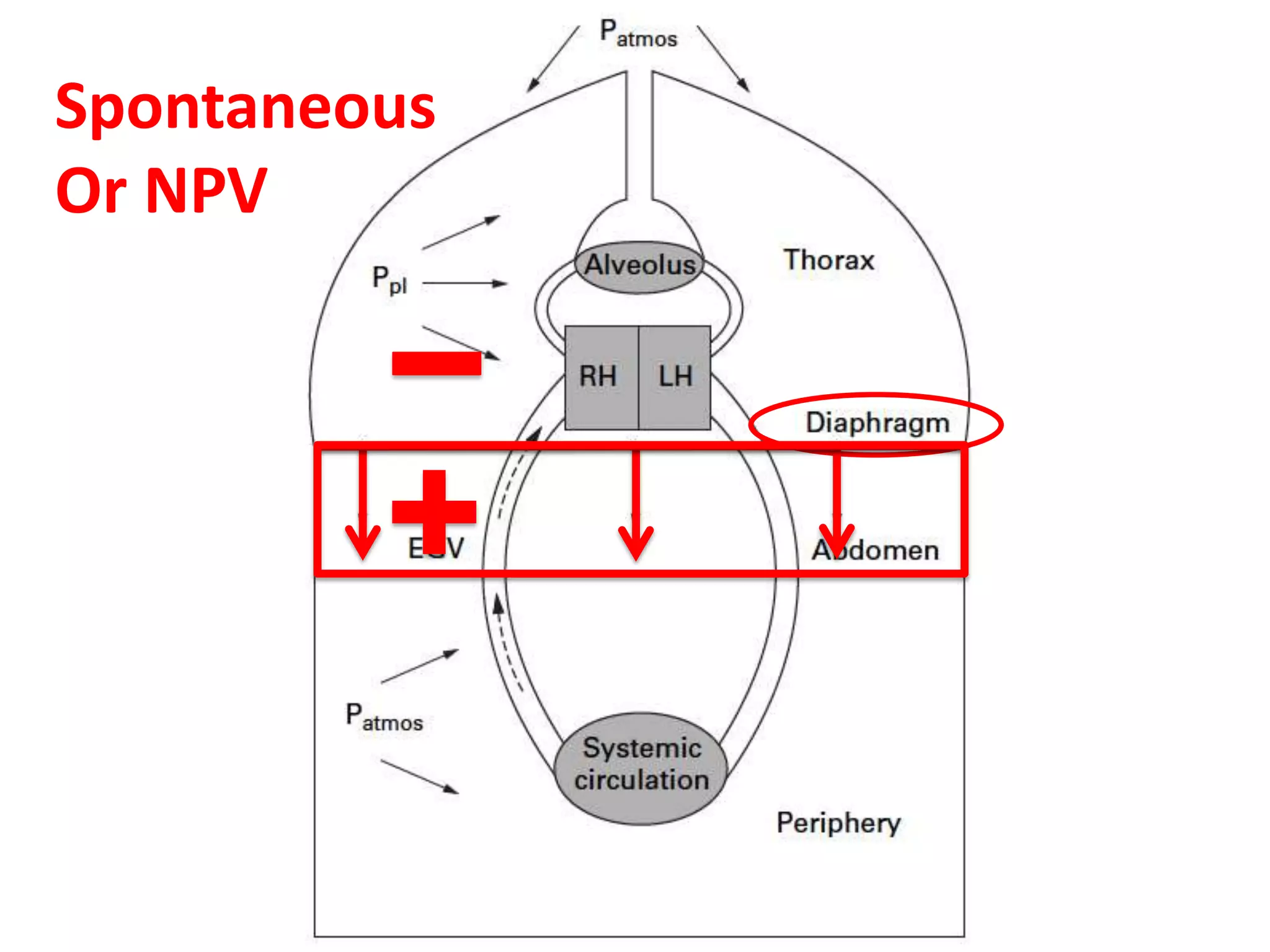
Spontaneous
Or NPV
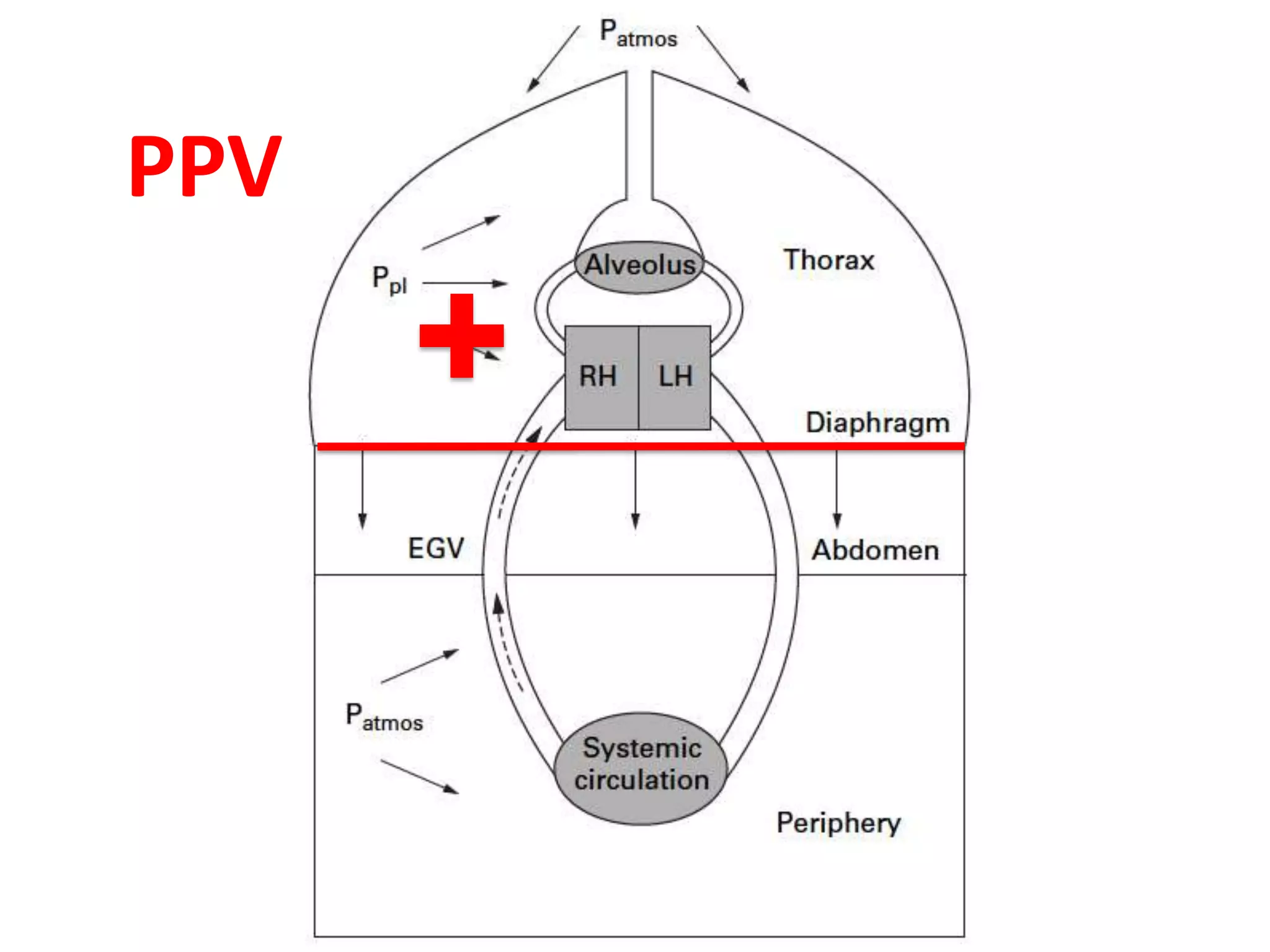
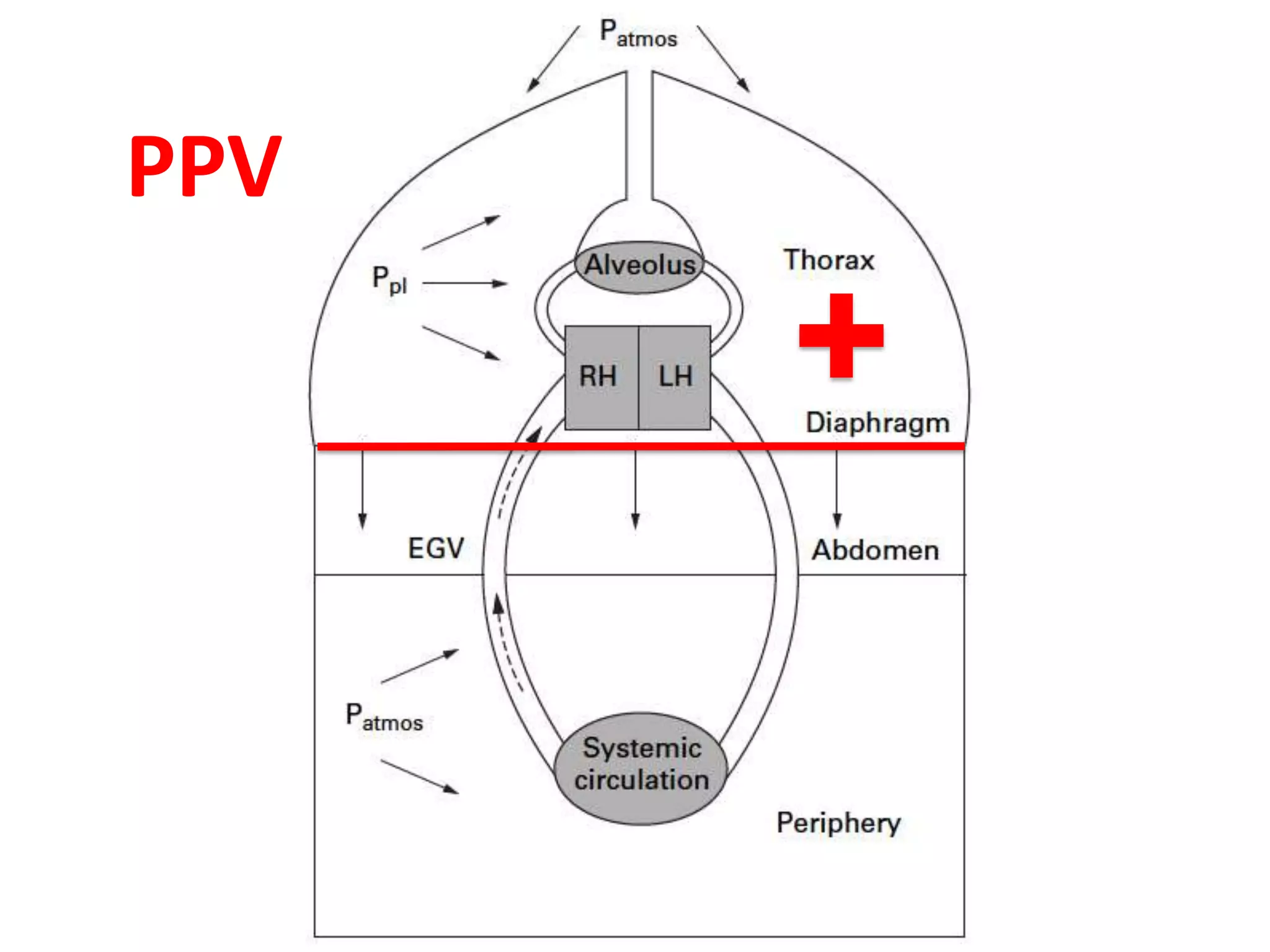
PPV
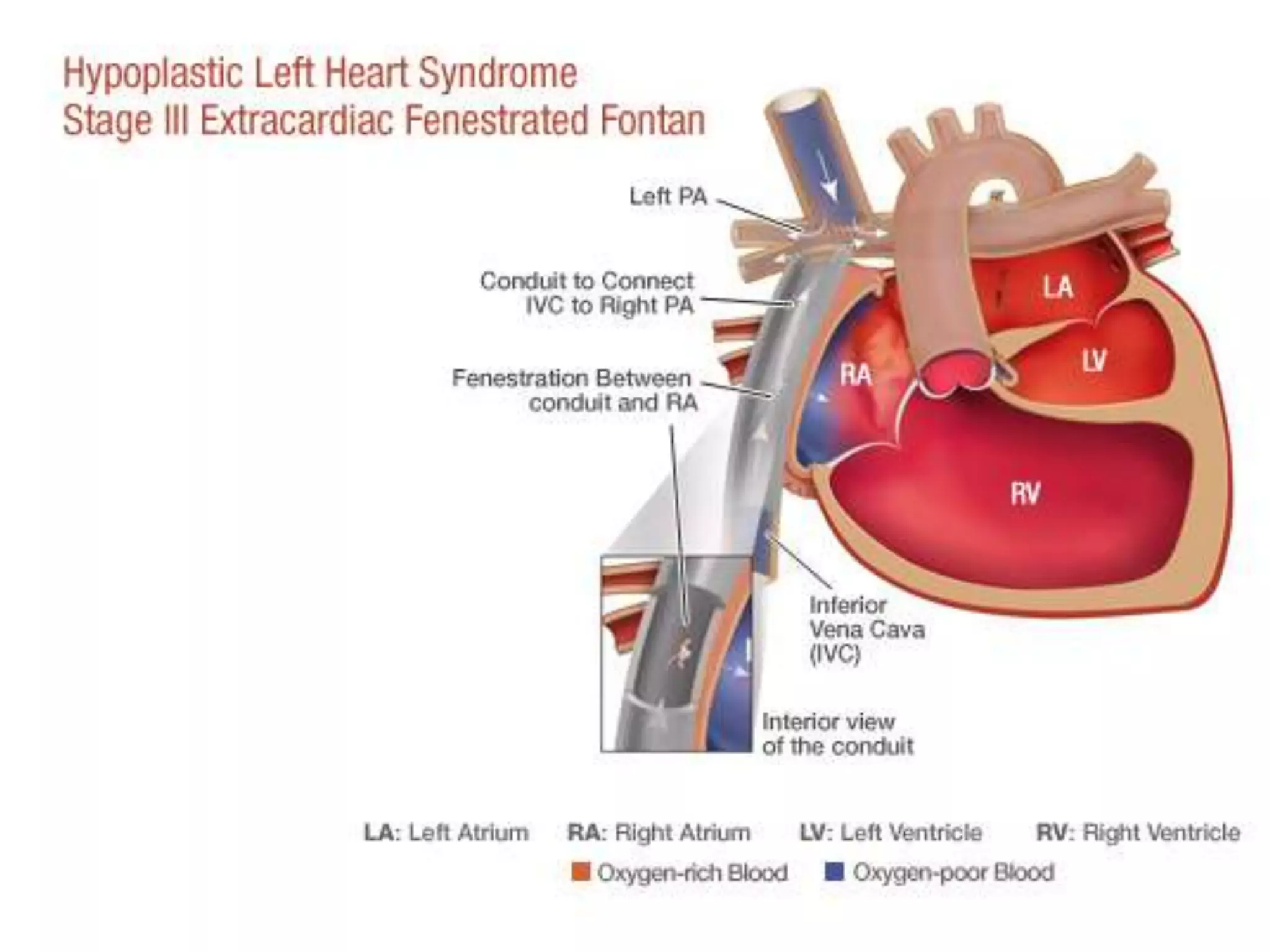
Fontan Physiology
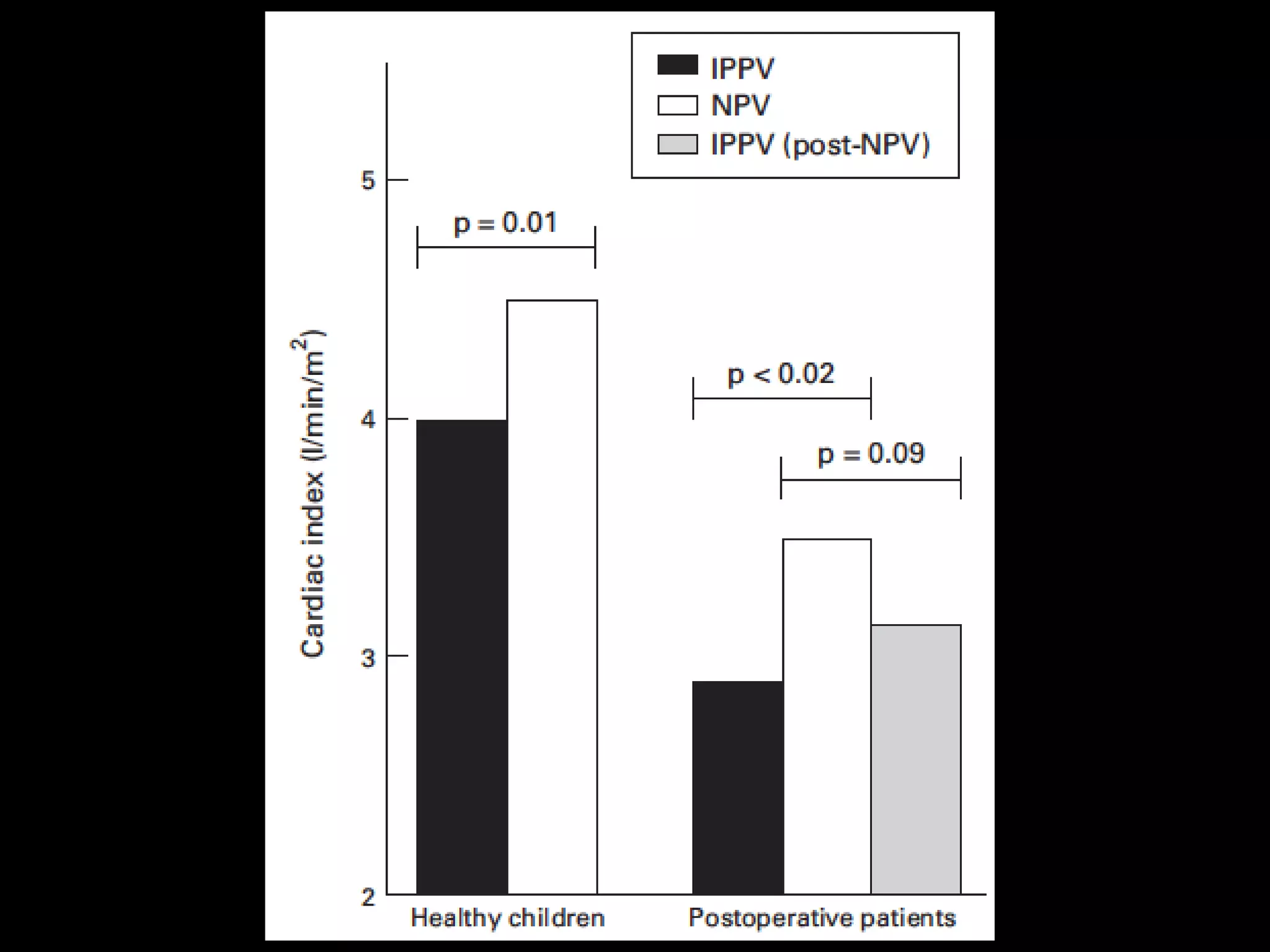
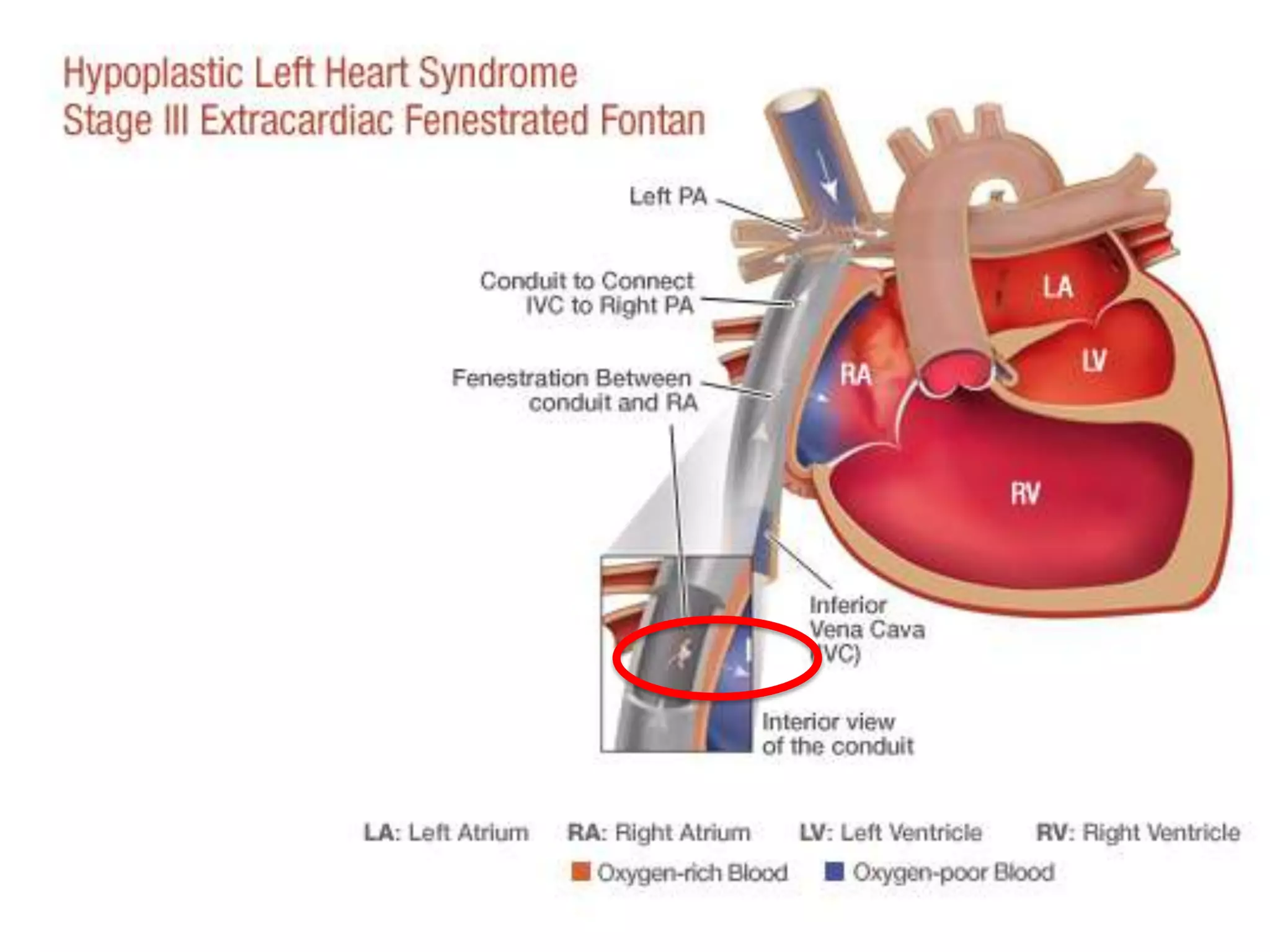
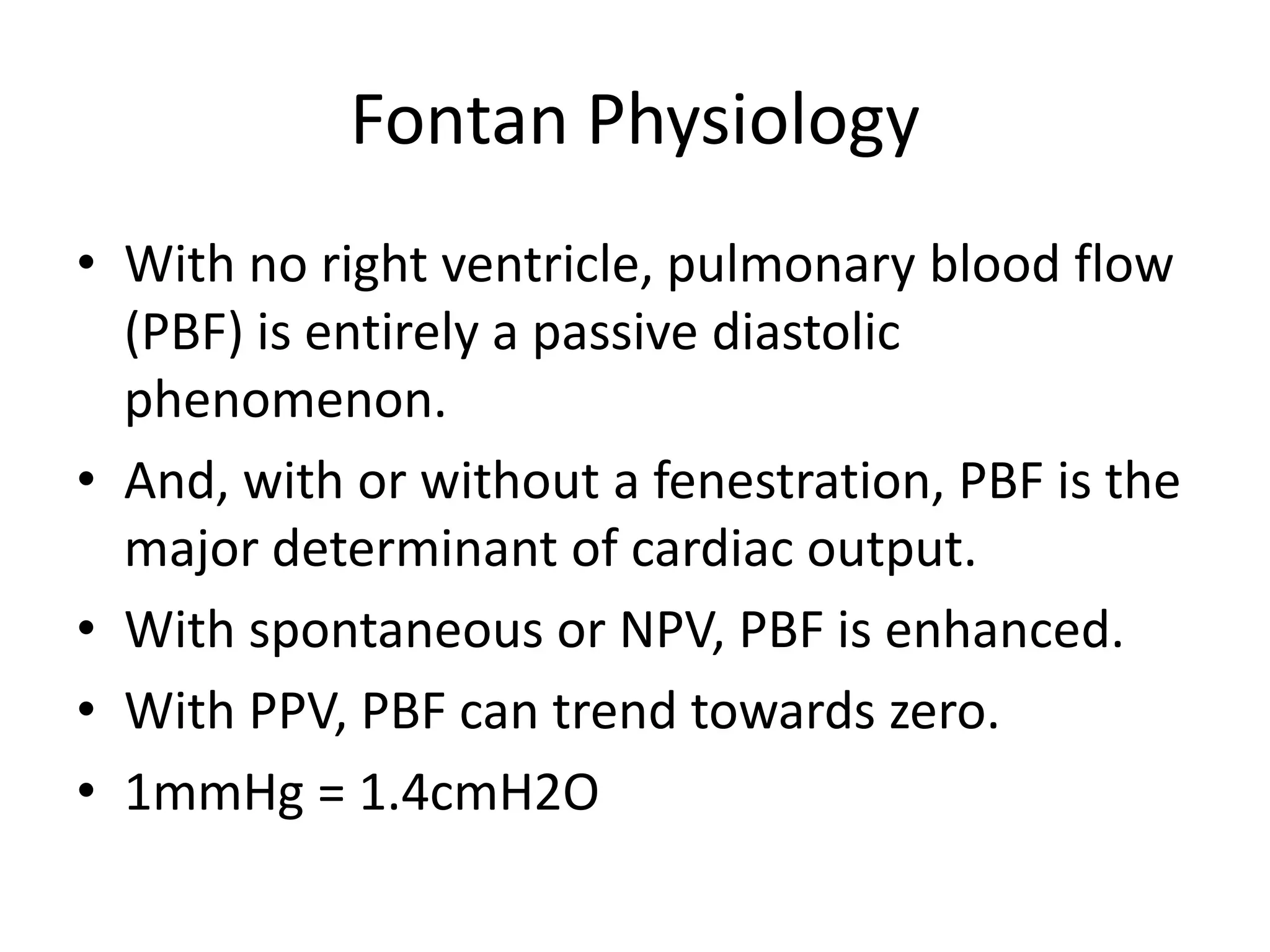
• With no right ventricle, pulmonary blood flow
(PBF) is entirely a passive diastolic
phenomenon.
• And, with or without a fenestration, PBF is the
major determinant of cardiac output.
• With spontaneous or NPV, PBF is enhanced.
• With PPV, PBF can trend towards zero.
• 1mmHg = 1.4cmH2O
Anyone seen this scenario?
• Plan “A”: The senior PICU Fellow, who just
took care of six bad pulmonary hemorrhages
in the PICU last month insists this patient is
bleeding to death and CLEARLY needs more
“P’s!”
• In addition to Platelets, Plasma, Packed
cells, he asks for Paralysis, higher PIP, and
lots more PEEP.
• Plan “B”: You suggest different “P’s:” Power
wean and pull the tube
Accentuate The Positive?
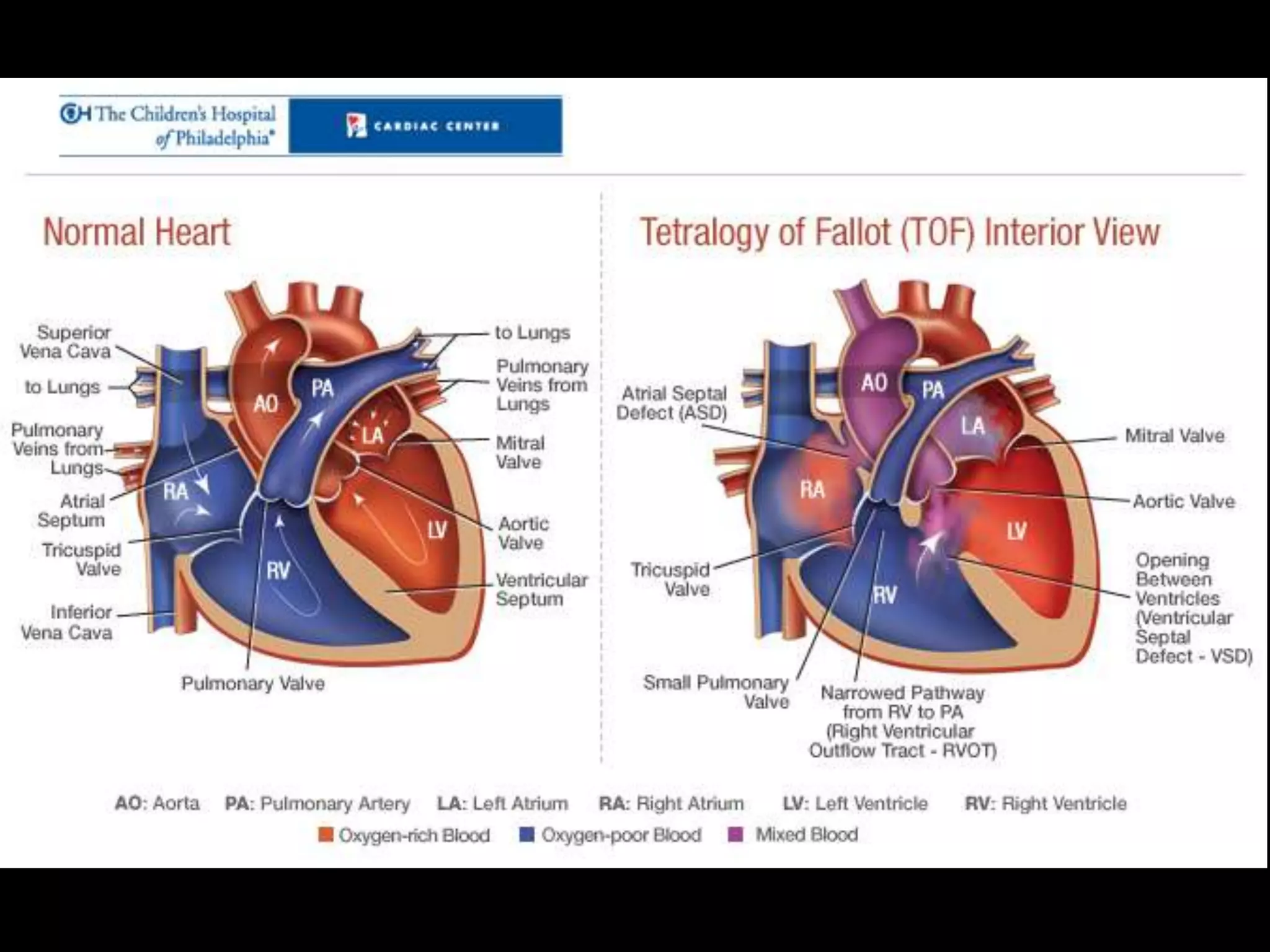
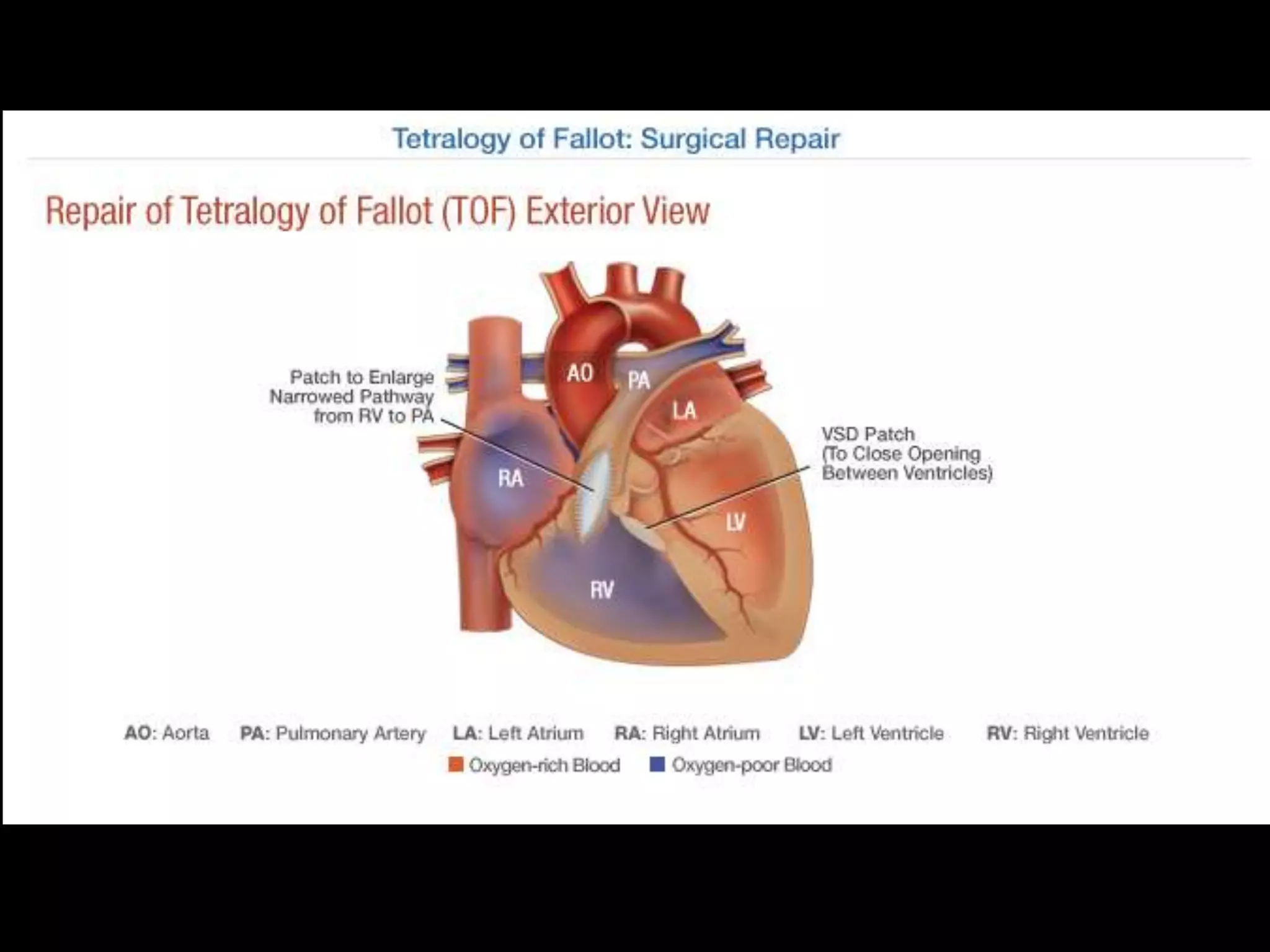
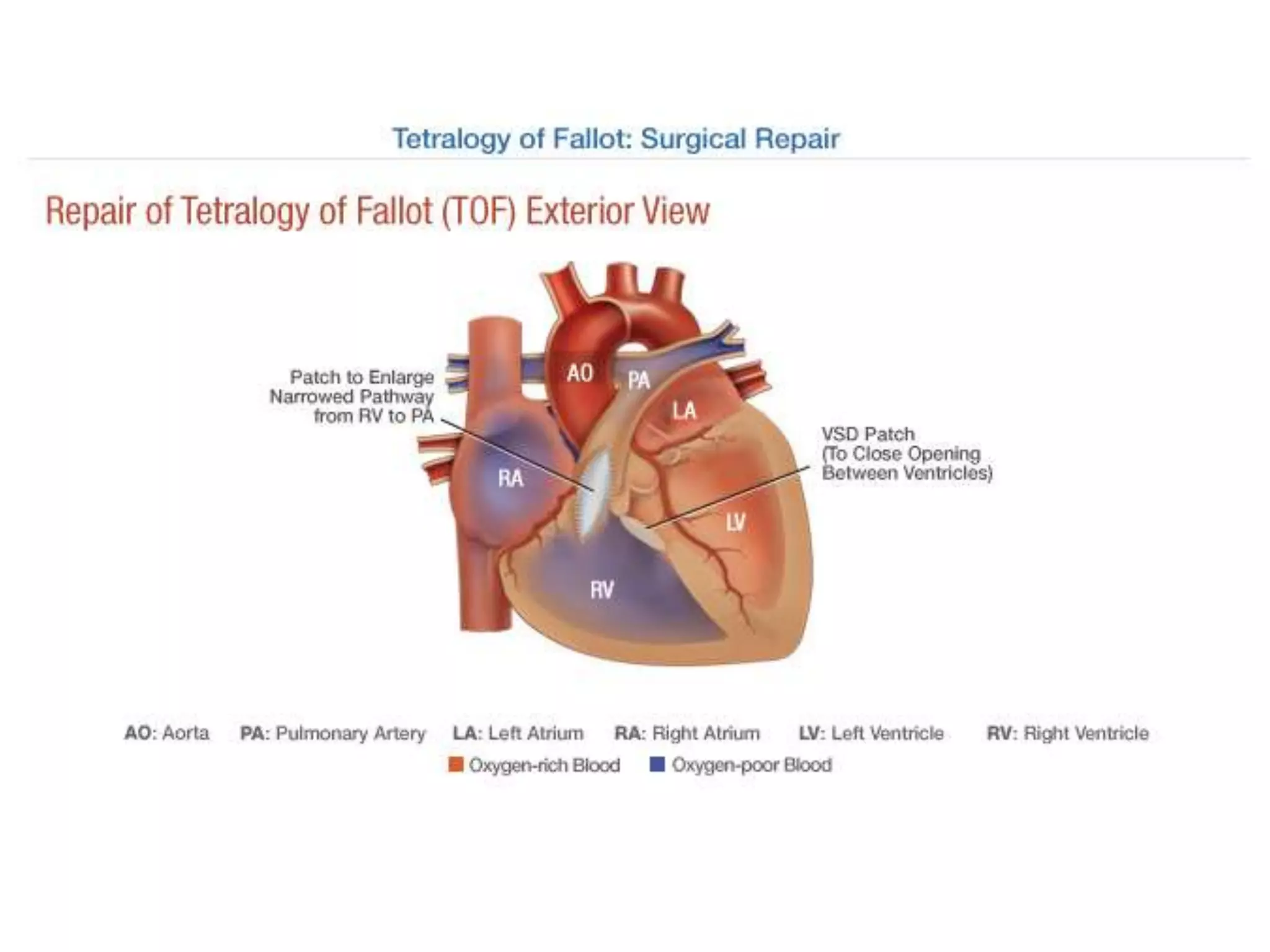
• 4mo patient returns to CICU after Tetralogy of Fallot
repair.
• Reconstruction was somewhat cumbersome with a
second bypass run to revise the VSD patch and resect
more obstructing muscle.
• Team Anesthesia recommends putting the warmer on
since the patient seems to be a bit chilly from the walk
down the hallway (hrmmm).
• As soon as they head back to the OR, your febrile
patient, who’s chilly around the edges, begins having
periods of a common & potentially dangerous
arrhythmia, JET.
• Palpitations are contagious and the new Attending passes
out on the floor.
Accentuate The Positive?
• From the floor the Attending mumbles something
about Tets needing knee-chest, 100% blow-by
O2, morphine, and a fluid bolus, so try that…
• Security takes the Attending to the ER (out of your
hair)
• The new NP wants to go up on the dopamine and
keep the angry flailing Tet “light and dry,” (cut back
on the sedation and the IV fluid volume) so “we
don’t get into more trouble.”
• You offer a different plan.
•
Accentuate The Positive?
• From the floor the Attending mumbles something
about Tets needing knee-chest, 100% blow-by O2,
morphine, and a fluid bolus, so try that…
• Security takes the Attending to the ER (out of your
hair)
• The new NP wants to go up on the dopamine and
keep the angry flailing Tet “light and dry,” (cut back
on the sedation and the IV fluid volume) so “we
don’t get into more trouble.”
• You offer a different plan.
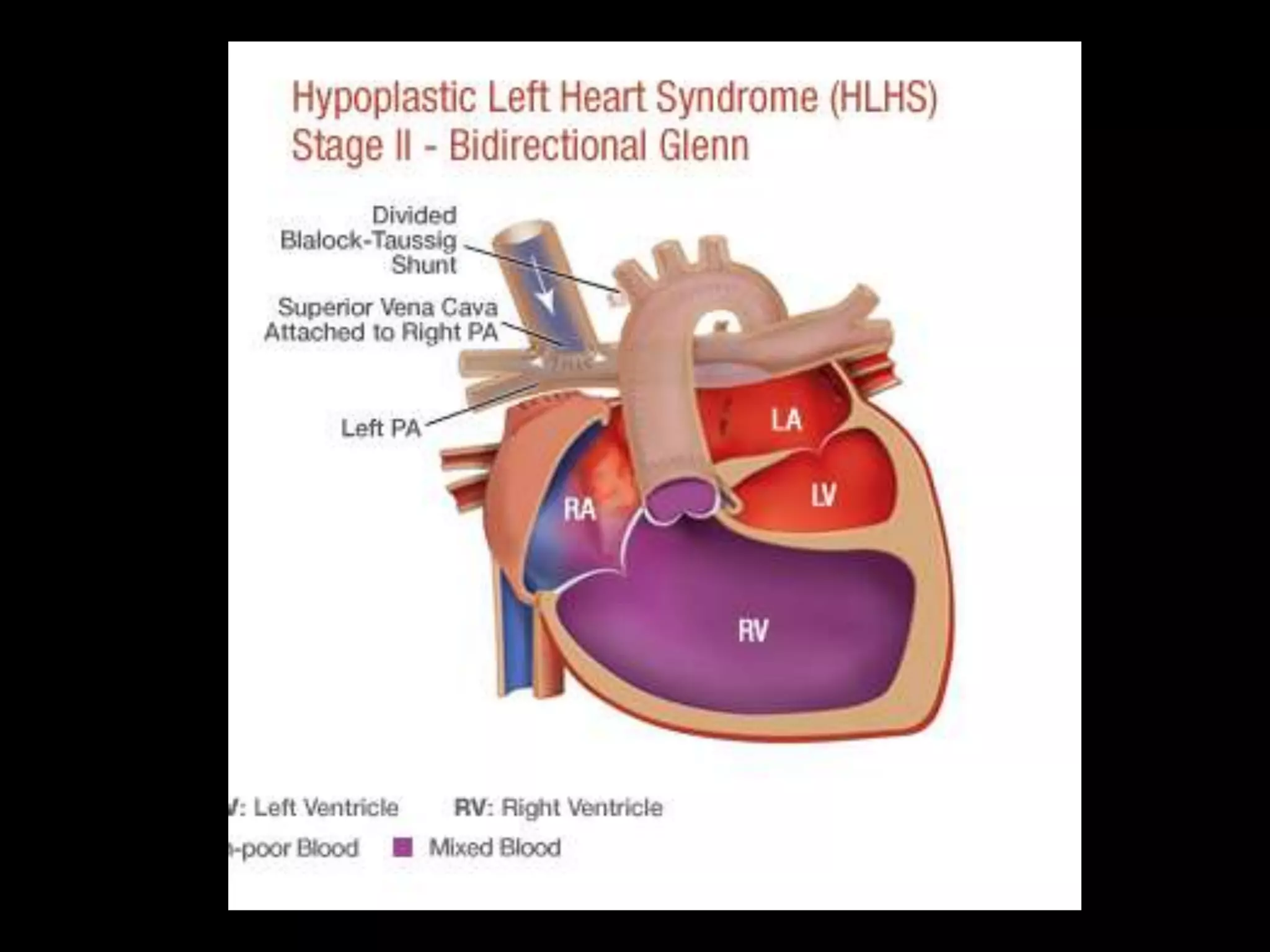
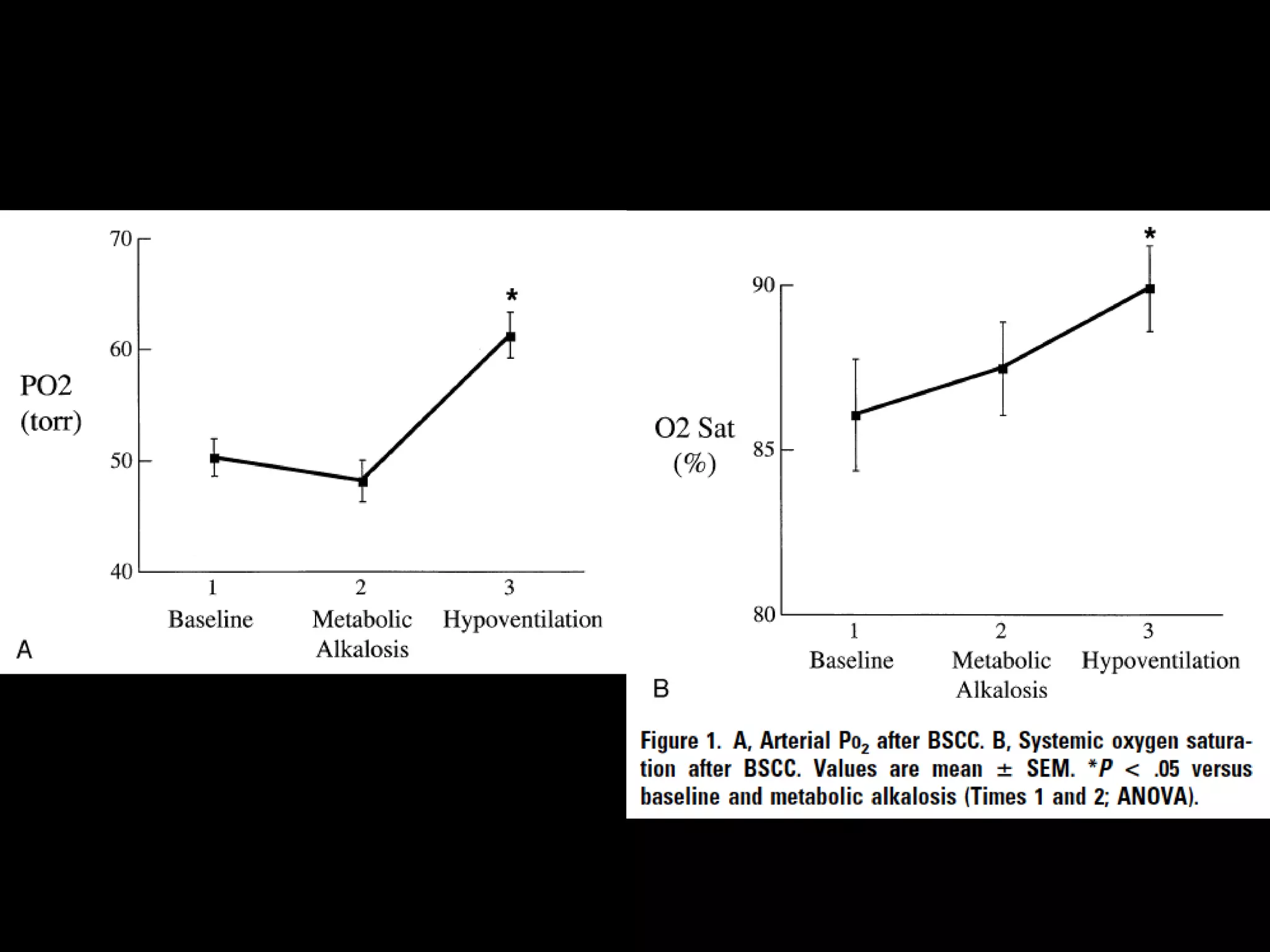
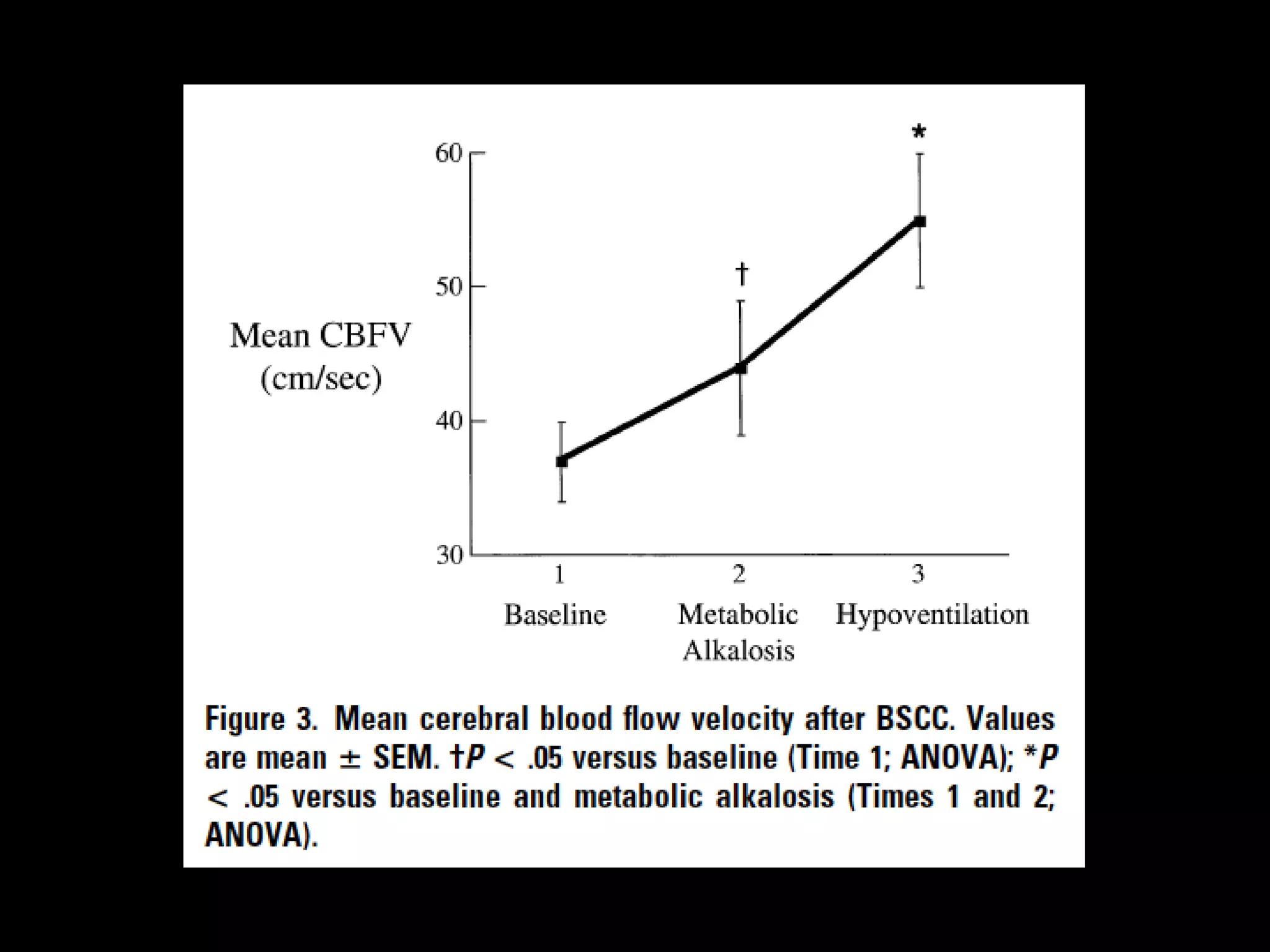
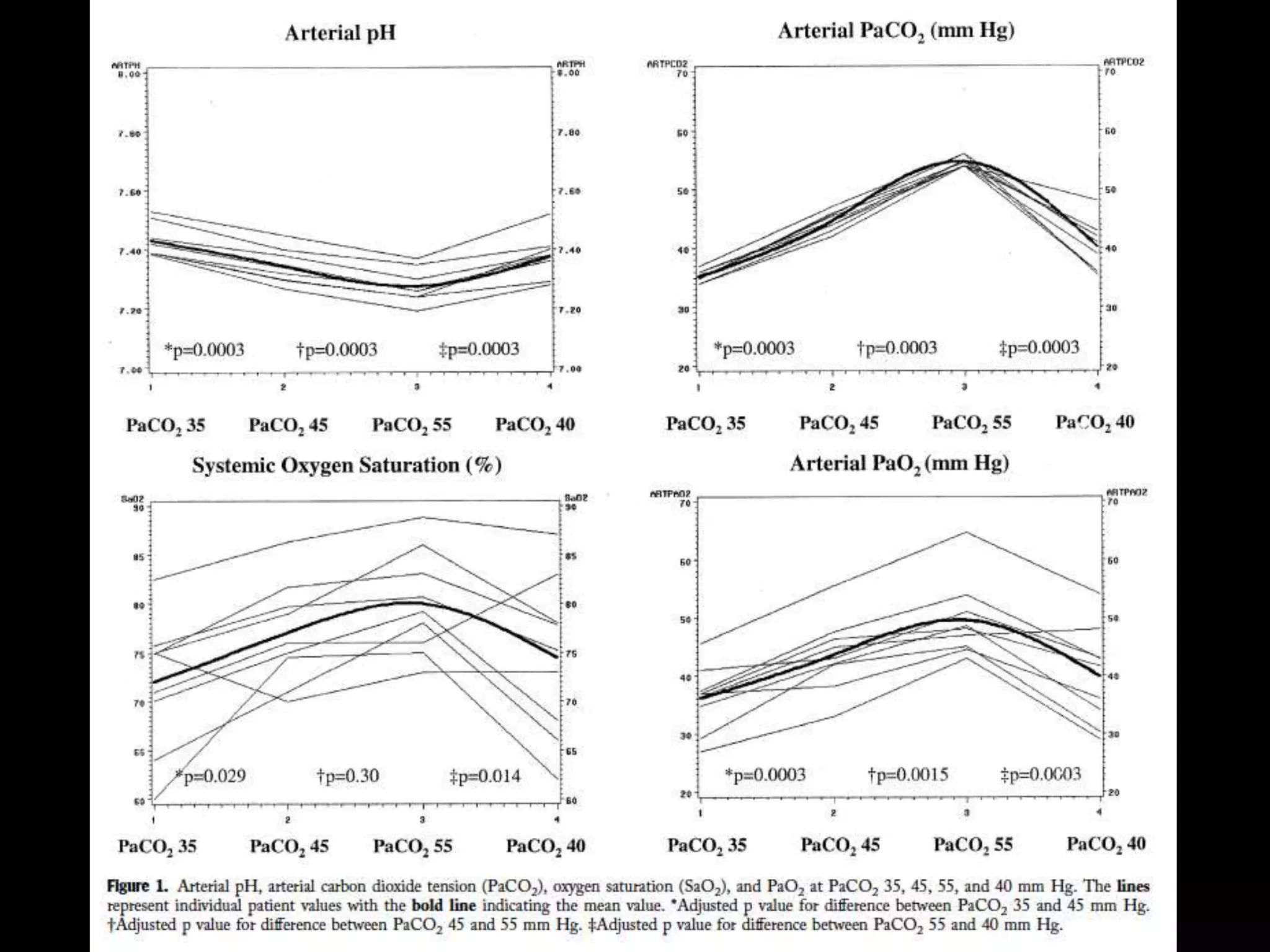
Slow Down, You Move Too Fast
• Anesthesia brings a 6kg 6mo back from the OR after
Bidirectional Glenn and requests the following vent
settings: Rate 20, VT 70mL, PEEP 3, FIO2 100%.
• First ABG: pH 7.52, CO2 28, PaO2 42.
• Hoping to avoid any “PVR issues” the visiting NICU
fellow doesn’t ask for any vent changes
• Over the next hour or two, your patient becomes
cyanotic with sats that keep getting lower and lower.
• NICU Fellow reaches for the bag and begins to
aggressively hand ventilate to attempt to improve
oxygen saturation….
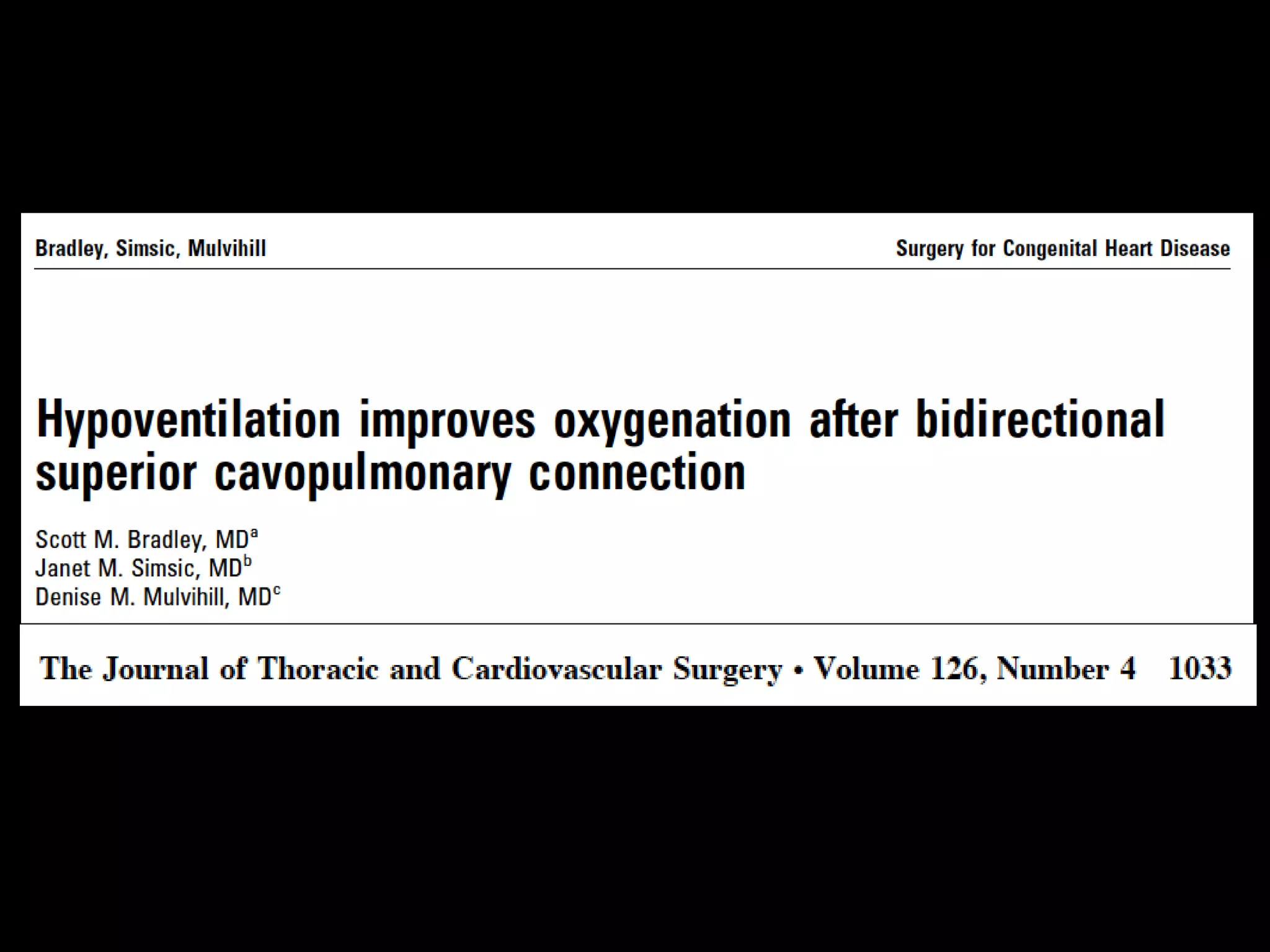
Slow Down, You Move Too Fast
• You ever so gently takeover the bag from said
NICU Fellow’s greedy little hands.
• After confirming that the recent postop chest
film is okay, you back off on hand ventilation
until your patient is breathing spontaneously
with a little CPAP and oxygen.
• As the saturations rise, you fill the NICU Fellow
in on why the easiest way to keep this
patient’s sats up might be to pull the tube.
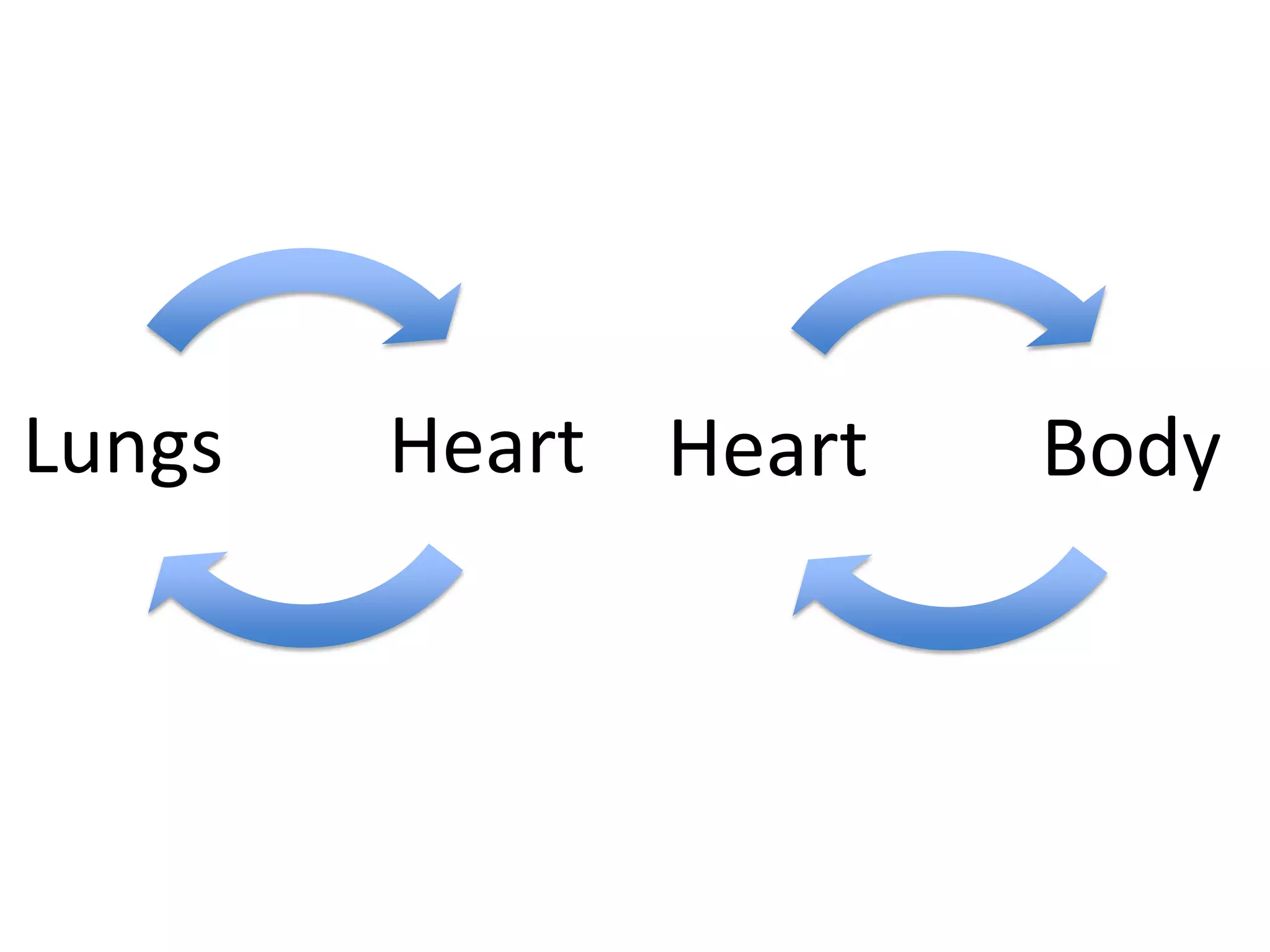
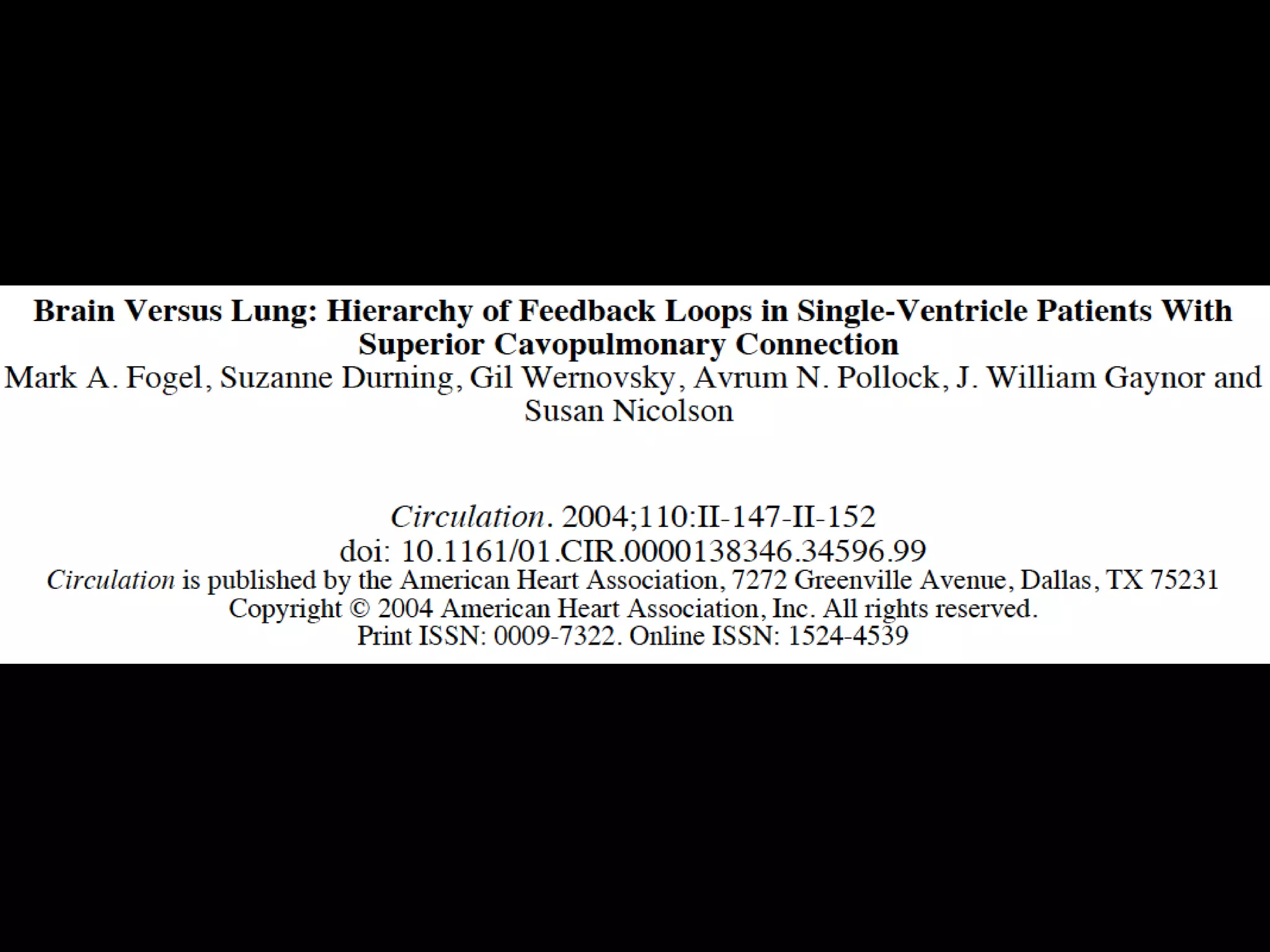
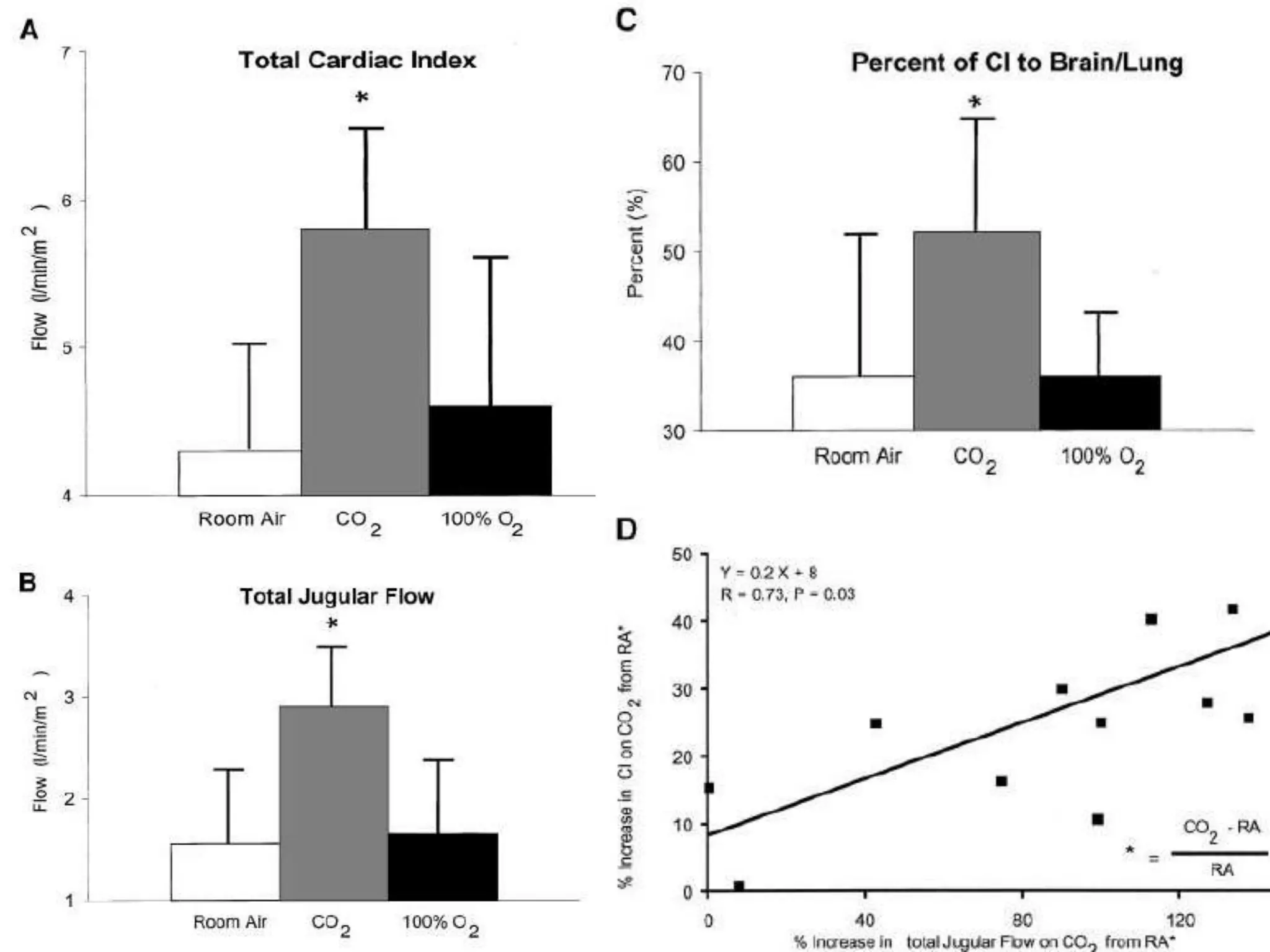
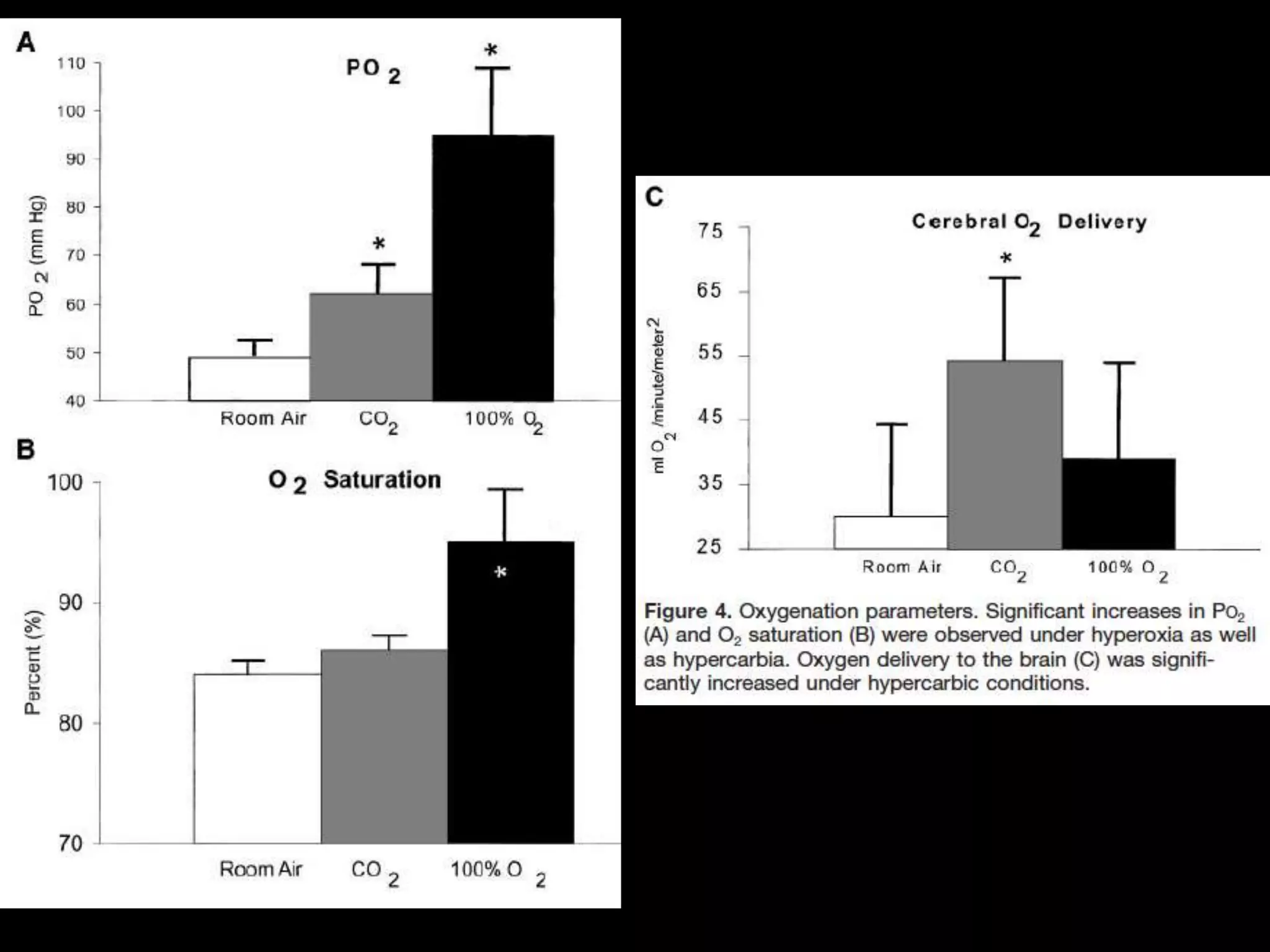
Lungs

Heart Heart

Body
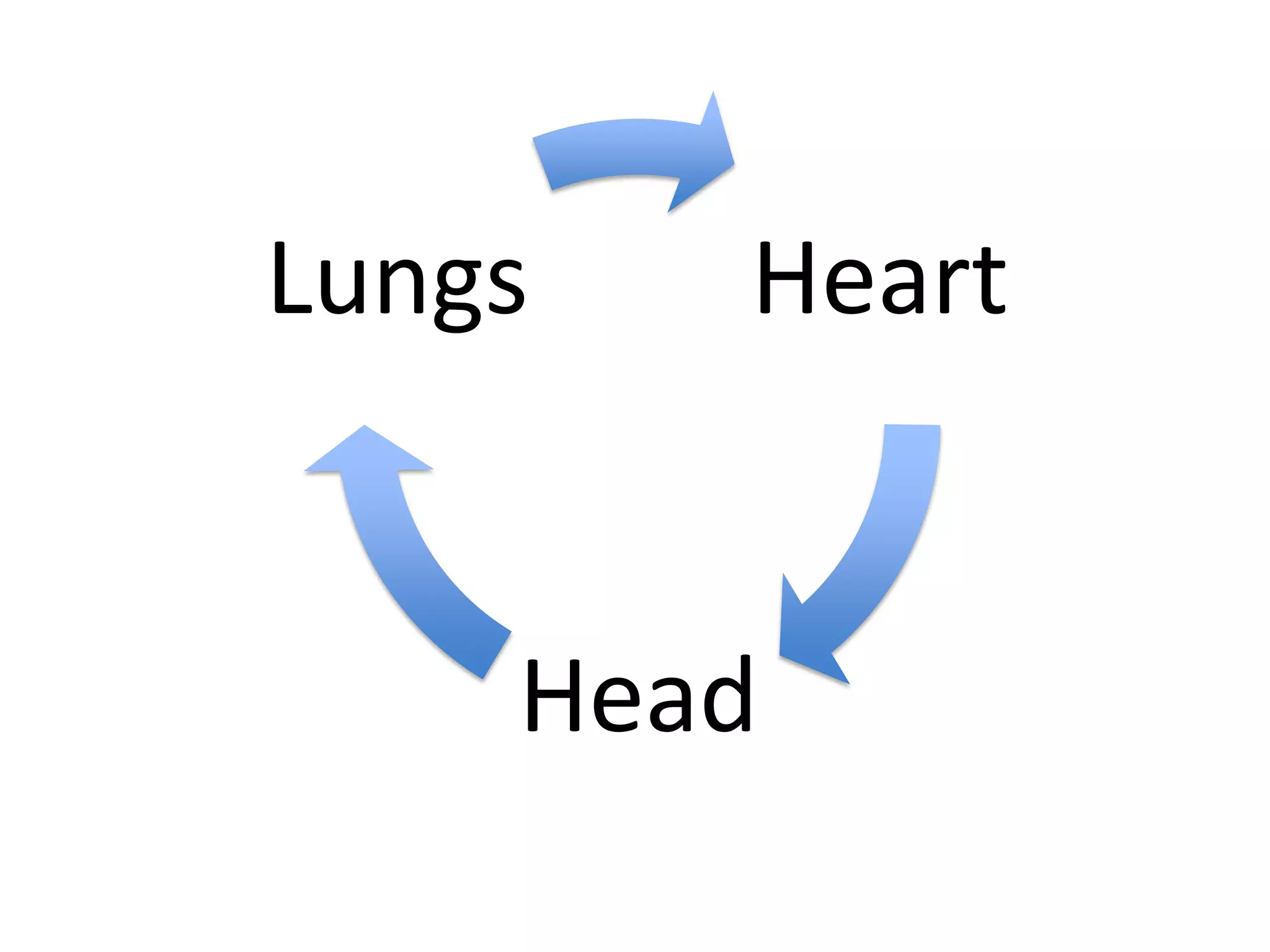
Lungs

Heart

Head
Slow Down, You Move Too Fast
• You ever so gently takeover the bag from said
NICU Fellow’s greedy little hands.
• After confirming that the recent postop chest
film is okay, you back off on hand ventilation
until your patient is breathing spontaneously
with a little CPAP and oxygen.
• As the saturations rise, you fill the NICU Fellow
in on why the easiest way to keep this
patient’s sats up might be to pull the tube.
Get By With A Little Help From My Friends
• An adolescent with cold symptoms for the
past few days arrives in the ER after passing
out at school.
• Patient is noted to be tachycardic and mildly
tachypneic with a gallop, frequent PVC’s, soft
pressures, and abdominal pain.
• The physician in the ER calls for a fluid bolus
and a cardiology consult, but decides in the
meantime he would like to intubate the
patient.
Get By With A Little Help From My Friends
• The new RT grad who just got hired to the ED
calls you with the story, and ends with “I don’t
get it – just not sure what the docs are
thinking.”
• “You mean the fluid bolus? Me neither!”
• “No,” says the new hire, “the intubation for
mild tachypnea.”
• Tipping off your ECMO friends on the way
down to the ED, you fill them in on why you
agree with the need for a tube.
PPV
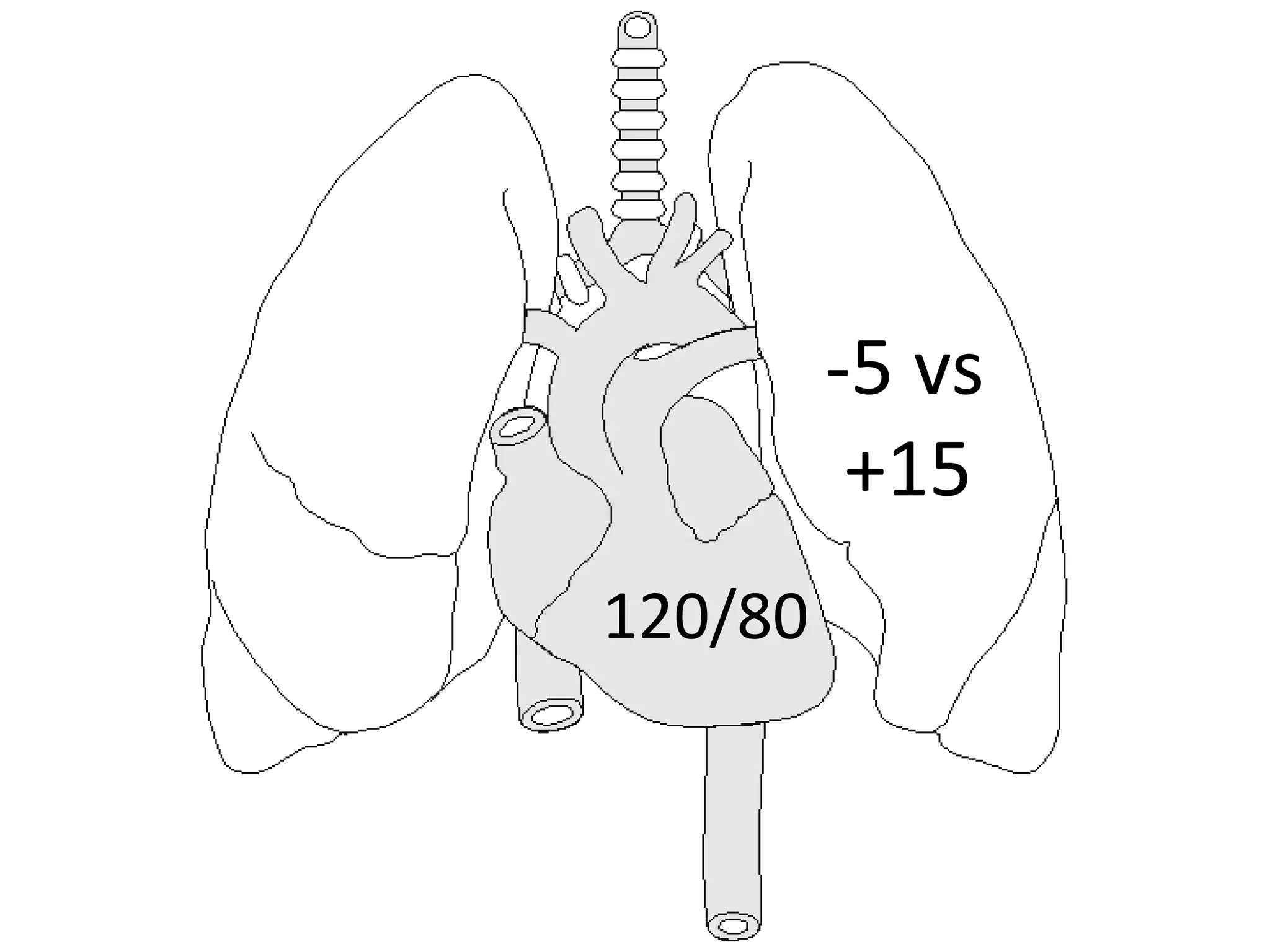
-5 vs
+15
120/80
Positive Pressure Ventilation
• Can reduce oxygen consumption and does
reduce LV afterload
• Useful for poor ventricular function (acute
myocarditis and cardiomyopathies)
• Also useful in other hemodynamic problems
made worse by increased afterload
– Significant aortic valve insufficiency
– Significant AV valve insufficiency
Intubation
• Can be an exciting procedure
• Especially with shifts in loading conditions
(preload and afterload) in a sick heart with
limited data (on volume status) and limited
access (periph IV vs central line)
• Not needed for CPAP or BiPAP – these can help
too!!
• Consider preparing for ECMO while preparing
for endotracheal intubation
Trade the Blower for a Vacuum
• Patient is a post op Fontan with marginal
hemodynamics and a less than sunny
disposition receiving mechanical
ventilation.
• Unlike most Fontans, volume just doesn’t
seem to be fixing the usual postop soft
BPs
• As the patient gets more peripheral
edema, the lab just sent back blood gas
results with a mixed acidosis.
Trade the Blower for a Vacuum
• With minor atelectasis on the film, the team
reaches for more opiates, “in case pain is an
issue,” and asks you to dial up the ventilator
settings.
• Excited by memories of watching the recent
“Natasha and Geoff” show, you suggest tape
remover and plans to extubate.
• With the medical team eager to hear
more, you expound upon your excellent
suggestion.
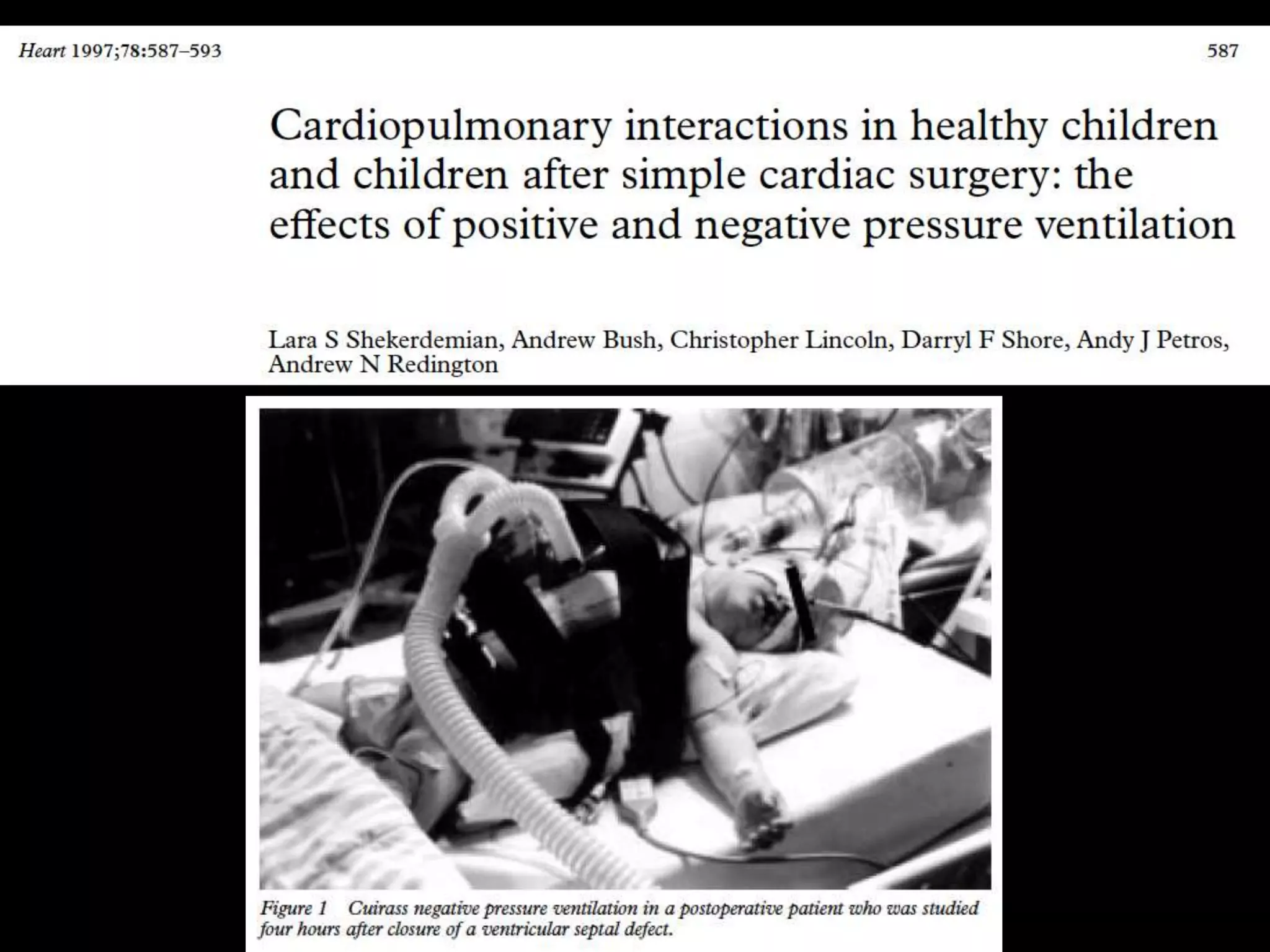
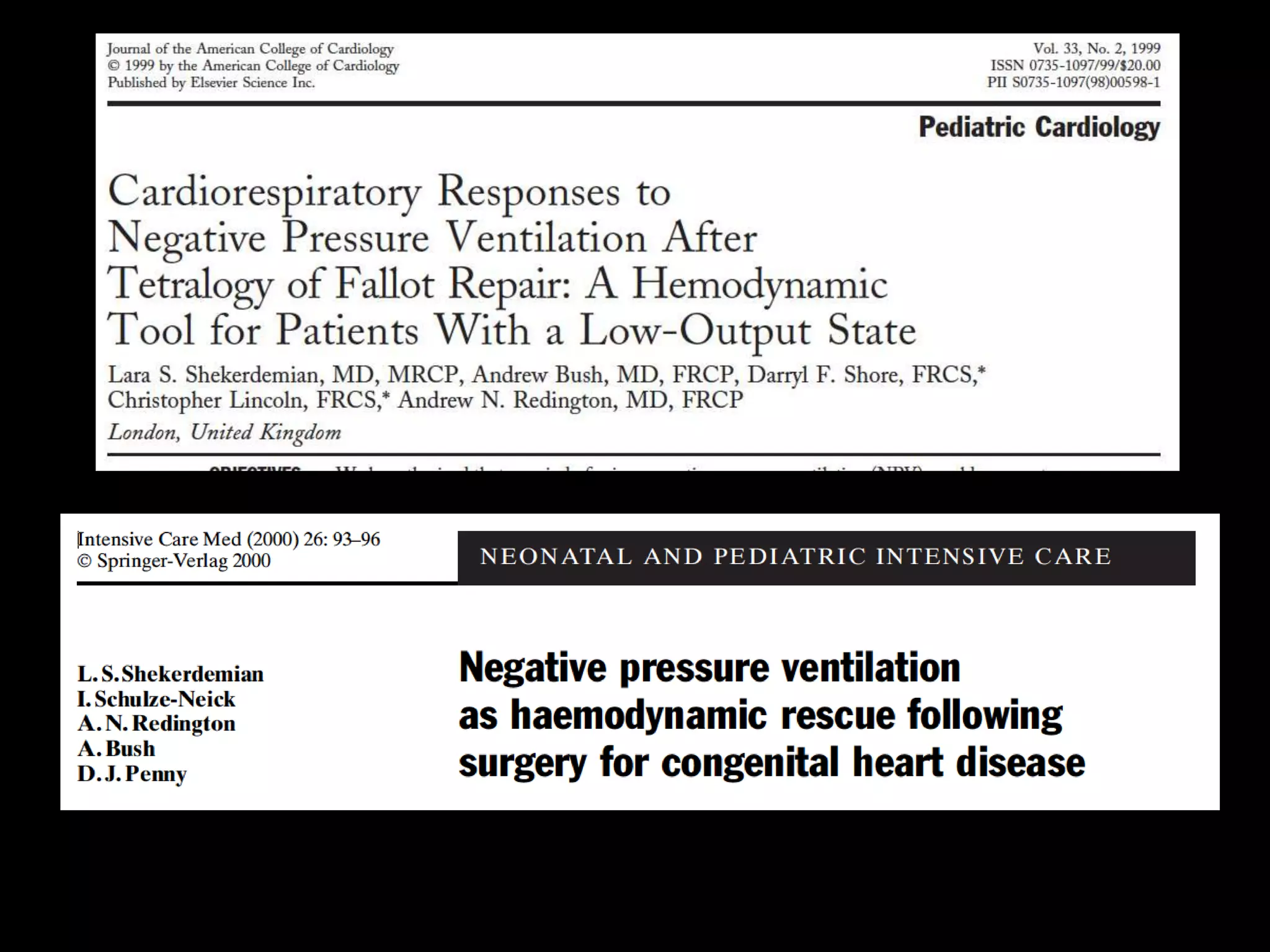
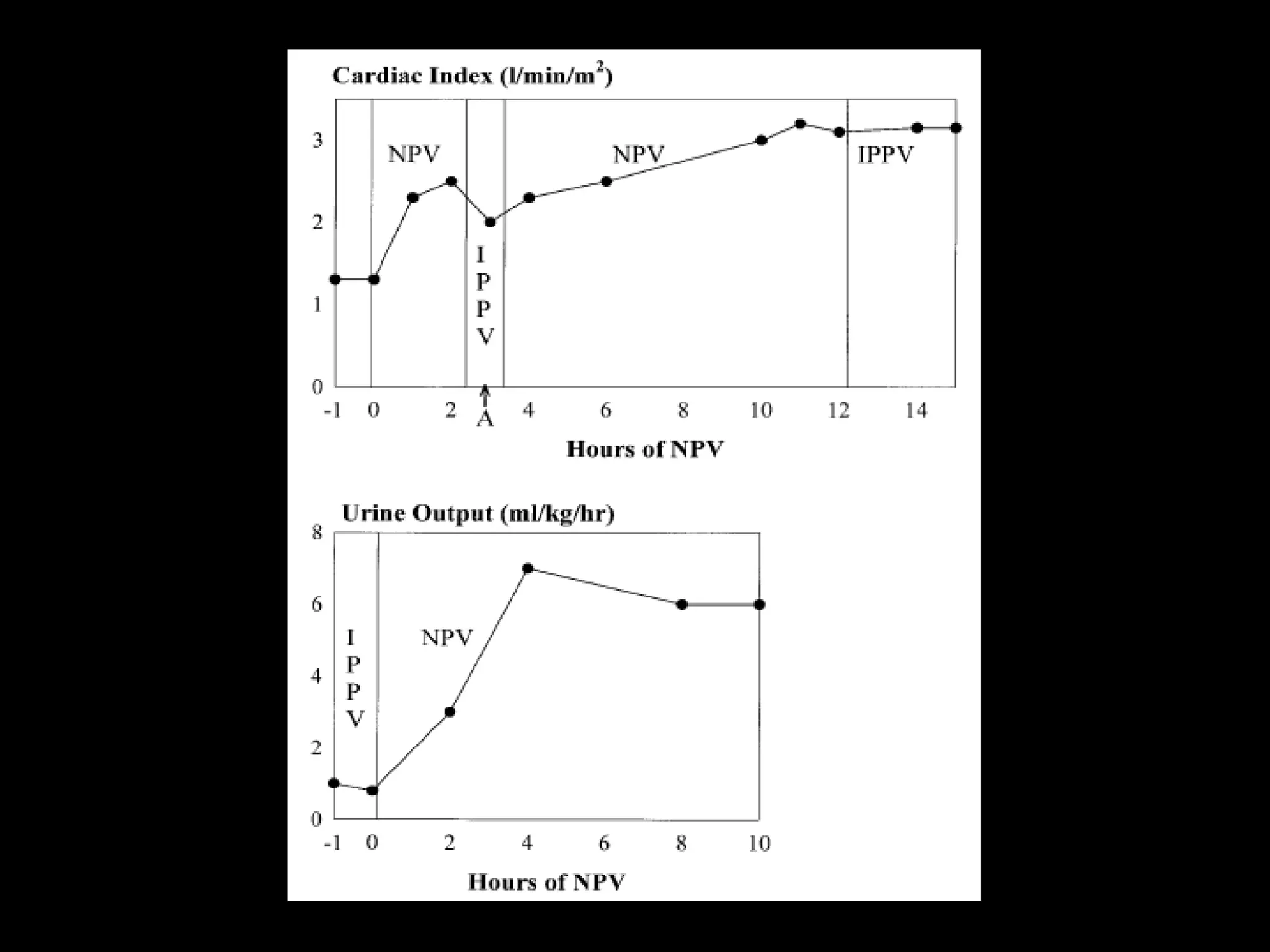
Cardiopulmonary Interactions After Fontan
Operations: Augmentation of Cardiac Output Using
Negative Pressure Ventilation
by Lara S. Shekerdemian, Andrew Bush, Darryl F. Shore, Christopher Lincoln, and
Andrew N. Redington

Circulation
Volume 96(11):3934-3942
December 2, 1997

Copyright © American Heart Association
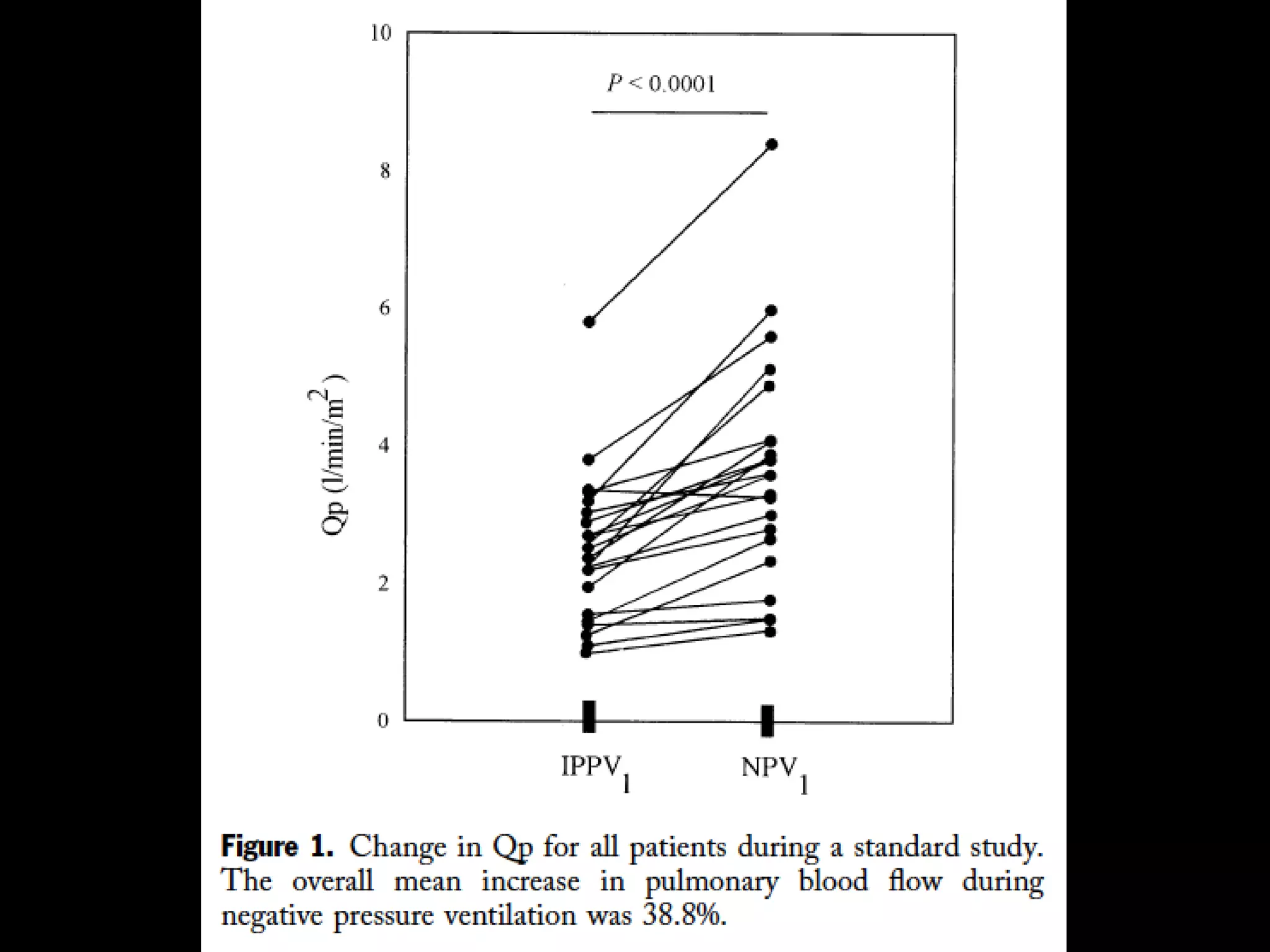
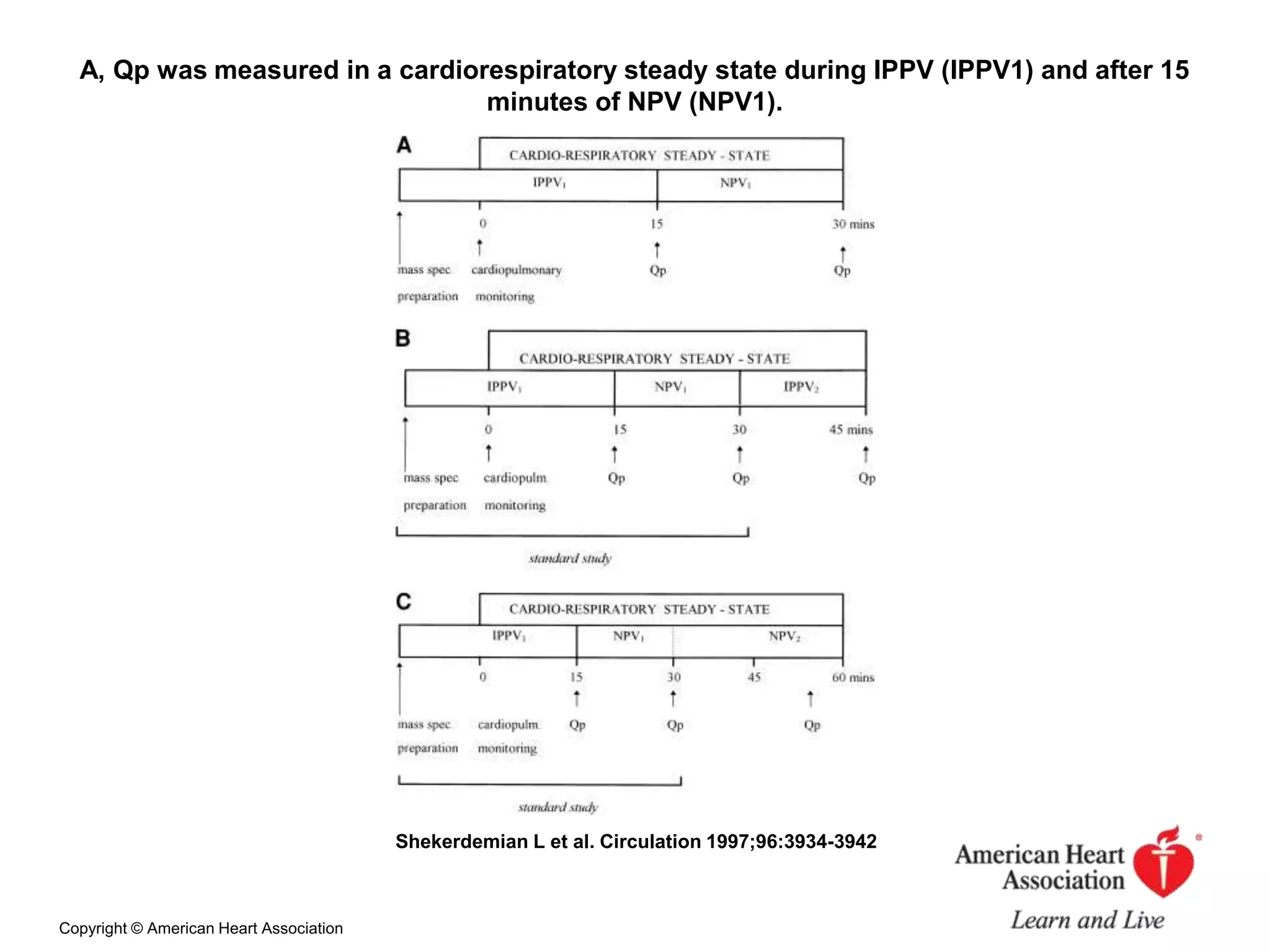
A, Qp was measured in a cardiorespiratory steady state during IPPV (IPPV1) and after 15
minutes of NPV (NPV1).

Shekerdemian L et al. Circulation 1997;96:3934-3942

Copyright © American Heart Association
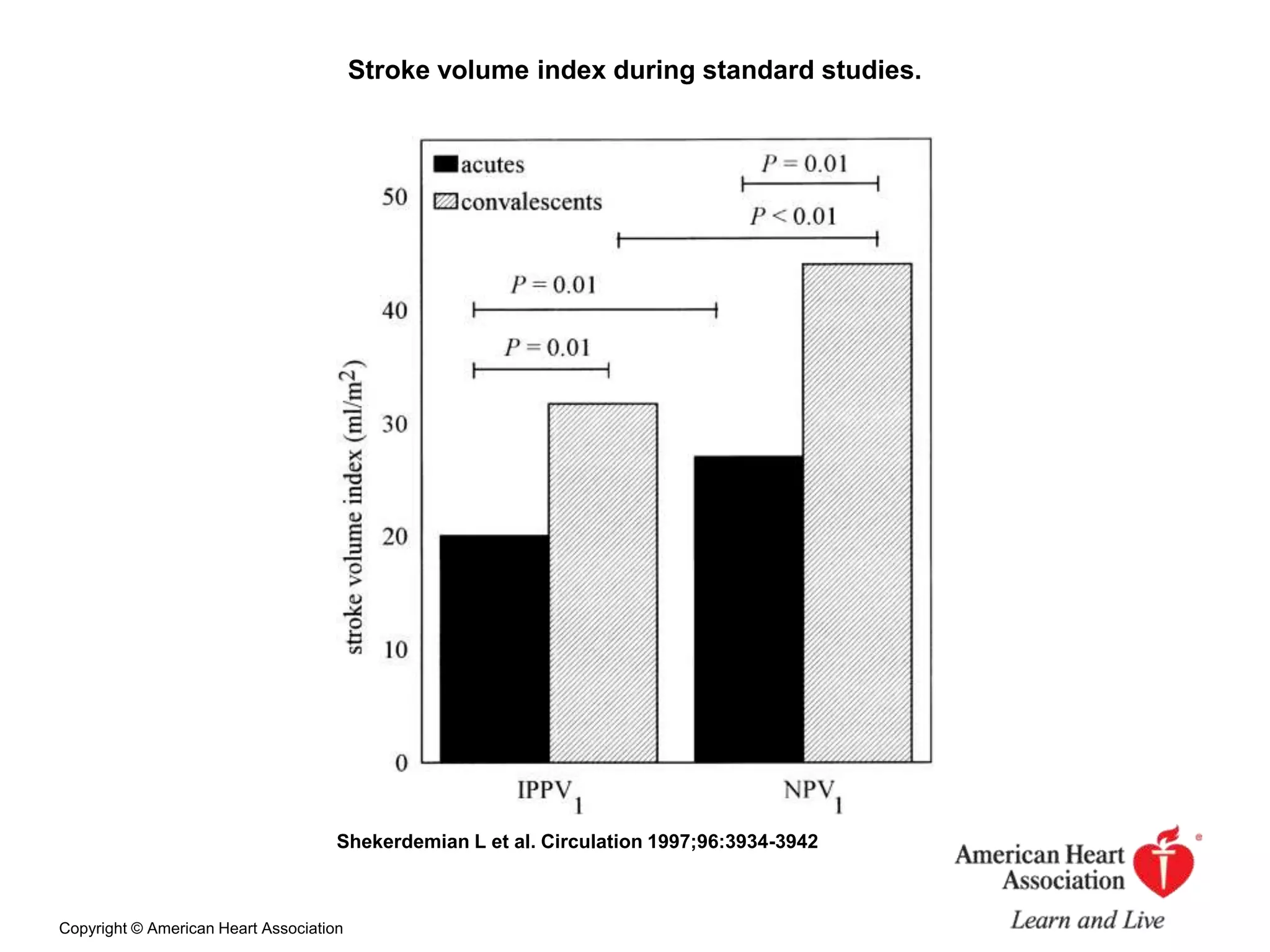
Stroke volume index during standard studies.

Shekerdemian L et al. Circulation 1997;96:3934-3942

Copyright © American Heart Association
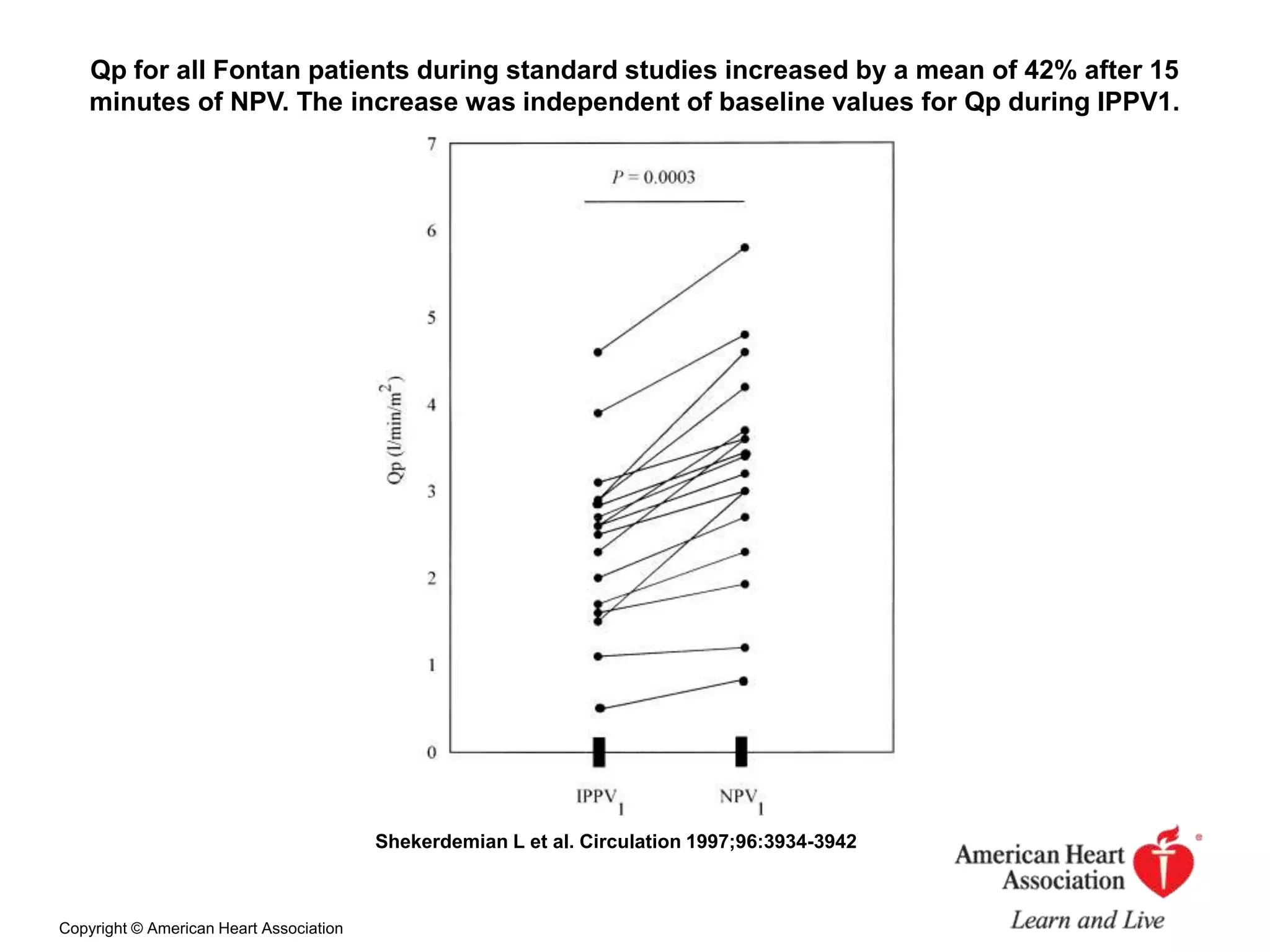
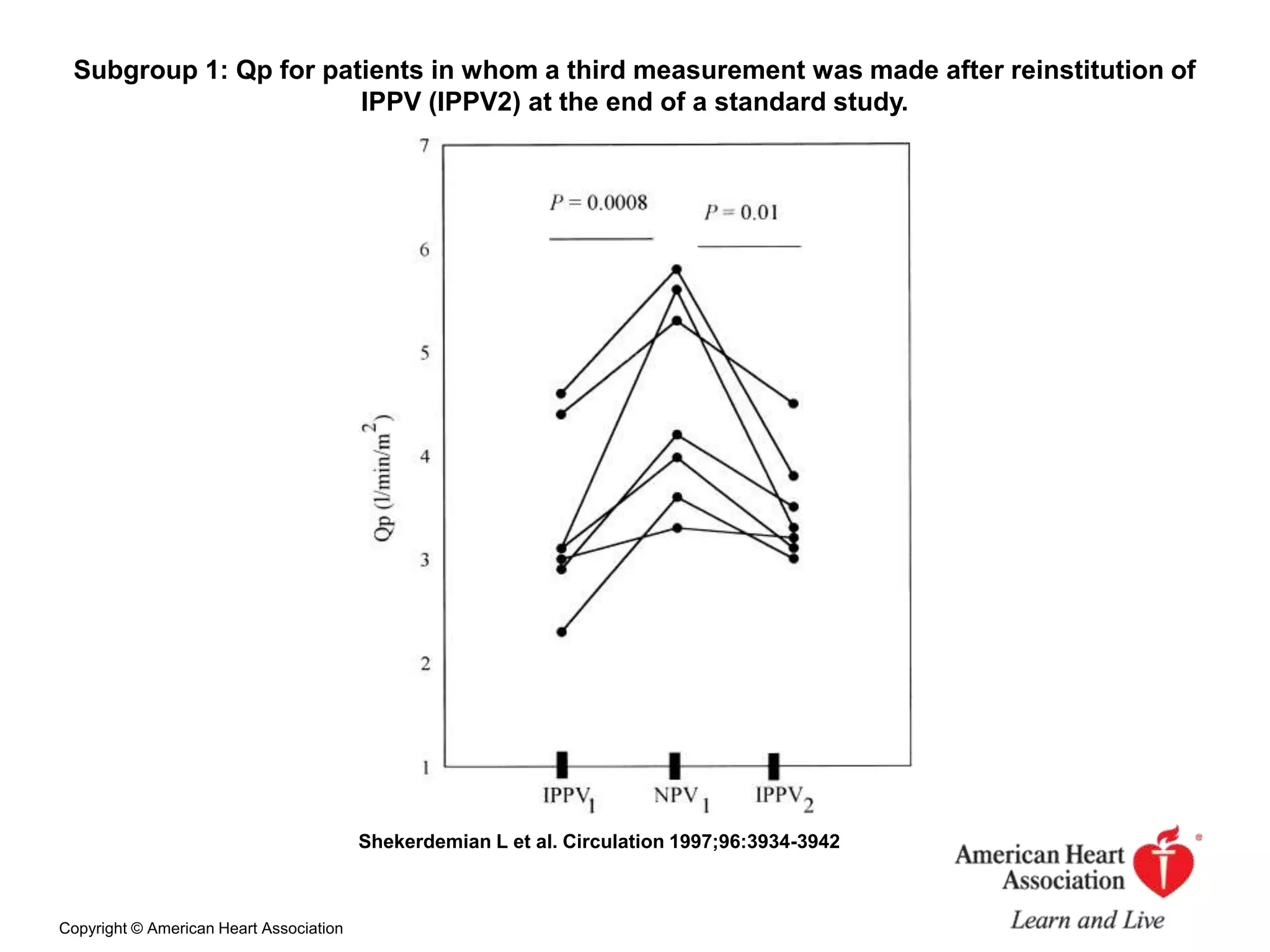
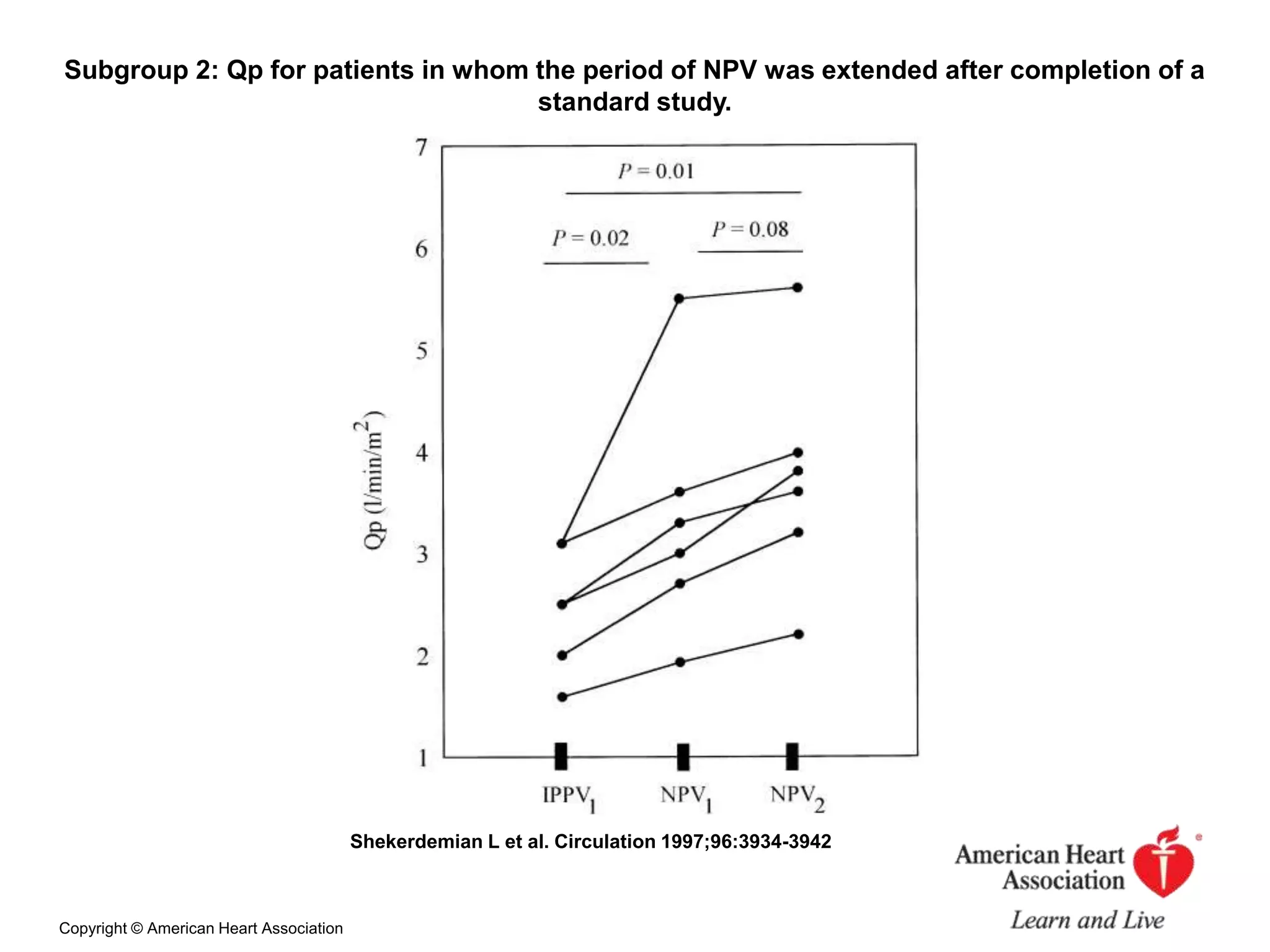
Qp for all Fontan patients during standard studies increased by a mean of 42% after 15
minutes of NPV. The increase was independent of baseline values for Qp during IPPV1.

Shekerdemian L et al. Circulation 1997;96:3934-3942

Copyright © American Heart Association
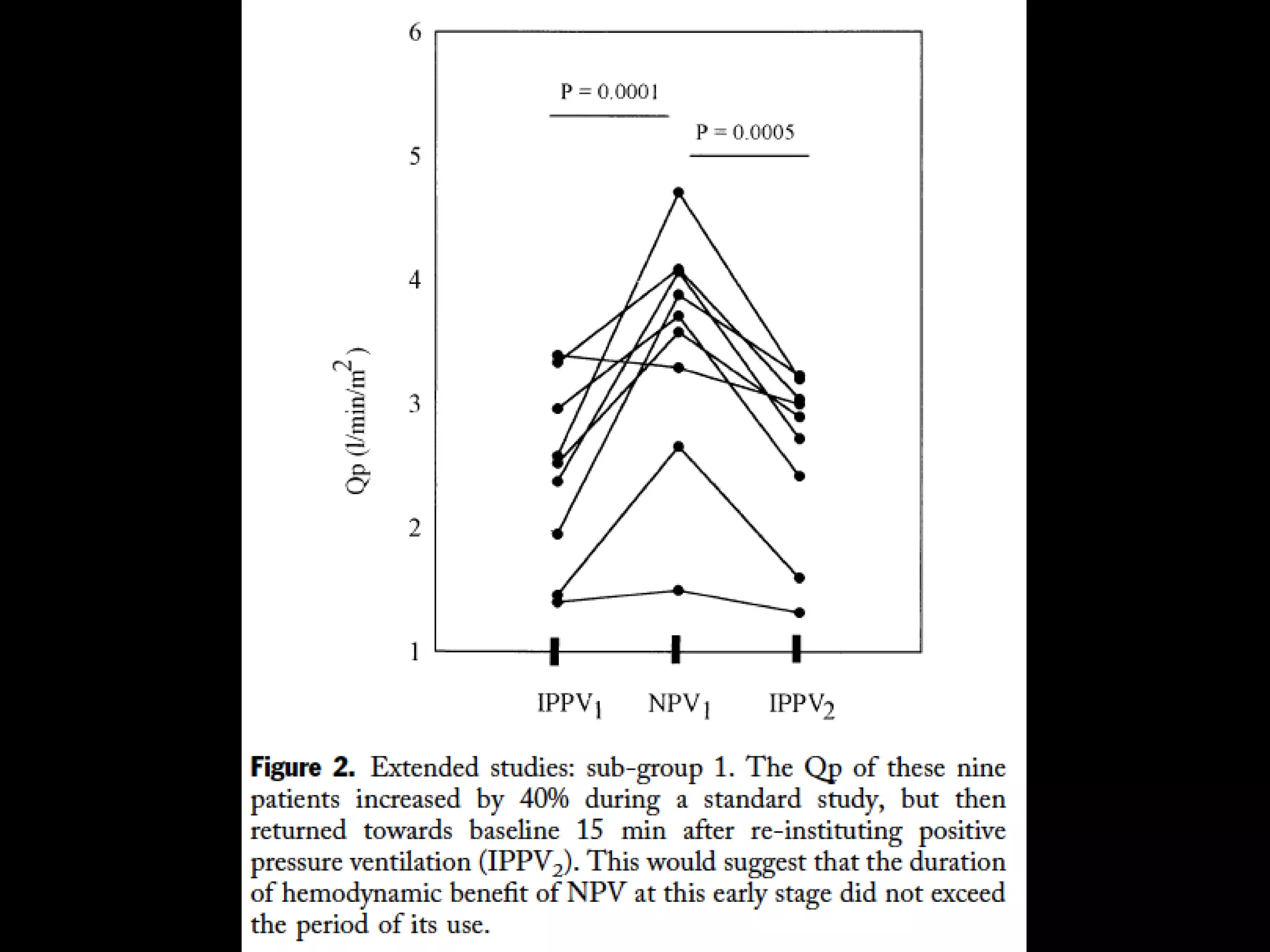
Subgroup 1: Qp for patients in whom a third measurement was made after reinstitution of
IPPV (IPPV2) at the end of a standard study.

Shekerdemian L et al. Circulation 1997;96:3934-3942

Copyright © American Heart Association
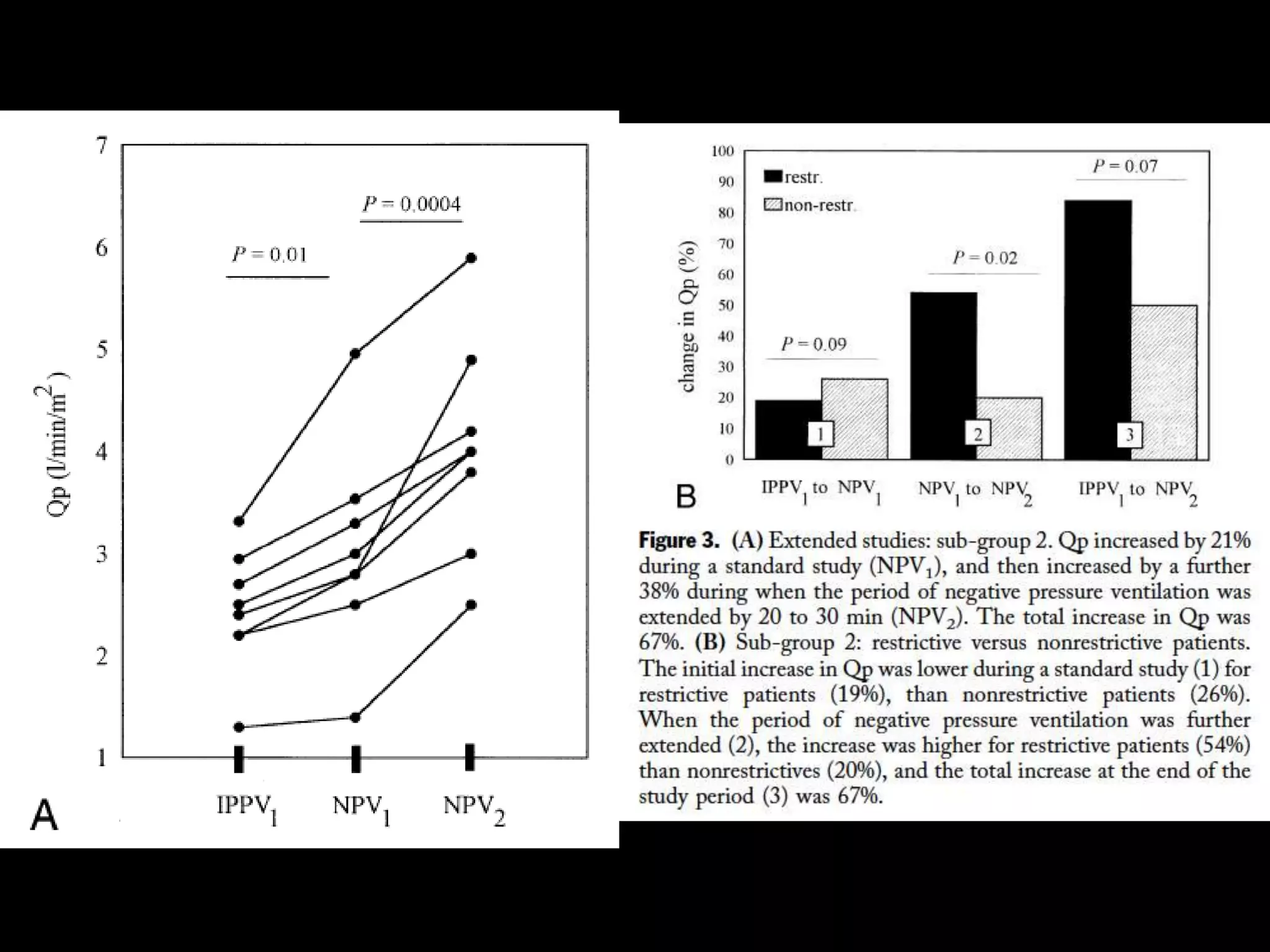
Subgroup 2: Qp for patients in whom the period of NPV was extended after completion of a
standard study.

Shekerdemian L et al. Circulation 1997;96:3934-3942

Copyright © American Heart Association
Trade the Blower for a Vacuum
• With minor atelectasis on the film, the team
reaches for more opiates, “in case pain is an
issue,” and asks you to dial up the ventilator
settings.
• Excited by memories of watching the recent
“Natasha and Geoff” show, you suggest tape
remover and plans to extubate.
• With the medical team eager to hear
more, you expound upon your excellent
suggestion.
Miscellanea
• Volume control rather than pressure
control
• Risk of routine NIF (negative
inspiratory force) assessment
• Uncuffed tubes with no leak
Take home points
• In acute postoperative CHD care, the best
ventilator management can often be less
ventilator management – or extubation.
• Take it from another “Dr. Bird:”
PPV/ventilators aren’t all bad! Great tools for:
– Paralyzed patients with open chests
– Helping a sick left ventricle
– Helping leaky mitral and aortic valves
– Significant atelectasis and paralyzed diaphragms
Take home points
• For the postop cardiac patient who’s acting up
on a ventilator, always ask if the vent is
making the patient feel better, or the doctor
feel better
• Usually the right answer is tracheal
extubation, but always good to anticipate the
cardiac effects of extubation (and these will be
magnified by stridor/edema).

Ventilator Management in Complex Congenital Heart Disease - a case-based review

  • 1.
    Ventilator Management In ComplexCongenital Heart Disease: A Case-Based Overview Natasha Lavin, B.S., R.R.T.-N.P.S., C.P.F.T. Geoffrey L. Bird, M.D., M.S.I.S., F.A.A.P. CHOP Respiratory Care Conference October 2013
  • 2.
    Nothing to disclose Noteven tired jokes about disclosures
  • 3.
    Under Pressure • Youhave a fresh post-op patient who just got back after a Fontan procedure. • All was going well for the OR team, until efforts to open up and augment the distal branch PAs were followed by blood in the ET Tube. A decent amount of blood actually. • CT Anesthesia and the Surgeon head back to the OR for the transplant who’s on the table for organs on the way in by helicopter.
  • 4.
    Under Pressure • TheAttending has gone to catch a few zzzz’s. It is apparent she is not the lite sleeper you were hoping and is not answering her pages so it is up to you and the Fellow to manage the patient. • Coags have been sent and FFP and platelets are on the way from blood bank. • The patient is coughing and desating and trying to reach for his blood filled ET tube.
  • 5.
    Anyone seen thisscenario? • Plan “A”: The Critical Care fellow, who just took care of six bad pulmonary hemorrhages in the PICU last month insists this patient is bleeding to death and CLEARLY needs more “P’s!” • In addition to Platelets, Plasma, Packed cells, he asks for Paralysis, higher PIP, and more PEEP. • Plan “B”: You suggest different “P’s:” Power wean and pull the tube •
  • 6.
    Oh Crap, whichone is the Fontan Procedure again?
  • 12.
  • 13.
  • 18.
    Fontan Physiology • Withno right ventricle, pulmonary blood flow (PBF) is entirely a passive diastolic phenomenon. • And, with or without a fenestration, PBF is the major determinant of cardiac output. • With spontaneous or NPV, PBF is enhanced. • With PPV, PBF can trend towards zero. • 1mmHg = 1.4cmH2O
  • 19.
    Anyone seen thisscenario? • Plan “A”: The senior PICU Fellow, who just took care of six bad pulmonary hemorrhages in the PICU last month insists this patient is bleeding to death and CLEARLY needs more “P’s!” • In addition to Platelets, Plasma, Packed cells, he asks for Paralysis, higher PIP, and lots more PEEP. • Plan “B”: You suggest different “P’s:” Power wean and pull the tube
  • 20.
    Accentuate The Positive? •4mo patient returns to CICU after Tetralogy of Fallot repair. • Reconstruction was somewhat cumbersome with a second bypass run to revise the VSD patch and resect more obstructing muscle. • Team Anesthesia recommends putting the warmer on since the patient seems to be a bit chilly from the walk down the hallway (hrmmm). • As soon as they head back to the OR, your febrile patient, who’s chilly around the edges, begins having periods of a common & potentially dangerous arrhythmia, JET. • Palpitations are contagious and the new Attending passes out on the floor.
  • 21.
    Accentuate The Positive? •From the floor the Attending mumbles something about Tets needing knee-chest, 100% blow-by O2, morphine, and a fluid bolus, so try that… • Security takes the Attending to the ER (out of your hair) • The new NP wants to go up on the dopamine and keep the angry flailing Tet “light and dry,” (cut back on the sedation and the IV fluid volume) so “we don’t get into more trouble.” • You offer a different plan. •
  • 29.
    Accentuate The Positive? •From the floor the Attending mumbles something about Tets needing knee-chest, 100% blow-by O2, morphine, and a fluid bolus, so try that… • Security takes the Attending to the ER (out of your hair) • The new NP wants to go up on the dopamine and keep the angry flailing Tet “light and dry,” (cut back on the sedation and the IV fluid volume) so “we don’t get into more trouble.” • You offer a different plan.
  • 30.
    Slow Down, YouMove Too Fast • Anesthesia brings a 6kg 6mo back from the OR after Bidirectional Glenn and requests the following vent settings: Rate 20, VT 70mL, PEEP 3, FIO2 100%. • First ABG: pH 7.52, CO2 28, PaO2 42. • Hoping to avoid any “PVR issues” the visiting NICU fellow doesn’t ask for any vent changes • Over the next hour or two, your patient becomes cyanotic with sats that keep getting lower and lower. • NICU Fellow reaches for the bag and begins to aggressively hand ventilate to attempt to improve oxygen saturation….
  • 31.
    Slow Down, YouMove Too Fast • You ever so gently takeover the bag from said NICU Fellow’s greedy little hands. • After confirming that the recent postop chest film is okay, you back off on hand ventilation until your patient is breathing spontaneously with a little CPAP and oxygen. • As the saturations rise, you fill the NICU Fellow in on why the easiest way to keep this patient’s sats up might be to pull the tube.
  • 33.
  • 34.
  • 43.
    Slow Down, YouMove Too Fast • You ever so gently takeover the bag from said NICU Fellow’s greedy little hands. • After confirming that the recent postop chest film is okay, you back off on hand ventilation until your patient is breathing spontaneously with a little CPAP and oxygen. • As the saturations rise, you fill the NICU Fellow in on why the easiest way to keep this patient’s sats up might be to pull the tube.
  • 44.
    Get By WithA Little Help From My Friends • An adolescent with cold symptoms for the past few days arrives in the ER after passing out at school. • Patient is noted to be tachycardic and mildly tachypneic with a gallop, frequent PVC’s, soft pressures, and abdominal pain. • The physician in the ER calls for a fluid bolus and a cardiology consult, but decides in the meantime he would like to intubate the patient.
  • 45.
    Get By WithA Little Help From My Friends • The new RT grad who just got hired to the ED calls you with the story, and ends with “I don’t get it – just not sure what the docs are thinking.” • “You mean the fluid bolus? Me neither!” • “No,” says the new hire, “the intubation for mild tachypnea.” • Tipping off your ECMO friends on the way down to the ED, you fill them in on why you agree with the need for a tube.
  • 46.
  • 47.
  • 48.
    Positive Pressure Ventilation •Can reduce oxygen consumption and does reduce LV afterload • Useful for poor ventricular function (acute myocarditis and cardiomyopathies) • Also useful in other hemodynamic problems made worse by increased afterload – Significant aortic valve insufficiency – Significant AV valve insufficiency
  • 49.
    Intubation • Can bean exciting procedure • Especially with shifts in loading conditions (preload and afterload) in a sick heart with limited data (on volume status) and limited access (periph IV vs central line) • Not needed for CPAP or BiPAP – these can help too!! • Consider preparing for ECMO while preparing for endotracheal intubation
  • 50.
    Trade the Blowerfor a Vacuum • Patient is a post op Fontan with marginal hemodynamics and a less than sunny disposition receiving mechanical ventilation. • Unlike most Fontans, volume just doesn’t seem to be fixing the usual postop soft BPs • As the patient gets more peripheral edema, the lab just sent back blood gas results with a mixed acidosis.
  • 51.
    Trade the Blowerfor a Vacuum • With minor atelectasis on the film, the team reaches for more opiates, “in case pain is an issue,” and asks you to dial up the ventilator settings. • Excited by memories of watching the recent “Natasha and Geoff” show, you suggest tape remover and plans to extubate. • With the medical team eager to hear more, you expound upon your excellent suggestion.
  • 52.
    Cardiopulmonary Interactions AfterFontan Operations: Augmentation of Cardiac Output Using Negative Pressure Ventilation by Lara S. Shekerdemian, Andrew Bush, Darryl F. Shore, Christopher Lincoln, and Andrew N. Redington Circulation Volume 96(11):3934-3942 December 2, 1997 Copyright © American Heart Association
  • 53.
    A, Qp wasmeasured in a cardiorespiratory steady state during IPPV (IPPV1) and after 15 minutes of NPV (NPV1). Shekerdemian L et al. Circulation 1997;96:3934-3942 Copyright © American Heart Association
  • 54.
    Stroke volume indexduring standard studies. Shekerdemian L et al. Circulation 1997;96:3934-3942 Copyright © American Heart Association
  • 55.
    Qp for allFontan patients during standard studies increased by a mean of 42% after 15 minutes of NPV. The increase was independent of baseline values for Qp during IPPV1. Shekerdemian L et al. Circulation 1997;96:3934-3942 Copyright © American Heart Association
  • 56.
    Subgroup 1: Qpfor patients in whom a third measurement was made after reinstitution of IPPV (IPPV2) at the end of a standard study. Shekerdemian L et al. Circulation 1997;96:3934-3942 Copyright © American Heart Association
  • 57.
    Subgroup 2: Qpfor patients in whom the period of NPV was extended after completion of a standard study. Shekerdemian L et al. Circulation 1997;96:3934-3942 Copyright © American Heart Association
  • 58.
    Trade the Blowerfor a Vacuum • With minor atelectasis on the film, the team reaches for more opiates, “in case pain is an issue,” and asks you to dial up the ventilator settings. • Excited by memories of watching the recent “Natasha and Geoff” show, you suggest tape remover and plans to extubate. • With the medical team eager to hear more, you expound upon your excellent suggestion.
  • 59.
    Miscellanea • Volume controlrather than pressure control • Risk of routine NIF (negative inspiratory force) assessment • Uncuffed tubes with no leak
  • 60.
    Take home points •In acute postoperative CHD care, the best ventilator management can often be less ventilator management – or extubation. • Take it from another “Dr. Bird:” PPV/ventilators aren’t all bad! Great tools for: – Paralyzed patients with open chests – Helping a sick left ventricle – Helping leaky mitral and aortic valves – Significant atelectasis and paralyzed diaphragms
  • 61.
    Take home points •For the postop cardiac patient who’s acting up on a ventilator, always ask if the vent is making the patient feel better, or the doctor feel better • Usually the right answer is tracheal extubation, but always good to anticipate the cardiac effects of extubation (and these will be magnified by stridor/edema).