Welcome to the
 presentation
      on
 Uses of Technology in
Business Communication
Presented for:
    Dr. Khondoker Bazlul Hoque
             Professor
Department of International Business
         University of Dhaka
Presented by:
      MD. Mushfiqur Rahman
             Roll: 05
          BBA 2nd Batch
Department of International Business
       University of Dhaka
Technology & Business
             Communication
       As companies try to compete in the global
    economy, they are always looking for better
    ways to communicate and this is technology
    which provides business with faster, more
    efficient equipment for every aspect of
    communication. There are a large variety of
    technological tools for communicating, some
    gives us advantages on oral communication
    and some of these gives us advantages while
    communicating in written form.
Different technological tools
      used in Business
      Communication.
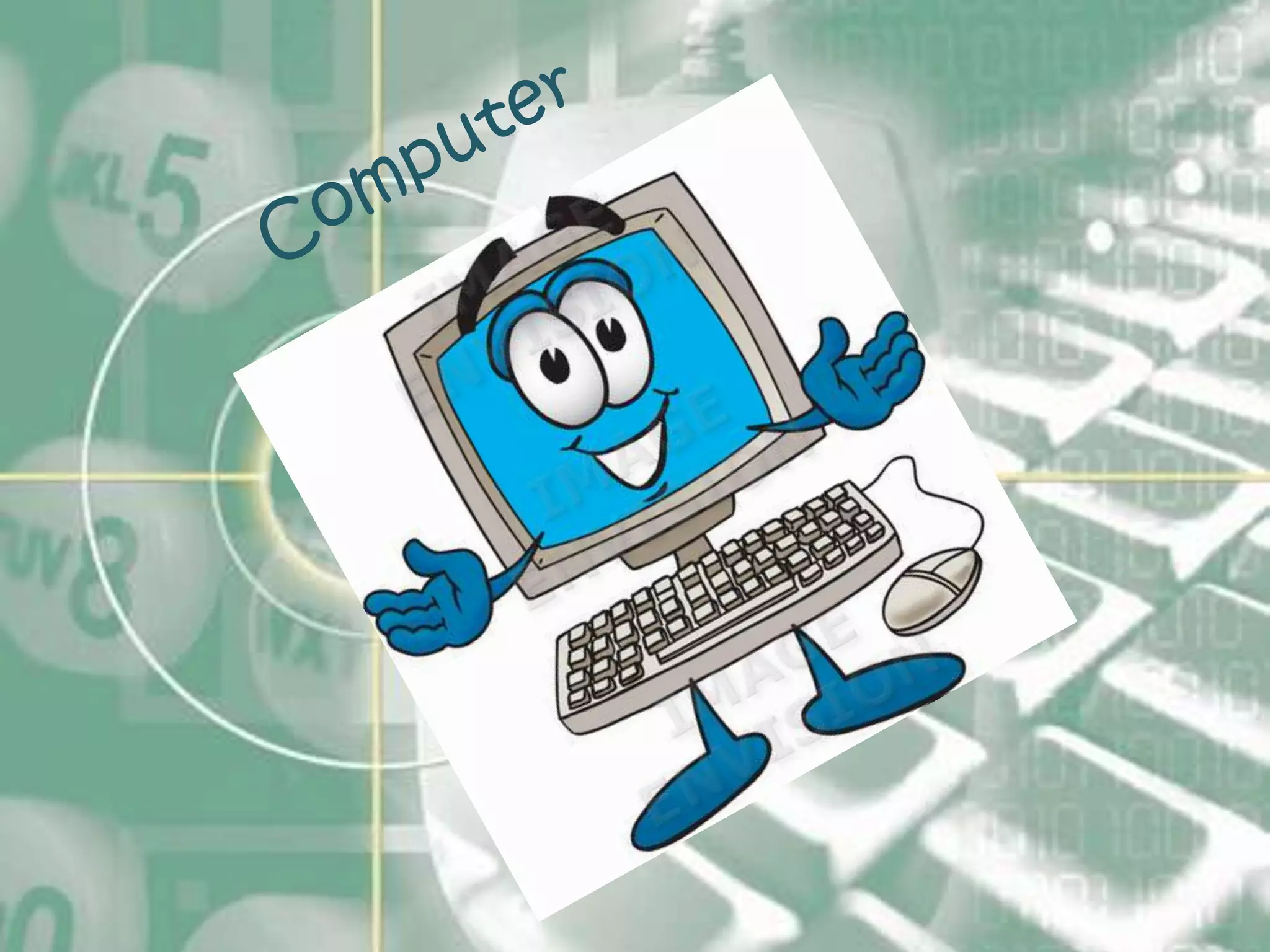
Computer
 Different types of task relating to communication can be
    performed by this device like :
•   Word processing.

•   Creating printing documents.

•   Desktop publishing.

•   Planning documents.

•   Researching audience and contents.

•   Statistical analysis.

•   Creating power-point presentations.

•   E-mailing and distributing documents.
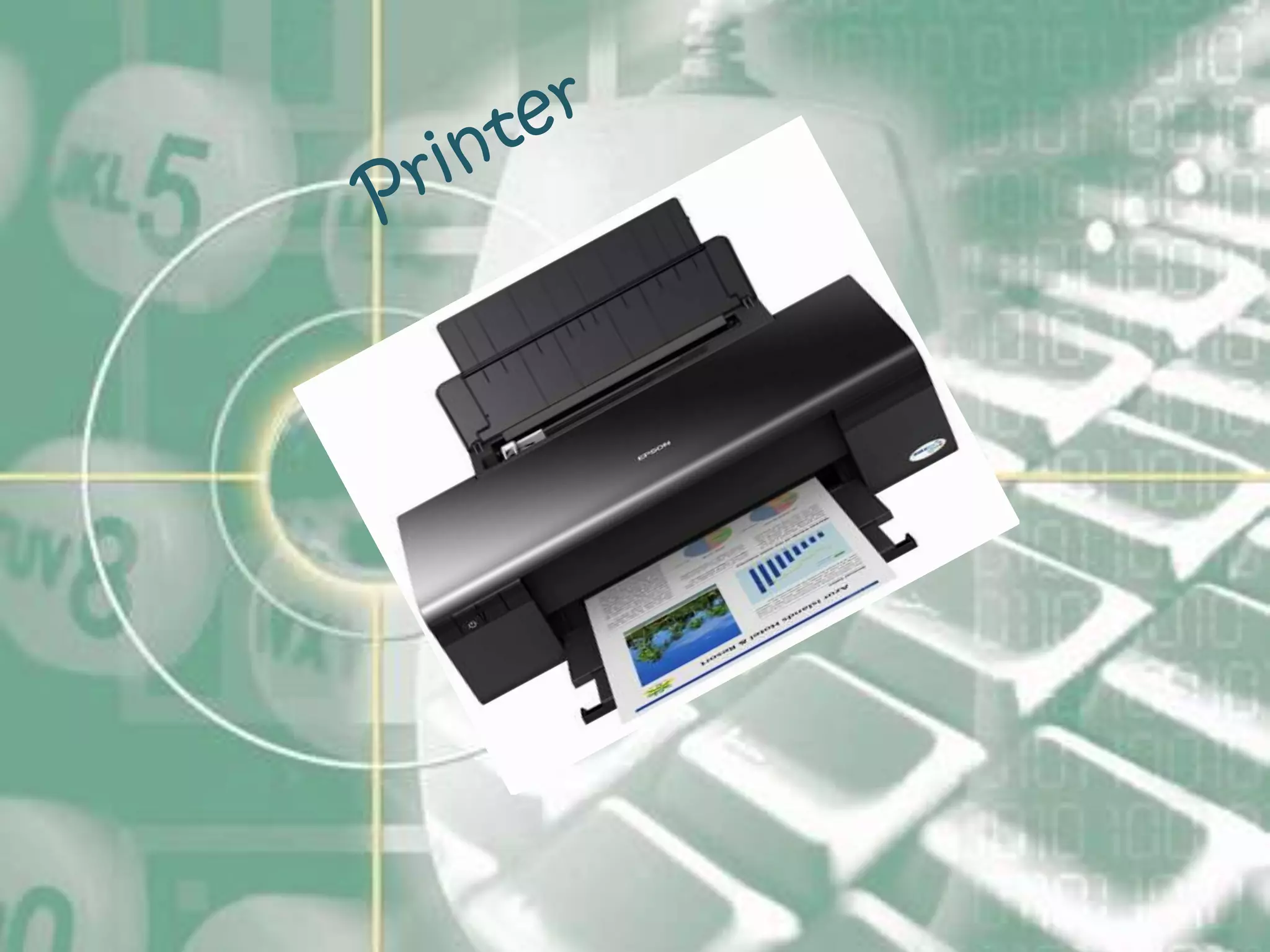
Printer
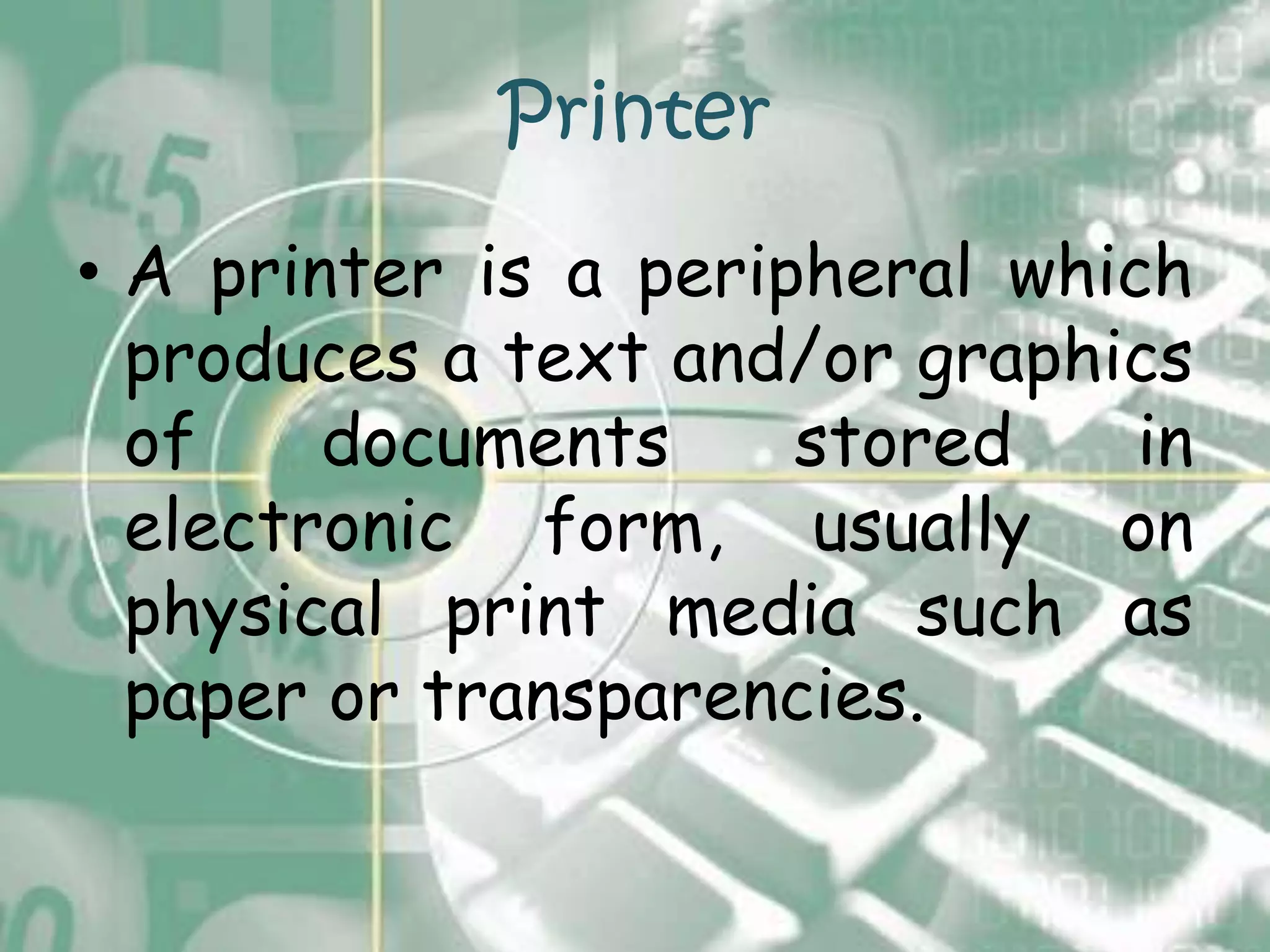
• A printer is a peripheral which
  produces a text and/or graphics
  of    documents     stored    in
  electronic form, usually on
  physical print media such as
  paper or transparencies.
Fax machine


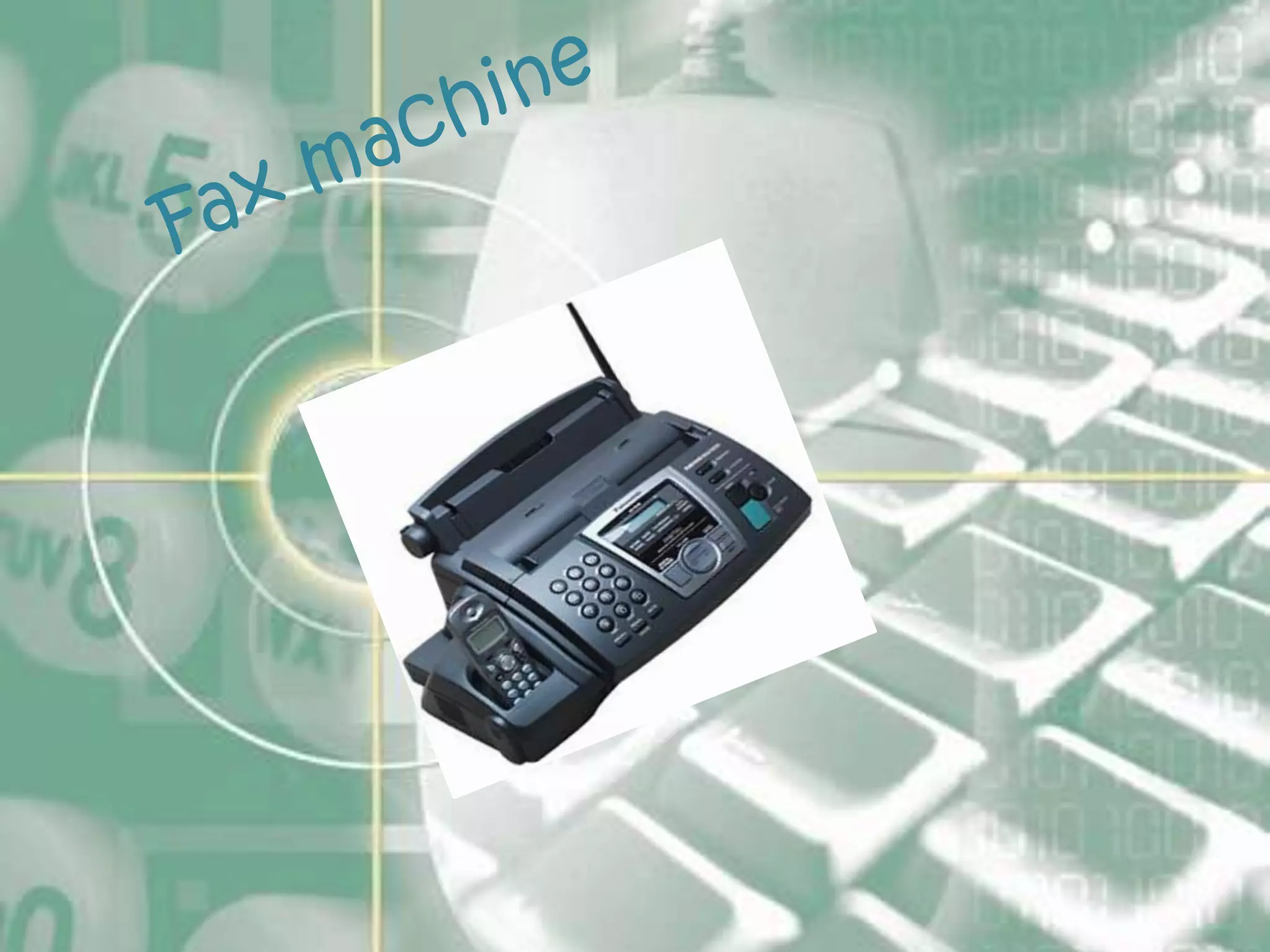
• A fax (short for facsimile) is         a
  document sent over a telephone line.

• It is playing very important role in
  business communication for a very long
  period.
Internet
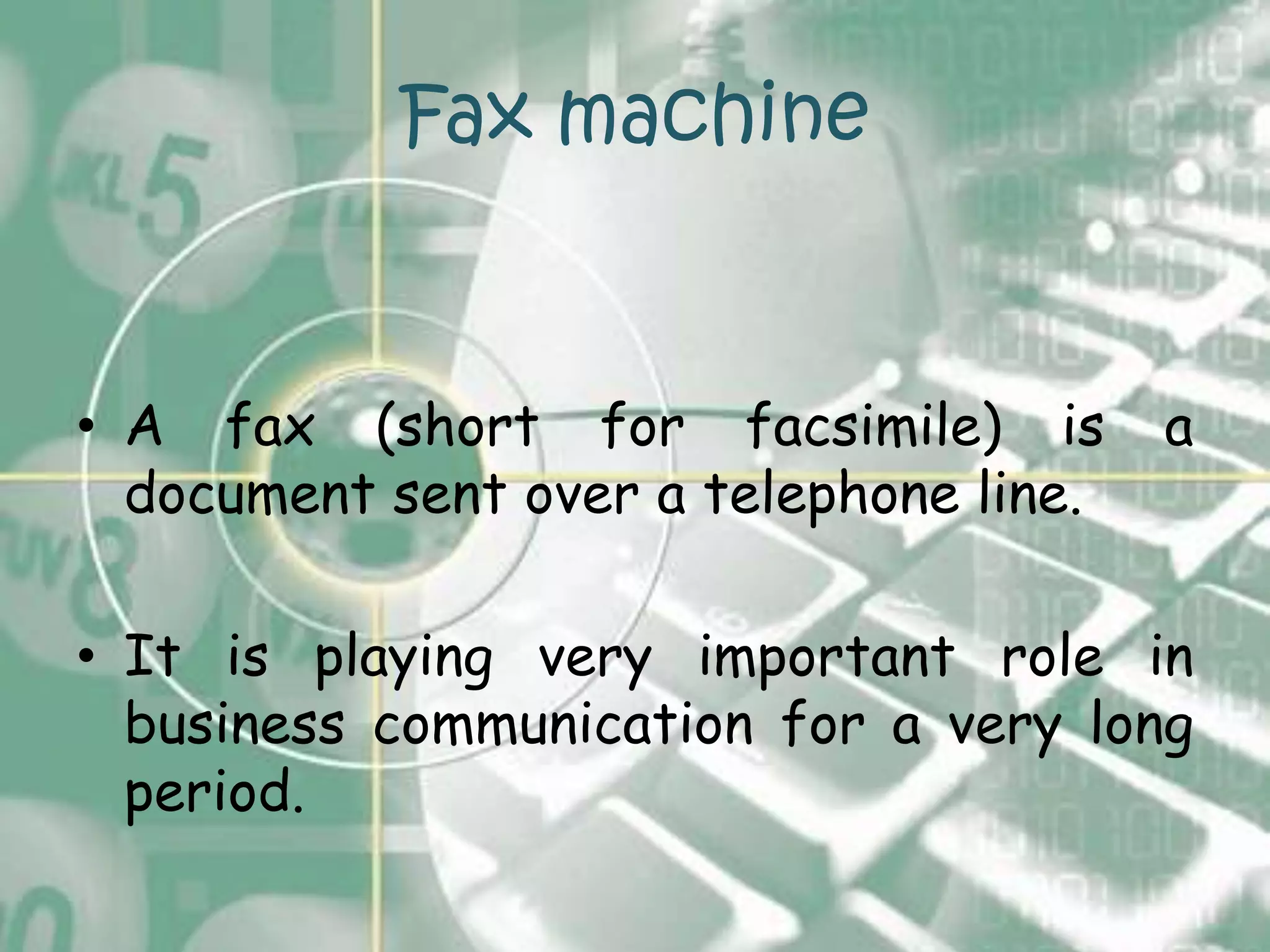
• The Internet is a global system of
  interconnected computer network that use
  the     standard    Internet    protocol
  suit(TCP/IP) to serve billions of users
  worldwide.
• Today’s communication is so much
  dependent on internet. In       business
  communication it plays more important
  role. This technology facilitates other
  medias like –
 E-mailing
 Instant Messeging
 Tele conferencing
 Video conferencing
Multimedia
• Multimedia is media and content that
  uses a combination of different content
  forms .

• Multimedia is usually recorded and
  played, displayed or accessed by
  information      content  processing
  devices, such as computerized and
  electronic devices.
E-mail
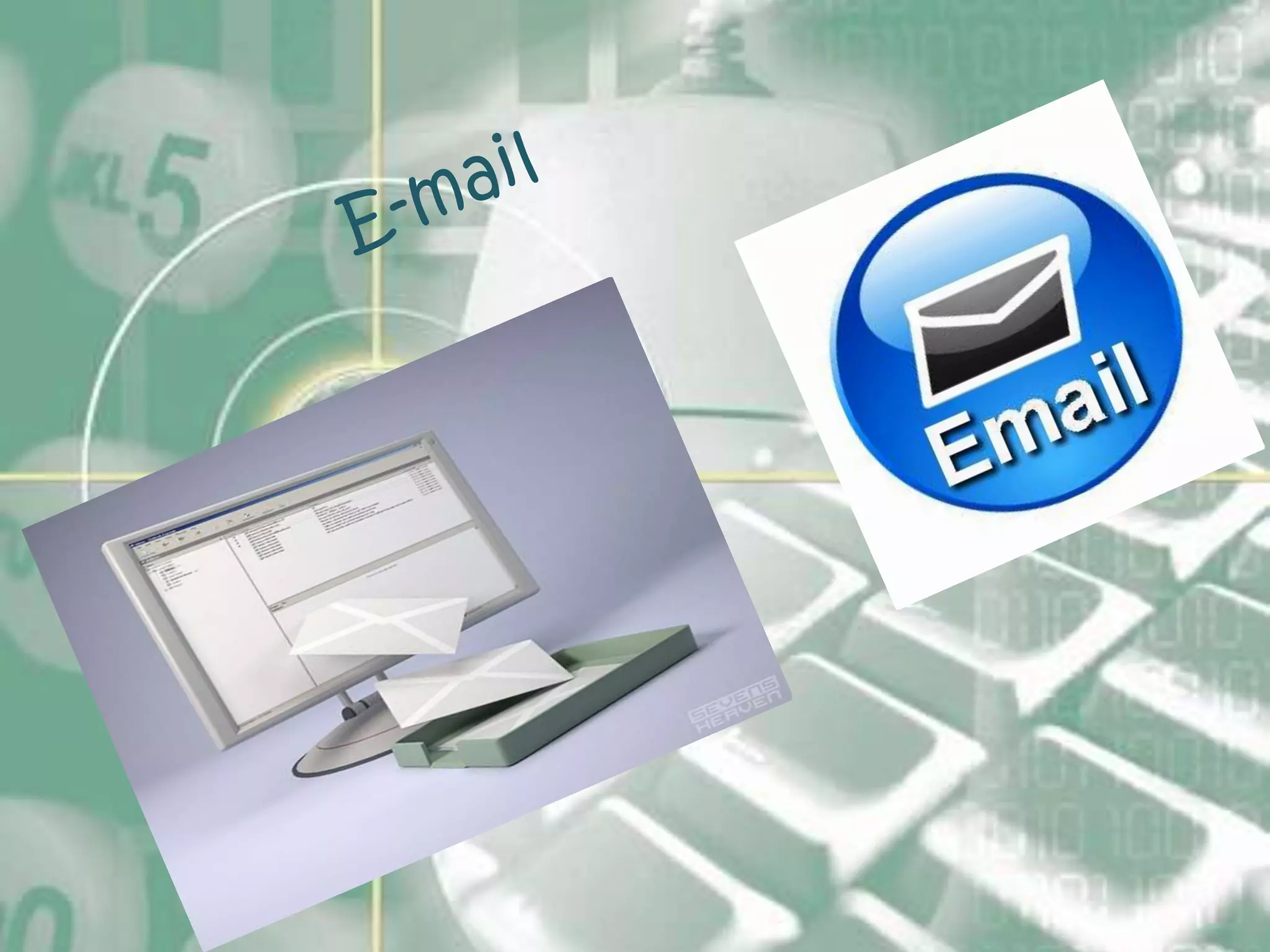
• Electronic mail, commonly called email or e-mail, is a method
  of exchanging digital messages from an author to one or
  more recipients.

• Content, Tone, and Correctness
• Consider composing offline

• Be concise

• Shouldn’t send anything one wouldn’t want published

• Shouldn’t use e-mail to avoid contact

• Resist humor and tongue-in-cheek comments
E-mail

• Reading and Replying to E-Mail
•   Scan all messages before replying to any

•   Print only when necessary

•   Acknowledge receipt

•   Don’t automatically return the sender’s message

•   Revise the subject line if the topic changes

•   Provide a clear, complete first sentence

•   Never respond when you’re angry

•   Check response before hitting “Send”

•   Assume that all emails are monitored
Instant Messenger

• Instant messaging (IM) is a collection
  of technologies used for real-time text-
  based communication between two or
  more participants over the Internet, or
  other types of networks.
• Instant messaging is used widely as
  informal communication tool.
Intranet

• An intranet is a private computer
  network that uses Internet Protocol
  technology to securely share any part of
  an   organization's    information    or
  network operating system within that
  organization.
Telephone

• The    telephone,   often    colloquially
  referred to as a phone, is a
  telecommunications     device       that
  transmits and receives sound, most
  commonly the human voice.
• For oral communication this is the most
  common technological equipment.
Voice-Mail

• Voicemail (also known as voice-mail, VMS, or message bank)
  is a centralized system of stored telephone messages that
  can be retrieved later. The term is also used more broadly
  to   denote   any   system    of   conveying   a   stored
  telecommunications voice message, including using an
  answering machine. Most cell phones have voicemail as a
  basic feature, and many land line phones and corporate
  PBXs have their own voicemail options.
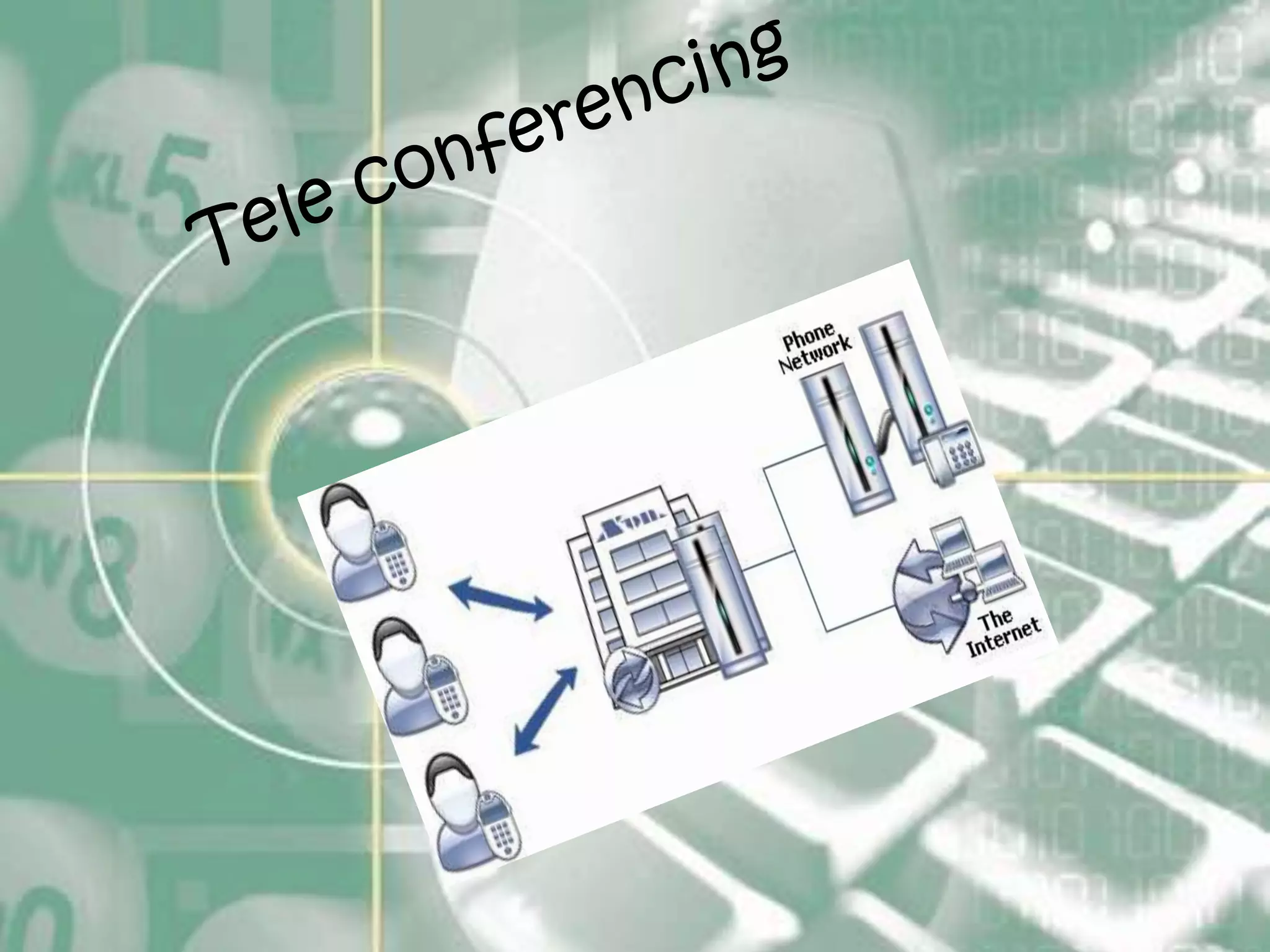
Tele conferencing
• A teleconference or teleseminar is the live
  exchange and mass articulation of
  information among several persons and
  machines remote from one another but
  linked by a telecommunicTeleconferencing
  Equipment
• Computer with online connection
• Camera hooked up to computer
• Software
  –   CU-SeeMe
  –   NetMeeting
  –   Skype
  –   Yahoo Messenger
Tele conferencing


Popular Tele conferencing Software
               Skype
Tools for written
       communication:

• Computer
• Word processor
• Printer
• Fax Machines
• E-mail
• Instant Messenger
Tools for oral
              communication:
• Internet

• Multimedia

• Instant Messenger

• Intranet

• Telephone

• Mobile phone

•   Voice mail

• Voice conferencing

• Video conferencing
Major findings :
• Uses of technology are very costly.
• Many states haven’t enough technological
  infrastructures yet.
• It’s difficult for old people to adjust with technology.
• Technological changes are too rapid to adjust with.
• Slow internet speed in various countries is a big
  obstacle.
• Various regions of world are totally unaware about
  technological improvement.
Recommendations :

• Governments should take initiative to make technology
  cheaper for its citizens.
• Building up technological infrastructure.
• Organizing different training programs.
• Make people aware about technology and encouraging
  them to using technology for communicating.
• Should be informed and prepared to adjust with newer
  technology every day.
Thank you
everyone.

Uses of technology in business communication

  • 1.
    Welcome to the presentation on Uses of Technology in Business Communication
  • 2.
    Presented for: Dr. Khondoker Bazlul Hoque Professor Department of International Business University of Dhaka
  • 3.
    Presented by: MD. Mushfiqur Rahman Roll: 05 BBA 2nd Batch Department of International Business University of Dhaka
  • 4.
    Technology & Business Communication  As companies try to compete in the global economy, they are always looking for better ways to communicate and this is technology which provides business with faster, more efficient equipment for every aspect of communication. There are a large variety of technological tools for communicating, some gives us advantages on oral communication and some of these gives us advantages while communicating in written form.
  • 5.
    Different technological tools used in Business Communication.
  • 7.
    Computer  Different typesof task relating to communication can be performed by this device like : • Word processing. • Creating printing documents. • Desktop publishing. • Planning documents. • Researching audience and contents. • Statistical analysis. • Creating power-point presentations. • E-mailing and distributing documents.
  • 9.
    Printer • A printeris a peripheral which produces a text and/or graphics of documents stored in electronic form, usually on physical print media such as paper or transparencies.
  • 11.
    Fax machine • Afax (short for facsimile) is a document sent over a telephone line. • It is playing very important role in business communication for a very long period.
  • 13.
    Internet • The Internetis a global system of interconnected computer network that use the standard Internet protocol suit(TCP/IP) to serve billions of users worldwide. • Today’s communication is so much dependent on internet. In business communication it plays more important role. This technology facilitates other medias like –  E-mailing  Instant Messeging  Tele conferencing  Video conferencing
  • 15.
    Multimedia • Multimedia ismedia and content that uses a combination of different content forms . • Multimedia is usually recorded and played, displayed or accessed by information content processing devices, such as computerized and electronic devices.
  • 17.
    E-mail • Electronic mail,commonly called email or e-mail, is a method of exchanging digital messages from an author to one or more recipients. • Content, Tone, and Correctness • Consider composing offline • Be concise • Shouldn’t send anything one wouldn’t want published • Shouldn’t use e-mail to avoid contact • Resist humor and tongue-in-cheek comments
  • 18.
    E-mail • Reading andReplying to E-Mail • Scan all messages before replying to any • Print only when necessary • Acknowledge receipt • Don’t automatically return the sender’s message • Revise the subject line if the topic changes • Provide a clear, complete first sentence • Never respond when you’re angry • Check response before hitting “Send” • Assume that all emails are monitored
  • 20.
    Instant Messenger • Instantmessaging (IM) is a collection of technologies used for real-time text- based communication between two or more participants over the Internet, or other types of networks. • Instant messaging is used widely as informal communication tool.
  • 22.
    Intranet • An intranetis a private computer network that uses Internet Protocol technology to securely share any part of an organization's information or network operating system within that organization.
  • 24.
    Telephone • The telephone, often colloquially referred to as a phone, is a telecommunications device that transmits and receives sound, most commonly the human voice. • For oral communication this is the most common technological equipment.
  • 26.
    Voice-Mail • Voicemail (alsoknown as voice-mail, VMS, or message bank) is a centralized system of stored telephone messages that can be retrieved later. The term is also used more broadly to denote any system of conveying a stored telecommunications voice message, including using an answering machine. Most cell phones have voicemail as a basic feature, and many land line phones and corporate PBXs have their own voicemail options.
  • 28.
    Tele conferencing • Ateleconference or teleseminar is the live exchange and mass articulation of information among several persons and machines remote from one another but linked by a telecommunicTeleconferencing Equipment • Computer with online connection • Camera hooked up to computer • Software – CU-SeeMe – NetMeeting – Skype – Yahoo Messenger
  • 29.
    Tele conferencing Popular Teleconferencing Software Skype
  • 30.
    Tools for written communication: • Computer • Word processor • Printer • Fax Machines • E-mail • Instant Messenger
  • 31.
    Tools for oral communication: • Internet • Multimedia • Instant Messenger • Intranet • Telephone • Mobile phone • Voice mail • Voice conferencing • Video conferencing
  • 32.
    Major findings : •Uses of technology are very costly. • Many states haven’t enough technological infrastructures yet. • It’s difficult for old people to adjust with technology. • Technological changes are too rapid to adjust with. • Slow internet speed in various countries is a big obstacle. • Various regions of world are totally unaware about technological improvement.
  • 33.
    Recommendations : • Governmentsshould take initiative to make technology cheaper for its citizens. • Building up technological infrastructure. • Organizing different training programs. • Make people aware about technology and encouraging them to using technology for communicating. • Should be informed and prepared to adjust with newer technology every day.
  • 34.