Inquiry
Properties of Materials

       Zaheu 6S
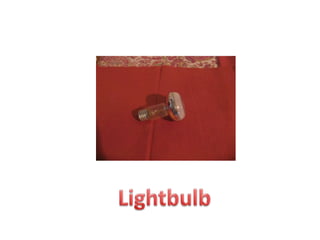
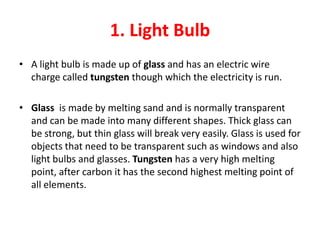
1. Light Bulb
• A light bulb is made up of glass and has an electric wire
  charge called tungsten though which the electricity is run.

• Glass is made by melting sand and is normally transparent
  and can be made into many different shapes. Thick glass can
  be strong, but thin glass will break very easily. Glass is used for
  objects that need to be transparent such as windows and also
  light bulbs and glasses. Tungsten has a very high melting
  point, after carbon it has the second highest melting point of
  all elements.
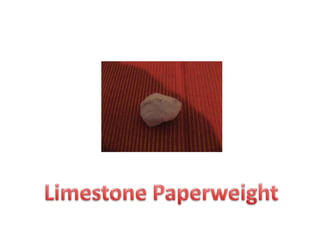
2. Paperweight
• The paperweight at home is made of limestone.

• Limestone is a mineral that is rich in calcium. Limestone is
  made of calcite or calcium carbonate. This mineral is usually
  formed under the water of oceans, lakes, or seas from
  organisms that live in the water, common all over the
  Mediterranean and Europe. It is made up of the shells of
  billions of little tiny sea snails whose fossils have fused
  together over hundreds of years by the pressure from other
  shells, water and sand, forming rocks. When the waters
  receded over time, the limestone was visible on land.
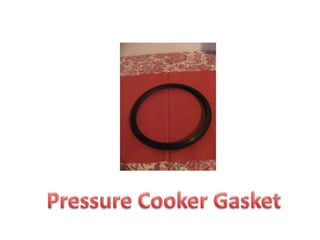
3. Pressure Cooker Gasket
• The gasket of the pressure cooker is made of rubber.

• Rubber can be either natural or synthetic (man made). It is
  waterproof and is good for conducting heat. It is also resistant
  to tearing. Some types of rubber are resistant to
  oils, solvents, and other chemicals. Rubber is made into
  articles as diverse as raincoats and sponges, bowling balls and
  pillows, electrical insulation and erasers. People ride on
  rubber tires and walk on rubber heels. Rubber is also used in
  toys, balls, rafts, elastic bandages, adhesives and paints.
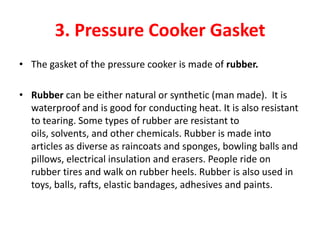
4. Door Hinges
• Door hinges are made of metal.

• Metal come from rocks called ores. They are strong, hard and
  shiny materials that can be hammered into different shapes
  without breaking. Many metals are good conductors of heat
  and electricity. Some metals are magnetic. Iron is the most
  magnetic metal. Their properties make them useful for
  objects such as cutlery, saucepans, cars and coins.
5. Cookie Box
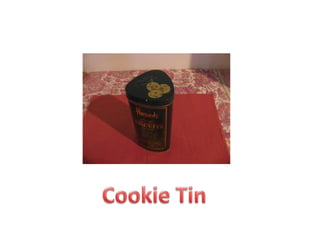
• My cookie box is made of tin.

• Tin is a malleable metal that is resistant to corrosion is found
  in many alloys. It is mainly obtained from minerals.
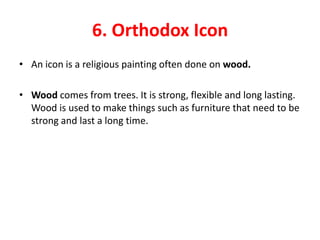
6. Orthodox Icon
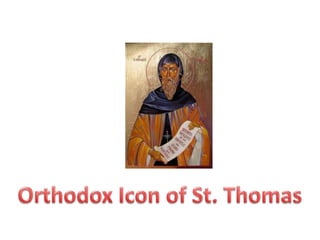
• An icon is a religious painting often done on wood.

• Wood comes from trees. It is strong, flexible and long lasting.
  Wood is used to make things such as furniture that need to be
  strong and last a long time.
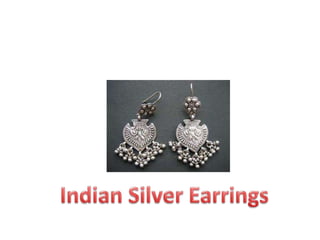
7. Earrings
• My mother’s earrings are silver.

• Silver is a chemical element and is soft, shiny metal that is a
  good conductor of electricity. It is a precious metal that has
  been used for many years to make fine pieces of
  jewelry, coins, utensils and various pieces of art. Now, silver is
  also used in dentistry, electronics, photography, mirrors and in
  a number of industrial applications that make use of its
  unique properties.
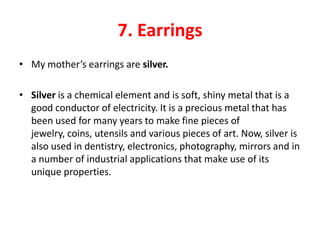
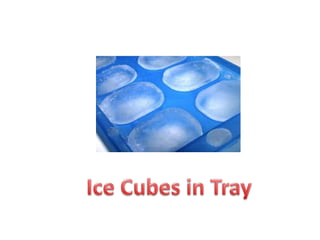
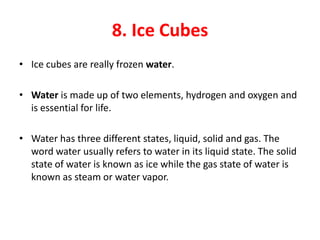
8. Ice Cubes
• Ice cubes are really frozen water.

• Water is made up of two elements, hydrogen and oxygen and
  is essential for life.

• Water has three different states, liquid, solid and gas. The
  word water usually refers to water in its liquid state. The solid
  state of water is known as ice while the gas state of water is
  known as steam or water vapor.
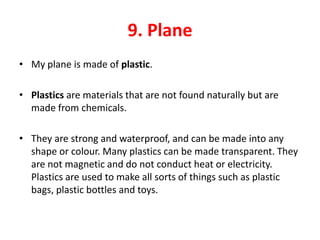
9. Plane
• My plane is made of plastic.

• Plastics are materials that are not found naturally but are
  made from chemicals.

• They are strong and waterproof, and can be made into any
  shape or colour. Many plastics can be made transparent. They
  are not magnetic and do not conduct heat or electricity.
  Plastics are used to make all sorts of things such as plastic
  bags, plastic bottles and toys.
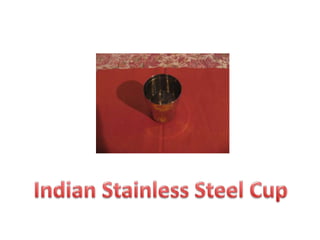
10. Drinking Cup
• We have a drinking cup at home that is made of stainless
  steel.

• Stainless steel is a type of metal alloy. The components of
  stainless steel are
  iron, chromium, carbon, nickel, molybdenum and small
  quantities of other metals. Stainless steel is a hard and strong
  substance. Stainless steel is not a good conductor of heat and
  electricity. Stainless steel possess high ductile strength. This
  means it can be easily shaped or bent or drawn in the form of
  wires. They are highly resistant to corrosion.
References
• http://www.bbc.co.uk/schools/ks2bitesize/science/materials/
  material_properties/read1.shtml
• http: //www.historyforkids.org/learn/arts/limestone. html /
• www.sciencekids.co.nz/sciencefacts/metals.html
• http://www.historyforkids.org/learn/arts/limestone.htm
• http://science.howstuffworks.com/environmental/life/botany
  /rubber-info1.htm
• http://encyclopedia.kids.net.au/page/ti/Tin
• http://www.sciencekids.co.nz/sciencefacts/metals/silver.html
• http://www.buzzle.com/articles/physical-properties-of-
  stainless-steel.html