Exploiting the synthetic lethality between terminal
respiratory oxidases to kill Mycobacterium
tuberculosis and clear host infection
Presented by : Apurv Mungra
MBT(F)
Kalia et al
April 13,2017
PNAS
Abbreviations
• BDQ: Bedaquiline
• CFU: Colony Forming Unit
• IPA: Imidazopyridine amides
• MIC: Minimum Inhibitory Concentration
• MBC: Minimum Bactericidal Concentration
• ROC: Relative Oxygen Consumption
• RLU: Relative Light Unit
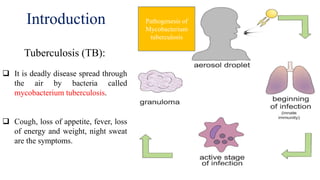
Tuberculosis (TB):
 It is deadly disease spread through
the air by bacteria called
mycobacterium tuberculosis.
 Cough, loss of appetite, fever, loss
of energy and weight, night sweat
are the symptoms.

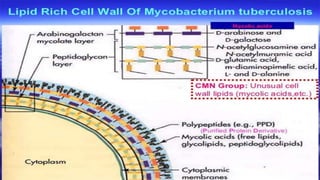
Introduction Pathogenesis of
Mycobacterium
tuberculosis
In India 2 patients die
every three minutes due to
TB.
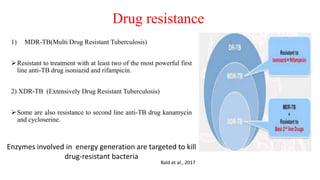
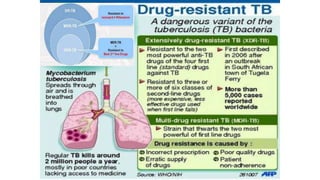
Drug resistance
1) MDR-TB(Multi Drug Resistant Tuberculosis)
Resistant to treatment with at least two of the most powerful first
line anti-TB drug isoniazid and rifampicin.
2) XDR-TB (Extensively Drug Resistant Tuberculosis)
Some are also resistance to second line anti-TB drug kanamycin
and cycloserine.
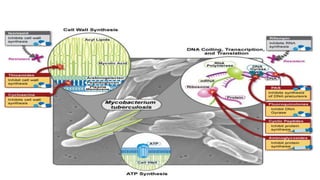
Enzymes involved in energy generation are targeted to kill
drug-resistant bacteria
Bald et al., 2017
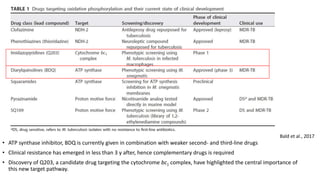
• ATP synthase inhibitor, BDQ is currently given in combination with weaker second- and third-line drugs
• Clinical resistance has emerged in less than 3 y after, hence complementary drugs is required
• Discovery of Q203, a candidate drug targeting the cytochrome bc1 complex, have highlighted the central importance of
this new target pathway.
Bald et al., 2017
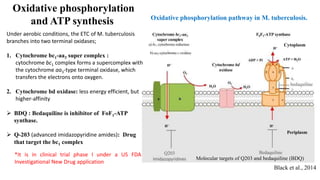
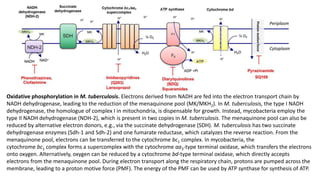
Oxidative phosphorylation pathway in M. tuberculosis.
Under aerobic conditions, the ETC of M. tuberculosis
branches into two terminal oxidases;
1. Cytochrome bc1-aa3 super complex :
cytochrome bc1 complex forms a supercomplex with
the cytochrome aa3-type terminal oxidase, which
transfers the electrons onto oxygen.
2. Cytochrome bd oxidase: less energy efficient, but
higher-affinity
 BDQ : Bedaquiline is inhibitor of FoF1-ATP
synthase.
 Q-203 (advanced imidazopyridine amides): Drug
that target the bc1 complex
Cytoplasm
Periplasm
Molecular targets of Q203 and bedaquiline (BDQ)
Oxidative phosphorylation
and ATP synthesis
*It is in clinical trial phase I under a US FDA
Investigational New Drug application
Black et al., 2014
One of the approach to overcome Drug
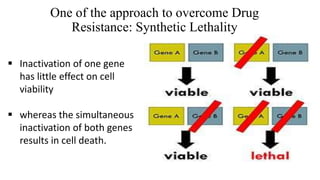
Resistance: Synthetic Lethality
 Inactivation of one gene
has little effect on cell
viability
 whereas the simultaneous
inactivation of both genes
results in cell death.
Experiment 1
Effects of Q203 and BDQ on oxygen respiration
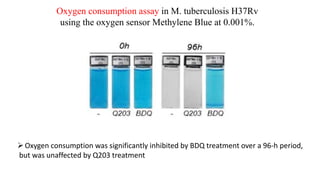
Oxygen consumption assay in M. tuberculosis H37Rv
using the oxygen sensor Methylene Blue at 0.001%.
Oxygen consumption was significantly inhibited by BDQ treatment over a 96-h period,
but was unaffected by Q203 treatment
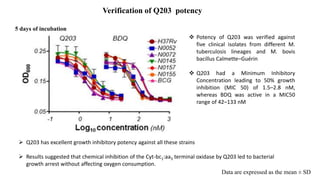
Verification of Q203 potency
5 days of incubation
 Q203 has excellent growth inhibitory potency against all these strains
 Results suggested that chemical inhibition of the Cyt-bc1:aa3 terminal oxidase by Q203 led to bacterial
growth arrest without affecting oxygen consumption.
 Potency of Q203 was verified against
five clinical isolates from different M.
tuberculosis lineages and M. bovis
bacillus Calmette–Guérin
 Q203 had a Minimum Inhibitory
Concentration leading to 50% growth
inhibition (MIC 50) of 1.5–2.8 nM,
whereas BDQ was active in a MIC50
range of 42–133 nM
Data are expressed as the mean ± SD
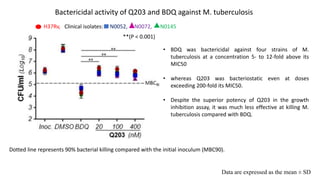
**(P < 0.001)
H37Rv, Clinical isolates: N0052, N0072, N0145
Bactericidal activity of Q203 and BDQ against M. tuberculosis
Dotted line represents 90% bacterial killing compared with the initial inoculum (MBC90).
• BDQ was bactericidal against four strains of M.
tuberculosis at a concentration 5- to 12-fold above its
MIC50
• whereas Q203 was bacteriostatic even at doses
exceeding 200-fold its MIC50.
• Despite the superior potency of Q203 in the growth
inhibition assay, it was much less effective at killing M.
tuberculosis compared with BDQ.
Data are expressed as the mean ± SD
Conclusion
BDQ and Q203 target the same pathway (OxPhos), but have a
striking difference on mycobacterial viability, so alternate branch of
the ETC may compensate for the chemical inhibition of the Cyt-
bc1:aa3 terminal oxidase.
Experiment 2
Cytochrome bd-Type Oxidase Compensates for Chemical
Inhibition of the Cytochrome bc1:aa3 Branch.
Bacterial Strains
The cyd AB genes (coding for Cyt-bd) were deleted in
• M. tuberculosis H37Rv leading to strains H37Rv ΔcydAB
• Mycobacterium bovis bacillus Calmette–Guérin leading to strains Bacillus
Calmette–Guérin ΔcydAB
This phenotype was reversed by expressing the cydAB operon in the mutant strains
(ΔcydABcomp strains)
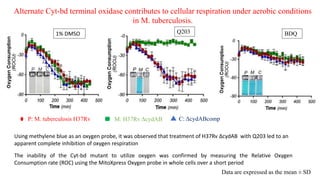
M: H37Rv ΔcydABP: M. tuberculosis H37Rv C: ΔcydABcomp
Alternate Cyt-bd terminal oxidase contributes to cellular respiration under aerobic conditions
in M. tuberculosis.
Q203 BDQ1% DMSO
Using methylene blue as an oxygen probe, it was observed that treatment of H37Rv ΔcydAB with Q203 led to an
apparent complete inhibition of oxygen respiration
Data are expressed as the mean ± SD
The inability of the Cyt-bd mutant to utilize oxygen was confirmed by measuring the Relative Oxygen
Consumption rate (ROC) using the MitoXpress Oxygen probe in whole cells over a short period
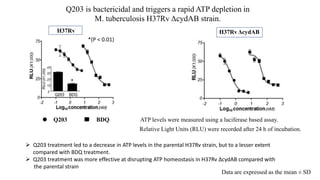
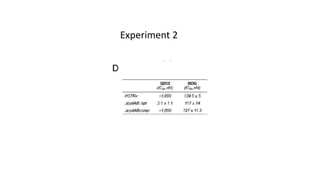
Q203 is bactericidal and triggers a rapid ATP depletion in
M. tuberculosis H37Rv ΔcydAB strain.
Relative Light Units (RLU) were recorded after 24 h of incubation.
ATP levels were measured using a luciferase based assay.
H37Rv ΔcydAB
Q203 BDQ
H37Rv
*(P < 0.01)
 Q203 treatment led to a decrease in ATP levels in the parental H37Rv strain, but to a lesser extent
compared with BDQ treatment.
 Q203 treatment was more effective at disrupting ATP homeostasis in H37Rv ΔcydAB compared with
the parental strain
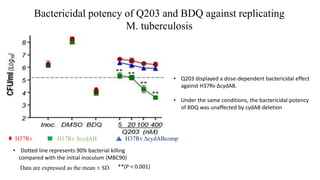
Data are expressed as the mean ± SD
H37Rv ΔcydABH37Rv H37Rv ΔcydABcomp
**(P < 0.001)
• Dotted line represents 90% bacterial killing
compared with the initial inoculum (MBC90)
Bactericidal potency of Q203 and BDQ against replicating
M. tuberculosis
• Q203 displayed a dose-dependent bactericidal effect
against H37Rv ΔcydAB.
• Under the same conditions, the bactericidal potency
of BDQ was unaffected by cydAB deletion
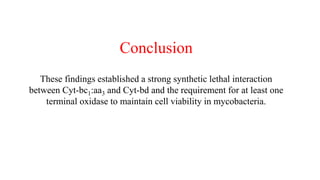
Conclusion
These findings established a strong synthetic lethal interaction
between Cyt-bc1:aa3 and Cyt-bd and the requirement for at least one
terminal oxidase to maintain cell viability in mycobacteria.
Experiment 3
Cytochrome bd-Type Oxidase Protects Nonreplicating Mycobacteria
from Q203-Induced Bacterial Death.
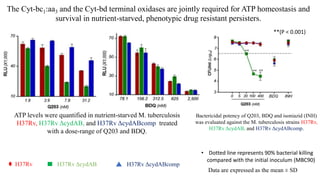
ATP levels were quantified in nutrient-starved M. tuberculosis
H37Rv, H37Rv ΔcydAB, and H37Rv ΔcydABcomp treated
with a dose-range of Q203 and BDQ.
The Cyt-bc1:aa3 and the Cyt-bd terminal oxidases are jointly required for ATP homeostasis and
survival in nutrient-starved, phenotypic drug resistant persisters.
Bactericidal potency of Q203, BDQ and isoniazid (INH)
was evaluated against the M. tuberculosis strains H37Rv,
H37Rv ΔcydAB, and H37Rv ΔcydABcomp.
H37Rv ΔcydABH37Rv H37Rv ΔcydABcomp
Data are expressed as the mean ± SD
• Dotted line represents 90% bacterial killing
compared with the initial inoculum (MBC90)
**(P < 0.001)
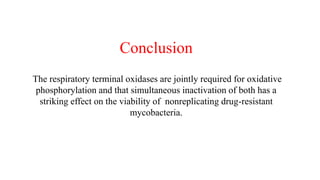
Conclusion
The respiratory terminal oxidases are jointly required for oxidative
phosphorylation and that simultaneous inactivation of both has a
striking effect on the viability of nonreplicating drug-resistant
mycobacteria.
Experiment 4
Synthetic Lethal Interaction Between the Respiratory Terminal
Oxidases During Infection.
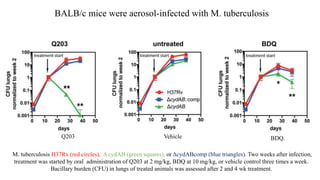
M. tuberculosis H37Rv (red circles), Δ cydAB (green squares), or ΔcydABcomp (blue triangles). Two weeks after infection,
treatment was started by oral administration of Q203 at 2 mg/kg, BDQ at 10 mg/kg, or vehicle control three times a week.
Bacillary burden (CFU) in lungs of treated animals was assessed after 2 and 4 wk treatment.
BALB/c mice were aerosol-infected with M. tuberculosis
Q203 Vehicle BDQ.
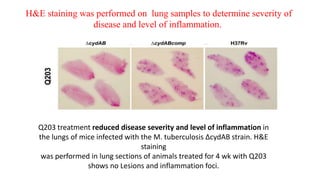
H&E staining was performed on lung samples to determine severity of
disease and level of inflammation.
Q203 treatment reduced disease severity and level of inflammation in
the lungs of mice infected with the M. tuberculosis ΔcydAB strain. H&E
staining
was performed in lung sections of animals treated for 4 wk with Q203
shows no Lesions and inflammation foci.
Conclusion
These results demonstrate the efficacy of a therapeutic approach
that exploits the synthetic lethal interaction between Cyt-bc1:aa3
and Cyt-bd oxidases.
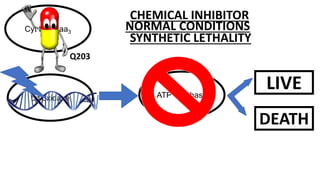
Cyt bc 1 : aa3
bd oxidase ATP Synthase
LIVE
DEATH
NORMAL CONDITIONS
CHEMICAL INHIBITOR
Q203
SYNTHETIC LETHALITY
Backup
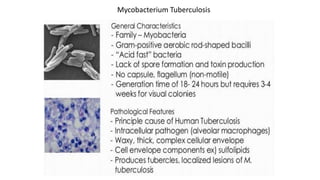
Mycobacterium Tuberculosis
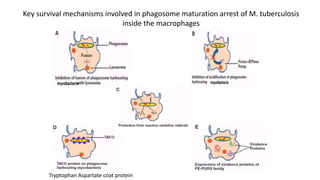
Key survival mechanisms involved in phagosome maturation arrest of M. tuberculosis
inside the macrophages
Tryptophan Aspartate coat protein
Oxidative phosphorylation in M. tuberculosis. Electrons derived from NADH are fed into the electron transport chain by
NADH dehydrogenase, leading to the reduction of the menaquinone pool (MK/MKH2). In M. tuberculosis, the type I NADH
dehydrogenase, the homologue of complex I in mitochondria, is dispensable for growth. Instead, mycobacteria employ the
type II NADH dehydrogenase (NDH-2), which is present in two copies in M. tuberculosis. The menaquinone pool can also be
reduced by alternative electron donors, e.g., via the succinate dehydrogenase (SDH). M. tuberculosis has two succinate
dehydrogenase enzymes (Sdh-1 and Sdh-2) and one fumarate reductase, which catalyzes the reverse reaction. From the
menaquinone pool, electrons can be transferred to the cytochrome bc1 complex. In mycobacteria, the
cytochrome bc1 complex forms a supercomplex with the cytochrome aa3-type terminal oxidase, which transfers the electrons
onto oxygen. Alternatively, oxygen can be reduced by a cytochrome bd-type terminal oxidase, which directly accepts
electrons from the menaquinone pool. During electron transport along the respiratory chain, protons are pumped across the
membrane, leading to a proton motive force (PMF). The energy of the PMF can be used by ATP synthase for synthesis of ATP.
Experiment 2
Luciferase can be used to detect the level of cellular ATP in
cell viability assays or for kinase activity assays. Luciferase
can act as an ATP sensor protein through biotinylation.
Biotinylation will immobilize luciferase on the cell-surface
by binding to a streptavidin-biotin complex. This allows
luciferase to detect the efflux of ATP from the cell and will
effectively display the real-time release of ATP through
bioluminescence. Luciferase can additionally be made more
sensitive for ATP detection by increasing the luminescence
intensity by changing certain amino acid residues in the
sequence of the protein.
*Nakamura et al.,2006

Tuberculosis Research Paper

  • 1.
    Exploiting the syntheticlethality between terminal respiratory oxidases to kill Mycobacterium tuberculosis and clear host infection Presented by : Apurv Mungra MBT(F) Kalia et al April 13,2017 PNAS
  • 2.
    Abbreviations • BDQ: Bedaquiline •CFU: Colony Forming Unit • IPA: Imidazopyridine amides • MIC: Minimum Inhibitory Concentration • MBC: Minimum Bactericidal Concentration • ROC: Relative Oxygen Consumption • RLU: Relative Light Unit
  • 3.
    Tuberculosis (TB):  Itis deadly disease spread through the air by bacteria called mycobacterium tuberculosis.  Cough, loss of appetite, fever, loss of energy and weight, night sweat are the symptoms. Introduction Pathogenesis of Mycobacterium tuberculosis
  • 4.
    In India 2patients die every three minutes due to TB.
  • 5.
    Drug resistance 1) MDR-TB(MultiDrug Resistant Tuberculosis) Resistant to treatment with at least two of the most powerful first line anti-TB drug isoniazid and rifampicin. 2) XDR-TB (Extensively Drug Resistant Tuberculosis) Some are also resistance to second line anti-TB drug kanamycin and cycloserine. Enzymes involved in energy generation are targeted to kill drug-resistant bacteria Bald et al., 2017
  • 6.
    • ATP synthaseinhibitor, BDQ is currently given in combination with weaker second- and third-line drugs • Clinical resistance has emerged in less than 3 y after, hence complementary drugs is required • Discovery of Q203, a candidate drug targeting the cytochrome bc1 complex, have highlighted the central importance of this new target pathway. Bald et al., 2017
  • 7.
    Oxidative phosphorylation pathwayin M. tuberculosis. Under aerobic conditions, the ETC of M. tuberculosis branches into two terminal oxidases; 1. Cytochrome bc1-aa3 super complex : cytochrome bc1 complex forms a supercomplex with the cytochrome aa3-type terminal oxidase, which transfers the electrons onto oxygen. 2. Cytochrome bd oxidase: less energy efficient, but higher-affinity  BDQ : Bedaquiline is inhibitor of FoF1-ATP synthase.  Q-203 (advanced imidazopyridine amides): Drug that target the bc1 complex Cytoplasm Periplasm Molecular targets of Q203 and bedaquiline (BDQ) Oxidative phosphorylation and ATP synthesis *It is in clinical trial phase I under a US FDA Investigational New Drug application Black et al., 2014
  • 8.
    One of theapproach to overcome Drug Resistance: Synthetic Lethality  Inactivation of one gene has little effect on cell viability  whereas the simultaneous inactivation of both genes results in cell death.
  • 9.
    Experiment 1 Effects ofQ203 and BDQ on oxygen respiration
  • 10.
    Oxygen consumption assayin M. tuberculosis H37Rv using the oxygen sensor Methylene Blue at 0.001%. Oxygen consumption was significantly inhibited by BDQ treatment over a 96-h period, but was unaffected by Q203 treatment
  • 11.
    Verification of Q203potency 5 days of incubation  Q203 has excellent growth inhibitory potency against all these strains  Results suggested that chemical inhibition of the Cyt-bc1:aa3 terminal oxidase by Q203 led to bacterial growth arrest without affecting oxygen consumption.  Potency of Q203 was verified against five clinical isolates from different M. tuberculosis lineages and M. bovis bacillus Calmette–Guérin  Q203 had a Minimum Inhibitory Concentration leading to 50% growth inhibition (MIC 50) of 1.5–2.8 nM, whereas BDQ was active in a MIC50 range of 42–133 nM Data are expressed as the mean ± SD
  • 12.
    **(P < 0.001) H37Rv,Clinical isolates: N0052, N0072, N0145 Bactericidal activity of Q203 and BDQ against M. tuberculosis Dotted line represents 90% bacterial killing compared with the initial inoculum (MBC90). • BDQ was bactericidal against four strains of M. tuberculosis at a concentration 5- to 12-fold above its MIC50 • whereas Q203 was bacteriostatic even at doses exceeding 200-fold its MIC50. • Despite the superior potency of Q203 in the growth inhibition assay, it was much less effective at killing M. tuberculosis compared with BDQ. Data are expressed as the mean ± SD
  • 13.
    Conclusion BDQ and Q203target the same pathway (OxPhos), but have a striking difference on mycobacterial viability, so alternate branch of the ETC may compensate for the chemical inhibition of the Cyt- bc1:aa3 terminal oxidase.
  • 14.
    Experiment 2 Cytochrome bd-TypeOxidase Compensates for Chemical Inhibition of the Cytochrome bc1:aa3 Branch.
  • 15.
    Bacterial Strains The cydAB genes (coding for Cyt-bd) were deleted in • M. tuberculosis H37Rv leading to strains H37Rv ΔcydAB • Mycobacterium bovis bacillus Calmette–Guérin leading to strains Bacillus Calmette–Guérin ΔcydAB This phenotype was reversed by expressing the cydAB operon in the mutant strains (ΔcydABcomp strains)
  • 16.
    M: H37Rv ΔcydABP:M. tuberculosis H37Rv C: ΔcydABcomp Alternate Cyt-bd terminal oxidase contributes to cellular respiration under aerobic conditions in M. tuberculosis. Q203 BDQ1% DMSO Using methylene blue as an oxygen probe, it was observed that treatment of H37Rv ΔcydAB with Q203 led to an apparent complete inhibition of oxygen respiration Data are expressed as the mean ± SD The inability of the Cyt-bd mutant to utilize oxygen was confirmed by measuring the Relative Oxygen Consumption rate (ROC) using the MitoXpress Oxygen probe in whole cells over a short period
  • 17.
    Q203 is bactericidaland triggers a rapid ATP depletion in M. tuberculosis H37Rv ΔcydAB strain. Relative Light Units (RLU) were recorded after 24 h of incubation. ATP levels were measured using a luciferase based assay. H37Rv ΔcydAB Q203 BDQ H37Rv *(P < 0.01)  Q203 treatment led to a decrease in ATP levels in the parental H37Rv strain, but to a lesser extent compared with BDQ treatment.  Q203 treatment was more effective at disrupting ATP homeostasis in H37Rv ΔcydAB compared with the parental strain Data are expressed as the mean ± SD
  • 18.
    Data are expressedas the mean ± SD H37Rv ΔcydABH37Rv H37Rv ΔcydABcomp **(P < 0.001) • Dotted line represents 90% bacterial killing compared with the initial inoculum (MBC90) Bactericidal potency of Q203 and BDQ against replicating M. tuberculosis • Q203 displayed a dose-dependent bactericidal effect against H37Rv ΔcydAB. • Under the same conditions, the bactericidal potency of BDQ was unaffected by cydAB deletion
  • 19.
    Conclusion These findings establisheda strong synthetic lethal interaction between Cyt-bc1:aa3 and Cyt-bd and the requirement for at least one terminal oxidase to maintain cell viability in mycobacteria.
  • 20.
    Experiment 3 Cytochrome bd-TypeOxidase Protects Nonreplicating Mycobacteria from Q203-Induced Bacterial Death.
  • 21.
    ATP levels werequantified in nutrient-starved M. tuberculosis H37Rv, H37Rv ΔcydAB, and H37Rv ΔcydABcomp treated with a dose-range of Q203 and BDQ. The Cyt-bc1:aa3 and the Cyt-bd terminal oxidases are jointly required for ATP homeostasis and survival in nutrient-starved, phenotypic drug resistant persisters. Bactericidal potency of Q203, BDQ and isoniazid (INH) was evaluated against the M. tuberculosis strains H37Rv, H37Rv ΔcydAB, and H37Rv ΔcydABcomp. H37Rv ΔcydABH37Rv H37Rv ΔcydABcomp Data are expressed as the mean ± SD • Dotted line represents 90% bacterial killing compared with the initial inoculum (MBC90) **(P < 0.001)
  • 22.
    Conclusion The respiratory terminaloxidases are jointly required for oxidative phosphorylation and that simultaneous inactivation of both has a striking effect on the viability of nonreplicating drug-resistant mycobacteria.
  • 23.
    Experiment 4 Synthetic LethalInteraction Between the Respiratory Terminal Oxidases During Infection.
  • 24.
    M. tuberculosis H37Rv(red circles), Δ cydAB (green squares), or ΔcydABcomp (blue triangles). Two weeks after infection, treatment was started by oral administration of Q203 at 2 mg/kg, BDQ at 10 mg/kg, or vehicle control three times a week. Bacillary burden (CFU) in lungs of treated animals was assessed after 2 and 4 wk treatment. BALB/c mice were aerosol-infected with M. tuberculosis Q203 Vehicle BDQ.
  • 25.
    H&E staining wasperformed on lung samples to determine severity of disease and level of inflammation. Q203 treatment reduced disease severity and level of inflammation in the lungs of mice infected with the M. tuberculosis ΔcydAB strain. H&E staining was performed in lung sections of animals treated for 4 wk with Q203 shows no Lesions and inflammation foci.
  • 26.
    Conclusion These results demonstratethe efficacy of a therapeutic approach that exploits the synthetic lethal interaction between Cyt-bc1:aa3 and Cyt-bd oxidases.
  • 27.
    Cyt bc 1: aa3 bd oxidase ATP Synthase LIVE DEATH NORMAL CONDITIONS CHEMICAL INHIBITOR Q203 SYNTHETIC LETHALITY
  • 29.
  • 30.
  • 34.
    Key survival mechanismsinvolved in phagosome maturation arrest of M. tuberculosis inside the macrophages Tryptophan Aspartate coat protein
  • 36.
    Oxidative phosphorylation inM. tuberculosis. Electrons derived from NADH are fed into the electron transport chain by NADH dehydrogenase, leading to the reduction of the menaquinone pool (MK/MKH2). In M. tuberculosis, the type I NADH dehydrogenase, the homologue of complex I in mitochondria, is dispensable for growth. Instead, mycobacteria employ the type II NADH dehydrogenase (NDH-2), which is present in two copies in M. tuberculosis. The menaquinone pool can also be reduced by alternative electron donors, e.g., via the succinate dehydrogenase (SDH). M. tuberculosis has two succinate dehydrogenase enzymes (Sdh-1 and Sdh-2) and one fumarate reductase, which catalyzes the reverse reaction. From the menaquinone pool, electrons can be transferred to the cytochrome bc1 complex. In mycobacteria, the cytochrome bc1 complex forms a supercomplex with the cytochrome aa3-type terminal oxidase, which transfers the electrons onto oxygen. Alternatively, oxygen can be reduced by a cytochrome bd-type terminal oxidase, which directly accepts electrons from the menaquinone pool. During electron transport along the respiratory chain, protons are pumped across the membrane, leading to a proton motive force (PMF). The energy of the PMF can be used by ATP synthase for synthesis of ATP.
  • 37.
  • 39.
    Luciferase can beused to detect the level of cellular ATP in cell viability assays or for kinase activity assays. Luciferase can act as an ATP sensor protein through biotinylation. Biotinylation will immobilize luciferase on the cell-surface by binding to a streptavidin-biotin complex. This allows luciferase to detect the efflux of ATP from the cell and will effectively display the real-time release of ATP through bioluminescence. Luciferase can additionally be made more sensitive for ATP detection by increasing the luminescence intensity by changing certain amino acid residues in the sequence of the protein. *Nakamura et al.,2006

Editor's Notes

  • #12 To ensure that these results were not an artifact, due to the inability of inhibitors of the Cyt-bc1:aa3 to inhibit growth of laboratory strains of M. tuberculosis, Q203 potency was checked.