Theory of Constraints and its
  applications on the plant
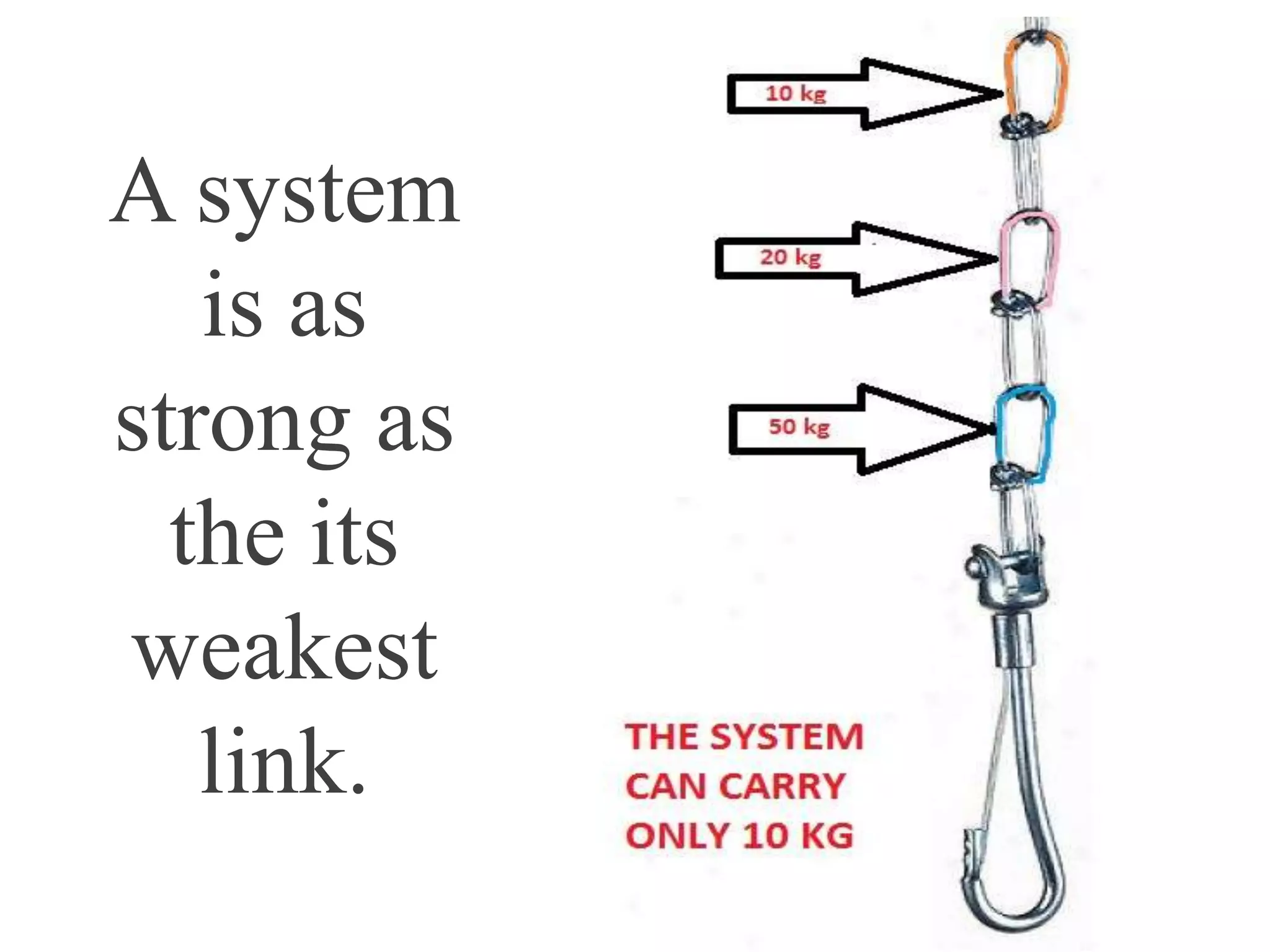
A system
   is as
strong as
  the its
weakest
   link.
•The Theory of
 Constraints is a new
 approach and different
 from many traditional
 approaches both for it’s
 assumptions and
 objectives.
Eliyahu M. Goldratt
31.03.1947-11.06.2011
• The Theory of Constraints is a
  management discipline which provides the
  determination of the factors which hinders
  acompany reaching its objectives and the
  application of necessary changes to remove
  these factors

• According to this definition,our aim in the
  plant is decreasing inventory level and
  operational costs and increasing cash flow
  simultaneously.
•We reached the
 problems and thinking
 of their solutions by
 using 5 steps of theory
 of constraints.
•What are the 5
 steps and what
 they refers to ?
1) Identify the Constraints. There may
be more than one, but there are never
                 many.
2) Decide how to use the bottlenecks.
    (Exploit the binding constraints)
3) Use the resources according to the
             first 2 steps.
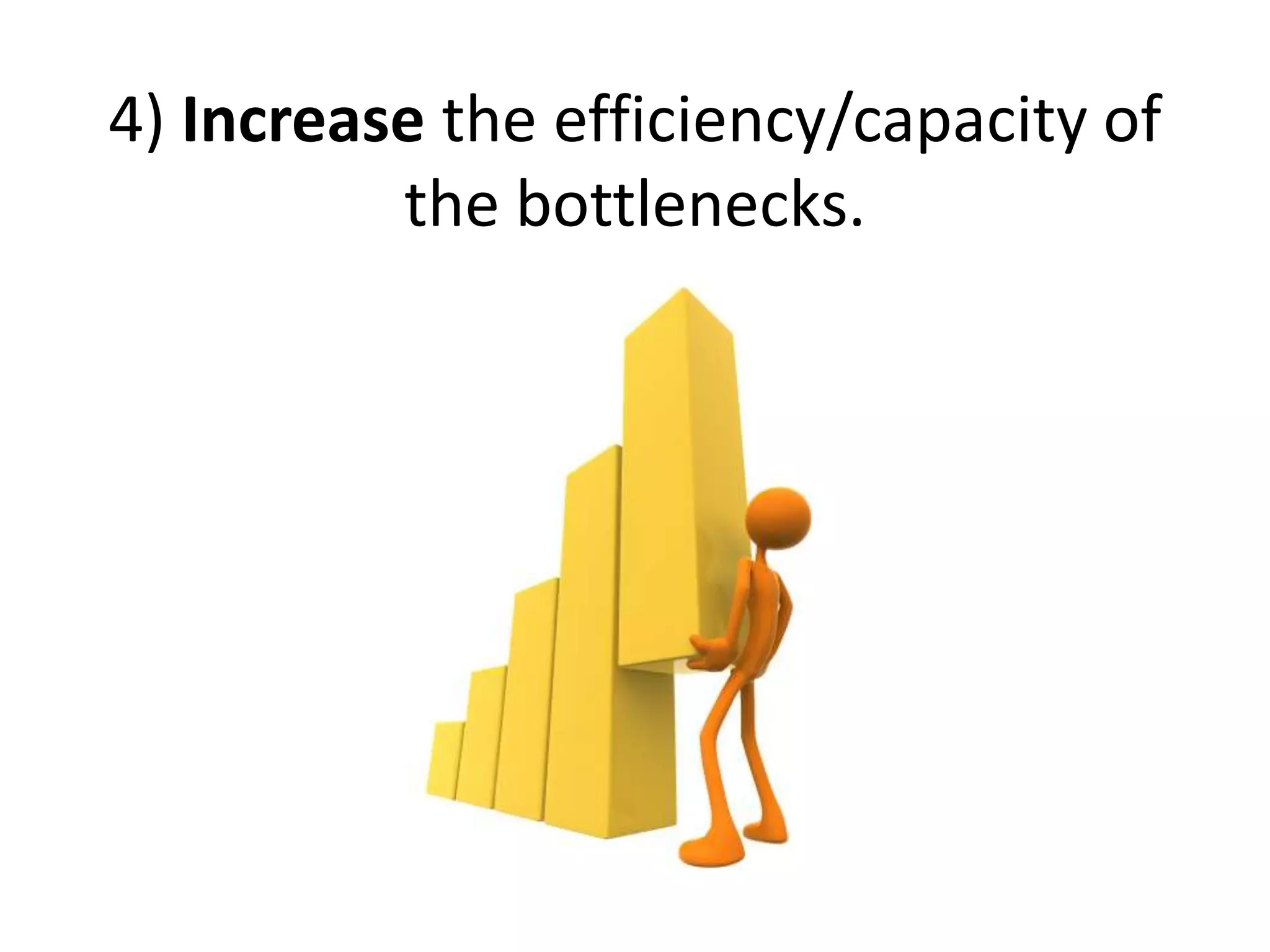
4) Increase the efficiency/capacity of
          the bottlenecks.
If there would be something
unexpected thing or occurs another
bottleneck ,go back to the 1st step.

Theory of constraints

  • 1.
    Theory of Constraintsand its applications on the plant
  • 2.
    A system is as strong as the its weakest link.
  • 3.
    •The Theory of Constraints is a new approach and different from many traditional approaches both for it’s assumptions and objectives.
  • 4.
  • 5.
    • The Theoryof Constraints is a management discipline which provides the determination of the factors which hinders acompany reaching its objectives and the application of necessary changes to remove these factors • According to this definition,our aim in the plant is decreasing inventory level and operational costs and increasing cash flow simultaneously.
  • 6.
    •We reached the problems and thinking of their solutions by using 5 steps of theory of constraints.
  • 7.
    •What are the5 steps and what they refers to ?
  • 8.
    1) Identify theConstraints. There may be more than one, but there are never many.
  • 9.
    2) Decide howto use the bottlenecks. (Exploit the binding constraints)
  • 10.
    3) Use theresources according to the first 2 steps.
  • 11.
    4) Increase theefficiency/capacity of the bottlenecks.
  • 12.
    If there wouldbe something unexpected thing or occurs another bottleneck ,go back to the 1st step.