THE SILENT WAY
WHAT IS SILENT WAY
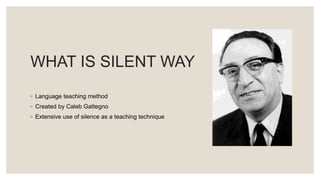
◦ Language teaching method
◦ Created by Caleb Gattegno
◦ Extensive use of silence as a teaching technique
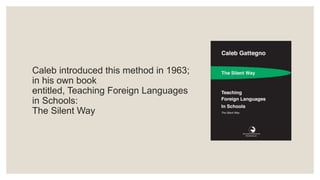
Caleb introduced this method in 1963;
in his own book
entitled, Teaching Foreign Languages
in Schools:
The Silent Way
PRINCIPLES
◦ Learning is facilitated if the learner discovers and creates
rather than remembers and repeats what is to be learned
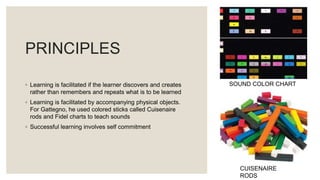
◦ Learning is facilitated by accompanying physical objects.
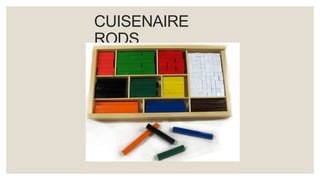
For Gattegno, he used colored sticks called Cuisenaire
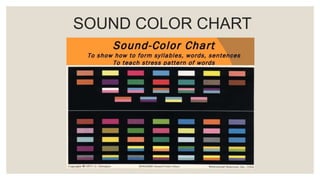
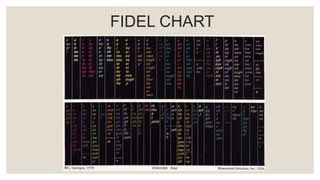
rods and Fidel charts to teach sounds
◦ Successful learning involves self commitment
SOUND COLOR CHART
CUISENAIRE
RODS
APPROACH
+uses cognition in the learning process
+fun
-learning before you start English
- too distant from the teacher
CONSTRUCTIVISM
OBJECTIVES
◦ Students should be able to use the language for self-expression, to express their thought
perception and feelings
◦ Learners should acquire 'inner criteria' that will help them in other spheres of life
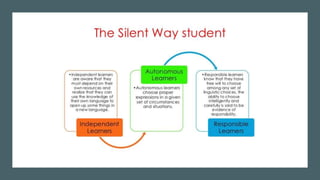
◦ Students should become independent, autonomous and responsible
LEARNER ROLES
◦ Active participation
◦ Use the knowledge of their native language
◦ Involve in verbal interactions with each other
◦ Participate in correction activities
TEACHER ROLES
◦ Stevick defines the Silent Way teacher's tasks as
(a) to teach,
(b) to test, and
(c) to get out of the way (Stevick 1980: 56)
◦ Act as the neutral observer
◦ To present learning goals that are clear and attainable
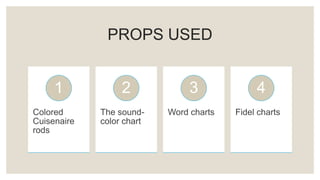
PROPS USED
Colored
Cuisenaire
rods
1
The sound-
color chart
2
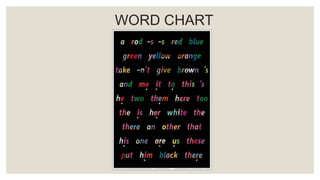
Word charts
3
Fidel charts
4
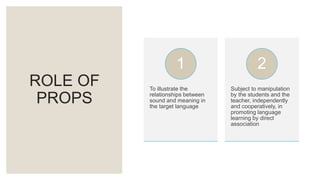
ROLE OF
PROPS
To illustrate the
relationships between
sound and meaning in
the target language
1
Subject to manipulation
by the students and the
teacher, independently
and cooperatively, in
promoting language
learning by direct
association
2
CUISENAIRE
RODS
SOUND COLOR CHART
WORD CHART
FIDEL CHART
PROCEDURE
◦ Students begin their study of the language through its basic building blocks, its sounds.
◦ For much of the students-teacher interactions, the teacher is silent.
◦ Student-student verbal interaction is desirable and is therefore encouraged.
◦ The teacher constantly observes the students. When their feelings interfere, the teacher tries to
find ways for the students to overcome them.
TECHNIQUES
◦ Teacher's silence
◦ Cognitive coding with the use of props
◦ Peer correction
◦ Self-correction gestures
◦ Structured feedback
DIFFERENCE BETWEEN SILENT WAY AND
OTHER TEACHING METHODOLOGIES
• Silent way is slower than most other methods
• Focuses more on 'quality than quantity'
• No use of textbooks
• Attention given on patterns & structure of the language being taught
(Conduct a discussion in class on the similarities and differences between silent
way and the other methods)
END NOTES
◦ Now used only by a small number of teachers
◦ Influential in the teaching of pronunciation
THANK YOU

The silent way

  • 1.
  • 2.
    WHAT IS SILENTWAY ◦ Language teaching method ◦ Created by Caleb Gattegno ◦ Extensive use of silence as a teaching technique
  • 3.
    Caleb introduced thismethod in 1963; in his own book entitled, Teaching Foreign Languages in Schools: The Silent Way
  • 4.
    PRINCIPLES ◦ Learning isfacilitated if the learner discovers and creates rather than remembers and repeats what is to be learned ◦ Learning is facilitated by accompanying physical objects. For Gattegno, he used colored sticks called Cuisenaire rods and Fidel charts to teach sounds ◦ Successful learning involves self commitment SOUND COLOR CHART CUISENAIRE RODS
  • 5.
    APPROACH +uses cognition inthe learning process +fun -learning before you start English - too distant from the teacher CONSTRUCTIVISM
  • 6.
    OBJECTIVES ◦ Students shouldbe able to use the language for self-expression, to express their thought perception and feelings ◦ Learners should acquire 'inner criteria' that will help them in other spheres of life ◦ Students should become independent, autonomous and responsible
  • 8.
    LEARNER ROLES ◦ Activeparticipation ◦ Use the knowledge of their native language ◦ Involve in verbal interactions with each other ◦ Participate in correction activities
  • 9.
    TEACHER ROLES ◦ Stevickdefines the Silent Way teacher's tasks as (a) to teach, (b) to test, and (c) to get out of the way (Stevick 1980: 56) ◦ Act as the neutral observer ◦ To present learning goals that are clear and attainable
  • 10.
    PROPS USED Colored Cuisenaire rods 1 The sound- colorchart 2 Word charts 3 Fidel charts 4
  • 11.
    ROLE OF PROPS To illustratethe relationships between sound and meaning in the target language 1 Subject to manipulation by the students and the teacher, independently and cooperatively, in promoting language learning by direct association 2
  • 12.
  • 13.
  • 14.
  • 15.
  • 16.
    PROCEDURE ◦ Students begintheir study of the language through its basic building blocks, its sounds. ◦ For much of the students-teacher interactions, the teacher is silent. ◦ Student-student verbal interaction is desirable and is therefore encouraged. ◦ The teacher constantly observes the students. When their feelings interfere, the teacher tries to find ways for the students to overcome them.
  • 17.
    TECHNIQUES ◦ Teacher's silence ◦Cognitive coding with the use of props ◦ Peer correction ◦ Self-correction gestures ◦ Structured feedback
  • 18.
    DIFFERENCE BETWEEN SILENTWAY AND OTHER TEACHING METHODOLOGIES • Silent way is slower than most other methods • Focuses more on 'quality than quantity' • No use of textbooks • Attention given on patterns & structure of the language being taught (Conduct a discussion in class on the similarities and differences between silent way and the other methods)
  • 19.
    END NOTES ◦ Nowused only by a small number of teachers ◦ Influential in the teaching of pronunciation
  • 20.