The 21 st  Century Library Richard Smyth Library Media Specialist Cathedral High School 29 January 2003
Overview Collaboration between LMS and teachers Curriculum Mapping: Where are we going and how are we getting there? Information Power:  Information Literacy Web Evaluation
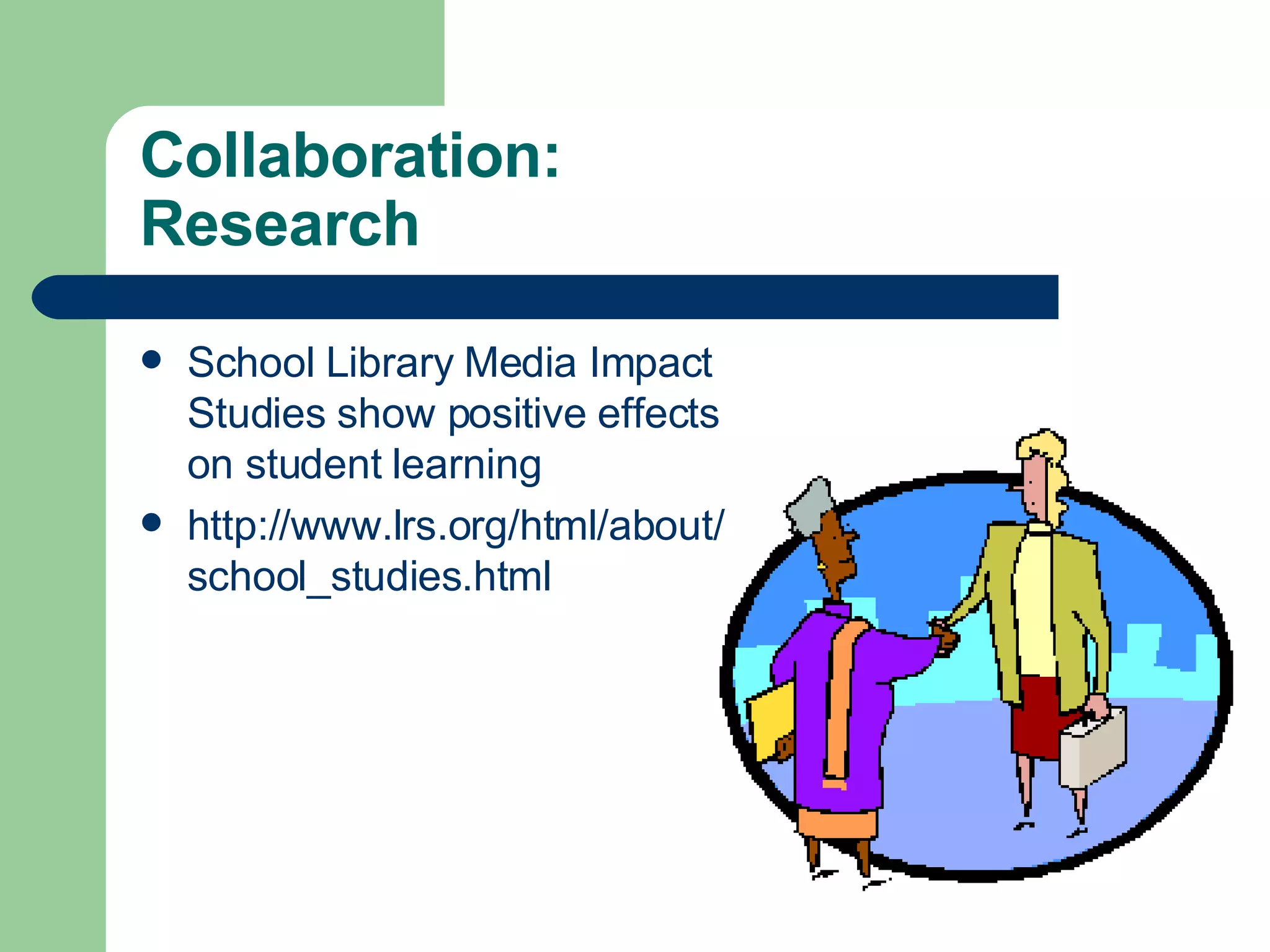
Collaboration:  Research School Library Media Impact Studies show positive effects on student learning http://www.lrs.org/html/about/school_studies.html
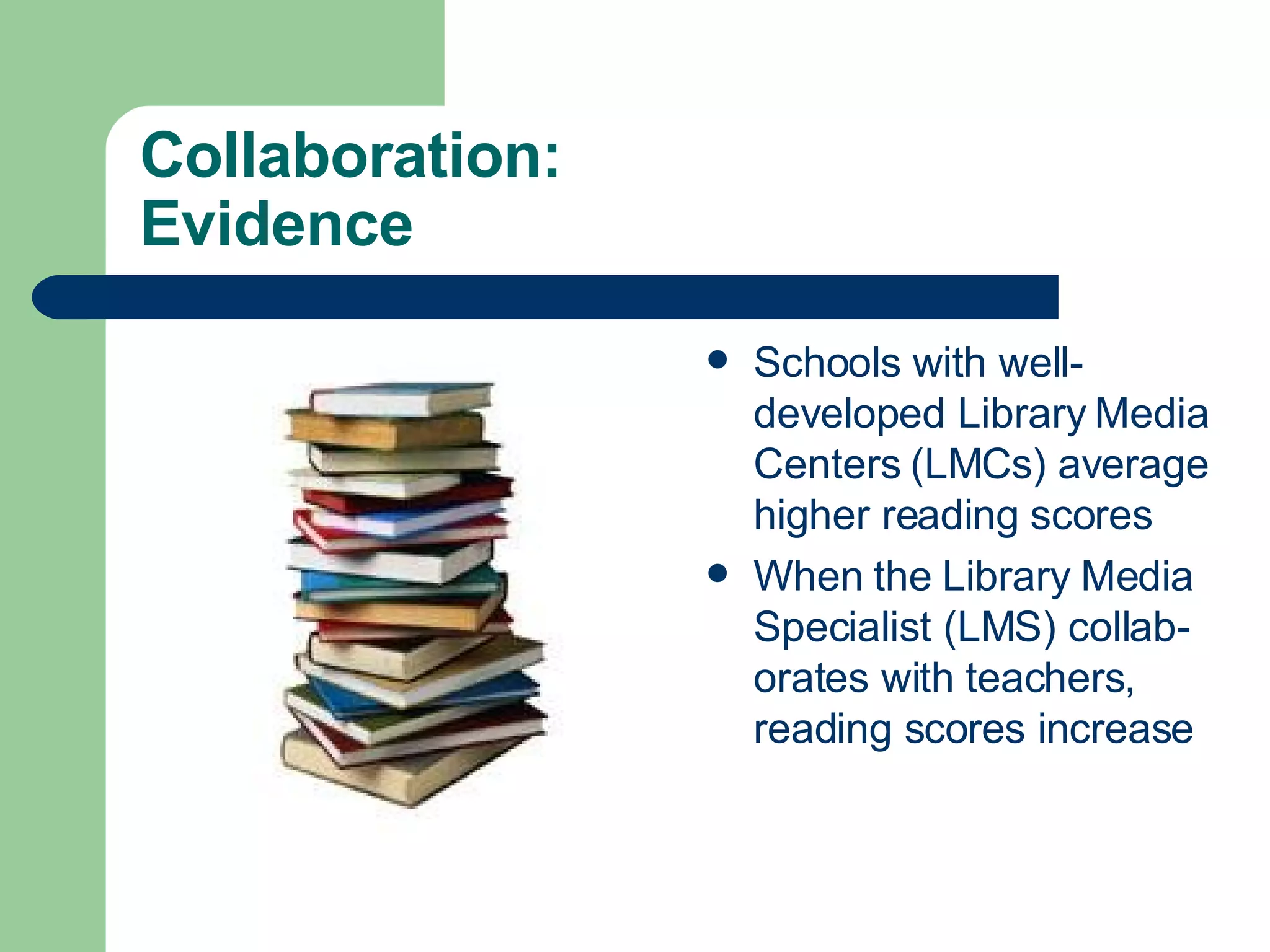
Collaboration:  Evidence Schools with well-developed Library Media Centers (LMCs) average higher reading scores When the Library Media Specialist (LMS) collab-orates with teachers, reading scores increase
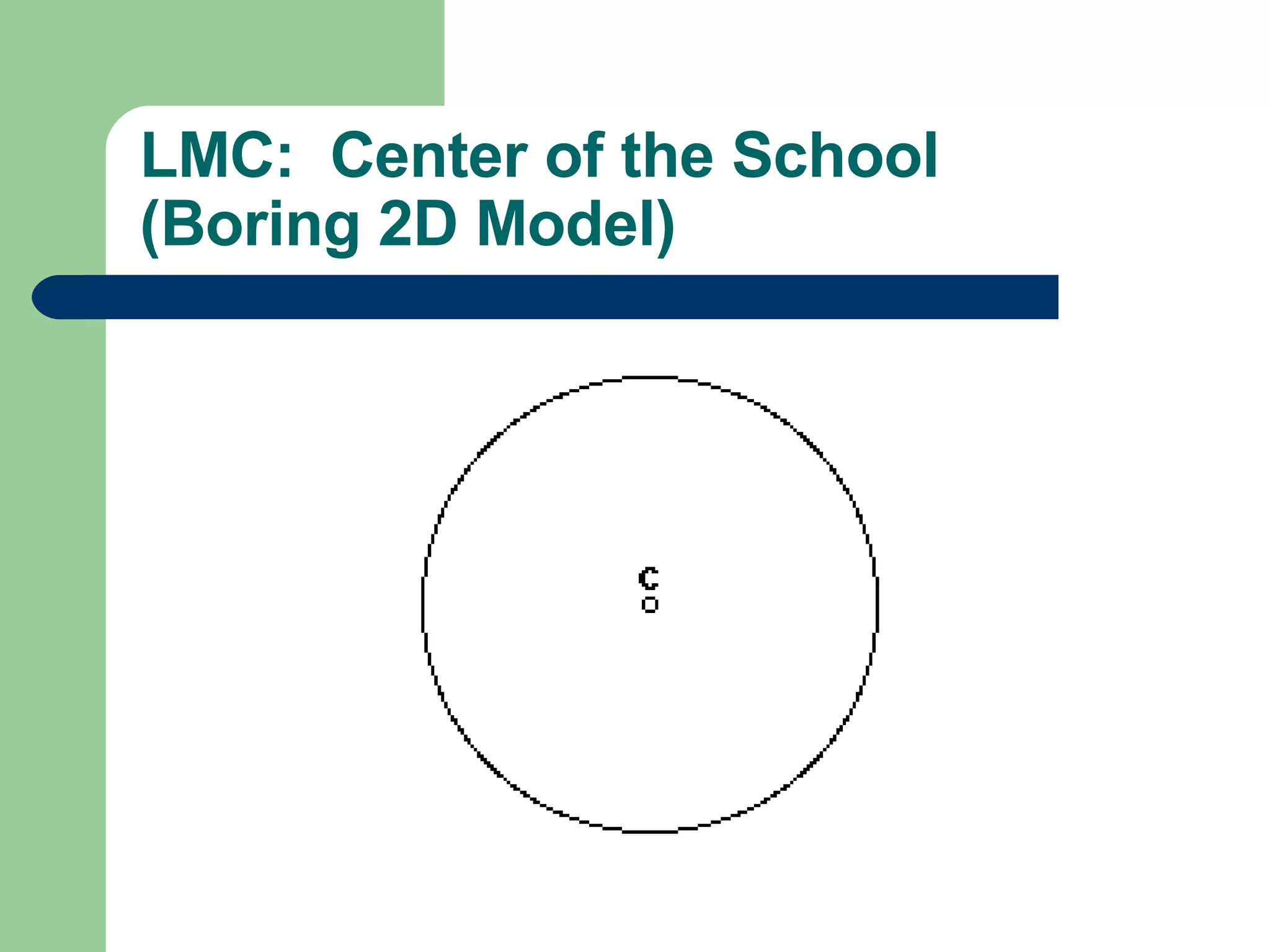
LMC:  Center of the School  (Boring 2D Model)
LMC  Center of the School (Dynamic 3D Model)
Collaboration:  Purposes Integration of Information Literacy skills Effective use of resources Integration of technology
Collaboration
Curriculum Mapping:  Literal Image
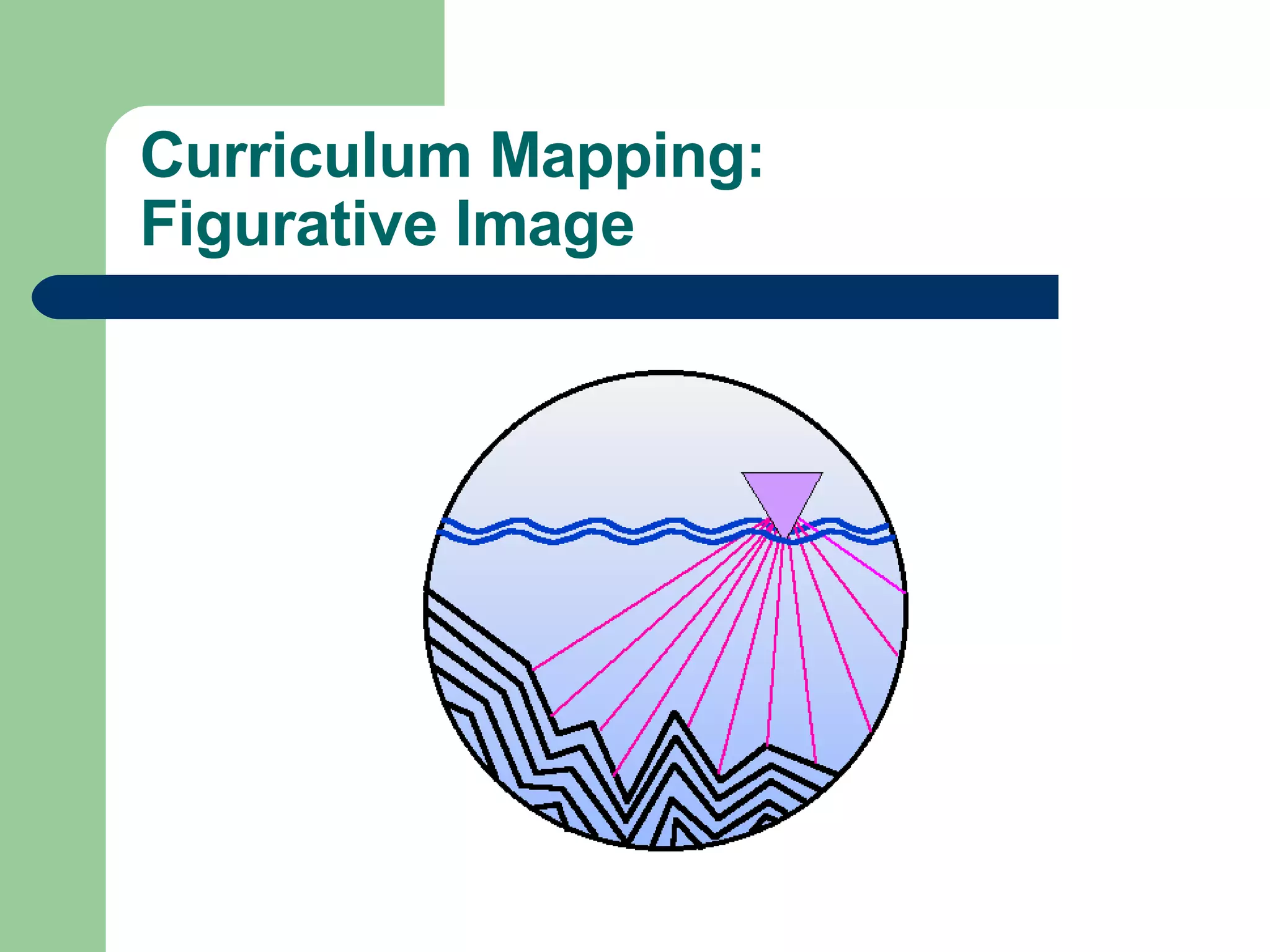
Curriculum Mapping: Figurative Image
Curriculum Mapping What does each teacher really do? When does it get done? What do we want students to know and be able to do? What resources can we use?
Humorous Half-time
It’s Worth Repeating . . . . What do we want students to know and be able to do? What do we want students to know and be able to do? What do we want students to know and be able to do?
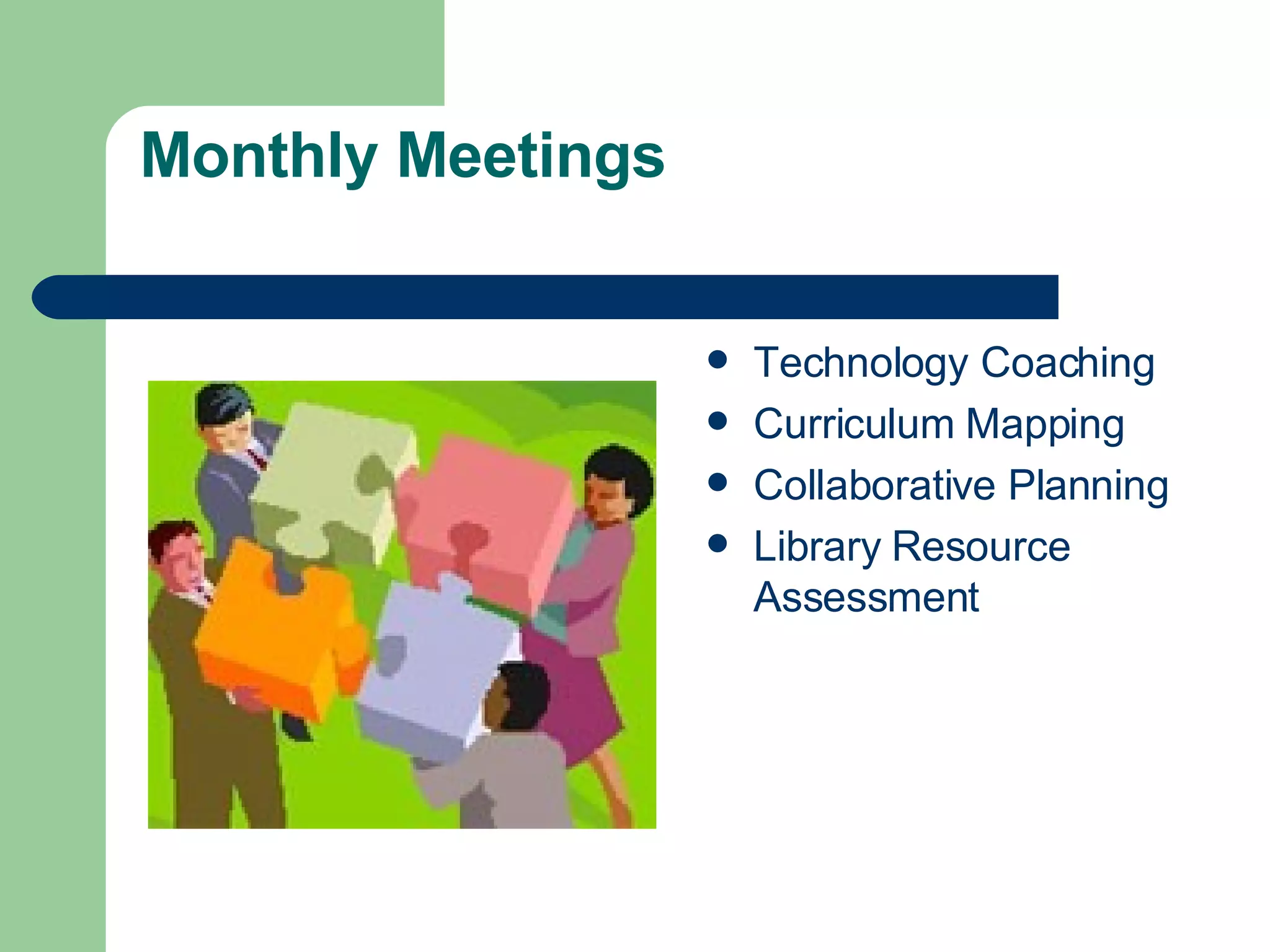
Monthly Meetings Technology Coaching Curriculum Mapping Collaborative Planning Library Resource Assessment
Information Power (hokey computer metaphor)
Information Power (feminist pop-culture metaphor)
Information Power: Information Literacy Standards Information Literacy Independent Learning Social Responsibility
Information Power: Information Literacy Standard 1:  The student who is information literate  accesses information efficiently and effectively. Standard 2:  The student who is information literate  evaluates information critically and competently. Standard 3:  The student who is information literate  uses information accurately and creatively.
Information Power: Independent Learning Standard 4:  The student who is an independent learner is information literate  and pursues information related to personal interests. Standard 5: The student who is an independent learner is information literate  and appreciates literature and other creative expressions of information. Standard 6: The student who is an independent learner is information literate  and strives for excellence in information seeking and knowledge generation.
Information Power: Social Responsibility Standard 7:  The student who contributes positively to the learning community and to society is information literate  and recognizes the importance of information to a democratic society. Standard 8:  The student who contributes positively to the learning community and to society is information literate  and practices ethical behavior in regard to information and information technology. Standard 9:  The student who contributes positively to the learning community and to society is information literate  and participates effectively in groups to pursue and generate information.
Web Evaluation Key to becoming information literate Asking questions Who owns the website and why? Does it contain accurate, reliable information? Is the information biased? Is there a sponsor?  If so, how credible?
Resources for Teaching  Web Evaluation Cybertours http://www.infosearcher.com/cybertours Not presently available (10/11/2007) The Good, the Bad, and the Ugly http://lib.nmsu.edu/instruction/eval.html Still Available (10/11/2007)
That’s All Folks
Acknowledgments Foghorn Leghorn The Power Puff Girls Porky the Pig Pam Berger www.infosearcher.com “21 st  Century Strategies for Strengthening Your School Library Program.”  Bellevue, WA: Bureau of Education & Research, 2002.

The 21st Century Library

  • 1.
    The 21 st Century Library Richard Smyth Library Media Specialist Cathedral High School 29 January 2003
  • 2.
    Overview Collaboration betweenLMS and teachers Curriculum Mapping: Where are we going and how are we getting there? Information Power: Information Literacy Web Evaluation
  • 3.
    Collaboration: ResearchSchool Library Media Impact Studies show positive effects on student learning http://www.lrs.org/html/about/school_studies.html
  • 4.
    Collaboration: EvidenceSchools with well-developed Library Media Centers (LMCs) average higher reading scores When the Library Media Specialist (LMS) collab-orates with teachers, reading scores increase
  • 5.
    LMC: Centerof the School (Boring 2D Model)
  • 6.
    LMC Centerof the School (Dynamic 3D Model)
  • 7.
    Collaboration: PurposesIntegration of Information Literacy skills Effective use of resources Integration of technology
  • 8.
  • 9.
    Curriculum Mapping: Literal Image
  • 10.
  • 11.
    Curriculum Mapping Whatdoes each teacher really do? When does it get done? What do we want students to know and be able to do? What resources can we use?
  • 12.
  • 13.
    It’s Worth Repeating. . . . What do we want students to know and be able to do? What do we want students to know and be able to do? What do we want students to know and be able to do?
  • 14.
    Monthly Meetings TechnologyCoaching Curriculum Mapping Collaborative Planning Library Resource Assessment
  • 15.
    Information Power (hokeycomputer metaphor)
  • 16.
    Information Power (feministpop-culture metaphor)
  • 17.
    Information Power: InformationLiteracy Standards Information Literacy Independent Learning Social Responsibility
  • 18.
    Information Power: InformationLiteracy Standard 1: The student who is information literate accesses information efficiently and effectively. Standard 2: The student who is information literate evaluates information critically and competently. Standard 3: The student who is information literate uses information accurately and creatively.
  • 19.
    Information Power: IndependentLearning Standard 4: The student who is an independent learner is information literate and pursues information related to personal interests. Standard 5: The student who is an independent learner is information literate and appreciates literature and other creative expressions of information. Standard 6: The student who is an independent learner is information literate and strives for excellence in information seeking and knowledge generation.
  • 20.
    Information Power: SocialResponsibility Standard 7: The student who contributes positively to the learning community and to society is information literate and recognizes the importance of information to a democratic society. Standard 8: The student who contributes positively to the learning community and to society is information literate and practices ethical behavior in regard to information and information technology. Standard 9: The student who contributes positively to the learning community and to society is information literate and participates effectively in groups to pursue and generate information.
  • 21.
    Web Evaluation Keyto becoming information literate Asking questions Who owns the website and why? Does it contain accurate, reliable information? Is the information biased? Is there a sponsor? If so, how credible?
  • 22.
    Resources for Teaching Web Evaluation Cybertours http://www.infosearcher.com/cybertours Not presently available (10/11/2007) The Good, the Bad, and the Ugly http://lib.nmsu.edu/instruction/eval.html Still Available (10/11/2007)
  • 23.
  • 24.
    Acknowledgments Foghorn LeghornThe Power Puff Girls Porky the Pig Pam Berger www.infosearcher.com “21 st Century Strategies for Strengthening Your School Library Program.” Bellevue, WA: Bureau of Education & Research, 2002.