How could technology
be the Bramhastra for
India’s development?
102nd Indian Science Congress
Engineering Sciences Section
Platinum Jubilee Lecture
Anand Deshpande
Persistent Systems Limited, Pune
anand@persistent.com
Anu Madgavkar
McKinsey Global Institute, Mumbai
Anu_Madgavkar@mckinsey.com
1
Anand Deshpande
Founder, CEO and Managing Director,
Persistent Systems
Pune, India | ComputerSoftware http://www.linkedin.com/in/ananddeshpande
EXPERIENCE
Managing Director
Trustee
Member of Technical Staff
Persistent Systems
October 1990 – Present (24 years 4 months)
Computer History Museum
April 2012 – Present (2 years 10 months)
Hewlett-Packard Laboratories
April 1989 – October 1990 (1 year 7 months)
EDUCATION
Ph.D., ComputerScience, IndianaUniversity
B. Tech. (Hons.), IIT, Kharagpur
Campion School
Distinguished Alumni, School of Informatics
1984 – 1989
Computer Science Engineering, Distinguished Alumni (2012)
1979 – 1984
High School
1971 – 1979
Senior Fellow,
McKinsey GlobalInstitute
Anu Madgavkar
Mumbai, India http://www.mckinsey.com/insights/mgi
EXPERIENCE EDUCATION
Indian Institute of Management, Ahmedabad
Post-graduate Diploma in Management (PGDM)
1989-1991
Senior Fellow, McKinsey Global Institute
2011-2015
Partner, McKinsey & Company
2007-2010
Consultant, McKinsey & Company
1998-2007
Credit Analyst, ICRA
1994-1998
Treasury Dealer, ANZ Grindlays Bank
1991-1993
St. Xavier’s College, Mumbai
Bachelors degree in Economics & Statistics (with honours)
1984-1989
Conventof Jesus & Mary, Fort, Mumbai
1974-1984
3
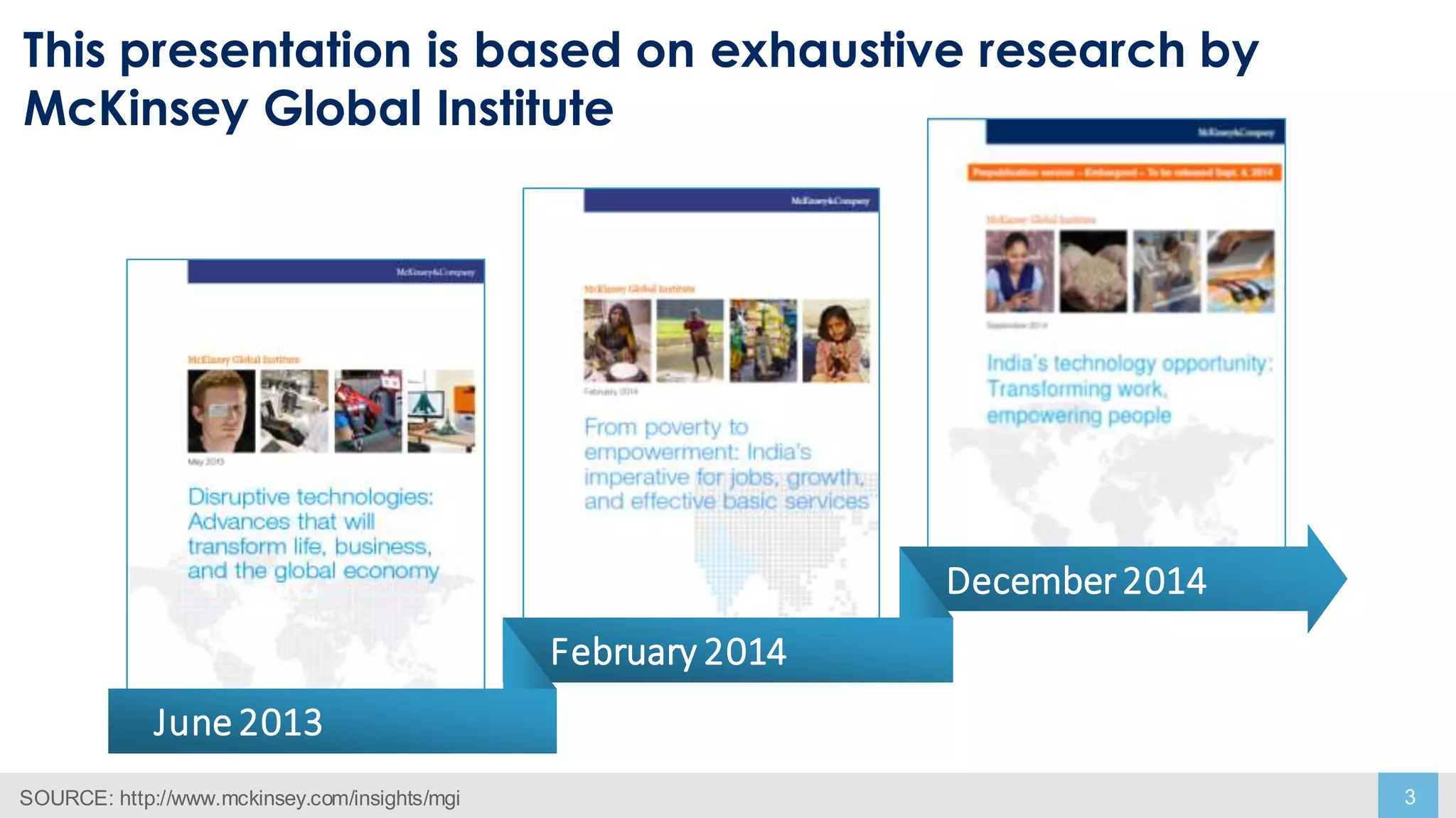
This presentation is based on exhaustive research by
McKinsey Global Institute
June2013
February 2014
December2014
SOURCE: http://www.mckinsey.com/insights/mgi
4
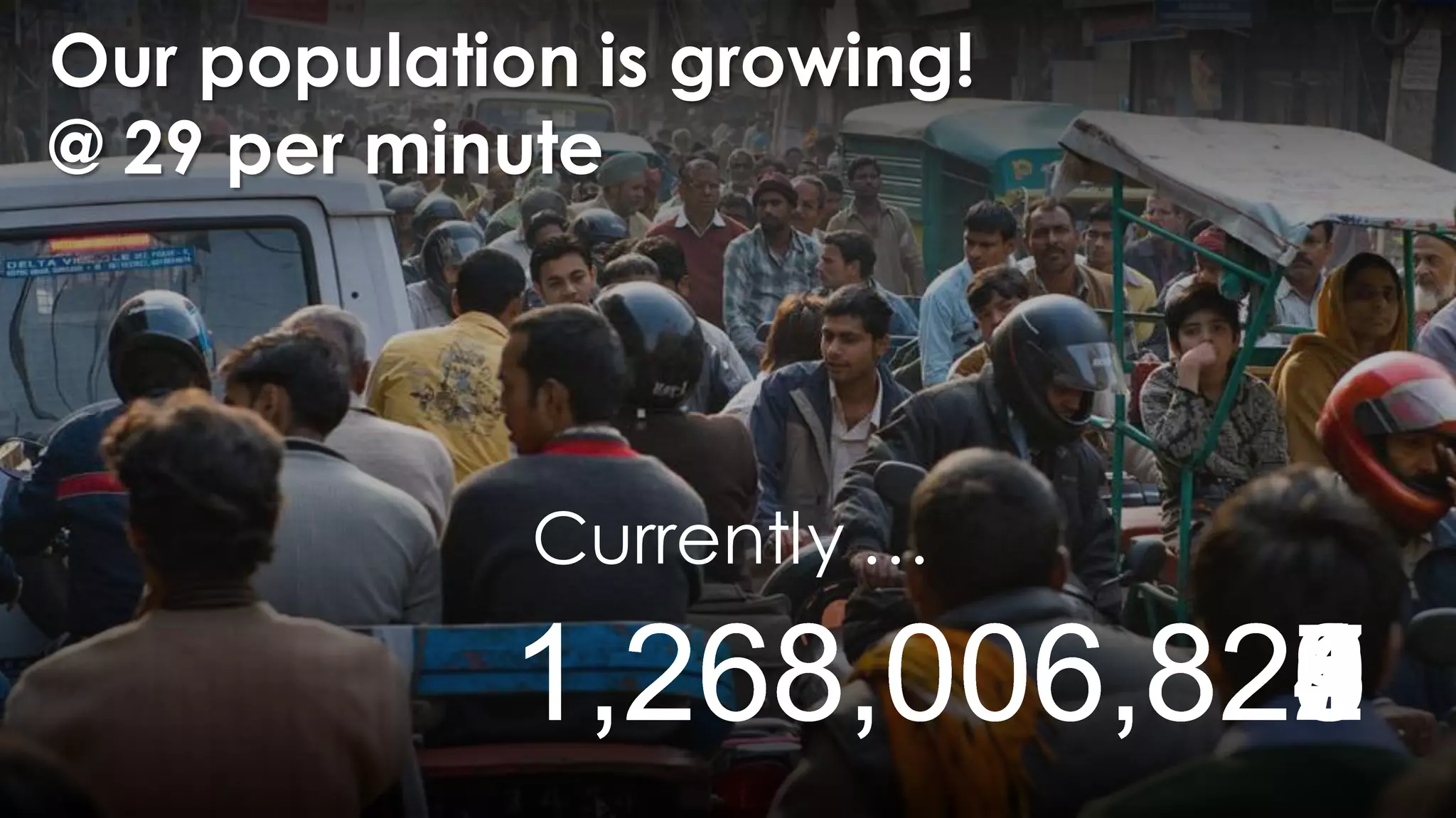
Our population is growing!
@ 29 per minute
1,268,006,8201,268,006,8211,268,006,8221,268,006,8231,268,006,8241,268,006,8251,268,006,8261,268,006,8271,268,006,8281,268,006,829
Currently …
5
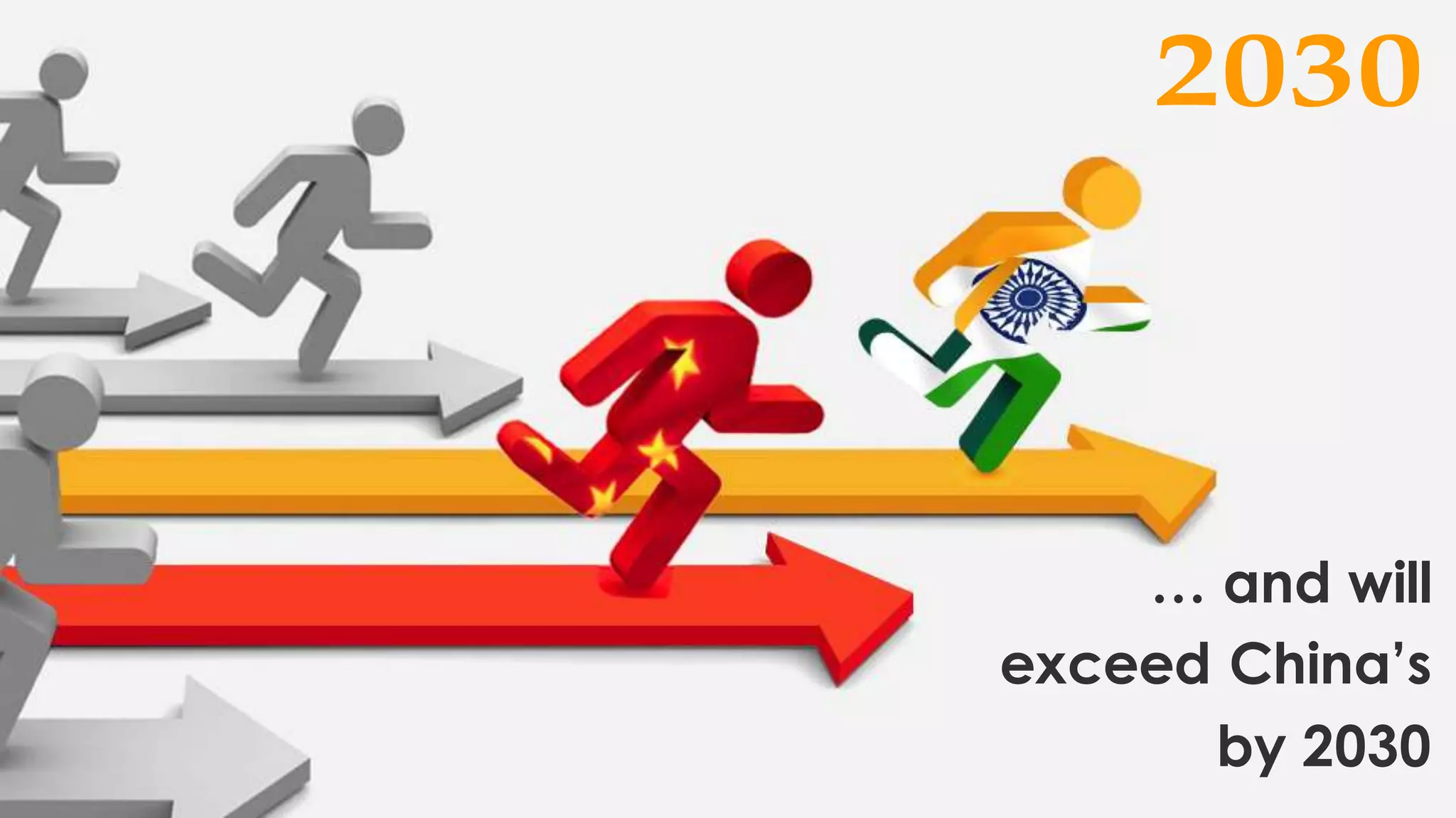
… and will
exceed China’s
by 2030
6
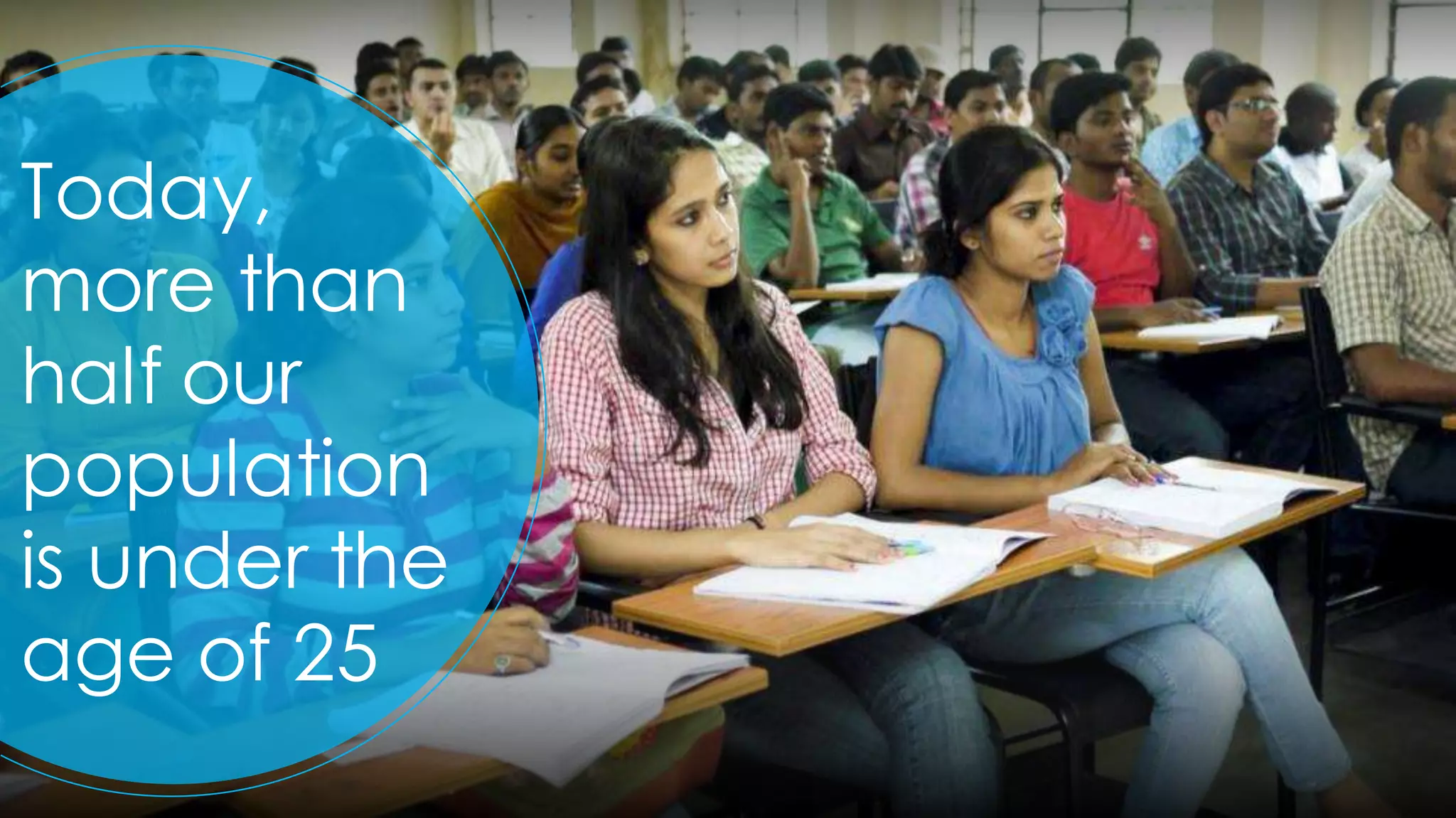
Today,
more than
half our
population
is under the
age of 25
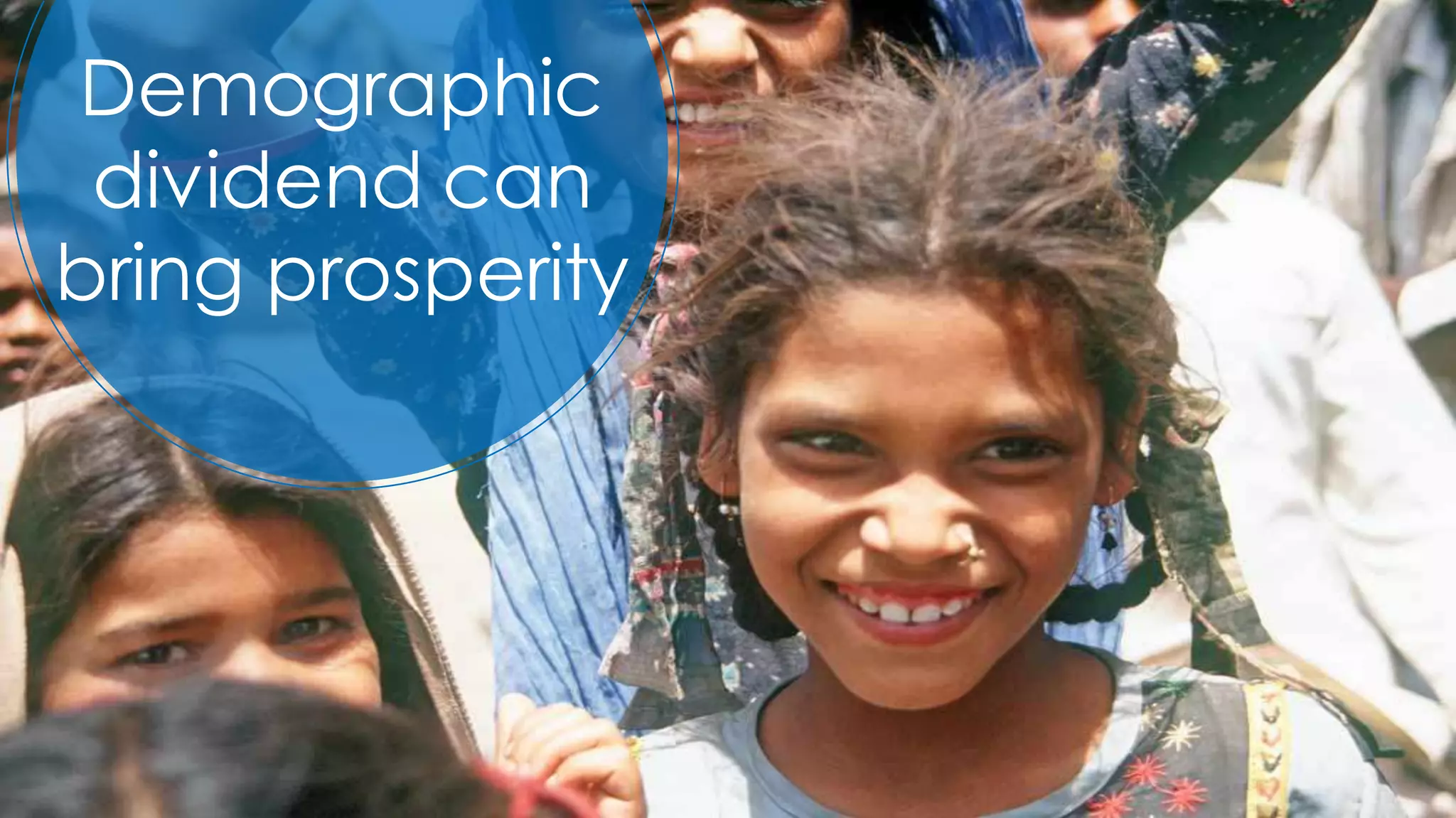
Demographic
dividend can
bring prosperity
8
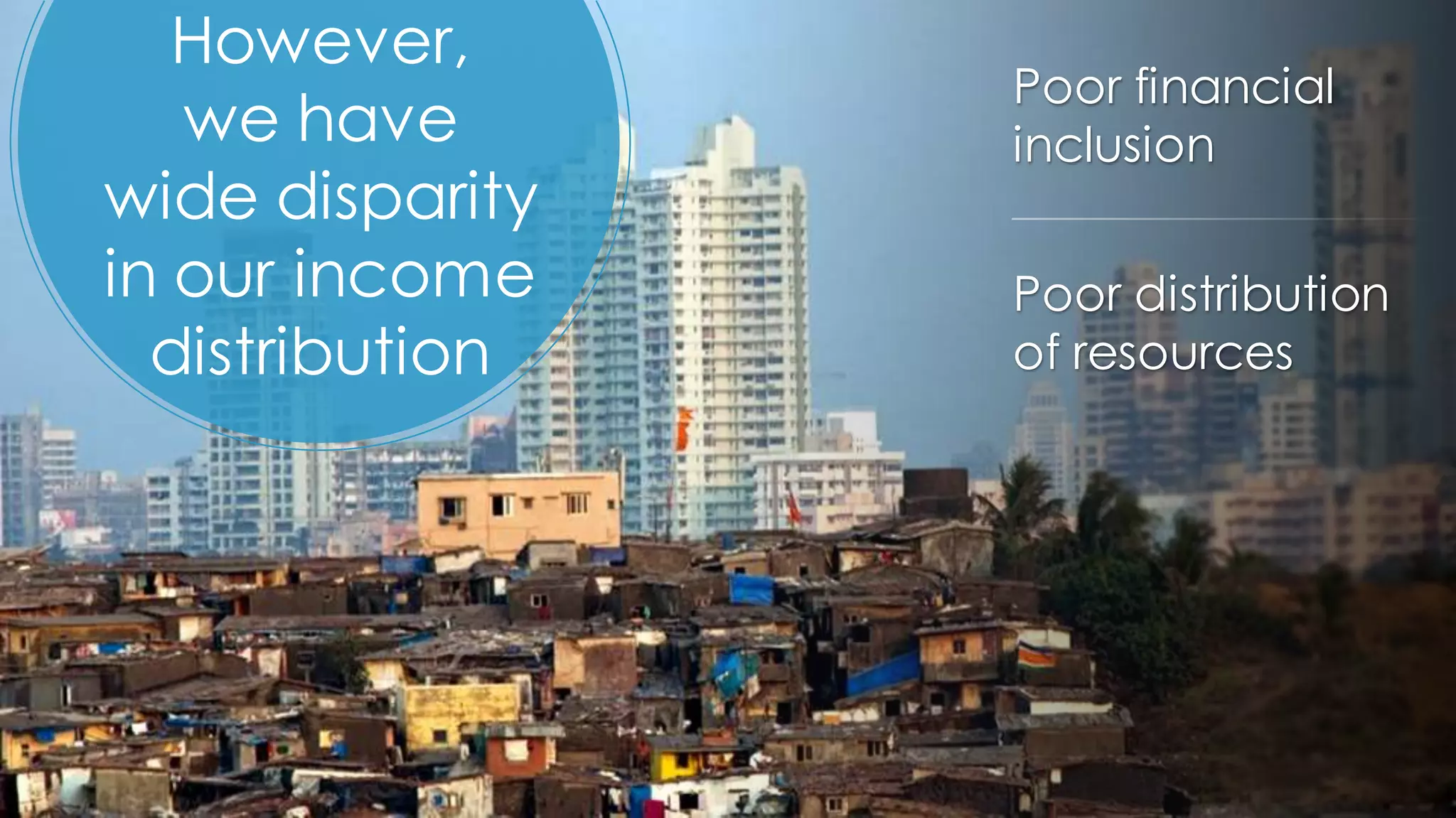
Poor financial
inclusion
Poor distribution
of resources
However,
we have
wide disparity
in our income
distribution
9
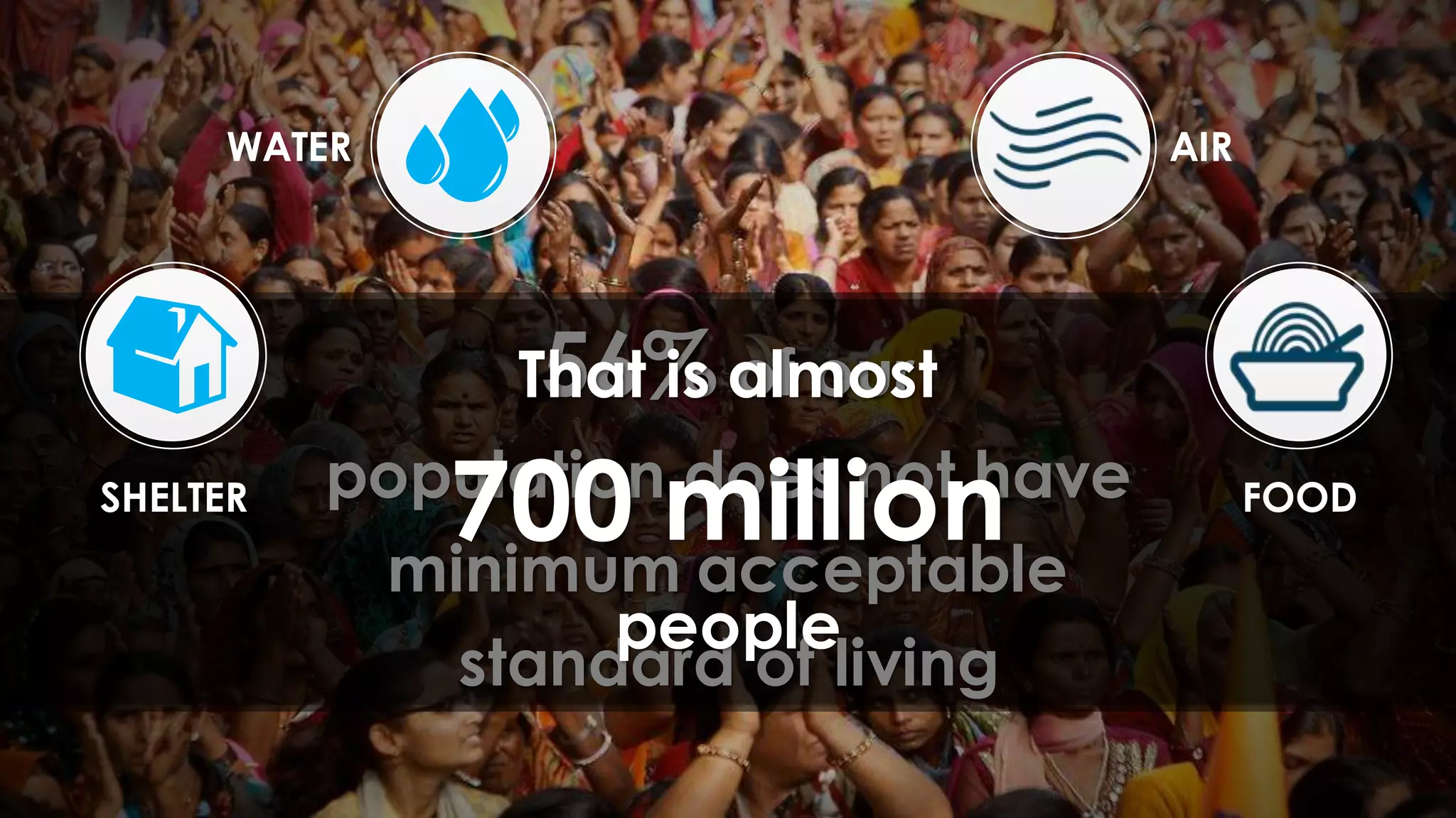
WATER AIR
56% of our
population does not have
minimum acceptable
standard of living
That is almost
700 million
people
FOODSHELTER
10
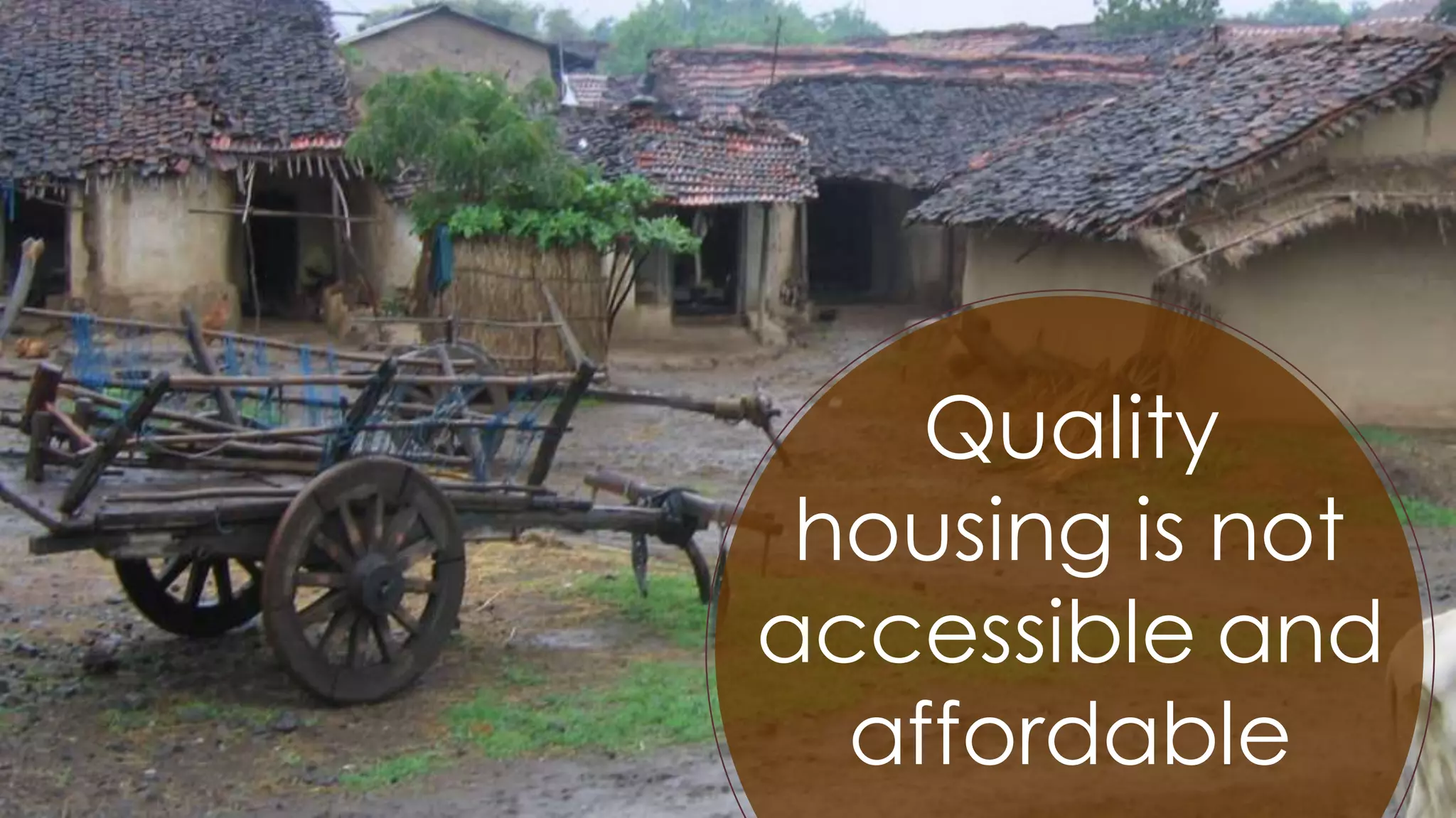
Quality
housing is not
accessible and
affordable
11
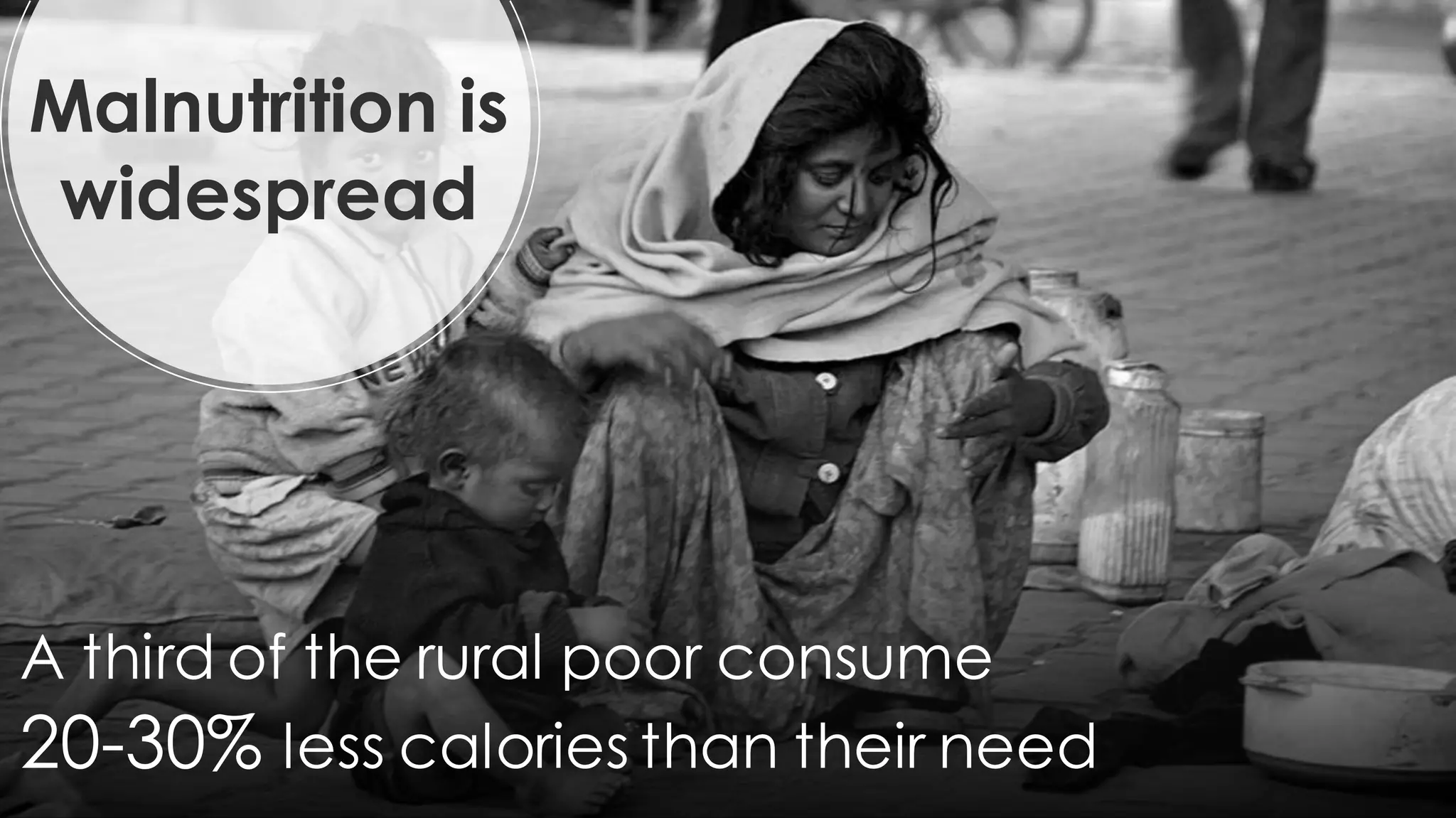
A third of the rural poor consume
20-30% less calories than their need
Malnutrition is
widespread
12
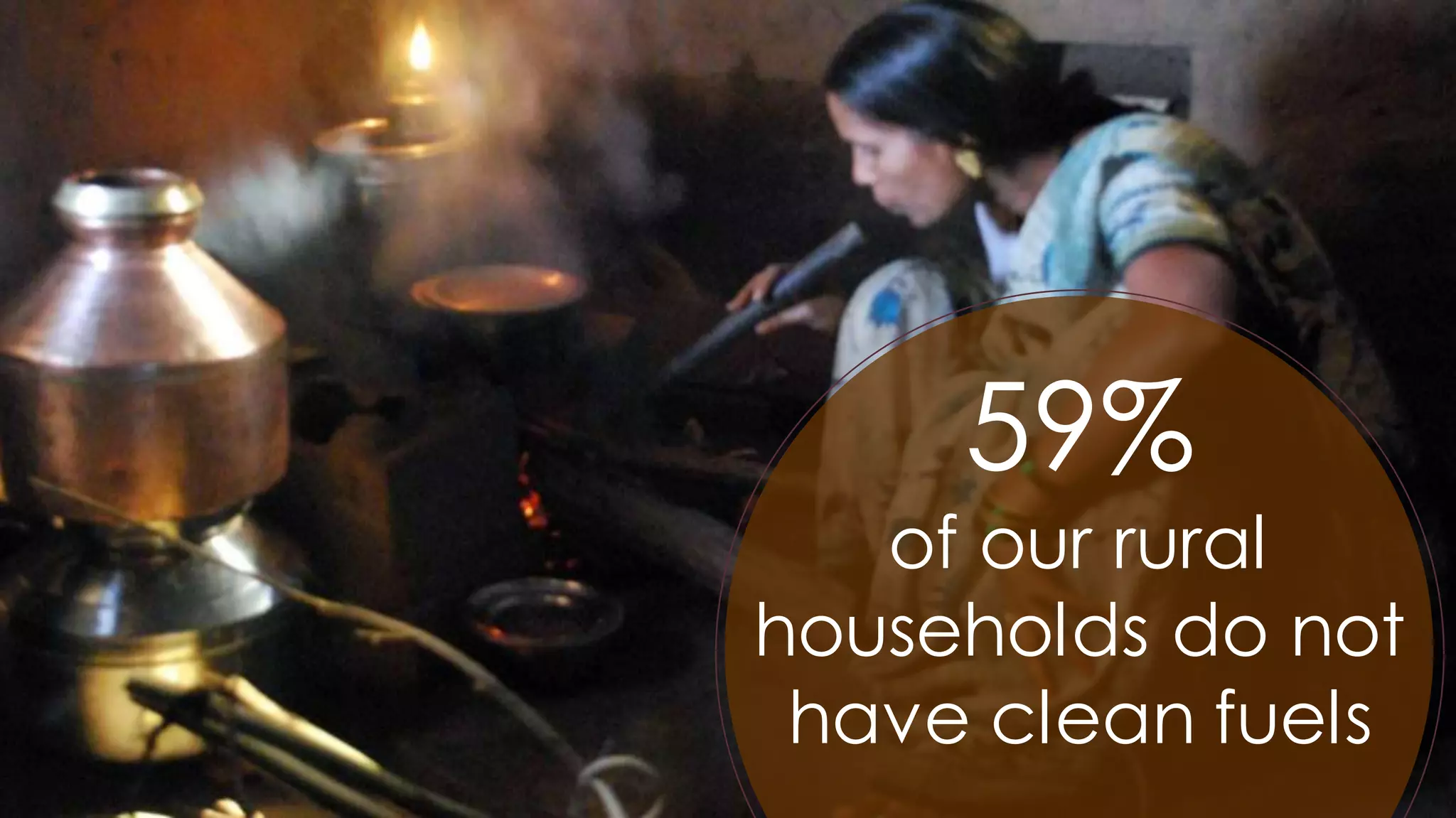
59%
of our rural
households do not
have clean fuels
13
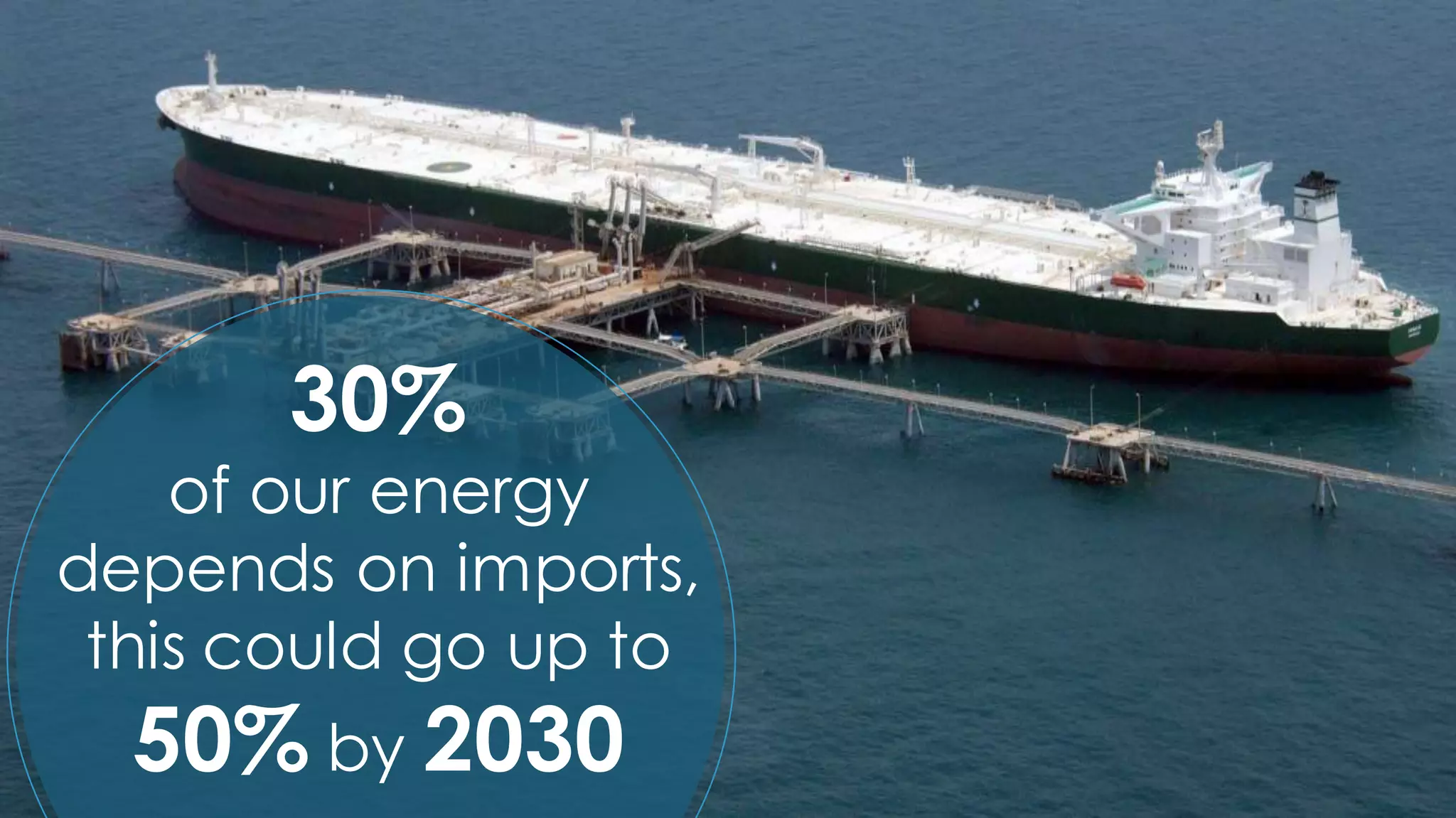
30%
of our energy
depends on imports,
this could go up to
50% by 2030
14
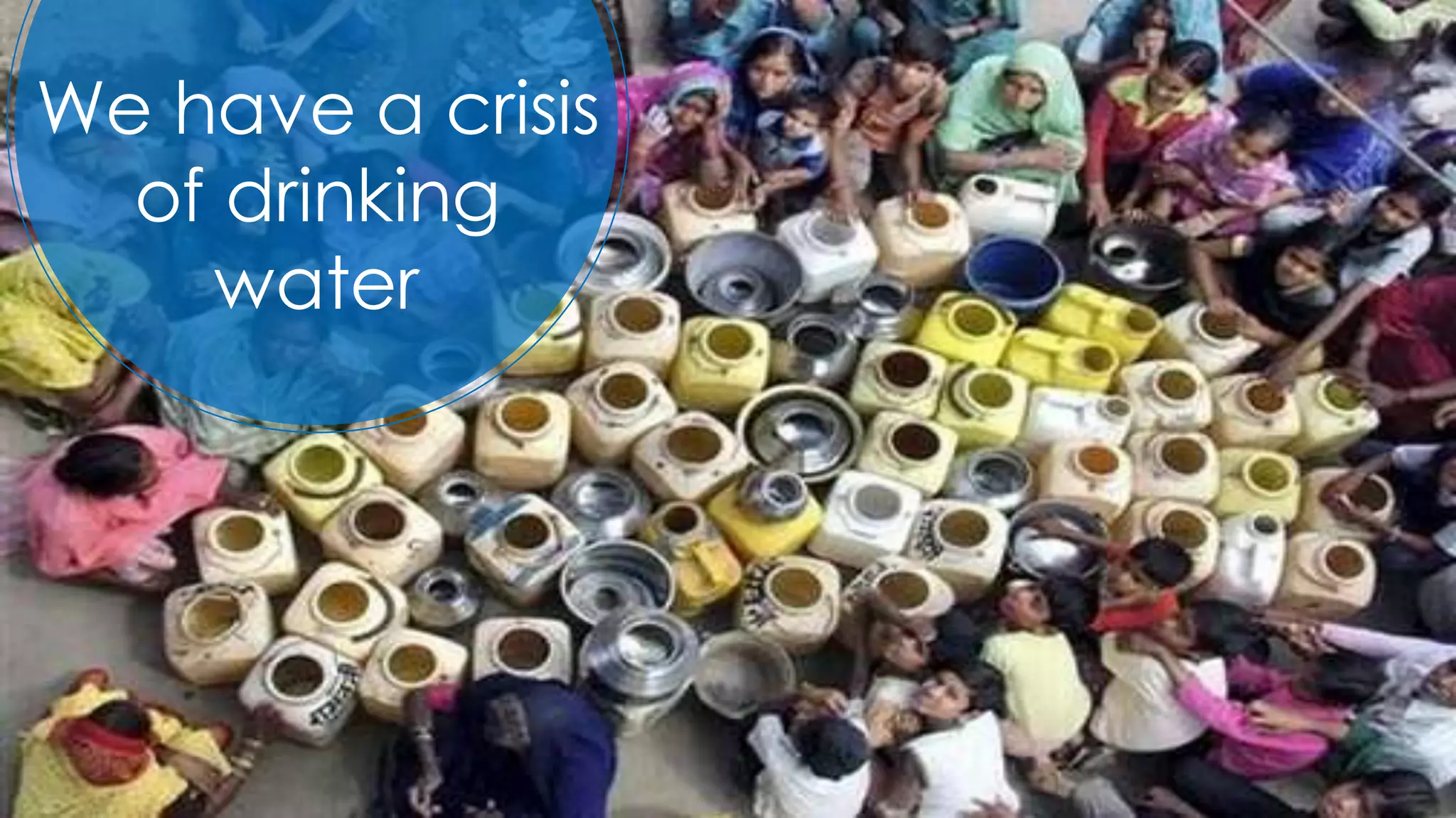
We have a crisis
of drinking
water
15
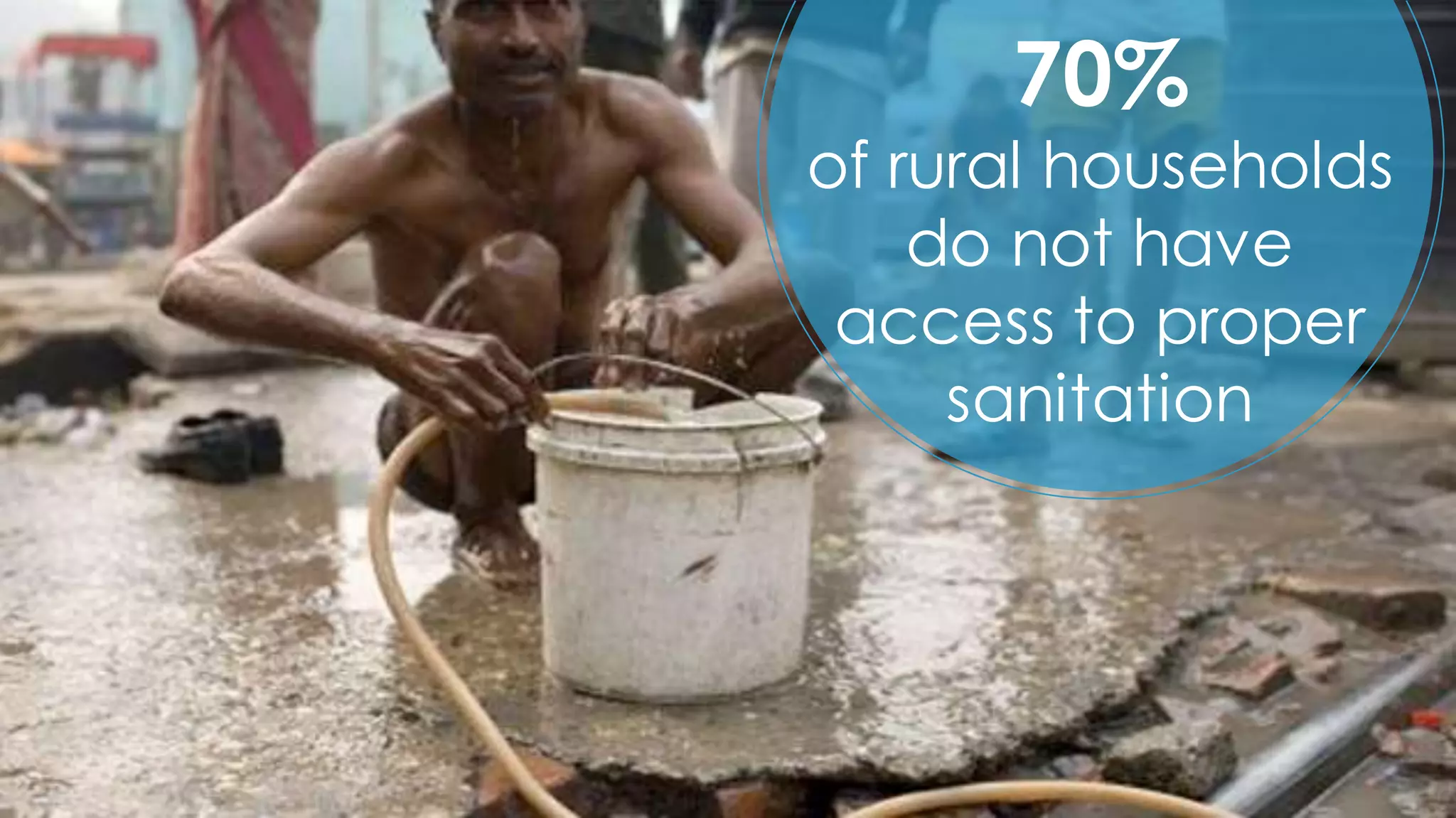
70%
of rural households
do not have
access to proper
sanitation
16
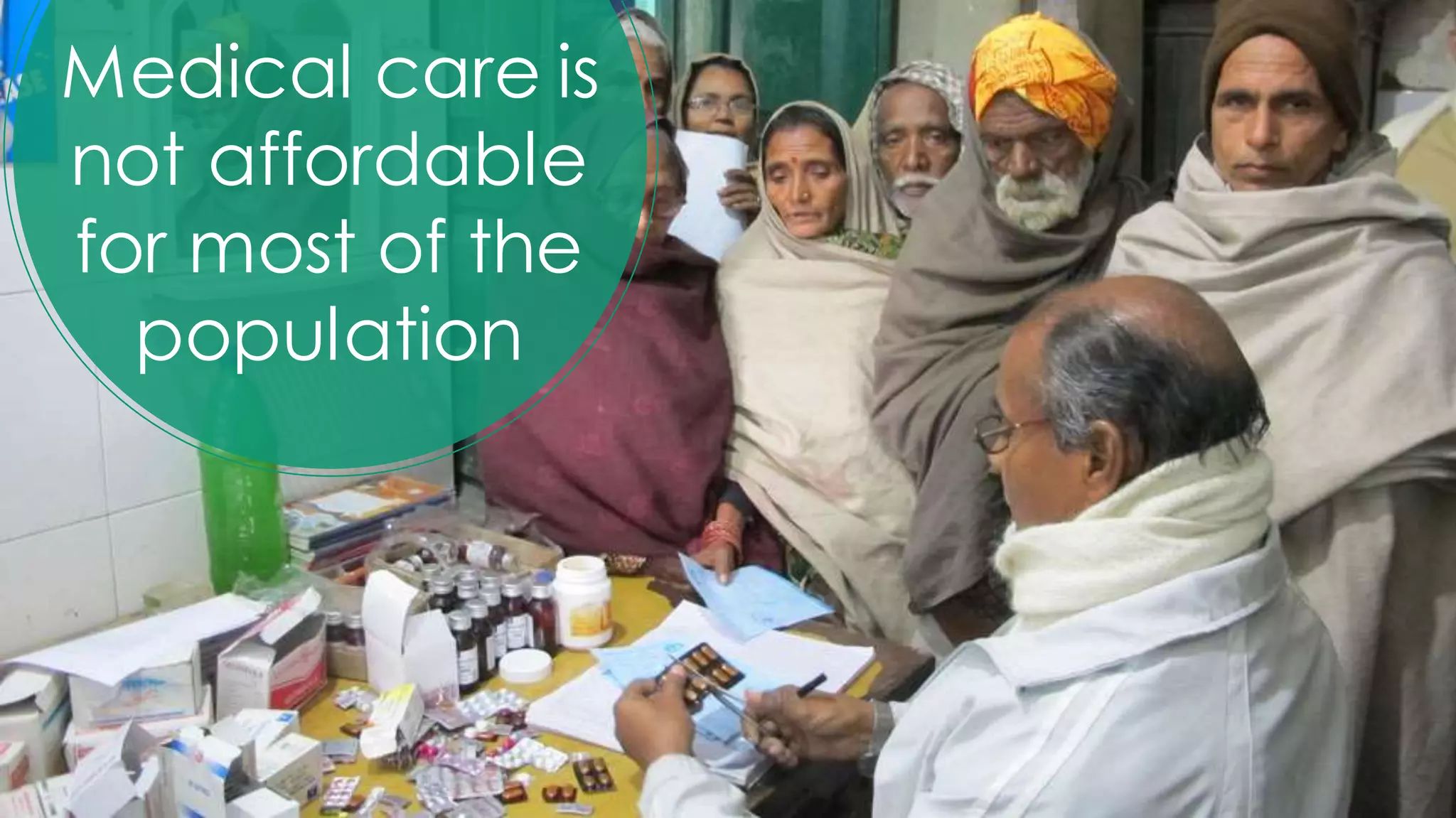
Medical care is
not affordable
for most of the
population
17
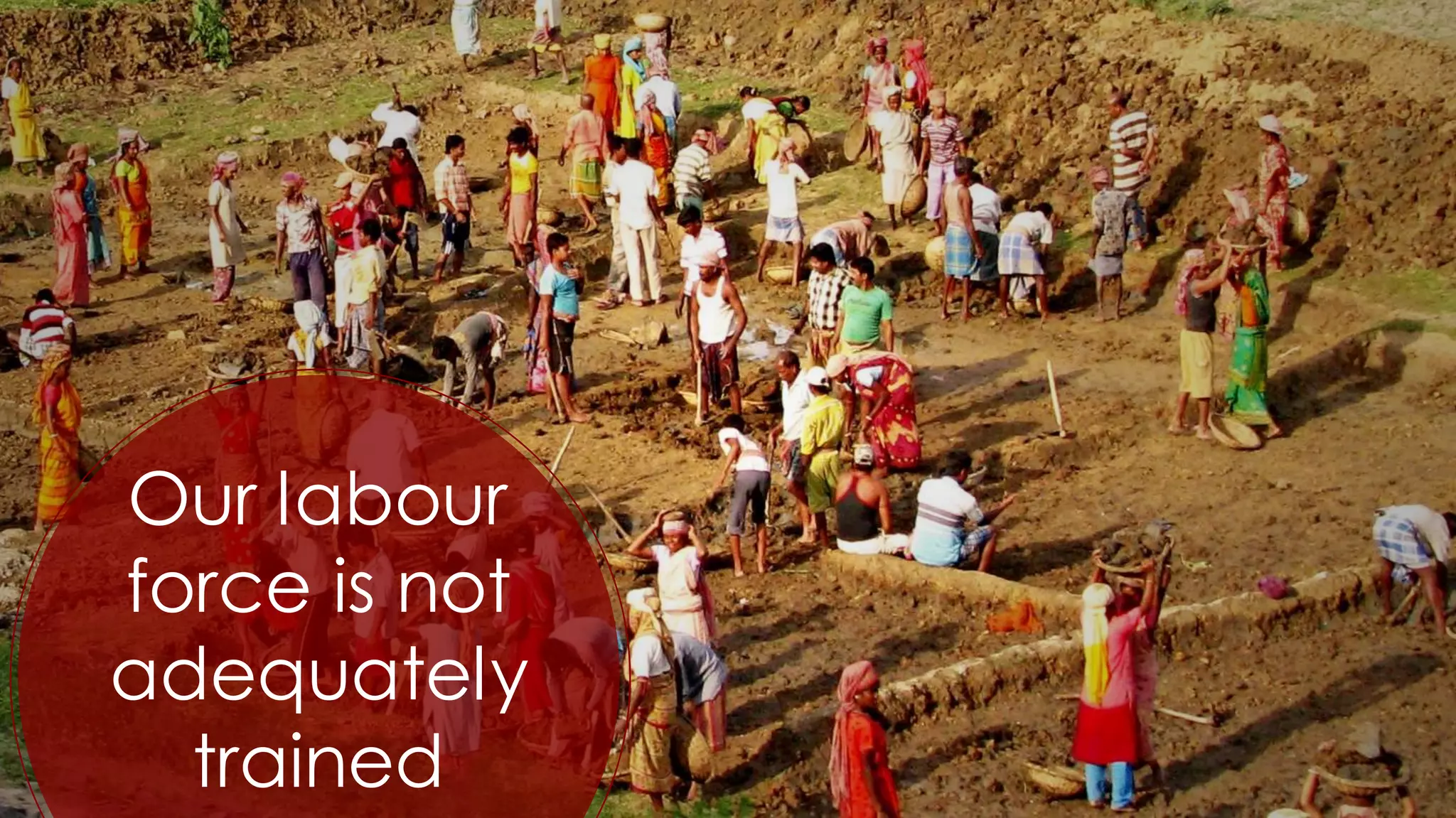
Our labour
force is not
adequately
trained
18
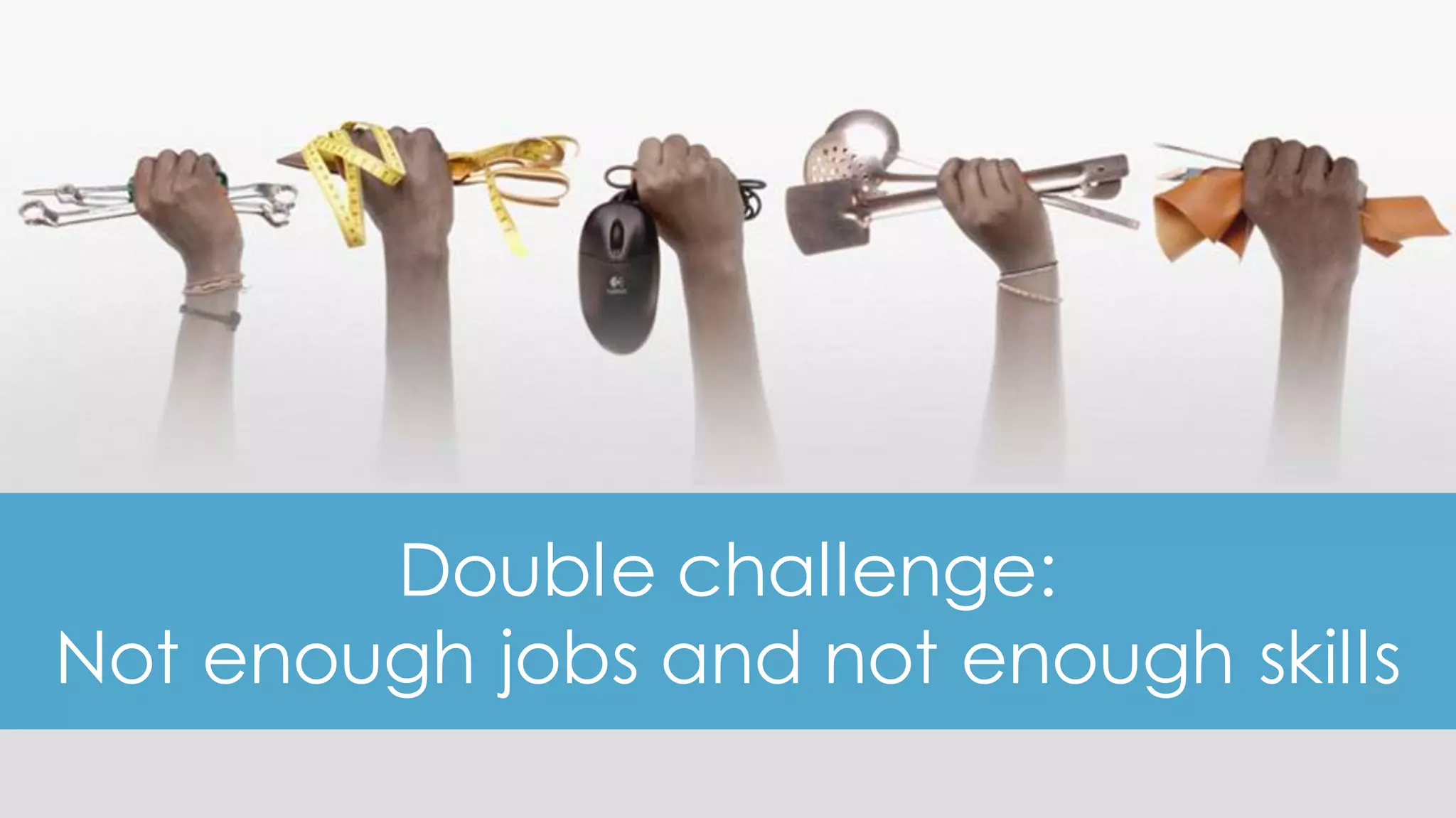
Double challenge:
Not enough jobs and not enough skills
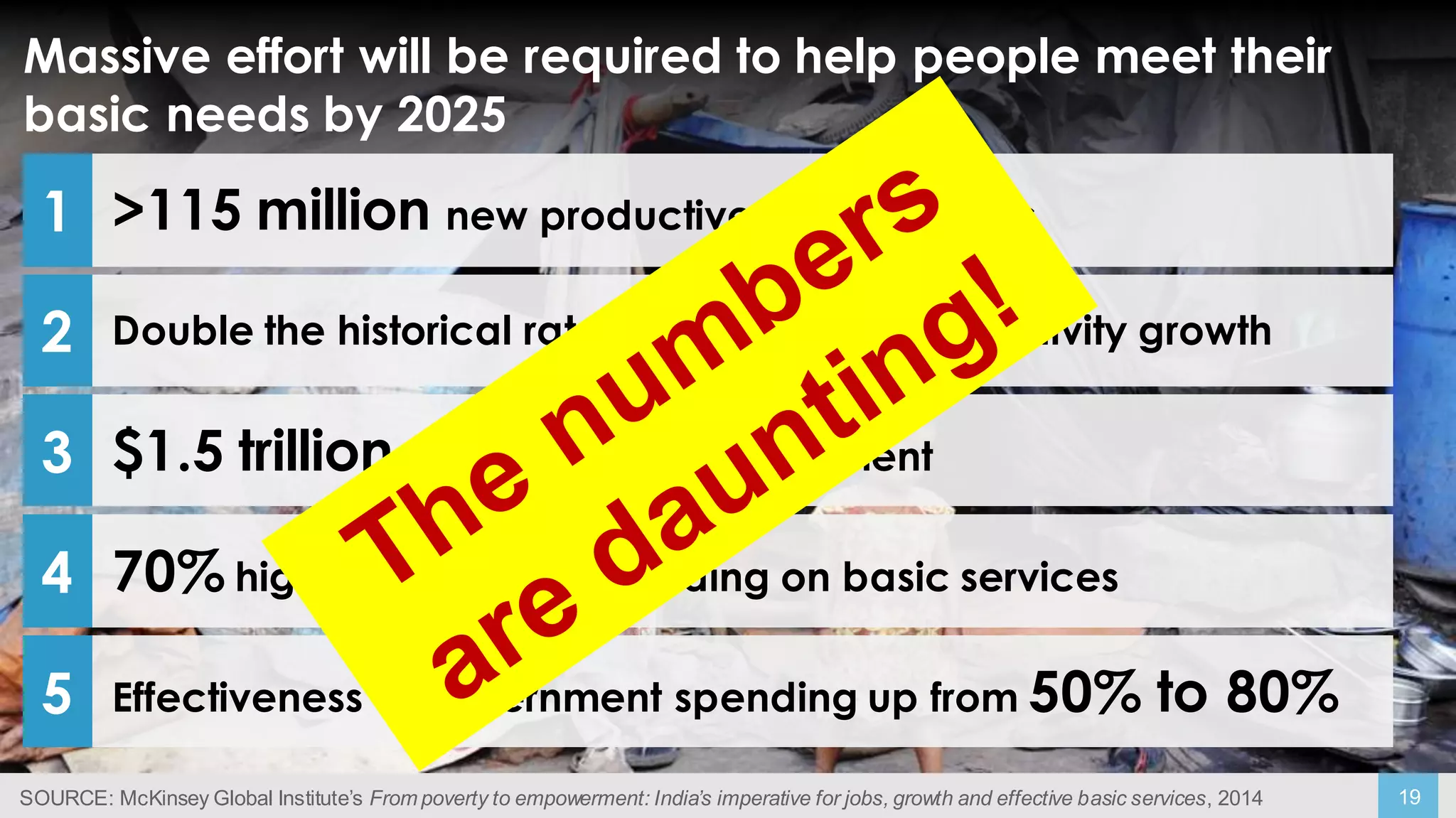
19SOURCE: McKinsey Global Institute’s From poverty to empowerment: India’s imperative for jobs, growth and effective basic services, 2014
Massive effort will be required to help people meet their
basic needs by 2025
>115 million new productive non-farm jobs1
Double the historical rate of agricultural productivity growth2
$1.5 trillion of infrastructure investment3
70% higher per capita spending on basic services4
Effectiveness of government spending up from 50% to 80%5
20
We need to
act now!
21
And we
need to
move
fast …
22
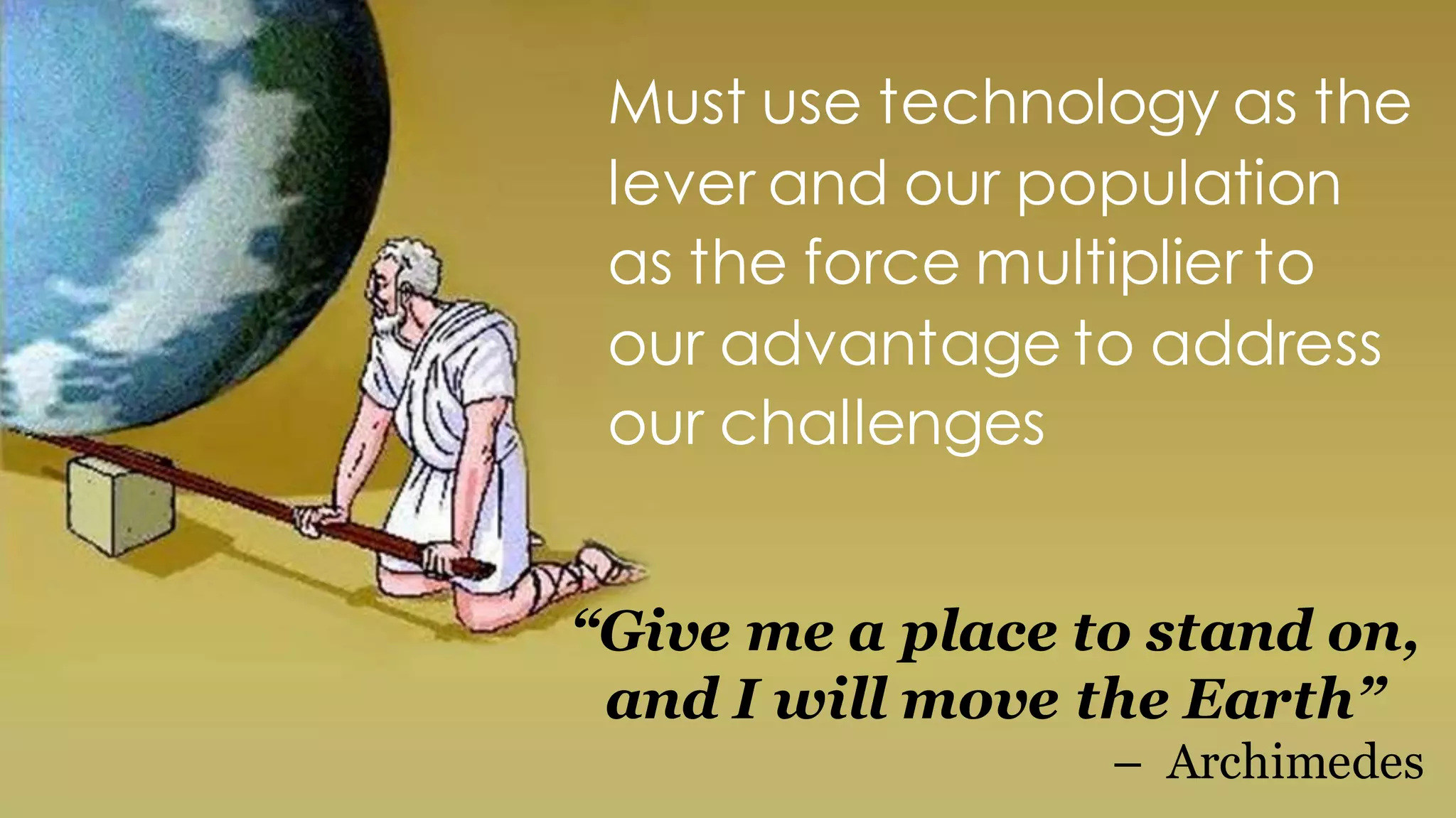
Must use technology as the
lever and our population
as the force multiplier to
our advantage to address
our challenges
“Give me a place to stand on,
and I will move the Earth”
– Archimedes
23
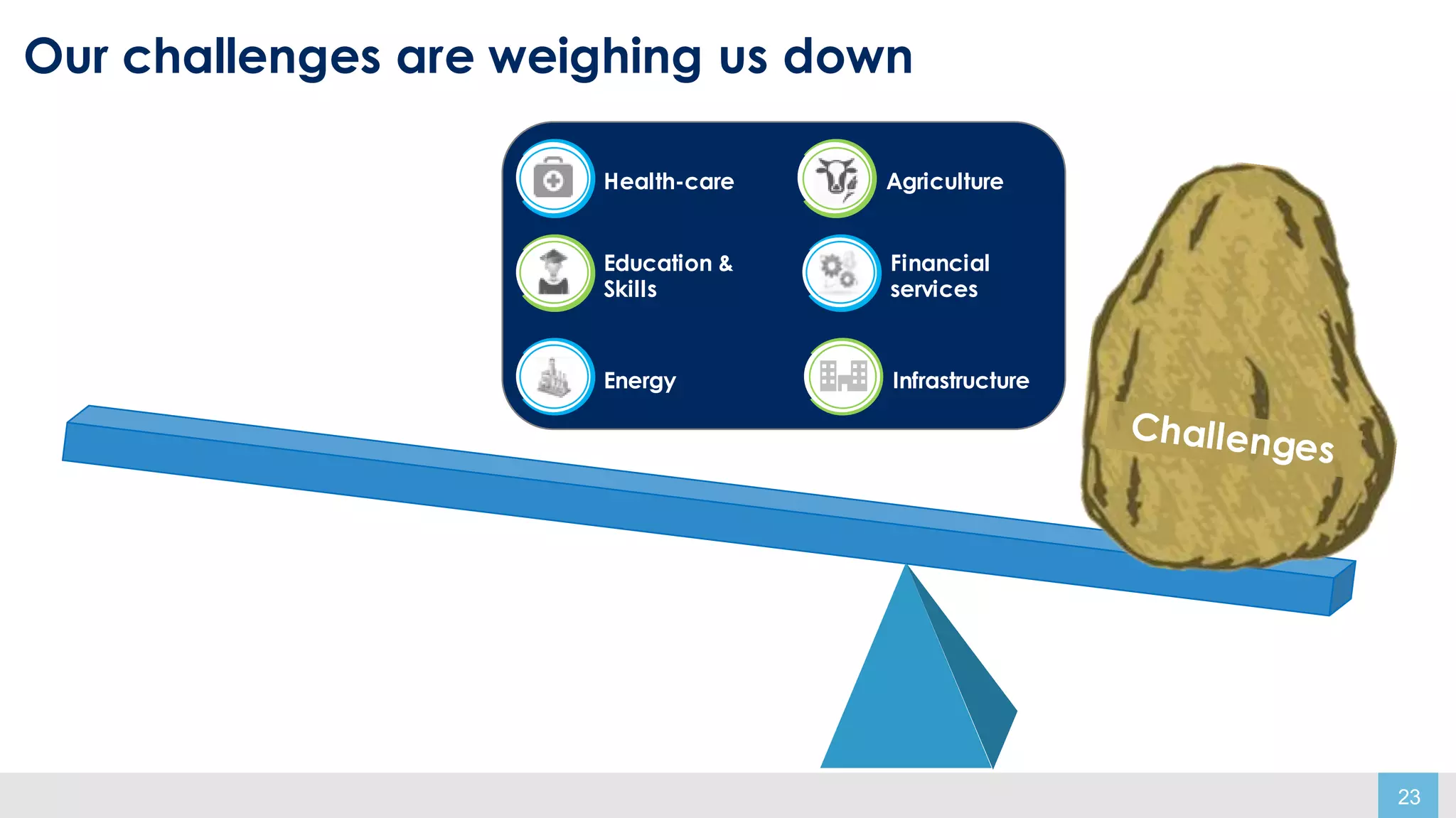
Our challenges are weighing us down
Health-care
Financial
services
Energy
Education &
Skills
Agriculture
Infrastructure
24
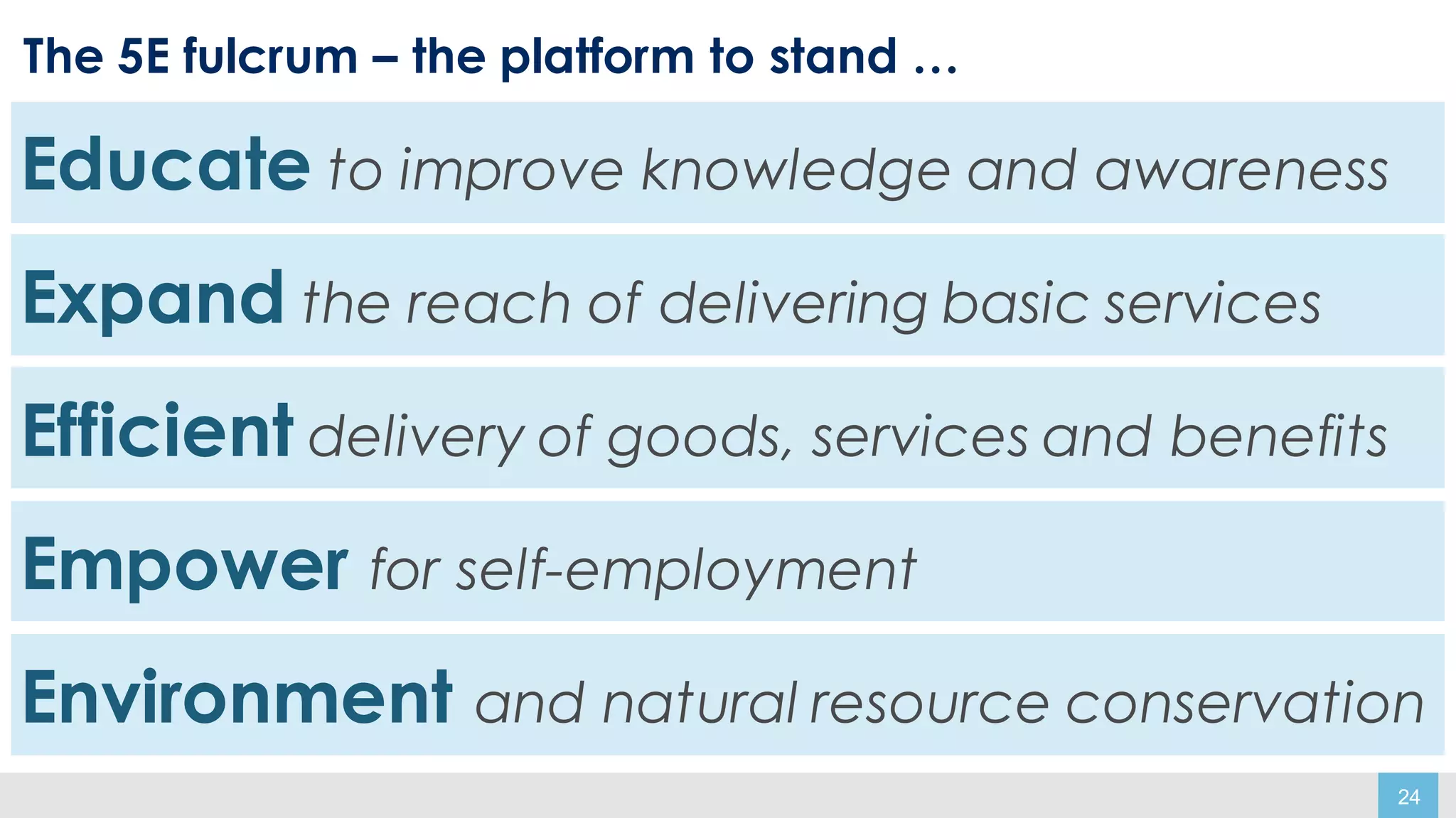
The 5E fulcrum – the platform to stand …
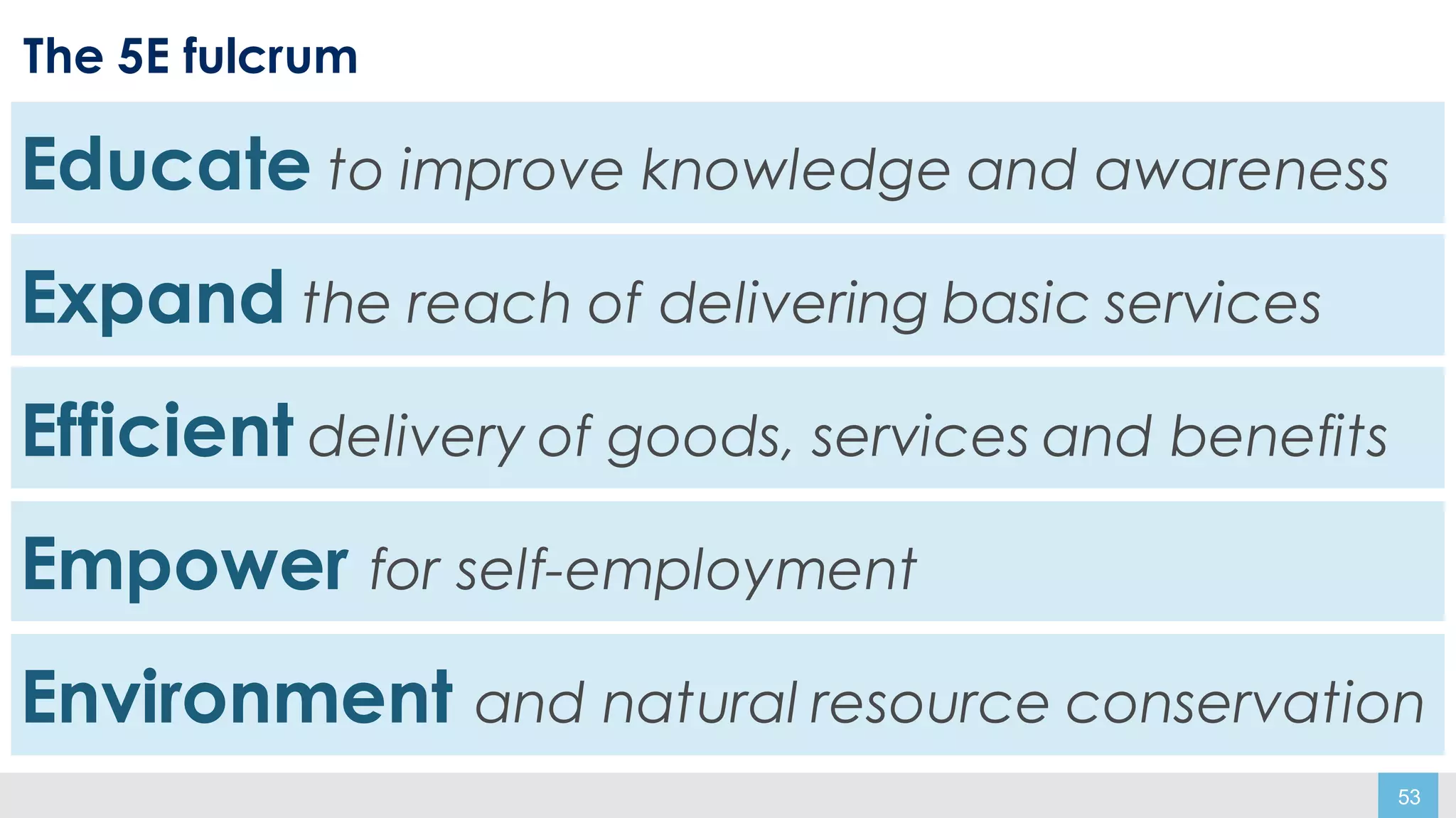
Educate
Expand
Efficient
Empower
Environment
Educate to improve knowledge and awareness
Expand the reach of delivering basic services
Efficient delivery of goods, services and benefits
Empower for self-employment
Environment and natural resource conservation
25
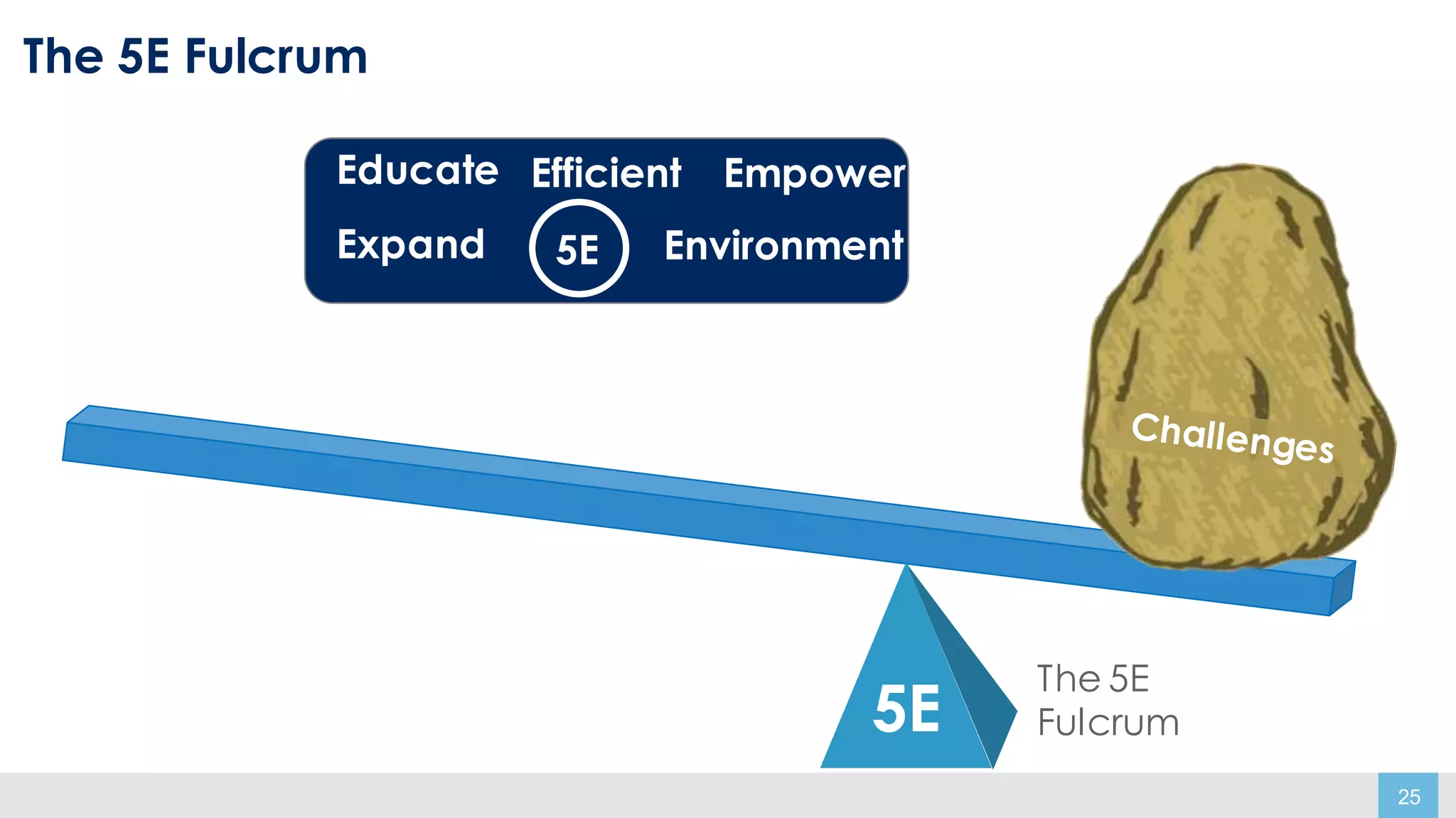
The 5E Fulcrum
The 5E
Fulcrum5E
Educate
Expand
Efficient Empower
Environment5E
26
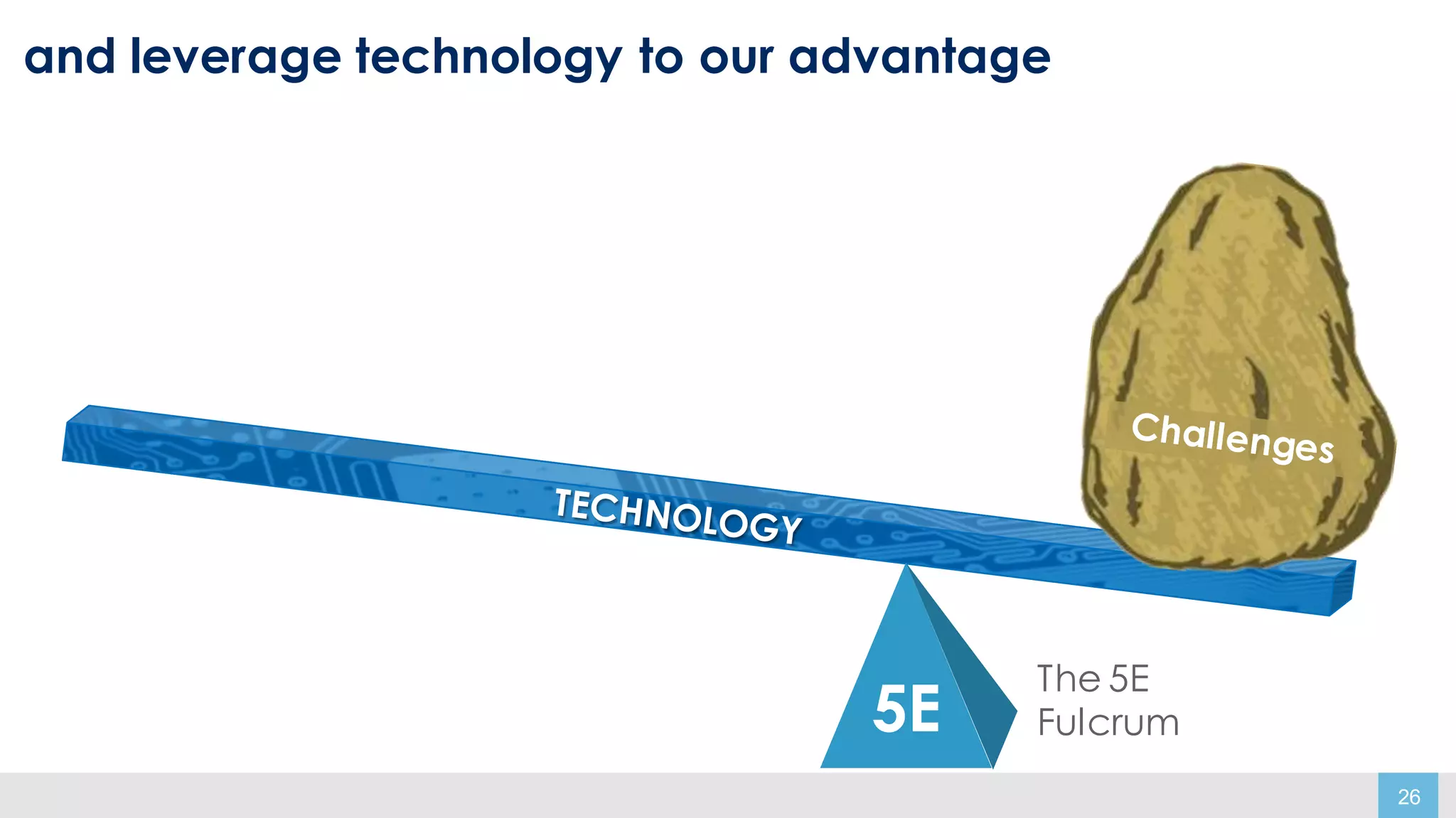
and leverage technology to our advantage
The 5E
Fulcrum5E
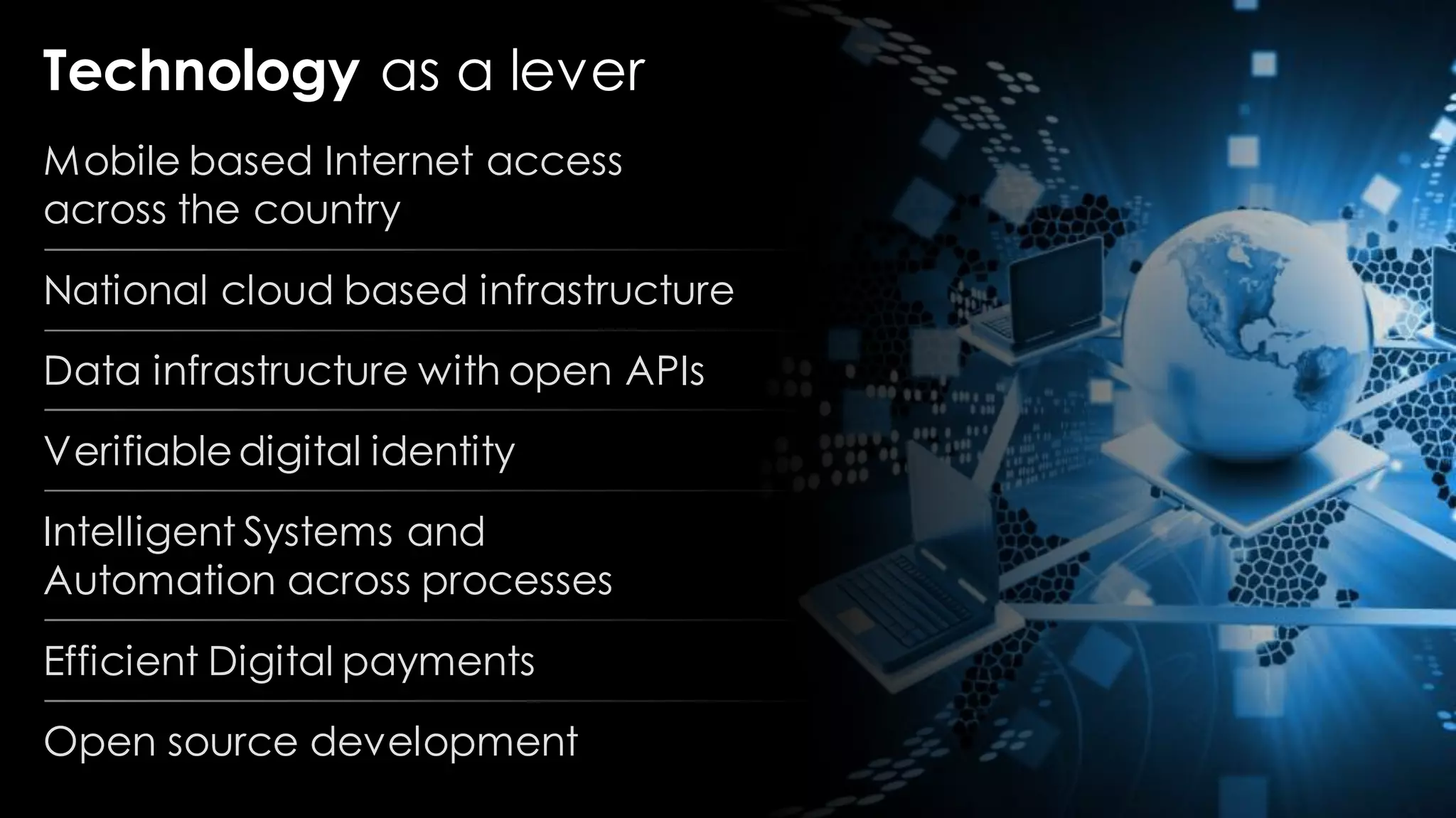
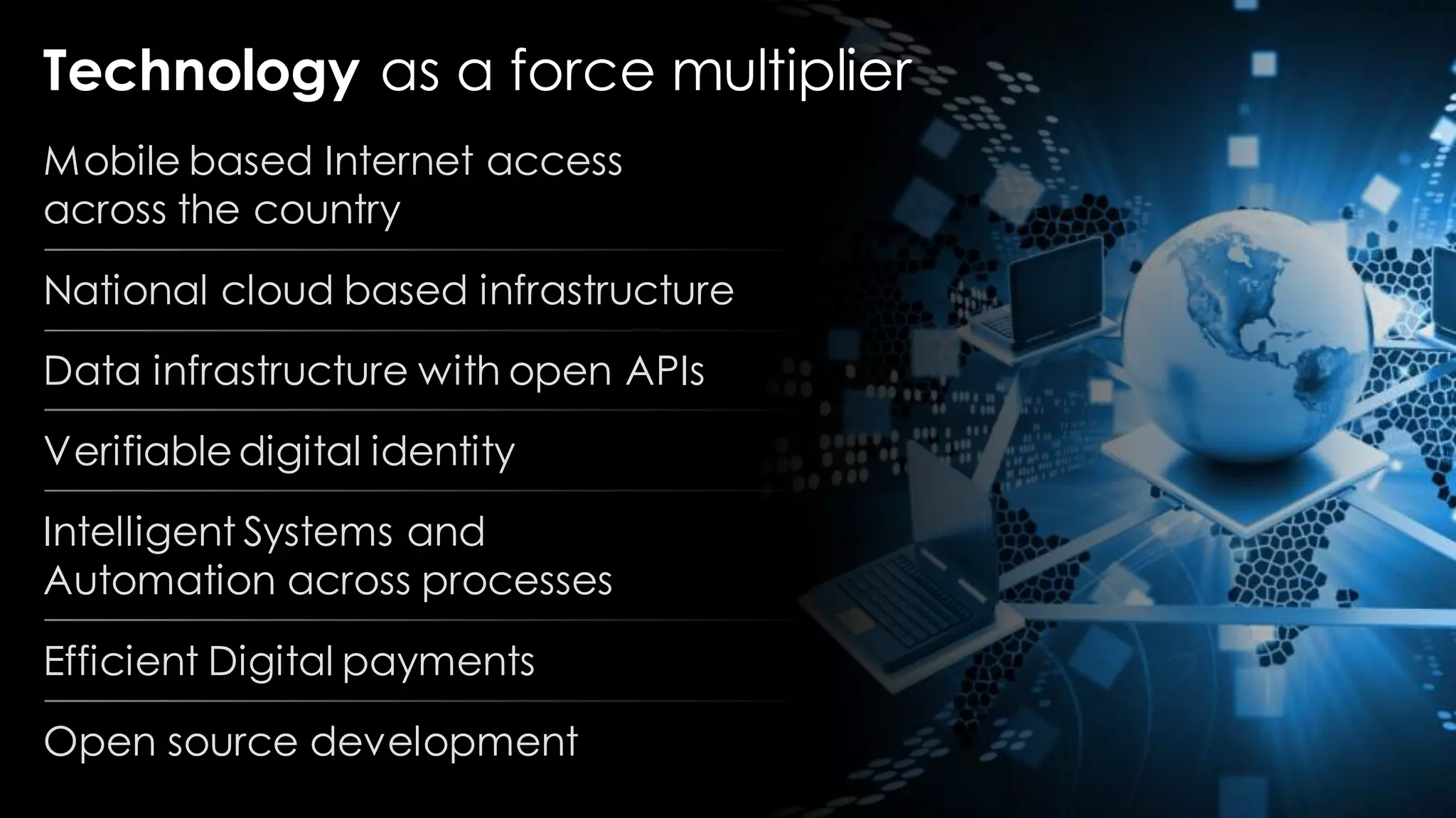
Technology as a lever
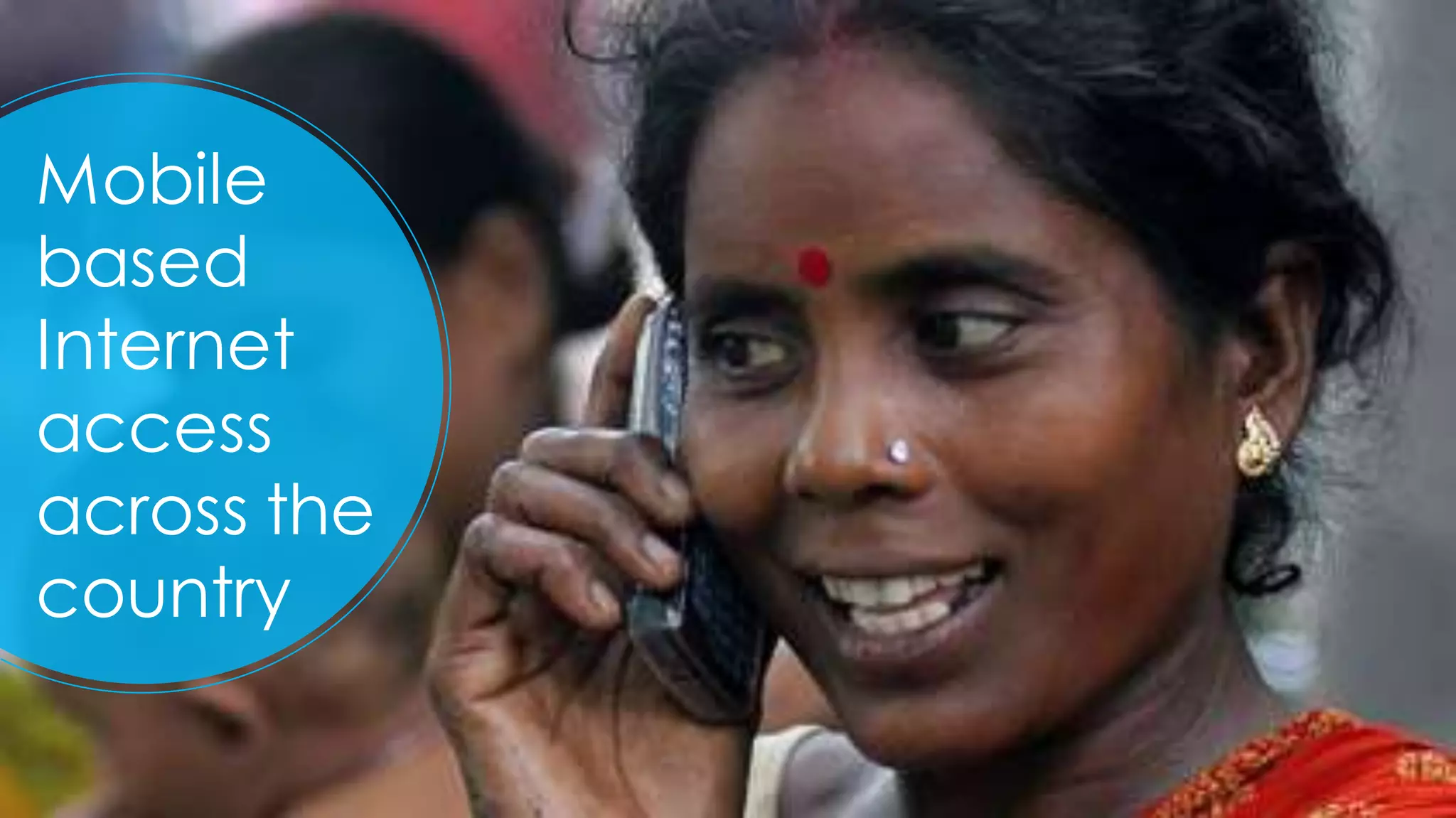
Mobile based Internet access
across the country
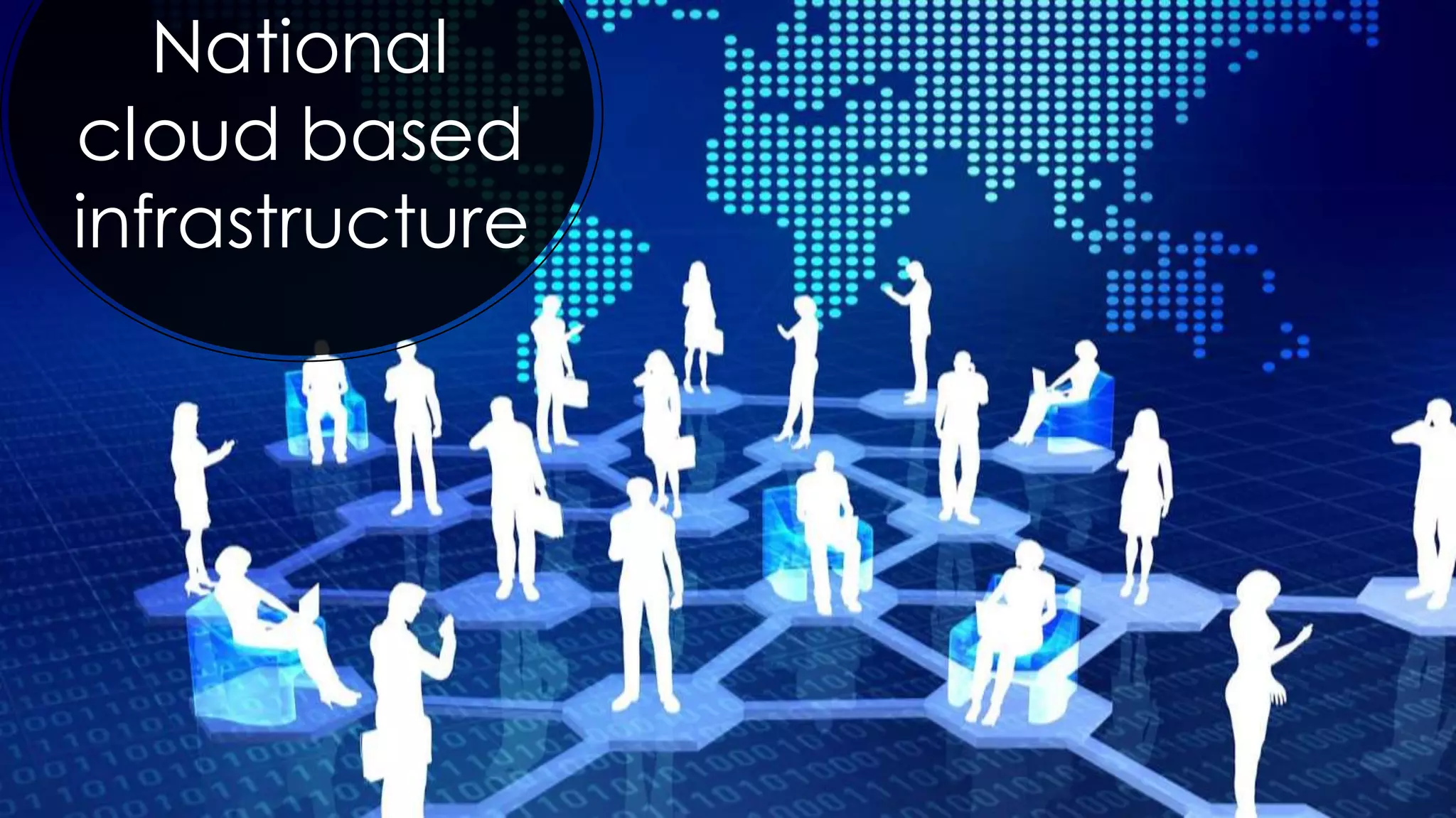
National cloud based infrastructure
Data infrastructure with open APIs
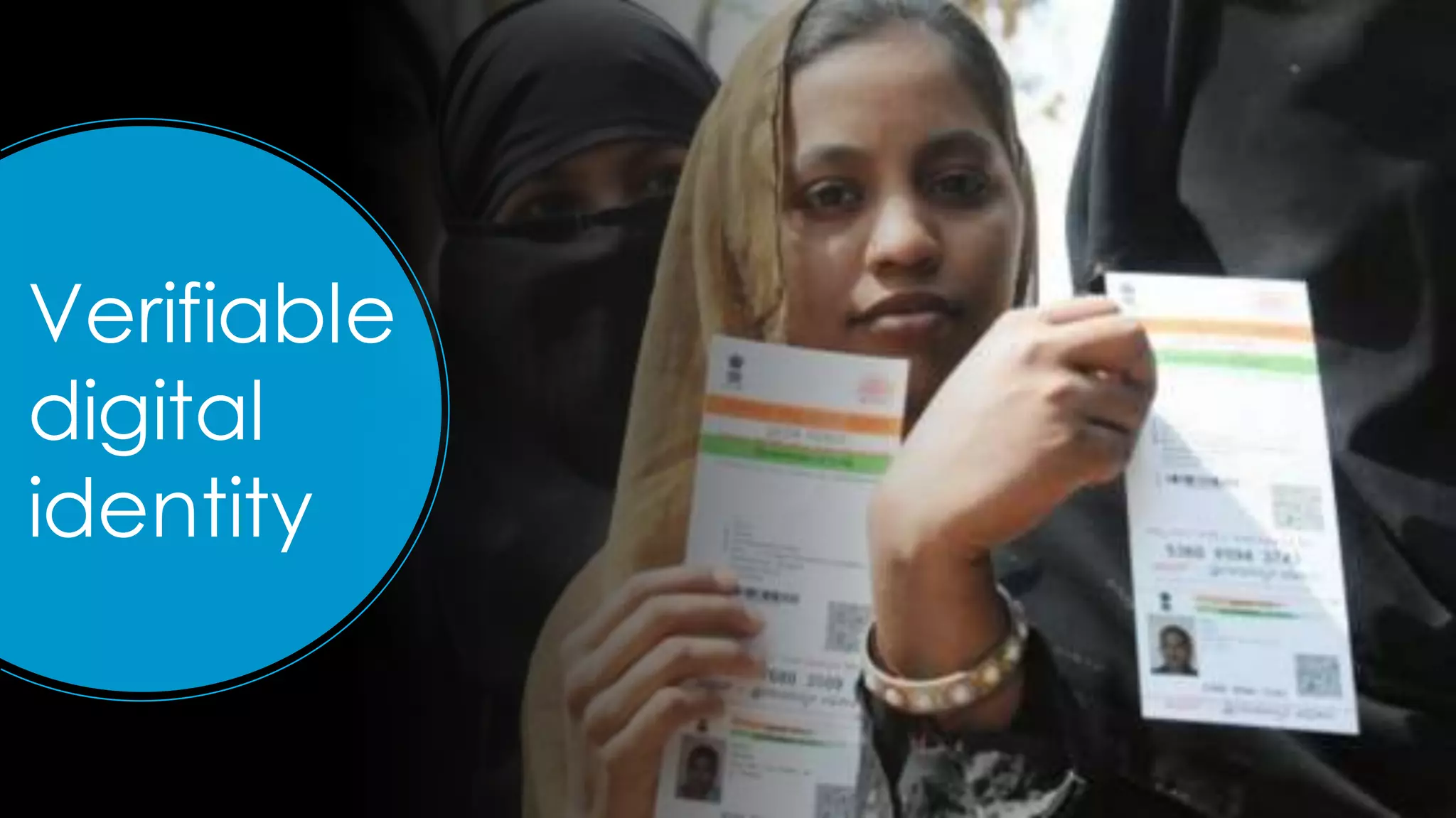
Verifiabledigital identity
Intelligent Systems and
Automation across processes
Efficient Digital payments
Open source development
28
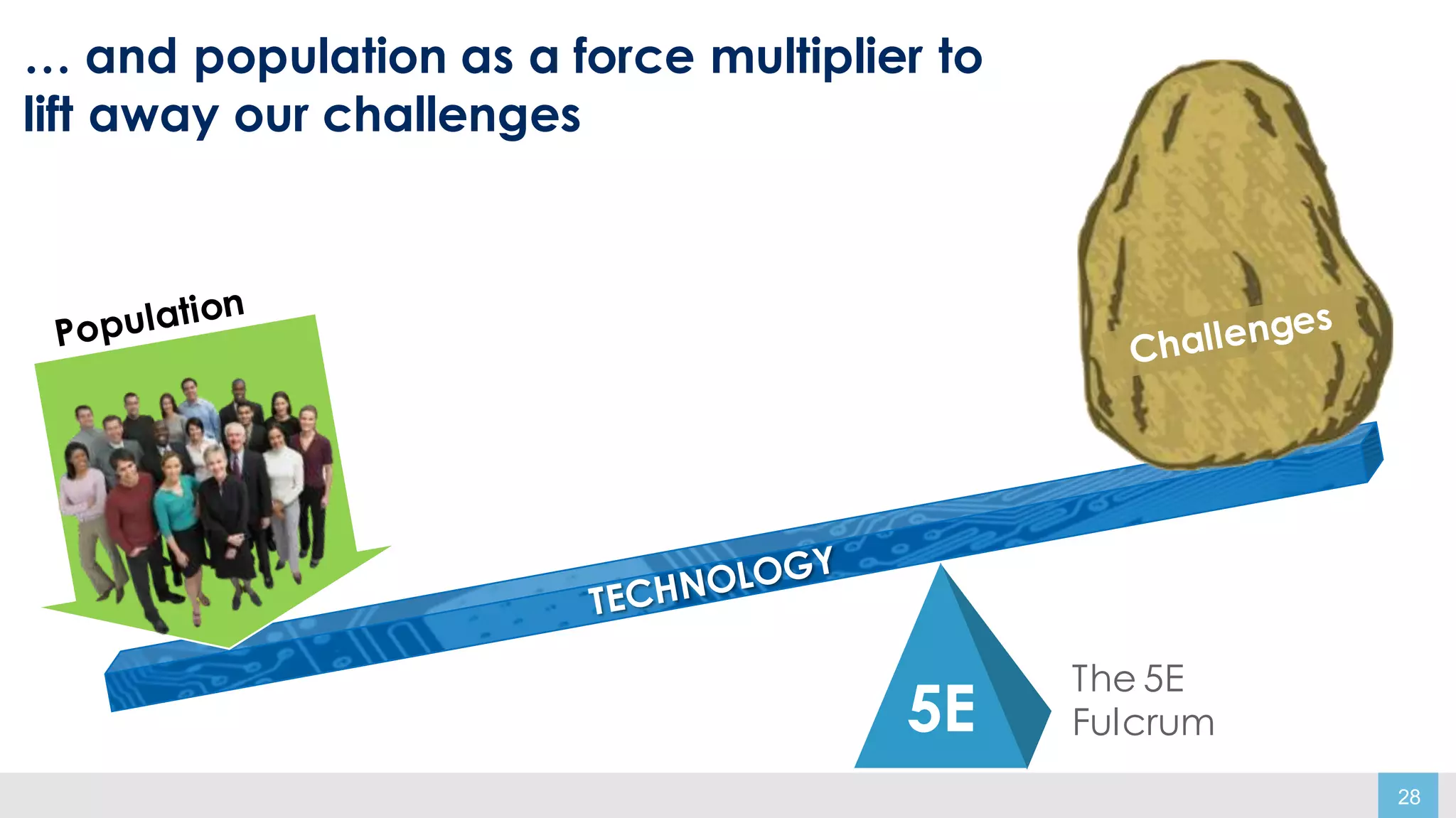
… and population as a force multiplier to
lift away our challenges
5E
The 5E
Fulcrum
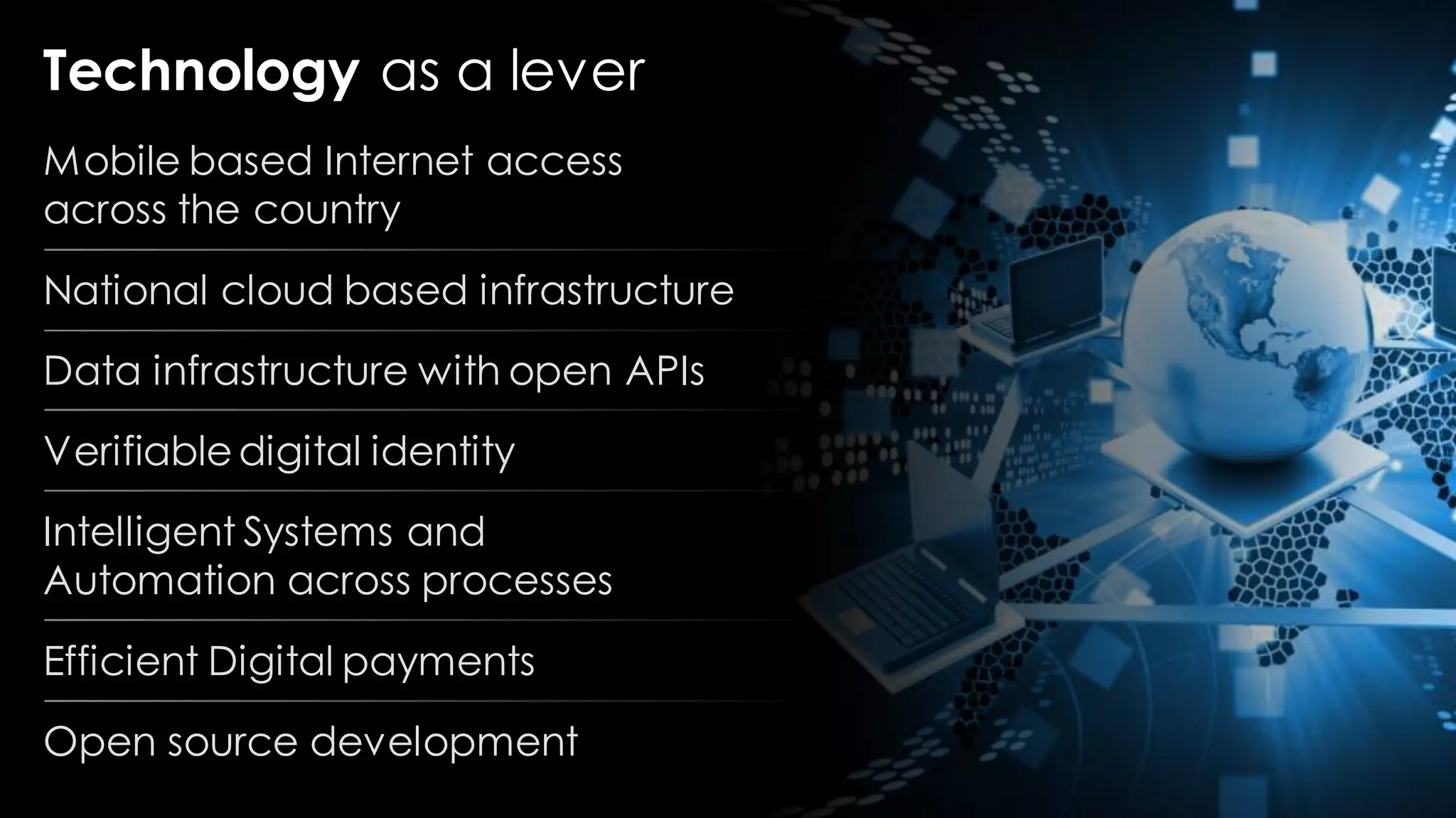
Technology as a lever
Mobile based Internet access
across the country
National cloud based infrastructure
Data infrastructure with open APIs
Verifiabledigital identity
Intelligent Systems and
Automation across processes
Efficient Digital payments
Open source development
Mobile
based
Internet
access
across the
country
National
cloud based
infrastructure
Data
infrastructure
with open
APIs
Verifiable
digital
identity
34
Intelligent
Systems &
Automation
across
processes
35
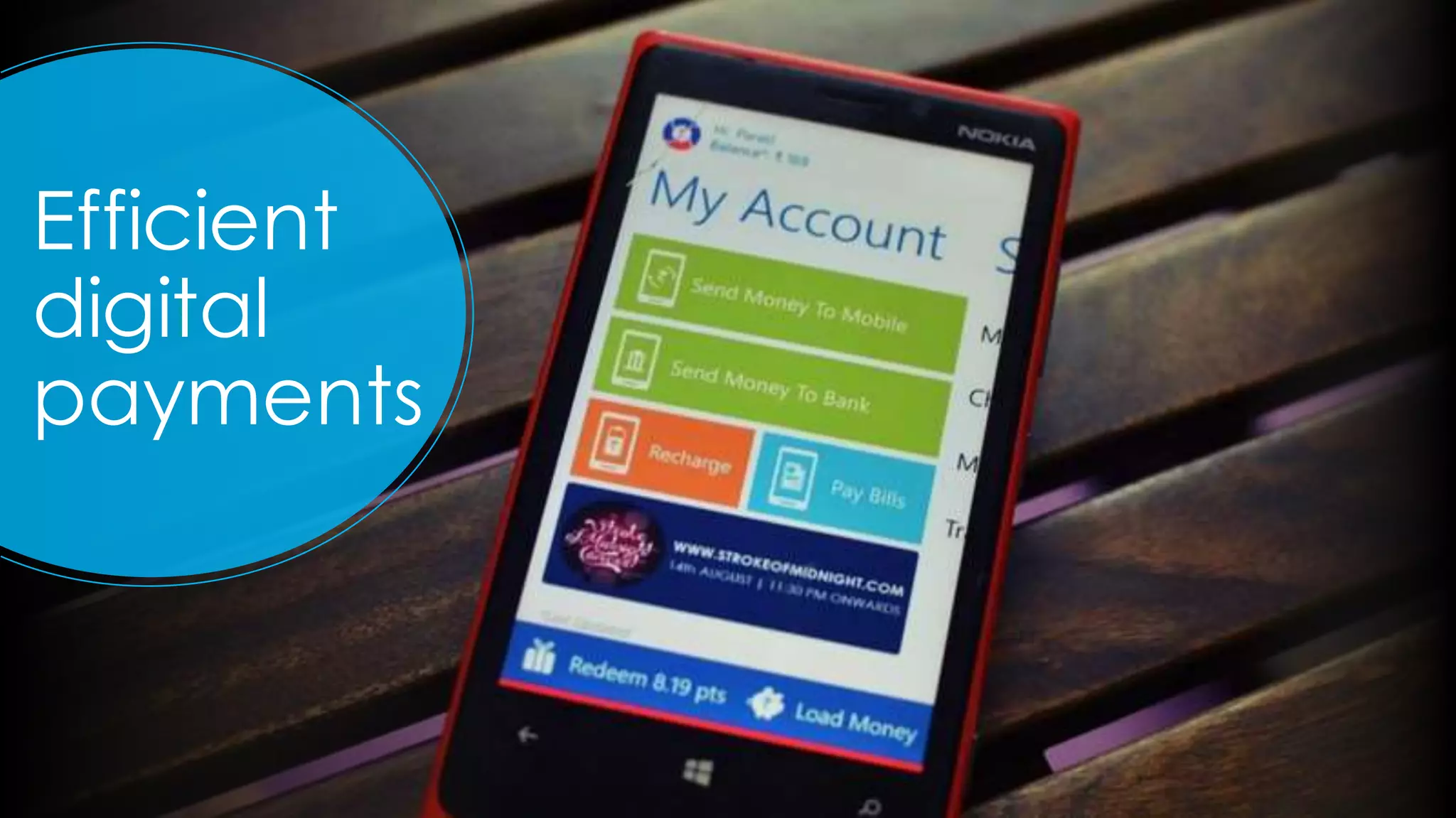
Efficient
digital
payments
36
Open
source
development
37
Examples of how technology can deliver 5E
Wider reach of basic services in Healthcare1
Effective delivery of Education2
Better targeting of benefits through improved eGovernance3
Higher efficiency and saving natural resources with SmartGrids4
More knowledge and awareness with TechEnabled Agriculture5
Extend Self-employment and entrepreneurship capacity6
38SOURCE: McKinsey Global Institute’s India’s technology opportunity: transformingwork, empowering people, 2014
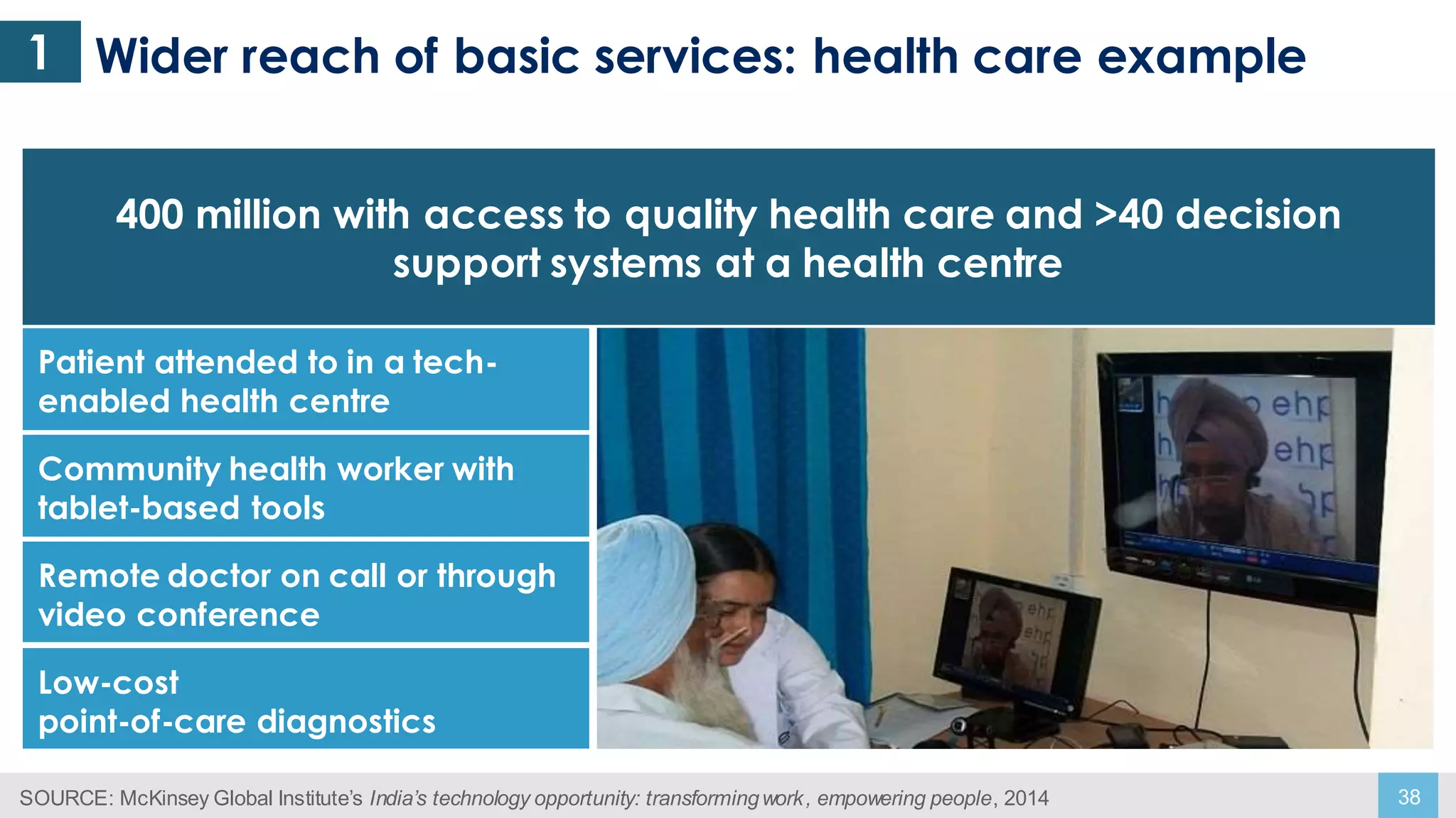
Wider reach of basic services: health care example
400 million with access to quality health care and >40 decision
support systems at a health centre
1
Community health worker with
tablet-based tools
Patient attended to in a tech-
enabled health centre
Remote doctor on call or through
video conference
Low-cost
point-of-care diagnostics
39
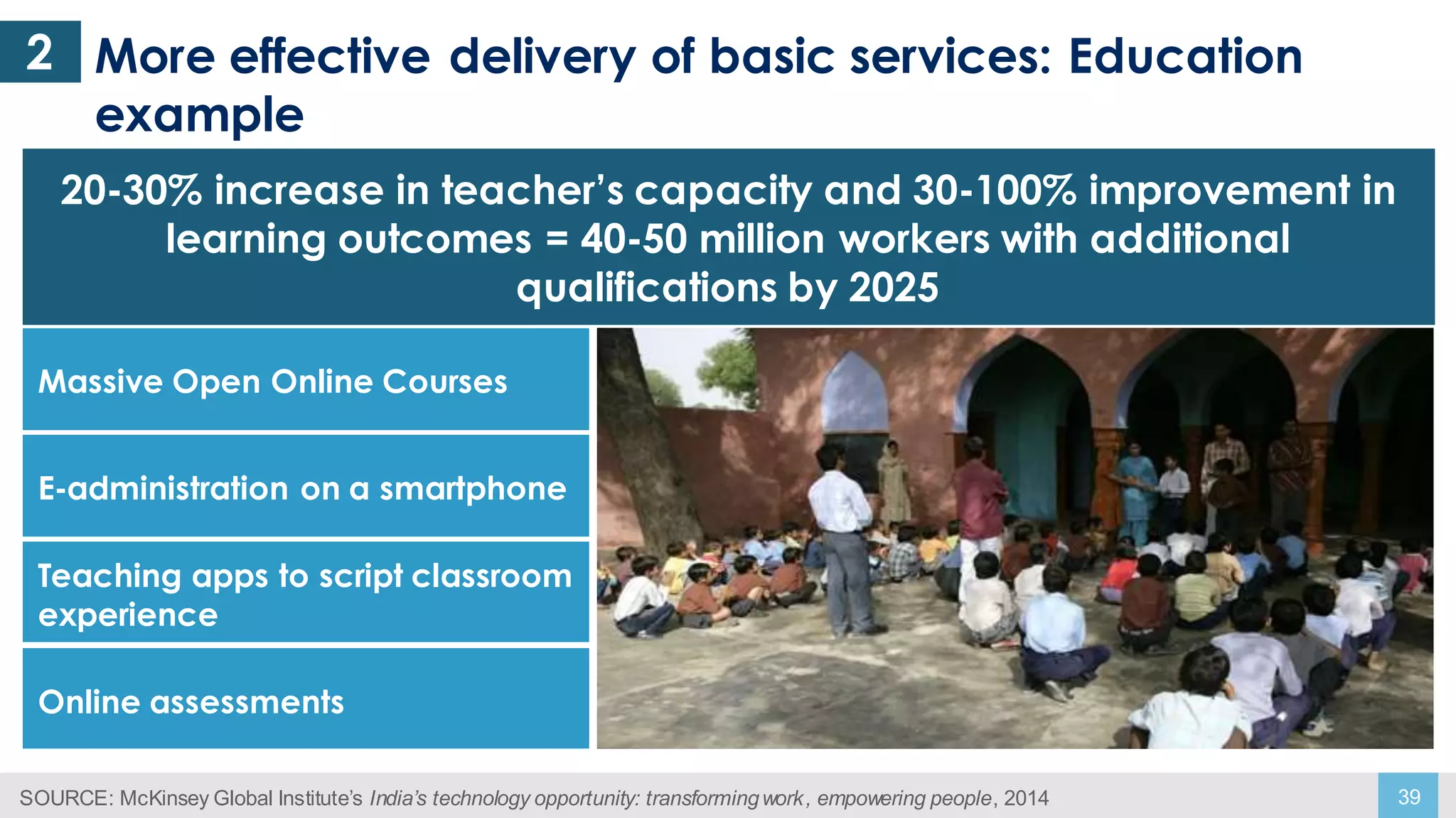
More effective delivery of basic services: Education
example
SOURCE: McKinsey Global Institute’s India’s technology opportunity: transformingwork, empowering people, 2014
20-30% increase in teacher’s capacity and 30-100% improvement in
learning outcomes = 40-50 million workers with additional
qualifications by 2025
2
E-administration on a smartphone
Massive Open Online Courses
Teaching apps to script classroom
experience
Online assessments
40SOURCE: McKinsey Global Institute’s India’s technology opportunity: transformingwork, empowering people, 2014
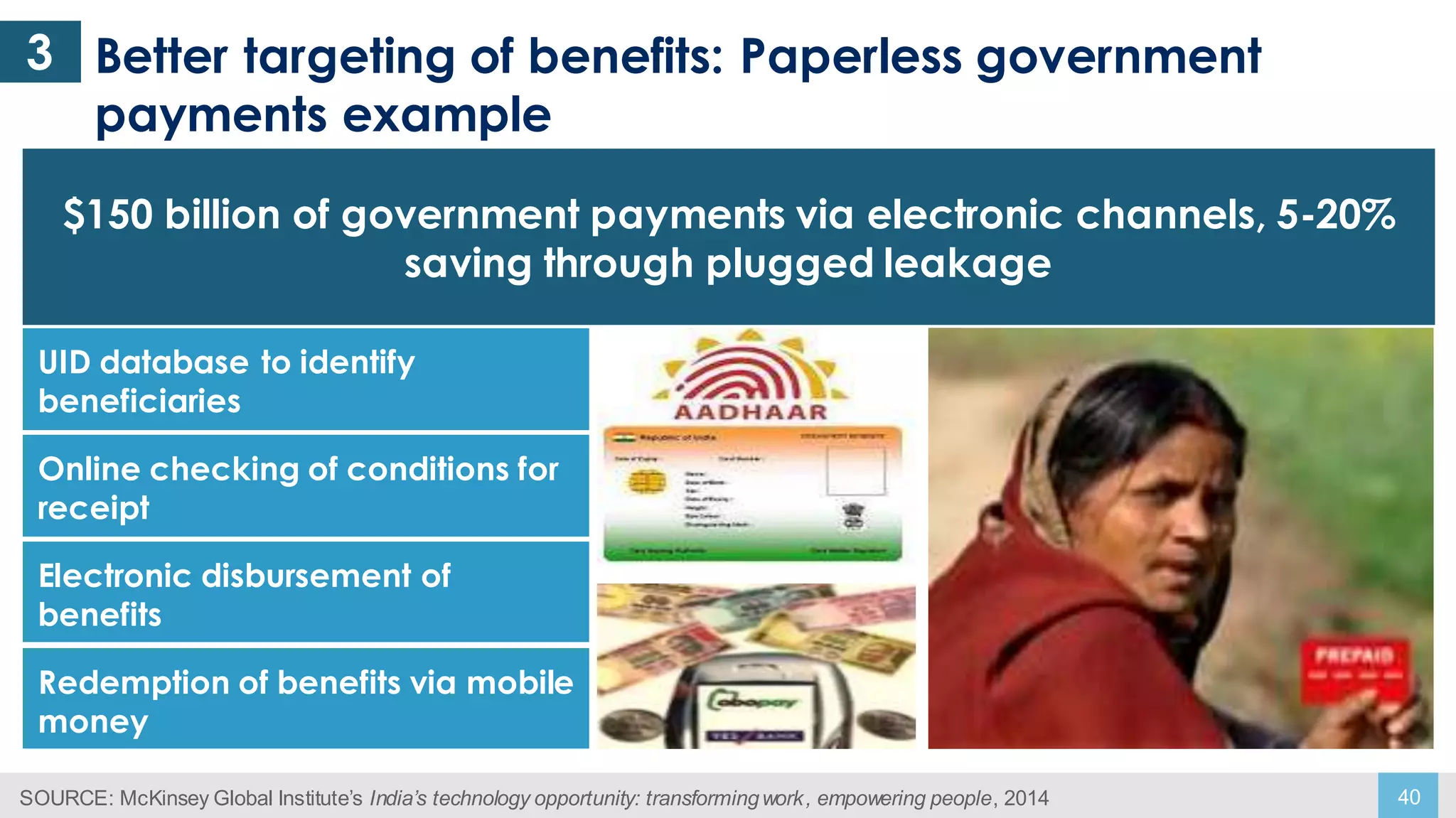
Better targeting of benefits: Paperless government
payments example
$150 billion of government payments via electronic channels, 5-20%
saving through plugged leakage
3
Online checking of conditions for
receipt
UID database to identify
beneficiaries
Electronic disbursement of
benefits
Redemption of benefits via mobile
money
41SOURCE: McKinsey Global Institute’s India’s technology opportunity: transformingwork, empowering people, 2014
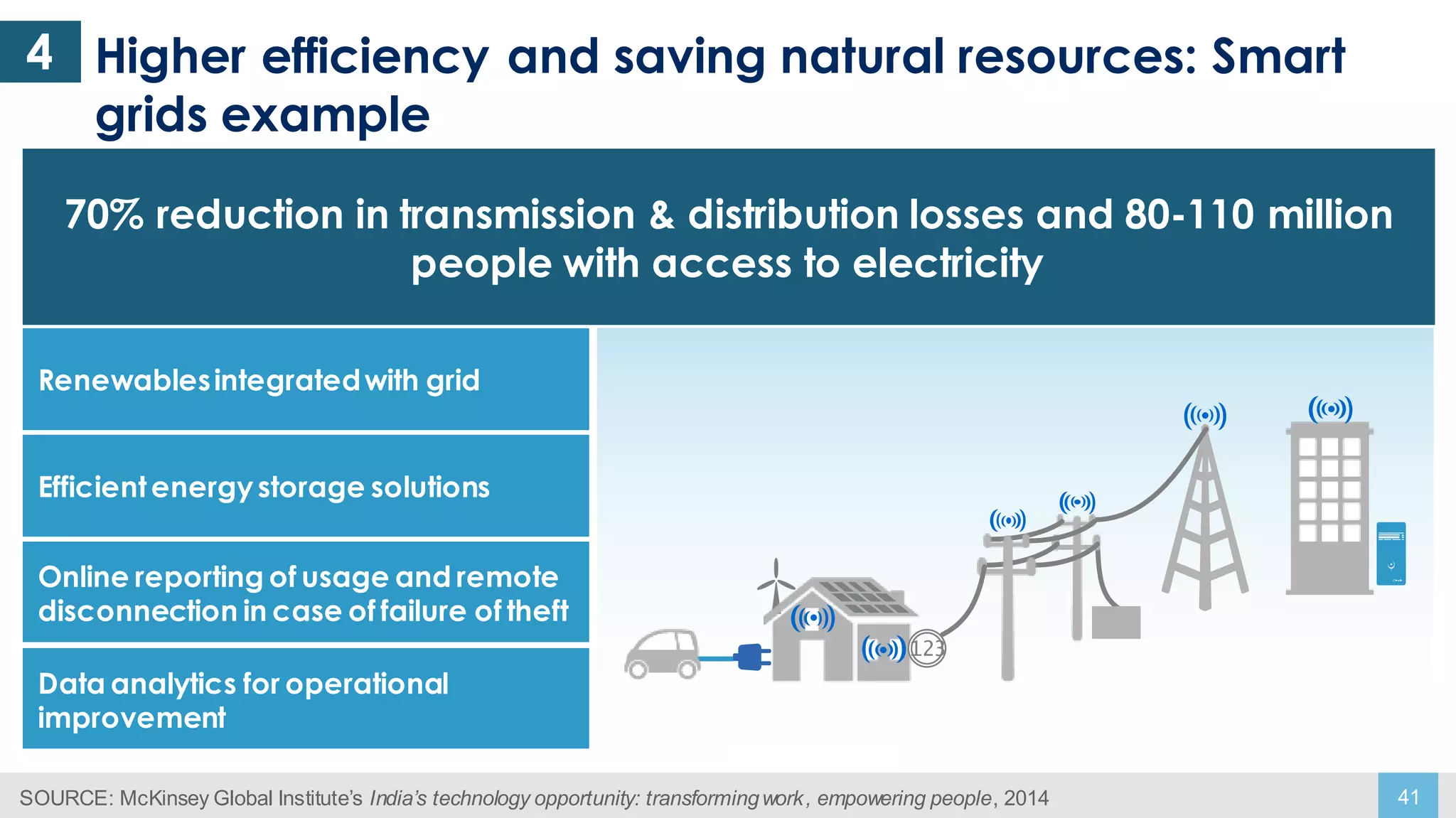
Higher efficiency and saving natural resources: Smart
grids example
70% reduction in transmission & distribution losses and 80-110 million
people with access to electricity
4
Efficientenergystorage solutions
Renewablesintegratedwith grid
Online reporting of usage and remote
disconnection in case of failure of theft
Data analytics for operational
improvement
123
42SOURCE: McKinsey Global Institute’s India’s technology opportunity: transformingwork, empowering people, 2014
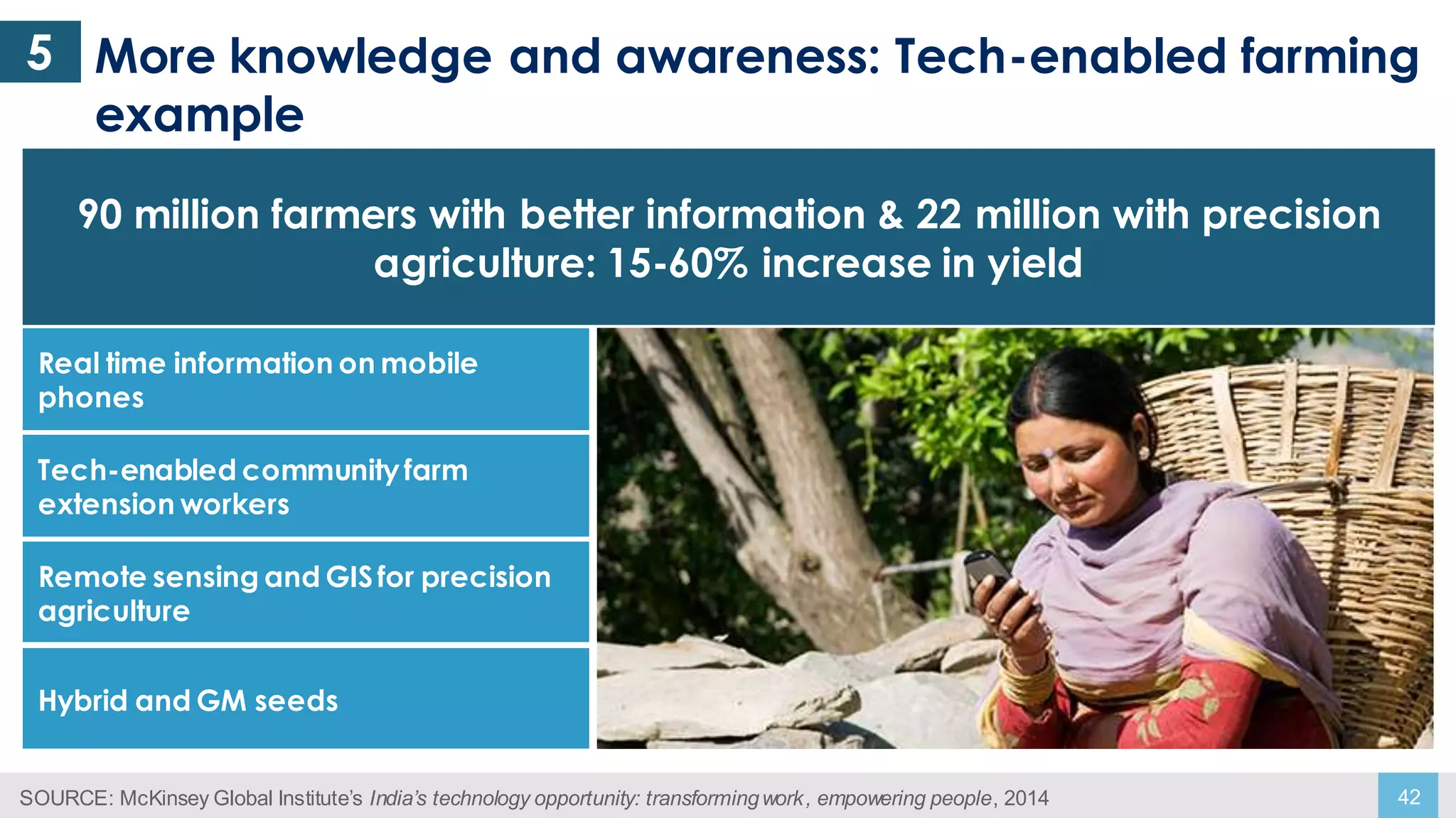
More knowledge and awareness: Tech-enabled farming
example
90 million farmers with better information & 22 million with precision
agriculture: 15-60% increase in yield
5
Tech-enabled communityfarm
extension workers
Real time information on mobile
phones
Remote sensing and GISfor precision
agriculture
Hybrid and GM seeds
43SOURCE: McKinsey Global Institute’s India’s technology opportunity: transformingwork, empowering people, 2014
Self-employment and entrepreneurship: Skills
marketplace example
Portal as clearing houses for certified, quality-assured service
providers seeking jobs
6
Reputation discovery by customer
Labour market information system
Digital payment and transaction
trail
“Sharing” approach to assets and
skills
44
By 2025, technology
can help India
achieve….
45
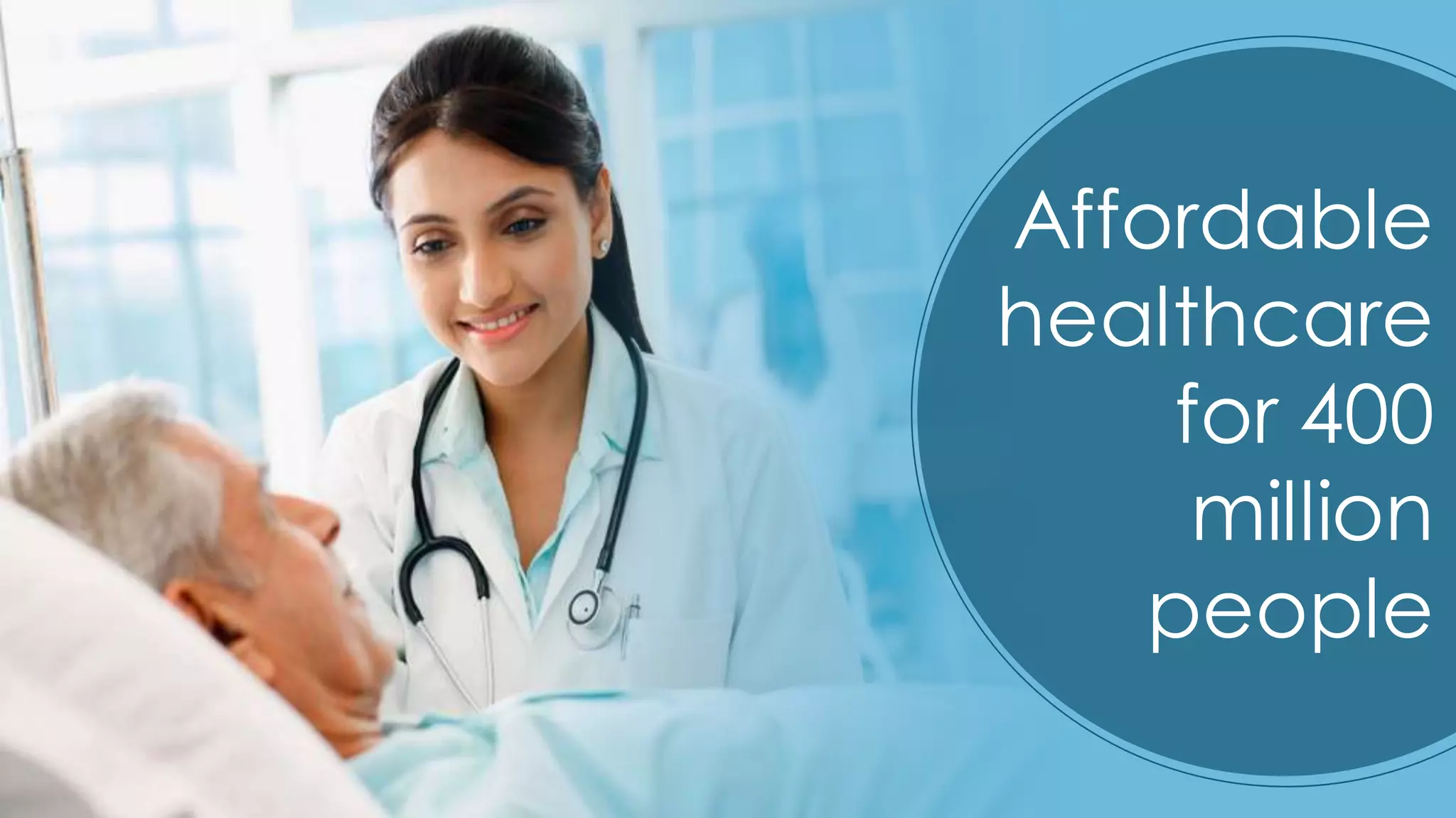
Affordable
healthcare
for 400
million
people
46
40-50 million
more with higher
educational
qualifications and
2x the current
number of skilled
workers
47
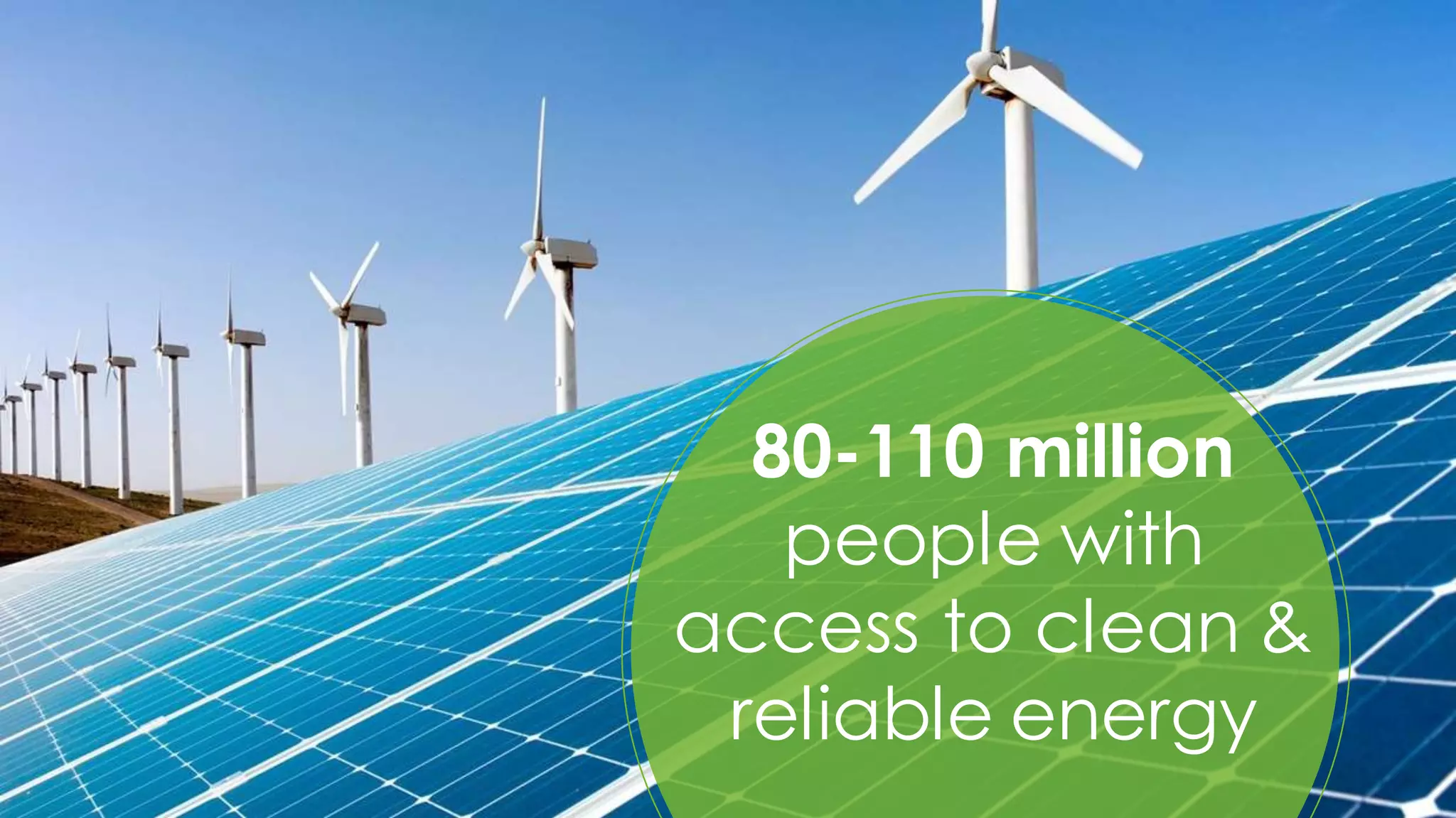
80-110 million
people with
access to clean &
reliable energy
48
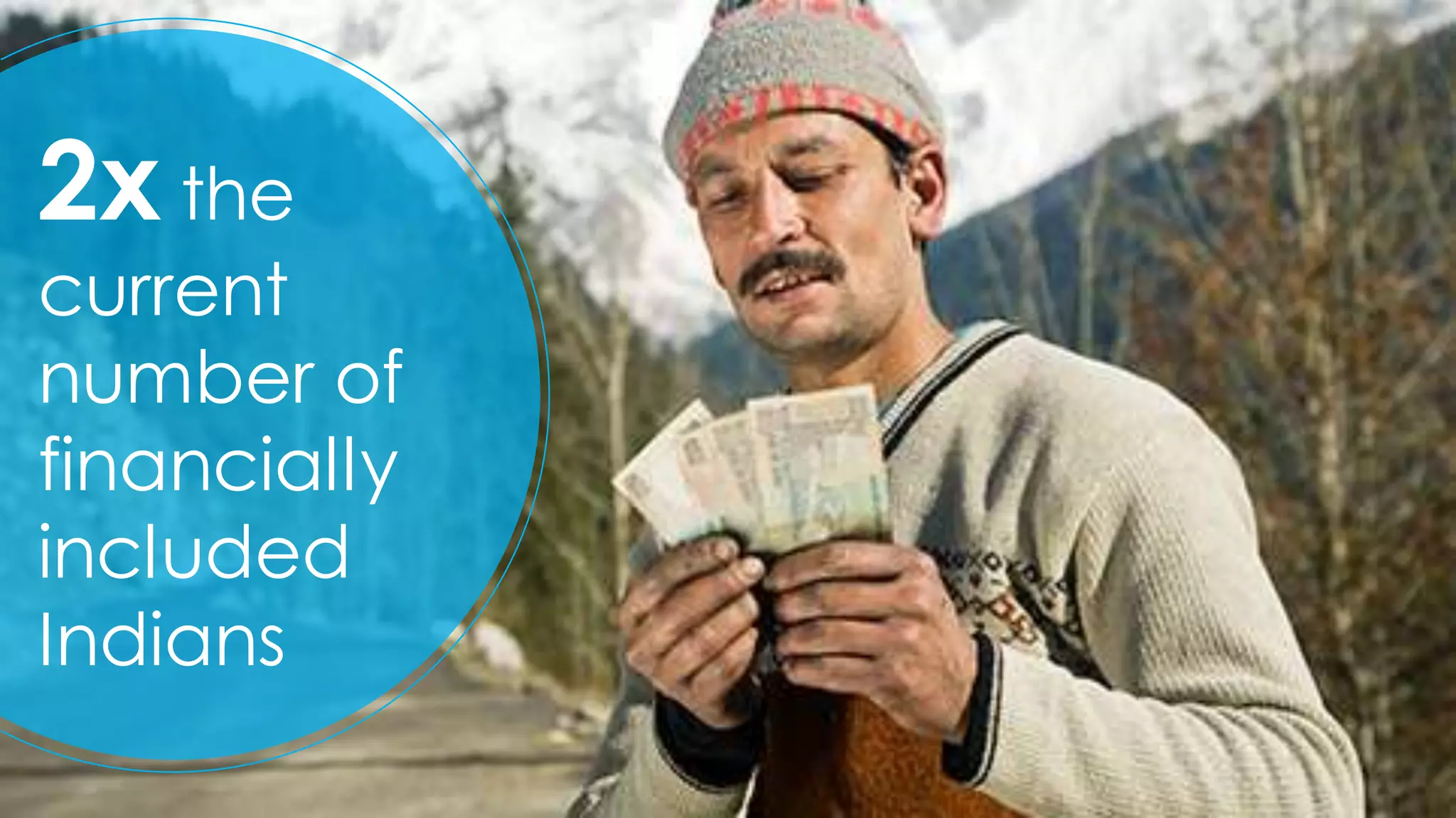
2x the
current
number of
financially
included
Indians
49
10-15%
saving in travel
time and 30-50%
better road safety
50
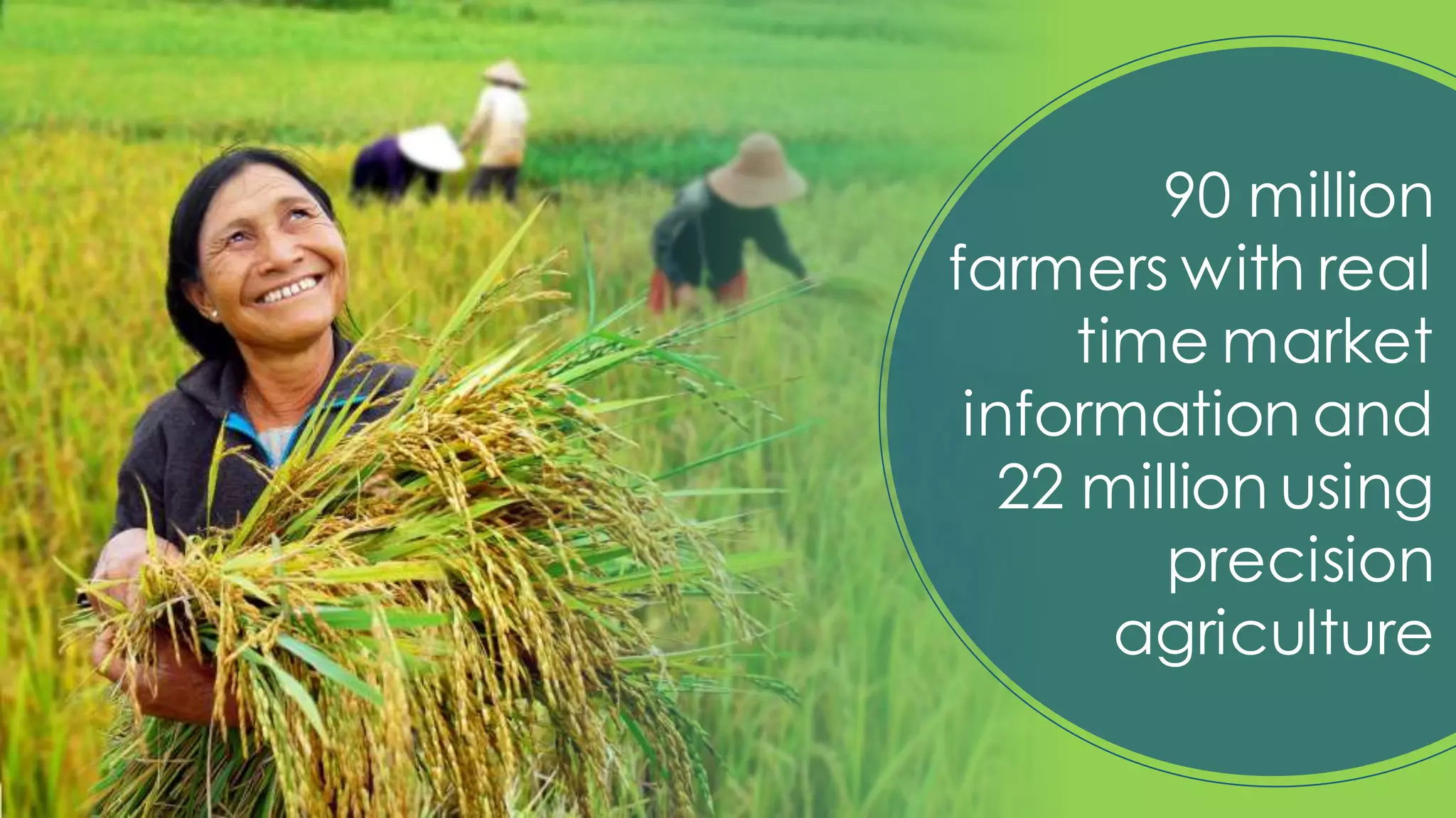
90 million
farmers with real
time market
information and
22 million using
precision
agriculture
51
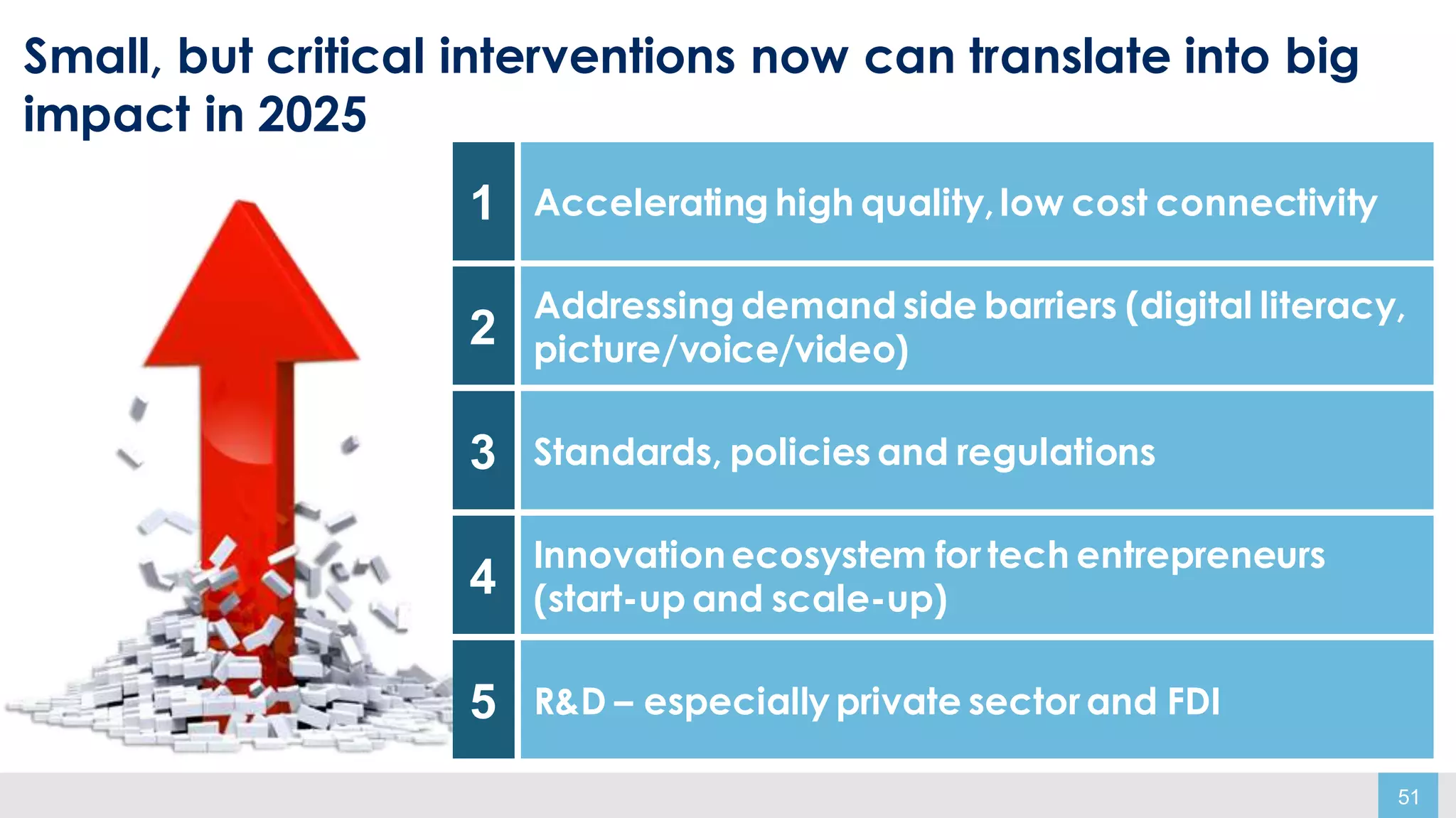
Small, but critical interventions now can translate into big
impact in 2025
Accelerating high quality, low cost connectivity1
Addressing demand side barriers (digital literacy,
picture/voice/video)2
Standards, policies and regulations3
Innovationecosystem for tech entrepreneurs
(start-up and scale-up)4
R&D – especially private sector and FDI5
52
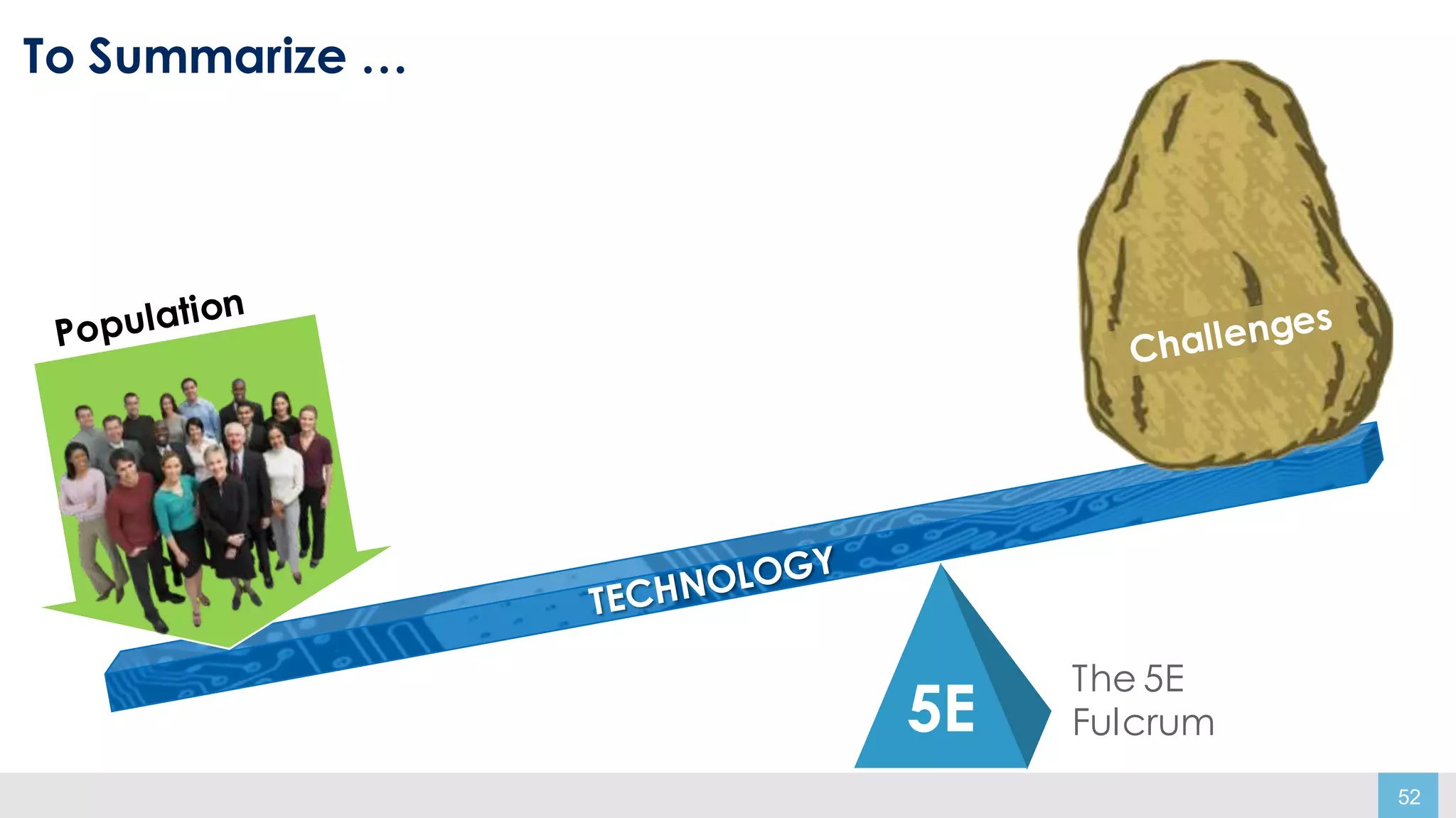
To Summarize …
5E
The 5E
Fulcrum
53
The 5E fulcrum
Educate
Expand
Efficient
Empower
Environment
Educate to improve knowledge and awareness
Expand the reach of delivering basic services
Efficient delivery of goods, services and benefits
Empower for self-employment
Environment and natural resource conservation
Technology as a force multiplier
Mobile based Internet access
across the country
National cloud based infrastructure
Data infrastructure with open APIs
Verifiabledigital identity
Intelligent Systems and
Automation across processes
Efficient Digital payments
Open source development
55
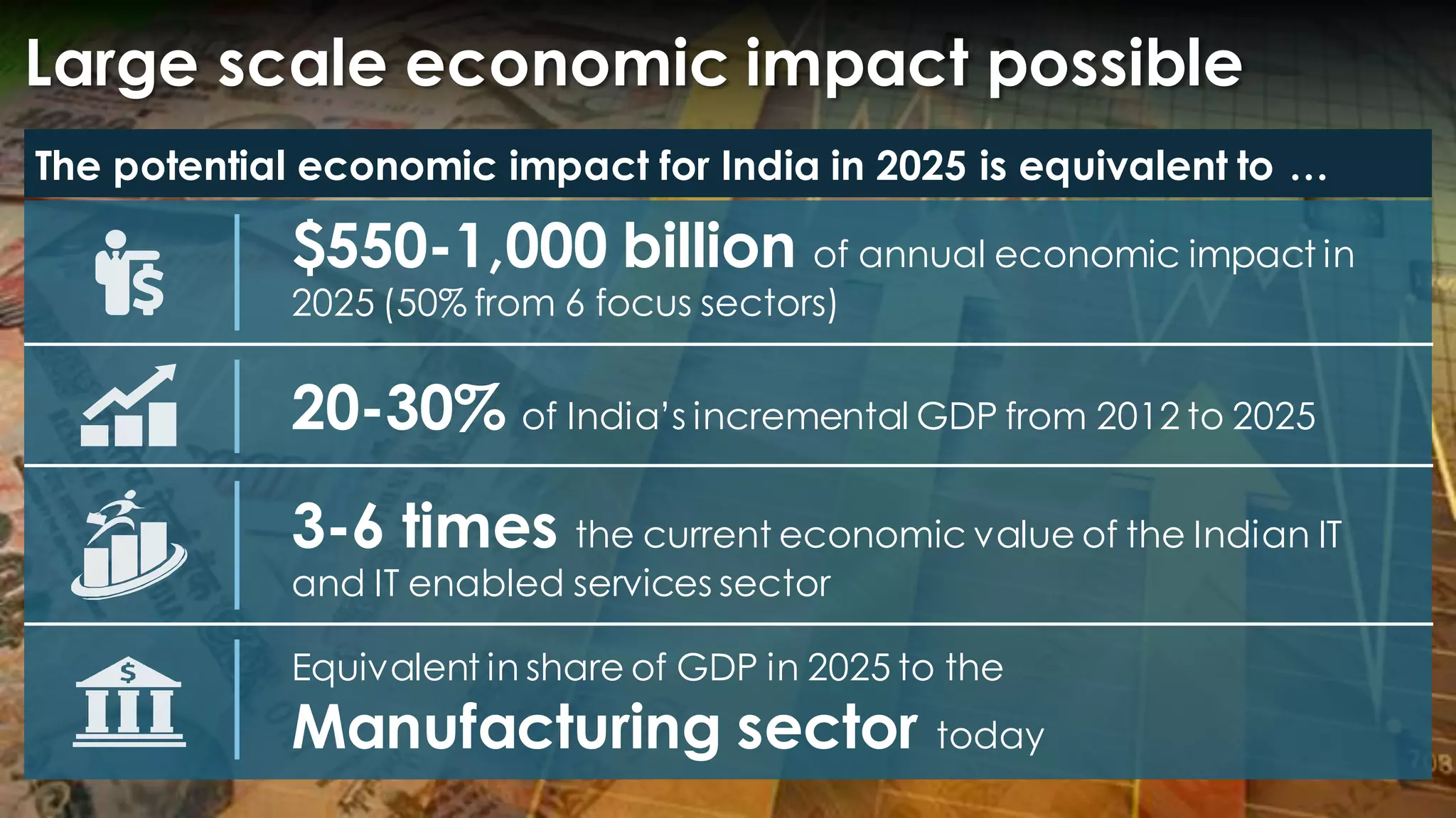
Large scale economic impact possible
The potential economic impact for India in 2025 is equivalent to …
20-30% of India’s incremental GDP from 2012 to 2025
$550-1,000 billion of annual economic impact in
2025 (50% from 6 focus sectors)
3-6 times the current economic value of the Indian IT
and IT enabled services sector
Equivalent in share of GDP in 2025 to the
Manufacturing sector today
How could technology
be the Bramhastra for
India’s development?
102nd Indian Science Congress
Engineering Sciences Section
Platinum Jubilee Lecture
Anand Deshpande
Persistent Systems Limited, Pune
anand@persistent.com
Anu Madgavkar
McKinsey Global Institute, Mumbai
Anu_Madgavkar@mckinsey.com

Technology for india's development

  • 1.
    How could technology bethe Bramhastra for India’s development? 102nd Indian Science Congress Engineering Sciences Section Platinum Jubilee Lecture Anand Deshpande Persistent Systems Limited, Pune anand@persistent.com Anu Madgavkar McKinsey Global Institute, Mumbai Anu_Madgavkar@mckinsey.com
  • 2.
    1 Anand Deshpande Founder, CEOand Managing Director, Persistent Systems Pune, India | ComputerSoftware http://www.linkedin.com/in/ananddeshpande EXPERIENCE Managing Director Trustee Member of Technical Staff Persistent Systems October 1990 – Present (24 years 4 months) Computer History Museum April 2012 – Present (2 years 10 months) Hewlett-Packard Laboratories April 1989 – October 1990 (1 year 7 months) EDUCATION Ph.D., ComputerScience, IndianaUniversity B. Tech. (Hons.), IIT, Kharagpur Campion School Distinguished Alumni, School of Informatics 1984 – 1989 Computer Science Engineering, Distinguished Alumni (2012) 1979 – 1984 High School 1971 – 1979
  • 3.
    Senior Fellow, McKinsey GlobalInstitute AnuMadgavkar Mumbai, India http://www.mckinsey.com/insights/mgi EXPERIENCE EDUCATION Indian Institute of Management, Ahmedabad Post-graduate Diploma in Management (PGDM) 1989-1991 Senior Fellow, McKinsey Global Institute 2011-2015 Partner, McKinsey & Company 2007-2010 Consultant, McKinsey & Company 1998-2007 Credit Analyst, ICRA 1994-1998 Treasury Dealer, ANZ Grindlays Bank 1991-1993 St. Xavier’s College, Mumbai Bachelors degree in Economics & Statistics (with honours) 1984-1989 Conventof Jesus & Mary, Fort, Mumbai 1974-1984
  • 4.
    3 This presentation isbased on exhaustive research by McKinsey Global Institute June2013 February 2014 December2014 SOURCE: http://www.mckinsey.com/insights/mgi
  • 5.
    4 Our population isgrowing! @ 29 per minute 1,268,006,8201,268,006,8211,268,006,8221,268,006,8231,268,006,8241,268,006,8251,268,006,8261,268,006,8271,268,006,8281,268,006,829 Currently …
  • 6.
    5 … and will exceedChina’s by 2030
  • 7.
  • 8.
  • 9.
    8 Poor financial inclusion Poor distribution ofresources However, we have wide disparity in our income distribution
  • 10.
    9 WATER AIR 56% ofour population does not have minimum acceptable standard of living That is almost 700 million people FOODSHELTER
  • 11.
  • 12.
    11 A third ofthe rural poor consume 20-30% less calories than their need Malnutrition is widespread
  • 13.
    12 59% of our rural householdsdo not have clean fuels
  • 14.
    13 30% of our energy dependson imports, this could go up to 50% by 2030
  • 15.
    14 We have acrisis of drinking water
  • 16.
    15 70% of rural households donot have access to proper sanitation
  • 17.
    16 Medical care is notaffordable for most of the population
  • 18.
    17 Our labour force isnot adequately trained
  • 19.
    18 Double challenge: Not enoughjobs and not enough skills
  • 20.
    19SOURCE: McKinsey GlobalInstitute’s From poverty to empowerment: India’s imperative for jobs, growth and effective basic services, 2014 Massive effort will be required to help people meet their basic needs by 2025 >115 million new productive non-farm jobs1 Double the historical rate of agricultural productivity growth2 $1.5 trillion of infrastructure investment3 70% higher per capita spending on basic services4 Effectiveness of government spending up from 50% to 80%5
  • 21.
  • 22.
  • 23.
    22 Must use technologyas the lever and our population as the force multiplier to our advantage to address our challenges “Give me a place to stand on, and I will move the Earth” – Archimedes
  • 24.
    23 Our challenges areweighing us down Health-care Financial services Energy Education & Skills Agriculture Infrastructure
  • 25.
    24 The 5E fulcrum– the platform to stand … Educate Expand Efficient Empower Environment Educate to improve knowledge and awareness Expand the reach of delivering basic services Efficient delivery of goods, services and benefits Empower for self-employment Environment and natural resource conservation
  • 26.
    25 The 5E Fulcrum The5E Fulcrum5E Educate Expand Efficient Empower Environment5E
  • 27.
    26 and leverage technologyto our advantage The 5E Fulcrum5E
  • 28.
    Technology as alever Mobile based Internet access across the country National cloud based infrastructure Data infrastructure with open APIs Verifiabledigital identity Intelligent Systems and Automation across processes Efficient Digital payments Open source development
  • 29.
    28 … and populationas a force multiplier to lift away our challenges 5E The 5E Fulcrum
  • 30.
    Technology as alever Mobile based Internet access across the country National cloud based infrastructure Data infrastructure with open APIs Verifiabledigital identity Intelligent Systems and Automation across processes Efficient Digital payments Open source development
  • 31.
  • 32.
  • 33.
  • 34.
  • 35.
  • 36.
  • 37.
  • 38.
    37 Examples of howtechnology can deliver 5E Wider reach of basic services in Healthcare1 Effective delivery of Education2 Better targeting of benefits through improved eGovernance3 Higher efficiency and saving natural resources with SmartGrids4 More knowledge and awareness with TechEnabled Agriculture5 Extend Self-employment and entrepreneurship capacity6
  • 39.
    38SOURCE: McKinsey GlobalInstitute’s India’s technology opportunity: transformingwork, empowering people, 2014 Wider reach of basic services: health care example 400 million with access to quality health care and >40 decision support systems at a health centre 1 Community health worker with tablet-based tools Patient attended to in a tech- enabled health centre Remote doctor on call or through video conference Low-cost point-of-care diagnostics
  • 40.
    39 More effective deliveryof basic services: Education example SOURCE: McKinsey Global Institute’s India’s technology opportunity: transformingwork, empowering people, 2014 20-30% increase in teacher’s capacity and 30-100% improvement in learning outcomes = 40-50 million workers with additional qualifications by 2025 2 E-administration on a smartphone Massive Open Online Courses Teaching apps to script classroom experience Online assessments
  • 41.
    40SOURCE: McKinsey GlobalInstitute’s India’s technology opportunity: transformingwork, empowering people, 2014 Better targeting of benefits: Paperless government payments example $150 billion of government payments via electronic channels, 5-20% saving through plugged leakage 3 Online checking of conditions for receipt UID database to identify beneficiaries Electronic disbursement of benefits Redemption of benefits via mobile money
  • 42.
    41SOURCE: McKinsey GlobalInstitute’s India’s technology opportunity: transformingwork, empowering people, 2014 Higher efficiency and saving natural resources: Smart grids example 70% reduction in transmission & distribution losses and 80-110 million people with access to electricity 4 Efficientenergystorage solutions Renewablesintegratedwith grid Online reporting of usage and remote disconnection in case of failure of theft Data analytics for operational improvement 123
  • 43.
    42SOURCE: McKinsey GlobalInstitute’s India’s technology opportunity: transformingwork, empowering people, 2014 More knowledge and awareness: Tech-enabled farming example 90 million farmers with better information & 22 million with precision agriculture: 15-60% increase in yield 5 Tech-enabled communityfarm extension workers Real time information on mobile phones Remote sensing and GISfor precision agriculture Hybrid and GM seeds
  • 44.
    43SOURCE: McKinsey GlobalInstitute’s India’s technology opportunity: transformingwork, empowering people, 2014 Self-employment and entrepreneurship: Skills marketplace example Portal as clearing houses for certified, quality-assured service providers seeking jobs 6 Reputation discovery by customer Labour market information system Digital payment and transaction trail “Sharing” approach to assets and skills
  • 45.
    44 By 2025, technology canhelp India achieve….
  • 46.
  • 47.
    46 40-50 million more withhigher educational qualifications and 2x the current number of skilled workers
  • 48.
    47 80-110 million people with accessto clean & reliable energy
  • 49.
  • 50.
    49 10-15% saving in travel timeand 30-50% better road safety
  • 51.
    50 90 million farmers withreal time market information and 22 million using precision agriculture
  • 52.
    51 Small, but criticalinterventions now can translate into big impact in 2025 Accelerating high quality, low cost connectivity1 Addressing demand side barriers (digital literacy, picture/voice/video)2 Standards, policies and regulations3 Innovationecosystem for tech entrepreneurs (start-up and scale-up)4 R&D – especially private sector and FDI5
  • 53.
  • 54.
    53 The 5E fulcrum Educate Expand Efficient Empower Environment Educateto improve knowledge and awareness Expand the reach of delivering basic services Efficient delivery of goods, services and benefits Empower for self-employment Environment and natural resource conservation
  • 55.
    Technology as aforce multiplier Mobile based Internet access across the country National cloud based infrastructure Data infrastructure with open APIs Verifiabledigital identity Intelligent Systems and Automation across processes Efficient Digital payments Open source development
  • 56.
    55 Large scale economicimpact possible The potential economic impact for India in 2025 is equivalent to … 20-30% of India’s incremental GDP from 2012 to 2025 $550-1,000 billion of annual economic impact in 2025 (50% from 6 focus sectors) 3-6 times the current economic value of the Indian IT and IT enabled services sector Equivalent in share of GDP in 2025 to the Manufacturing sector today
  • 57.
    How could technology bethe Bramhastra for India’s development? 102nd Indian Science Congress Engineering Sciences Section Platinum Jubilee Lecture Anand Deshpande Persistent Systems Limited, Pune anand@persistent.com Anu Madgavkar McKinsey Global Institute, Mumbai Anu_Madgavkar@mckinsey.com