










To represent, lead and serve the airline industry
Technology and
Innovation in Aviation
May 2016
Nick Careen
Evolving
with e-
commerce
Improving
the
shopping
experience
Evolving
with e-
commerce
Optimizing
the end-to-
end journey
Moving to
digital data
on-demand
Developing
real-time
interaction
Increasing
quality
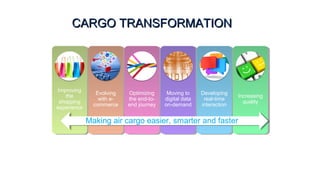
CARGO TRANSFORMATIONCARGO TRANSFORMATION
Making air cargo easier, smarter and faster
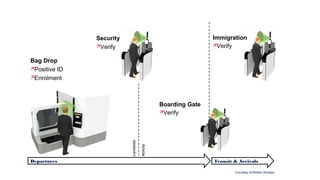
Landside
Airside
Departures Transit & Arrivals
Bag Drop
Positive ID
Enrolment
Security
Verify
Immigration
Verify
Boarding Gate
Verify
Courtesy of British Airways
Thank you

Technology and Innovation in Aviation

Editor's Notes

  • #2 Innovation through the use of technology has been a mainstay in our business. There are many reasons for that, perhaps the largest being this investment has often been focused on gaining efficiencies. While we are a large industry and given the last couple of years have seen a return to what other industries would consider average margins ,nonetheless the margins have been tight and we are susceptible to many threats , this has lead to the innovative catalyst. On top of that efficiency has been the constant move toward listening to the voice of the customer, improving service, reducing elapsed time, automation, developing an improved B2C environment, all of which has lead to competitive advantages and fast followers within our industry
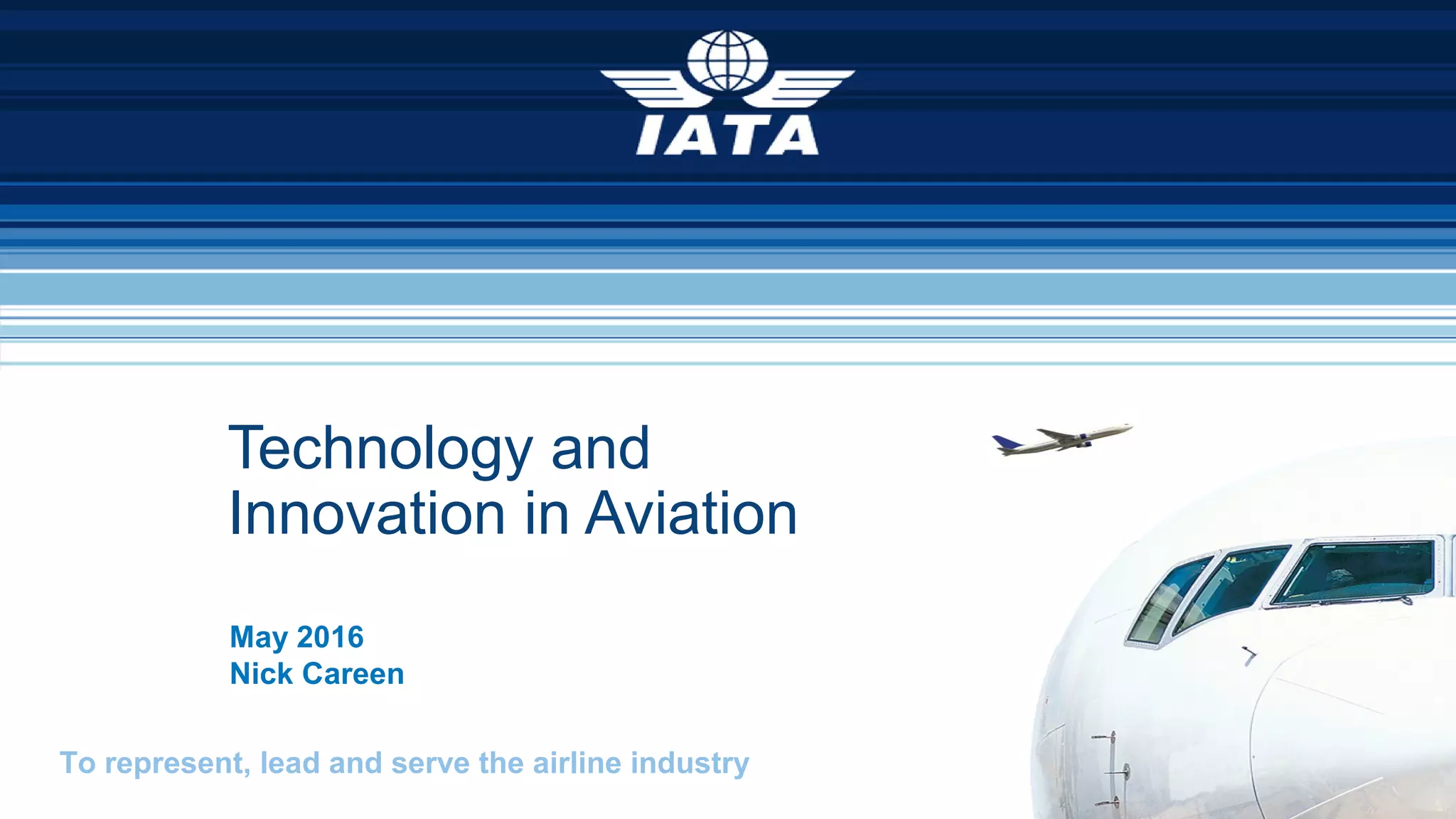
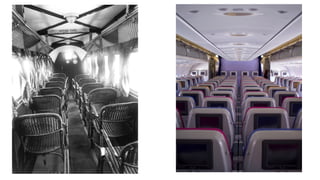
  • #3 The impact of aviation is broad and positive. The numbers are well-known—58 million jobs and $2.4 trillion in economic activity are related to aviation. A good many of these activities count solely on aviation for their existence. Those important facts only begin to describe the positive impact of aviation. There is no doubt that the aviation industry relies on technology – technology that improves safety, increases efficiency and takes us closer to sustainability and innovation which has been at the root of our technological and operational improvements. It has been a little over 100 years since pilot Tony Jannus flew a bi-wing airboat across the bay from St. Petersburg to Tampa, Florida on a 23-minute journey marking the birth of the global airline industry. Since then, Innovation has come a long way…
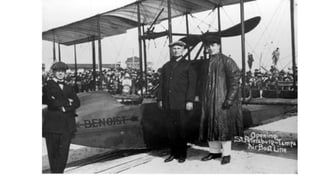
  • #4 The jet engine technology in the 1950s  shrunk the world bringing the four corners of the globe to one’s fingertips.
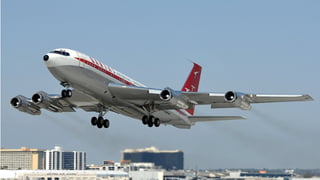
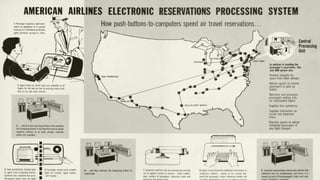
  • #5 And with the introduction of the computerized reservation systems of the 1960s, technology both enabled and facilitated the steady growth of this amazing industry.
  • #6 Aviation is a fast-changing industry driven by evolution in customer demands, technology and the regulatory environment. Many of the challenges that this creates are in operational areas and can best be met with industry-wide efforts. This is the remit of IATA. Working with our members and partners IATA aims through its activities to create value and drive innovation.
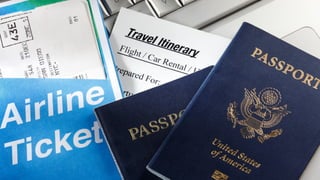
  • #7 For the passenger technology has changed the way he or she buys airline tickets…..
  • #8 Today, tickets are purchased on-line, seats preselected, and bags tags are printed at home for luggage.
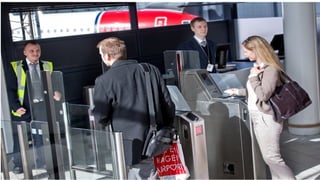
  • #9 Once at the airport…self-service options such as self- boarding has facilitated a seamless passenger experience.
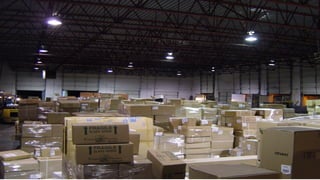
  • #10 On the cargo side Cargo accounts for 35% of the global trade – 6.4 trillion in value.
  • #11 Not surprisingly, speed is the number one selling point of air cargo. Air cargo is the fastest mode of transport with an average of 6 days for end-to-end transportation from shipper to consignee of which at most 19 hours are in the air.
  • #12 Unfortunately the cargo journey is still unnecessarily accompanied by vast quantities paper.
  • #13 Where the passenger travels with a mobile device a box can be accompanied by up to 38 documents. Technological advances can and must be made – as with the passenger journey a seamless process for cargo is needed. Air cargo must accelerate to digital, by e-AWB acceleration Simplifying industry connectivity; and Adopting New digital standards
  • #14 and that is what we are looking at through the cargo transformation project
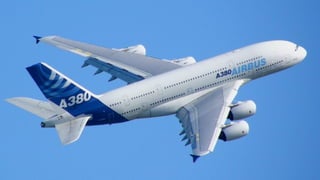
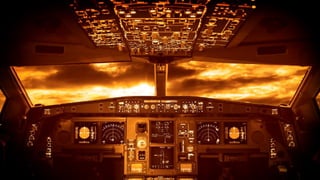
  • #16 Let us not forget how innovation and technology has impacted the aircraft itself An airplane is defined as a machine that has wings and an engine and that flies through the air. When you look at a machine as this one which could weigh up to 1,265,000 pounds on take-off….
  • #17 You cannot help but appreciate the impact technology has had.
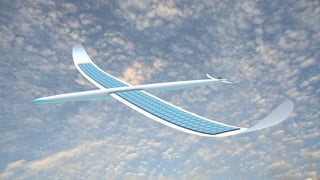
  • #18 Electronic Flight Bag (EFB) Composite materials Aircraft Health Monitoring System (AHMS) More fuel efficient engines like geared turbofan Aircraft technological improvements have advanced greatly over the past decades. In addition to increasing safety lot of effort was made to reduce aircraft weight by using the electronic flight bag and composite materials in order to reduce carbon emissions. The recent development of the geared turbofan engine reduces fuel burn by 20%. The Aircraft Health Monitoring system provides maintenance a valuable tool to do proactive troubleshooting to reduce service disruptions. (Electronic Flight Bag (EFB) Composite materials Aircraft Health Monitoring System (AHMS) More fuel efficient engines like geared turbofan)
  • #19 Airports are also investing heavily to ensure that the passenger journey is as smooth and efficient as it can be. The airport is where all the pieces come together The processes need to be as efficient as possible. Data infrastructure needs to be integrated, not individual. We have many initiatives in the airport that aim to help decisions be made correctly and quickly. Underlying these systems is a common language, AIDX (Aviation Information Data Exchange), and a common dictionary, the AIDM (Airline Industry Data Model). Through these mechanisms we have a functioning A-CDM (Airport Collaborative Decision Making) process that can be expanded to cover more ground and terminal operations in addition to the ATM (air traffic management) activities today. This is underway with the IATA Fuel XML and Baggage XML projects, both of which simplify business – reducing costs and improving efficiency.
  • #20 Opportunities - innovation
  • #21 The one identity project IATA currently being worked on looks to eliminate or optimize processes and related wait times throughout the passenger journey. The vision is to achieve a transformed door-to-door experience that moves from fragmented steps to one harmonized and integrated process, allowing the passenger to walk seamlessly throughout the airport, without breaking stride. Prior to travel the traveller submits all relevant information about themselves, including identity and itinerary data, to the relevant stakeholders (airlines and government agencies). In return, the stakeholders validate and subsequently authorize the data. The customer then receives assurance that their travel plans are all in order and that they are ready to fly.
  • #22 The when the customer arrives at the airport, it is necessary to ensure they are who they say they are. This creates the bond between the physical person and the authorized data. It also provides the necessary identity assurance that enables a seamless airport experience for the passenger.
  • #23 Use of biometrics is one way to create that bond.
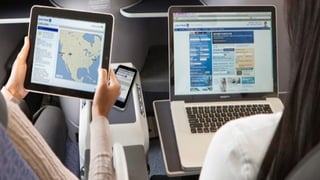
  • #24 Innovation will also enable passengers who want to  be connected throughout their journey to receive updates from travel providers that will affect their travel plans. According to the annual IATA Global Passenger Survey, 35% of travelers prefer receiving their e-boarding pass over their mobile phone and over 90% of travelers expect to be notified proactively of changes to flight status.   As an industry, we need the ability to engage with our customers in real time via text message, email or social media, to update them on their flight status, gate changes, wait times at security and immigration, even what traffic is like to and from the airport. We also need to be able to communicate with other travel providers pro-actively so that, for example, car services and hotels are automatically informed when a customer is delayed or rerouted.   We call this concept Travel Communication.
  • #25 All modes of transport depends on technology, whether it’s the wheel or the jet engine . Advances in technology play a key role in shaping the transportation, which in turn help to shape lives, landscapes, and culture. Technology has already done much to improve service to airline industry. But the potential opportunities still to be exploited offer the potential for much, much more.
  • #26 I look forward to our discussion. Thank you very much.