Technical Writing
s1220041 Kaoru Morito
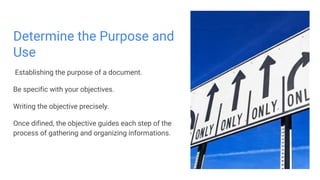
Determine the Purpose and
Use
Establishing the purpose of a document.
Be specific with your objectives.
Writing the objective precisely.
Once difined, the objective guides each step of the
process of gathering and organizing informations.
Identify the
Audience and
What They Need
Understanding the audience is a key to good writing.
Some documents are designed for multiple audiences.
Determine the Level
of Detail
The objective and the intend audience also
dictate the level of detail required.
Determining what to leace out is as
important as deciding what to include.
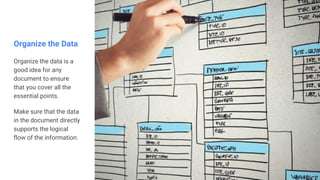
Organize the Data
Organize the data is a
good idea for any
document to ensure
that you cover all the
essential points.
Make sure that the data
in the document directly
supports the logical
flow of the information.
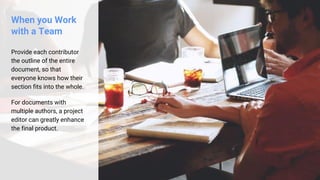
When you Work
with a Team
Provide each contributor
the outline of the entire
document, so that
everyone knows how their
section fits into the whole.
For documents with
multiple authors, a project
editor can greatly enhance
the final product.
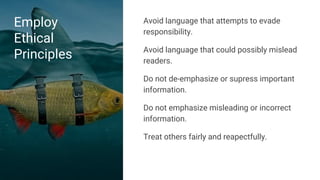
Employ
Ethical
Principles
Avoid language that attempts to evade
responsibility.
Avoid language that could possibly mislead
readers.
Do not de-emphasize or supress important
information.
Do not emphasize misleading or incorrect
information.
Treat others fairly and reapectfully.
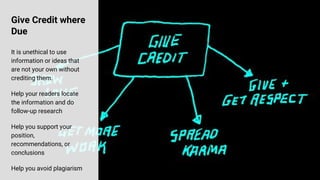
Give Credit where
Due
It is unethical to use
information or ideas that
are not your own without
crediting them.
Help your readers locate
the information and do
follow-up research
Help you support your
position,
recommendations, or
conclusions
Help you avoid plagiarism
Elements of Style
Simple Sentences
Gender Neutrality
Abbereviations and
Acronyms
Lists and Sidebars
Figures and Tables
Wasted Words and Phrase
to Avoid
After you write a sentence, look it over and ask
whether there are any words you can cut witiout
affecting the meaning.
Avoid words and phrases that don’t add meaning to
a sentence.
Correspondence &
Memoranda
Corporations and governmental organizations have
standards for correspondence, email, and some
types of memoranda. In addition, there are often
timing and content requirements for quality records
for companies that have a quality management
system.
Correspondence
In your role as a technical writer, you may need to
respond in writing to other companies, agencies,
colleagues, management, or the public. In many
cases, the correspondence becomes part of the
public record, so it is critical that written
communication be clear and accurate.
Email Email should adhere to the same standards that apply to
correspondence.
State the Subject Clearly
Write Short, Readable Communications
Employ Email Etiqutte
Meeting Agendas and
Meeting Minutes
Agendas and minutes are before and after pictures
of the same event.
Distribute meeting agendas before the meeting.
Include materials for review along with the agenda,
or distribute them well ahead of the meeting.
Important for
computer science
majors
With professional writing
skills, you can suggest or
persuade someone and
computer science connect to
infomation technology. Also,
IT business becoming more
global recently. So, I think that
expertise in professional
writing might be an important
qualification for computer
sceience majors.

Technical writing hw5

  • 1.
  • 2.
    Determine the Purposeand Use Establishing the purpose of a document. Be specific with your objectives. Writing the objective precisely. Once difined, the objective guides each step of the process of gathering and organizing informations.
  • 3.
    Identify the Audience and WhatThey Need Understanding the audience is a key to good writing. Some documents are designed for multiple audiences.
  • 4.
    Determine the Level ofDetail The objective and the intend audience also dictate the level of detail required. Determining what to leace out is as important as deciding what to include.
  • 5.
    Organize the Data Organizethe data is a good idea for any document to ensure that you cover all the essential points. Make sure that the data in the document directly supports the logical flow of the information.
  • 6.
    When you Work witha Team Provide each contributor the outline of the entire document, so that everyone knows how their section fits into the whole. For documents with multiple authors, a project editor can greatly enhance the final product.
  • 7.
    Employ Ethical Principles Avoid language thatattempts to evade responsibility. Avoid language that could possibly mislead readers. Do not de-emphasize or supress important information. Do not emphasize misleading or incorrect information. Treat others fairly and reapectfully.
  • 8.
    Give Credit where Due Itis unethical to use information or ideas that are not your own without crediting them. Help your readers locate the information and do follow-up research Help you support your position, recommendations, or conclusions Help you avoid plagiarism
  • 9.
    Elements of Style SimpleSentences Gender Neutrality Abbereviations and Acronyms Lists and Sidebars Figures and Tables
  • 10.
    Wasted Words andPhrase to Avoid After you write a sentence, look it over and ask whether there are any words you can cut witiout affecting the meaning. Avoid words and phrases that don’t add meaning to a sentence.
  • 11.
    Correspondence & Memoranda Corporations andgovernmental organizations have standards for correspondence, email, and some types of memoranda. In addition, there are often timing and content requirements for quality records for companies that have a quality management system.
  • 12.
    Correspondence In your roleas a technical writer, you may need to respond in writing to other companies, agencies, colleagues, management, or the public. In many cases, the correspondence becomes part of the public record, so it is critical that written communication be clear and accurate.
  • 13.
    Email Email shouldadhere to the same standards that apply to correspondence. State the Subject Clearly Write Short, Readable Communications Employ Email Etiqutte
  • 14.
    Meeting Agendas and MeetingMinutes Agendas and minutes are before and after pictures of the same event. Distribute meeting agendas before the meeting. Include materials for review along with the agenda, or distribute them well ahead of the meeting.
  • 15.
    Important for computer science majors Withprofessional writing skills, you can suggest or persuade someone and computer science connect to infomation technology. Also, IT business becoming more global recently. So, I think that expertise in professional writing might be an important qualification for computer sceience majors.