(12) United States Patent
Lavian et al.
US008787536B1
US 8,787,536 B1
*Jul. 22, 2014
(10) Patent No.:
(45) Date of Patent:
(54)
(71)
(72)
(*)
(21)
(22)
(63)
(51)
(52)
(58)
SYSTEMIS AND METHODS FOR
COMMUNICATING WITH AN INTERACTIVE
VOICE RESPONSE SYSTEM
Applicants:Tal Lavian, Sunnyvale, CA (US); Zvi
Or-Bach, San Jose, CA (US)
Inventors: Tal Lavian, Sunnyvale, CA (US); Zvi
Or-Bach, San Jose, CA (US)
Notice: Subject to any disclaimer, the term ofthis
patent is extended or adjusted under 35
U.S.C. 154(b) by 0 days.
This patent is Subject to a terminal dis
claimer.
Appl. No.: 13/958,641
Filed: Aug. 5, 2013
Related U.S. Application Data
Continuation ofapplication No. 13/046,532, filed on
Mar. 11, 2011, now Pat. No. 8,548,131.
Int. C.
HO4M II/00 (2006.01)
H04M 3/53 (2006.01)
U.S. C.
CPC ................................... H04M3/5315 (2013.01)
USPC ..................................... 379/88.13; 379/88.18
Field of Classification Search
USPC ............................................ 379/88.13, 88.18
Seeapplication file forcomplete search history.
23
First Condication
Device
(Mobile Phoe)
106
ser
Wisipore
- 102a
8 first Communication
evice
(Mobile Phorse)iser alw-Me
{:a
1803
(56) References Cited
U.S. PATENT DOCUMENTS
6,292.480 B1* 9/2001 May .............................. 370,352
6,920,425 B1* 7/2005 Will et al. ... 704/275
7,054,939 B2* 5/2006 Koch et al. .. 709/227
7,065,188 B1* 6/2006 Mei et al. ... 379.88.23
7.551,782 B2 * 6/2009 Haim Lev ..................... 382,209
7,702,083 B2 * 4/2010 Erhartet al. ... 379.88.22
7,813,485 B2 * 10/2010 Yin et al. ....... ... 379.88.13
8,539.354 B2 * 9/2013 Beswicket al. .............. 71.5/719
* cited by examiner
Primary Examiner—Simon Sing
(57) ABSTRACT
Embodiments ofthe present invention provide a communi
cation device. The communication device comprises a pro
cessor. Further, the communication device comprises a
memory coupled to the processor. The memory comprises a
database comprising at least one visual Interactive Voice
Response (IVR) menu associated with at least one IVR sys
tem. Further, the memory comprises instructions executable
by the processorfor sendinga first section ofa datapacketto
asecondcommunication device. Thefirstsection comprising
first information is sent based on a visual IVR menu associ
ated with the second communication device. Further, the
memory comprises instructions executable by the processor
forreceiving an acknowledgement message from thesecond
communication device based on the first section ofthe data
packet. Furthermore, the memory includes instructions
executable by the processor for sending a second section of
the datapacketto the secondcommunication devicebasedon
the acknowledgement message. The second section com
prises second information.
20 Claims, 11 Drawing Sheets
108a
Secord
Coriticatio:
O&fice
108b.
Second Corrurication
Device
US 8,787,536 B1U.S. Patent
US 8,787,536 B1Sheet 2 of 11Jul. 22, 2014U.S. Patent
{}{}}.
æuot?draes!A
US 8,787,536 B1Sheet 3 of 11Jul. 22, 2014U.S. Patent
æuot?draes!A
{}{}}.
US 8,787,536 B1U.S. Patent
US 8,787,536 B1Sheet 6 of 11Jul. 22, 2014U.S. Patent
|aseqeqeg
US 8,787,536 B1
~
U.S. Patent
U.S. Patent Jul. 22, 2014 Sheet 8 of 11 US 8,787,536 B1
s
S
s
US 8,787,536 B1U.S. Patent
U.S. Patent Jul. 22, 2014 Sheet 10 of 11 US 8,787,536 B1
SO
Search for a data network
is data network No
awaiiable? S6
Send a first section ofa packet
to the second contification
Yes device as ua- one waiti
frequency signais
S8 Send a first section of the packet comprising first
information to the secod Cornuication device
50
is Wisprone
awaiiabie at Secoid
Communication
device
NC
Yes
FG, 5A
US 8,787,536 B1
1.
SYSTEMS AND METHODS FOR
COMMUNICATING WITH AN INTERACTIVE
VOICE RESPONSE SYSTEM
CROSS REFERENCE TO RELATED 5
APPLICATIONS
Thisapplication isaContinuationapplication(CA)ofU.S.
Non-Provisional application Ser. No. 13/046,532 entitled
Systems and methods fircommunicating with an interactive 10
voice response system and filed on Mar. 11, 2011.
FIELD OF THE INVENTION
The invention relates to Interactive Voice Response (IVR) 15
system and more specifically the invention relates to estab
lishing,acommunication sessionamongpluralityofcommu
nication devices comprising an IVR application.
BACKGROUND OF THE INVENTION 2O
Interactive Voice Response (IVR) technology is generally
used to detect Voice and key inputs from a caller. Various
organizations such as banks, insurance companies, andother
service providers use IVR technology to manage calls from 25
their customers. Typically, IVR systems are used by organi
Zations that have high call Volumes. An objective for imple
menting the IVR systems is to provide the customers with a
quickand good experience. Moreover, the cost ofproviding
the services is reduced. 30
Generally, when the caller calls a destination, such as a
bank, an automated audio menu is played. The audio IVR
menucancontaininstructionstoprovideinstantservicesSuch
as account balance inquiry when the destination is a bank.
Further, audio menu can provide options for the caller to 35
connect to a desired can inside the destination. For example,
the menu may direct the caller to press various keys on a
telephoneto connect to aparticulardepartment oragent. The
audio IVR menu is designed specific to a destination. There
fore, eachdestinationororganizationmayhavedifferentIVR 40
menus. Further,theIVRmenu inanorganizationcanbebased
on the type ofdepartments, type of services, customer care
executives oragentsand so forth. Forexample,an IVR menu
ofabankmayinclude optionsrelatedtotheaccountdetails of
the caller, while an IVR menu of a pizzeria may contain 45
options to order or select a pizza.
Typically, the caller calling the destination may have to
listen and follow instructions on the menu to get a desired
response ora functionperformed. Therefore, theprocess can
be time consuming. Moreover, in casethe callerprovides an 50
incorrect input, the complete process may have to be
repeated. Furthermore, the IVR menu for an organization
maybeupdatedorchangedregularly. Forexample,extension
numbers inside an organization may be changed and corre
spondingly, the extension numbers associated with the IVR 55
menu may be updated. As a result, a frequent caller may not
beableto reach a desiredendby rememberinga combination
ofnumbers.Therefore,thecallermay becomefrustrated with
the IVR systems.
Some prior art try to address this problem by providing 60
visual form of IVR. These prior arts display the IVR menu
graphically on a caller device. U.S. Pat. No. 7.215,743
assignedto International BusinessMachinesCorporationand
apublishedU.S. patentapplicationwith Ser. No. 11/957,605,
filedDec. 17,2007andassignedtoMotorolaInc,providesthe 65
IVR menu ofthedestination ina visual form to thecaller.The
caller can select the options from the IVR menu without
2
listeningto thecomplete audio IVR menu. However, the IVR
menu displayedonthecallerdeviceisstored onan IVRserver
at the destination end. As a result, the visual IVR menu is
specific to thedestinationandonlythe IVRofthe destination
dialled is displayed. Thesetechniquestherefore, requireeach
destinationtoset-uphardware,softwareandotherfacilitiesto
be deployed for providing visual IVR servers.
Another existing technique as disclosed in U.S. Pat. No.
6.560,320assigned to International Business Machines Cor
poration enables an operator ofthe IVR to send customized
signals to the caller for generating and displaying graphical
elements on thedeviceofthecaller. Thereafter, thecallercan
respond by selecting options through touch-screen interface
ofthe device. DualTone Multi frequency (DTMF) signals of
the IVR. However, this technique requires a specifically con
figured device to interpret thecodes sentas DualTone Multi
frequency (DTMF)signalsforgeneratingthegraphics.More
over, an operator is required to present the graphics to the
caller. Furthermore, specialized software and hardware are
requiredatthe operatorto design and generate DIME codes.
Therefore, the technique faces various practical limitations.
Generally, the IVR menusoftheorganizations are inform
ofaudible menu. Moreover,therearealarge numberoforga
nizations that use IVR menus. Therefore, converting the
audible menus to visual menus can be time consuming. An
existing technique, as disclosed in U.S. Pat. No. 6.920.425
assignedto NortelNetworks Limited,discloses anautomated
Script to convert the audible menus Scripts to visual menu
scripts. However, theaudible menus scripts mustbeavailable
in a particularformat to enable the conversion. Furthermore,
theaudio menuscripts must beavailableordownloadable for
the program to function. As a result, only the audio menus
Scripts that are available can be converted to visual menu
scripts. Furthermore,thedeviceofthecallermustbedesigned
orprogrammed to understand the visual menu scripts.
The effectiveness ofproviding the IVR in visual form is
discussed in a technical paper titled, “The Benefits ofAug
menting Telephone Voice Menu Navigation with Visual
Browsingand Search by MinYinetal. Thepaperdiscusses a
setup where visual content ofthe IVR is sent from a service
provider to a computer connected to a mobile phone. How
ever, the technique discussed in the paper is limited to the
visual content provided by the service provider's end, after
the connection is established. Moreover, the providers are
required to individually set up the hardware and services for
providing visual content.
As discussedabove the existingtechnologies have various
limitations. Therefore, system and method are desired for
communicatingamongIVRenabledcommunicationdevices.
SUMMARY
Embodiments ofthe present invention provide a commu
nication device.Thecommunication device comprises apro
cessor. Further, the communication device comprises it
memory coupled to the processor. The memory comprises a
database comprising at least one visual Interactive Voice
Response (IVR) menu associated with at least one IVR sys
tem. Further, the memory comprises instructions executable
by the processorfor sendinga first section ofa datapacketto
asecondcommunication device. Thefirstsection comprising
first information is sent based on a visual IVR menu associ
ated with the second communication device. Further, the
memory comprises instructions executable by the processor
forreceivingan acknowledgement message from the second
communication device based on the first section ofthe data
packet. Furthermore, the memory includes instructions
US 8,787,536 B1
3
executable by the processor for sending a second section of
the datapackettothe secondcommunication devicebasedon
the acknowledgement message. The second section com
prises second information.
An aspect ofthe invention is to provide a communication
device for communicating with a second communication
device. The communication device includes an IVR applica
tion Such as Visuphone. In an embodiment, the second com
munication devicealso includes the IVR application Such as
Visuphone.
Embodiments of the present invention provide a method
for communicating among a plurality of communication
devices.The methodcomprisessending,byacommunication
device, a first section ofa data packetto a second communi
cation device.Thefirstsection comprisingfirstinformationis
sentbasedona visual InteractiveVoice Response(IVR) menu
associated with atleastone IVR system. Further, the method
comprises receiving, at the communication device, an
acknowledgement message from the second communication
device based on the first section ofthe data packet. Further
more, the method comprises sending, by the communication
device, a second section of the data packet to the second
communication device based on the acknowledgement mes
sage. The second section comprises second information.
Embodiments oftheinventionprovidea method forestab
lishing a communication session in a communication net
work. The method comprises dialling, by a communication
device, a phone number ofa second communication device.
The second communication device comprises an Interactive
VoiceResponse(IVR)system. Further,themethodcomprises
detecting, bythecommunication device,a datanetwork. Fur
thermore, the method comprises sending by the communica
tion device, a first section of a data packet to the dialled
second communication device when the data network is
detected. The first section comprises first information.
An aspect of the invention is to provide a method for
establishing a communication session in a communication
network. The communication session may be established
between two or more IVR enabled devices.
Anotheraspectofthe invention is to provide a method for
establishing a communication session among a plurality of
communication devices. The communication devices may or
may not include Visuphone.
Yet anotheraspectofthe invention is to provide a method
for establishing a communication session among a plurality
of communication devices. The communication session is
established by sending one or more packets when a data
network such as the Internet is available.
BRIEF DESCRIPTION OF THE DRAWINGS
Having thus described the invention in general terms, ref
erence will now be made to the accompanying drawings,
which are not necessarily drawn to scale, and wherein:
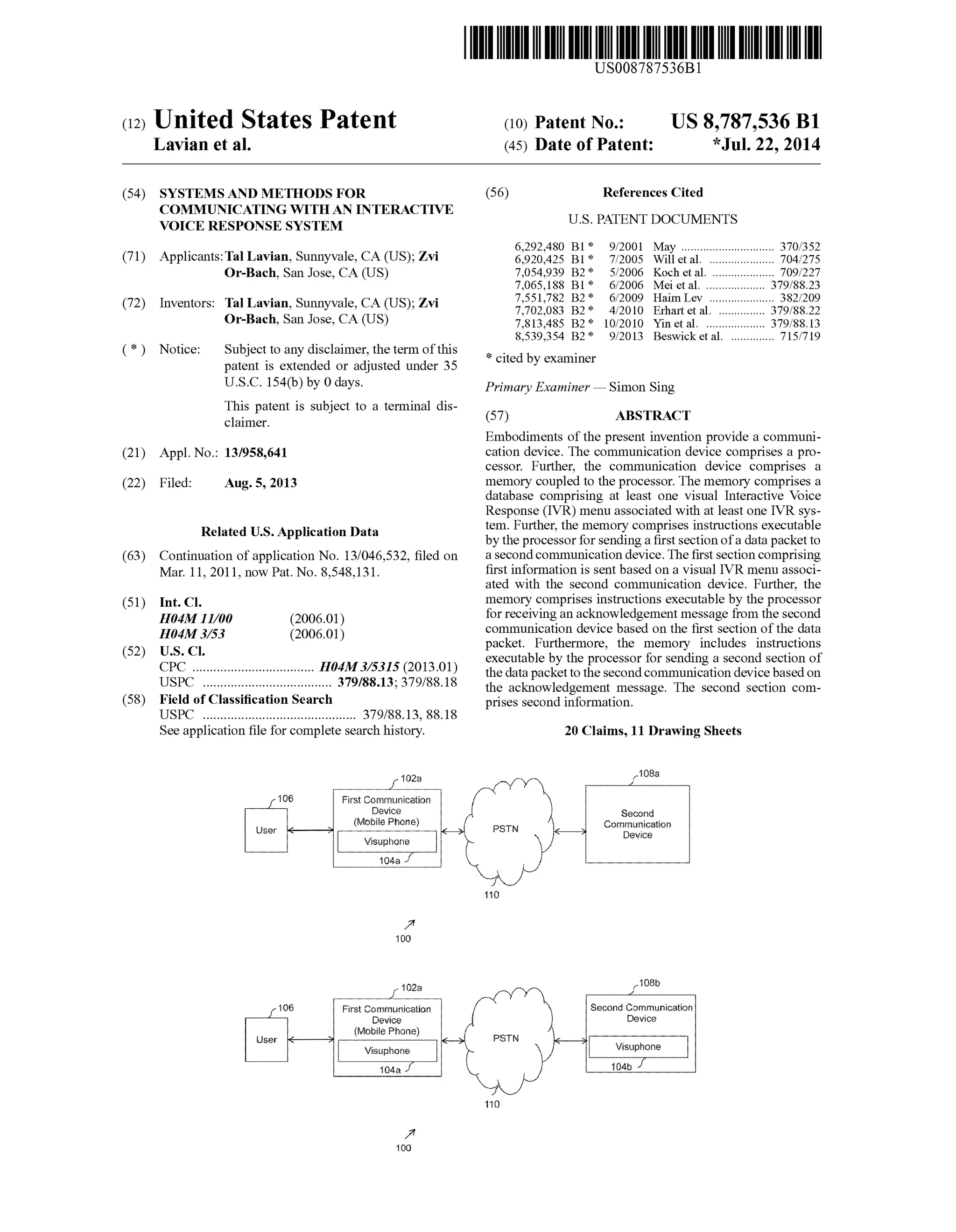
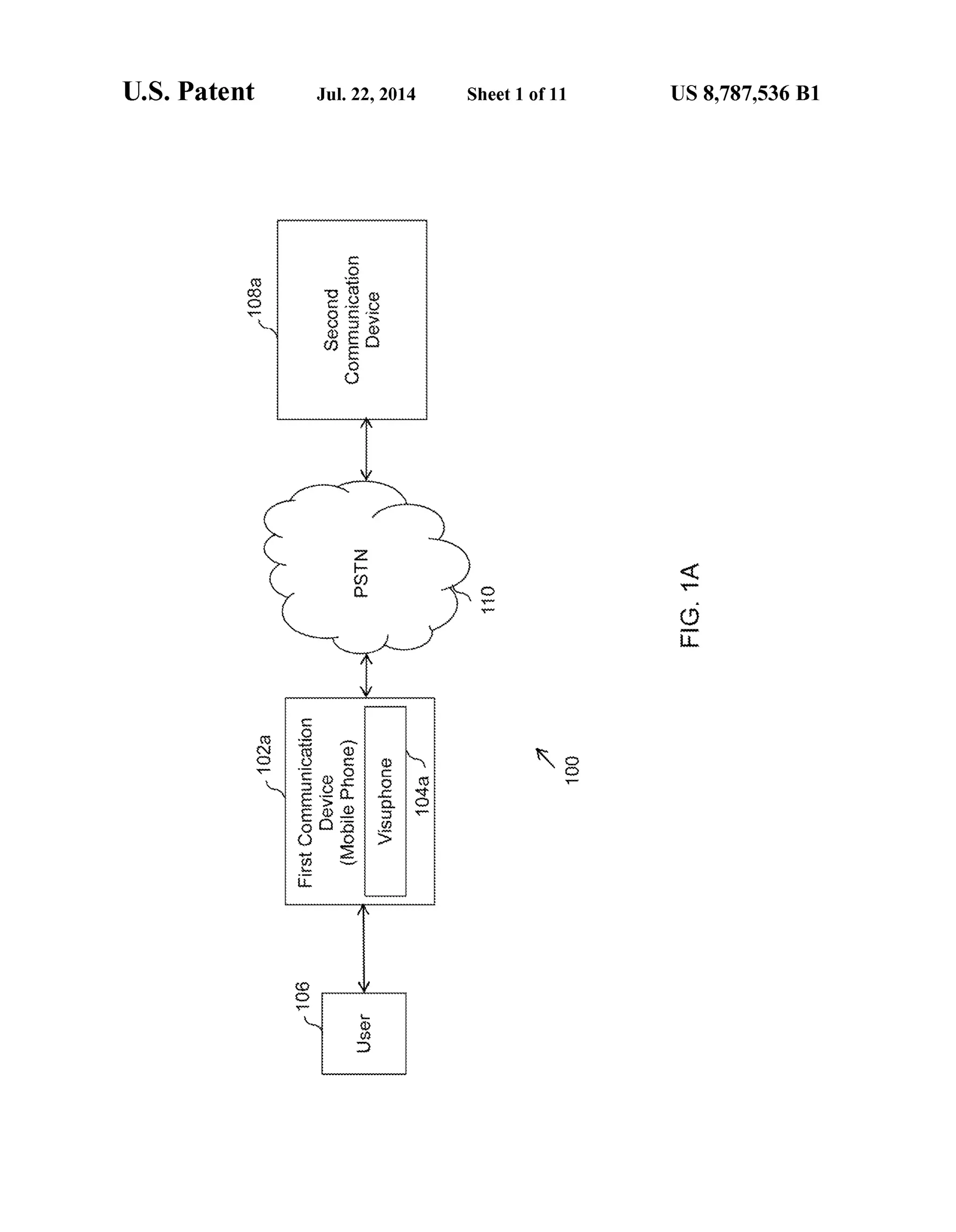
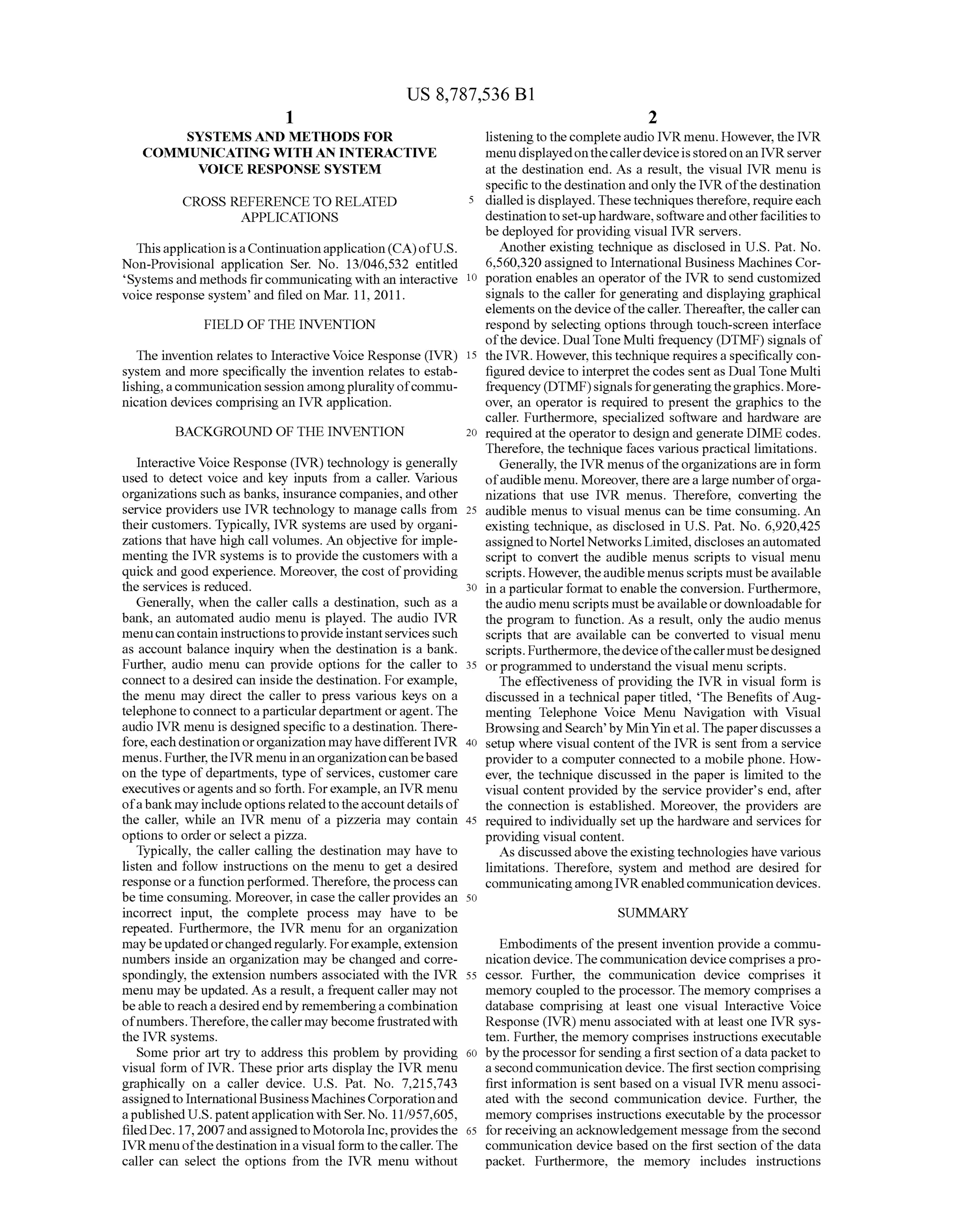
FIG. 1A illustratesartexemplary environmentwhere vari
ous embodiments ofthe invention function;
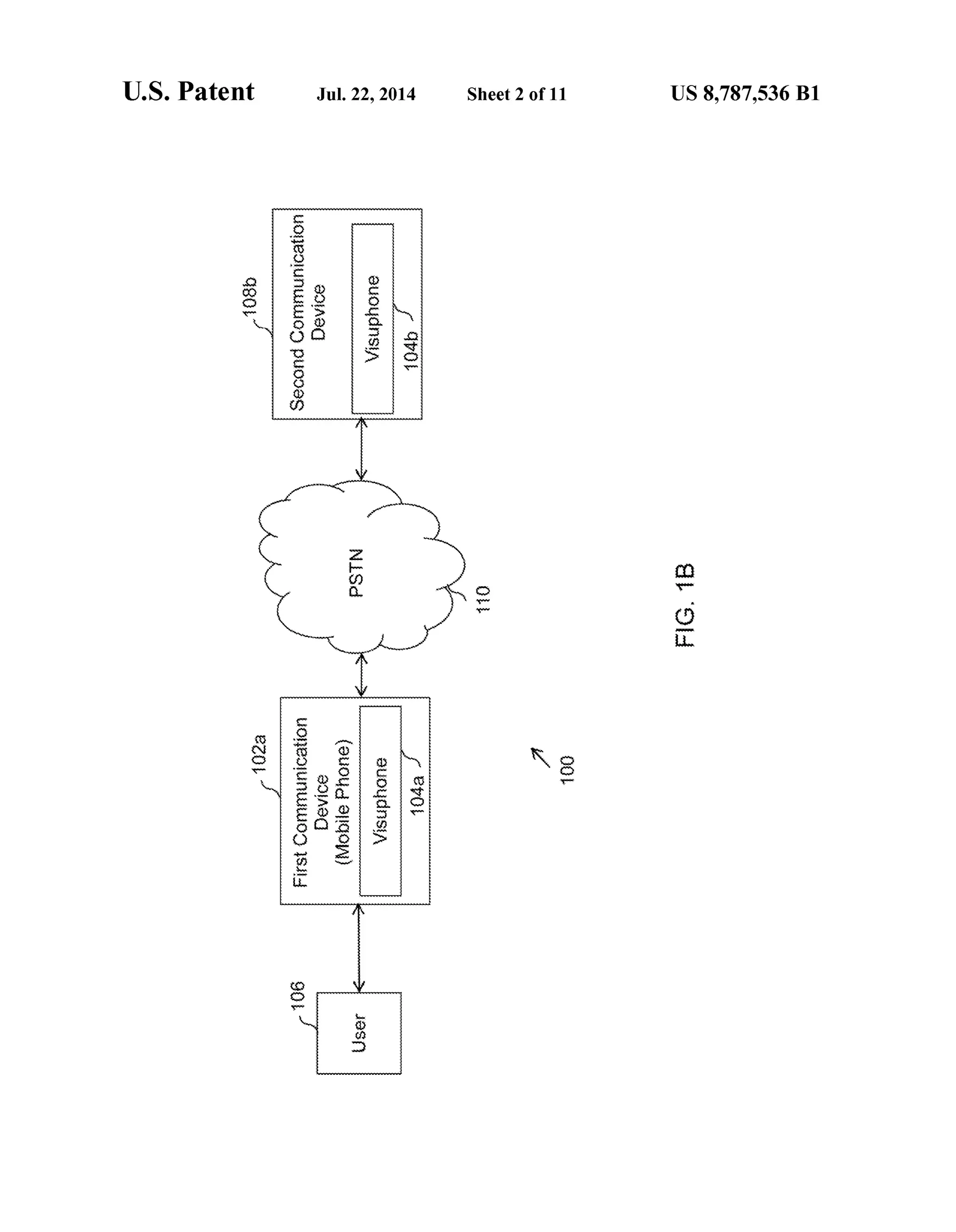
FIG. 1B illustrates anotherexemplary environment where
various embodiments ofthe invention function;
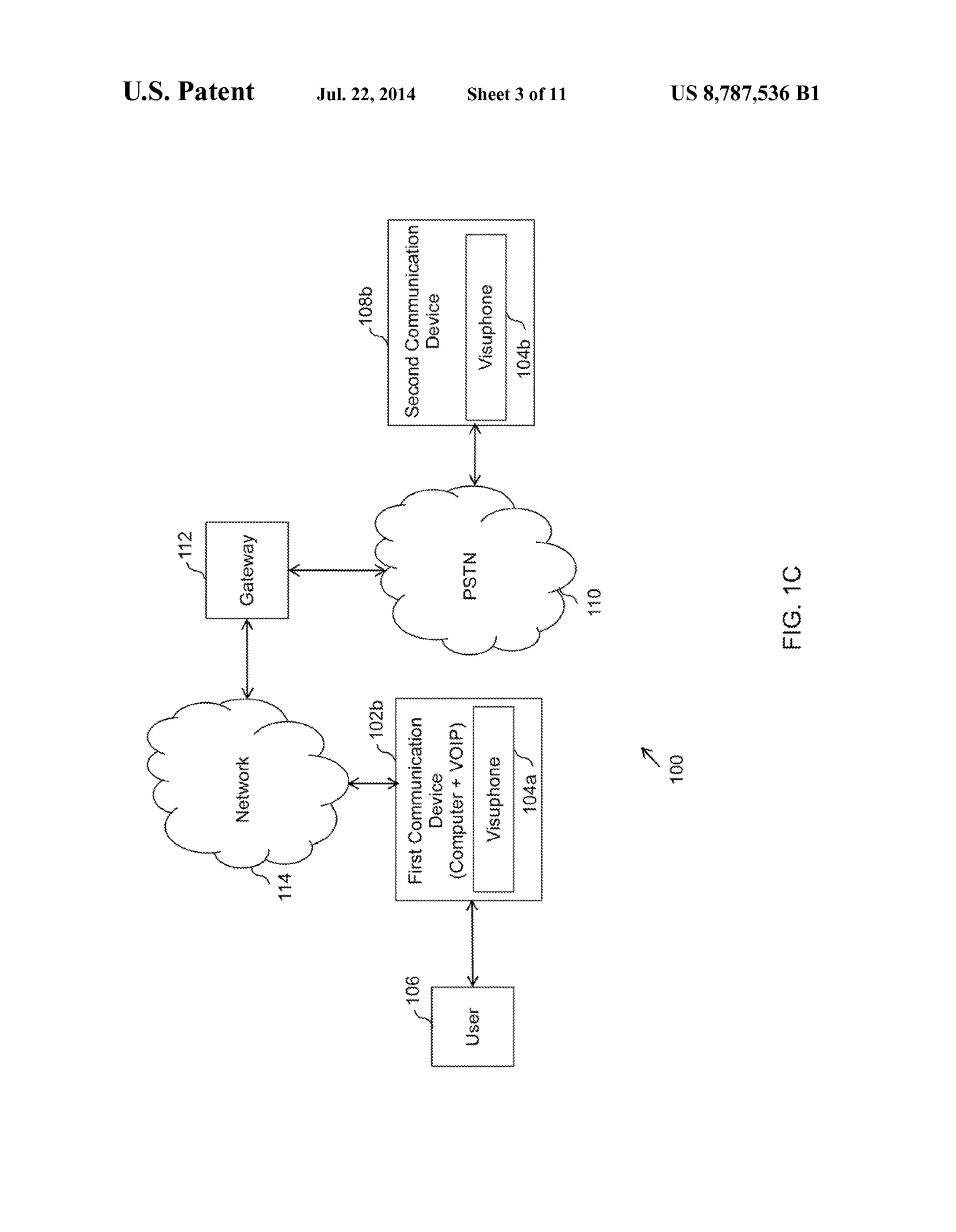
FIG. 1C illustrates anotherexemplary environment where
various embodiments ofthe invention function;
FIG. 1D illustrates yet another exemplary environment
where various embodiments ofthe invention function;
FIGS. 2A and 2B illustrates exemplary components ofthe
communication device thr implementing a Visuphone, in
accordance with an embodiment ofthe invention;
10
15
25
30
35
40
45
50
55
60
65
4
FIG.3 illustrates exemplary components ofthecommuni
cation deviceforimplementingtheVisuphone, in accordance
with anotherembodiment ofthe invention;
FIG. 4A illustrates an exemplary packet sent from a com
munication device to a second communication device, in
accordance with an embodiment ofthe invention;
FIG. 4B illustratesanexemplary structureofa firstsection
ofthepacket,inaccordancewithanembodimentoftheinven
tion; and
FIGS.5A and 5B illustrates a flowchart diagram forcom
municating among a plurality ofcommunication devices, in
accordance with an embodiment ofthe invention.
DETAILED DESCRIPTION OF THE INVENTION
Illustrative embodiments of the invention now will be
describedmorefullyhereinafterwith reference to theaccom
panyingdrawings,in whichsome,butnotallembodiments of
theinventionareshown. Indeed,theinventionmaybeembod
ied in many different forms and should not be construed, as
limited to the embodiments set forth herein; rather, these
embodimentsareprovided, so that this disclosure will satisfy
applicable legal requirements. Like numbers refer to like
elements throughout.
FIG. 1A illustrates an exemplary environment where vari
ous embodiments ofthe invention function. A communica
tion network 100 includes a communication device 102a. In
an embodiment, the communication network 100 may
include different types ofcommunication devices 102a-n. In
an embodiment, the communication device 102a may be
referred as a first communication device. Further, the com
munication network 100 includes a second communication
device 108a. A person skilled in art will appreciate, that the
communication network 100 may also include a plurality of
communication devices 102. Inan embodiment, the commu
nication network100 mayincludeaplurality ofsecondcom
munication devices 108. Examples of the communication
network 100 include, but are not limited to, the Internet,
PSTN, Local Area Network (LAN), Wide Area Network
(WAN), MetropolitanArea Network(MAN), and so forth. In
an embodiment, the communication network 100 can be a
data network such as the Internet. The data network is a
network capable ofestablishing data and Voice communica
tion among various communication devices. In an embodi
ment, thecommunication network 100 can bea telecommu
nication or telephone network capable of establishing only
Voice communication among various communication
devices.
A user 106 may use the communication device 102a to
connect to the secondcommunicationdevice 108a (hereafter
the second communication device 108a may be referred as
second communication device 108 or interchangeably). The
communication device 102a can be a telecommunication
device that can connect directly to a Public Switched Tele
phone Network (PSTN) 110. Aperson skilled in the art will
appreciate, that the communication device 102a can also
connect to a private telephone exchange. Examples of the
communication device 102a include, but are not limited to a
telephone, a mobile phone, aSmartphoneorany otherdevice
capable ofvoice or data communication. The user 106 may
dialaphone numberassociatedwith the secondcommunica
tion device 108a for initiating a call for connecting to the
second communication device 108a. The communication
device 102a may have one or more associated phone num
bers, which may be used by other devices for connecting to
the communication device 102a. Similarly, each ofthe plu
rality of the second communication device 108 may have
US 8,787,536 B1
5
associated at least one phone number. In another embodi
ment,thecommunicationdevice102a mayincludeaplurality
of visual Interactive Voice Response (IVR) menus corre
sponding to phone numbers ofthe plurality ofsecond com
munication devices 108. In an embodiment,the communica
tion device 102a may include an IVR application.
In an embodiment, the communication device 102a may
include the IVR application such as Visuphone 104a. The
Visuphone 104a may be hardware, an application stored as
Software,a firmwareon the communication device 102a, ora
combination thereof. TheVisuphone 104a may provide data
regarding a phone number of the second communication
device 108a dialled by a user 106 of the communication
device 102a. Forexample,the data mayincludegeographical
information orservices provided by the second communica
tion device 102a-n. The second communication device
includes an IVR system. The IVR system allows a caller or
the user 106 to interact automatically with the second com
munication device 108a. When the user 106 dials a phone
number and connects to the second communication device
108a, an audible IVR menu may be played to the user 106.
The second communication device 108a can have more than
one IVR menus. The Visuphone 104a may display a visual
IVR menu on the communication device102a corresponding
to theaudible IVR menuassociatedwith thephonenumberof
the second communication device 108a to be connected.
The second communication device 108a can be a device
capable ofdata/voice communication. Examples ofthe sec
ond communication device 108a include, but are not limited
to, a telephone, a computer, a laptop computer, a personal
digitalassistant (PDA), a mobilephone, andso forth. Various
types ofthe second communication device 108a that imple
ment the audible IVR menu include, thr example, banks,
hotels, fast-food outlets, utility services providers, corporate
offices, mobile phone service providers, hospitals and so
forth. In an embodiment, the second communication device
108a can have more than oneaudio/visual IVR menus. Typi
cally, theaudible IVR menu provided by the secondcommu
nication device 108a comprises audible options or instruc
tions. Inanembodiment,thevisual IVRmenu includesoneor
more text and/or graphical representation ofdifferent nodes
corresponding to afferent nodes oftheaudio IVR menu. The
user 106 may be required to select various options from the
audible IVR menu to obtain the required information orser
Vice from the dialled second communication device.
In an embodiment, the Visuphone 104a may send or
receive, oneormore messagesto orfrom the second commu
nication device 108a for establishing a communication ses
sion with the second communication device 108a. The one or
messages may be sent as data packets when a data network
suchas the Internetisavailable. Inanembodiment; theoneor
more messages may be sent as Dual-Tone Multi-Frequency
(DTMF)signalsortones.Afterestablishingacommunication
session withthesecondcommunicationdevice108a, theuser
106 can interact with the second communication device 108a
via the visual IVR menu associated with the second commu
nication device 108a. Inan embodiment, the communication
device 102a mayreceiveanacknowledgement message from
the second communication device 108a.
In an embodiment, the communication network 100 may
includea server. The server may maintain the updated infor
mation of the second communication device 108a. In an
embodiment of the invention, the communication device
102a can request and/or receive updates from the server.
FIG. 1B illustrates anotherexemplary environment where
various embodiments ofthe invention function. As discussed
with reference to FIG. 1A, the communication network
10
15
25
30
35
40
45
50
55
60
65
6
includes the communication device 102a and the second
communication device 108a. As shown the communication
network 100 may further include, a second communication
device 108b (hereafter the second communication device
108b maybereferredas secondcommunicationdevice108or
interchangeably). The communication device 102a can be a
telecommunication device that can connect directly to a
PSTN 110. The communication device 102a includes aVisu
phone 104a capable ofdisplaying data related to the second
communication device 108a. Further, the Visuphone 104a
may send or receive one or more messages to or from the
second communication device 108a. In an embodiment, the
one or more messages exchanged may be in the form ofdata
packets. Inan embodiment,thedatapacketmaybean Internet
Protocol version 6 (IPv6)packet. In anotherembodiment,the
one or more messages exchanged may be in the form of
DTMF signals or tones.
In an embodiment ofthe invention, the second communi
cation device 108b may also include a Visuphone 104b. The
Visuphone 104b may send or receive one or more messages
includinginformation Suchasacknowledgmenttoorfromthe
communication device 102a. TheVisuphone 104b is capable
ofsending messages required to establish a communication
session with the communication device 102a.
FIG. 1C illustrates anotherexemplary environment where
various embodiments ofthe invention function. As shown, a
communication device 102b can be a communication device
thatmaybeconnecteddirectlytoa network114. Examplesof
the communication device 102b include, but are not limited
to, a personal computer, a laptop, a mobile phone, a Smart
phone, a fixed line telephone, a Voice Over Internet Protocol
(VOIP)phoneorotherdevices capable ofvoice or data com
munication. The communication device 102b may include
various applications or computer programs that enable the
user106 to use thecommunication device 102b fordialling a
phone number ofthe second communication device 102a-n
through PSTN 110 over network 114 through a gateway 112.
For example, the applications may be VOW applications,
Suchasbut notlimitedtoSkype, MagicJack,GoogleTalkand
so forth. Examples ofthe network 114 include any wired or
wireless network, such as but not limited to, LAN, WAN, a
Wi-Fi network and so forth. As discussed with reference to
FIG.1AandFIG.1B,thesecondcommunication device108b
(or 108a) presents the audible IVR to the communication
device 102b. As discussed with reference to FIG. 1A, the
Visuphone 104a may initiatea call to a phone numberofthe
second communication device 108b. The Visuphone 104a
may furtherdisplay the visual IVR menuassociated with the
dialled phone number ofthe second communication device
108b. Further,theVisuphone104a may searchordetectadata
network. In an embodiment, the Visuphone 104a may send
oneormore messages in theform ofdatapackets whenadata
network such as the Internet is available to the second com
munication device 108b. Further, the Visuphone 104a may
establish a communication session with the second commu
nicationdevice 108b by exchangingone ormore messages or
data packets. Furthermore, the Visuphone 104a may send a
firstsection ofadatapacketincludingfirstinformation tothe
second communication device 108. In an embodiment, the
Visuphone 104a may receive a message including acknowl
edgement information from the second communication
device 108. The communication device 102a receives the
acknowledgement messagewhenthesecond communication
device 108 (108b) includes an IVR application such as the
Visuphone 104b as shown in FIG. 113. The acknowledge
mentmessagemaybereceivedbasedonthefirstsectionofthe
data packet. Thereafter, the Visuphone 104a ofthe commu
US 8,787,536 B1
7
nication device 102a may send a second section ofthe data
packetincludingsecond information Such as apayload. Inan
embodiment, the first Visuphone 104 may exchange one or
messages with the Visuphone 104b or the second communi
cation device 108a in form of Dual-Tone Multi-Frequency
(DTMF) signals or tones.
FIG. 1D illustrates yet another exemplary environment
where various embodiments of the invention function. As
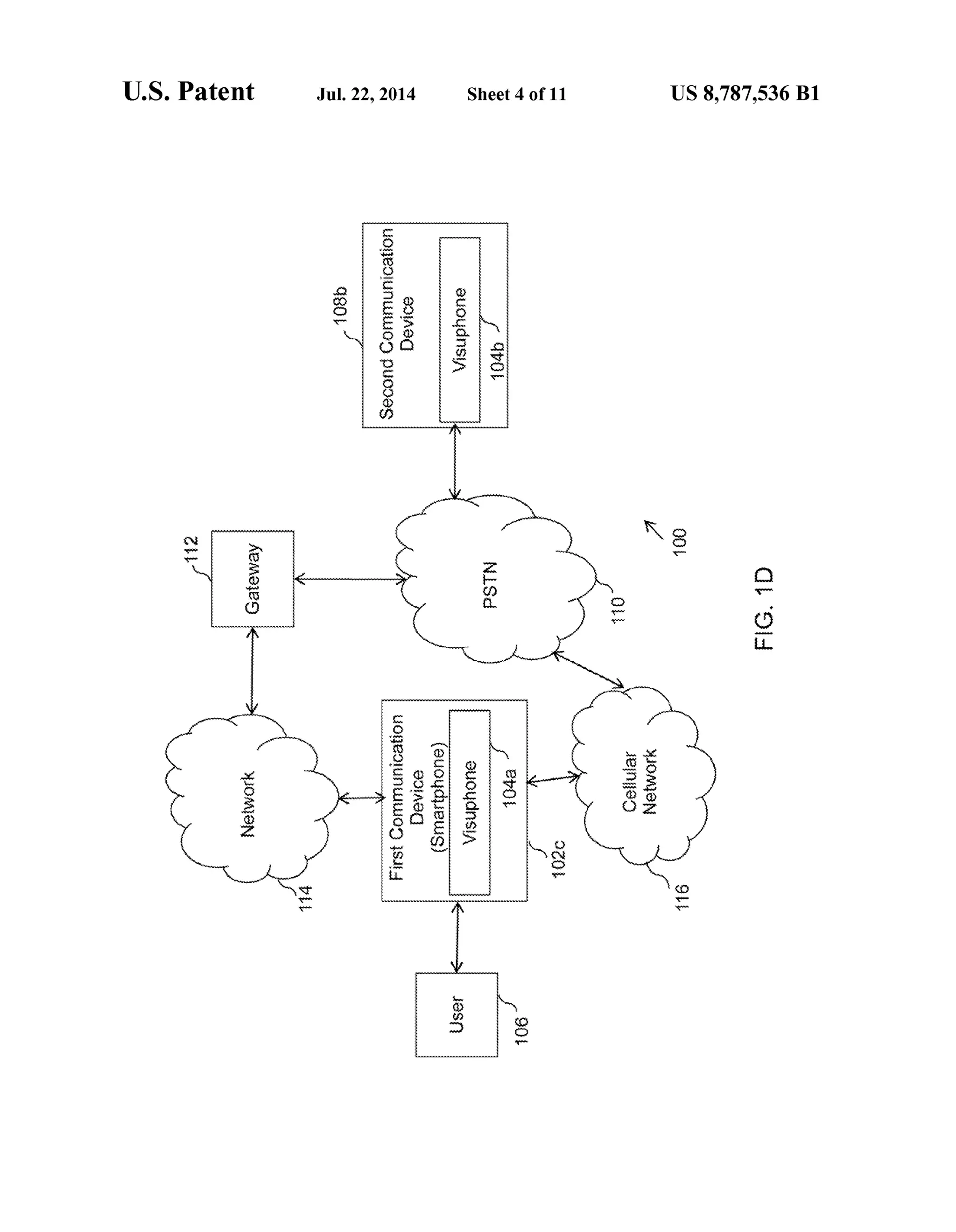
shown, the communication device 102c can be connected to
the PSTN 110 through the network 114 or through a cellular
network 116. Various service providers provide multiple or
overlapping services to customers. For example, cable tele
vision service provider may also provide phoneand network
service, optical networkprovider may also provide phone or
television services, WiMax service providers that provide
phone service, and so forth. The network 114 may be any
serviceproviderthatprovidessuch services, forexample, but
notlimitedto,cellphoneservices, wireless services, network
services, cabletelevisionservices,orvariouscombinationsof
the above or other type ofservices. As discussed with refer
ence to FIGS. 1A, 1B and 1C, the second communication
device 108a or 108b includes one or more audible IVR
menus. The communication device 102c includes the Visu
phone 104a which displays data correspondingto thedialled
phone number of the second communication device 108.
Further, theVisuphone 104a may display a visual IVR menu
corresponding to the audible IVR menu ofthe dialled phone
numberofthe secondcommunicationdevice 108aor108b. In
anembodiment, thevisual IVR menu maybedisplayed when
a call is received from the second communication device
108b.Thereafter,theuser106may selectoneormoreoptions
from the displayed visual IVR menu. In an embodiment, the
visual IVR menu may have an associated identity (ID) or
number. The visual IVR menu will indicate the version infor
mation ofthe visual IVR menu. In an embodiment, theVisu
phone 104a may send selection information includingone or
more options selectedby the user 106 to the second commu
nication device108b. Inan embodiment,theVisuphone 104a
may receive the audio/visual IVR menu from the second
communication device 108b when a latest version of the
visual IVR menu is notavailableatthecommunication device
102c. In an embodiment, the dialled second communication
device 108b may request the information from the server of
the communication network 100 when the information
requested by the Visuphone 104a is not availableat the sec
ond communication device 108b. Thereafter, the second
communication device 108b may send the information
received from the server to the Visuphone 104a. The Visu
phone 104a may further request and/or receive information
fromthedialledsecondcommunicationdevice108b. Further,
theVisuphone 104a may display the information at thecom
munication device 102b. In an embodiment, the Visuphone
104a may includeversion information. The version informa
tion maybeacombination ofnumbers,alphabetsoranalpha
numeric code indicating a version ofthe Visuphone 104a.
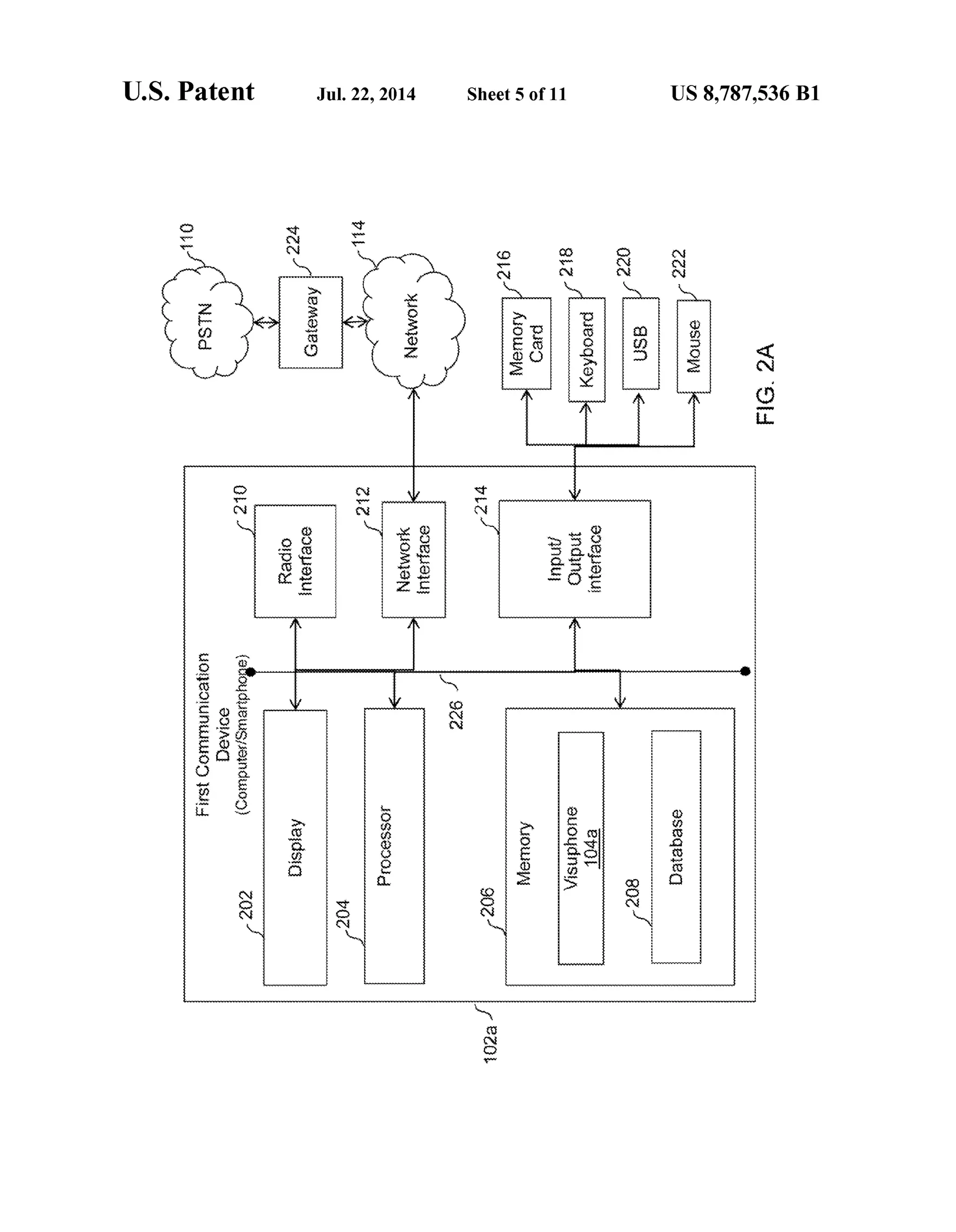
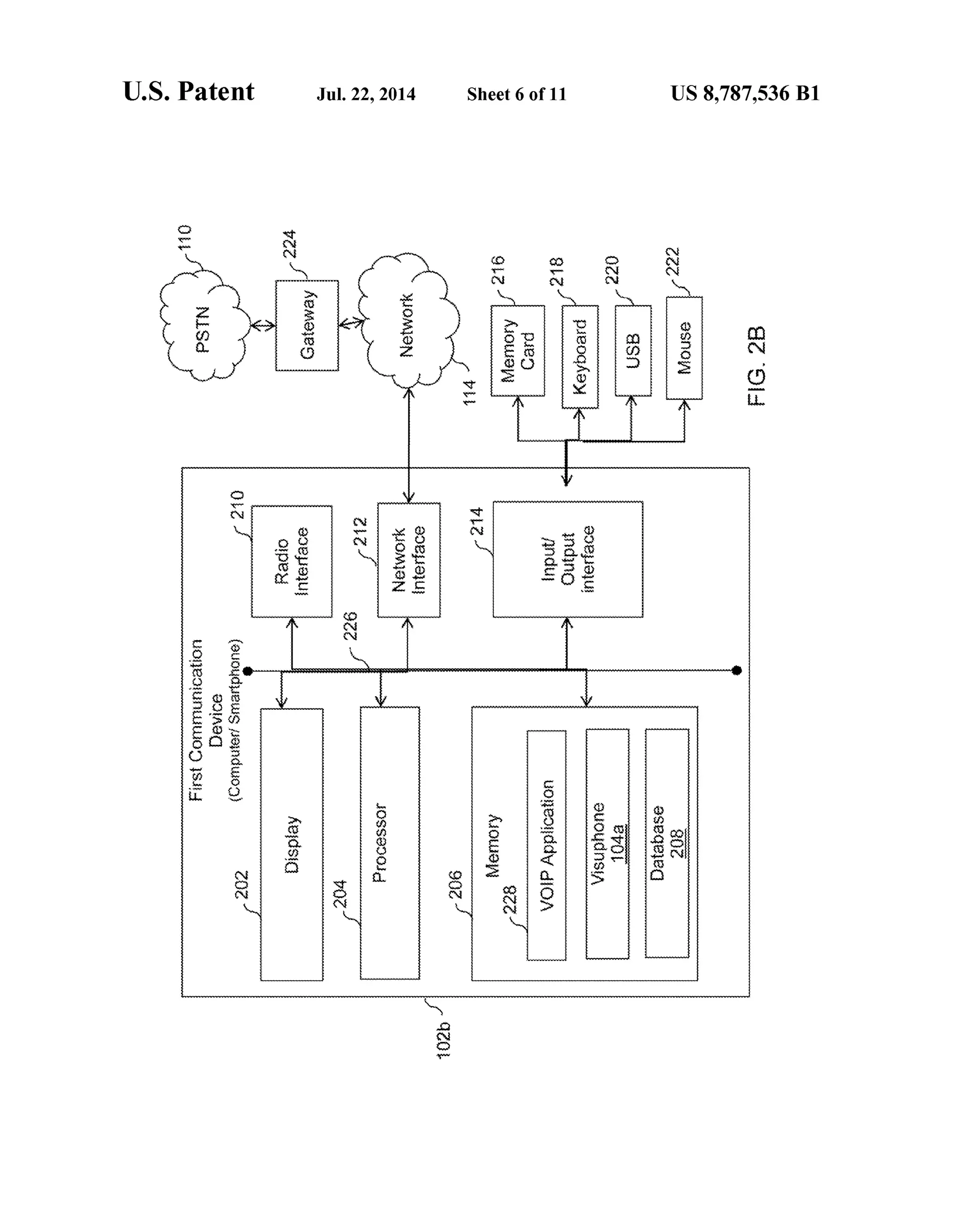
FIGS. 2A and 2B illustrate exemplary components ofthe
communicationdevice 102a forimplementingtheVisuphone
104a, in accordance with an embodiment of the invention.
Thecommunication device 102aincludesasystembus226to
connectthevariouscomponents. Examplesofsystembus226
include several types ofbus structures including a memory
bus, a peripheral bus, or a local bus using any ofa variety of
busarchitectures.As discussedwithreferenceto FIG. 1A,the
communication device 102a can be a communication device
Such as computer, a Smart-phone, and so forth. The commu
nication device 102a can connect to PSTN 110 through a
gateway 224, which is connected to network 114 through a
10
15
25
30
35
40
45
50
55
60
65
8
network interface212. Input/Output(IO) interface 214ofthe
communication device 102a may be configured to connect
external orperipheral devices Such as a memory card 216, a
keyboard 218, a Universal Serial Bus (USB) device 220 and
a mouse222. Although not shown, various otherdevices can
beconnectedthrough IOinterface 214to thecommunication
device 102a. In an embodiment ofthe invention, thecommu
nicationdevice 102a may beconnectedtoa hub thatprovides
various services such as Voice communication, network
access, television servicesandso forth. Forexample, thehub
maybea HomeGatewaydevice thatactsasahubbetweenthe
home environment and the Broadband Network.
Thecommunication device 102a includesa display 202 to
output graphical information to the user 106. In an embodi
ment ofthe invention, the display 202 may include a touch
sensitivescreen.Therefore, theuser106canprovideinputsto
the communication device 102a by touching display 202 or
by point and click using the mouse. A memory 206 ofthe
communication device 102a stores various programs, data
and/or instructions that can be executed by a processor 204.
Examples ofthe memory 206 include, but are notlimited to,
a Random Access Memory (RAM), a Read Only Memory
(ROM), a hard disk, and so forth. A person skilled in the art
will appreciate that other types ofcomputer-readable media
which can storedatathatis accessibleby a computer, Such as
magnetic cassettes, flash memory cards, digital video disks,
and the like, may also be used by the communication device
102a. The memory 206 may include Operating System (OS)
(not shown) for the communication device 102a to function.
Further, the memory 206 may includeotherapplications that
enable the user 106 to communicate/interact with the second
communication device 108a (or 108b). Examples ofother
applications include, but are not limited to, Skype, Google
Talk, Magic Jack, and so forth. Other applications may be
stored as Software or firmware on the communication device
102a.
Further, the memory 206 includes theVisuphone 104.a for
providing a visual representation ofthe second communica
tion device 108. As discussed with reference to the FIG. 1A,
the Visuphone 104a may be hardware, a software or a firm
ware stored on the communication device 102a. In an
embodiment, the Visuphone 104a may be implemented as
plug-in to other applications. The visual IVR menus are
stored in a database 208 in the memory 206 ofthecommuni
cation device 102a. In an embodiment, the Visuphone 104a
may receive updates about the visual IVR menus from the
serverofthecommunication network100 atpredefinedtime.
Thepredefined time may be forexample, once a week, once
a month, or any other interval predefined by the user 106 or
theVisuphone 104a. In an embodiment, theVisuphone 104a
ofthe communication device may initiate a communication
session with a plurality of second communication devices
108. Inanembodiment, theVisuphone 104a maysendoneor
more messages forestablishingacommunication sessionto a
plurality ofsecond communication devices 108.
In an embodiment, the Visuphone 104a may display a
visual IVRmenuassociated withthedialledphonenumberof
the second communication device 108 before actual commu
nication session establishment. In an embodiment, the Visu
phone 104a maydisplay oneormorecommunication options
on the display 202 of the communication device 102a. The
user 106 may input one or more key or key combinations
usingthekeyboard218. The keyboard 218 may beaphysical
keyboard or a virtual keyboard displayed on a touch screen
display 202. Inanembodiment, thekeyboard218 is a keypad
onthecommunicationdevice102a. Subsequently,aftersome
US 8,787,536 B1
9
processing by the Visuphone 104a, the visual IVR menu
corresponding to dialled phone number is searched and dis
played on the display 202.
In an embodiment ofthe invention, the visual IVR menu
may be provided in real-time to the user 106. In an embodi
ment ofthe invention, the visual IVR menu is provided by a
messaging servicesuch asaShort MessagingService(SMS).
Therefore, second communication device 108 may provide
customized visual IVR menu to the user 106. The visual IVR
menu maybecustomizedbasedontheprofileofthe user106.
Inan embodiment ofthe invention, theprofile may begener
atedbasedonaccesspattern ofuser 106orthe datacaptureby
a hub connected to the communication device 102a.
The user 106 can interact with the visual IVR menu by
pressing a desired button from the keyboard 218. For
example, the user 106 can press a 3 key from the keyboard
218 to select a node 3 in the visual IVR menu. Further, the
user106can directly selectthe node3ofthevisual IVR menu
from the display 202, in ease of a touch sensitive screen.
Depending on the complexity or size of first party devices,
visual IVR menu mayhave various nodes. Moreover, display
area ofthedisplay202 maybelimitedorsmall.Asaresult,all
the nodes of the visual IVR menu may not be displayed
together on the display 202. In such a case, the Visuphone
104a isconfiguredtoallow the user106 to navigatebyscroll
inghorizontally and/orvertically to view nodes on the visual
IVR menu 202. Further, the Visuphone 104a may detect the
capabilityofthecommunication device 102a beforedisplay
ing the visual IVR menu. For example, in ease the commu
nication device 102a is a basic mobile phone with limited
functionality ofthe display screen.Therefore, theVisuphone
104a may display the visual IVR menu in form ofa simple
list. Similarly, a list may be displayed in case offixedline or
wired telephones. Moreover, in ease the communication
device 102a includesahigh capability Screen,Such asbutnot
limited, to an iPhone, then the visual IVR menu is displayed
in form ofgraphics. In oneembodiment, theVisuphone 104a
is configuredto detectandpresentan application orcomputer
program available on the communication device 102a.
In an embodiment, the user 106 may dial a phone number
from a VOIP application 228 on the communication device
102b, as shown in FIG. 4B. The phone number may corre
spondtoany ofthepluralityofsecondcommunication device
108 ofthe communication network 100. In an embodiment,
theuser106 selectsapre-storedphonenumberfromtheVOIP
application 228. In an embodiment, theVisuphone 104a may
includeaVOW plug-in that monitors the incoming/outgoing
calls to/fromtheVOIPapplication.Therefore, theVOIPplug
in may searcheach phone numberofthe dialledsecondcom
munication device 102 in the database 208. In ease, the call
ing phone number is found in the database 208 and is
associated with an audible IVR, then the VOIP plug-in may
display the visual IVR menu corresponding to the audible
IVR menu ofthe dialled phone number ofthe second com
munication device 108b. In an embodiment, when the data
basedoes notincludea match forthedialledphone numberof
the second communication device 108b, then the communi
cation device 102a may request and/or receive a visual IVR
menu associated with the phone number from the second
communication device 102b.
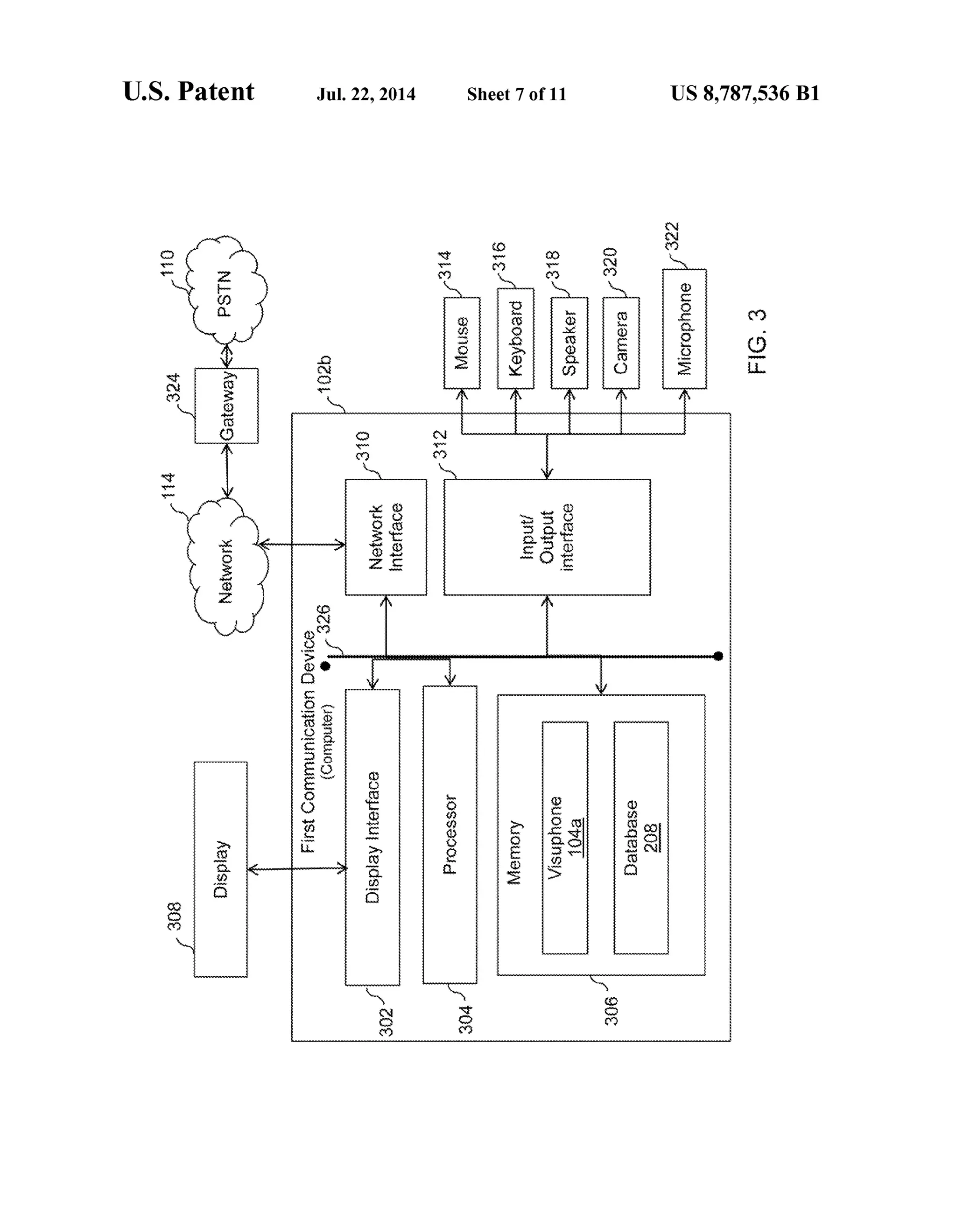
FIG. 3 illustrates exemplary components ofcommunica
tion device102bforimplementingVisuphone104a,in accor
dance with another embodiment of the invention. The com
municationdevice 102b includes a systembus326toconnect
thevariouscomponents. Examplesofsystem bus326include
several types ofbus structures Such as, but not limited to, a
memorybus ormemorycontroller,aperipheralbus,oralocal
10
15
25
30
35
40
45
50
55
60
65
10
bus using any ofa variety ofbus architectures. As discussed
with reference to FIG. 1B, the communication device 102b
can be a computing device Such as, but not limited to, a
personal computer, a laptop, a mobile phone, a Smart-phone,
and so forth. The communication device 102b can connect to
thenetwork114 through a networkinterface310. Further,the
communication device 102b can connect to PSTN 110
through gateway 324 andthe network 112 through a network
interface310.An Input/Output(IO) interface312ofthecom
munication device 102b may be configured to connectexter
nal or peripheral devices such as a mouse 314, a keyboard
316, a speaker 318, a camera 320, and a microphone 322.
Although not shown, various other devices such as a hard
disk, a Universal Serial Bus (USB) device or others can be
connectedthroughthe IOinterface312 to thecommunication
device 102b. A person skilled the art will appreciate that
although notdescribed,variousothertypesofdevicescapable
ofVoice and/or data communication can be connected to the
communication device 102b.
The communication device 102b includes a display inter
face302toconnecttoa display308.Thedisplayinterface302
can be forexample,a video adapter. The display308outputs
graphical information to the user 106. In an embodiment of
the invention, the display 308 includes a touch sensitive
screen. Therefore, the user 106 can provide inputs to the
communication device 102b by touching the display 308 or
by pointing with the mouse and click. A memory 306 ofthe
communication device 102b stores various programs, data
and/or instructions that can be executed by Central Process
ing Unit (CPU) or processor 304. Examples ofthe memory
306include,butare notlimitedto,aRandomAccessMemory
(RAM), a Read Only Memory (ROM), a hard disk, and so
forth. A person skilled in the art will appreciate that other
types ofcomputer-readable mediawhichcan storedatathatis
accessible by a computer. Such as magnetic cassettes, flash
memory cards, digital video disks, and the like, may also be
used by communication device 102b. The memory 306 may
include Operating System (OS) not shown) for the commu
nication device 102b to function. Further, the memory 306
may include other applications that enable the user 106 to
communication with the second communication device 108a
(or 108b). Examples of the other applications, but are not
limited, to, Skype, Google Talk, Magic Jack, and so forth.
Otherapplications may be stored as software or firmware on
the communication device 102b. Further, the memory 306
includes the Visuphone 104.a for searching and presenting a
visual IVR menu corresponding to the audible IVR menu of
a dialledphone numberofthe second communication device
108, as discussed with reference to FIGS. 2A and 2B. The
Visuphone 104a maybeanapplicationstoredasasoftwareor
firmware on thecommunication device 102b. The visual IVR
menusare storedin visual menu database 208 in the memory
306 ofthecommunication device 102b. TheVisuphone 104a
searches thevisual menu database208 foravisual. IVRmenu
corresponding to a phone number ofthe dialled phone num
ber ofthe second communication device 108. Subsequently,
the visual IVR menu is presented on the display 308 for
selection of options by the user 106 or caller. Further, the
Visuphone 104 may be implemented as plug-in to the other
applications.Therefore, whenaphonenumberisdialledfrom
the other applications, the Visuphone 104a detects the dial
ling and automatically searches and displays the visual IVR
menu correspondingtothedialledphone number. Thereafter,
the user 106 can interact with the visual IVR menu, without
listening to theaudible IVR menu ofthe secondcommunica
tion device 108b. Inanembodiment, thesecondcommunica
tion device 108b may include aVisuphone 104b as shown in
US 8,787,536 B1
11
FIG. 1B. The Visuphone 104b can function similar to the
Visuphone 104a as explained above.
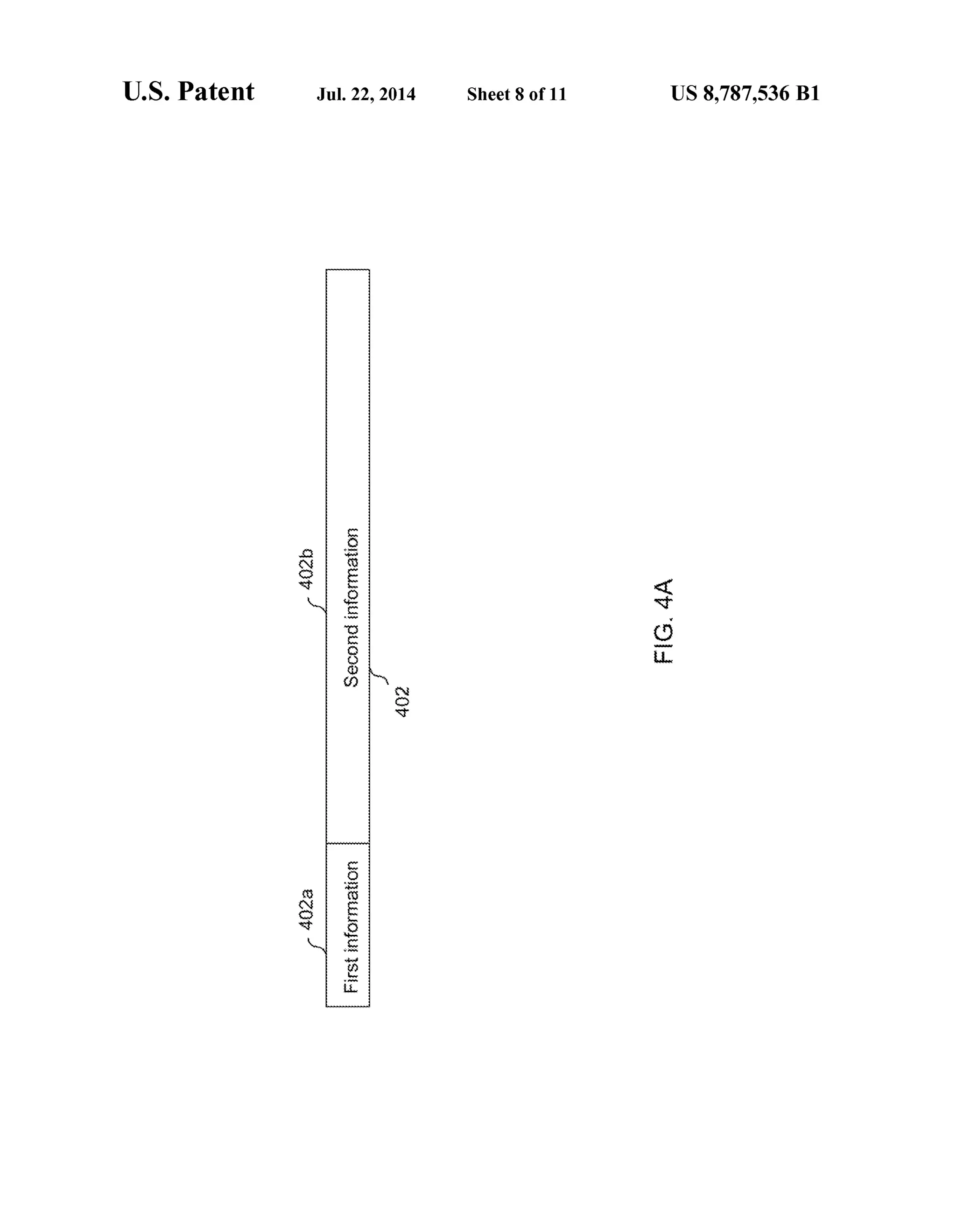
FIG. 4A illustrates au exemplary packet402 sent from the
communication device 102 to the second communication
device 108b, in accordance with an embodiment of the
presentinvention, in an embodiment, theVisuphone 104a of
the communication device 102a may send the packet 402 to
the second communication device 108b for establishing a
communication session when a data network Such as the
Internet is available. Examples ofthepacket402 includebut
are not limited to an Internet. Protocol version 4 (IPv4)
packet, an Internet Protocol version 6 (IPv6) packet, and so
forth. In an embodiment, the packet 402 includes a first sec
tion 402a anda second section402b. The first section 402a of
the packet includes first information. In an embodiment, the
first section402a may includeheaderinformation. Examples
ofthe first information include, bin are not limited to Visu
phone version, a visual menu identity (ID) ofthe visual IVR
menuassociatedwith the secondcommunication device 108,
anACKbit,andso forth. TheVisuphone versionindicates the
version information of the Visuphone 104a present at the
communication device 102a. The visual menu ID indicates
the identity information ofthe visual IVR menu associated
with the dialled phone numberofthe secondcommunication
device108. Inanembodiment,theACKoracknowledgement
hit maybe usedbythesecond communication deviceto send
an acknowledgement message. In an embodiment, the ACK
bit may have a value such as 0 or 1. Forexample, the second
communication device 108 may set theACKbit oracknowl
edgement bit to 1 and send it back to the communication
device 102a as an acknowledgement message. A value 1 in
the ACK bit indicates that the message is an acknowledge
ment message forapreviously sent message orsection ofthe
packet. In an embodiment,thesecondcommunication device
108 sends the acknowledgement message when the second
communication device 108includestheVisuphone104b.The
ACK bit set as indicates that the packet sent from the first
section has been received at the second communication
device 108. In an embodiment ofthe invention, the first sec
tion 402a may bea headersection ofIPv6 packet. The struc
ture ofheader section or first section 402a is shown in FIG.
4B.
In an embodiment, the second section 402b ofthe packet
402 may include, second information. Examples ofthe sec
ondinformationinclude,butare notlimitedto,auserID, user
options (selected from the visual IVR menu), user profile
information (last dialled,details),and so forth. Inanembodi
ment, the second section may include a data orpayload sec
tion. The user ID is the identity information ofthe user 106
dialling the phone number of the second communication
device 108. The user options indicate selection information
includingtheoneormoreoptionsselectedfrom thedisplayed
visual. IVR menu. The Visuphone 104a displays the visual
IVR menu associated with the second communication device
108 when the user dials the phone number of the second
communication device 108. The user profile indicates the
information related to previous communication session or
activities ofthe user 106 orcommunication device 102a. The
user profile indicates information Such as last dialled num
bers, time of last call, duration of last call to the second
communication device 108, access pattern of the user 106,
andsoforth. In anembodiment, thesecond section 402b may
be a payload or data section ofIPv6 packet. In an embodi
ment,theinformation ofthe firstsection402a andthesecond
section 402b may be sent separately as two different packets
by the Visuphone 104a. In an embodiment the first section
402a and second section 402b may besent in form ofDIME
5
10
15
25
30
35
40
45
50
55
60
65
12
tones or signals. The messages are sent in form of DTMF
tones when the data network is not available.
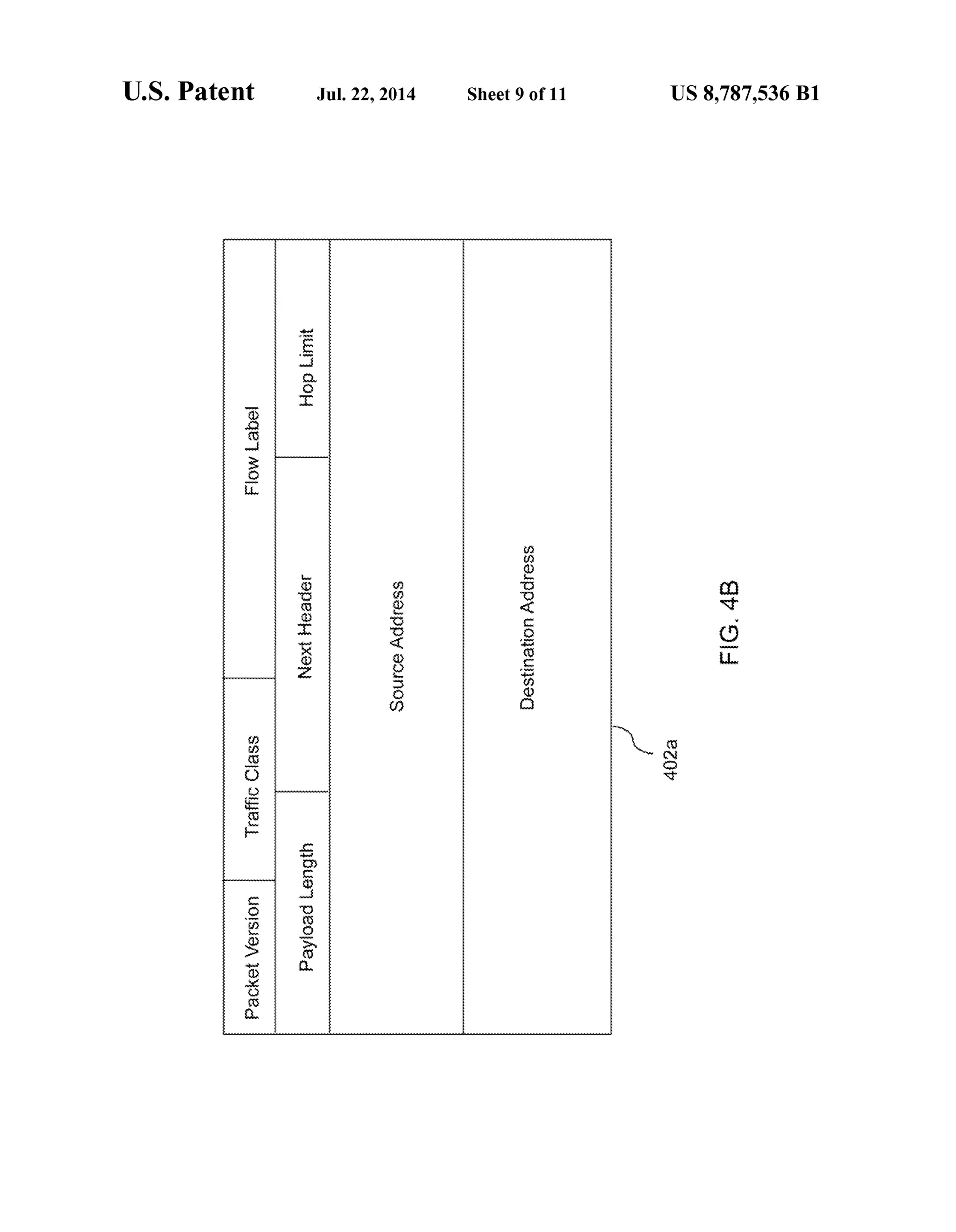
FIG. 4B illustrates an exemplary structure ofthe first sec
tion 402a ofthe packet 402, in accordance with an embodi
ment of the invention. In an embodiment, the first section
402a of the packet 402 may be a header section of IPv6
packet. The first section 402a may include a plurality of
fields. Example of plurality of fields include, but are not
limited to, a packet version, a traffic class, a flow label, a
payload length,a nextheader, ahop limit, a sourceaddress, a
destinationaddress,andso forth.Thepacketversionindicates
version information associated with the packet 402 such as
IPv4, IPv6, and so forth. The version information may
include numeric characters, alphabets or a combination
thereof. In an embodiment ofthe invention, the traffic class
may indicate whether the Source device i.e. communication
device 102a of the packet 402 provides congestion control
management or not. The flow label may be used to provide
real time applications special services. The next header field
points to nextelementorpacket in the chain ofpackets when
multiple packets are sent. The payload, length may indicate
the size or length ofthe payload or data section (the second
section402b).Thehoplimitmayindicatethenumberofstops
or hops the packet 402 may take before reaching the final
destination or the second communication device 108. The
Sourceaddress mayincludetheaddressofthecommunication
device 102a. The destination address may be address ofthe
second communication device 108. In an embodiment, the
destination address may be the address of next hop of the
packet 402.
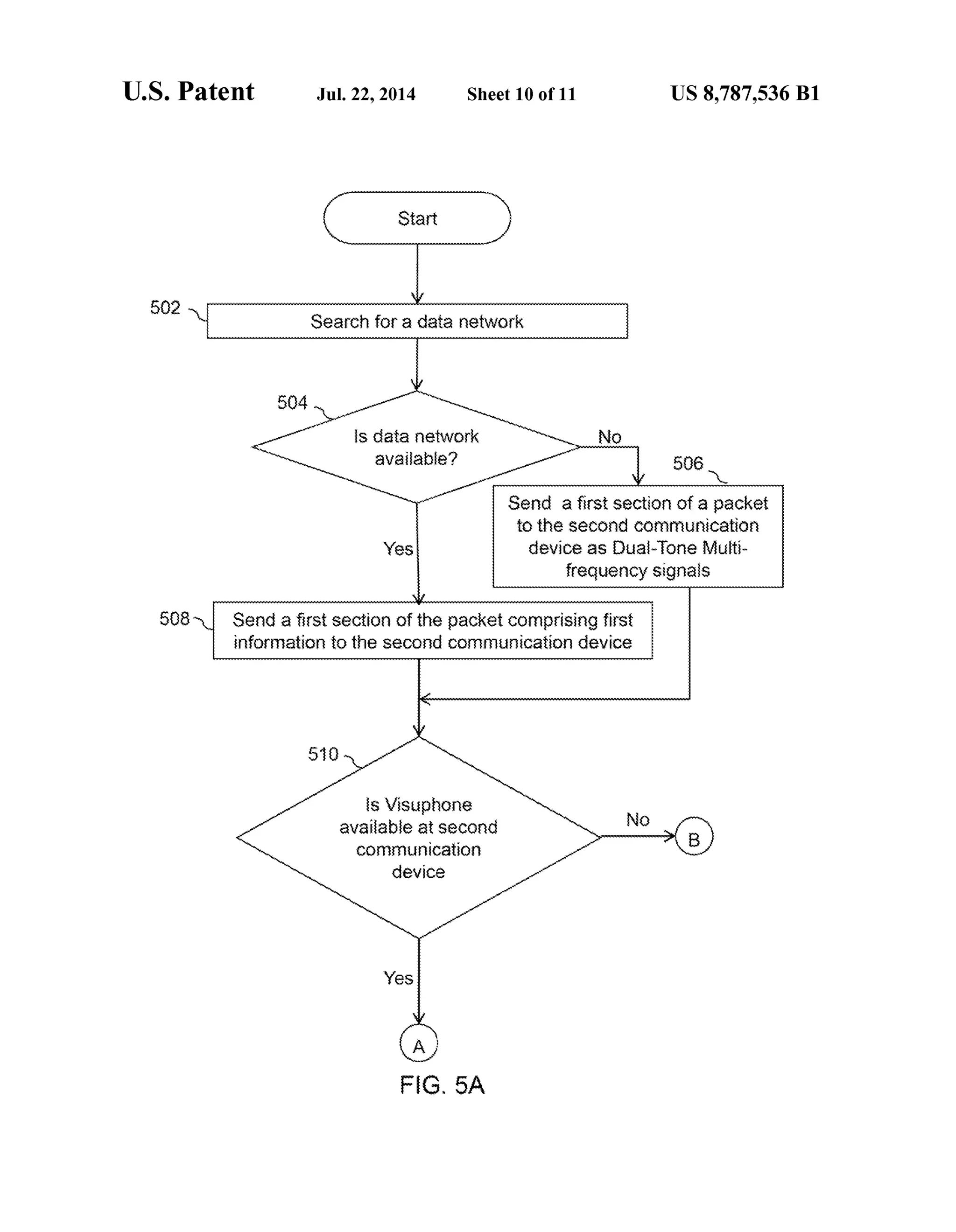
FIGS.5A and 5B illustrates a flowchart diagram forcom
municating among a plurality ofcommunication devices, in
accordance with an embodiment of the invention. As dis
cussed with reference to the FIGS. 1A and 1B, the commu
nication network 100 includes the communication device
102a. Further, the communication network 100 includes the
second communication device 108. In an embodiment, the
communication device 102a may include the Visuphone
104a. In an embodiment, the second communication device
10813 mayincludeaVisuphone 104basshown in FIG. 1B. In
anotherembodiment, the secondcommunication device 108
may not include a Visuphone as shown in FIG. 1A. The
Visuphone104a ofthecommunicationdevice 102a maysend
one or more messages or packets to the second communica
tion device 108. The messages may be sent as Dual-Tone
Multi-Frequency signals ortones dependingon the availabil
ity ofthe data network. Similarly, the Visuphone 104b may
receive or send one or more messages/packets from/to the
communication device 102. Further, theVisuphone 104 may
display the visual IVR menu associated with a phone number
ofthe second communication device 108. The communica
tion device 102a includes one or more visual IVR menus
associatedwithapluralityofsecondcommunication devices.
The user 106 may dial a phone number of the second
communication device 108. In an embodiment, the Visu
phone 104a may display a visual IVR menu associated with
the dialled second communication device 108. At step 502,
the Visuphone 104a of the communication device searches
fora data network such as the Internet. At step 504, an avail
abilityofthedata networkischecked. When thedata network
is available theprocess continues to step 508else theprocess
control goes to step 506. At step 506, the Visuphone 104a
sends a first section ofthe packet to the second communica
tion device 108 such as the second communication device
108bas DTMFsignalsortones. The firstsection may include
a first information or header information. Thereafter, the
US 8,787,536 B1
13
communication device 102a and the second communication
device 108 may further communicate through the exchange
ofDTMF tones or signals.
Atstep508,theVisuphone 104a sendsa firstsection ofthe
packet as a data packet to the second communication device
108a when the data network is available. In an embodiment,
the datapacket may bean IPv4packet, an IPv6packet,andso
forth. The first section 104a includes first information.
Examples ofthe firstinformation include,butarenot limited
to, Visuphone version, a visual menu identity (ID) associated
with the visual IVR menu corresponding to the secondcom
munication device 108, an ACK bit, hop limit, payload
length, traffic class, and so forth. The Visuphone version
indicates the version information of the Visuphone 104a
present at the communication device 102a. In an embodi
ment, the visual menu ID may indicate the identity informa
tion ofthe visual IVRmenuassociatedwith thedialledphone
number ofthe second communication device 108. The ACK
bit oracknowledgementbit may be used by the second com
munication device to send an acknowledgement message
from which the first section is received. In an embodiment,
theACKhit may havea valuesuch as 0or 1. Atstep 510, it is
checked,atthe secondcommunication device 108, whethera
Visuphone is available at the second communication device
108. If the Visuphone is not available, the communication
device 102 and the second communication device 108 may
communicate by exchanging messages/information as
DTMF tones orsignalselseprocess control goes to step 512.
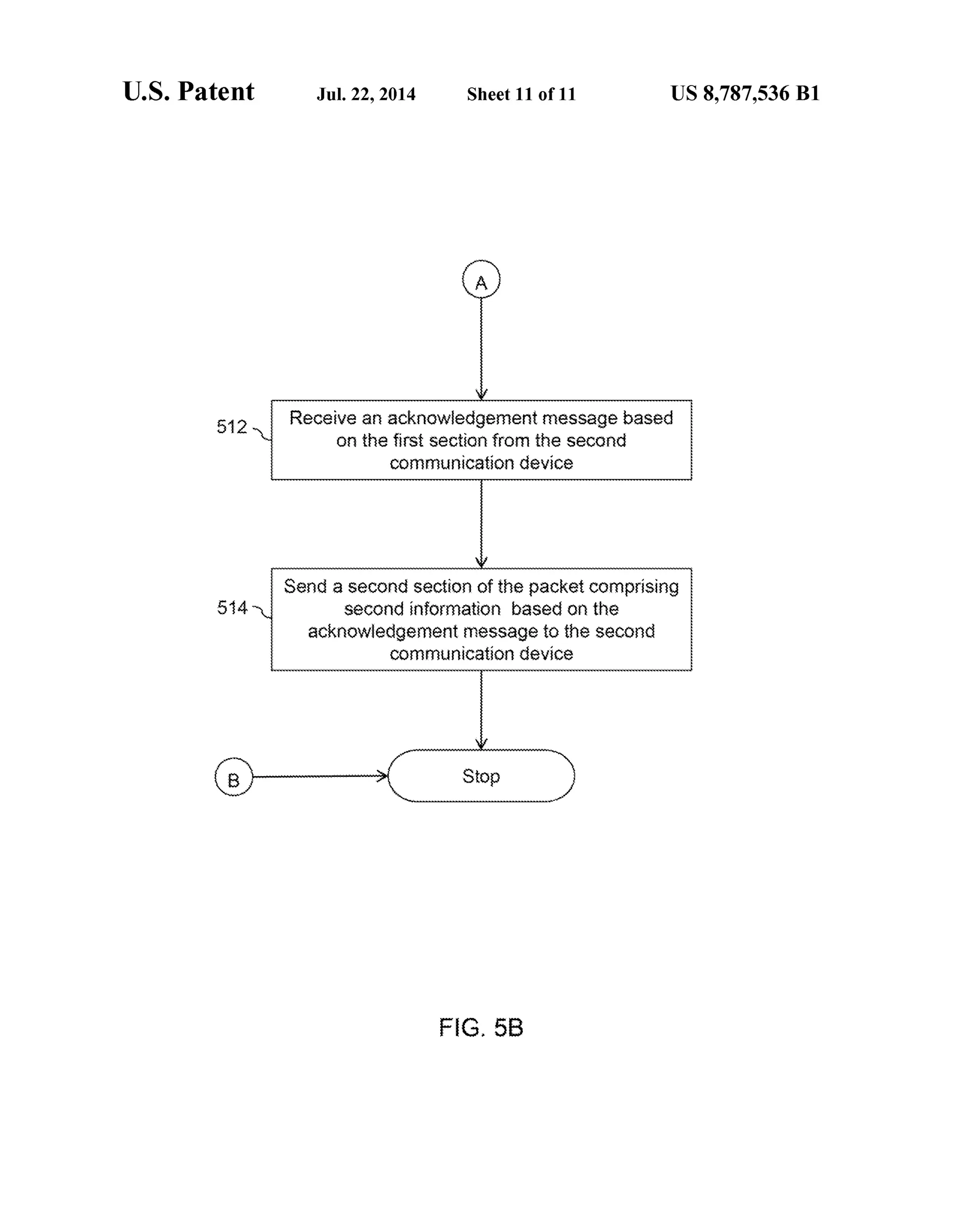
At step 512,an acknowledgement messagebased on the first
section is received from the second communication device
108. In an embodiment, the acknowledgement message is
received based on the first information ofthe first section. In
an embodiment, the Visuphone 104b ofthe second commu
nication device 108b sendstheacknowledgementmessageto
the communication device 102a.
Atstep 514, the Visuphone 104a sends a secondsection of
the packet including second information to the second com
municationdevice108b. Examplesofthesecondinformation
include, but are not limited to, a user ID, user options (se
lected from the visual IVR menu), user profile information
(last dialled details), and so forth. The user ID is the identity
informationoftheuser106 whodialsthephonenumberofthe
secondcommunication device 108. Theuseroptions indicate
selection information including the one or more options
selectedfromthedisplayed visual IVRmenu.Thevisual IVR
menu is associated with the phone number of the second
communication device 108 dialled from the communication
device102a.TheVisuphone104a maydisplaythevisual IVR
menuassociated with the secondcommunication device 108.
The userprofile indicates the information related to previous
communication session or activities of the user 106 or the
communication device 102a.Theuserprofileindicates infor
mation Suchaslastdialled numbers,timeoflastcall, duration
oflast call to the second communication device 108, and so
forth.
In an embodiment, the Visuphone 104a may send header
informationasafirstsection ofthepacketanddataorpayload
as second section ofthepacket. In an embodiment, the com
munication device may sendthesecond section ofthepacket
after receiving an acknowledgement message from the sec
ond communication device. In an embodiment, the first sec
tion and the second section ofthe packet may be sent as a
single packet402, as shown in FIG. 4.
Embodiments oftheinventionprovidea method forestab
lishing a communication session among a plurality ofcom
municationdevices.Acommunicationdevice maysendafirst
section including first information orheaderinformation to a
10
15
25
30
35
40
45
50
55
60
65
14
second communication device. A Visuphone at the commu
nication device sends the first section. The communication
device includes one or more visual IVR menus. The header
information may includeinformation Such as Visuphone ver
sion, visual IVR menu ID, ACK bit, and so forth. In an
embodiment, the communication device may receive an
acknowledgementmessagebasedonthefirstsection fromthe
second communication device. The acknowledgement mes
sage is received when the second communication device
includesaVisuphone.Thereafter,theVisuphoneatthesecond
communication device may send a second section or packet
including a second information or payload to the second
communication device. The payload may include informa
tion Suchas userID, userprofile, userselection,andso forth.
Thereafter, a communication session is established between
the communication device and the second communication
device. Inan embodiment, thesecondcommunication device
may not include the Visuphone. In such aease the communi
cation deviceand the second communication device commu
nicates through DTMF signals or tones.
An advantage ofthe invention is that the communication
device can send more information as data packets/messages
tothesecondcommunication devicebyusingadatanetwork.
The data packets may beexchanged among various commu
nication devices. The data packet may include information
required forestablishing a communication session.
Anotheraspect ofthe invention is to provide a system for
communicatingamongaplurality ofIVRenabled communi
cation devices.
Embodiments of the invention are described above with
reference to block diagrams and Schematic illustrations of
methods andsystemsaccordingtoembodimentsoftheinven
tion. Itwillbeunderstoodthateach blockofthediagramsand
combinations ofblocks in the diagrams can be implemented
by computerprogram instructions. These computerprogram
instructions maybe loadedonto oneormoregeneralpurpose
computers, special purpose computers, or other program
mable data processing translator to produce machines. Such
that theinstructions which executeonthe computers orother
programmable data processing translator create means for
implementing the functions specified in the block orblocks.
Such computer program instructions may also be stored in a
computer-readable memory that can direct a computer or
otherprogrammable data processingapparatus to function in
a particular manner, Such that the instructions stored in the
computer-readable memory produce an article of manufac
tureincluding instruction means that implement the function
specified in the block or blocks.
While the invention has been described in connection with
what is presently considered to be the most practical and
variousembodiments,itis to be understood thattheinvention
is not to be limited to the disclosed embodiments, but on the
contrary, is intended to cover various modifications and
equivalentarrangements included within the spiritand scope
ofthe appended claims. The invention has been described in
the general context of computing devices, phone and com
puter-executable instructions, such as program modules,
being executed by a computer. Generally, program modules
include routines, programs, characters, components, data
structures, etc., that perform particular tasks or implement
particularabstract data types. A person skilled in the art will
appreciate that the invention may be practiced with other
computer system configurations including hand-held
devices, multiprocessor systems, microprocessor-based or
programmable consumer electronics, network PCs, mini
computers, mainframe computers, and the like. Further, the
invention may also be practiced in distributed computing
US 8,787,536 B1
15
worlds where tasks are performed by remote processing
devicesthatarelinkedthroughacommunications network. In
a distributed computing world, program modules may be
located in both local and remote memory storage devices.
This written description uses examples to disclose the 5
invention, including the best mode, and also to enable any
person skilled in the art to practice the invention, including
makingand usingany devices orsystemsandperformingany
incorporated methods. The patentable scope the invention is
defined in the claims, and may include other examples that
occur to those skilled in the art. Such other examples are
intended to be within the scope of the claims if they have
structuralelements thatdo notdifferfrom theliterallanguage
oftheclaims,orifthey includeequivalentstructuralelements
with insubstantial differences from the literal languages of 15
the claims.
10
The invention claimed is:
1. A user communication device for communicating in a
network, wherein said user communication device, compris
ing:
aprocessor; and
a memory coupled to the processor, the memory compris
ing:
a database comprising at least one visual Interactive
Voice Response (IVR) menu associated with at least
one IVR system;
instructions executable by the processor for sending a
first section ofa datapacket to a second communica
tion device, wherein the first section comprising first
information is sent based on a visual IVR menu asso
ciated with the second communication device;
instructionsexecutablebytheprocessorforreceivingan
acknowledgement message from thesecond commu
nication device based on the first section ofthe data
packet; and
instructions executable by the processor for sending a
second section ofthe data packet to the second com
munication device based on the acknowledgement
message, wherein the second section comprises sec
ond information.
2. The usercommunication device ofclaim 1, wherein the
first information comprises at least one of:
a visual menu identity (ID) associated with a visual IVR
menu of the second communication device, the visual
IVR menu comprises one or more options; and
version information ofan IVR application associated with
the user communication device.
3. Theusercommunicationdeviceofclaim 1, whereinsaid
user communication device is a user mobile terminal with
communication channelto saidsecond communicationandto
a user device.
4. The usercommunication device ofclaim 1, wherein the
memory further comprises:
instructions executablebytheprocessorfortransferringto
be displayed the visual IVR menu associated with said
second communication device.
5. The usercommunication device ofclaim 1, wherein the
acknowledgementmessageisreceivedwhenthesecondcom
munication device comprises the IVR application.
6. A method for communicating among a first user com
munication device and a second user communication device
comprising:
sending, by said first user communication device, a first
section ofa data packet to said second user communi
cationdevicecomprisesanIVRsystem,whereinthefirst
section comprising first information is sent based on a
25
30
35
40
45
50
55
60
65
16
visual Interactive Voice Response (IVR) menu associ
ated with the second usercommunication device;
detecting, at said first user communication device, an
acknowledgement message from the second user com
munication device based on the first section ofthe data
packet; and
sending,by said firstusercommunication device,a second
section ofthe data packet to the second user communi
cation device based on the acknowledgement message,
wherein the second section comprises second informa
tion.
7. The method ofclaim 6, wherein the first information
comprises at least one of:
a visual menu identity (ID) associated with a visual IVR
menu of the second user communication device, the
visual IVR menu comprises one or more options; and
version information ofan IVR application associated with
the first user communication device.
8. The method ofclaim 6, wherein said first user commu
nication device is a user mobile terminal with communication
channel to said second user communication device and to a
user device.
9. The method ofclaim 6 furthercomprising:
transferring to be displayed, at the first user communica
tion device, a visual IVR menu associated with the sec
ond user communication device.
10.The method ofclaim 6, wherein the acknowledgement
message is received when the second user communication
device comprises an IVR application.
11.A computerreadable media comprising instructions to
implement the method ofclaim 6.
12.The method ofclaim 6 furthercomprisingsending, by
the first user communication device, one or messages as
Dual-Tone Multi-Frequency (DTMF) signals to the second
user communication device.
13. A method forestablishing a communication session in
a communication network between a first user communica
tiondeviceandasecondusercommunication device,wherein
said second user communication device comprises an
InteractiveVoice Response (IVR) system;
detecting, by said first user communication device, a data
network;
sending, by said first user communication device, a first
section ofa datapacket to the second usercommunica
tion device when the data network is detected, wherein
the first section comprises first information;
detecting, at said first user communication device, an
acknowledgement message from the second user com
munication device based on the first section ofthe data
packet; and
sending,by said firstusercommunication device,a second
section ofthe data packet to the second user communi
cation device based on the acknowledgement message,
wherein the second section comprises second informa
tion.
14. The method ofclaim 13 furthercomprising receiving,
atthe first usercommunication device, an acknowledgement
message from the second user communication device based
on the first section ofthe data packet, wherein the acknowl
edgement message is received whenthesecond usercommu
nication device comprises an IVR application.
15. The method of claim 13 wherein said first user com
munication device is a user mobile terminal.
16. The method ofclaim 13, wherein the first information
comprises at least one of:
a visual menu identity (ID) associated with a visual IVR
menu of the second user communication device, the
US 8,787,536 B1
17
visual IVR menu comprises one or more options; and
version information of an IVR application associated
with the first user communication device.
17. The method ofclaim 16, wherein said communication
session ispartofconstructionatleastonevisual menurecord.
18. The method ofclaim 13 further comprising:
transferring to be displayed, ata userdevice, a visual IVR
menu corresponding to the second usercommunication
device, the visual IVR menu comprises one or more
options.
19.The methodofclaim 13, whereinthefirstsection issent
as Dual-Tone Multi-Frequency (DTMF) signals when the
data network is not detected.
20. The methodofclaim 13, wherein thefirstusercommu
nication device comprises an IVR application.
k k k k k
10
15
18

Systems and methods for communicating with an interactive voice response system

  • 1.
    (12) United StatesPatent Lavian et al. US008787536B1 US 8,787,536 B1 *Jul. 22, 2014 (10) Patent No.: (45) Date of Patent: (54) (71) (72) (*) (21) (22) (63) (51) (52) (58) SYSTEMIS AND METHODS FOR COMMUNICATING WITH AN INTERACTIVE VOICE RESPONSE SYSTEM Applicants:Tal Lavian, Sunnyvale, CA (US); Zvi Or-Bach, San Jose, CA (US) Inventors: Tal Lavian, Sunnyvale, CA (US); Zvi Or-Bach, San Jose, CA (US) Notice: Subject to any disclaimer, the term ofthis patent is extended or adjusted under 35 U.S.C. 154(b) by 0 days. This patent is Subject to a terminal dis claimer. Appl. No.: 13/958,641 Filed: Aug. 5, 2013 Related U.S. Application Data Continuation ofapplication No. 13/046,532, filed on Mar. 11, 2011, now Pat. No. 8,548,131. Int. C. HO4M II/00 (2006.01) H04M 3/53 (2006.01) U.S. C. CPC ................................... H04M3/5315 (2013.01) USPC ..................................... 379/88.13; 379/88.18 Field of Classification Search USPC ............................................ 379/88.13, 88.18 Seeapplication file forcomplete search history. 23 First Condication Device (Mobile Phoe) 106 ser Wisipore - 102a 8 first Communication evice (Mobile Phorse)iser alw-Me {:a 1803 (56) References Cited U.S. PATENT DOCUMENTS 6,292.480 B1* 9/2001 May .............................. 370,352 6,920,425 B1* 7/2005 Will et al. ... 704/275 7,054,939 B2* 5/2006 Koch et al. .. 709/227 7,065,188 B1* 6/2006 Mei et al. ... 379.88.23 7.551,782 B2 * 6/2009 Haim Lev ..................... 382,209 7,702,083 B2 * 4/2010 Erhartet al. ... 379.88.22 7,813,485 B2 * 10/2010 Yin et al. ....... ... 379.88.13 8,539.354 B2 * 9/2013 Beswicket al. .............. 71.5/719 * cited by examiner Primary Examiner—Simon Sing (57) ABSTRACT Embodiments ofthe present invention provide a communi cation device. The communication device comprises a pro cessor. Further, the communication device comprises a memory coupled to the processor. The memory comprises a database comprising at least one visual Interactive Voice Response (IVR) menu associated with at least one IVR sys tem. Further, the memory comprises instructions executable by the processorfor sendinga first section ofa datapacketto asecondcommunication device. Thefirstsection comprising first information is sent based on a visual IVR menu associ ated with the second communication device. Further, the memory comprises instructions executable by the processor forreceiving an acknowledgement message from thesecond communication device based on the first section ofthe data packet. Furthermore, the memory includes instructions executable by the processor for sending a second section of the datapacketto the secondcommunication devicebasedon the acknowledgement message. The second section com prises second information. 20 Claims, 11 Drawing Sheets 108a Secord Coriticatio: O&fice 108b. Second Corrurication Device
  • 2.
  • 3.
    US 8,787,536 B1Sheet2 of 11Jul. 22, 2014U.S. Patent {}{}}. æuot?draes!A
  • 4.
    US 8,787,536 B1Sheet3 of 11Jul. 22, 2014U.S. Patent æuot?draes!A {}{}}.
  • 6.
  • 7.
    US 8,787,536 B1Sheet6 of 11Jul. 22, 2014U.S. Patent
  • 8.
  • 9.
    U.S. Patent Jul.22, 2014 Sheet 8 of 11 US 8,787,536 B1 s S s
  • 10.
  • 11.
    U.S. Patent Jul.22, 2014 Sheet 10 of 11 US 8,787,536 B1 SO Search for a data network is data network No awaiiable? S6 Send a first section ofa packet to the second contification Yes device as ua- one waiti frequency signais S8 Send a first section of the packet comprising first information to the secod Cornuication device 50 is Wisprone awaiiabie at Secoid Communication device NC Yes FG, 5A
  • 13.
    US 8,787,536 B1 1. SYSTEMSAND METHODS FOR COMMUNICATING WITH AN INTERACTIVE VOICE RESPONSE SYSTEM CROSS REFERENCE TO RELATED 5 APPLICATIONS Thisapplication isaContinuationapplication(CA)ofU.S. Non-Provisional application Ser. No. 13/046,532 entitled Systems and methods fircommunicating with an interactive 10 voice response system and filed on Mar. 11, 2011. FIELD OF THE INVENTION The invention relates to Interactive Voice Response (IVR) 15 system and more specifically the invention relates to estab lishing,acommunication sessionamongpluralityofcommu nication devices comprising an IVR application. BACKGROUND OF THE INVENTION 2O Interactive Voice Response (IVR) technology is generally used to detect Voice and key inputs from a caller. Various organizations such as banks, insurance companies, andother service providers use IVR technology to manage calls from 25 their customers. Typically, IVR systems are used by organi Zations that have high call Volumes. An objective for imple menting the IVR systems is to provide the customers with a quickand good experience. Moreover, the cost ofproviding the services is reduced. 30 Generally, when the caller calls a destination, such as a bank, an automated audio menu is played. The audio IVR menucancontaininstructionstoprovideinstantservicesSuch as account balance inquiry when the destination is a bank. Further, audio menu can provide options for the caller to 35 connect to a desired can inside the destination. For example, the menu may direct the caller to press various keys on a telephoneto connect to aparticulardepartment oragent. The audio IVR menu is designed specific to a destination. There fore, eachdestinationororganizationmayhavedifferentIVR 40 menus. Further,theIVRmenu inanorganizationcanbebased on the type ofdepartments, type of services, customer care executives oragentsand so forth. Forexample,an IVR menu ofabankmayinclude optionsrelatedtotheaccountdetails of the caller, while an IVR menu of a pizzeria may contain 45 options to order or select a pizza. Typically, the caller calling the destination may have to listen and follow instructions on the menu to get a desired response ora functionperformed. Therefore, theprocess can be time consuming. Moreover, in casethe callerprovides an 50 incorrect input, the complete process may have to be repeated. Furthermore, the IVR menu for an organization maybeupdatedorchangedregularly. Forexample,extension numbers inside an organization may be changed and corre spondingly, the extension numbers associated with the IVR 55 menu may be updated. As a result, a frequent caller may not beableto reach a desiredendby rememberinga combination ofnumbers.Therefore,thecallermay becomefrustrated with the IVR systems. Some prior art try to address this problem by providing 60 visual form of IVR. These prior arts display the IVR menu graphically on a caller device. U.S. Pat. No. 7.215,743 assignedto International BusinessMachinesCorporationand apublishedU.S. patentapplicationwith Ser. No. 11/957,605, filedDec. 17,2007andassignedtoMotorolaInc,providesthe 65 IVR menu ofthedestination ina visual form to thecaller.The caller can select the options from the IVR menu without 2 listeningto thecomplete audio IVR menu. However, the IVR menu displayedonthecallerdeviceisstored onan IVRserver at the destination end. As a result, the visual IVR menu is specific to thedestinationandonlythe IVRofthe destination dialled is displayed. Thesetechniquestherefore, requireeach destinationtoset-uphardware,softwareandotherfacilitiesto be deployed for providing visual IVR servers. Another existing technique as disclosed in U.S. Pat. No. 6.560,320assigned to International Business Machines Cor poration enables an operator ofthe IVR to send customized signals to the caller for generating and displaying graphical elements on thedeviceofthecaller. Thereafter, thecallercan respond by selecting options through touch-screen interface ofthe device. DualTone Multi frequency (DTMF) signals of the IVR. However, this technique requires a specifically con figured device to interpret thecodes sentas DualTone Multi frequency (DTMF)signalsforgeneratingthegraphics.More over, an operator is required to present the graphics to the caller. Furthermore, specialized software and hardware are requiredatthe operatorto design and generate DIME codes. Therefore, the technique faces various practical limitations. Generally, the IVR menusoftheorganizations are inform ofaudible menu. Moreover,therearealarge numberoforga nizations that use IVR menus. Therefore, converting the audible menus to visual menus can be time consuming. An existing technique, as disclosed in U.S. Pat. No. 6.920.425 assignedto NortelNetworks Limited,discloses anautomated Script to convert the audible menus Scripts to visual menu scripts. However, theaudible menus scripts mustbeavailable in a particularformat to enable the conversion. Furthermore, theaudio menuscripts must beavailableordownloadable for the program to function. As a result, only the audio menus Scripts that are available can be converted to visual menu scripts. Furthermore,thedeviceofthecallermustbedesigned orprogrammed to understand the visual menu scripts. The effectiveness ofproviding the IVR in visual form is discussed in a technical paper titled, “The Benefits ofAug menting Telephone Voice Menu Navigation with Visual Browsingand Search by MinYinetal. Thepaperdiscusses a setup where visual content ofthe IVR is sent from a service provider to a computer connected to a mobile phone. How ever, the technique discussed in the paper is limited to the visual content provided by the service provider's end, after the connection is established. Moreover, the providers are required to individually set up the hardware and services for providing visual content. As discussedabove the existingtechnologies have various limitations. Therefore, system and method are desired for communicatingamongIVRenabledcommunicationdevices. SUMMARY Embodiments ofthe present invention provide a commu nication device.Thecommunication device comprises apro cessor. Further, the communication device comprises it memory coupled to the processor. The memory comprises a database comprising at least one visual Interactive Voice Response (IVR) menu associated with at least one IVR sys tem. Further, the memory comprises instructions executable by the processorfor sendinga first section ofa datapacketto asecondcommunication device. Thefirstsection comprising first information is sent based on a visual IVR menu associ ated with the second communication device. Further, the memory comprises instructions executable by the processor forreceivingan acknowledgement message from the second communication device based on the first section ofthe data packet. Furthermore, the memory includes instructions
  • 14.
    US 8,787,536 B1 3 executableby the processor for sending a second section of the datapackettothe secondcommunication devicebasedon the acknowledgement message. The second section com prises second information. An aspect ofthe invention is to provide a communication device for communicating with a second communication device. The communication device includes an IVR applica tion Such as Visuphone. In an embodiment, the second com munication devicealso includes the IVR application Such as Visuphone. Embodiments of the present invention provide a method for communicating among a plurality of communication devices.The methodcomprisessending,byacommunication device, a first section ofa data packetto a second communi cation device.Thefirstsection comprisingfirstinformationis sentbasedona visual InteractiveVoice Response(IVR) menu associated with atleastone IVR system. Further, the method comprises receiving, at the communication device, an acknowledgement message from the second communication device based on the first section ofthe data packet. Further more, the method comprises sending, by the communication device, a second section of the data packet to the second communication device based on the acknowledgement mes sage. The second section comprises second information. Embodiments oftheinventionprovidea method forestab lishing a communication session in a communication net work. The method comprises dialling, by a communication device, a phone number ofa second communication device. The second communication device comprises an Interactive VoiceResponse(IVR)system. Further,themethodcomprises detecting, bythecommunication device,a datanetwork. Fur thermore, the method comprises sending by the communica tion device, a first section of a data packet to the dialled second communication device when the data network is detected. The first section comprises first information. An aspect of the invention is to provide a method for establishing a communication session in a communication network. The communication session may be established between two or more IVR enabled devices. Anotheraspectofthe invention is to provide a method for establishing a communication session among a plurality of communication devices. The communication devices may or may not include Visuphone. Yet anotheraspectofthe invention is to provide a method for establishing a communication session among a plurality of communication devices. The communication session is established by sending one or more packets when a data network such as the Internet is available. BRIEF DESCRIPTION OF THE DRAWINGS Having thus described the invention in general terms, ref erence will now be made to the accompanying drawings, which are not necessarily drawn to scale, and wherein: FIG. 1A illustratesartexemplary environmentwhere vari ous embodiments ofthe invention function; FIG. 1B illustrates anotherexemplary environment where various embodiments ofthe invention function; FIG. 1C illustrates anotherexemplary environment where various embodiments ofthe invention function; FIG. 1D illustrates yet another exemplary environment where various embodiments ofthe invention function; FIGS. 2A and 2B illustrates exemplary components ofthe communication device thr implementing a Visuphone, in accordance with an embodiment ofthe invention; 10 15 25 30 35 40 45 50 55 60 65 4 FIG.3 illustrates exemplary components ofthecommuni cation deviceforimplementingtheVisuphone, in accordance with anotherembodiment ofthe invention; FIG. 4A illustrates an exemplary packet sent from a com munication device to a second communication device, in accordance with an embodiment ofthe invention; FIG. 4B illustratesanexemplary structureofa firstsection ofthepacket,inaccordancewithanembodimentoftheinven tion; and FIGS.5A and 5B illustrates a flowchart diagram forcom municating among a plurality ofcommunication devices, in accordance with an embodiment ofthe invention. DETAILED DESCRIPTION OF THE INVENTION Illustrative embodiments of the invention now will be describedmorefullyhereinafterwith reference to theaccom panyingdrawings,in whichsome,butnotallembodiments of theinventionareshown. Indeed,theinventionmaybeembod ied in many different forms and should not be construed, as limited to the embodiments set forth herein; rather, these embodimentsareprovided, so that this disclosure will satisfy applicable legal requirements. Like numbers refer to like elements throughout. FIG. 1A illustrates an exemplary environment where vari ous embodiments ofthe invention function. A communica tion network 100 includes a communication device 102a. In an embodiment, the communication network 100 may include different types ofcommunication devices 102a-n. In an embodiment, the communication device 102a may be referred as a first communication device. Further, the com munication network 100 includes a second communication device 108a. A person skilled in art will appreciate, that the communication network 100 may also include a plurality of communication devices 102. Inan embodiment, the commu nication network100 mayincludeaplurality ofsecondcom munication devices 108. Examples of the communication network 100 include, but are not limited to, the Internet, PSTN, Local Area Network (LAN), Wide Area Network (WAN), MetropolitanArea Network(MAN), and so forth. In an embodiment, the communication network 100 can be a data network such as the Internet. The data network is a network capable ofestablishing data and Voice communica tion among various communication devices. In an embodi ment, thecommunication network 100 can bea telecommu nication or telephone network capable of establishing only Voice communication among various communication devices. A user 106 may use the communication device 102a to connect to the secondcommunicationdevice 108a (hereafter the second communication device 108a may be referred as second communication device 108 or interchangeably). The communication device 102a can be a telecommunication device that can connect directly to a Public Switched Tele phone Network (PSTN) 110. Aperson skilled in the art will appreciate, that the communication device 102a can also connect to a private telephone exchange. Examples of the communication device 102a include, but are not limited to a telephone, a mobile phone, aSmartphoneorany otherdevice capable ofvoice or data communication. The user 106 may dialaphone numberassociatedwith the secondcommunica tion device 108a for initiating a call for connecting to the second communication device 108a. The communication device 102a may have one or more associated phone num bers, which may be used by other devices for connecting to the communication device 102a. Similarly, each ofthe plu rality of the second communication device 108 may have
  • 15.
    US 8,787,536 B1 5 associatedat least one phone number. In another embodi ment,thecommunicationdevice102a mayincludeaplurality of visual Interactive Voice Response (IVR) menus corre sponding to phone numbers ofthe plurality ofsecond com munication devices 108. In an embodiment,the communica tion device 102a may include an IVR application. In an embodiment, the communication device 102a may include the IVR application such as Visuphone 104a. The Visuphone 104a may be hardware, an application stored as Software,a firmwareon the communication device 102a, ora combination thereof. TheVisuphone 104a may provide data regarding a phone number of the second communication device 108a dialled by a user 106 of the communication device 102a. Forexample,the data mayincludegeographical information orservices provided by the second communica tion device 102a-n. The second communication device includes an IVR system. The IVR system allows a caller or the user 106 to interact automatically with the second com munication device 108a. When the user 106 dials a phone number and connects to the second communication device 108a, an audible IVR menu may be played to the user 106. The second communication device 108a can have more than one IVR menus. The Visuphone 104a may display a visual IVR menu on the communication device102a corresponding to theaudible IVR menuassociatedwith thephonenumberof the second communication device 108a to be connected. The second communication device 108a can be a device capable ofdata/voice communication. Examples ofthe sec ond communication device 108a include, but are not limited to, a telephone, a computer, a laptop computer, a personal digitalassistant (PDA), a mobilephone, andso forth. Various types ofthe second communication device 108a that imple ment the audible IVR menu include, thr example, banks, hotels, fast-food outlets, utility services providers, corporate offices, mobile phone service providers, hospitals and so forth. In an embodiment, the second communication device 108a can have more than oneaudio/visual IVR menus. Typi cally, theaudible IVR menu provided by the secondcommu nication device 108a comprises audible options or instruc tions. Inanembodiment,thevisual IVRmenu includesoneor more text and/or graphical representation ofdifferent nodes corresponding to afferent nodes oftheaudio IVR menu. The user 106 may be required to select various options from the audible IVR menu to obtain the required information orser Vice from the dialled second communication device. In an embodiment, the Visuphone 104a may send or receive, oneormore messagesto orfrom the second commu nication device 108a for establishing a communication ses sion with the second communication device 108a. The one or messages may be sent as data packets when a data network suchas the Internetisavailable. Inanembodiment; theoneor more messages may be sent as Dual-Tone Multi-Frequency (DTMF)signalsortones.Afterestablishingacommunication session withthesecondcommunicationdevice108a, theuser 106 can interact with the second communication device 108a via the visual IVR menu associated with the second commu nication device 108a. Inan embodiment, the communication device 102a mayreceiveanacknowledgement message from the second communication device 108a. In an embodiment, the communication network 100 may includea server. The server may maintain the updated infor mation of the second communication device 108a. In an embodiment of the invention, the communication device 102a can request and/or receive updates from the server. FIG. 1B illustrates anotherexemplary environment where various embodiments ofthe invention function. As discussed with reference to FIG. 1A, the communication network 10 15 25 30 35 40 45 50 55 60 65 6 includes the communication device 102a and the second communication device 108a. As shown the communication network 100 may further include, a second communication device 108b (hereafter the second communication device 108b maybereferredas secondcommunicationdevice108or interchangeably). The communication device 102a can be a telecommunication device that can connect directly to a PSTN 110. The communication device 102a includes aVisu phone 104a capable ofdisplaying data related to the second communication device 108a. Further, the Visuphone 104a may send or receive one or more messages to or from the second communication device 108a. In an embodiment, the one or more messages exchanged may be in the form ofdata packets. Inan embodiment,thedatapacketmaybean Internet Protocol version 6 (IPv6)packet. In anotherembodiment,the one or more messages exchanged may be in the form of DTMF signals or tones. In an embodiment ofthe invention, the second communi cation device 108b may also include a Visuphone 104b. The Visuphone 104b may send or receive one or more messages includinginformation Suchasacknowledgmenttoorfromthe communication device 102a. TheVisuphone 104b is capable ofsending messages required to establish a communication session with the communication device 102a. FIG. 1C illustrates anotherexemplary environment where various embodiments ofthe invention function. As shown, a communication device 102b can be a communication device thatmaybeconnecteddirectlytoa network114. Examplesof the communication device 102b include, but are not limited to, a personal computer, a laptop, a mobile phone, a Smart phone, a fixed line telephone, a Voice Over Internet Protocol (VOIP)phoneorotherdevices capable ofvoice or data com munication. The communication device 102b may include various applications or computer programs that enable the user106 to use thecommunication device 102b fordialling a phone number ofthe second communication device 102a-n through PSTN 110 over network 114 through a gateway 112. For example, the applications may be VOW applications, Suchasbut notlimitedtoSkype, MagicJack,GoogleTalkand so forth. Examples ofthe network 114 include any wired or wireless network, such as but not limited to, LAN, WAN, a Wi-Fi network and so forth. As discussed with reference to FIG.1AandFIG.1B,thesecondcommunication device108b (or 108a) presents the audible IVR to the communication device 102b. As discussed with reference to FIG. 1A, the Visuphone 104a may initiatea call to a phone numberofthe second communication device 108b. The Visuphone 104a may furtherdisplay the visual IVR menuassociated with the dialled phone number ofthe second communication device 108b. Further,theVisuphone104a may searchordetectadata network. In an embodiment, the Visuphone 104a may send oneormore messages in theform ofdatapackets whenadata network such as the Internet is available to the second com munication device 108b. Further, the Visuphone 104a may establish a communication session with the second commu nicationdevice 108b by exchangingone ormore messages or data packets. Furthermore, the Visuphone 104a may send a firstsection ofadatapacketincludingfirstinformation tothe second communication device 108. In an embodiment, the Visuphone 104a may receive a message including acknowl edgement information from the second communication device 108. The communication device 102a receives the acknowledgement messagewhenthesecond communication device 108 (108b) includes an IVR application such as the Visuphone 104b as shown in FIG. 113. The acknowledge mentmessagemaybereceivedbasedonthefirstsectionofthe data packet. Thereafter, the Visuphone 104a ofthe commu
  • 16.
    US 8,787,536 B1 7 nicationdevice 102a may send a second section ofthe data packetincludingsecond information Such as apayload. Inan embodiment, the first Visuphone 104 may exchange one or messages with the Visuphone 104b or the second communi cation device 108a in form of Dual-Tone Multi-Frequency (DTMF) signals or tones. FIG. 1D illustrates yet another exemplary environment where various embodiments of the invention function. As shown, the communication device 102c can be connected to the PSTN 110 through the network 114 or through a cellular network 116. Various service providers provide multiple or overlapping services to customers. For example, cable tele vision service provider may also provide phoneand network service, optical networkprovider may also provide phone or television services, WiMax service providers that provide phone service, and so forth. The network 114 may be any serviceproviderthatprovidessuch services, forexample, but notlimitedto,cellphoneservices, wireless services, network services, cabletelevisionservices,orvariouscombinationsof the above or other type ofservices. As discussed with refer ence to FIGS. 1A, 1B and 1C, the second communication device 108a or 108b includes one or more audible IVR menus. The communication device 102c includes the Visu phone 104a which displays data correspondingto thedialled phone number of the second communication device 108. Further, theVisuphone 104a may display a visual IVR menu corresponding to the audible IVR menu ofthe dialled phone numberofthe secondcommunicationdevice 108aor108b. In anembodiment, thevisual IVR menu maybedisplayed when a call is received from the second communication device 108b.Thereafter,theuser106may selectoneormoreoptions from the displayed visual IVR menu. In an embodiment, the visual IVR menu may have an associated identity (ID) or number. The visual IVR menu will indicate the version infor mation ofthe visual IVR menu. In an embodiment, theVisu phone 104a may send selection information includingone or more options selectedby the user 106 to the second commu nication device108b. Inan embodiment,theVisuphone 104a may receive the audio/visual IVR menu from the second communication device 108b when a latest version of the visual IVR menu is notavailableatthecommunication device 102c. In an embodiment, the dialled second communication device 108b may request the information from the server of the communication network 100 when the information requested by the Visuphone 104a is not availableat the sec ond communication device 108b. Thereafter, the second communication device 108b may send the information received from the server to the Visuphone 104a. The Visu phone 104a may further request and/or receive information fromthedialledsecondcommunicationdevice108b. Further, theVisuphone 104a may display the information at thecom munication device 102b. In an embodiment, the Visuphone 104a may includeversion information. The version informa tion maybeacombination ofnumbers,alphabetsoranalpha numeric code indicating a version ofthe Visuphone 104a. FIGS. 2A and 2B illustrate exemplary components ofthe communicationdevice 102a forimplementingtheVisuphone 104a, in accordance with an embodiment of the invention. Thecommunication device 102aincludesasystembus226to connectthevariouscomponents. Examplesofsystembus226 include several types ofbus structures including a memory bus, a peripheral bus, or a local bus using any ofa variety of busarchitectures.As discussedwithreferenceto FIG. 1A,the communication device 102a can be a communication device Such as computer, a Smart-phone, and so forth. The commu nication device 102a can connect to PSTN 110 through a gateway 224, which is connected to network 114 through a 10 15 25 30 35 40 45 50 55 60 65 8 network interface212. Input/Output(IO) interface 214ofthe communication device 102a may be configured to connect external orperipheral devices Such as a memory card 216, a keyboard 218, a Universal Serial Bus (USB) device 220 and a mouse222. Although not shown, various otherdevices can beconnectedthrough IOinterface 214to thecommunication device 102a. In an embodiment ofthe invention, thecommu nicationdevice 102a may beconnectedtoa hub thatprovides various services such as Voice communication, network access, television servicesandso forth. Forexample, thehub maybea HomeGatewaydevice thatactsasahubbetweenthe home environment and the Broadband Network. Thecommunication device 102a includesa display 202 to output graphical information to the user 106. In an embodi ment ofthe invention, the display 202 may include a touch sensitivescreen.Therefore, theuser106canprovideinputsto the communication device 102a by touching display 202 or by point and click using the mouse. A memory 206 ofthe communication device 102a stores various programs, data and/or instructions that can be executed by a processor 204. Examples ofthe memory 206 include, but are notlimited to, a Random Access Memory (RAM), a Read Only Memory (ROM), a hard disk, and so forth. A person skilled in the art will appreciate that other types ofcomputer-readable media which can storedatathatis accessibleby a computer, Such as magnetic cassettes, flash memory cards, digital video disks, and the like, may also be used by the communication device 102a. The memory 206 may include Operating System (OS) (not shown) for the communication device 102a to function. Further, the memory 206 may includeotherapplications that enable the user 106 to communicate/interact with the second communication device 108a (or 108b). Examples ofother applications include, but are not limited to, Skype, Google Talk, Magic Jack, and so forth. Other applications may be stored as Software or firmware on the communication device 102a. Further, the memory 206 includes theVisuphone 104.a for providing a visual representation ofthe second communica tion device 108. As discussed with reference to the FIG. 1A, the Visuphone 104a may be hardware, a software or a firm ware stored on the communication device 102a. In an embodiment, the Visuphone 104a may be implemented as plug-in to other applications. The visual IVR menus are stored in a database 208 in the memory 206 ofthecommuni cation device 102a. In an embodiment, the Visuphone 104a may receive updates about the visual IVR menus from the serverofthecommunication network100 atpredefinedtime. Thepredefined time may be forexample, once a week, once a month, or any other interval predefined by the user 106 or theVisuphone 104a. In an embodiment, theVisuphone 104a ofthe communication device may initiate a communication session with a plurality of second communication devices 108. Inanembodiment, theVisuphone 104a maysendoneor more messages forestablishingacommunication sessionto a plurality ofsecond communication devices 108. In an embodiment, the Visuphone 104a may display a visual IVRmenuassociated withthedialledphonenumberof the second communication device 108 before actual commu nication session establishment. In an embodiment, the Visu phone 104a maydisplay oneormorecommunication options on the display 202 of the communication device 102a. The user 106 may input one or more key or key combinations usingthekeyboard218. The keyboard 218 may beaphysical keyboard or a virtual keyboard displayed on a touch screen display 202. Inanembodiment, thekeyboard218 is a keypad onthecommunicationdevice102a. Subsequently,aftersome
  • 17.
    US 8,787,536 B1 9 processingby the Visuphone 104a, the visual IVR menu corresponding to dialled phone number is searched and dis played on the display 202. In an embodiment ofthe invention, the visual IVR menu may be provided in real-time to the user 106. In an embodi ment ofthe invention, the visual IVR menu is provided by a messaging servicesuch asaShort MessagingService(SMS). Therefore, second communication device 108 may provide customized visual IVR menu to the user 106. The visual IVR menu maybecustomizedbasedontheprofileofthe user106. Inan embodiment ofthe invention, theprofile may begener atedbasedonaccesspattern ofuser 106orthe datacaptureby a hub connected to the communication device 102a. The user 106 can interact with the visual IVR menu by pressing a desired button from the keyboard 218. For example, the user 106 can press a 3 key from the keyboard 218 to select a node 3 in the visual IVR menu. Further, the user106can directly selectthe node3ofthevisual IVR menu from the display 202, in ease of a touch sensitive screen. Depending on the complexity or size of first party devices, visual IVR menu mayhave various nodes. Moreover, display area ofthedisplay202 maybelimitedorsmall.Asaresult,all the nodes of the visual IVR menu may not be displayed together on the display 202. In such a case, the Visuphone 104a isconfiguredtoallow the user106 to navigatebyscroll inghorizontally and/orvertically to view nodes on the visual IVR menu 202. Further, the Visuphone 104a may detect the capabilityofthecommunication device 102a beforedisplay ing the visual IVR menu. For example, in ease the commu nication device 102a is a basic mobile phone with limited functionality ofthe display screen.Therefore, theVisuphone 104a may display the visual IVR menu in form ofa simple list. Similarly, a list may be displayed in case offixedline or wired telephones. Moreover, in ease the communication device 102a includesahigh capability Screen,Such asbutnot limited, to an iPhone, then the visual IVR menu is displayed in form ofgraphics. In oneembodiment, theVisuphone 104a is configuredto detectandpresentan application orcomputer program available on the communication device 102a. In an embodiment, the user 106 may dial a phone number from a VOIP application 228 on the communication device 102b, as shown in FIG. 4B. The phone number may corre spondtoany ofthepluralityofsecondcommunication device 108 ofthe communication network 100. In an embodiment, theuser106 selectsapre-storedphonenumberfromtheVOIP application 228. In an embodiment, theVisuphone 104a may includeaVOW plug-in that monitors the incoming/outgoing calls to/fromtheVOIPapplication.Therefore, theVOIPplug in may searcheach phone numberofthe dialledsecondcom munication device 102 in the database 208. In ease, the call ing phone number is found in the database 208 and is associated with an audible IVR, then the VOIP plug-in may display the visual IVR menu corresponding to the audible IVR menu ofthe dialled phone number ofthe second com munication device 108b. In an embodiment, when the data basedoes notincludea match forthedialledphone numberof the second communication device 108b, then the communi cation device 102a may request and/or receive a visual IVR menu associated with the phone number from the second communication device 102b. FIG. 3 illustrates exemplary components ofcommunica tion device102bforimplementingVisuphone104a,in accor dance with another embodiment of the invention. The com municationdevice 102b includes a systembus326toconnect thevariouscomponents. Examplesofsystem bus326include several types ofbus structures Such as, but not limited to, a memorybus ormemorycontroller,aperipheralbus,oralocal 10 15 25 30 35 40 45 50 55 60 65 10 bus using any ofa variety ofbus architectures. As discussed with reference to FIG. 1B, the communication device 102b can be a computing device Such as, but not limited to, a personal computer, a laptop, a mobile phone, a Smart-phone, and so forth. The communication device 102b can connect to thenetwork114 through a networkinterface310. Further,the communication device 102b can connect to PSTN 110 through gateway 324 andthe network 112 through a network interface310.An Input/Output(IO) interface312ofthecom munication device 102b may be configured to connectexter nal or peripheral devices such as a mouse 314, a keyboard 316, a speaker 318, a camera 320, and a microphone 322. Although not shown, various other devices such as a hard disk, a Universal Serial Bus (USB) device or others can be connectedthroughthe IOinterface312 to thecommunication device 102b. A person skilled the art will appreciate that although notdescribed,variousothertypesofdevicescapable ofVoice and/or data communication can be connected to the communication device 102b. The communication device 102b includes a display inter face302toconnecttoa display308.Thedisplayinterface302 can be forexample,a video adapter. The display308outputs graphical information to the user 106. In an embodiment of the invention, the display 308 includes a touch sensitive screen. Therefore, the user 106 can provide inputs to the communication device 102b by touching the display 308 or by pointing with the mouse and click. A memory 306 ofthe communication device 102b stores various programs, data and/or instructions that can be executed by Central Process ing Unit (CPU) or processor 304. Examples ofthe memory 306include,butare notlimitedto,aRandomAccessMemory (RAM), a Read Only Memory (ROM), a hard disk, and so forth. A person skilled in the art will appreciate that other types ofcomputer-readable mediawhichcan storedatathatis accessible by a computer. Such as magnetic cassettes, flash memory cards, digital video disks, and the like, may also be used by communication device 102b. The memory 306 may include Operating System (OS) not shown) for the commu nication device 102b to function. Further, the memory 306 may include other applications that enable the user 106 to communication with the second communication device 108a (or 108b). Examples of the other applications, but are not limited, to, Skype, Google Talk, Magic Jack, and so forth. Otherapplications may be stored as software or firmware on the communication device 102b. Further, the memory 306 includes the Visuphone 104.a for searching and presenting a visual IVR menu corresponding to the audible IVR menu of a dialledphone numberofthe second communication device 108, as discussed with reference to FIGS. 2A and 2B. The Visuphone 104a maybeanapplicationstoredasasoftwareor firmware on thecommunication device 102b. The visual IVR menusare storedin visual menu database 208 in the memory 306 ofthecommunication device 102b. TheVisuphone 104a searches thevisual menu database208 foravisual. IVRmenu corresponding to a phone number ofthe dialled phone num ber ofthe second communication device 108. Subsequently, the visual IVR menu is presented on the display 308 for selection of options by the user 106 or caller. Further, the Visuphone 104 may be implemented as plug-in to the other applications.Therefore, whenaphonenumberisdialledfrom the other applications, the Visuphone 104a detects the dial ling and automatically searches and displays the visual IVR menu correspondingtothedialledphone number. Thereafter, the user 106 can interact with the visual IVR menu, without listening to theaudible IVR menu ofthe secondcommunica tion device 108b. Inanembodiment, thesecondcommunica tion device 108b may include aVisuphone 104b as shown in
  • 18.
    US 8,787,536 B1 11 FIG.1B. The Visuphone 104b can function similar to the Visuphone 104a as explained above. FIG. 4A illustrates au exemplary packet402 sent from the communication device 102 to the second communication device 108b, in accordance with an embodiment of the presentinvention, in an embodiment, theVisuphone 104a of the communication device 102a may send the packet 402 to the second communication device 108b for establishing a communication session when a data network Such as the Internet is available. Examples ofthepacket402 includebut are not limited to an Internet. Protocol version 4 (IPv4) packet, an Internet Protocol version 6 (IPv6) packet, and so forth. In an embodiment, the packet 402 includes a first sec tion 402a anda second section402b. The first section 402a of the packet includes first information. In an embodiment, the first section402a may includeheaderinformation. Examples ofthe first information include, bin are not limited to Visu phone version, a visual menu identity (ID) ofthe visual IVR menuassociatedwith the secondcommunication device 108, anACKbit,andso forth. TheVisuphone versionindicates the version information of the Visuphone 104a present at the communication device 102a. The visual menu ID indicates the identity information ofthe visual IVR menu associated with the dialled phone numberofthe secondcommunication device108. Inanembodiment,theACKoracknowledgement hit maybe usedbythesecond communication deviceto send an acknowledgement message. In an embodiment, the ACK bit may have a value such as 0 or 1. Forexample, the second communication device 108 may set theACKbit oracknowl edgement bit to 1 and send it back to the communication device 102a as an acknowledgement message. A value 1 in the ACK bit indicates that the message is an acknowledge ment message forapreviously sent message orsection ofthe packet. In an embodiment,thesecondcommunication device 108 sends the acknowledgement message when the second communication device 108includestheVisuphone104b.The ACK bit set as indicates that the packet sent from the first section has been received at the second communication device 108. In an embodiment ofthe invention, the first sec tion 402a may bea headersection ofIPv6 packet. The struc ture ofheader section or first section 402a is shown in FIG. 4B. In an embodiment, the second section 402b ofthe packet 402 may include, second information. Examples ofthe sec ondinformationinclude,butare notlimitedto,auserID, user options (selected from the visual IVR menu), user profile information (last dialled,details),and so forth. Inanembodi ment, the second section may include a data orpayload sec tion. The user ID is the identity information ofthe user 106 dialling the phone number of the second communication device 108. The user options indicate selection information includingtheoneormoreoptionsselectedfrom thedisplayed visual. IVR menu. The Visuphone 104a displays the visual IVR menu associated with the second communication device 108 when the user dials the phone number of the second communication device 108. The user profile indicates the information related to previous communication session or activities ofthe user 106 orcommunication device 102a. The user profile indicates information Such as last dialled num bers, time of last call, duration of last call to the second communication device 108, access pattern of the user 106, andsoforth. In anembodiment, thesecond section 402b may be a payload or data section ofIPv6 packet. In an embodi ment,theinformation ofthe firstsection402a andthesecond section 402b may be sent separately as two different packets by the Visuphone 104a. In an embodiment the first section 402a and second section 402b may besent in form ofDIME 5 10 15 25 30 35 40 45 50 55 60 65 12 tones or signals. The messages are sent in form of DTMF tones when the data network is not available. FIG. 4B illustrates an exemplary structure ofthe first sec tion 402a ofthe packet 402, in accordance with an embodi ment of the invention. In an embodiment, the first section 402a of the packet 402 may be a header section of IPv6 packet. The first section 402a may include a plurality of fields. Example of plurality of fields include, but are not limited to, a packet version, a traffic class, a flow label, a payload length,a nextheader, ahop limit, a sourceaddress, a destinationaddress,andso forth.Thepacketversionindicates version information associated with the packet 402 such as IPv4, IPv6, and so forth. The version information may include numeric characters, alphabets or a combination thereof. In an embodiment ofthe invention, the traffic class may indicate whether the Source device i.e. communication device 102a of the packet 402 provides congestion control management or not. The flow label may be used to provide real time applications special services. The next header field points to nextelementorpacket in the chain ofpackets when multiple packets are sent. The payload, length may indicate the size or length ofthe payload or data section (the second section402b).Thehoplimitmayindicatethenumberofstops or hops the packet 402 may take before reaching the final destination or the second communication device 108. The Sourceaddress mayincludetheaddressofthecommunication device 102a. The destination address may be address ofthe second communication device 108. In an embodiment, the destination address may be the address of next hop of the packet 402. FIGS.5A and 5B illustrates a flowchart diagram forcom municating among a plurality ofcommunication devices, in accordance with an embodiment of the invention. As dis cussed with reference to the FIGS. 1A and 1B, the commu nication network 100 includes the communication device 102a. Further, the communication network 100 includes the second communication device 108. In an embodiment, the communication device 102a may include the Visuphone 104a. In an embodiment, the second communication device 10813 mayincludeaVisuphone 104basshown in FIG. 1B. In anotherembodiment, the secondcommunication device 108 may not include a Visuphone as shown in FIG. 1A. The Visuphone104a ofthecommunicationdevice 102a maysend one or more messages or packets to the second communica tion device 108. The messages may be sent as Dual-Tone Multi-Frequency signals ortones dependingon the availabil ity ofthe data network. Similarly, the Visuphone 104b may receive or send one or more messages/packets from/to the communication device 102. Further, theVisuphone 104 may display the visual IVR menu associated with a phone number ofthe second communication device 108. The communica tion device 102a includes one or more visual IVR menus associatedwithapluralityofsecondcommunication devices. The user 106 may dial a phone number of the second communication device 108. In an embodiment, the Visu phone 104a may display a visual IVR menu associated with the dialled second communication device 108. At step 502, the Visuphone 104a of the communication device searches fora data network such as the Internet. At step 504, an avail abilityofthedata networkischecked. When thedata network is available theprocess continues to step 508else theprocess control goes to step 506. At step 506, the Visuphone 104a sends a first section ofthe packet to the second communica tion device 108 such as the second communication device 108bas DTMFsignalsortones. The firstsection may include a first information or header information. Thereafter, the
  • 19.
    US 8,787,536 B1 13 communicationdevice 102a and the second communication device 108 may further communicate through the exchange ofDTMF tones or signals. Atstep508,theVisuphone 104a sendsa firstsection ofthe packet as a data packet to the second communication device 108a when the data network is available. In an embodiment, the datapacket may bean IPv4packet, an IPv6packet,andso forth. The first section 104a includes first information. Examples ofthe firstinformation include,butarenot limited to, Visuphone version, a visual menu identity (ID) associated with the visual IVR menu corresponding to the secondcom munication device 108, an ACK bit, hop limit, payload length, traffic class, and so forth. The Visuphone version indicates the version information of the Visuphone 104a present at the communication device 102a. In an embodi ment, the visual menu ID may indicate the identity informa tion ofthe visual IVRmenuassociatedwith thedialledphone number ofthe second communication device 108. The ACK bit oracknowledgementbit may be used by the second com munication device to send an acknowledgement message from which the first section is received. In an embodiment, theACKhit may havea valuesuch as 0or 1. Atstep 510, it is checked,atthe secondcommunication device 108, whethera Visuphone is available at the second communication device 108. If the Visuphone is not available, the communication device 102 and the second communication device 108 may communicate by exchanging messages/information as DTMF tones orsignalselseprocess control goes to step 512. At step 512,an acknowledgement messagebased on the first section is received from the second communication device 108. In an embodiment, the acknowledgement message is received based on the first information ofthe first section. In an embodiment, the Visuphone 104b ofthe second commu nication device 108b sendstheacknowledgementmessageto the communication device 102a. Atstep 514, the Visuphone 104a sends a secondsection of the packet including second information to the second com municationdevice108b. Examplesofthesecondinformation include, but are not limited to, a user ID, user options (se lected from the visual IVR menu), user profile information (last dialled details), and so forth. The user ID is the identity informationoftheuser106 whodialsthephonenumberofthe secondcommunication device 108. Theuseroptions indicate selection information including the one or more options selectedfromthedisplayed visual IVRmenu.Thevisual IVR menu is associated with the phone number of the second communication device 108 dialled from the communication device102a.TheVisuphone104a maydisplaythevisual IVR menuassociated with the secondcommunication device 108. The userprofile indicates the information related to previous communication session or activities of the user 106 or the communication device 102a.Theuserprofileindicates infor mation Suchaslastdialled numbers,timeoflastcall, duration oflast call to the second communication device 108, and so forth. In an embodiment, the Visuphone 104a may send header informationasafirstsection ofthepacketanddataorpayload as second section ofthepacket. In an embodiment, the com munication device may sendthesecond section ofthepacket after receiving an acknowledgement message from the sec ond communication device. In an embodiment, the first sec tion and the second section ofthe packet may be sent as a single packet402, as shown in FIG. 4. Embodiments oftheinventionprovidea method forestab lishing a communication session among a plurality ofcom municationdevices.Acommunicationdevice maysendafirst section including first information orheaderinformation to a 10 15 25 30 35 40 45 50 55 60 65 14 second communication device. A Visuphone at the commu nication device sends the first section. The communication device includes one or more visual IVR menus. The header information may includeinformation Such as Visuphone ver sion, visual IVR menu ID, ACK bit, and so forth. In an embodiment, the communication device may receive an acknowledgementmessagebasedonthefirstsection fromthe second communication device. The acknowledgement mes sage is received when the second communication device includesaVisuphone.Thereafter,theVisuphoneatthesecond communication device may send a second section or packet including a second information or payload to the second communication device. The payload may include informa tion Suchas userID, userprofile, userselection,andso forth. Thereafter, a communication session is established between the communication device and the second communication device. Inan embodiment, thesecondcommunication device may not include the Visuphone. In such aease the communi cation deviceand the second communication device commu nicates through DTMF signals or tones. An advantage ofthe invention is that the communication device can send more information as data packets/messages tothesecondcommunication devicebyusingadatanetwork. The data packets may beexchanged among various commu nication devices. The data packet may include information required forestablishing a communication session. Anotheraspect ofthe invention is to provide a system for communicatingamongaplurality ofIVRenabled communi cation devices. Embodiments of the invention are described above with reference to block diagrams and Schematic illustrations of methods andsystemsaccordingtoembodimentsoftheinven tion. Itwillbeunderstoodthateach blockofthediagramsand combinations ofblocks in the diagrams can be implemented by computerprogram instructions. These computerprogram instructions maybe loadedonto oneormoregeneralpurpose computers, special purpose computers, or other program mable data processing translator to produce machines. Such that theinstructions which executeonthe computers orother programmable data processing translator create means for implementing the functions specified in the block orblocks. Such computer program instructions may also be stored in a computer-readable memory that can direct a computer or otherprogrammable data processingapparatus to function in a particular manner, Such that the instructions stored in the computer-readable memory produce an article of manufac tureincluding instruction means that implement the function specified in the block or blocks. While the invention has been described in connection with what is presently considered to be the most practical and variousembodiments,itis to be understood thattheinvention is not to be limited to the disclosed embodiments, but on the contrary, is intended to cover various modifications and equivalentarrangements included within the spiritand scope ofthe appended claims. The invention has been described in the general context of computing devices, phone and com puter-executable instructions, such as program modules, being executed by a computer. Generally, program modules include routines, programs, characters, components, data structures, etc., that perform particular tasks or implement particularabstract data types. A person skilled in the art will appreciate that the invention may be practiced with other computer system configurations including hand-held devices, multiprocessor systems, microprocessor-based or programmable consumer electronics, network PCs, mini computers, mainframe computers, and the like. Further, the invention may also be practiced in distributed computing
  • 20.
    US 8,787,536 B1 15 worldswhere tasks are performed by remote processing devicesthatarelinkedthroughacommunications network. In a distributed computing world, program modules may be located in both local and remote memory storage devices. This written description uses examples to disclose the 5 invention, including the best mode, and also to enable any person skilled in the art to practice the invention, including makingand usingany devices orsystemsandperformingany incorporated methods. The patentable scope the invention is defined in the claims, and may include other examples that occur to those skilled in the art. Such other examples are intended to be within the scope of the claims if they have structuralelements thatdo notdifferfrom theliterallanguage oftheclaims,orifthey includeequivalentstructuralelements with insubstantial differences from the literal languages of 15 the claims. 10 The invention claimed is: 1. A user communication device for communicating in a network, wherein said user communication device, compris ing: aprocessor; and a memory coupled to the processor, the memory compris ing: a database comprising at least one visual Interactive Voice Response (IVR) menu associated with at least one IVR system; instructions executable by the processor for sending a first section ofa datapacket to a second communica tion device, wherein the first section comprising first information is sent based on a visual IVR menu asso ciated with the second communication device; instructionsexecutablebytheprocessorforreceivingan acknowledgement message from thesecond commu nication device based on the first section ofthe data packet; and instructions executable by the processor for sending a second section ofthe data packet to the second com munication device based on the acknowledgement message, wherein the second section comprises sec ond information. 2. The usercommunication device ofclaim 1, wherein the first information comprises at least one of: a visual menu identity (ID) associated with a visual IVR menu of the second communication device, the visual IVR menu comprises one or more options; and version information ofan IVR application associated with the user communication device. 3. Theusercommunicationdeviceofclaim 1, whereinsaid user communication device is a user mobile terminal with communication channelto saidsecond communicationandto a user device. 4. The usercommunication device ofclaim 1, wherein the memory further comprises: instructions executablebytheprocessorfortransferringto be displayed the visual IVR menu associated with said second communication device. 5. The usercommunication device ofclaim 1, wherein the acknowledgementmessageisreceivedwhenthesecondcom munication device comprises the IVR application. 6. A method for communicating among a first user com munication device and a second user communication device comprising: sending, by said first user communication device, a first section ofa data packet to said second user communi cationdevicecomprisesanIVRsystem,whereinthefirst section comprising first information is sent based on a 25 30 35 40 45 50 55 60 65 16 visual Interactive Voice Response (IVR) menu associ ated with the second usercommunication device; detecting, at said first user communication device, an acknowledgement message from the second user com munication device based on the first section ofthe data packet; and sending,by said firstusercommunication device,a second section ofthe data packet to the second user communi cation device based on the acknowledgement message, wherein the second section comprises second informa tion. 7. The method ofclaim 6, wherein the first information comprises at least one of: a visual menu identity (ID) associated with a visual IVR menu of the second user communication device, the visual IVR menu comprises one or more options; and version information ofan IVR application associated with the first user communication device. 8. The method ofclaim 6, wherein said first user commu nication device is a user mobile terminal with communication channel to said second user communication device and to a user device. 9. The method ofclaim 6 furthercomprising: transferring to be displayed, at the first user communica tion device, a visual IVR menu associated with the sec ond user communication device. 10.The method ofclaim 6, wherein the acknowledgement message is received when the second user communication device comprises an IVR application. 11.A computerreadable media comprising instructions to implement the method ofclaim 6. 12.The method ofclaim 6 furthercomprisingsending, by the first user communication device, one or messages as Dual-Tone Multi-Frequency (DTMF) signals to the second user communication device. 13. A method forestablishing a communication session in a communication network between a first user communica tiondeviceandasecondusercommunication device,wherein said second user communication device comprises an InteractiveVoice Response (IVR) system; detecting, by said first user communication device, a data network; sending, by said first user communication device, a first section ofa datapacket to the second usercommunica tion device when the data network is detected, wherein the first section comprises first information; detecting, at said first user communication device, an acknowledgement message from the second user com munication device based on the first section ofthe data packet; and sending,by said firstusercommunication device,a second section ofthe data packet to the second user communi cation device based on the acknowledgement message, wherein the second section comprises second informa tion. 14. The method ofclaim 13 furthercomprising receiving, atthe first usercommunication device, an acknowledgement message from the second user communication device based on the first section ofthe data packet, wherein the acknowl edgement message is received whenthesecond usercommu nication device comprises an IVR application. 15. The method of claim 13 wherein said first user com munication device is a user mobile terminal. 16. The method ofclaim 13, wherein the first information comprises at least one of: a visual menu identity (ID) associated with a visual IVR menu of the second user communication device, the
  • 21.
    US 8,787,536 B1 17 visualIVR menu comprises one or more options; and version information of an IVR application associated with the first user communication device. 17. The method ofclaim 16, wherein said communication session ispartofconstructionatleastonevisual menurecord. 18. The method ofclaim 13 further comprising: transferring to be displayed, ata userdevice, a visual IVR menu corresponding to the second usercommunication device, the visual IVR menu comprises one or more options. 19.The methodofclaim 13, whereinthefirstsection issent as Dual-Tone Multi-Frequency (DTMF) signals when the data network is not detected. 20. The methodofclaim 13, wherein thefirstusercommu nication device comprises an IVR application. k k k k k 10 15 18