5/26/2023 1
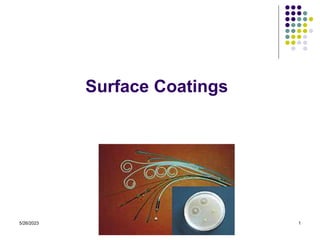
Surface Coatings
5/26/2023 2
General strategies to Prevent
Device-related Infections
 Minimize contact- Clean Room Conditions
 Kill every thing in contact-Sterilization
 Minimize binding at contact-Surface coating
 Kill after contact-Anti-infective coatings
5/26/2023 3
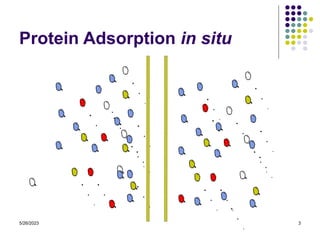
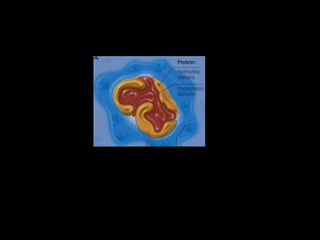
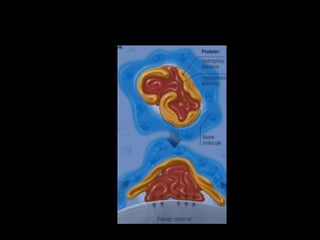
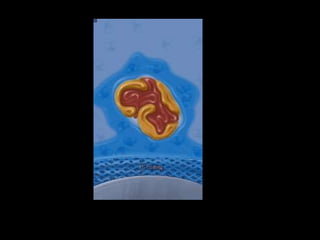
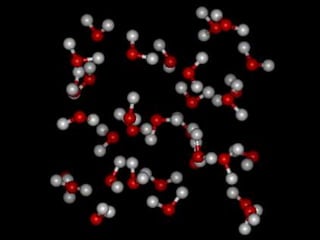
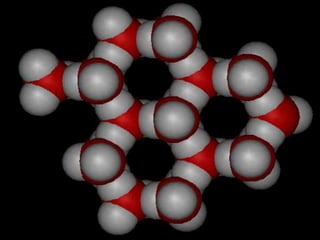
Protein Adsorption in situ
5/26/2023 4
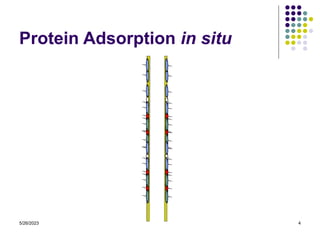
Protein Adsorption in situ
5/26/2023 5
5/26/2023 6
5/26/2023 7
5/26/2023 8
5/26/2023 9
5/26/2023 10
5/26/2023 11
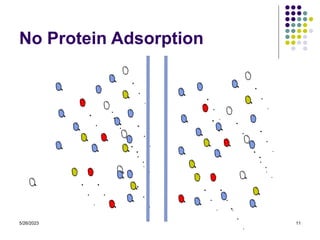
No Protein Adsorption
5/26/2023 12
Surface Coating Technology
 Change surface chemistry without changing mechanical
properties;
 Alter binding properties for proteins and other molecules
to improve device performance;
 Surface coating technology increases range of
performance and, in general, requires less capital
investment and less dramatic changes in manufacturing
practices.
5/26/2023 13
Methods
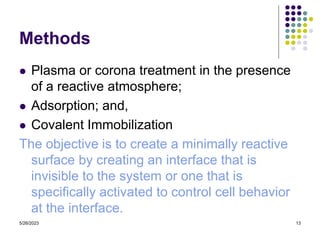
 Plasma or corona treatment in the presence
of a reactive atmosphere;
 Adsorption; and,
 Covalent Immobilization
The objective is to create a minimally reactive
surface by creating an interface that is
invisible to the system or one that is
specifically activated to control cell behavior
at the interface.
5/26/2023 14
Surface Modification Using Low-
Pressure Plasma Technology
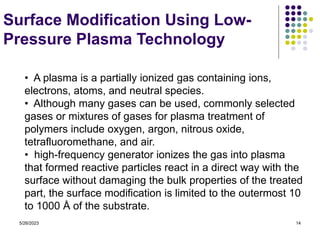
• A plasma is a partially ionized gas containing ions,
electrons, atoms, and neutral species.
• Although many gases can be used, commonly selected
gases or mixtures of gases for plasma treatment of
polymers include oxygen, argon, nitrous oxide,
tetrafluoromethane, and air.
• high-frequency generator ionizes the gas into plasma
that formed reactive particles react in a direct way with the
surface without damaging the bulk properties of the treated
part, the surface modification is limited to the outermost 10
to 1000 Å of the substrate.
5/26/2023 15
PLASMA APPLICATIONS
Surface modification using gas plasma is a versatile process,
with systems on the market capable of treating everything
from small components like hubs or balloons up to very large
and complex substrates, from fibers, nonwovens, wovens,
and paper to plastic foils and metal and ceramic parts
5/26/2023 16
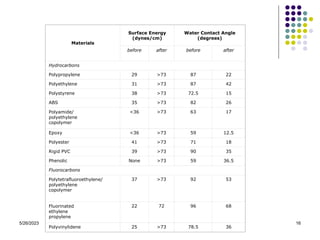
Materials
Surface Energy
(dynes/cm)
Water Contact Angle
(degrees)
before after before after
Hydrocarbons
Polypropylene 29 >73 87 22
Polyethylene 31 >73 87 42
Polystyrene 38 >73 72.5 15
ABS 35 >73 82 26
Polyamide/
polyethylene
copolymer
<36 >73 63 17
Epoxy <36 >73 59 12.5
Polyester 41 >73 71 18
Rigid PVC 39 >73 90 35
Phenolic None >73 59 36.5
Fluorocarbons
Polytetrafluoroethylene/
polyethylene
copolymer
37 >73 92 53
Fluorinated
ethylene
propylene
22 72 96 68
Polyvinylidene 25 >73 78.5 36
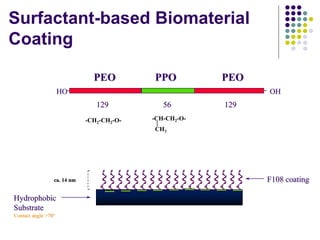
PEO PPO PEO
129 56 129
Hydrophobic
Substrate
Contact angle >70°
HO OH
-CH2-CH2-O- -CH-CH2-O-
CH3
|
F108 coating
ca. 14 nm
Surfactant-based Biomaterial
Coating
5/26/2023 18
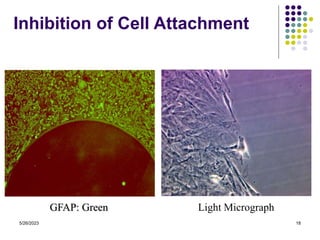
GFAP: Green Light Micrograph
Inhibition of Cell Attachment
5/26/2023 19
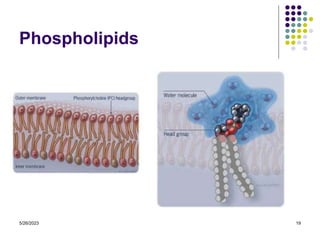
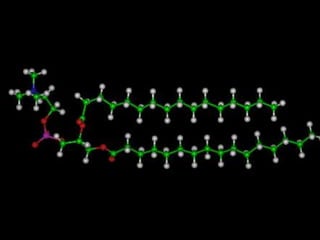
Phospholipids
5/26/2023 20
5/26/2023 21
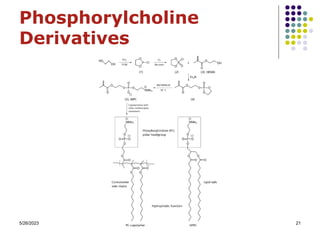
Phosphorylcholine
Derivatives
5/26/2023 22
5/26/2023 23
5/26/2023 24
5/26/2023 25
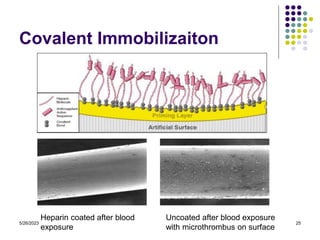
Covalent Immobilizaiton
Heparin coated after blood
exposure
Uncoated after blood exposure
with microthrombus on surface
5/26/2023 26
Emerging Technologies
 Coatings for enhanced imaging
 Cell coated grafts for tissue engineering
 Coating to enhance regenerative processes
 Coatings for drug delivery
5/26/2023 27
Coating Companies
Polymer Technology Group
SurModics
Carmeda
Hydromer Inc.
AST Products Inc.
STS Biopolymers
Biocoat
Richard James Inc.
Biocompatibles Ltd.
BioChrom
Surface Solutions Laboratories
Spire Corp.
Implant Sciences Corp.
Advanced Polymer Systems Inc.

Surface coating.ppt

  • 1.
  • 2.
    5/26/2023 2 General strategiesto Prevent Device-related Infections  Minimize contact- Clean Room Conditions  Kill every thing in contact-Sterilization  Minimize binding at contact-Surface coating  Kill after contact-Anti-infective coatings
  • 3.
  • 4.
  • 5.
  • 6.
  • 7.
  • 8.
  • 9.
  • 10.
  • 11.
  • 12.
    5/26/2023 12 Surface CoatingTechnology  Change surface chemistry without changing mechanical properties;  Alter binding properties for proteins and other molecules to improve device performance;  Surface coating technology increases range of performance and, in general, requires less capital investment and less dramatic changes in manufacturing practices.
  • 13.
    5/26/2023 13 Methods  Plasmaor corona treatment in the presence of a reactive atmosphere;  Adsorption; and,  Covalent Immobilization The objective is to create a minimally reactive surface by creating an interface that is invisible to the system or one that is specifically activated to control cell behavior at the interface.
  • 14.
    5/26/2023 14 Surface ModificationUsing Low- Pressure Plasma Technology • A plasma is a partially ionized gas containing ions, electrons, atoms, and neutral species. • Although many gases can be used, commonly selected gases or mixtures of gases for plasma treatment of polymers include oxygen, argon, nitrous oxide, tetrafluoromethane, and air. • high-frequency generator ionizes the gas into plasma that formed reactive particles react in a direct way with the surface without damaging the bulk properties of the treated part, the surface modification is limited to the outermost 10 to 1000 Å of the substrate.
  • 15.
    5/26/2023 15 PLASMA APPLICATIONS Surfacemodification using gas plasma is a versatile process, with systems on the market capable of treating everything from small components like hubs or balloons up to very large and complex substrates, from fibers, nonwovens, wovens, and paper to plastic foils and metal and ceramic parts
  • 16.
    5/26/2023 16 Materials Surface Energy (dynes/cm) WaterContact Angle (degrees) before after before after Hydrocarbons Polypropylene 29 >73 87 22 Polyethylene 31 >73 87 42 Polystyrene 38 >73 72.5 15 ABS 35 >73 82 26 Polyamide/ polyethylene copolymer <36 >73 63 17 Epoxy <36 >73 59 12.5 Polyester 41 >73 71 18 Rigid PVC 39 >73 90 35 Phenolic None >73 59 36.5 Fluorocarbons Polytetrafluoroethylene/ polyethylene copolymer 37 >73 92 53 Fluorinated ethylene propylene 22 72 96 68 Polyvinylidene 25 >73 78.5 36
  • 17.
    PEO PPO PEO 12956 129 Hydrophobic Substrate Contact angle >70° HO OH -CH2-CH2-O- -CH-CH2-O- CH3 | F108 coating ca. 14 nm Surfactant-based Biomaterial Coating
  • 18.
    5/26/2023 18 GFAP: GreenLight Micrograph Inhibition of Cell Attachment
  • 19.
  • 20.
  • 21.
  • 22.
  • 23.
  • 24.
  • 25.
    5/26/2023 25 Covalent Immobilizaiton Heparincoated after blood exposure Uncoated after blood exposure with microthrombus on surface
  • 26.
    5/26/2023 26 Emerging Technologies Coatings for enhanced imaging  Cell coated grafts for tissue engineering  Coating to enhance regenerative processes  Coatings for drug delivery
  • 27.
    5/26/2023 27 Coating Companies PolymerTechnology Group SurModics Carmeda Hydromer Inc. AST Products Inc. STS Biopolymers Biocoat Richard James Inc. Biocompatibles Ltd. BioChrom Surface Solutions Laboratories Spire Corp. Implant Sciences Corp. Advanced Polymer Systems Inc.