STEGANOGRAPHY


SUBMITTED BY:-
REG NO :- 10803554 & 10804870
Group No :-G005CSE490BKD07 (KD07)
ABOUT JAVA:-
 Java is simple programming language because it
  has to work on the electronic devices where less
  memory is available.
 Example : - concepts of pointers used in C or C ++
  has been completely eliminated in java.
 More over it is pure Oops language


   it is secure ,system independent,portable,high
    performance, multi-threaded

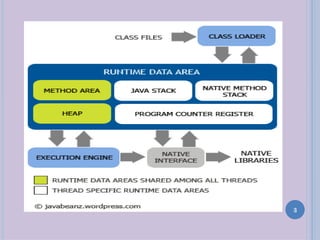
   Here JVM plays major role it is heart of entire    2

    java program. Execution process.
3
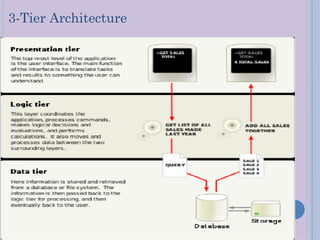
3-Tier Architecture
WHAT IS STEGANOGRAPHY??
   From the Greek word STEGANOS meaning
    “covered And Greek word GRAPHIE meaning
    “writing”

   Steganography is the branch of science .it is
    used for writing hidden messages in such a way
    that no one can able to read the message only the
    sender and receiver can read.


                                                        5
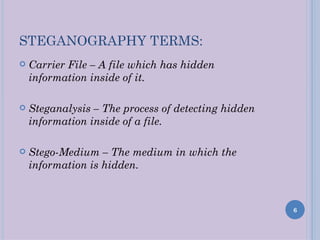
STEGANOGRAPHY TERMS:
   Carrier File – A file which has hidden
    information inside of it.

   Steganalysis – The process of detecting hidden
    information inside of a file.

   Stego-Medium – The medium in which the
    information is hidden.


                                                     6
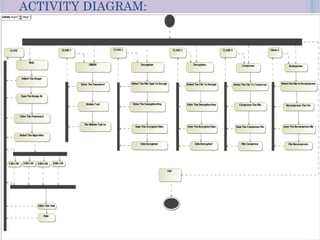
ACTIVITY DIAGRAM:


                    7
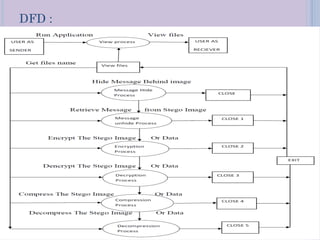
DFD :


        8
ALGORITHM FOR HIDING MESSAGE
BEHIND IMAGE :-
 Suppose my message is “hello” with the password
  “12345”.
 String p ,m;

 Convert it into the binary form.

 By using the pixel grabber class it take each pixel
  of the image.
 Which we will store in the in the array say a[ ].

 Converting it into binary form it gives 32-bit.

 Then we remove 8-bits which is of sign bit.


                                                        9
ALGORITHM FOR HIDING MESSAGE
BEHIND IMAGE :-
   Then after removing 2-bit more to add the bits of
    password and the message then to know that the
    bits has been finished we take 111111 at the last.

    The for un-hiding the message behind from the
    image we go through for same steps.


                                                         10
WORKING OF ALGORITHM:


                        11
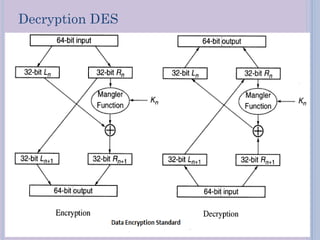
DES (Symmetric Encryption)
ALGORITHM FOR ENCRYPTION:-


                             13
Decryption DES
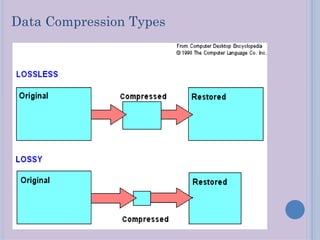
Data Compression Types
ZIP Algorithm Working

Probabilistic compression methods: Uses bits to represent different character
parameters


Lempel-Ziv-Welch Compression Algorithm: It analyses a file's content,
therefore producing higher compression ratios. LZW works by building a
dictionary of phrases (groups of one or more bytes) from the file. When a new
phrase is found, the compression mechanism checks to see if that phrase is
already in the dictionary. If not, the phrase is added to the dictionary and a token
that identifies the phrase's position in the dictionary is output. If the phrase was
already in the dictionary, then the compression mechanism simply outputs the
token for the existing phrase.

Other Algorithms: Huffman Code & Shannon- Fano Code: Work on the source
symbols probability and arranges them in such a way that their is reduced
redundancy
TYPES OF STEGANOGRAPHY:
   SECRET MESSAGE IS HIDDEN IN
    DIFFERENT FORM..

 Steganography In Images
 Steganography In Audio

 Steganography In Video

 Steganography In Documents


                                  17
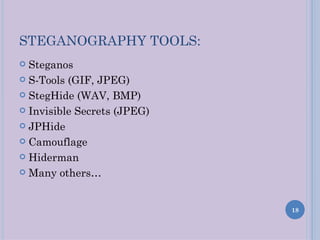
STEGANOGRAPHY TOOLS:
 Steganos
 S-Tools (GIF, JPEG)

 StegHide (WAV, BMP)

 Invisible Secrets (JPEG)

 JPHide

 Camouflage

 Hiderman

 Many others…


                             18
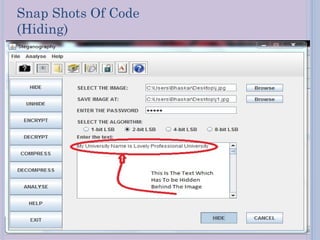
Snap Shots Of Code
(Hiding)
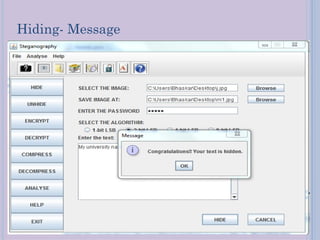
Hiding- Message
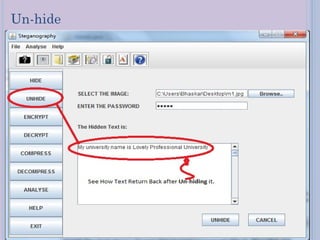
Un-hide
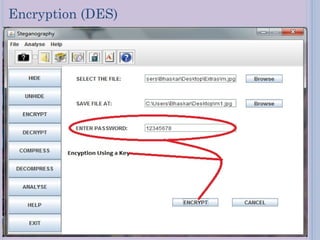
Encryption (DES)
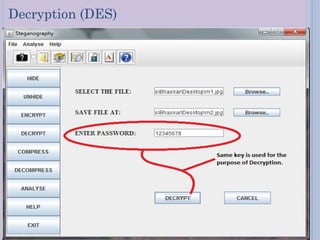
Decryption (DES)
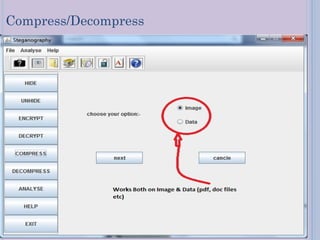
Compress/Decompress
ADVANTAGES:
   It is used in a way of hiding, not the
    Information but the password to reach that
    Information.

   Basically used in Intelligent Services.

   Can be applied differently in digital image, audio
    & video file.

   It can be done faster with the varying no of
    software's, using different algorithms.
                                                         25
DISADVANTAGES:
   Huge data = huge file size, so some one can
    suspect about it.

   During sending and receiving information can be
    spoofed.

   The confidentiality of information is maintained
    by the algorithms, and if the algorithms are
    known then its all over.

   The software can be misused if it goes in wrongs
    hands ie., people with wrong intentions.           26
CONCLUSION:
   The basic modular aim of the project transpires
    around the security systems of data which are in
    this product of Steganography are obtained by
    hiding and encrypting the data to be transferred.
    The data encryption involves around the making
    the data unintelligible in order to fool the
    intruder in case the hidden image fails to hide
    the data. The keys working with the encryption
    are the basis of secrecy.


                                                        27

Steganography

  • 1.
    STEGANOGRAPHY SUBMITTED BY:- REG NO:- 10803554 & 10804870 Group No :-G005CSE490BKD07 (KD07)
  • 2.
    ABOUT JAVA:-  Javais simple programming language because it has to work on the electronic devices where less memory is available.  Example : - concepts of pointers used in C or C ++ has been completely eliminated in java.  More over it is pure Oops language  it is secure ,system independent,portable,high performance, multi-threaded  Here JVM plays major role it is heart of entire 2 java program. Execution process.
  • 3.
  • 4.
  • 5.
    WHAT IS STEGANOGRAPHY??  From the Greek word STEGANOS meaning “covered And Greek word GRAPHIE meaning “writing”  Steganography is the branch of science .it is used for writing hidden messages in such a way that no one can able to read the message only the sender and receiver can read. 5
  • 6.
    STEGANOGRAPHY TERMS:  Carrier File – A file which has hidden information inside of it.  Steganalysis – The process of detecting hidden information inside of a file.  Stego-Medium – The medium in which the information is hidden. 6
  • 7.
  • 8.
  • 9.
    ALGORITHM FOR HIDINGMESSAGE BEHIND IMAGE :-  Suppose my message is “hello” with the password “12345”.  String p ,m;  Convert it into the binary form.  By using the pixel grabber class it take each pixel of the image.  Which we will store in the in the array say a[ ].  Converting it into binary form it gives 32-bit.  Then we remove 8-bits which is of sign bit. 9
  • 10.
    ALGORITHM FOR HIDINGMESSAGE BEHIND IMAGE :-  Then after removing 2-bit more to add the bits of password and the message then to know that the bits has been finished we take 111111 at the last.  The for un-hiding the message behind from the image we go through for same steps. 10
  • 11.
  • 12.
  • 13.
  • 14.
  • 15.
  • 16.
    ZIP Algorithm Working Probabilisticcompression methods: Uses bits to represent different character parameters Lempel-Ziv-Welch Compression Algorithm: It analyses a file's content, therefore producing higher compression ratios. LZW works by building a dictionary of phrases (groups of one or more bytes) from the file. When a new phrase is found, the compression mechanism checks to see if that phrase is already in the dictionary. If not, the phrase is added to the dictionary and a token that identifies the phrase's position in the dictionary is output. If the phrase was already in the dictionary, then the compression mechanism simply outputs the token for the existing phrase. Other Algorithms: Huffman Code & Shannon- Fano Code: Work on the source symbols probability and arranges them in such a way that their is reduced redundancy
  • 17.
    TYPES OF STEGANOGRAPHY:  SECRET MESSAGE IS HIDDEN IN DIFFERENT FORM..  Steganography In Images  Steganography In Audio  Steganography In Video  Steganography In Documents 17
  • 18.
    STEGANOGRAPHY TOOLS:  Steganos S-Tools (GIF, JPEG)  StegHide (WAV, BMP)  Invisible Secrets (JPEG)  JPHide  Camouflage  Hiderman  Many others… 18
  • 19.
    Snap Shots OfCode (Hiding)
  • 20.
  • 21.
  • 22.
  • 23.
  • 24.
  • 25.
    ADVANTAGES:  It is used in a way of hiding, not the Information but the password to reach that Information.  Basically used in Intelligent Services.  Can be applied differently in digital image, audio & video file.  It can be done faster with the varying no of software's, using different algorithms. 25
  • 26.
    DISADVANTAGES:  Huge data = huge file size, so some one can suspect about it.  During sending and receiving information can be spoofed.  The confidentiality of information is maintained by the algorithms, and if the algorithms are known then its all over.  The software can be misused if it goes in wrongs hands ie., people with wrong intentions. 26
  • 27.
    CONCLUSION:  The basic modular aim of the project transpires around the security systems of data which are in this product of Steganography are obtained by hiding and encrypting the data to be transferred. The data encryption involves around the making the data unintelligible in order to fool the intruder in case the hidden image fails to hide the data. The keys working with the encryption are the basis of secrecy. 27