Download to read offline
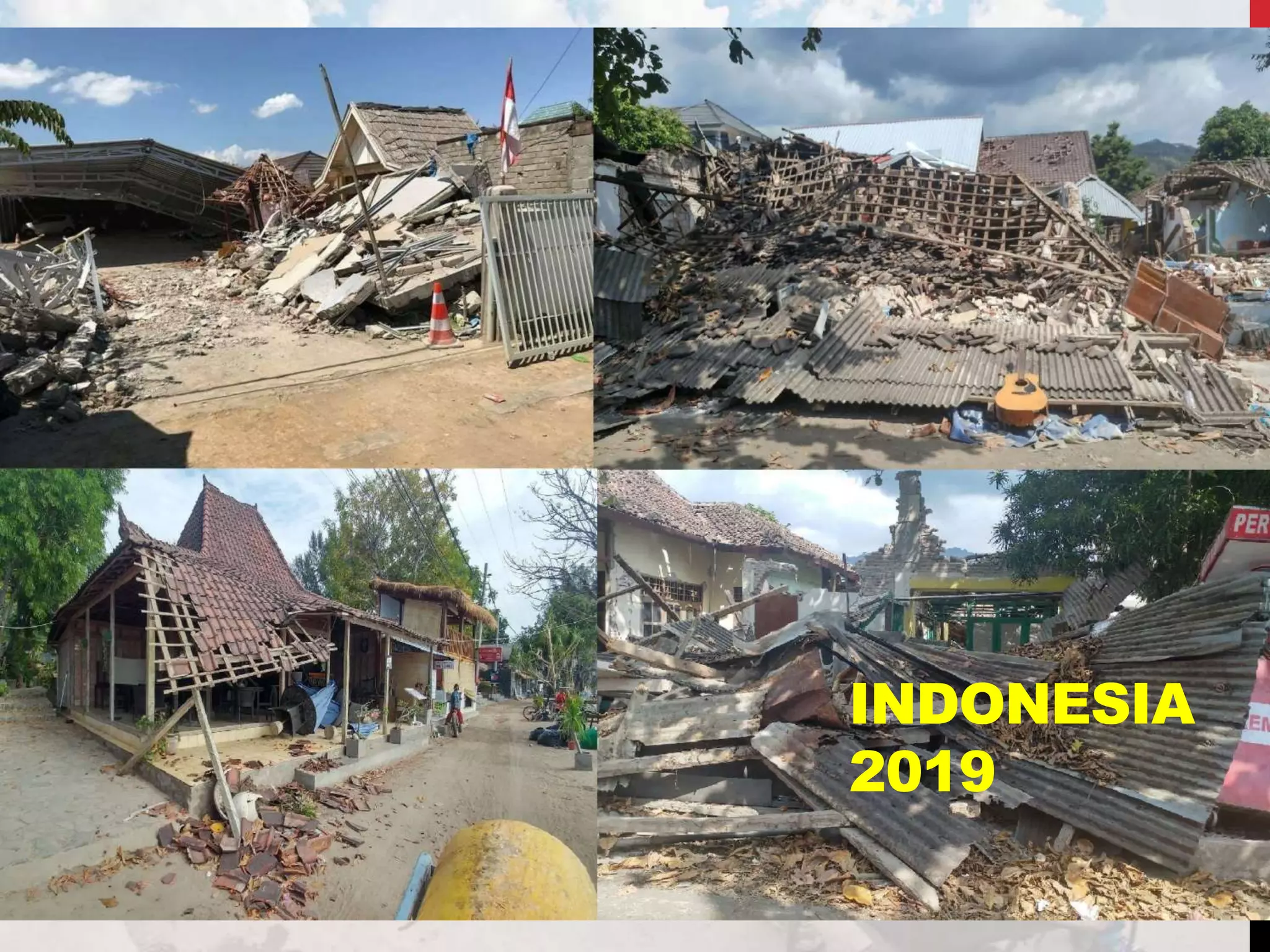
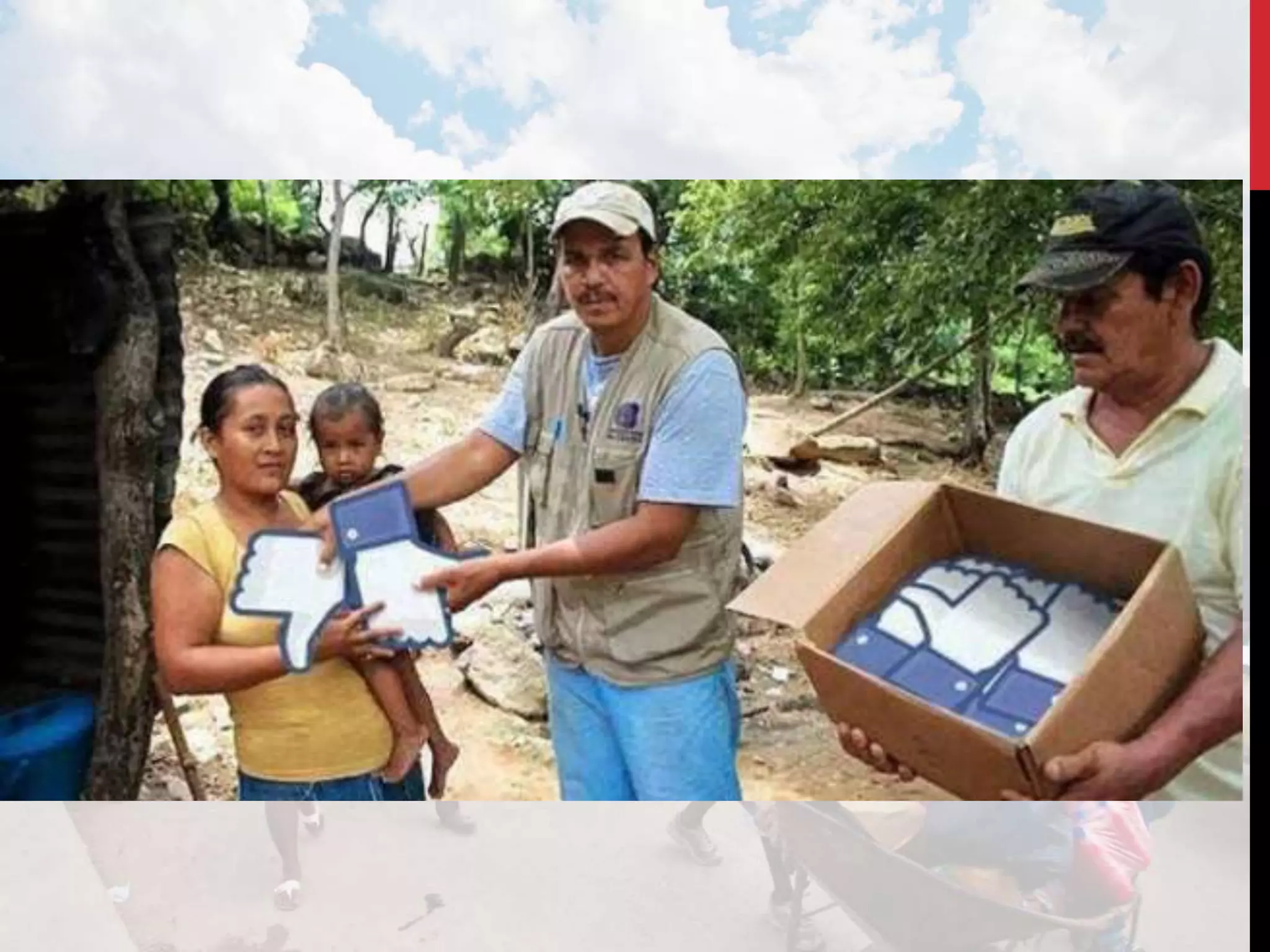



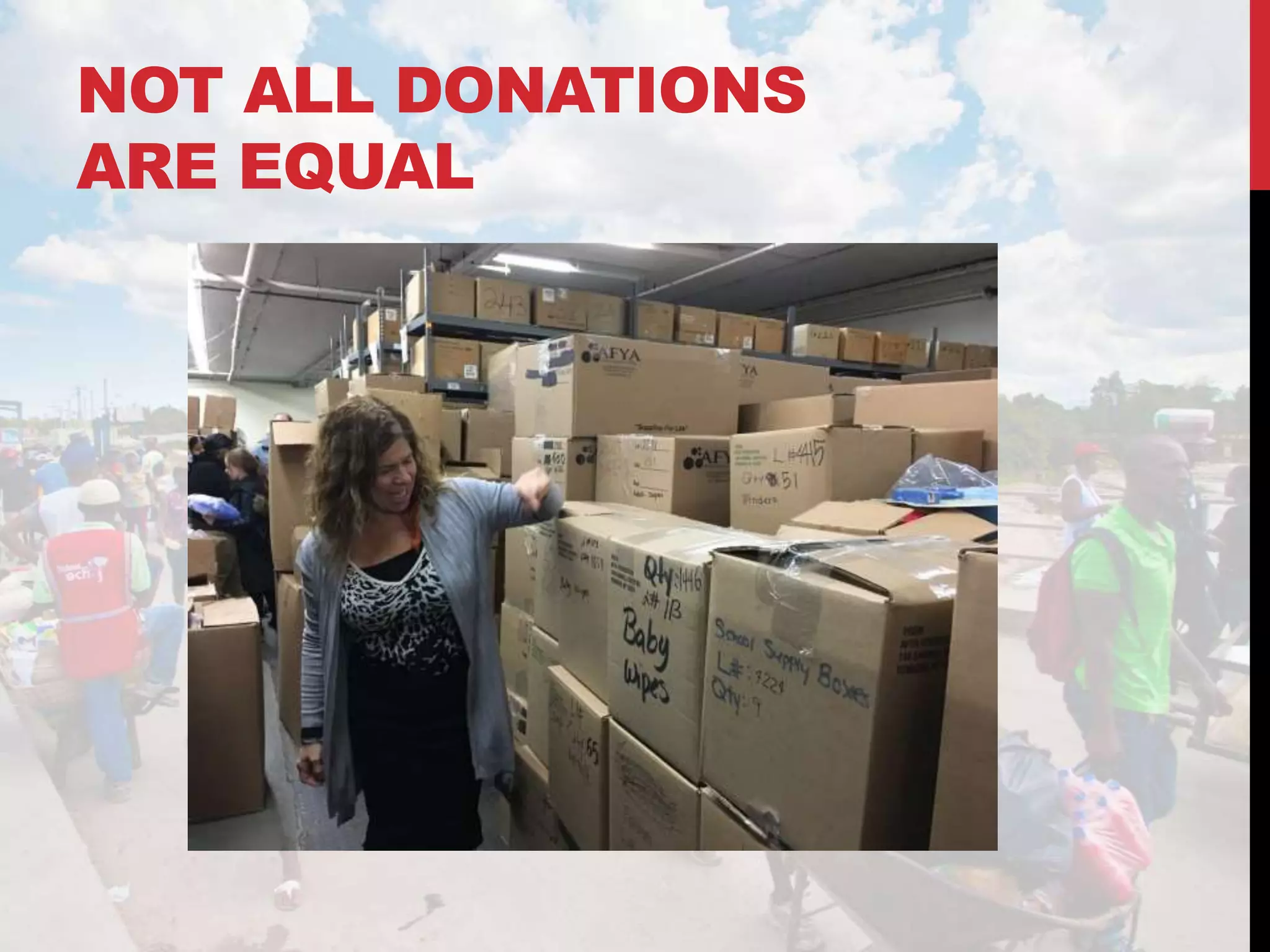
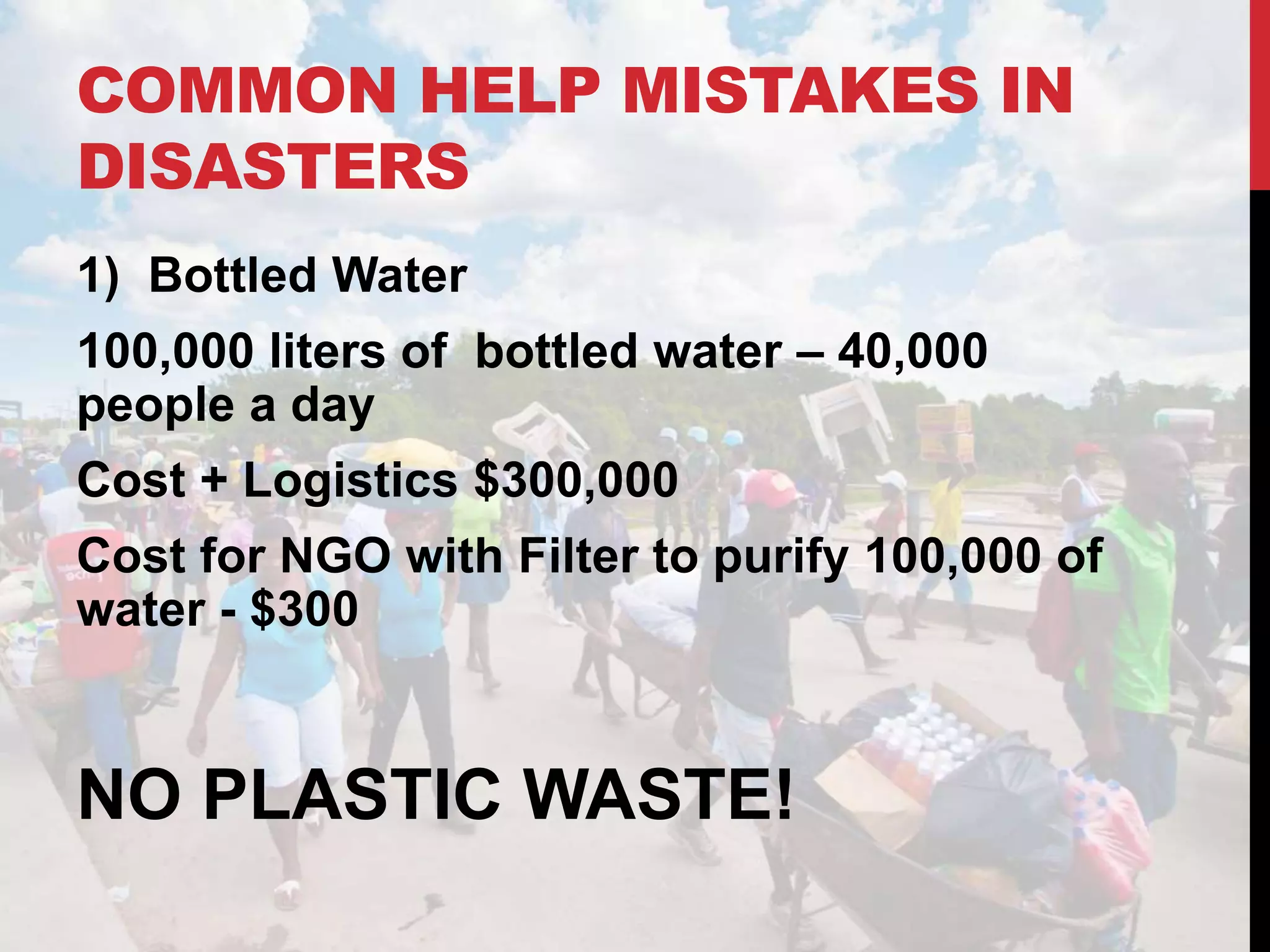
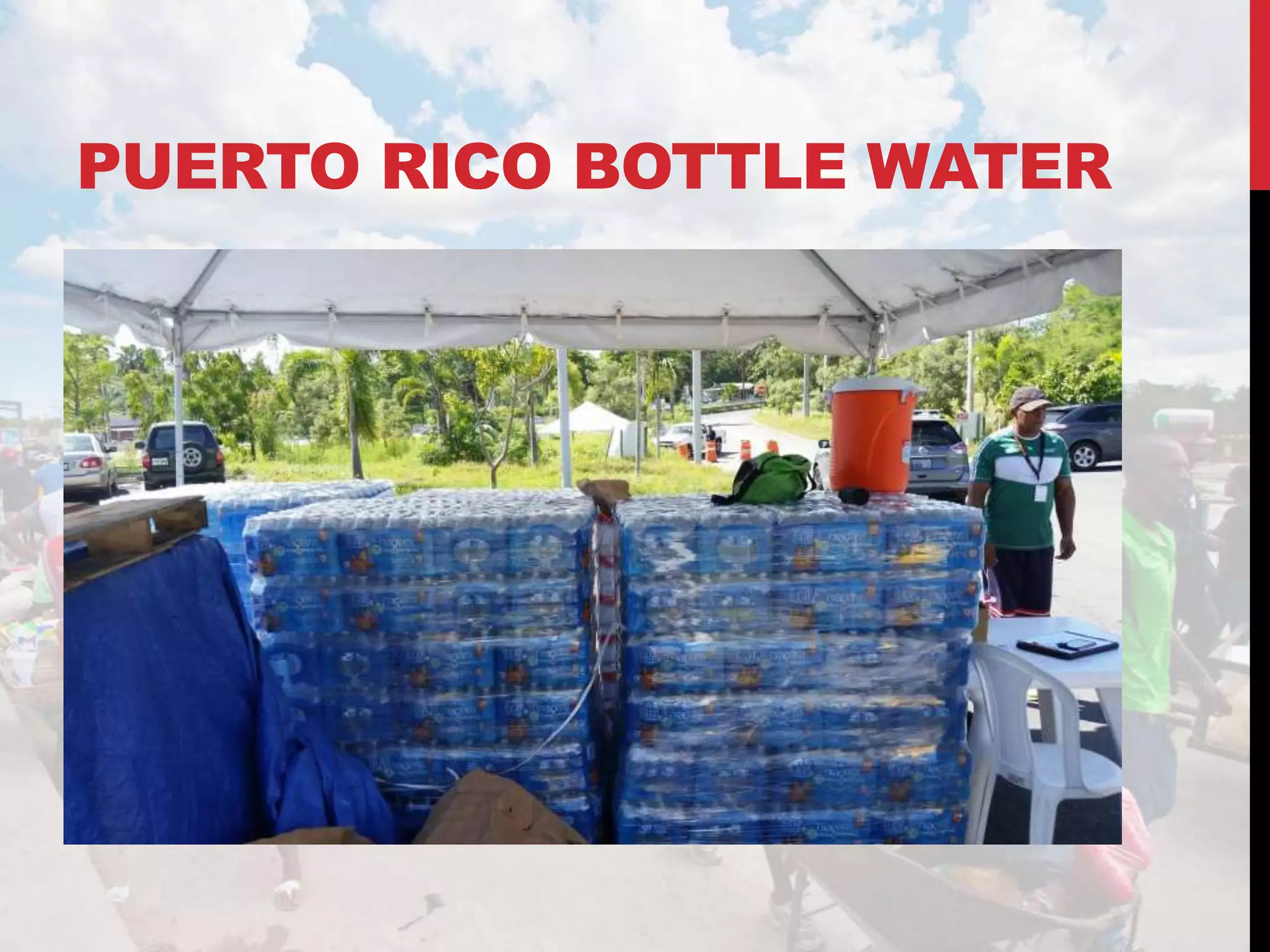
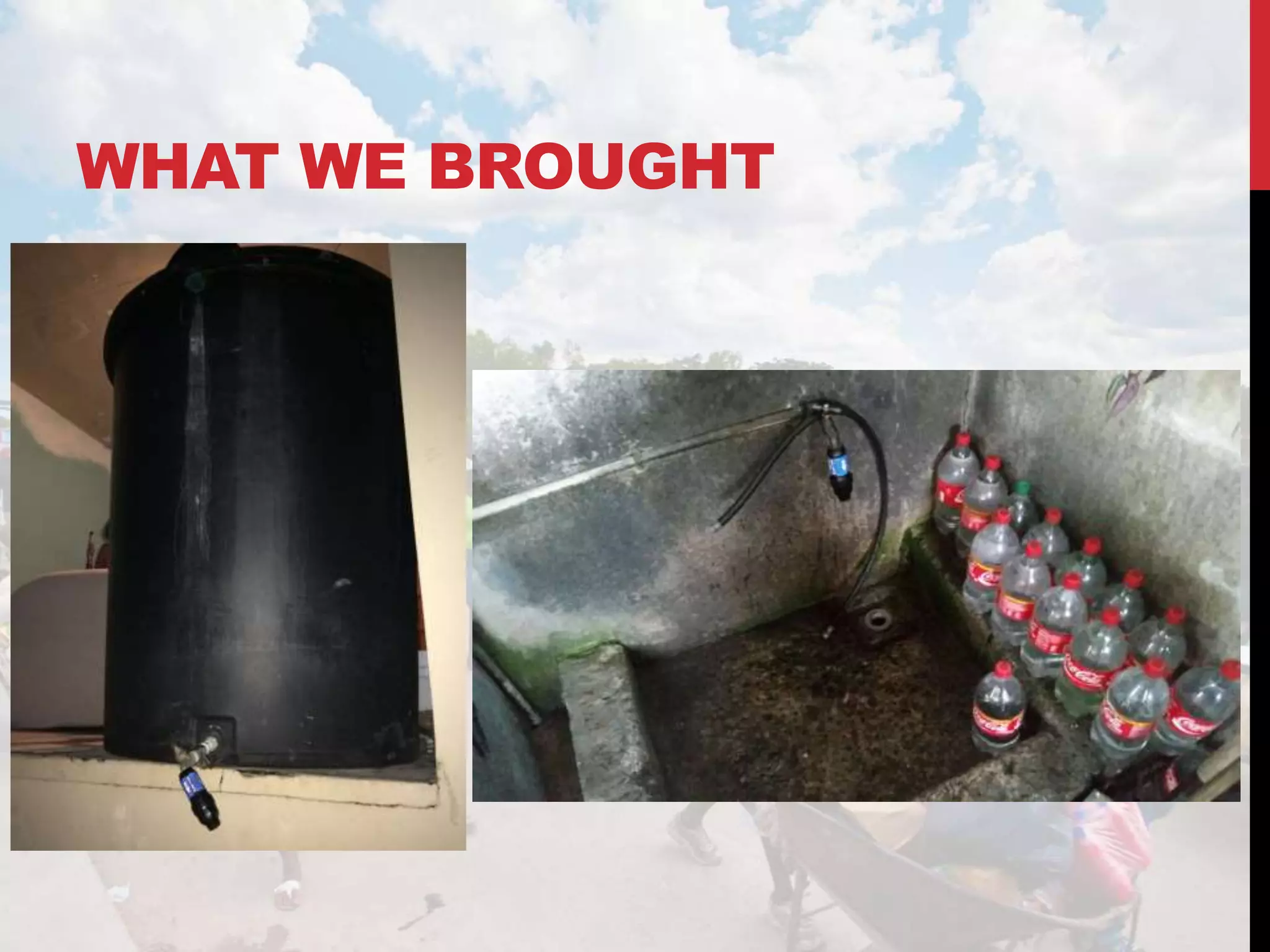

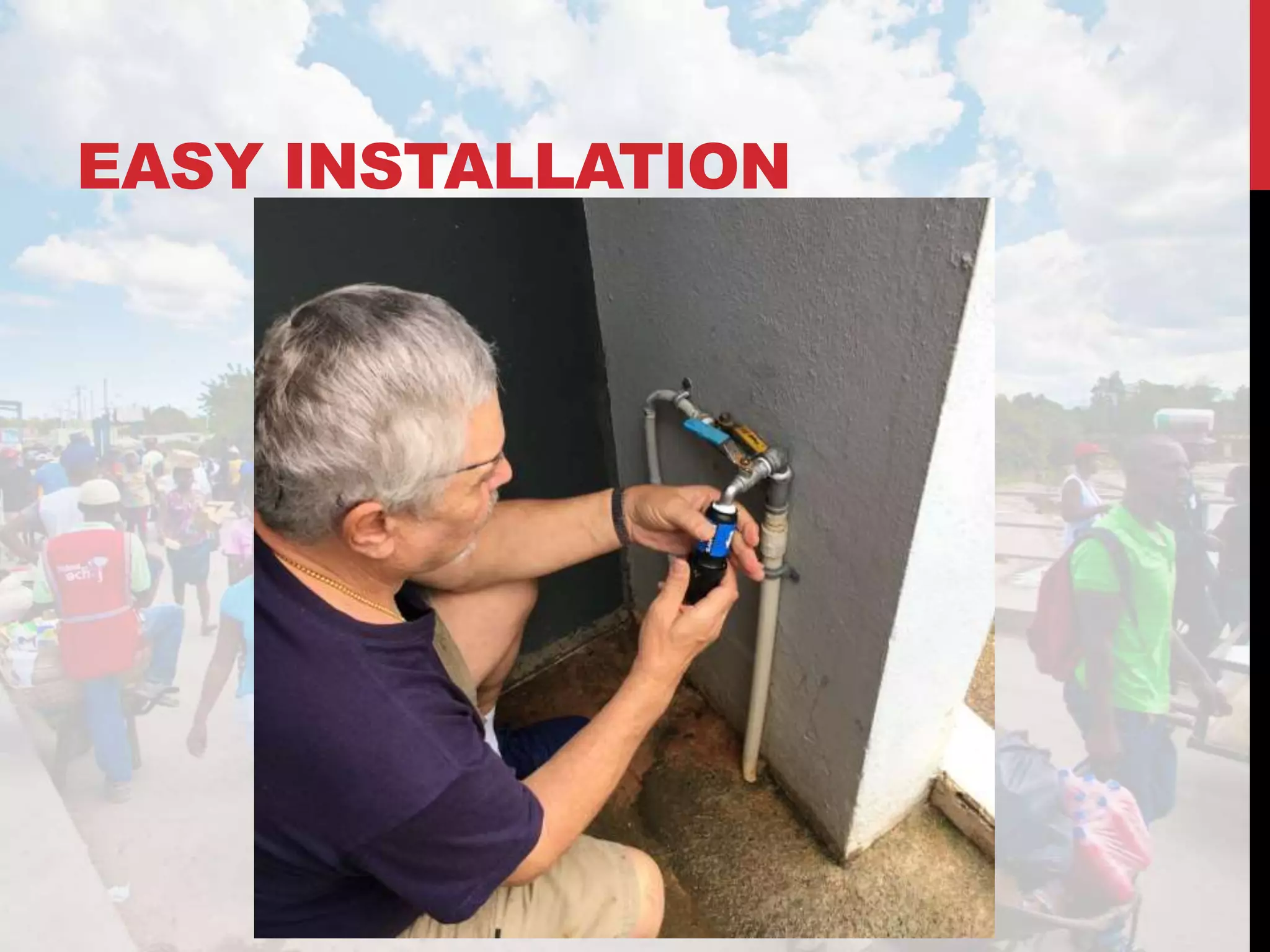
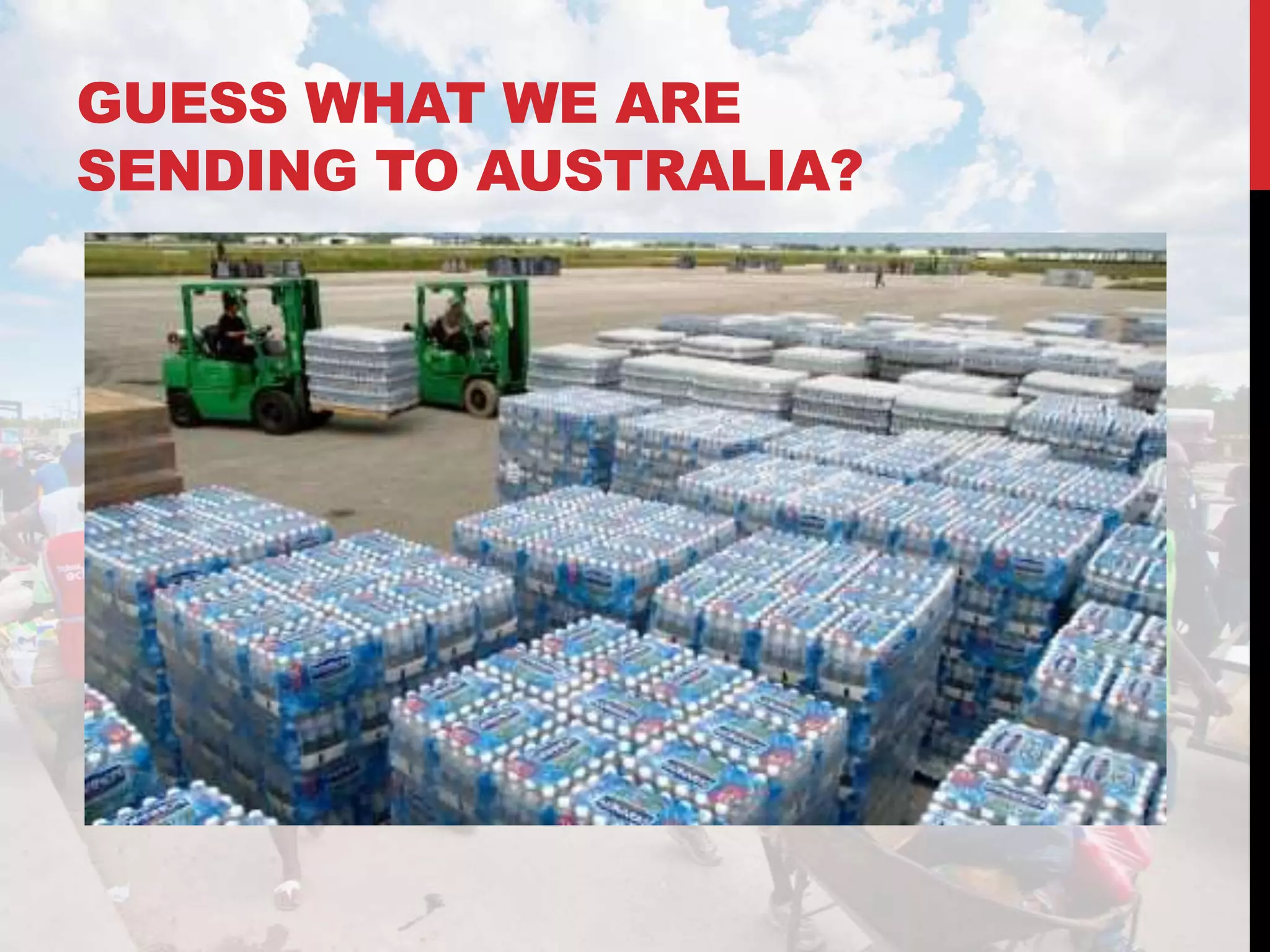
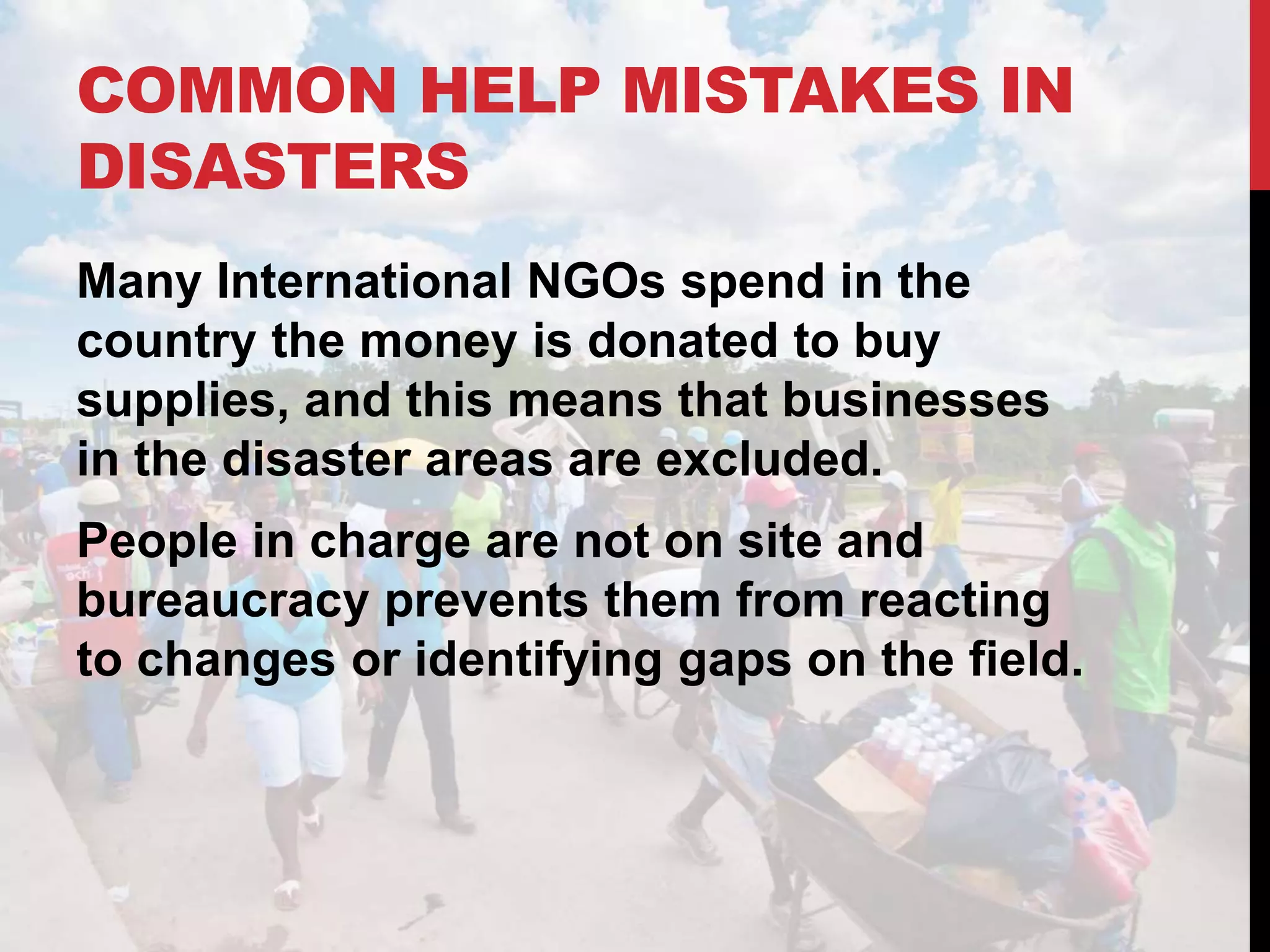
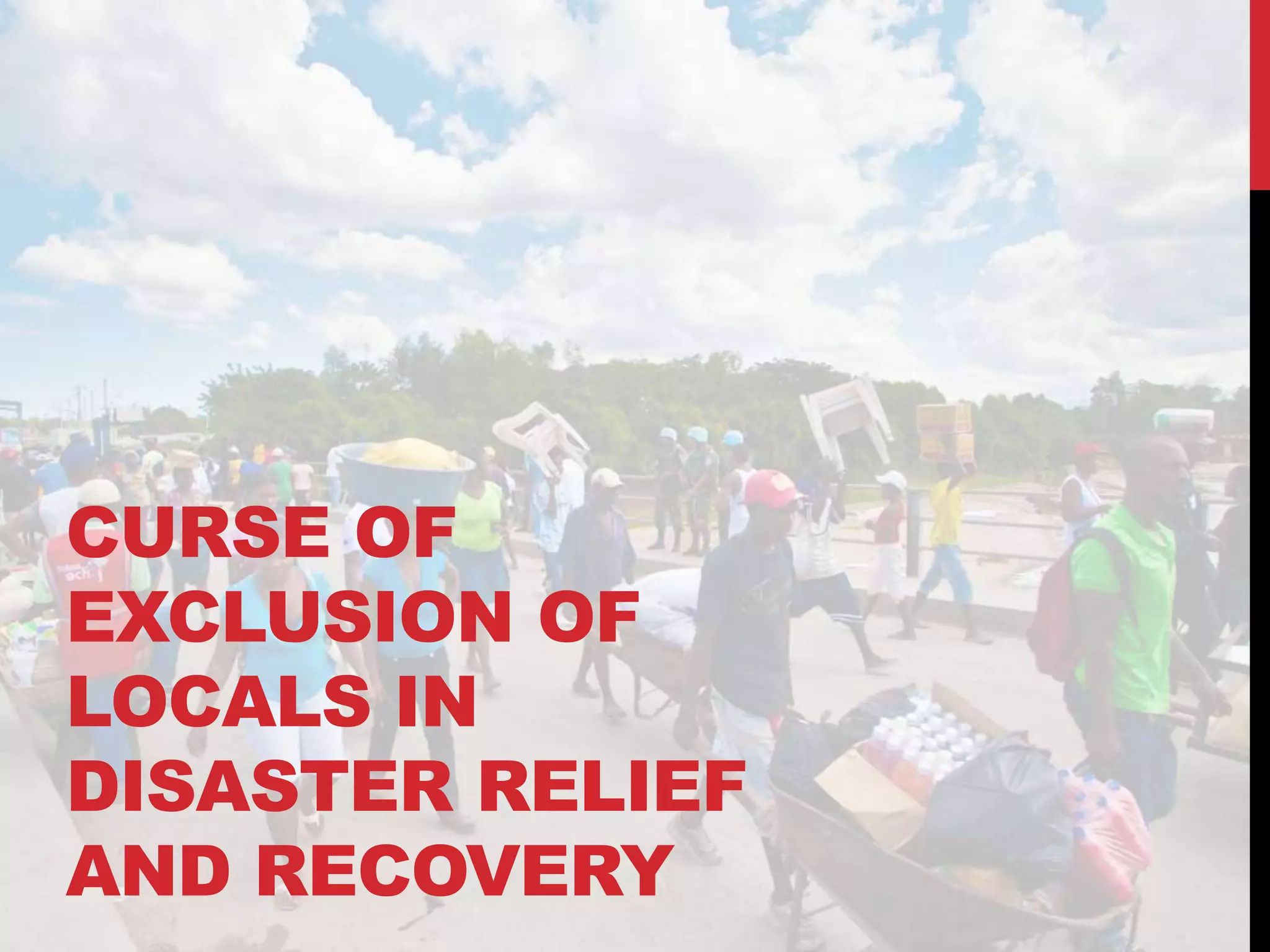
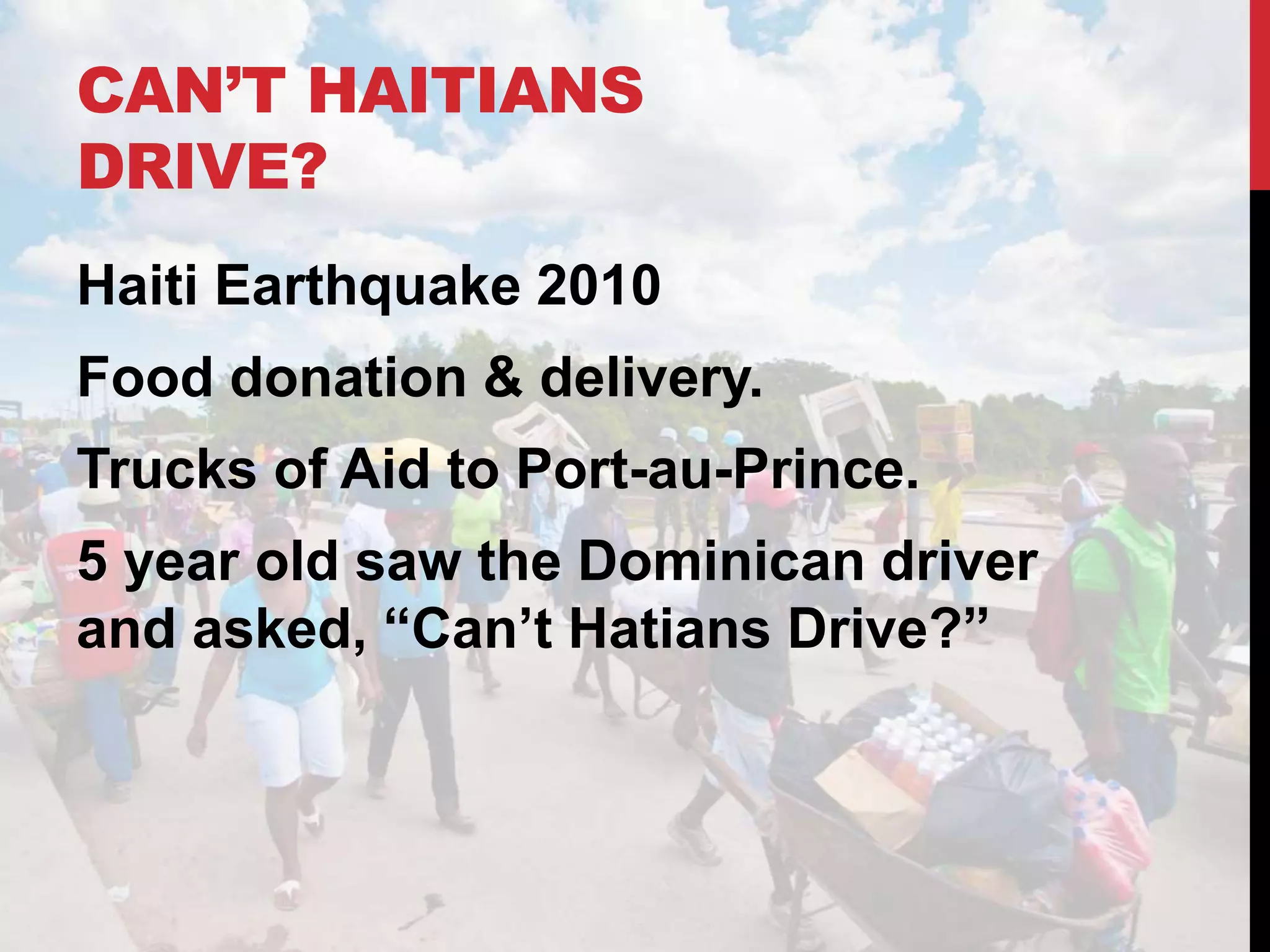
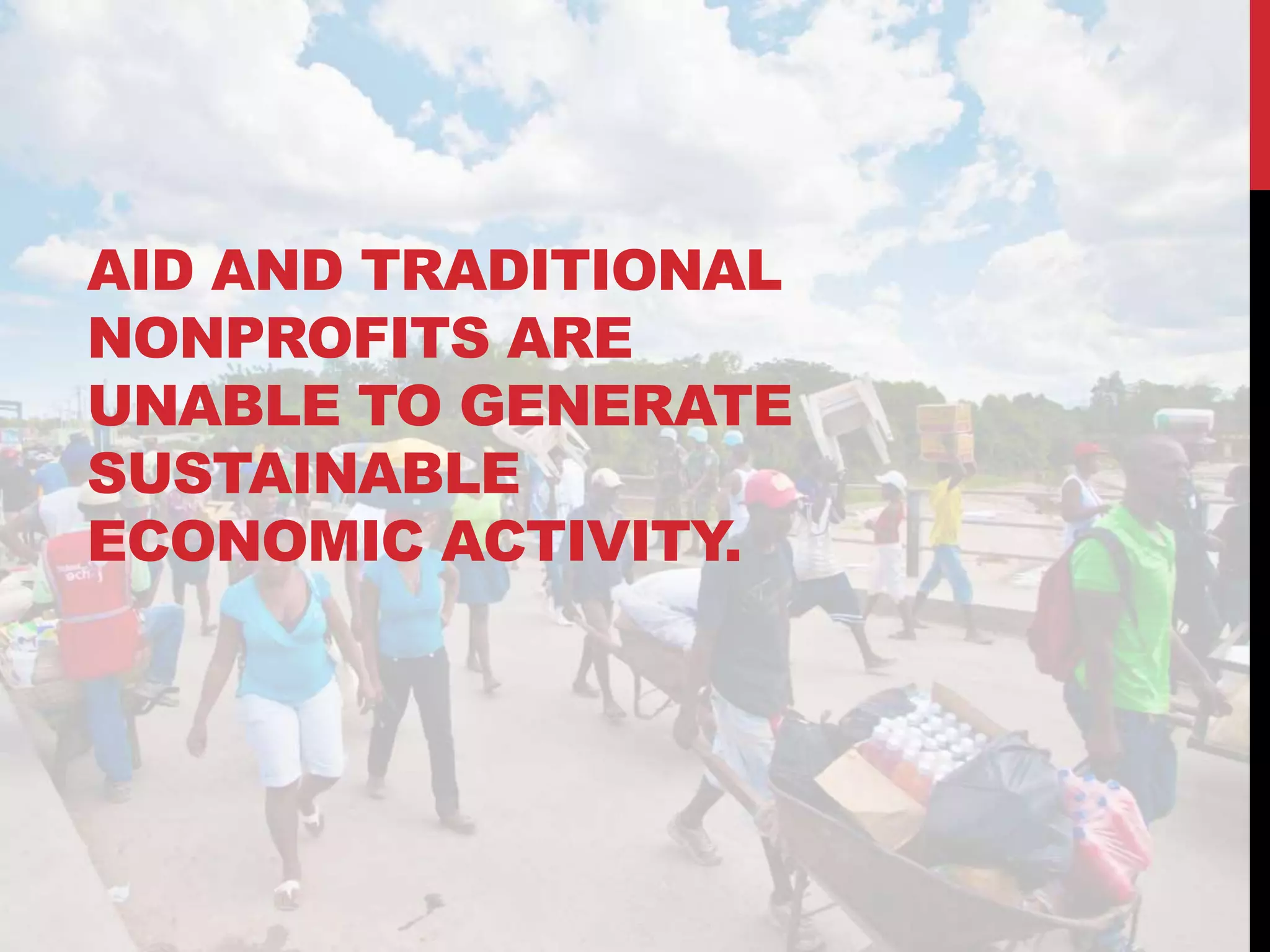
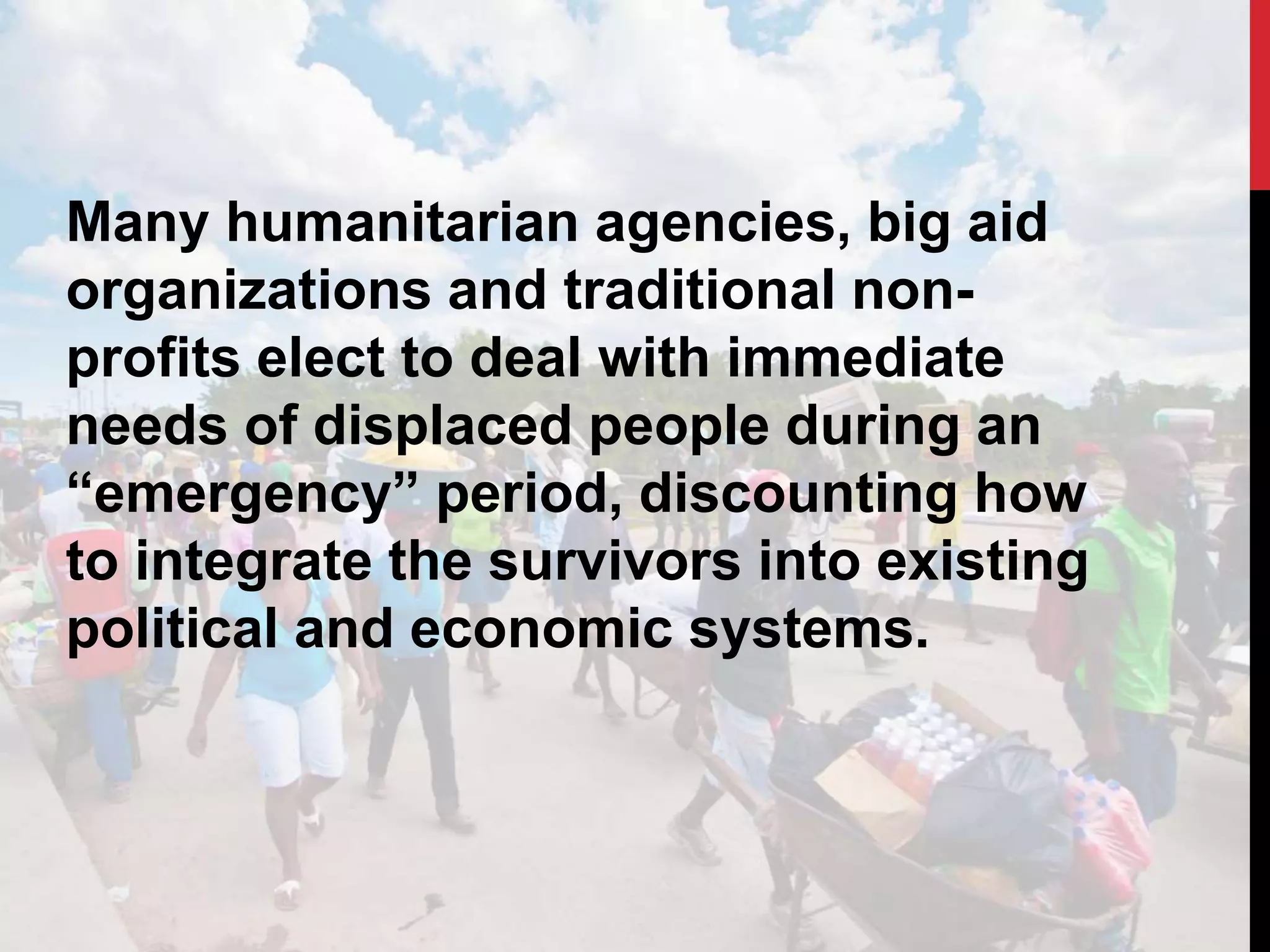
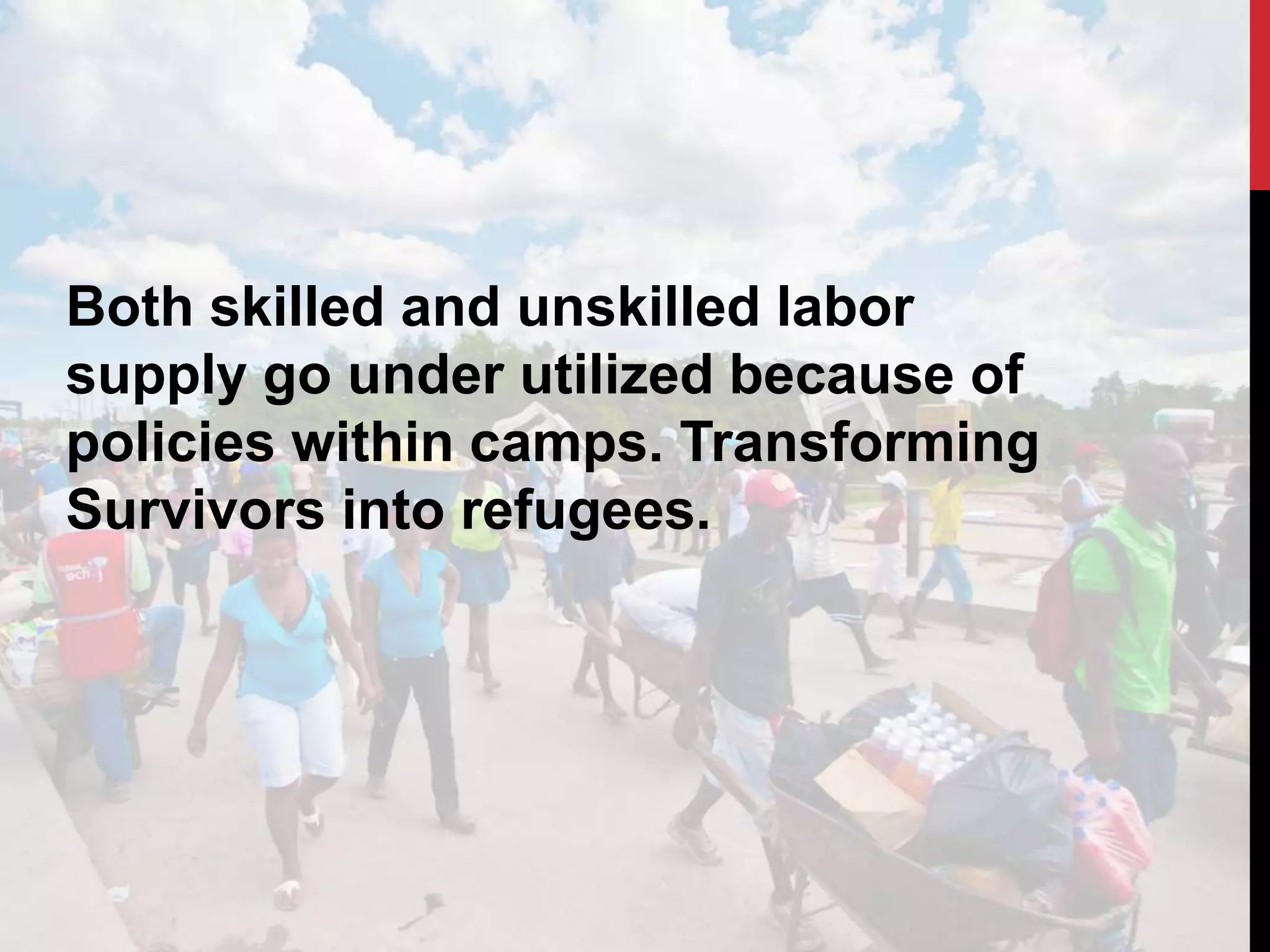
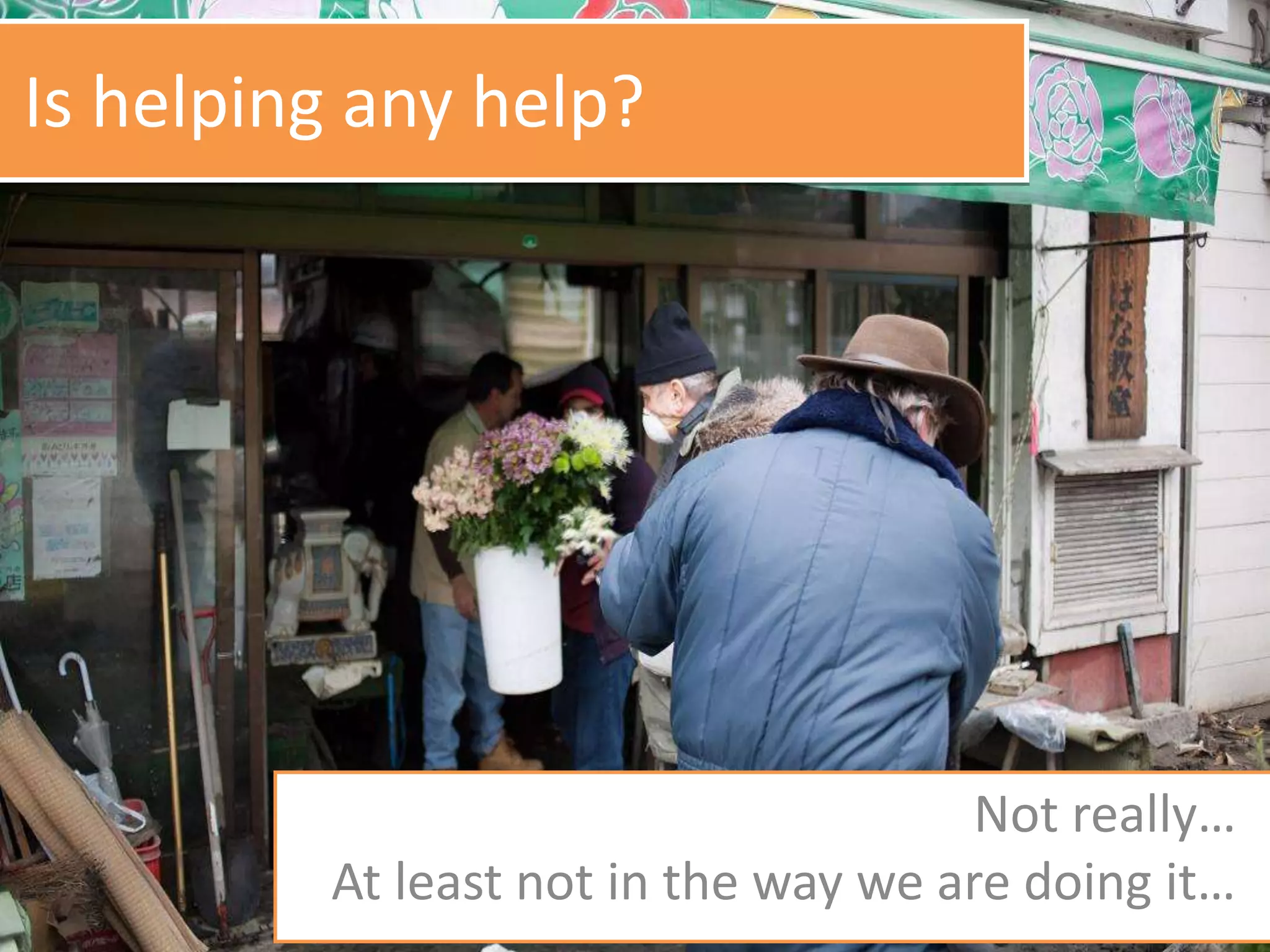
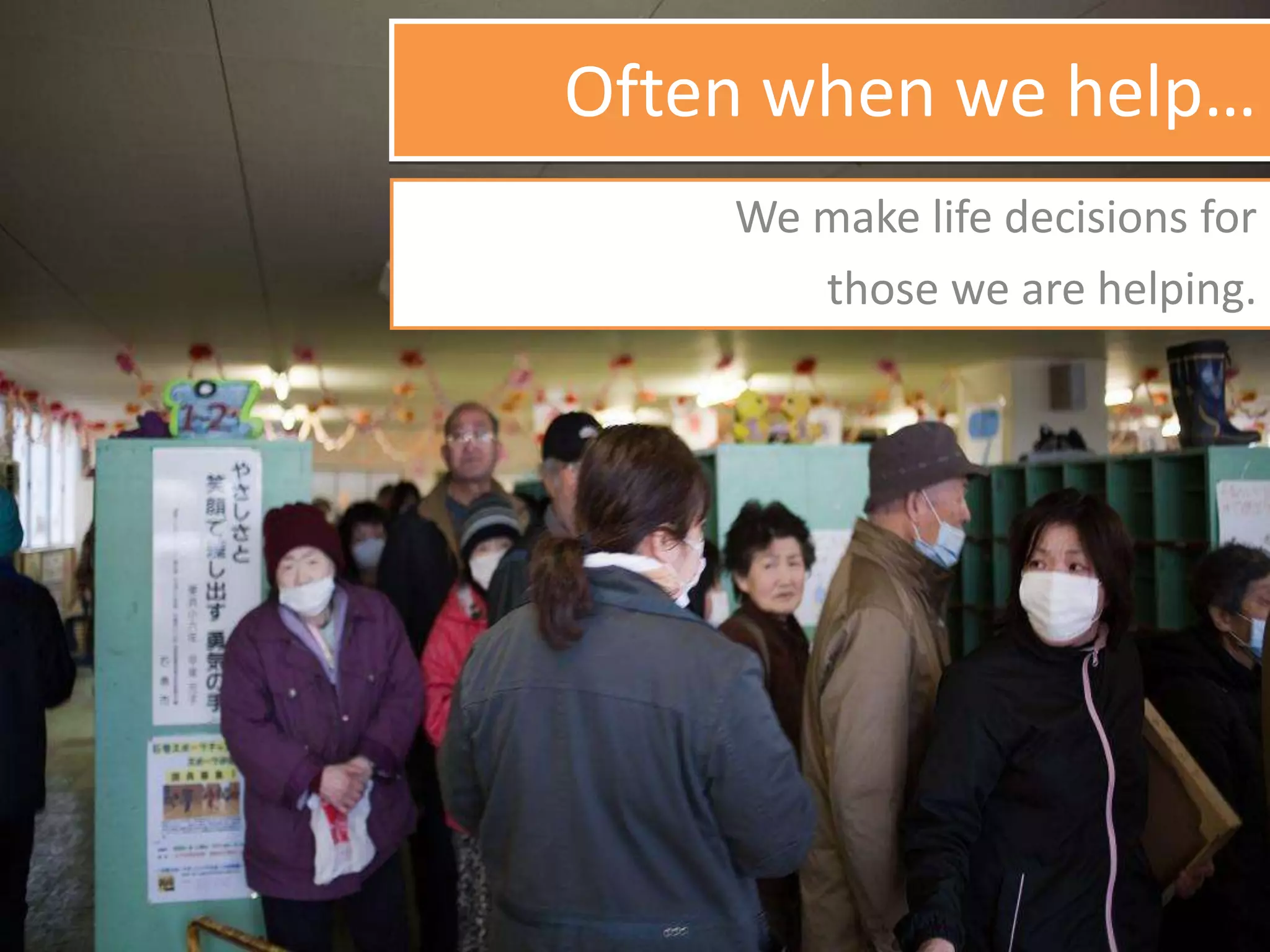
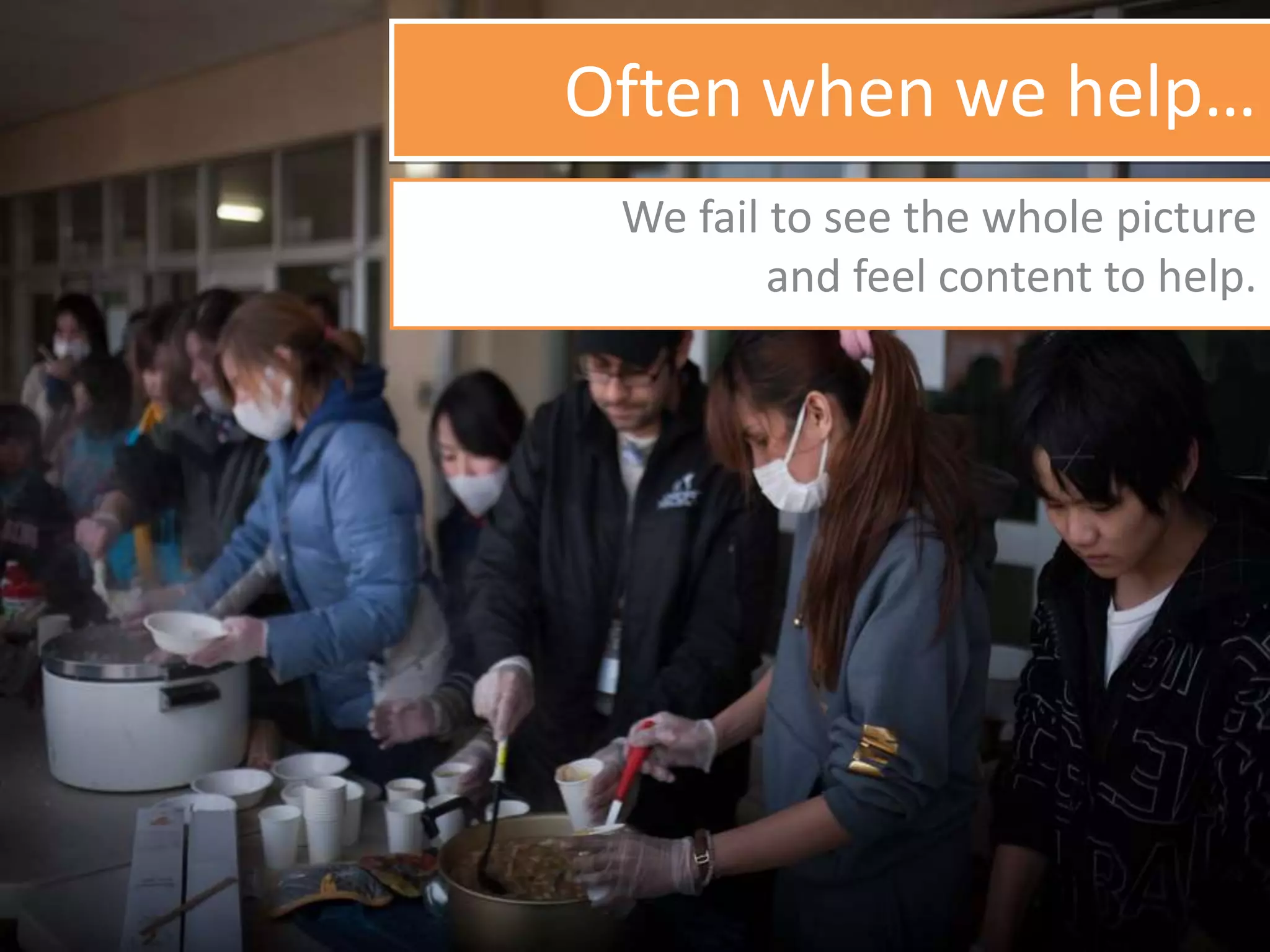
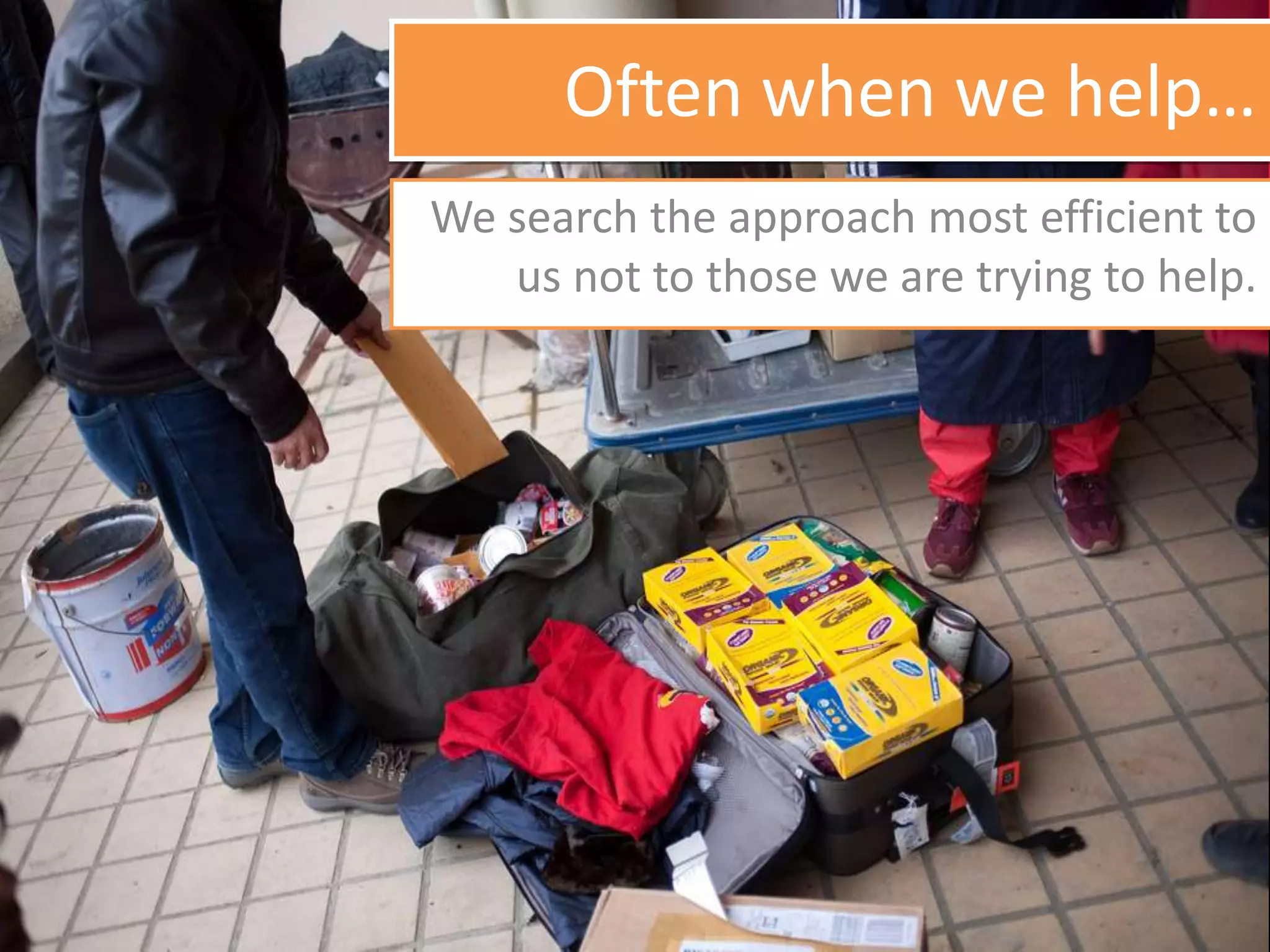
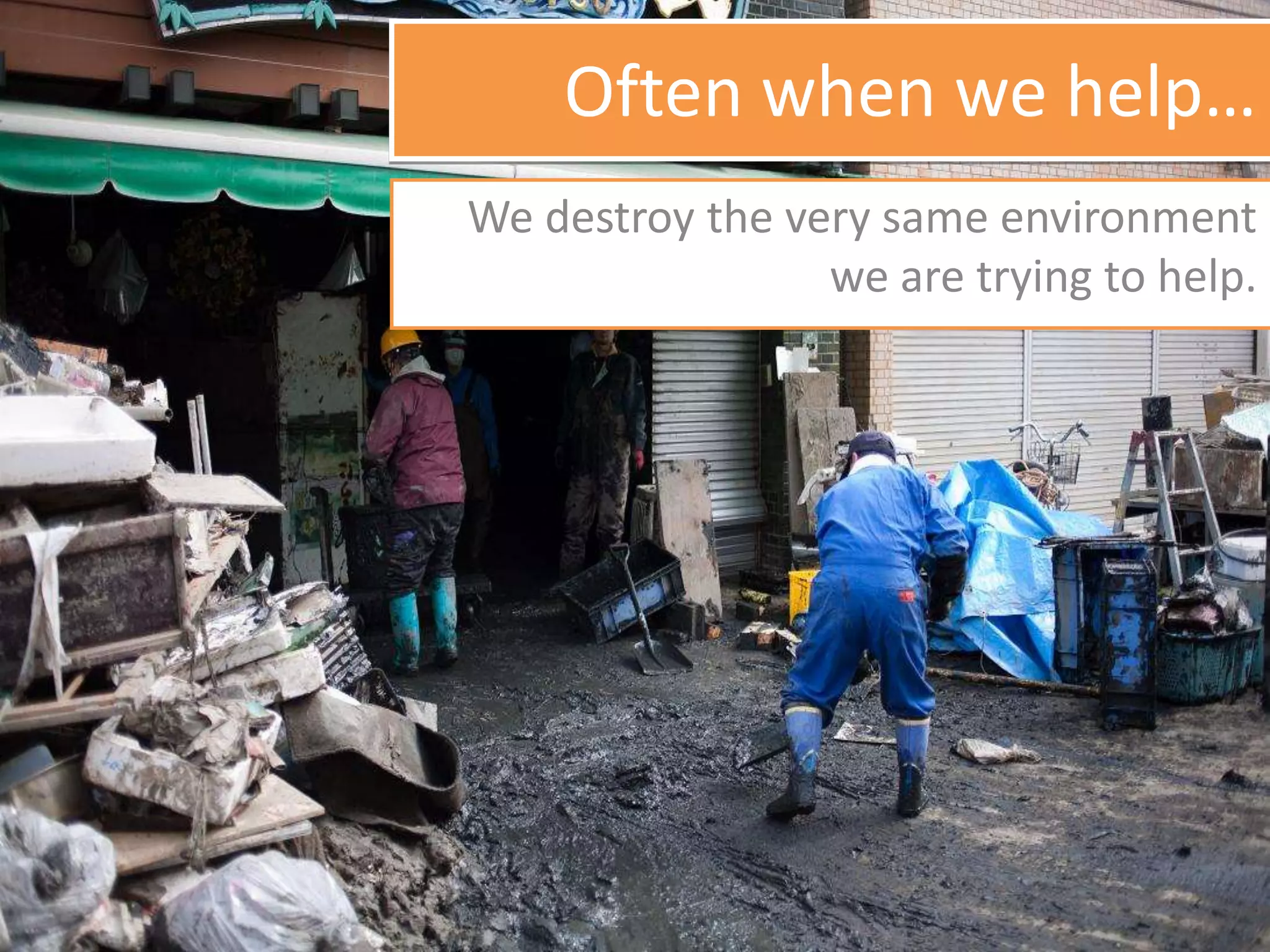
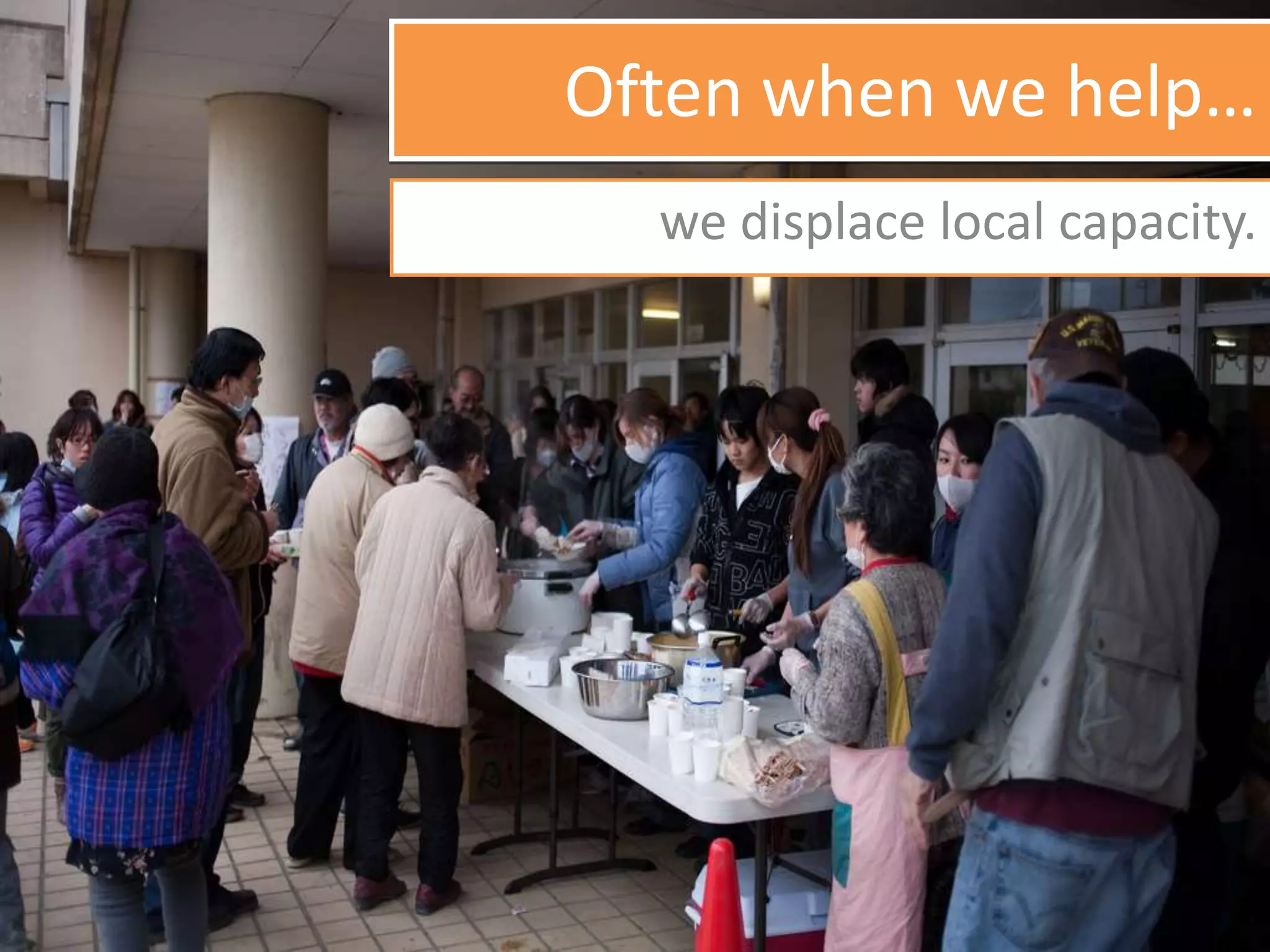
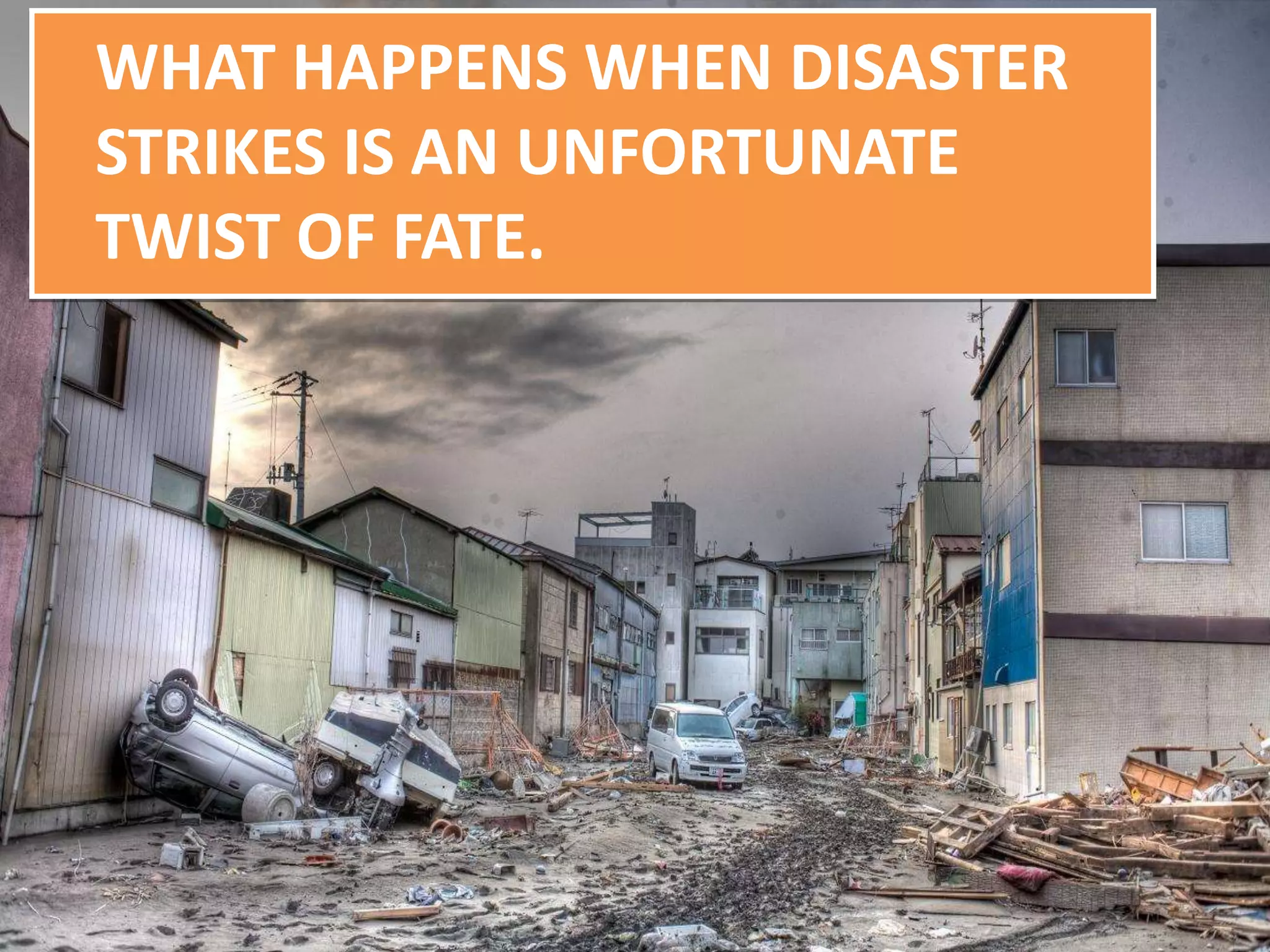
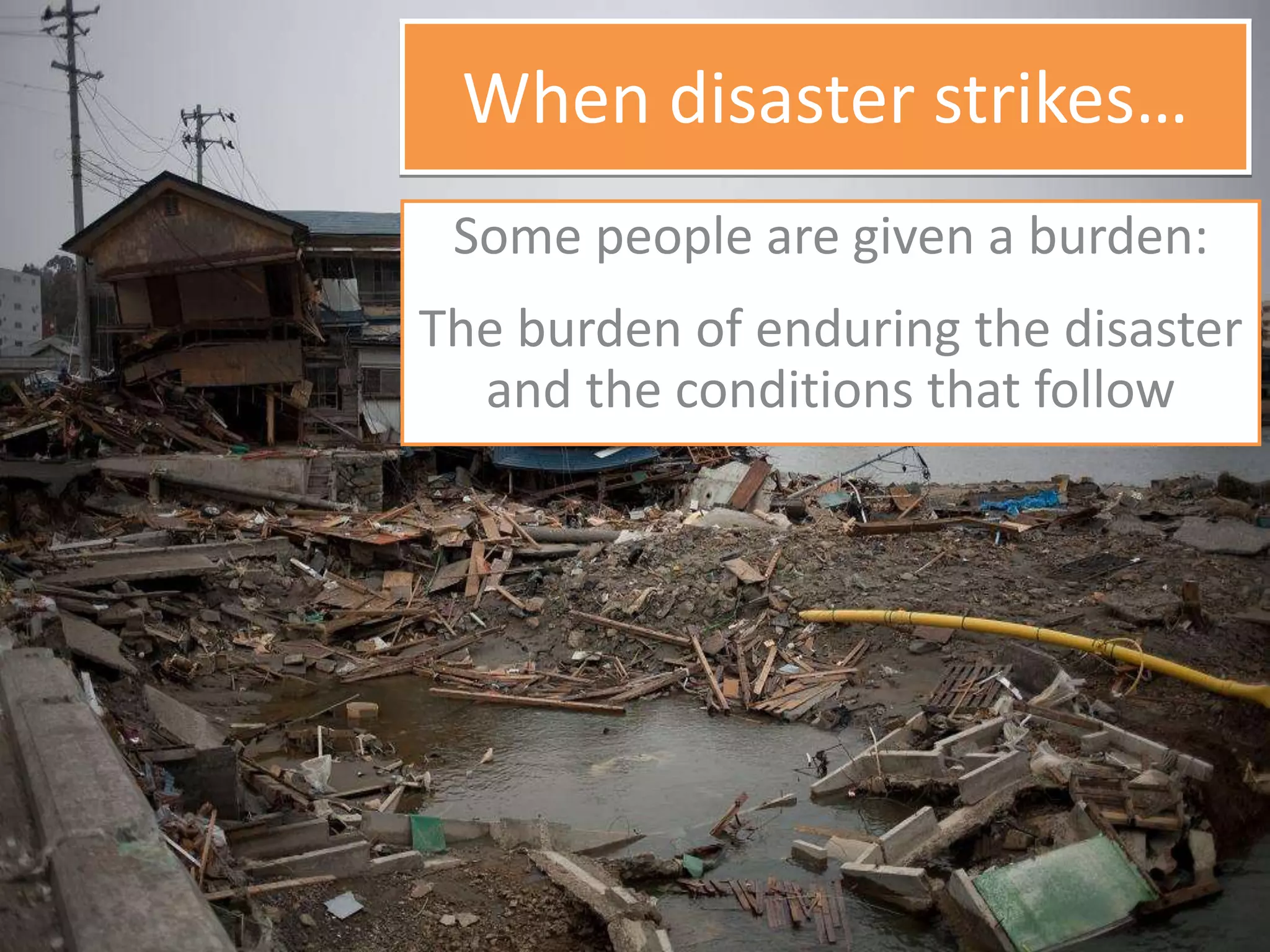

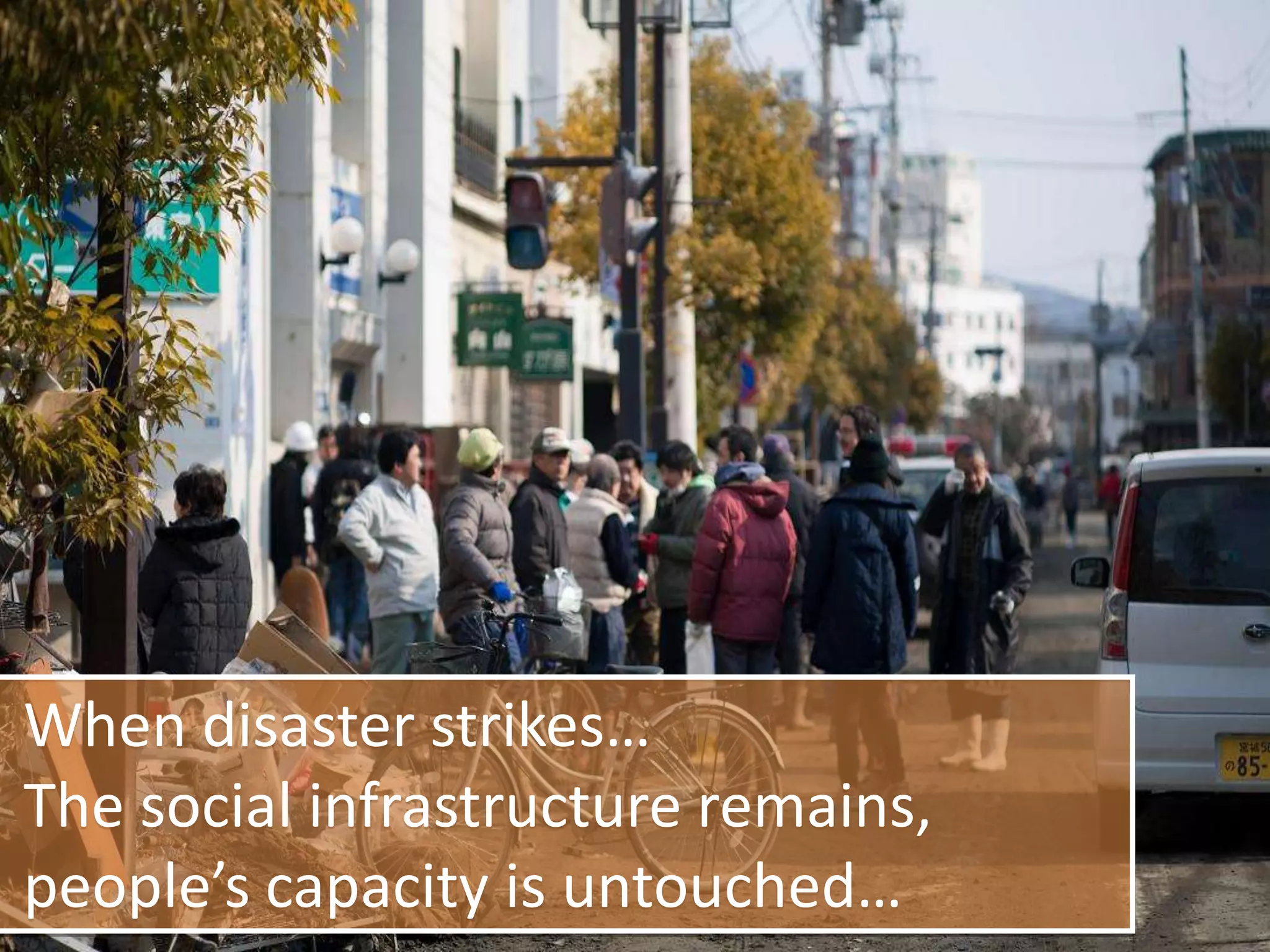
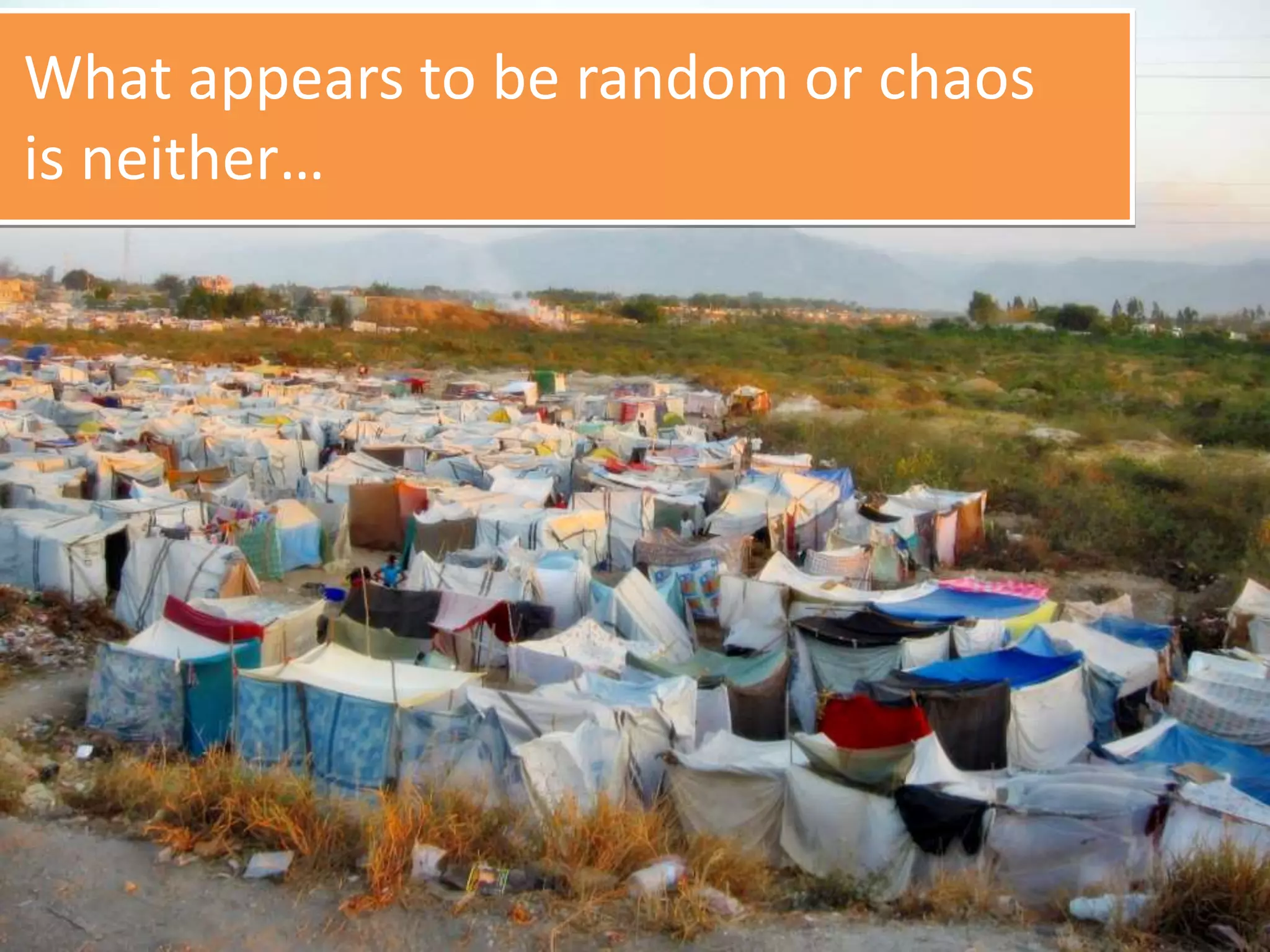
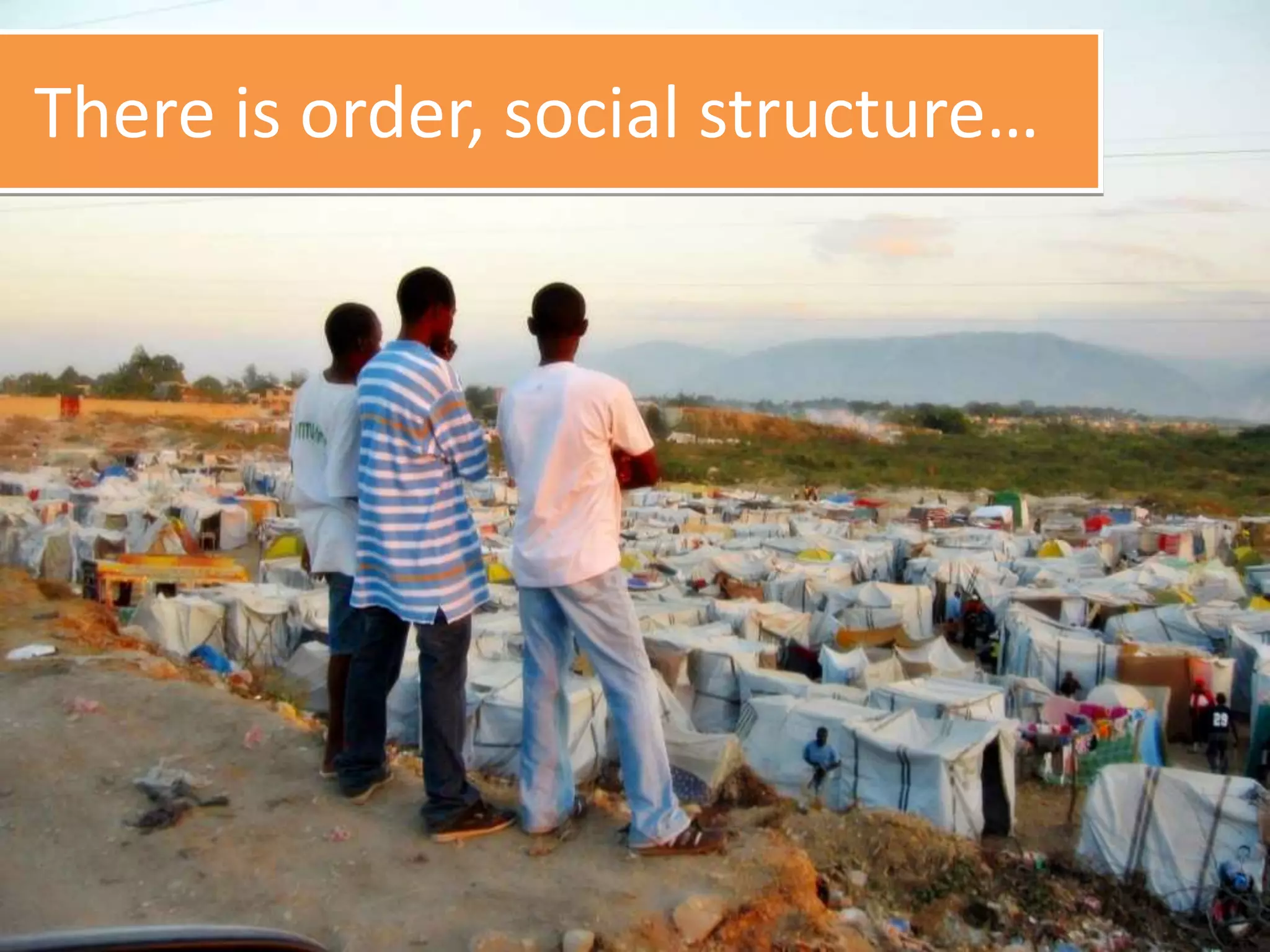
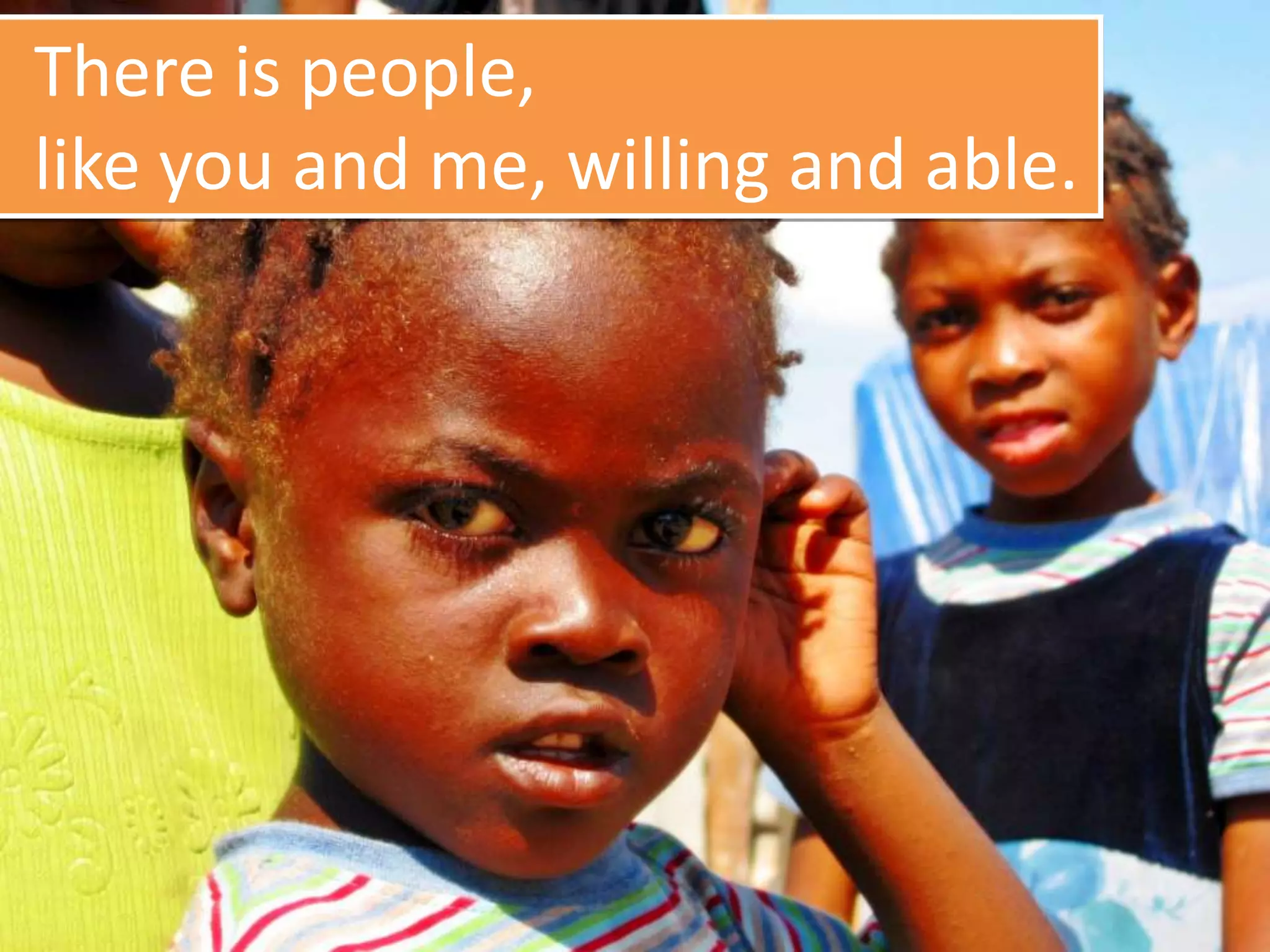
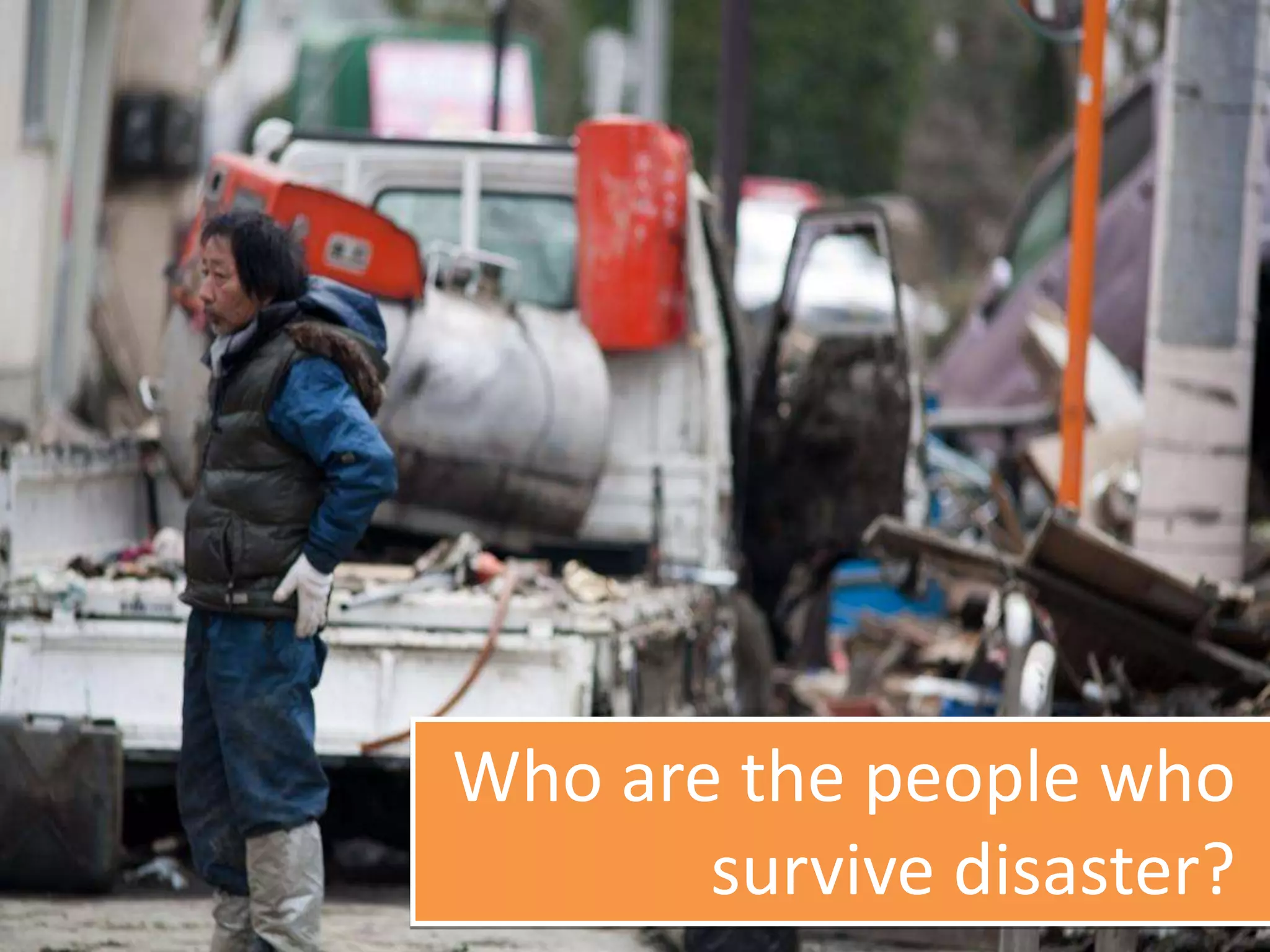
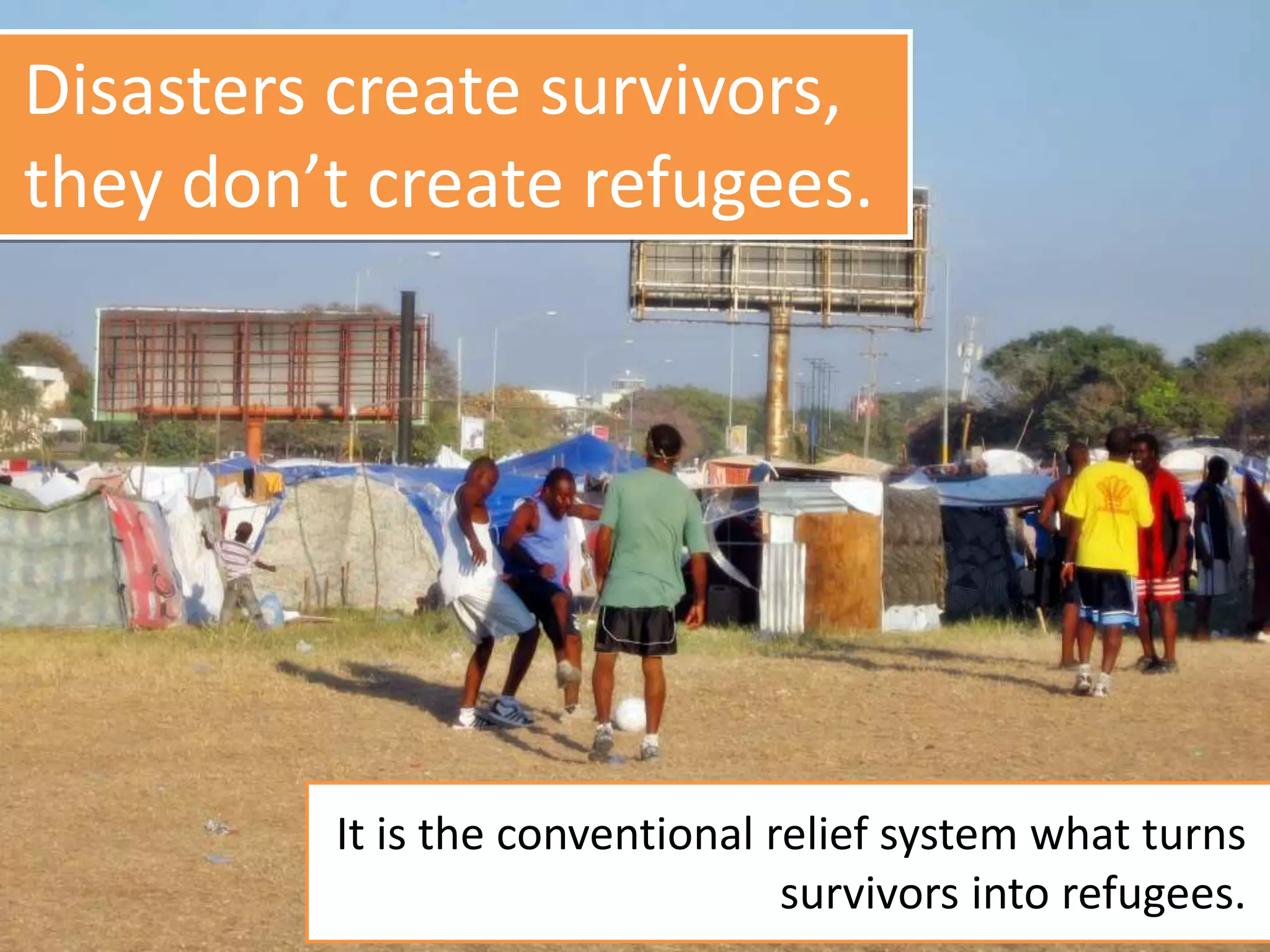
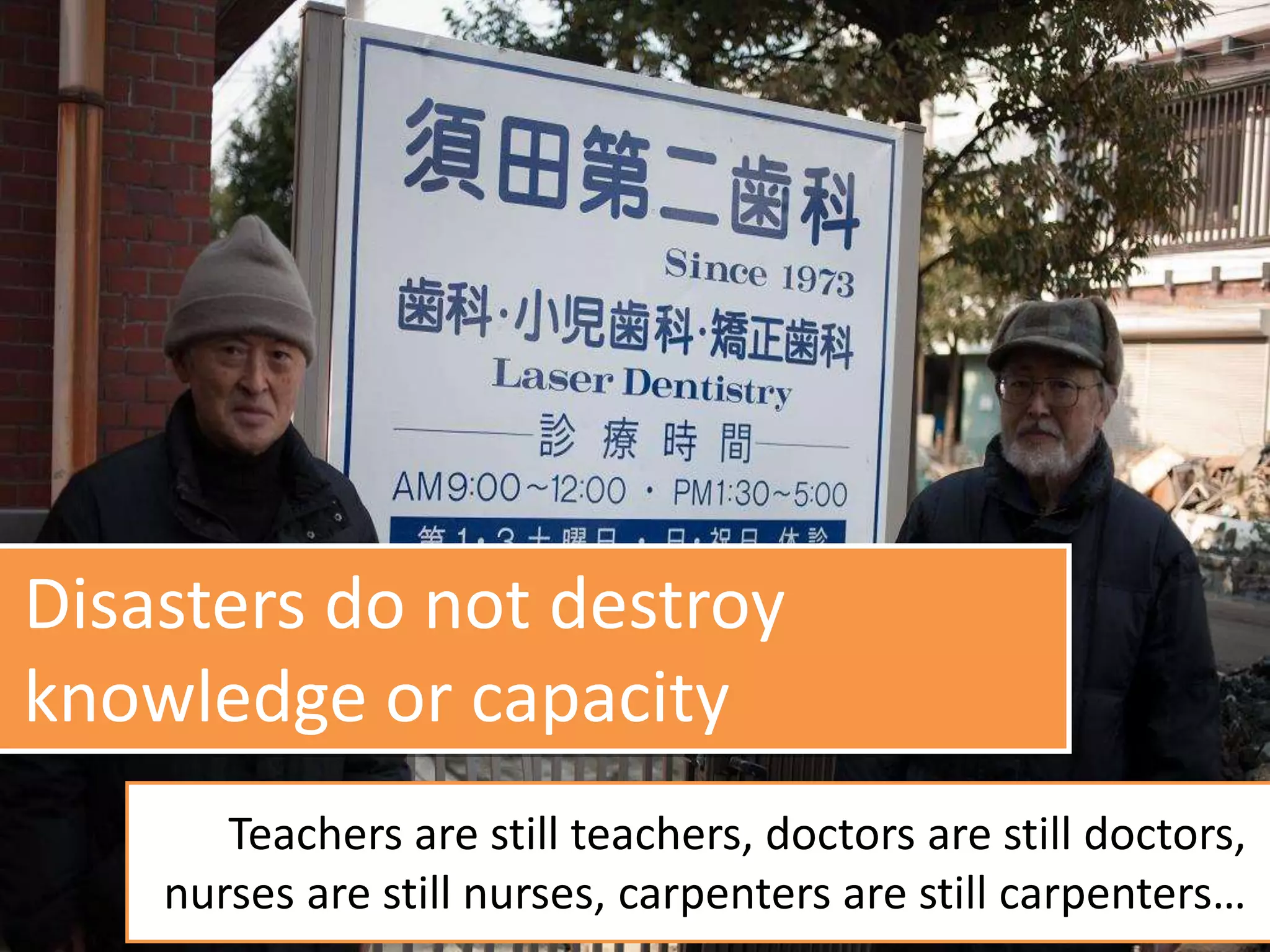
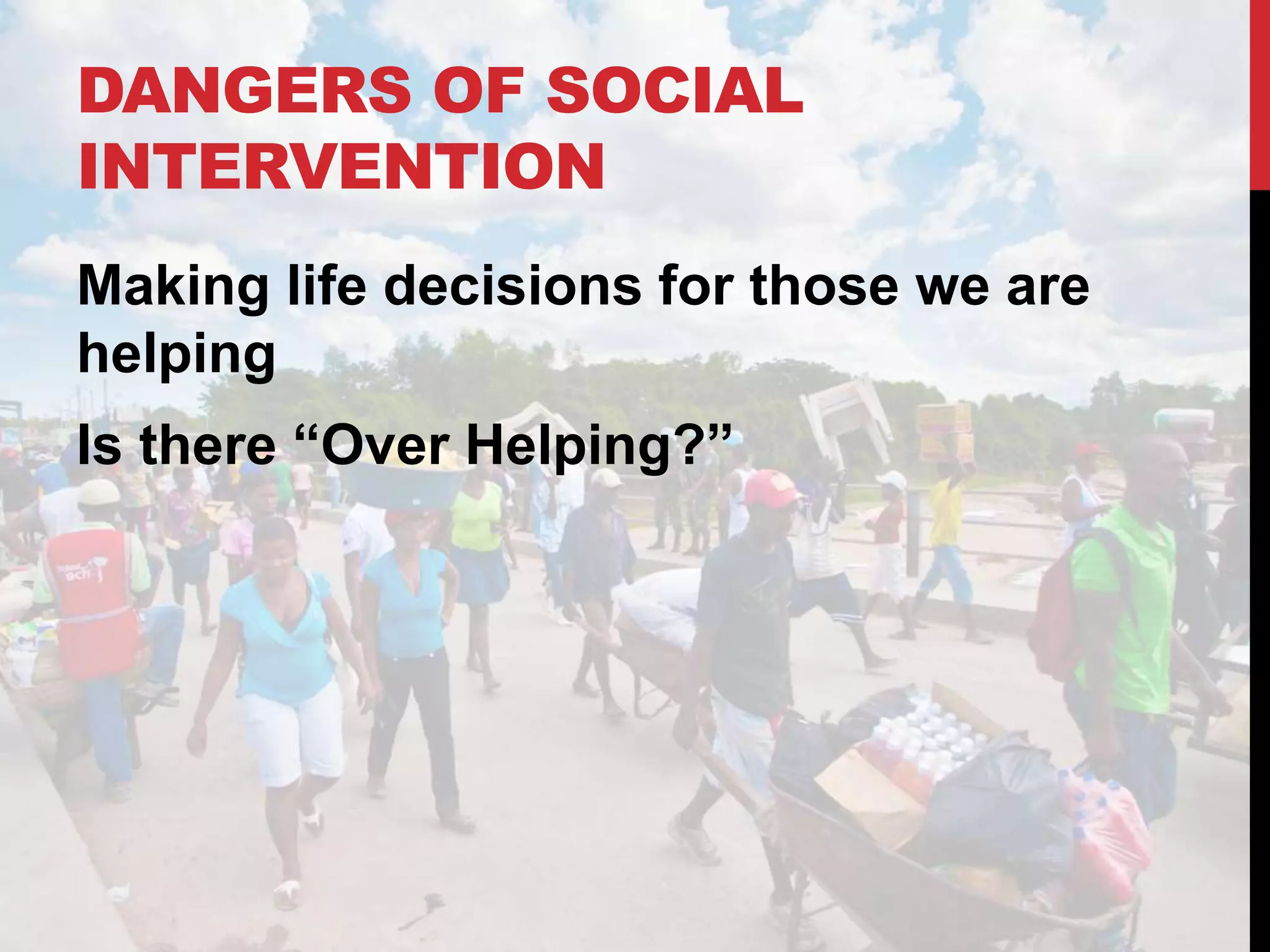
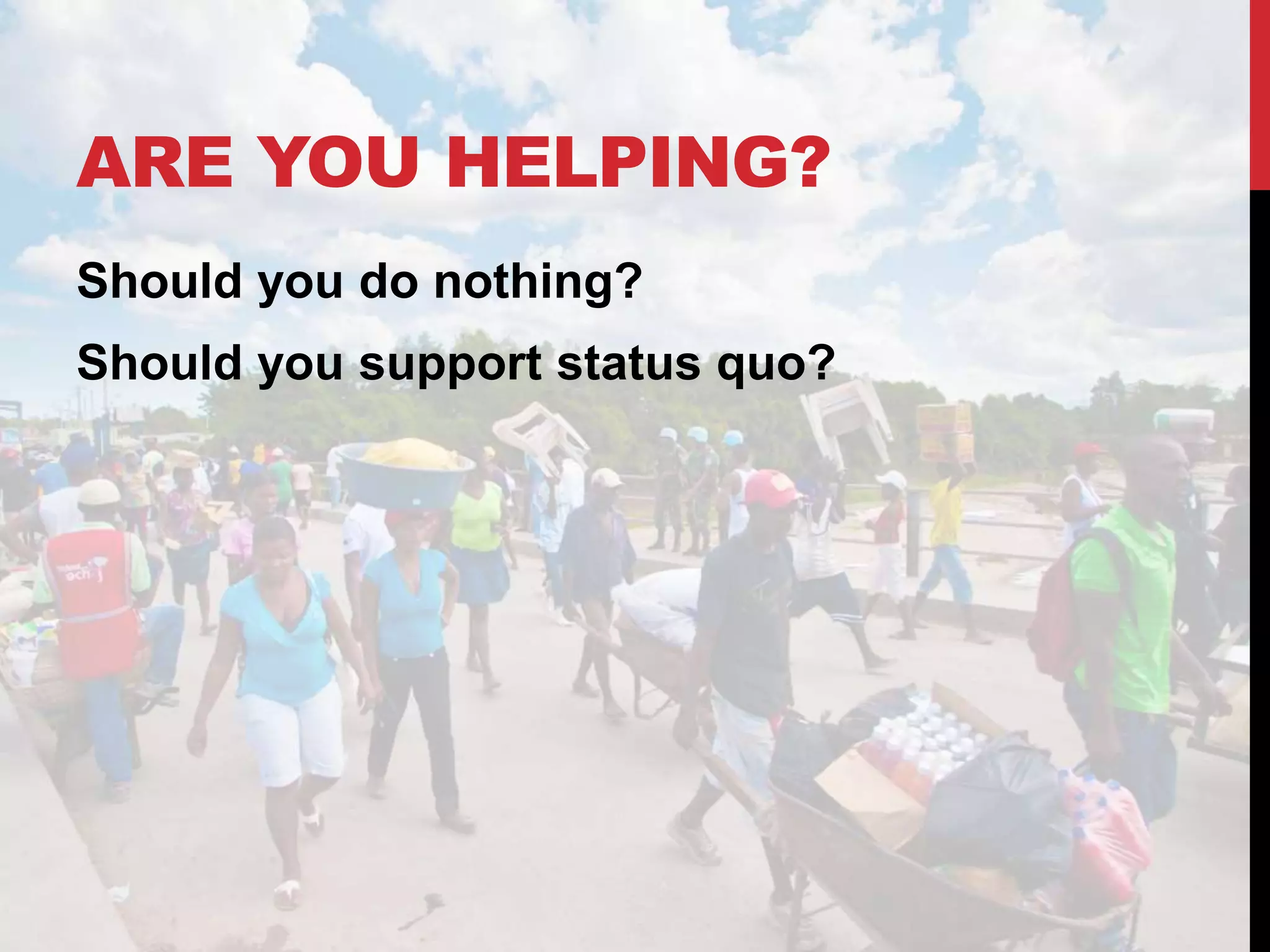
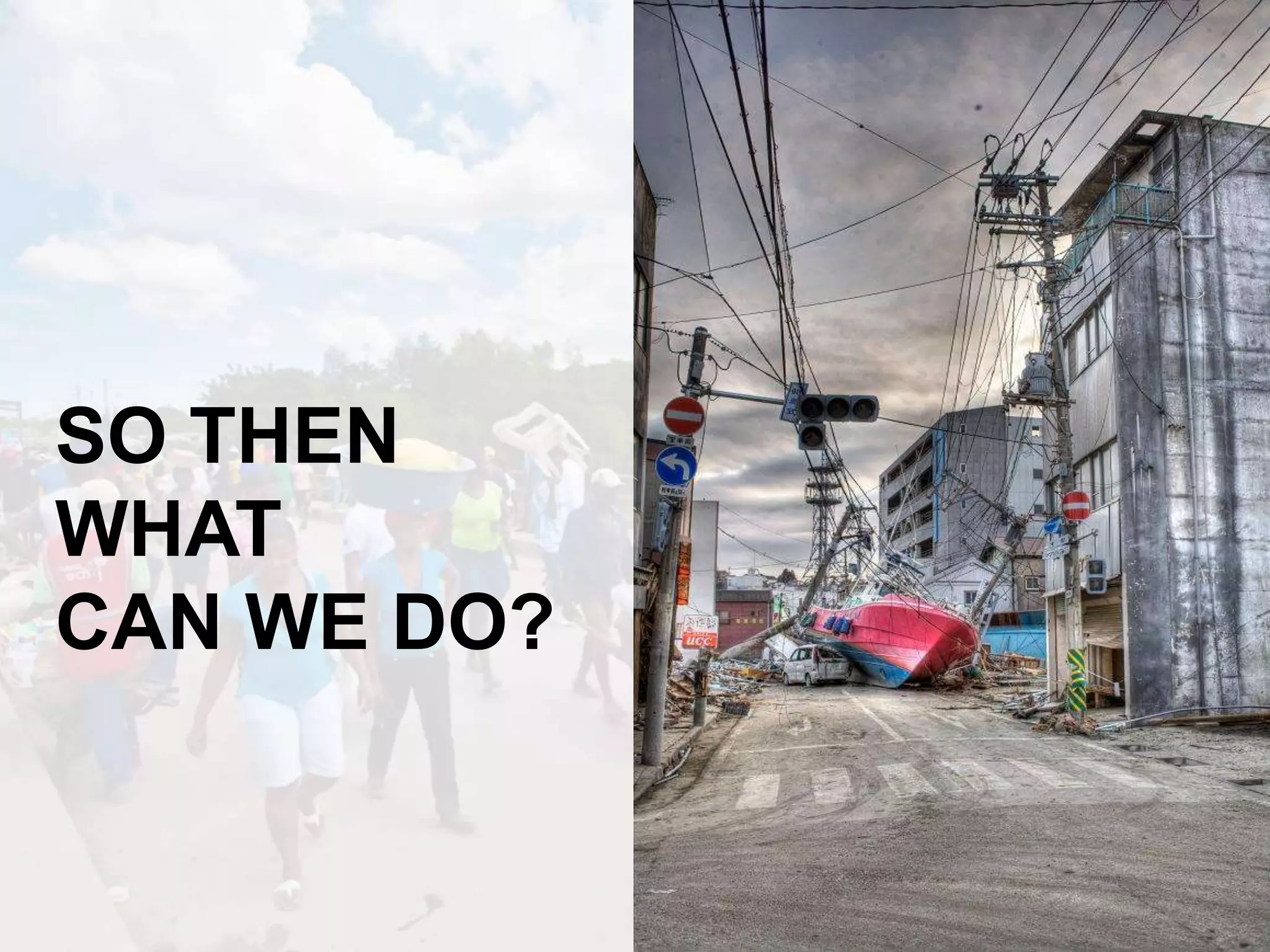
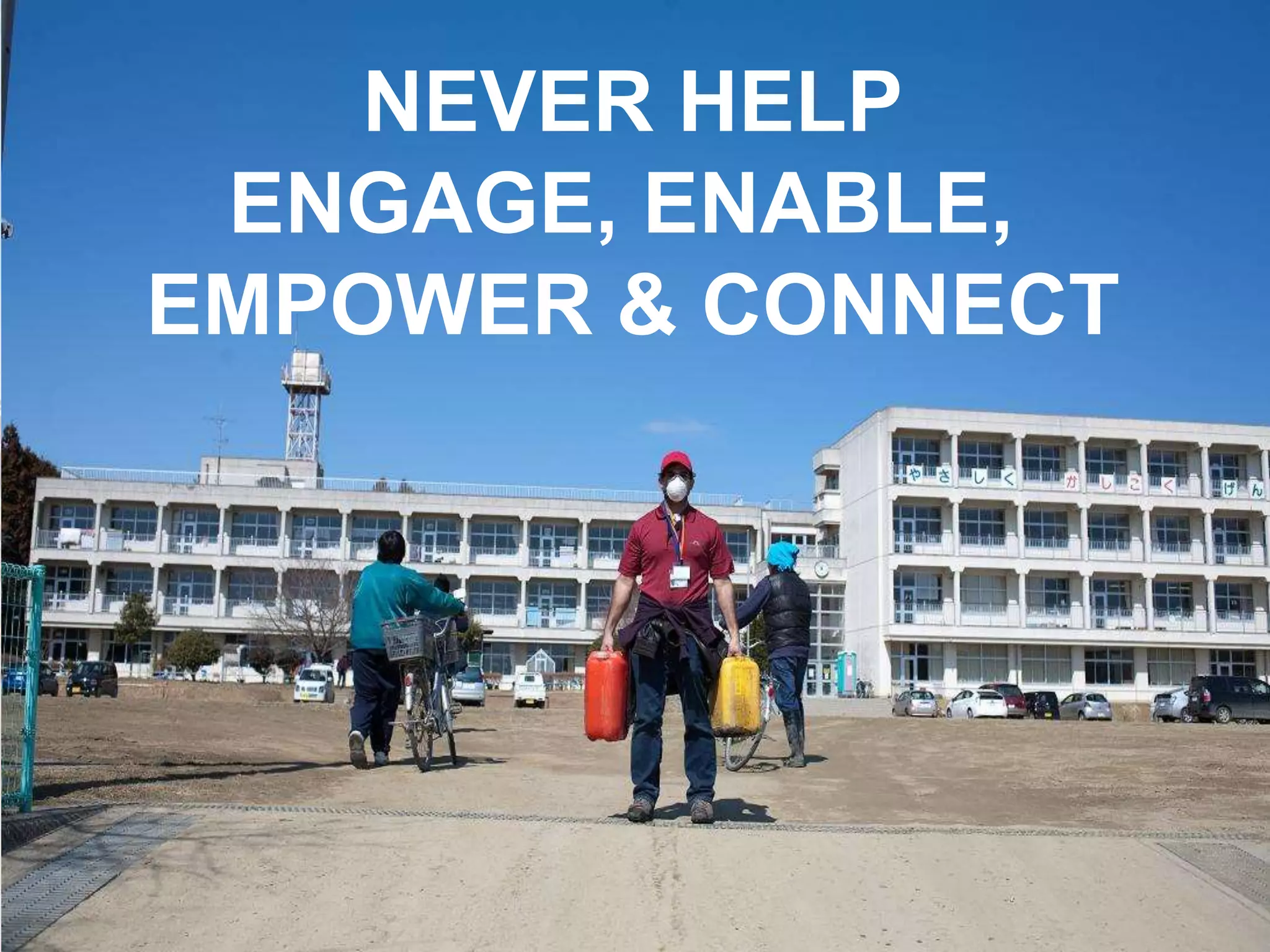
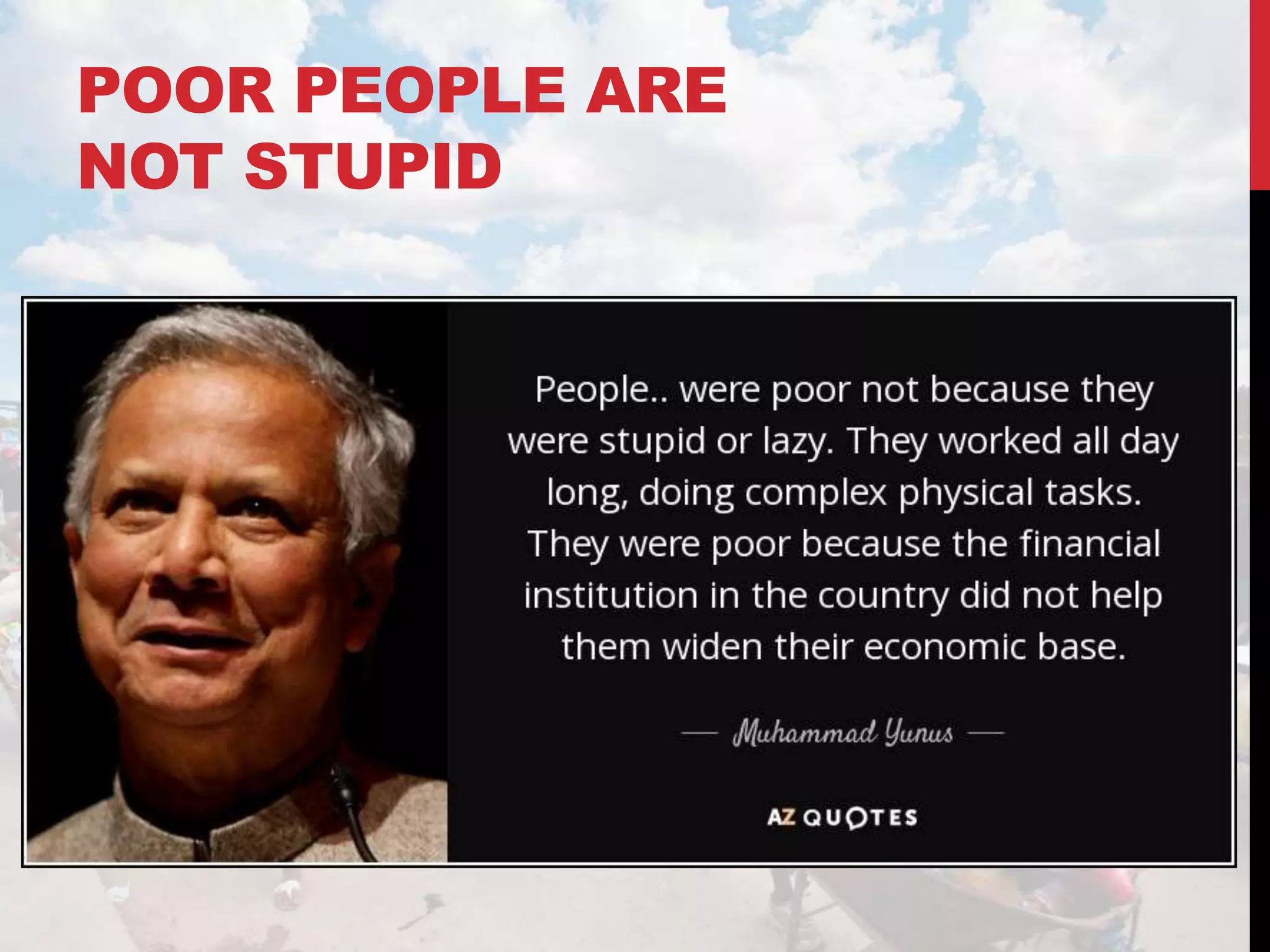
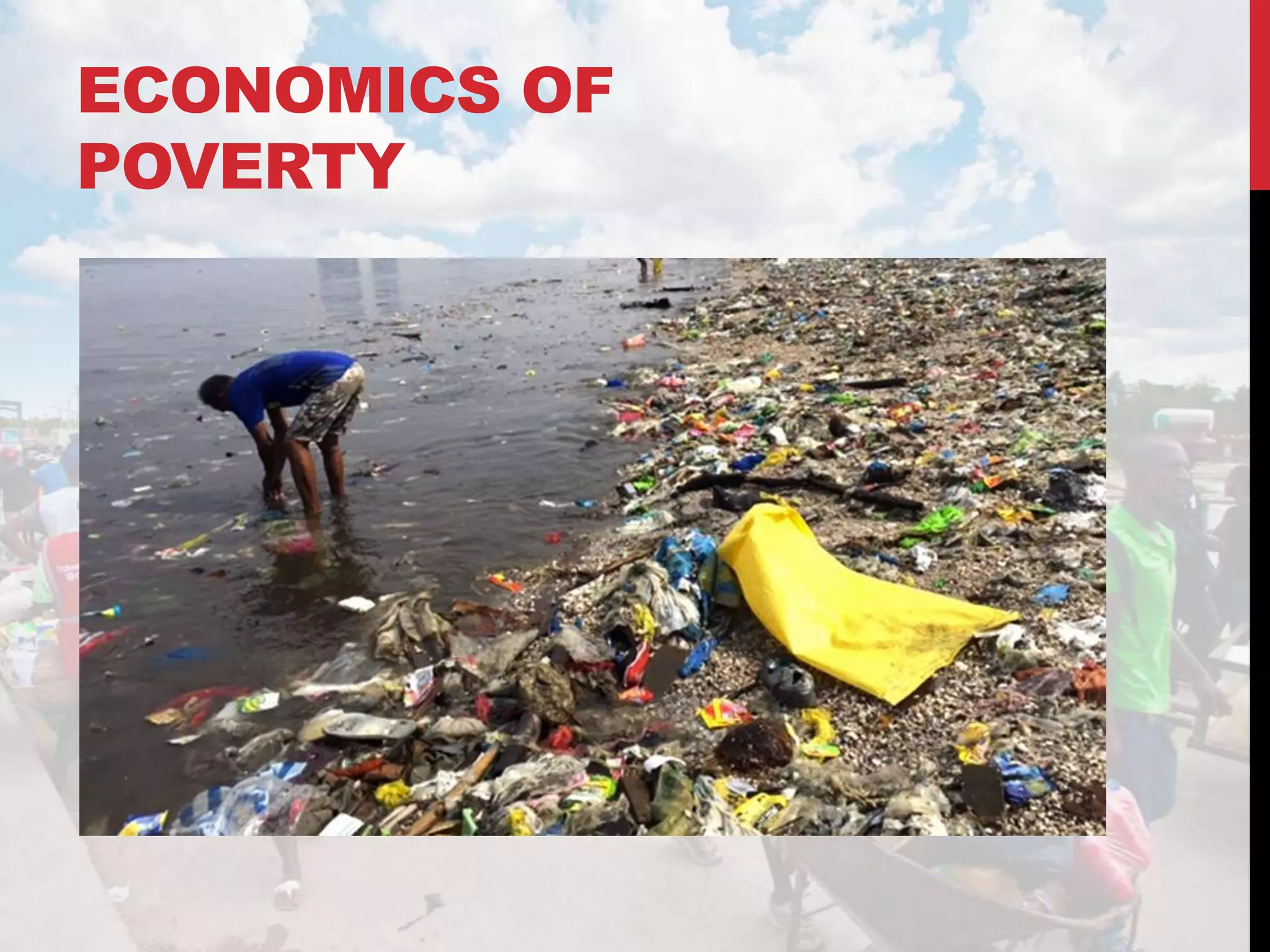

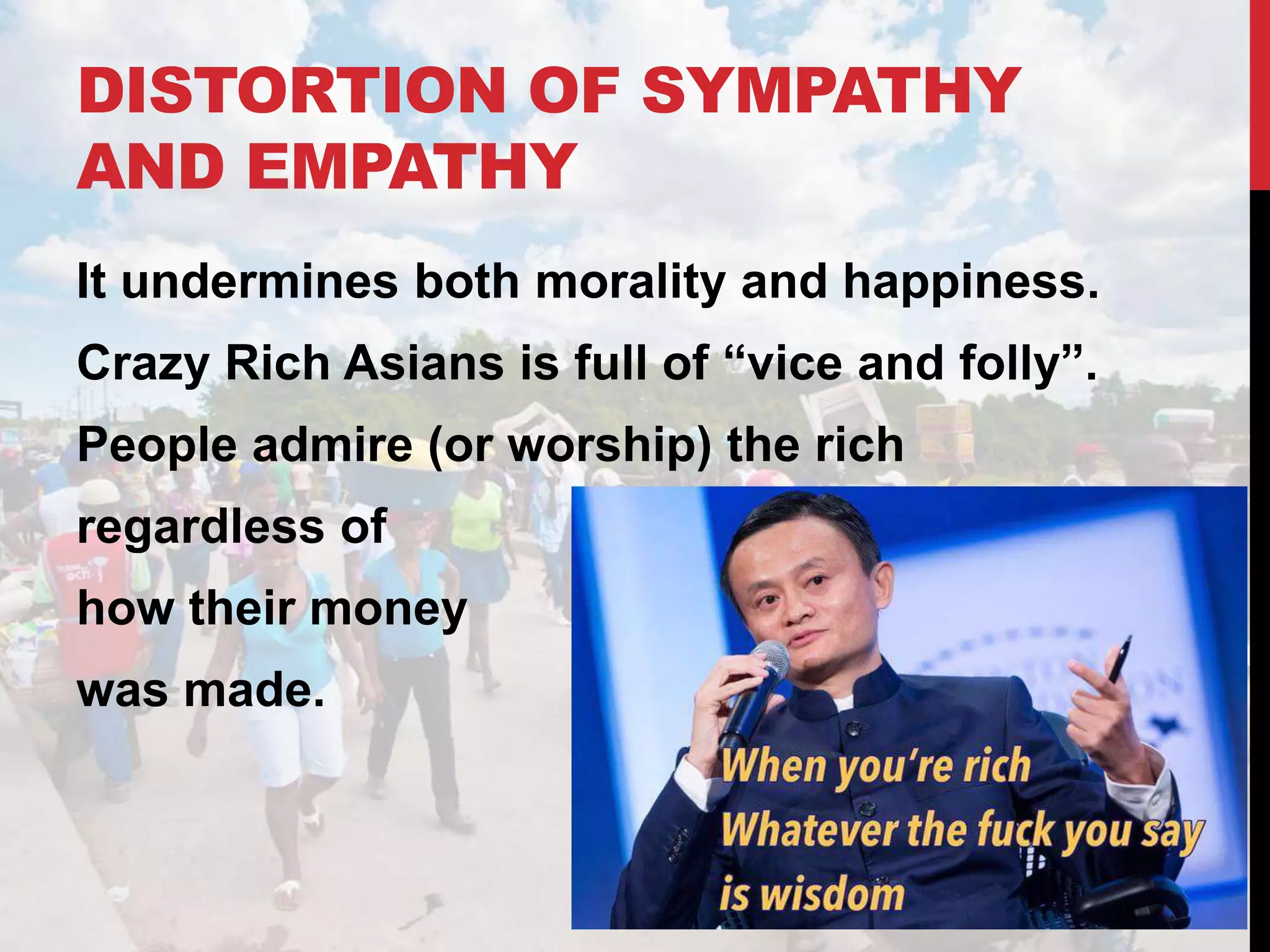
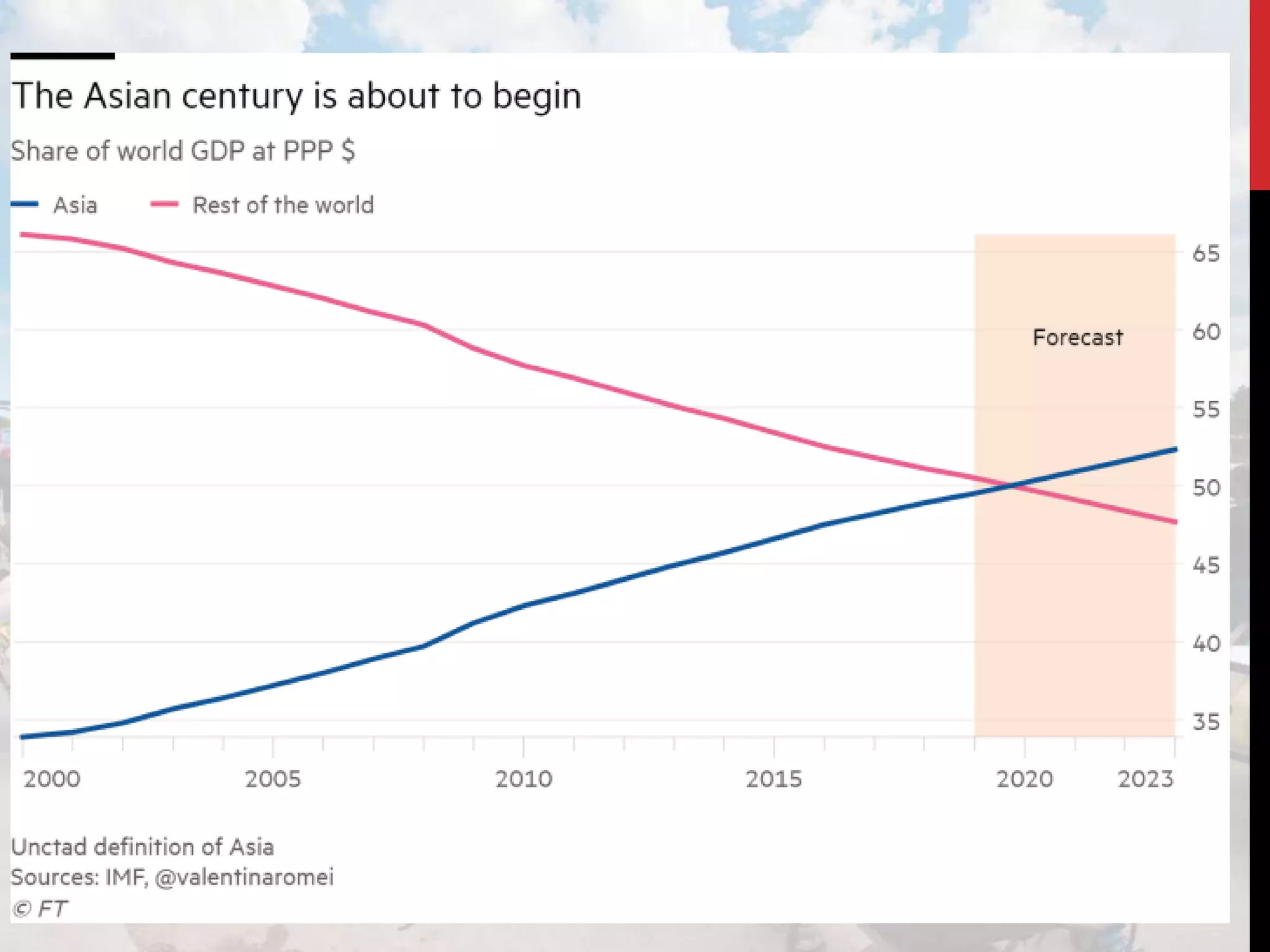


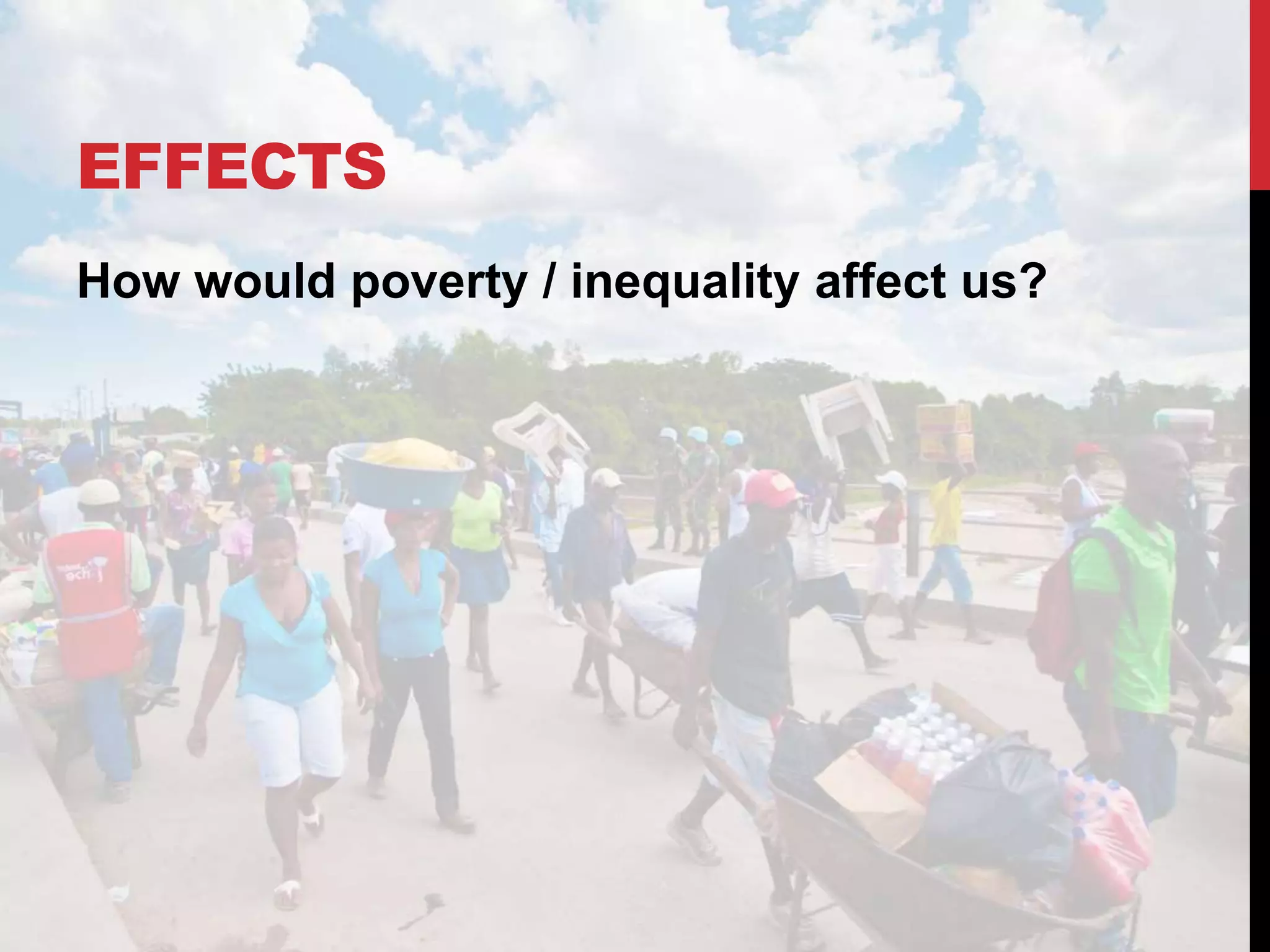
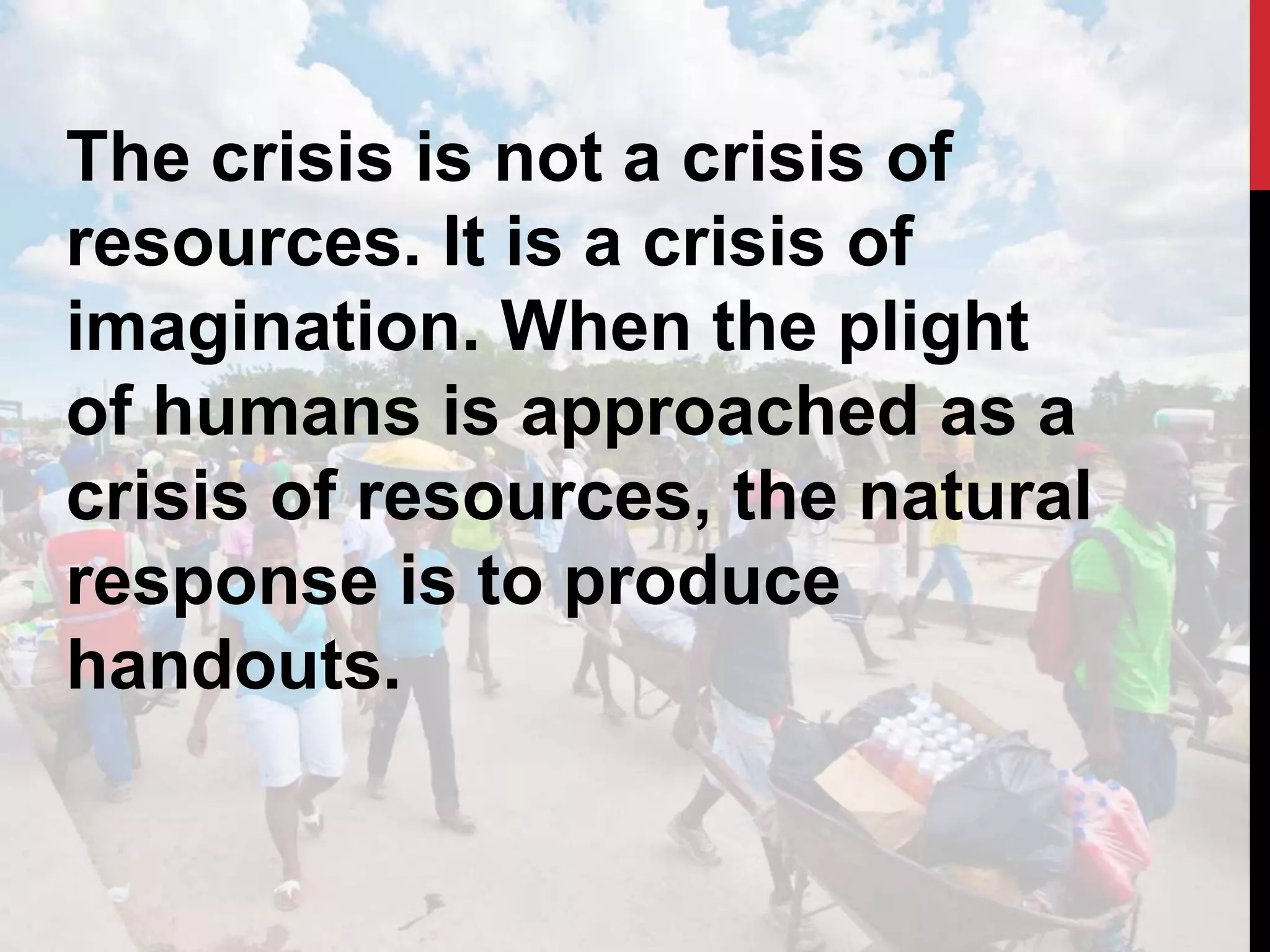
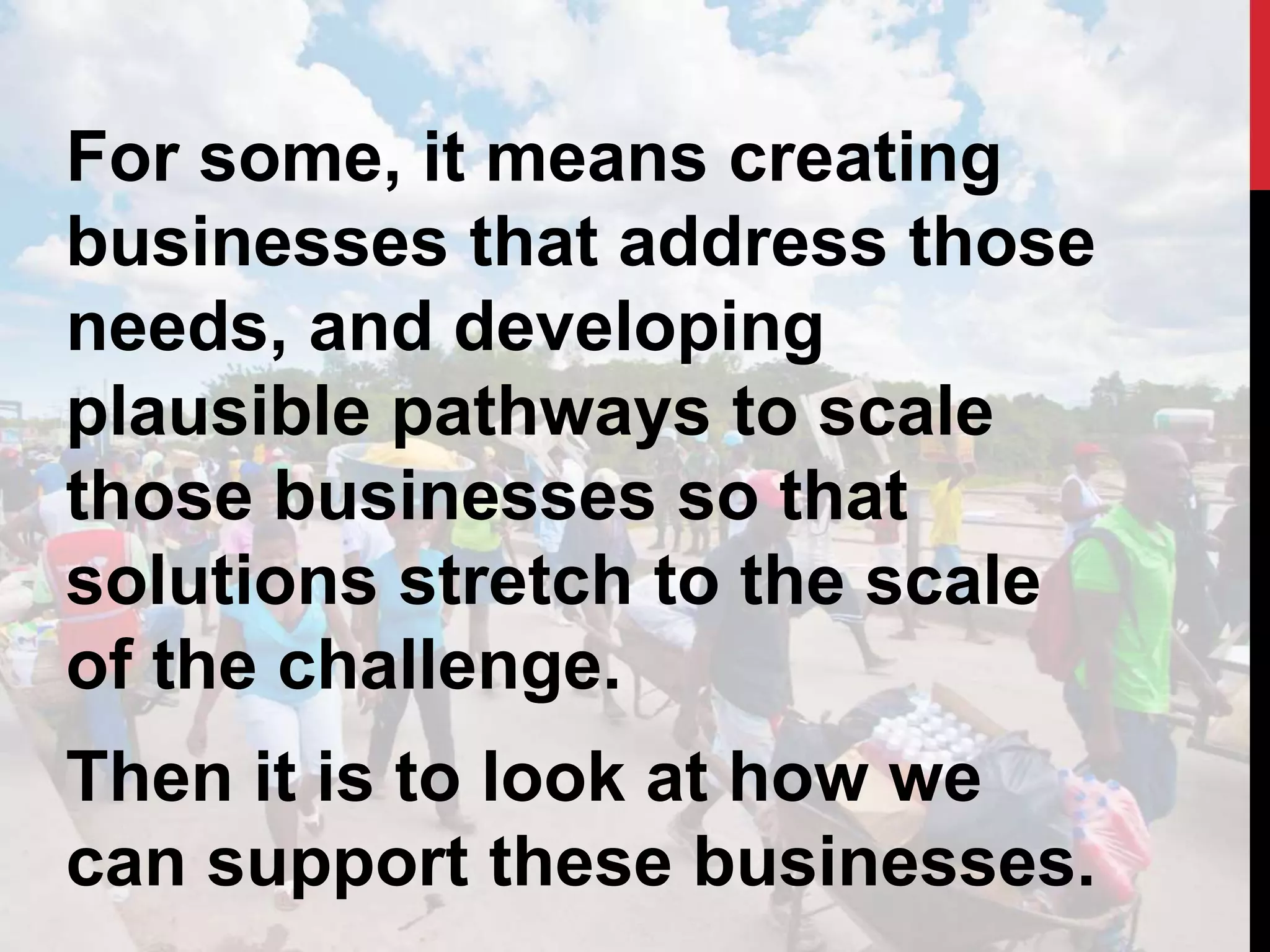
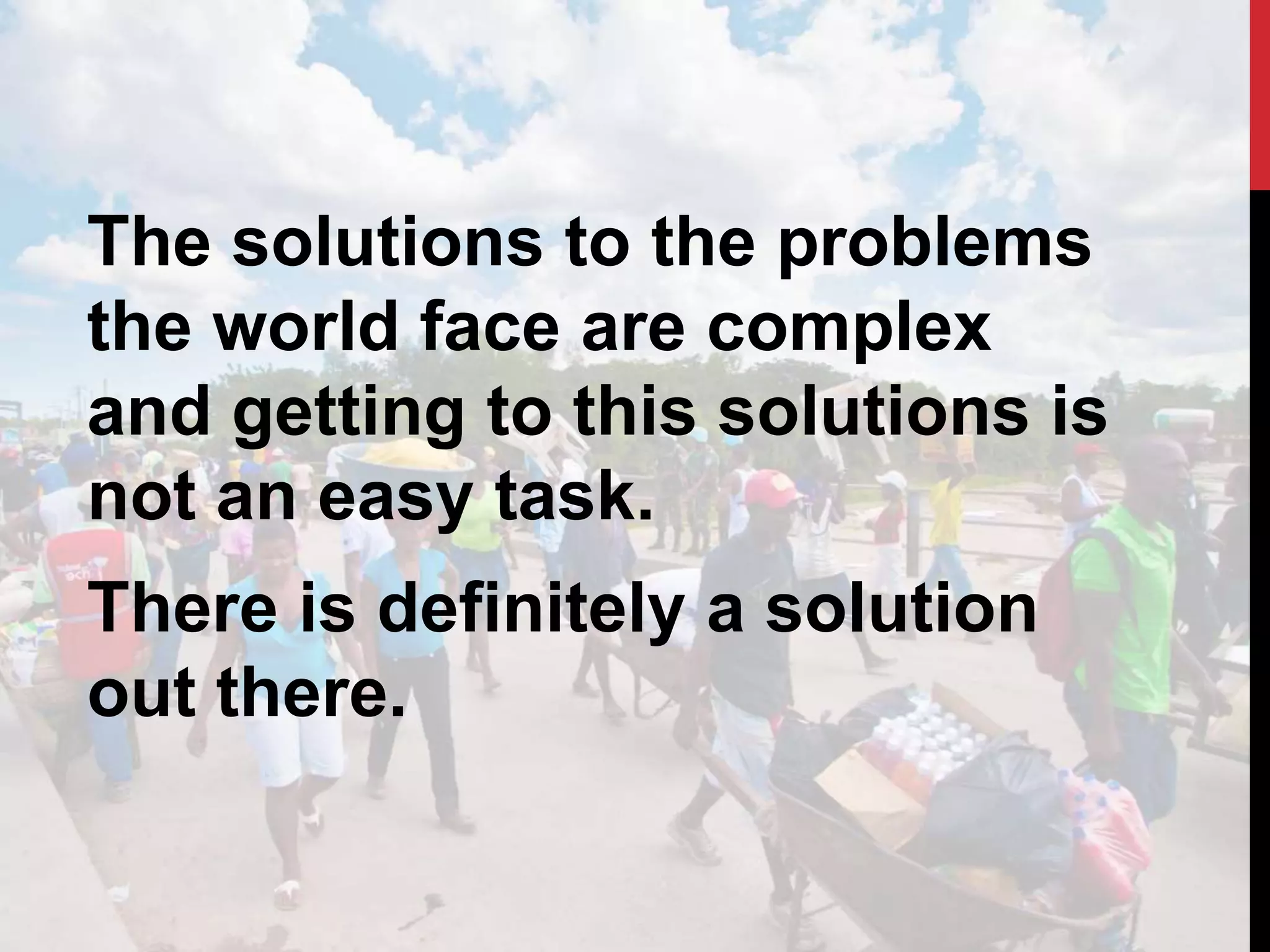
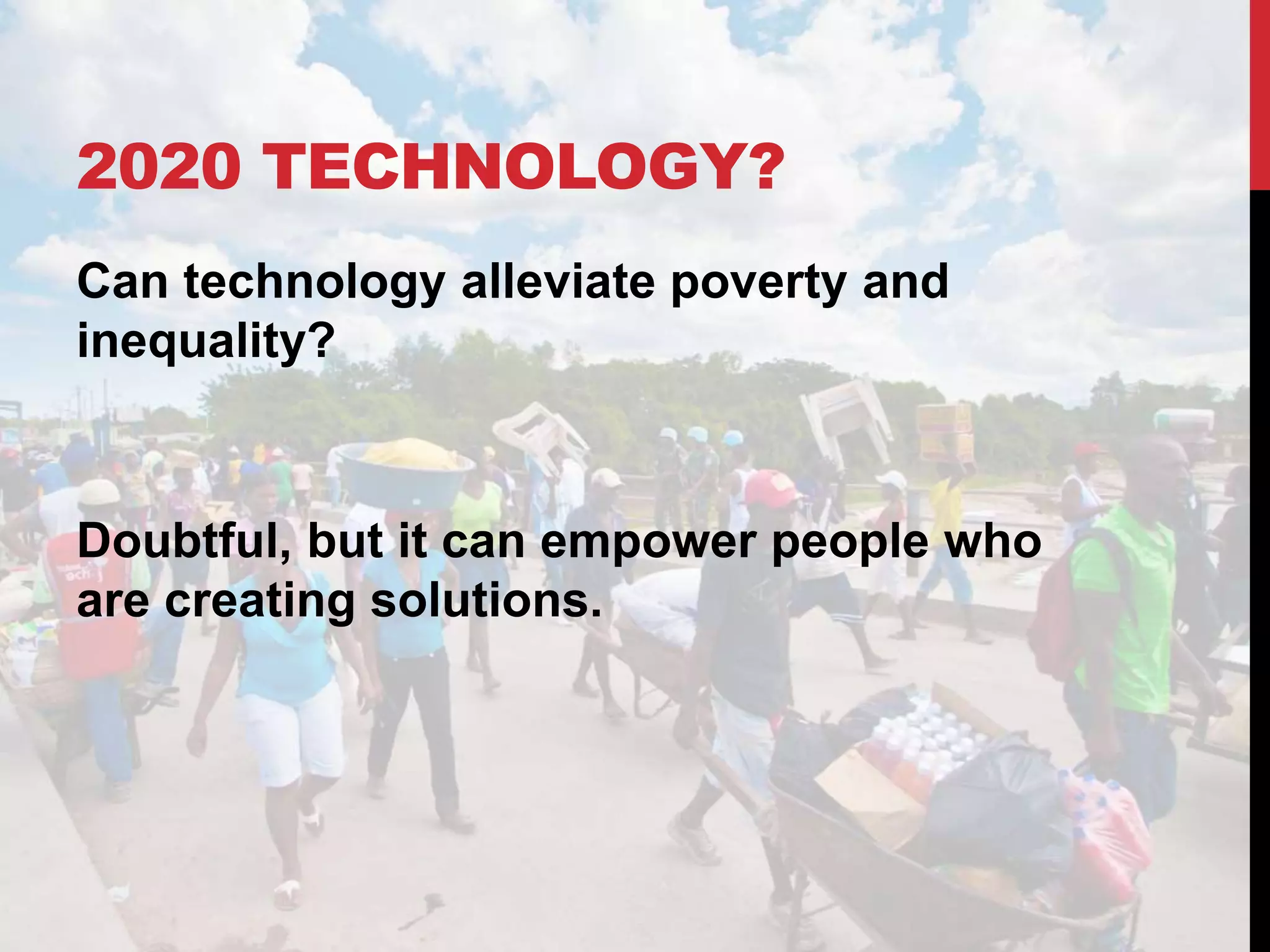
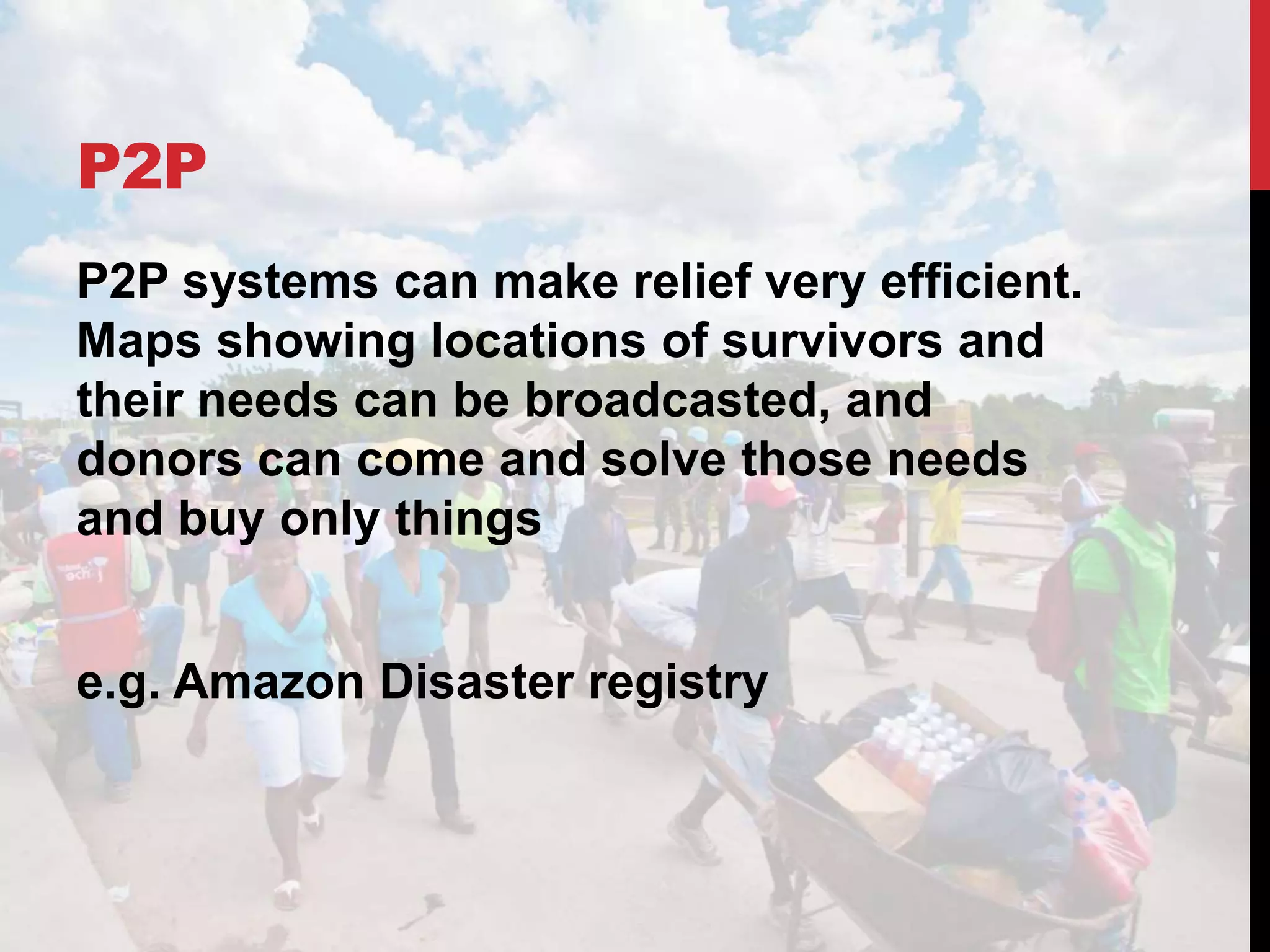

The document discusses the shortcomings of traditional disaster relief methods, emphasizing that well-intentioned help often fails to address the actual needs of affected communities and can inadvertently exacerbate problems. It critiques common practices like donating non-essential items and highlights the importance of engaging local populations, understanding their capacities, and fostering sustainable solutions. The piece also calls for innovative approaches and technology, such as blockchain, to empower communities and address poverty and inequality more effectively.


