Airline Reservation
System
OUR TEAM
21016065009
Sana Khatoon
01
Khadija Shafiq
21016065017
02
Sehar Nimra Rafaqat
21016065031 21016065048
03 04
Gantt Chart
Problem vs solution
Stake Holders
Inception
Elicitation
Objectives: Why this elicitation Elicitation plan
 To validate market data Products
Goals/Assumptions/Hypothesis Estimates
 To explore usage scenarios
Elicitation
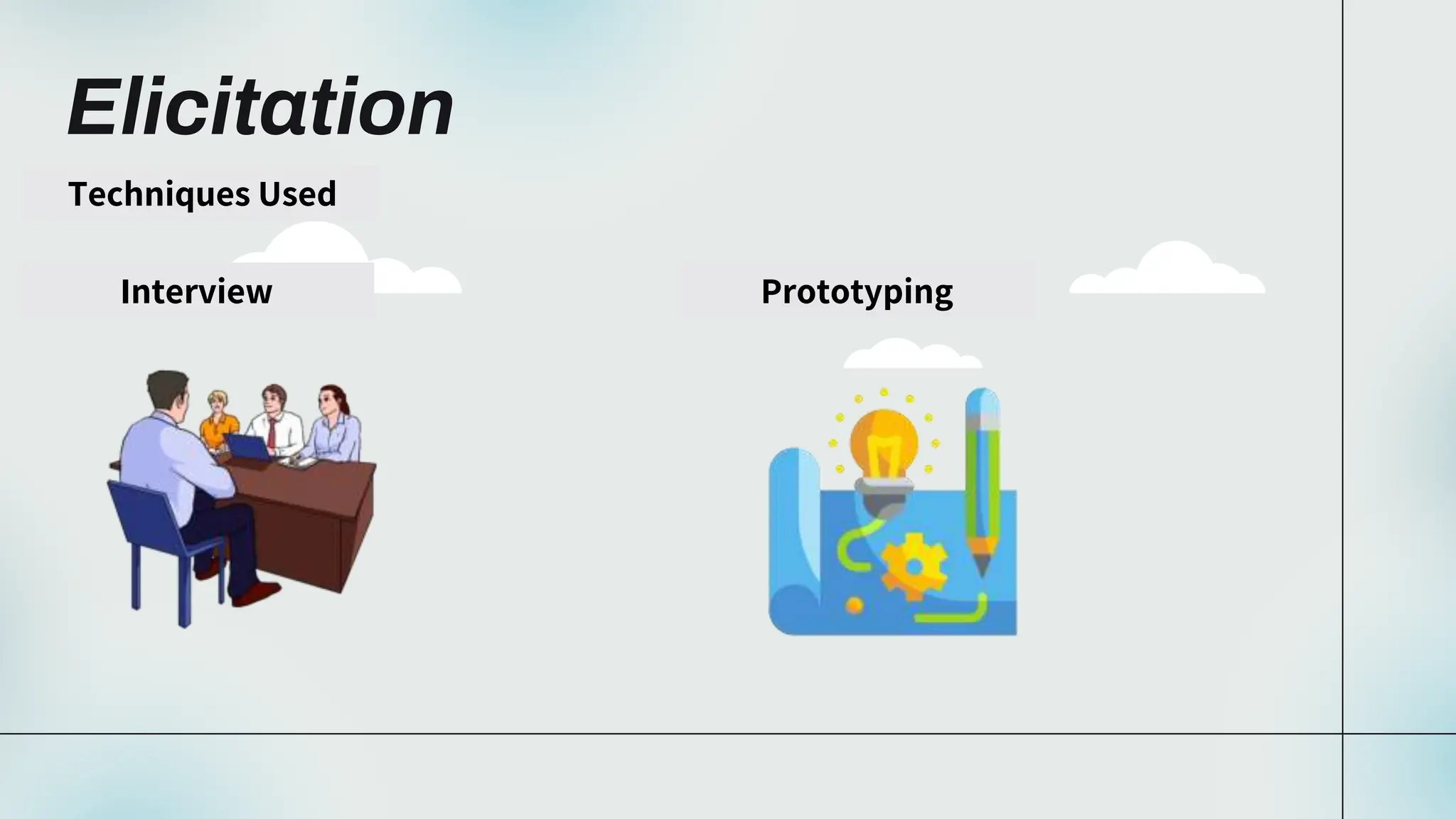
Techniques Used
Interview Prototyping
Raw requirements
Elicitation product
A set of Raw requirements
Issues/Conflicts
Detail analysis in Elaboration
Raw requirements
 User Registration
 Verification of Login Information
 Searching module
 Flight Information
 Multiple booking & prevent overbooking
 Seat selection & Seat map
 Calculation of Ticket booking &
services/taxes
 Internet payment portal
 User transaction/info security
 Electronic tickets & Confirmation email
 Ticket/user information
 Flight modification & updating
 Live chat & hotline for support
 Feedback
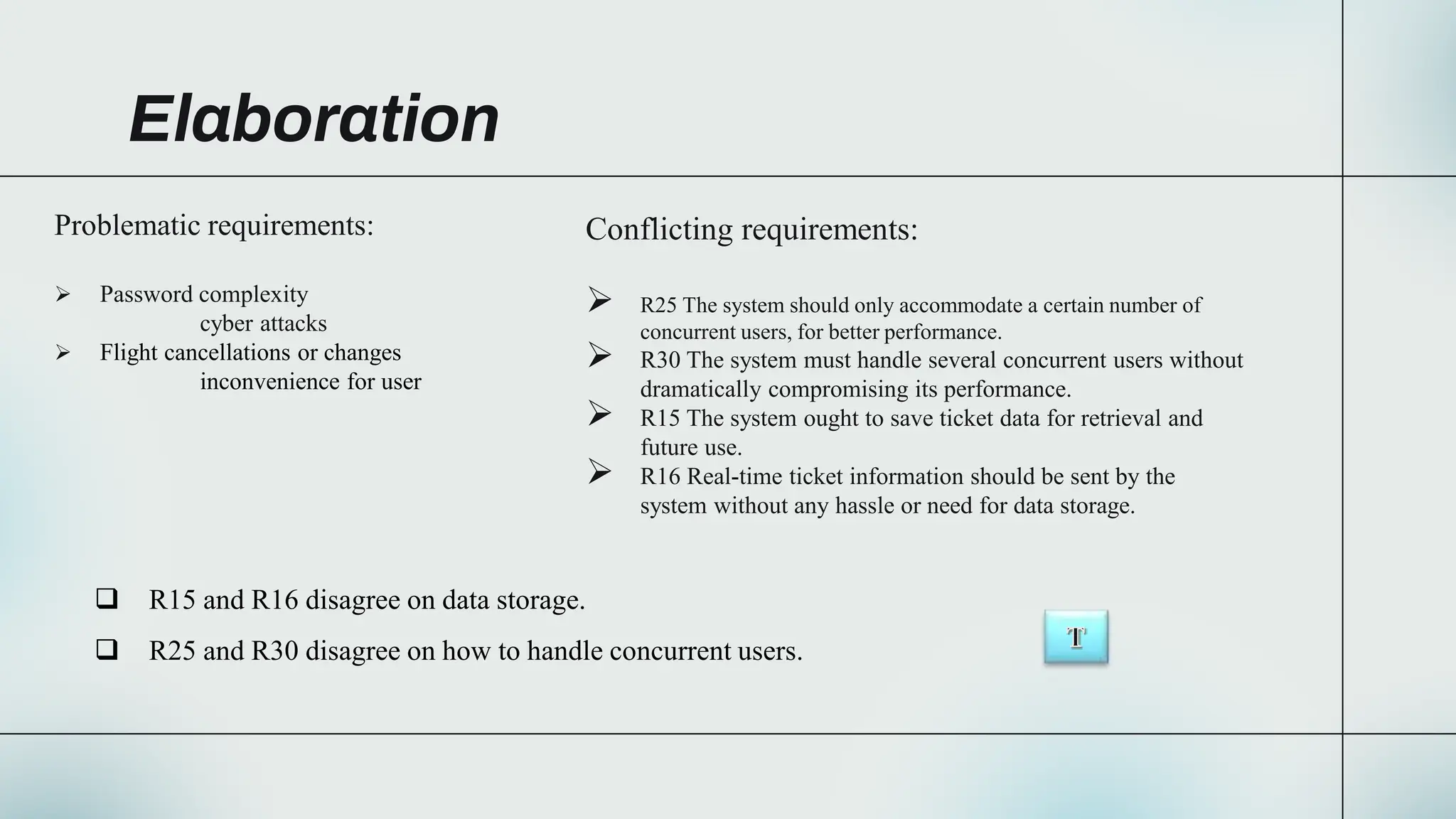
Elaboration
Problematic requirements:
 Password complexity
cyber attacks
 Flight cancellations or changes
inconvenience for user
Conflicting requirements:
 R25 The system should only accommodate a certain number of
concurrent users, for better performance.
 R30 The system must handle several concurrent users without
dramatically compromising its performance.
 R15 The system ought to save ticket data for retrieval and
future use.
 R16 Real-time ticket information should be sent by the
system without any hassle or need for data storage.
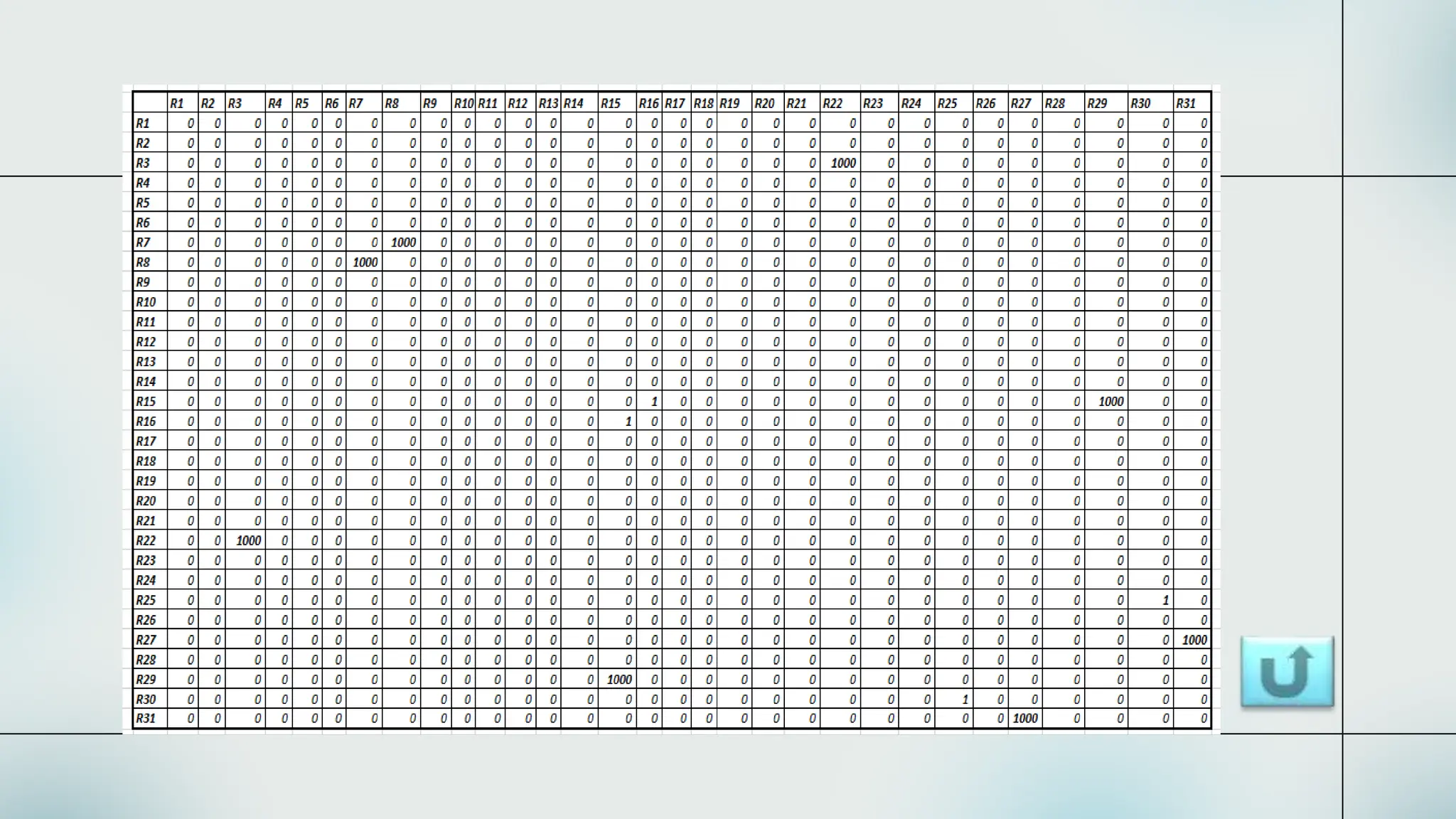
 R15 and R16 disagree on data storage.
 R25 and R30 disagree on how to handle concurrent users.
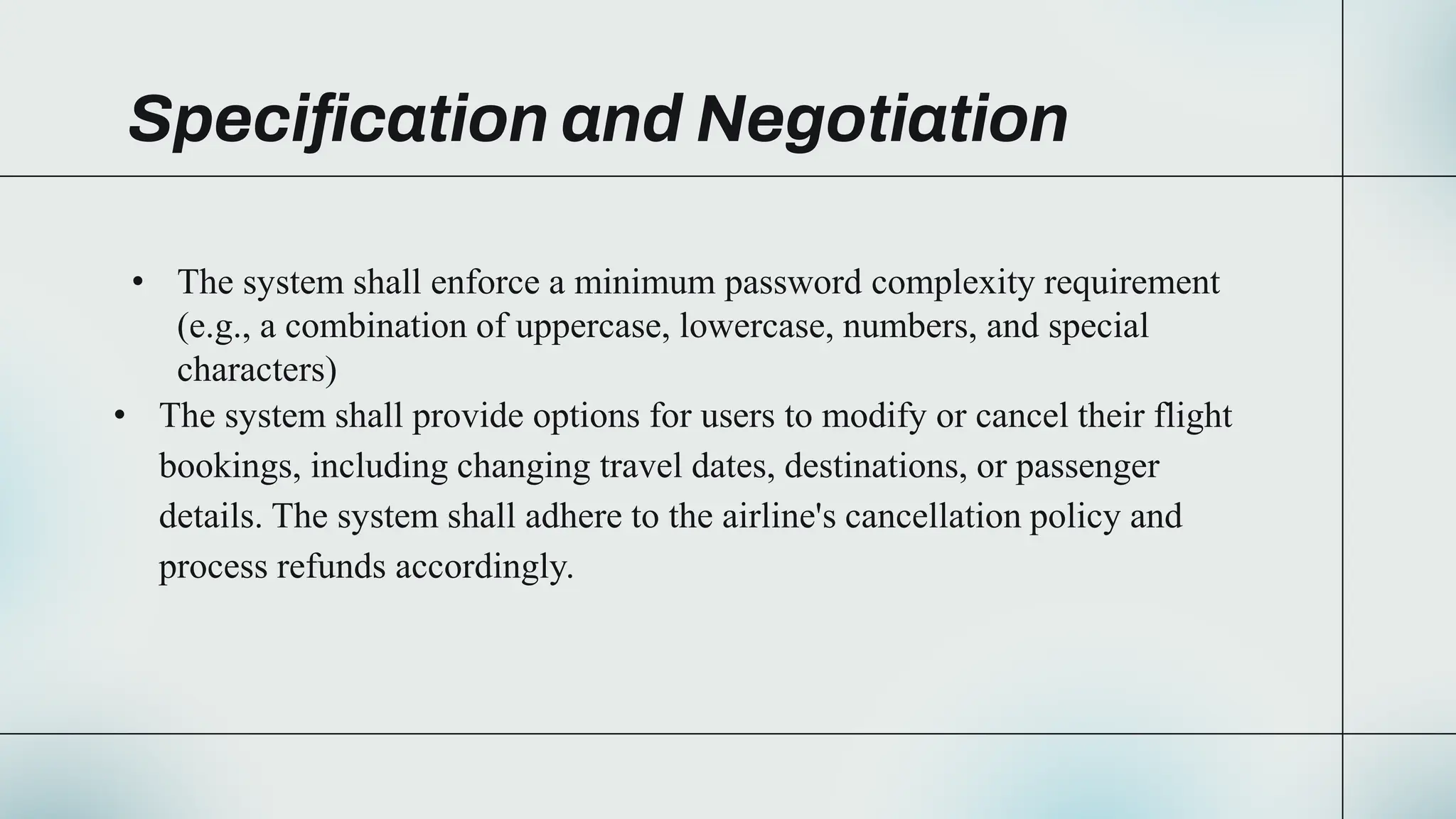
Specification and Negotiation
• The system shall enforce a minimum password complexity requirement
(e.g., a combination of uppercase, lowercase, numbers, and special
characters)
• The system shall provide options for users to modify or cancel their flight
bookings, including changing travel dates, destinations, or passenger
details. The system shall adhere to the airline's cancellation policy and
process refunds accordingly.
Specification and Negotiation
Conflict Resolution: Real-Time Ticket Information vs. Data Storage
 Priority: R15, Data Storage for Ticket Retrieval Requirement
Conflict Resolution: Concurrent User Limit vs. Performance
 Priority: Handling Multiple Concurrent Users without Impacting Performance
(Requirement R30).
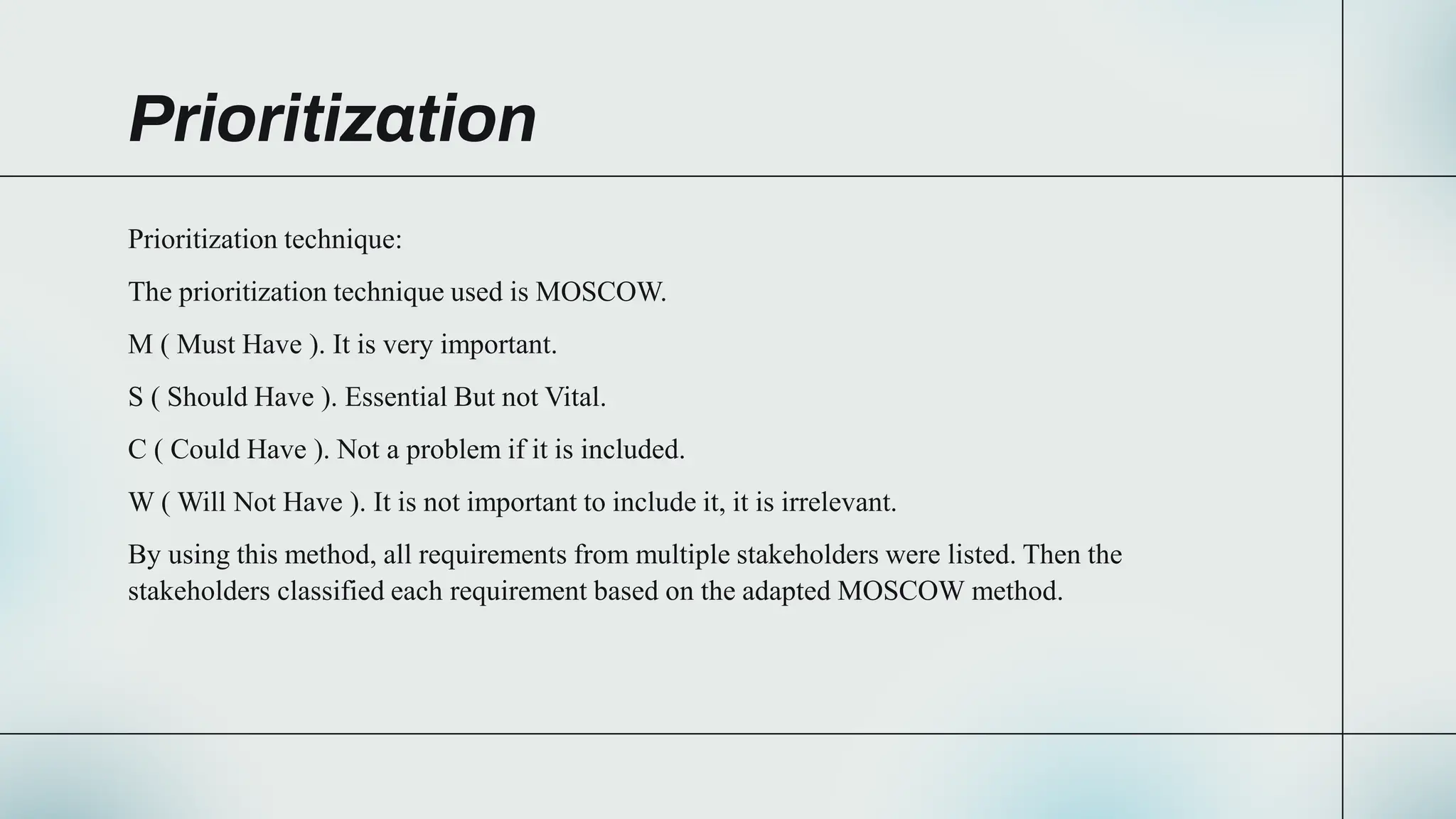
Prioritization
Prioritization technique:
The prioritization technique used is MOSCOW.
M ( Must Have ). It is very important.
S ( Should Have ). Essential But not Vital.
C ( Could Have ). Not a problem if it is included.
W ( Will Not Have ). It is not important to include it, it is irrelevant.
By using this method, all requirements from multiple stakeholders were listed. Then the
stakeholders classified each requirement based on the adapted MOSCOW method.
Functional Requirements
• A user registration form for the system must have the mandatory fields for personal data such name, email address, and password
(a combination of uppercase, lowercase, numbers, and special characters).
• The system must give the user a verification email in order to activate their account.
• Users of the system will be able to look for flights by entering their departure and destination airports, departure time, and
passenger count.
• The system must provide additional filters and sorting options based on user selections.
• The system will provide a list of available flights along with essential details including airline, flight number, departure and
arrival timings, and ticket pricing.
• The technology will offer a visual seat map for every flight that displays which seats are available and which ones are taken.
• Users may select the seats they want to sit in by clicking on the desired locations on the seat map.
• The system will control seat upgrades, seat selection fees, and bookings for certain passenger categories.
Functional Requirements
• The system must calculate the fee based on the number of passengers, the number of flights selected, and any additional services before
users may proceed to payment.
• A range of payment methods, including as credit cards, debit cards, and Internet payment gateways, must be supported by the system.
• Transactions ought to be safe and encrypted.
• The system will generate electronic tickets with unique booking reference numbers following a successful payment.
• Users will receive SMS or email confirmations with details about their tickets.
• The system must save ticket information for later retrieval and usage.
• The system must allow users to modify airline reservations, such as changing the dates or locations of a trip or the names of the
passengers.
• Users must get alerts from the system when modifications or updates are made to their flights.
• In accordance with the airline's cancellation policy, the system will handle ticket cancellations and provide refunds.
• The system must provide a hotline or live chat option for users to get in touch with customer support. Airlines need to focus more on
delivering a personalized and seamless experience to their customers across all touchpoints.
• Customers will be able to remark on their booking experience and review the airline's services.
Non-Functional Requirements
 Security: Payment transactions must be safe and encrypted to protect users' financial information.
User authentication must be secure and secured against unauthorized access.
 Performance: The system must handle several concurrent users without dramatically compromising its performance, and it must
provide rapid and responsive search and booking capabilities, especially during times of heavy demand.
 Reliability: Airlines use data and analytics to monitor and improve the reliability of the aircraft. Collect and process data from
sensors, flight logs, and weather reports and prevent potential failures.
 Scalability: The system must be capable of scaling resources to meet rising user demand.
 Usability: The user interface must be simple to use and intuitive so that users can browse and complete activities with little
instruction.
 Compatibility: In order to give consumers a consistent experience, the system must be interoperable with a wide range of web
browsers and devices.
 Data Management: User information, flight details, details about tickets, and transaction records must all be securely stored and
managed by the system. The airline needs to leverage data and analytics to optimize its operations, pricing, network planning, and
marketing.
Validation
Technique used:
The "desk-check" approach was used to carry out the validation procedure.
Reasons this technique was used:
Effectiveness, cost-efficiency, flexibility, speed, and capacity to obtain
individual comments
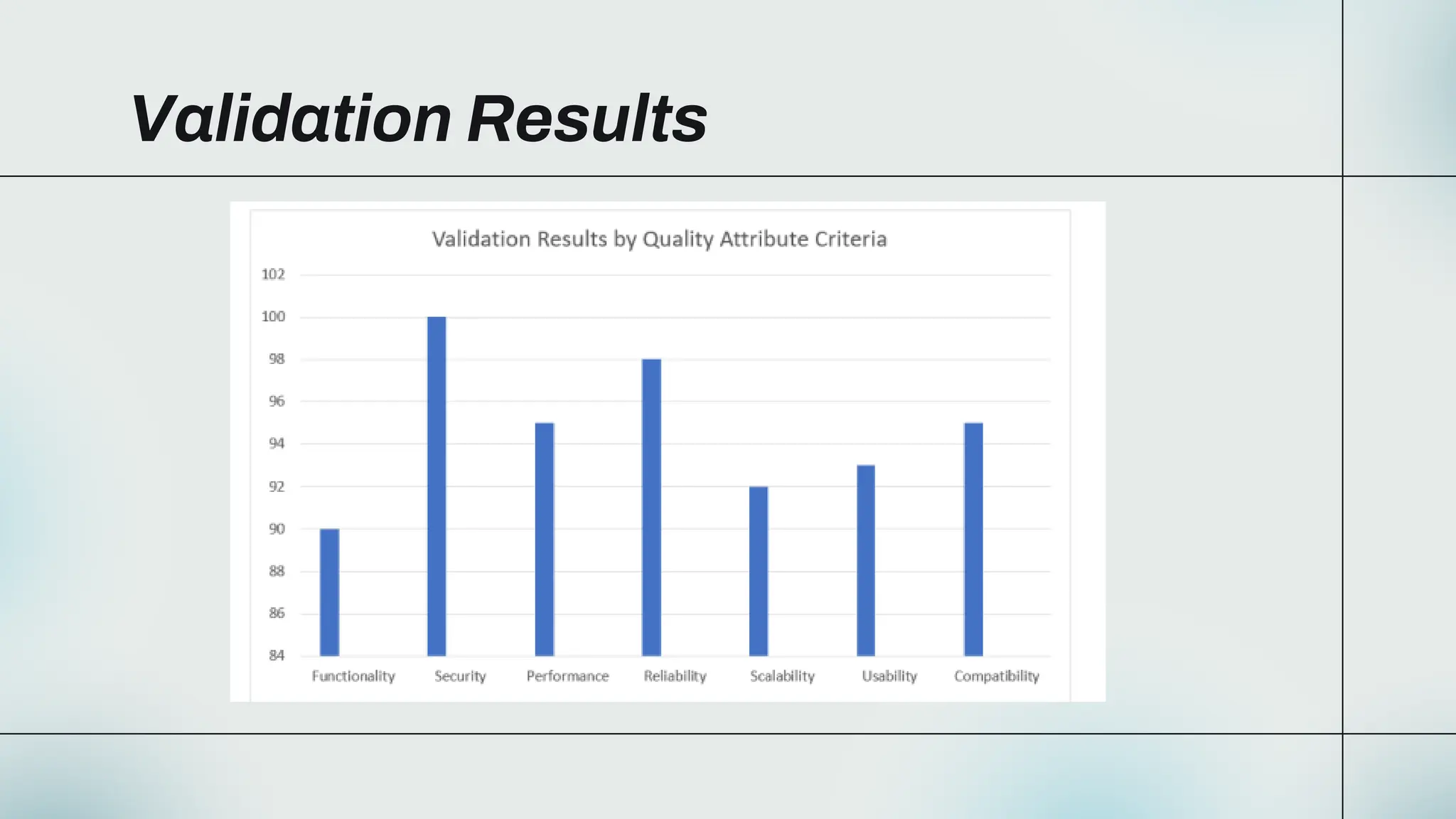
Validation Criteria (Software Quality Attributes)
Validation Results
Requirement Management(CCP)
Requirements on which apply CCP
• FR(18): (The system must provide a hotline or live chat option for users to contact customer support.)
• N-FR( Reliability: System must manage faults, provide clear error messages, be reliable, and accessible 24/7.
• Data Management: Securely store and manage user, flight, ticket, transaction records. )
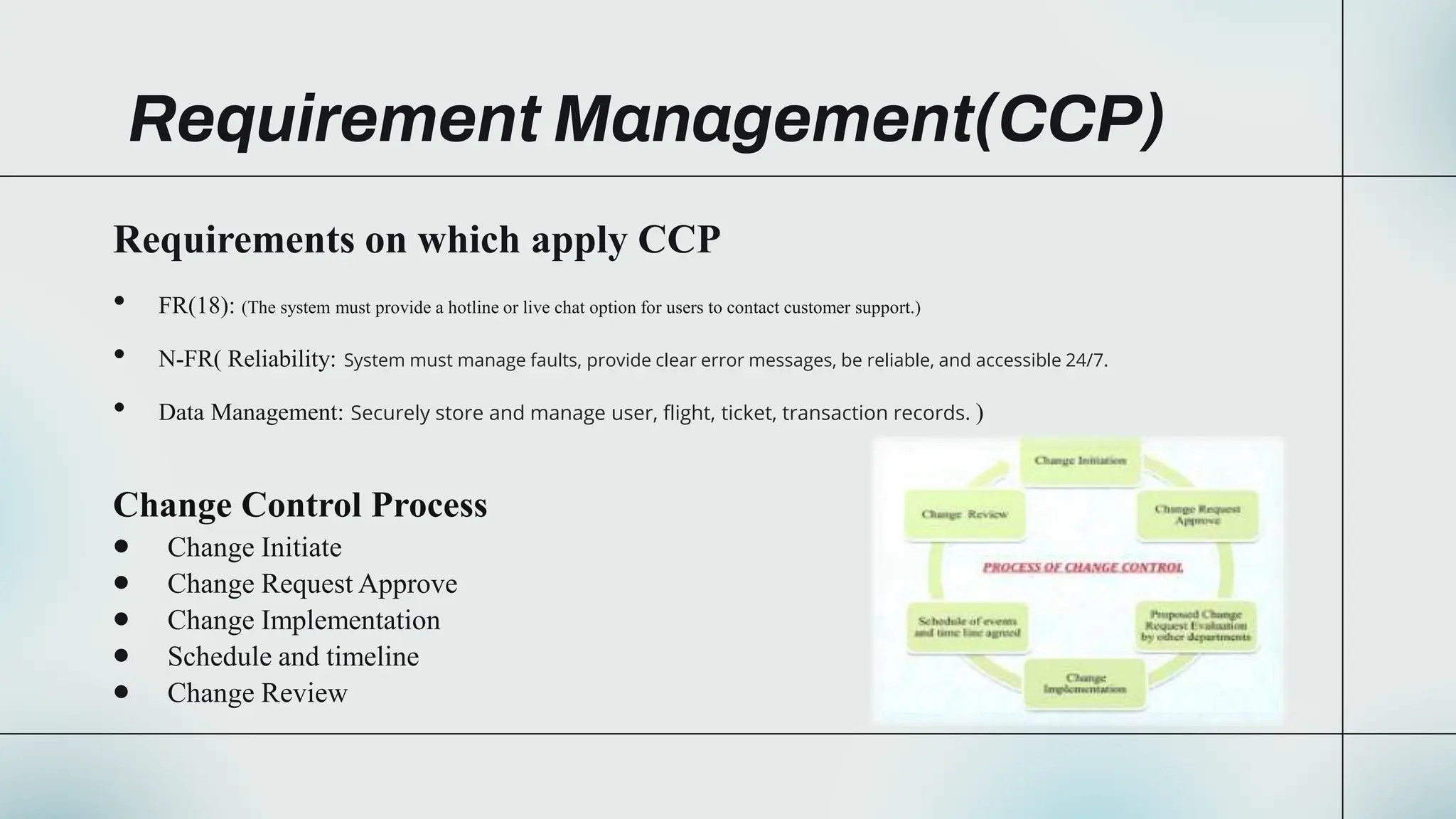
Change Control Process
 Change Initiate
 Change Request Approve
 Change Implementation
 Schedule and timeline
 Change Review
Requirement Management( tool)
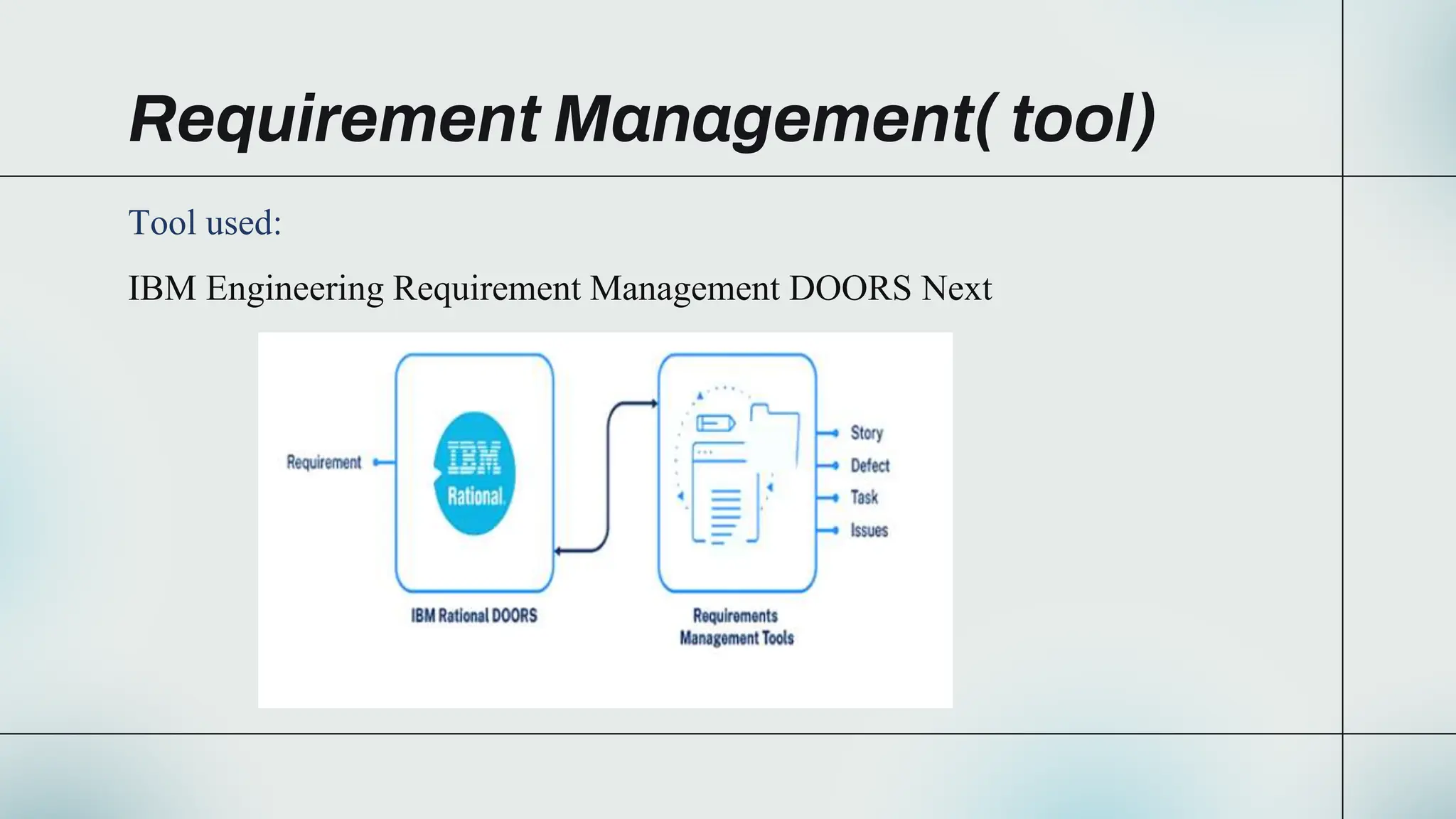
Tool used:
IBM Engineering Requirement Management DOORS Next
Requirement Management(Cont.)
We use IBM web tool to manage changes in a more concise form. The
steps are mentioned below:
 Tracing requirements
 Capturing features
 Analyzing changes
 Managing Changes
Requirement Management(Cont.)
 After tracing and capturing requirements following points are specified for analyzing and
managing changes in the system:
• Story
• Defects
• Tasks
• Issues
 After performs Requirement Management process
FR(18): Airlines need to focus more on delivering a personalized and seamless experience to their customers across all touchpoints.
N-FRs:
Reliability: The airline needs to leverage data and analytics to optimize its operations, pricing, network planning, and marketing.
Data Management: Airlines use data and analytics to monitor and improve the reliability of the aircraft. Collect and process data from
sensors, flight logs, and weather reports and prevent potential failures.
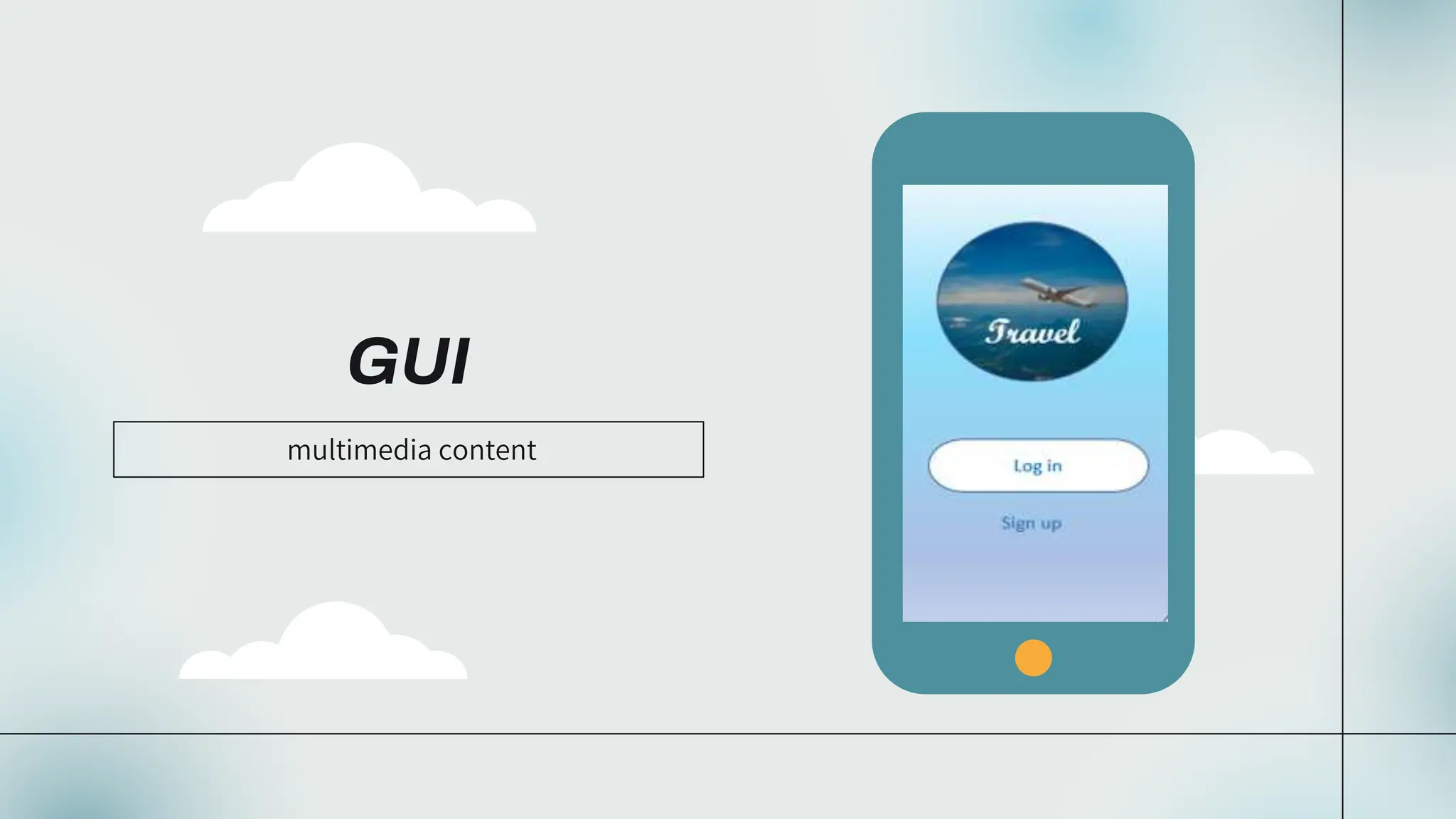
GUI
multimedia content
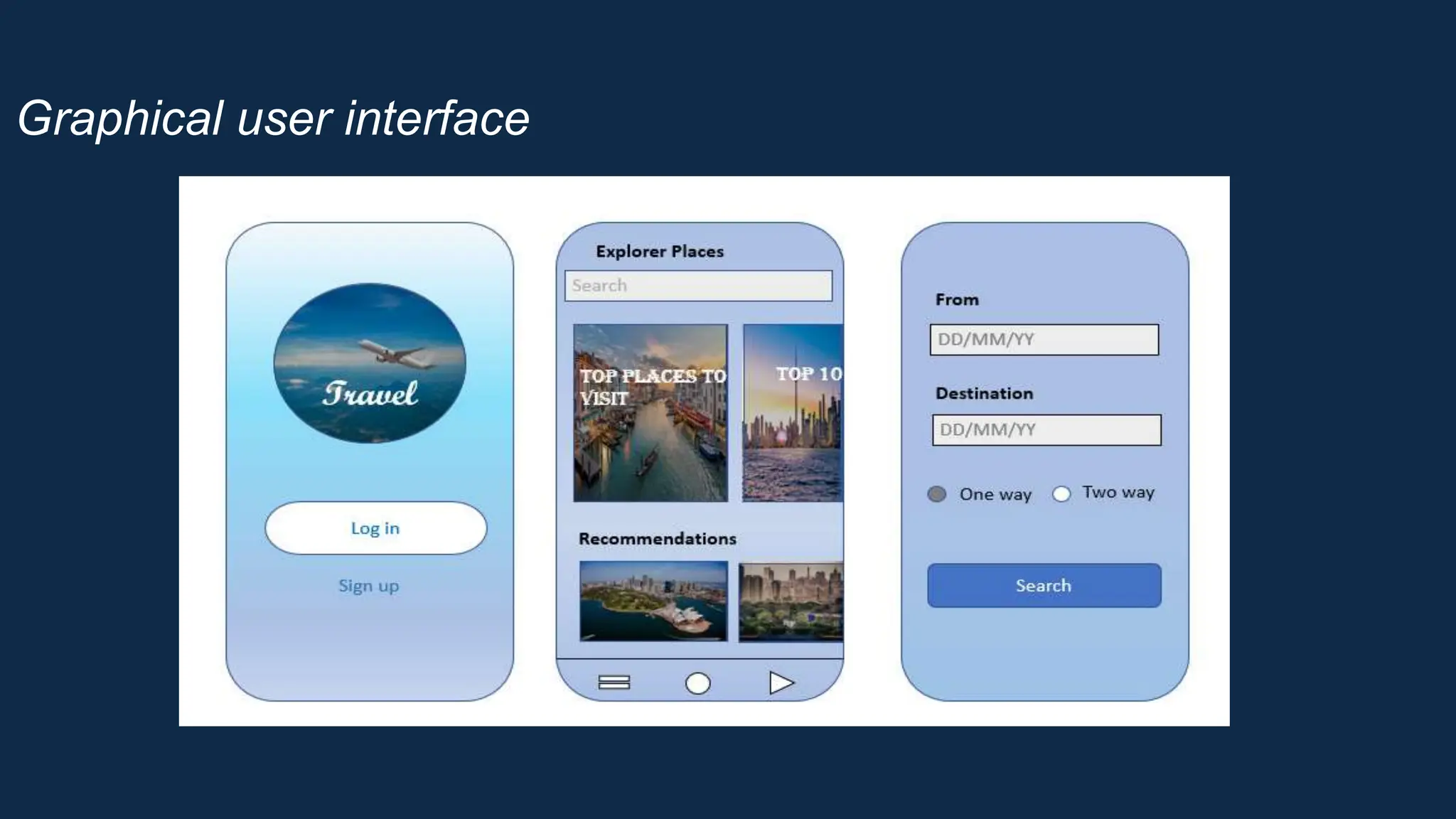
Graphical user interface
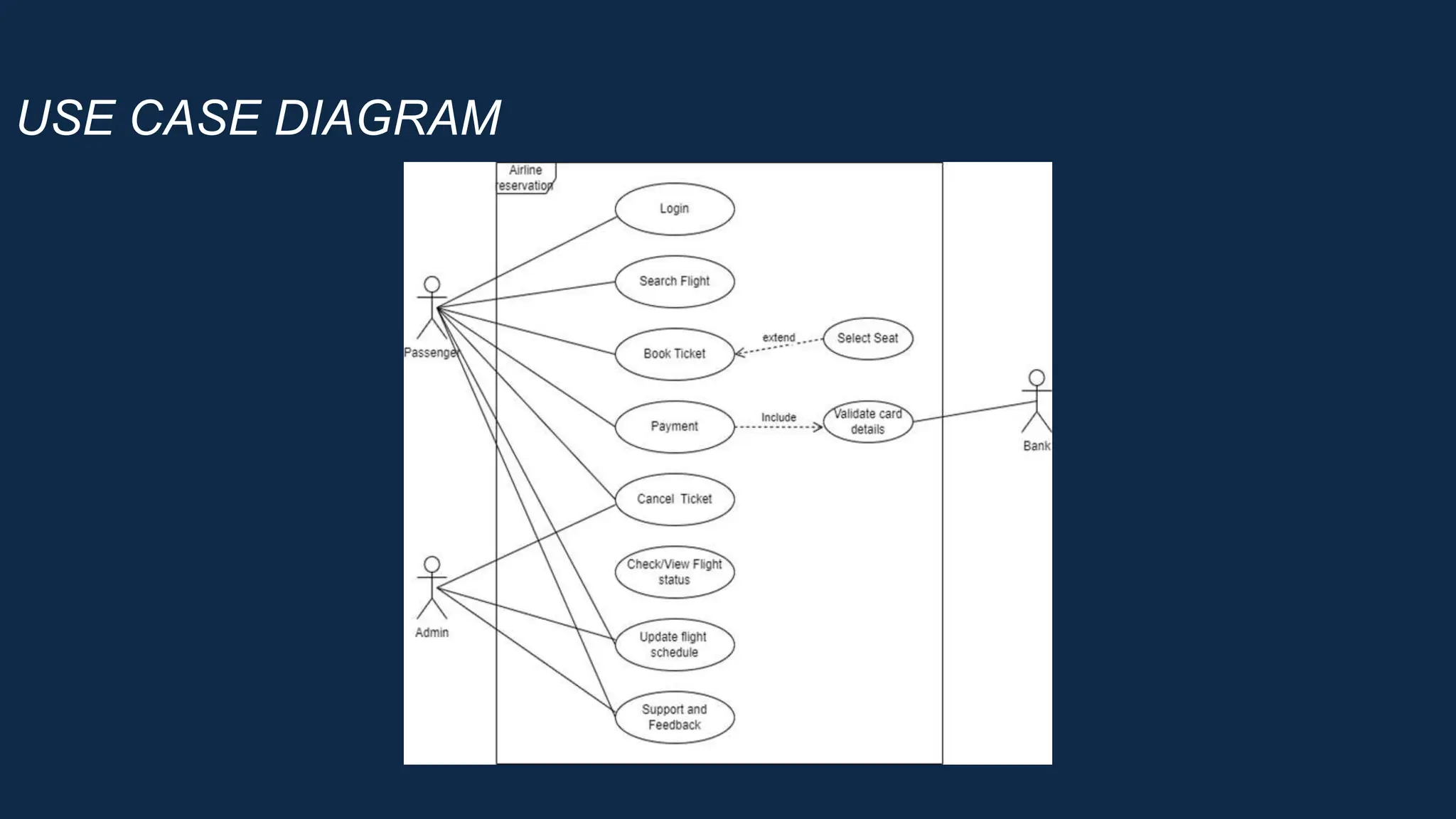
USE CASE DIAGRAM
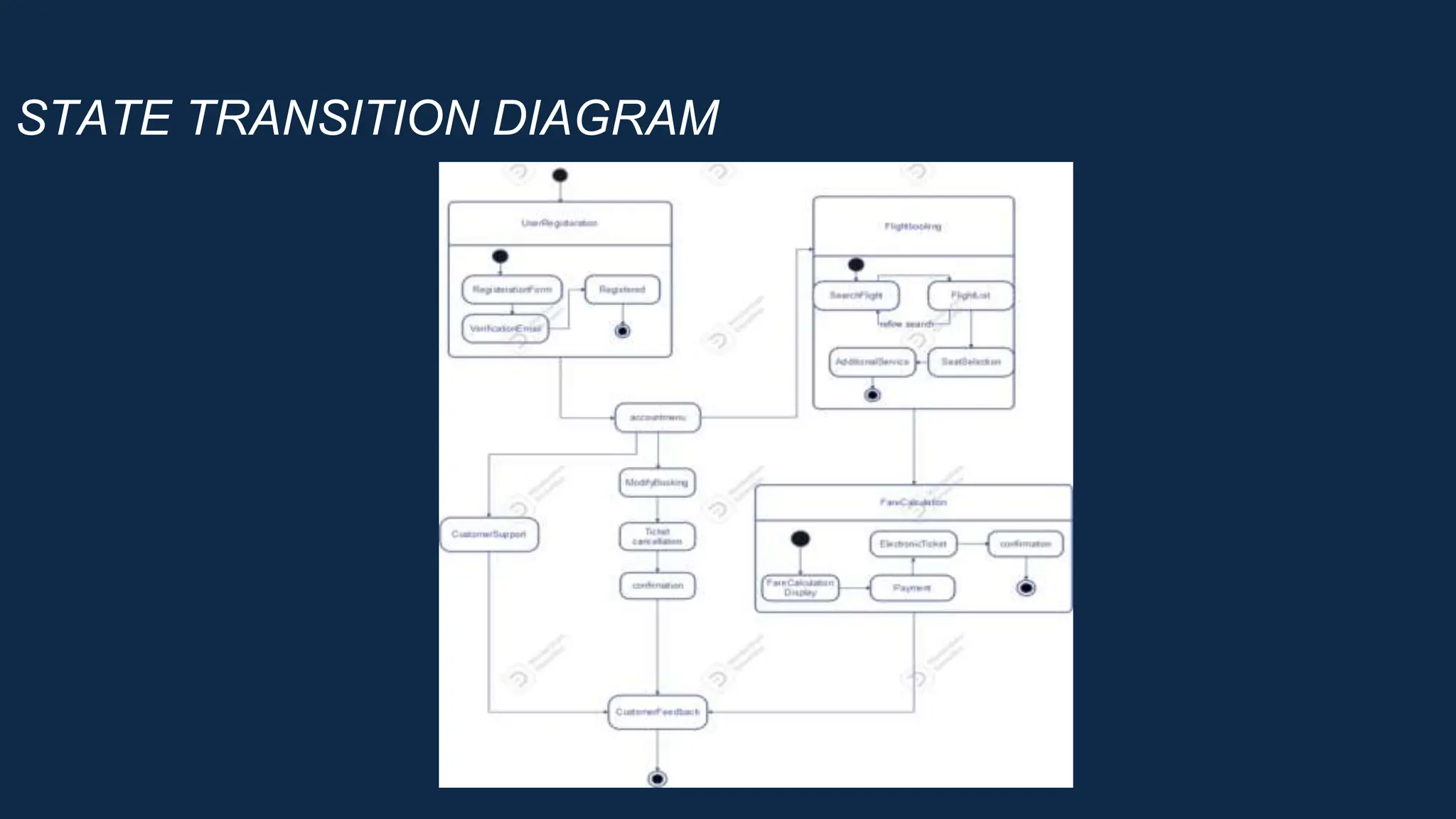
STATE TRANSITION DIAGRAM
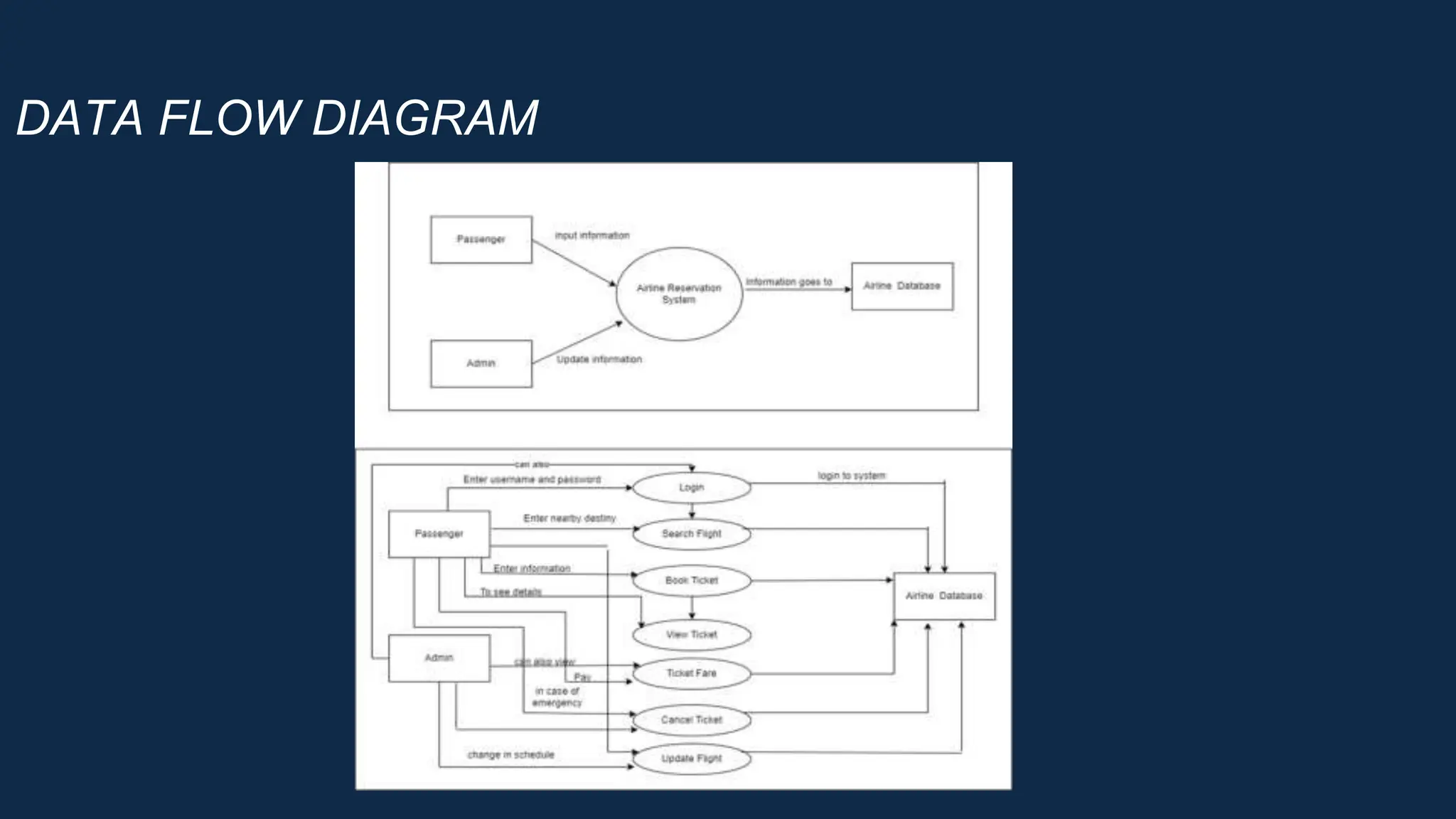
DATA FLOW DIAGRAM
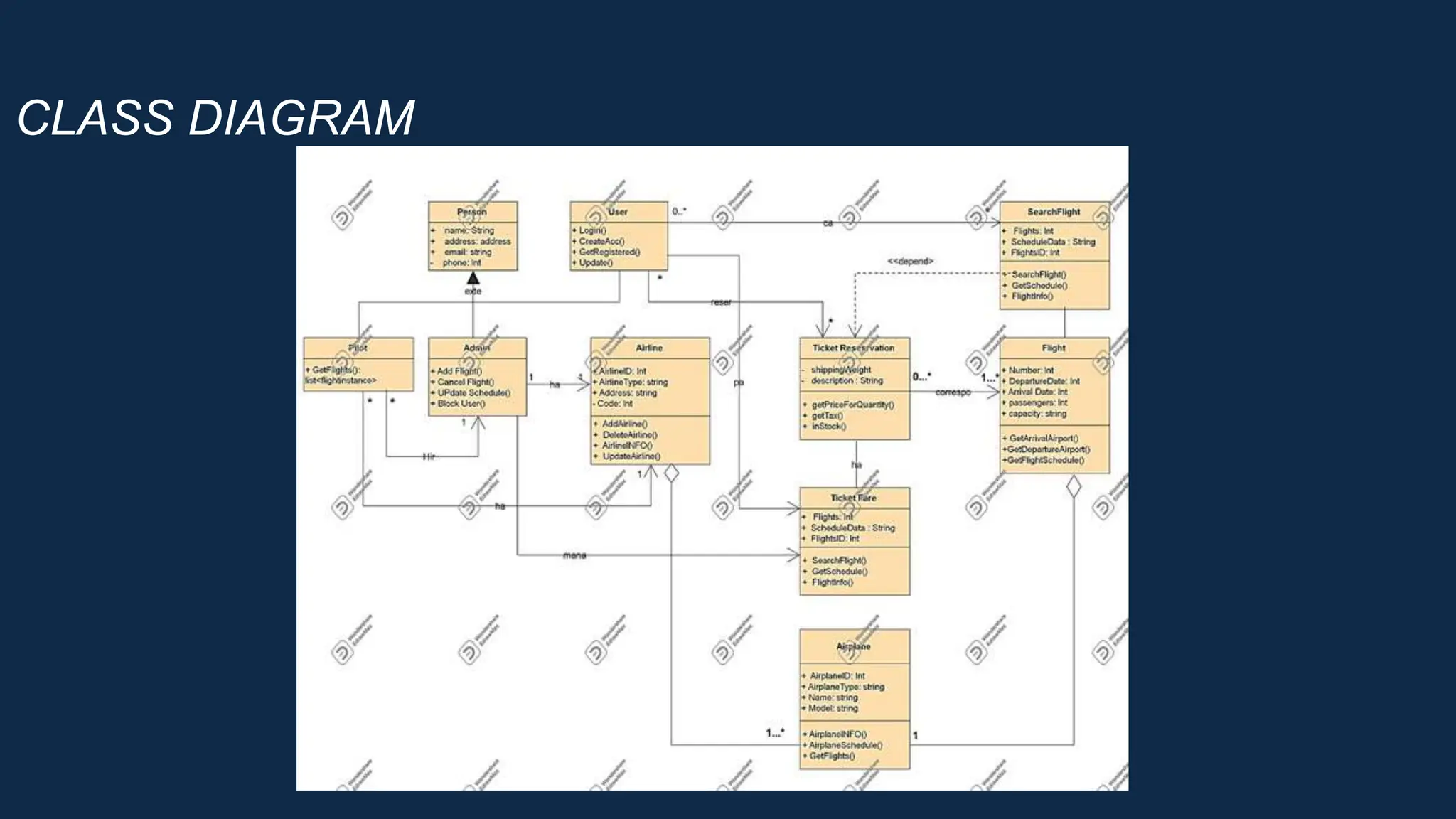
CLASS DIAGRAM
Traceability
matrix
• Overlapping Requirements
• Conflicting Requirements
ThankYou!

SRS PPT.pptx, what is SRS, examples of SRS

  • 1.
  • 2.
    OUR TEAM 21016065009 Sana Khatoon 01 KhadijaShafiq 21016065017 02 Sehar Nimra Rafaqat 21016065031 21016065048 03 04
  • 3.
  • 4.
    Problem vs solution StakeHolders Inception
  • 5.
    Elicitation Objectives: Why thiselicitation Elicitation plan  To validate market data Products Goals/Assumptions/Hypothesis Estimates  To explore usage scenarios
  • 6.
  • 7.
    Raw requirements Elicitation product Aset of Raw requirements Issues/Conflicts Detail analysis in Elaboration
  • 8.
    Raw requirements  UserRegistration  Verification of Login Information  Searching module  Flight Information  Multiple booking & prevent overbooking  Seat selection & Seat map  Calculation of Ticket booking & services/taxes  Internet payment portal  User transaction/info security  Electronic tickets & Confirmation email  Ticket/user information  Flight modification & updating  Live chat & hotline for support  Feedback
  • 9.
    Elaboration Problematic requirements:  Passwordcomplexity cyber attacks  Flight cancellations or changes inconvenience for user Conflicting requirements:  R25 The system should only accommodate a certain number of concurrent users, for better performance.  R30 The system must handle several concurrent users without dramatically compromising its performance.  R15 The system ought to save ticket data for retrieval and future use.  R16 Real-time ticket information should be sent by the system without any hassle or need for data storage.  R15 and R16 disagree on data storage.  R25 and R30 disagree on how to handle concurrent users.
  • 10.
    Specification and Negotiation •The system shall enforce a minimum password complexity requirement (e.g., a combination of uppercase, lowercase, numbers, and special characters) • The system shall provide options for users to modify or cancel their flight bookings, including changing travel dates, destinations, or passenger details. The system shall adhere to the airline's cancellation policy and process refunds accordingly.
  • 11.
    Specification and Negotiation ConflictResolution: Real-Time Ticket Information vs. Data Storage  Priority: R15, Data Storage for Ticket Retrieval Requirement Conflict Resolution: Concurrent User Limit vs. Performance  Priority: Handling Multiple Concurrent Users without Impacting Performance (Requirement R30).
  • 12.
    Prioritization Prioritization technique: The prioritizationtechnique used is MOSCOW. M ( Must Have ). It is very important. S ( Should Have ). Essential But not Vital. C ( Could Have ). Not a problem if it is included. W ( Will Not Have ). It is not important to include it, it is irrelevant. By using this method, all requirements from multiple stakeholders were listed. Then the stakeholders classified each requirement based on the adapted MOSCOW method.
  • 13.
    Functional Requirements • Auser registration form for the system must have the mandatory fields for personal data such name, email address, and password (a combination of uppercase, lowercase, numbers, and special characters). • The system must give the user a verification email in order to activate their account. • Users of the system will be able to look for flights by entering their departure and destination airports, departure time, and passenger count. • The system must provide additional filters and sorting options based on user selections. • The system will provide a list of available flights along with essential details including airline, flight number, departure and arrival timings, and ticket pricing. • The technology will offer a visual seat map for every flight that displays which seats are available and which ones are taken. • Users may select the seats they want to sit in by clicking on the desired locations on the seat map. • The system will control seat upgrades, seat selection fees, and bookings for certain passenger categories.
  • 14.
    Functional Requirements • Thesystem must calculate the fee based on the number of passengers, the number of flights selected, and any additional services before users may proceed to payment. • A range of payment methods, including as credit cards, debit cards, and Internet payment gateways, must be supported by the system. • Transactions ought to be safe and encrypted. • The system will generate electronic tickets with unique booking reference numbers following a successful payment. • Users will receive SMS or email confirmations with details about their tickets. • The system must save ticket information for later retrieval and usage. • The system must allow users to modify airline reservations, such as changing the dates or locations of a trip or the names of the passengers. • Users must get alerts from the system when modifications or updates are made to their flights. • In accordance with the airline's cancellation policy, the system will handle ticket cancellations and provide refunds. • The system must provide a hotline or live chat option for users to get in touch with customer support. Airlines need to focus more on delivering a personalized and seamless experience to their customers across all touchpoints. • Customers will be able to remark on their booking experience and review the airline's services.
  • 15.
    Non-Functional Requirements  Security:Payment transactions must be safe and encrypted to protect users' financial information. User authentication must be secure and secured against unauthorized access.  Performance: The system must handle several concurrent users without dramatically compromising its performance, and it must provide rapid and responsive search and booking capabilities, especially during times of heavy demand.  Reliability: Airlines use data and analytics to monitor and improve the reliability of the aircraft. Collect and process data from sensors, flight logs, and weather reports and prevent potential failures.  Scalability: The system must be capable of scaling resources to meet rising user demand.  Usability: The user interface must be simple to use and intuitive so that users can browse and complete activities with little instruction.  Compatibility: In order to give consumers a consistent experience, the system must be interoperable with a wide range of web browsers and devices.  Data Management: User information, flight details, details about tickets, and transaction records must all be securely stored and managed by the system. The airline needs to leverage data and analytics to optimize its operations, pricing, network planning, and marketing.
  • 16.
    Validation Technique used: The "desk-check"approach was used to carry out the validation procedure. Reasons this technique was used: Effectiveness, cost-efficiency, flexibility, speed, and capacity to obtain individual comments Validation Criteria (Software Quality Attributes)
  • 17.
  • 18.
    Requirement Management(CCP) Requirements onwhich apply CCP • FR(18): (The system must provide a hotline or live chat option for users to contact customer support.) • N-FR( Reliability: System must manage faults, provide clear error messages, be reliable, and accessible 24/7. • Data Management: Securely store and manage user, flight, ticket, transaction records. ) Change Control Process  Change Initiate  Change Request Approve  Change Implementation  Schedule and timeline  Change Review
  • 19.
    Requirement Management( tool) Toolused: IBM Engineering Requirement Management DOORS Next
  • 20.
    Requirement Management(Cont.) We useIBM web tool to manage changes in a more concise form. The steps are mentioned below:  Tracing requirements  Capturing features  Analyzing changes  Managing Changes
  • 21.
    Requirement Management(Cont.)  Aftertracing and capturing requirements following points are specified for analyzing and managing changes in the system: • Story • Defects • Tasks • Issues  After performs Requirement Management process FR(18): Airlines need to focus more on delivering a personalized and seamless experience to their customers across all touchpoints. N-FRs: Reliability: The airline needs to leverage data and analytics to optimize its operations, pricing, network planning, and marketing. Data Management: Airlines use data and analytics to monitor and improve the reliability of the aircraft. Collect and process data from sensors, flight logs, and weather reports and prevent potential failures.
  • 22.
  • 23.
  • 24.
  • 25.
  • 26.
  • 27.
  • 28.
  • 30.