Moderator – Dr Dilip Bhalla
Presentor – Dr Prem Mohan Jha
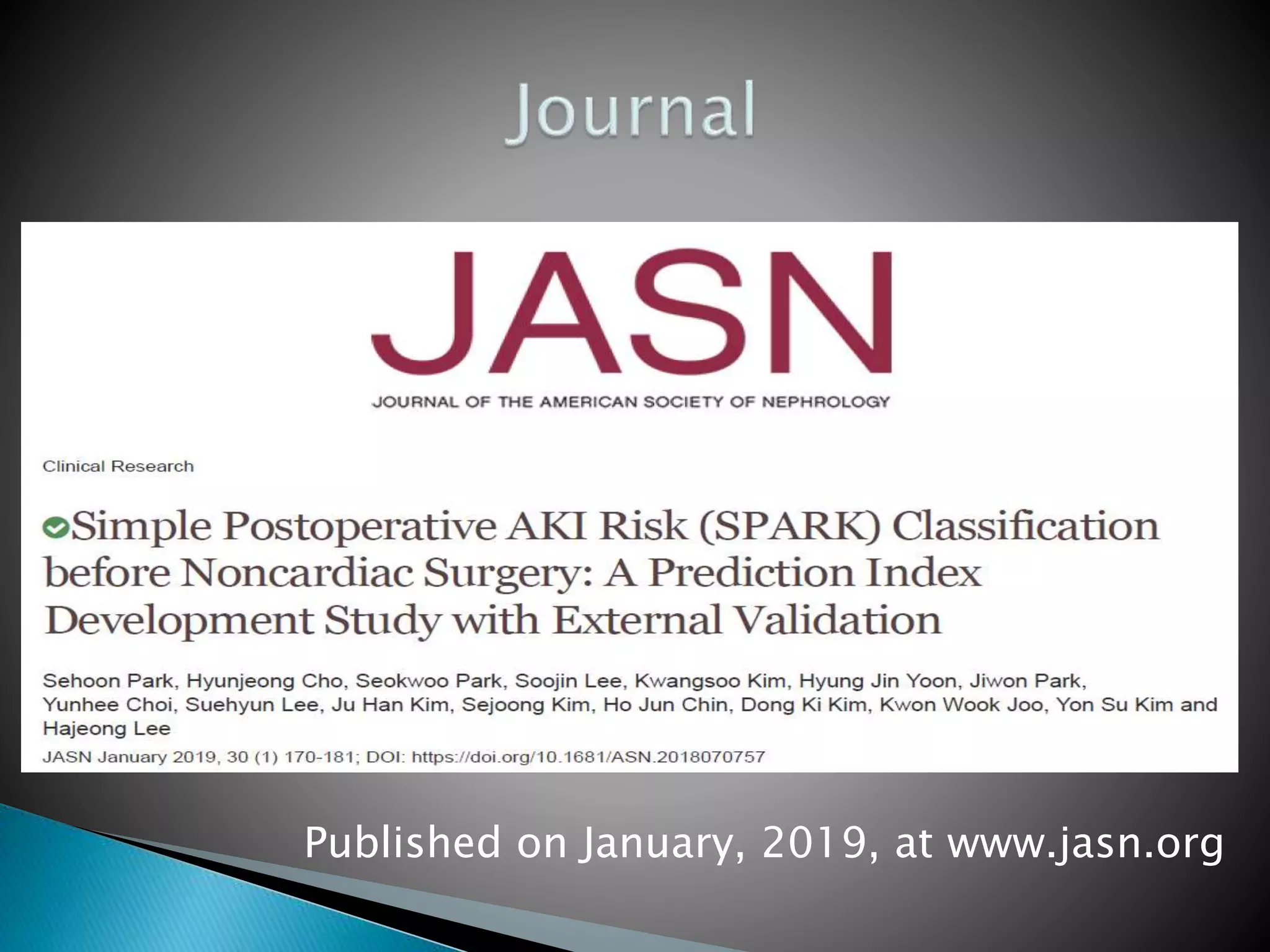
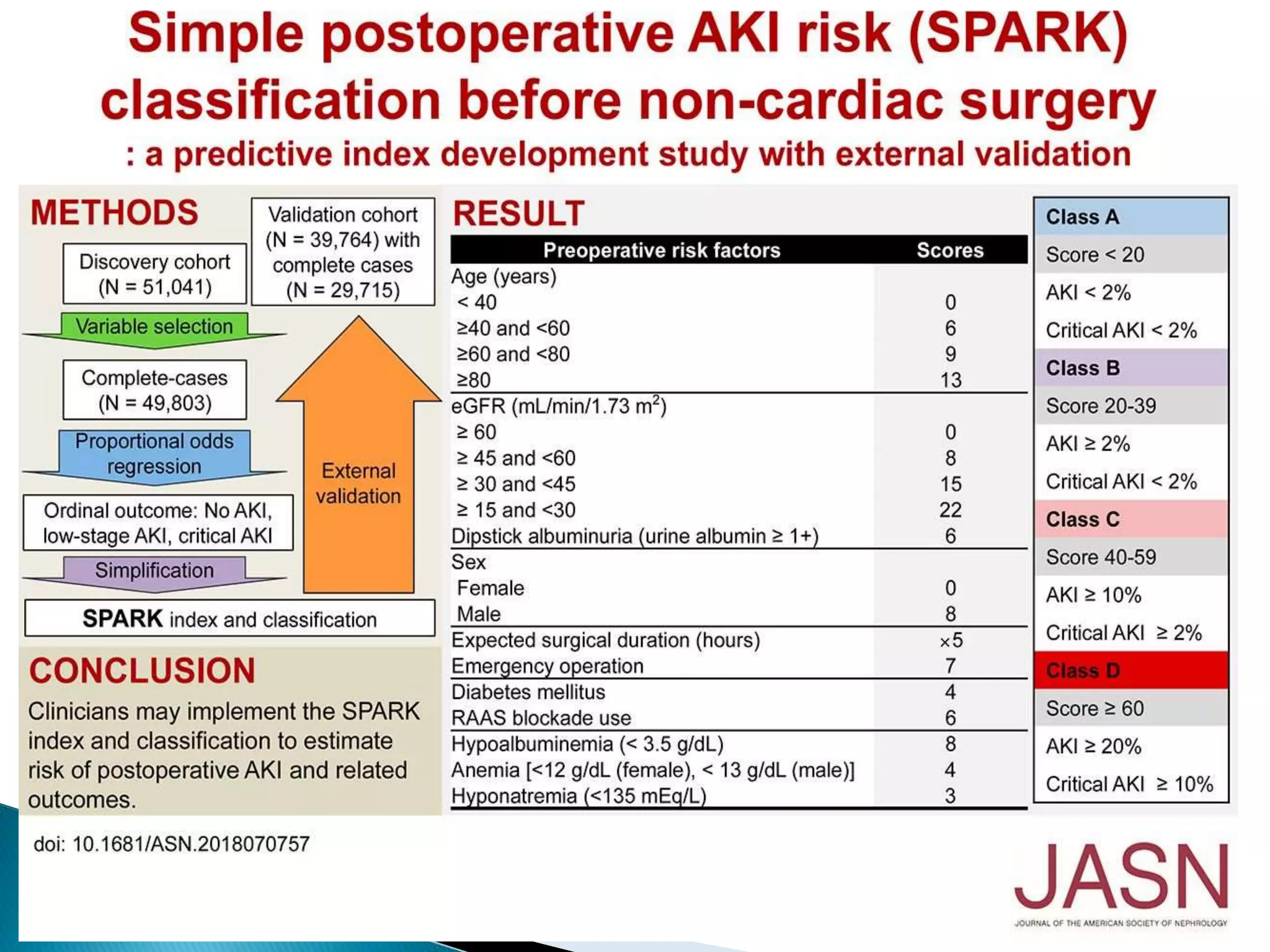
Simple Postoperative AKI RisK (SPARK)
Classification before Non-cardiac Surgery:
A Prediction Index Development Study with
External Validation.
Published on January, 2019, at www.jasn.org
 Sehoon Park,1,2 Hyunjeong Cho,1,3 Seokwoo Park,1,2 Soojin
Lee,2 Kwangsoo Kim,4 Hyung Jin Yoon,5 Jiwon Park,6 Yunhee
Choi,6 Suehyun Lee,7 Ju Han Kim,8 Sejoong Kim,9 Ho Jun
Chin,9,10,11 Dong Ki Kim,2,10,11 Kwon Wook Joo,2,10,11
Yon Su Kim,1,2,10,11 and Hajeong Lee2,10,11.
 Department of Internal Medicine, Seoul National University
Hospital, 101 Daehakro, Jongno-gu, Seoul 03080, Korea.
 Postoperative AKI (PO-AKI) is a critical condition in
modern medicine.
 Closely associated with increased risks of death and
persistent renal failure.
 There are no general therapeutic or preventive
measures for PO-AKI,
◦ As the clinical cause varies according to the patient’s
condition.
 Individualized approaches may be beneficial.
 Aim Of Study:
◦ To develop a practical, externally validated PO-AKI risk
prediction index in noncardiac surgery, which can help
clinicians decide when to monitor PO-AKI or involve
additional medical resources.
 Hypothesis:
◦ An externally validated simple risk index, which could be
calculated in preoperative periods, could stratify the risks
of AKI and AKI associated adverse patient-oriented
outcomes.
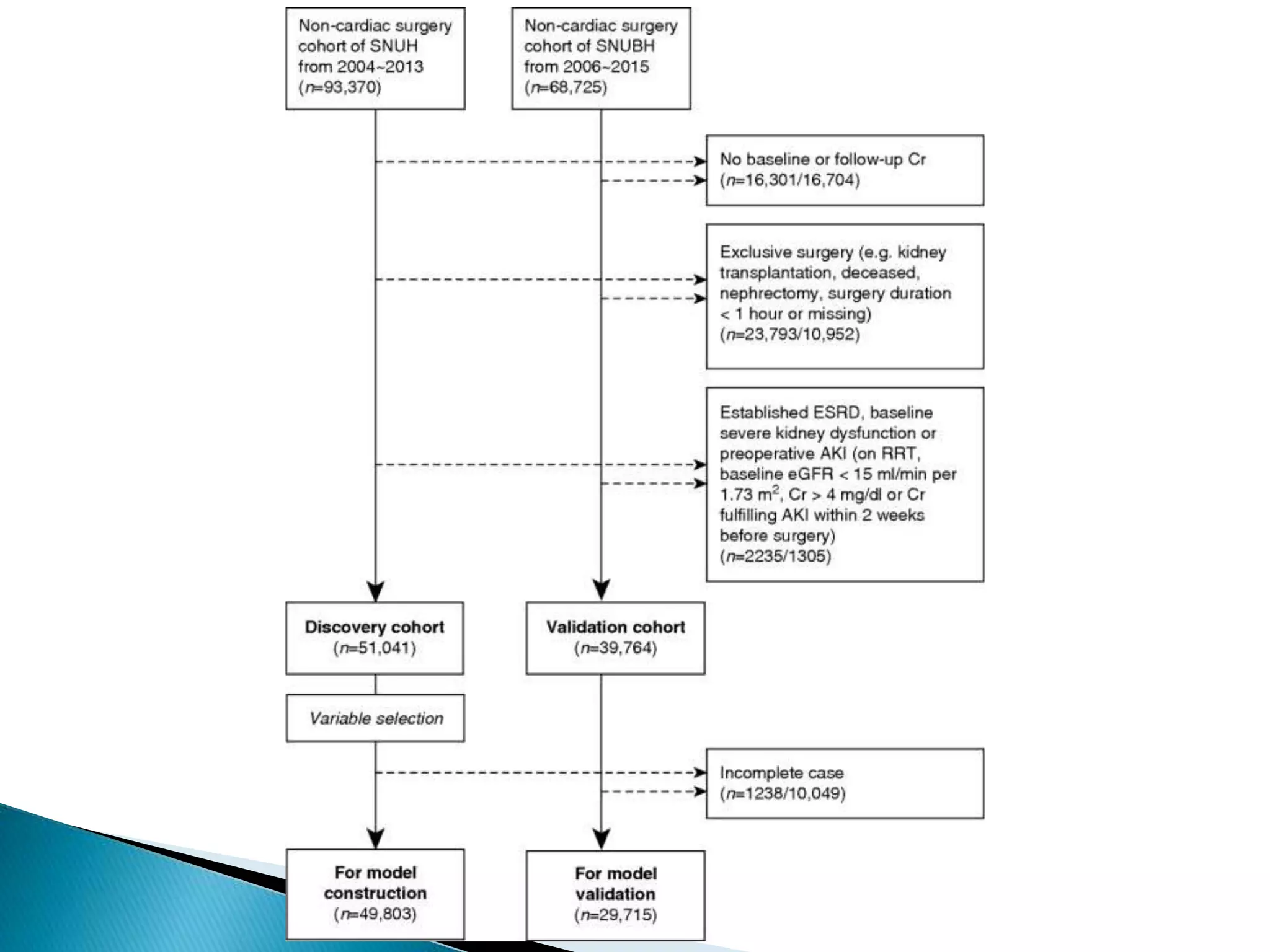
 Retrospective, Observational, Cohort Study.
 Performed in two government-designated, tertiary
referral hospitals in Korea.
 The discovery cohort included adult (age >18
years) patients who underwent operations at Seoul
National University Hospital from 2004 to 2013.
 The validation cohort included adults who
underwent operations at Seoul National University
Bundang Hospital from 2006 to 2015.
 Age >18 years.
 First operative cases during the study period in
the following fields
◦ Orthopedic surgery
◦ Obstetrics & gynecology
◦ Neurosurgery
◦ Urologic surgery
◦ General surgery.
 Cardiac surgeries
 Surgeries for deceased patients (e.g., deceased
donor transplantation),
 Nephrectomy or kidney transplant recipients,
 Minor procedural operations defined as surgery
duration <1 hour.
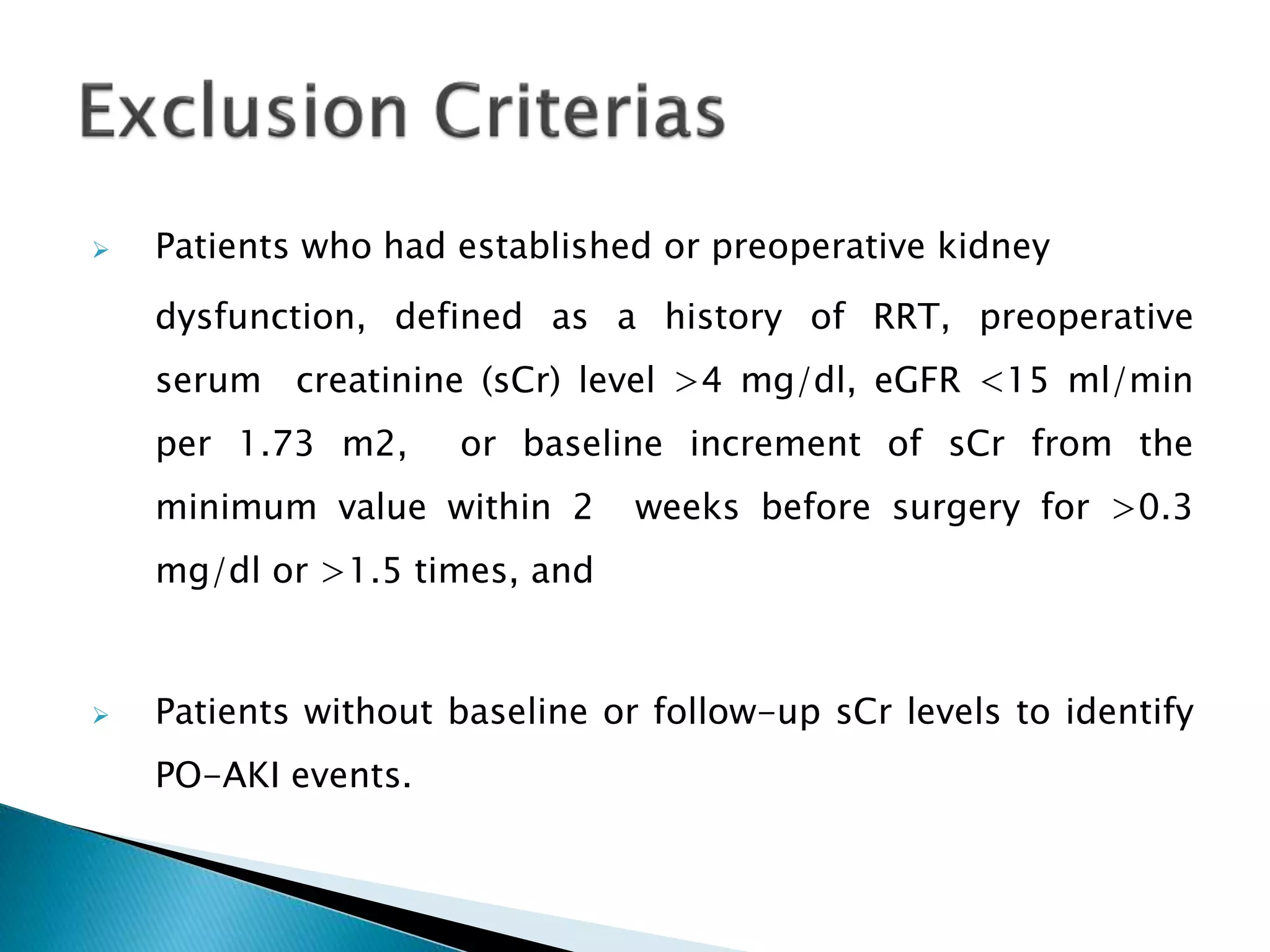
 Patients who had established or preoperative kidney
dysfunction, defined as a history of RRT, preoperative
serum creatinine (sCr) level >4 mg/dl, eGFR <15 ml/min
per 1.73 m2, or baseline increment of sCr from the
minimum value within 2 weeks before surgery for >0.3
mg/dl or >1.5 times, and
 Patients without baseline or follow-up sCr levels to identify
PO-AKI events.
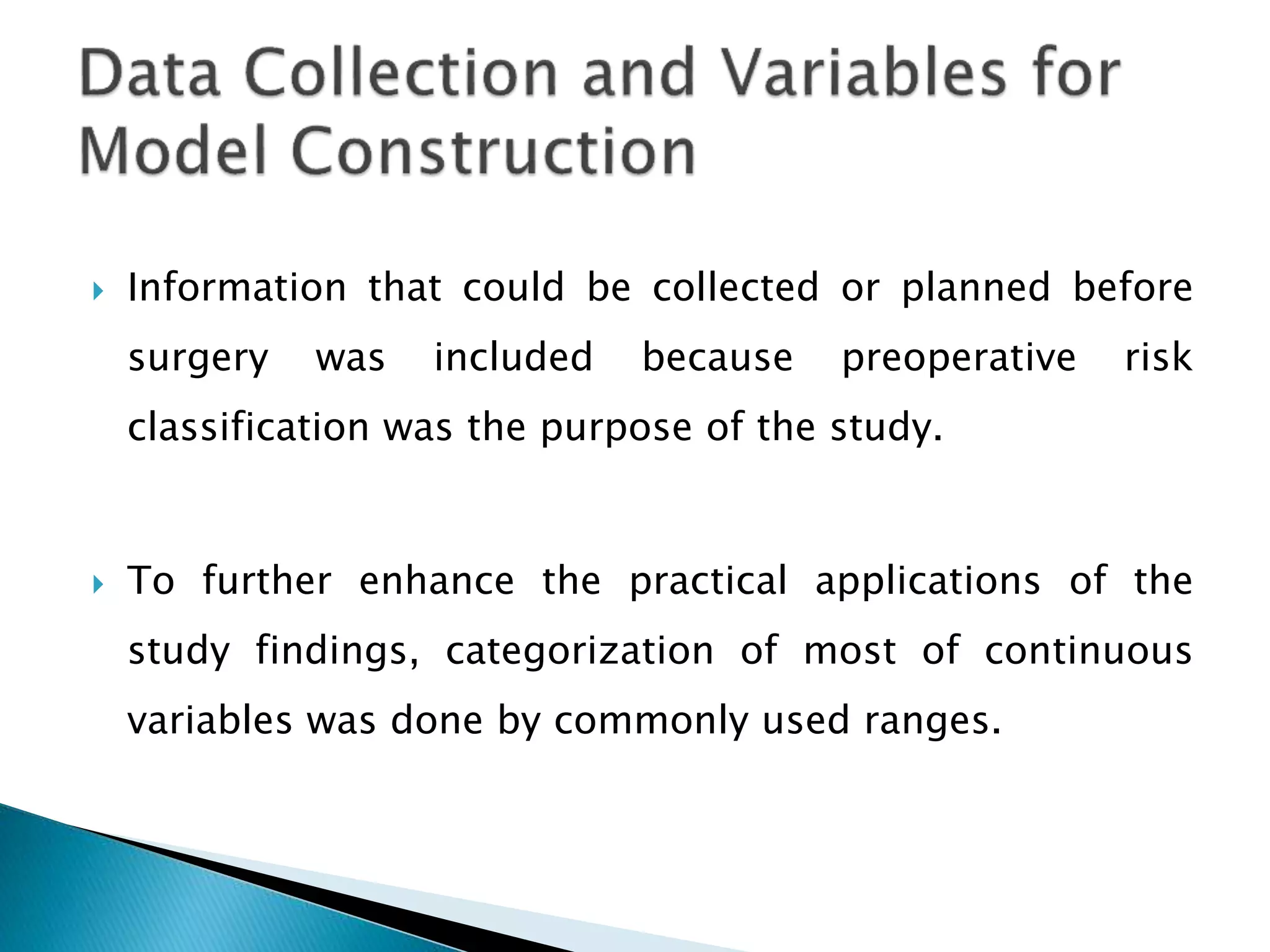
 Information that could be collected or planned before
surgery was included because preoperative risk
classification was the purpose of the study.
 To further enhance the practical applications of the
study findings, categorization of most of continuous
variables was done by commonly used ranges.
 A PO-AKI event was defined according to the sCr
criteria of the KDIGO guidelines.
◦ Using peak sCr level within 2 weeks after surgery.
 An ordinal outcome was defined, for predictive model
building that included the following three outcome
categories:
◦ No AKI,
◦ Low-stage AKI,
◦ Critical AKI.
 The term “PO-AKI” included all AKI events
regardless of AKI severity.
 Critical AKI was defined by merging events of AKI
stage >2 and AKI that consequently led to post-AKI
death or dialysis within 90 days.
 As some patients died or started RRT outside the study
hospitals, review of national death database from
Statistics Korea and the national dialysis registry
maintained by the Korean Society of Nephrology was
done and outcomes were identified.
 The other patients who developed stage 1 PO-AKI but
without critical AKI events were included in the low-
stage AKI category of the ordinal outcome.
 First, variable selection process was performed in
the discovery cohort.
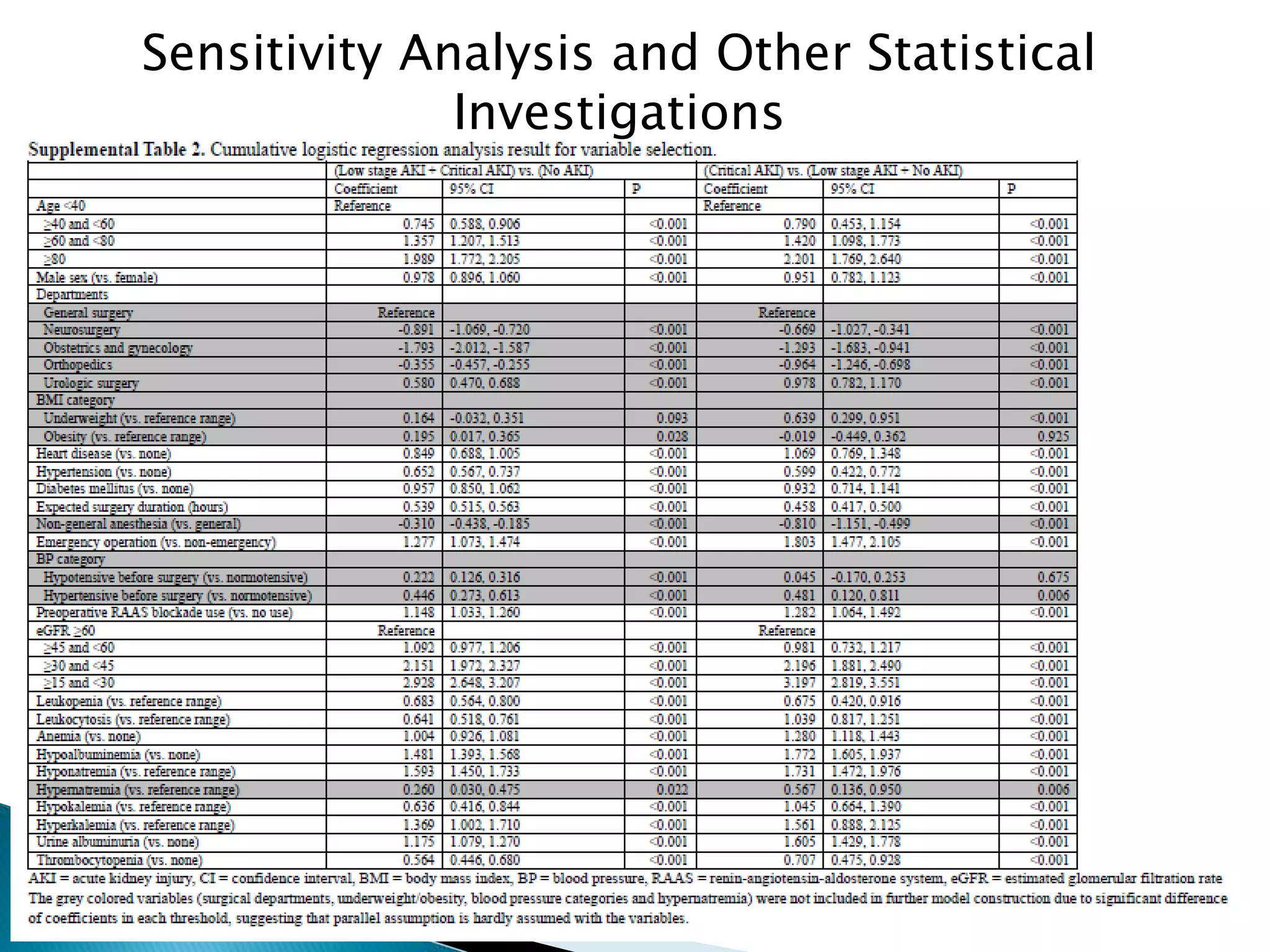
 A univariable cumulative logistic regression
analysis with the binary outcome was performed to
identify the variables that violated the parallel
regression assumption.
 Which was checked by inspecting the direction and
size of the model coefficients.
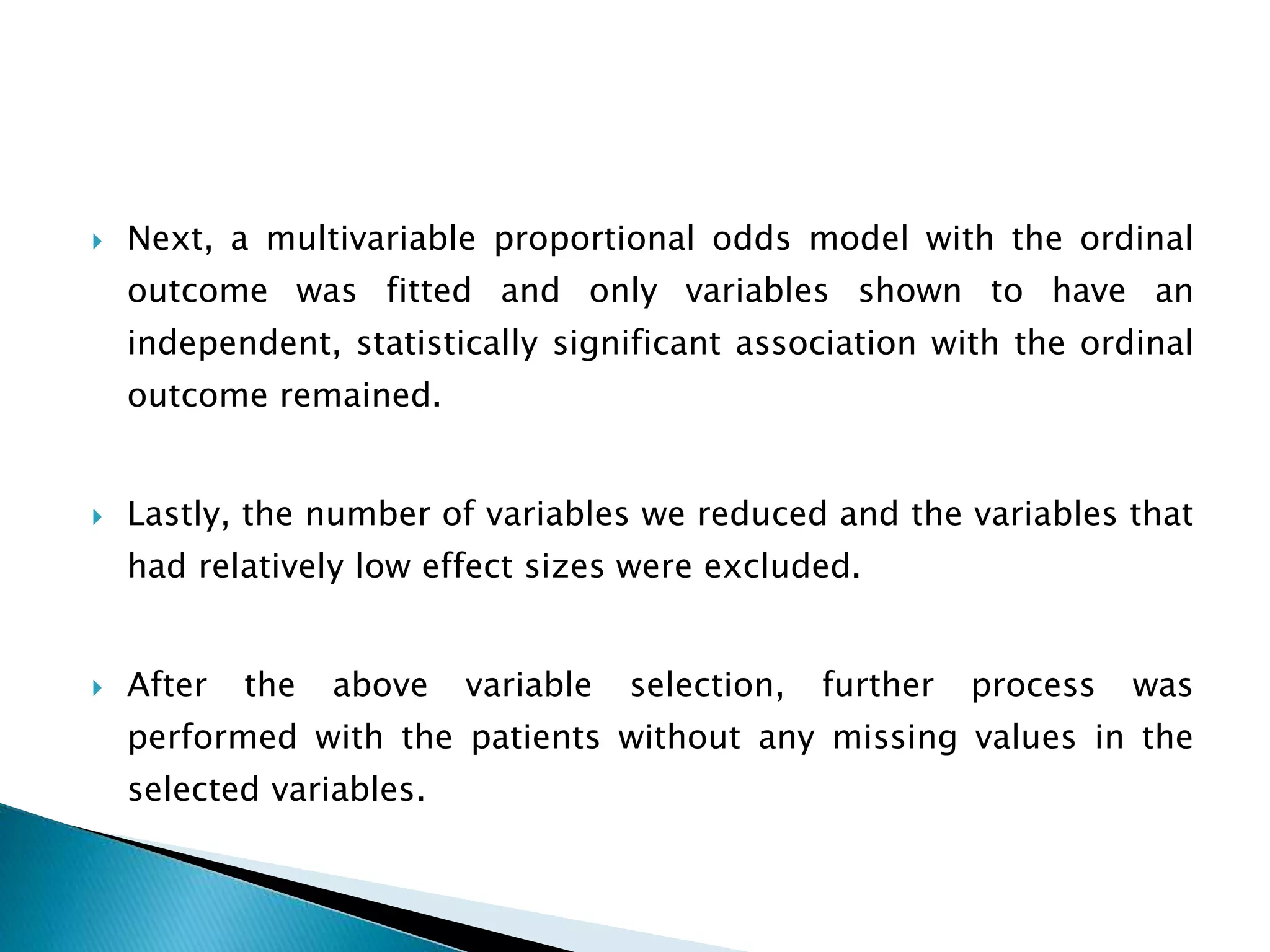
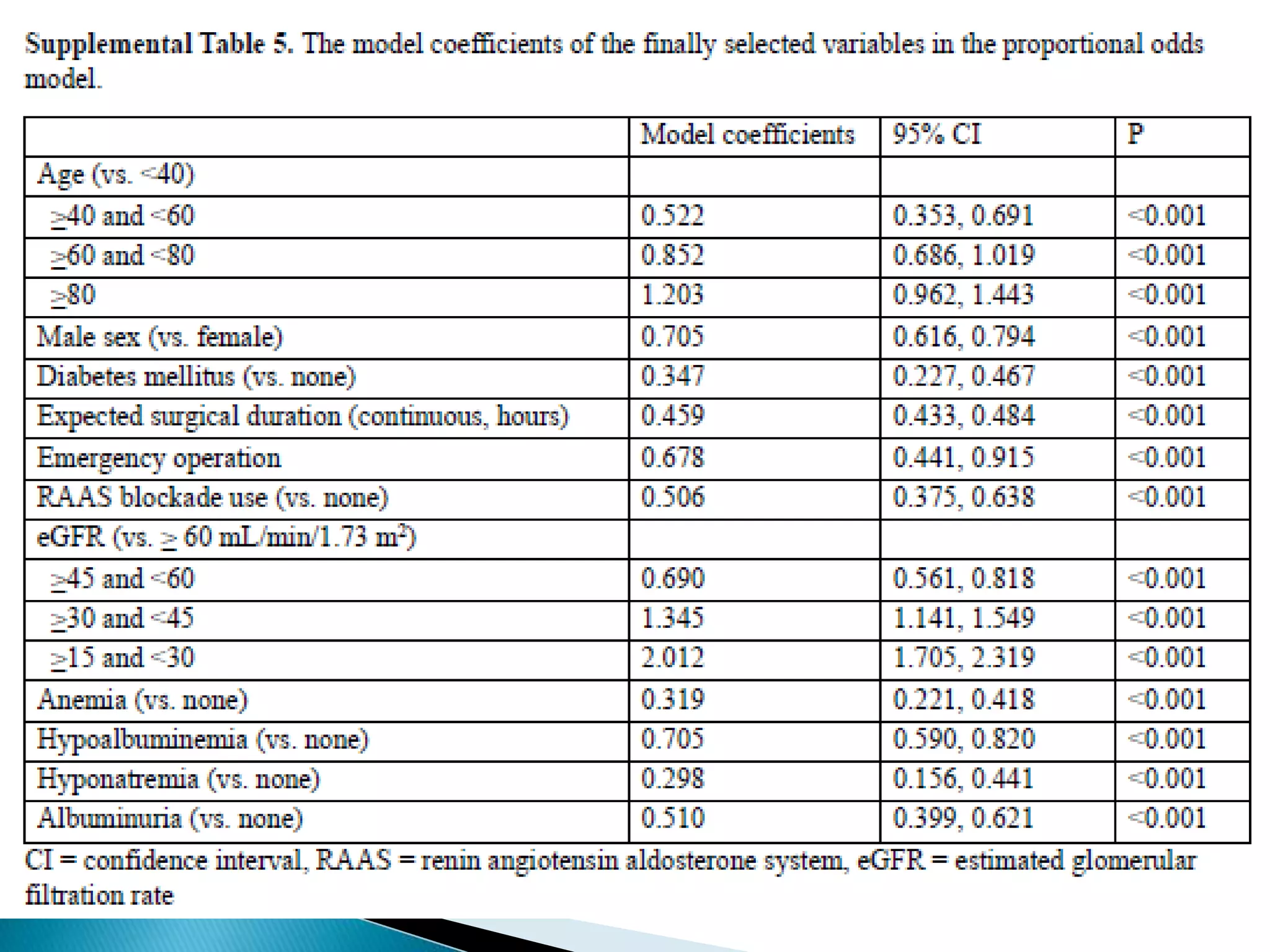
 Next, a multivariable proportional odds model with the ordinal
outcome was fitted and only variables shown to have an
independent, statistically significant association with the ordinal
outcome remained.
 Lastly, the number of variables we reduced and the variables that
had relatively low effect sizes were excluded.
 After the above variable selection, further process was
performed with the patients without any missing values in the
selected variables.
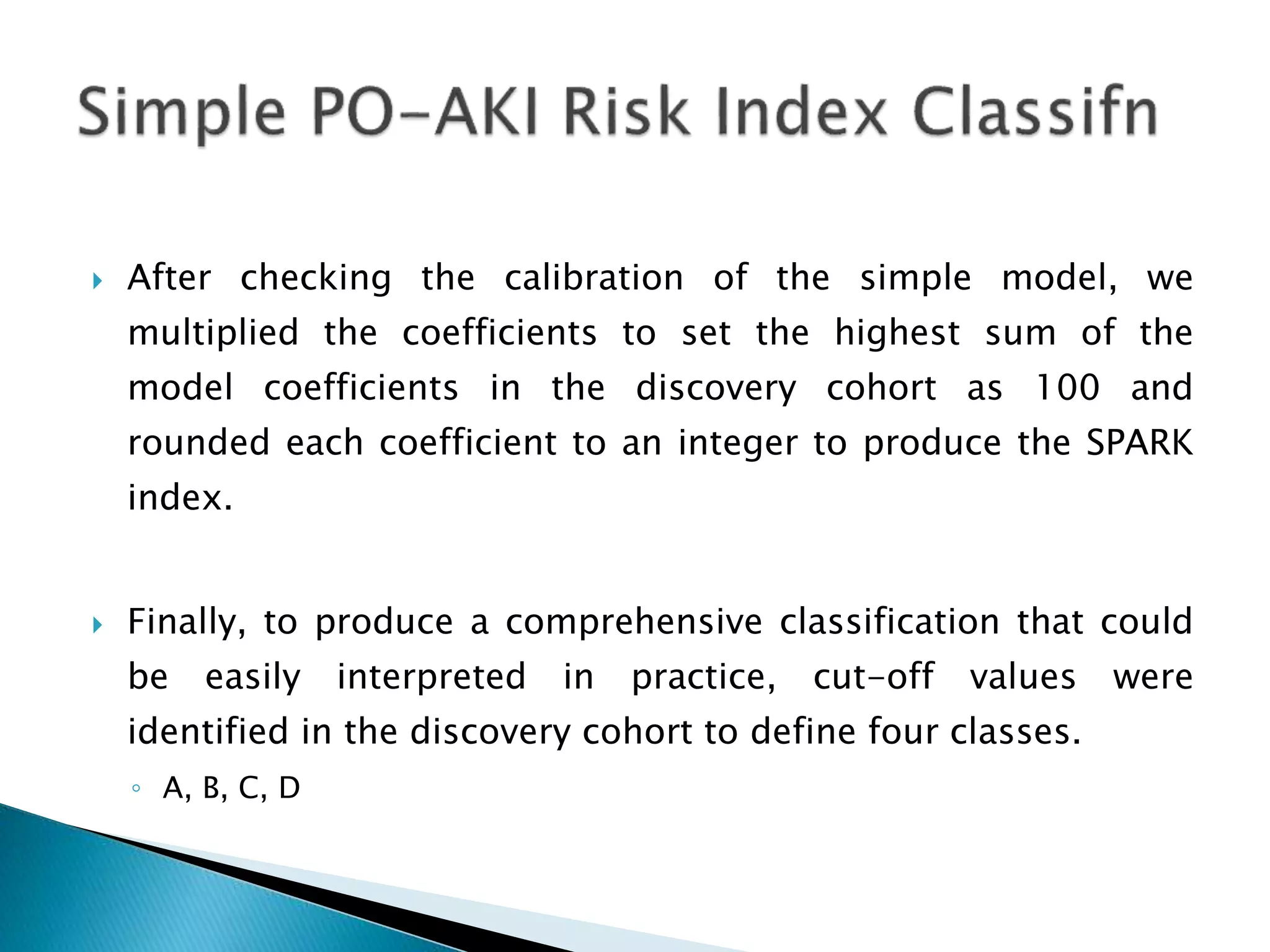
 After checking the calibration of the simple model, we
multiplied the coefficients to set the highest sum of the
model coefficients in the discovery cohort as 100 and
rounded each coefficient to an integer to produce the SPARK
index.
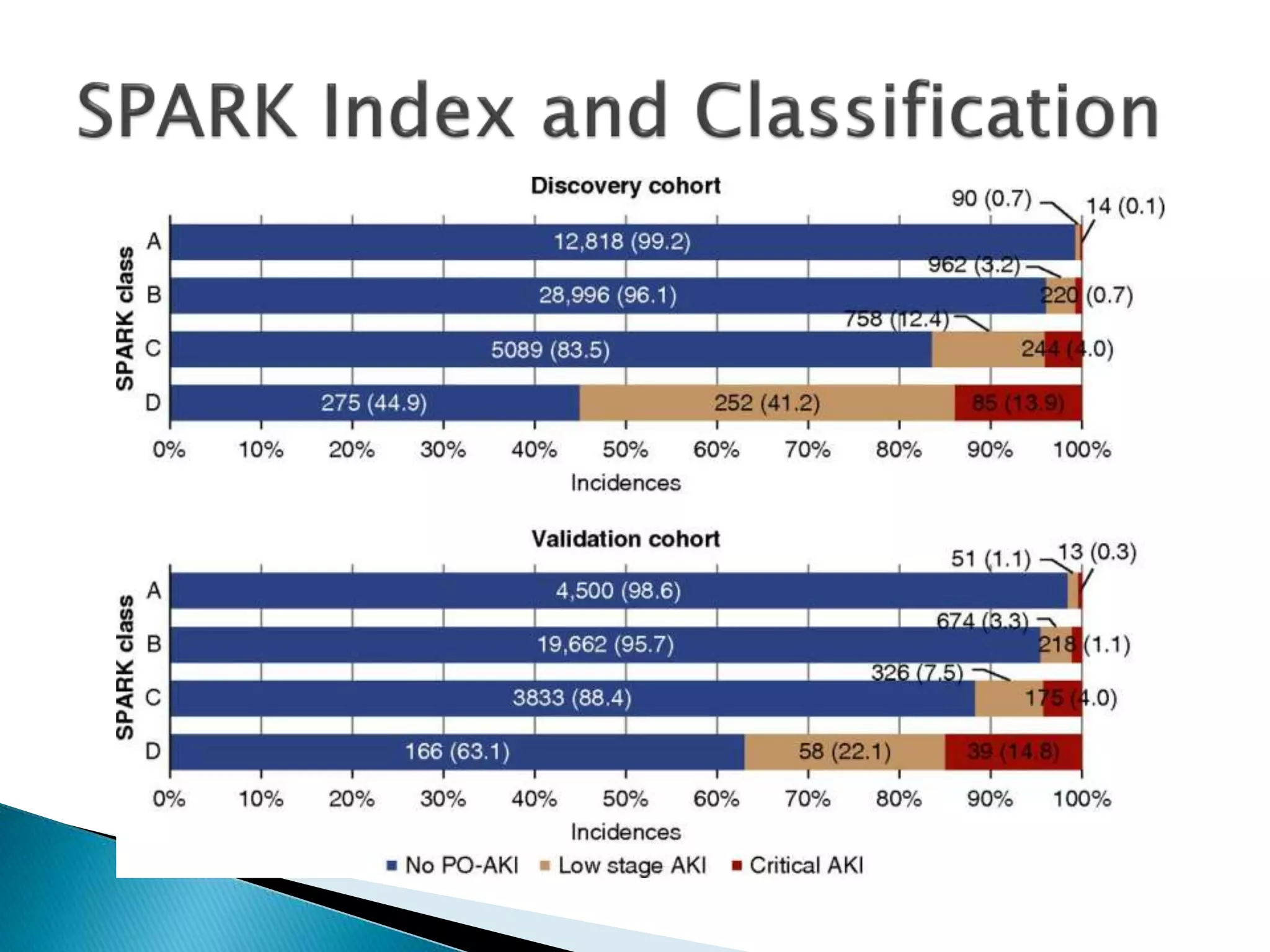
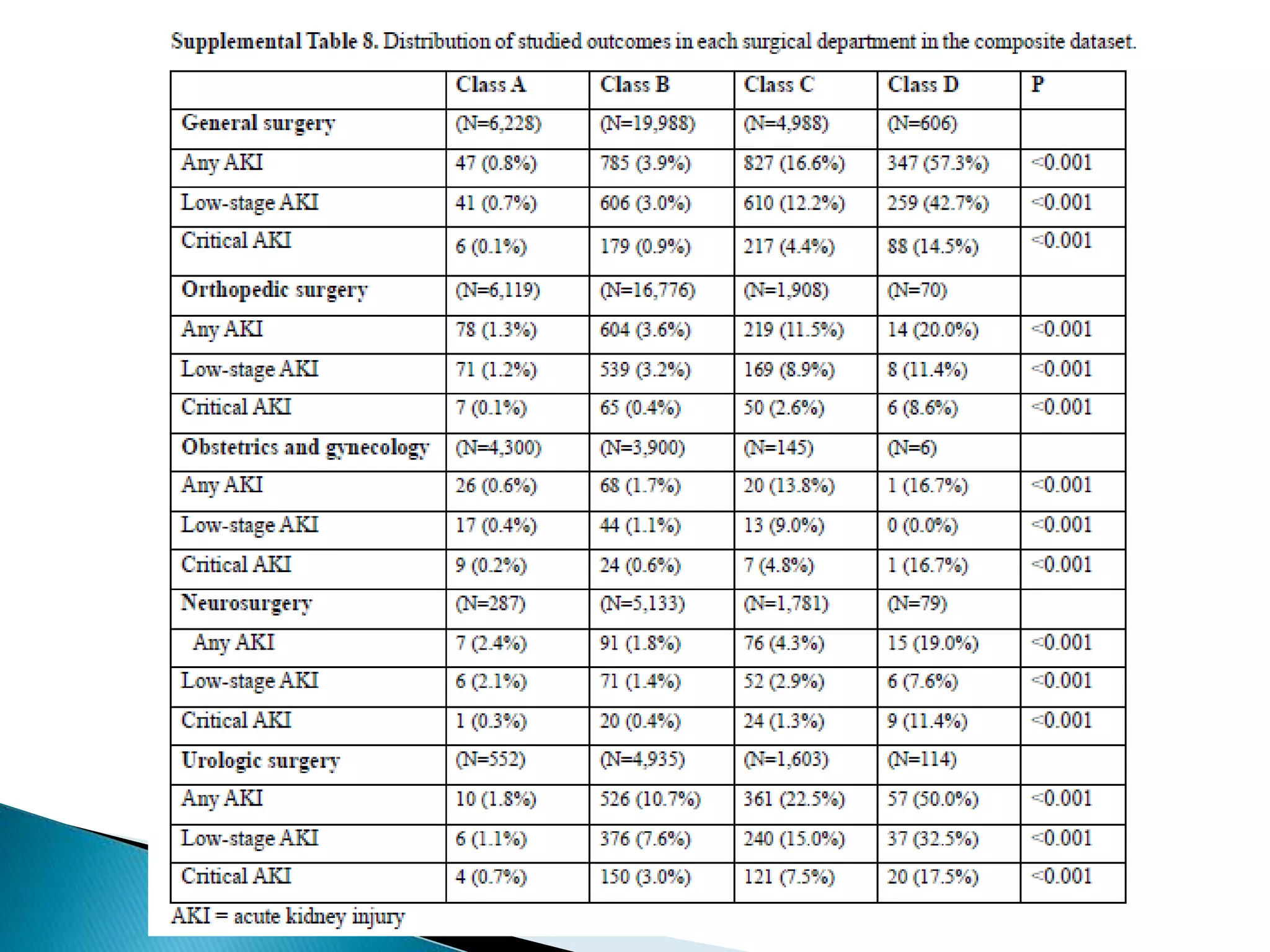
 Finally, to produce a comprehensive classification that could
be easily interpreted in practice, cut-off values were
identified in the discovery cohort to define four classes.
◦ A, B, C, D
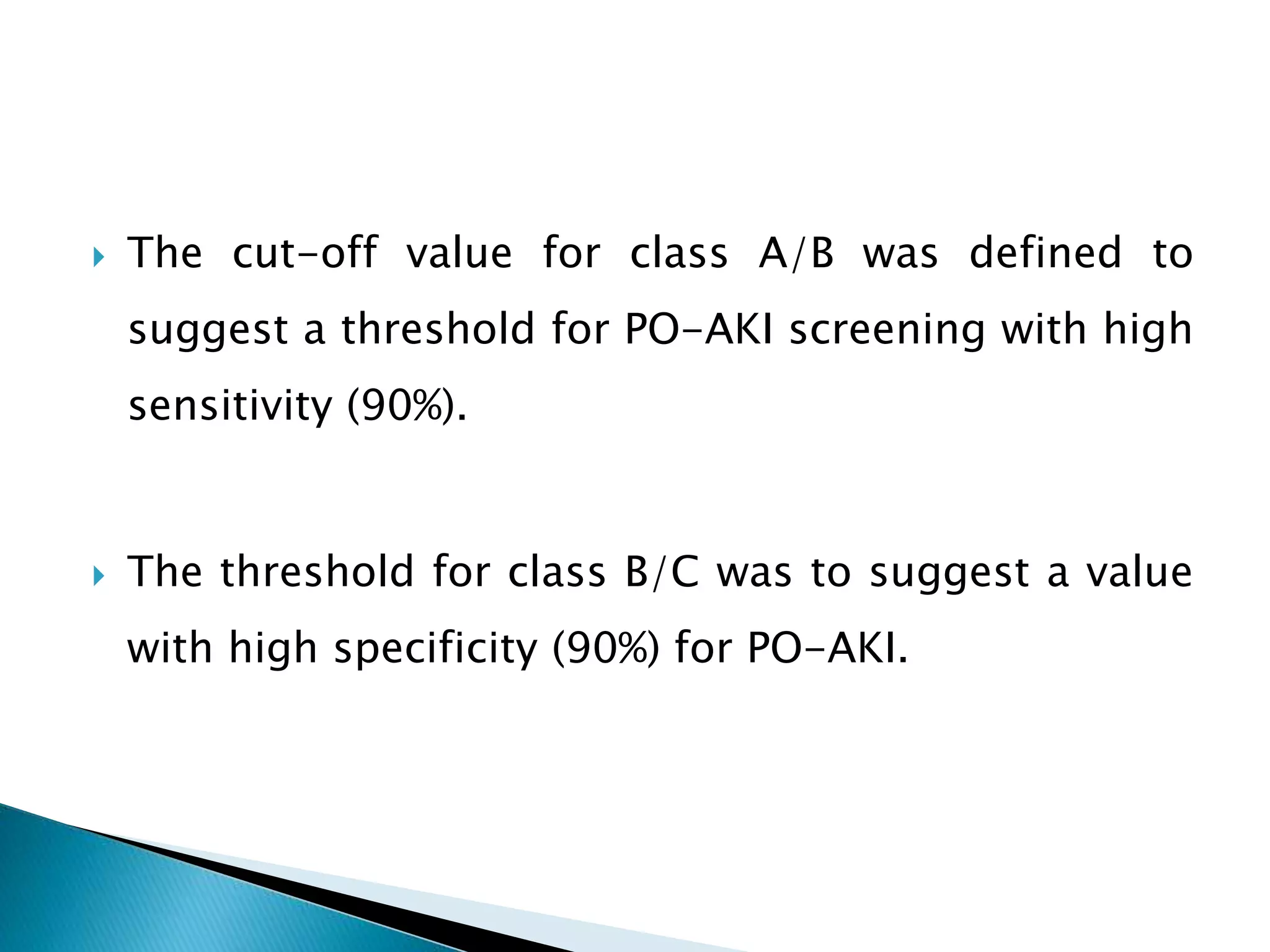
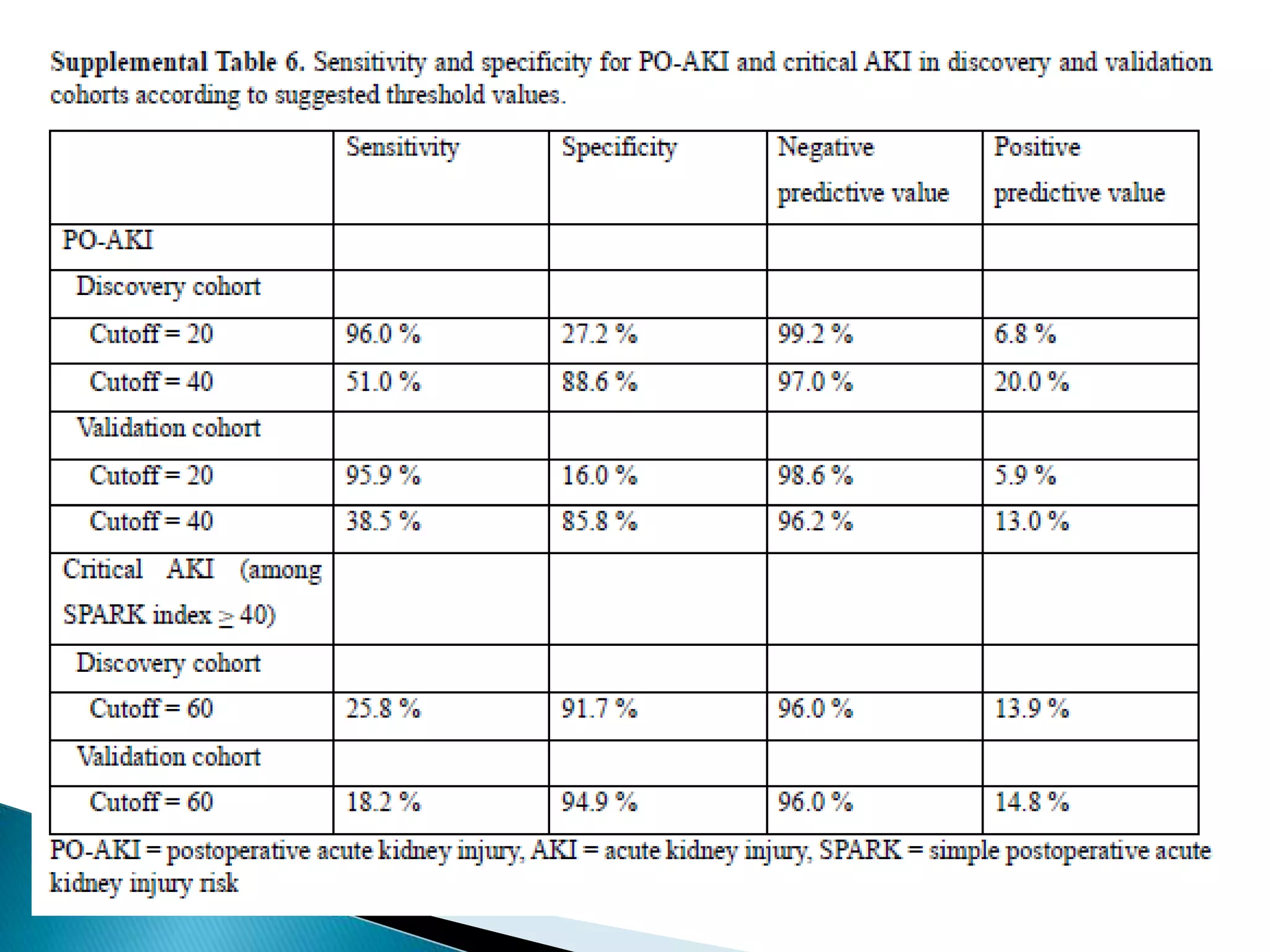
 The cut-off value for class A/B was defined to
suggest a threshold for PO-AKI screening with high
sensitivity (90%).
 The threshold for class B/C was to suggest a value
with high specificity (90%) for PO-AKI.
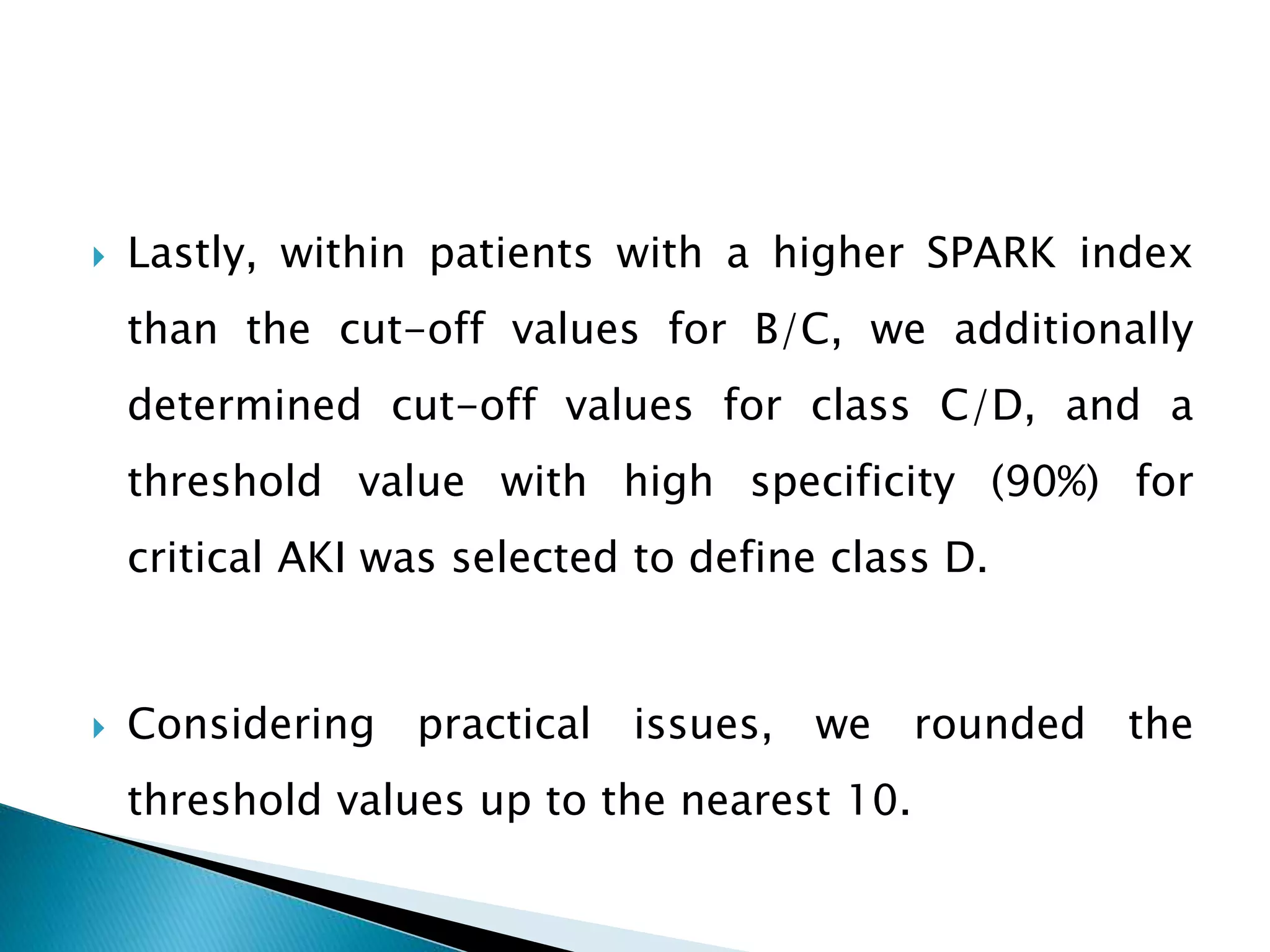
 Lastly, within patients with a higher SPARK index
than the cut-off values for B/C, we additionally
determined cut-off values for class C/D, and a
threshold value with high specificity (90%) for
critical AKI was selected to define class D.
 Considering practical issues, we rounded the
threshold values up to the nearest 10.
Sensitivity Analysis and Other Statistical
Investigations
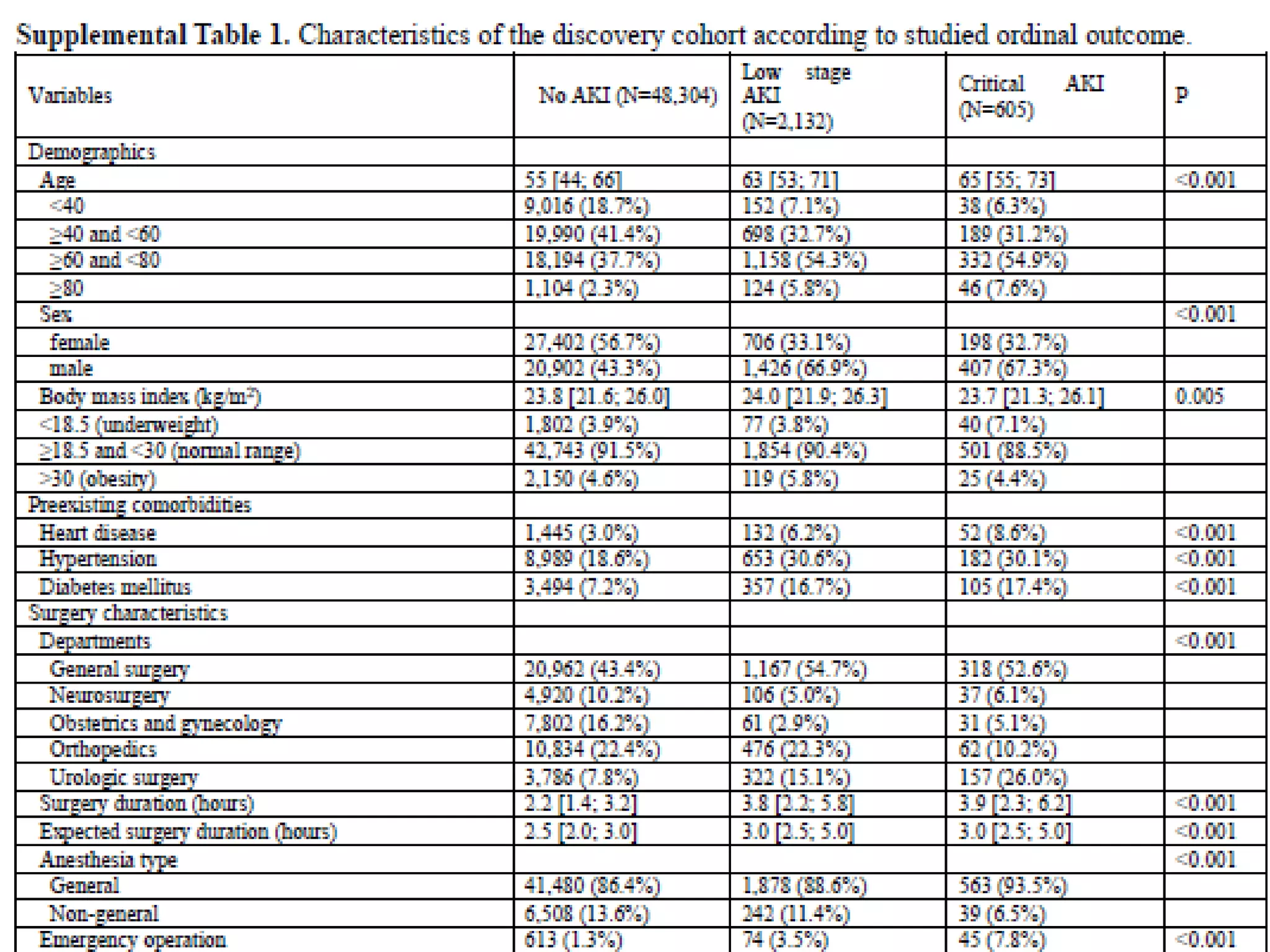
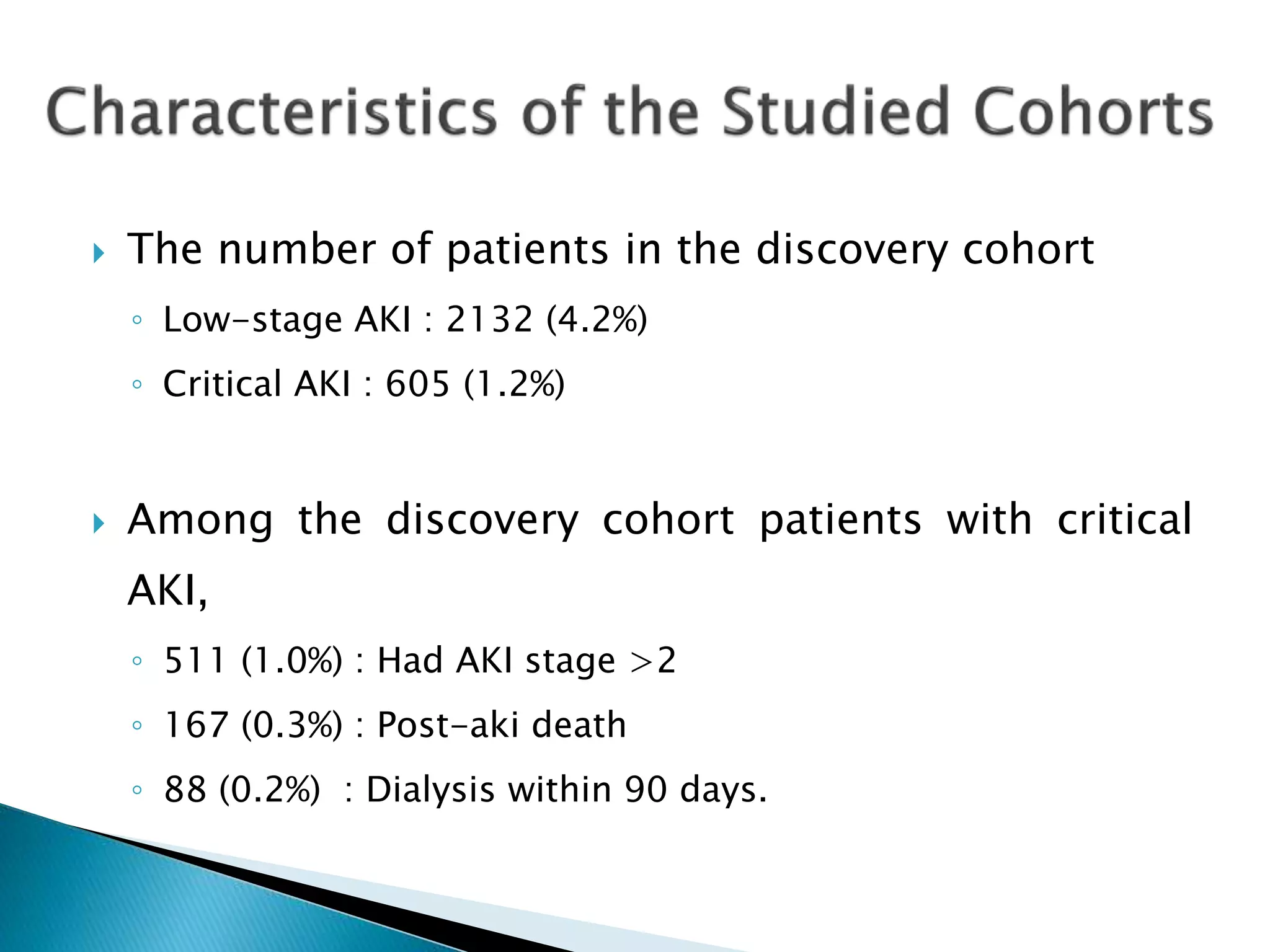
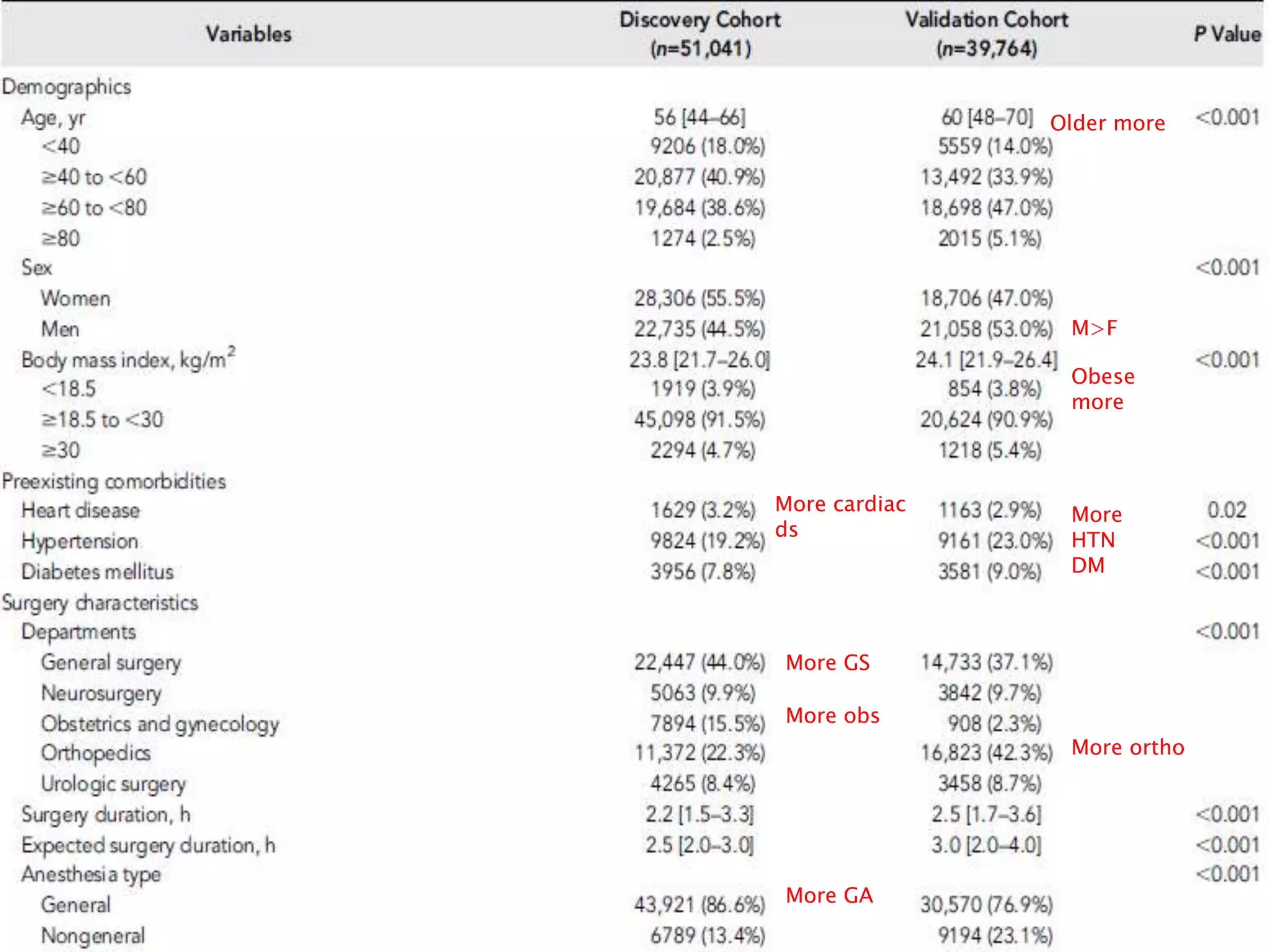
 The number of patients in the discovery cohort
◦ Low-stage AKI : 2132 (4.2%)
◦ Critical AKI : 605 (1.2%)
 Among the discovery cohort patients with critical
AKI,
◦ 511 (1.0%) : Had AKI stage >2
◦ 167 (0.3%) : Post-aki death
◦ 88 (0.2%) : Dialysis within 90 days.
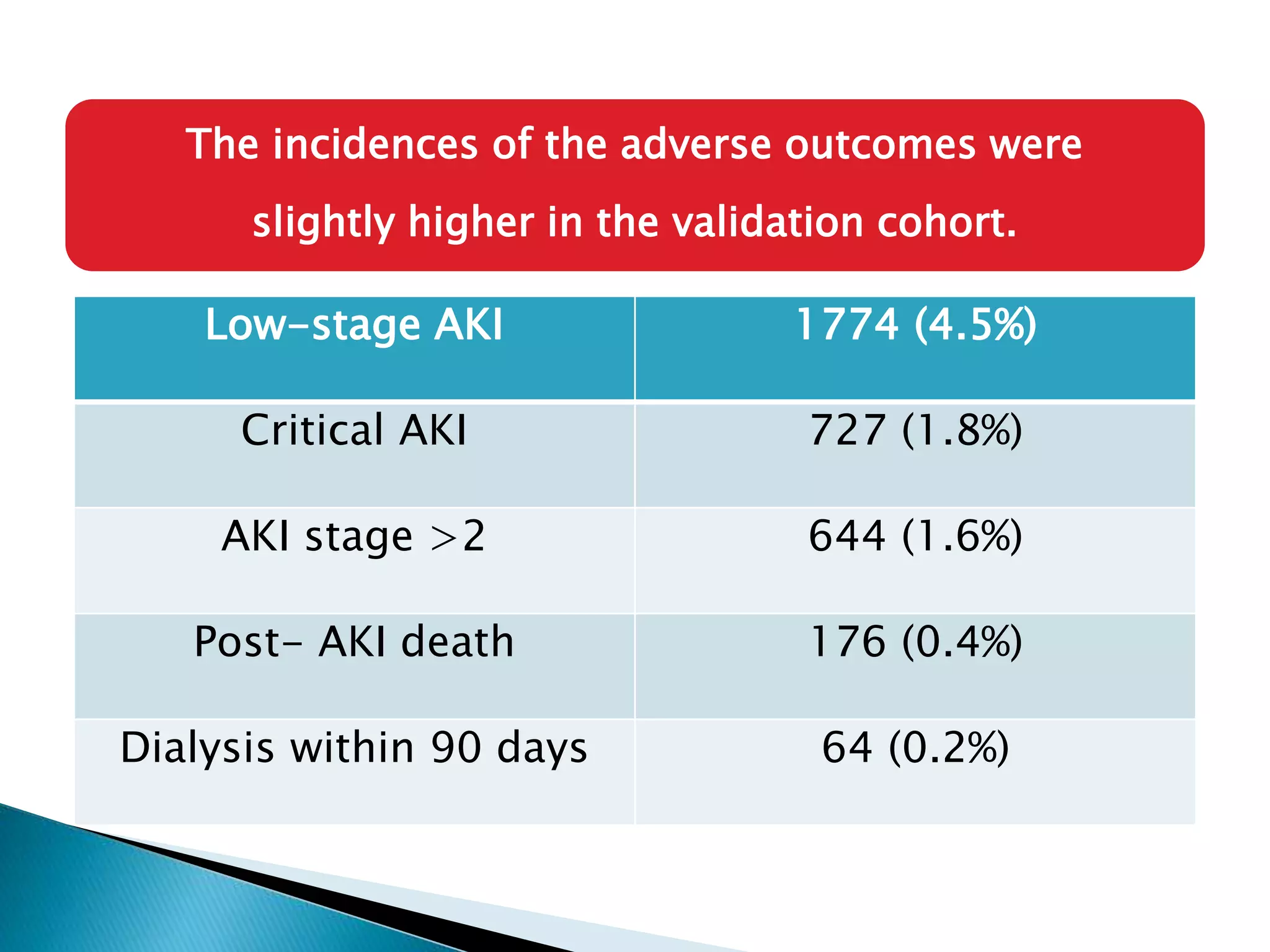
The incidences of the adverse outcomes were
slightly higher in the validation cohort.
Low-stage AKI 1774 (4.5%)
Critical AKI 727 (1.8%)
AKI stage >2 644 (1.6%)
Post- AKI death 176 (0.4%)
Dialysis within 90 days 64 (0.2%)
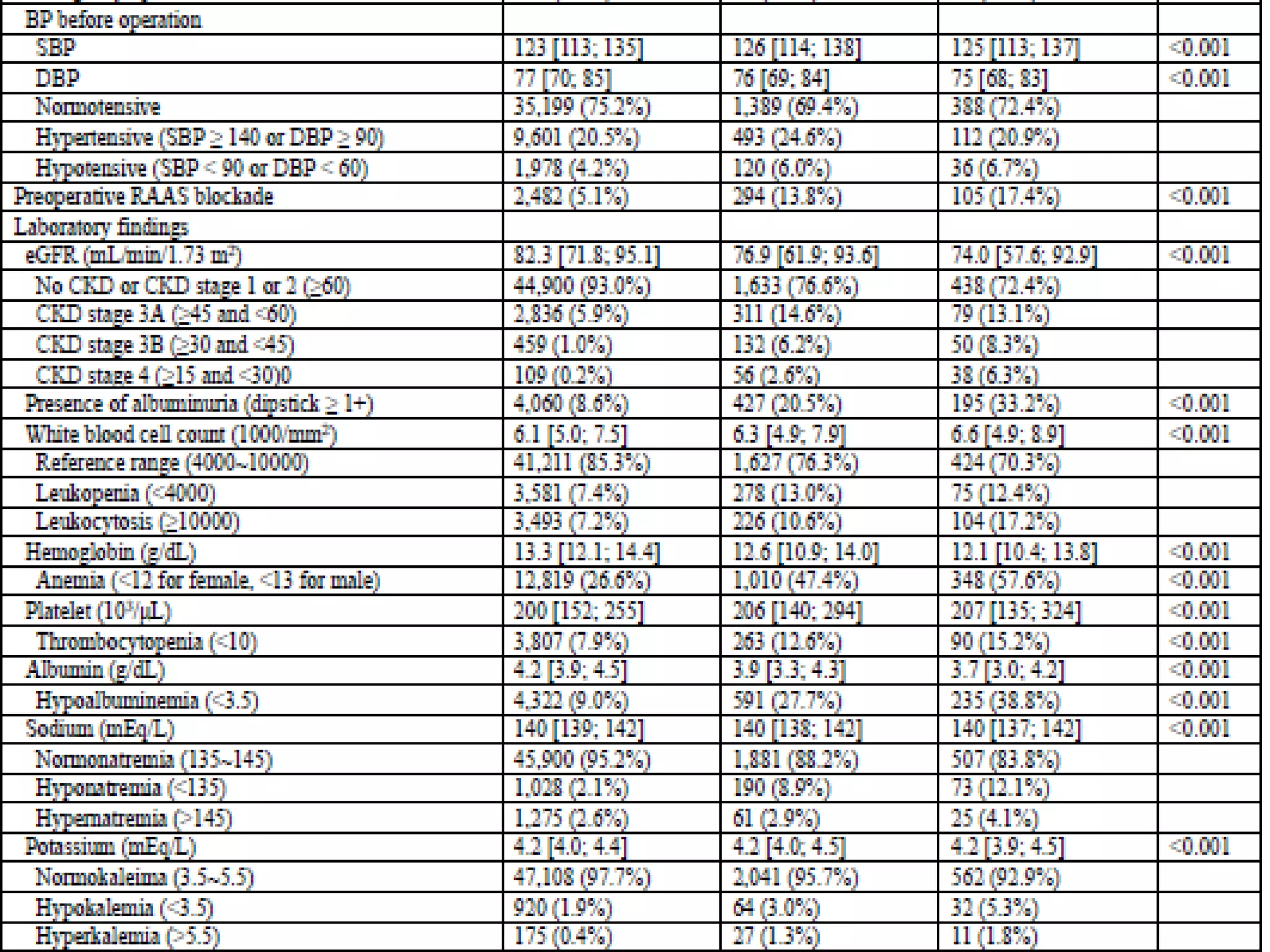
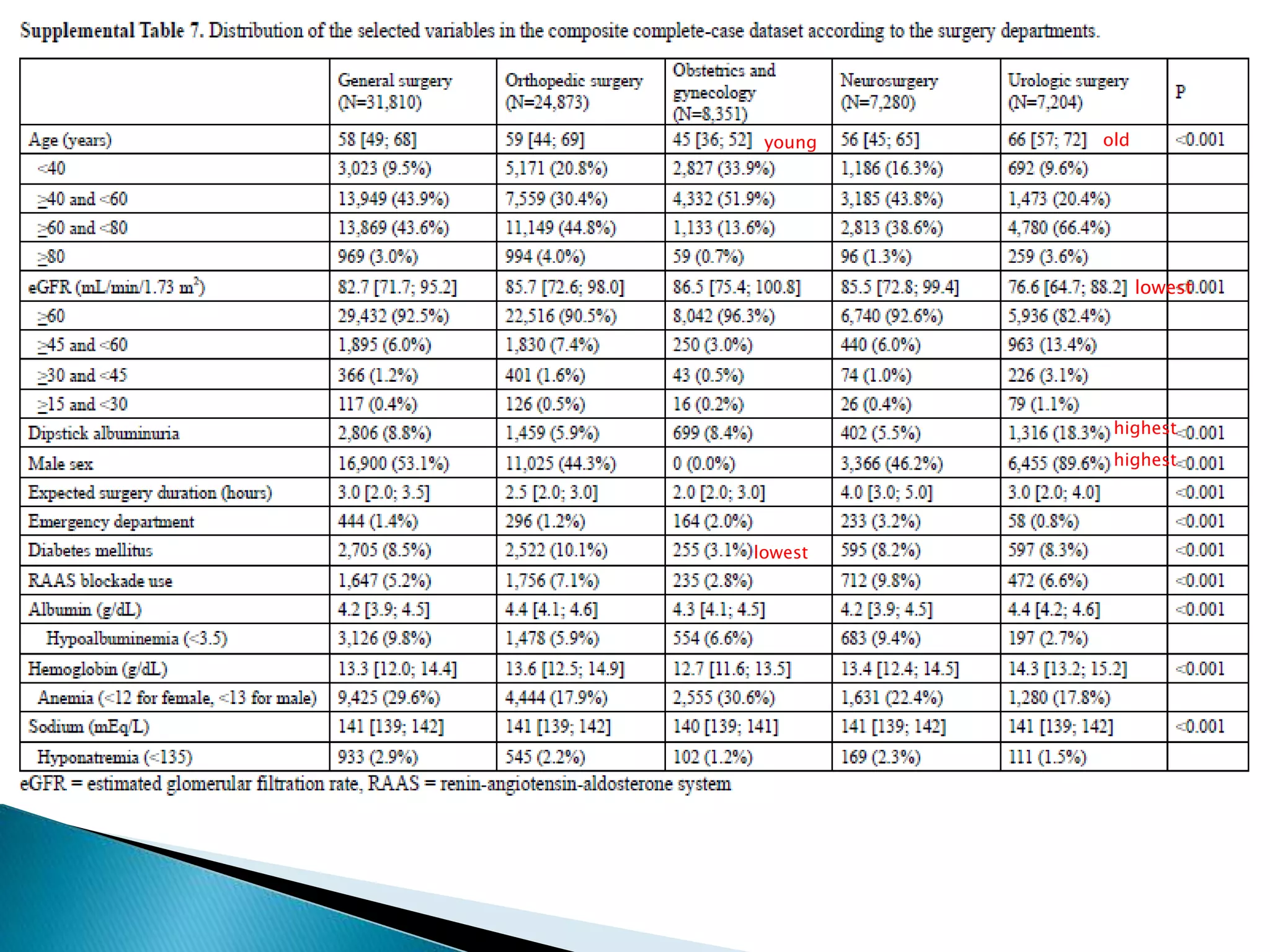
Older more
M>F
Obese
more
More
HTN
DM
More cardiac
ds
More ortho
More obs
More GS
More GA
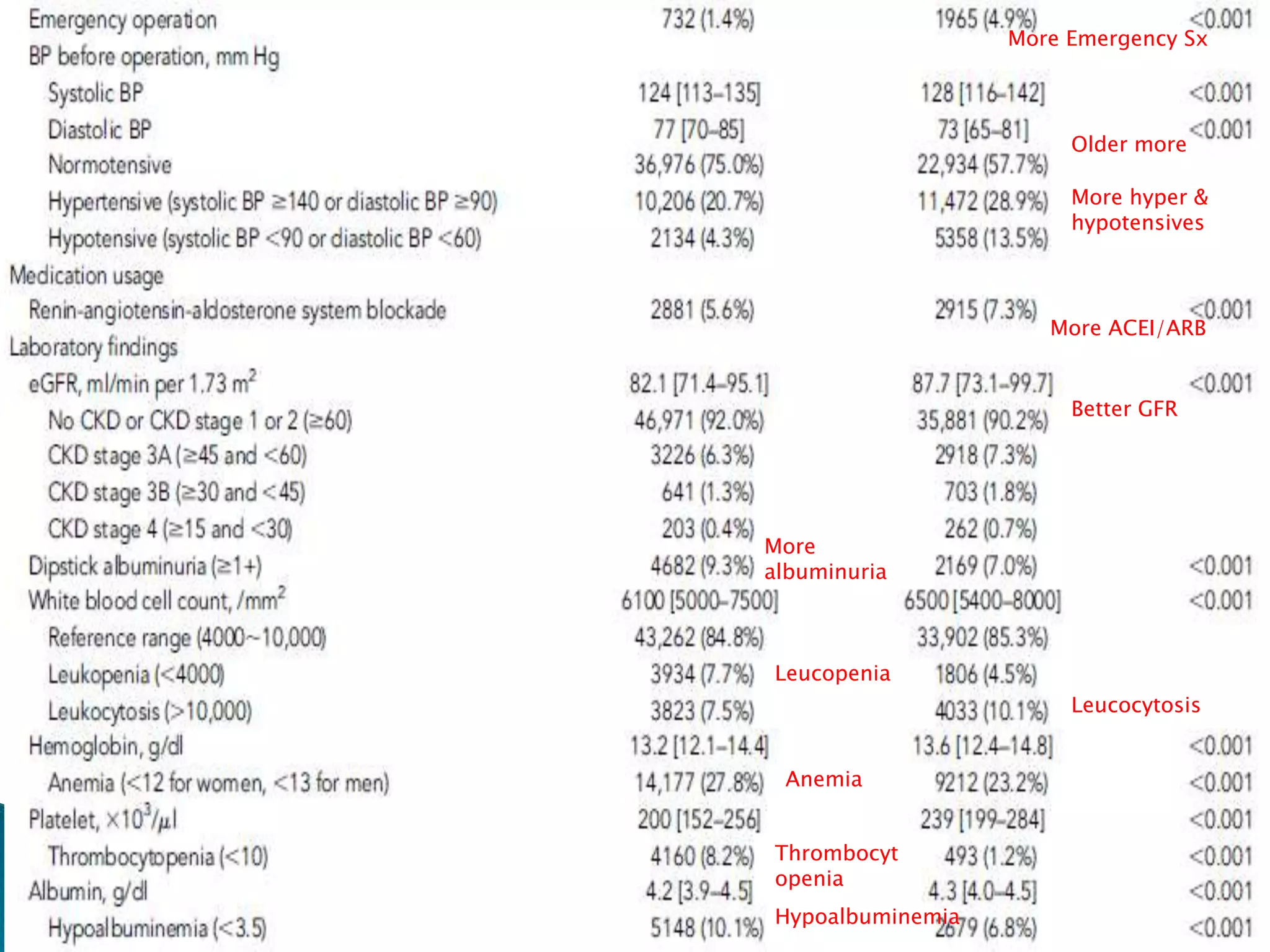
More Emergency Sx
More hyper &
hypotensives
More ACEI/ARB
Better GFR
More
albuminuria
Hypoalbuminemia
Leucopenia
Leucocytosis
Anemia
Thrombocyt
openia
Older more
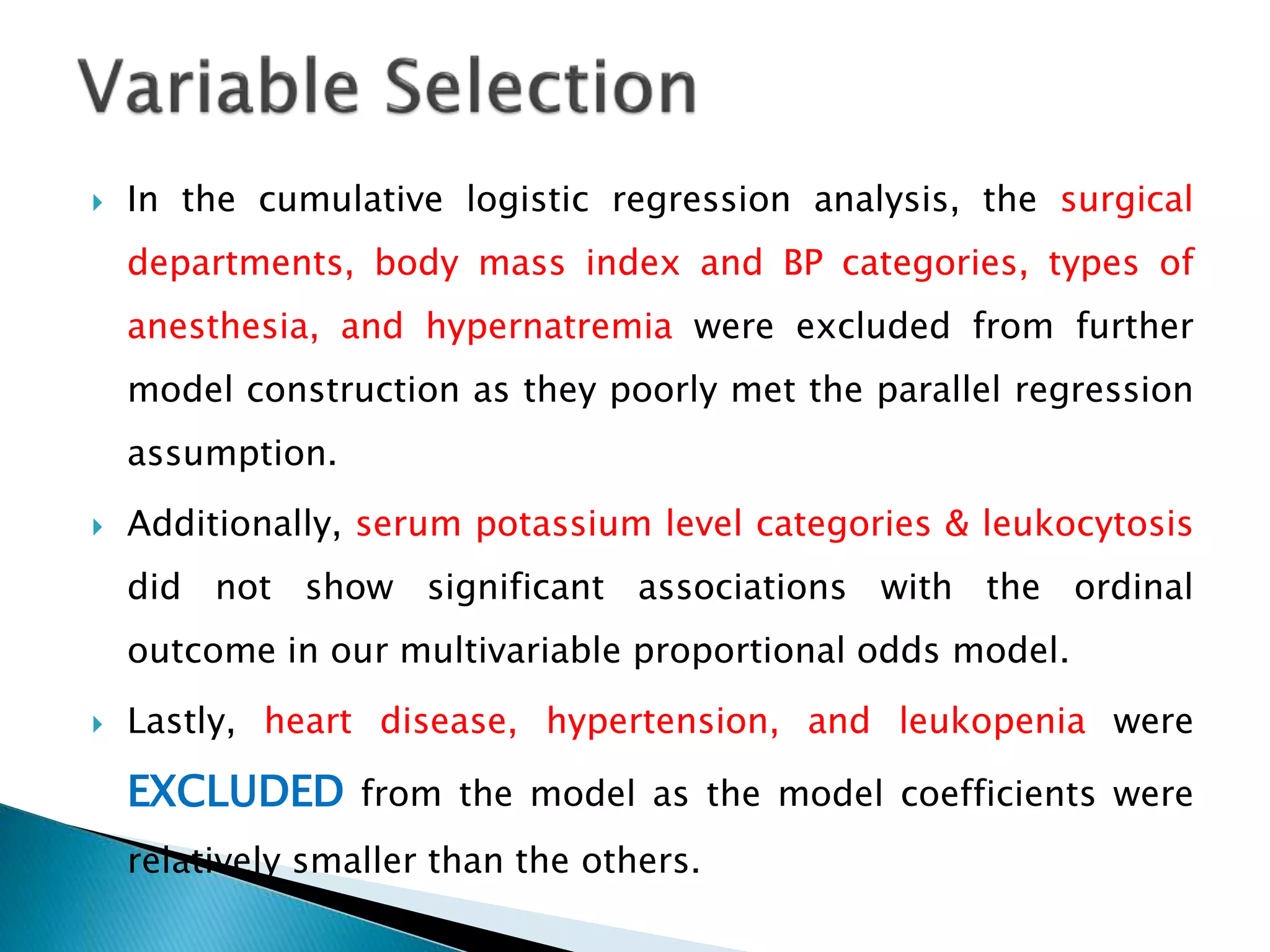
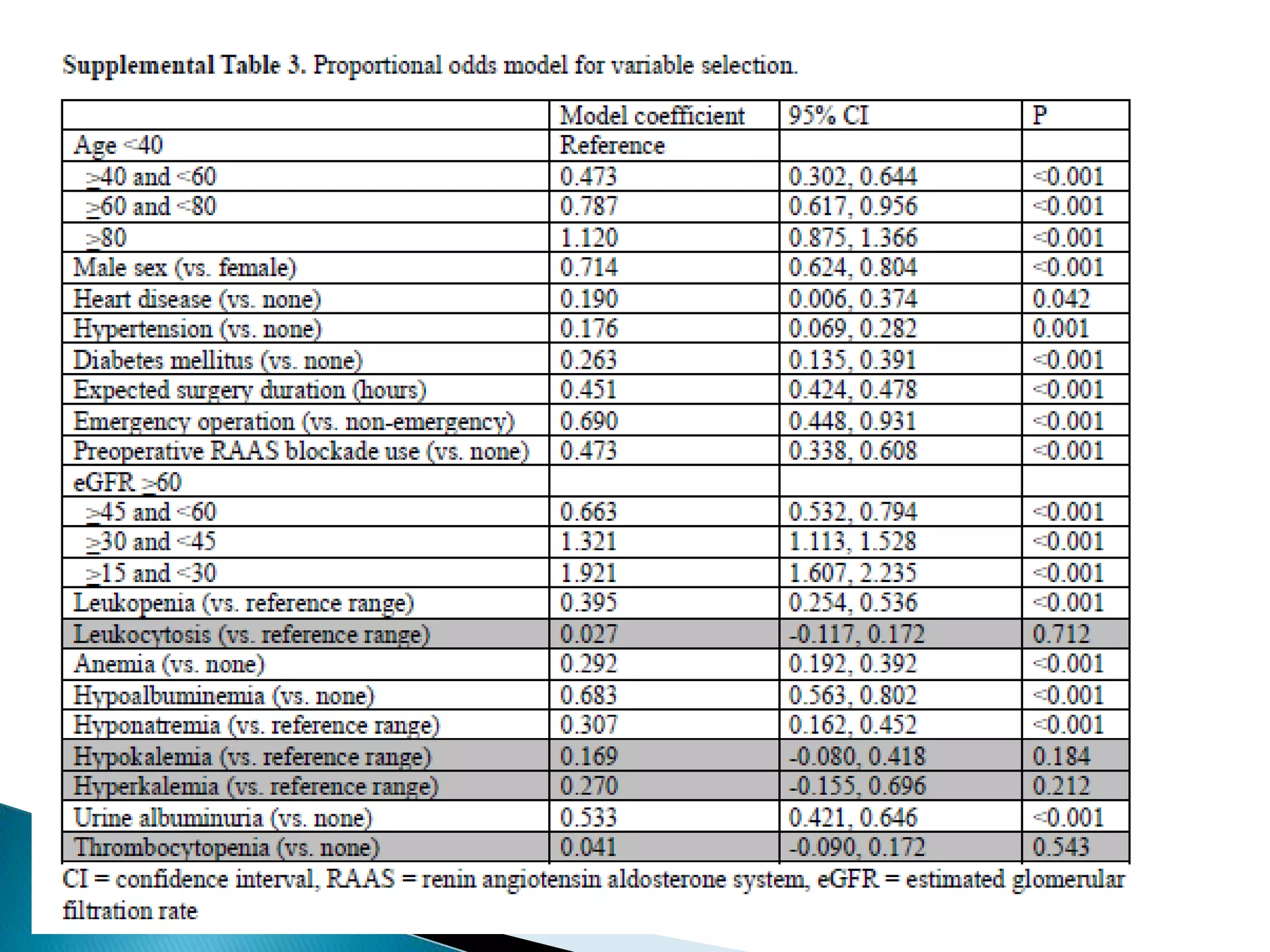
 In the cumulative logistic regression analysis, the surgical
departments, body mass index and BP categories, types of
anesthesia, and hypernatremia were excluded from further
model construction as they poorly met the parallel regression
assumption.
 Additionally, serum potassium level categories & leukocytosis
did not show significant associations with the ordinal
outcome in our multivariable proportional odds model.
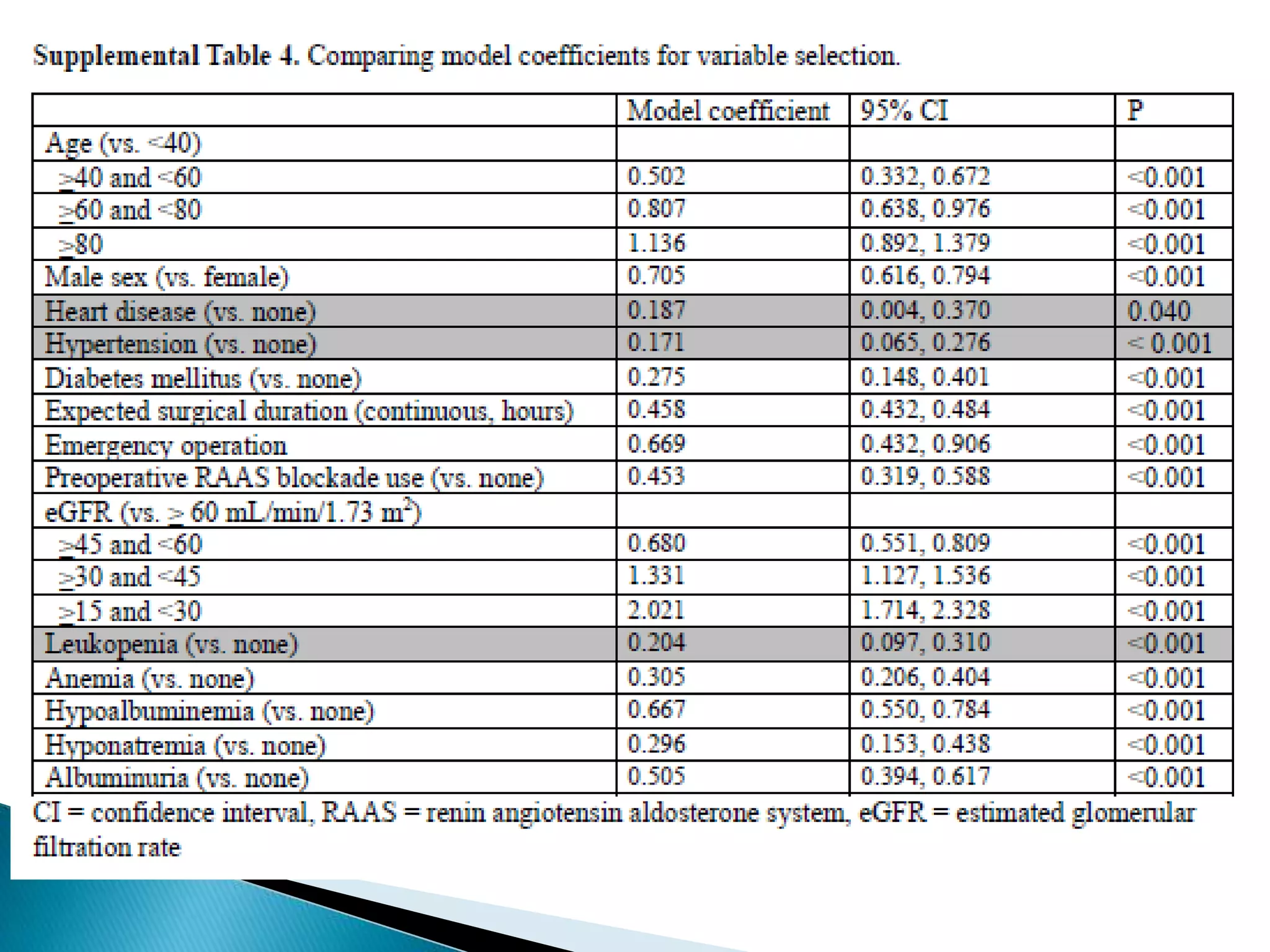
 Lastly, heart disease, hypertension, and leukopenia were
EXCLUDED from the model as the model coefficients were
relatively smaller than the others.
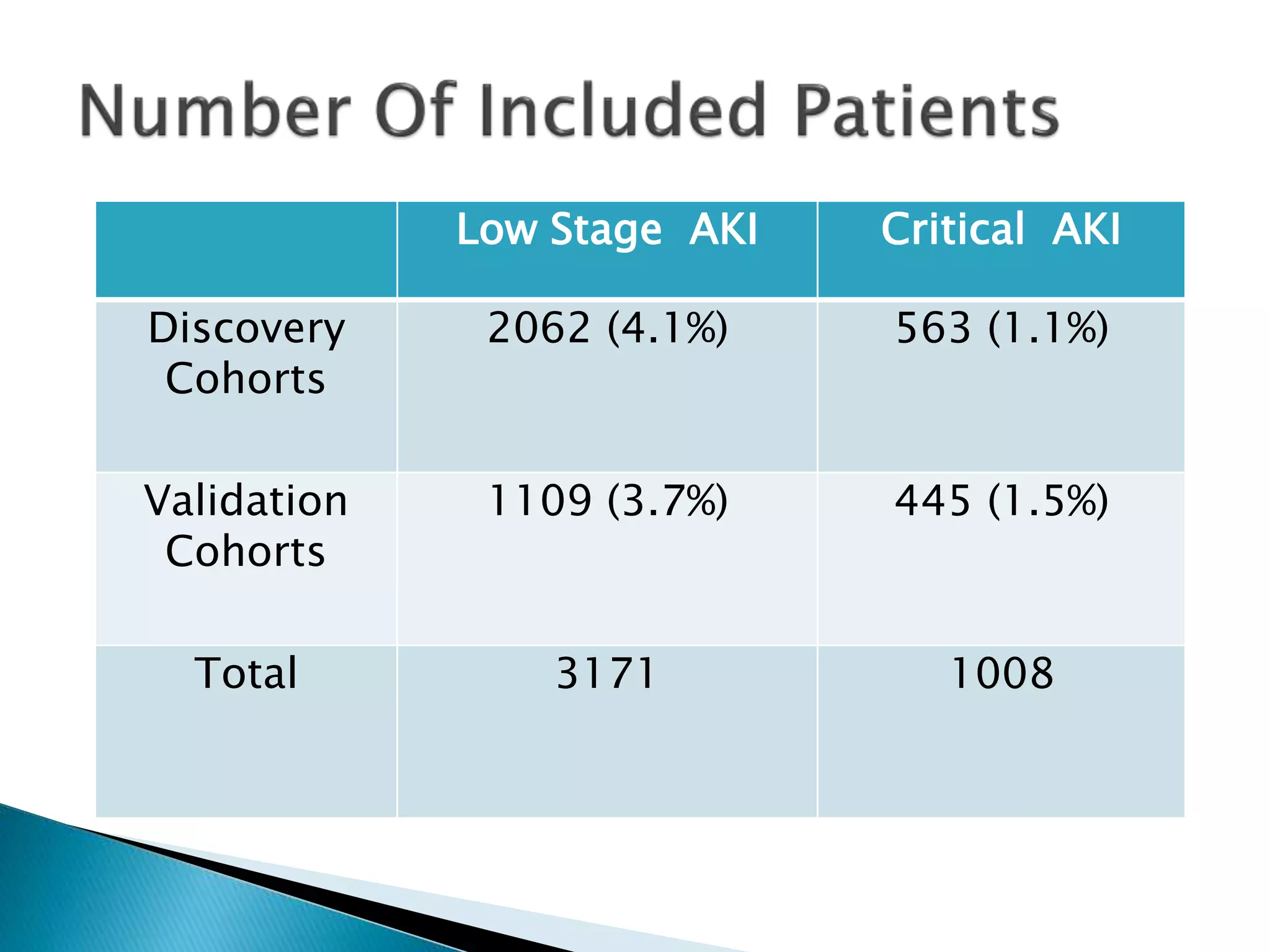
Low Stage AKI Critical AKI
Discovery
Cohorts
2062 (4.1%) 563 (1.1%)
Validation
Cohorts
1109 (3.7%) 445 (1.5%)
Total 3171 1008
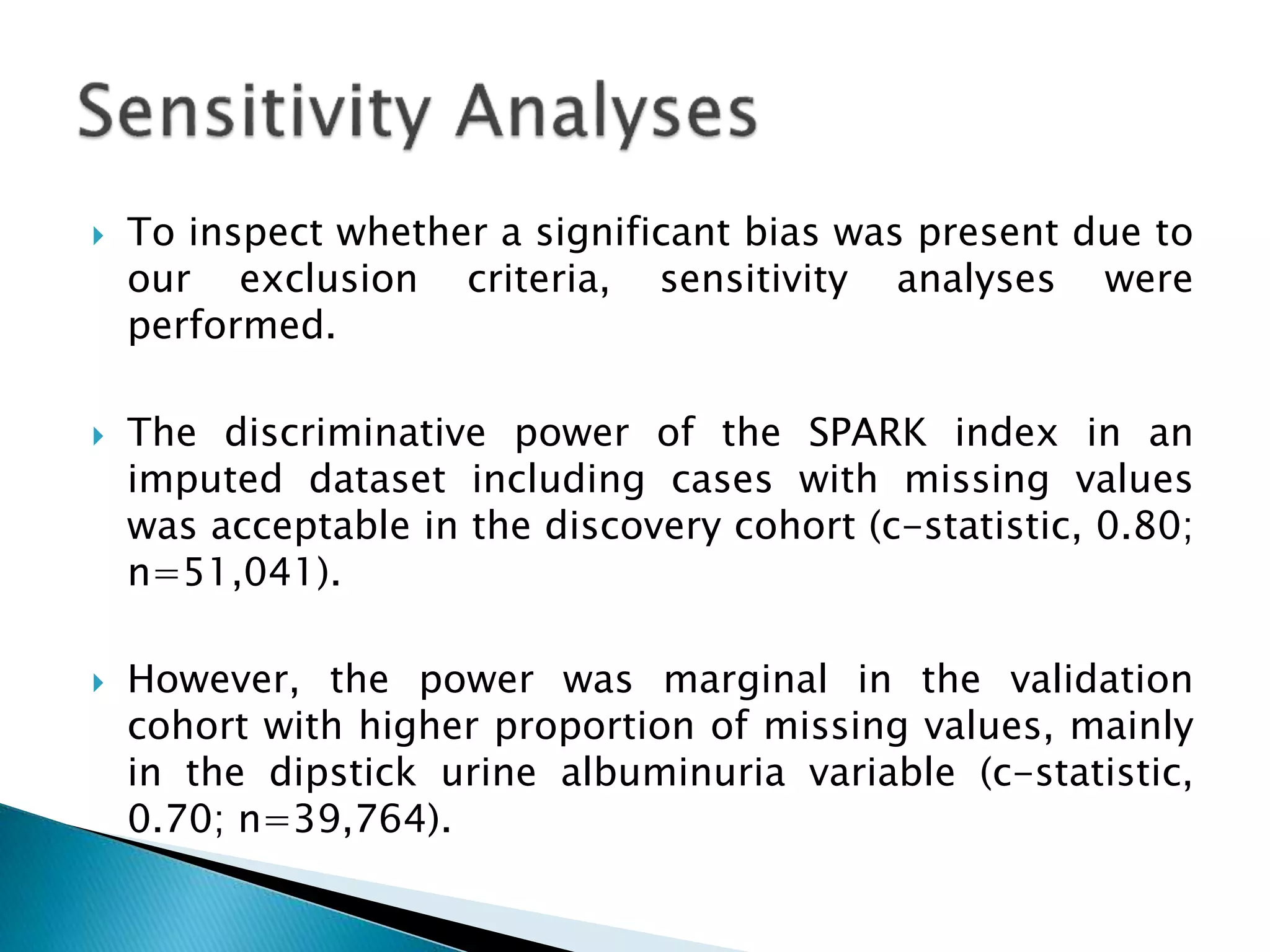
 To inspect whether a significant bias was present due to
our exclusion criteria, sensitivity analyses were
performed.
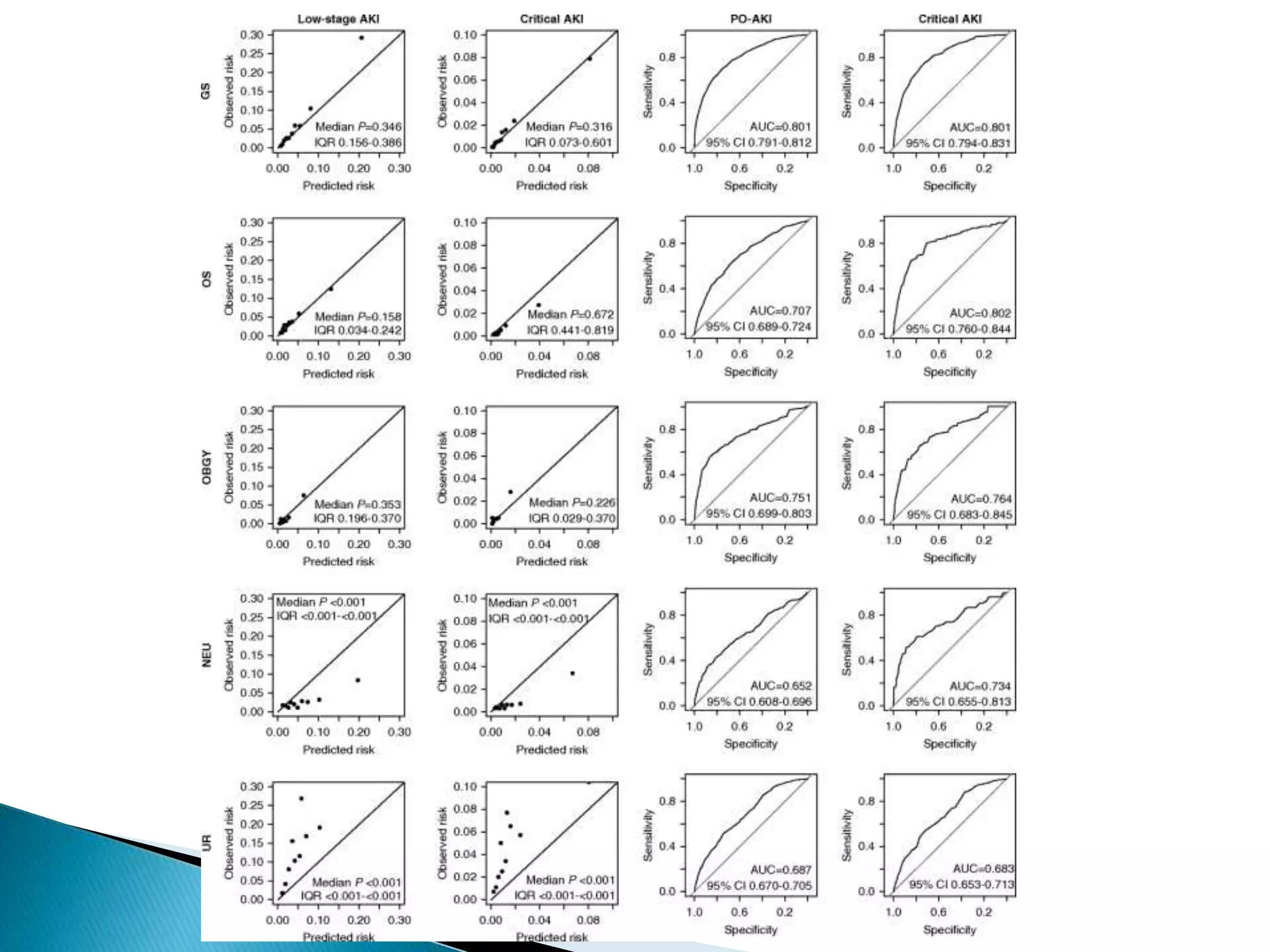
 The discriminative power of the SPARK index in an
imputed dataset including cases with missing values
was acceptable in the discovery cohort (c-statistic, 0.80;
n=51,041).
 However, the power was marginal in the validation
cohort with higher proportion of missing values, mainly
in the dipstick urine albuminuria variable (c-statistic,
0.70; n=39,764).
 Finally, exclusion of those who had any identifiable preoperative
creatinine elevation of >0.3 mg/dl or >1.5-fold from the
minimum value within 3 months before surgery regardless of the
intervals, was done, to control the potential bias from inclusion
of subacute or chronically progressive kidney injury before
operation.
 Even in the analysis, the discriminative power of the SPARK index
remained in the acceptable range (c-statistic, 0.79 in the
discovery cohort; n=48,124; and c-statistic, 0.71 in the
validation cohort; n=29,315).
young old
lowest
highest
highest
lowest
 It is a simple PO-AKI risk classification
system for noncardiac surgeries that could
be implemented in preoperative periods.
 The main strength of this study-
◦ Variables that could be easily collected during
preoperative evaluation.
◦ External validation.
 In exchange for the practicality, certain sacrifices
were made in terms of robustness during our
modifications.
 However, the overall predictability of the index was
acceptable considering that not all AKI risk could
be determined in the pre-operative period.
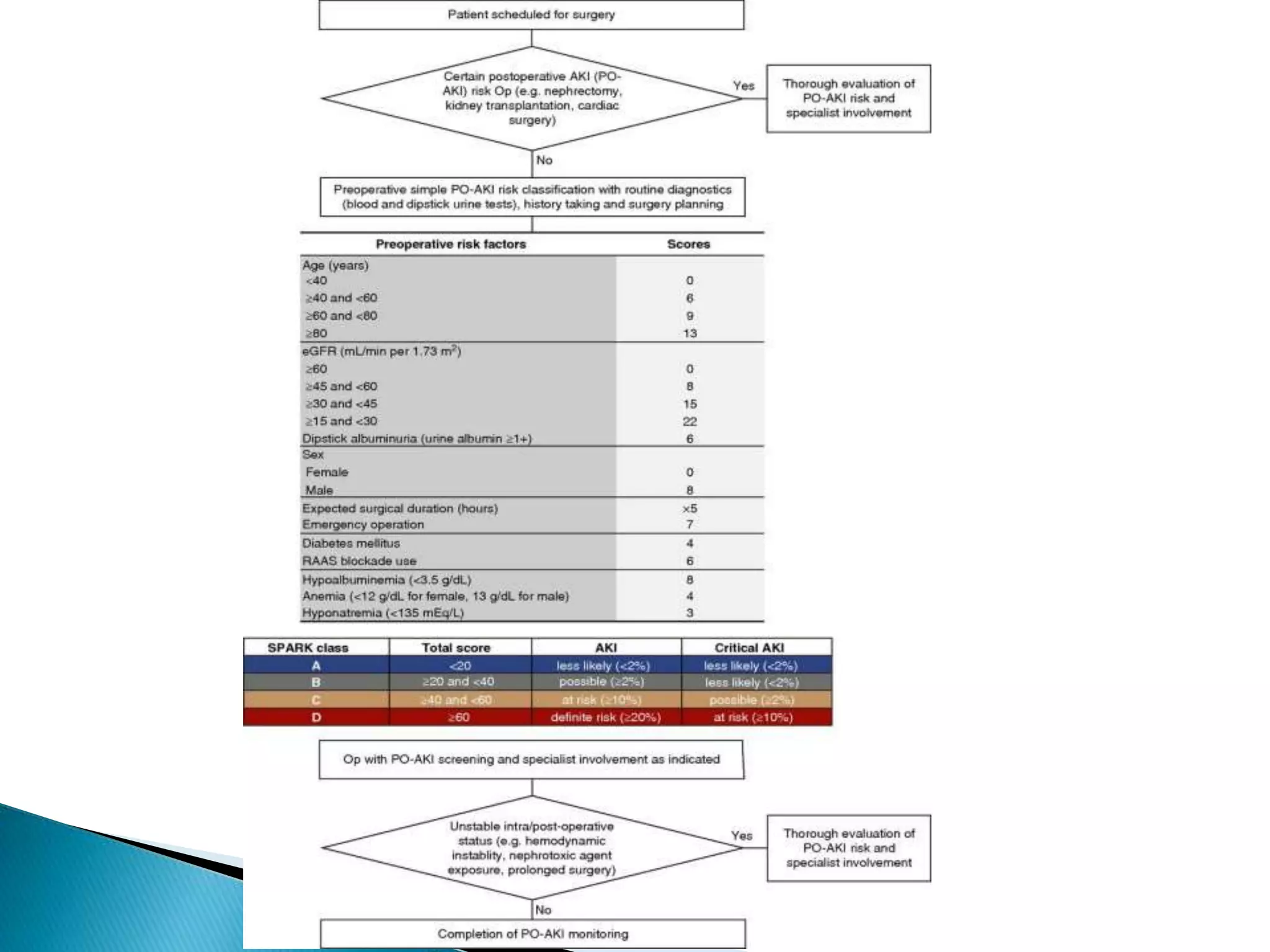
 Patients with a definite risk of PO-AKI (e.g., cardiac
surgery, nephrectomy) should always undergo
thorough preoperative evaluation and monitoring
of PO-AKI regardless of the risk index.
 Other patients could be calculated for their SPARK
index scores and classified.
 As class A patients had low risks of PO-AKI, they
may skip sCr follow-up in the postoperative period,
if the other aspects of their clinical course are
stable.
 However, for patients with class B–D, PO-AKI
monitoring may be considered because PO-AKI is
possible.
 This risk classification system does not include
intra- or postoperative instability.
 Therefore, those with additional nephrotoxic agent
exposure, longer surgical duration than expected,
or unstable medical status during surgery should
be considered for additional risks of PO-AKI.
Spark classification

Spark classification

  • 1.
    Moderator – DrDilip Bhalla Presentor – Dr Prem Mohan Jha
  • 2.
    Simple Postoperative AKIRisK (SPARK) Classification before Non-cardiac Surgery: A Prediction Index Development Study with External Validation.
  • 3.
    Published on January,2019, at www.jasn.org
  • 4.
     Sehoon Park,1,2Hyunjeong Cho,1,3 Seokwoo Park,1,2 Soojin Lee,2 Kwangsoo Kim,4 Hyung Jin Yoon,5 Jiwon Park,6 Yunhee Choi,6 Suehyun Lee,7 Ju Han Kim,8 Sejoong Kim,9 Ho Jun Chin,9,10,11 Dong Ki Kim,2,10,11 Kwon Wook Joo,2,10,11 Yon Su Kim,1,2,10,11 and Hajeong Lee2,10,11.  Department of Internal Medicine, Seoul National University Hospital, 101 Daehakro, Jongno-gu, Seoul 03080, Korea.
  • 5.
     Postoperative AKI(PO-AKI) is a critical condition in modern medicine.  Closely associated with increased risks of death and persistent renal failure.  There are no general therapeutic or preventive measures for PO-AKI, ◦ As the clinical cause varies according to the patient’s condition.  Individualized approaches may be beneficial.
  • 6.
     Aim OfStudy: ◦ To develop a practical, externally validated PO-AKI risk prediction index in noncardiac surgery, which can help clinicians decide when to monitor PO-AKI or involve additional medical resources.  Hypothesis: ◦ An externally validated simple risk index, which could be calculated in preoperative periods, could stratify the risks of AKI and AKI associated adverse patient-oriented outcomes.
  • 8.
     Retrospective, Observational,Cohort Study.  Performed in two government-designated, tertiary referral hospitals in Korea.  The discovery cohort included adult (age >18 years) patients who underwent operations at Seoul National University Hospital from 2004 to 2013.  The validation cohort included adults who underwent operations at Seoul National University Bundang Hospital from 2006 to 2015.
  • 9.
     Age >18years.  First operative cases during the study period in the following fields ◦ Orthopedic surgery ◦ Obstetrics & gynecology ◦ Neurosurgery ◦ Urologic surgery ◦ General surgery.
  • 10.
     Cardiac surgeries Surgeries for deceased patients (e.g., deceased donor transplantation),  Nephrectomy or kidney transplant recipients,  Minor procedural operations defined as surgery duration <1 hour.
  • 11.
     Patients whohad established or preoperative kidney dysfunction, defined as a history of RRT, preoperative serum creatinine (sCr) level >4 mg/dl, eGFR <15 ml/min per 1.73 m2, or baseline increment of sCr from the minimum value within 2 weeks before surgery for >0.3 mg/dl or >1.5 times, and  Patients without baseline or follow-up sCr levels to identify PO-AKI events.
  • 12.
     Information thatcould be collected or planned before surgery was included because preoperative risk classification was the purpose of the study.  To further enhance the practical applications of the study findings, categorization of most of continuous variables was done by commonly used ranges.
  • 15.
     A PO-AKIevent was defined according to the sCr criteria of the KDIGO guidelines. ◦ Using peak sCr level within 2 weeks after surgery.  An ordinal outcome was defined, for predictive model building that included the following three outcome categories: ◦ No AKI, ◦ Low-stage AKI, ◦ Critical AKI.
  • 16.
     The term“PO-AKI” included all AKI events regardless of AKI severity.  Critical AKI was defined by merging events of AKI stage >2 and AKI that consequently led to post-AKI death or dialysis within 90 days.
  • 17.
     As somepatients died or started RRT outside the study hospitals, review of national death database from Statistics Korea and the national dialysis registry maintained by the Korean Society of Nephrology was done and outcomes were identified.  The other patients who developed stage 1 PO-AKI but without critical AKI events were included in the low- stage AKI category of the ordinal outcome.
  • 18.
     First, variableselection process was performed in the discovery cohort.  A univariable cumulative logistic regression analysis with the binary outcome was performed to identify the variables that violated the parallel regression assumption.  Which was checked by inspecting the direction and size of the model coefficients.
  • 20.
     Next, amultivariable proportional odds model with the ordinal outcome was fitted and only variables shown to have an independent, statistically significant association with the ordinal outcome remained.  Lastly, the number of variables we reduced and the variables that had relatively low effect sizes were excluded.  After the above variable selection, further process was performed with the patients without any missing values in the selected variables.
  • 21.
     After checkingthe calibration of the simple model, we multiplied the coefficients to set the highest sum of the model coefficients in the discovery cohort as 100 and rounded each coefficient to an integer to produce the SPARK index.  Finally, to produce a comprehensive classification that could be easily interpreted in practice, cut-off values were identified in the discovery cohort to define four classes. ◦ A, B, C, D
  • 22.
     The cut-offvalue for class A/B was defined to suggest a threshold for PO-AKI screening with high sensitivity (90%).  The threshold for class B/C was to suggest a value with high specificity (90%) for PO-AKI.
  • 23.
     Lastly, withinpatients with a higher SPARK index than the cut-off values for B/C, we additionally determined cut-off values for class C/D, and a threshold value with high specificity (90%) for critical AKI was selected to define class D.  Considering practical issues, we rounded the threshold values up to the nearest 10.
  • 24.
    Sensitivity Analysis andOther Statistical Investigations
  • 26.
     The numberof patients in the discovery cohort ◦ Low-stage AKI : 2132 (4.2%) ◦ Critical AKI : 605 (1.2%)  Among the discovery cohort patients with critical AKI, ◦ 511 (1.0%) : Had AKI stage >2 ◦ 167 (0.3%) : Post-aki death ◦ 88 (0.2%) : Dialysis within 90 days.
  • 27.
    The incidences ofthe adverse outcomes were slightly higher in the validation cohort. Low-stage AKI 1774 (4.5%) Critical AKI 727 (1.8%) AKI stage >2 644 (1.6%) Post- AKI death 176 (0.4%) Dialysis within 90 days 64 (0.2%)
  • 28.
  • 29.
    More Emergency Sx Morehyper & hypotensives More ACEI/ARB Better GFR More albuminuria Hypoalbuminemia Leucopenia Leucocytosis Anemia Thrombocyt openia Older more
  • 30.
     In thecumulative logistic regression analysis, the surgical departments, body mass index and BP categories, types of anesthesia, and hypernatremia were excluded from further model construction as they poorly met the parallel regression assumption.  Additionally, serum potassium level categories & leukocytosis did not show significant associations with the ordinal outcome in our multivariable proportional odds model.  Lastly, heart disease, hypertension, and leukopenia were EXCLUDED from the model as the model coefficients were relatively smaller than the others.
  • 34.
    Low Stage AKICritical AKI Discovery Cohorts 2062 (4.1%) 563 (1.1%) Validation Cohorts 1109 (3.7%) 445 (1.5%) Total 3171 1008
  • 37.
     To inspectwhether a significant bias was present due to our exclusion criteria, sensitivity analyses were performed.  The discriminative power of the SPARK index in an imputed dataset including cases with missing values was acceptable in the discovery cohort (c-statistic, 0.80; n=51,041).  However, the power was marginal in the validation cohort with higher proportion of missing values, mainly in the dipstick urine albuminuria variable (c-statistic, 0.70; n=39,764).
  • 39.
     Finally, exclusionof those who had any identifiable preoperative creatinine elevation of >0.3 mg/dl or >1.5-fold from the minimum value within 3 months before surgery regardless of the intervals, was done, to control the potential bias from inclusion of subacute or chronically progressive kidney injury before operation.  Even in the analysis, the discriminative power of the SPARK index remained in the acceptable range (c-statistic, 0.79 in the discovery cohort; n=48,124; and c-statistic, 0.71 in the validation cohort; n=29,315).
  • 41.
  • 44.
     It isa simple PO-AKI risk classification system for noncardiac surgeries that could be implemented in preoperative periods.  The main strength of this study- ◦ Variables that could be easily collected during preoperative evaluation. ◦ External validation.
  • 45.
     In exchangefor the practicality, certain sacrifices were made in terms of robustness during our modifications.  However, the overall predictability of the index was acceptable considering that not all AKI risk could be determined in the pre-operative period.
  • 46.
     Patients witha definite risk of PO-AKI (e.g., cardiac surgery, nephrectomy) should always undergo thorough preoperative evaluation and monitoring of PO-AKI regardless of the risk index.  Other patients could be calculated for their SPARK index scores and classified.
  • 47.
     As classA patients had low risks of PO-AKI, they may skip sCr follow-up in the postoperative period, if the other aspects of their clinical course are stable.  However, for patients with class B–D, PO-AKI monitoring may be considered because PO-AKI is possible.
  • 48.
     This riskclassification system does not include intra- or postoperative instability.  Therefore, those with additional nephrotoxic agent exposure, longer surgical duration than expected, or unstable medical status during surgery should be considered for additional risks of PO-AKI.