SOUND AND
MUSIC
KGV Media
MISE-EN-SCENE

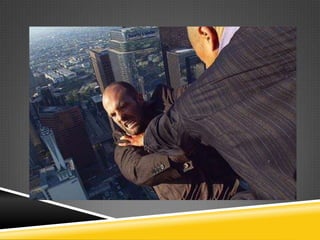
In the same way the camera
 angles and audience
 positioning are used for a
 particular effect, so too is
 sound.
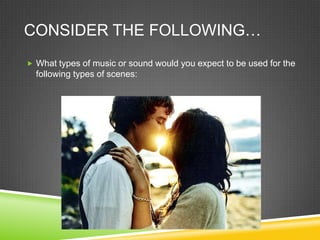
CONSIDER THE FOLLOWING…
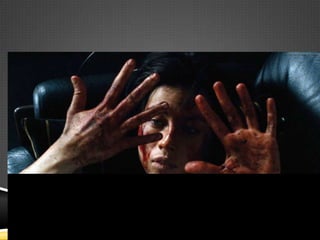
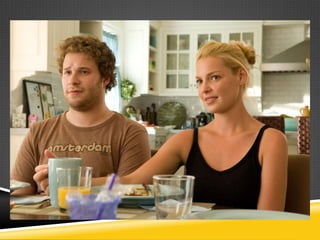
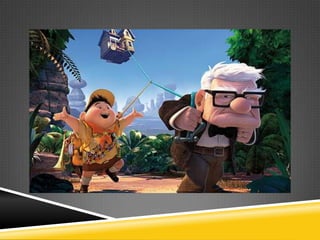
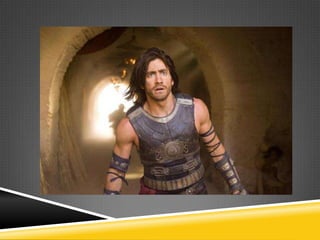
 What types of music or sound would you expect to be used for the
  following types of scenes:
AMBIENT SOUND
 The sounds of everything going on around the person who is
  speaking.

 For example, the sound of waves and wind on a beach scene.


 It’s common when filming to record a couple of minutes of ‘room
  tone’ in each location. This can then be used to cover transitions
  and create a realistic background sound.
SYNCHRONISED SOUND
 We are looking at the thing making the sound


 The words are spoken to match the lip movements of the speaker


 Often used in music videos or musical programs.


 Non-synchronised sound is when we are NOT looking at the thing
  we’re listening to.
VOICE-OVER SOUND
 Sound that is dubbed onto any picture sequences.
 Documentaries and advertisements often use a lot of voice-over.
DIEGETIC AND NON-DIEGETIC SOUND

 Diegetic sound – this is sound that ‘belongs’ to the world of the
  film. If someone hits someone, we hear the sound of the punch.
  People’s voices, cars starting, birds etc.
 Non-diegetic sound – this is non-realistic sound. The most
  common example is the musical soundtrack. We don’t have a
  soundtrack in real life (if you do, you need help!)
SOUND EFFECTS
 Usually added to the soundtrack at the dubbing stage. Sound
  effects can be sub-divided into two types:
    Sounds to match actions of events on the screen (for example a door
     slamming, or glass breaking)
    Sounds that are about a scene but do not match anything actually shown (for
     example the sound of birds singing might accompany a scene in the
     countryside)
    FOLEY SOUND is artificially created sound effects.
MUSIC
 Music is the final sound added to film/television shows in post-
  production.
 Music is used to make the audience feel certain emotions as they
  watch the action on screen.
 In high-budget film or television productions, specially composed
  music will be commissioned for the soundtrack.
 When we start to edit a piece of film, it’s often useful to have a
  piece of music to work with, even if it’s not the one we’ll eventually
  use. This is called a TEMP TRACK.
SOUND BRIDGE
 Sound is used to introduce or link scenes and shots. So, the
  sound continues the same even if the shot or scene changes.
 Note, also – we usually hear the sound of things before the image
  fades in.
Listen to the sound in this clip.
Can you explain, using media
terminology, what is going on
with the sound?

Clip
PLENARY

How do sound effects and
 music work to enhance scenes
 within a film?
 Can specific genres be said to
 have conventional sound
 effects/music?

Sound and music

  • 1.
  • 2.
    MISE-EN-SCENE In the sameway the camera angles and audience positioning are used for a particular effect, so too is sound.
  • 3.
    CONSIDER THE FOLLOWING… What types of music or sound would you expect to be used for the following types of scenes:
  • 9.
    AMBIENT SOUND  Thesounds of everything going on around the person who is speaking.  For example, the sound of waves and wind on a beach scene.  It’s common when filming to record a couple of minutes of ‘room tone’ in each location. This can then be used to cover transitions and create a realistic background sound.
  • 10.
    SYNCHRONISED SOUND  Weare looking at the thing making the sound  The words are spoken to match the lip movements of the speaker  Often used in music videos or musical programs.  Non-synchronised sound is when we are NOT looking at the thing we’re listening to.
  • 11.
    VOICE-OVER SOUND  Soundthat is dubbed onto any picture sequences.  Documentaries and advertisements often use a lot of voice-over.
  • 12.
    DIEGETIC AND NON-DIEGETICSOUND  Diegetic sound – this is sound that ‘belongs’ to the world of the film. If someone hits someone, we hear the sound of the punch. People’s voices, cars starting, birds etc.  Non-diegetic sound – this is non-realistic sound. The most common example is the musical soundtrack. We don’t have a soundtrack in real life (if you do, you need help!)
  • 13.
    SOUND EFFECTS  Usuallyadded to the soundtrack at the dubbing stage. Sound effects can be sub-divided into two types:  Sounds to match actions of events on the screen (for example a door slamming, or glass breaking)  Sounds that are about a scene but do not match anything actually shown (for example the sound of birds singing might accompany a scene in the countryside)  FOLEY SOUND is artificially created sound effects.
  • 14.
    MUSIC  Music isthe final sound added to film/television shows in post- production.  Music is used to make the audience feel certain emotions as they watch the action on screen.  In high-budget film or television productions, specially composed music will be commissioned for the soundtrack.  When we start to edit a piece of film, it’s often useful to have a piece of music to work with, even if it’s not the one we’ll eventually use. This is called a TEMP TRACK.
  • 15.
    SOUND BRIDGE  Soundis used to introduce or link scenes and shots. So, the sound continues the same even if the shot or scene changes.  Note, also – we usually hear the sound of things before the image fades in.
  • 16.
    Listen to thesound in this clip. Can you explain, using media terminology, what is going on with the sound? Clip
  • 17.
    PLENARY How do soundeffects and music work to enhance scenes within a film?  Can specific genres be said to have conventional sound effects/music?