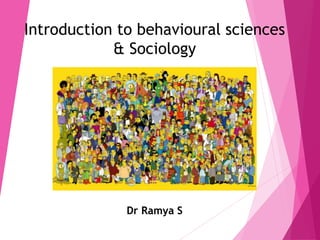
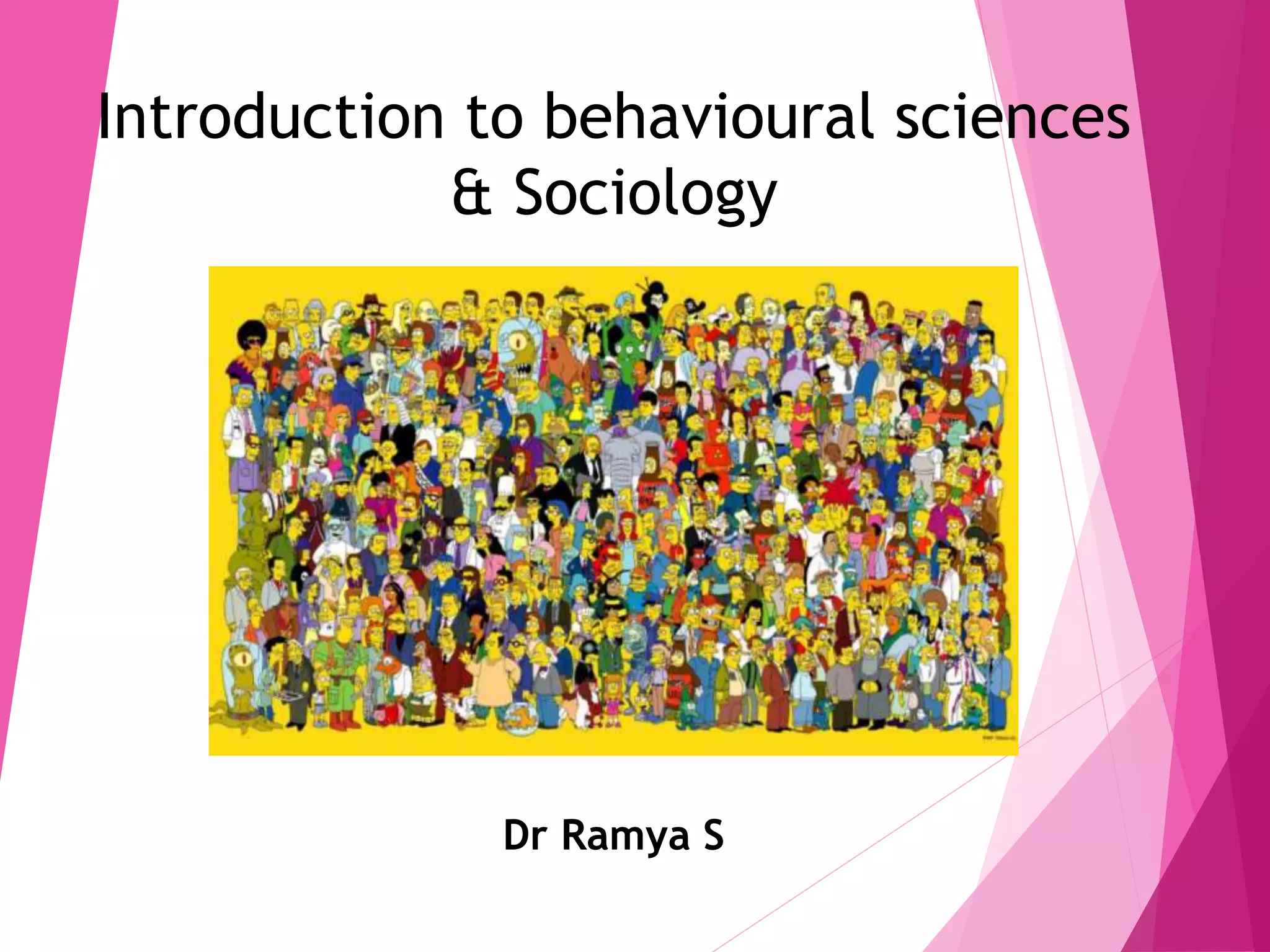
Introduction to behavioural sciences
& Sociology
Dr Ramya S
Main areas….
There are three main areas you need to consider:
 Social structures (the family, education, social
stratification)
 Social systems (culture and identity, agents of social
control)
 Social issues (causes of crime, impact of
unemployment)
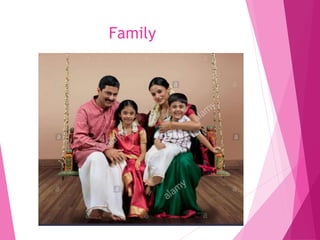
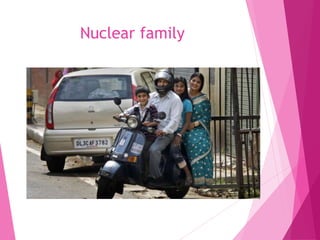
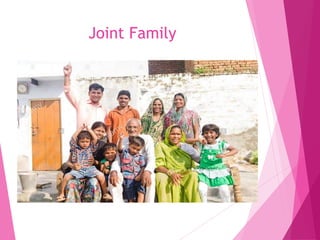
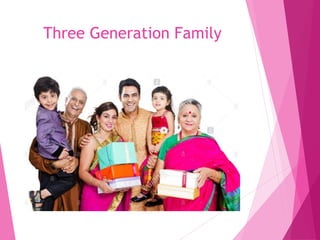
1. Why do people behave as they do?
2. Why do people react differently to same
situations?
3. What are the social factors influencing
various social problems?
4. What are the various social ties, social
networks and social organizations?
Social sciences
Scientific examination of human behavior
1. Sociology
2. Social psychology
3. Social anthropology
4. Economics
5. Political sciences
Sociology
 Socio-society (Latin); logos-science (Greek)
 Study of human relationships and of human
behaviour for a better understanding of the
pattern of human life
Social Psychology
 Science of behavior of individual in
society (group, crowd, mob, audience
and social situations)
 Attitudes of individuals towards
cultural and social values.
Society
 “Group of individuals drawn together by a
common bond of nearness and who act
together in general for the achievement
of certain common goals”
 Groups comprise social organization
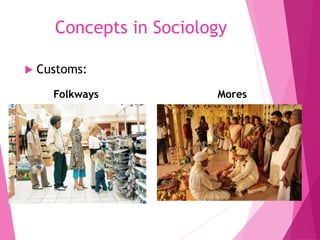
Concepts in Sociology
 Customs:
Folkways Mores
Social groups
1. Family
2. Religion and caste
3. Temporary social groups
4. Permanent social groups
1. The Family
 The family is the basic unit in all
societies.
 Most powerful example of social
cohesion
FAMILY
Group of biologically related individuals living
together and eating from a common kitchen
Types of family
1. Nuclear family
2. Joint family
3. Three generation family
4. Broken family
5. Problem family
Family
Nuclear family
Joint Family
Three Generation Family
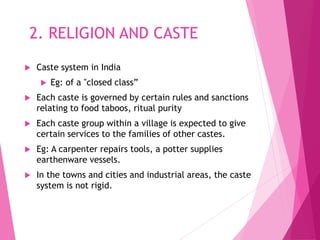
2. RELIGION AND CASTE
 Caste system in India
 Eg: of a "closed class”
 Each caste is governed by certain rules and sanctions
relating to food taboos, ritual purity
 Each caste group within a village is expected to give
certain services to the families of other castes.
 Eg: A carpenter repairs tools, a potter supplies
earthenware vessels.
 In the towns and cities and industrial areas, the caste
system is not rigid.
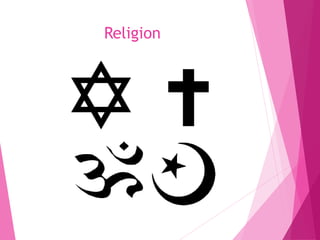
Religion
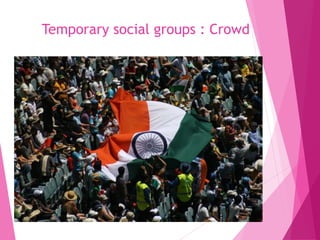
Temporary social groups : Crowd
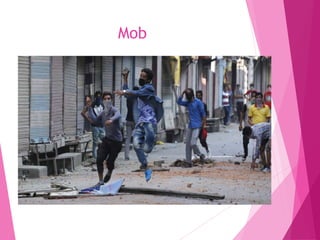
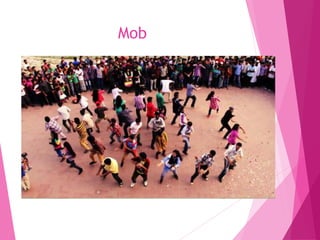
Mob
Mob
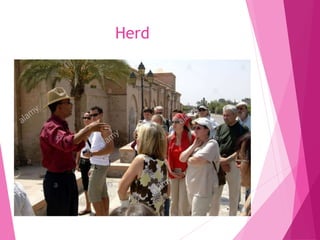
Herd
3. Temporary Social Groups
A) Crowd
 When a group of people come together temporarily, for
a short period, motivated by a common interest or
curiosity
 E.g. to witness a football match
 Lacks internal organization and leadership.
 When the interest is over the crowd disperses.
3.Temporary Social Groups
(B) Mob
 The mob is a crowd, but has a leader who forces the
members into action.
 There may be a symbol in the shape of a flag or slogan.
 The mob is more emotional than a crowd.
 Like the crowd, it is unstable and without internal
organization.
 When the purpose of the mob is achieved, the group
disperses.
3.Temporary Social Groups
(C) Herd
 This is also a crowd with a leader.
 Members have to follow the orders of the
leader without question
 Eg: Tourist group under a guide
Permanent spatial groups: Band
Village
Karaikal Town
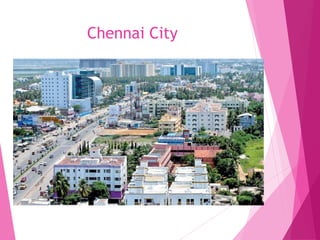
Chennai City
The State
 An ecological social group based on territory.
 More stabilized and formalised.
 Heterogeneous in nature.
 The Indian Union is a large State.
4. Permanent Spatial Groups
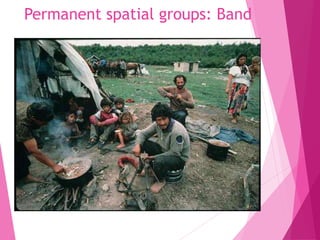
(a) The Band
 Most elementary community
 Few families living together
 Group has organized itself and follows a
pattern of Iife
 E.g: gypsies in India
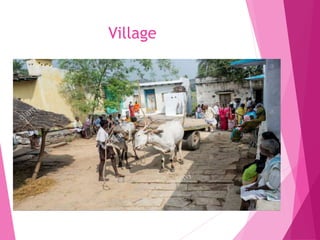
(b) The Village
 “Small collection of people permanently
settled down in a locality with their homes and
cultural equipments”
 Basic unit in India: Population ~ 550
 “Little republics having nearly everything they
want within themselves”
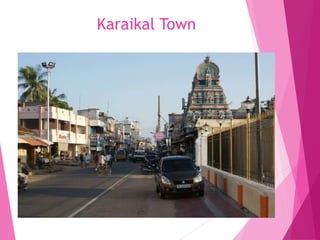
(c)The Towns and Cities
 A relatively large, dense and permanent
settlement of socially heterogeneous
individuals.
 India- 5,545 towns and cities.
 Population > 1,00,000: City
(d) The State
 An ecological social group based on territory.
 More stabilized and formalised.
 Heterogeneous in nature.
 The Indian Union is a large State.
(E) Government And Political
Organization
 An association of which law is the institutional
activity
 Supreme agent authorised to regulate the social life
in the interests of the public
 To understand the organization of medical services
in any country, it is essential to know its social and
administrative organization.
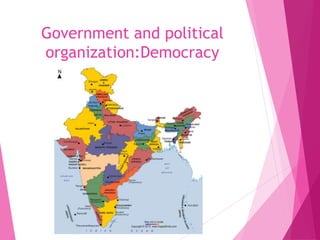
Government and political
organization:Democracy
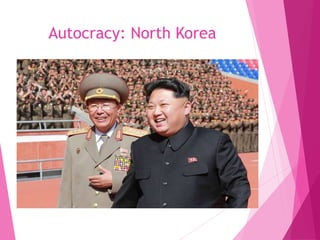
Autocracy: North Korea
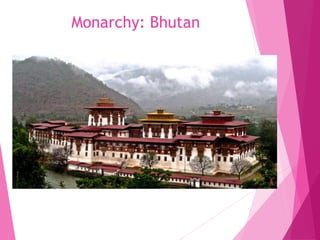
Monarchy: Bhutan
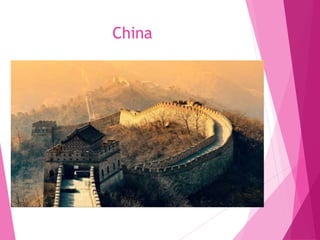
China
Types of government
(1) Democracy
 This is government of the people, by the
people and for the people.
 Eg: India and USA
Types of government
(2) Autocracy
 The ruler is absolute in his power
 Eg: Jordan and Ethiopia
Types of government
3) Monarchy
 The head of the State is a monarch .
 UK, Nepal.
Types of government
(4) Socialism
 The production and wealth are
owned and controlled by the State.
 Ex: China, Poland.
Types of government
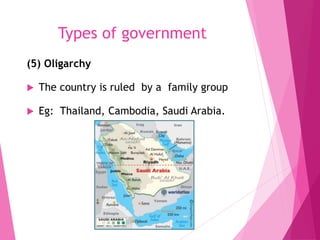
(5) Oligarchy
 The country is ruled by a family group
 Eg: Thailand, Cambodia, Saudi Arabia.
Family types
1. Nuclear family
2. Joint family
3. Three generation
4. Broken family
5. Problem family
Family life cycle
Formation Extension
Complete
extension
Contraction
Completed
contraction
Dissolution
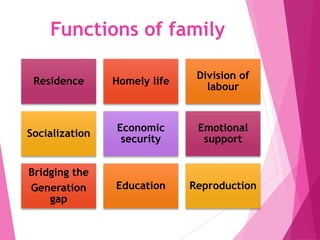
Functions of family
Residence Homely life
Division of
labour
Socialization
Economic
security
Emotional
support
Bridging the
Generation
gap
Education Reproduction
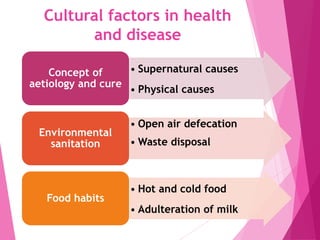
Cultural factors in health
and disease
• Supernatural causes
• Physical causes
Concept of
aetiology and cure
• Open air defecation
• Waste disposal
Environmental
sanitation
• Hot and cold food
• Adulteration of milk
Food habits
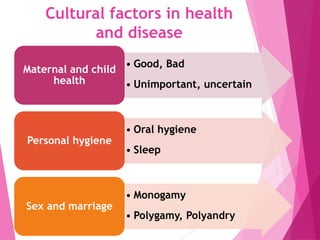
Cultural factors in health
and disease
• Good, Bad
• Unimportant, uncertain
Maternal and child
health
• Oral hygiene
• Sleep
Personal hygiene
• Monogamy
• Polygamy, Polyandry
Sex and marriage
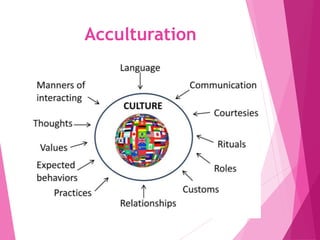
Acculturation
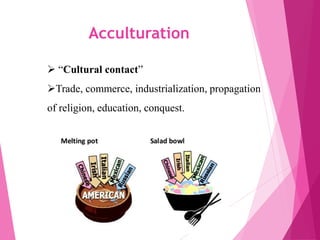
Acculturation
 “Cultural contact”
Trade, commerce, industrialization, propagation
of religion, education, conquest.
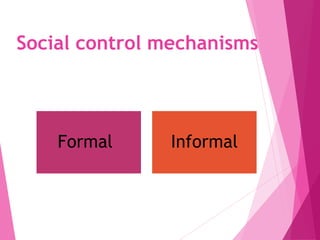
Social control mechanisms
Formal Informal
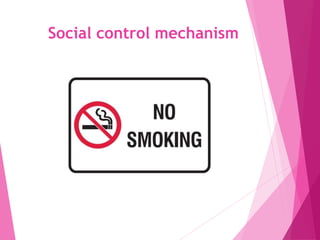
Social control mechanism
Social defence
 The Juvenile Justice Act, 2001
 The Child Labour Act,1986
 The Immoral Traffic Act,1956
 The Dowry Prohibition Act,1961
 The Narcotic Drugs And Psychotropic Substances
Act,1985
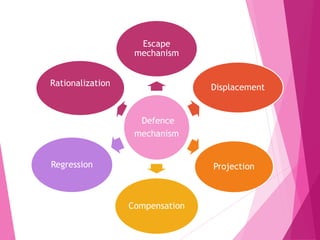
Defence
mechanism
Escape
mechanism
Displacement
Projection
Compensation
Regression
Rationalization
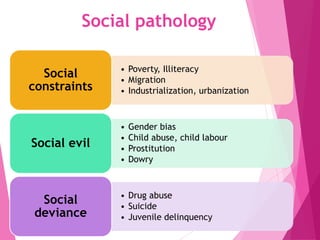
Social pathology
• Poverty, Illiteracy
• Migration
• Industrialization, urbanization
Social
constraints
• Gender bias
• Child abuse, child labour
• Prostitution
• Dowry
Social evil
• Drug abuse
• Suicide
• Juvenile delinquency
Social
deviance
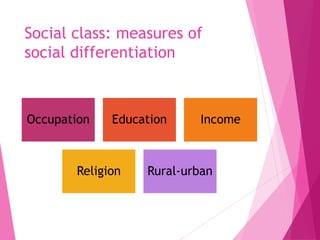
Social class: measures of
social differentiation
Occupation Education Income
Religion Rural-urban
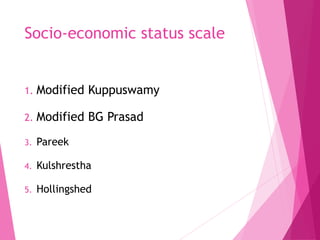
Socio-economic status scale
1. Modified Kuppuswamy
2. Modified BG Prasad
3. Pareek
4. Kulshrestha
5. Hollingshed
Social security
 Security that society furnishes through
appropriate organizations, against certain risks
 Risks which social security covers are,
Sickness, Invalidity, Maternity, Old age, Death
 It includes social insurance and assistance
Social security for industrial
workers
1) Workmen’s compensation Act,1923
2) Central maternity benefit Act,1961
3) Employees state insurance Act,1948
4) The family pension scheme,1971
Social security for civil
servants
 Employees of central and state
government have,
 Pension
 Gratuity
 Provident fund
 Family pension schemes
Social security for general
public
 The risk of death ,accident, fire are
covered by insurance schemes
 Life insurance corporation of India
 Public provident fund schemes
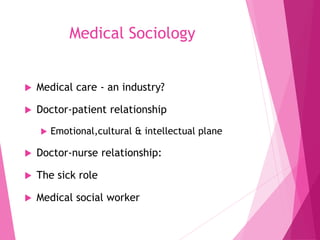
Medical Sociology
 Medical care - an industry?
 Doctor-patient relationship
 Emotional,cultural & intellectual plane
 Doctor-nurse relationship:
 The sick role
 Medical social worker
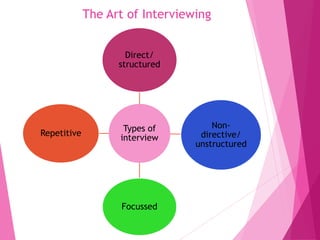
The Art of Interviewing
Types of
interview
Direct/
structured
Non-
directive/
unstructured
Focussed
Repetitive
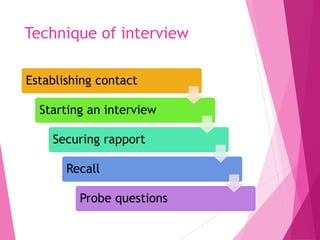
Technique of interview
Establishing contact
Starting an interview
Securing rapport
Recall
Probe questions
Encouragement
Guiding the interview
Recording
Closing the interview
Report
Technique of interview
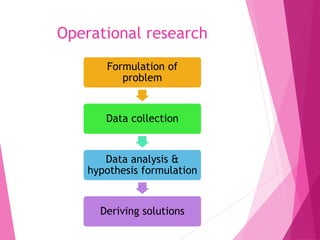
Operational research
Formulation of
problem
Data collection
Data analysis &
hypothesis formulation
Deriving solutions
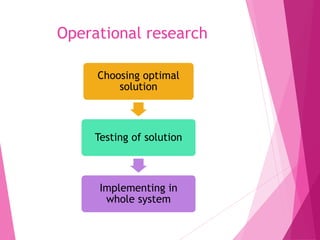
Operational research
Choosing optimal
solution
Testing of solution
Implementing in
whole system
Thank you

Sociology

  • 1.
    Introduction to behaviouralsciences & Sociology Dr Ramya S
  • 2.
    Main areas…. There arethree main areas you need to consider:  Social structures (the family, education, social stratification)  Social systems (culture and identity, agents of social control)  Social issues (causes of crime, impact of unemployment)
  • 3.
    1. Why dopeople behave as they do? 2. Why do people react differently to same situations? 3. What are the social factors influencing various social problems? 4. What are the various social ties, social networks and social organizations?
  • 4.
    Social sciences Scientific examinationof human behavior 1. Sociology 2. Social psychology 3. Social anthropology 4. Economics 5. Political sciences
  • 5.
    Sociology  Socio-society (Latin);logos-science (Greek)  Study of human relationships and of human behaviour for a better understanding of the pattern of human life
  • 6.
    Social Psychology  Scienceof behavior of individual in society (group, crowd, mob, audience and social situations)  Attitudes of individuals towards cultural and social values.
  • 7.
    Society  “Group ofindividuals drawn together by a common bond of nearness and who act together in general for the achievement of certain common goals”  Groups comprise social organization
  • 8.
    Concepts in Sociology Customs: Folkways Mores
  • 9.
    Social groups 1. Family 2.Religion and caste 3. Temporary social groups 4. Permanent social groups
  • 10.
    1. The Family The family is the basic unit in all societies.  Most powerful example of social cohesion
  • 11.
    FAMILY Group of biologicallyrelated individuals living together and eating from a common kitchen Types of family 1. Nuclear family 2. Joint family 3. Three generation family 4. Broken family 5. Problem family
  • 12.
  • 13.
  • 14.
  • 15.
  • 16.
    2. RELIGION ANDCASTE  Caste system in India  Eg: of a "closed class”  Each caste is governed by certain rules and sanctions relating to food taboos, ritual purity  Each caste group within a village is expected to give certain services to the families of other castes.  Eg: A carpenter repairs tools, a potter supplies earthenware vessels.  In the towns and cities and industrial areas, the caste system is not rigid.
  • 17.
  • 18.
  • 19.
  • 20.
  • 21.
  • 22.
    3. Temporary SocialGroups A) Crowd  When a group of people come together temporarily, for a short period, motivated by a common interest or curiosity  E.g. to witness a football match  Lacks internal organization and leadership.  When the interest is over the crowd disperses.
  • 23.
    3.Temporary Social Groups (B)Mob  The mob is a crowd, but has a leader who forces the members into action.  There may be a symbol in the shape of a flag or slogan.  The mob is more emotional than a crowd.  Like the crowd, it is unstable and without internal organization.  When the purpose of the mob is achieved, the group disperses.
  • 24.
    3.Temporary Social Groups (C)Herd  This is also a crowd with a leader.  Members have to follow the orders of the leader without question  Eg: Tourist group under a guide
  • 25.
  • 26.
  • 27.
  • 28.
  • 29.
    The State  Anecological social group based on territory.  More stabilized and formalised.  Heterogeneous in nature.  The Indian Union is a large State.
  • 30.
    4. Permanent SpatialGroups (a) The Band  Most elementary community  Few families living together  Group has organized itself and follows a pattern of Iife  E.g: gypsies in India
  • 31.
    (b) The Village “Small collection of people permanently settled down in a locality with their homes and cultural equipments”  Basic unit in India: Population ~ 550  “Little republics having nearly everything they want within themselves”
  • 32.
    (c)The Towns andCities  A relatively large, dense and permanent settlement of socially heterogeneous individuals.  India- 5,545 towns and cities.  Population > 1,00,000: City
  • 33.
    (d) The State An ecological social group based on territory.  More stabilized and formalised.  Heterogeneous in nature.  The Indian Union is a large State.
  • 34.
    (E) Government AndPolitical Organization  An association of which law is the institutional activity  Supreme agent authorised to regulate the social life in the interests of the public  To understand the organization of medical services in any country, it is essential to know its social and administrative organization.
  • 35.
  • 36.
  • 37.
  • 38.
  • 39.
    Types of government (1)Democracy  This is government of the people, by the people and for the people.  Eg: India and USA
  • 40.
    Types of government (2)Autocracy  The ruler is absolute in his power  Eg: Jordan and Ethiopia
  • 41.
    Types of government 3)Monarchy  The head of the State is a monarch .  UK, Nepal.
  • 42.
    Types of government (4)Socialism  The production and wealth are owned and controlled by the State.  Ex: China, Poland.
  • 43.
    Types of government (5)Oligarchy  The country is ruled by a family group  Eg: Thailand, Cambodia, Saudi Arabia.
  • 44.
    Family types 1. Nuclearfamily 2. Joint family 3. Three generation 4. Broken family 5. Problem family
  • 45.
    Family life cycle FormationExtension Complete extension Contraction Completed contraction Dissolution
  • 46.
    Functions of family ResidenceHomely life Division of labour Socialization Economic security Emotional support Bridging the Generation gap Education Reproduction
  • 47.
    Cultural factors inhealth and disease • Supernatural causes • Physical causes Concept of aetiology and cure • Open air defecation • Waste disposal Environmental sanitation • Hot and cold food • Adulteration of milk Food habits
  • 48.
    Cultural factors inhealth and disease • Good, Bad • Unimportant, uncertain Maternal and child health • Oral hygiene • Sleep Personal hygiene • Monogamy • Polygamy, Polyandry Sex and marriage
  • 49.
  • 50.
    Acculturation  “Cultural contact” Trade,commerce, industrialization, propagation of religion, education, conquest.
  • 51.
  • 52.
  • 53.
    Social defence  TheJuvenile Justice Act, 2001  The Child Labour Act,1986  The Immoral Traffic Act,1956  The Dowry Prohibition Act,1961  The Narcotic Drugs And Psychotropic Substances Act,1985
  • 54.
  • 55.
    Social pathology • Poverty,Illiteracy • Migration • Industrialization, urbanization Social constraints • Gender bias • Child abuse, child labour • Prostitution • Dowry Social evil • Drug abuse • Suicide • Juvenile delinquency Social deviance
  • 56.
    Social class: measuresof social differentiation Occupation Education Income Religion Rural-urban
  • 57.
    Socio-economic status scale 1.Modified Kuppuswamy 2. Modified BG Prasad 3. Pareek 4. Kulshrestha 5. Hollingshed
  • 58.
    Social security  Securitythat society furnishes through appropriate organizations, against certain risks  Risks which social security covers are, Sickness, Invalidity, Maternity, Old age, Death  It includes social insurance and assistance
  • 59.
    Social security forindustrial workers 1) Workmen’s compensation Act,1923 2) Central maternity benefit Act,1961 3) Employees state insurance Act,1948 4) The family pension scheme,1971
  • 60.
    Social security forcivil servants  Employees of central and state government have,  Pension  Gratuity  Provident fund  Family pension schemes
  • 61.
    Social security forgeneral public  The risk of death ,accident, fire are covered by insurance schemes  Life insurance corporation of India  Public provident fund schemes
  • 62.
    Medical Sociology  Medicalcare - an industry?  Doctor-patient relationship  Emotional,cultural & intellectual plane  Doctor-nurse relationship:  The sick role  Medical social worker
  • 63.
    The Art ofInterviewing Types of interview Direct/ structured Non- directive/ unstructured Focussed Repetitive
  • 64.
    Technique of interview Establishingcontact Starting an interview Securing rapport Recall Probe questions
  • 65.
    Encouragement Guiding the interview Recording Closingthe interview Report Technique of interview
  • 66.
    Operational research Formulation of problem Datacollection Data analysis & hypothesis formulation Deriving solutions
  • 67.
    Operational research Choosing optimal solution Testingof solution Implementing in whole system
  • 68.

Editor's Notes

  • #36 An association of which law is the institutional activity   Supreme agent authorised to regulate the social life in the interests of the public This is government of the people, by the people and for the people. Eg: India and USA
  • #37  Autocracy The  ruler is absolute in his power
  • #56 RESTRICTIONS THAT ARREST GROWTH & DEVELOPMENT OF PEOPLE PRACTICES THAT GIVE RISE TO MULTIPLE SOCIAL PROBLEMS ANTI-SOCIAL BEHAVIOUR OF INDIVIDUALS WHO FAIL TO CONFORM TO ACCEPTABLE SOCIAL NORMS