11
BY
Mohammad Thoriq Bahri
Indonesia Delegation in Turkey Ministerial Meeting
22
33
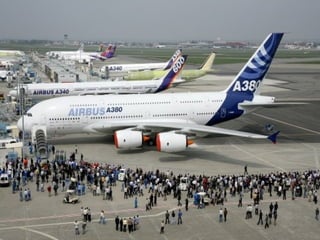
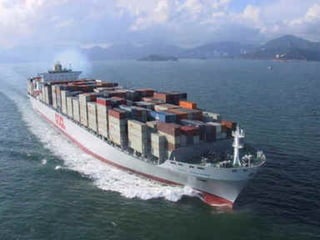
GlobalizationGlobalization
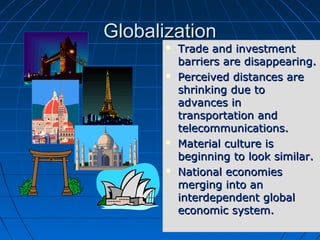
 Trade and investmentTrade and investment
barriers are disappearing.barriers are disappearing.
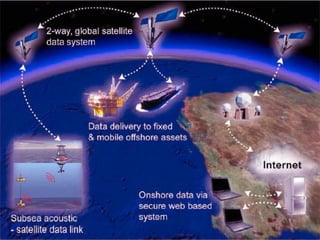
 Perceived distances arePerceived distances are
shrinking due toshrinking due to
advances inadvances in
transportation andtransportation and
telecommunications.telecommunications.
 Material culture isMaterial culture is
beginning to look similar.beginning to look similar.
 National economiesNational economies
merging into anmerging into an
interdependent globalinterdependent global
economic system.economic system.
44
GlobalizationGlobalization
 The shift towards a more integratedThe shift towards a more integrated
and interdependent world economy.and interdependent world economy.
 Two components:Two components:
• The globalization of markets.The globalization of markets.
• The globalization of production.The globalization of production.
55
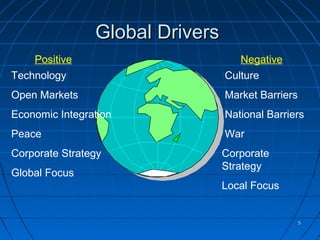
Global DriversGlobal Drivers
Positive
Technology
Open Markets
Economic Integration
Peace
Corporate Strategy
Global Focus
Negative
Culture
Market Barriers
National Barriers
War
Corporate
Strategy
Local Focus
66
Globalization of MarketsGlobalization of Markets
77
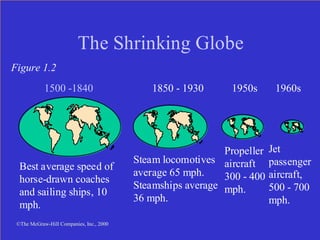
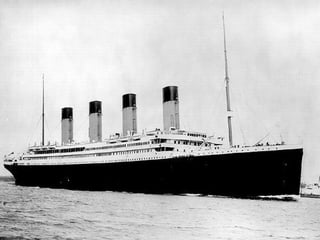
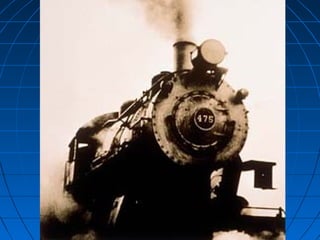
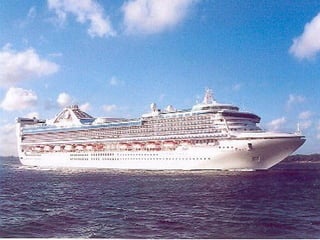
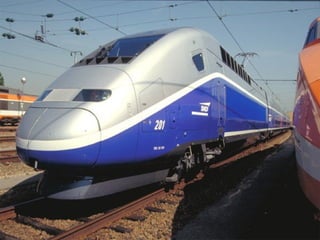
The Shrinking Globe
1500 -1840 1850 - 1930 1950s 1960s
Best average speed of
horse-drawn coaches
and sailing ships, 10
mph.
Steam locomotives
average 65 mph.
Steamships average
36 mph.
Propeller
aircraft
300 - 400
mph.
Jet
passenger
aircraft,
500 - 700
mph.
©The McGraw-Hill Companies, Inc., 2000
Figure 1.2
88
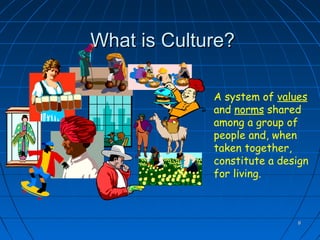
What is Culture?What is Culture?
A system of values
and norms shared
among a group of
people and, when
taken together,
constitute a design
for living.
99
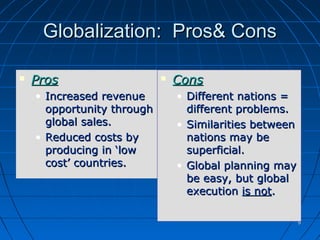
Globalization: Pros& ConsGlobalization: Pros& Cons
 ProsPros
• Increased revenueIncreased revenue
opportunity throughopportunity through
global sales.global sales.
• Reduced costs byReduced costs by
producing in ‘lowproducing in ‘low
cost’ countries.cost’ countries.
 ConsCons
• Different nations =Different nations =
different problems.different problems.
• Similarities betweenSimilarities between
nations may benations may be
superficial.superficial.
• Global planning mayGlobal planning may
be easy, but globalbe easy, but global
executionexecution is notis not..
1010
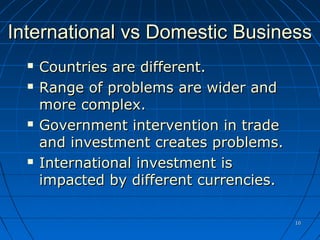
International vs Domestic BusinessInternational vs Domestic Business
 Countries are different.Countries are different.
 Range of problems are wider andRange of problems are wider and
more complex.more complex.
 Government intervention in tradeGovernment intervention in trade
and investment creates problems.and investment creates problems.
 International investment isInternational investment is
impacted by different currencies.impacted by different currencies.
1111
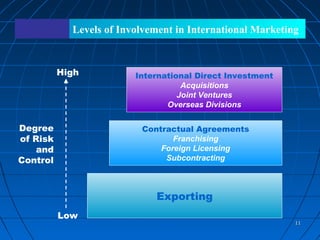
Levels of Involvement in International Marketing
Exporting
Contractual Agreements
Franchising
Foreign Licensing
Subcontracting
International Direct Investment
Acquisitions
Joint Ventures
Overseas Divisions
Low
High
Degree
of Risk
and
Control
1212
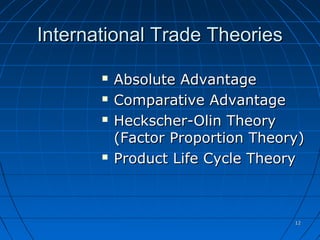
International Trade TheoriesInternational Trade Theories
 Absolute AdvantageAbsolute Advantage
 Comparative AdvantageComparative Advantage
 Heckscher-Olin TheoryHeckscher-Olin Theory
(Factor Proportion Theory)(Factor Proportion Theory)
 Product Life Cycle TheoryProduct Life Cycle Theory
© McGraw Hill Companies, Inc.,2000
1313
An Overview of Trade TheoryAn Overview of Trade Theory
 Free TradeFree Trade occurs when a government doesoccurs when a government does
not attempt to influence, through quotas ornot attempt to influence, through quotas or
duties, what its citizens can buy from anotherduties, what its citizens can buy from another
country or what they can produce and sell tocountry or what they can produce and sell to
another country.another country.
 The Benefits of Trade allow a country toThe Benefits of Trade allow a country to
specialize in the manufacture and export ofspecialize in the manufacture and export of
products that can be produced most efficientlyproducts that can be produced most efficiently
in that country.in that country.
 The Pattern of International Trade displaysThe Pattern of International Trade displays
patterns that are are easy to understandpatterns that are are easy to understand
(Saudi Arabia/oil or Mexico/labor intensive(Saudi Arabia/oil or Mexico/labor intensive
goods). Others are not so easy to understandgoods). Others are not so easy to understand
(Japan and cars).(Japan and cars).
© McGraw Hill Companies, Inc.,2000
1414
Theory of Absolute AdvantageTheory of Absolute Advantage
 Capability of one country to produce more of aCapability of one country to produce more of a
product with the same amount of input thanproduct with the same amount of input than
another country.another country.
 Produce only goods where you areProduce only goods where you are mostmost
efficient, trade for those where you are notefficient, trade for those where you are not
efficient.efficient.
• Trade between countries is, therefore, beneficial.Trade between countries is, therefore, beneficial.
 Assumes there is anAssumes there is an absolute advantageabsolute advantage
balance among nations.balance among nations.
© McGraw Hill Companies, Inc.,2000
1515
Theory of Comparative AdvantageTheory of Comparative Advantage
 Extends free trade argumentExtends free trade argument
• Efficiency of resource utilization leads toEfficiency of resource utilization leads to
more productivity.more productivity.
• Should import even if country is moreShould import even if country is more
efficient in the product’s production thanefficient in the product’s production than
country from which it is buying.country from which it is buying.
• LLook to see how much more efficient.ook to see how much more efficient.
If only comparatively efficient, thanIf only comparatively efficient, than
import.import.
 Makes better use of resourcesMakes better use of resources© McGraw Hill Companies, Inc.,2000
1616
Heckscher (1919)-Olin (1933)Heckscher (1919)-Olin (1933)
(Factor Proportion)Theory(Factor Proportion)Theory
 Export goods that intensively use factorExport goods that intensively use factor
endowments which are locally abundant.endowments which are locally abundant.
• Corollary: import goods made fromCorollary: import goods made from
locally scarce factors.locally scarce factors.
 Patterns of trade are determined byPatterns of trade are determined by
differences in factor endowments - notdifferences in factor endowments - not
productivity.productivity.
 Remember, focus on relative advantage,Remember, focus on relative advantage,
notnot absolute advantage.absolute advantage.
© McGraw Hill Companies, Inc.,2000
1717
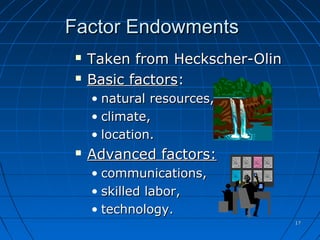
Factor EndowmentsFactor Endowments
 Taken from Heckscher-OlinTaken from Heckscher-Olin
 Basic factorsBasic factors::
• natural resources,natural resources,
• climate,climate,
• location.location.
 Advanced factors:Advanced factors:
• communications,communications,
• skilled labor,skilled labor,
• technology.technology.
© McGraw Hill Companies, Inc.,2000
1818
1. Target Market Selection1. Target Market Selection
 A crucial step in developing a globalA crucial step in developing a global
expansion strategy is the selection ofexpansion strategy is the selection of
potential target markets .potential target markets .
 A four-step procedure for the initialA four-step procedure for the initial
screening process:screening process:
1. Select indicators and collect data1. Select indicators and collect data
2. Determine importance of country2. Determine importance of country

indicatorsindicators
3. Rate the countries in the pool on each3. Rate the countries in the pool on each
indicatorindicator
4. Compute overall score for each4. Compute overall score for each
countrycountry
1919
2. Choosing the Mode of Entry2. Choosing the Mode of Entry
 Decision Criteria for Mode of Entry (seeDecision Criteria for Mode of Entry (see
Exhibit 9-12):Exhibit 9-12):
• Market Size and GrowthMarket Size and Growth
• RiskRisk
• Government RegulationsGovernment Regulations
• Competitive EnvironmentCompetitive Environment
• Local InfrastructureLocal Infrastructure
 Classification of MarketsClassification of Markets::
•Platform Countries (Singapore &Platform Countries (Singapore &
Hong Kong)Hong Kong)
2020
2. Choosing the Mode of Entry (contd.)2. Choosing the Mode of Entry (contd.)
•Emerging Countries (Vietnam & theEmerging Countries (Vietnam & the
Philippines)Philippines)
•Growth Countries (China & India)Growth Countries (China & India)
•Maturing and established countriesMaturing and established countries
(examples: South Korea, Taiwan &(examples: South Korea, Taiwan &
Japan)Japan)
-- Company Objectives-- Company Objectives
-- Need for Control-- Need for Control
-- Internal Resources, Assets and-- Internal Resources, Assets and
CapabilitiesCapabilities
-- Flexibility-- Flexibility
Marketing Mix Modeling in the
Apparel Business:
 Consumers are getting quickly immune to
the marketing tactics of businesses, and
margins are being squeezed by demanding
customers. Focus is getting shifted from
mass advertising to making of new trends.
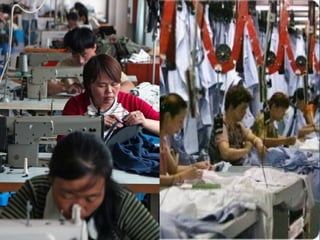
 Clothing industry is a very competitive
arena. Due to the highly fragmented nature
of apparels, and fashion sector, an apparel
brand must differentiate itself from its
competitors right from the stage it enters
the market.
Price:
 In case of apparels, especially in fashion,
price is not of big importance. Gone are the
times when companies competed on price.
Service is the key today which will shift to
focus on personality in the future.
 Innovative designs are no longer a
competitive advantage. New sketches are
transformed into garments and make their
way in store shelves within a span of three
weeks. New disposable fashion has
shortened the product development cycle
from 16 months to 20 days.
Promotion:
 In integrated communication is as essential
part of the marketing mix. This is even more
important for clothing industry as
communication is a critical tool in creating an
impression in the minds of the consumers.
 An apparel, to become acceptable by public
must first be adopted by a group which has
acknowledged respect in the society.
Celebrities are the most influential people
who can influence public opinion. CPR
(Consumer Personal Reference) marketing
refers to the process of marketing where a
customer publicizes a brand by accepting the
product and spreading the trend by word of
mouth.
Product:
 Product not only refers to tangible items but
also to intangible attributes such as brand
name and customer service. Earlier it was
believed that a good product will sell itself.
 In todays competitive market, there is no
such commodity as bad product. So,
manufacturers must focus on creating a
product or service that will satisfy the
demands of the consumers. The product
characteristics must be defined with
functionality, quality, appearance, brand
service, support and warranty.
Place:
 Apart from price and quality, the place of distribution
must also be taken into consideration while creating
a right marketing mix, as the apparel industry is
primarily based on perception. Store designs must be
deployed to create an elegant atmosphere
emphasizing a brand image and reflecting current
trends.
 Focus must also be kept on the distribution
processes and partners, without which even excellent
products will fail. Big revolutions in business have
come about by changing place. Location, logistics,
channel motivation, service levels, and channel
members must be taken into consideration.
Good marketing mix is like an appetizing
food recipe. The key for a successful
strategy is the right combination of
ingredients to get the right taste of food.
The key ingredients of a successful
marketing mix modeling such as
product, price, place, and promotion
needs to be combined in the right way,
and in the right time for an appropriate
marketing of a product.
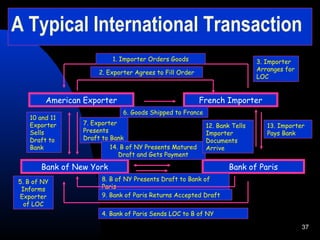
37
A Typical International Transaction
French ImporterAmerican Exporter
Bank of New York Bank of Paris
6. Goods Shipped to France
7. Exporter
Presents
Draft to Bank
10 and 11
Exporter
Sells
Draft to
Bank 14. B of NY Presents Matured
Draft and Gets Payment
12. Bank Tells
Importer
Documents
Arrive
13. Importer
Pays Bank
2. Exporter Agrees to Fill Order
1. Importer Orders Goods 3. Importer
Arranges for
LOC
8. B of NY Presents Draft to Bank of
Paris
9. Bank of Paris Returns Accepted Draft
4. Bank of Paris Sends LOC to B of NY
5. B of NY
Informs
Exporter
of LOC
38

SMEs, World Trade and Implication

  • 1.
    11 BY Mohammad Thoriq Bahri IndonesiaDelegation in Turkey Ministerial Meeting
  • 2.
  • 3.
    33 GlobalizationGlobalization  Trade andinvestmentTrade and investment barriers are disappearing.barriers are disappearing.  Perceived distances arePerceived distances are shrinking due toshrinking due to advances inadvances in transportation andtransportation and telecommunications.telecommunications.  Material culture isMaterial culture is beginning to look similar.beginning to look similar.  National economiesNational economies merging into anmerging into an interdependent globalinterdependent global economic system.economic system.
  • 4.
    44 GlobalizationGlobalization  The shifttowards a more integratedThe shift towards a more integrated and interdependent world economy.and interdependent world economy.  Two components:Two components: • The globalization of markets.The globalization of markets. • The globalization of production.The globalization of production.
  • 5.
    55 Global DriversGlobal Drivers Positive Technology OpenMarkets Economic Integration Peace Corporate Strategy Global Focus Negative Culture Market Barriers National Barriers War Corporate Strategy Local Focus
  • 6.
  • 7.
    77 The Shrinking Globe 1500-1840 1850 - 1930 1950s 1960s Best average speed of horse-drawn coaches and sailing ships, 10 mph. Steam locomotives average 65 mph. Steamships average 36 mph. Propeller aircraft 300 - 400 mph. Jet passenger aircraft, 500 - 700 mph. ©The McGraw-Hill Companies, Inc., 2000 Figure 1.2
  • 8.
    88 What is Culture?Whatis Culture? A system of values and norms shared among a group of people and, when taken together, constitute a design for living.
  • 9.
    99 Globalization: Pros& ConsGlobalization:Pros& Cons  ProsPros • Increased revenueIncreased revenue opportunity throughopportunity through global sales.global sales. • Reduced costs byReduced costs by producing in ‘lowproducing in ‘low cost’ countries.cost’ countries.  ConsCons • Different nations =Different nations = different problems.different problems. • Similarities betweenSimilarities between nations may benations may be superficial.superficial. • Global planning mayGlobal planning may be easy, but globalbe easy, but global executionexecution is notis not..
  • 10.
    1010 International vs DomesticBusinessInternational vs Domestic Business  Countries are different.Countries are different.  Range of problems are wider andRange of problems are wider and more complex.more complex.  Government intervention in tradeGovernment intervention in trade and investment creates problems.and investment creates problems.  International investment isInternational investment is impacted by different currencies.impacted by different currencies.
  • 11.
    1111 Levels of Involvementin International Marketing Exporting Contractual Agreements Franchising Foreign Licensing Subcontracting International Direct Investment Acquisitions Joint Ventures Overseas Divisions Low High Degree of Risk and Control
  • 12.
    1212 International Trade TheoriesInternationalTrade Theories  Absolute AdvantageAbsolute Advantage  Comparative AdvantageComparative Advantage  Heckscher-Olin TheoryHeckscher-Olin Theory (Factor Proportion Theory)(Factor Proportion Theory)  Product Life Cycle TheoryProduct Life Cycle Theory © McGraw Hill Companies, Inc.,2000
  • 13.
    1313 An Overview ofTrade TheoryAn Overview of Trade Theory  Free TradeFree Trade occurs when a government doesoccurs when a government does not attempt to influence, through quotas ornot attempt to influence, through quotas or duties, what its citizens can buy from anotherduties, what its citizens can buy from another country or what they can produce and sell tocountry or what they can produce and sell to another country.another country.  The Benefits of Trade allow a country toThe Benefits of Trade allow a country to specialize in the manufacture and export ofspecialize in the manufacture and export of products that can be produced most efficientlyproducts that can be produced most efficiently in that country.in that country.  The Pattern of International Trade displaysThe Pattern of International Trade displays patterns that are are easy to understandpatterns that are are easy to understand (Saudi Arabia/oil or Mexico/labor intensive(Saudi Arabia/oil or Mexico/labor intensive goods). Others are not so easy to understandgoods). Others are not so easy to understand (Japan and cars).(Japan and cars). © McGraw Hill Companies, Inc.,2000
  • 14.
    1414 Theory of AbsoluteAdvantageTheory of Absolute Advantage  Capability of one country to produce more of aCapability of one country to produce more of a product with the same amount of input thanproduct with the same amount of input than another country.another country.  Produce only goods where you areProduce only goods where you are mostmost efficient, trade for those where you are notefficient, trade for those where you are not efficient.efficient. • Trade between countries is, therefore, beneficial.Trade between countries is, therefore, beneficial.  Assumes there is anAssumes there is an absolute advantageabsolute advantage balance among nations.balance among nations. © McGraw Hill Companies, Inc.,2000
  • 15.
    1515 Theory of ComparativeAdvantageTheory of Comparative Advantage  Extends free trade argumentExtends free trade argument • Efficiency of resource utilization leads toEfficiency of resource utilization leads to more productivity.more productivity. • Should import even if country is moreShould import even if country is more efficient in the product’s production thanefficient in the product’s production than country from which it is buying.country from which it is buying. • LLook to see how much more efficient.ook to see how much more efficient. If only comparatively efficient, thanIf only comparatively efficient, than import.import.  Makes better use of resourcesMakes better use of resources© McGraw Hill Companies, Inc.,2000
  • 16.
    1616 Heckscher (1919)-Olin (1933)Heckscher(1919)-Olin (1933) (Factor Proportion)Theory(Factor Proportion)Theory  Export goods that intensively use factorExport goods that intensively use factor endowments which are locally abundant.endowments which are locally abundant. • Corollary: import goods made fromCorollary: import goods made from locally scarce factors.locally scarce factors.  Patterns of trade are determined byPatterns of trade are determined by differences in factor endowments - notdifferences in factor endowments - not productivity.productivity.  Remember, focus on relative advantage,Remember, focus on relative advantage, notnot absolute advantage.absolute advantage. © McGraw Hill Companies, Inc.,2000
  • 17.
    1717 Factor EndowmentsFactor Endowments Taken from Heckscher-OlinTaken from Heckscher-Olin  Basic factorsBasic factors:: • natural resources,natural resources, • climate,climate, • location.location.  Advanced factors:Advanced factors: • communications,communications, • skilled labor,skilled labor, • technology.technology. © McGraw Hill Companies, Inc.,2000
  • 18.
    1818 1. Target MarketSelection1. Target Market Selection  A crucial step in developing a globalA crucial step in developing a global expansion strategy is the selection ofexpansion strategy is the selection of potential target markets .potential target markets .  A four-step procedure for the initialA four-step procedure for the initial screening process:screening process: 1. Select indicators and collect data1. Select indicators and collect data 2. Determine importance of country2. Determine importance of country indicatorsindicators 3. Rate the countries in the pool on each3. Rate the countries in the pool on each indicatorindicator 4. Compute overall score for each4. Compute overall score for each countrycountry
  • 19.
    1919 2. Choosing theMode of Entry2. Choosing the Mode of Entry  Decision Criteria for Mode of Entry (seeDecision Criteria for Mode of Entry (see Exhibit 9-12):Exhibit 9-12): • Market Size and GrowthMarket Size and Growth • RiskRisk • Government RegulationsGovernment Regulations • Competitive EnvironmentCompetitive Environment • Local InfrastructureLocal Infrastructure  Classification of MarketsClassification of Markets:: •Platform Countries (Singapore &Platform Countries (Singapore & Hong Kong)Hong Kong)
  • 20.
    2020 2. Choosing theMode of Entry (contd.)2. Choosing the Mode of Entry (contd.) •Emerging Countries (Vietnam & theEmerging Countries (Vietnam & the Philippines)Philippines) •Growth Countries (China & India)Growth Countries (China & India) •Maturing and established countriesMaturing and established countries (examples: South Korea, Taiwan &(examples: South Korea, Taiwan & Japan)Japan) -- Company Objectives-- Company Objectives -- Need for Control-- Need for Control -- Internal Resources, Assets and-- Internal Resources, Assets and CapabilitiesCapabilities -- Flexibility-- Flexibility
  • 21.
    Marketing Mix Modelingin the Apparel Business:  Consumers are getting quickly immune to the marketing tactics of businesses, and margins are being squeezed by demanding customers. Focus is getting shifted from mass advertising to making of new trends.  Clothing industry is a very competitive arena. Due to the highly fragmented nature of apparels, and fashion sector, an apparel brand must differentiate itself from its competitors right from the stage it enters the market.
  • 22.
    Price:  In caseof apparels, especially in fashion, price is not of big importance. Gone are the times when companies competed on price. Service is the key today which will shift to focus on personality in the future.  Innovative designs are no longer a competitive advantage. New sketches are transformed into garments and make their way in store shelves within a span of three weeks. New disposable fashion has shortened the product development cycle from 16 months to 20 days.
  • 23.
    Promotion:  In integratedcommunication is as essential part of the marketing mix. This is even more important for clothing industry as communication is a critical tool in creating an impression in the minds of the consumers.  An apparel, to become acceptable by public must first be adopted by a group which has acknowledged respect in the society. Celebrities are the most influential people who can influence public opinion. CPR (Consumer Personal Reference) marketing refers to the process of marketing where a customer publicizes a brand by accepting the product and spreading the trend by word of mouth.
  • 24.
    Product:  Product notonly refers to tangible items but also to intangible attributes such as brand name and customer service. Earlier it was believed that a good product will sell itself.  In todays competitive market, there is no such commodity as bad product. So, manufacturers must focus on creating a product or service that will satisfy the demands of the consumers. The product characteristics must be defined with functionality, quality, appearance, brand service, support and warranty.
  • 25.
    Place:  Apart fromprice and quality, the place of distribution must also be taken into consideration while creating a right marketing mix, as the apparel industry is primarily based on perception. Store designs must be deployed to create an elegant atmosphere emphasizing a brand image and reflecting current trends.  Focus must also be kept on the distribution processes and partners, without which even excellent products will fail. Big revolutions in business have come about by changing place. Location, logistics, channel motivation, service levels, and channel members must be taken into consideration.
  • 26.
    Good marketing mixis like an appetizing food recipe. The key for a successful strategy is the right combination of ingredients to get the right taste of food. The key ingredients of a successful marketing mix modeling such as product, price, place, and promotion needs to be combined in the right way, and in the right time for an appropriate marketing of a product.
  • 37.
    37 A Typical InternationalTransaction French ImporterAmerican Exporter Bank of New York Bank of Paris 6. Goods Shipped to France 7. Exporter Presents Draft to Bank 10 and 11 Exporter Sells Draft to Bank 14. B of NY Presents Matured Draft and Gets Payment 12. Bank Tells Importer Documents Arrive 13. Importer Pays Bank 2. Exporter Agrees to Fill Order 1. Importer Orders Goods 3. Importer Arranges for LOC 8. B of NY Presents Draft to Bank of Paris 9. Bank of Paris Returns Accepted Draft 4. Bank of Paris Sends LOC to B of NY 5. B of NY Informs Exporter of LOC
  • 38.