Stream 2 - Infrastructure
Chair's Welcome - Speaker:
Phil Beecher, Chairman, Wi-
SUN Alliance
The role of IOT in Smart
Cities and Towns -
Bouygues Energies &
Services
The role of IOT in Smart
Cities and Towns
Matt Fitzpatrick (Sales Director)
Bouygues Energies & Services Infrastructure Ltd
Bouygues
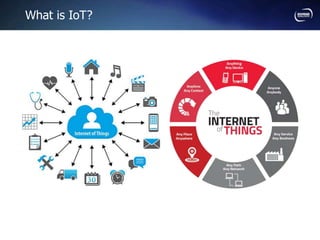
What is IoT?
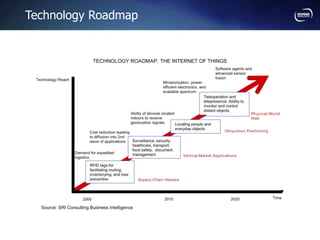
Technology Roadmap
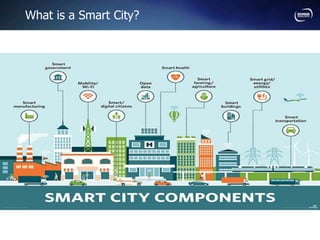
What is a Smart City?
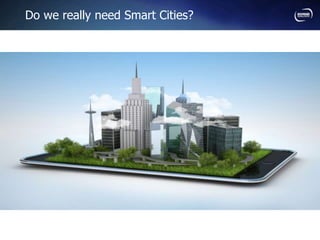
Do we really need Smart Cities?
Structural Health Monitoring
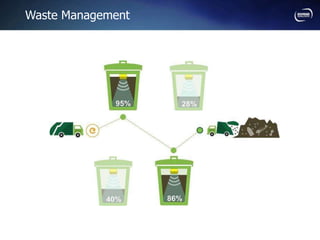
Waste Management
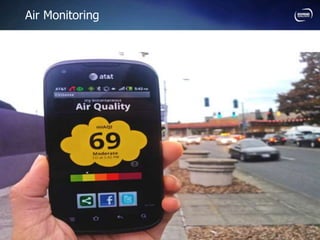
Air Monitoring
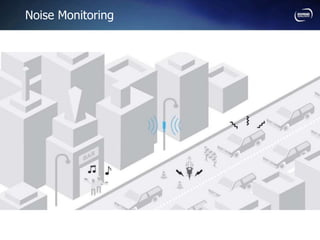
Noise Monitoring
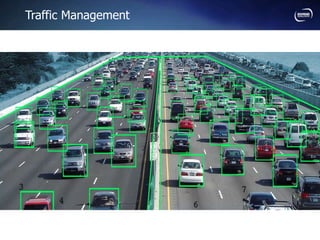
Traffic Management
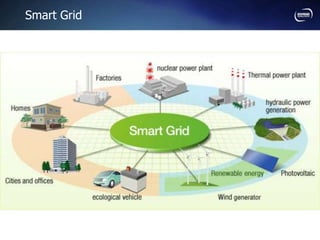
Smart Grid
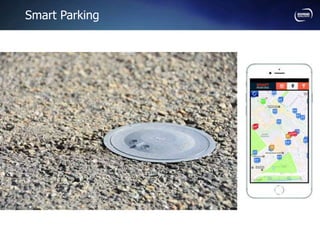
Smart Parking
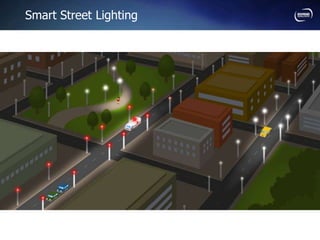
Smart Street Lighting
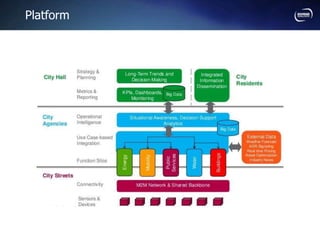
Platform
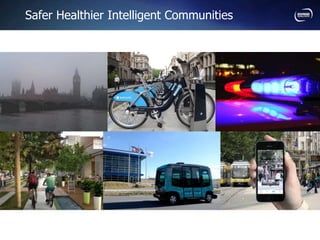
Safer Healthier Intelligent Communities
Lighthouse Cities - Speaker:
Nathan Pierce, Programme
Director of Sharing Cities,
Greater London Authority
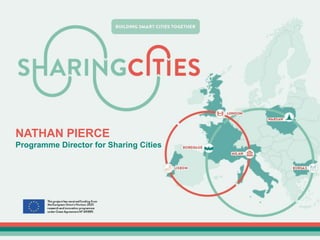
NATHAN PIERCE
Programme Director for Sharing Cities
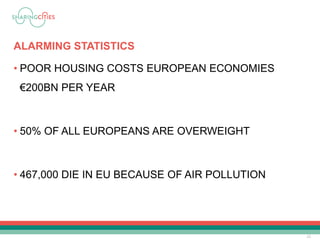
ALARMING STATISTICS
• POOR HOUSING COSTS EUROPEAN ECONOMIES
€200BN PER YEAR
• 50% OF ALL EUROPEANS ARE OVERWEIGHT
• 467,000 DIE IN EU BECAUSE OF AIR POLLUTION
23
24
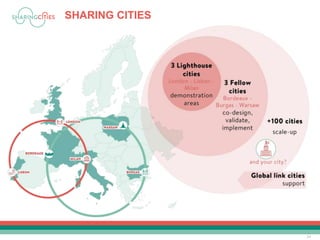
SHARING CITIES
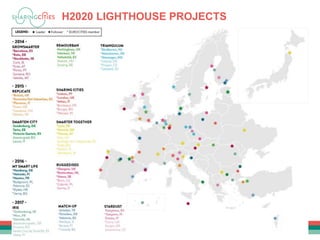
H2020 LIGHTHOUSE PROJECTS
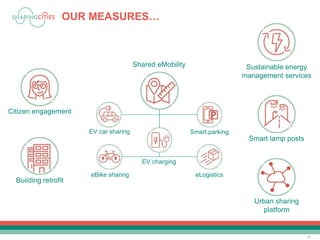
OUR MEASURES…
26
Citizen engagement
Building retrofit
Sustainable energy
management services
Smart lamp posts
Urban sharing
platform
EV car sharing
eBike sharing
EV charging
Smart parking
eLogistics
Shared eMobility
STRATEGIC
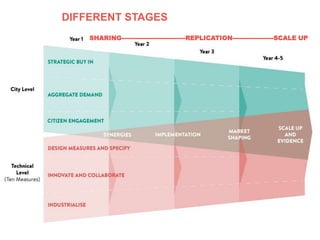
DIFFERENT STAGES
SHARING-------------------------------REPLICATION--------------------SCALE UP
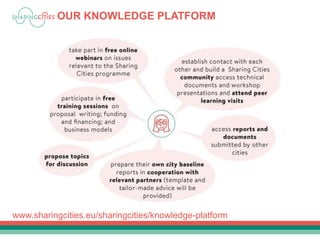
www.sharingcities.eu/sharingcities/knowledge-platform
OUR KNOWLEDGE PLATFORM
Creating an Adaptable City -
Speaker: Dr Ian Lewis, Director
of Infrastructure Investment,
The University of Cambridge
Ian Lewis ijl20@cam.ac.uk
Department of Computer Science and Technology
Infrastructure
“The Digital Architecture of Future Cities”
The Adaptive City Programme
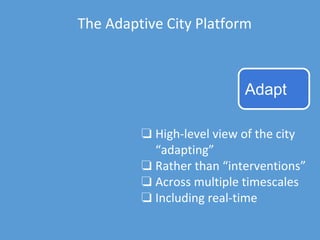
The Adaptive City Platform
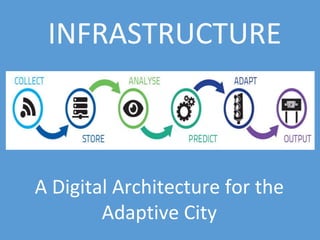
❏ High-level view of the city
“adapting”
❏ Rather than “interventions”
❏ Across multiple timescales
❏ Including real-time
Adapt
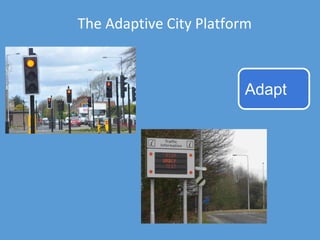
The Adaptive City Platform
Adapt
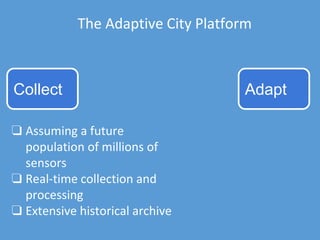
The Adaptive City Platform
Collect Adapt
❏ Assuming a future
population of millions of
sensors
❏ Real-time collection and
processing
❏ Extensive historical archive
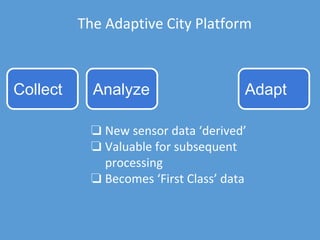
The Adaptive City Platform
Collect Analyze Adapt
❏ New sensor data ‘derived’
❏ Valuable for subsequent
processing
❏ Becomes ‘First Class’ data
The Adaptive City Platform
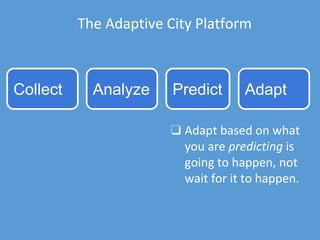
Collect Analyze Predict Adapt
❏ Adapt based on what
you are predicting is
going to happen, not
wait for it to happen.
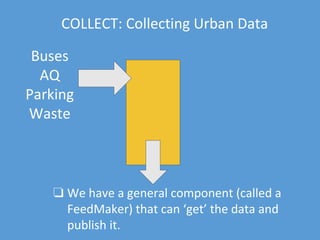
COLLECT: Collecting Urban Data
❏ We have a general component (called a
FeedMaker) that can ‘get’ the data and
publish it.
Buses
AQ
Parking
Waste
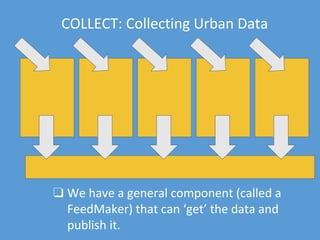
❏ We have a general component (called a
FeedMaker) that can ‘get’ the data and
publish it.
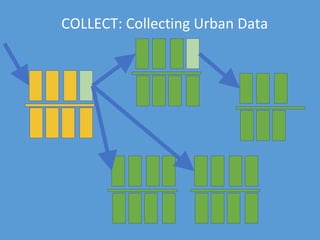
COLLECT: Collecting Urban Data
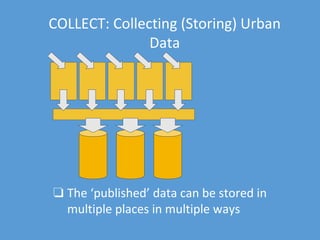
COLLECT: Collecting (Storing) Urban
Data
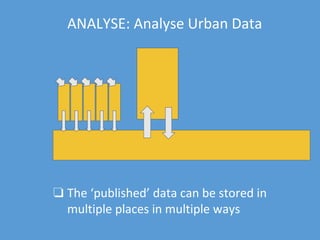
❏ The ‘published’ data can be stored in
multiple places in multiple ways
COLLECT: Collecting Urban Data
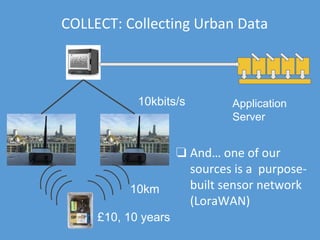
❏ And… one of our
sources is a purpose-
built sensor network
(LoraWAN)
£10, 10 years
10km
10kbits/s Application
Server
COLLECT: Collecting Urban Data
ANALYSE: Analyse Urban Data
❏ The ‘published’ data can be stored in
multiple places in multiple ways
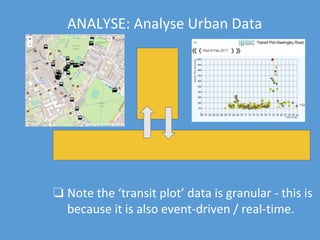
ANALYSE: Analyse Urban Data
❏ Note the ‘transit plot’ data is granular - this is
because it is also event-driven / real-time.
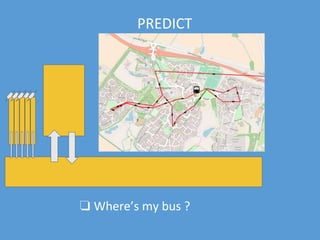
PREDICT
❏ Where’s my bus ?
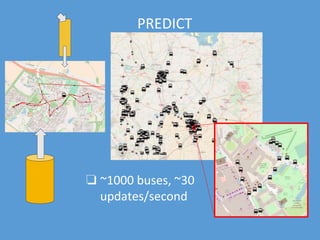
PREDICT
❏ ~1000 buses, ~30
updates/second
INFRASTRUCTURE
A Digital Architecture for the
Adaptive City
The Adaptive City
❏ We’re planning for a world with millions of real-time sensors.
❏ These will include
❏ Air quality
❏ Waste accretion
❏ Traffic flows at the level of individual vehicles
❏ Pedestrian densities and flows
❏ Vermin
❏ Public environmental measures such as building temperature or humidity
❏ Energy use
❏ Transportation will remain important but will become increasingly automated,
introducing a new set of challenges
❏ Urban regions will have significant ability and responsibility to direct the activity
in the region, such as:
❏ Directing transportation including both public and private vehicles
❏ Directing waste collection
❏ Management of challenging situations such as traffic, air quality, or energy
problems
❏ This new, digital, intelligent, autonomous environment will need new
infrastructure to support, manage and control it.
But the city will adapt
Ian Lewis ijl20@cam.ac.uk
Department of Computer Science and Technology
How asset sharing platforms
are an easy win for smart
cities - Speaker: Daniel O
Connor, CEO, Warp-It
Furniture and
equipment sharing
networks are the low
hanging fruit of smart
citiesDaniel O’Connor
CEOWarp It
Daniel@warp-it.co.uk
Overview
Peer to peer collab
Assets
Organisations
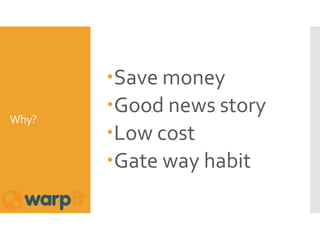
Why?
Save money
Good news story
Low cost
Gate way habit
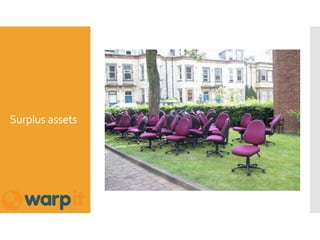
Surplus assets
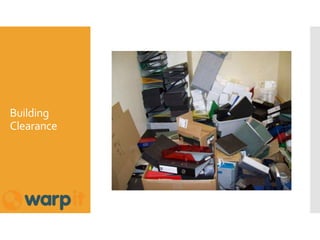
Building
Clearance
Building
Clearance
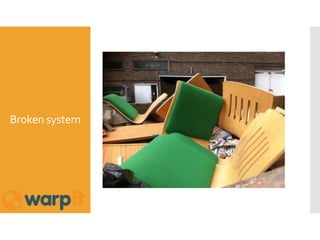
Broken system
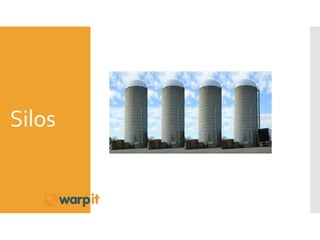
Silos
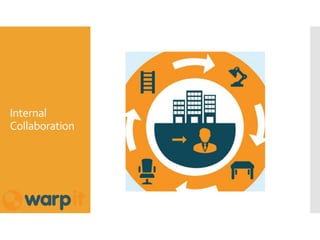
Internal
Collaboration
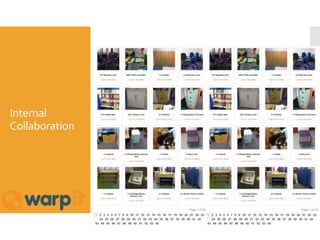
Internal
Collaboration
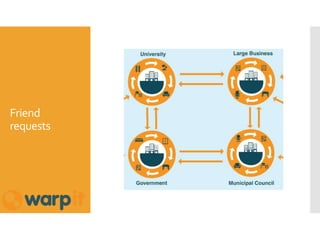
Friend
requests
External
Collaboration
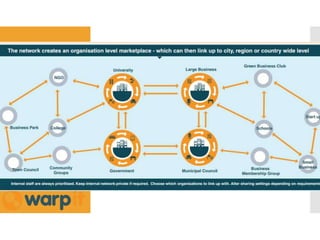
External collab
Access to
other
organisation’s
items
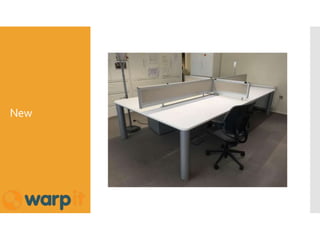
New
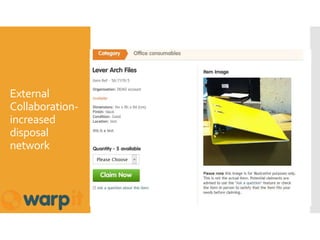
External
Collaboration-
increased
disposal
network
External
Collaboration
NHS London
save £3K ,
NHSTayside
save £15K
Win win win
Take a look at
the savings:
Sunderland Partnership ½
million £100K+ to charity
(£20K investment)
Glasgow Asset Share; £1+
million (£40K investment)
Leagues
Why?
Save money
Good news story
Low cost
Gate way habit
What now?
Pitch to you and
your stakeholders
Twitter: @Warp It_
Linkedin: Daniel Bede
O’Connor
daniel@warp-it.co.uk
Easy to grow but difficult to
grow 'SMART': James
Rayner, Board Director at
Broadway Malyan
Easy to grow
Difficult to grow
‘SMART’
James Rayner, Board Director
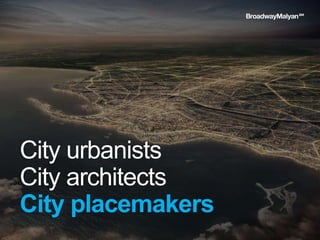
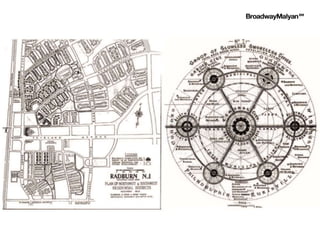
City urbanists
City architects
City placemakers
Click to edit Master title style
Versatility to bring together
inter-disciplinary teams
with global and local
expertise to design solutions
for the most complex
projects.
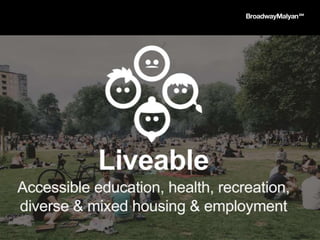
Our local presence ensures a
personable and responsive
client service for projects of
all scales.

A global practice
Abu Dhabi
Birmingham
Dubai
Lisbon
Liverpool
London
Madrid
Manchester
Mumbai
Santiago
São Paulo
Shanghai
Singapore
Reading
Warsaw
Weybridge
Our Studios
City Futures
Where Next….
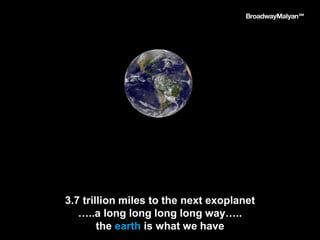
3.7 trillion miles to the next exoplanet
…..a long long long long way…..
the earth is what we have
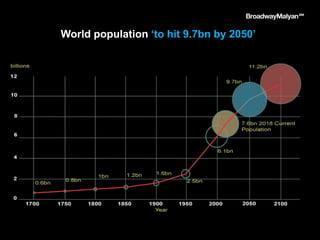
World population ‘to hit 9.7bn by 2050’
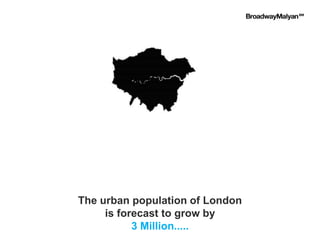
The urban population of London
is forecast to grow by
3 Million.....
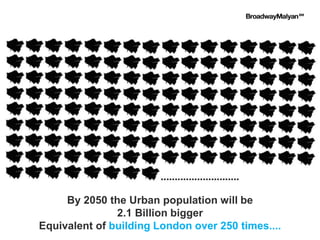
By 2050 the Urban population will be
2.1 Billion bigger
Equivalent of building London over 250 times....
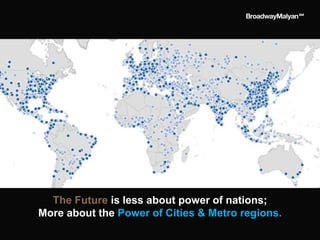
The Future is less about power of nations;
More about the Power of Cities & Metro regions.
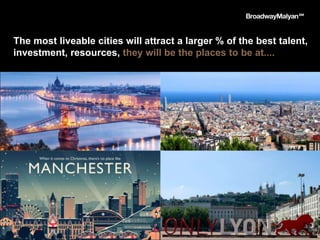
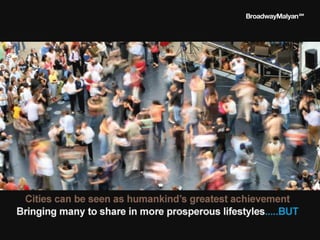
The most liveable cities will attract a larger % of the best talent,
investment, resources, they will be the places to be at....
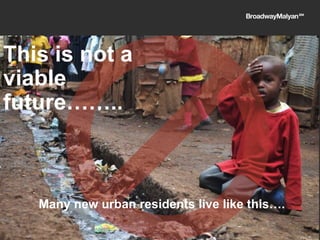
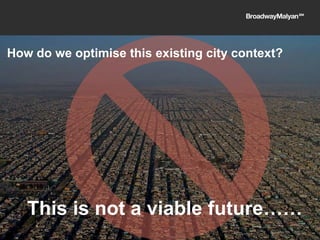
Many new urban residents live like this….
This is not a
viable
future……..
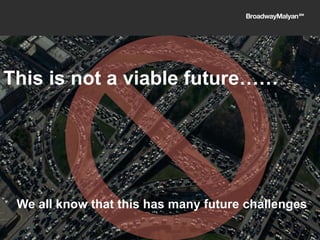
We all know that this has many future challenges
This is not a viable future……
How do we optimise this existing city context?
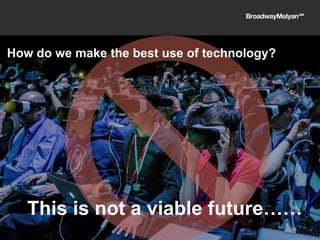
This is not a viable future……
How do we make the best use of technology?
This is not a viable future……
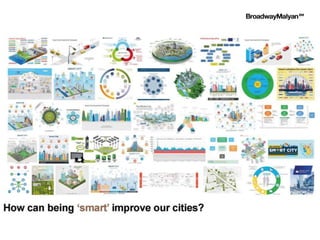
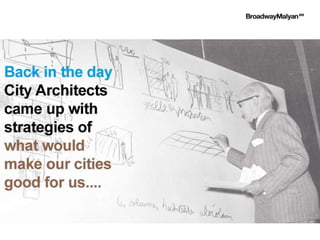
City Planning is moving on.....
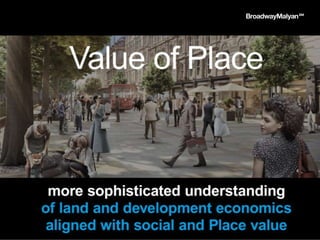
context, environmental, transit, people & place focussed...
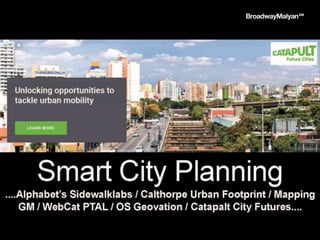
.....and more intelligent & smart....
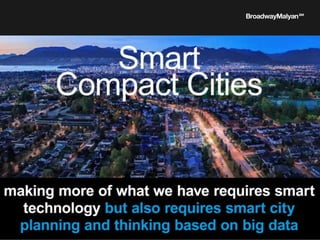
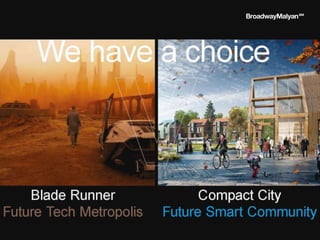
It is smart city “thinking” as well smart city “technology”
that will make the difference....
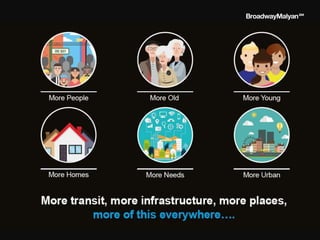
Smart Next generation Cities & Planning is about:
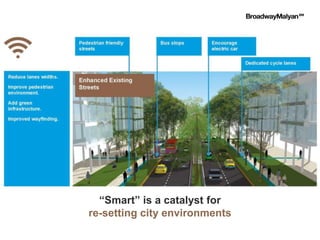
“Smart” is a catalyst for
re-setting city environments
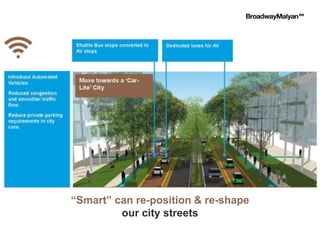
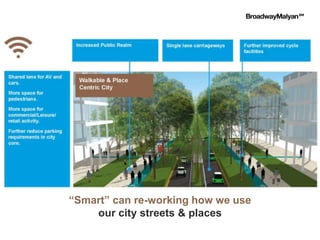
“Smart” can re-position & re-shape
our city streets
“Smart” can re-working how we use
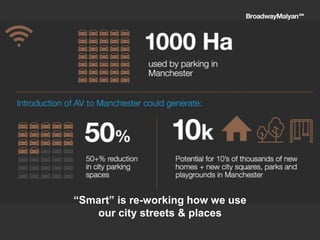
our city streets & places
“Smart” is re-working how we use
our city streets & places
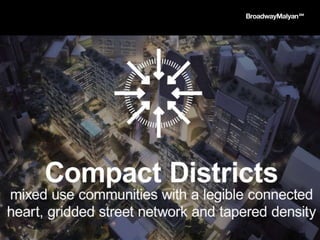
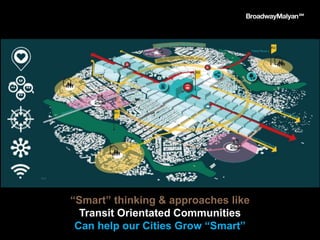
“Smart” thinking & approaches like
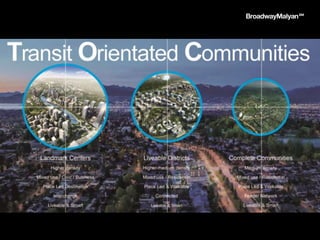
Transit Orientated Communities
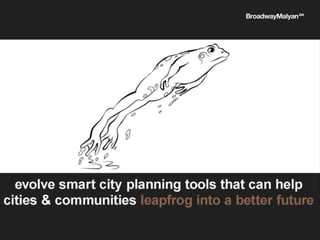
Can help our Cities Grow “Smart”
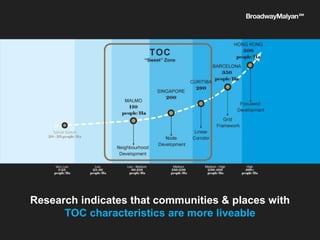
Research indicates that communities & places with
TOC characteristics are more liveable
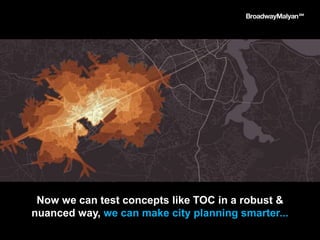
Now we can test concepts like TOC in a robust &
nuanced way, we can make city planning smarter...
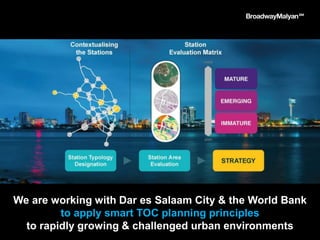
We are working with Dar es Salaam City & the World Bank
to apply smart TOC planning principles
to rapidly growing & challenged urban environments
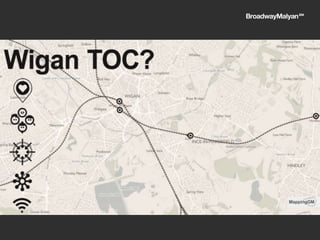
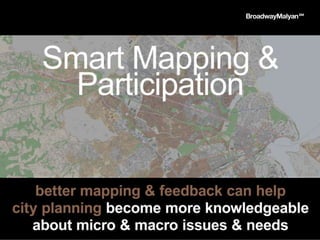
We are mapping, testing, refining & applying
integrated development, economic, social,
environmental, planning data & insight
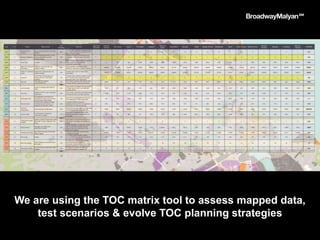
We are using the TOC matrix tool to assess mapped data,
test scenarios & evolve TOC planning strategies
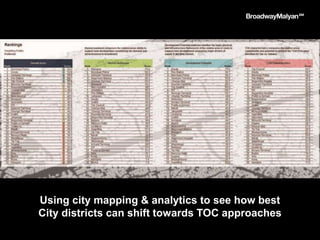
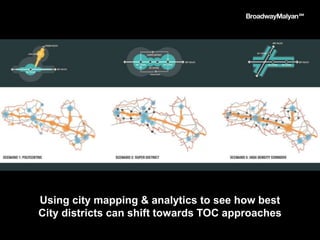
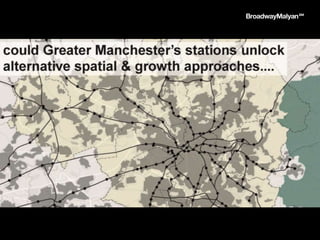
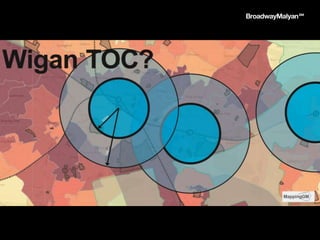
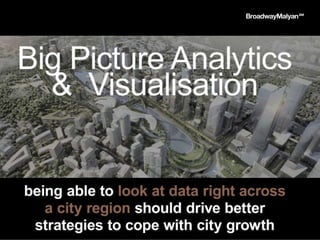
Using city mapping & analytics to see how best
City districts can shift towards TOC approaches
Using city mapping & analytics to see how best
City districts can shift towards TOC approaches
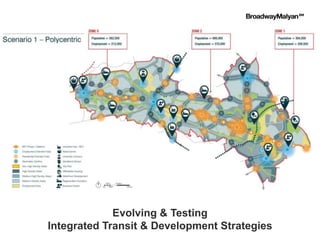
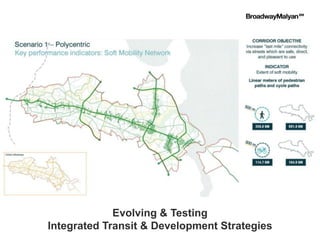
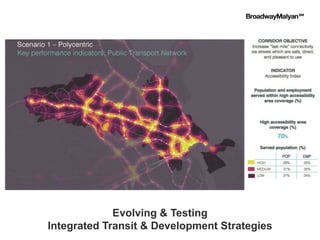
Evolving & Testing
Integrated Transit & Development Strategies
Evolving & Testing
Integrated Transit & Development Strategies
Evolving & Testing
Integrated Transit & Development Strategies
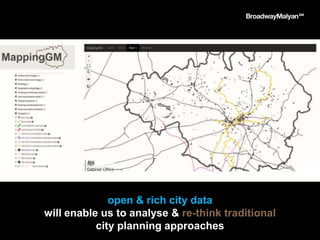
open & rich city data
will enable us to analyse & re-think traditional
city planning approaches
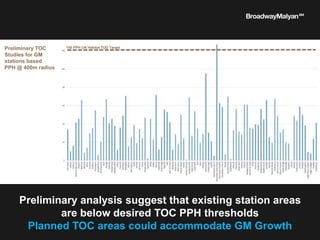
Preliminary analysis suggest that existing station areas
are below desired TOC PPH thresholds
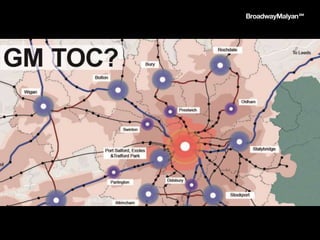
Planned TOC areas could accommodate GM Growth
Preliminary TOC
Studies for GM
stations based
PPH @ 400m radius
150 PPH UN Habitat TOD Target
rich open source city data
needs to be as ubiquitous as water & air
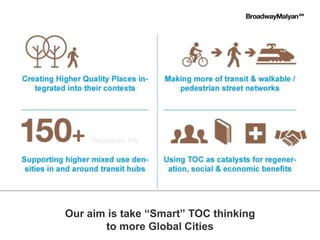
Our aim is take “Smart” TOC thinking
to more Global Cities
www.broadwaymalyan.com
Cities Transforming Parking
Problems to Revenues: Ofer
Lidror, CEO & Founder,
Lidror
A BIOMETRIC PARKING SOLUTION
A PERSONAL TAG FOR DISABLED’S PEOPLE
Introduction
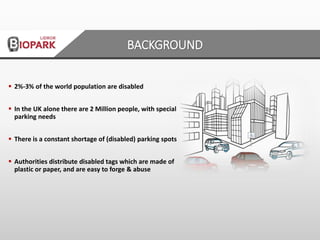
BACKGROUND
 2%-3% of the world population are disabled
 In the UK alone there are 2 Million people, with special
parking needs
 There is a constant shortage of (disabled) parking spots
 Authorities distribute disabled tags which are made of
plastic or paper, and are easy to forge & abuse
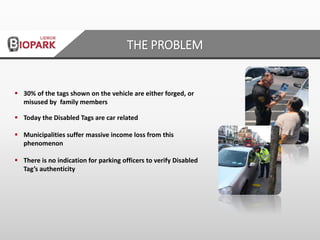
 30% of the tags shown on the vehicle are either forged, or
misused by family members
 Today the Disabled Tags are car related
 Municipalities suffer massive income loss from this
phenomenon
 There is no indication for parking officers to verify Disabled
Tag’s authenticity
THE PROBLEM
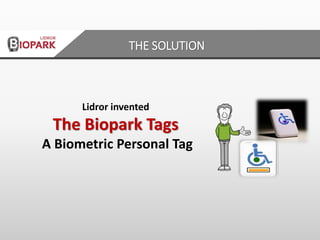
Lidror invented
The Biopark Tags
A Biometric Personal Tag
THE SOLUTION
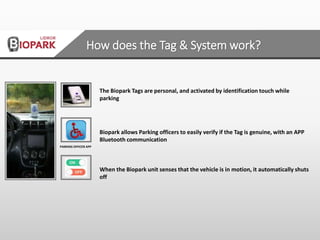
The Biopark Tags are personal, and activated by identification touch while
parking
Biopark allows Parking officers to easily verify if the Tag is genuine, with an APP
Bluetooth communication
When the Biopark unit senses that the vehicle is in motion, it automatically shuts
off
PARKING OFFICER APP
How does the Tag & System work?
Easy to operate and control:
 Easy registration process
 The Biometric data is coded into the Tag unit,
and cannot be stored on the software.
 The unit will work until the expiry date
 Easy to Add an escort person to the Tag
The Operating System - Software
Lidror’s supplies the operating software system to authorities
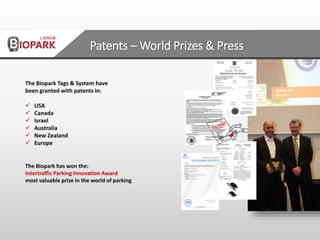
The Biopark Tags & System have
been granted with patents in:
 USA
 Canada
 Israel
 Australia
 New Zealand
 Europe
The Biopark has won the:
Intertraffic Parking Innovation Award
most valuable prize in the world of parking
Patents – World Prizes & Press
Lidror leases the Biopark Tags & system
to Authorities for a low monthly fee
As low as the price of a cup of coffee
Business model
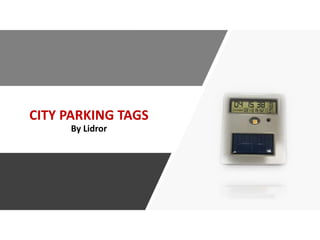
CITY PARKING TAGS
By Lidror
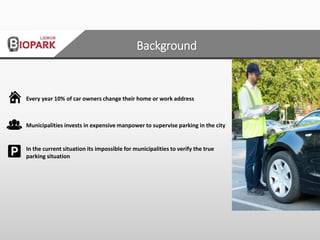
Every year 10% of car owners change their home or work address
Municipalities invests in expensive manpower to supervise parking in the city
In the current situation its impossible for municipalities to verify the true
parking situation
Background
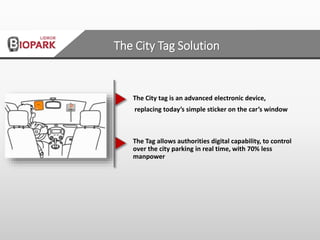
The City tag is an advanced electronic device,
replacing today’s simple sticker on the car’s window
The Tag allows authorities digital capability, to control
over the city parking in real time, with 70% less
manpower
The City Tag Solution
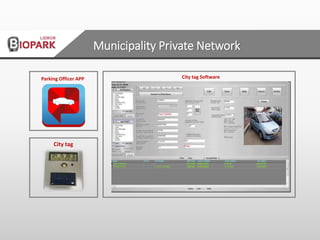
City tag Software
City tag
Parking Officer APP
Municipality Private Network
Faster, better, and more precise control
Special City Tags can be issued for non-residents & Businesses
More parking spaces
Up to 70% less manpower
Municipality benefits
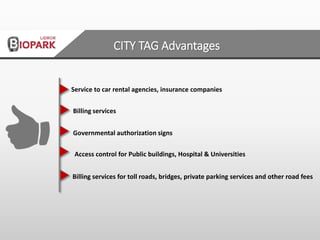
Access control for Public buildings, Hospital & Universities
Billing services for toll roads, bridges, private parking services and other road fees
Service to car rental agencies, insurance companies
Governmental authorization signs
Billing services
CITY TAG Advantages
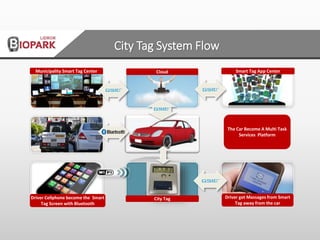
Municipality Smart Tag Center
City Tag System Flow
Cloud Smart Tag App Center
Driver get Massages from Smart
Tag away from the car
The Car Become A Multi Task
Services Platform
Driver Cellphone become the Smart
Tag Screen with Bluetooth
City Tag
THANK
YOU
+972-54-4310811
lidrorlt@netvision.net.il
www.Lidror.com

Smart cities uk 2018 stream 2 - infrastructure