
SIXTH SENSE 
TECHNOLGY 
BHUPENDRA PRATAP SINGH
'SixthSense' is a wearable gestural interface 
that augments the physical world around us 
with digital information and lets us use 
natural hand gestures to interact with that 
information
HOW IT WORKS 
 It is a wearable and gesture driven computing system to 
turn the physical world with digital information. 
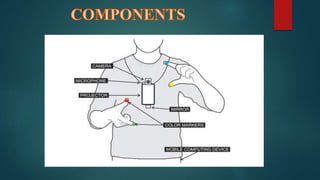
 The current prototype of Six Sense Technology consists of 
a Camera along with a projector, (sized about a cigerette 
packet) which is worn in the neck. There is an 
accompanying smart phone which runs the sixth sense 
software and handles its connection with internet.
 The camera senses the movement of fingers and 
thumb of the user and also work as a digital eye. 
 Based upon it, it searches the relevant information 
to the situation in the internet. The connected 
projector will shows the related content on 
anything whether it is a wall, paper or newspaper.
 just draw @ in the air and you can check your emails on the wall. 
 Just make a frame with your hands or fingers to click a photograph. 
You can check any travelling related information as flight delay etc. 
on your hand only.
The camera is the key input device of the SixthSense system. The camera acts as a 
digital eye of the system. It basically captures the scene the user is looking at. The 
video stream captured by the camera is passed to mobile computing device which 
does the appropriate computer vision computation. The major functions of the camera 
can be listed as: 
 Captures user’s hand movements and gestures (used in reorganization of user 
gestures) 
 Captures the scene in front and objects the user is interacting with (used in object 
reorganization and tracking) 
 Takes a photo of the scene in front when the user performs a ‘framing’ gesture 
 Captures the scene of projected interface (used to correct the alignment, placement 
and look and feel of the projected interface components)
The projector is the key output device of the SixthSense system. The 
projector visually augments surfaces, walls and physical objects the user is 
interacting with by projecting digital information and graphical user 
interfaces. The mobile computing device provides the projector with the 
content to be projected. The projector unit used in prototype runs on a 
rechargeable battery. The major functions of the projector can be listed as: 
 Projects graphical user interface of the selected application onto surfaces 
or walls in front 
 Augments the physical objects the user interacting with by projecting 
just-in-time and related information from the Internet
 The mirror reflects the projection coming out from the 
projector and thus helps in projecting onto the desired 
locations on walls or surfaces. The user manually can change 
the tilt of the mirror to change the location of the projection. 
For example in application where the user wants the 
projection to go on the ground instead of the surface in front, 
he can change the tilt of the mirror to change the projection. 
Thus, the mirror in the SixthSense helps in overcoming the 
limitation of the limited projection space of the projector
The microphone is an optional component of the SixthSense. 
It is required when using a paper as a computing interface. 
When the user wants to use a sheet of paper as an interactive 
surface, he or she clips the microphone to the paper. The 
microphone attached this way captures the sound signals of 
user’s touching the paper. This data is passed to computing 
device for processing. Later, combined with the tracking 
information about user’s finger, the system is able to identify 
precise touch events on the paper. Here, the sound signal 
captured by the microphone provides time information 
whereas the camera performs tracking.
 The SixthSense system uses a mobile computing device in 
user’s pocket as the processing device. The software 
program enabling all the features of the system runs on 
this computing device. This device can be a mobile phone 
or a small laptop computer. The camera, the projector and 
the microphone are connected to this device using wired or 
wireless connection. The detail of the software program 
that runs on this device is provided in next section. The 
mobile computing device is also connected to the Internet 
via 3G network or wireless connection.
Now that you have all these pieces, you need a way 
to combine them. Lego strips is used to form the 
base. The projector, camera, and mirror assembly can 
be directly put onto this base. You can also use Velcro 
to combine the products.
Sixth sense technolgy

Sixth sense technolgy

  • 1.
    SIXTH SENSE TECHNOLGY BHUPENDRA PRATAP SINGH
  • 2.
    'SixthSense' is awearable gestural interface that augments the physical world around us with digital information and lets us use natural hand gestures to interact with that information
  • 3.
    HOW IT WORKS  It is a wearable and gesture driven computing system to turn the physical world with digital information.  The current prototype of Six Sense Technology consists of a Camera along with a projector, (sized about a cigerette packet) which is worn in the neck. There is an accompanying smart phone which runs the sixth sense software and handles its connection with internet.
  • 4.
     The camerasenses the movement of fingers and thumb of the user and also work as a digital eye.  Based upon it, it searches the relevant information to the situation in the internet. The connected projector will shows the related content on anything whether it is a wall, paper or newspaper.
  • 5.
     just draw@ in the air and you can check your emails on the wall.  Just make a frame with your hands or fingers to click a photograph. You can check any travelling related information as flight delay etc. on your hand only.
  • 7.
    The camera isthe key input device of the SixthSense system. The camera acts as a digital eye of the system. It basically captures the scene the user is looking at. The video stream captured by the camera is passed to mobile computing device which does the appropriate computer vision computation. The major functions of the camera can be listed as:  Captures user’s hand movements and gestures (used in reorganization of user gestures)  Captures the scene in front and objects the user is interacting with (used in object reorganization and tracking)  Takes a photo of the scene in front when the user performs a ‘framing’ gesture  Captures the scene of projected interface (used to correct the alignment, placement and look and feel of the projected interface components)
  • 8.
    The projector isthe key output device of the SixthSense system. The projector visually augments surfaces, walls and physical objects the user is interacting with by projecting digital information and graphical user interfaces. The mobile computing device provides the projector with the content to be projected. The projector unit used in prototype runs on a rechargeable battery. The major functions of the projector can be listed as:  Projects graphical user interface of the selected application onto surfaces or walls in front  Augments the physical objects the user interacting with by projecting just-in-time and related information from the Internet
  • 9.
     The mirrorreflects the projection coming out from the projector and thus helps in projecting onto the desired locations on walls or surfaces. The user manually can change the tilt of the mirror to change the location of the projection. For example in application where the user wants the projection to go on the ground instead of the surface in front, he can change the tilt of the mirror to change the projection. Thus, the mirror in the SixthSense helps in overcoming the limitation of the limited projection space of the projector
  • 10.
    The microphone isan optional component of the SixthSense. It is required when using a paper as a computing interface. When the user wants to use a sheet of paper as an interactive surface, he or she clips the microphone to the paper. The microphone attached this way captures the sound signals of user’s touching the paper. This data is passed to computing device for processing. Later, combined with the tracking information about user’s finger, the system is able to identify precise touch events on the paper. Here, the sound signal captured by the microphone provides time information whereas the camera performs tracking.
  • 11.
     The SixthSensesystem uses a mobile computing device in user’s pocket as the processing device. The software program enabling all the features of the system runs on this computing device. This device can be a mobile phone or a small laptop computer. The camera, the projector and the microphone are connected to this device using wired or wireless connection. The detail of the software program that runs on this device is provided in next section. The mobile computing device is also connected to the Internet via 3G network or wireless connection.
  • 12.
    Now that youhave all these pieces, you need a way to combine them. Lego strips is used to form the base. The projector, camera, and mirror assembly can be directly put onto this base. You can also use Velcro to combine the products.