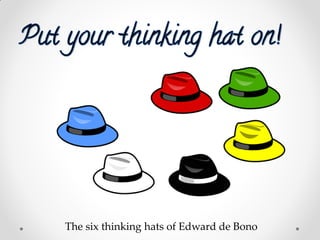






The six thinking hats of Edward de Bono
Edward de Bono
“Thinking is the ultimate human resource. Yet we can
never be satisfied with our most important skill. No
matter how good we become, we should always want to
be better”
Six thinking hats
In his book "Six Thinking Hats" Edward de Bono
presents a simple but effective way to become a
better thinker. He separates thinking into six
distinct modes, identified with six coloured
"thinking hats"
Control Thinking
The blue hat stands for process, control, or taking an
overview. Think of the blue sky over us. Wearing the
blue hat means taking a wider, higher perspective to
ensure you are addressing the right issue.
What is our focus?
What thinking is needed?
What have we done so far?
What do we do next?
Information
Facts
The white hat is neutral, objective and non-
emotional. White is effectively colourless. Focus
instead on the facts and figures, on the data and
information available. You try to extrapolate trends
from historical data and search for gaps in the
knowledge
What information do we have?
What information do we need?
BENEFITS HARMONY
Black hat thinking
The black hat is gloomy and negative. You take time to
look at the risks and why a proposed solution will fail.
Black hat thinking helps to make plans tougher, more
resilient. It can help you to spot fatal flaws. It can be
over-used.
What problems could we face?
What are the potential risks?
What might go wrong with this?
What are the weaknesses?
Exercise
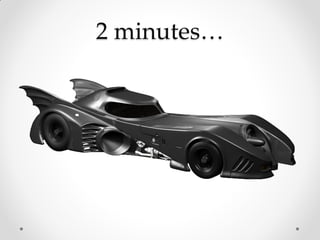
Look at the picture on the following page and
then using each of the different hats, complete
the exercise
Use post-it notes, working first silently, then
as a group
Remember
• White hat: factual, describes what is there
• Red hat: intuitive, expresses how one feels when one
sees the object
• Green hat: creative, comes up with ideas
• Black hat: negative, sees what is wrong with everything
• Yellow hat: positive, sees what is good in everything
• Blue hat: controls the process, runs the discussion,
decides which hat to put on when
2 minutes…
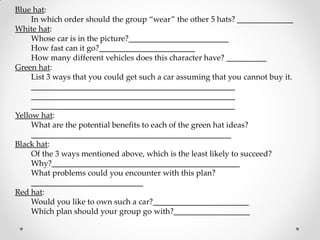
Blue hat:
In which order should the group “wear” the other 5 hats? ______________
White hat:
Whose car is in the picture?_________________________
How fast can it go?________________________
How many different vehicles does this character have? __________
Green hat:
List 3 ways that you could get such a car assuming that you cannot buy it.
___________________________________________________
___________________________________________________
___________________________________________________
Yellow hat:
What are the potential benefits to each of the green hat ideas?
__________________________________________________
Black hat:
Of the 3 ways mentioned above, which is the least likely to succeed?
Why?_______________________________________________
What problems could you encounter with this plan?
____________________________
Red hat:
Would you like to own such a car?________________________
Which plan should your group go with?___________________

Six thinking hats

  • 1.
    The six thinkinghats of Edward de Bono
  • 2.
    Edward de Bono “Thinkingis the ultimate human resource. Yet we can never be satisfied with our most important skill. No matter how good we become, we should always want to be better”
  • 3.
    Six thinking hats Inhis book "Six Thinking Hats" Edward de Bono presents a simple but effective way to become a better thinker. He separates thinking into six distinct modes, identified with six coloured "thinking hats"
  • 5.
  • 6.
    The blue hatstands for process, control, or taking an overview. Think of the blue sky over us. Wearing the blue hat means taking a wider, higher perspective to ensure you are addressing the right issue.
  • 7.
    What is ourfocus? What thinking is needed? What have we done so far? What do we do next?
  • 9.
  • 10.
    The white hatis neutral, objective and non- emotional. White is effectively colourless. Focus instead on the facts and figures, on the data and information available. You try to extrapolate trends from historical data and search for gaps in the knowledge
  • 11.
    What information dowe have? What information do we need?
  • 13.
  • 26.
    Black hat thinking Theblack hat is gloomy and negative. You take time to look at the risks and why a proposed solution will fail. Black hat thinking helps to make plans tougher, more resilient. It can help you to spot fatal flaws. It can be over-used.
  • 27.
    What problems couldwe face? What are the potential risks? What might go wrong with this? What are the weaknesses?
  • 28.
    Exercise Look at thepicture on the following page and then using each of the different hats, complete the exercise Use post-it notes, working first silently, then as a group
  • 29.
    Remember • White hat:factual, describes what is there • Red hat: intuitive, expresses how one feels when one sees the object • Green hat: creative, comes up with ideas • Black hat: negative, sees what is wrong with everything • Yellow hat: positive, sees what is good in everything • Blue hat: controls the process, runs the discussion, decides which hat to put on when
  • 30.
  • 31.
    Blue hat: In whichorder should the group “wear” the other 5 hats? ______________ White hat: Whose car is in the picture?_________________________ How fast can it go?________________________ How many different vehicles does this character have? __________ Green hat: List 3 ways that you could get such a car assuming that you cannot buy it. ___________________________________________________ ___________________________________________________ ___________________________________________________ Yellow hat: What are the potential benefits to each of the green hat ideas? __________________________________________________ Black hat: Of the 3 ways mentioned above, which is the least likely to succeed? Why?_______________________________________________ What problems could you encounter with this plan? ____________________________ Red hat: Would you like to own such a car?________________________ Which plan should your group go with?___________________