The 
European 
Welfare 
State: 
Performance 
and 
Challenges 
Pierre 
Pes:eau 
CORE, 
Université 
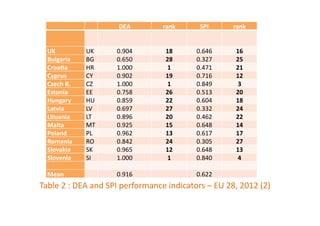
de 
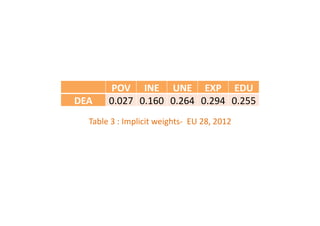
Louvain 
and 
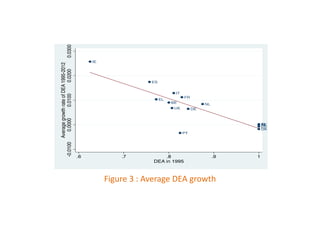
CREPP, 
Université 
de 
Liège.
Assessing 
the 
European 
Welfare 
State 
brings 
contrasted 
reac:ons 
depending 
on 
whether 
you 
are 
a 
pessimist 
or 
an 
op:mist: 
– Half 
full 
glass: 
All 
the 
missions 
have 
been 
fulfilled. 
Recent 
study 
on 
the 
performance 
of 
the 
Welfare 
State 
in 
the 
28 
EU 
countries: 
improvement 
and 
convergence. 
– Half 
empty 
glass: 
They 
are 
more 
numerous. 
Concerned 
by 
the 
challenges 
that 
threaten 
the 
viability 
of 
the 
Welfare 
State 
more 
than 
by 
its 
current 
performance.
Among 
the 
most 
cited 
challenges, 
there 
are 
– demographic 
aging, 
– globaliza:on 
, 
– financial, 
budgetary 
crisis. 
As 
a 
reac:on 
to 
these 
challenges, 
we 
have 
already 
observed 
over 
the 
last 
decade 
changes 
in 
the 
architecture 
of 
our 
Welfare 
State. 
From 
contributory, 
it 
becomes 
more 
and 
more 
Beveridgean.
On 
the 
revenue 
side, 
an 
increasing 
frac:on 
of 
resources 
comes 
from 
general 
revenue 
and 
not 
from 
contribu:ons. 
1990 2000 2010 
Belgium 23.8 25.5 35.8 
France 17.0 30.3 34.0 
Germany 19.1 31.9 36.7 
Italy 27.2 40.6 45.6 
Spain 26.2 29.5 43.5 
Table 
1. 
General 
government 
contribu:ons 
as 
% 
of 
total 
receipts
On 
the 
benefit 
side, 
there 
is 
less 
and 
less 
link 
between 
the 
contribu:ons 
and 
the 
compensa:ons: 
survival 
benefits, 
minimums 
and 
maximums, 
derived 
rights. 
• Problem: 
by 
moving 
away 
from 
the 
Bismarckian 
contributory 
principle, 
we 
increase 
tax 
distor:ons 
and 
lose 
poli:cal 
support.
Two 
remarks 
in 
order 
when 
assessing 
the 
performance 
of 
the 
welfare 
state. 
– Different 
countries 
can 
have 
different 
priori:es: 
employment, 
equality, 
poverty 
allevia:on, 
health, 
educa:on, 
old 
age, 
… 
– Those 
priori:es 
are 
not 
always 
reflected 
in 
the 
amount 
of 
social 
spending. 
There 
exists 
other 
non 
financial 
means 
to 
achieve 
certain 
objec:ves: 
relying 
on 
the 
private 
sector 
through 
mandatory 
insurance, 
laws 
and 
regula:on, 
environment, 
…
Now 
I 
provide 
some 
evalua:on 
of 
the 
performance 
of 
the 
European 
welfare 
states. 
For 
the 
most 
recent 
years, 
it 
comprises 
the 
28 
EU 
member 
states. 
For 
the 
dynamic 
part, 
it 
is 
restricted 
to 
EU15. 
• The 
performance 
is 
measured 
as 
the 
capacity 
to 
fulfill 
5 
basic 
missions 
of 
the 
Welfare 
State: 
– Poverty 
allevia:on 
– Inequality 
reduc:on 
– Health 
– Employment 
– Educa:on
• Two 
techniques 
of 
aggrega:on 
are 
used: 
– simple 
unweighted 
sum 
of 
normalized 
indicators 
(SPI) 
(ex: 
HDI) 
– Data 
Envelopment 
Analysis 
(DEA) 
that 
weights 
the 
par:al 
indicators 
according 
to 
the 
importance 
they 
are 
given 
in 
each 
country.
1,000 
0,900 
0,800 
0,700 
0,600 
0,500 
0,400 
0,300 
0,200 
0,100 
0,000 
POV 
INE 
EXP 
UNE 
EDU 
France 
Germany 
Spain 
United 
Kingdom 
Figure 
1 
: 
Primary 
indicators 
in 
4 
countries
DEA rank SPI rank 
Austria AT 1.000 1 0.821 6 
Belgium BE 0.911 17 0.736 11 
Denmark DK 0.947 14 0.773 8 
Finland FI 0.997 10 0.835 5 
France FR 1.000 1 0.749 9 
Germany DE 0.916 16 0.738 10 
Greece EL 0.846 23 0.319 26 
Ireland IE 0.882 21 0.648 15 
Italy IT 1.000 1 0.543 19 
Luxembourg LU 0.984 11 0.813 7 
Netherlands NL 1.000 1 0.896 1 
Portugal PT 0.799 25 0.446 23 
Spain ES 1.000 1 0.263 28 
Sweden SE 1.000 1 0.863 2 
Table 
2 
: 
DEA 
and 
SPI 
performance 
indicators 
– 
EU 
28, 
2012 
(1)
DEA 
rank 
SPI 
rank 
UK 
UK 
0.904 
18 
0.646 
16 
Bulgaria 
BG 
0.650 
28 
0.327 
25 
CroaLa 
HR 
1.000 
1 
0.471 
21 
Cyprus 
CY 
0.902 
19 
0.716 
12 
Czech 
R. 
CZ 
1.000 
1 
0.849 
3 
Estonia 
EE 
0.758 
26 
0.513 
20 
Hungary 
HU 
0.859 
22 
0.604 
18 
Latvia 
LV 
0.697 
27 
0.332 
24 
Lituania 
LT 
0.896 
20 
0.462 
22 
Malta 
MT 
0.925 
15 
0.648 
14 
Poland 
PL 
0.962 
13 
0.617 
17 
Romania 
RO 
0.842 
24 
0.305 
27 
Slovakia 
SK 
0.965 
12 
0.648 
13 
Slovenia 
SI 
1.000 
1 
0.840 
4 
Mean 
0.916 
0.622 
Table 
2 
: 
DEA 
and 
SPI 
performance 
indicators 
– 
EU 
28, 
2012 
(2)
POV INE UNE EXP EDU 
DEA 
0.027 0.160 0.264 0.294 0.255 
Table 
3 
: 
Implicit 
weights-­‐ 
EU 
28, 
2012
Figure 
2 
: 
Convergence 
of 
SPI 
1 
0,9 
0,8 
0,7 
0,6 
0,5 
0,4 
0,3 
0,2 
0,1 
0 
AT 
BE 
DE 
DK 
EL 
ES 
FI 
FR 
IE 
IT 
LU 
NL 
PT 
SE 
UK 
1995 
1996 
1997 
1998 
1999 
2000 
2001 
2002 
2003 
2004 
2005 
2006 
2007 
2008 
2009 
2010 
2011 
2012
Figure 
3 
: 
Average 
DEA 
growth
Overall 
assessment 
• Quasi 
universal 
coverage 
rela:ve 
to 
less 
than 
50% 
in 
La:n 
America. 
• S:ll 
many 
holes 
in 
the 
safety 
net: 
poverty 
rates, 
working 
poor, 
unalended 
dependent 
elderly.

2014_05-21_OECD-ECLAC-PSE EU-LAC Forum_pestiau

  • 1.
    The European Welfare State: Performance and Challenges Pierre Pes:eau CORE, Université de Louvain and CREPP, Université de Liège.
  • 2.
    Assessing the European Welfare State brings contrasted reac:ons depending on whether you are a pessimist or an op:mist: – Half full glass: All the missions have been fulfilled. Recent study on the performance of the Welfare State in the 28 EU countries: improvement and convergence. – Half empty glass: They are more numerous. Concerned by the challenges that threaten the viability of the Welfare State more than by its current performance.
  • 3.
    Among the most cited challenges, there are – demographic aging, – globaliza:on , – financial, budgetary crisis. As a reac:on to these challenges, we have already observed over the last decade changes in the architecture of our Welfare State. From contributory, it becomes more and more Beveridgean.
  • 4.
    On the revenue side, an increasing frac:on of resources comes from general revenue and not from contribu:ons. 1990 2000 2010 Belgium 23.8 25.5 35.8 France 17.0 30.3 34.0 Germany 19.1 31.9 36.7 Italy 27.2 40.6 45.6 Spain 26.2 29.5 43.5 Table 1. General government contribu:ons as % of total receipts
  • 5.
    On the benefit side, there is less and less link between the contribu:ons and the compensa:ons: survival benefits, minimums and maximums, derived rights. • Problem: by moving away from the Bismarckian contributory principle, we increase tax distor:ons and lose poli:cal support.
  • 6.
    Two remarks in order when assessing the performance of the welfare state. – Different countries can have different priori:es: employment, equality, poverty allevia:on, health, educa:on, old age, … – Those priori:es are not always reflected in the amount of social spending. There exists other non financial means to achieve certain objec:ves: relying on the private sector through mandatory insurance, laws and regula:on, environment, …
  • 7.
    Now I provide some evalua:on of the performance of the European welfare states. For the most recent years, it comprises the 28 EU member states. For the dynamic part, it is restricted to EU15. • The performance is measured as the capacity to fulfill 5 basic missions of the Welfare State: – Poverty allevia:on – Inequality reduc:on – Health – Employment – Educa:on
  • 8.
    • Two techniques of aggrega:on are used: – simple unweighted sum of normalized indicators (SPI) (ex: HDI) – Data Envelopment Analysis (DEA) that weights the par:al indicators according to the importance they are given in each country.
  • 9.
    1,000 0,900 0,800 0,700 0,600 0,500 0,400 0,300 0,200 0,100 0,000 POV INE EXP UNE EDU France Germany Spain United Kingdom Figure 1 : Primary indicators in 4 countries
  • 10.
    DEA rank SPIrank Austria AT 1.000 1 0.821 6 Belgium BE 0.911 17 0.736 11 Denmark DK 0.947 14 0.773 8 Finland FI 0.997 10 0.835 5 France FR 1.000 1 0.749 9 Germany DE 0.916 16 0.738 10 Greece EL 0.846 23 0.319 26 Ireland IE 0.882 21 0.648 15 Italy IT 1.000 1 0.543 19 Luxembourg LU 0.984 11 0.813 7 Netherlands NL 1.000 1 0.896 1 Portugal PT 0.799 25 0.446 23 Spain ES 1.000 1 0.263 28 Sweden SE 1.000 1 0.863 2 Table 2 : DEA and SPI performance indicators – EU 28, 2012 (1)
  • 11.
    DEA rank SPI rank UK UK 0.904 18 0.646 16 Bulgaria BG 0.650 28 0.327 25 CroaLa HR 1.000 1 0.471 21 Cyprus CY 0.902 19 0.716 12 Czech R. CZ 1.000 1 0.849 3 Estonia EE 0.758 26 0.513 20 Hungary HU 0.859 22 0.604 18 Latvia LV 0.697 27 0.332 24 Lituania LT 0.896 20 0.462 22 Malta MT 0.925 15 0.648 14 Poland PL 0.962 13 0.617 17 Romania RO 0.842 24 0.305 27 Slovakia SK 0.965 12 0.648 13 Slovenia SI 1.000 1 0.840 4 Mean 0.916 0.622 Table 2 : DEA and SPI performance indicators – EU 28, 2012 (2)
  • 12.
    POV INE UNEEXP EDU DEA 0.027 0.160 0.264 0.294 0.255 Table 3 : Implicit weights-­‐ EU 28, 2012
  • 13.
    Figure 2 : Convergence of SPI 1 0,9 0,8 0,7 0,6 0,5 0,4 0,3 0,2 0,1 0 AT BE DE DK EL ES FI FR IE IT LU NL PT SE UK 1995 1996 1997 1998 1999 2000 2001 2002 2003 2004 2005 2006 2007 2008 2009 2010 2011 2012
  • 14.
    Figure 3 : Average DEA growth
  • 15.
    Overall assessment •Quasi universal coverage rela:ve to less than 50% in La:n America. • S:ll many holes in the safety net: poverty rates, working poor, unalended dependent elderly.