SEISMIC RETROFIT OF
BUILDING STRUCTURES
EARTHQUAKE

 An earthquake (also known as a quake, tremor or temblor)
is the result of a sudden release of energy in the Earth's crust
that creates seismic waves.

 The seismicity, seismism or seismic activity of an area
refers to the frequency, type and size of earthquakes
experienced over a period of time.
INTRODUCTION

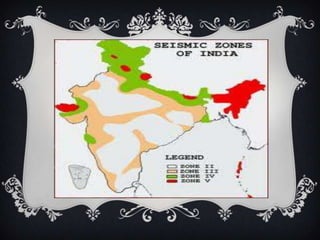
• Seismic retrofitting of constructions are vulnerable to
  earthquake. Most of the Indian building stock is vulnerable to
  seismic action even if located in areas that have long been
  considered of high seismic hazard. In the past thirty years
  moderate to severe earthquakes have occurred in India at
  intervals of 5 to 10 years. Such events have clearly shown the

  vulnerability of the building stock in particular and of the built
  environment in general
• Aim is to focus on a few specific procedures which may
  improve the state-of-the-art practice for the evaluation of
  seismic vulnerability of existing reinforced concrete buildings
  and for their seismic retrofitting by means of innovative
  techniques such as base isolation and energy dissipation.
SEISMIC RETROFITTING

 To provide existing structures with more resistance to
seismic activity due to earthquake

 Includes strengthening of weak connections found in the
roof to wall connections, continuity ties, shear walls and roof
diaphragm.
NEED FOR SEISMIC
        RETROFITTING

To ensure the safety and security of a building,
employees, structure functionality, machinery and
inventory
Essential to reduce hazard and losses from non-structural
elements
Predominantly concerned with structural improvement to
reduce seismic hazard
SIX MORE REASONS TO SEISMIC
          RETROFIT

 Marketability of the building is improved
 The risk of injury and legal litigation is reduced
 Earthquake coverage
 Lenders
 Insurance companies
 Tenants
METHODS FOR SEISMIC
       RETROFITTING

Conventional Strengthening Methods

Traditional Methods of seismic retrofitting

Retrofit of structures using innovative materials

Base Isolation

Supplemental Energy Dissipation and Structural Control
CONVENTIONAL
     STRENGTHENING METHODS

Conventional retrofitting method include addition of new
structural elements to the system and enlarging the existing
members. Methods such as
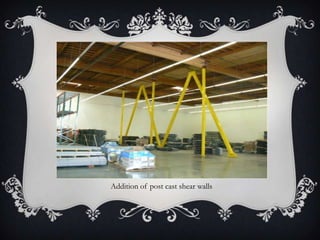
 Addition of post cast shear walls
 Additional foundation to support the shear walls to be
  constructed around the stairs
 Concrete jacketing of a column
 Addition of column members to vertical irregularities
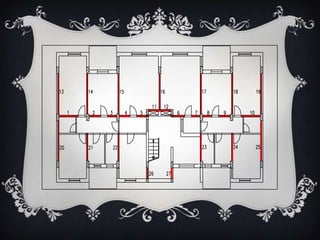
Addition of post cast shear walls
TRADITIONAL METHODS OF SEISMIC
           RETROFIT


Structural design

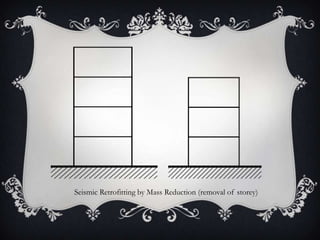
Mass reduction
Seismic Retrofitting by Mass Reduction (removal of storey)
RETROFIT OF STRUCTURES USING
     I N N O VAT I V E M AT E R I A L S


 High Performance Concrete

 High Performance Steel

 Fibre Reinforced Plastic
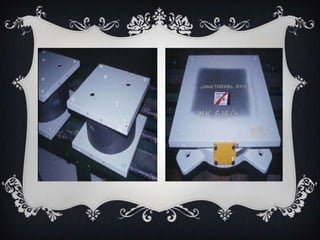
BASE ISOLATION

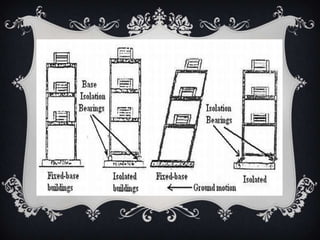
 Placing flexible isolation systems between the foundation
and the superstructure.

 Provides safety against collapse.

 Also used in the seismic retrofitting of historic structures
without imparting their architectural characteristics by
reducing the induced seismic forces.
S U P P L E M E N TA L E N E R G Y D I S S I PAT I O N
         AND STRUCTURAL CONTROL


 Cost efficient retrofitting strategy compared to base isolation is
installation of supplemental energy devices in structures as a means
for passive or active structural control

 Objective of structural control is to reduce structural vibrations
for improved safety and serviceability under wind and earthquake
loadings
Other methods used for seismic retrofit are:


 Carbon fiber retrofit
 Mending Application of Reinforced Sheets
 Aramid Fiber Retrofitting System
 Precast Retrofit Shear Wall System
 Pitacolumn Method
 Tufnes Method
 Outer-frame brace
 Taisei Anchor-less Retrofit system
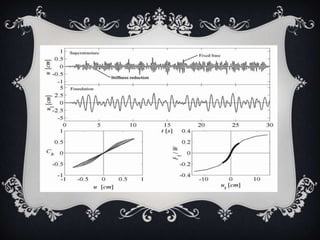
I N N O VAT I V E A P P R O A C H E S

 Stiffness reduction

 Ductility increase

 Damage controlled structures

 Composite materials

 Active control
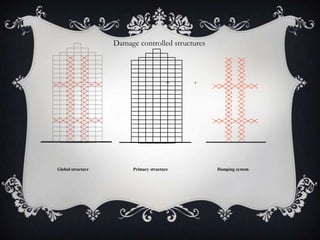
Damage controlled structures


                                         =   +


Global structure         Primary structure        Damping system
ADVANCED METHODS

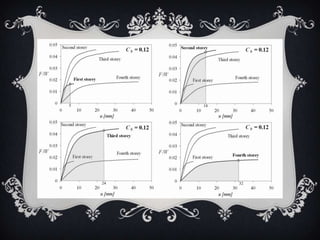
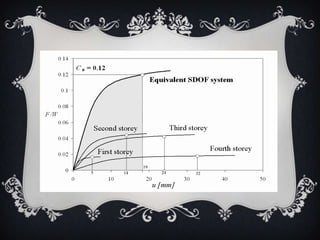
 SDOF equivalent systems

 Storey force-displacement (Push over analysis)

 Seismic Resistance in terms of effective Peak Ground
Acceleration(PGA)
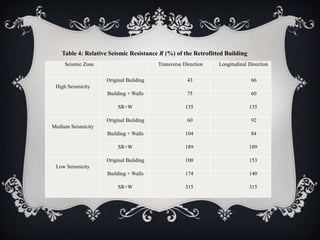
Table 4: Relative Seismic Resistance R (%) of the Retrofitted Building
     Seismic Zone                       Transverse Direction   Longitudinal Direction

                    Original Building                43                      66
 High Seismicity
                     Building + Walls                75                      60

                         SR+W                       135                      135

                    Original Building                60                      92
Medium Seismicity
                     Building + Walls               104                      84

                         SR+W                       189                      189

                    Original Building               100                      153
 Low Seismicity
                     Building + Walls               174                      140

                         SR+W                       315                      315
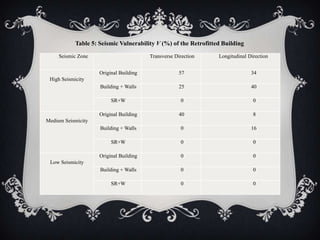
Table 5: Seismic Vulnerability V (%) of the Retrofitted Building

     Seismic Zone                        Transverse Direction     Longitudinal Direction


                     Original Building                57                        34
 High Seismicity
                     Building + Walls                 25                        40

                          SR+W                        0                          0

                     Original Building                40                         8
Medium Seismicity
                     Building + Walls                 0                         16

                          SR+W                        0                          0

                     Original Building                0                          0
 Low Seismicity
                     Building + Walls                 0                          0

                          SR+W                        0                          0
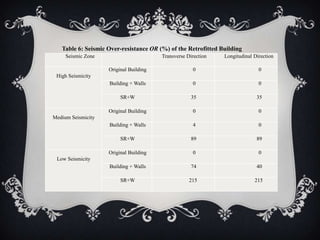
Table 6: Seismic Over-resistance OR (%) of the Retrofitted Building
     Seismic Zone                       Transverse Direction   Longitudinal Direction

                    Original Building                0                        0
 High Seismicity
                    Building + Walls                 0                        0

                         SR+W                        35                      35

                    Original Building                0                        0
Medium Seismicity
                    Building + Walls                 4                        0

                         SR+W                        89                      89

                    Original Building                0                        0
 Low Seismicity
                    Building + Walls                 74                      40

                         SR+W                       215                     215
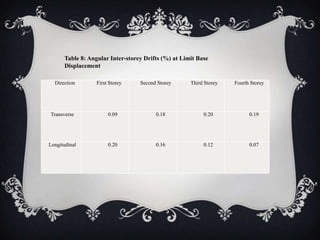
Table 8: Angular Inter-storey Drifts (%) at Limit Base
      Displacement

  Direction       First Storey    Second Storey      Third Storey   Fourth Storey


Transverse             0.09             0.18              0.20            0.19


Longitudinal           0.20             0.16              0.12            0.07
CONCLUSION

 This paper considers the retrofitting of buildings vulnerable to
earthquakes and briefly discuss about the traditional, conventional
and innovative methods of seismic retrofitting.

 In conclusion it is hoped that the material presented in this paper
will be useful in understanding of the earthquake engineering
problems and of seismic retrofitting
SUBMITTED BY

  R.Gopinath

  V.Umapathi
THANK YOU

Seismic retrofit of building structures

  • 1.
  • 2.
    EARTHQUAKE  An earthquake(also known as a quake, tremor or temblor) is the result of a sudden release of energy in the Earth's crust that creates seismic waves.  The seismicity, seismism or seismic activity of an area refers to the frequency, type and size of earthquakes experienced over a period of time.
  • 5.
    INTRODUCTION • Seismic retrofittingof constructions are vulnerable to earthquake. Most of the Indian building stock is vulnerable to seismic action even if located in areas that have long been considered of high seismic hazard. In the past thirty years moderate to severe earthquakes have occurred in India at intervals of 5 to 10 years. Such events have clearly shown the vulnerability of the building stock in particular and of the built environment in general • Aim is to focus on a few specific procedures which may improve the state-of-the-art practice for the evaluation of seismic vulnerability of existing reinforced concrete buildings and for their seismic retrofitting by means of innovative techniques such as base isolation and energy dissipation.
  • 6.
    SEISMIC RETROFITTING  Toprovide existing structures with more resistance to seismic activity due to earthquake  Includes strengthening of weak connections found in the roof to wall connections, continuity ties, shear walls and roof diaphragm.
  • 7.
    NEED FOR SEISMIC RETROFITTING To ensure the safety and security of a building, employees, structure functionality, machinery and inventory Essential to reduce hazard and losses from non-structural elements Predominantly concerned with structural improvement to reduce seismic hazard
  • 8.
    SIX MORE REASONSTO SEISMIC RETROFIT  Marketability of the building is improved  The risk of injury and legal litigation is reduced  Earthquake coverage  Lenders  Insurance companies  Tenants
  • 9.
    METHODS FOR SEISMIC RETROFITTING Conventional Strengthening Methods Traditional Methods of seismic retrofitting Retrofit of structures using innovative materials Base Isolation Supplemental Energy Dissipation and Structural Control
  • 10.
    CONVENTIONAL STRENGTHENING METHODS Conventional retrofitting method include addition of new structural elements to the system and enlarging the existing members. Methods such as  Addition of post cast shear walls  Additional foundation to support the shear walls to be constructed around the stairs  Concrete jacketing of a column  Addition of column members to vertical irregularities
  • 11.
    Addition of postcast shear walls
  • 12.
    TRADITIONAL METHODS OFSEISMIC RETROFIT Structural design Mass reduction
  • 13.
    Seismic Retrofitting byMass Reduction (removal of storey)
  • 14.
    RETROFIT OF STRUCTURESUSING I N N O VAT I V E M AT E R I A L S  High Performance Concrete  High Performance Steel  Fibre Reinforced Plastic
  • 15.
    BASE ISOLATION  Placingflexible isolation systems between the foundation and the superstructure.  Provides safety against collapse.  Also used in the seismic retrofitting of historic structures without imparting their architectural characteristics by reducing the induced seismic forces.
  • 17.
    S U PP L E M E N TA L E N E R G Y D I S S I PAT I O N AND STRUCTURAL CONTROL  Cost efficient retrofitting strategy compared to base isolation is installation of supplemental energy devices in structures as a means for passive or active structural control  Objective of structural control is to reduce structural vibrations for improved safety and serviceability under wind and earthquake loadings
  • 18.
    Other methods usedfor seismic retrofit are:  Carbon fiber retrofit  Mending Application of Reinforced Sheets  Aramid Fiber Retrofitting System  Precast Retrofit Shear Wall System  Pitacolumn Method  Tufnes Method  Outer-frame brace  Taisei Anchor-less Retrofit system
  • 19.
    I N NO VAT I V E A P P R O A C H E S  Stiffness reduction  Ductility increase  Damage controlled structures  Composite materials  Active control
  • 20.
    Damage controlled structures = + Global structure Primary structure Damping system
  • 21.
    ADVANCED METHODS  SDOFequivalent systems  Storey force-displacement (Push over analysis)  Seismic Resistance in terms of effective Peak Ground Acceleration(PGA)
  • 30.
    Table 4: RelativeSeismic Resistance R (%) of the Retrofitted Building Seismic Zone Transverse Direction Longitudinal Direction Original Building 43 66 High Seismicity Building + Walls 75 60 SR+W 135 135 Original Building 60 92 Medium Seismicity Building + Walls 104 84 SR+W 189 189 Original Building 100 153 Low Seismicity Building + Walls 174 140 SR+W 315 315
  • 31.
    Table 5: SeismicVulnerability V (%) of the Retrofitted Building Seismic Zone Transverse Direction Longitudinal Direction Original Building 57 34 High Seismicity Building + Walls 25 40 SR+W 0 0 Original Building 40 8 Medium Seismicity Building + Walls 0 16 SR+W 0 0 Original Building 0 0 Low Seismicity Building + Walls 0 0 SR+W 0 0
  • 32.
    Table 6: SeismicOver-resistance OR (%) of the Retrofitted Building Seismic Zone Transverse Direction Longitudinal Direction Original Building 0 0 High Seismicity Building + Walls 0 0 SR+W 35 35 Original Building 0 0 Medium Seismicity Building + Walls 4 0 SR+W 89 89 Original Building 0 0 Low Seismicity Building + Walls 74 40 SR+W 215 215
  • 33.
    Table 8: AngularInter-storey Drifts (%) at Limit Base Displacement Direction First Storey Second Storey Third Storey Fourth Storey Transverse 0.09 0.18 0.20 0.19 Longitudinal 0.20 0.16 0.12 0.07
  • 35.
    CONCLUSION  This paperconsiders the retrofitting of buildings vulnerable to earthquakes and briefly discuss about the traditional, conventional and innovative methods of seismic retrofitting.  In conclusion it is hoped that the material presented in this paper will be useful in understanding of the earthquake engineering problems and of seismic retrofitting
  • 36.
    SUBMITTED BY R.Gopinath V.Umapathi
  • 37.