Seeing 
Math 
Pa,erns 
in 
Nature 
Mary 
Van 
Dyke 
Green 
STEM 
Learning 
NSTA 
Conference 
Richmond, 
VA 
October 
2014
Play 
and 
Pa,erns
• Pack 
n’ 
Grow 
• Pinecones 
Overview 
and 
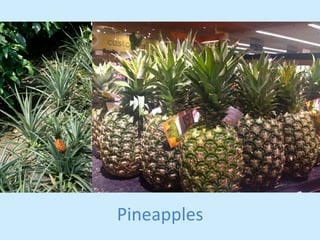
Pineapples 
• Sunflowers 
and 
Daisies 
• Fibonacci 
and 
non-­‐Fibonacci 
• Phyllotaxis 
and 
Branching 
• Squares 
and 
Spirals 
• Make 
Your 
Own 
Series 
• Resources
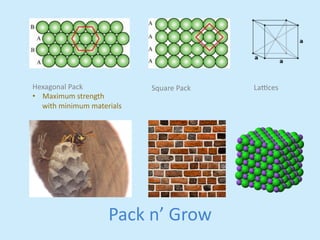
Pack 
n’ 
Grow 
Hexagonal 
Pack 
• Maximum 
strength 
with 
minimum 
materials 
Square 
Pack 
LaUces
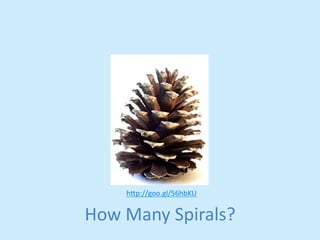
Pinecones
How 
Many 
Spirals?
h,p://goo.gl/56hbKU 
How 
Many 
Spirals?
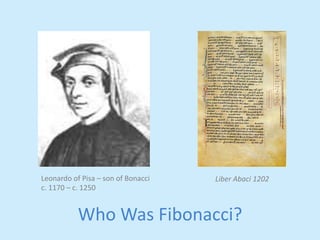
Leonardo 
of 
Pisa 
– 
son 
of 
Bonacci 
Liber 
Abaci 
1202 
c. 
1170 
– 
c. 
1250 
Who 
Was 
Fibonacci?
0, 
1, 
1, 
2, 
3, 
5, 
8, 
13, 
21, 
34, 
55, 
89, 
144, 
… 
F 
n 
= 
F 
n-­‐1 
+ 
F 
n-­‐2 
where 
F 
0 
= 
0 
and 
F 
1 
= 
1 
0 
+ 
1 
= 
1 
1 
+ 
1 
= 
2 
1 
+ 
2 
= 
3 
2 
+ 
3 
= 
5 
3 
+ 
5 
= 
8 
5 
+ 
8 
= 
13 
8 
+ 
13 
= 
21 
Math 
– 
The 
Fibonacci 
Series
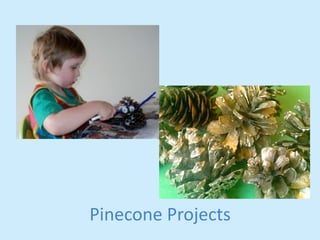
Pinecone 
Projects
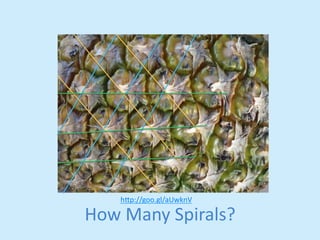
Pineapples
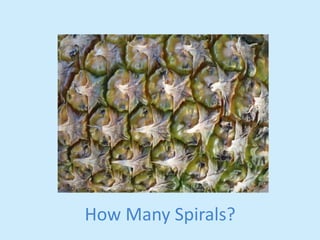
How 
Many 
Spirals?
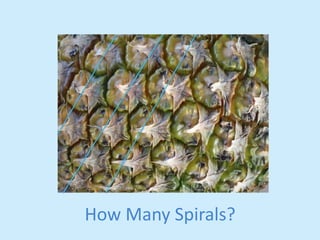
How 
Many 
Spirals?
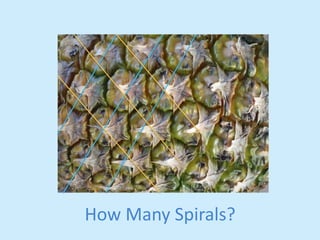
How 
Many 
Spirals?
h,p://goo.gl/aUwknV 
How 
Many 
Spirals?
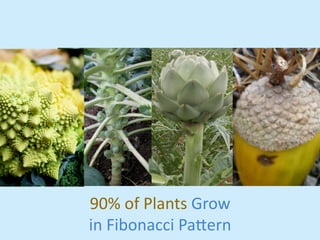
90% 
of 
Plants 
Grow 
in 
Fibonacci 
Pa,ern
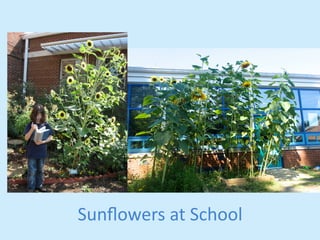
Sunflowers 
at 
School
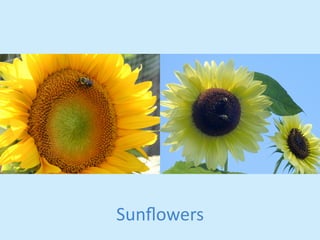
Sunflowers
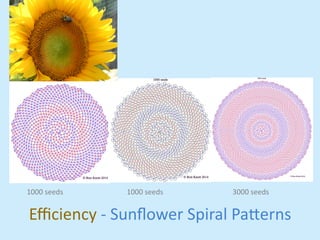
1000 
seeds 
1000 
seeds 
3000 
seeds 
Efficiency 
-­‐ 
Sunflower 
Spiral 
Pa,erns
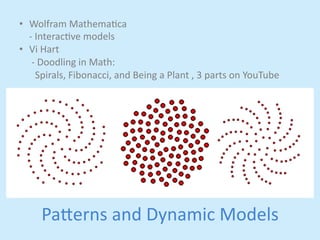
• Wolfram 
Mathemajca 
-­‐ 
Interacjve 
models 
• Vi 
Hart 
-­‐ 
Doodling 
in 
Math: 
Spirals, 
Fibonacci, 
and 
Being 
a 
Plant 
, 
3 
parts 
on 
YouTube 
Pa,erns 
and 
Dynamic 
Models
Wolfram 
Mathemajca 
Demonstrajons 
Search 
“phyllotaxis” 
for 
about 
a 
dozen 
models 
h,p://demonstrajons.wolfram.com/search.html?query=phyllotaxis 
Phyllotaxis 
Spirals 
in 
3D 
h,p://demonstrajons.wolfram.com/ 
PhyllotaxisSpiralsIn3D/ 
Interacjve 
Tools 
On 
the 
Fundamental 
Theory 
of 
Phyllotaxis 
h,p://demonstrajons.wolfram.com/ 
OnTheFundamentalTheoremOfPhyllotaxis 
Fibonacci 
Tree 
h,p://demonstrajons.wolfram.com/ 
FibonacciTree/
Anomalies 
– 
Why?
Alan 
Turing’s 
Sunflowers 
Global 
Experiment 
2012 
Big 
Data 
– 
Cijzen 
Science
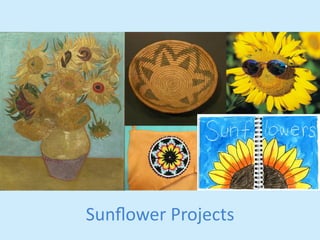
Sunflower 
Projects
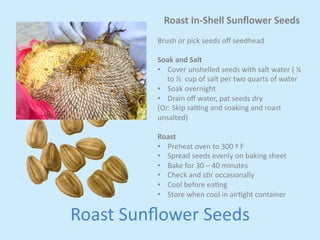
Roast 
In-­‐Shell 
Sunflower 
Seeds 
Brush 
or 
pick 
seeds 
off 
seedhead 
Soak 
and 
Salt 
• Cover 
unshelled 
seeds 
with 
salt 
water 
( 
¼ 
to 
½ 
cup 
of 
salt 
per 
two 
quarts 
of 
water 
• Soak 
overnight 
• Drain 
off 
water, 
pat 
seeds 
dry 
(Or: 
Skip 
saljng 
and 
soaking 
and 
roast 
unsalted) 
Roast 
• Preheat 
oven 
to 
300 
º 
F 
• Spread 
seeds 
evenly 
on 
baking 
sheet 
• Bake 
for 
30 
– 
40 
minutes 
• Check 
and 
sjr 
occasionally 
• Cool 
before 
eajng 
• Store 
when 
cool 
in 
airjght 
container 
Roast 
Sunflower 
Seeds
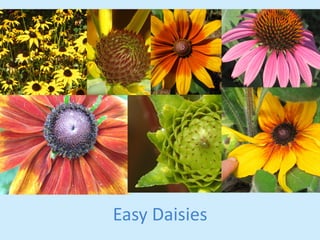
Easy 
Daisies
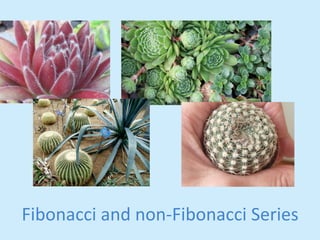
Fibonacci 
and 
non-­‐Fibonacci 
Series
Leaf 
Arrangement 
-­‐ 
Phyllotaxis
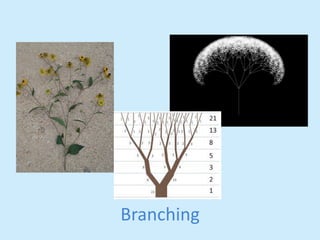
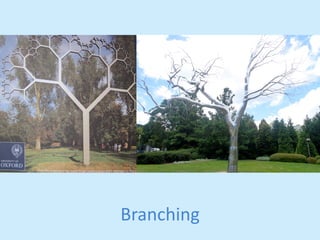
Branching
Branching
Phyllotacjc 
Architecture 
2012
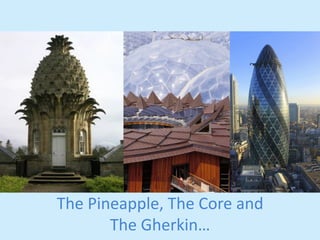
The 
Pineapple, 
The 
Core 
and 
The 
Gherkin…
Squares 
and 
Spirals
Think 
of 
a 
number… 
Make 
Your 
Own 
Series
Think 
of 
a 
number… 
2. Decide 
a 
second 
number 
3. Add 
the 
two 
together 
Make 
Your 
Own 
Series
Think 
of 
a 
number… 
2. Decide 
a 
second 
number 
3. Add 
the 
two 
together 
4. Determine 
the 
next 
12 
numbers 
in 
your 
sequence 
Make 
Your 
Own 
Series
Think 
of 
a 
number… 
2. Decide 
a 
second 
number 
3. Add 
the 
two 
together 
4. Determine 
the 
next 
12 
numbers 
in 
your 
sequence 
5. Name 
your 
series 
of 
numbers 
Make 
Your 
Own 
Series
Think 
of 
a 
number… 
2. Decide 
a 
second 
number 
3. Add 
the 
two 
together 
4. Determine 
the 
next 
12 
numbers 
in 
your 
sequence 
5. Name 
your 
series 
of 
numbers 
6. What 
are 
the 
ra4os 
of 
each 
of 
your 
consecujve 
numbers 
divided 
by 
the 
next 
larger 
number 
in 
the 
sequence? 
7. What 
are 
your 
conclusions 
about 
the 
ra4o 
of 
consecujve 
numbers 
in 
your 
sequence 
– 
as 
numbers 
get 
larger? 
Make 
Your 
Own 
Series
• Fibonacci-­‐style 
Take 
Homes 
math 
sequences 
are 
prevalent 
in 
nature 
and 
design 
• 90% 
of 
plant 
species 
grow 
in 
a 
Fibonacci 
way 
• Why? 
Efficiency 
for 
growth, 
leaf 
arrangement, 
branching, 
flower 
and 
seed 
arrangement 
• Correlajons 
with 
Fibonacci-­‐style 
sequences 
include 
breeding 
pa,erns 
and 
sound/music 
• You 
can 
study 
these 
pa,erns 
at 
all 
grade 
levels 
with 
STEM 
integrated 
projects 
with 
art 
and 
design 
components
Seeing 
Math 
Pa,erns 
in 
Nature 
Projects: 
• Ask 
and 
Define 
Problems 
• Plan 
and 
Carry 
Out 
Invesjgajons 
• Analyze 
and 
Interpret 
Data 
• Develop 
and 
Use 
Models 
• Construct 
Explanajons 
and 
Design 
Solujons 
• Engage 
in 
Evidence-­‐based 
Argumentajon 
• Use 
Math 
and 
Computajonal 
Thinking 
• Obtain, 
Evaluate, 
and 
Communicate 
Informajon 
NGSS 
– 
Hit 
the 
Standards
h,p://goo.gl/HvvLdO 
Credits 
and 
Resources 
Thank 
You!
Contact 
me: 
Mary 
Van 
Dyke 
Green 
STEM 
Learning 
maryvandyke4@gmail.com

Seeing Math Patterns in Nature

  • 1.
    Seeing Math Pa,erns in Nature Mary Van Dyke Green STEM Learning NSTA Conference Richmond, VA October 2014
  • 2.
  • 3.
    • Pack n’ Grow • Pinecones Overview and Pineapples • Sunflowers and Daisies • Fibonacci and non-­‐Fibonacci • Phyllotaxis and Branching • Squares and Spirals • Make Your Own Series • Resources
  • 4.
    Pack n’ Grow Hexagonal Pack • Maximum strength with minimum materials Square Pack LaUces
  • 5.
  • 6.
  • 7.
  • 8.
    Leonardo of Pisa – son of Bonacci Liber Abaci 1202 c. 1170 – c. 1250 Who Was Fibonacci?
  • 9.
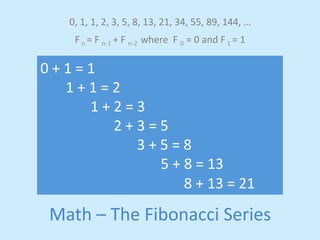
    0, 1, 1, 2, 3, 5, 8, 13, 21, 34, 55, 89, 144, … F n = F n-­‐1 + F n-­‐2 where F 0 = 0 and F 1 = 1 0 + 1 = 1 1 + 1 = 2 1 + 2 = 3 2 + 3 = 5 3 + 5 = 8 5 + 8 = 13 8 + 13 = 21 Math – The Fibonacci Series
  • 10.
  • 11.
  • 12.
  • 13.
  • 14.
  • 15.
  • 16.
    90% of Plants Grow in Fibonacci Pa,ern
  • 17.
  • 18.
  • 19.
    1000 seeds 1000 seeds 3000 seeds Efficiency -­‐ Sunflower Spiral Pa,erns
  • 20.
    • Wolfram Mathemajca -­‐ Interacjve models • Vi Hart -­‐ Doodling in Math: Spirals, Fibonacci, and Being a Plant , 3 parts on YouTube Pa,erns and Dynamic Models
  • 21.
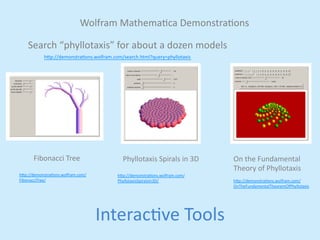
    Wolfram Mathemajca Demonstrajons Search “phyllotaxis” for about a dozen models h,p://demonstrajons.wolfram.com/search.html?query=phyllotaxis Phyllotaxis Spirals in 3D h,p://demonstrajons.wolfram.com/ PhyllotaxisSpiralsIn3D/ Interacjve Tools On the Fundamental Theory of Phyllotaxis h,p://demonstrajons.wolfram.com/ OnTheFundamentalTheoremOfPhyllotaxis Fibonacci Tree h,p://demonstrajons.wolfram.com/ FibonacciTree/
  • 22.
  • 23.
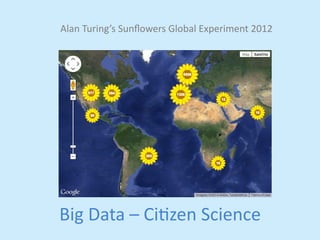
    Alan Turing’s Sunflowers Global Experiment 2012 Big Data – Cijzen Science
  • 24.
  • 25.
    Roast In-­‐Shell Sunflower Seeds Brush or pick seeds off seedhead Soak and Salt • Cover unshelled seeds with salt water ( ¼ to ½ cup of salt per two quarts of water • Soak overnight • Drain off water, pat seeds dry (Or: Skip saljng and soaking and roast unsalted) Roast • Preheat oven to 300 º F • Spread seeds evenly on baking sheet • Bake for 30 – 40 minutes • Check and sjr occasionally • Cool before eajng • Store when cool in airjght container Roast Sunflower Seeds
  • 26.
  • 28.
  • 29.
  • 30.
  • 31.
  • 32.
  • 33.
    The Pineapple, The Core and The Gherkin…
  • 34.
  • 35.
    Think of a number… Make Your Own Series
  • 36.
    Think of a number… 2. Decide a second number 3. Add the two together Make Your Own Series
  • 37.
    Think of a number… 2. Decide a second number 3. Add the two together 4. Determine the next 12 numbers in your sequence Make Your Own Series
  • 38.
    Think of a number… 2. Decide a second number 3. Add the two together 4. Determine the next 12 numbers in your sequence 5. Name your series of numbers Make Your Own Series
  • 39.
    Think of a number… 2. Decide a second number 3. Add the two together 4. Determine the next 12 numbers in your sequence 5. Name your series of numbers 6. What are the ra4os of each of your consecujve numbers divided by the next larger number in the sequence? 7. What are your conclusions about the ra4o of consecujve numbers in your sequence – as numbers get larger? Make Your Own Series
  • 40.
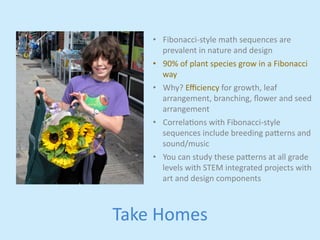
    • Fibonacci-­‐style Take Homes math sequences are prevalent in nature and design • 90% of plant species grow in a Fibonacci way • Why? Efficiency for growth, leaf arrangement, branching, flower and seed arrangement • Correlajons with Fibonacci-­‐style sequences include breeding pa,erns and sound/music • You can study these pa,erns at all grade levels with STEM integrated projects with art and design components
  • 41.
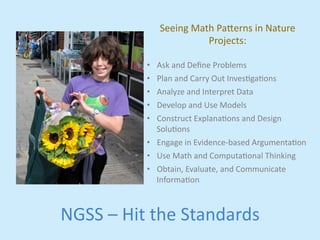
    Seeing Math Pa,erns in Nature Projects: • Ask and Define Problems • Plan and Carry Out Invesjgajons • Analyze and Interpret Data • Develop and Use Models • Construct Explanajons and Design Solujons • Engage in Evidence-­‐based Argumentajon • Use Math and Computajonal Thinking • Obtain, Evaluate, and Communicate Informajon NGSS – Hit the Standards
  • 42.
    h,p://goo.gl/HvvLdO Credits and Resources Thank You!
  • 43.
    Contact me: Mary Van Dyke Green STEM Learning maryvandyke4@gmail.com