Scientific Writing and Technical
Writing
Similatries
Differences
Similarities
Scientific writing and technical writing are quit
similar.
Scientific writing and technical writing share
some attributes like Conciseness, Flow,
Effectiveness.
Both are straightforward easy to understand.
Effective Writings.
Both Technical and Scientific writings are Effective
writing.
Effects on reader.
Main Purpose is to understand our reader why they
are reading this?
What they hope to gain from reading?
Conti.
They both use jargon, argot, code, special terms that
mean something to their own people.
Difference between Scientific and
Technical writing
Real difference is in there application.
 Scientific writing is expected to be kept within its
own field.
Technical writing is expected to be read and
understood by folks outside their own kind.
Conti.
Technical Science writing, is writing about science for
non-scientific audiences
Technical writing is all about documentation.
Technical writers write manuals. They write white
papers. They help write and edit journal papers
Characteristics of Scientific writing
Data in scientific writing is verifiable.
Calculated and precise.
Avoid padding.
Avoid verbosity.
Avoid pomposity.
Data Analysis in Technical writing
Analysis of data is a process of inspecting,
cleaning, transforming, and modeling data.
The results of data analysis are represented in the
form of graphs that are easy to understand.
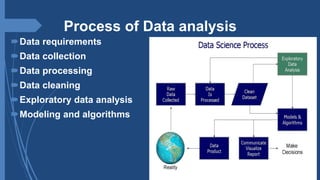
Process of Data analysis
Data requirements
Data collection
Data processing
Data cleaning
Exploratory data analysis
Modeling and algorithms
Advantages of Data Analysis
 Quality and Compliance
Eliminate transcription errors Manual data entry and
manipulation results in data errors.
 Time
Reduced cycle time Reducing the time it takes to perform data
analysis is one of the most obvious benefits of automation.
Advantages of Data Analysis
Resources
Reduction in resources is also one of the most
obvious benefits of automation.
 Costs
Direct cost savings needs to be carefully considered.
Any cost savings need to be carefully weighed against the
cost in implementing, validating, and supporting the
solution.

Scientific and Technical Wrting

  • 1.
    Scientific Writing andTechnical Writing Similatries Differences
  • 2.
    Similarities Scientific writing andtechnical writing are quit similar. Scientific writing and technical writing share some attributes like Conciseness, Flow, Effectiveness. Both are straightforward easy to understand.
  • 3.
    Effective Writings. Both Technicaland Scientific writings are Effective writing. Effects on reader. Main Purpose is to understand our reader why they are reading this? What they hope to gain from reading?
  • 4.
    Conti. They both usejargon, argot, code, special terms that mean something to their own people.
  • 5.
    Difference between Scientificand Technical writing Real difference is in there application.  Scientific writing is expected to be kept within its own field. Technical writing is expected to be read and understood by folks outside their own kind.
  • 6.
    Conti. Technical Science writing,is writing about science for non-scientific audiences Technical writing is all about documentation. Technical writers write manuals. They write white papers. They help write and edit journal papers
  • 7.
    Characteristics of Scientificwriting Data in scientific writing is verifiable. Calculated and precise. Avoid padding. Avoid verbosity. Avoid pomposity.
  • 8.
    Data Analysis inTechnical writing Analysis of data is a process of inspecting, cleaning, transforming, and modeling data. The results of data analysis are represented in the form of graphs that are easy to understand.
  • 9.
    Process of Dataanalysis Data requirements Data collection Data processing Data cleaning Exploratory data analysis Modeling and algorithms
  • 10.
    Advantages of DataAnalysis  Quality and Compliance Eliminate transcription errors Manual data entry and manipulation results in data errors.  Time Reduced cycle time Reducing the time it takes to perform data analysis is one of the most obvious benefits of automation.
  • 11.
    Advantages of DataAnalysis Resources Reduction in resources is also one of the most obvious benefits of automation.  Costs Direct cost savings needs to be carefully considered. Any cost savings need to be carefully weighed against the cost in implementing, validating, and supporting the solution.