Downloaded 322 times


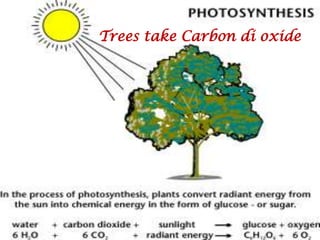
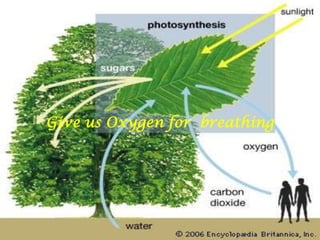



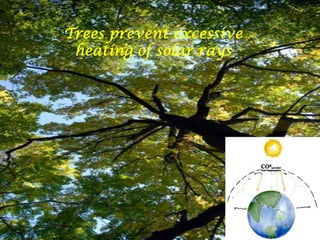


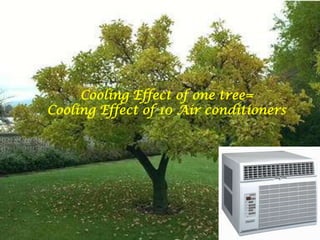

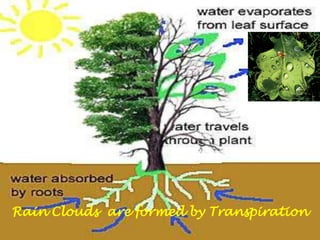
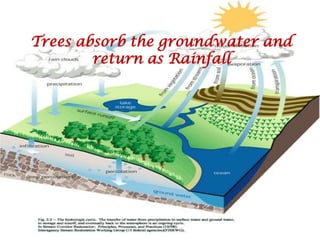
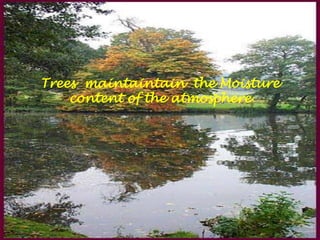
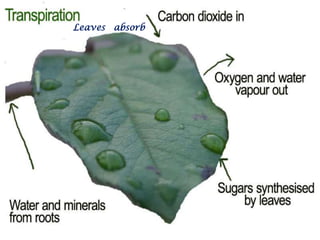
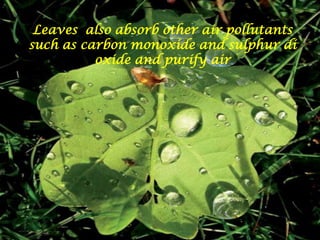
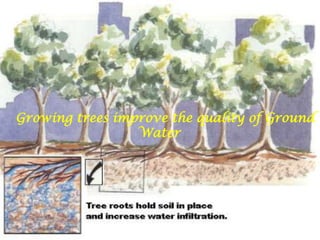
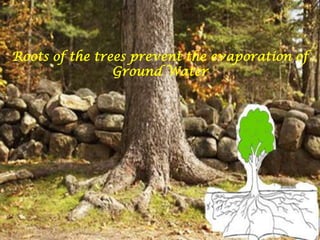

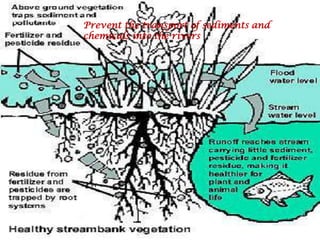
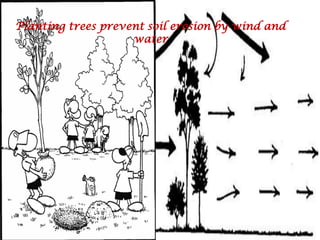

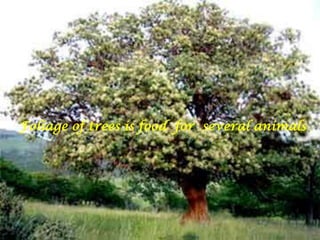

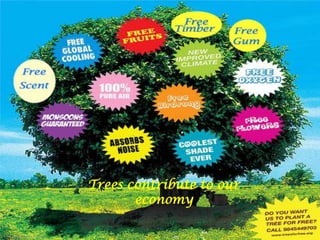


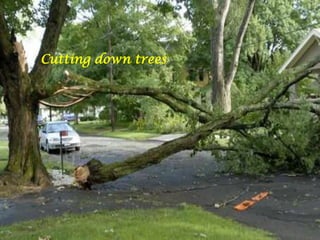
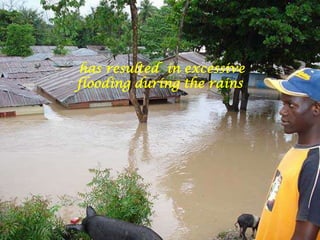





Trees play a vital role in maintaining the environment. They absorb carbon dioxide and produce oxygen, reduce global warming by lowering greenhouse gas emissions, and provide a green cover that prevents excessive solar heating. Trees also improve air quality by absorbing pollutants, cool homes and reduce energy usage, and are integral to the water cycle by absorbing groundwater and releasing rain. Planting trees prevents soil erosion, enriches the soil, shelters wildlife, and contributes to the economy. Deforestation has caused issues like increased flooding, reduced rainfall, and endangered species. It is important to save forests and protect trees to sustain the biodiversity of the Earth.


