HAFIZ M WASEEM UNIVERSITY OF
EDUCATION LAHORE
• Introduction
• How fermentation works
• Advantages
• Types
• Fermenters and its types
• Main types of microorganisms in global food fermentation
• Controling factor in industrial fermentation
• Probiotics and its effects
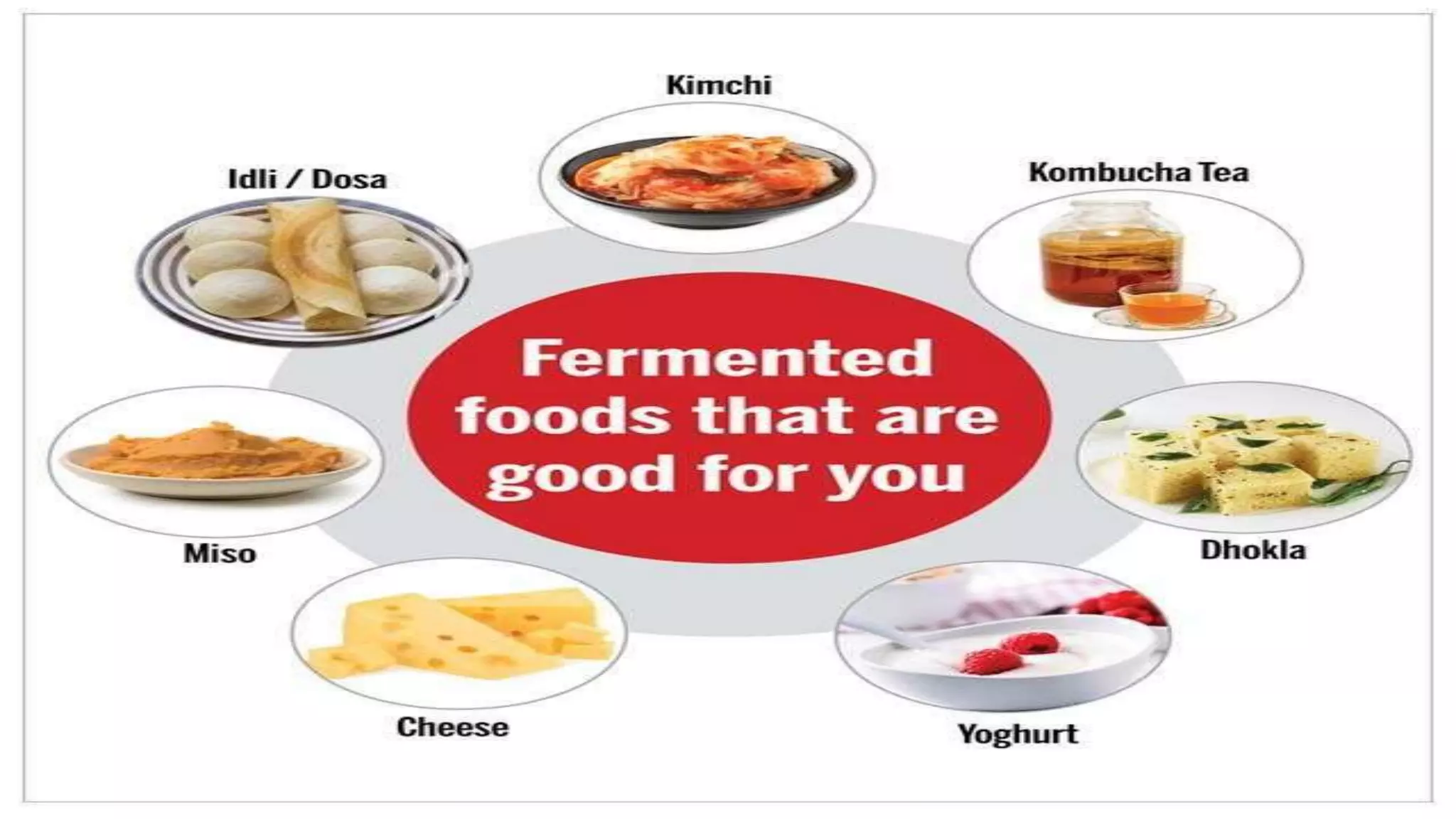
• Types of fermented food
• Examples
• Conclusion
What is fermentation
 Fermentation is any metabolic process in which
microorganisms’ activity creates a desirable change in food
and beverages, whether it’s increasing flavor, preserving
foodstuffs, providing health benefits, or more.
 The word “ferment” comes from the Latin verb “fervere,”
which means “to boil.” Ironically, fermentation is possible
without heat.
History
• The earliest record of fermentation dates back as far as 6000 B.C. in
the Fertile Crescent—and nearly every civilization since has included
at least one fermented food in its culinary heritage
• Louis PasteurOur modern understanding of the fermentation process
comes from the work of the French chemist Louis Pasteur (Figure 2).
Pasteur was the first to demonstrate experimentally that fermented
beverages result from the action of living yeast transforming glucose
into ethanol.
How fermentation work?
 Microorganisms survive using carbohydrates (sugars, such as
glucose) for energy and fuel.
 Organic chemicals like adenosine triphosphate (ATP) deliver that
energy to every part of a cell when needed.
 Microbes generate ATP using respiration. Aerobic respiration,
which requires oxygen, is the most efficient way to do that.
Aerobic respiration begins with glycolysis, where glucose is
converted into pyruvic acid. When there’s enough oxygen
present, aerobic respiration occurs.
Contin.
 Fermentation is similar to anaerobic respiration—the kind that takes
place when there isn’t enough oxygen present. However, fermentation
leads to the production of different organic molecules like lactic acid,
which also leads to ATP, unlike respiration, which uses pyruvic acid.
 Depending upon environmental conditions, individual cells and microbes
have the ability to switch between the two different modes of energy
production.
 Organisms commonly obtain energy anaerobically through fermentation,
but some systems use sulfate as the final electron acceptor in the
electron transport chain.
What happens during fermentation?
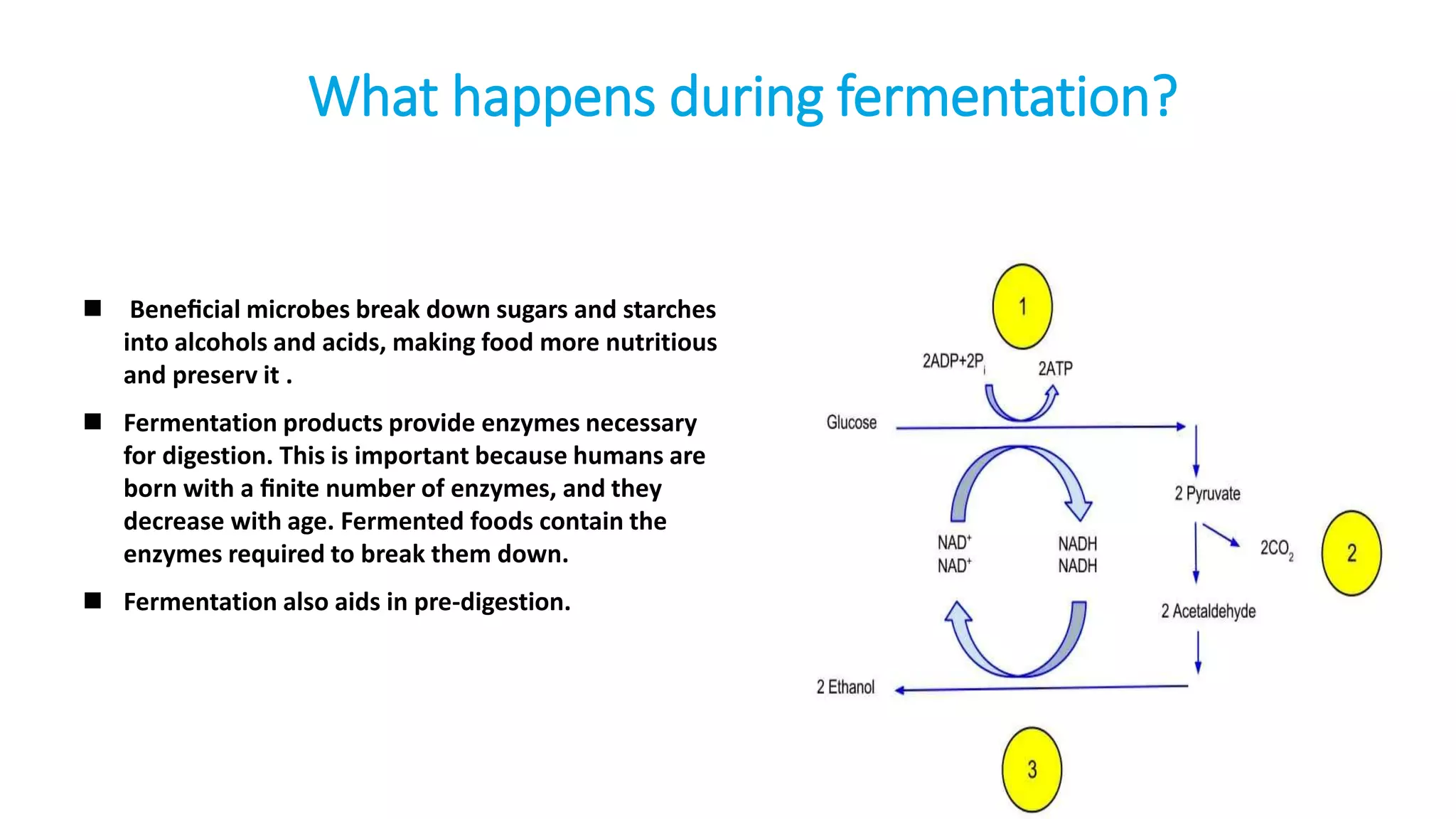
 Beneficial microbes break down sugars and starches
into alcohols and acids, making food more nutritious
and preserv it .
 Fermentation products provide enzymes necessary
for digestion. This is important because humans are
born with a finite number of enzymes, and they
decrease with age. Fermented foods contain the
enzymes required to break them down.
 Fermentation also aids in pre-digestion.
What are advantages of fermentation?
 Probiotics aid the immune system because the gut produces antibiotic,
anti-tumor, anti-viral, and antifungal substances, and pathogens don’t do
well in the acidic environmet fermented foods create.
 Fermentation also helps neutralize anti-nutrients like phytic acid, which
occurs in grains, nuts, seeds, and legumes and can cause mineral
deficienciess
 Fermentation can increase the minerals in food and make them more
available for absorption.
Types of fermentation
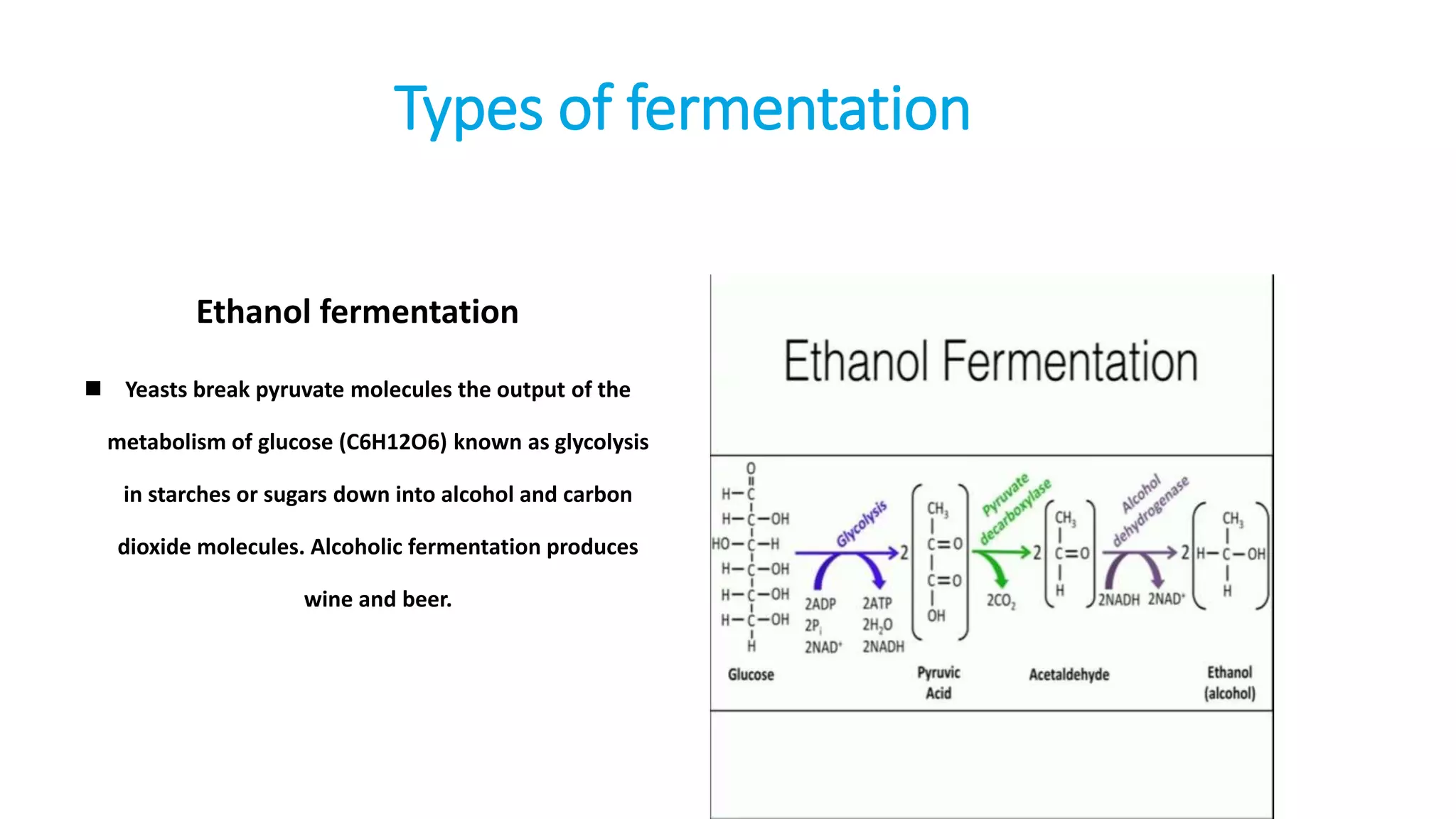
Ethanol fermentation
 Yeasts break pyruvate molecules the output of the
metabolism of glucose (C6H12O6) known as glycolysis
in starches or sugars down into alcohol and carbon
dioxide molecules. Alcoholic fermentation produces
wine and beer.
Acetic acid fermentation
Acetic acid fermentation. Starches and sugars from grains and fruit ferment into sour tasting vinegar and
condiments. Examples include apple cider vinegar, wine vinegar, and kombucha.
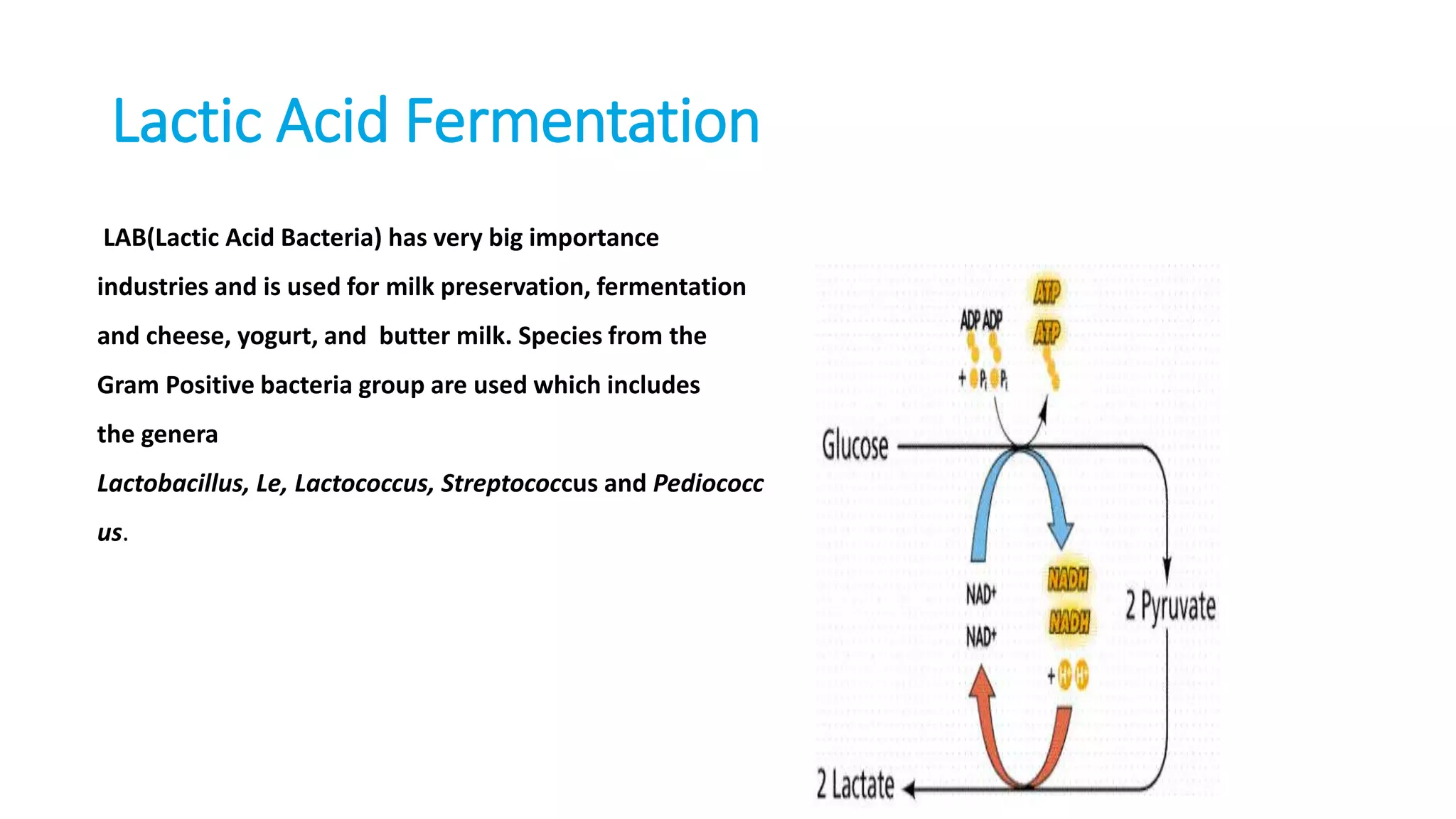
Lactic Acid Fermentation
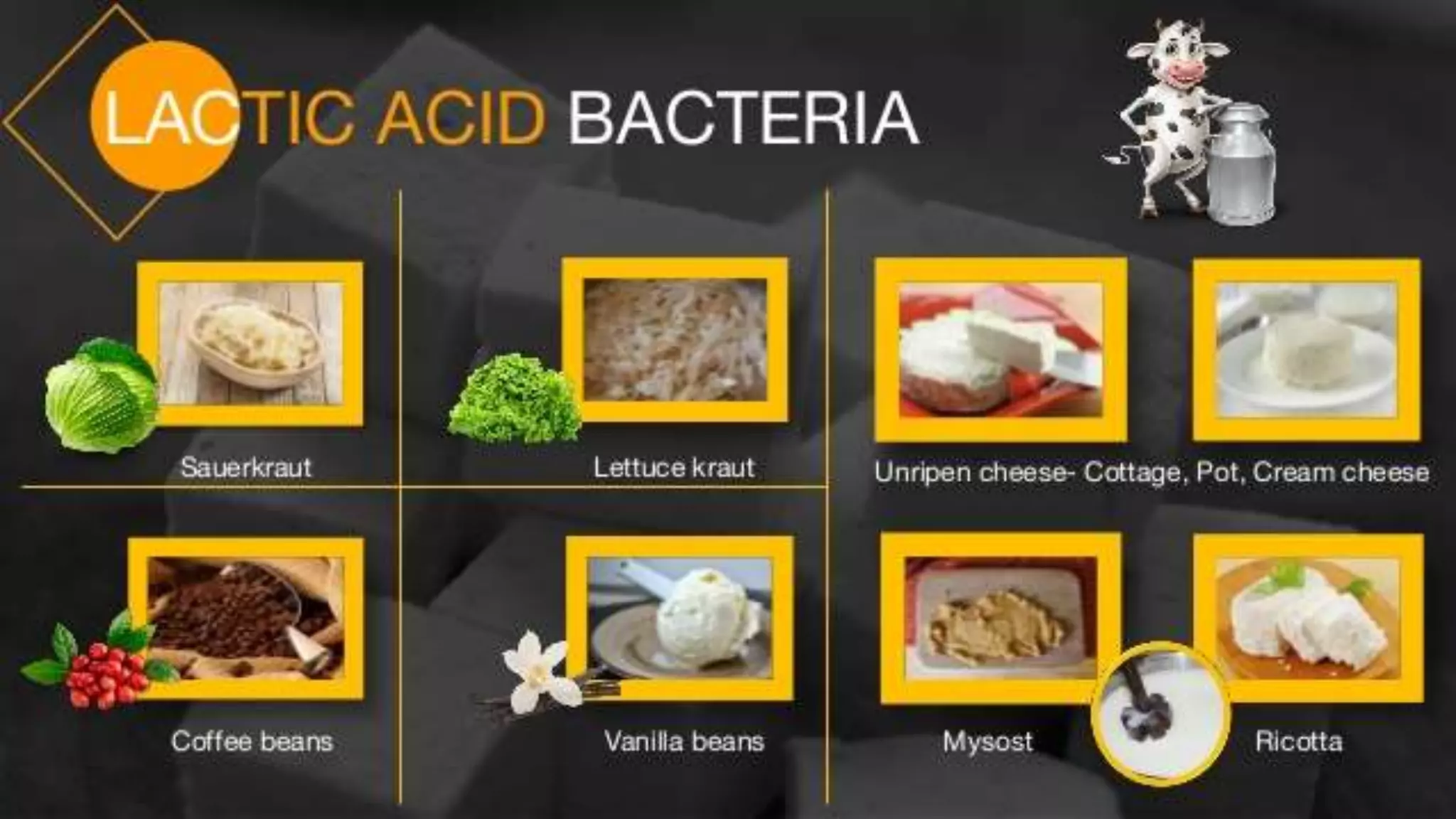
LAB(Lactic Acid Bacteria) has very big importance
industries and is used for milk preservation, fermentation
and cheese, yogurt, and butter milk. Species from the
Gram Positive bacteria group are used which includes
the genera
Lactobacillus, Le, Lactococcus, Streptococcus and Pediococc
us.
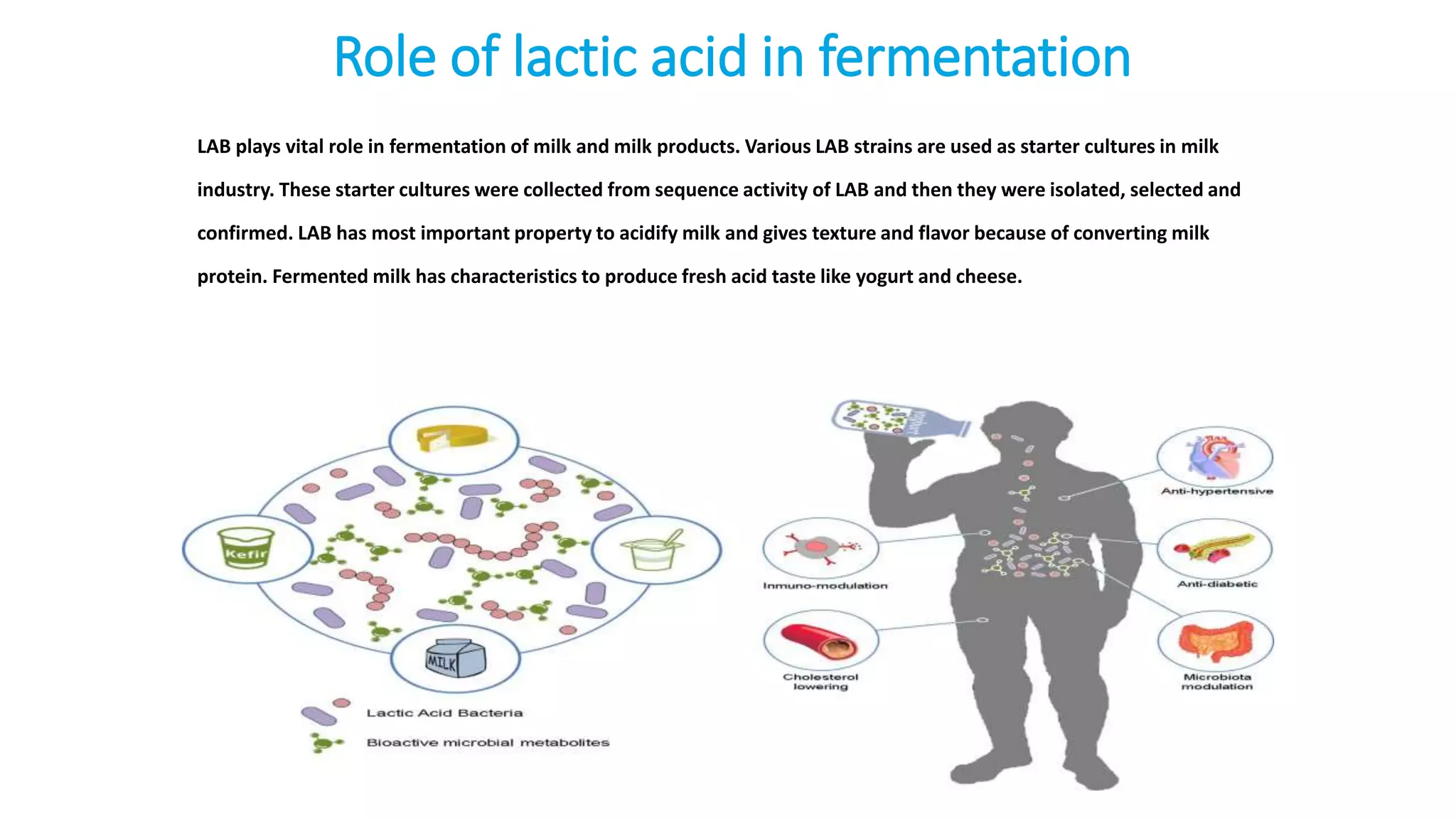
Role of lactic acid in fermentation
LAB plays vital role in fermentation of milk and milk products. Various LAB strains are used as starter cultures in milk
industry. These starter cultures were collected from sequence activity of LAB and then they were isolated, selected and
confirmed. LAB has most important property to acidify milk and gives texture and flavor because of converting milk
protein. Fermented milk has characteristics to produce fresh acid taste like yogurt and cheese.
FERMENTERS
• Fermenter is an enclosed and sterlized vessel that maintains
optimal conditions for the growth of microorganisms .
• It is a device in which a substrate of low value is utilized by
living cells or enzymes to generate a product of high value.
• Extensively used for food processing , fermentation,waste
material etc.
TYPES OF FERMENTERS
• Fermenters are of 4 types:
• Stirred tank reactor
• Airlift fermenters
• Tower fermenters
• Bubble up fermenters
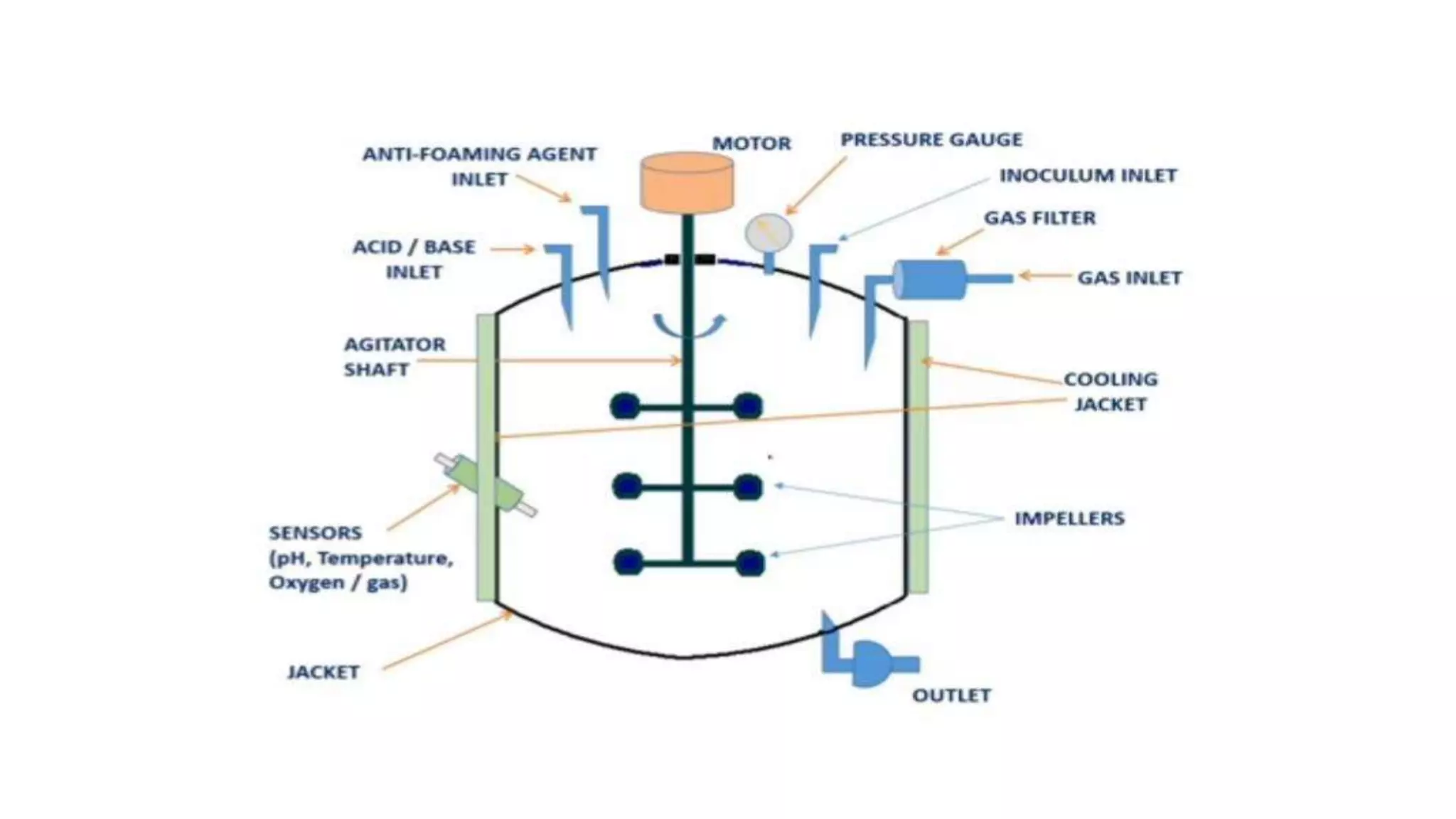
Stirred tank reactor
Smaller vessel is made up of glass while, lager
vessels are made up of stainless steel of 1-1,000 or
even 8,000L.
They are closed system in which volumes are fixed.
They are agitated with motor driven stirrer’s.
It is a kind reactor with continuous flow culture
system which is either of chemostat or turbidostat
type.
Airlift fermenters
It comprises of a gas
light baffled riser tube
or drought tube which
is connected to the
downcomer tube.
• It is of two types:
• Internal- loop airlift bioreactor
• External loop airlift bioreactor
• These type of fermenters are commonly employed for aerobic
bioprocessing technology.
• Because of their high efficiency, it is mostly preferred for production of
methanol
AIRLIFT FERMENTERS
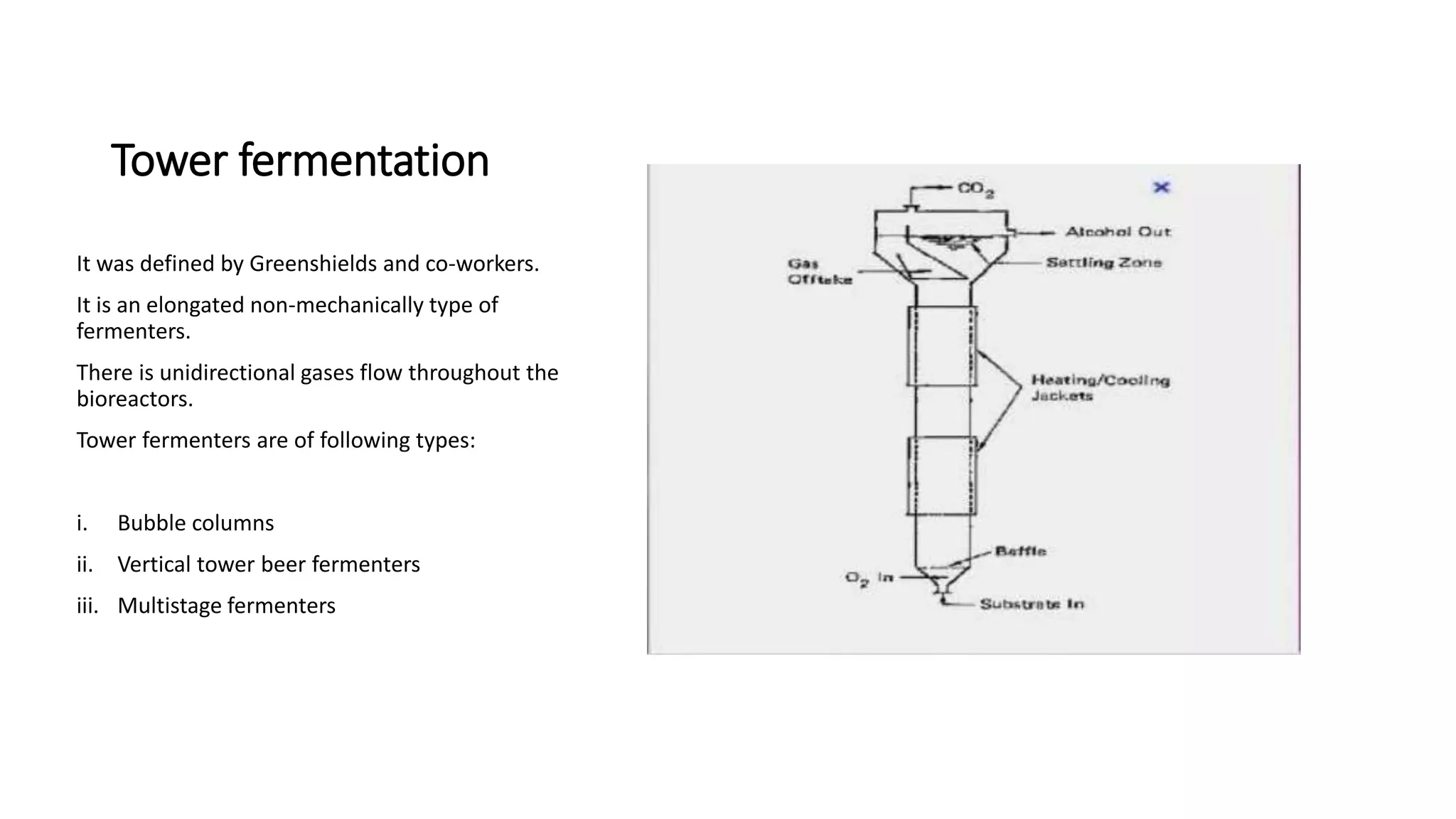
Tower fermentation
It was defined by Greenshields and co-workers.
It is an elongated non-mechanically type of
fermenters.
There is unidirectional gases flow throughout the
bioreactors.
Tower fermenters are of following types:
i. Bubble columns
ii. Vertical tower beer fermenters
iii. Multistage fermenters
Bubble up fermenters
It is a bubble columns
fermenters which have an
internal cooling coil.
Air is introduced from the
bottom of the column.
Main types of microorganism in Global food
fermentation
• Bacteria
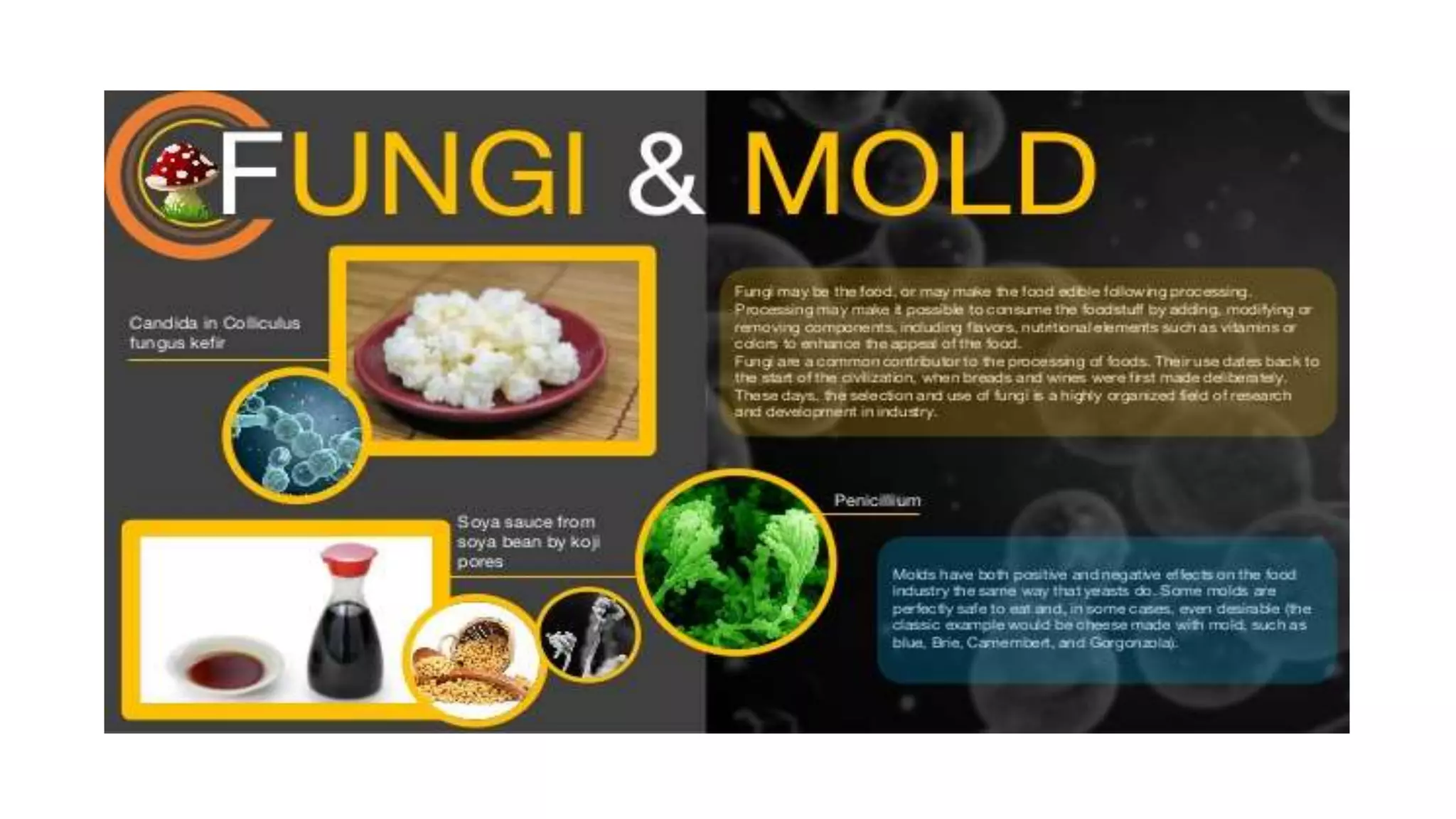
• Fungi
• Yeasts
Bacteria:
• Bacteria are the most dominant microorganisms in both naturally fermented foods or foods
fermented by the use of starter cultures
• Types of bacteria:
• lactic acid bacteria
• Non lactic acid bacteria
Lactic acid bacteria
• Lactic acid bacteria are Gram-positive, catalase-negative bacteria that
produce large amounts of lactic acid.
• The LAB comprise a large bacterial group consisting of about 380 species in
40 genera of 6 families, belonging phylogenetically to the order
Lactobacillales within the phylum Firmicutes
• Common genera of the LAB isolated from various fermented foods of the
world are Alkalibacterium, Carnobacterium, Enterococcus, Lactococcus,
Lactobacillus, Leuconostoc, Oenococcus, Pediococcus, Streptococcus,
Tetragenococcus, Vagococcus, and Weissella
Non-Lactic acid bacteria
• Species of Bacillus present in fermented foods mostly soybean-based
foods are B. amyloliquefaciens, B. circulans, B. coagulans, B. firmus, B.
licheniformis, B. megaterium, B. pumilus, B. subtilis, B. subtilis variety
natto and B.thurin giensis
• Species of Bifidobacterium, Brachybacterium, Brevibacterium, and
Propionibacterium have been isolated from cheese and other
fermented milks.
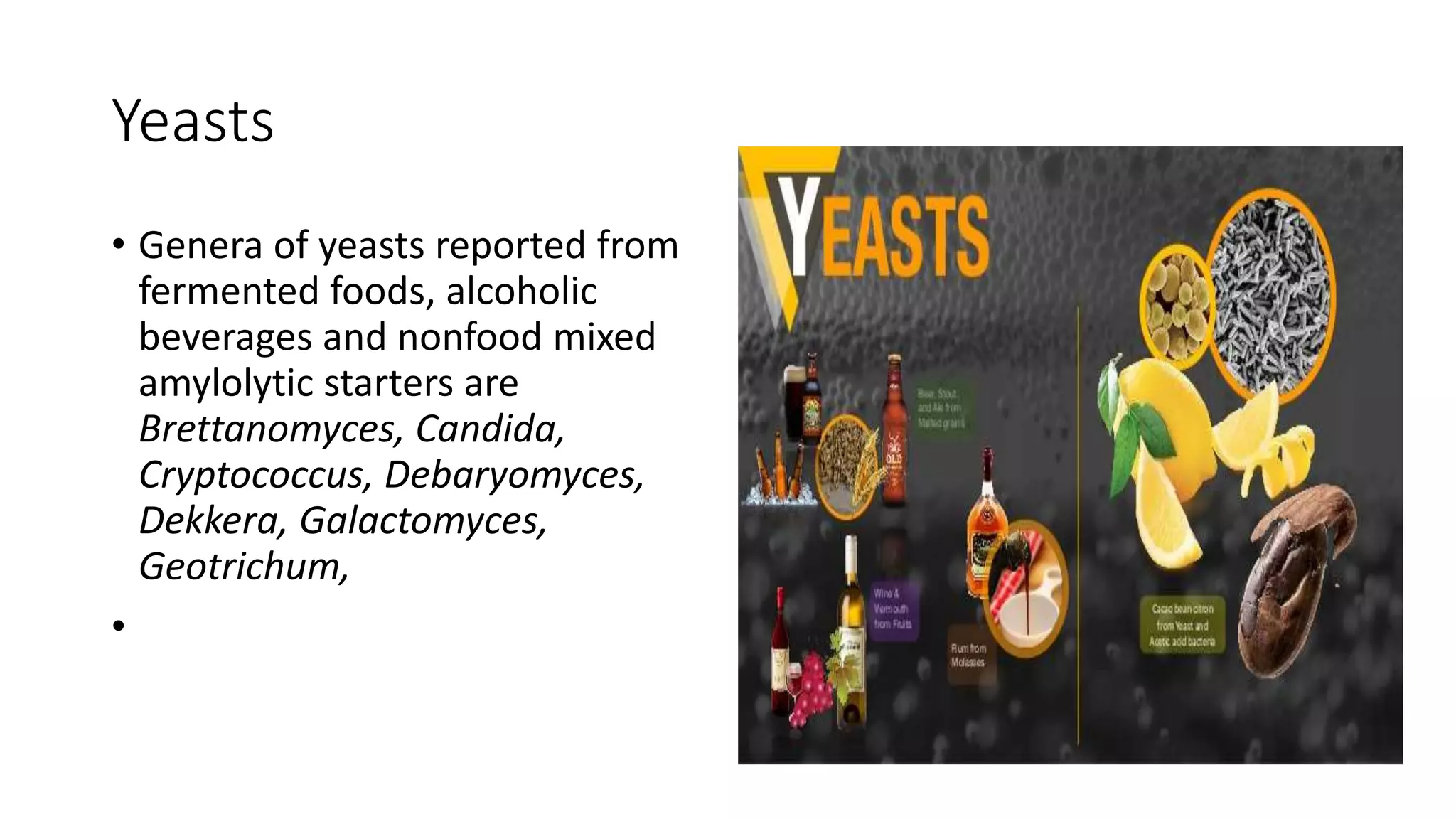
Yeasts
• Genera of yeasts reported from
fermented foods, alcoholic
beverages and nonfood mixed
amylolytic starters are
Brettanomyces, Candida,
Cryptococcus, Debaryomyces,
Dekkera, Galactomyces,
Geotrichum,
•
Fungi
• Species of Actinomucor, Amylomyces, Aspergillus, Monascus,
Mucor, Neurospora, Penicillium, Rhizopus, and Ustilago are
reported from many fermented foods, Asian nonfood
amylolytic starters and alcoholic beverages
Probiotics and its effect
Probiotics are usually defined as
microbial food supplements with
beneficial effects on the
consumers.
Most probiotics fall into the group
of organisms’ known as lactic
acid‐producing bacteria and are
normally consumed in the form of
yogurt, fermented milks or other
fermented foods.
Types of fermented food
1. Fermented milk foods
2. Fermented cereal foods
3. Fermented vegetable foods
4. Fermented soybean and non-soybean foods
5. Fermented meat products
6. Fermented fish products
7. Fermented root/tuber products
8. Fermented beverages and Asian amylolytic starters
9. Miscellaneous fermented products (fermented tea, cocoa, vinegar, nata,
pidan, etc.)
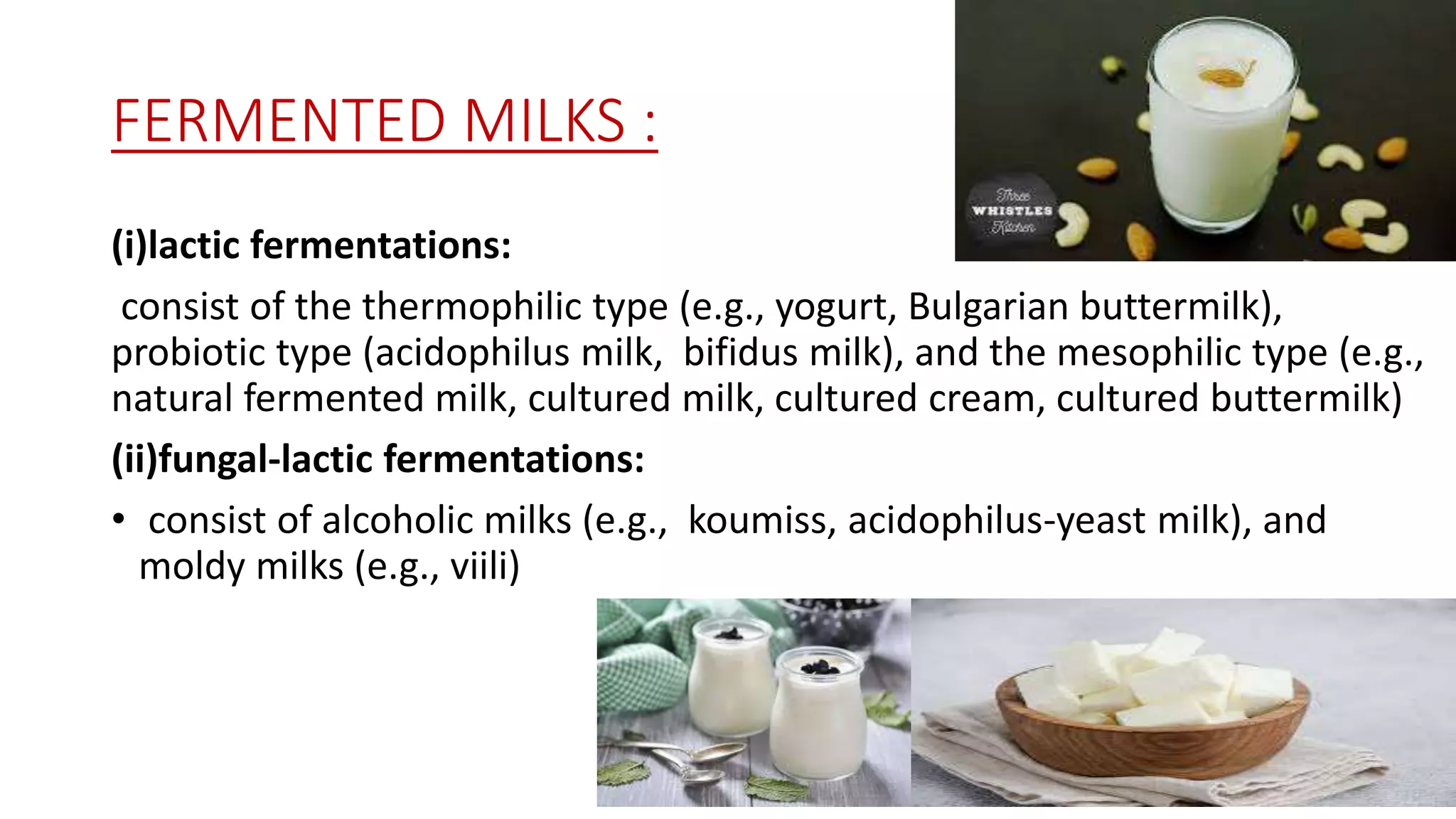
FERMENTED MILKS :
(i)lactic fermentations:
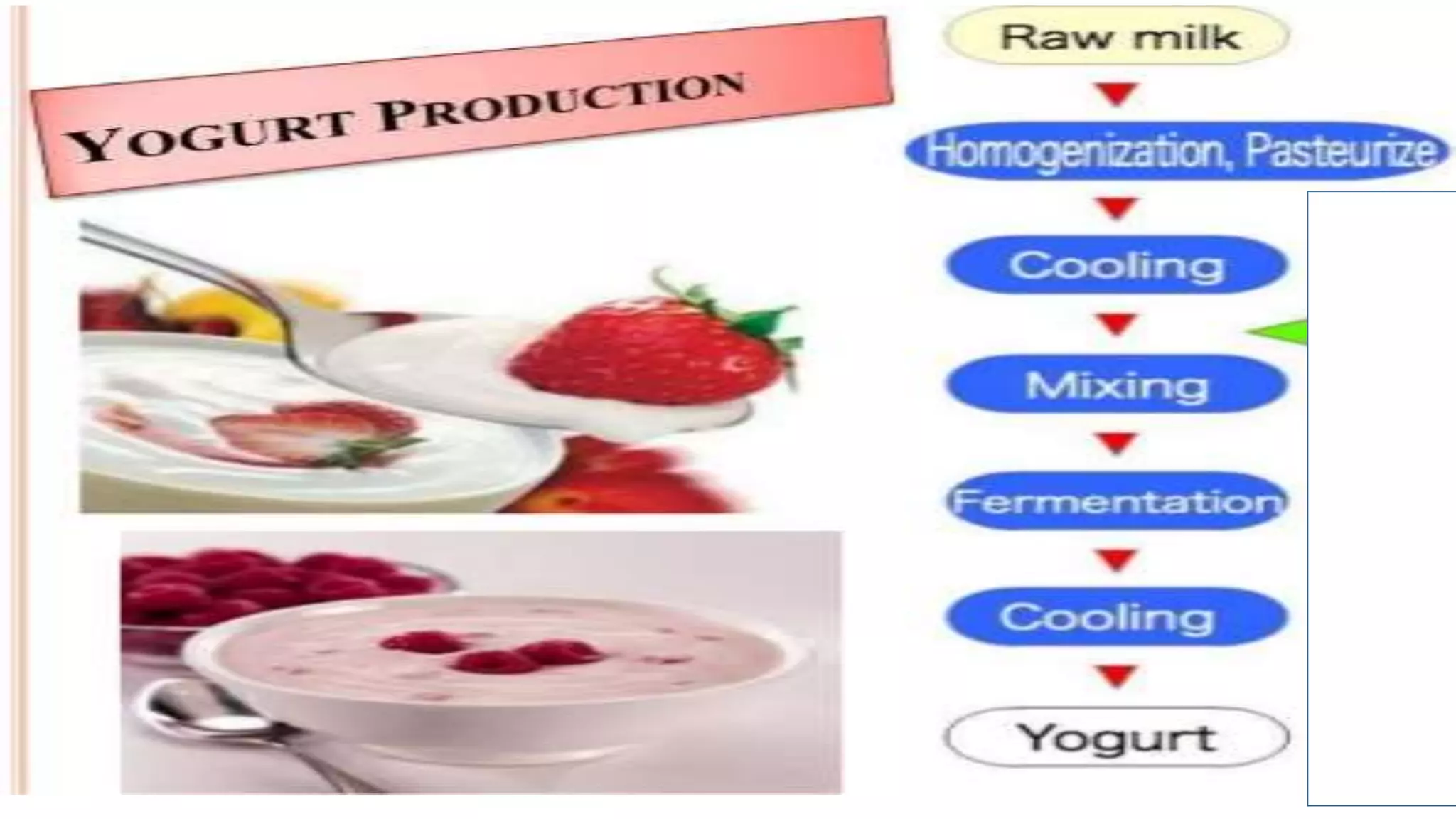
consist of the thermophilic type (e.g., yogurt, Bulgarian buttermilk),
probiotic type (acidophilus milk, bifidus milk), and the mesophilic type (e.g.,
natural fermented milk, cultured milk, cultured cream, cultured buttermilk)
(ii)fungal-lactic fermentations:
• consist of alcoholic milks (e.g., koumiss, acidophilus-yeast milk), and
moldy milks (e.g., viili)
Product Substrate Sensory Property
and Nature
Microorganisms Country
Dahi Cow/buffalomilk
, starter culture
Curd, savory Lb. bifermentans, Lb. alimentarius, Lb. paracasei,
Lact. lactis, Strep. cremoris, Strep. lactis, Strep.
thermophilus, Lb.bulgaricus, Lb. acidophilus, Lb.
helveticus, Lb. cremoris, Ped. pentosaceous, P.
acidilactici, W. cibara, W. paramesenteroides, Lb.
fermentum, Lb. delbrueckii subsp. indicus,
Saccharomycopsis sp., Candida sp.
Pakistan ,India,
Nepal, Sri Lanka,
Bangladesh,
Gheu/ghee Cow milk Soft, oily mass,
solid, butter
Lc. lactis subsp. lactis, Lc. lactis subsp. cremoris Pakistan,
India, Nepal,
Bhutan,
Bangladesh,
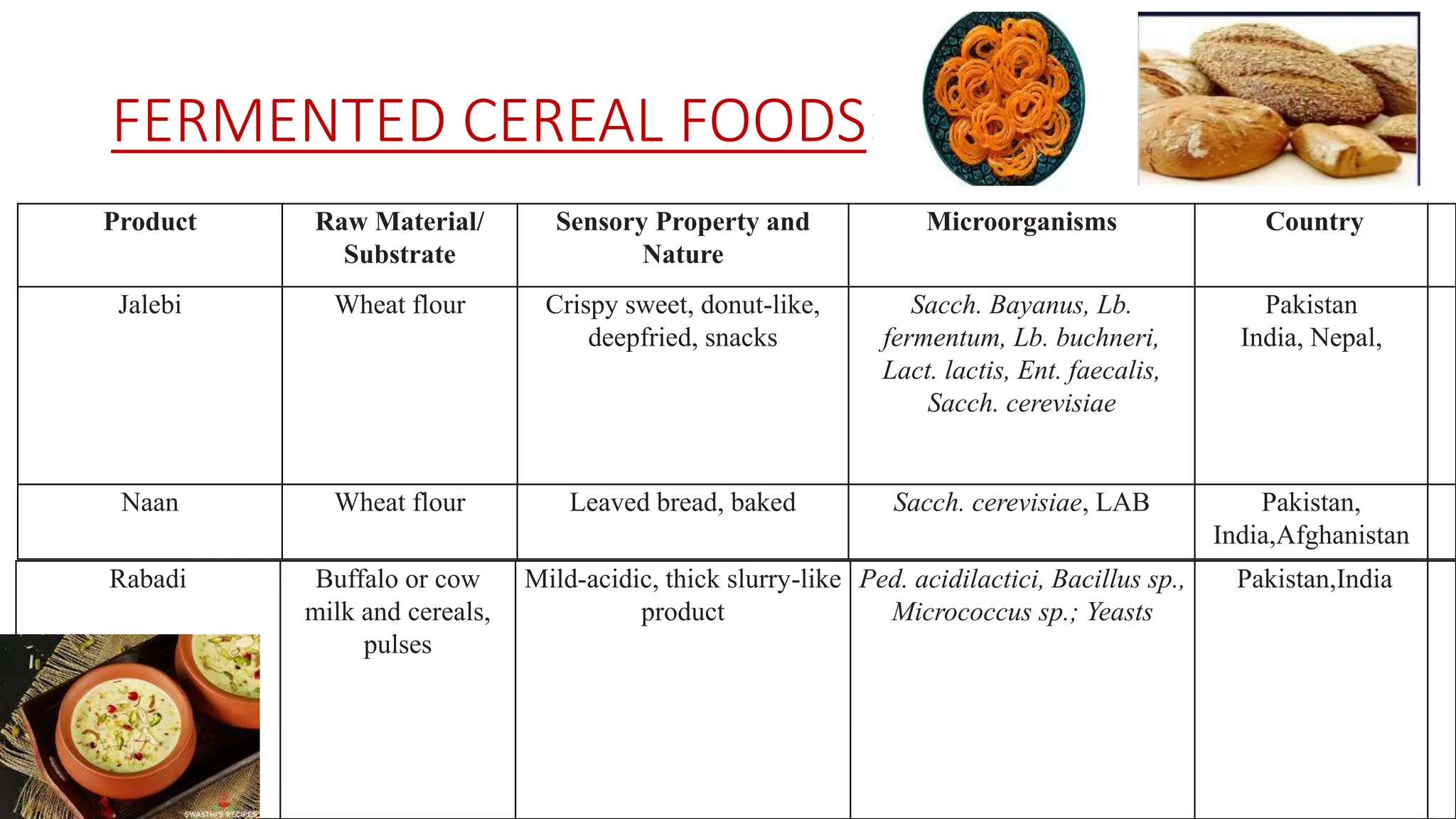
FERMENTED CEREAL FOODS:
Product Raw Material/
Substrate
Sensory Property and
Nature
Microorganisms Country
Jalebi Wheat flour Crispy sweet, donut-like,
deepfried, snacks
Sacch. Bayanus, Lb.
fermentum, Lb. buchneri,
Lact. lactis, Ent. faecalis,
Sacch. cerevisiae
Pakistan
India, Nepal,
Naan Wheat flour Leaved bread, baked Sacch. cerevisiae, LAB Pakistan,
India,Afghanistan
Rabadi Buffalo or cow
milk and cereals,
pulses
Mild-acidic, thick slurry-like
product
Ped. acidilactici, Bacillus sp.,
Micrococcus sp.; Yeasts
Pakistan,India
FERMENTED VEGETABLE PRODUCTS:
Product Substrate/Raw
Materials
Sensory Property and
Nature
Microorganisms Country
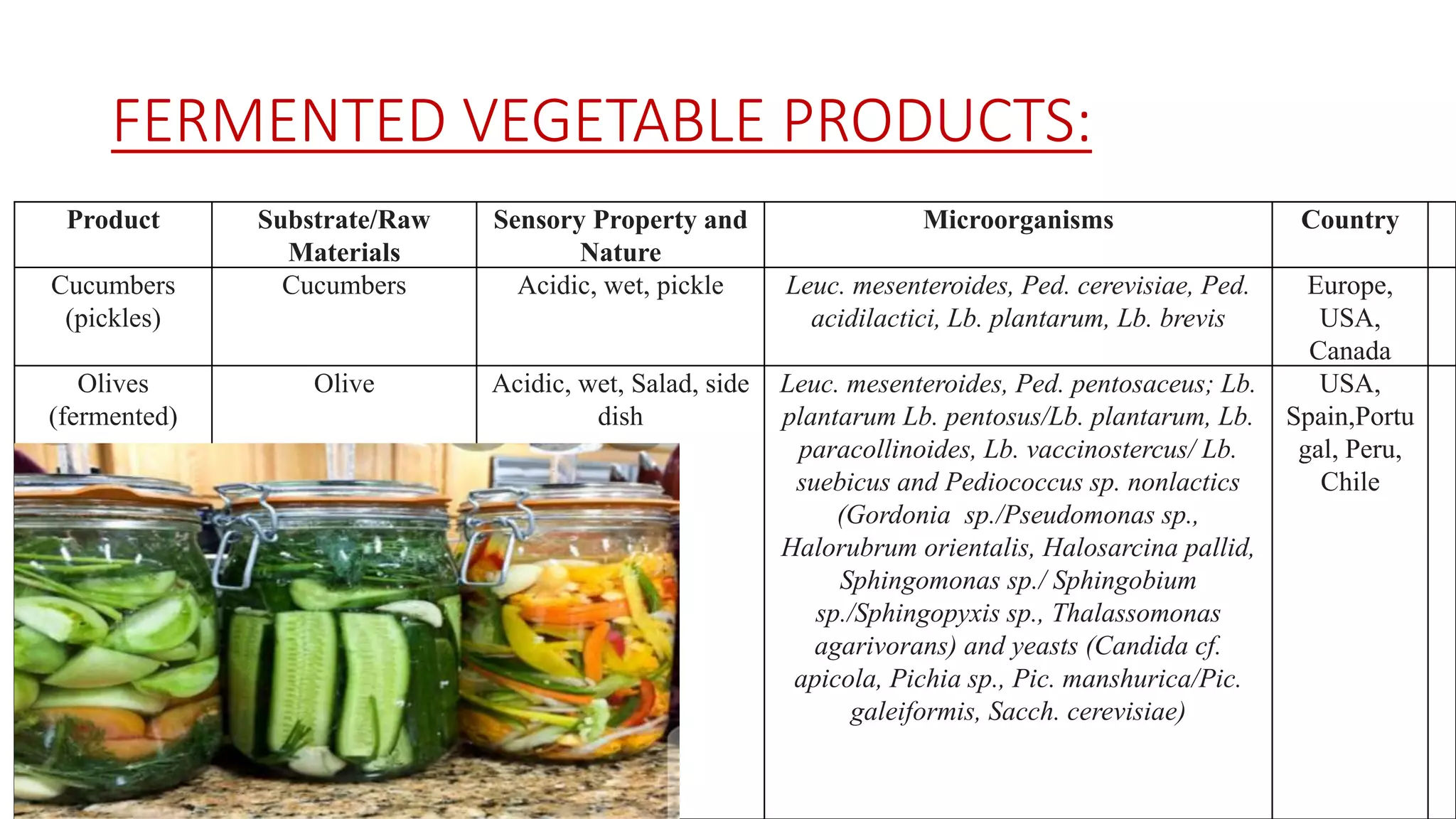
Cucumbers
(pickles)
Cucumbers Acidic, wet, pickle Leuc. mesenteroides, Ped. cerevisiae, Ped.
acidilactici, Lb. plantarum, Lb. brevis
Europe,
USA,
Canada
Olives
(fermented)
Olive Acidic, wet, Salad, side
dish
Leuc. mesenteroides, Ped. pentosaceus; Lb.
plantarum Lb. pentosus/Lb. plantarum, Lb.
paracollinoides, Lb. vaccinostercus/ Lb.
suebicus and Pediococcus sp. nonlactics
(Gordonia sp./Pseudomonas sp.,
Halorubrum orientalis, Halosarcina pallid,
Sphingomonas sp./ Sphingobium
sp./Sphingopyxis sp., Thalassomonas
agarivorans) and yeasts (Candida cf.
apicola, Pichia sp., Pic. manshurica/Pic.
galeiformis, Sacch. cerevisiae)
USA,
Spain,Portu
gal, Peru,
Chile
FERMENTED LEGUMES:
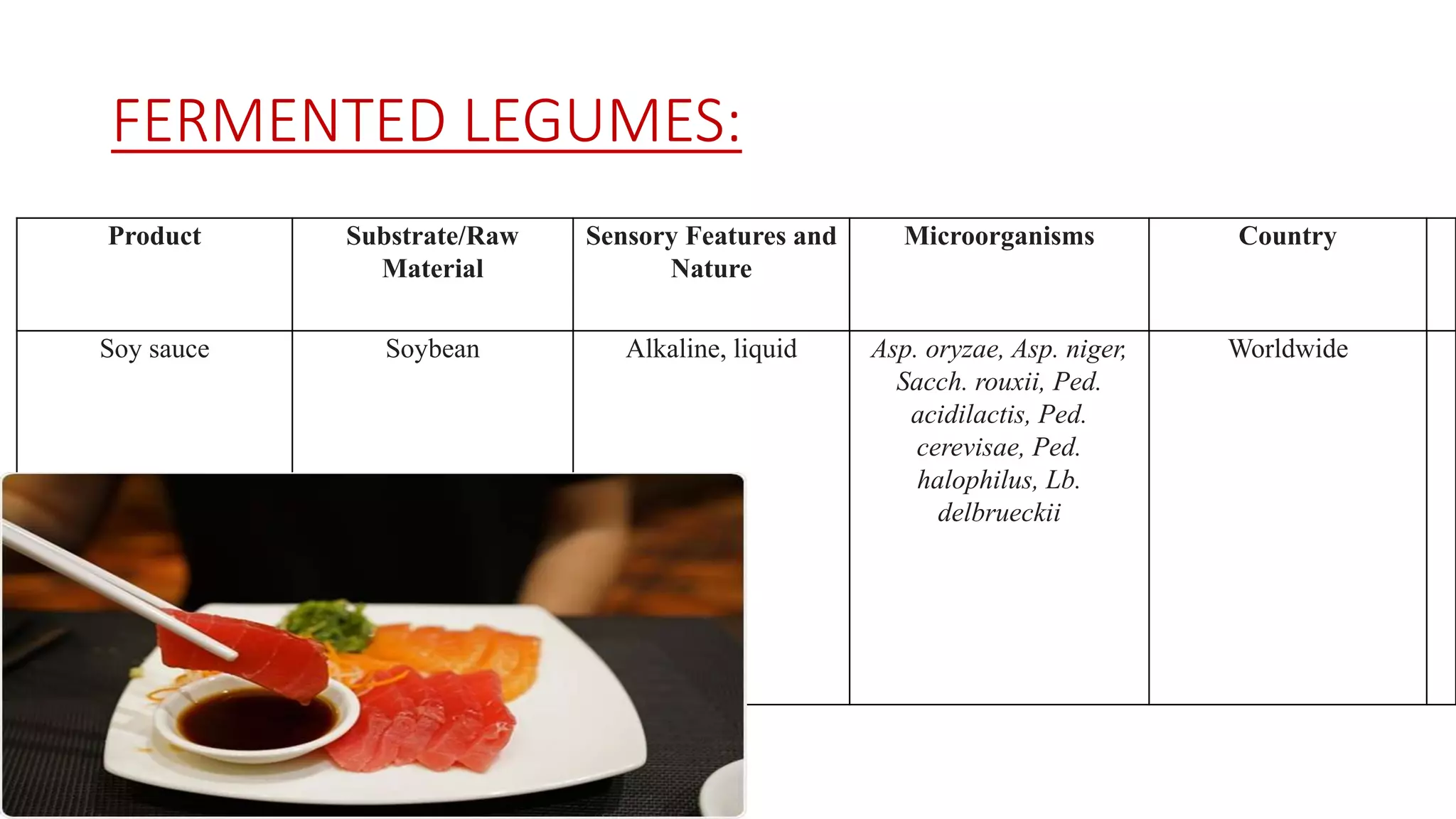
Soy sauce Soybean Alkaline, liquid Asp. oryzae, Asp. niger,
Sacch. rouxii, Ped.
acidilactis, Ped.
cerevisae, Ped.
halophilus, Lb.
delbrueckii
Worldwide
Product Substrate/Raw
Material
Sensory Features and
Nature
Microorganisms Country
FERMENTED ROOT CROP AND TUBER PRODUCTS:
Product Substrate/
Raw
Materials
Sensory Property
and Nature
Microorganisms Country
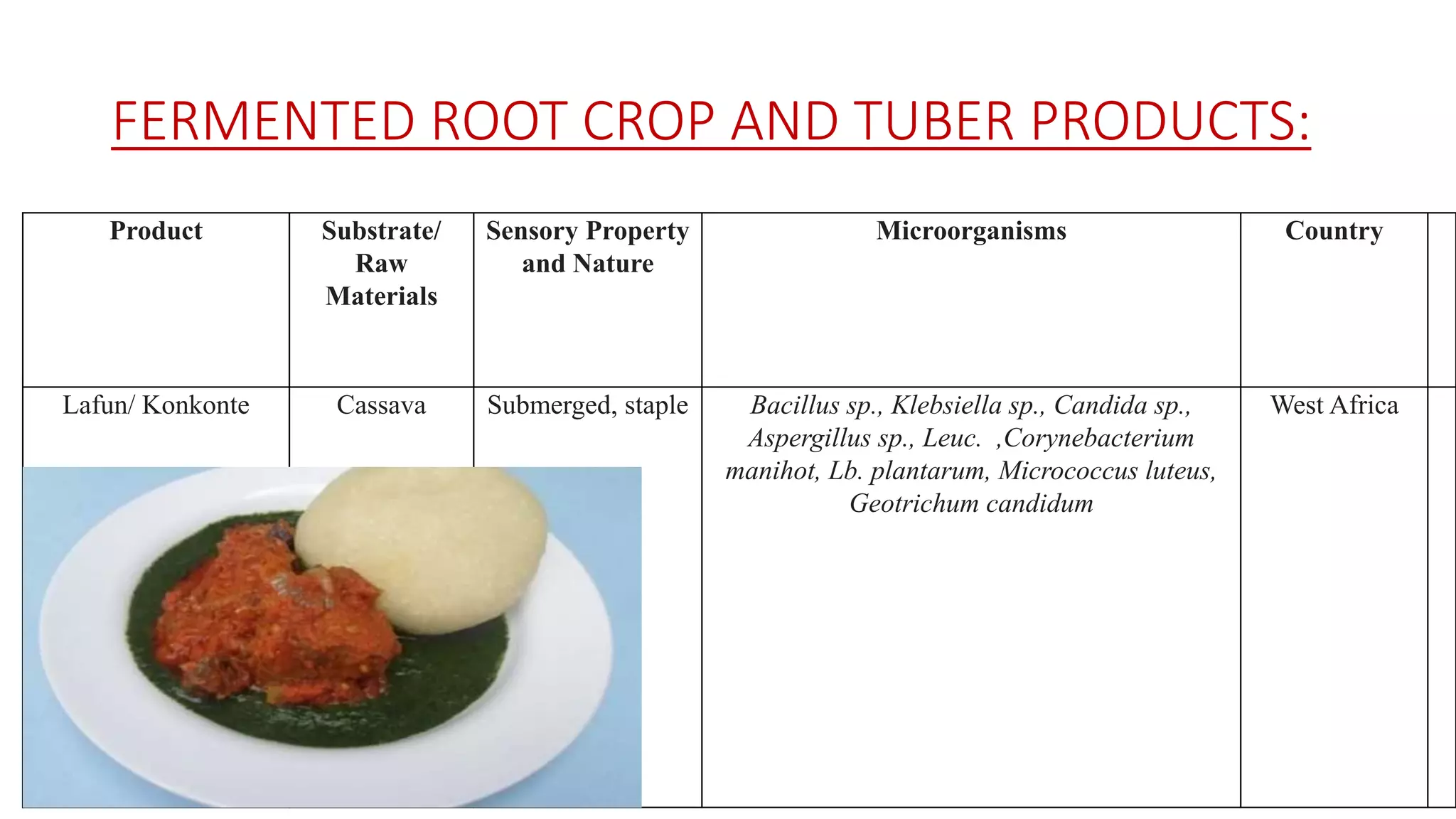
Lafun/ Konkonte Cassava Submerged, staple Bacillus sp., Klebsiella sp., Candida sp.,
Aspergillus sp., Leuc. ,Corynebacterium
manihot, Lb. plantarum, Micrococcus luteus,
Geotrichum candidum
West Africa
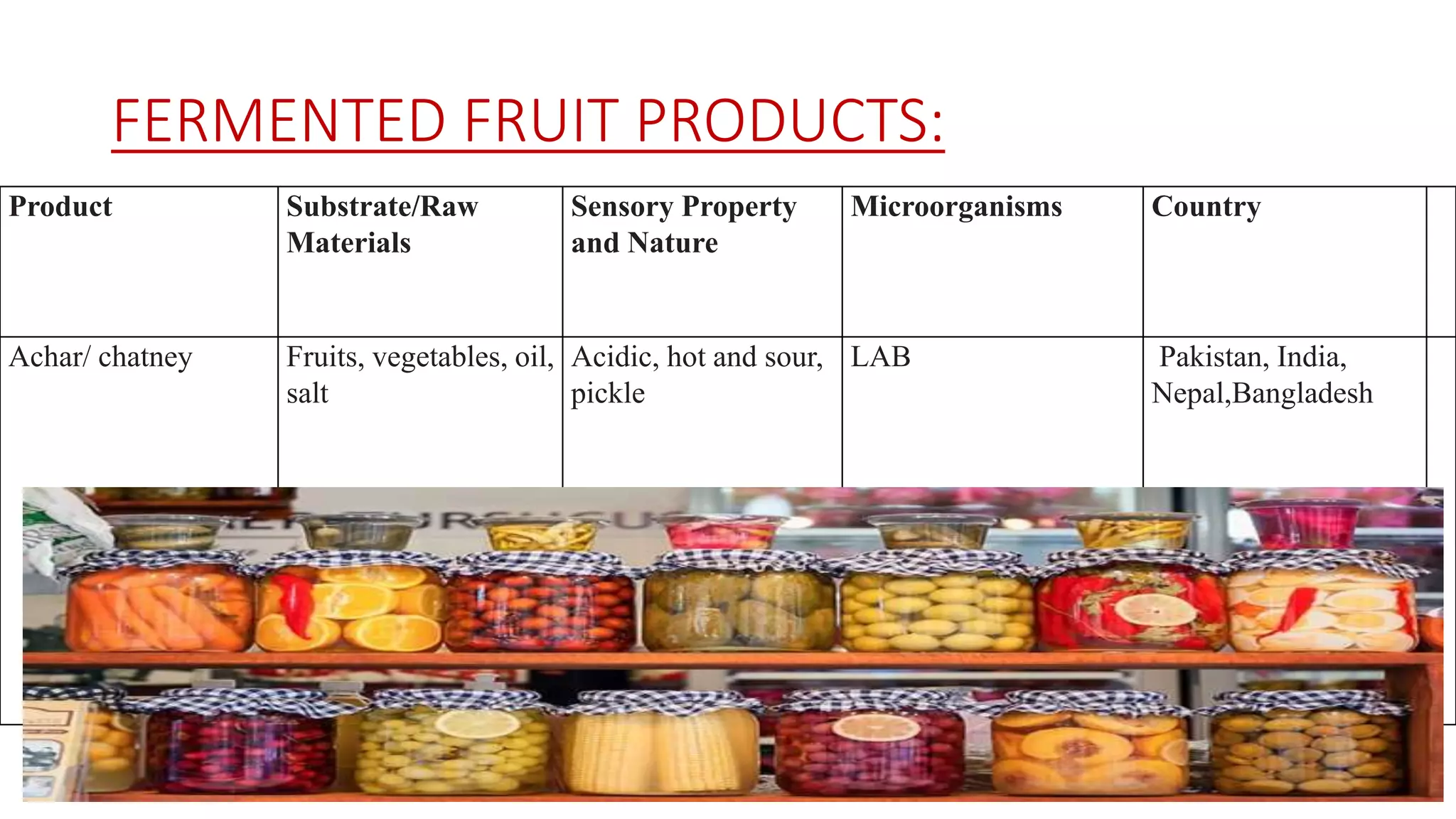
FERMENTED FRUIT PRODUCTS:
Product Substrate/Raw
Materials
Sensory Property
and Nature
Microorganisms Country
Achar/ chatney Fruits, vegetables, oil,
salt
Acidic, hot and sour,
pickle
LAB Pakistan, India,
Nepal,Bangladesh
Product Substrate/Raw
Materials
Sensory Property
and Nature
Microorganisms Country
Jerky Beef Dry, semi- dry, side
dish
LAB, yeast, molds,
micrococci
South America
Product Substrate/Raw
Materials
Sensory Property and
Nature
Microorganisms Country
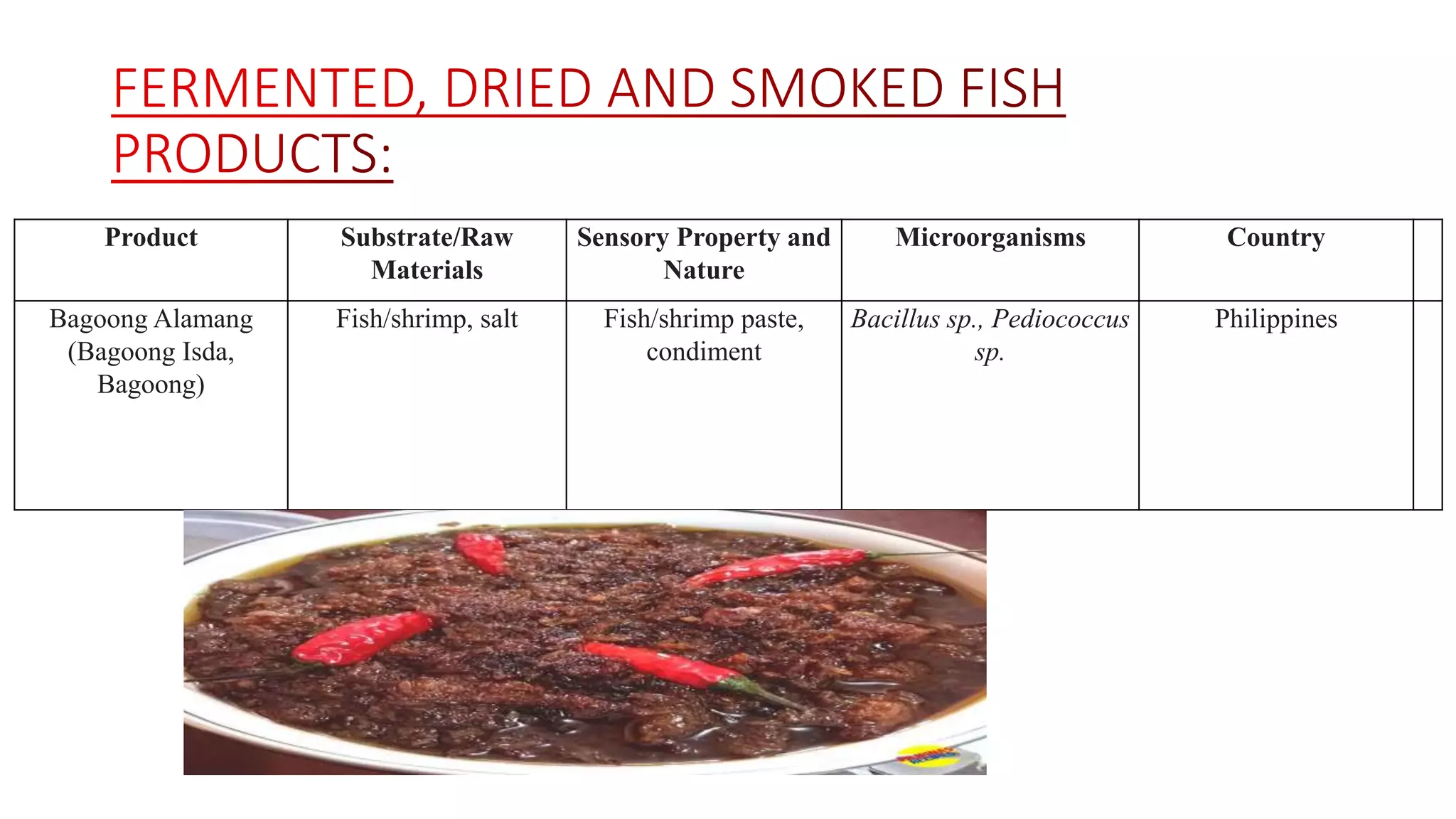
Bagoong Alamang
(Bagoong Isda,
Bagoong)
Fish/shrimp, salt Fish/shrimp paste,
condiment
Bacillus sp., Pediococcus
sp.
Philippines
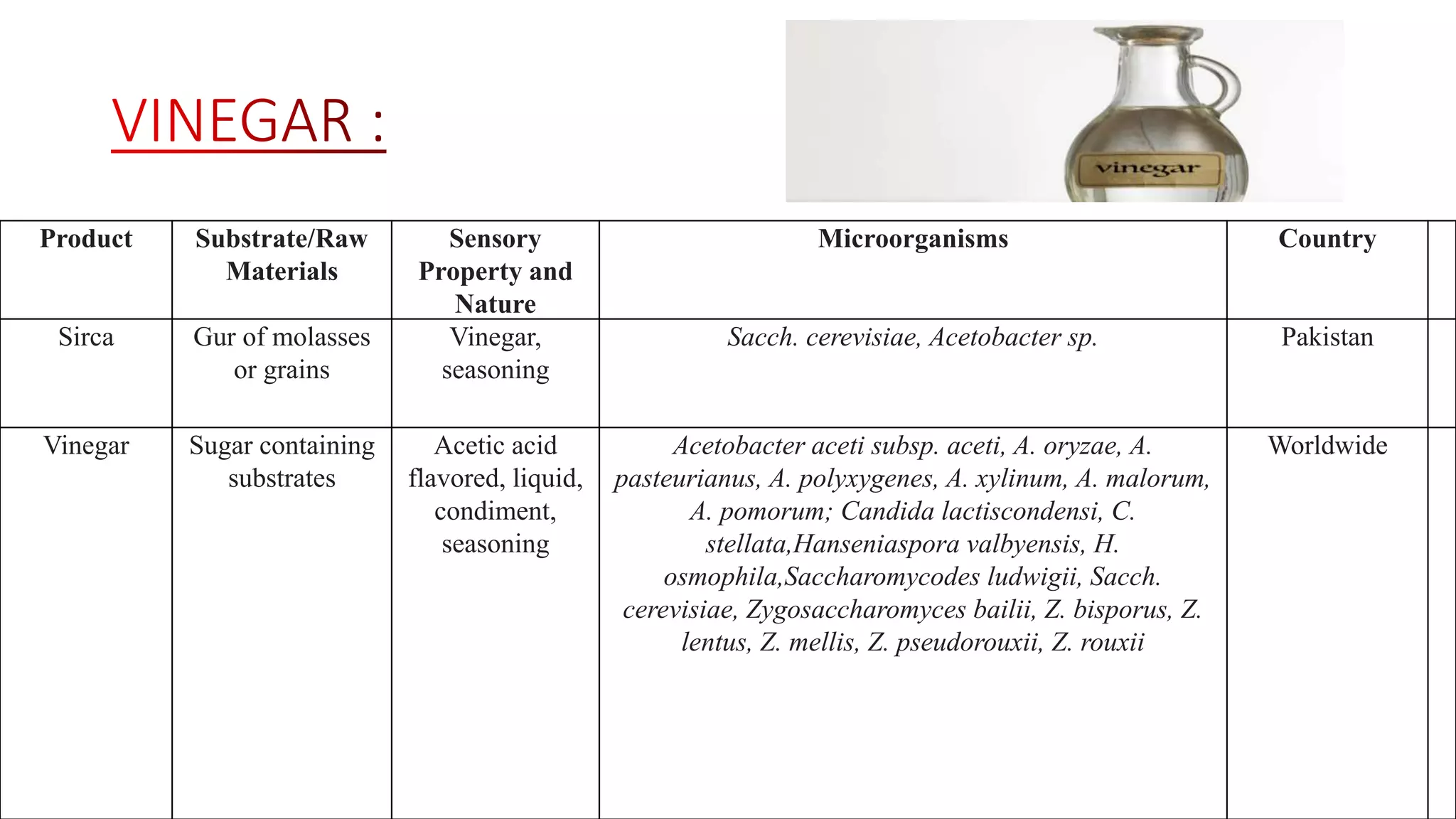
Product Substrate/Raw
Materials
Sensory
Property and
Nature
Microorganisms Country
Sirca Gur of molasses
or grains
Vinegar,
seasoning
Sacch. cerevisiae, Acetobacter sp. Pakistan
Vinegar Sugar containing
substrates
Acetic acid
flavored, liquid,
condiment,
seasoning
Acetobacter aceti subsp. aceti, A. oryzae, A.
pasteurianus, A. polyxygenes, A. xylinum, A. malorum,
A. pomorum; Candida lactiscondensi, C.
stellata,Hanseniaspora valbyensis, H.
osmophila,Saccharomycodes ludwigii, Sacch.
cerevisiae, Zygosaccharomyces bailii, Z. bisporus, Z.
lentus, Z. mellis, Z. pseudorouxii, Z. rouxii
Worldwide
Product Substrate/Raw
Materials
Sensory
Property and
Nature
Microorganisms Country
Coffee Coffee Flavored coffee,
refreshing drink
Ent. cloacae, Klebsiella oxytoca, Hafnia alvei,
Lactobacillus, Leuconostoc, Weissella spp.
Worldwide
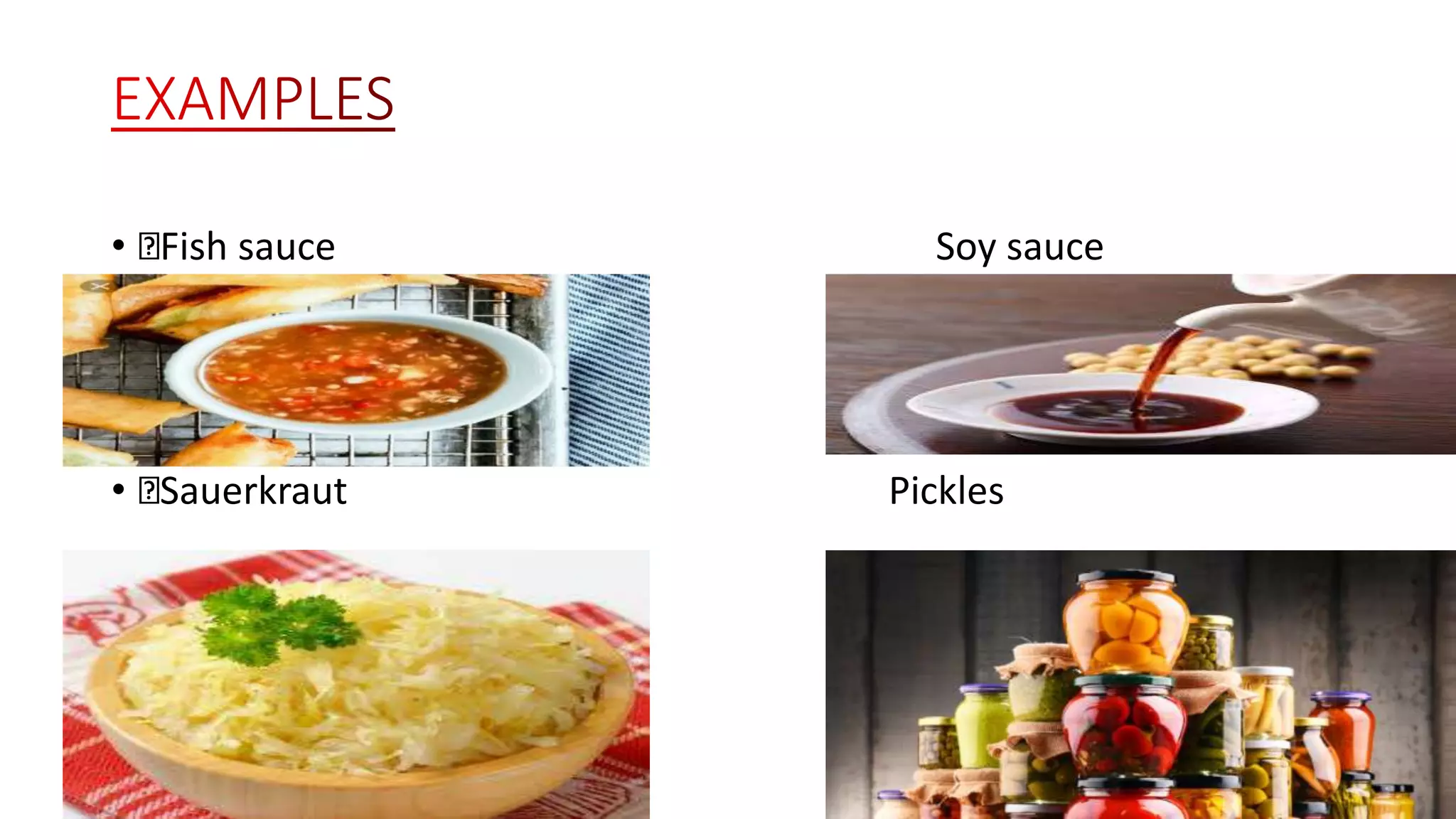
• Fish sauce Soy sauce
• Sauerkraut Pickles
CONCLUSION:
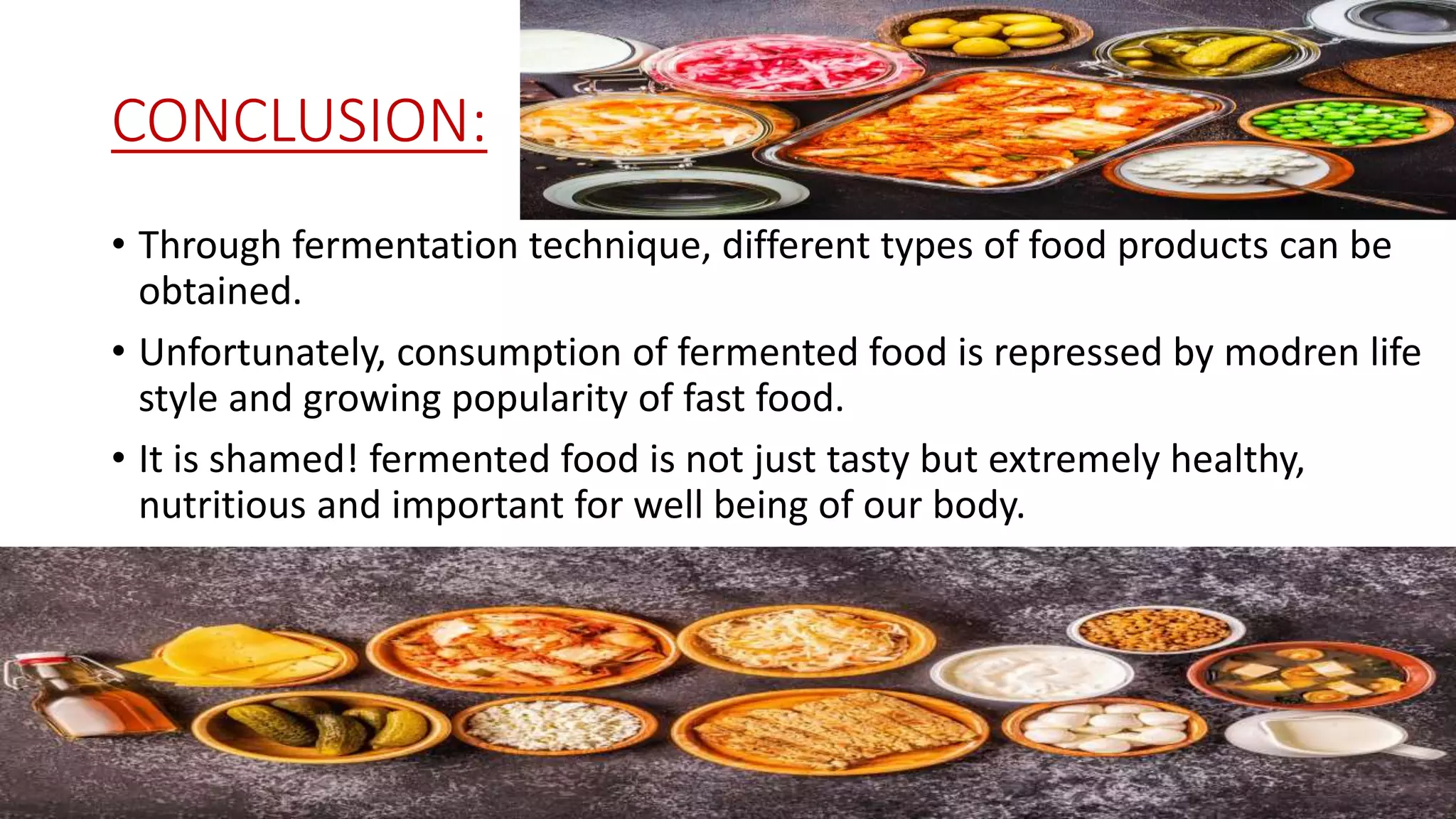
• Through fermentation technique, different types of food products can be
obtained.
• Unfortunately, consumption of fermented food is repressed by modren life
style and growing popularity of fast food.
• It is shamed! fermented food is not just tasty but extremely healthy,
nutritious and important for well being of our body.
Role of microoganisms in fermentation

Role of microoganisms in fermentation

  • 2.
    HAFIZ M WASEEMUNIVERSITY OF EDUCATION LAHORE
  • 3.
    • Introduction • Howfermentation works • Advantages • Types • Fermenters and its types • Main types of microorganisms in global food fermentation • Controling factor in industrial fermentation • Probiotics and its effects • Types of fermented food • Examples • Conclusion
  • 4.
    What is fermentation Fermentation is any metabolic process in which microorganisms’ activity creates a desirable change in food and beverages, whether it’s increasing flavor, preserving foodstuffs, providing health benefits, or more.  The word “ferment” comes from the Latin verb “fervere,” which means “to boil.” Ironically, fermentation is possible without heat.
  • 6.
    History • The earliestrecord of fermentation dates back as far as 6000 B.C. in the Fertile Crescent—and nearly every civilization since has included at least one fermented food in its culinary heritage • Louis PasteurOur modern understanding of the fermentation process comes from the work of the French chemist Louis Pasteur (Figure 2). Pasteur was the first to demonstrate experimentally that fermented beverages result from the action of living yeast transforming glucose into ethanol.
  • 7.
    How fermentation work? Microorganisms survive using carbohydrates (sugars, such as glucose) for energy and fuel.  Organic chemicals like adenosine triphosphate (ATP) deliver that energy to every part of a cell when needed.  Microbes generate ATP using respiration. Aerobic respiration, which requires oxygen, is the most efficient way to do that. Aerobic respiration begins with glycolysis, where glucose is converted into pyruvic acid. When there’s enough oxygen present, aerobic respiration occurs.
  • 8.
    Contin.  Fermentation issimilar to anaerobic respiration—the kind that takes place when there isn’t enough oxygen present. However, fermentation leads to the production of different organic molecules like lactic acid, which also leads to ATP, unlike respiration, which uses pyruvic acid.  Depending upon environmental conditions, individual cells and microbes have the ability to switch between the two different modes of energy production.  Organisms commonly obtain energy anaerobically through fermentation, but some systems use sulfate as the final electron acceptor in the electron transport chain.
  • 9.
    What happens duringfermentation?  Beneficial microbes break down sugars and starches into alcohols and acids, making food more nutritious and preserv it .  Fermentation products provide enzymes necessary for digestion. This is important because humans are born with a finite number of enzymes, and they decrease with age. Fermented foods contain the enzymes required to break them down.  Fermentation also aids in pre-digestion.
  • 10.
    What are advantagesof fermentation?  Probiotics aid the immune system because the gut produces antibiotic, anti-tumor, anti-viral, and antifungal substances, and pathogens don’t do well in the acidic environmet fermented foods create.  Fermentation also helps neutralize anti-nutrients like phytic acid, which occurs in grains, nuts, seeds, and legumes and can cause mineral deficienciess  Fermentation can increase the minerals in food and make them more available for absorption.
  • 11.
    Types of fermentation Ethanolfermentation  Yeasts break pyruvate molecules the output of the metabolism of glucose (C6H12O6) known as glycolysis in starches or sugars down into alcohol and carbon dioxide molecules. Alcoholic fermentation produces wine and beer.
  • 12.
    Acetic acid fermentation Aceticacid fermentation. Starches and sugars from grains and fruit ferment into sour tasting vinegar and condiments. Examples include apple cider vinegar, wine vinegar, and kombucha.
  • 13.
    Lactic Acid Fermentation LAB(LacticAcid Bacteria) has very big importance industries and is used for milk preservation, fermentation and cheese, yogurt, and butter milk. Species from the Gram Positive bacteria group are used which includes the genera Lactobacillus, Le, Lactococcus, Streptococcus and Pediococc us.
  • 14.
    Role of lacticacid in fermentation LAB plays vital role in fermentation of milk and milk products. Various LAB strains are used as starter cultures in milk industry. These starter cultures were collected from sequence activity of LAB and then they were isolated, selected and confirmed. LAB has most important property to acidify milk and gives texture and flavor because of converting milk protein. Fermented milk has characteristics to produce fresh acid taste like yogurt and cheese.
  • 15.
    FERMENTERS • Fermenter isan enclosed and sterlized vessel that maintains optimal conditions for the growth of microorganisms . • It is a device in which a substrate of low value is utilized by living cells or enzymes to generate a product of high value. • Extensively used for food processing , fermentation,waste material etc.
  • 17.
    TYPES OF FERMENTERS •Fermenters are of 4 types: • Stirred tank reactor • Airlift fermenters • Tower fermenters • Bubble up fermenters
  • 18.
    Stirred tank reactor Smallervessel is made up of glass while, lager vessels are made up of stainless steel of 1-1,000 or even 8,000L. They are closed system in which volumes are fixed. They are agitated with motor driven stirrer’s. It is a kind reactor with continuous flow culture system which is either of chemostat or turbidostat type.
  • 19.
    Airlift fermenters It comprisesof a gas light baffled riser tube or drought tube which is connected to the downcomer tube.
  • 20.
    • It isof two types: • Internal- loop airlift bioreactor • External loop airlift bioreactor • These type of fermenters are commonly employed for aerobic bioprocessing technology. • Because of their high efficiency, it is mostly preferred for production of methanol AIRLIFT FERMENTERS
  • 21.
    Tower fermentation It wasdefined by Greenshields and co-workers. It is an elongated non-mechanically type of fermenters. There is unidirectional gases flow throughout the bioreactors. Tower fermenters are of following types: i. Bubble columns ii. Vertical tower beer fermenters iii. Multistage fermenters
  • 22.
    Bubble up fermenters Itis a bubble columns fermenters which have an internal cooling coil. Air is introduced from the bottom of the column.
  • 23.
    Main types ofmicroorganism in Global food fermentation • Bacteria • Fungi • Yeasts Bacteria: • Bacteria are the most dominant microorganisms in both naturally fermented foods or foods fermented by the use of starter cultures • Types of bacteria: • lactic acid bacteria • Non lactic acid bacteria
  • 24.
    Lactic acid bacteria •Lactic acid bacteria are Gram-positive, catalase-negative bacteria that produce large amounts of lactic acid. • The LAB comprise a large bacterial group consisting of about 380 species in 40 genera of 6 families, belonging phylogenetically to the order Lactobacillales within the phylum Firmicutes • Common genera of the LAB isolated from various fermented foods of the world are Alkalibacterium, Carnobacterium, Enterococcus, Lactococcus, Lactobacillus, Leuconostoc, Oenococcus, Pediococcus, Streptococcus, Tetragenococcus, Vagococcus, and Weissella
  • 26.
    Non-Lactic acid bacteria •Species of Bacillus present in fermented foods mostly soybean-based foods are B. amyloliquefaciens, B. circulans, B. coagulans, B. firmus, B. licheniformis, B. megaterium, B. pumilus, B. subtilis, B. subtilis variety natto and B.thurin giensis • Species of Bifidobacterium, Brachybacterium, Brevibacterium, and Propionibacterium have been isolated from cheese and other fermented milks.
  • 28.
    Yeasts • Genera ofyeasts reported from fermented foods, alcoholic beverages and nonfood mixed amylolytic starters are Brettanomyces, Candida, Cryptococcus, Debaryomyces, Dekkera, Galactomyces, Geotrichum, •
  • 29.
    Fungi • Species ofActinomucor, Amylomyces, Aspergillus, Monascus, Mucor, Neurospora, Penicillium, Rhizopus, and Ustilago are reported from many fermented foods, Asian nonfood amylolytic starters and alcoholic beverages
  • 31.
    Probiotics and itseffect Probiotics are usually defined as microbial food supplements with beneficial effects on the consumers. Most probiotics fall into the group of organisms’ known as lactic acid‐producing bacteria and are normally consumed in the form of yogurt, fermented milks or other fermented foods.
  • 32.
    Types of fermentedfood 1. Fermented milk foods 2. Fermented cereal foods 3. Fermented vegetable foods 4. Fermented soybean and non-soybean foods 5. Fermented meat products 6. Fermented fish products 7. Fermented root/tuber products 8. Fermented beverages and Asian amylolytic starters 9. Miscellaneous fermented products (fermented tea, cocoa, vinegar, nata, pidan, etc.)
  • 33.
    FERMENTED MILKS : (i)lacticfermentations: consist of the thermophilic type (e.g., yogurt, Bulgarian buttermilk), probiotic type (acidophilus milk, bifidus milk), and the mesophilic type (e.g., natural fermented milk, cultured milk, cultured cream, cultured buttermilk) (ii)fungal-lactic fermentations: • consist of alcoholic milks (e.g., koumiss, acidophilus-yeast milk), and moldy milks (e.g., viili)
  • 34.
    Product Substrate SensoryProperty and Nature Microorganisms Country Dahi Cow/buffalomilk , starter culture Curd, savory Lb. bifermentans, Lb. alimentarius, Lb. paracasei, Lact. lactis, Strep. cremoris, Strep. lactis, Strep. thermophilus, Lb.bulgaricus, Lb. acidophilus, Lb. helveticus, Lb. cremoris, Ped. pentosaceous, P. acidilactici, W. cibara, W. paramesenteroides, Lb. fermentum, Lb. delbrueckii subsp. indicus, Saccharomycopsis sp., Candida sp. Pakistan ,India, Nepal, Sri Lanka, Bangladesh, Gheu/ghee Cow milk Soft, oily mass, solid, butter Lc. lactis subsp. lactis, Lc. lactis subsp. cremoris Pakistan, India, Nepal, Bhutan, Bangladesh,
  • 36.
    FERMENTED CEREAL FOODS: ProductRaw Material/ Substrate Sensory Property and Nature Microorganisms Country Jalebi Wheat flour Crispy sweet, donut-like, deepfried, snacks Sacch. Bayanus, Lb. fermentum, Lb. buchneri, Lact. lactis, Ent. faecalis, Sacch. cerevisiae Pakistan India, Nepal, Naan Wheat flour Leaved bread, baked Sacch. cerevisiae, LAB Pakistan, India,Afghanistan Rabadi Buffalo or cow milk and cereals, pulses Mild-acidic, thick slurry-like product Ped. acidilactici, Bacillus sp., Micrococcus sp.; Yeasts Pakistan,India
  • 37.
    FERMENTED VEGETABLE PRODUCTS: ProductSubstrate/Raw Materials Sensory Property and Nature Microorganisms Country Cucumbers (pickles) Cucumbers Acidic, wet, pickle Leuc. mesenteroides, Ped. cerevisiae, Ped. acidilactici, Lb. plantarum, Lb. brevis Europe, USA, Canada Olives (fermented) Olive Acidic, wet, Salad, side dish Leuc. mesenteroides, Ped. pentosaceus; Lb. plantarum Lb. pentosus/Lb. plantarum, Lb. paracollinoides, Lb. vaccinostercus/ Lb. suebicus and Pediococcus sp. nonlactics (Gordonia sp./Pseudomonas sp., Halorubrum orientalis, Halosarcina pallid, Sphingomonas sp./ Sphingobium sp./Sphingopyxis sp., Thalassomonas agarivorans) and yeasts (Candida cf. apicola, Pichia sp., Pic. manshurica/Pic. galeiformis, Sacch. cerevisiae) USA, Spain,Portu gal, Peru, Chile
  • 38.
    FERMENTED LEGUMES: Soy sauceSoybean Alkaline, liquid Asp. oryzae, Asp. niger, Sacch. rouxii, Ped. acidilactis, Ped. cerevisae, Ped. halophilus, Lb. delbrueckii Worldwide Product Substrate/Raw Material Sensory Features and Nature Microorganisms Country
  • 39.
    FERMENTED ROOT CROPAND TUBER PRODUCTS: Product Substrate/ Raw Materials Sensory Property and Nature Microorganisms Country Lafun/ Konkonte Cassava Submerged, staple Bacillus sp., Klebsiella sp., Candida sp., Aspergillus sp., Leuc. ,Corynebacterium manihot, Lb. plantarum, Micrococcus luteus, Geotrichum candidum West Africa
  • 40.
    FERMENTED FRUIT PRODUCTS: ProductSubstrate/Raw Materials Sensory Property and Nature Microorganisms Country Achar/ chatney Fruits, vegetables, oil, salt Acidic, hot and sour, pickle LAB Pakistan, India, Nepal,Bangladesh
  • 41.
    Product Substrate/Raw Materials Sensory Property andNature Microorganisms Country Jerky Beef Dry, semi- dry, side dish LAB, yeast, molds, micrococci South America
  • 42.
    Product Substrate/Raw Materials Sensory Propertyand Nature Microorganisms Country Bagoong Alamang (Bagoong Isda, Bagoong) Fish/shrimp, salt Fish/shrimp paste, condiment Bacillus sp., Pediococcus sp. Philippines
  • 43.
    Product Substrate/Raw Materials Sensory Property and Nature MicroorganismsCountry Sirca Gur of molasses or grains Vinegar, seasoning Sacch. cerevisiae, Acetobacter sp. Pakistan Vinegar Sugar containing substrates Acetic acid flavored, liquid, condiment, seasoning Acetobacter aceti subsp. aceti, A. oryzae, A. pasteurianus, A. polyxygenes, A. xylinum, A. malorum, A. pomorum; Candida lactiscondensi, C. stellata,Hanseniaspora valbyensis, H. osmophila,Saccharomycodes ludwigii, Sacch. cerevisiae, Zygosaccharomyces bailii, Z. bisporus, Z. lentus, Z. mellis, Z. pseudorouxii, Z. rouxii Worldwide
  • 44.
    Product Substrate/Raw Materials Sensory Property and Nature MicroorganismsCountry Coffee Coffee Flavored coffee, refreshing drink Ent. cloacae, Klebsiella oxytoca, Hafnia alvei, Lactobacillus, Leuconostoc, Weissella spp. Worldwide
  • 45.
    • Fish sauceSoy sauce • Sauerkraut Pickles
  • 46.
    CONCLUSION: • Through fermentationtechnique, different types of food products can be obtained. • Unfortunately, consumption of fermented food is repressed by modren life style and growing popularity of fast food. • It is shamed! fermented food is not just tasty but extremely healthy, nutritious and important for well being of our body.