•Layout &
•Design
•   Layout Techniques Designed
•   to Get your Content Read

•   By Rob Drinkard
Designers VS. Editors
Why Design Matters
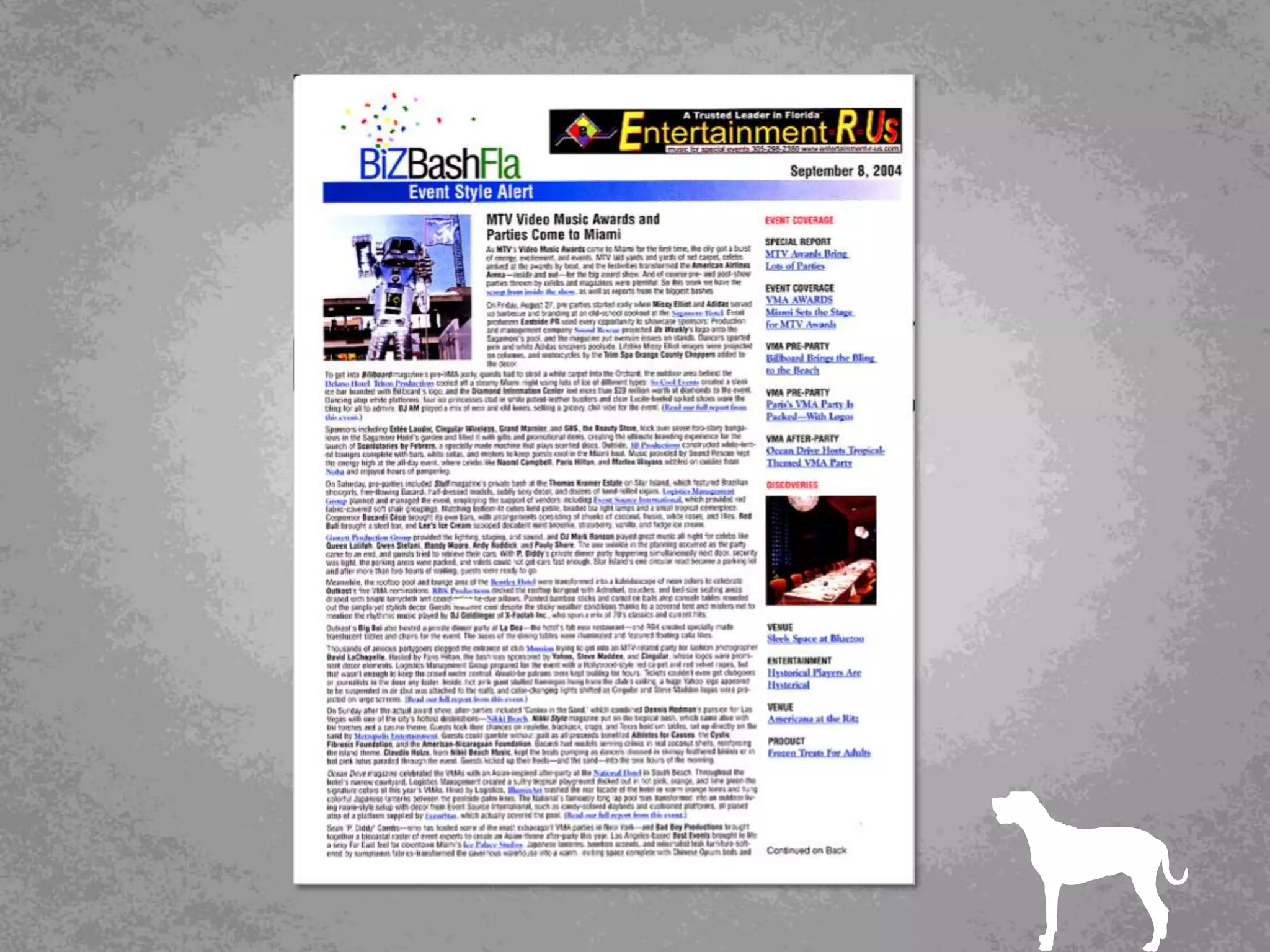
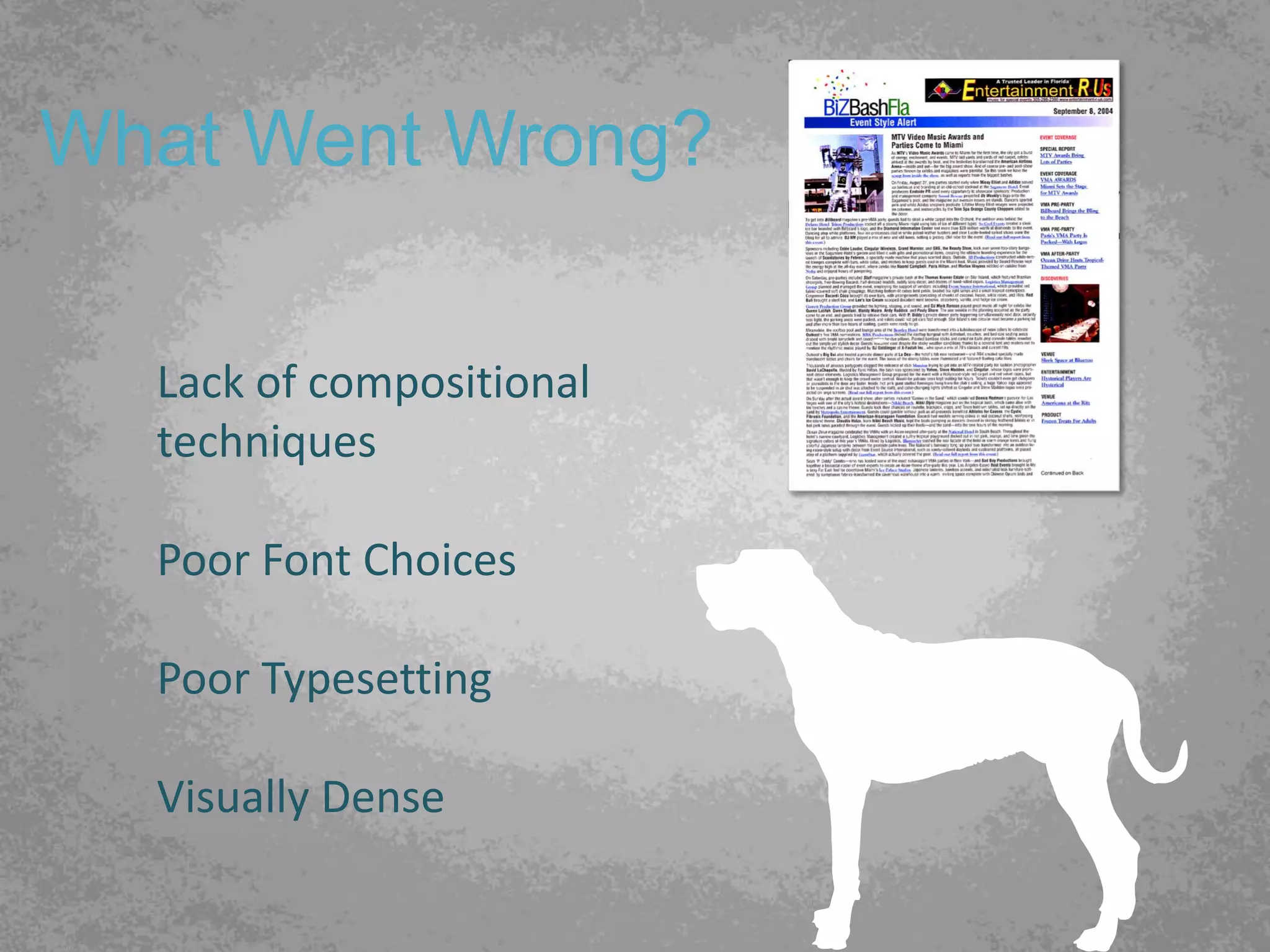
What Went Wrong?

  Lack of compositional
  techniques

  Poor Font Choices

  Poor Typesetting

  Visually Dense
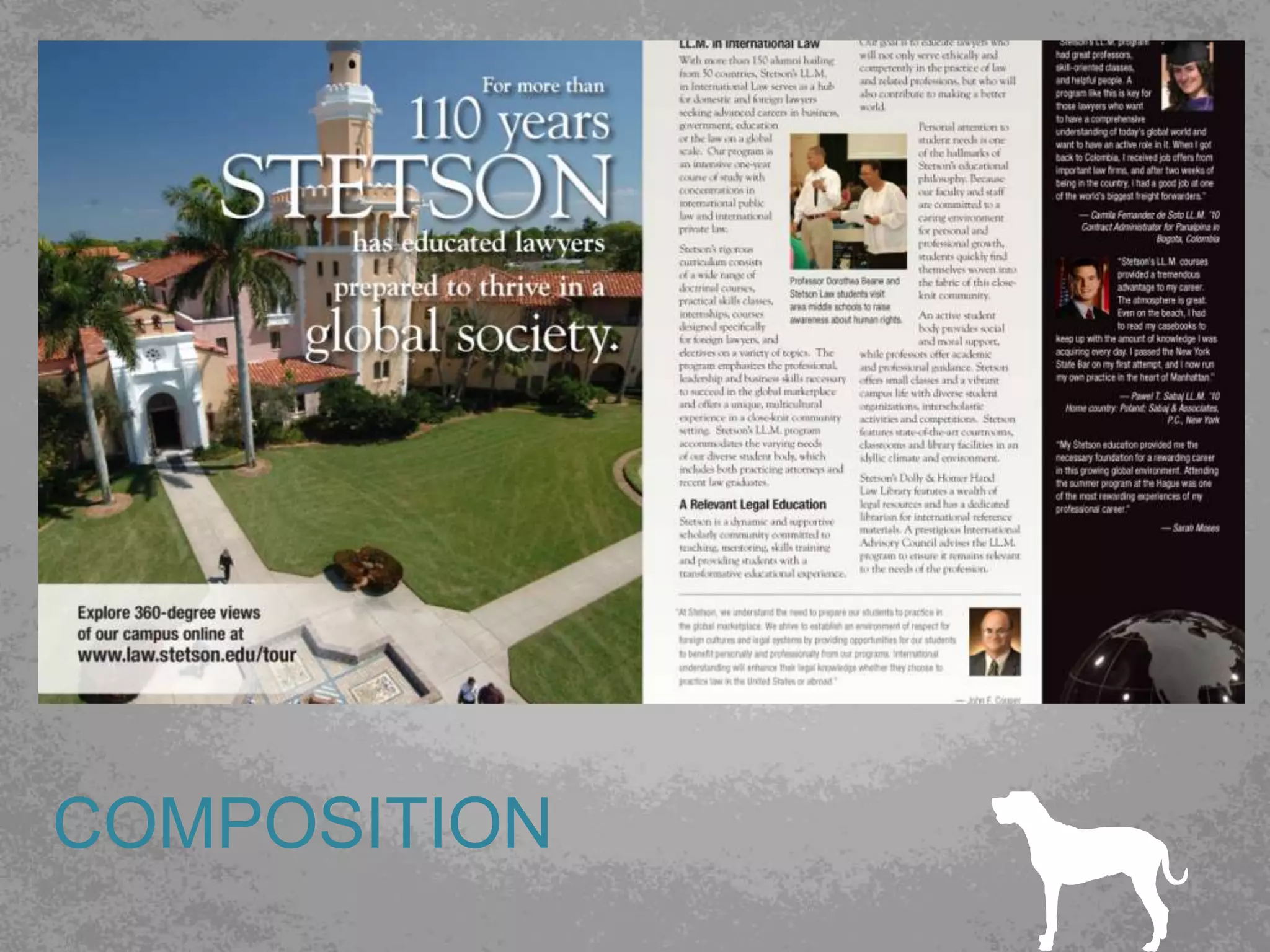
COMPOSITION
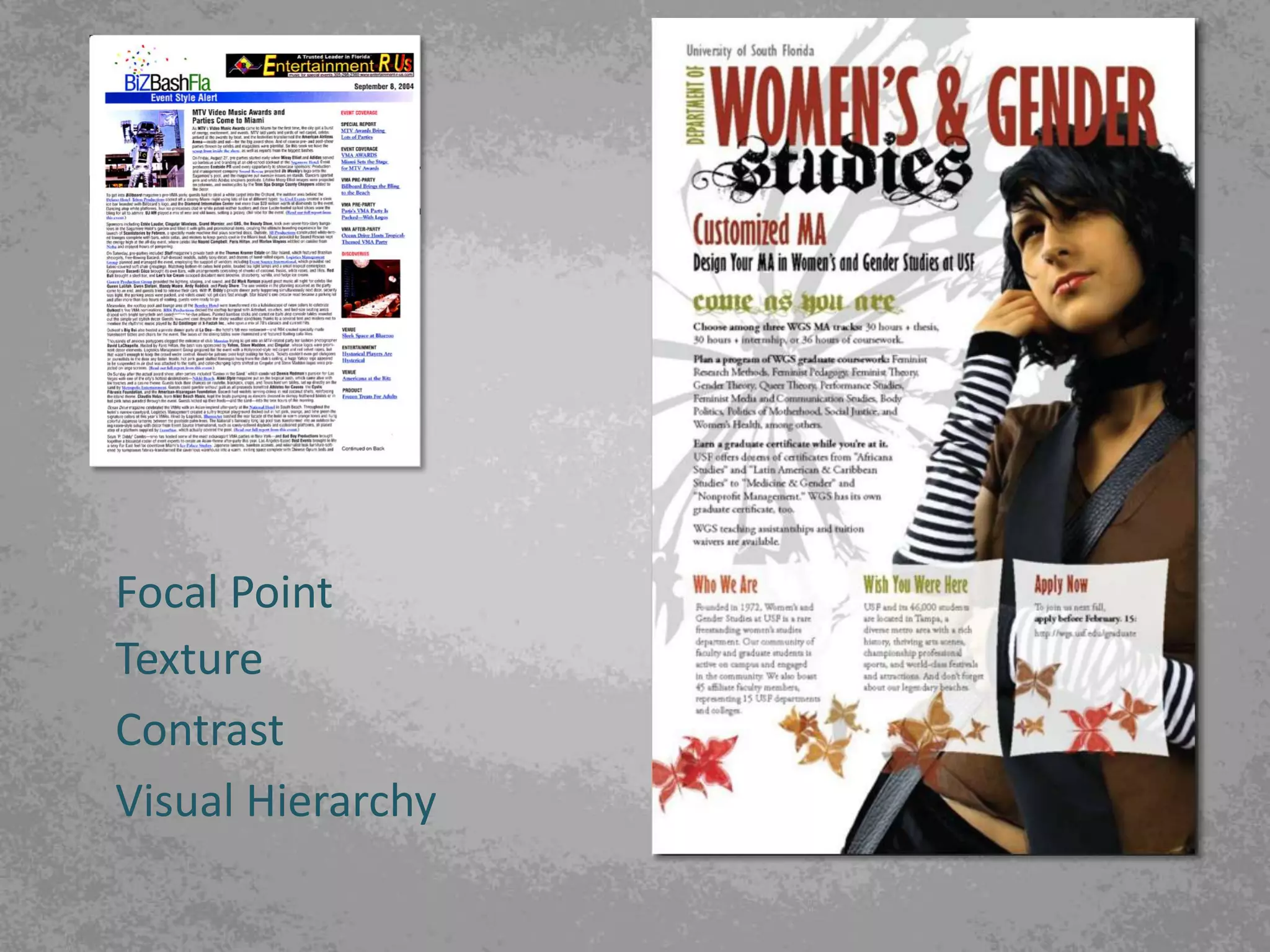
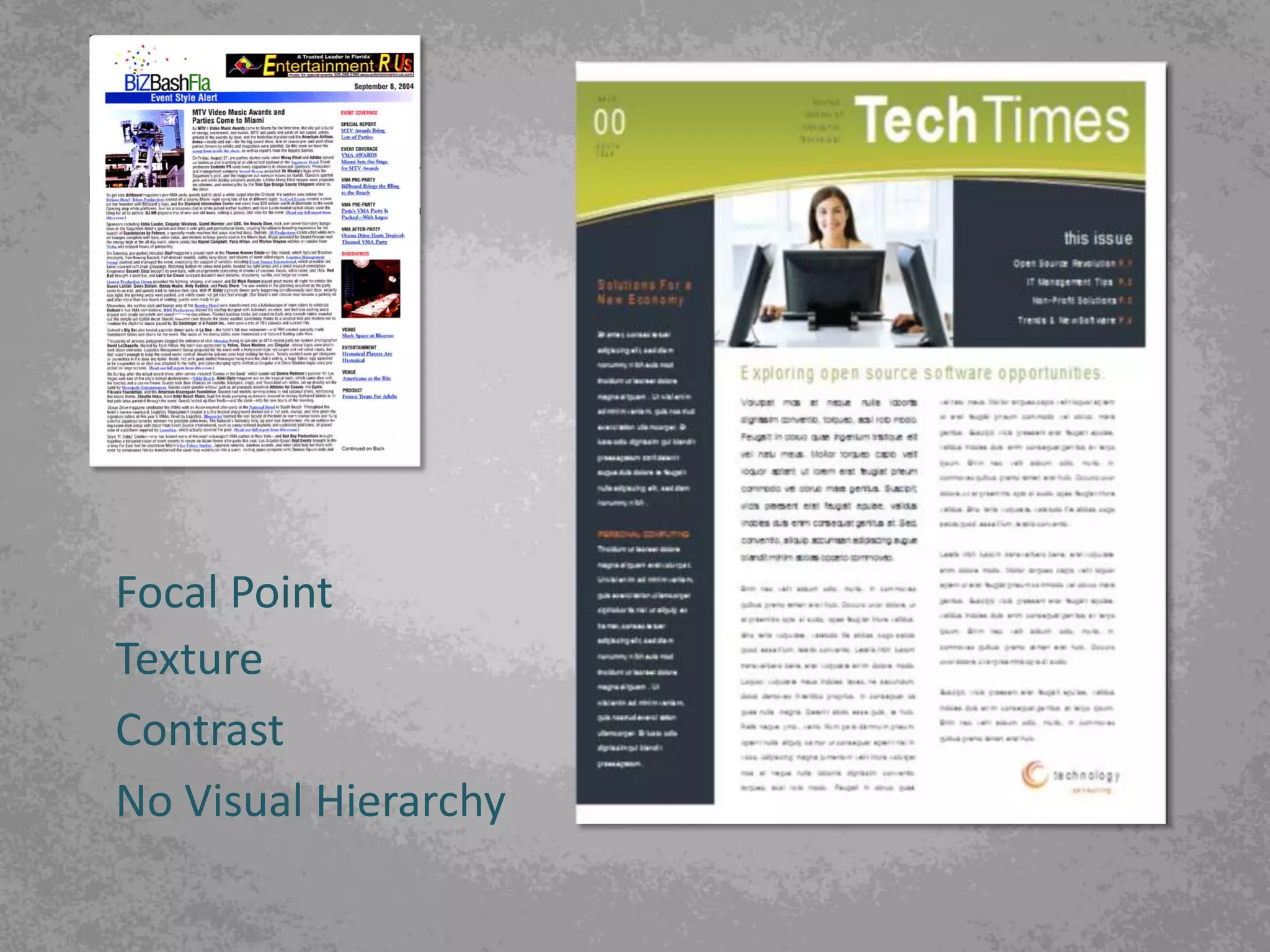
Focal Point
Texture
Contrast
Visual Hierarchy
Focal Point
Texture
Contrast
No Visual Hierarchy
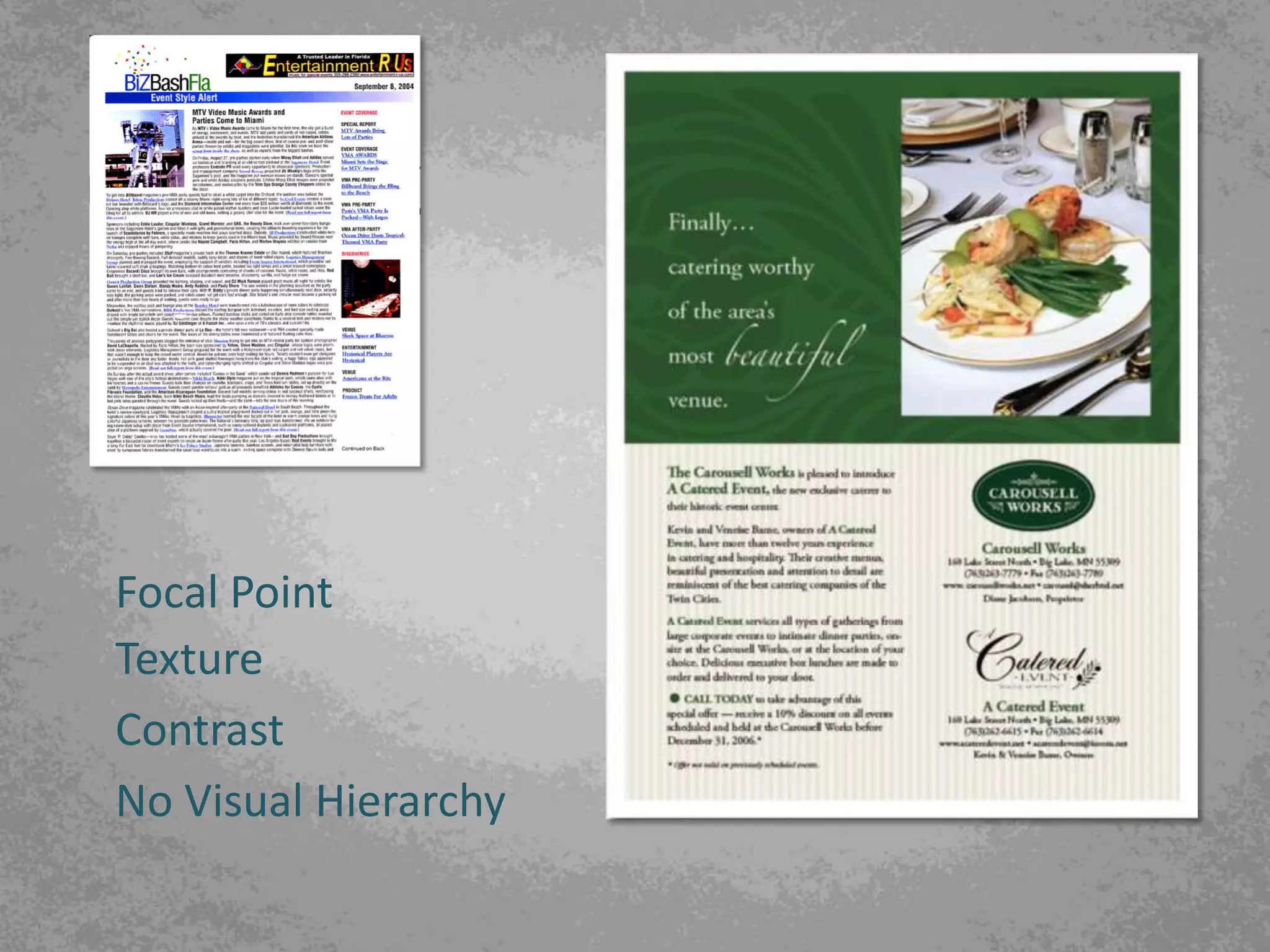
Focal Point
Texture
Contrast
No Visual Hierarchy
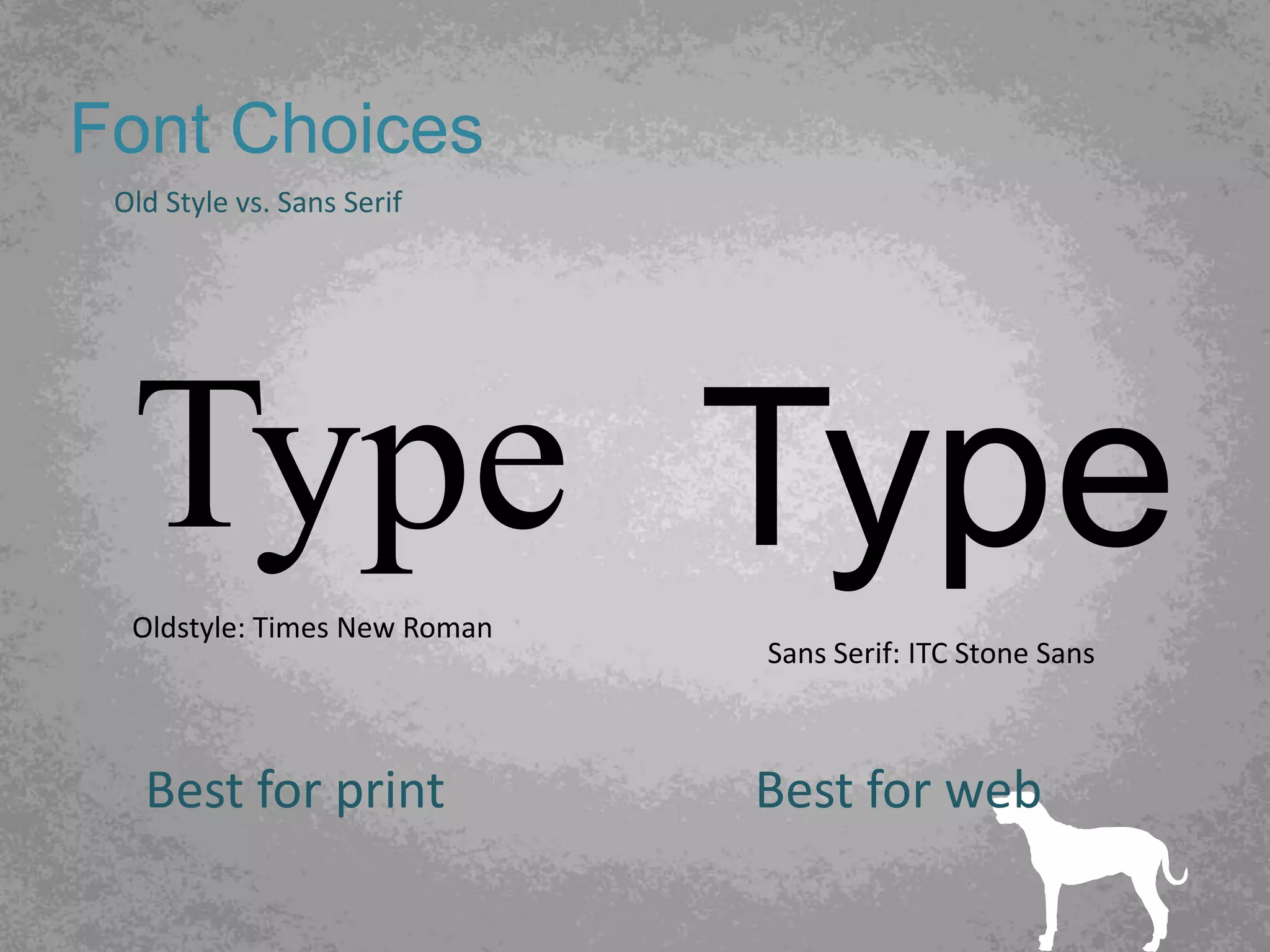
Font Choices
 Old Style vs. Sans Serif


  Type Type
  Oldstyle: Times New Roman
                              Sans Serif: ITC Stone Sans


   Best for print             Best for web
Font Choices
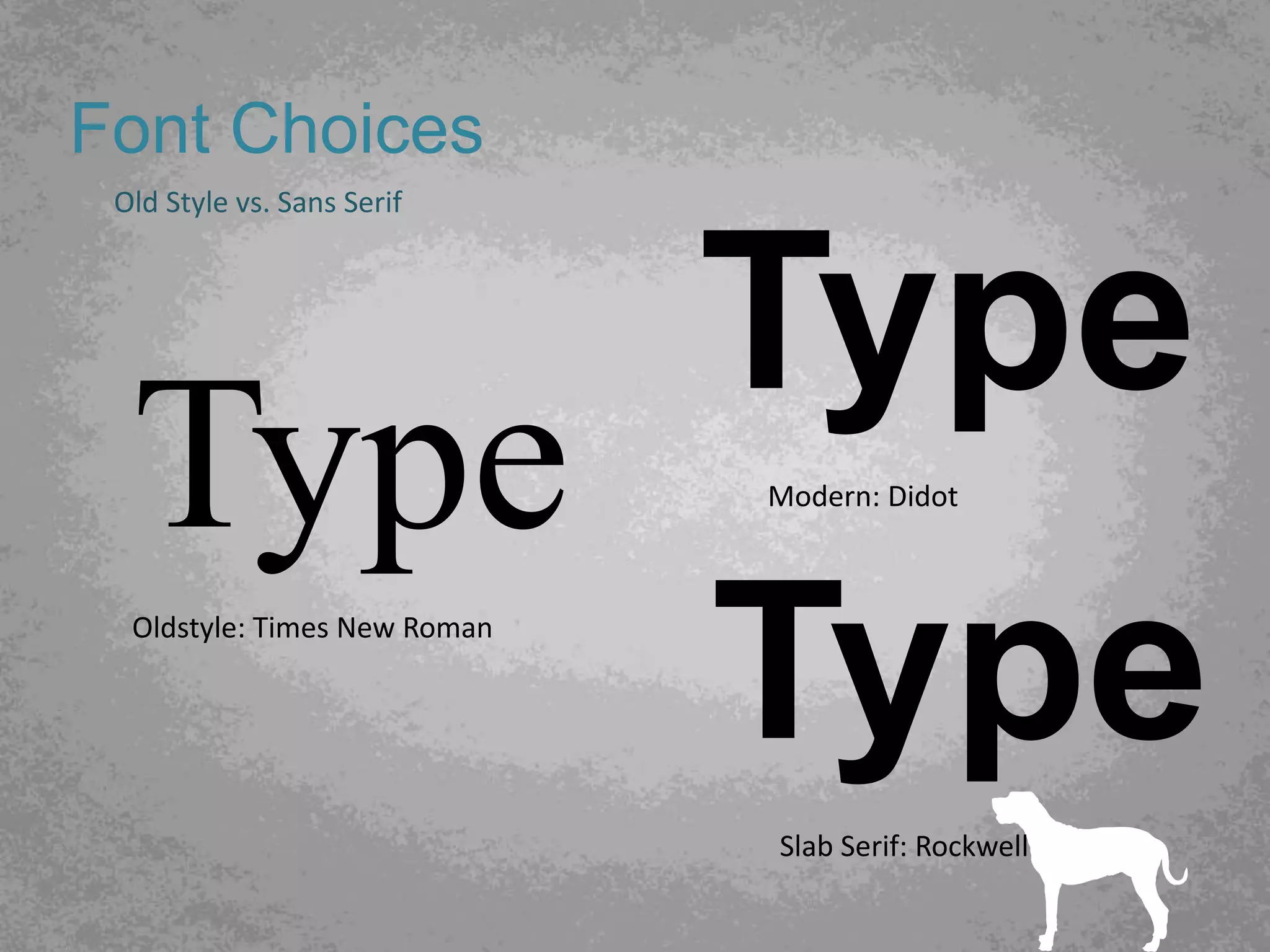
 Old Style vs. Sans Serif


                              Type
  Type                        Modern: Didot


  Oldstyle: Times New Roman


                              Type
                              Slab Serif: Rockwell
Font Choices
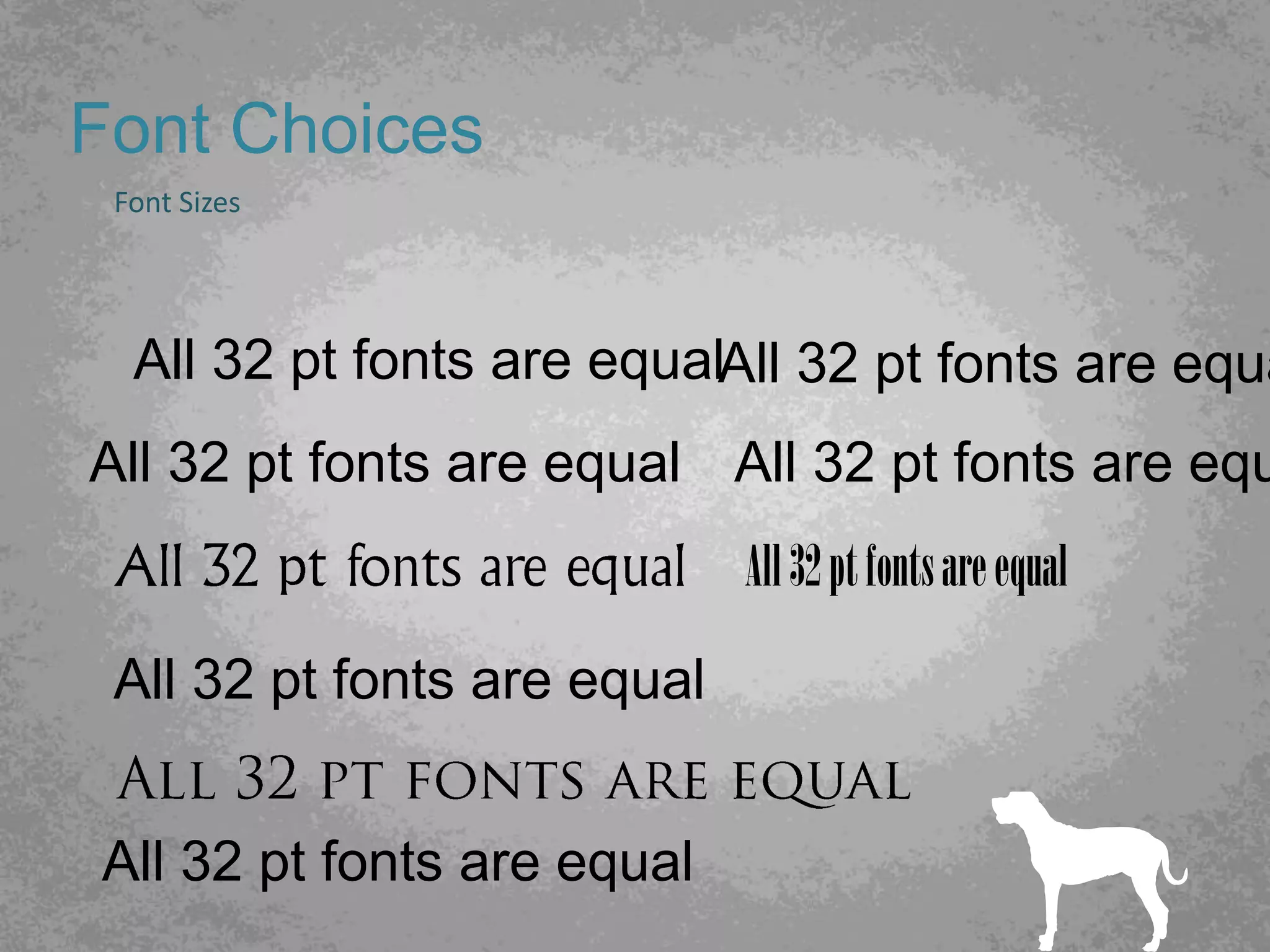
 Font Sizes


  All 32 pt fonts are equalAll 32 pt fonts are equa
All 32 pt fonts are equal All 32 pt fonts are equ
                             All 32 pt fonts are equal

 All 32 pt fonts are equal


All 32 pt fonts are equal
Font Choices
 Font Sizes


  For Print materials, start with a 10pt. Oldstyle font
                And adjust from there.


                 For Print materials, start with a 10pt. Oldstyle font
                              And adjust from there.
Font Choices
   Styling Issues

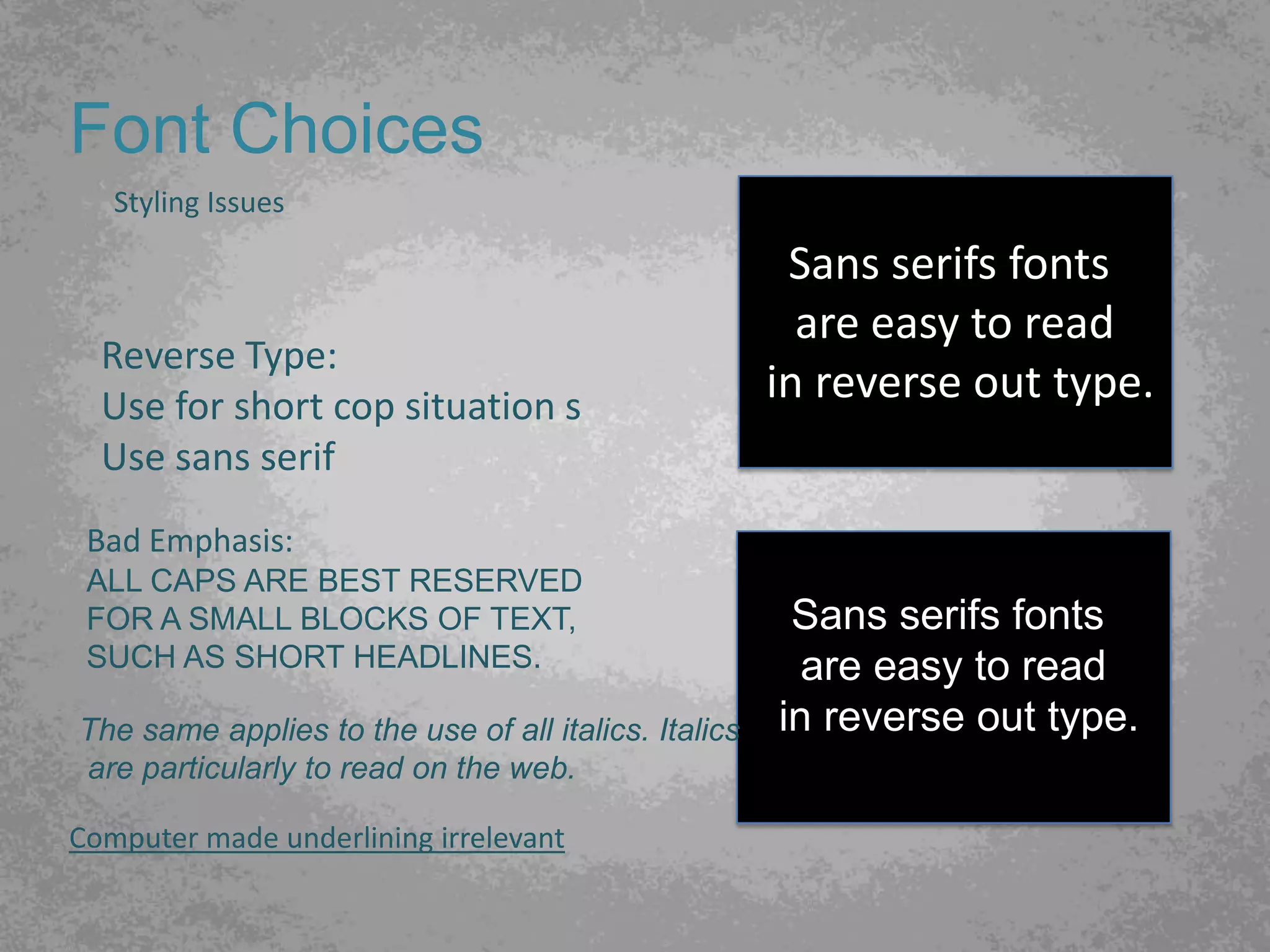
                                                       Sans serifs fonts
                                                        are easy to read
  Reverse Type:
  Use for short cop situation s
                                                      in reverse out type.
  Use sans serif
 Bad Emphasis:
 ALL CAPS ARE BEST RESERVED
 FOR A SMALL BLOCKS OF TEXT,                           Sans serifs fonts
 SUCH AS SHORT HEADLINES.                               are easy to read
The same applies to the use of all italics. Italics   in reverse out type.
are particularly to read on the web.

Computer made underlining irrelevant
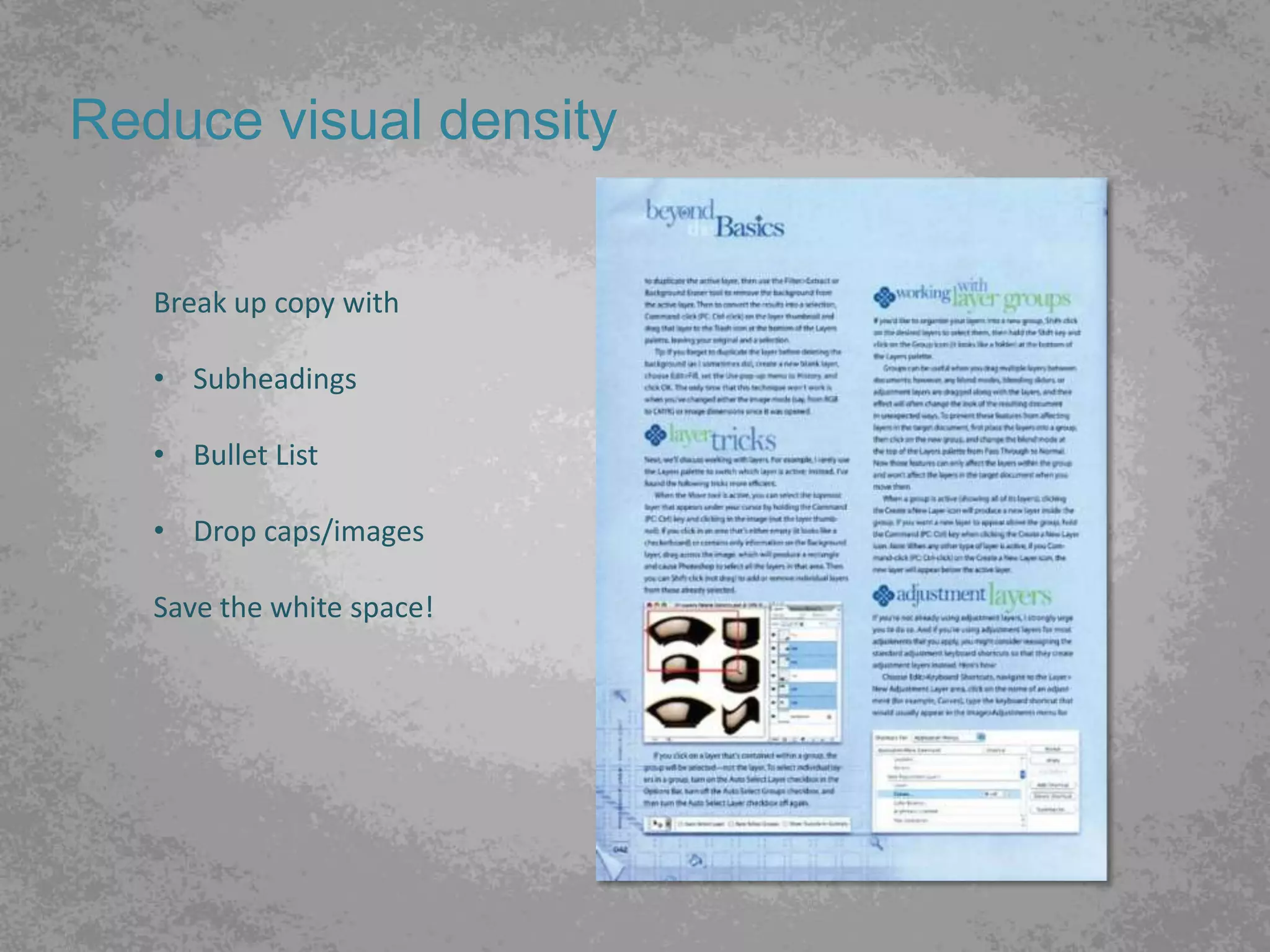
Reduce visual density


   Break up copy with

   • Subheadings

   • Bullet List

   • Drop caps/images

   Save the white space!
Reduce visual density


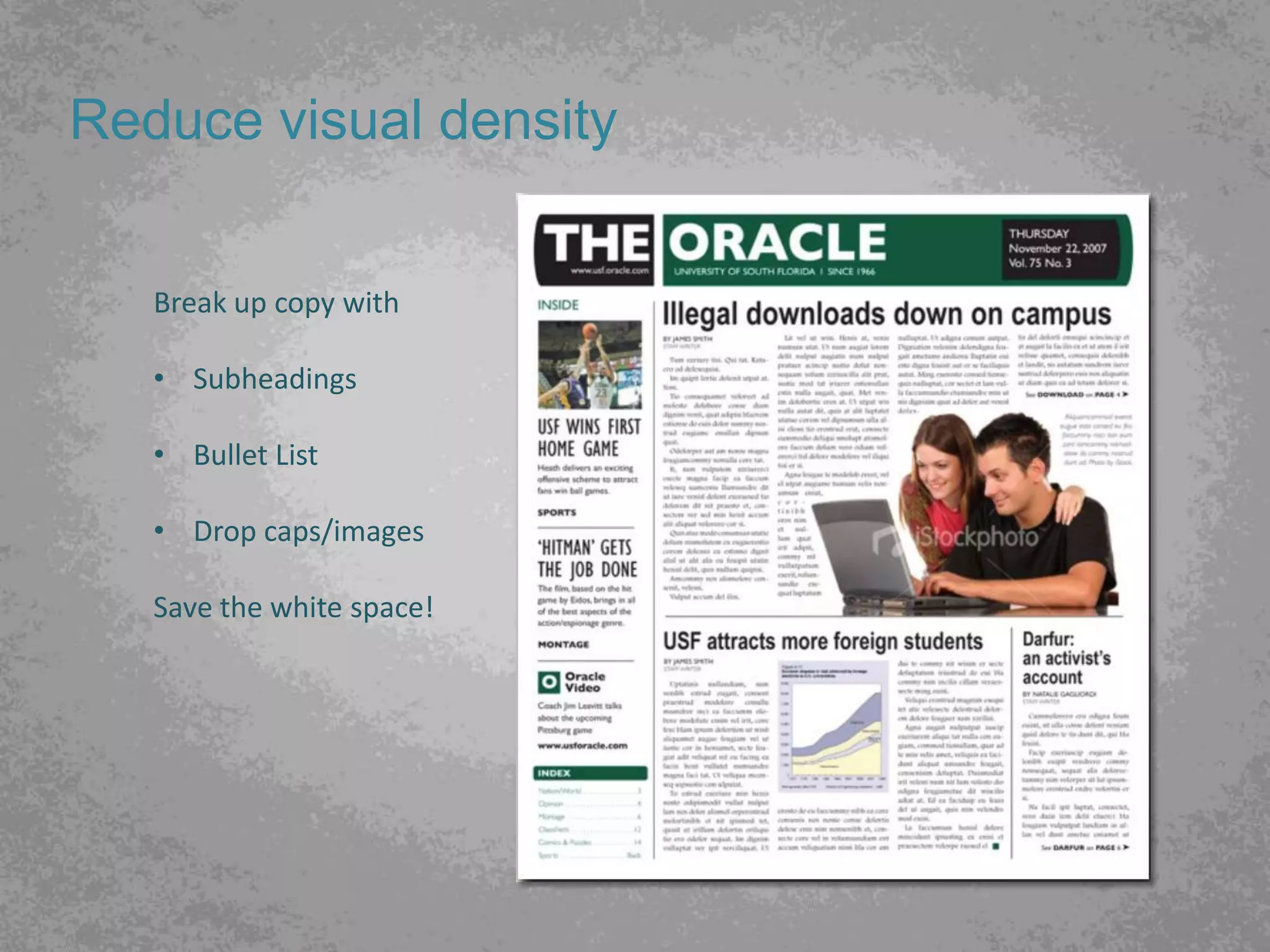
   Break up copy with

   • Subheadings

   • Bullet List

   • Drop caps/images

   Save the white space!
Reduce visual density


   Break up copy with

   • Subheadings

   • Bullet List

   • Drop caps/images

   Save the white space!
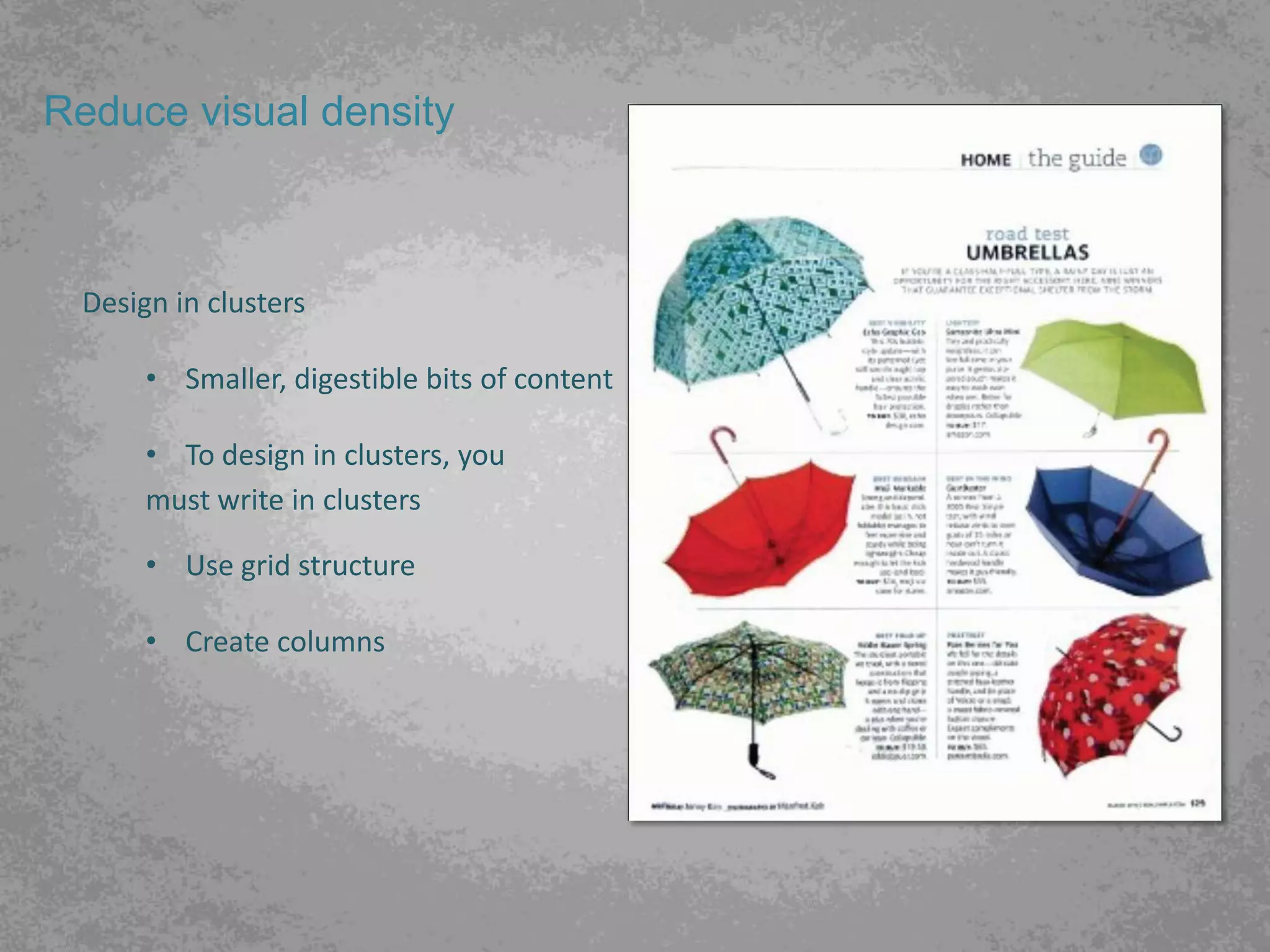
Reduce visual density


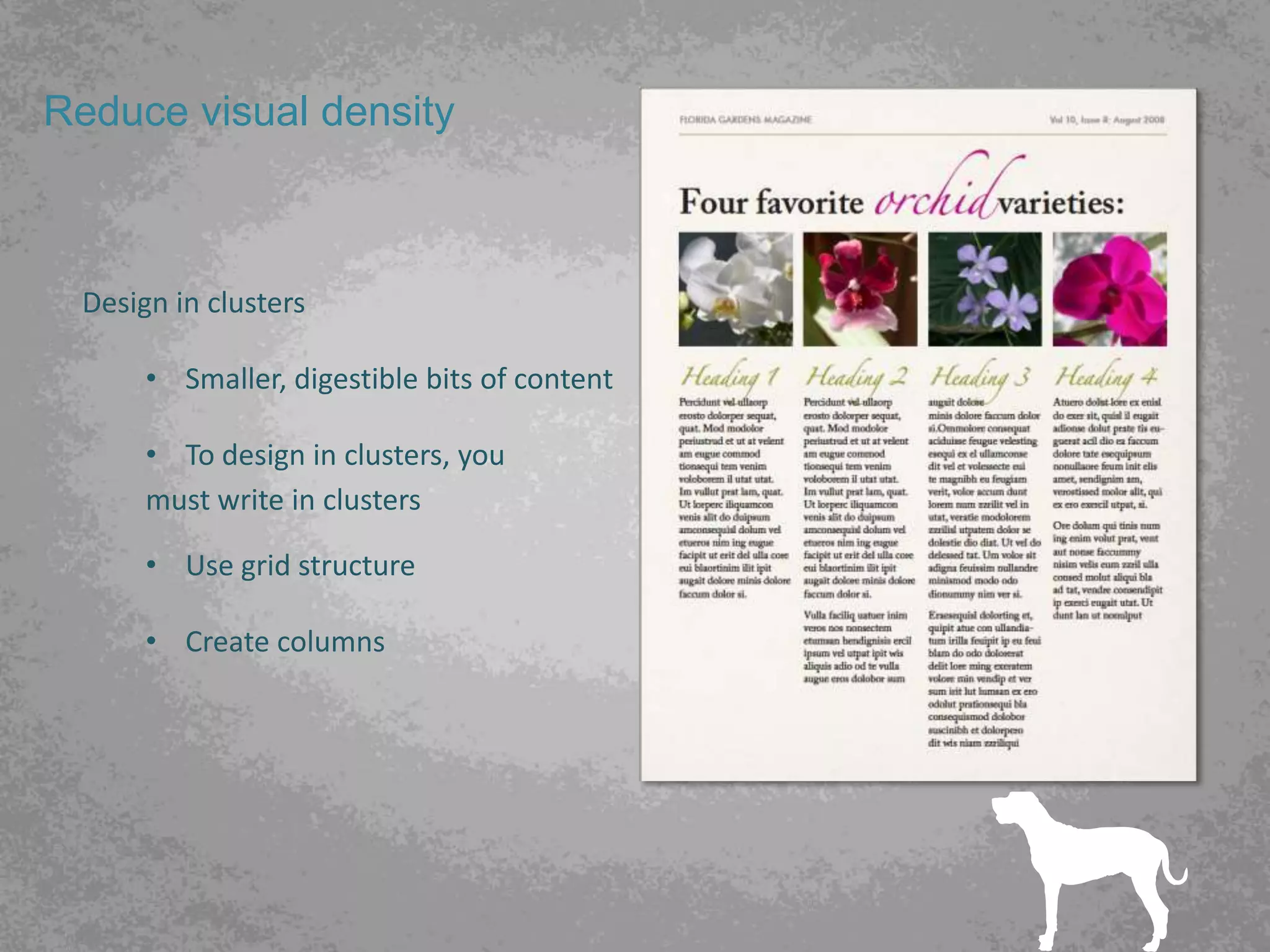
 Design in clusters

      • Smaller, digestible bits of content

      • To design in clusters, you
      must write in clusters

      • Use grid structure

      • Create columns
Reduce visual density


 Design in clusters

      • Smaller, digestible bits of content

      • To design in clusters, you
      must write in clusters

      • Use grid structure

      • Create columns
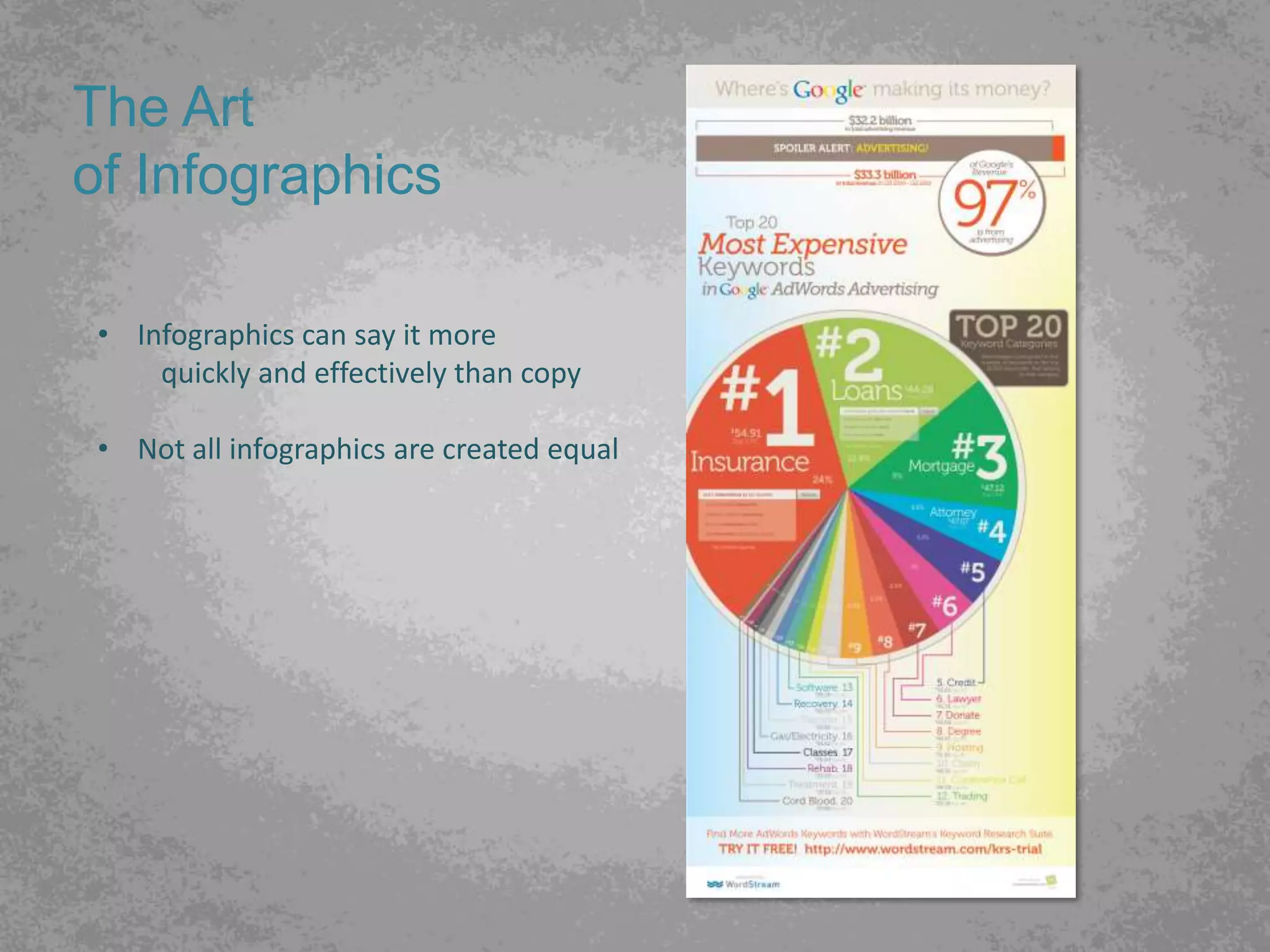
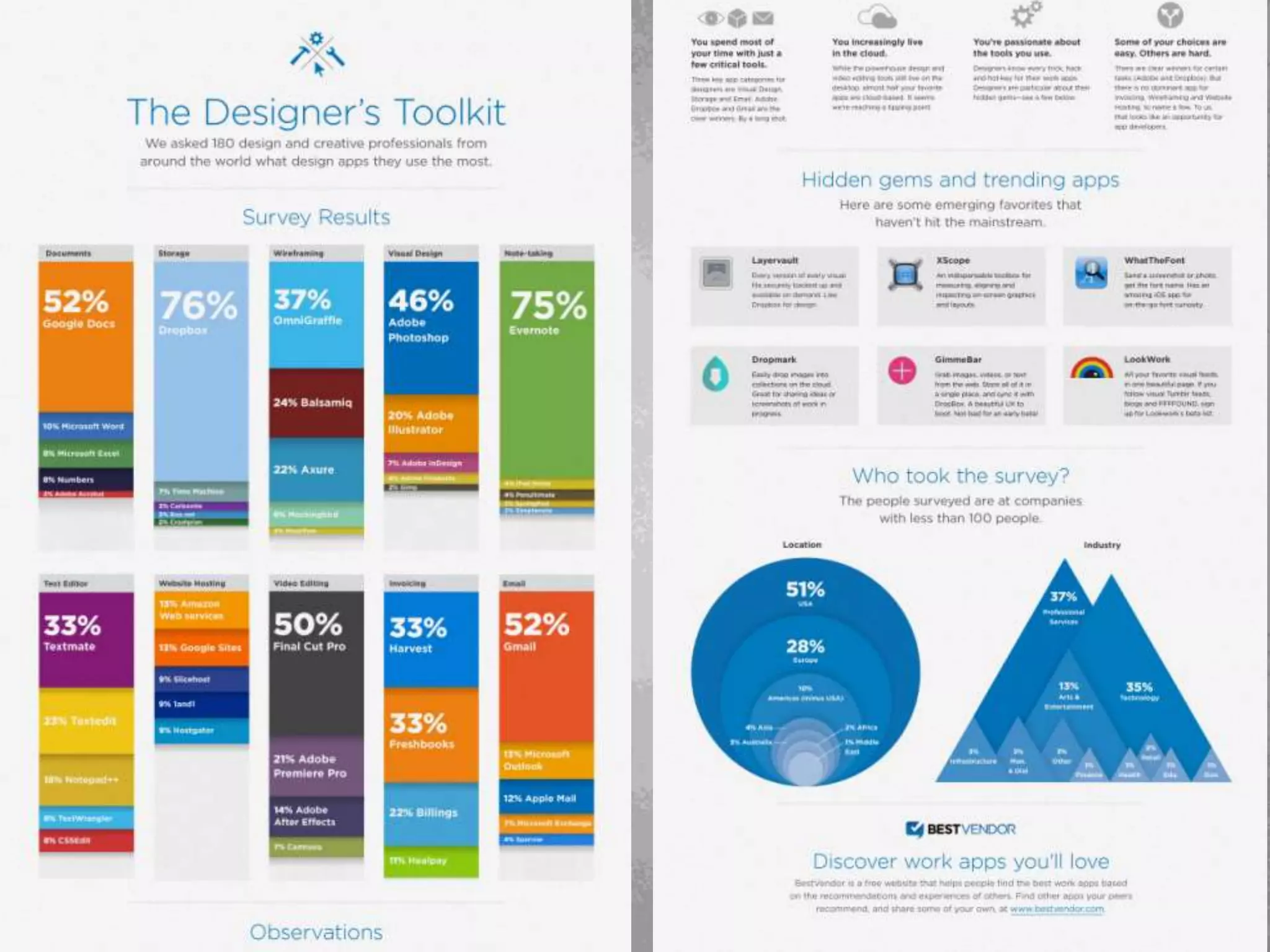
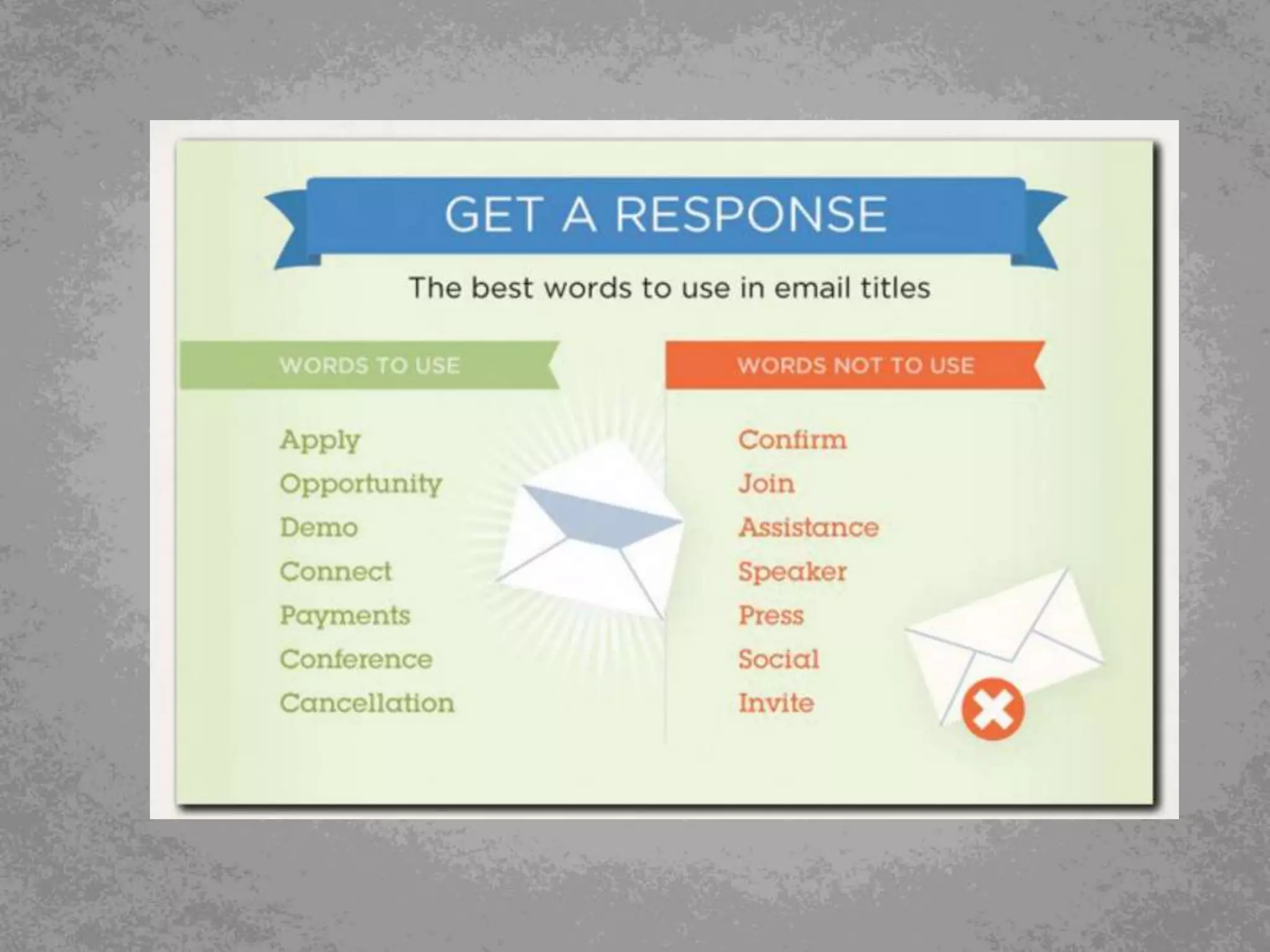
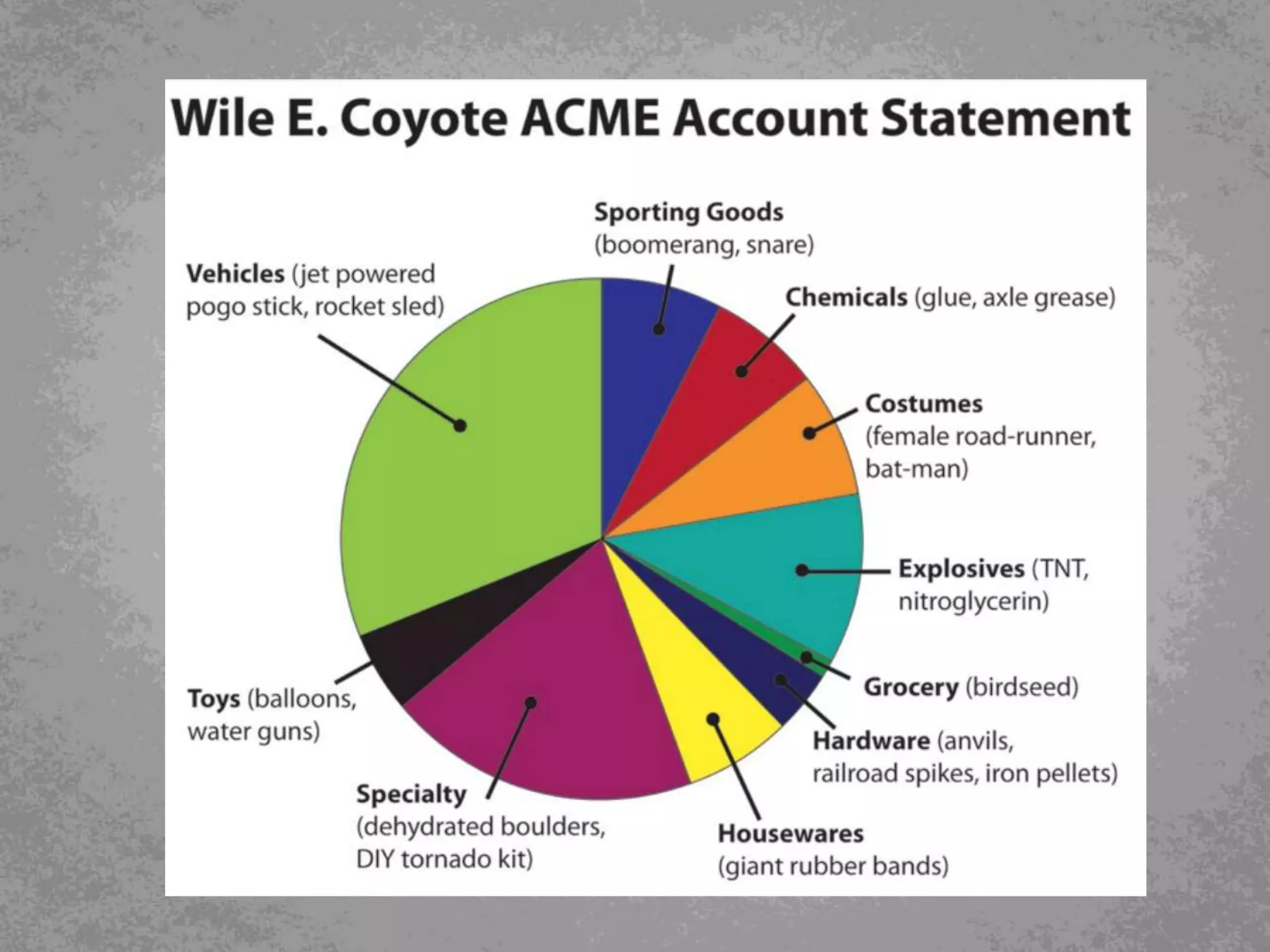
The Art
of Infographics

 • Infographics can say it more
     quickly and effectively than copy

 • Not all infographics are created equal
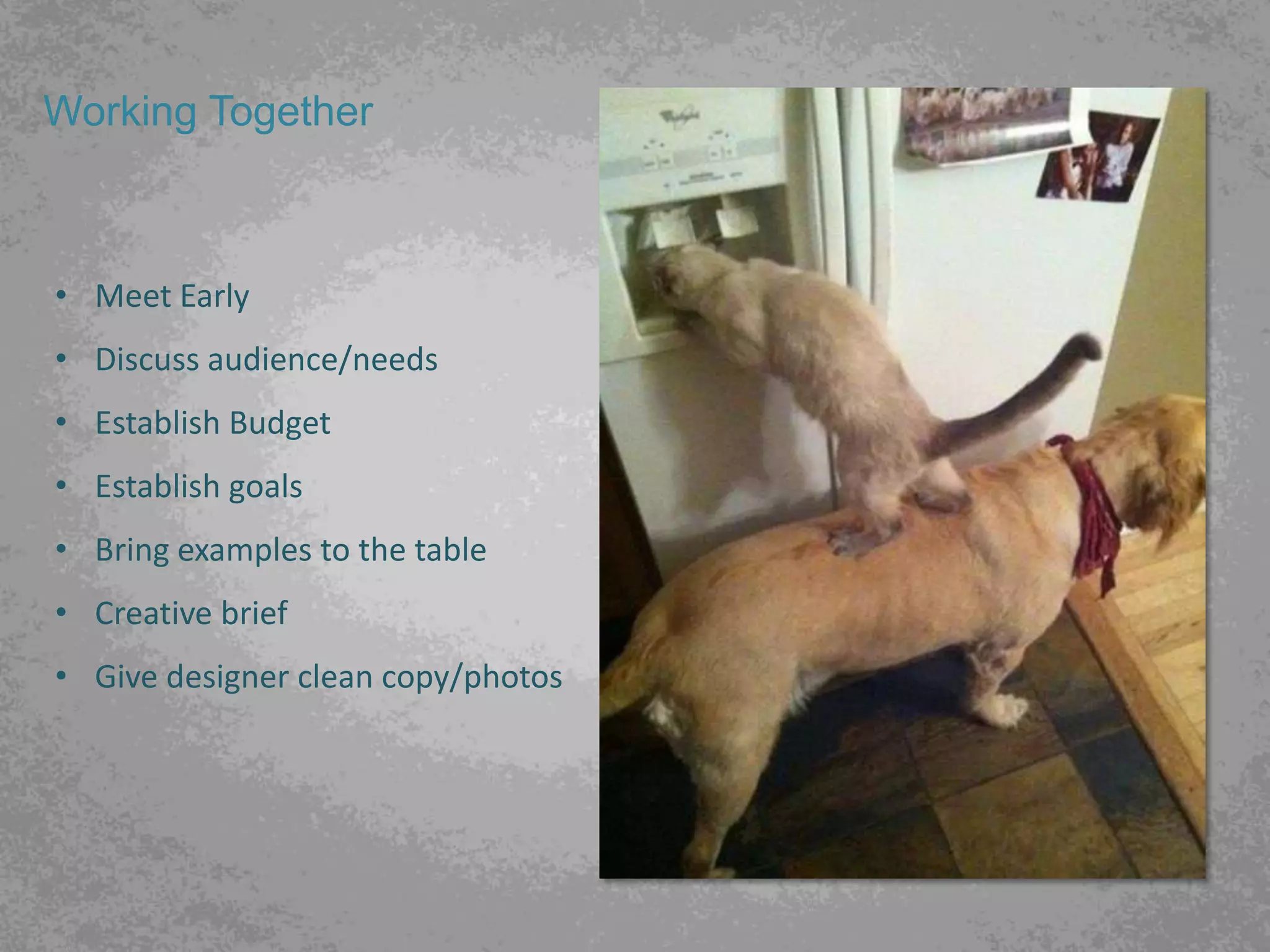
Working Together


• Meet Early
• Discuss audience/needs
• Establish Budget
• Establish goals
• Bring examples to the table
• Creative brief
• Give designer clean copy/photos
Working Together


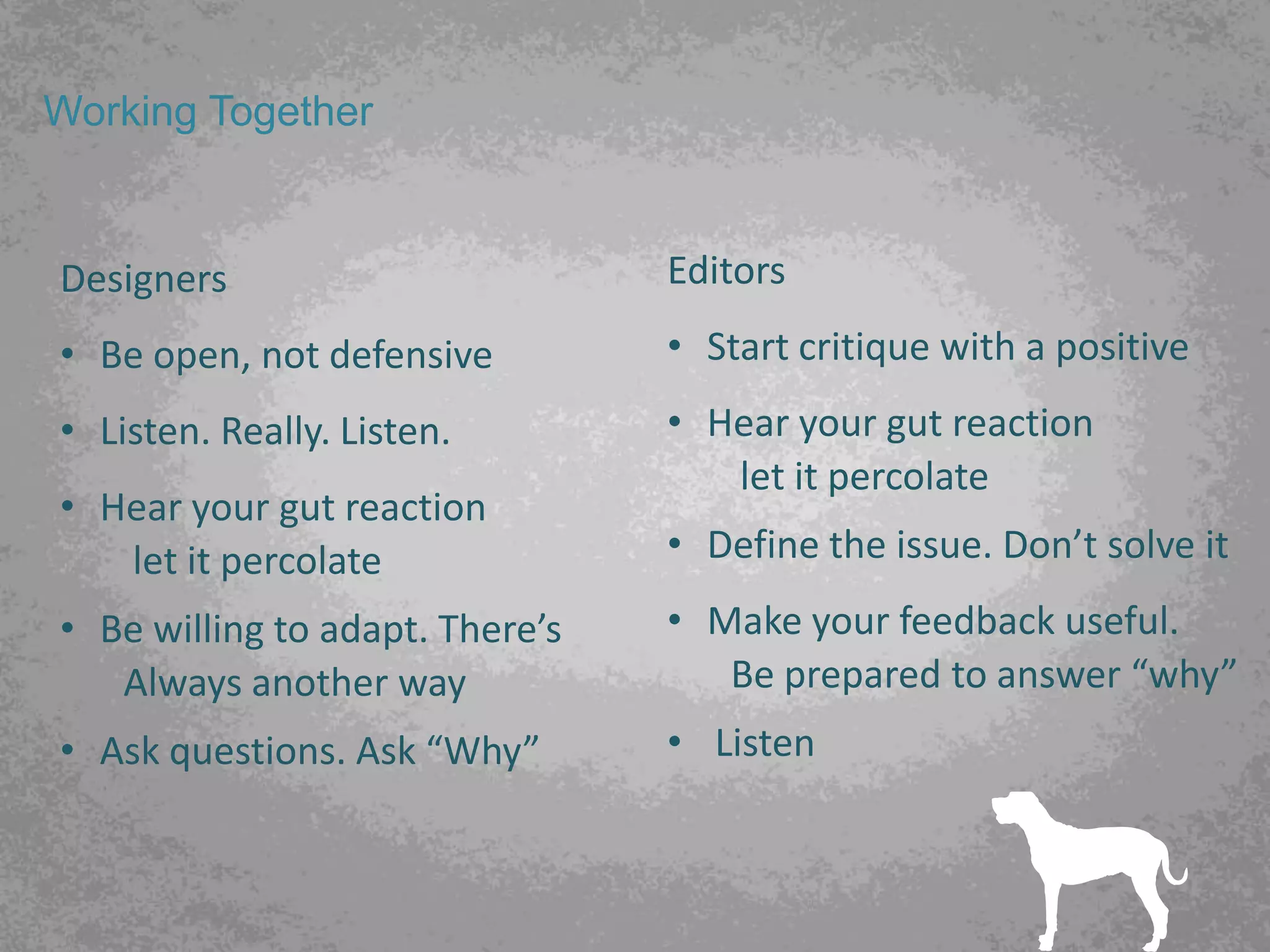
Designers                        Editors
• Be open, not defensive         • Start critique with a positive
• Listen. Really. Listen.        • Hear your gut reaction
                                    let it percolate
• Hear your gut reaction
   let it percolate              • Define the issue. Don’t solve it
• Be willing to adapt. There’s   • Make your feedback useful.
   Always another way               Be prepared to answer “why”
• Ask questions. Ask “Why”       • Listen

Rob design

  • 1.
    •Layout & •Design • Layout Techniques Designed • to Get your Content Read • By Rob Drinkard
  • 2.
  • 3.
  • 5.
    What Went Wrong? Lack of compositional techniques Poor Font Choices Poor Typesetting Visually Dense
  • 6.
  • 7.
  • 8.
  • 9.
  • 10.
    Font Choices OldStyle vs. Sans Serif Type Type Oldstyle: Times New Roman Sans Serif: ITC Stone Sans Best for print Best for web
  • 11.
    Font Choices OldStyle vs. Sans Serif Type Type Modern: Didot Oldstyle: Times New Roman Type Slab Serif: Rockwell
  • 12.
    Font Choices FontSizes All 32 pt fonts are equalAll 32 pt fonts are equa All 32 pt fonts are equal All 32 pt fonts are equ All 32 pt fonts are equal All 32 pt fonts are equal All 32 pt fonts are equal
  • 13.
    Font Choices FontSizes For Print materials, start with a 10pt. Oldstyle font And adjust from there. For Print materials, start with a 10pt. Oldstyle font And adjust from there.
  • 14.
    Font Choices Styling Issues Sans serifs fonts are easy to read Reverse Type: Use for short cop situation s in reverse out type. Use sans serif Bad Emphasis: ALL CAPS ARE BEST RESERVED FOR A SMALL BLOCKS OF TEXT, Sans serifs fonts SUCH AS SHORT HEADLINES. are easy to read The same applies to the use of all italics. Italics in reverse out type. are particularly to read on the web. Computer made underlining irrelevant
  • 15.
    Reduce visual density Break up copy with • Subheadings • Bullet List • Drop caps/images Save the white space!
  • 16.
    Reduce visual density Break up copy with • Subheadings • Bullet List • Drop caps/images Save the white space!
  • 17.
    Reduce visual density Break up copy with • Subheadings • Bullet List • Drop caps/images Save the white space!
  • 20.
    Reduce visual density Design in clusters • Smaller, digestible bits of content • To design in clusters, you must write in clusters • Use grid structure • Create columns
  • 21.
    Reduce visual density Design in clusters • Smaller, digestible bits of content • To design in clusters, you must write in clusters • Use grid structure • Create columns
  • 26.
    The Art of Infographics • Infographics can say it more quickly and effectively than copy • Not all infographics are created equal
  • 33.
    Working Together • MeetEarly • Discuss audience/needs • Establish Budget • Establish goals • Bring examples to the table • Creative brief • Give designer clean copy/photos
  • 34.
    Working Together Designers Editors • Be open, not defensive • Start critique with a positive • Listen. Really. Listen. • Hear your gut reaction let it percolate • Hear your gut reaction let it percolate • Define the issue. Don’t solve it • Be willing to adapt. There’s • Make your feedback useful. Always another way Be prepared to answer “why” • Ask questions. Ask “Why” • Listen