Download to read offline
![Research
Prototype
[Design] challenge
Evaluate
Six-step design
model
1
IdeateIterate6 3
4
5
2
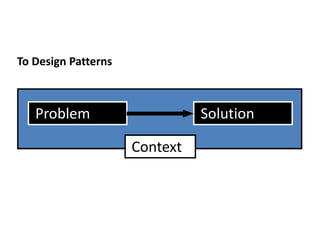
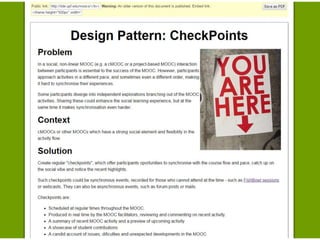
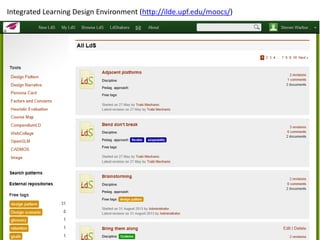
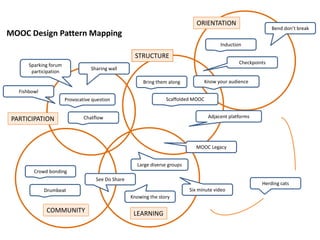
Design Patterns
Open Design: the concept of design as a fluid, instinctive process, open to everyone.
(http://www.nytimes.com/2011/10/03/arts/design/can-anybody-be-a-designer.html)
Success criteria
1a
2a
Incorporating design patterns into a design process](https://image.slidesharecdn.com/ride2015warburtonworkshop-150205111249-conversion-gate01/85/RIDE-2015-Rapid-Design-Workshop-11-320.jpg)

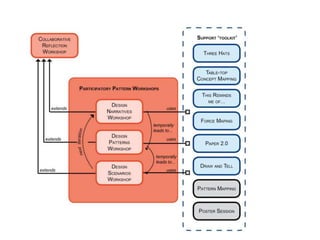
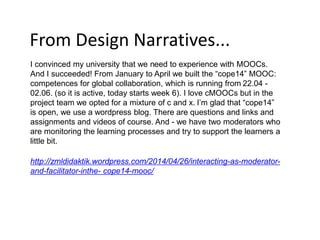
The document discusses the design patterns used in MOOCs, focusing on the 'cope14' course that was developed to enhance global collaboration skills. It outlines the integration of various design elements, including moderators, interactive components, and a structured approach to learning. The document emphasizes the importance of adaptable design processes and community participation in MOOC success.


