Module: Teaching, Learning and
Assessment
Roles, responsibilities and
barriers to learning
Labels and Titles
There are many labels and titles for those involved
in “delivering” learning.
Note as many as you can think of on separate
Deliverer of Learning- Titles
• Assessor
• Coach
• Counsellor
• Facilitator
• Instructor
• Lecturer
• Mentor
• Presenter
• Teacher
• Trainer
• Advisor
Roles and Responsibilities
Associated with these titles are roles and
responsibilities……
How do they differ?
• Completing
attendance records
• Maintaining students
progress records
• Having a duty of care
for your students
• Induction
• Tutorials ( 1-1 and
group)
• Standardising your
practice with others
• Attending meetings
• Preparing delivery
material and marking
work
• Attending events,
conferences,
exhibitions
• Referring students to
other agencies
• Course administration
Ann Gravells’ PTLLS List (2007)
A thought?
• “…teachers need to find a balance of
nurturance and separateness in their
relationships with their students, so
that the students can carry that
modelling into their own careers.”
(Plaut, 1993)
Teacher, Parent,
Counsellor, Boss
or Friend……
How is the role of a teacher,
similar or different to other
common roles?
•What issues does this raise for you as a trainee
teacher?
•Do the issues change as the role changes?
i.e. teacher to course tutor etc.
What are your
boundaries?
• Can you telephone the
parents of a learner over 18?
• Responsibilities for 14-16 year olds
• Do you lend money to learners?
• Who do you go to if the learner
appears suicidal?
• What do you do if you suspect the
learner is being sexually abused?
• Violence
You might need to find out about
• Counselling services
• Organisation charter (is there one?)
• Sending out of class (problems with 14-16 from school)
• Suspicions or allegations of child abuse
• Suspicions or allegations of substance misuse
• Pregnant students
• Only work within your own competence, training and
authorisation
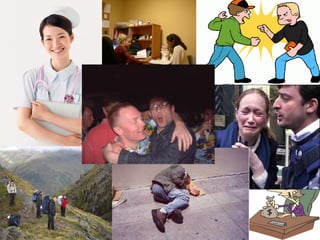
Some images to make you think
about your roles, responsibilities
and boundaries.
Advice:
• Request assistance
• Never get out of your depth
• Talk to your mentor
• Always ensure you treat all learners fairly
(unconditional (?) acceptance and boundaries)
• Ensure you maintain confidentiality
• Follow your organisational requirements
Barriers to learning
“It has become clear that cultural barriers are the most
difficult to deal with, that structural barriers are the most
numerous but that personal barriers, particularly those
involving motivation and learning styles, are the most
important.”
Peter Maxted (1999) Barriers to Learning Campaign for Learning, London
Extrinsic and Intrinsic Motivations
What is the difference?
“doing something for an internal reward or doing
something because of an external reward.”
Can teachers influence intrinsic motivation?
Maslow's hierarchy of needs is a theory in psychology,
proposed by Abraham Maslow in his 1943 paper A Theory of
Human Motivation and later refined in his1954 book
Motivation and Personality
Some Criticisms
There have been many criticisms of the Maslow model when
real-life working practice is considered, including:
- Individual behaviour seems to respond to several needs at
the same time
- The same need (e.g. the need to socialise) may cause quite
different behaviour in different individuals
- There is little empirical evidence to support the model.
Some critics suggest that Maslow's model is only really
relevant to understanding the behaviour of middle-class
workers in the UK and the USA (where Maslow undertook his
research). Never the less it has been highly influential.
Adapted from www.tutor2u.net
Classroom Activities
http://uk.youtube.com/watch?
v=JoiVEyCosEE
Julie Walters in Educating Rita
Motivation Task
Students come with barriers affecting their ability to
study successfully, but you are limited in ways you
can help by your role and responsibilities.
How are you going to increase motivation?
Task
1.List as many ideas as possible for motivating
students
2.What demotivates students?
3. What makes something motivational?
Reflection !
Consider the ways in which you have been
discouraged. List these as………..
•Barriers to learning
Strategies to Overcome Barriers
Suggest strategies that will overcome the
Barriers to learning

Responsibilities and barriers

  • 1.
  • 2.
  • 3.
    Labels and Titles Thereare many labels and titles for those involved in “delivering” learning. Note as many as you can think of on separate
  • 4.
    Deliverer of Learning-Titles • Assessor • Coach • Counsellor • Facilitator • Instructor • Lecturer • Mentor • Presenter • Teacher • Trainer • Advisor
  • 5.
    Roles and Responsibilities Associatedwith these titles are roles and responsibilities…… How do they differ?
  • 6.
    • Completing attendance records •Maintaining students progress records • Having a duty of care for your students • Induction • Tutorials ( 1-1 and group) • Standardising your practice with others • Attending meetings • Preparing delivery material and marking work • Attending events, conferences, exhibitions • Referring students to other agencies • Course administration Ann Gravells’ PTLLS List (2007)
  • 7.
    A thought? • “…teachersneed to find a balance of nurturance and separateness in their relationships with their students, so that the students can carry that modelling into their own careers.” (Plaut, 1993)
  • 8.
    Teacher, Parent, Counsellor, Boss orFriend…… How is the role of a teacher, similar or different to other common roles? •What issues does this raise for you as a trainee teacher? •Do the issues change as the role changes? i.e. teacher to course tutor etc.
  • 9.
    What are your boundaries? •Can you telephone the parents of a learner over 18? • Responsibilities for 14-16 year olds • Do you lend money to learners? • Who do you go to if the learner appears suicidal? • What do you do if you suspect the learner is being sexually abused? • Violence
  • 10.
    You might needto find out about • Counselling services • Organisation charter (is there one?) • Sending out of class (problems with 14-16 from school) • Suspicions or allegations of child abuse • Suspicions or allegations of substance misuse • Pregnant students • Only work within your own competence, training and authorisation
  • 11.
    Some images tomake you think about your roles, responsibilities and boundaries.
  • 12.
    Advice: • Request assistance •Never get out of your depth • Talk to your mentor • Always ensure you treat all learners fairly (unconditional (?) acceptance and boundaries) • Ensure you maintain confidentiality • Follow your organisational requirements
  • 13.
    Barriers to learning “Ithas become clear that cultural barriers are the most difficult to deal with, that structural barriers are the most numerous but that personal barriers, particularly those involving motivation and learning styles, are the most important.” Peter Maxted (1999) Barriers to Learning Campaign for Learning, London
  • 14.
    Extrinsic and IntrinsicMotivations What is the difference? “doing something for an internal reward or doing something because of an external reward.” Can teachers influence intrinsic motivation?
  • 15.
    Maslow's hierarchy ofneeds is a theory in psychology, proposed by Abraham Maslow in his 1943 paper A Theory of Human Motivation and later refined in his1954 book Motivation and Personality
  • 16.
    Some Criticisms There havebeen many criticisms of the Maslow model when real-life working practice is considered, including: - Individual behaviour seems to respond to several needs at the same time - The same need (e.g. the need to socialise) may cause quite different behaviour in different individuals - There is little empirical evidence to support the model. Some critics suggest that Maslow's model is only really relevant to understanding the behaviour of middle-class workers in the UK and the USA (where Maslow undertook his research). Never the less it has been highly influential. Adapted from www.tutor2u.net
  • 17.
  • 18.
  • 19.
    Motivation Task Students comewith barriers affecting their ability to study successfully, but you are limited in ways you can help by your role and responsibilities. How are you going to increase motivation? Task 1.List as many ideas as possible for motivating students 2.What demotivates students? 3. What makes something motivational?
  • 20.
    Reflection ! Consider theways in which you have been discouraged. List these as……….. •Barriers to learning
  • 21.
    Strategies to OvercomeBarriers Suggest strategies that will overcome the Barriers to learning

Editor's Notes

  • #11 The Children Act 189 places a duty on all local authorities to investigate all cases where children are believed to be suffering or likely to. It is NOT the responsibility of college staff to investigate suspected abuse. BUT staff who have concerns or suspicions that students under 18 are subject to abuse ( defined as including neglect, physical injury, sexual abuse or emotional abuse) have a statutory responsibility to report these concerns. Immediately go to Assistant director of Learner Services ( Nick Byrne) who contacts college ‘named person’. For students over 18 member of college are invited to seed advice similarly. Normally this is the end of your involvement and the named person takes over. Pregnant students have to have a risk assessment. Course leader liaises with college safety manager to arrange for an interview. Brian KendrickOccupational Health and Safety Manager (Insurance Manager), Occupational Health & Safety Service. Extension: 3479